Fine Dining · Spain
Akelarre
"Where the view and the chef's name carry what the menu cannot consistently deliver"



























How many cities of 180,000 people can claim a concentration of Michelin-starred restaurants like this? San Sebastián, a port city in Spain's Basque Country, has long been the answer to that question. From the pintxo bars packed into the narrow lanes of the old town to the three-star restaurants scattered across the city's outskirts, food here is the destination itself.
San Sebastián has three three-star restaurants: Martin Berasategui, Arzak, and Akelarre. In terms of global standing, Akelarre is unquestionably the third name on that list. Its highest placement on the World's 50 Best Restaurants was 63rd, in 2010. By September 2023, when I visited, the restaurant had long since dropped off the main list entirely. Even so, there were reasons to come here. The view, and Pedro Subijana.
Born in San Sebastián in 1948, Subijana became head chef at Akelarre in 1975 and has spent fifty years at this single address. Together with Juan Mari Arzak, he traveled to Paul Bocuse's kitchen in Lyon for several months, and returned to co-found Nueva Cocina Vasca, the movement that redrew the map of Spanish gastronomy. The third Michelin star followed in 2006 and has not moved since. In an era when chefs routinely step back from daily service after a third star, fifty years at one stove is its own kind of argument.
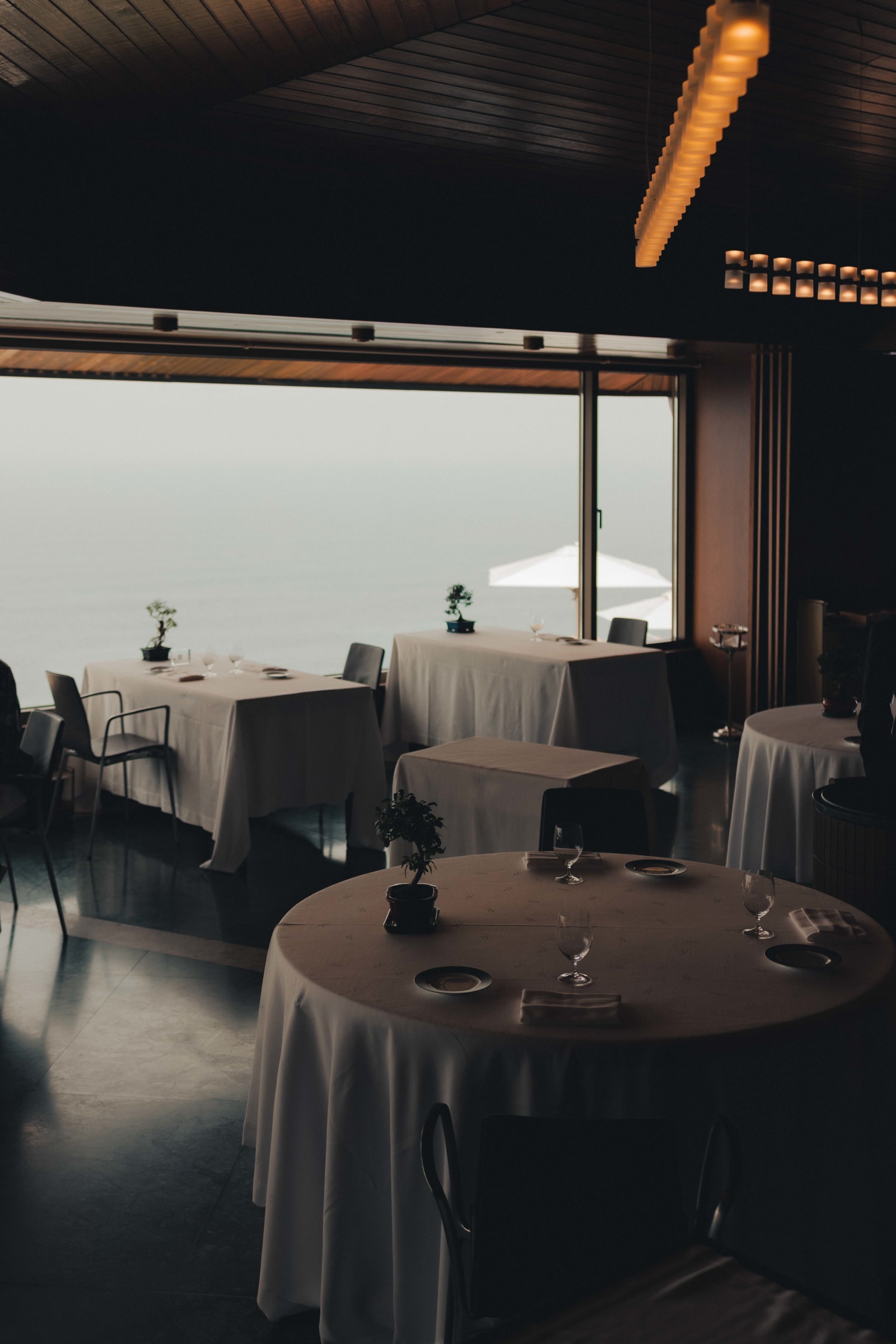
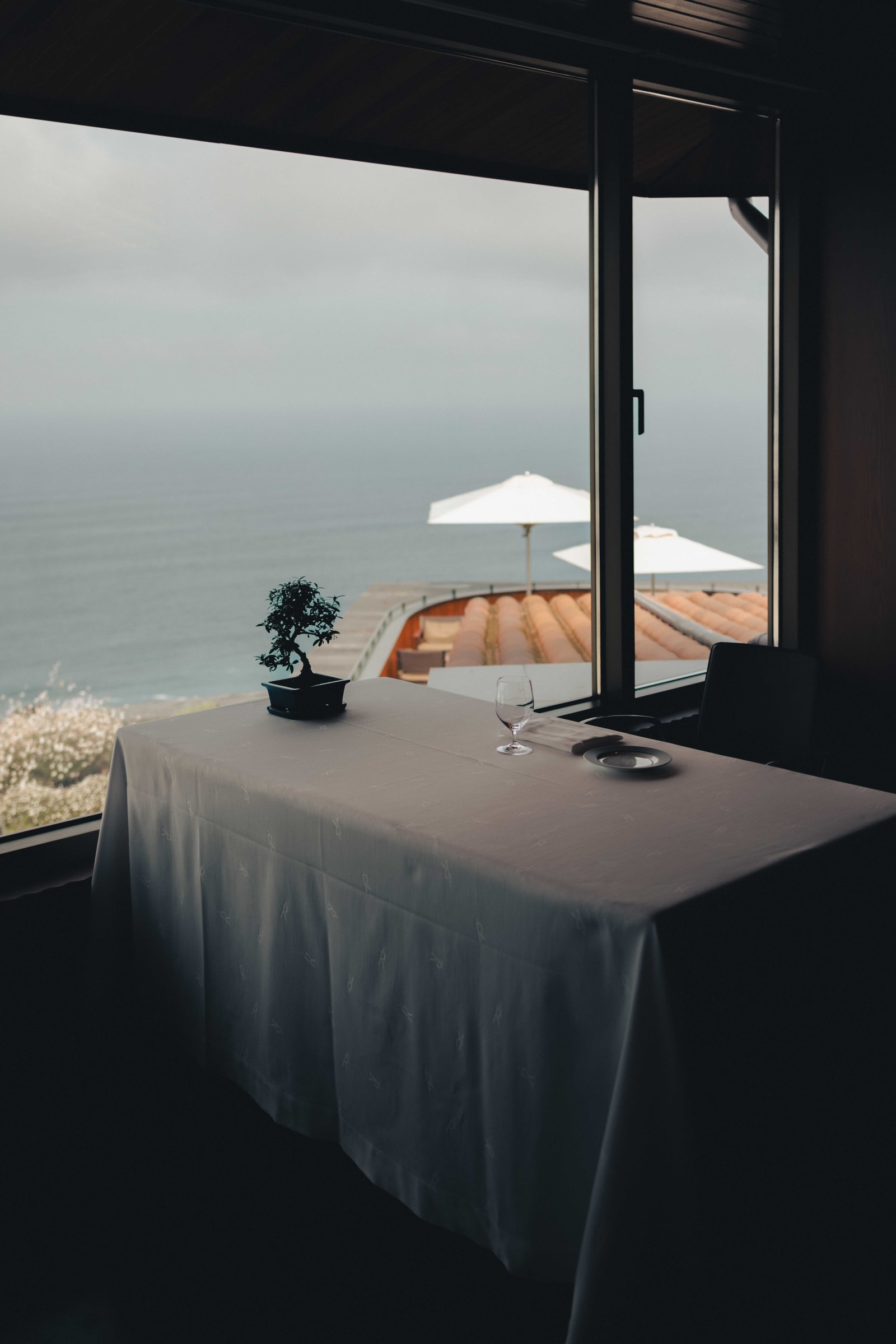
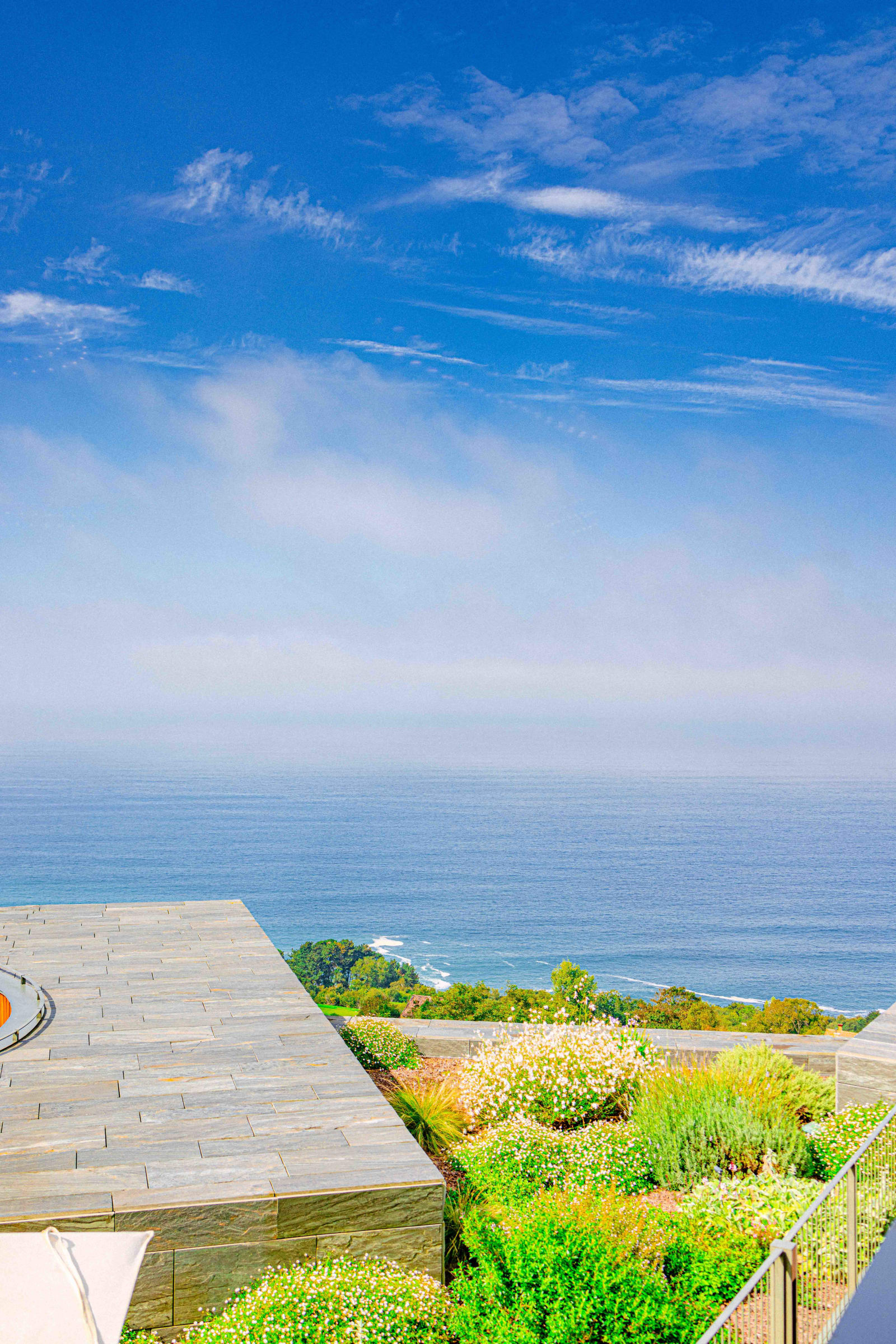
The restaurant sits inside a hotel at the summit of Monte Igeldo. From the city center, a local bus takes twenty minutes; from the stop, a short walk leads to the entrance, and half a flight of stairs down opens onto the dining room with the sea beyond the glass. Every seat faces the water, including those on the upper level. Booking lunch was the right call. To begin a meal in a room full of that light is to have already received something before the first course arrives.
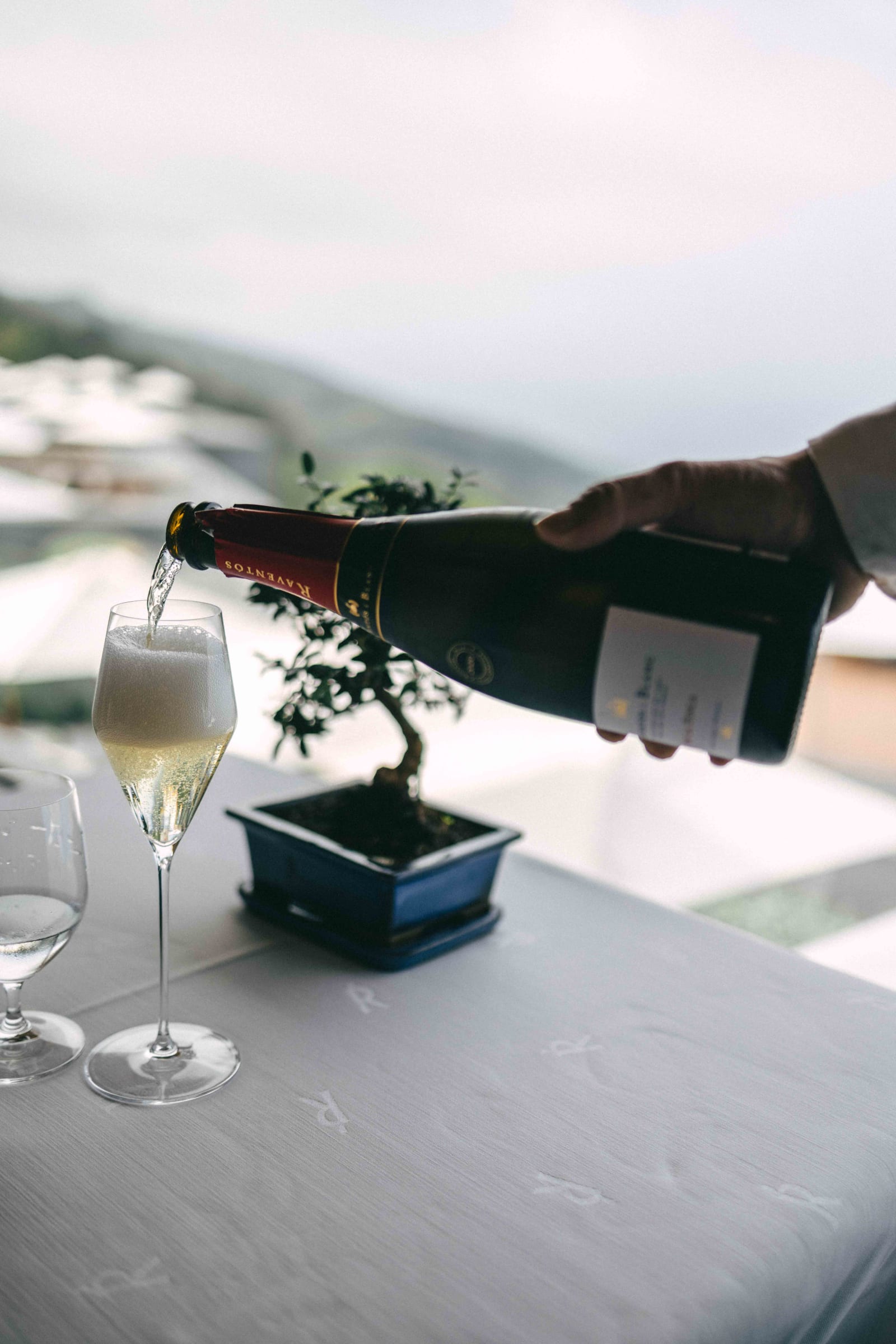
A welcome sparkling wine arrives as you are seated. I had expected Champagne; it was cava. Not a bad start, and sufficient for what it was.
The first amuse-bouche was a reimagining of the Gilda, a classic Basque pintxo, in the shape of a macaron. The form suggested dessert; the flavor was unmistakably Spanish. It was a single bite with a clear point of view. This was followed by a consommé jelly with curried chicken: light, pleasant, a clean transition.
The proper opening came with three-color bread and goat's butter. The butter was embossed with a goat and the word Akera, which means male goat in Basque. The restaurant's name, Akelarre, derives from the legend of the witches' sabbath, presided over by a goat, a scene Goya painted in a canvas that hangs in the Prado. The goat's milk butter on the bread was good enough to carry the moment on its own.
The Bekarki menu began with Pure Red Prawn Essence and Pink Grapefruit: raw prawn and grapefruit over a rice cracker base, with a sauce made from roasted prawn heads. This dish was one of the reasons I chose Bekarki over Aranori, and it did not meet the expectation. The rice cracker underneath felt unnecessary, and its purpose was not apparent.
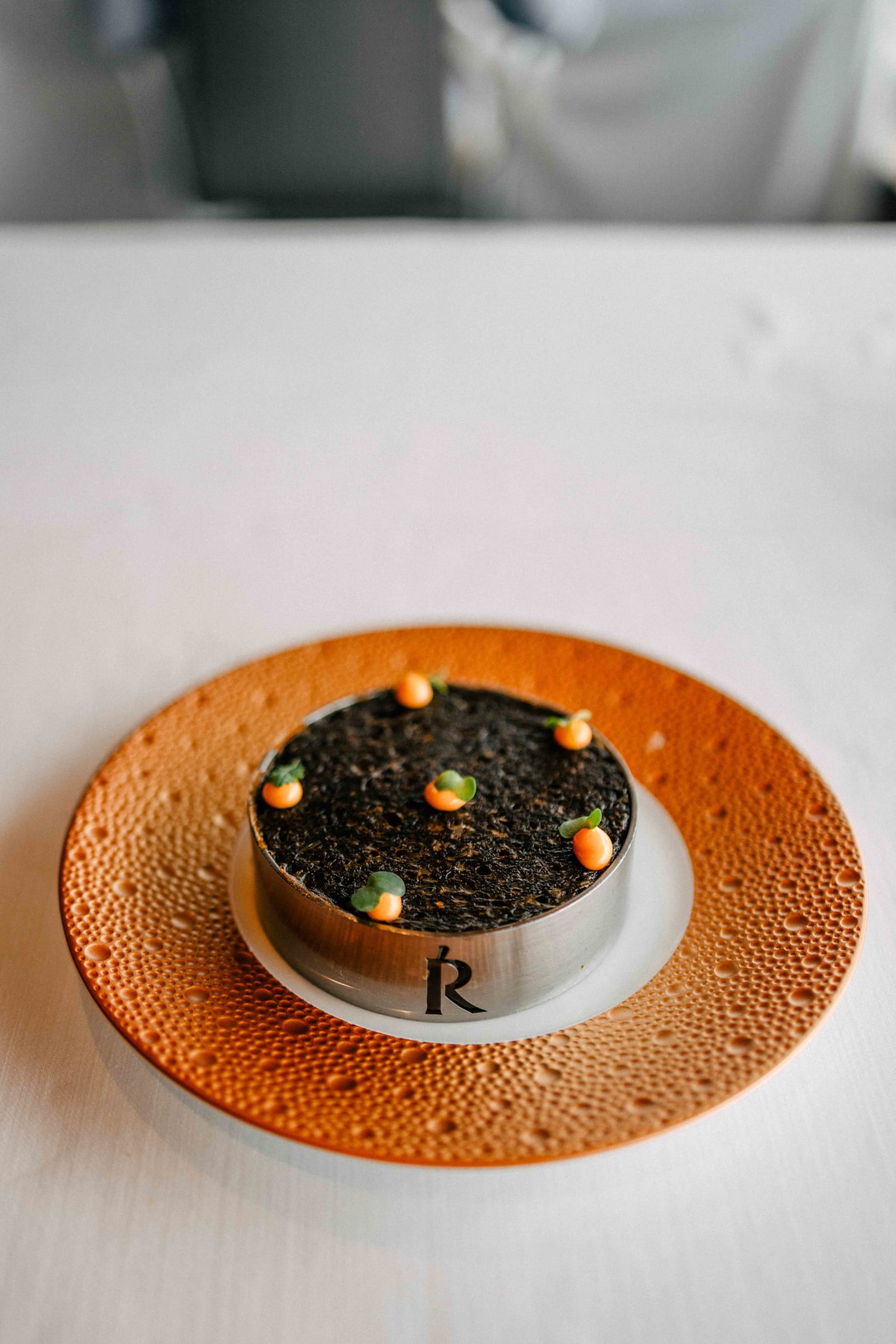
The second course, Kiskilla, Crunchy of Their Head with Rice Venere and Salpicón Sorbet, arrived in a cylindrical vessel printed with the Akelarre logo, topped with black rice crackers and filled with small raw shrimp and a Salpicón sorbet. Breaking the crust with a spoon was meant to reveal the contents, but the vessel was disproportionately large for what was inside. It was a dish with an interesting idea at its center, and fresh shrimp, and an intriguing sorbet, yet when all of it came together, the flavor did not resolve into anything legible.
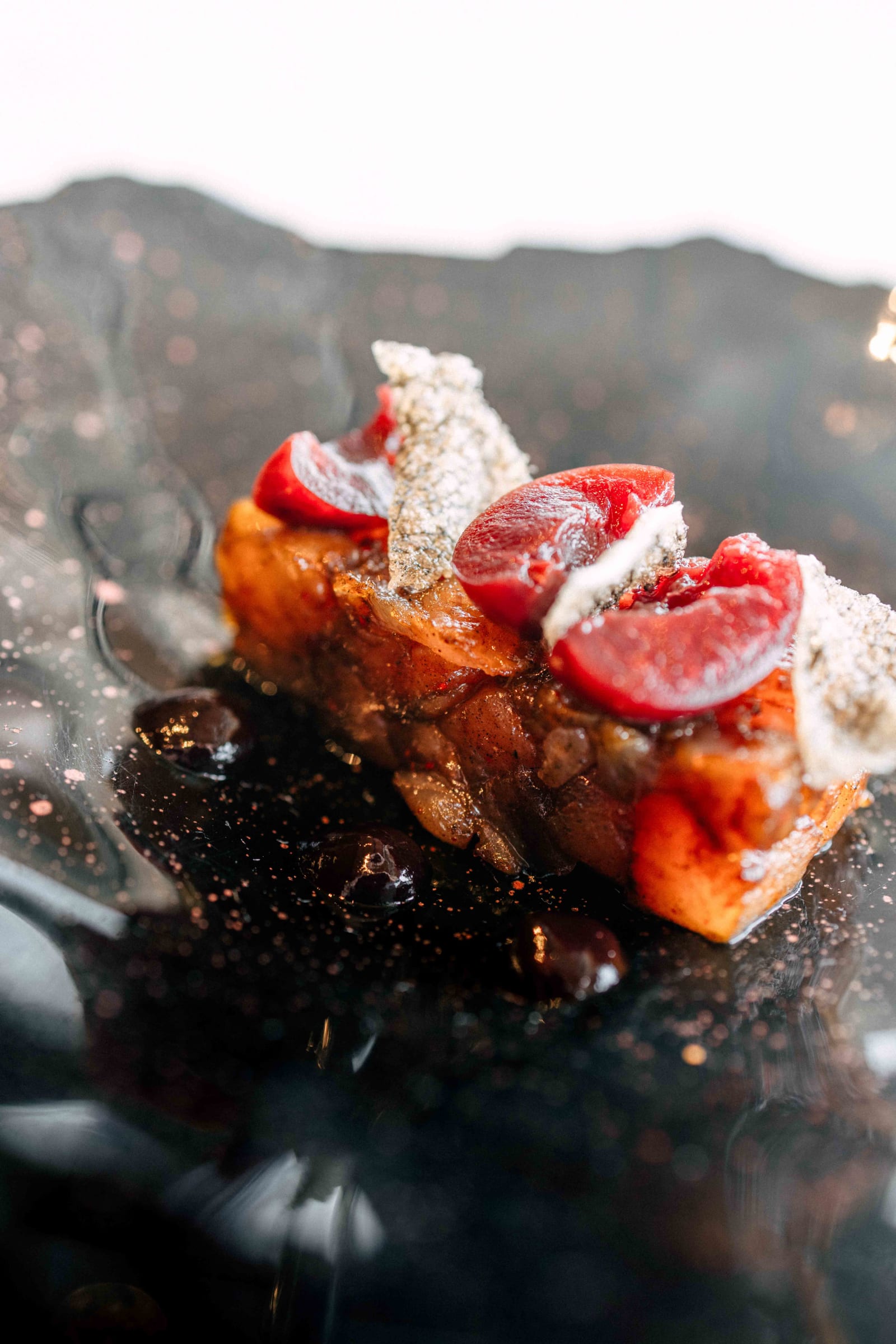
Third: White Tuna Tartare, Pickled Cherries Chutney. Tuna tartare dressed in chutney with cherries. For anyone accustomed to raw fish, this was a preparation in which the sauce worked against the ingredient. Without seeing the menu name first, I would not have identified it as tuna.
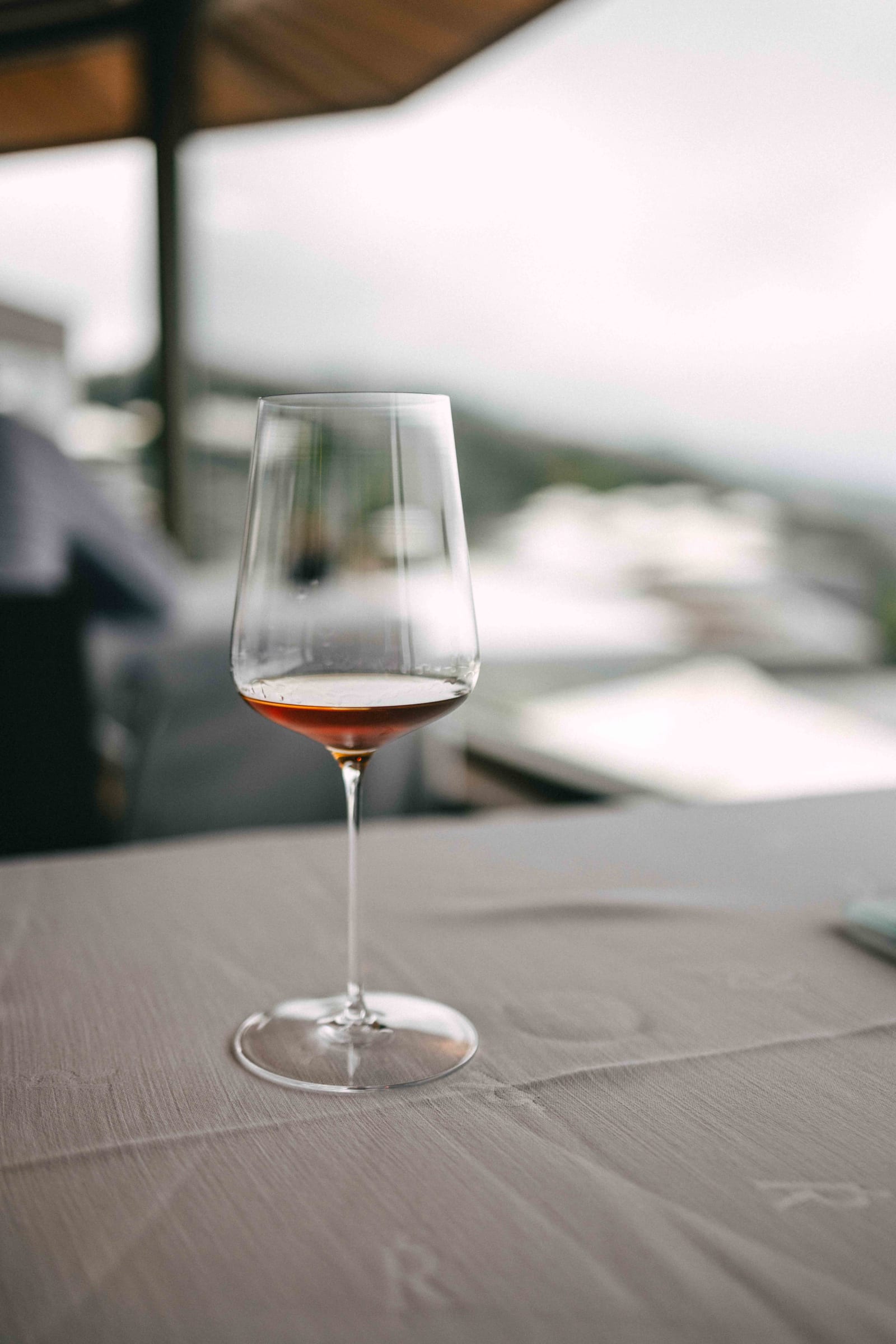
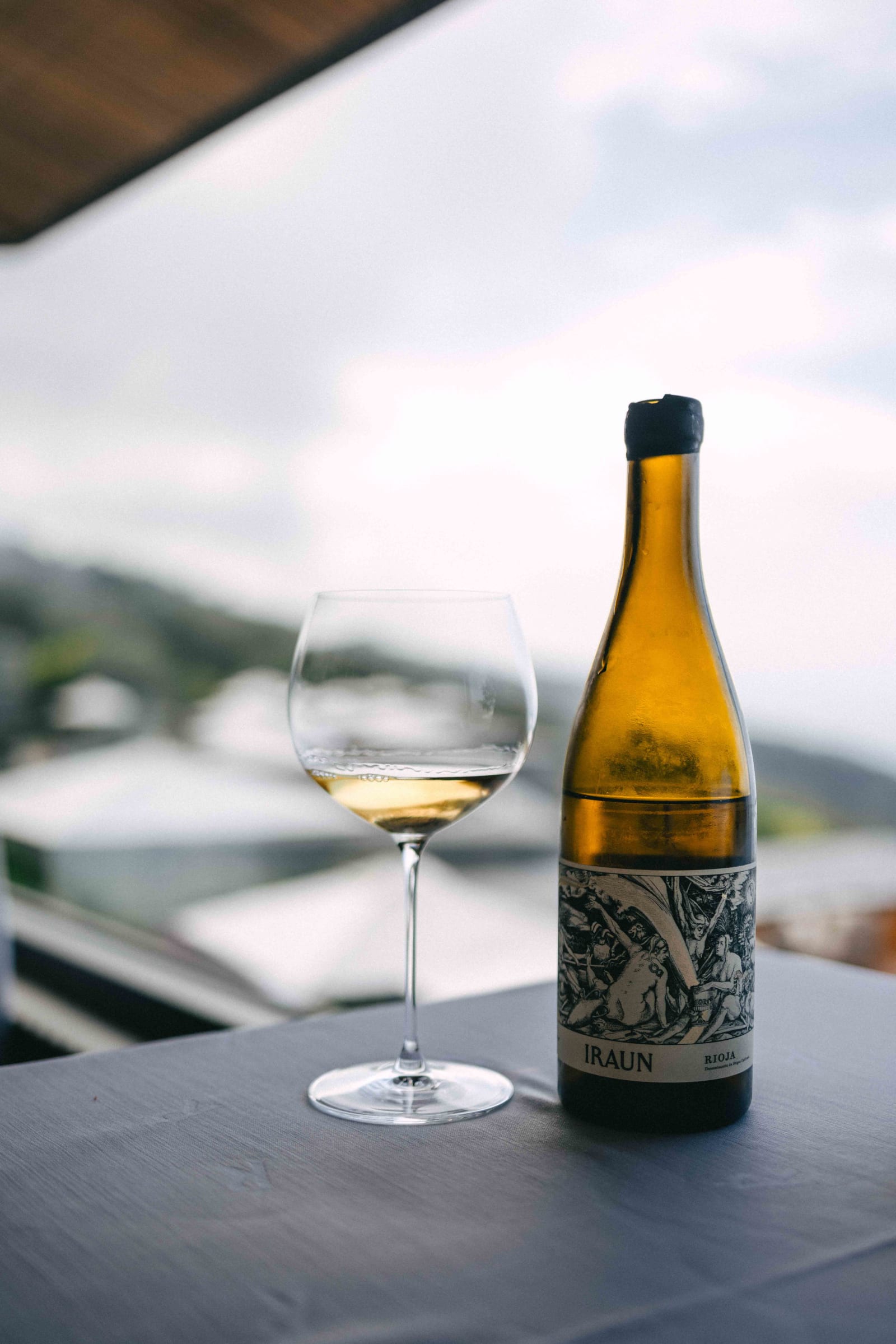
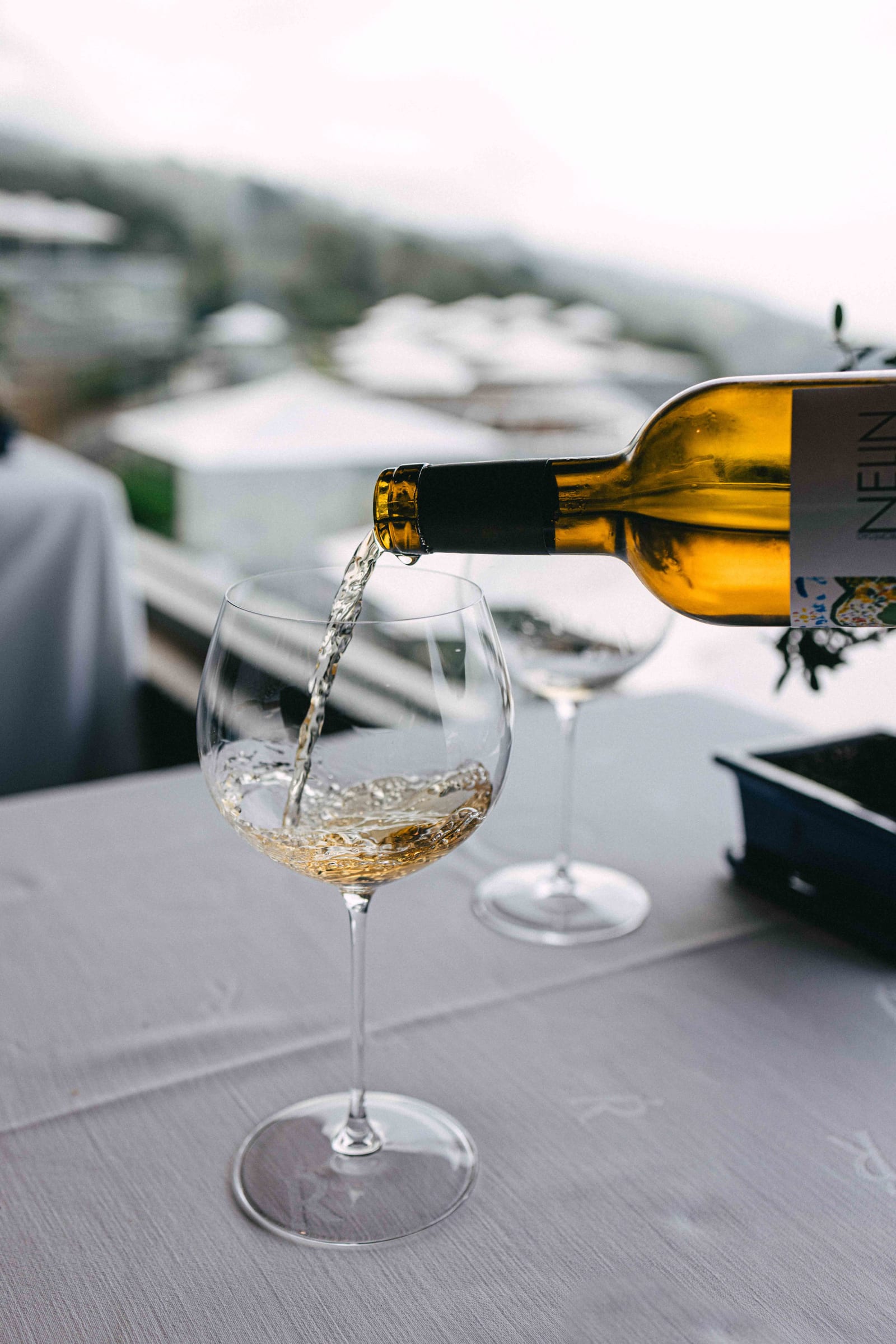
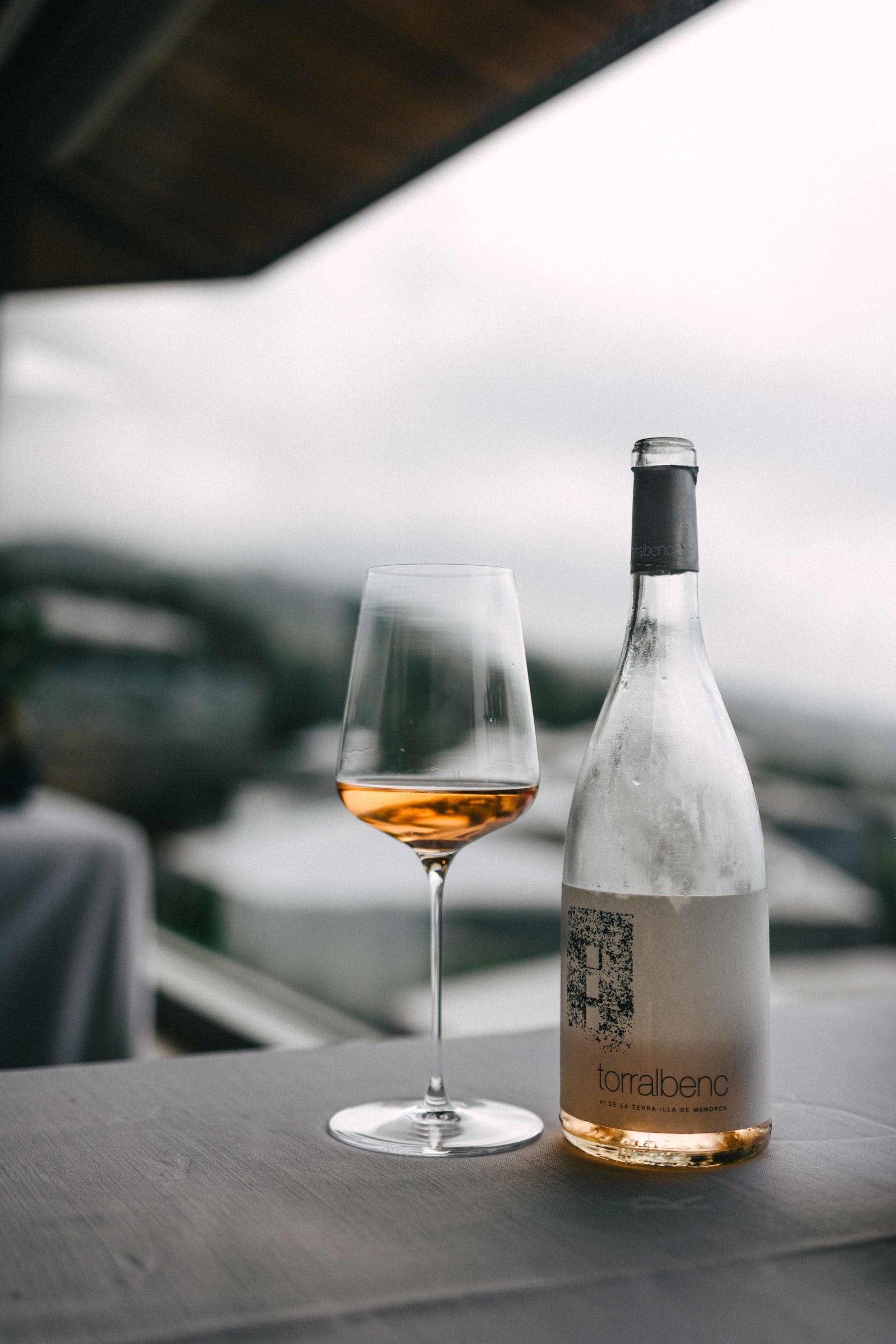
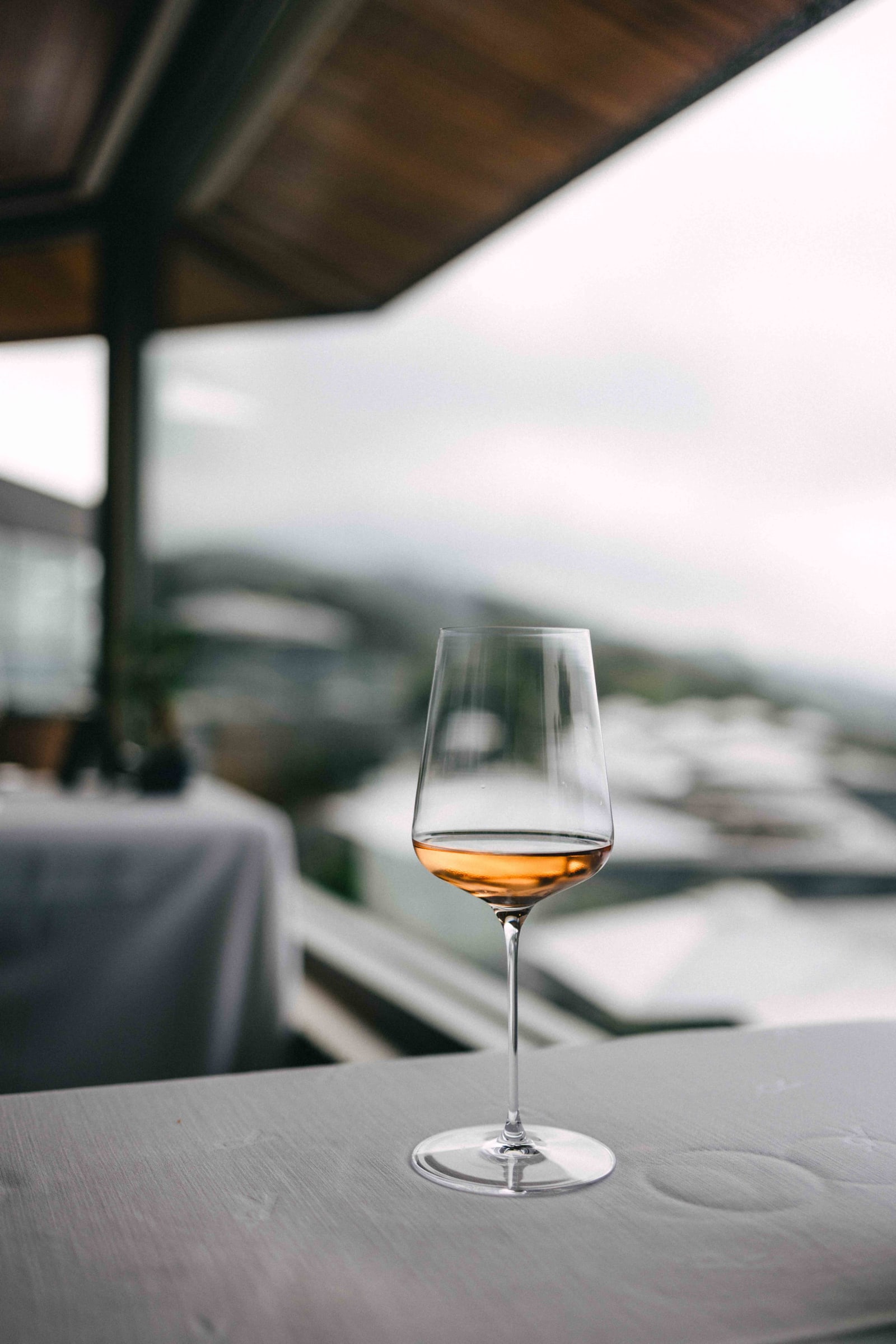
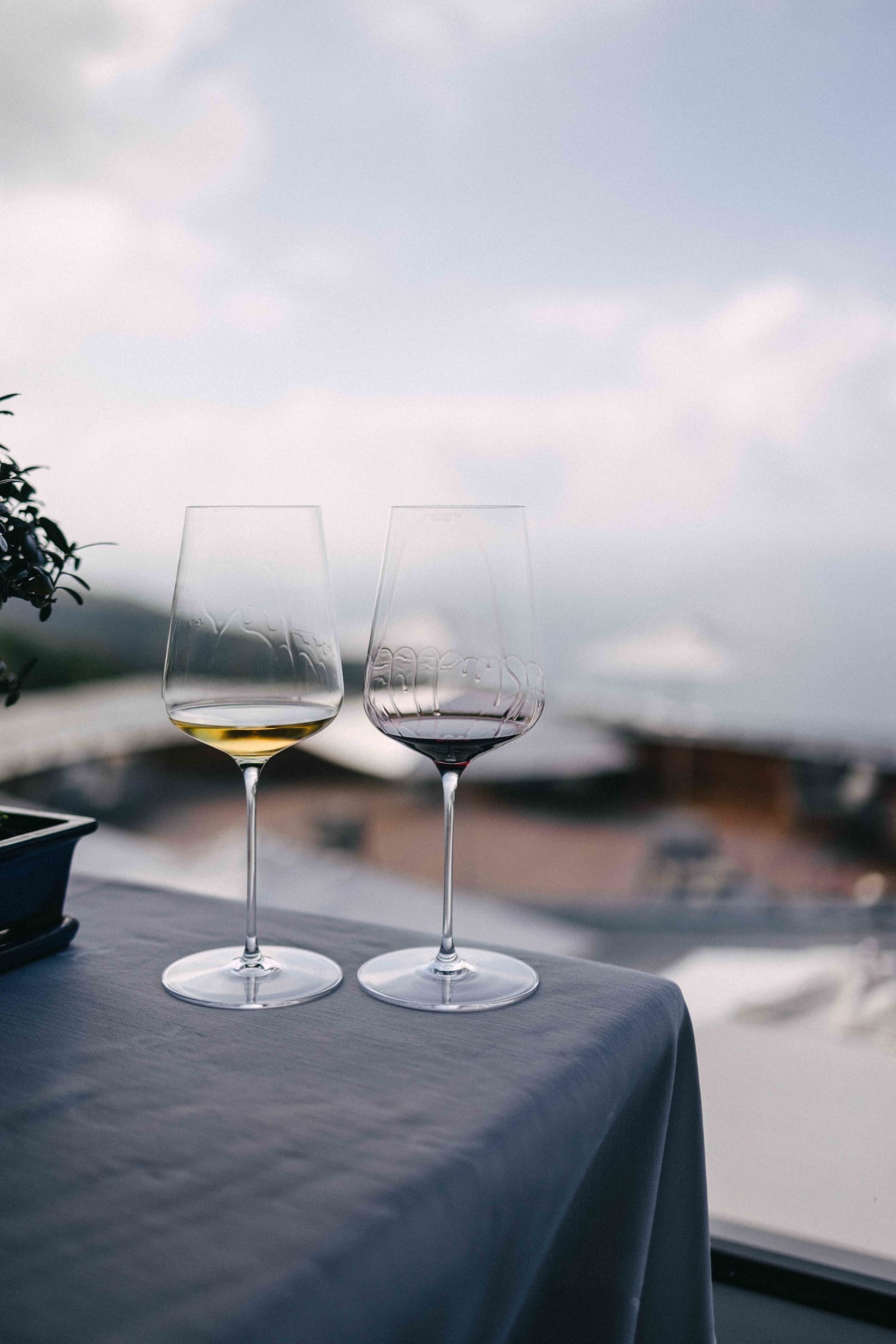
The wine pairing was 155 euros. The first pour was an Amontillado VORS, a fortified sherry served alongside starters, which I had not encountered in Spanish fine dining before. The aroma was pleasant, but the pairing logic did not hold. The second wine, an Albariño 2021, was the kind of bottle available at a reasonable price in most wine shops. The third, Egon Müller Riesling 2022, was a step up. The Clos Mogador Nelin that came with the fish course left no impression at all. The Torralbenc Rosado had a retail price, when I later looked it up, in the range of fifteen to twenty euros a bottle. At a 155-euro pairing at a three-star restaurant, it was difficult not to feel shortchanged.
By this point, honesty requires saying plainly: through the middle of the meal, Akelarre was not meeting what three stars asks you to expect.
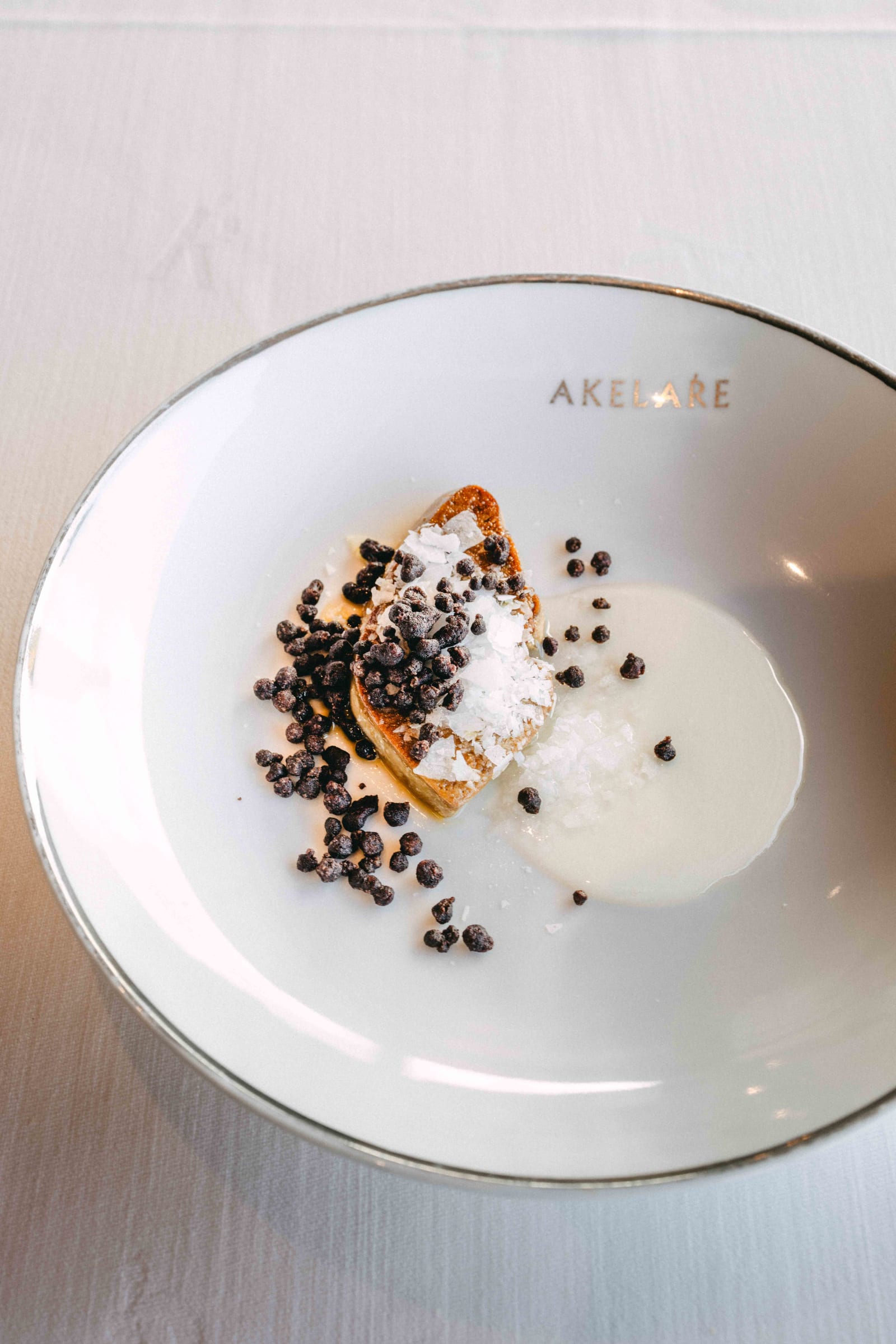
Sautéed Fresh Foie Gras with Salt Flakes and Grain Pepper.
This dish was, in no small part, why Bekarki had been the choice. Avian flu had effectively halted foie gras imports back home, and I had come to Europe partly to find it. Throughout this trip, it appeared on menus and was frequently unavailable. The anticipation had accumulated.
The plate arrived with a white wine sauce, coarsely cracked pepper, and thin shards of salt crystal. After the first bite, I wanted to place this dish above everything I had eaten at any fine dining restaurant on this journey. The sweetness of the sauce and the sharpness of the salt held their distance from each other while completing each other exactly. That phrase gets overused in fine dining writing; this dish earned it.
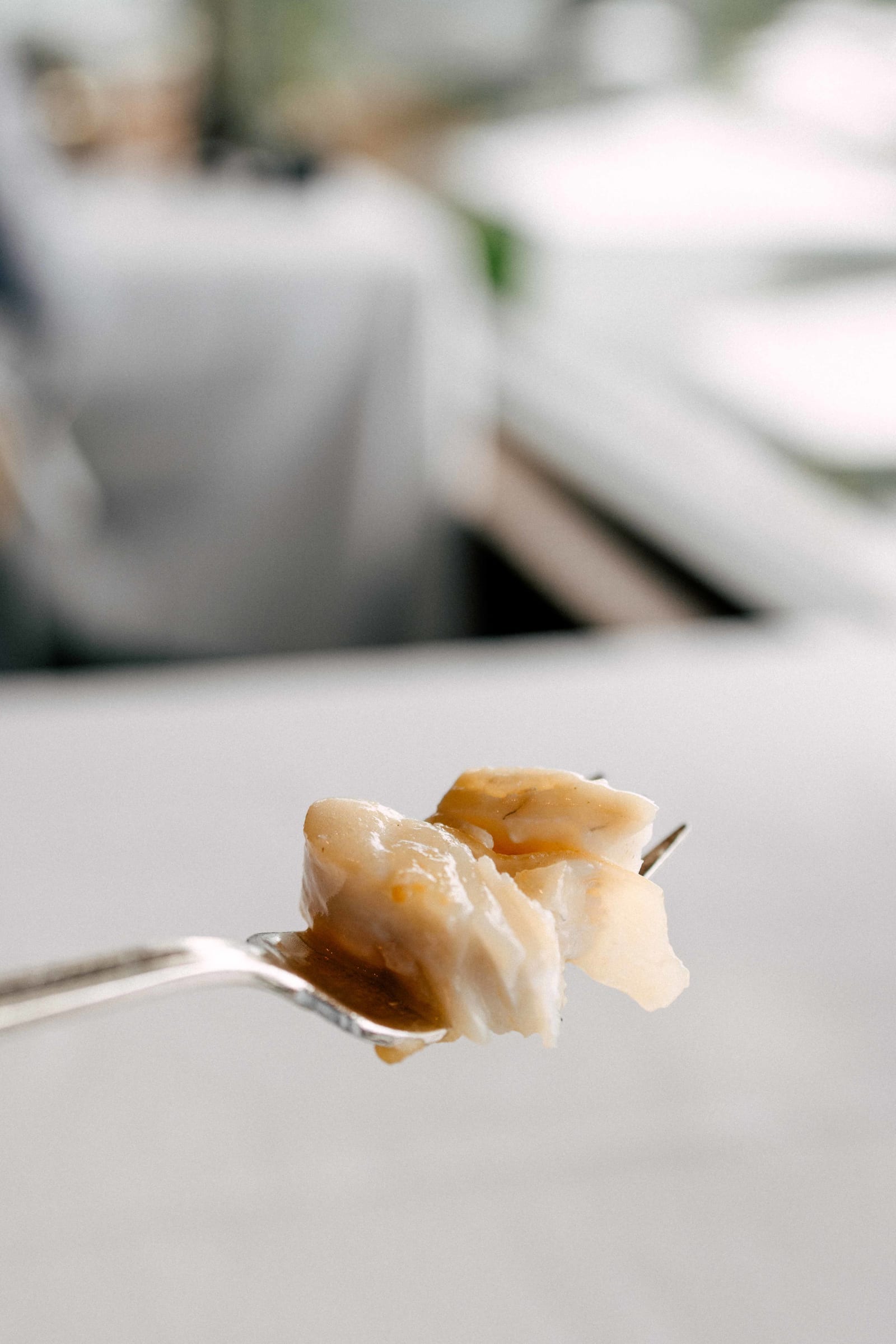
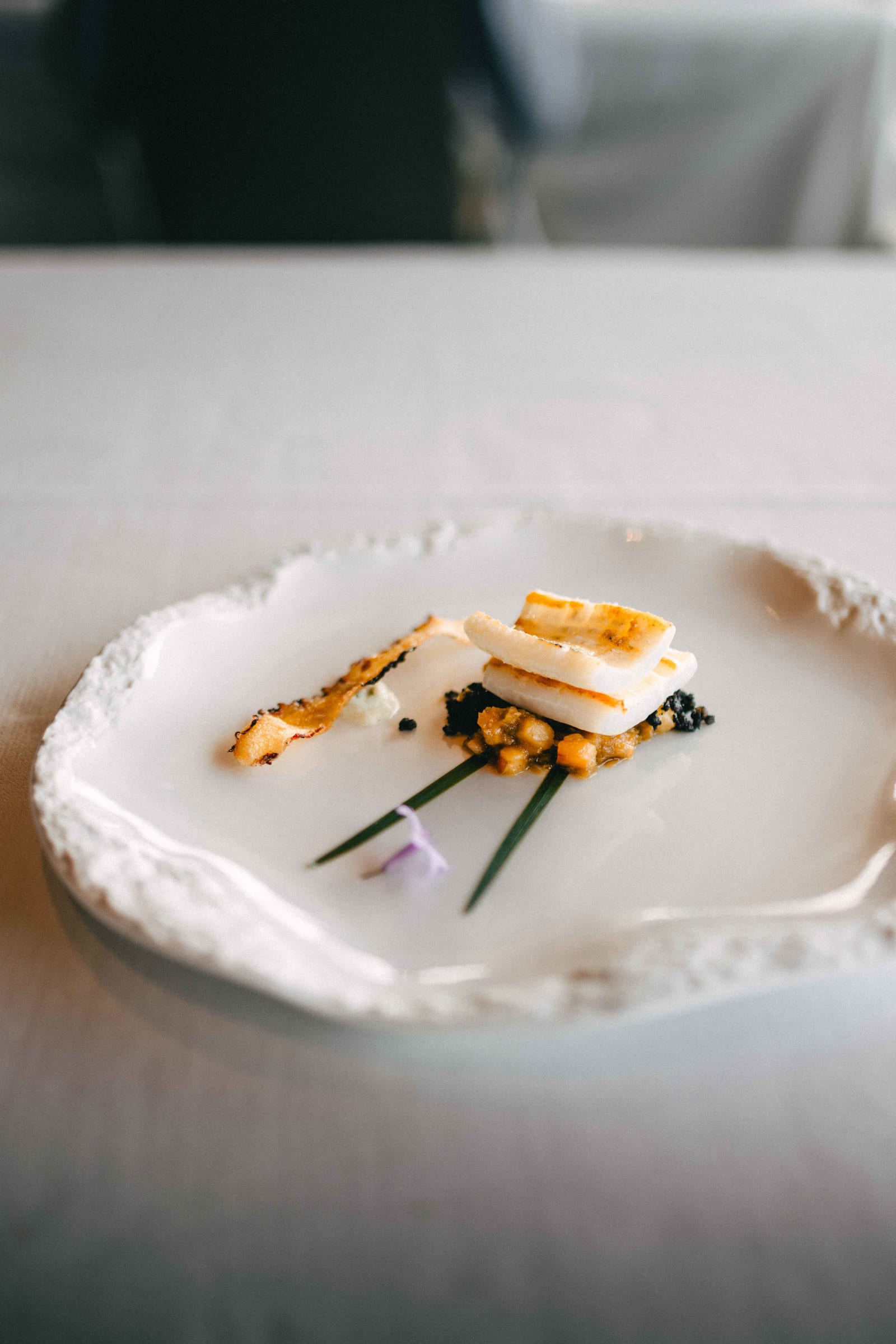
A cephalopod course followed (Cephalopods in Different Types of Cooking: cuttlefish, squid, and octopus). The cuttlefish and squid were well executed. The octopus was present in an amount that gave cause to question its inclusion. It tasted fine, but it did not rise above what any competent kitchen might produce.
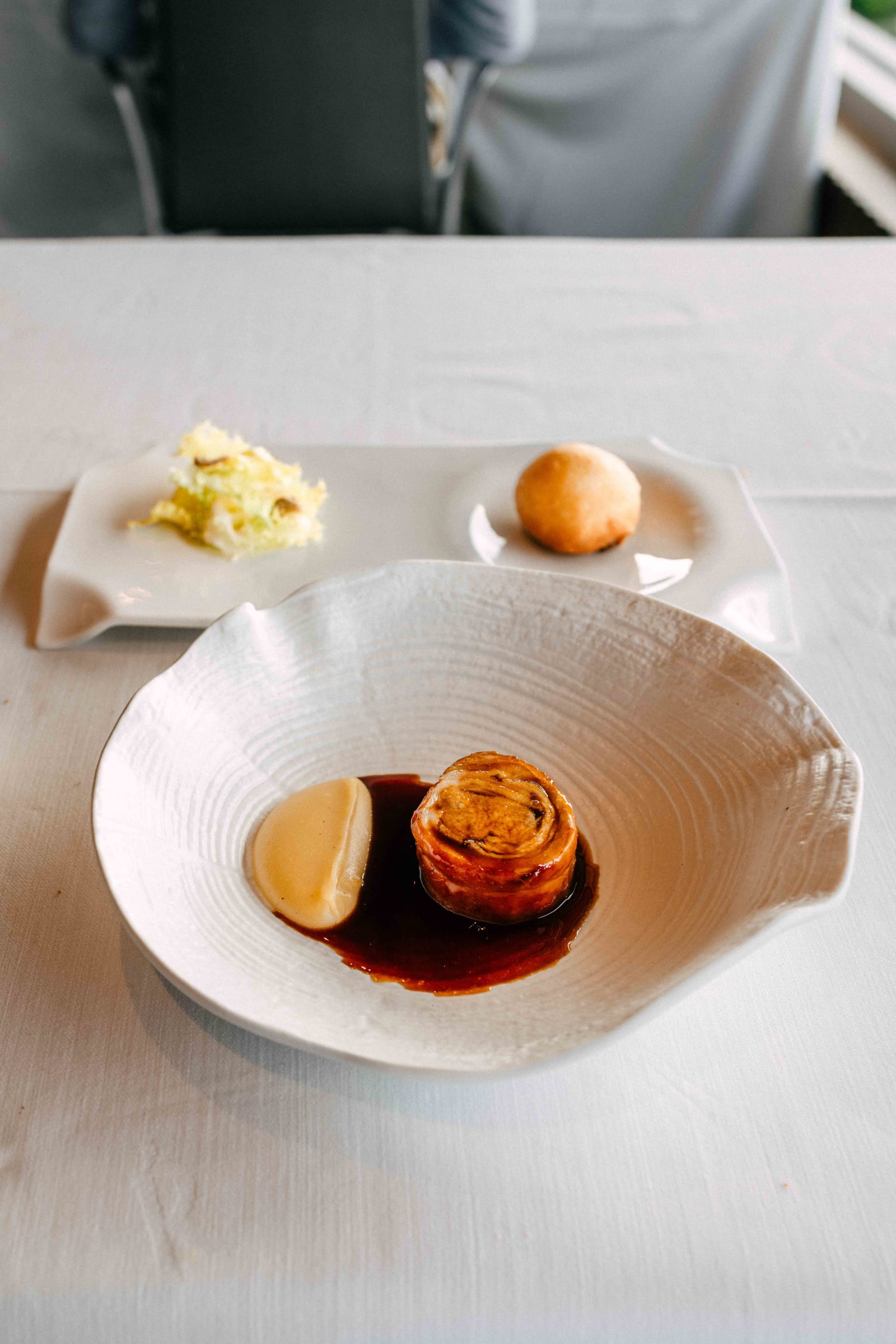
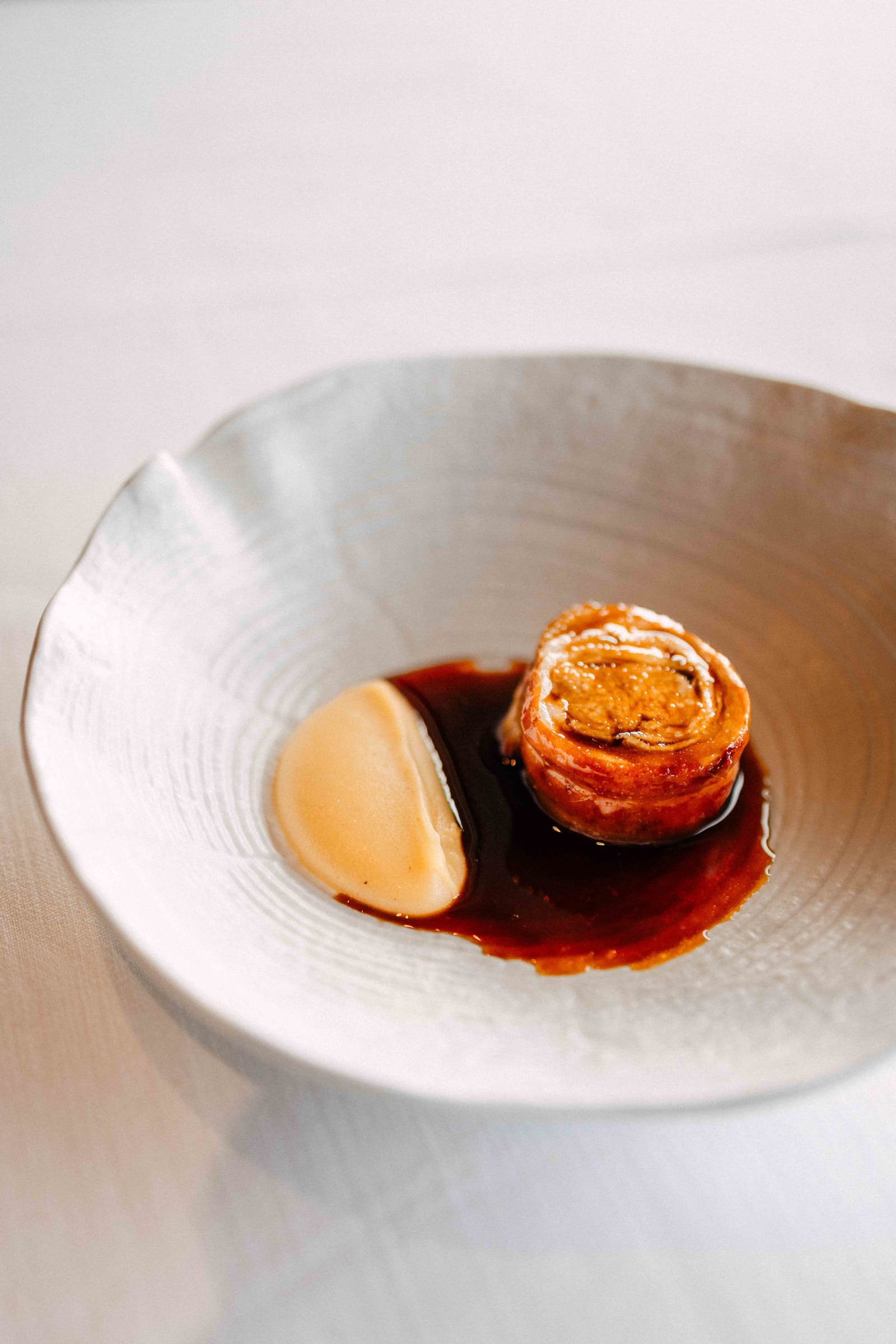
For the main, I chose Baresarian Suckling Lamb from the two Bekarki options: boneless rib of lamb, simply seasoned, alongside a fried bread made with sweetbreads. The bread looked from the outside like nothing more than a thick piece of toast; one bite released a quiet current of lamb through it. The ingredient had been concealed entirely from sight and revealed only through taste. That kind of sleight is harder to pull off than it appears.
This was the best main course across all the three-star restaurants I visited on this trip. Two days later, Martin Berasategui served the same ingredient, suckling lamb, as its main. The comparison was not that Berasategui fell short; it was that Akelarre's version had been exceptional.
The pairing wine for the main, Bodegas San Román Tinto 2018, a 100% Tempranillo from Toro, had the body and fragrance to suit the lamb. The pairing had steadied itself compared to the first half of the meal.
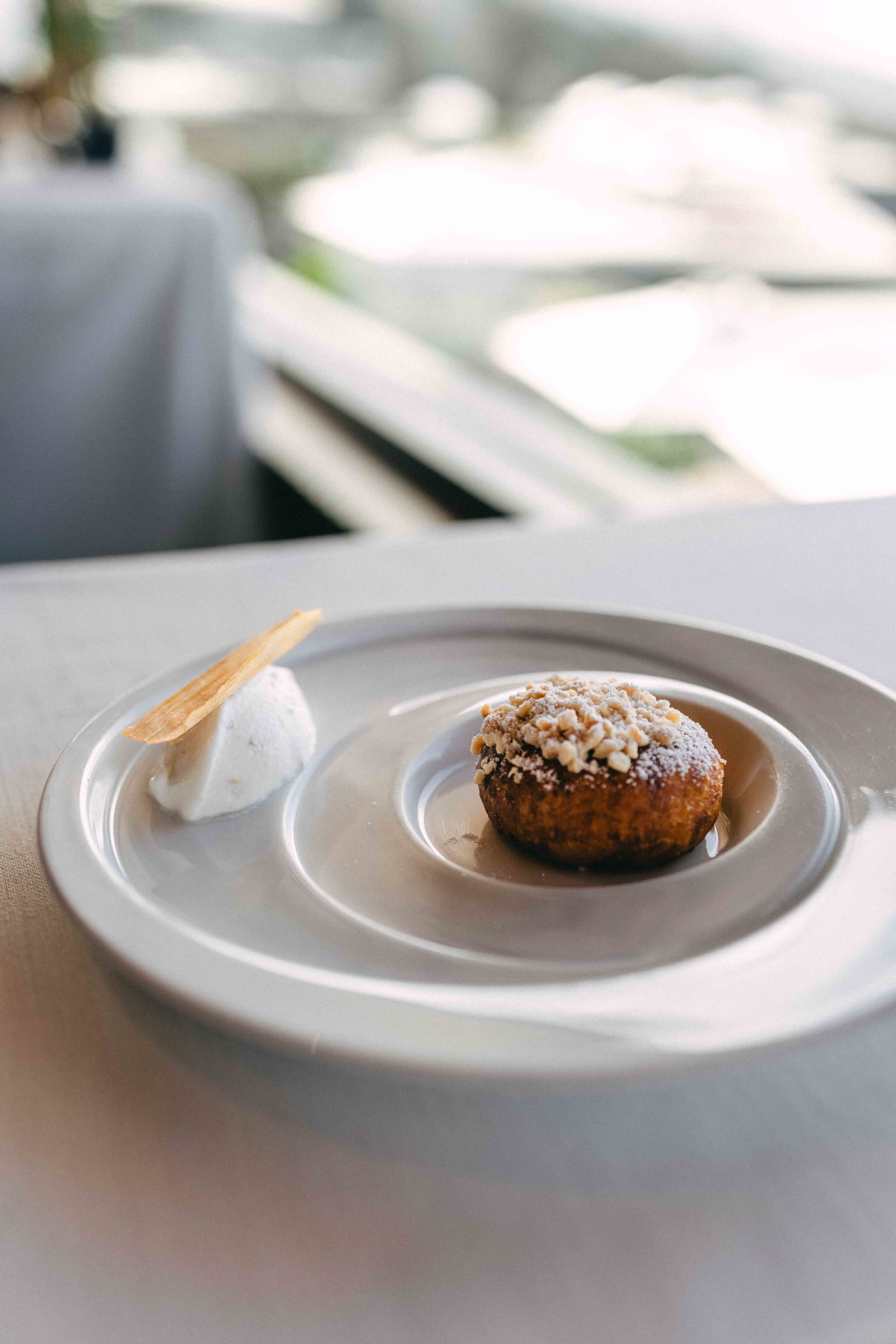
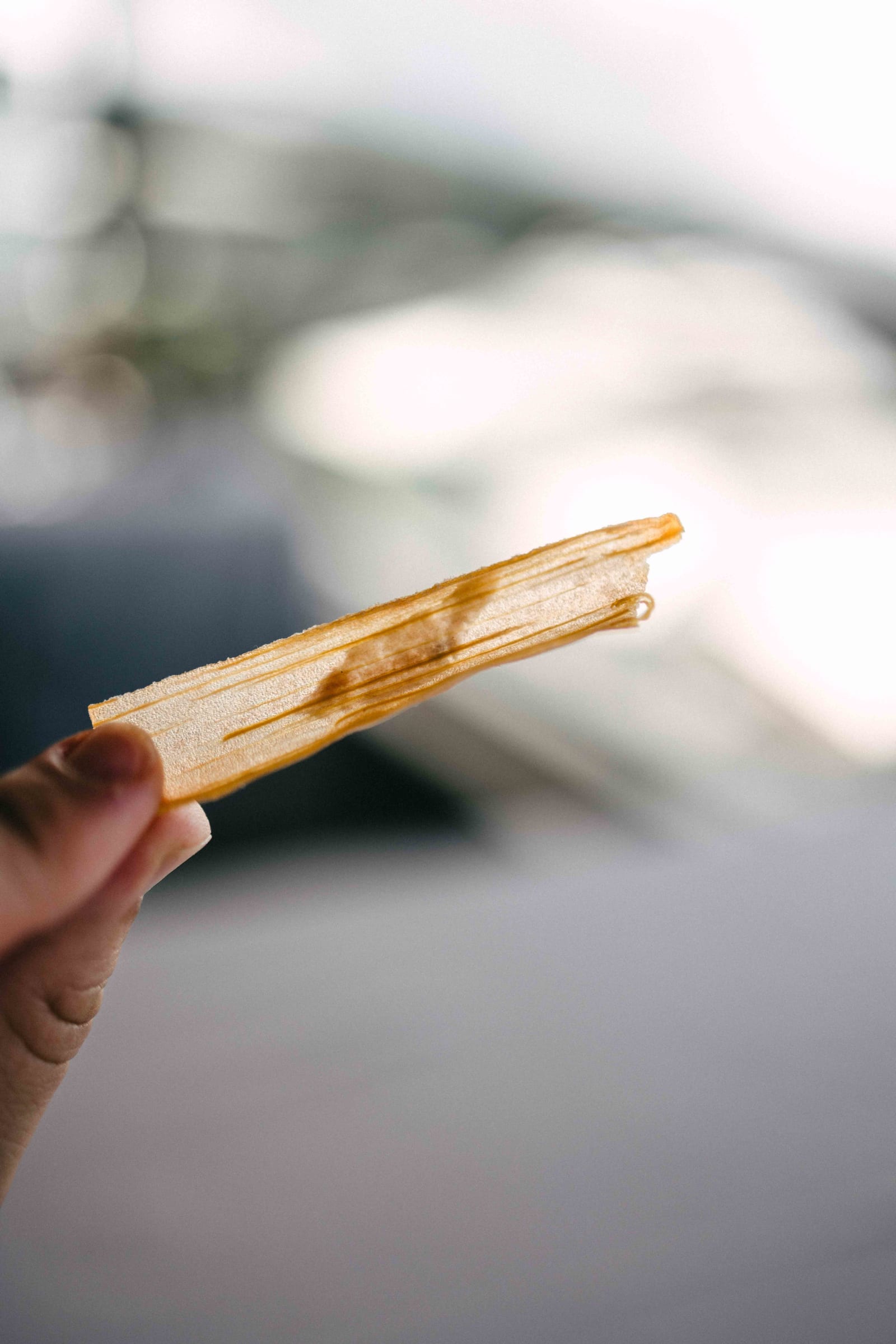
The first dessert, Chocolate, Hibiscus and Hazelnut, was unremarkable. The second, Fried Frantxineta, Rhubarb Cream, paired a traditional Basque custard-filled pastry roll with rhubarb ice cream. The rhubarb carried none of the vegetable's usual edge, only a floral, clean sweetness, and a brittle caramel-like wafer on top of the ice cream was simply good. The desserts, taken together, were satisfying.
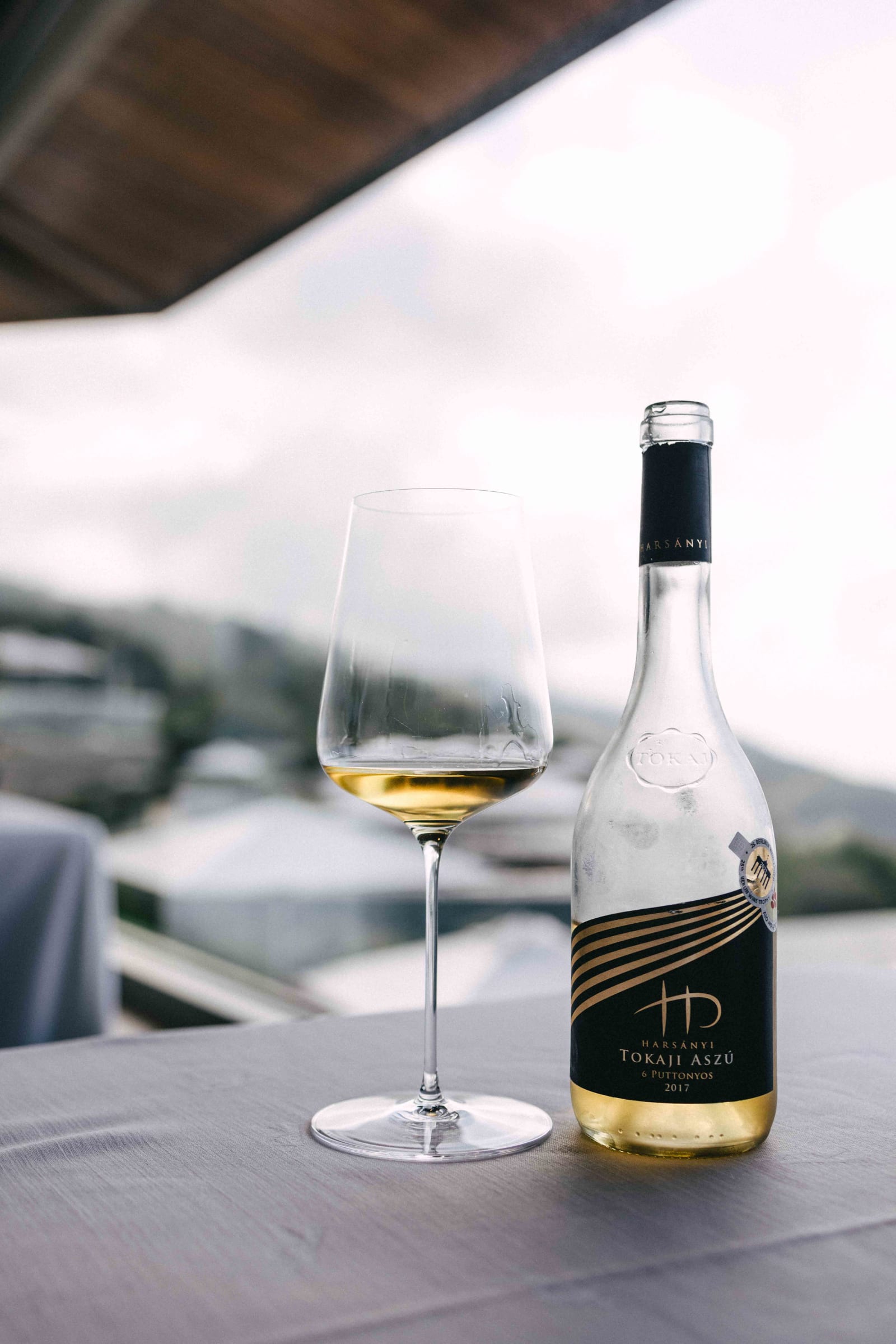
The pairing recovered here as well. The Olivales Dulce Monastrell, a dense fortified wine at 16 percent alcohol, worked cleanly against the chocolate. The Tokaji Aszú 6 Puttonyos 2017, a Hungarian late-harvest wine, was not especially high in alcohol, carried fine fruit aromatics, and was sweetly, honestly good. What the first half of the pairing had failed to provide, the second half partially restored.
After the meal, the lower terrace café is available for coffee. The clouds had cleared. Sitting with a flat white, looking down at the Atlantic from the side of Monte Igeldo, it occurred to me that this cup, not any single dish in the meal, might be how I remember Akelarre.
This is a restaurant with two moments of genuine force: a plate of foie gras and a lamb main. Either alone would justify the visit. What runs between them, however, did not hold to the standard three stars implies. The first half of the wine pairing was difficult to defend at its price, and several of the creative dishes prioritized concept over result.
Whether to recommend Akelarre is not a question with a clean answer. A significant portion of what this place offers exists outside the food: the window facing the sea, the afternoon light, the coffee on the terrace, and the name of a chef who has kept this kitchen for fifty years. Whether those things compensate for an inconsistent menu is a question that depends, in the end, on what you came expecting.
Pedro Subijana was among the handful of Basque chefs who traveled to Paul Bocuse's kitchen in Lyon in the mid-1970s and returned to dismantle the assumptions of Spanish cooking. Nueva Cocina Vasca was not a style so much as a reorientation: local products, Basque cultural identity, and a willingness to interrogate classical technique rather than merely reproduce it. The movement Subijana and Juan Mari Arzak built from that trip shaped an entire generation of European fine dining, and the ranking systems those restaurants eventually inspired, including the World's 50 Best, were in some measure the offspring of that revolution. Fifty years on, those same systems have largely moved past Akelarre. A peak of 63rd in 2010 is the record; the restaurant currently sits on the Discovery list. Three Michelin stars, held since 2006, remain. What the contrast between those two facts describes is a particular kind of position: a restaurant that helped create the criteria by which it is now assessed as having fallen behind. Subijana's fifty years at a single address is, in the present landscape of multi-concept chef-brands and global satellite ventures, an almost eccentric form of fidelity. Akelarre has not followed the industry it helped shape. Whether that reads as integrity or as a failure to evolve is not a neutral question, and this meal did not settle it. What it confirmed is that when the kitchen is working at its best, as it was on a plate of foie gras and a main of suckling lamb, the argument for staying becomes clear enough on its own terms.
Have a question about this restaurant, or want to share your own experience?
Send a message