Local & Essential · France
L'Avant Comptoir de la Mer
"No reservation, no menu, no seat, and one of the better stops in Paris"
1—1 / 32
My trip to Paris in July 2024 was built around the Olympic Games. The days ran on the schedule of events at one venue or another, and meals had to fit themselves into whatever gaps remained. That may be why I found myself drawn that summer toward local wine bars and seafood places rather than Michelin restaurants. Up to that point, every meal in Paris had been organized around guide stars, but that summer I wanted to spend more time at a narrow counter with a glass and a few oysters in front of me. So I went carefully through OAD's casual section, asked the handful of Parisian friends I have, and put together a short list. One of the places on it was L'Avant Comptoir de la Mer, a seafood tapas style wine bar in Odéon.
2—2 / 32
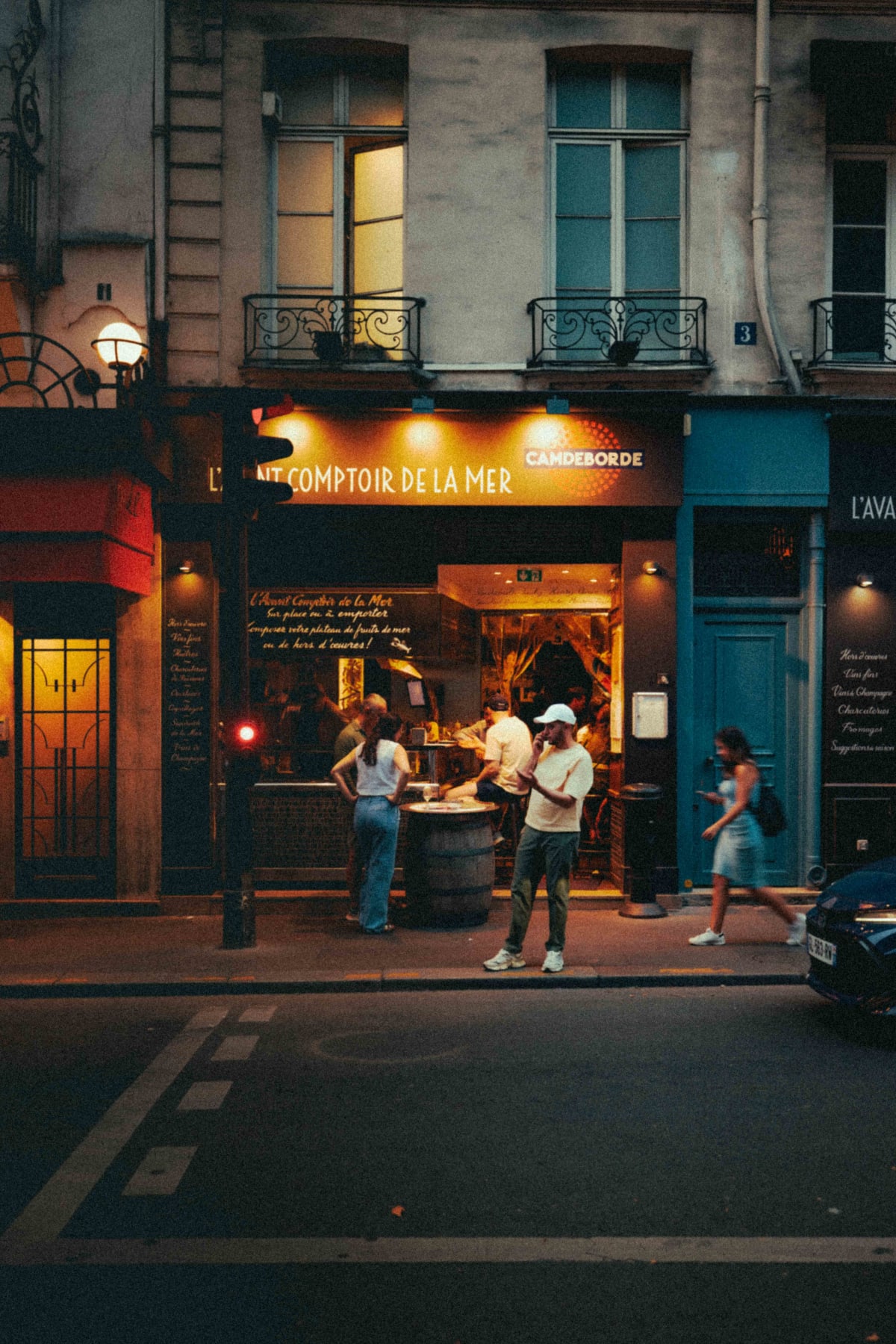
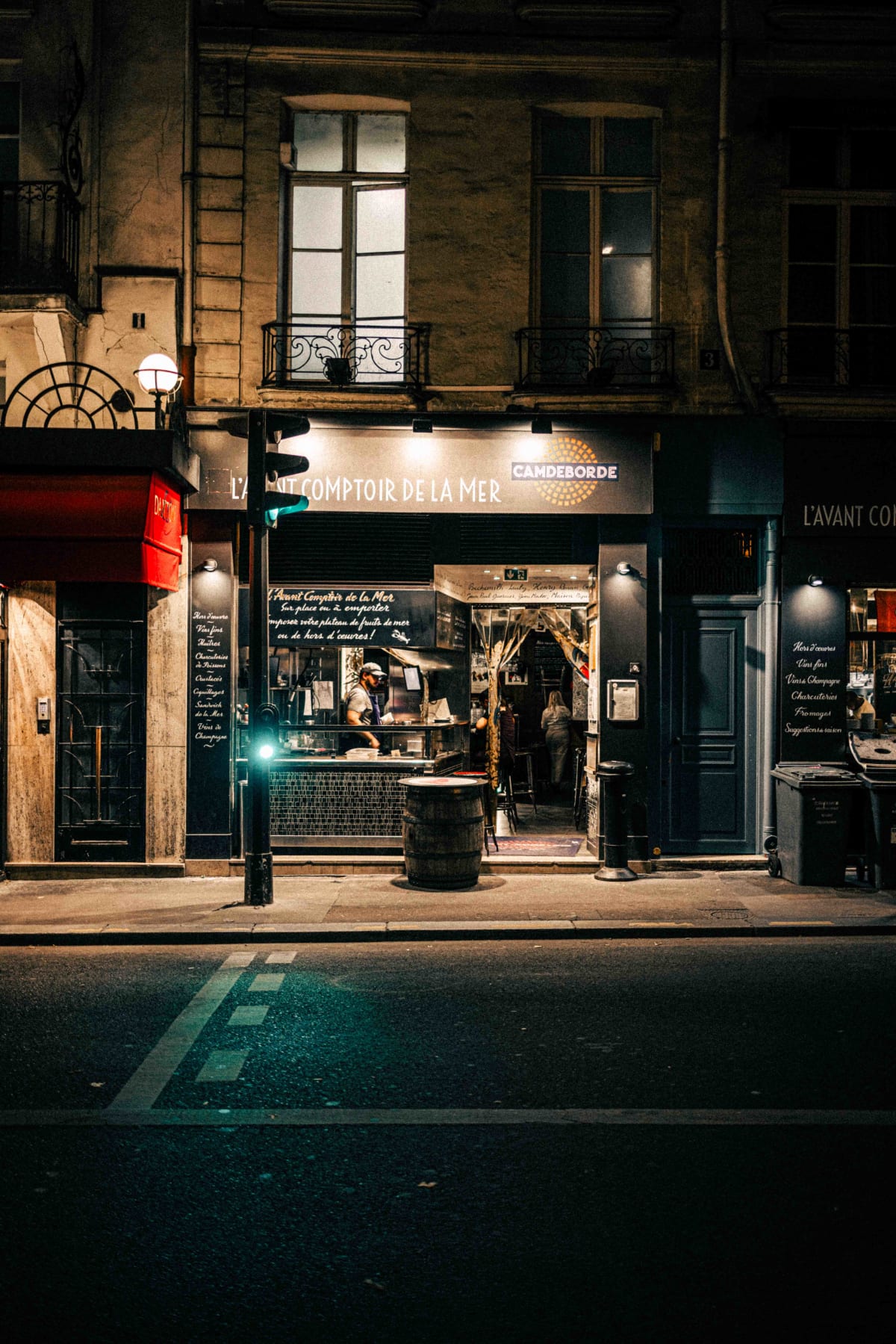
There was one thing I only learned once I started looking the place up on a map. Within a single block of a small intersection called Carrefour de l'Odéon, several restaurants share almost the same name. Right next door sits L'Avant Comptoir de la Terre, a near twin in look and feel, and a little further along stands a larger bistro. They all turn out to be the work of one person, the chef Yves Camdeborde.
3—4 / 32
Anyone who has even briefly read into Paris bistro history will have come across Camdeborde's name. The movement later called bistronomie began in 1992, when he opened La Régalade in the 14th arrondissement. The idea was to take the high techniques and luxury ingredients he had absorbed at places like the Hôtel de Crillon and La Tour d'Argent, foie gras and truffle and the rest, and serve them at bistro prices. The food critic Sébastien Demorand gave the wave a name in 2004. So the cramped little spot I had just walked into looked like any neighborhood wine bar, but it was in fact one of the sister rooms of a chef who had spent thirty years quietly reshaping the city's food map.
The order of the three siblings goes like this. De la Terre opened first, in 2010, originally as a holding pen for guests waiting on a table at Camdeborde's flagship bistro Le Comptoir du Relais Saint-Germain, with sixty to seventy small plates that lean toward land produce. De la Mer arrived next door in January 2016, and later that year du Marché was added under the arcades of the Marché Saint-Germain. The de la Mer where I had landed devotes around eighty percent of its plates to seafood.
looked like any neighborhood wine bar, but it was in fact one of the sister rooms of a chef who had spent thirty years quietly reshaping the city's food map.
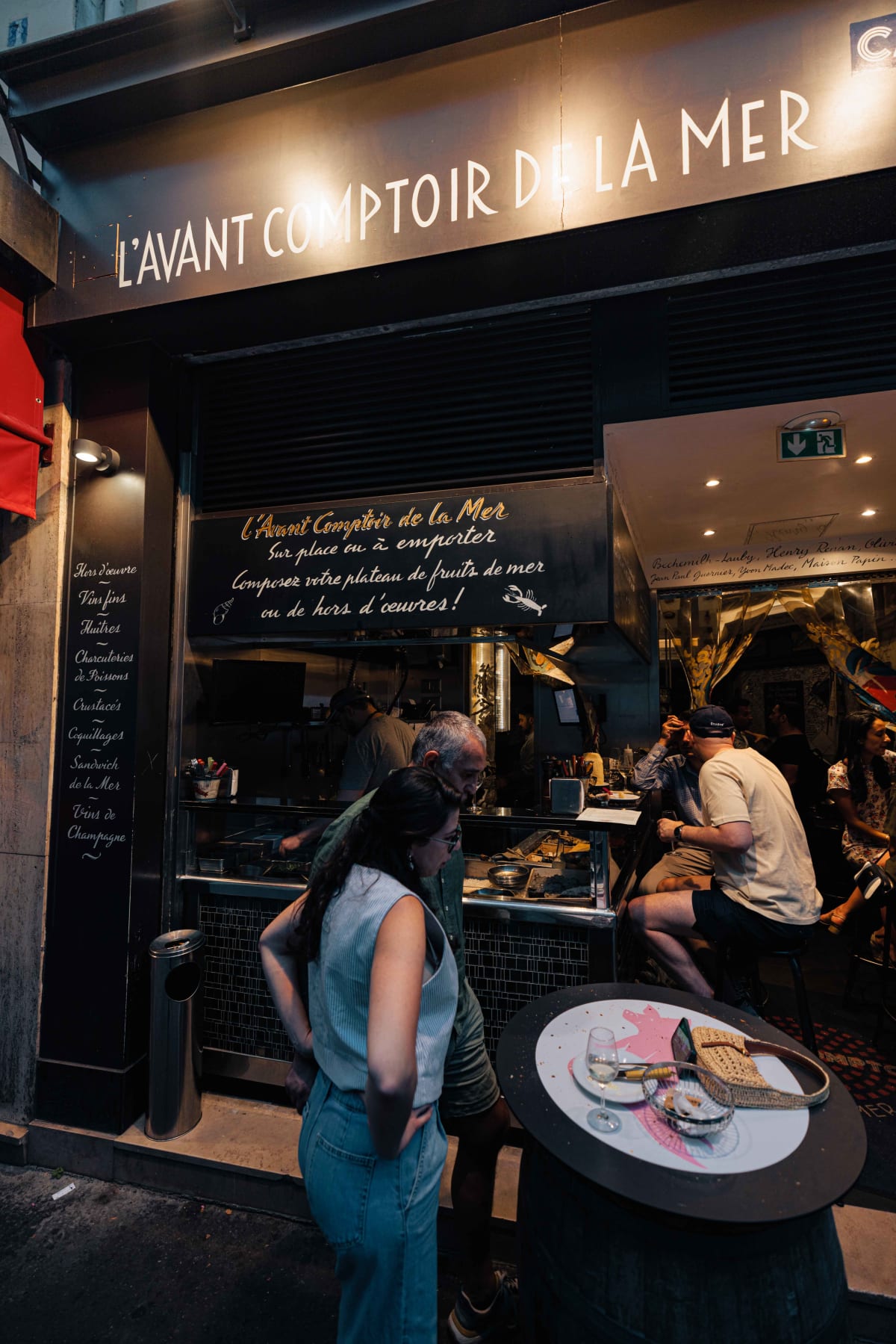
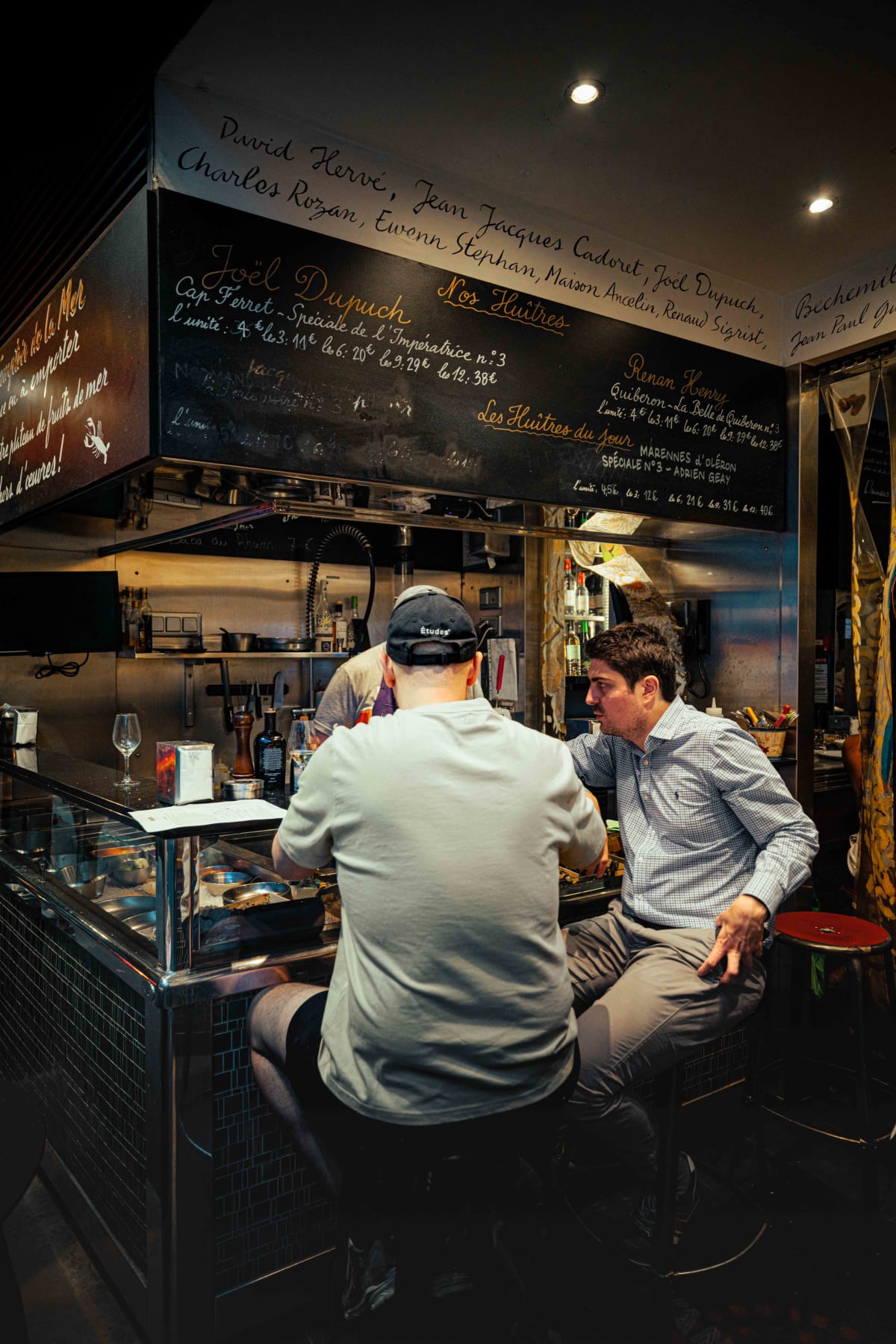
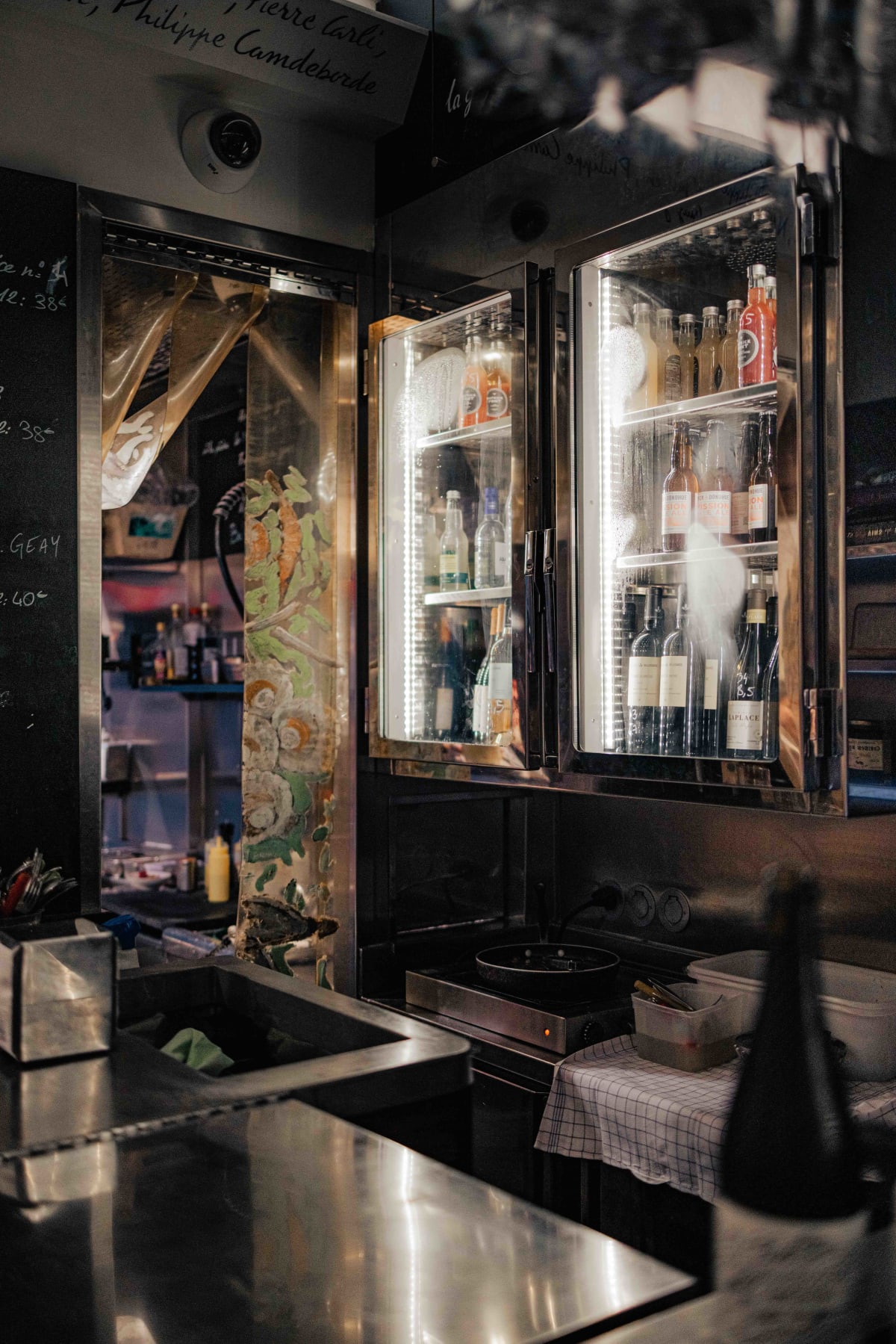
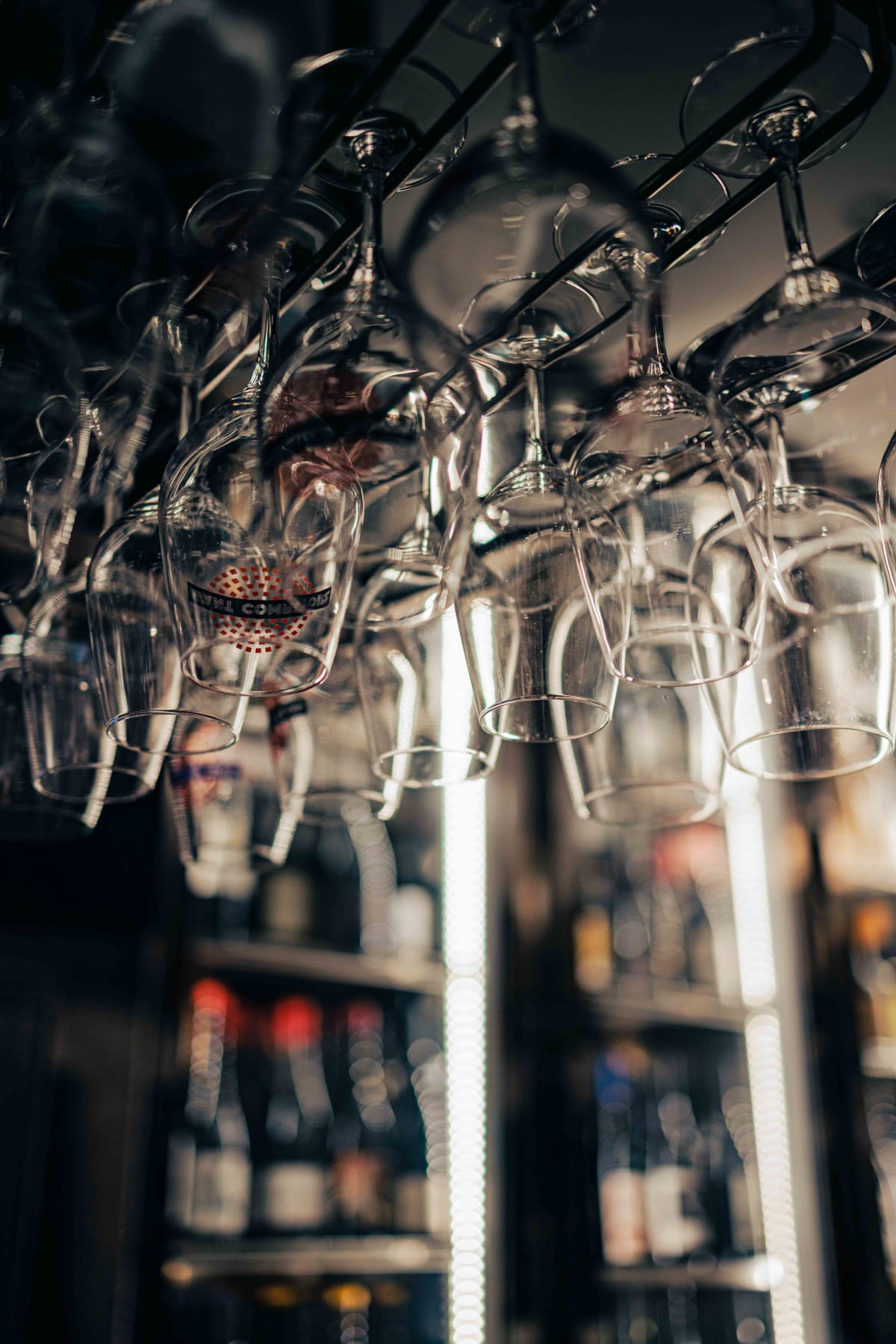
The first thing you notice on stepping inside is that the space is genuinely small. A long counter bar runs through a tight rectangular room, and behind it there is some standing room where you can drink and eat on your feet, though that area is too narrow for any real meal. There was open standing space when I arrived, but I waited about thirty minutes there until a counter seat opened up. No reservations, no phone. You queue or you wedge yourself in. It also helps to walk in knowing that this is Paris, where warmth from the staff is not really part of what you come in expecting.
7—10 / 32
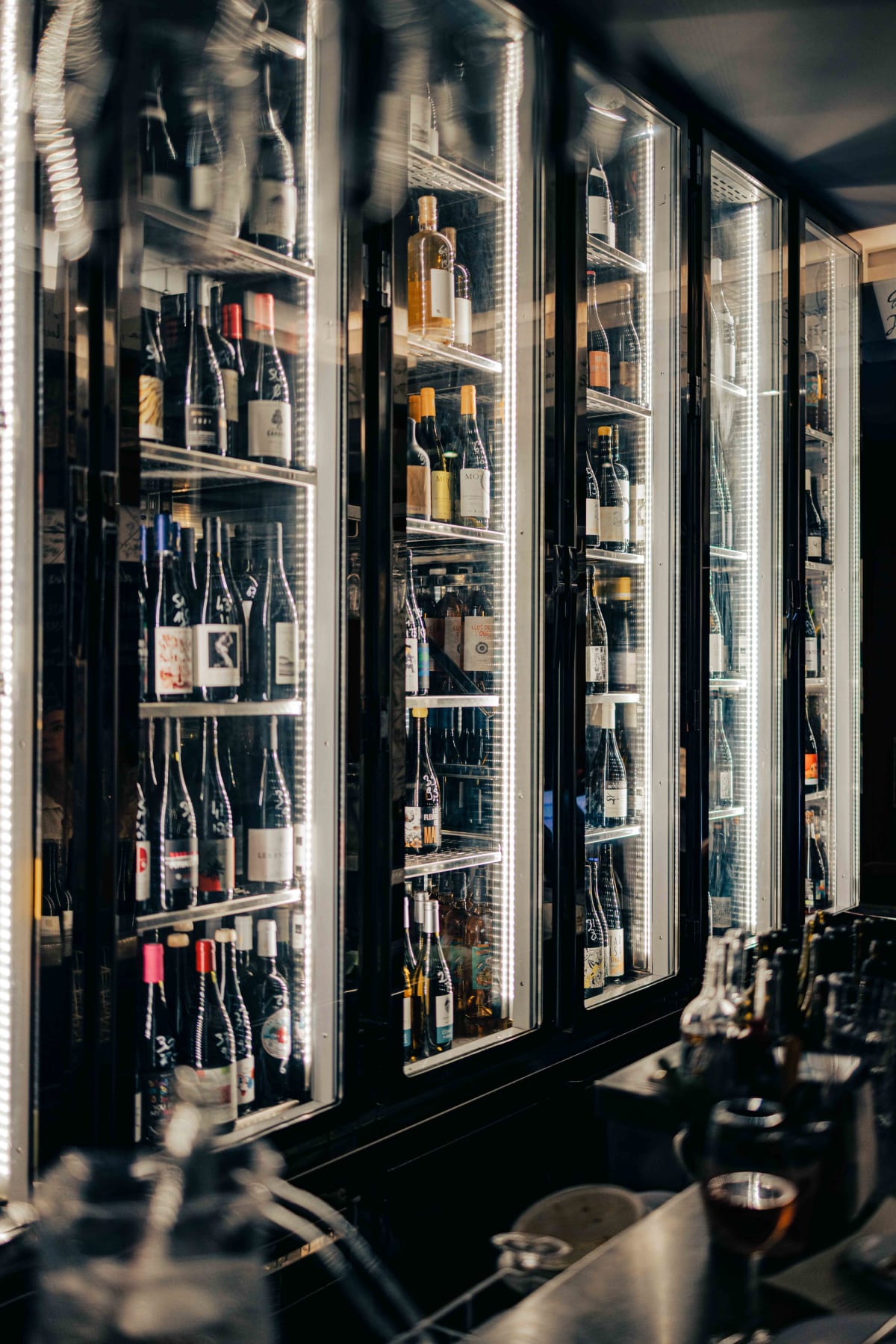
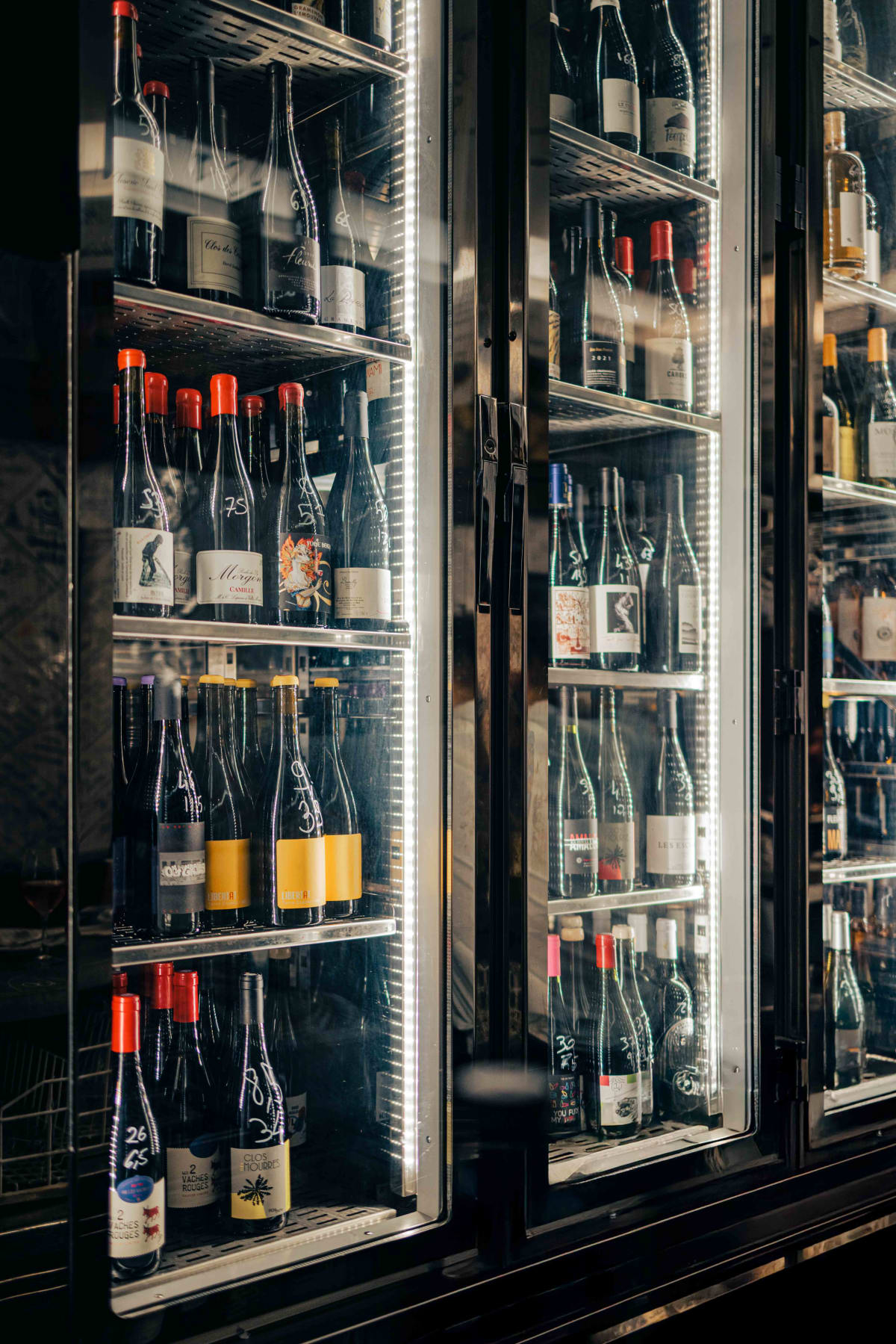
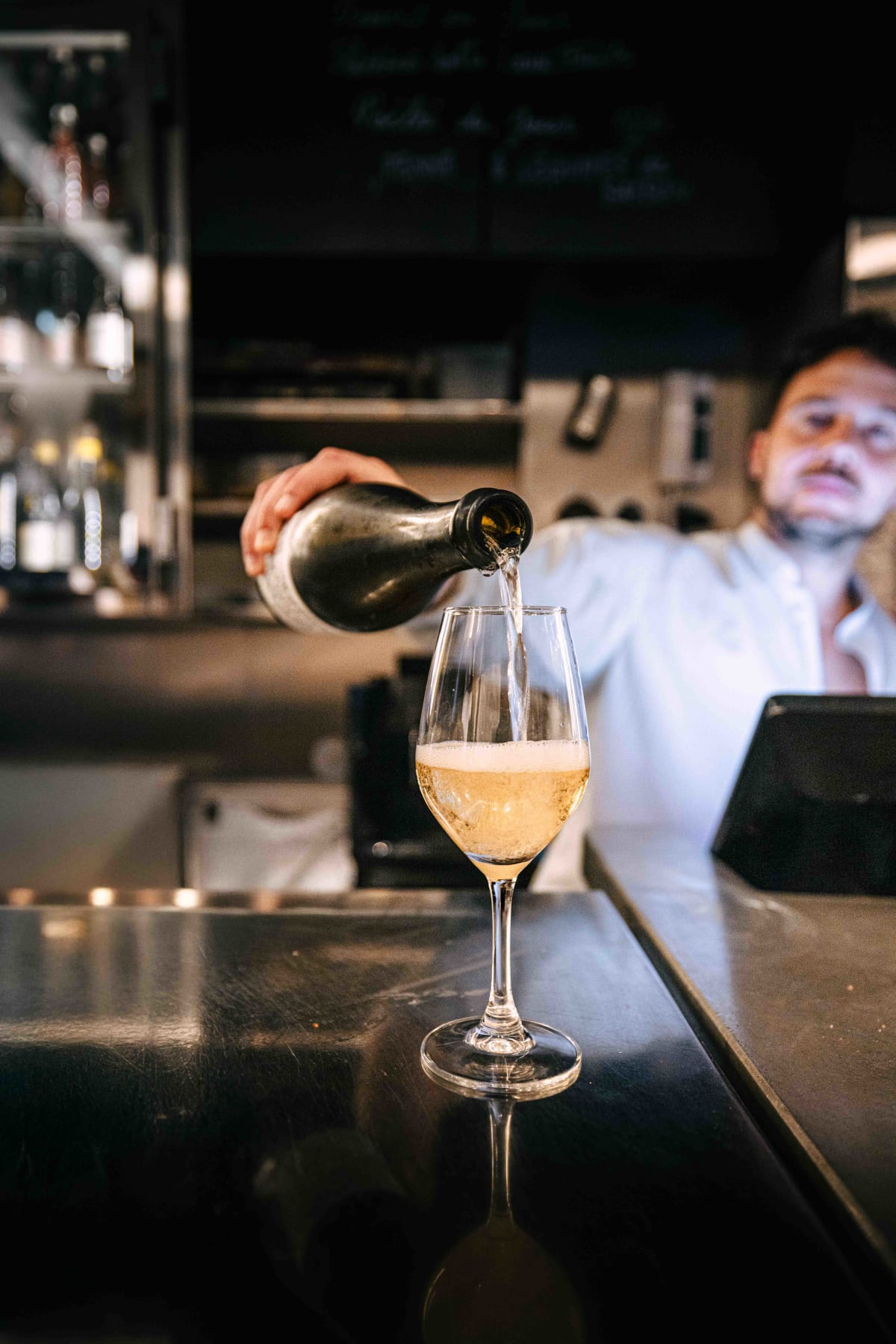
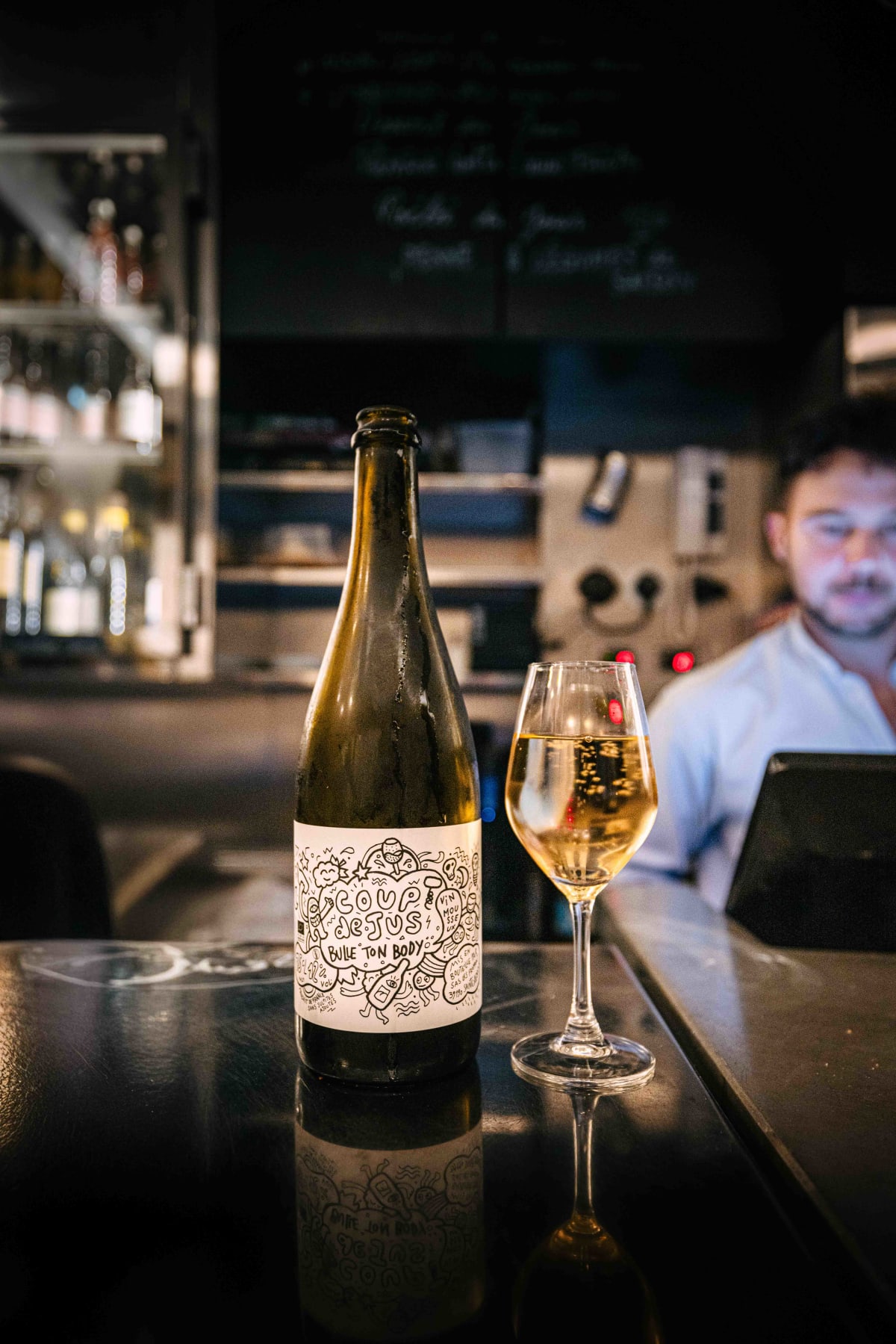
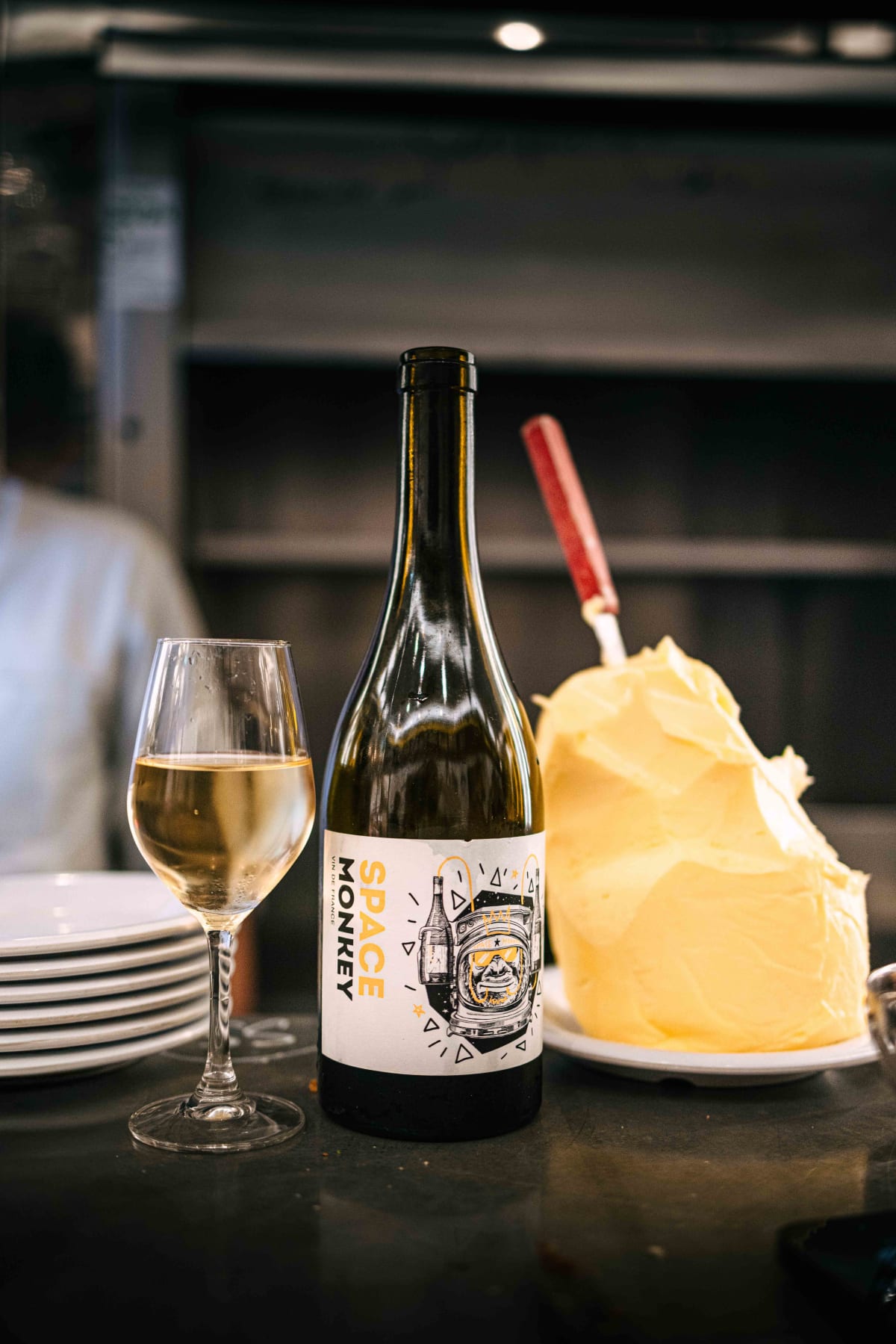
Once seated, large wine fridges line the walls, packed with whites and sparkling. I am no expert, but a good share of them looked to lean natural. Another curious detail is that there is no menu in any conventional sense. Instead, around fifty posters with photos, names, and prices of the dishes hang from the walls and ceiling, and you point to what you want. The by-the-glass selection runs wide alongside the bottles, and if you say a word or two about the kind of wine you tend to like, the staff comes back with several options. Being able to walk in alone without it feeling awkward is one of the practical virtues of this place.
5—6 / 32
The food is set up as seafood tapas, but the register is less French than it is international. There are dishes beyond what is posted on the walls, and if you name an ingredient or a style you enjoy, they will assemble a plate for you on the spot. Most plates land around ten euros, so ordering several does not weigh the bill down. The only thing I picked myself that night was the oysters; everything else I left to the staff after offering a quick line about what I was in the mood for.
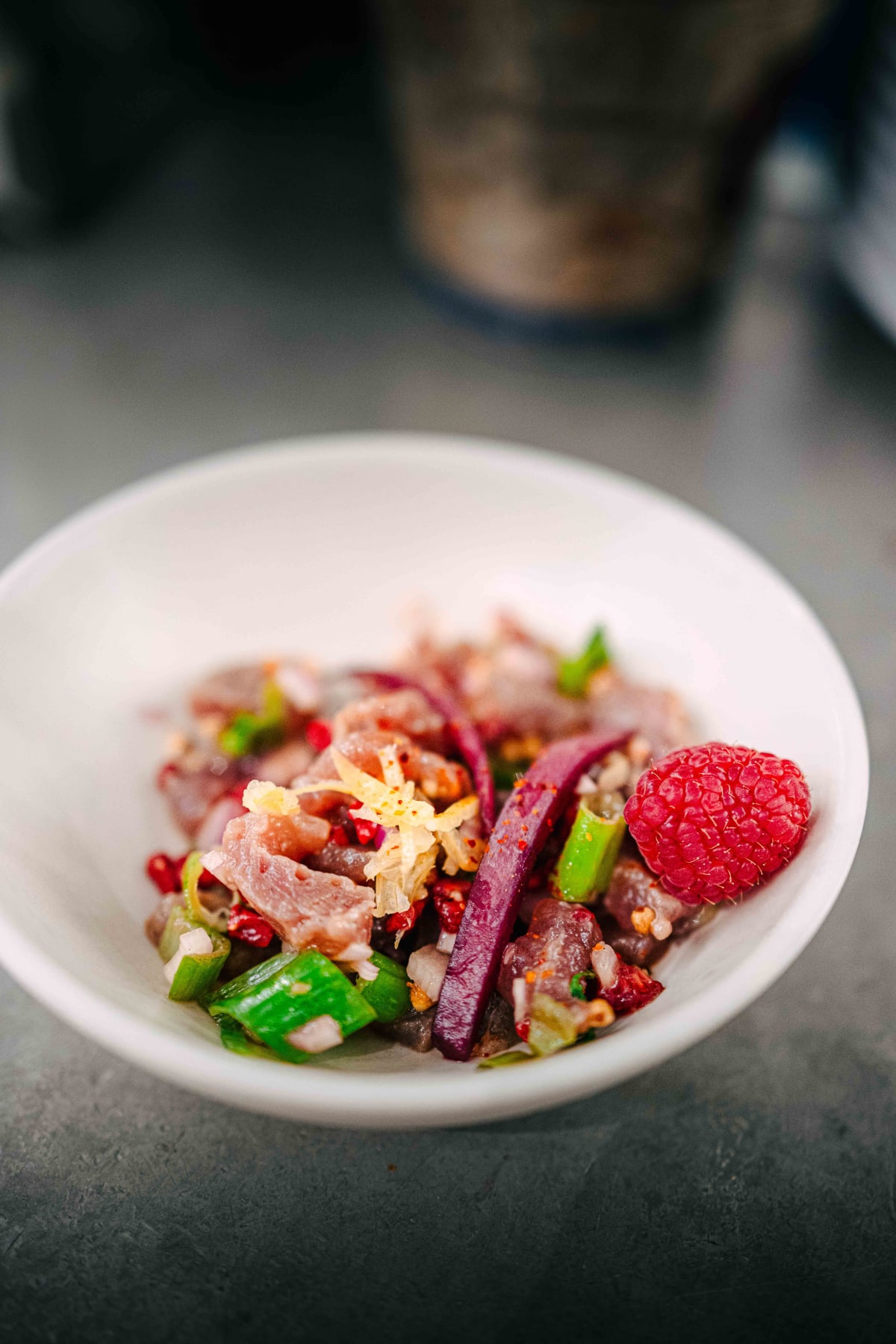
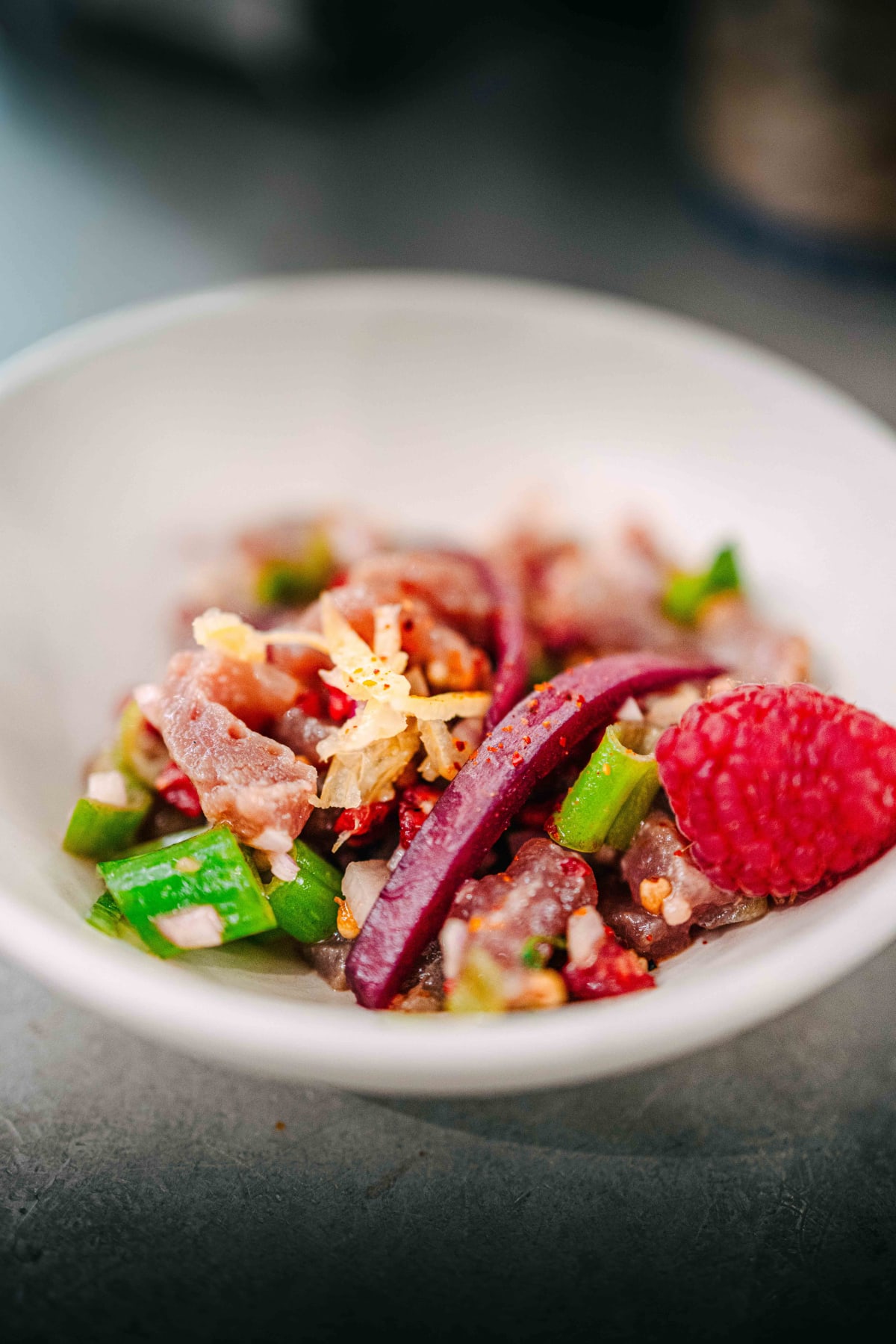
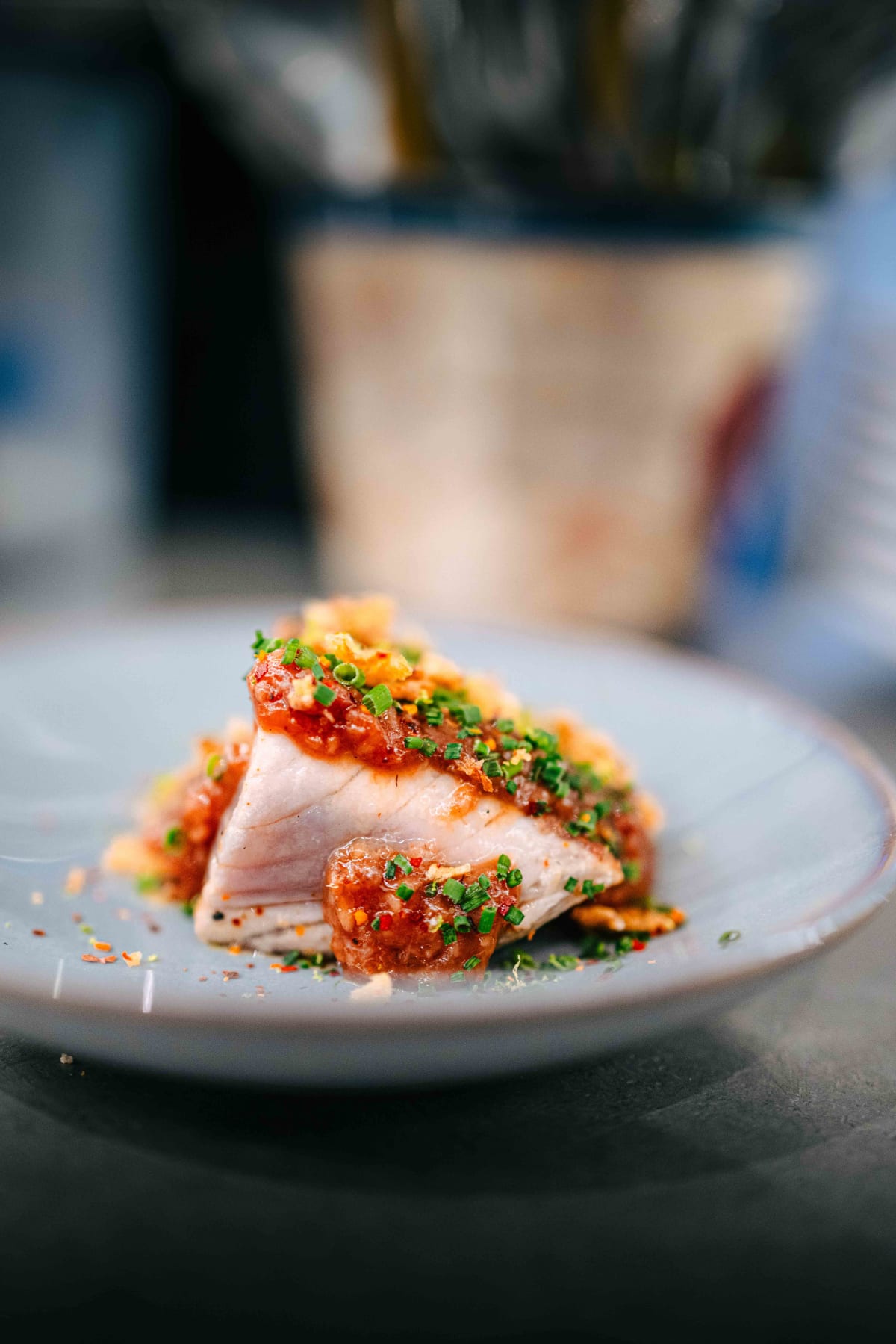
After I mentioned I liked fish, a tuna salad and a tataki arrived. The salad brought together raspberries, scallions, something close to ginger, and chili in one bowl. The effect was complex and somehow nearer to Mexican than French, and it stayed interesting bite after bite.
11—12 / 32
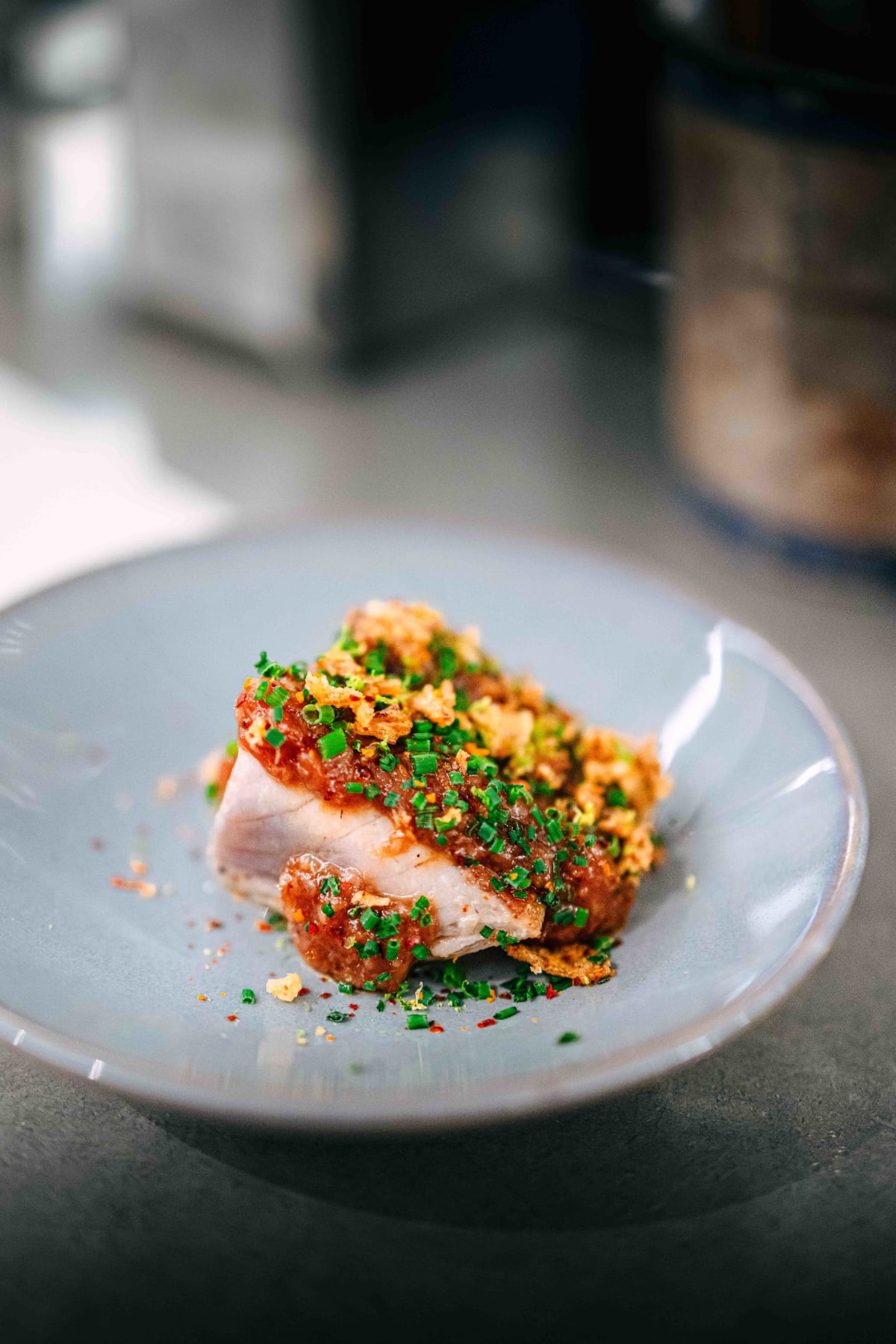
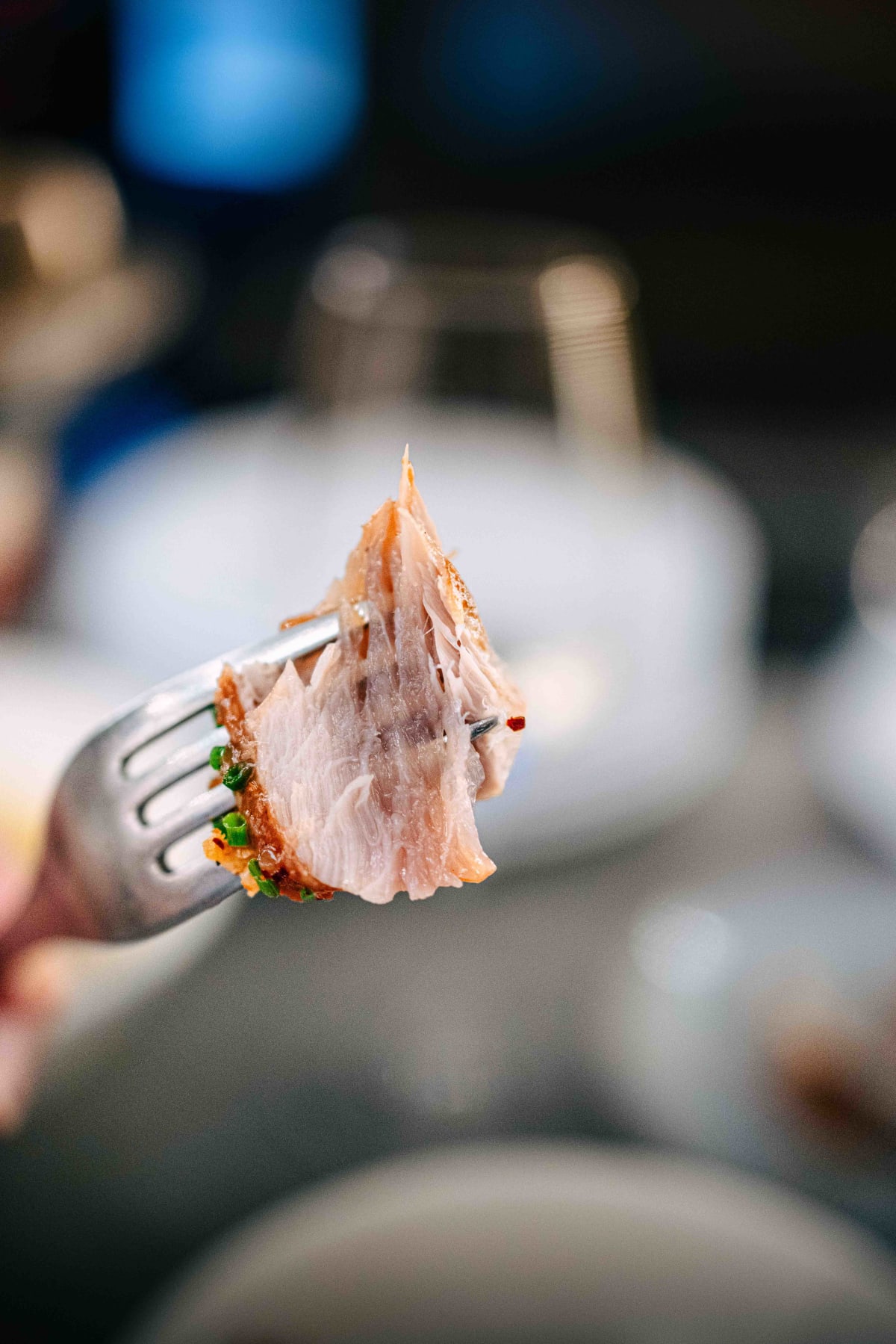
The tataki had a different shape from the Japanese version. Most of the surface had been seared long enough that the pink inside was almost gone, leaving more cooked white flesh than raw. By the look of it, the fish was probably swordfish. The sauce on top, dusted with something close to chili powder, finished the dish on a small heat note.
13—15 / 32
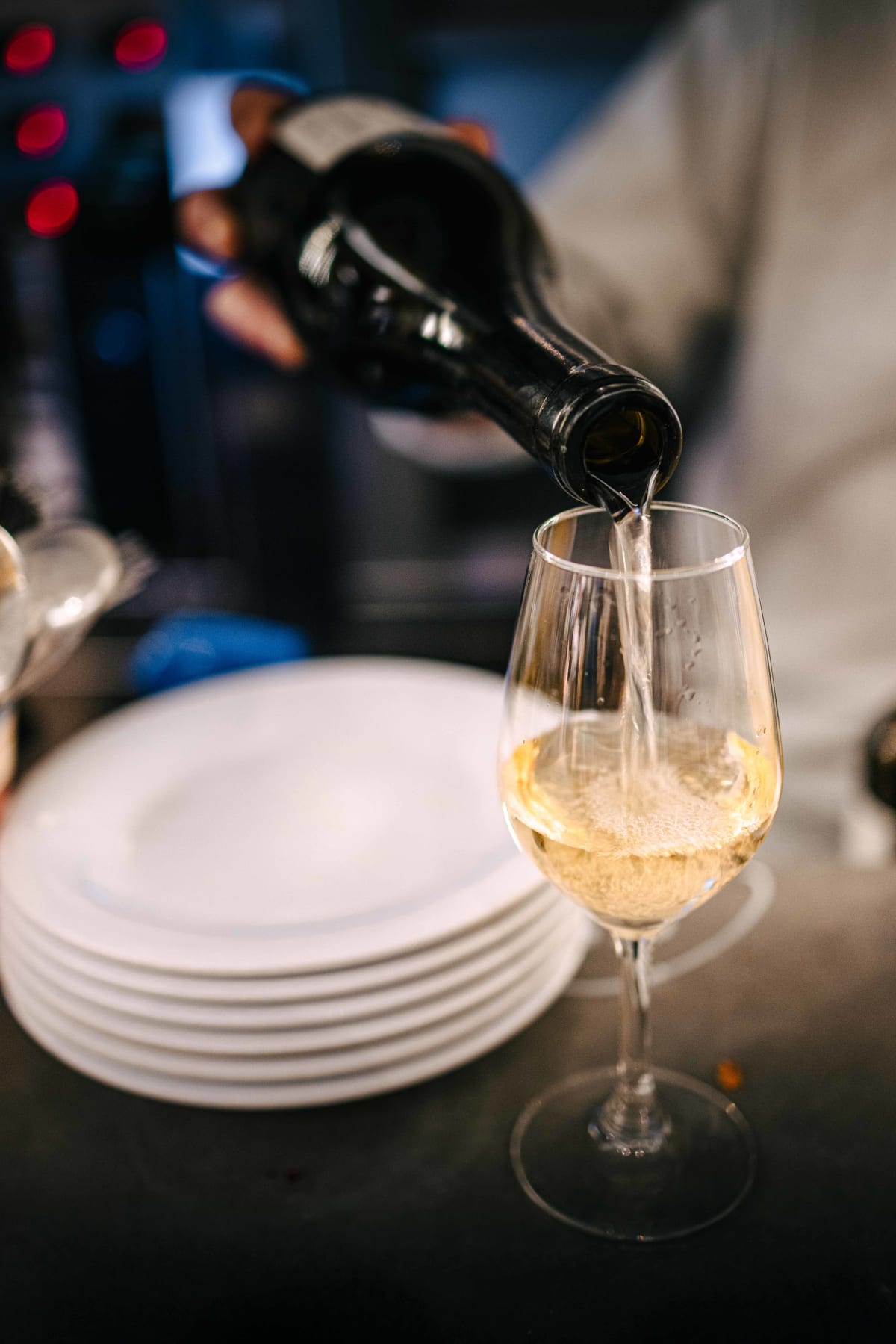
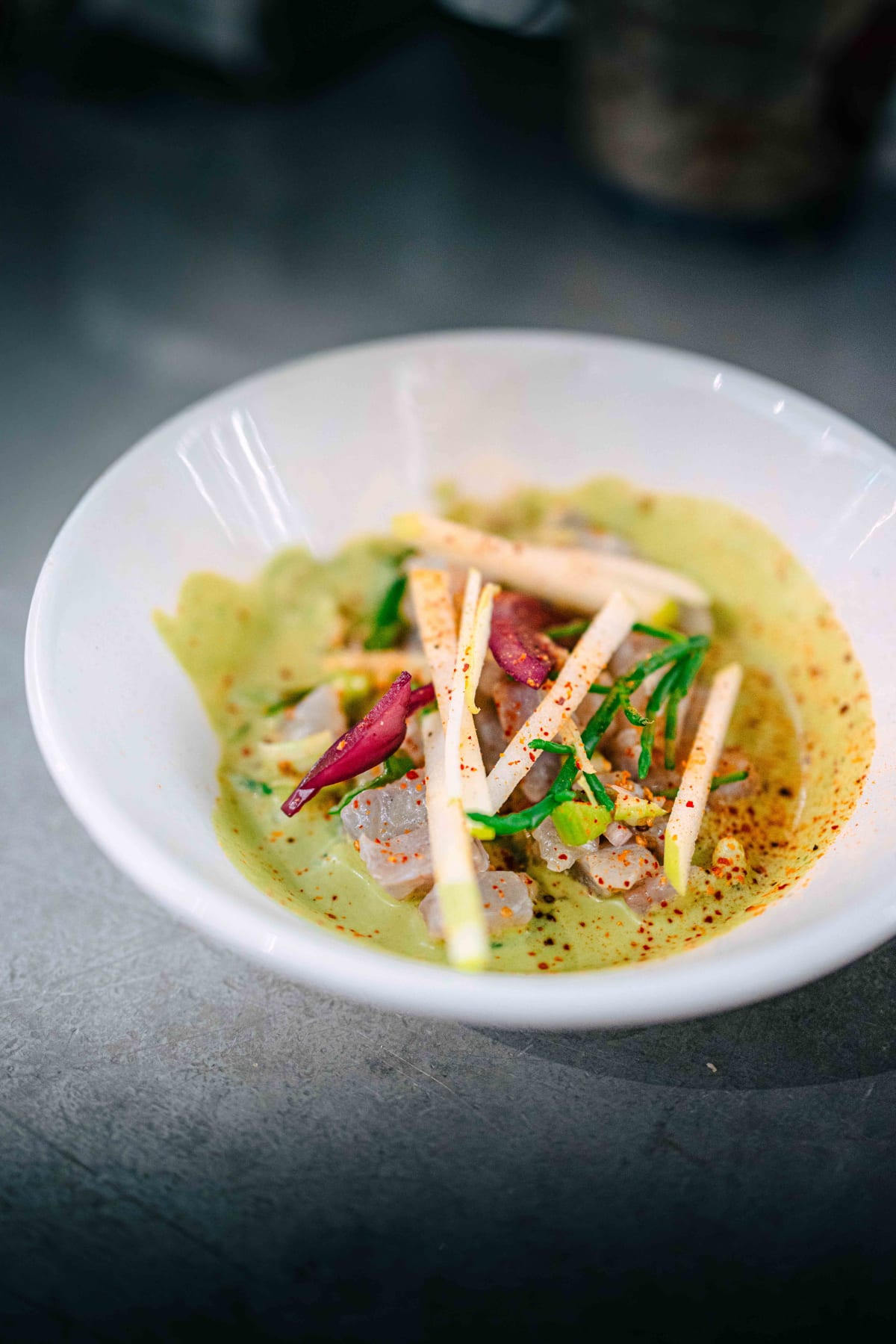
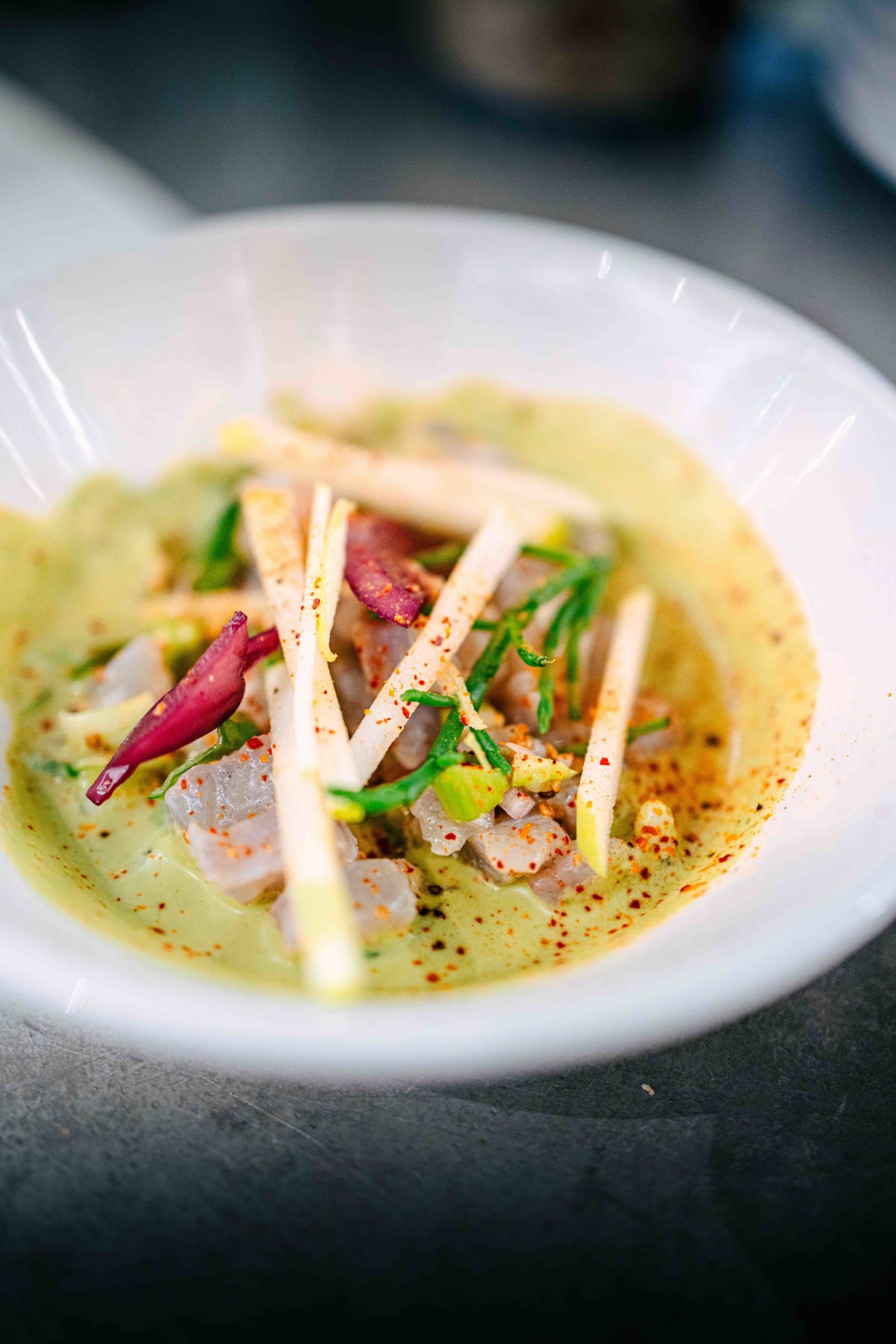
Two tapas were not quite enough, so I added a glass of white and a ceviche, and the ceviche turned out to be the high point of the evening.
18—19 / 32
It came together in a Peruvian style, with a flatfish in the sole family marinated in lime or lemon juice, then layered with coconut milk, cilantro, green apple, and a sea vegetable called samphire. The acidity sat at exactly the right level, and on top of it the sweetness of the coconut, the light green note of the apple, and the saltiness of the sea vegetable arrived in turns, so every spoonful tasted slightly different. I had not expected to find a South American ceviche this well executed in Paris. The fact that raw fish and such unfamiliar ingredients balance into this shape at all was reason enough to linger over the plate. A single tapas was enough to make the evening.
16—17 / 32
I had not expected to find a South American ceviche this well executed in Paris.
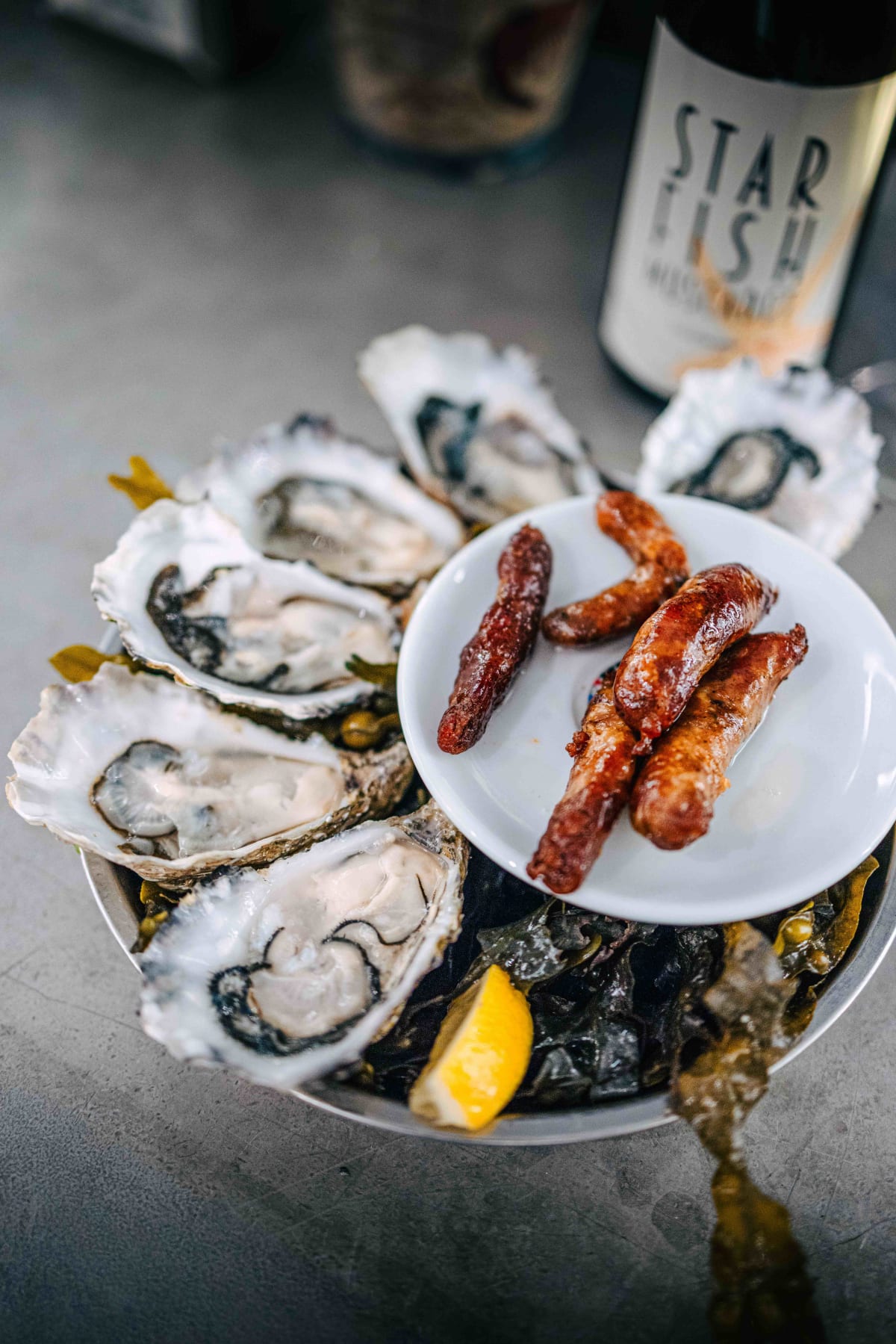
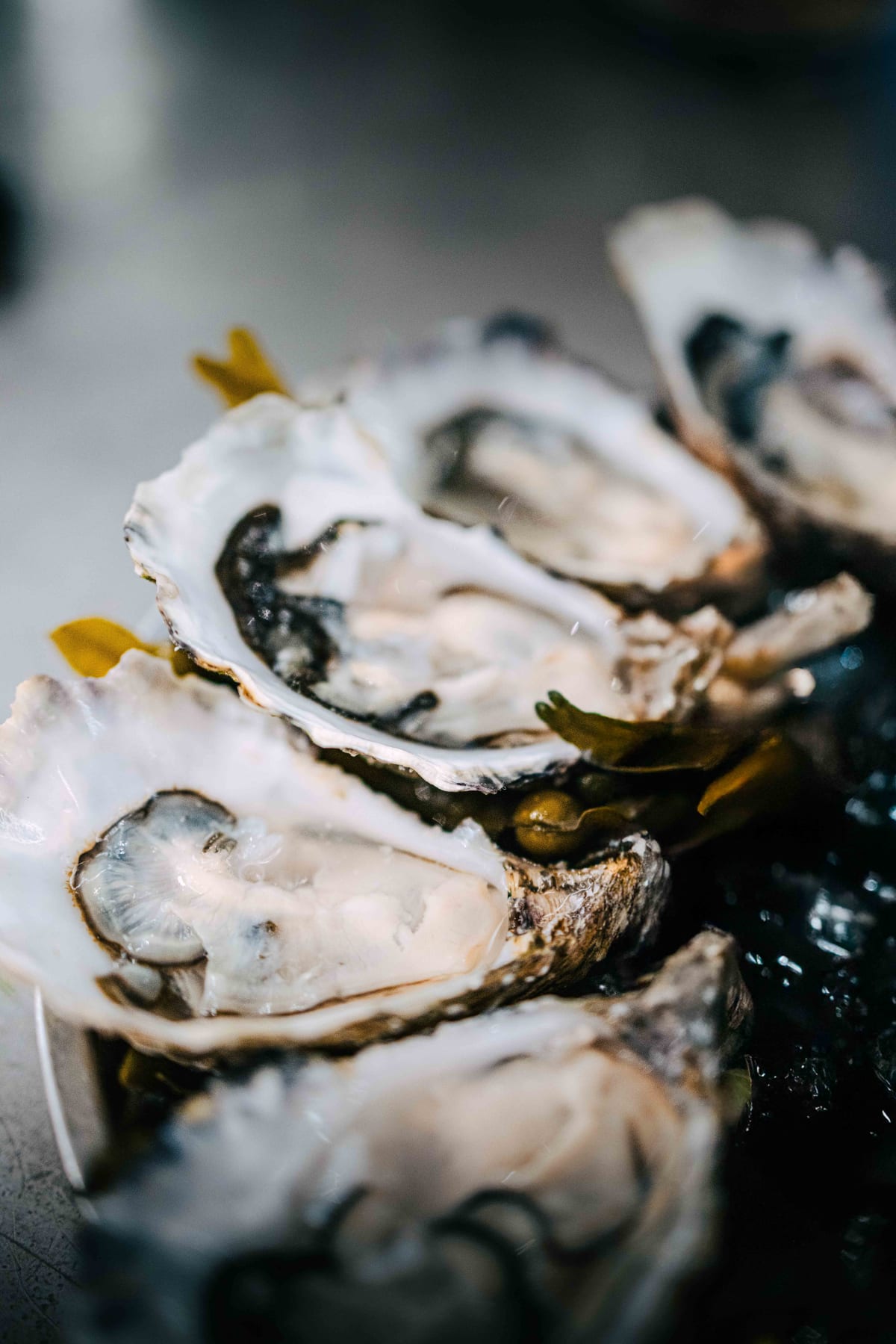
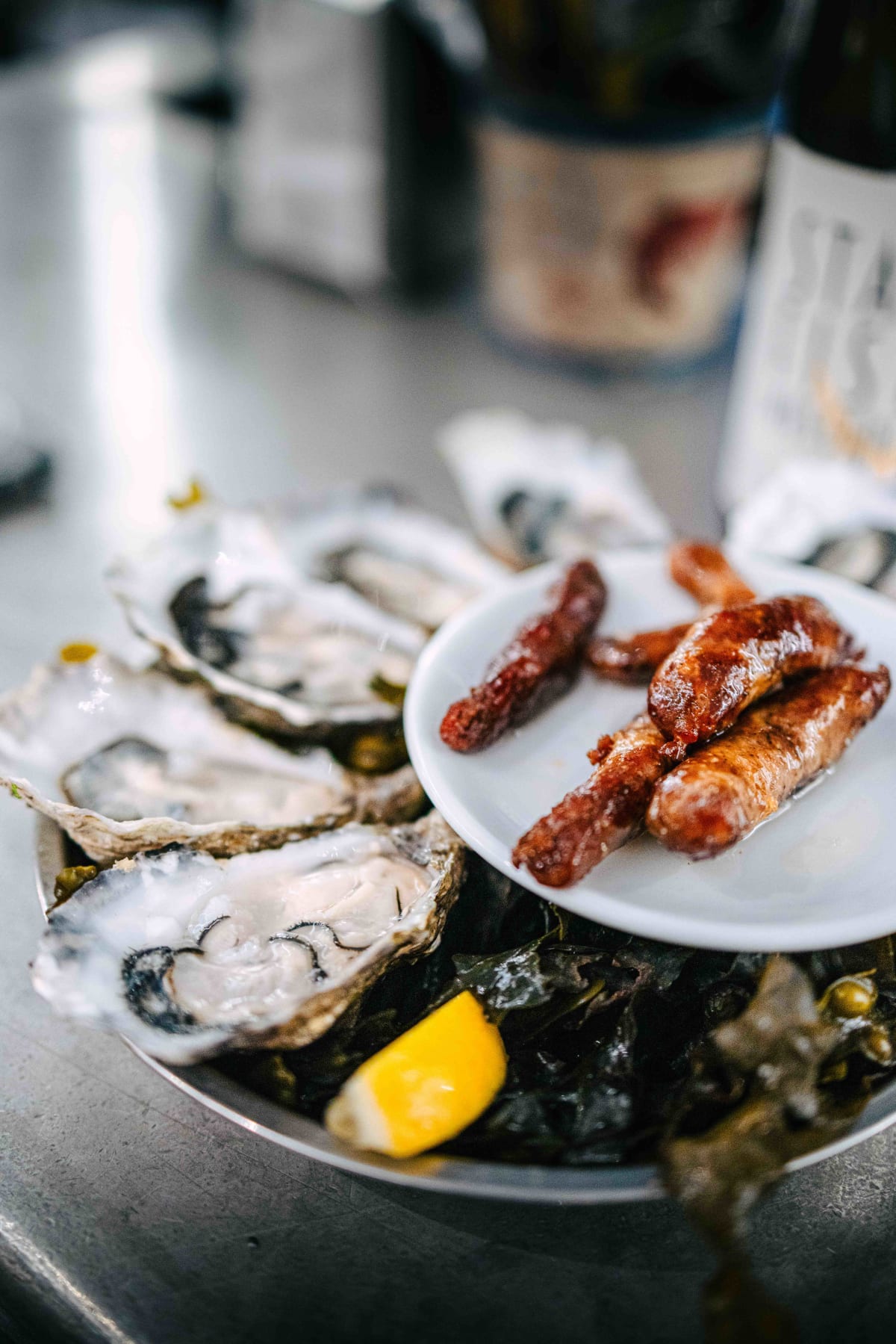
When last call drew near, I was reluctant to head back to my room just yet, so I tried the oyster plate. Six oysters for twenty-one euros.
20—21 / 32
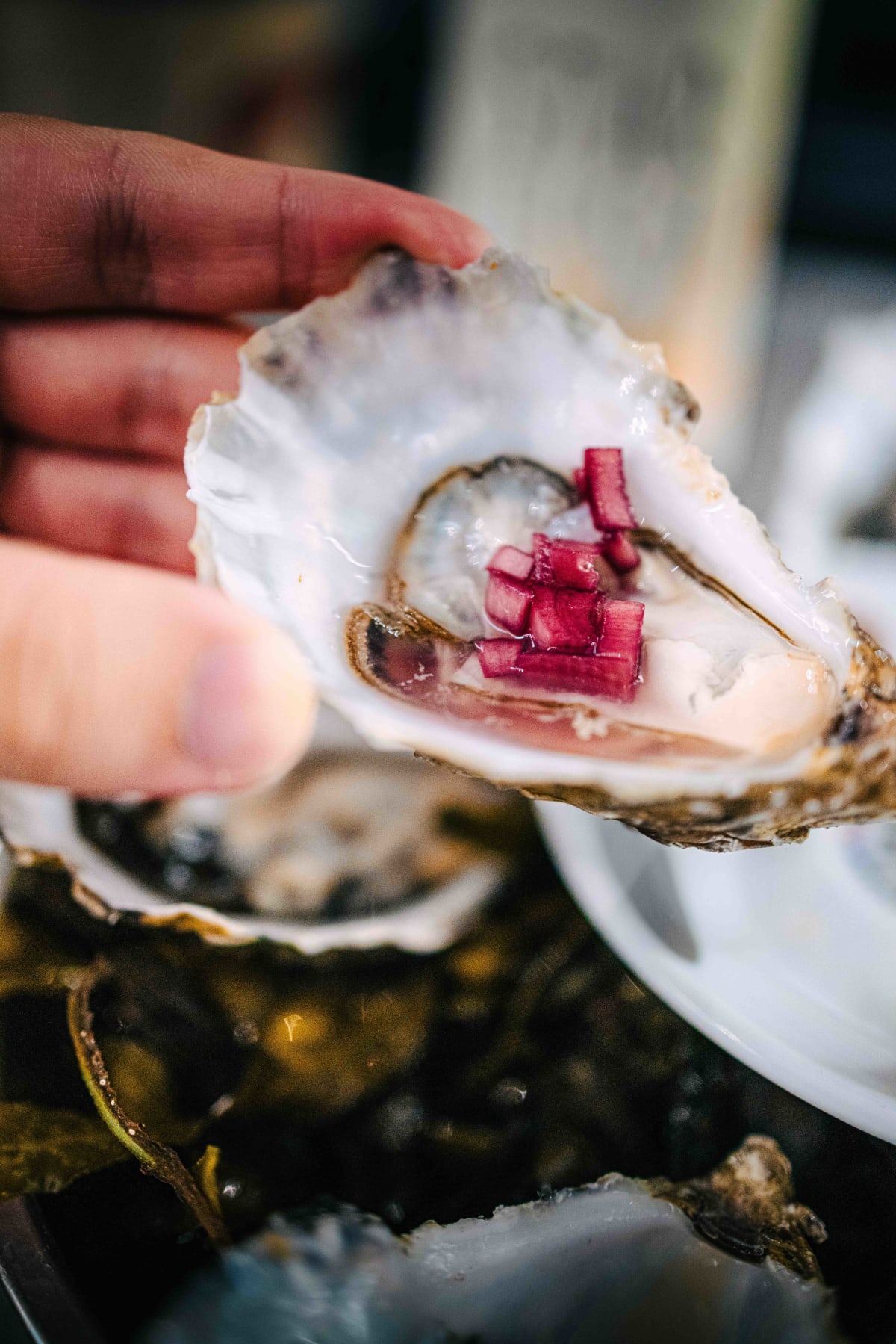
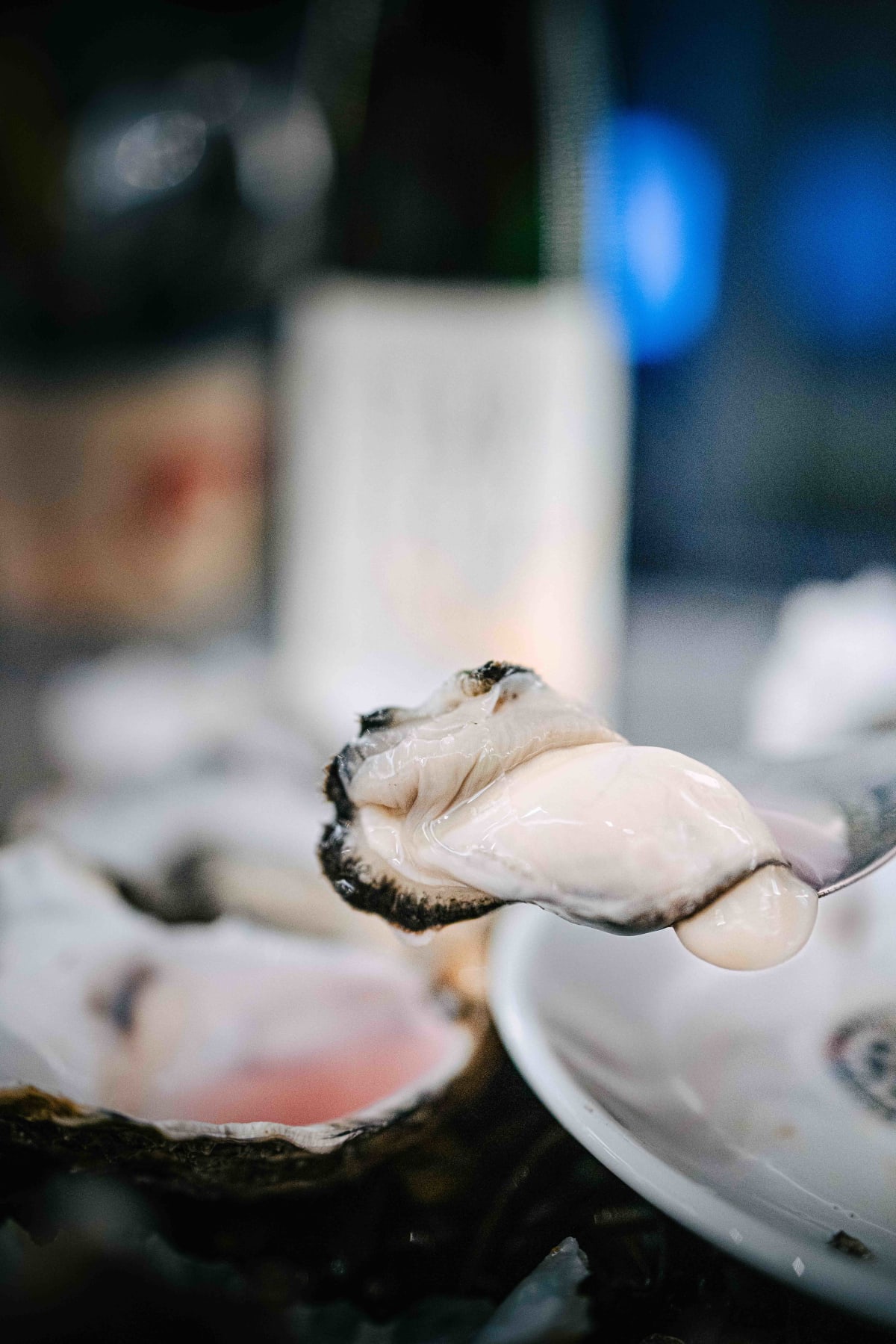
The menu listed them as Adrien Geay, Charentes, Marennes Oléron, Fines de Claires, and Spéciales n°3, names that point to producers, regions, or appellation grades for oysters.
26—26 / 32
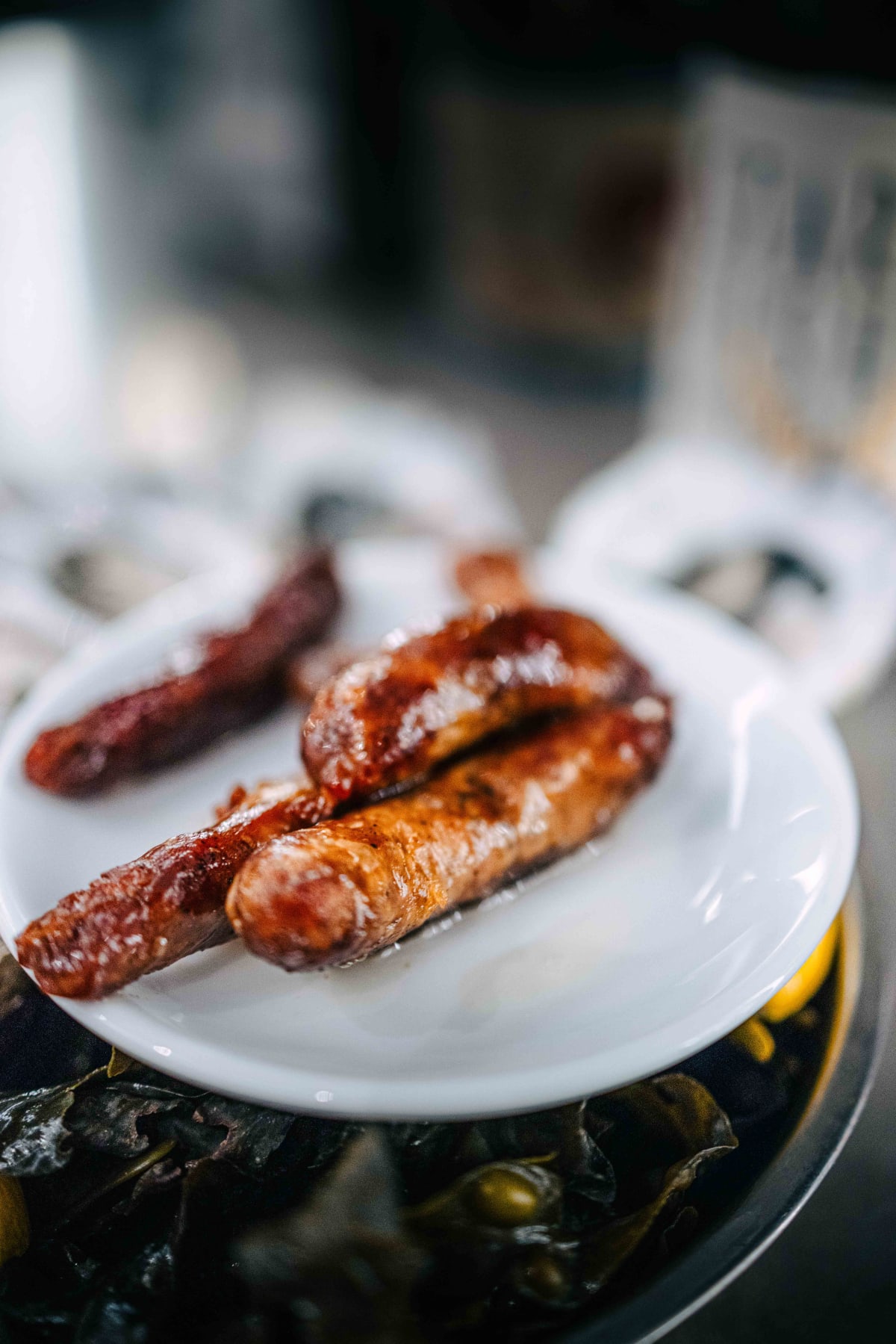
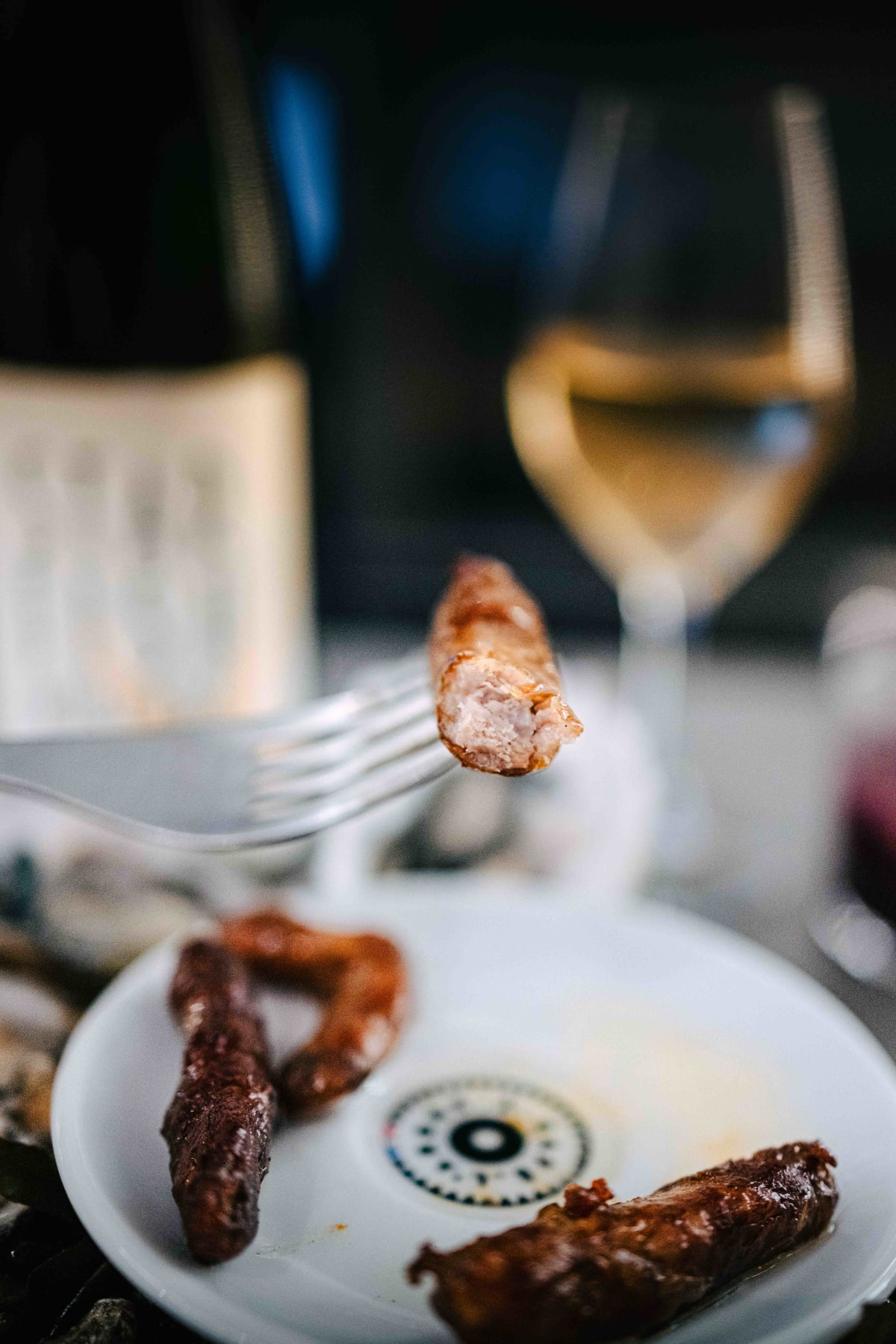
To be honest, I cannot claim that I could line all five up next to each other and pick out their precise differences. What I can say is that the price was fair for six and the quality was better than I had expected. The curious touch was the small piece of firm, not particularly tender sausage placed on top of each one. It is not a combination I had run into before, but with wine it worked.
23—29 / 32
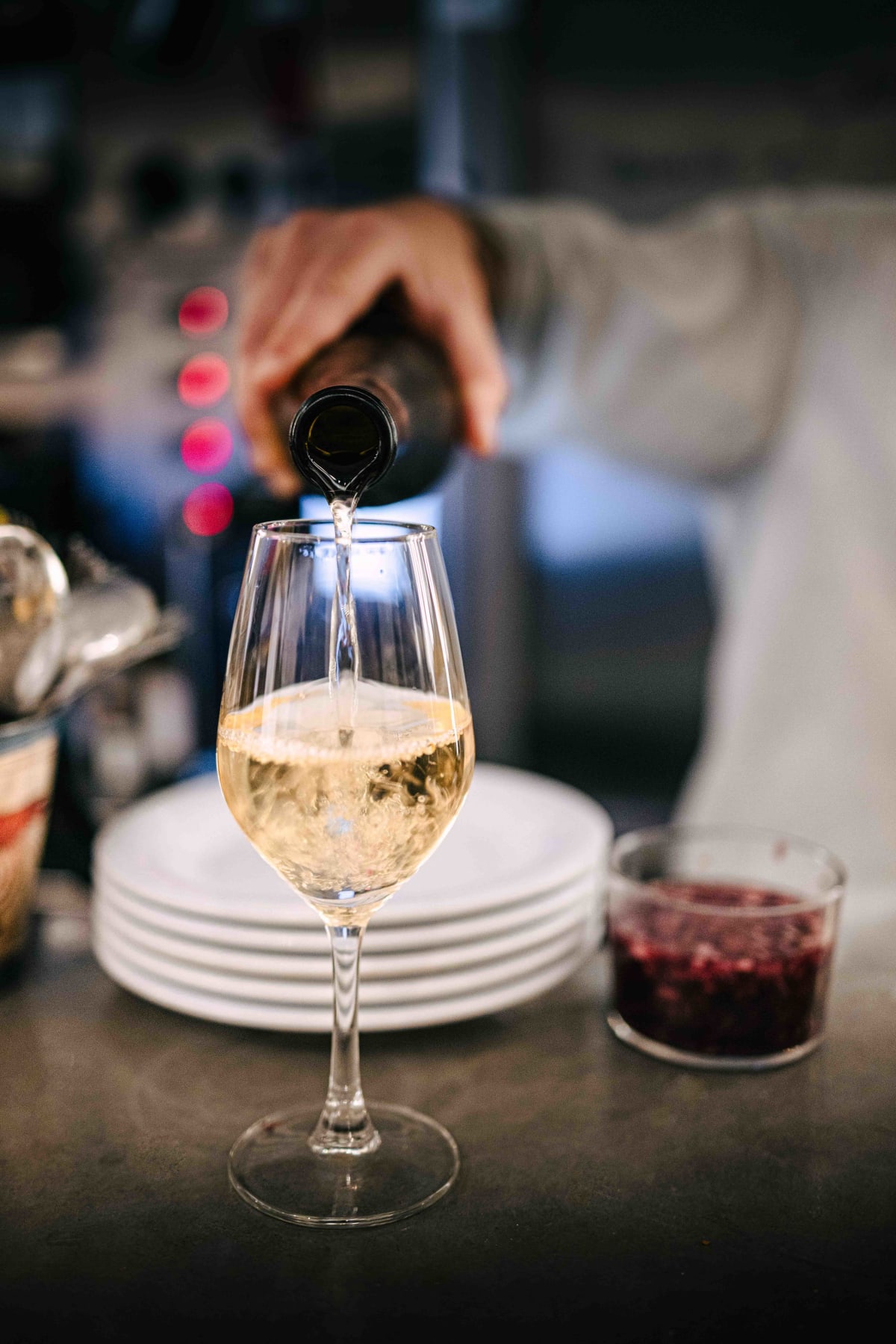
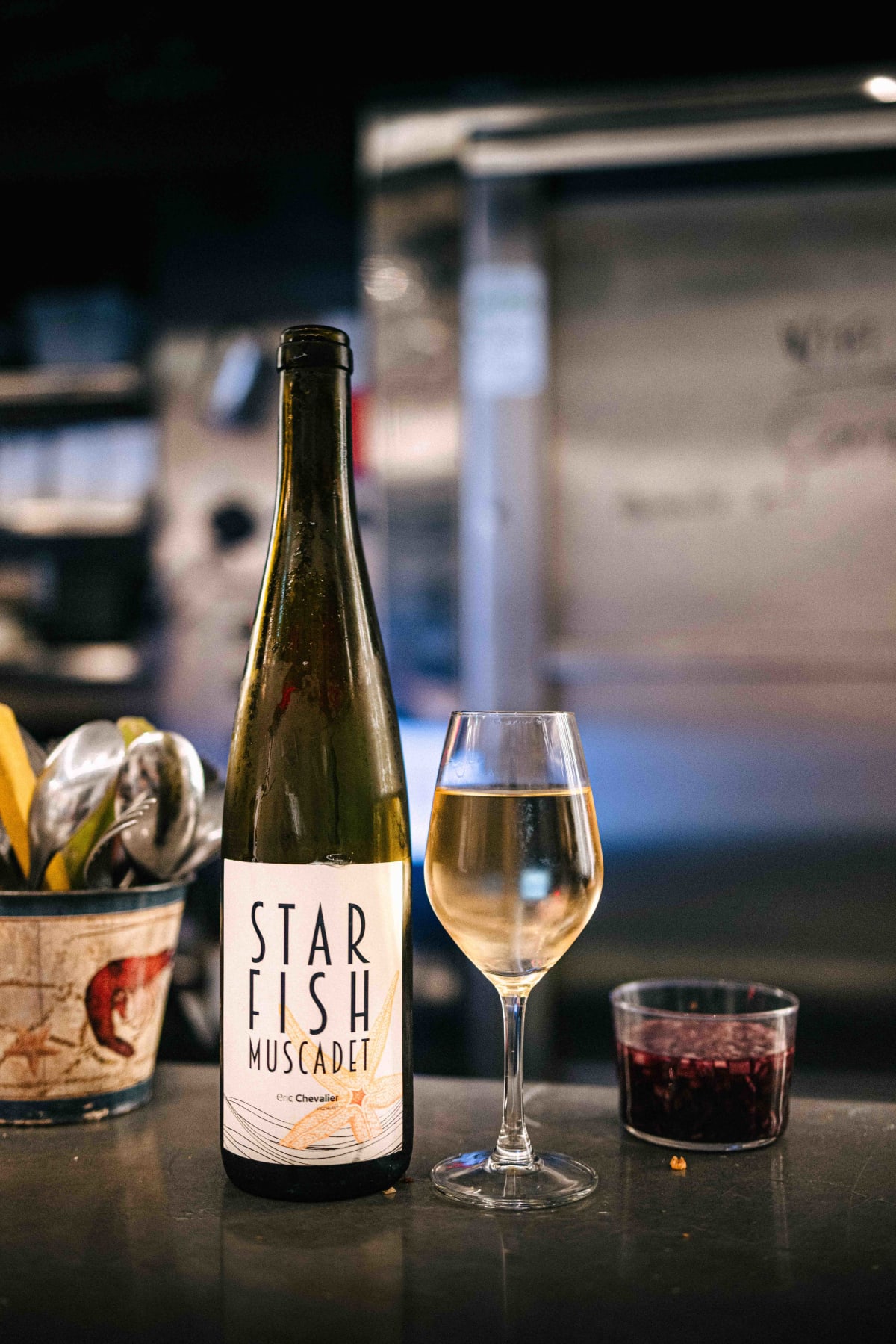
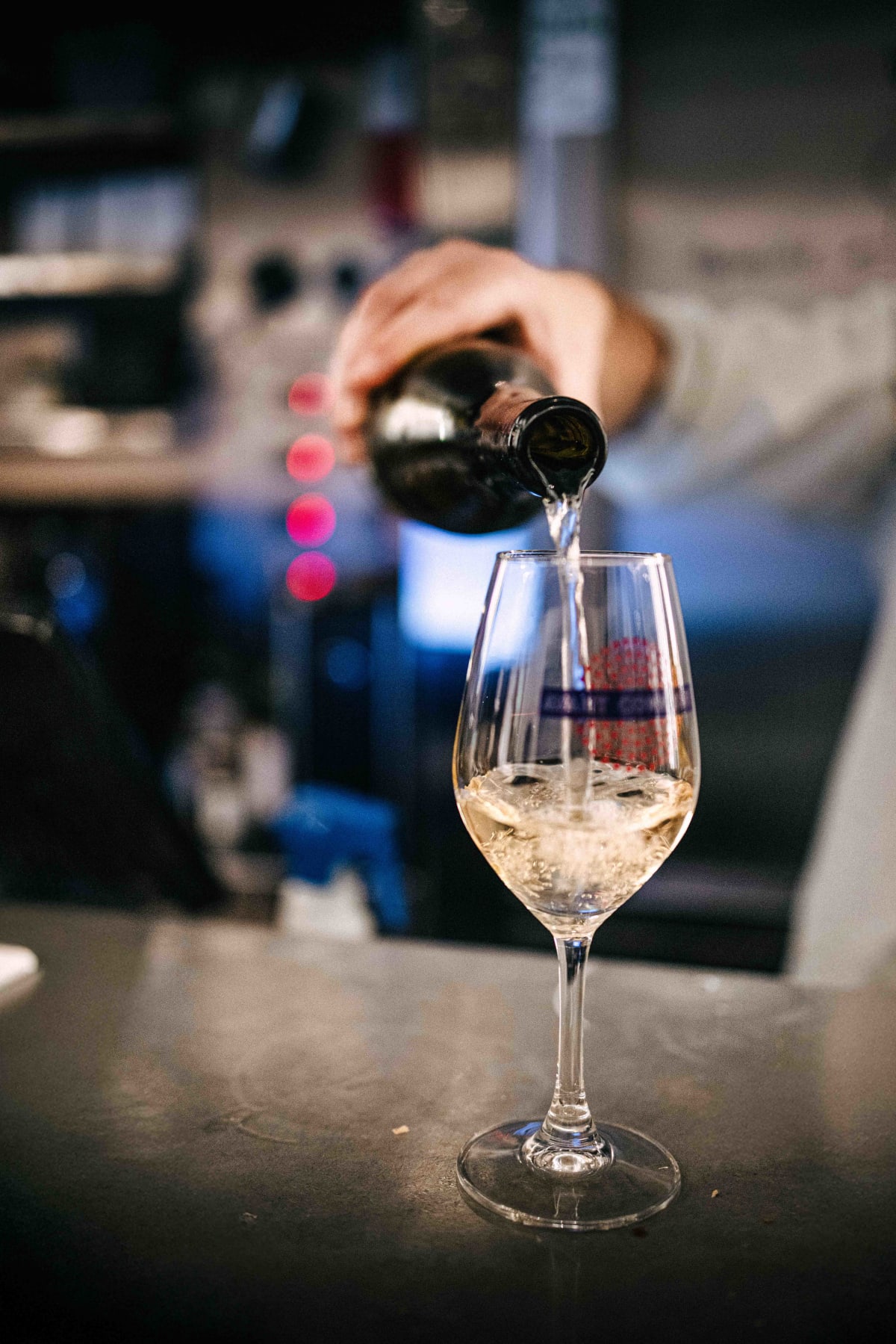
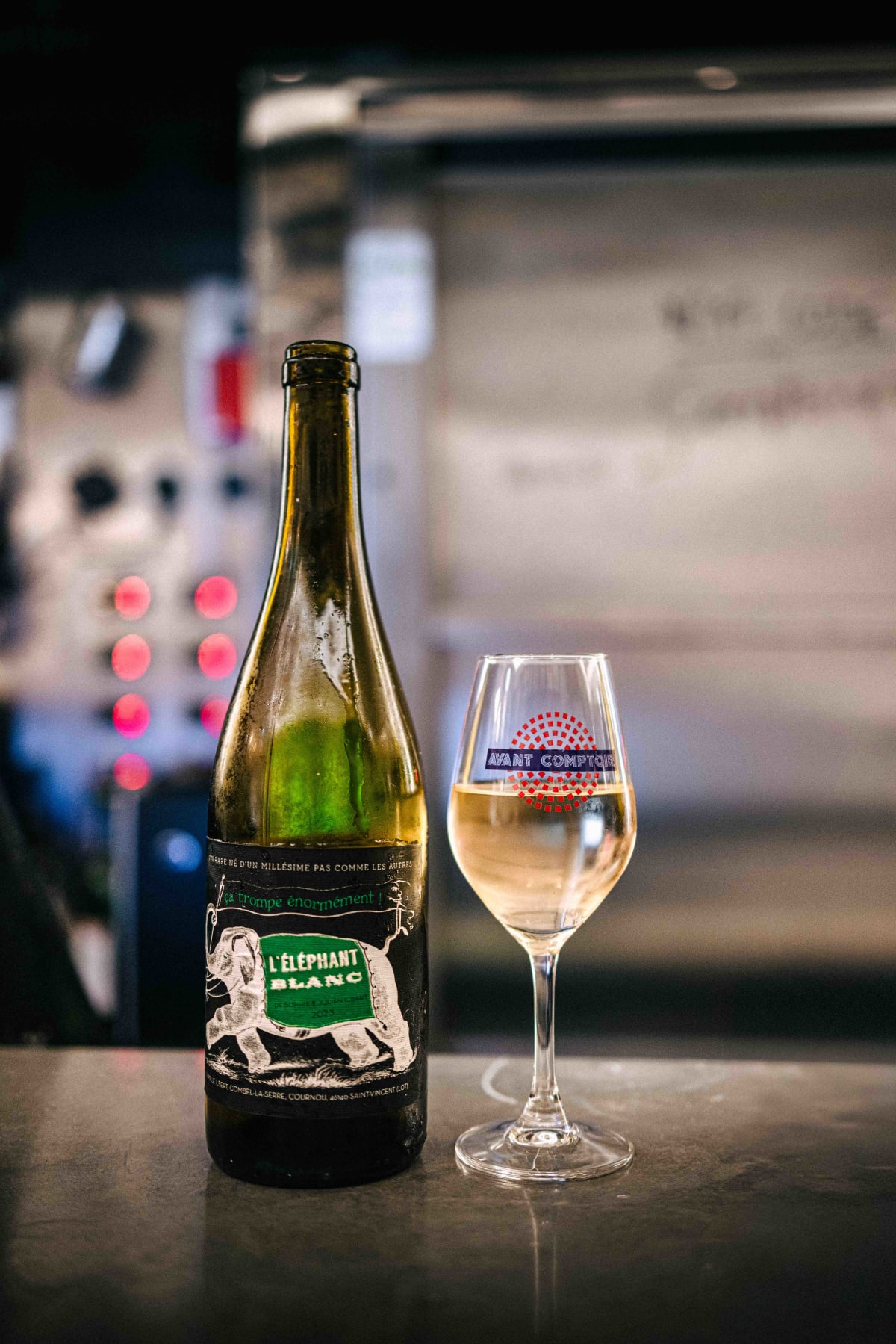
On wine, because I drank mostly by the glass, no single pour lingered as a defining one.
30—31 / 32
What did happen, though, was that the owner read my preferences quickly as I moved through a few different glasses, and he steered me toward less expected bottles, a Sauvignon Blanc from Burgundy among them. Those one or two recommendations pulled the round out of any flatness. Between the cellar's slant and the way pours were chosen, natural wines clearly sit at the center of the program here, and the pairing of internationally inflected seafood tapas with natural wine is itself emblematic of the Paris wine bar scene of the 2010s. Given that Camdeborde came up through classic bistros, the fact that his group has folded into this current is an interesting overlap.
If I find myself back in Paris, I would happily return here for the seafood and the wine. The caveat is that it has to be a day when you are willing to accept a small room and an atmosphere that is not exactly comfortable. Once that condition is met, anyone wanting to add a different texture to a Michelin-only Paris itinerary will find this a good option. What began thirty years ago at La Régalade has quietly settled into an everyday form inside a narrow counter on a small intersection, and the place shows you that without ever pointing to it, only through a glass and a few small plates.
32—32 / 32
The cluster of one flagship bistro and three siblings packed into a single block of Carrefour de l'Odéon reads almost like a small private geography of Paris that Camdeborde has built up over thirty years. Within that geography, de la Mer occupies the most casual yet structurally most experimental edge of the group. No reservation, no menu, no seat, the operating form alone shows how the city has run its food culture outside the orbit of guide stars. The texture that a Michelin focused trip tends to miss is compressed here into the space of one counter spot.
Have a question about this restaurant, or want to share your own experience?
Send a message