Fine Dining · France
Le Taillevent
"Where the history of French gastronomy pours itself into every glass."
1—1 / 59
Paris is the city I have always held closest to my imagination. Every Michelin three-star address, every legendary maison in this city has lived somewhere in the back of my mind as a quiet, long-held aspiration. My first proper food pilgrimage to Paris came in August 2022, when I flew over during the Chuseok holiday after starting my first job. Two Michelin restaurants made the itinerary that trip. The first was Septime, casual and inventive. The second was Taillevent.
At the time, I knew relatively little about French fine dining. I had come across Taillevent repeatedly in books on French gastronomy, and the deciding factor was practical: it was one of the very few restaurants at the two- or three-star level that still accepted online reservations. I booked with some quiet apprehension, wondering whether ease of access at this level signalled lower demand, which usually meant lower form. What I had also not anticipated, frankly, was the price register: I arrived expecting something approachable and found something significantly more substantial than that. As it turned out, both concerns were beside the point. I had simply not yet learned that the most established maisons in Paris operate on a different logic from the new prestige addresses, where reservation difficulty has become a marketing instrument.
Taillevent was founded in 1946 by André Vrinat in a modest dining room in the 9th arrondissement. Its name pays tribute to Guillaume Tirel, the medieval royal chef known by the nickname "Taillevent," credited with authoring Le Viandier, one of the earliest surviving cookbooks in the French language. The restaurant earned its first Michelin star in 1948, its second in 1954, and climbed to three stars in 1973, a status it held for over three decades before losing the third in 2007. Today it holds two stars, and the word "institution" does not feel like hyperbole here. It is a living record of what French haute cuisine has been and continues to be.

2—3 / 59
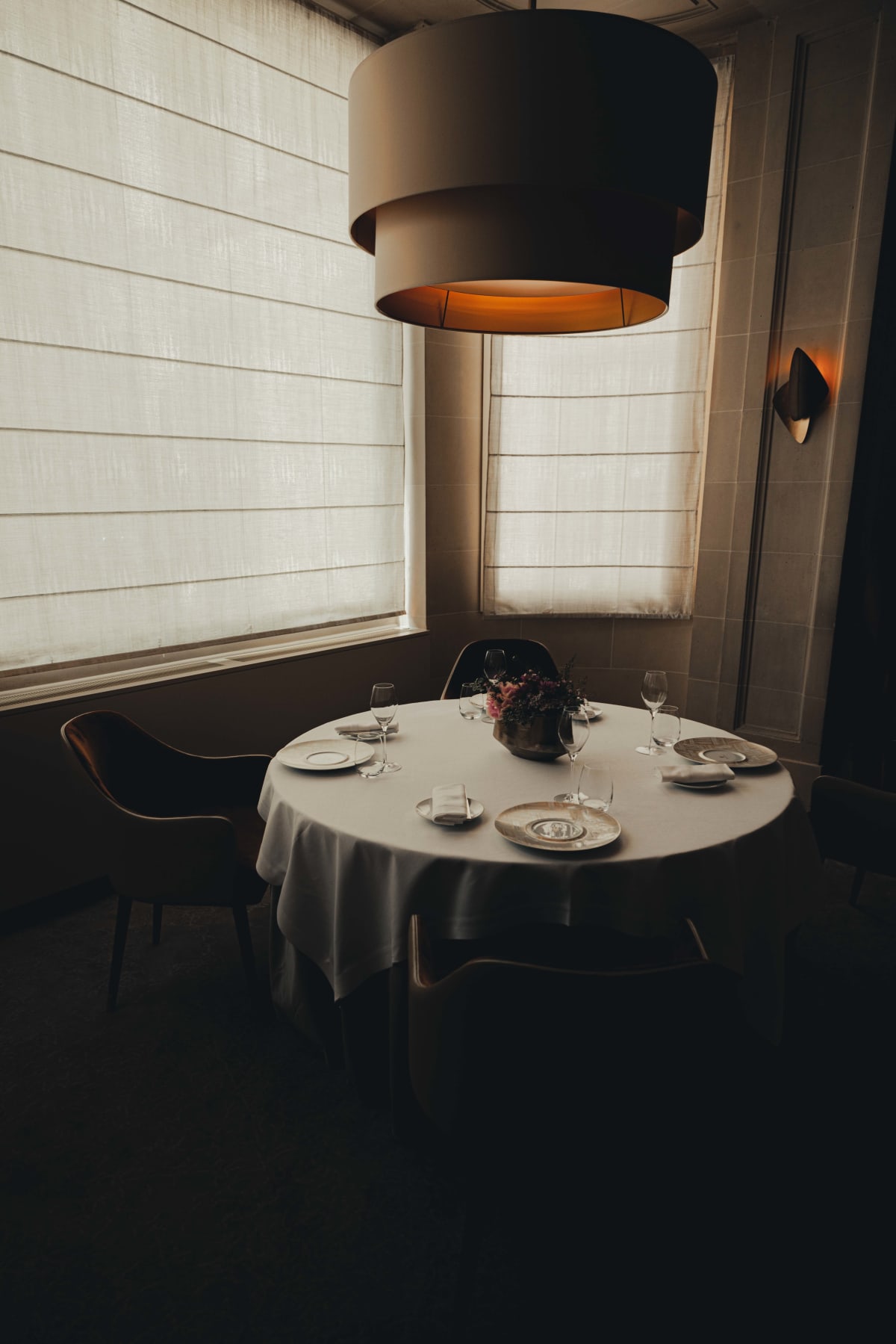
The Gardinier family, who also own Les Crayères in Reims, acquired Taillevent in 2011. The dining room was renovated in 2021 by architect Yann Montfort, and the kitchen is now led by Chef Giuliano Sperandio. In interviews, Sperandio has spoken with genuine conviction about his role not as an auteur imposing a personal vision, but as a steward of the house DNA. Taillevent chooses graceful continuity over novelty, and it is not a compromise but a declaration.
Taillevent chooses graceful continuity over novelty, and it is not a compromise but a declaration.
The building is a former private mansion of the Duc de Morny, and stepping inside makes that lineage immediately apparent. The scale is grander than I expected. As the first guests of the lunch service, we were greeted by the entire front-of-house team, every manager turning toward the entrance in unison. The room had that particular hush of a place that has been doing this for a very long time.


4—9 / 59
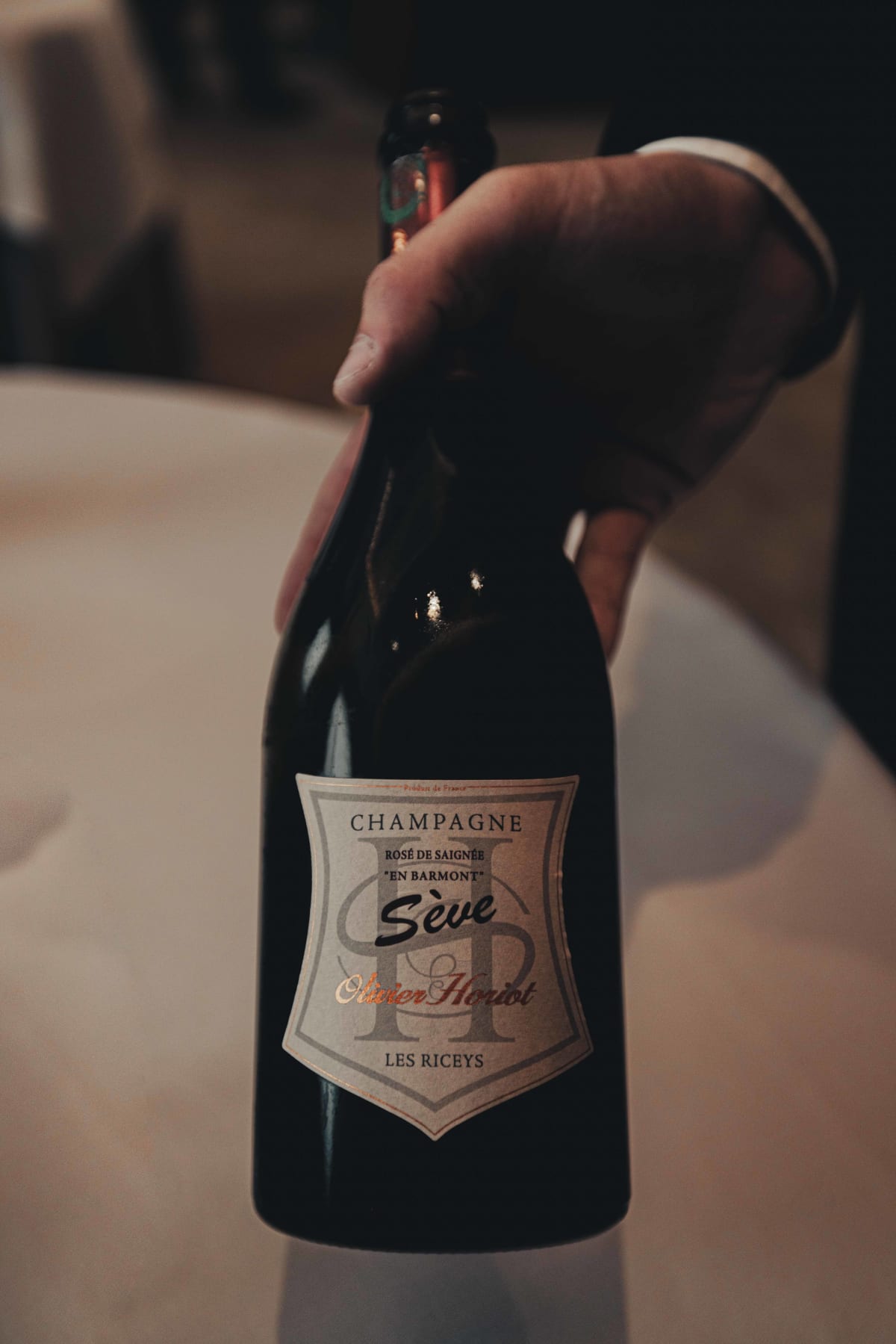
When we were seated, the first question from our server was about champagne. Assuming it would be an additional charge, I asked the price and ordered the most modest option I could find. It was only afterward that I realized it was a welcome drink included in the menu. The champagne in question was Olivier Horiot "Sève" Rosé de Saignée "En Barmont," a 100% Pinot Noir cuvée from Les Riceys in the Côte des Bar, the southernmost part of Champagne. Biodynamically farmed, produced in tiny quantities, and aged in oak barrels, it is a rosé shaped more by Burgundy's temperament than by the dominant house Champagne style. A serious choice for an aperitif, and not one I had expected.


5—7 / 59
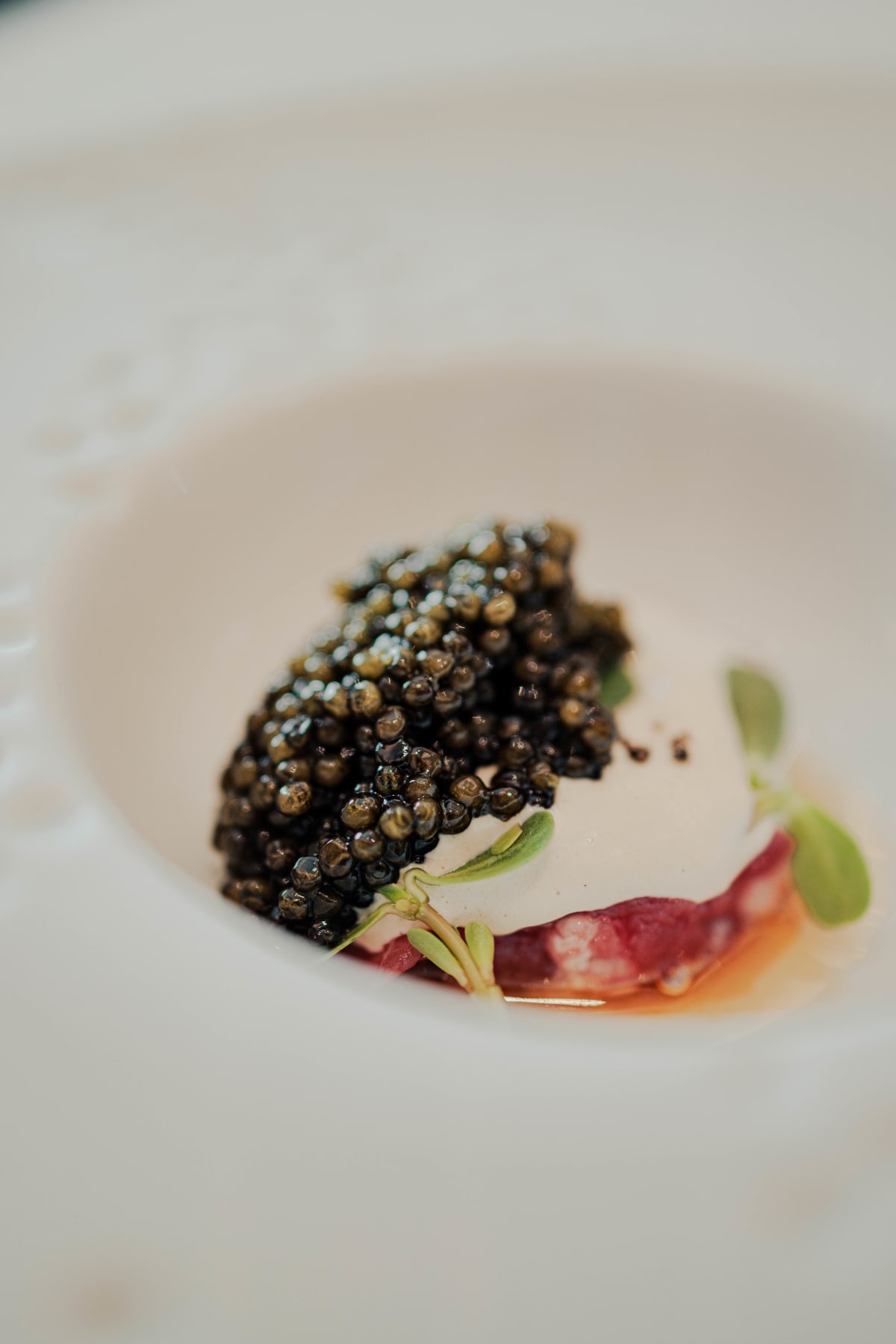
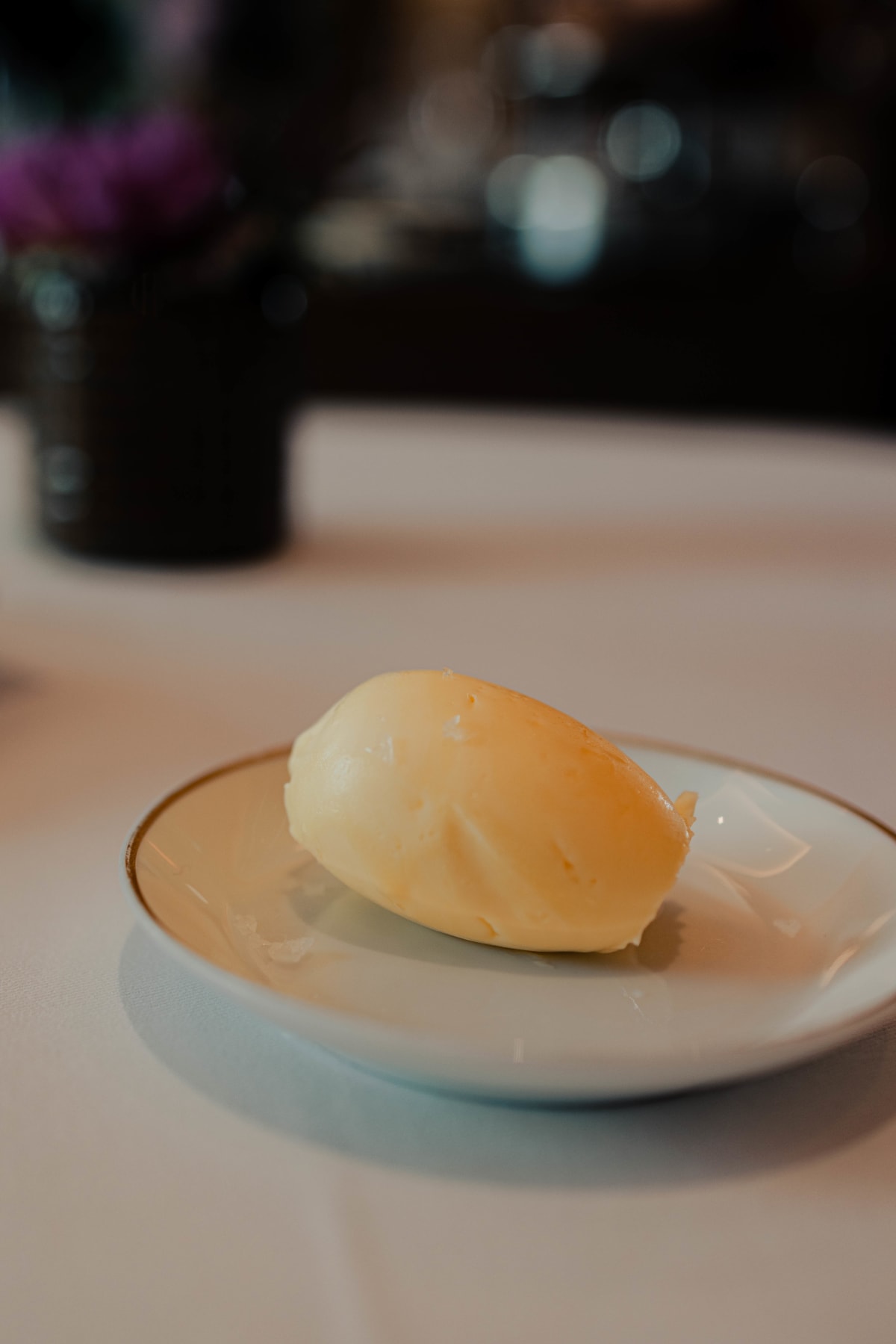
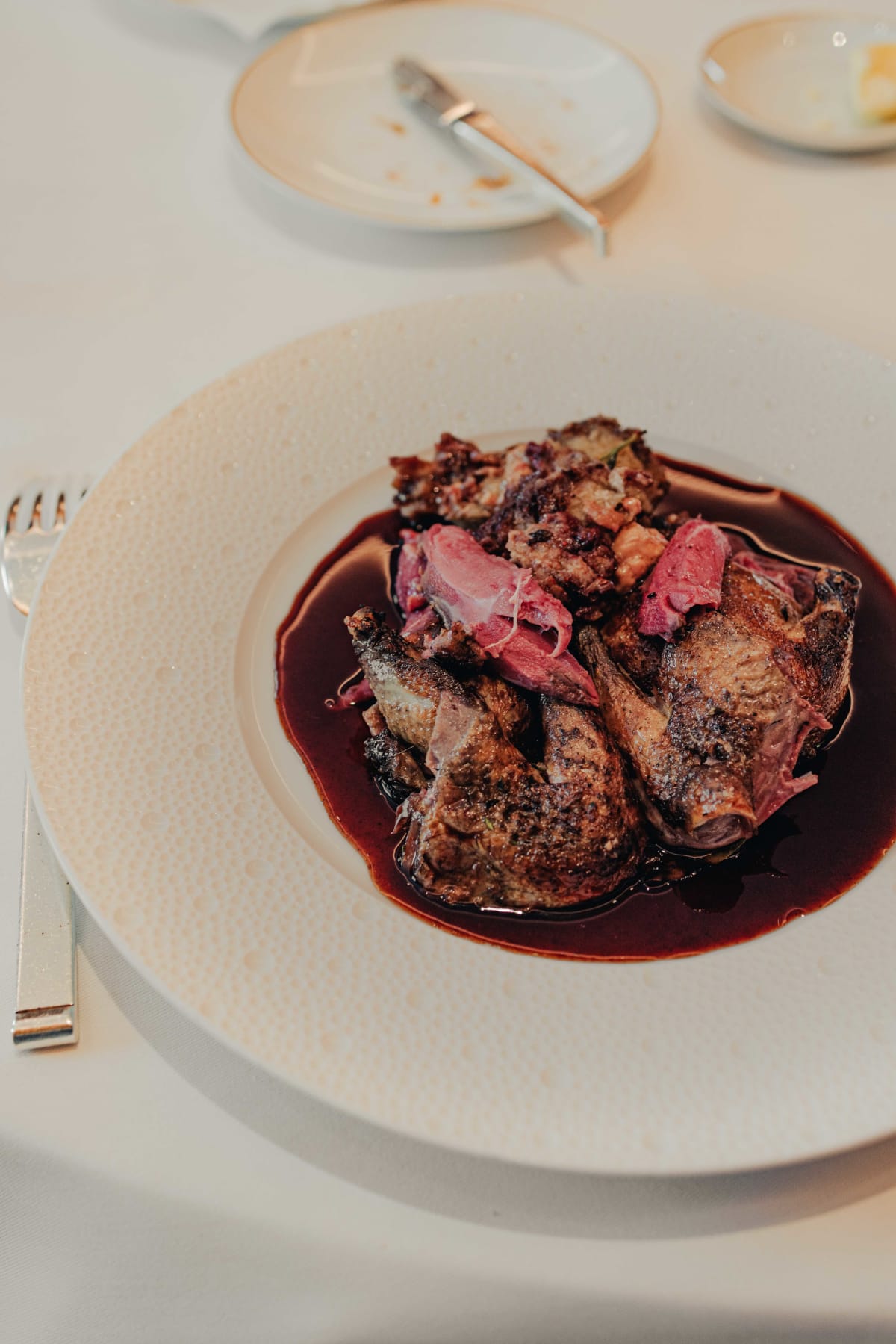
The lunch menu offered two tiers. I chose the higher one, which allowed a selection of main courses: lamb, beef, or pigeon. After some deliberation, I ordered the pigeon. A bold decision for someone still finding their bearings with French fine dining.




10—22 / 59
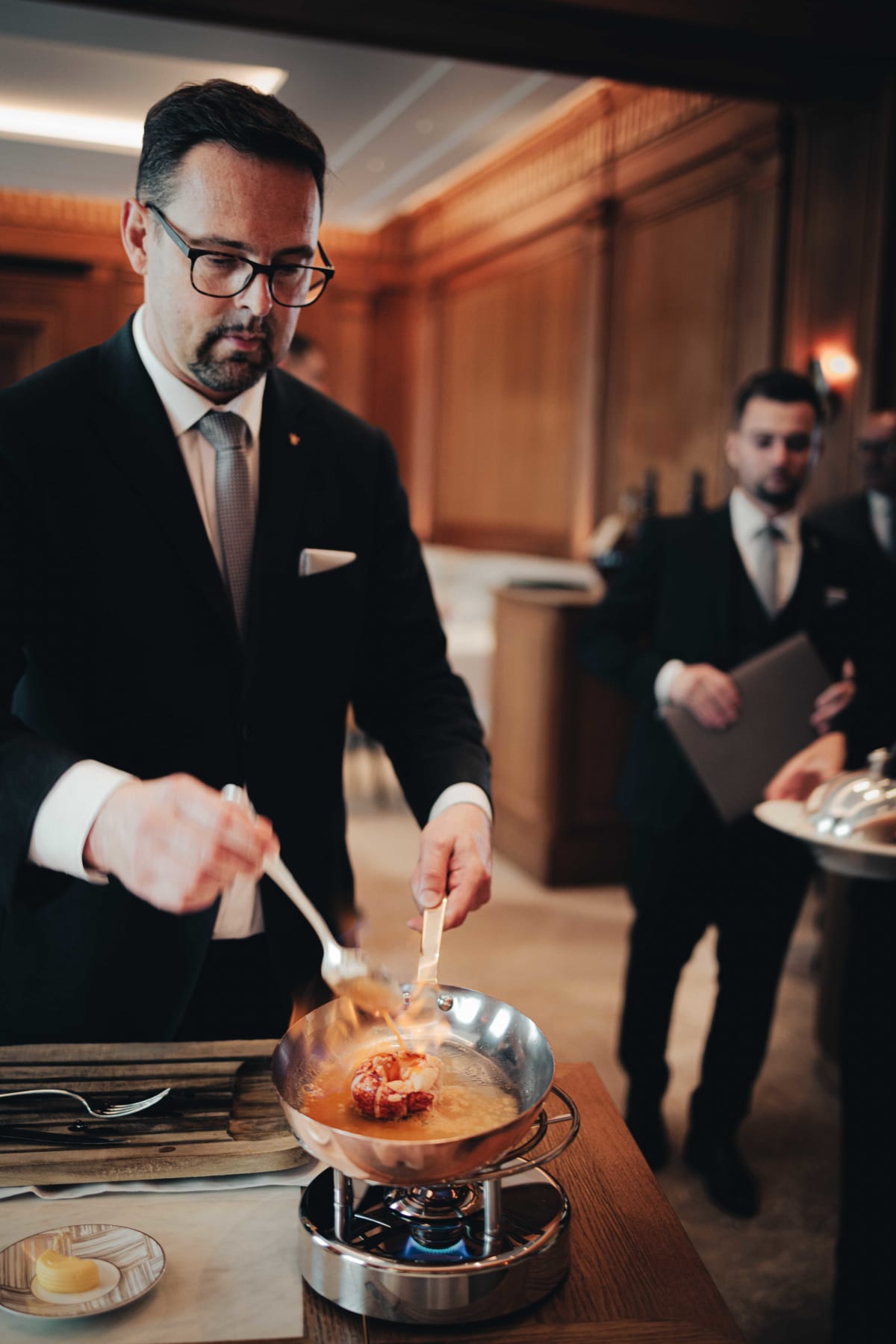
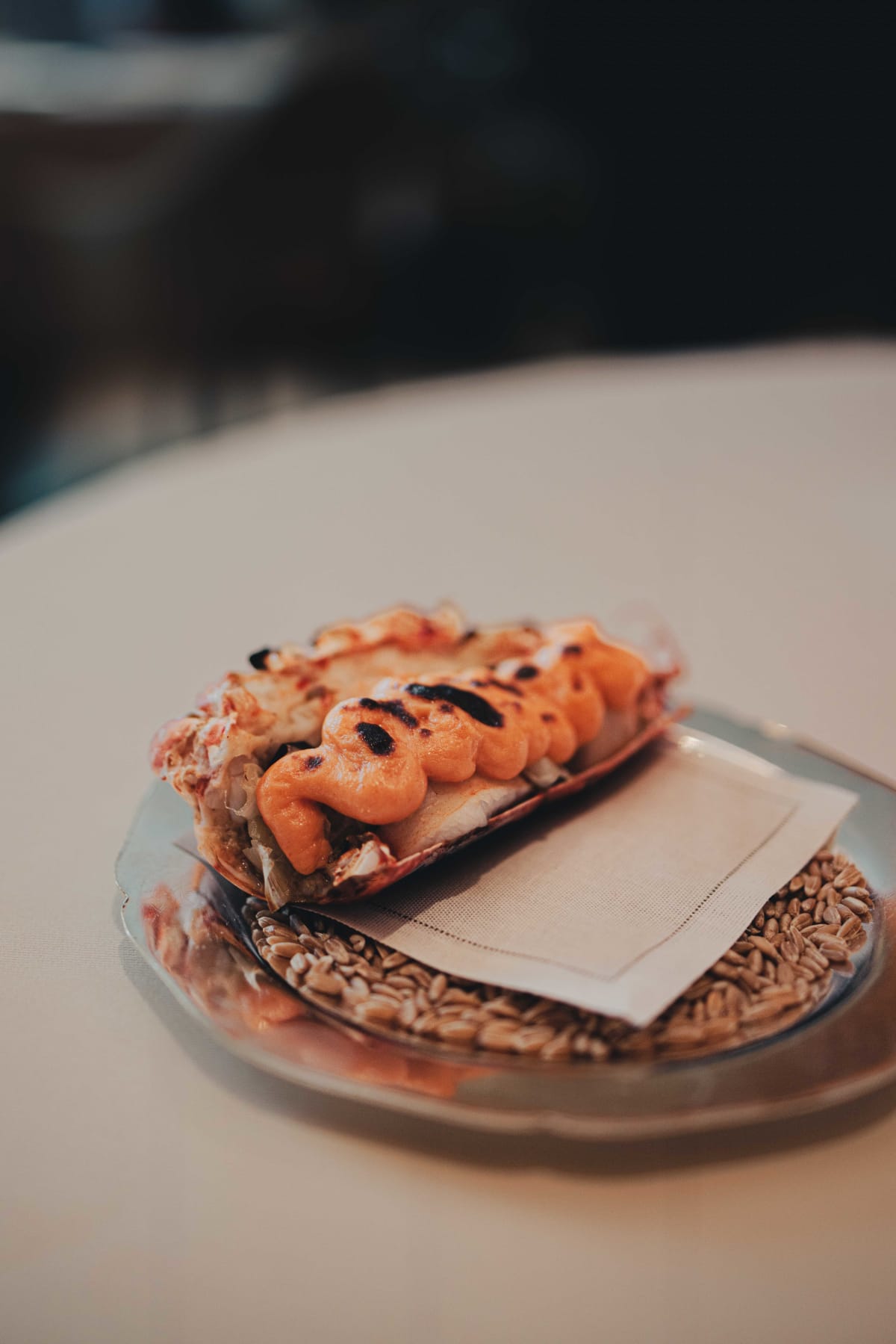
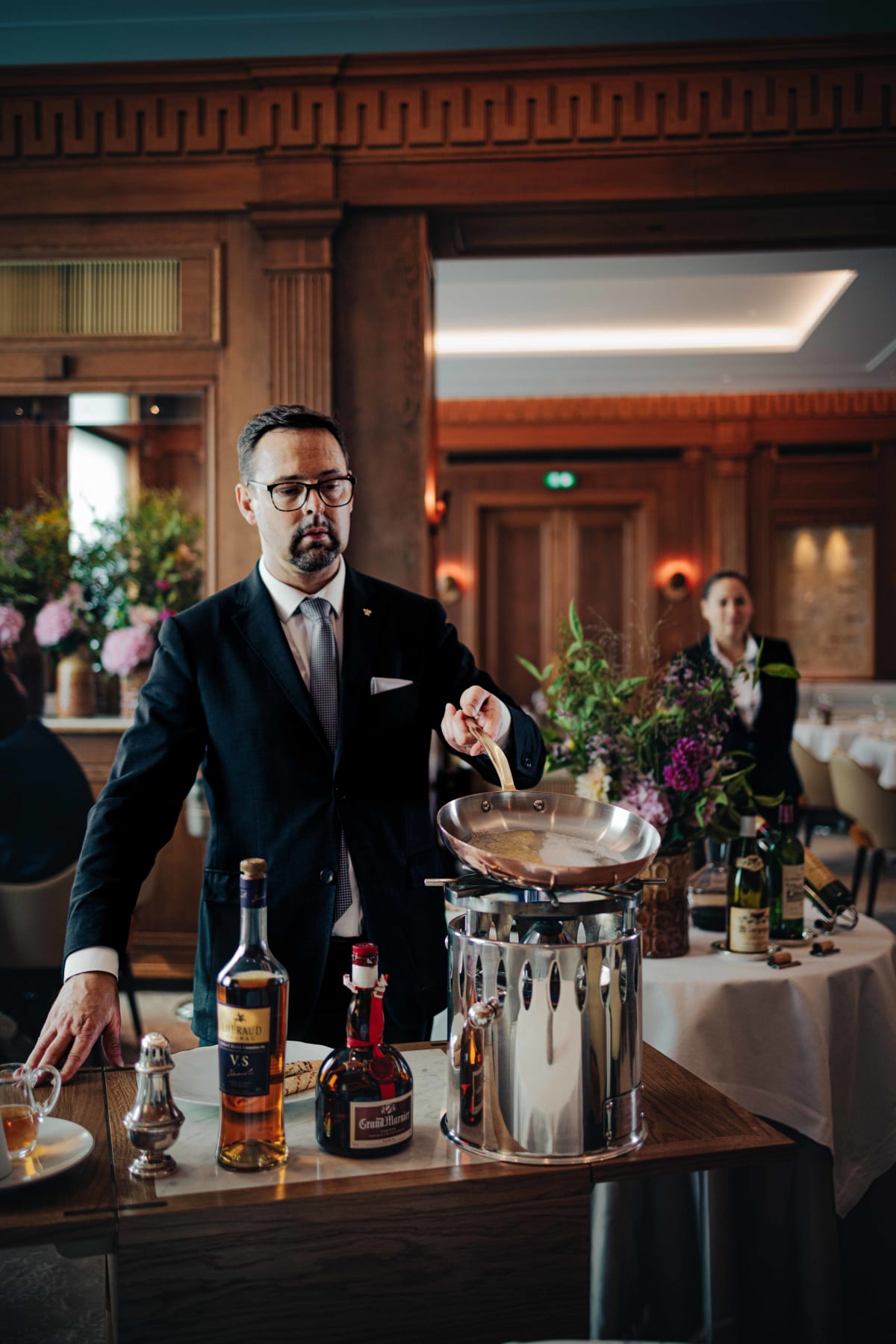
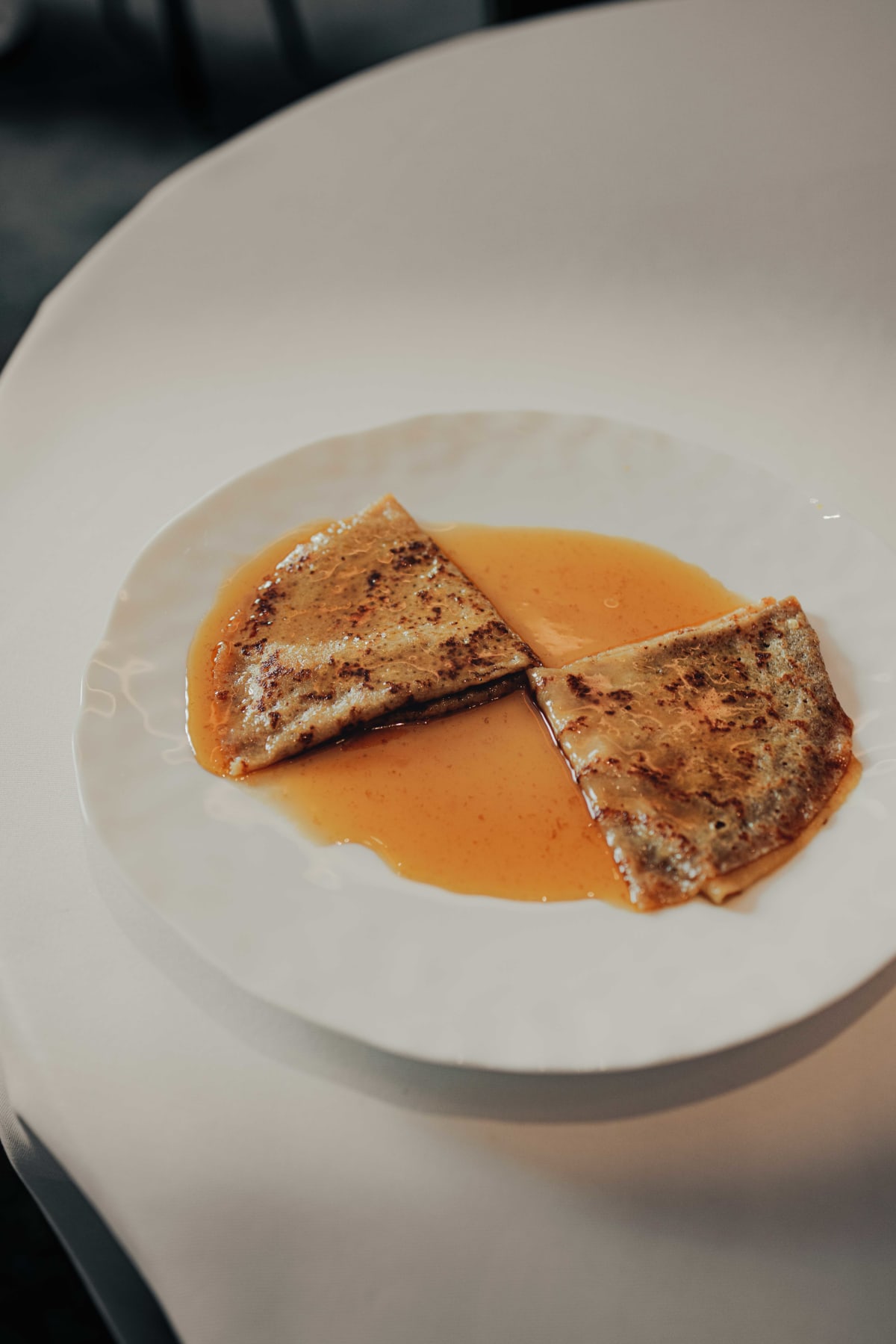
That afternoon, only four tables were occupied in the large dining room, and the front-of-house team numbered well over ten. How the economics of this hold together is a question I genuinely could not answer. What I can say is that with so few guests, or perhaps simply because this is how Taillevent operates regardless, all the final preparations were carried out tableside on a guéridon trolley. This is the classical French service tradition where mise en place is brought to a mobile station beside the guest and finishing touches are completed in full view. It is theatrical, yes, but also deeply considered: the guest watches their food come to completion, the timing is precise, and the distance between kitchen and plate is compressed in the most deliberate way.








23—40 / 59
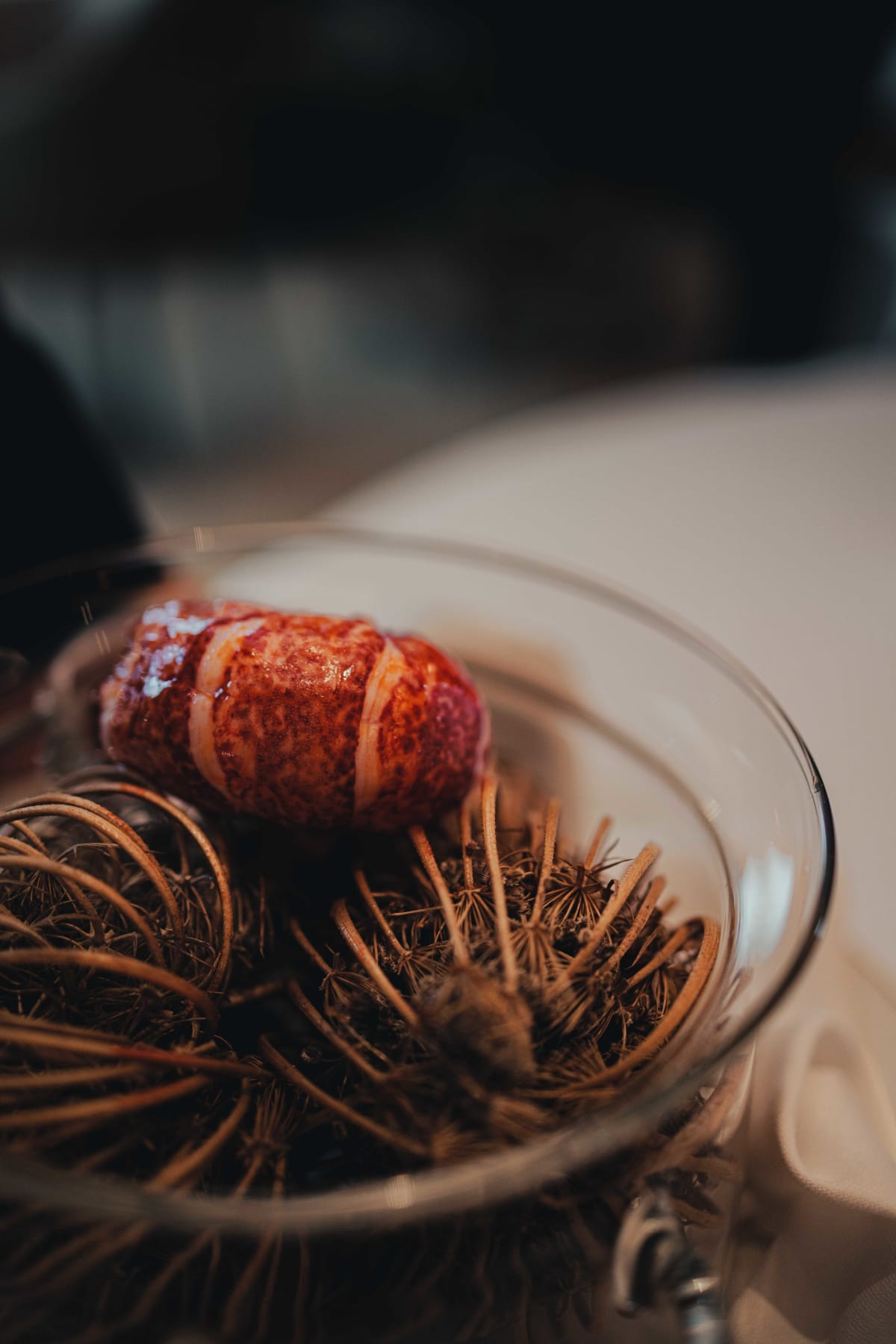
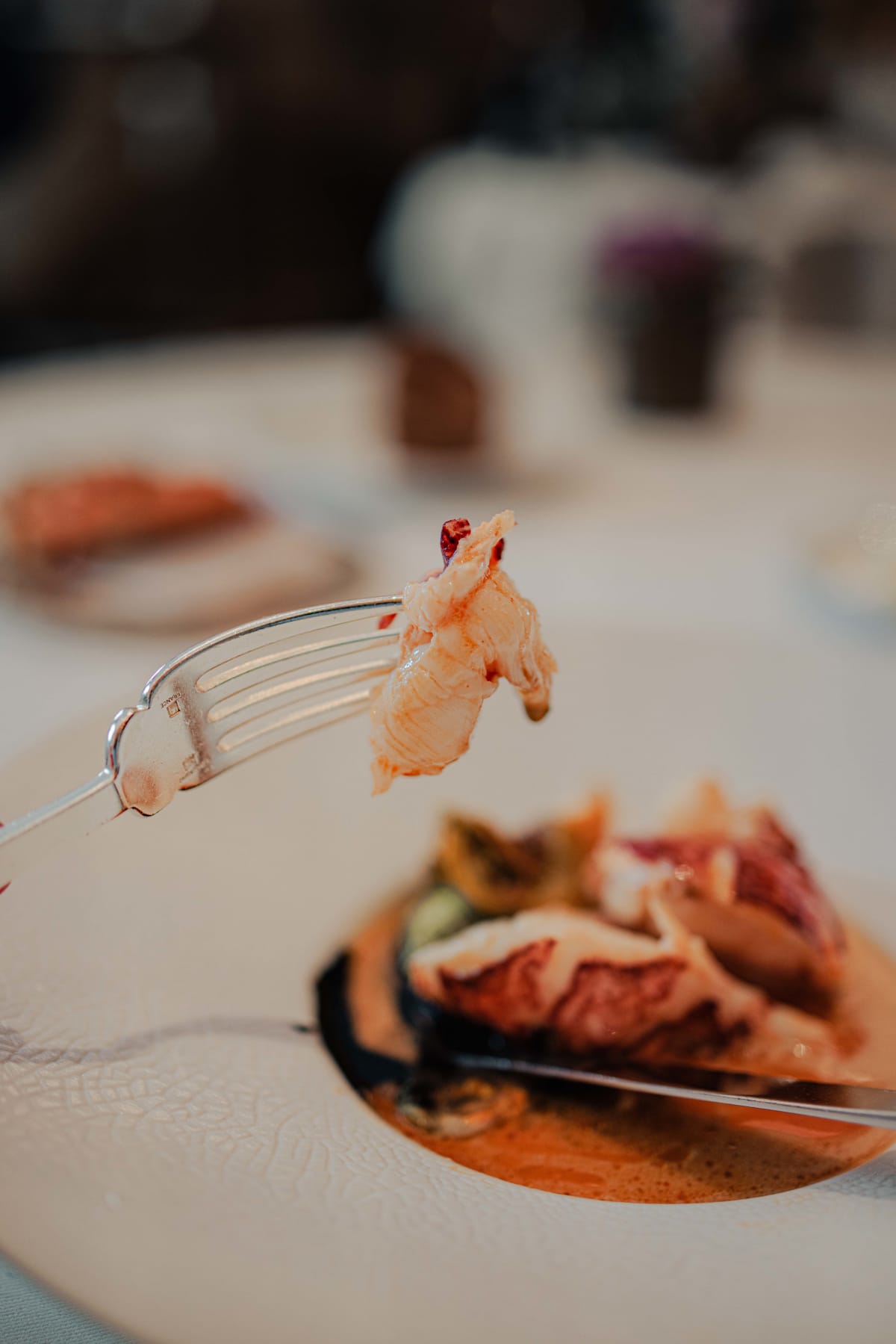
The food throughout was excellent. The pigeon, which I had approached with some apprehension, won me over entirely. The meat was rosy and yielding, and I found myself working through every last piece, picking the bones clean with perhaps more focus than is typically expected at a maison of this standing.


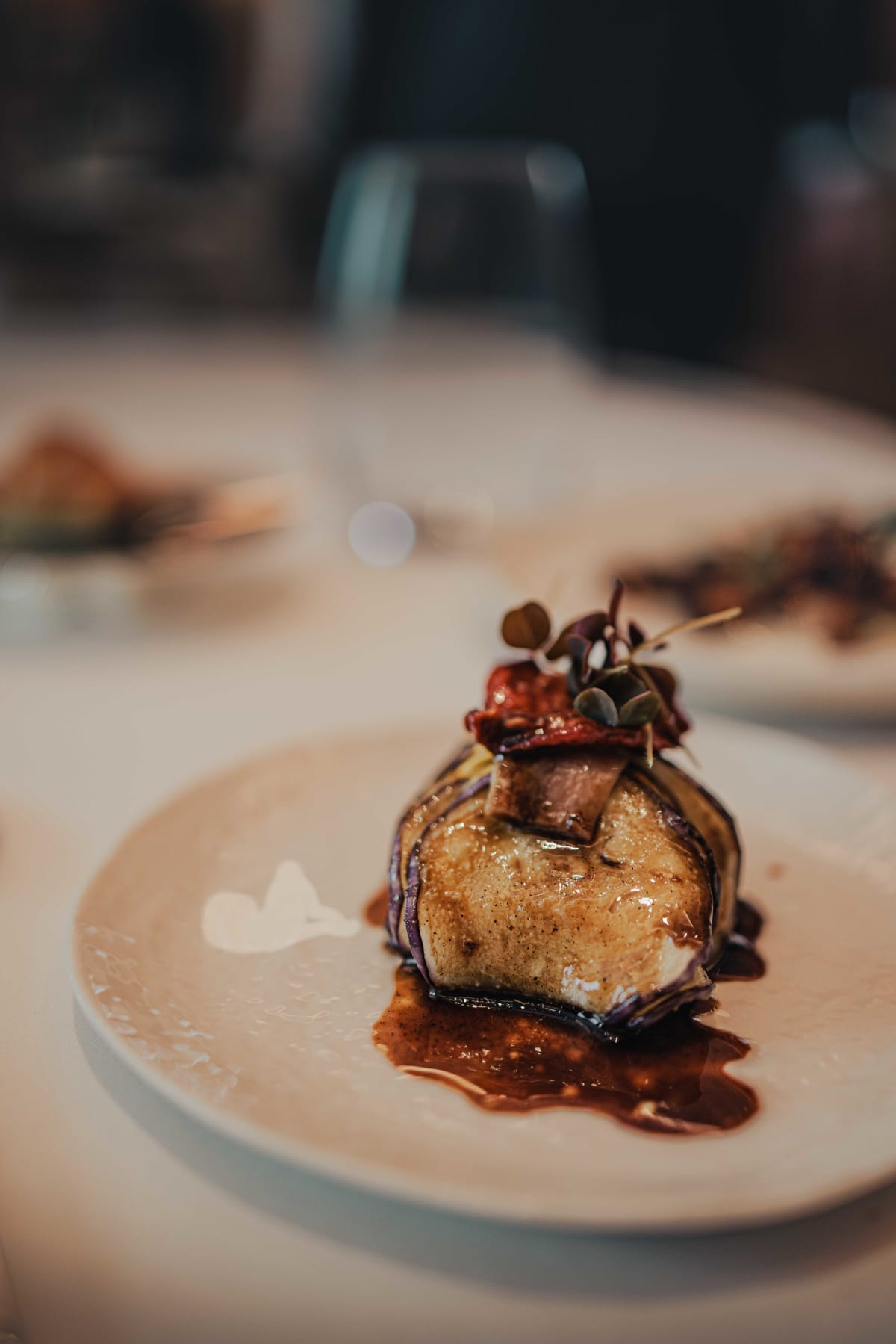








36—59 / 59
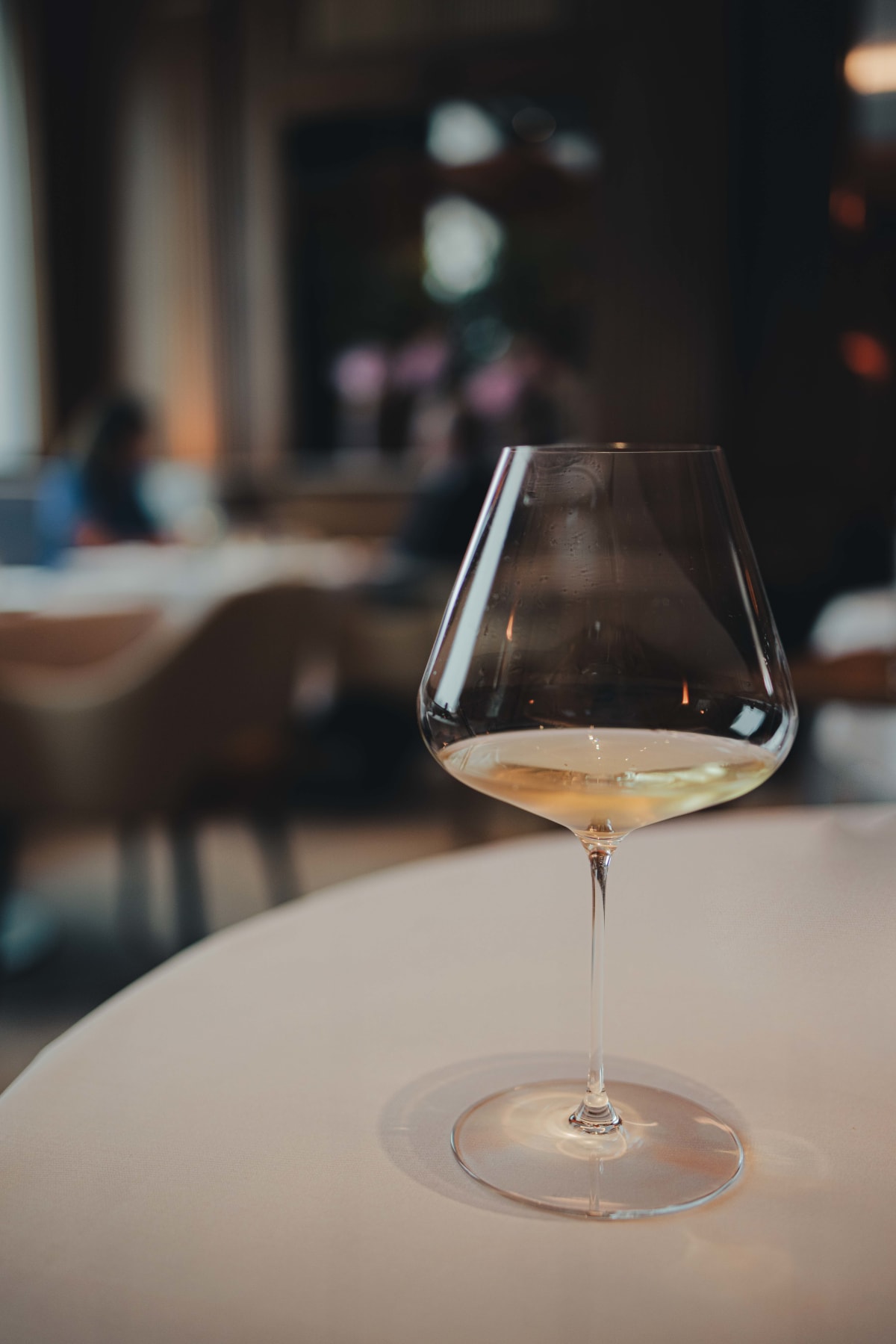
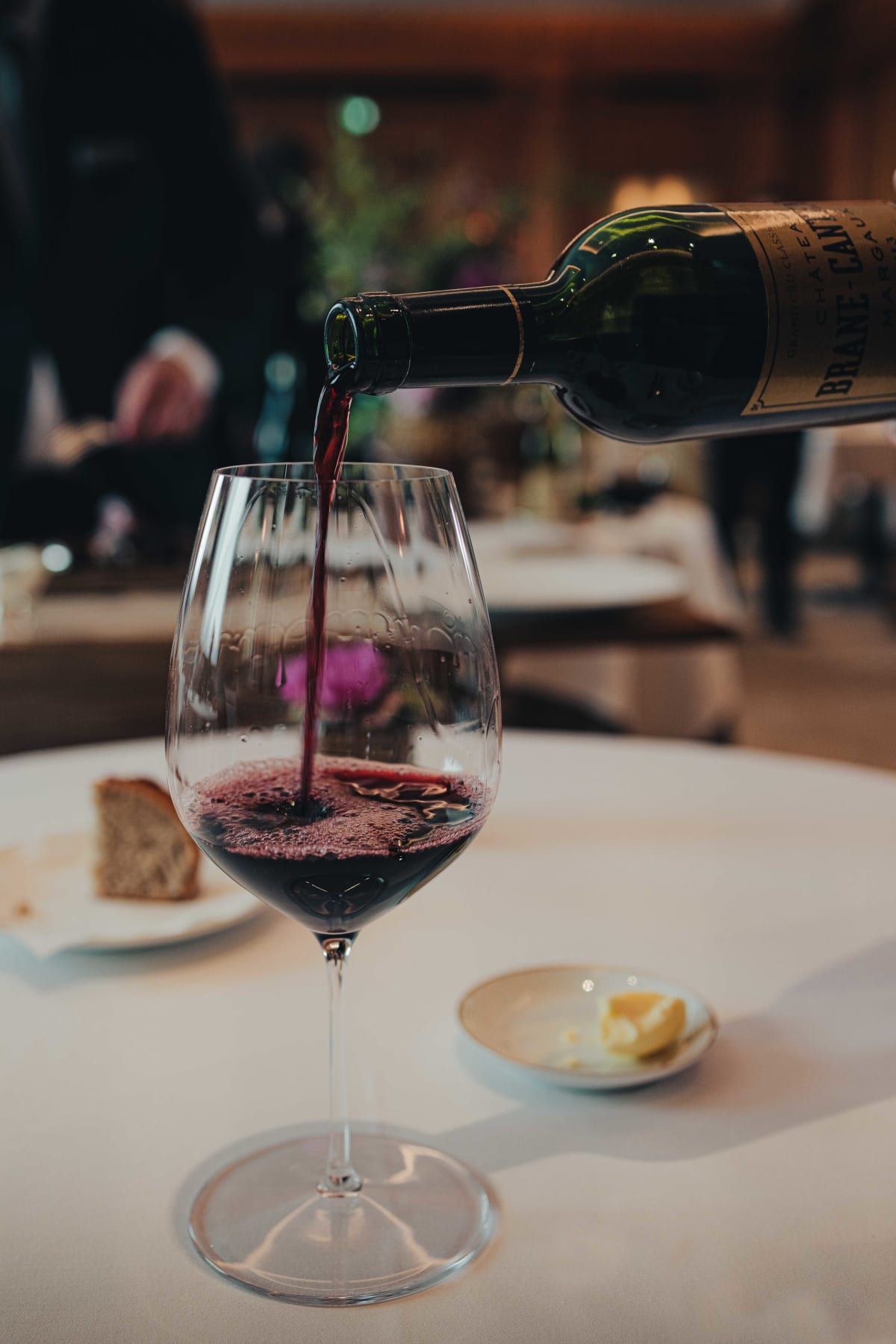
For the meal I ordered two glasses. The white was Jean-Claude Bachelet et Fils Chassagne-Montrachet 1er Cru "Les Macherelles" 2018, from a family domaine with roots going back to the 17th century. The 2018 vintage gave it a generous weight and ripe stone-fruit character that balanced the natural tension of the premier cru terroir. The red was Château Brane-Cantenac 2013, a classified second growth from Margaux under the stewardship of the Lurton family. The 2013 vintage, shaped by heavy rainfall that leaned the blend toward Cabernet Sauvignon's resilience, delivered exactly what Margaux promises at its most precise: a fine-boned structure and a silkiness in the tannins that left a long, quietly elegant finish.
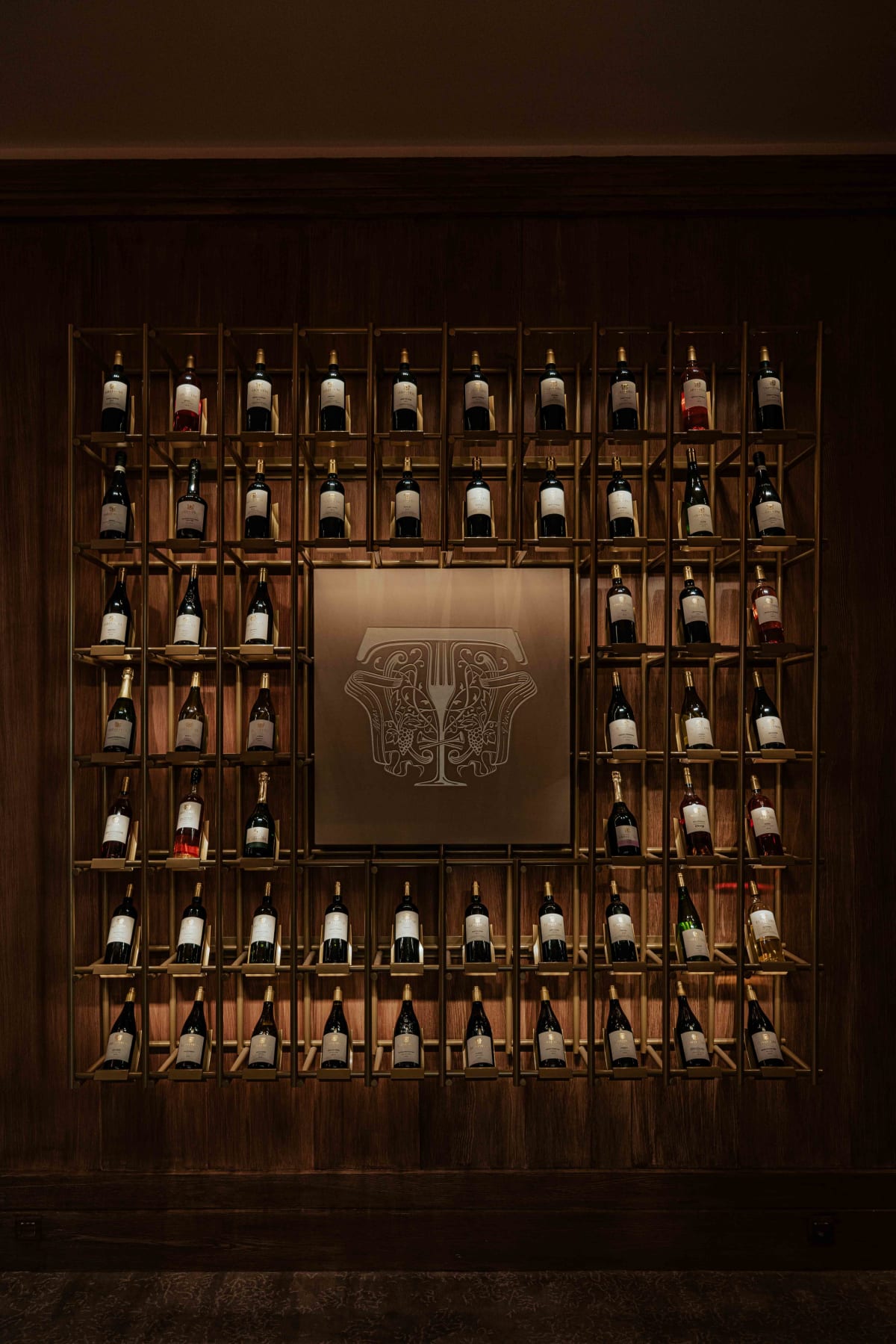
The wine list at Taillevent is among the most storied in the world. The cellars hold tens of thousands of bottles including 19th-century vintages, and the program has long been anchored in Burgundy. In the 1950s, when Bordeaux dominated French restaurant wine lists, Taillevent made the unfashionable decision to put Burgundy at the center of its program. The result is that the domaine has maintained long-standing allocations with producers such as Raveneau, Rousseau, and Leflaive that most establishments could never access today. Jean-Claude Vrinat, who built much of this legacy, also served as a judge in the 1976 Judgment of Paris tasting, perhaps the single most consequential blind tasting in the history of wine. The list, in other words, is not merely impressive. It is the product of decades of deliberate, principled curation.
The list, in other words, is not merely impressive. It is the product of decades of deliberate, principled curation.
At a neighboring table, a party of four older gentlemen ordered à la carte and worked through what I estimated to be a selection of grand cru Bordeaux and Burgundy totaling somewhere around two million Korean won. The chef came out at the end of the meal to greet them personally. I remember watching that and thinking: that is where I want to be one day. Several years on, I find myself, in some quiet way, beginning to arrive at that table.
We settled the bill and walked out into the afternoon sun. It was the last day of the trip, and my carnet had run out. I bought a single-use metro ticket for 1.90 euros and took the old Paris Metro back across the city. The contrast with where I had just spent the previous two hours was so complete that I found myself smiling at it rather than unsettled by it. That is the particular texture of a city like Paris.
In retrospect, Taillevent arrived at exactly the right moment in my education, even if I was not yet fully equipped to receive everything it was offering. The food was excellent, the service a masterclass in confident, unhurried classicism, and the wine program something I now understand far more than I did then. I left knowing I would return, and that when I did, I would come with better bottles and more people to share them with.
Taillevent is not trying to impress you with ambition. It does not need to. Nearly eight decades of continuous operation, a wine cellar that reads like a historical document, and a kitchen that treats tradition not as a constraint but as a point of dignity: these things speak for themselves. For anyone seriously interested in what French haute cuisine looks and feels like in its most composed, assured form, this remains one of the essential addresses in Paris.
Have a question about this restaurant, or want to share your own experience?
Send a message