Fine Dining · Japan
MAZ
"Nine courses from ocean floor to Andean highland, made with Japanese hands"








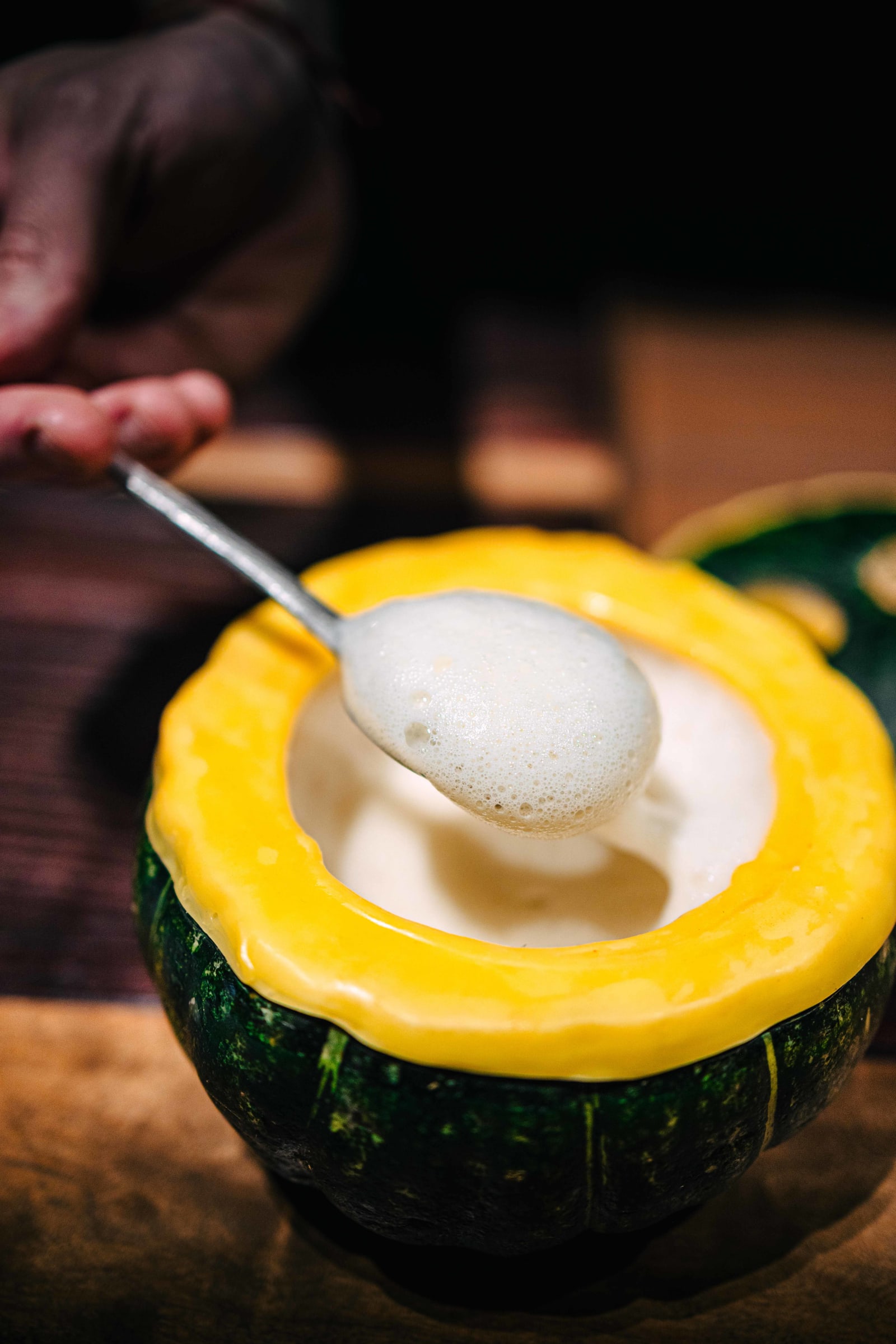


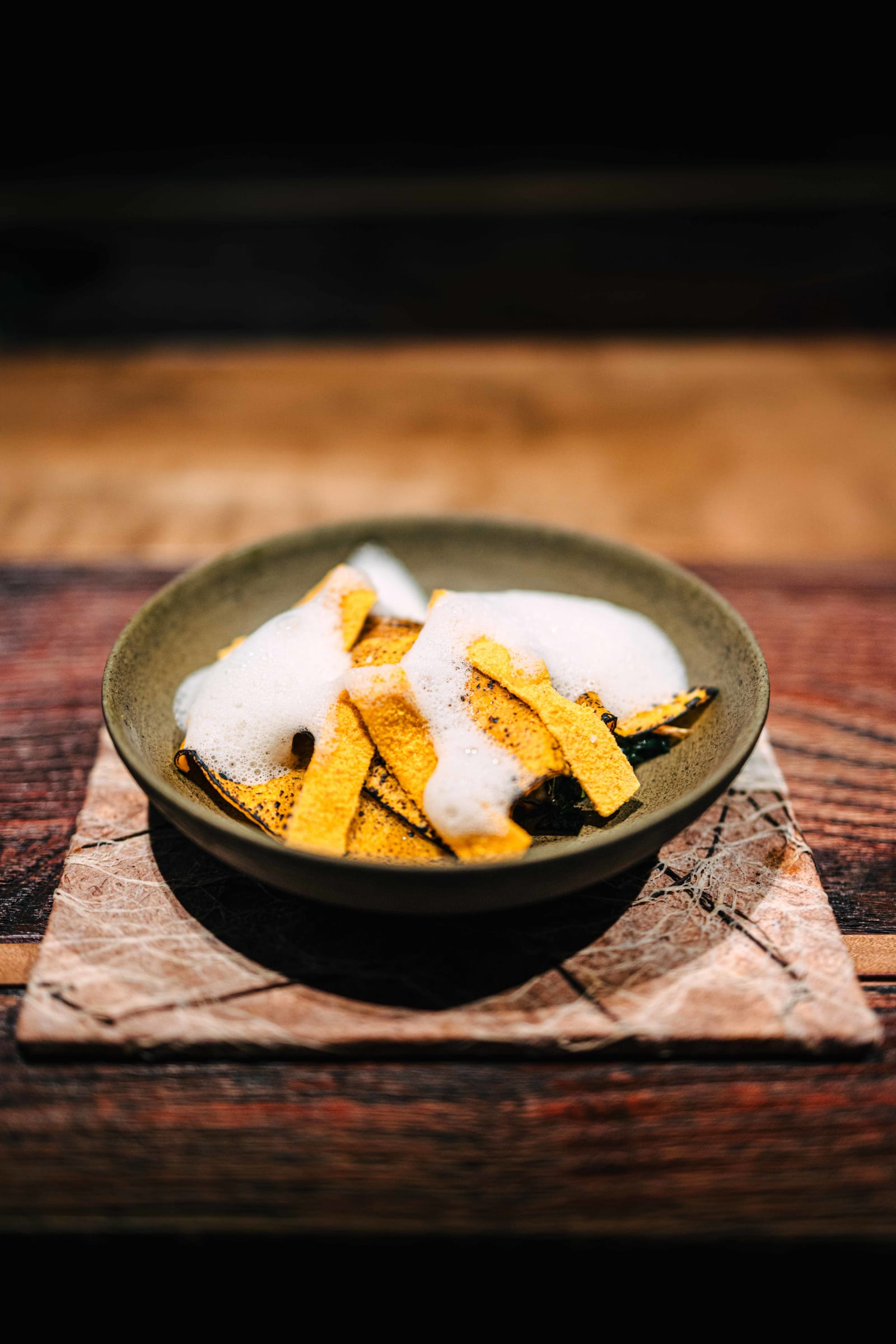

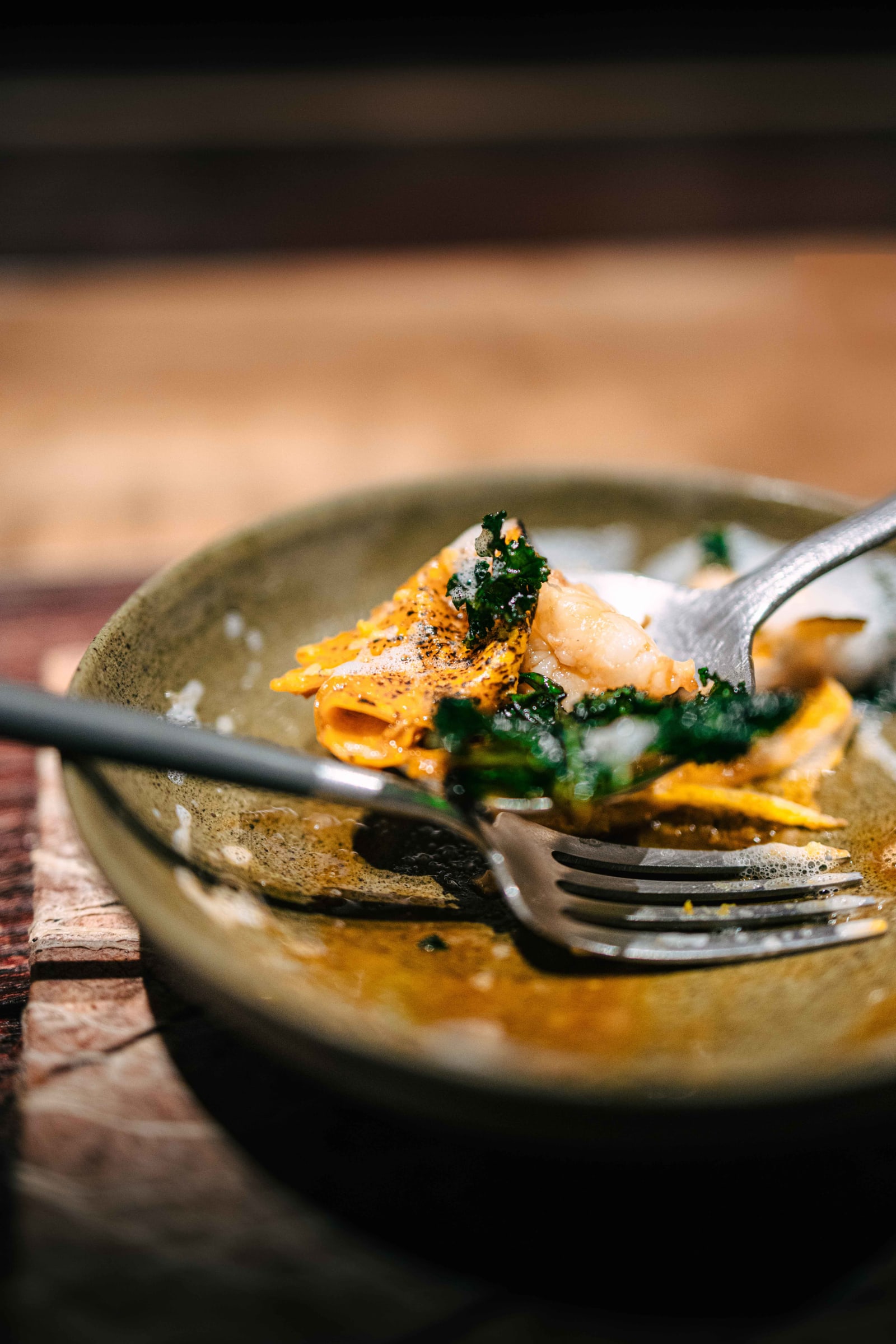


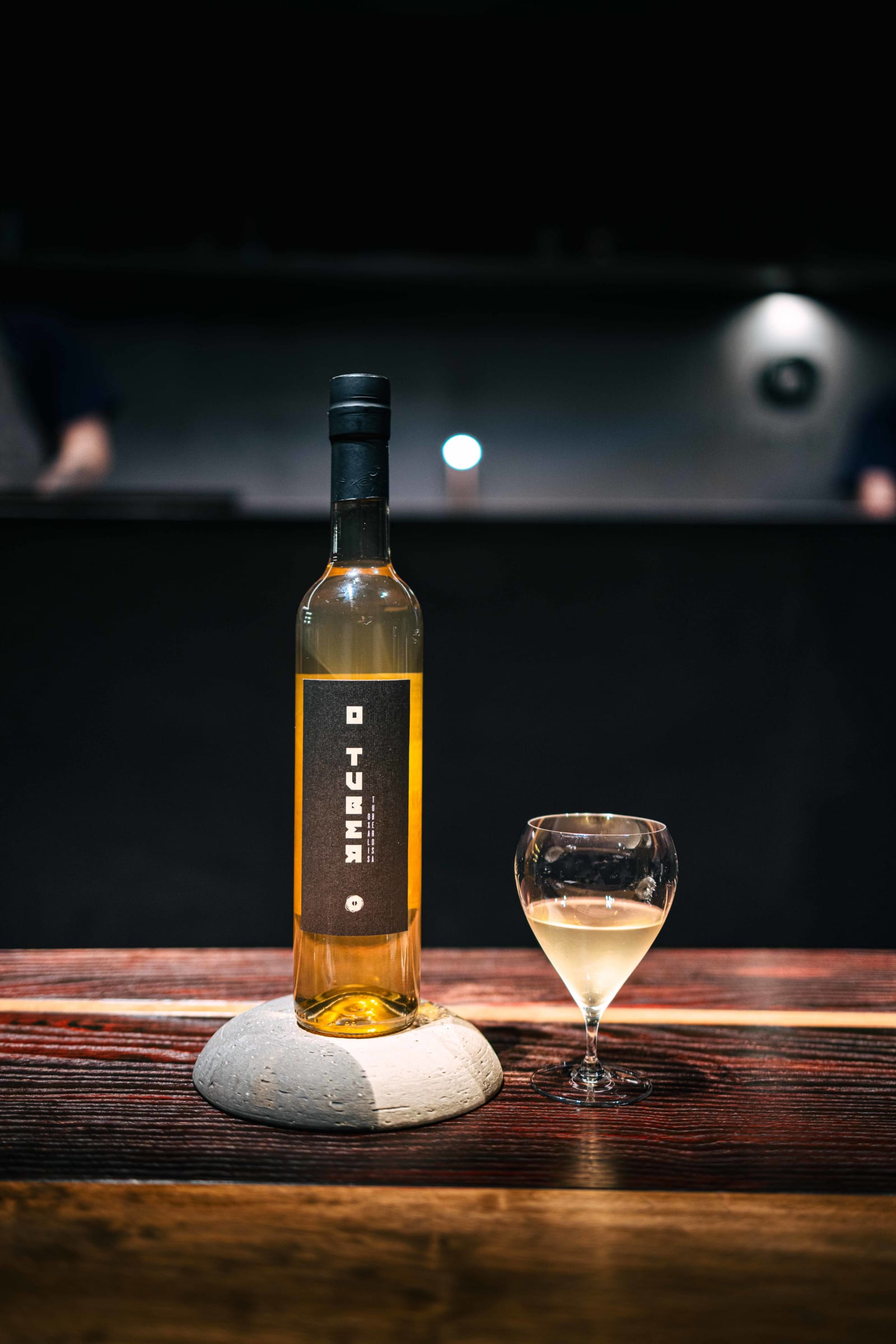








The reservation was made in Seoul. A friend who had been living in Tokyo recommended the restaurant with some insistence, and when the 2024 Michelin Guide Tokyo was announced, the decision was made. A first-time listing that had skipped one star entirely and gone straight to two. The first South American restaurant in Japan to earn that distinction. When the April itinerary was confirmed, the booking followed immediately.
MAZ is the Tokyo outpost of Central, the Lima restaurant that topped the World's 50 Best Restaurants in 2023, the first time that honour had gone to Latin America, and the first time it had gone anywhere outside Europe and North America. Its culinary director, Virgilio Martínez, opened MAZ in July 2022. The head chef is Santiago Fernández Saim, Venezuelan by origin, trained at the Basque Culinary Center after leaving for Spain at seventeen, then through Michelin three-star Aponiente and Cocina Hermanos Torres before spending five years at Central heading its creative programme. In 2023 he was named to Forbes Japan's 30 Under 30. MAZ is his room.
The restaurant is on the third floor of Tokyo Garden Terrace Kioi-cho, a short walk from Nagatacho station. No signage faces the street. A single Michelin two-star plaque marks the entrance. Inside, the space is dark and modern, without windows, which means the hour of day is irrelevant once you are seated. Six to eight tables, closer together than expected, in a room that reads smaller than the restaurant's profile might suggest.
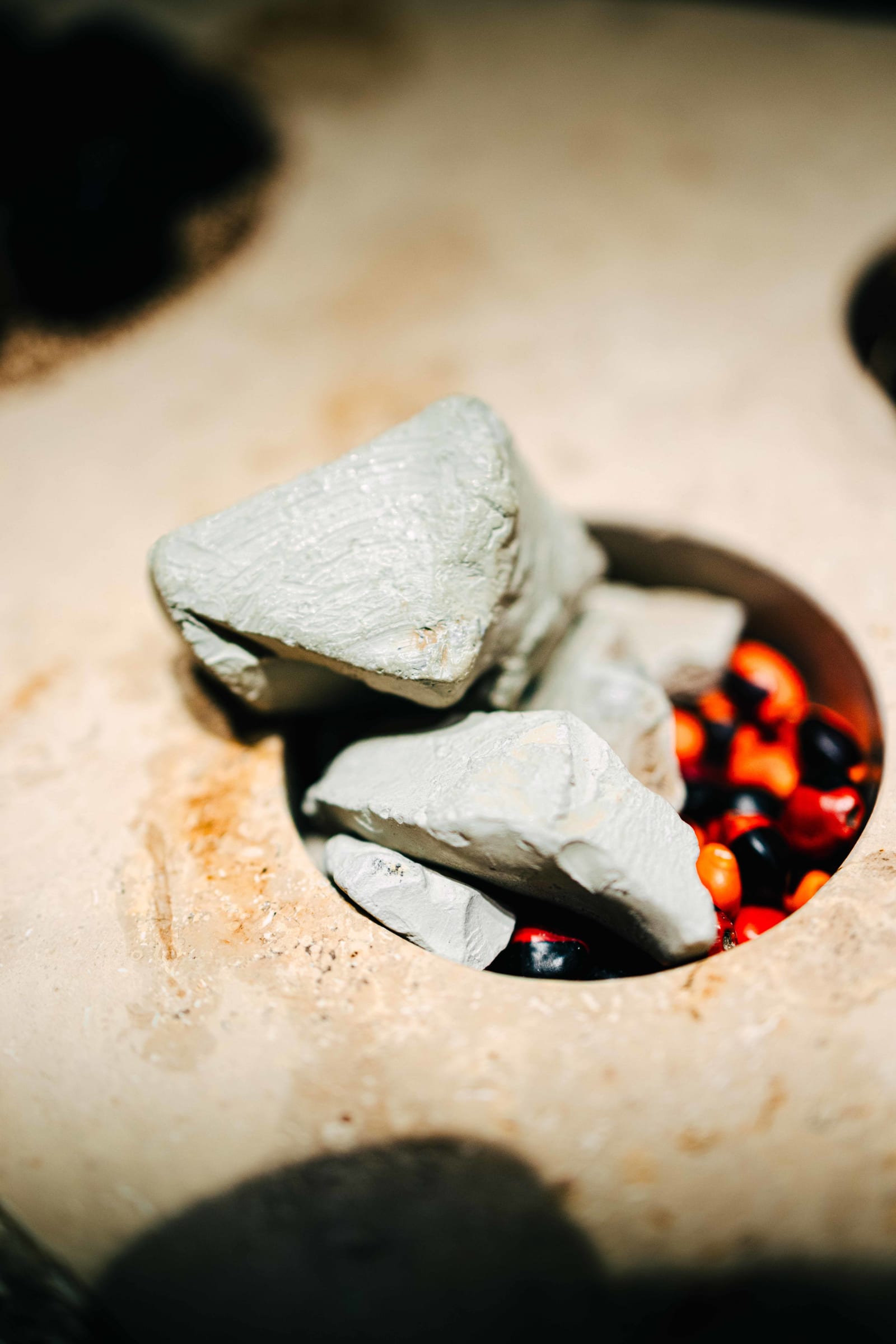
Before being shown to the table, guests are led to a standing display. The ingredients used across the menu are laid out together: Kiwicha, Chaco, Brazilian Nuts, Macambo, Copoazu. Names I had not heard before. The only honest response was to nod and look attentive, but the unfamiliarity itself felt like a preview of the evening's language.
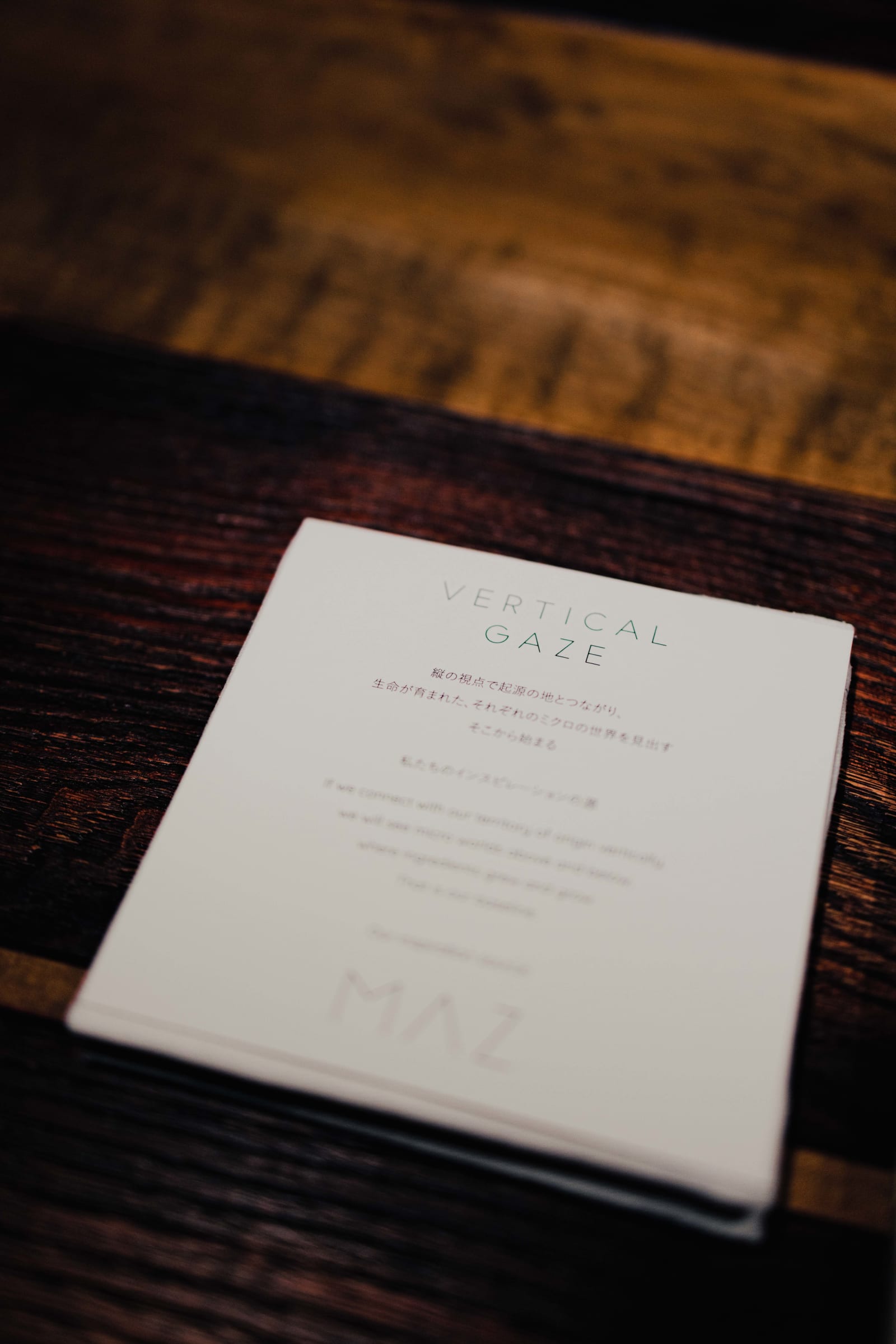
Each course on the menu is listed with an altitude. MBSL for depth below sea level, MASL for height above it. The progression runs from -20 MBSL at the ocean floor to 4,150 MASL in the Andean highlands, nine courses climbing vertically. This framework comes directly from Central, and it is not merely a decorative device. Peru contains the Pacific coast, the Amazon basin, and the Andes within a single national territory. The argument is that its geography is its larder. In Tokyo, that argument is made with eighty percent Japanese ingredients and twenty percent imported from Peru.
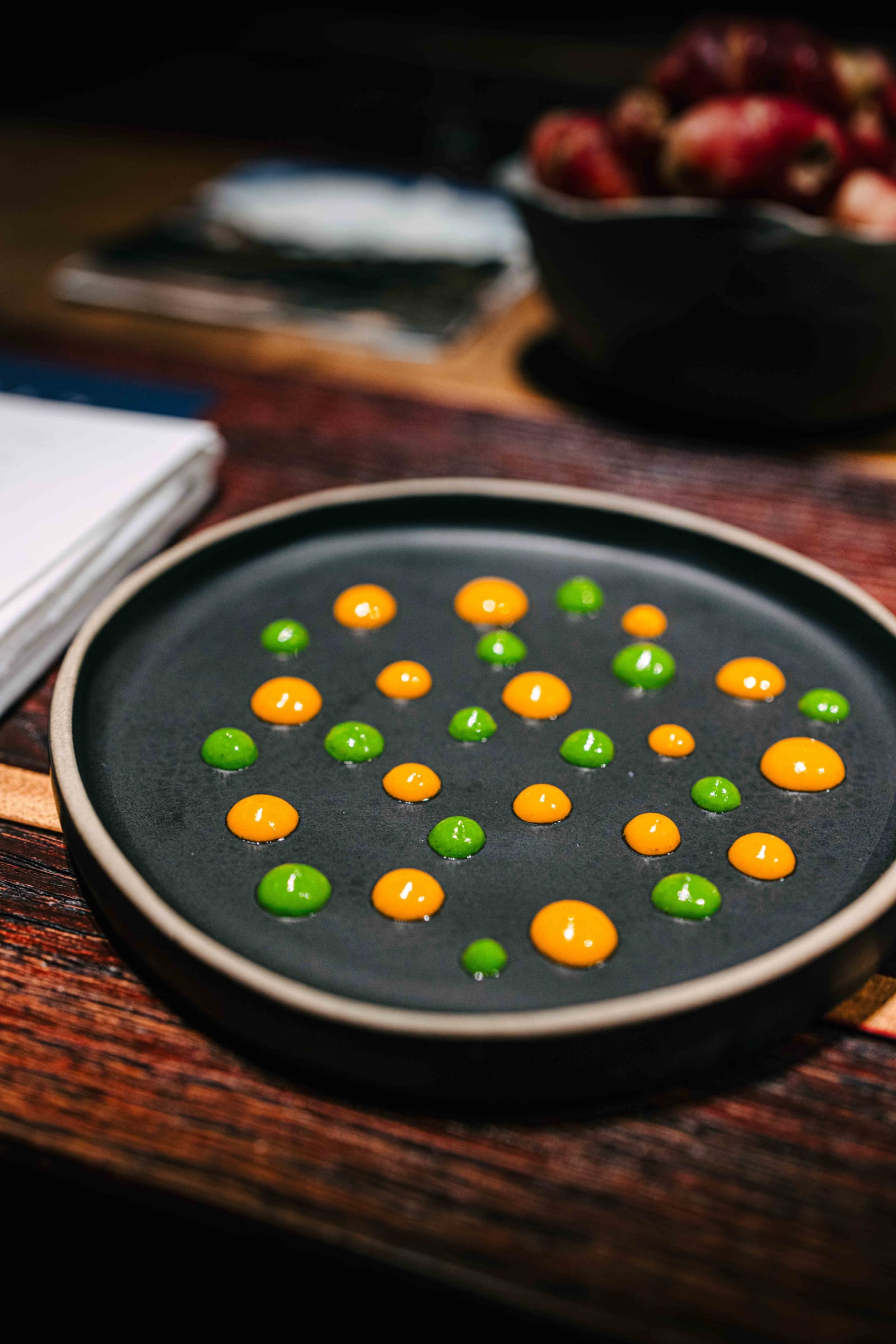
Before each course, a small square of paper arrives first. Its texture, imagery, or photograph is meant to represent the concept and sensibility of what is coming. Whether it genuinely prepares you for the dish is debatable, but the gesture reveals something about the intentionality behind the meal.
The pairing is 18,000 yen. For that price, the selection did not deliver what the figure implied. The wines are South American, natural in style, trending in the way that a number of newer restaurants trend, and when you look them up afterward, the bottles tend to sit in the twenty to thirty dollar range. There is a broader pattern worth naming: restaurants that earn attention through creative ambition rather than through decades of cellar-building tend to produce pairings that disappoint relative to their food. MAZ fits that pattern. Unless you specifically want to drink, it is not an option I would press. The non-wine pours are another matter. Oka fermented spirit and other South American liqueurs appear across the courses, and if that category interests you, there is genuine curiosity to be found there.
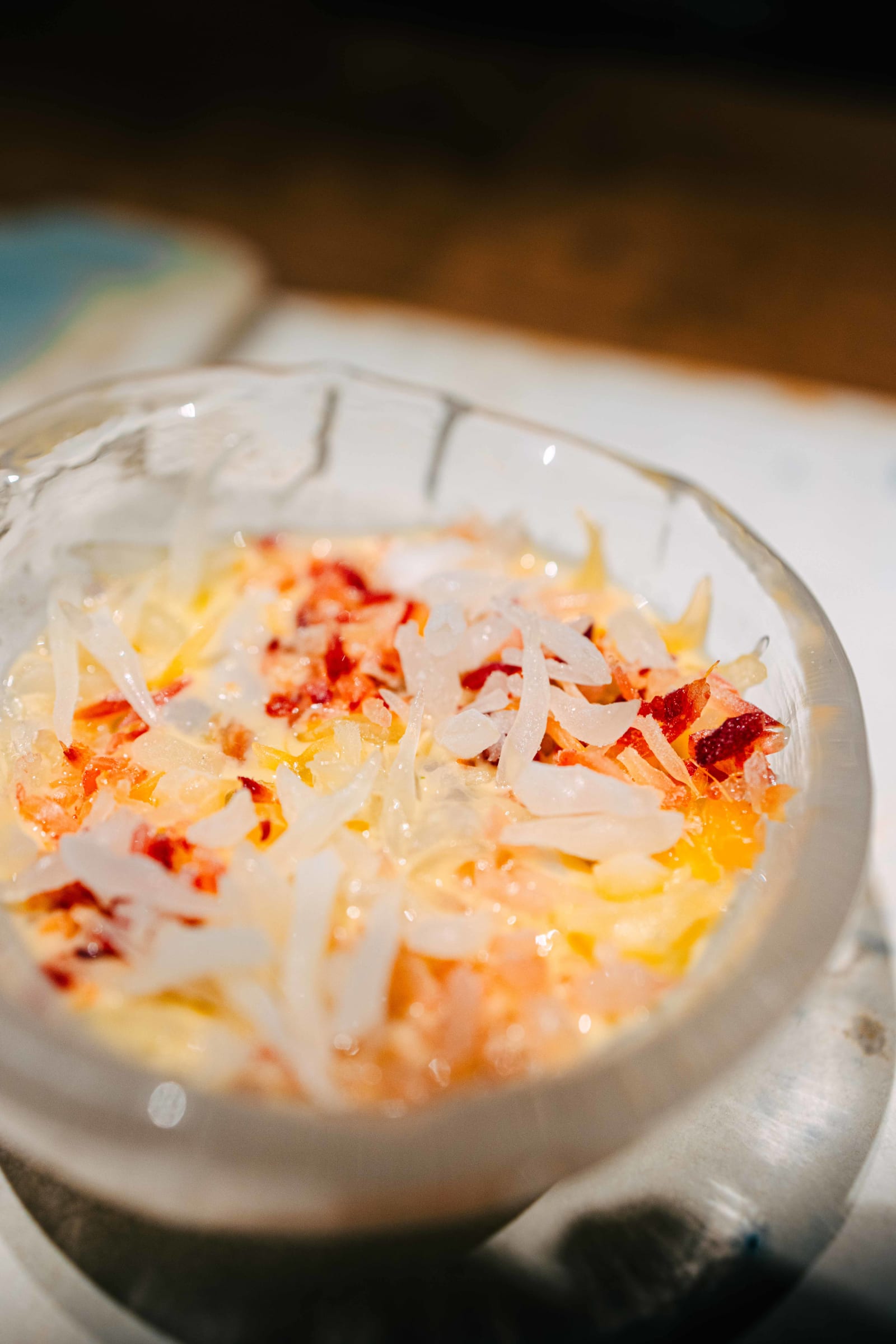
The courses begin underwater. MARINE REEF, -5 MBSL: sea urchin, clams, and seaweed combined with South American spices. The Japanese ingredients arrive fresh and then something unfamiliar is laid over them. From the first course, the method is clear.
FIELDS IN THE COAST, 18 MASL: a yellow prawn cracker with cream. Little memory of it remains at this distance. It was ordinary, and that is what I retain.
COLD SEA WATER, -10 MBSL: abalone concealed beneath a fried element shaped like jungle vegetation, with coriander and tropical spice worked through. You break it apart and eat it together. The aromatics are strange and the dish manages them well, neither hiding the unfamiliarity nor allowing it to become abrasive. The Chilean Semillon pairing held against the spice without competing with it.
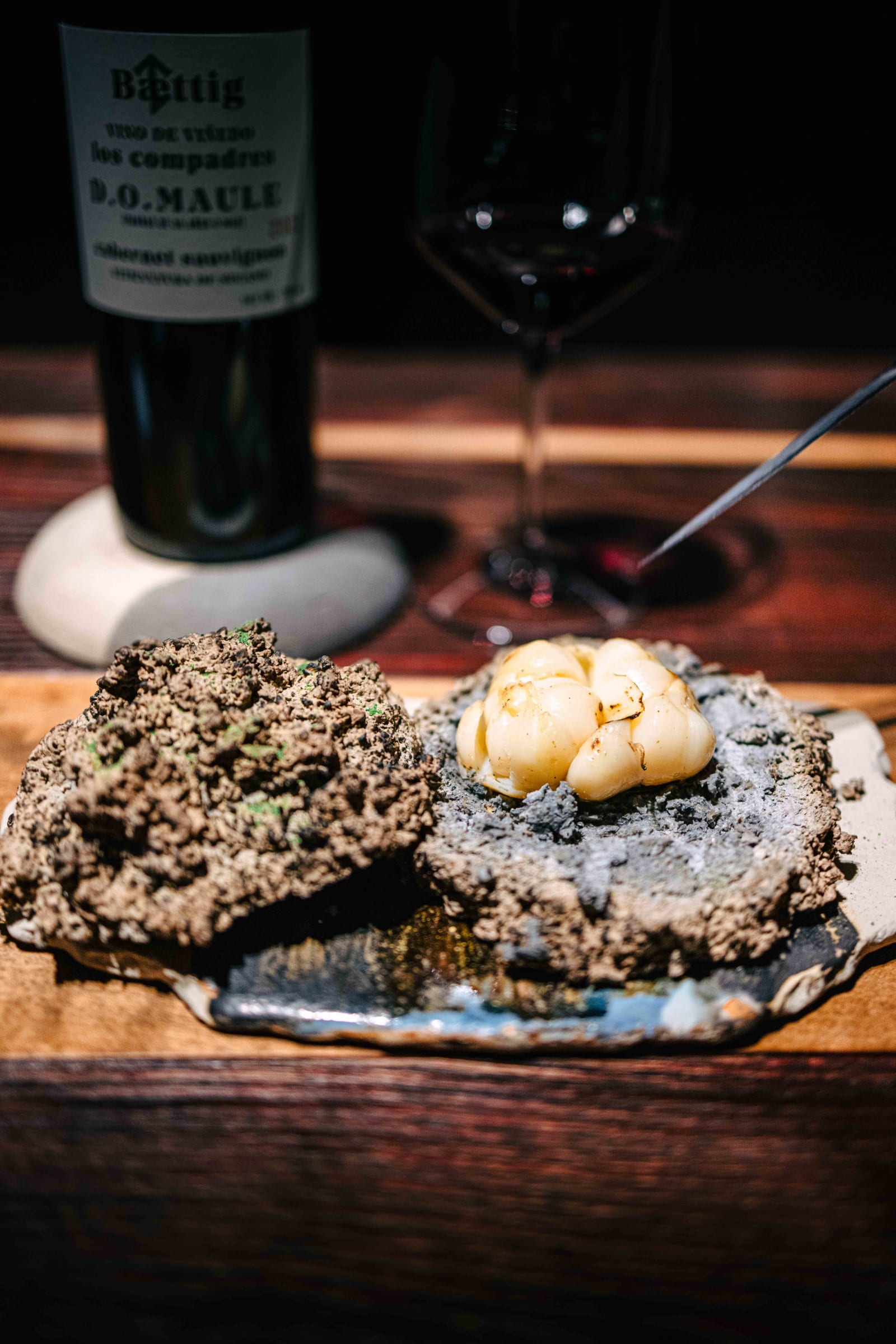
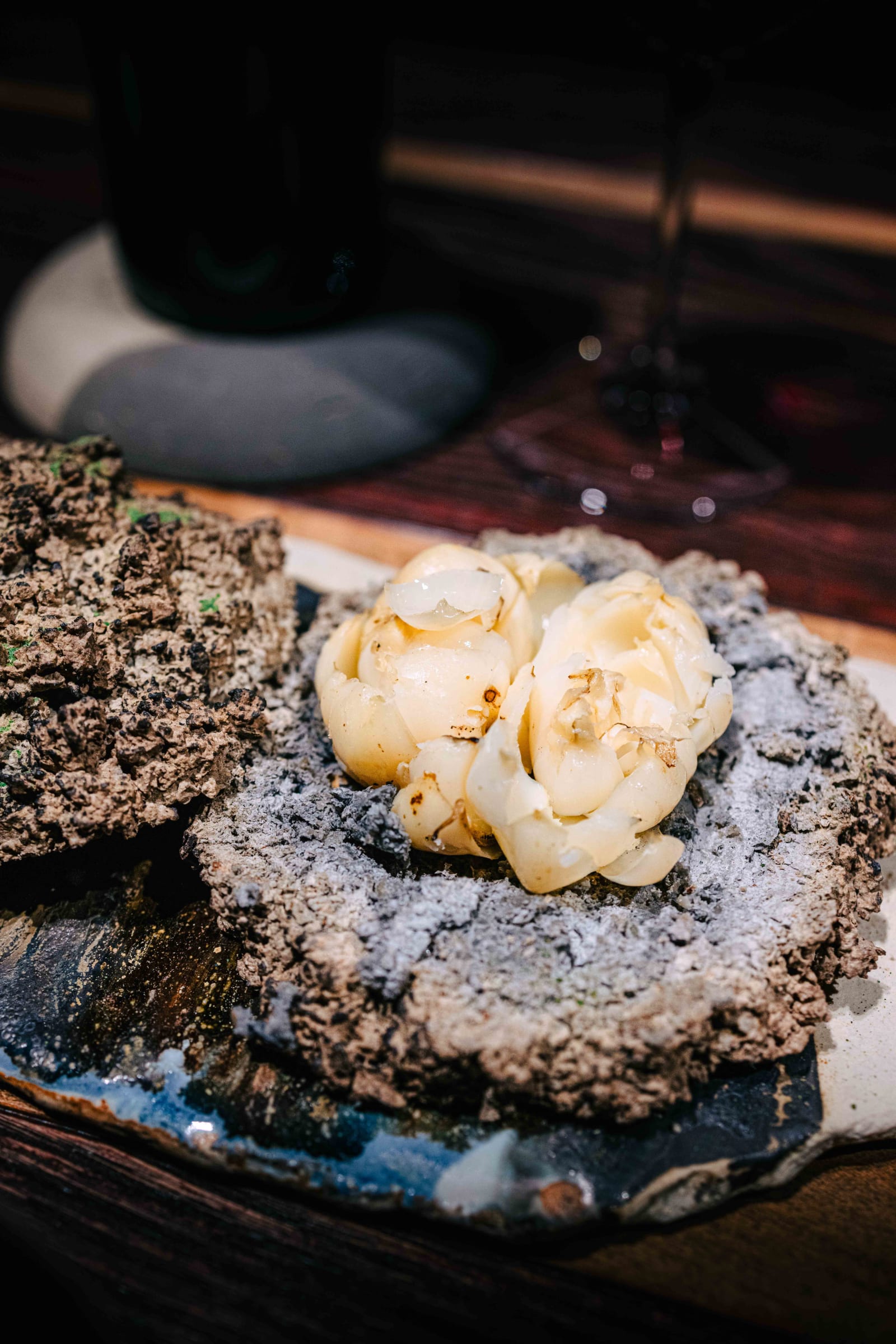
EXTREME ALTITUDE, 4150 MASL: two preparations together. A corn fritter with cheese running through it, and a lamb tartare in a stone vessel with purple sweet potato and quinoa. The vessels themselves were notable, South American in form and unlike anything you encounter in Japanese or Korean dining. The visual execution was considered. Both dishes were good.
ANDEAN FOOTHILLS, 1825 MASL: rainbow trout with mountain greens and roasted sweet potato. The presentation was not appetising. The honest description is that it looked like something offered by jungle-dwelling tribespeople in an adventure film from the nineteen eighties. The flavour matched the visual: unremarkable. What stayed instead was the pairing. Oxalis Tuberosa, known as oca, is an Andean root fermented into a kind of wine. Tasting something made from a crop you have never encountered is interesting in itself. The drink was not pleasant. The strangeness of it did not resolve into something worth returning to.
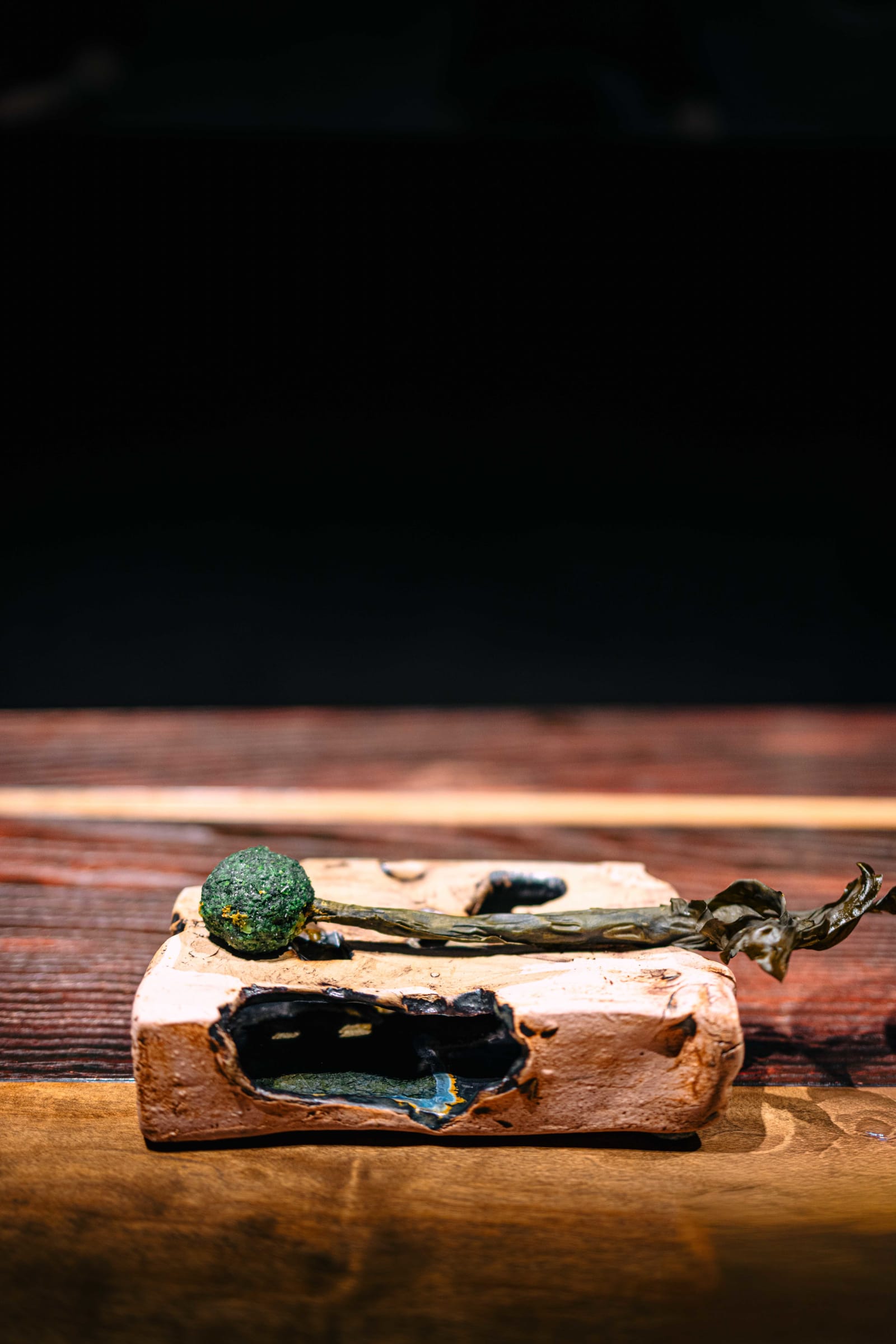
OCEAN HAZE, -20 MBSL: the best dish of the evening. Octopus and squid with grilled seaweed, the texture and aroma of each element fitting the others with precision. Before it arrived, the utensils came presented inside an octopus-shaped ornament. The flavour does not change for it, but the object lodges the course more firmly in memory. This was the course that settled the question of where MAZ performs best: it is in the sea, where Japanese ingredients and Peruvian thinking meet without friction.
WOODS IN THE HIGHLANDS, 3260 MASL: beef short rib in braised form, with sauce and thinly sliced grilled vegetables. Oca returned as a side preparation, cooked this time in a South American earth oven. The chef brought out photographs and a book to explain how the method works in the field. The explanation itself was a well-made piece of theatre. The beef, in contrast to everything that had preceded it, was plain. It did not draw out the qualities of the ingredient. Braised short rib prepared this way exists in versions across a great many kitchens around the world, and the version here did not distinguish itself from them.
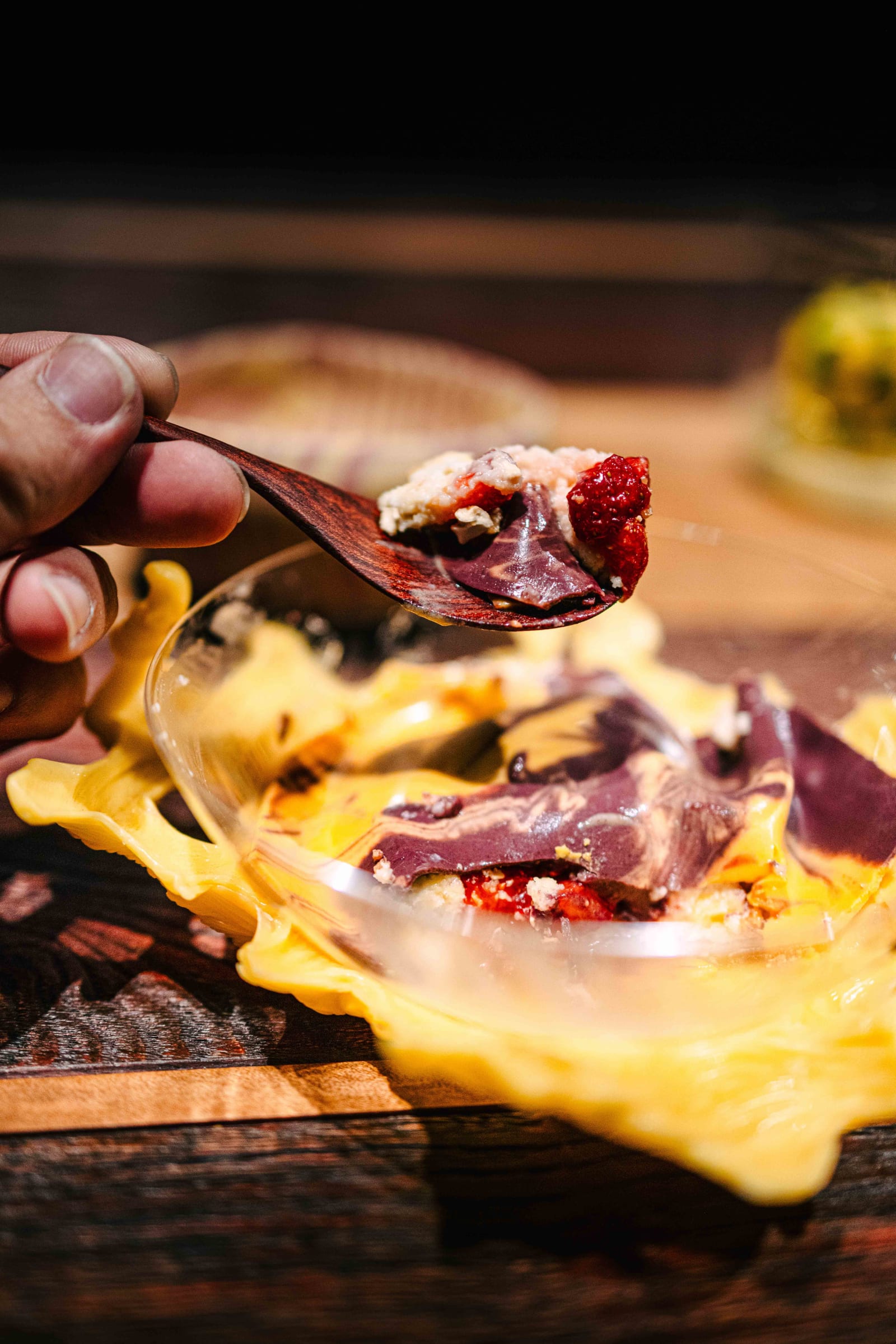
The desserts came in two courses. HIGH JUNGLE RAINFOREST, 750 MASL: a beeswax cube dissolved in mead alongside a caramel donut and a chocolate-shelled dessert concealing strawberry and acai berry ice cream. The ice cream was good. AMAZONIA, 840 MASL: a spread of cacao-centred chocolate preparations, accompanied by a tablet presentation in which a staff member walked through the origins, varieties, and processing of the cacao used. It was the first time I had encountered audiovisual materials used this way at a restaurant. The pairing here was Matacuy ELIXIR ANDINO, a Peruvian liqueur made from sugarcane and various plants, darker in colour than expected.
Barely two or three of the staff appeared to be Japanese. The rest were South American, European, or mixed, and the room ran entirely in English. My server was Dutch. Toward the end of the courses, I mentioned that I would be in Amsterdam in May and asked if he had suggestions for wine bars or restaurants. He spent several minutes writing, then handed over a sheet of paper filled on both sides. That list made two evenings in Amsterdam.
Nine courses in two hours. The pacing is fast, and with the various experiential devices layered across the meal, the evening can feel compressed. Those devices, the ingredient table, the paper cards before each course, the tablet presentation, the earth oven demonstration, speak to a restaurant with a formed idea of what it is doing beyond feeding people. Whether that idea fully lands in the food is uneven. The seafood courses do. The meat does not.
Looking back at the evening, MAZ was most itself in the ocean. The point where Japanese ingredients meet Peruvian philosophy came through most clearly in the sea, where the cooking held its own logic without concession. 12,500 miles of altitude, and the language read sharpest at the bottom of it.
Have a question about this restaurant, or want to share your own experience?
Send a message