Fine Dining · Japan
Sazenka
"Three firsts on a single day, and the most unexpected one was a daikon."
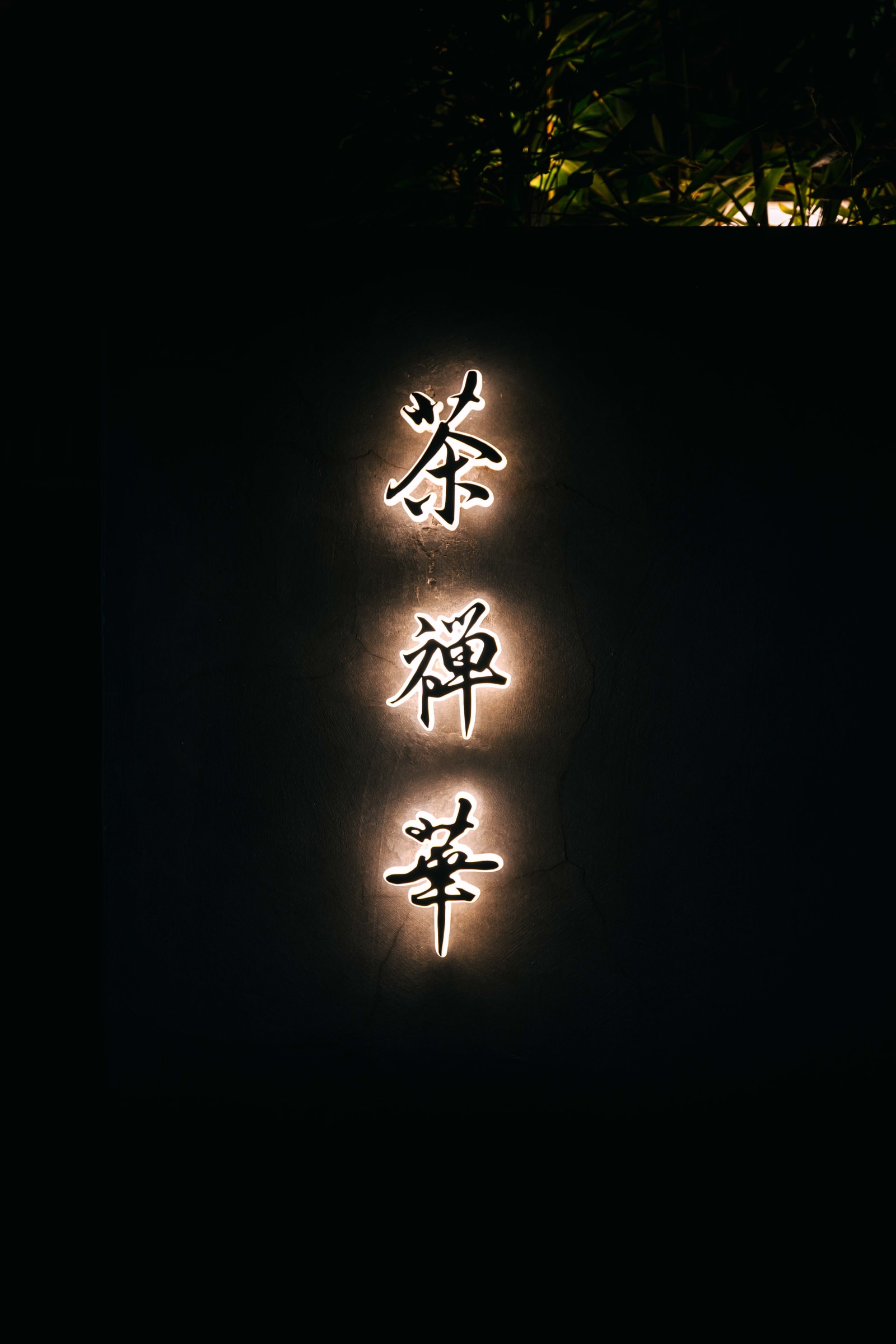
















































To understand Sazenka, you first need to know the landscape of Japanese gastronomy. The most authoritative restaurant rating bodies in the world are the Michelin Guide and World's 50 Best Restaurants. Japan has a third. Tabelog, a platform driven by popular vote among local diners. Because each of these bodies represents different tastes and different audiences, earning top marks from all three is, in practice, nearly impossible. Japanese food culture tends toward small scale and insularity; restaurants that attract the attention of outside institutions while simultaneously holding the trust of local diners are extraordinarily rare. People will disagree on which of the three carries the most weight, which is precisely what makes it more persuasive when a single place earns high marks from all of them. In Japan, only two restaurants have managed it. Quintessence, and Sazenka (茶禅華).
Three Michelin stars. World's 50 Best. Tabelog Gold, 4.58. To hold the highest marks from all three is to be recognized by every serious diner, regardless of background or preference. Sazenka is also Tokyo's first Chinese restaurant to receive three Michelin stars. It debuted on the Guide in 2018 with two stars, added the third in 2020, and in doing so wrote a new chapter in the history of Japanese Chinese cuisine. Its best result at Asia's 50 Best Restaurants is #11 in 2022; that same year it ranked #59 on the World's 50 Best. A triple crown across all three bodies. That fact alone was reason enough to buy a plane ticket.
In November 2024, the sole reason for an unplanned trip to Tokyo was this one restaurant. It is a fair question: why fly to Japan for Chinese food, rather than sushi, tempura, or kaiseki? At Sazenka, the question becomes irrelevant. I had visited several Tabelog Gold restaurants in Japan by that point, but had never once sat at a three-Michelin-star table. That curiosity was a large part of it. There was also a decisive reason this had to be autumn. Autumn is the season of hairy crab, 大闸蟹, dazha xie. In Korea, restaurants running hairy crab courses are few. In Japan, high-end Chinese restaurants treat this ingredient and this season as something singular; when autumn comes, dazha xie courses appear across the city. Male crabs are considered better eating from September through mid-October; in November, the female comes into season. At the peak of Japanese Chinese cuisine, in November, with the female. It was not an opportunity to pass up.
Chef Kawada Tomoya was born in 1982 in Tochigi. Known to have been drawn to Sichuan cooking from an early age, he entered Azabu Choko (麻布長江) at eighteen in 2000, beginning his training in Chinese cuisine, and formally joined the kitchen in 2002, spending nearly a decade there. He went on to study under chef Yamamoto Seiji at Ryugin (龍吟), one of the defining institutions of Japanese cooking, then participated in the opening of Shoun Ryugin (祥雲龍吟) in Taiwan before returning to open Sazenka in Minami-Azabu in 2017. A decade of Chinese cooking, then Japanese technique built on top of it: this is what separates Sazenka from every other Chinese restaurant.
The philosophy that captures it most precisely is Wakon-Kansai (和魂漢才). The phrase adapts the Meiji-era concept of Wakon-Yosai, "Japanese spirit, Western knowledge," replacing the Western (洋) with the Chinese (漢). Japanese spirit and Japanese ingredients, in service of Chinese cooking. That one sentence explains everything about Sazenka. Not the extravagance of Hong Kong Chinese, not the intensity of mainland Chinese, but something built on restraint and delicacy that belongs only to Japan. Kawada is the most clear-eyed expression of that direction. The building continues the philosophy. A former German ambassador's residence in the Minami-Azabu residential district, converted entirely into a restaurant, with a refined and restrained Oriental interior that absorbs that history without displaying it. The whole building is one restaurant, and, like the chef's philosophy, the exterior is old and composed while the interior reveals something carefully considered.
This course was not a standard dazha xie menu, and there is a reason for that. The host who arranged the evening was an exceptional foodie with deep connections in Japan's dining world, and as a result, the regular course was supplemented by dishes the chef prepared specifically for this table. From beginning to end, Sazenka's dazha xie course with the chef's additions layered on top. What it means to receive dishes that fall outside the regular menu at a three-Michelin-star restaurant: I understood that for the first time this evening. That this day, my first visit to Sazenka, my first three-Michelin-star meal in Japan, and my first proper encounter with dazha xie, stands among the finest dining experiences of my life owes much to the two hosts who made it possible.
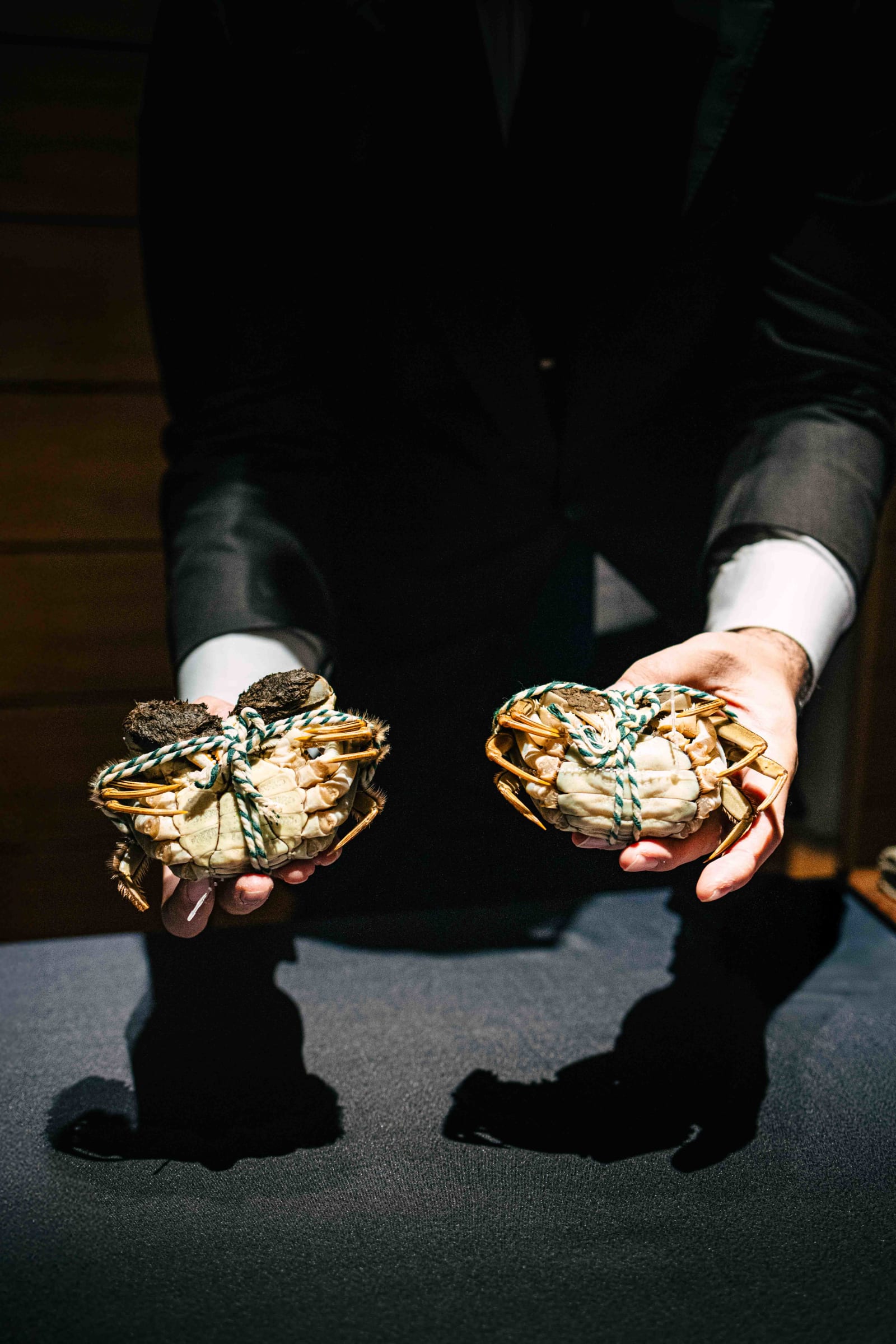
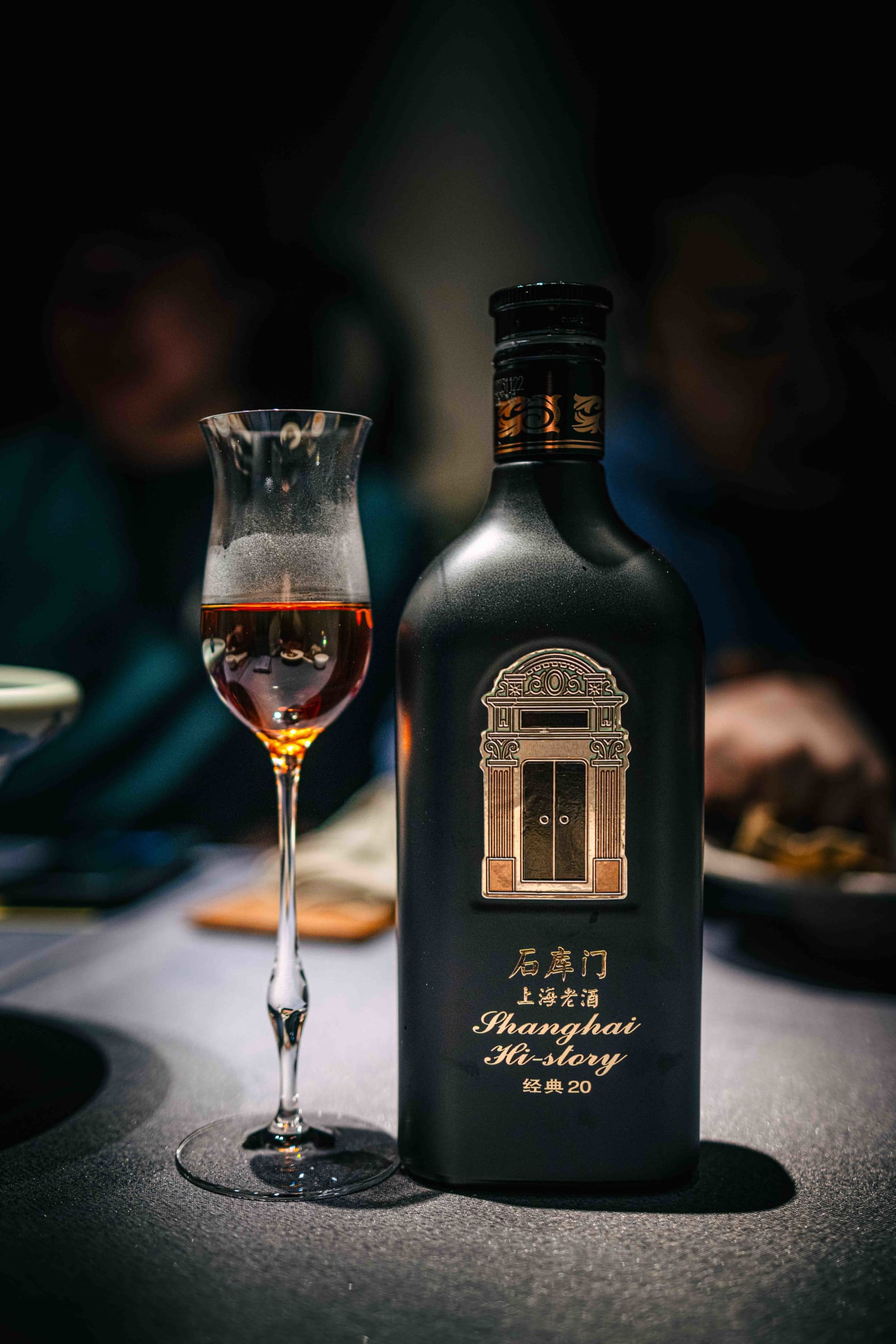
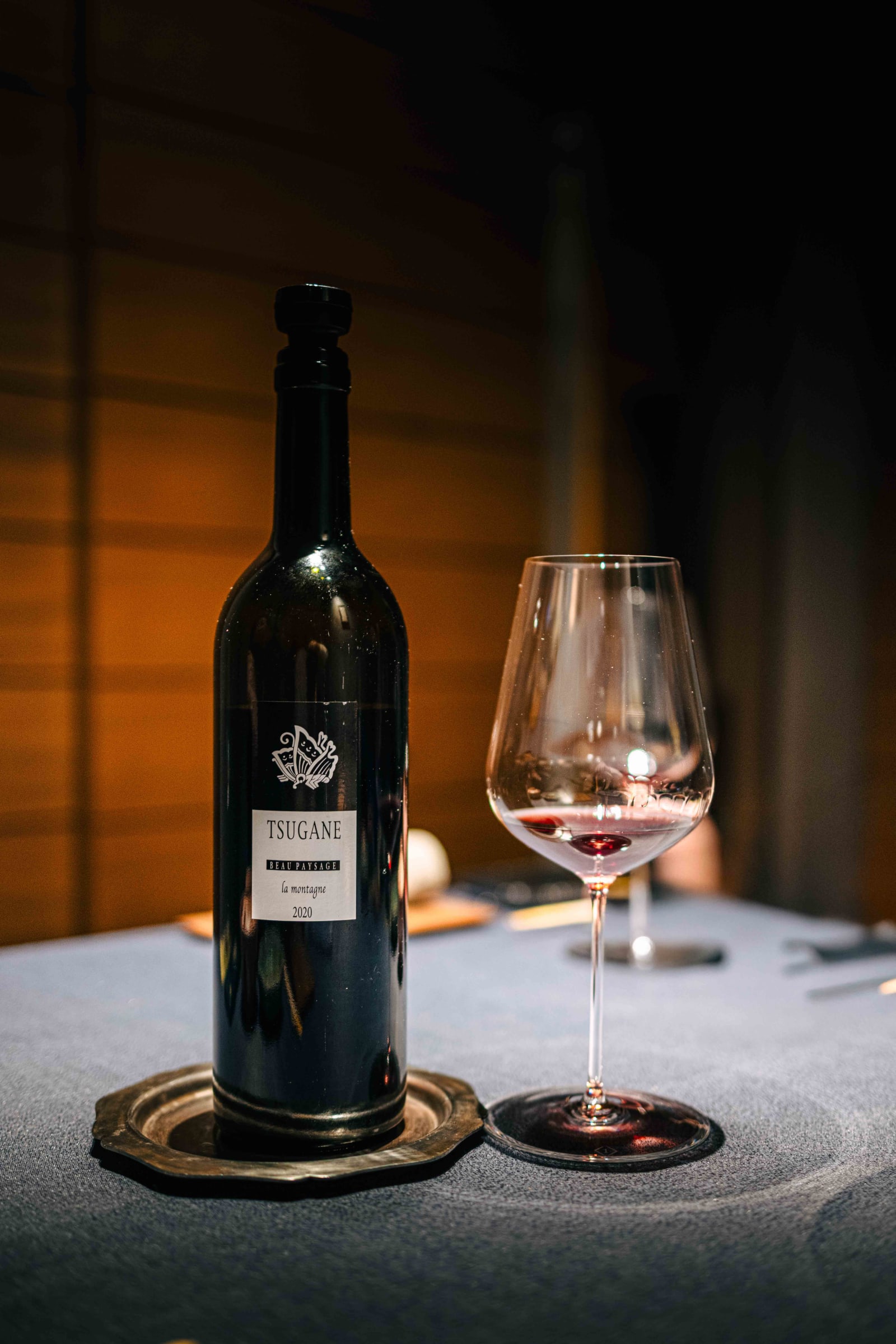
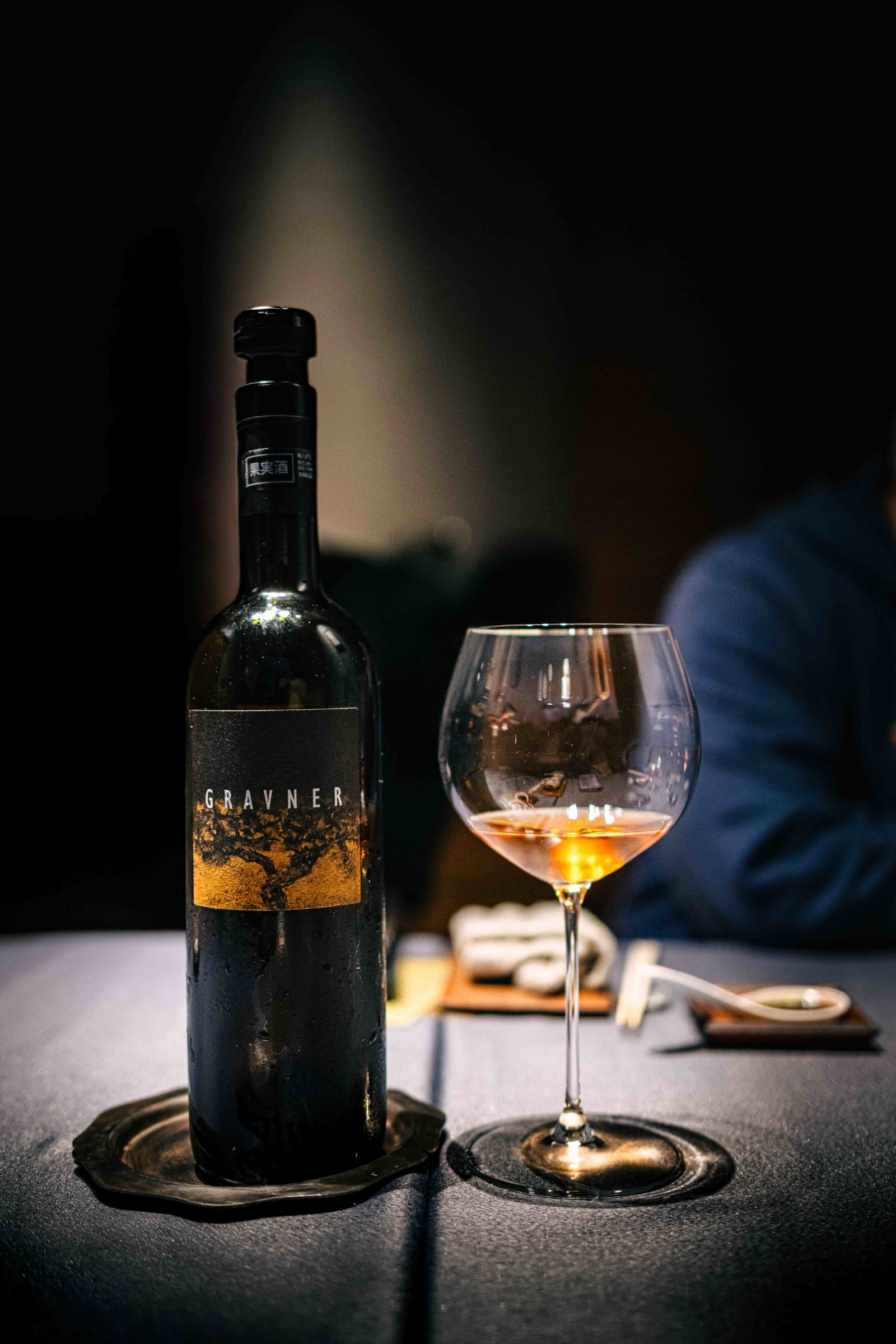
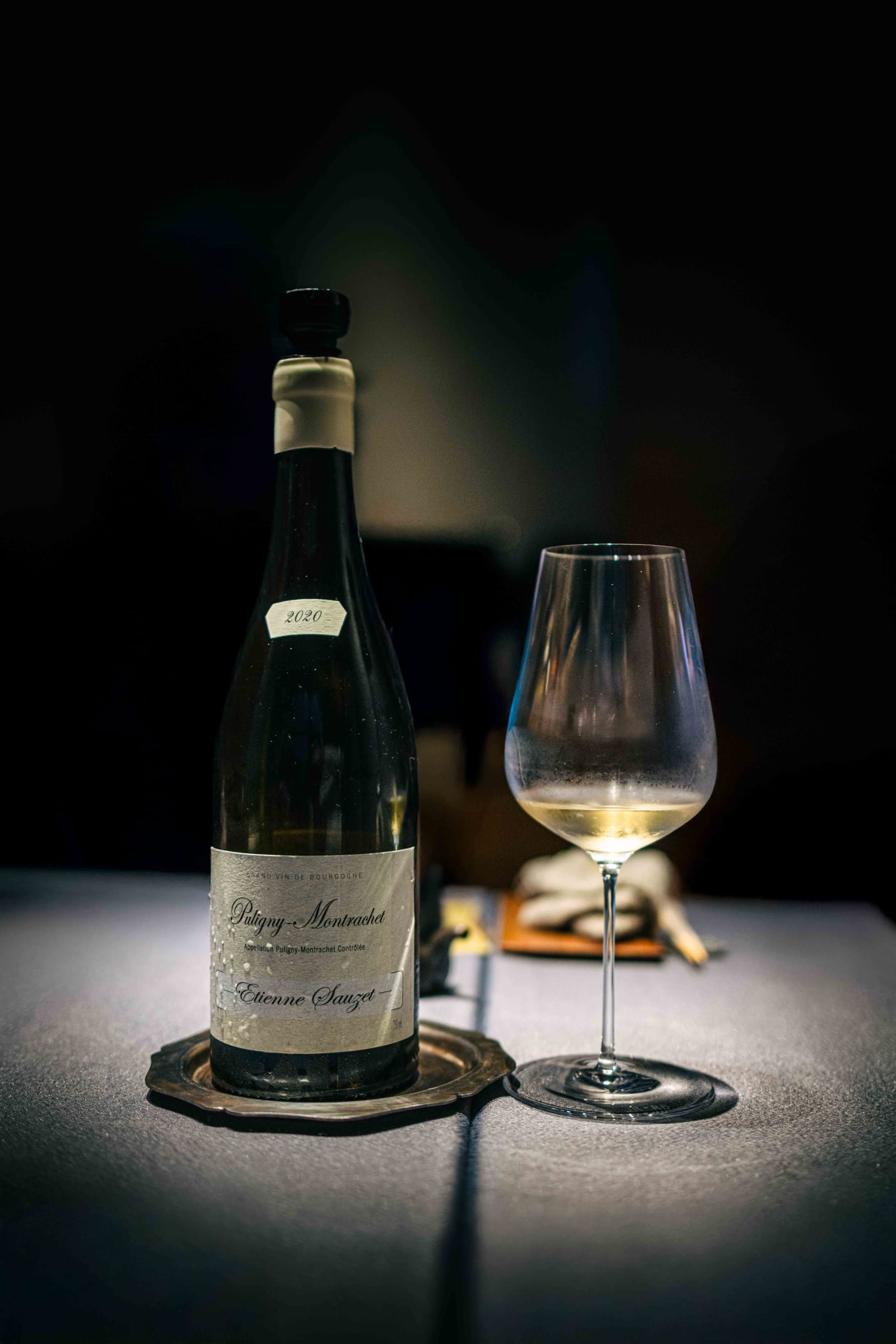
We were seated in a private room on the top floor and took the 25,000-yen wine pairing. The entire floor was reserved for our group alone. Through the windows, the quiet residential streets of Minami-Azabu stretched out below in the dark. The pairing, built around Burgundy, changed with each course, functioning not merely as accompaniment but as something that set the rhythm of the meal as a whole. Before the courses began, we were introduced to the hairy crabs we would be eating that evening. A live female and a live male were brought out side by side, and a member of staff explained how to distinguish sex by the shell, and described the differences in the internal matter of each. Inside the female, sticky orange roe with low moisture content; inside the male, thin, yellow viscera. I had never seen a live hairy crab before, let alone compared male and female in person. This was my first proper encounter with dazha xie, and the introduction served as a small lesson and an anticipatory glimpse of what was to come.
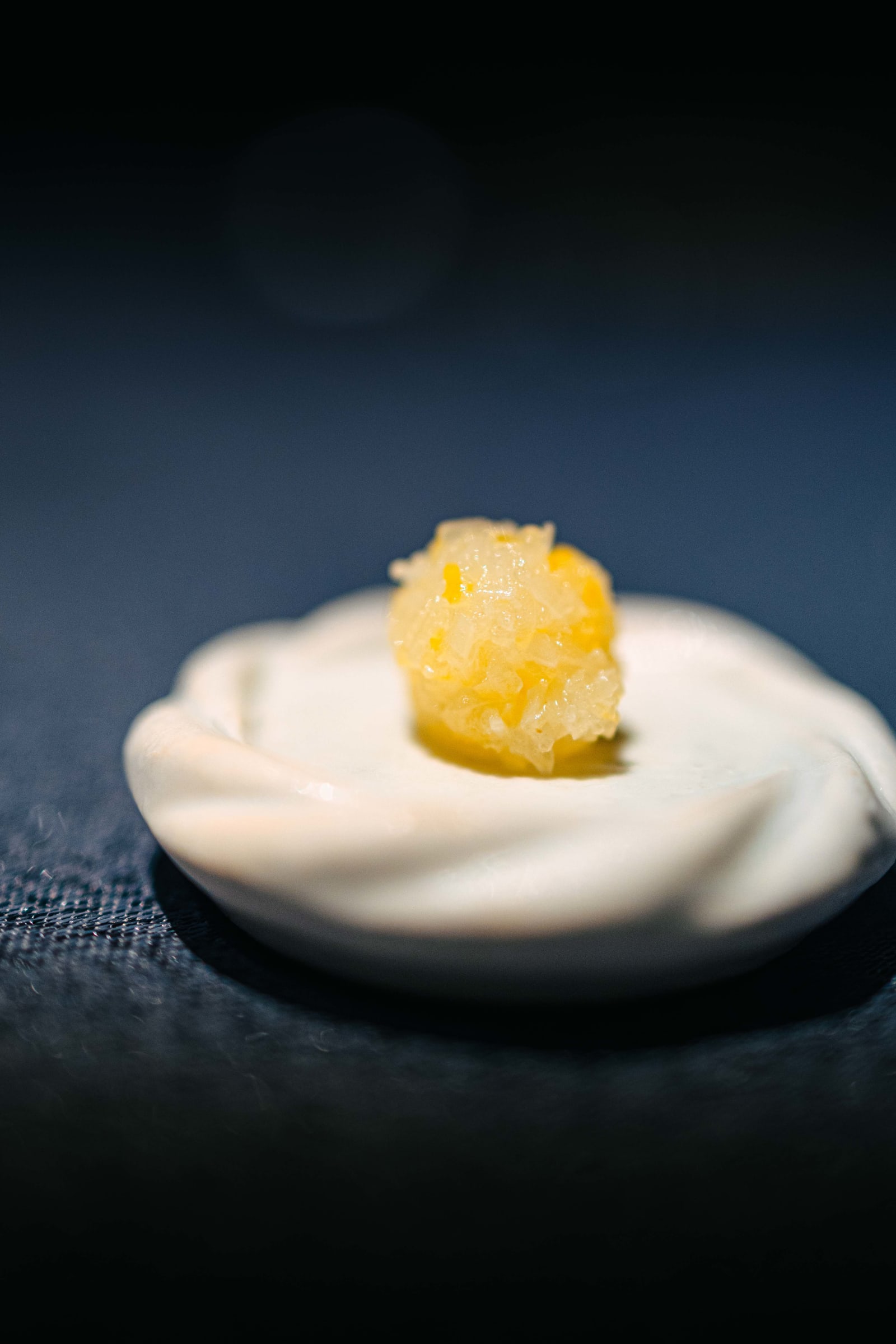
The course opened with three starters. Annin dofu (杏仁豆富) arrived warm, a familiar fixture at Japanese Chinese restaurants. Lifting out the small piece of tofu within and eating it released a layered fragrance of pistachio and almond. The 黄金皮蛋, a century egg tinged yellow as its name suggests, was served whole at first, which brought a brief moment of uncertainty about how one was meant to share it. A member of staff divided it neatly, presenting the white portion finely diced: a soft, yielding texture that made an impression. The Crab Roe Spring Roll (蟹黄春捲) marked the formal start of the dazha xie course. Crab meat and viscera were packed inside, but the crab's characteristically delicate, understated flavour was somewhat submerged beneath the oiliness of the pastry, with a mild heaviness that lingered. Against what followed, the opening did not carry much impact.
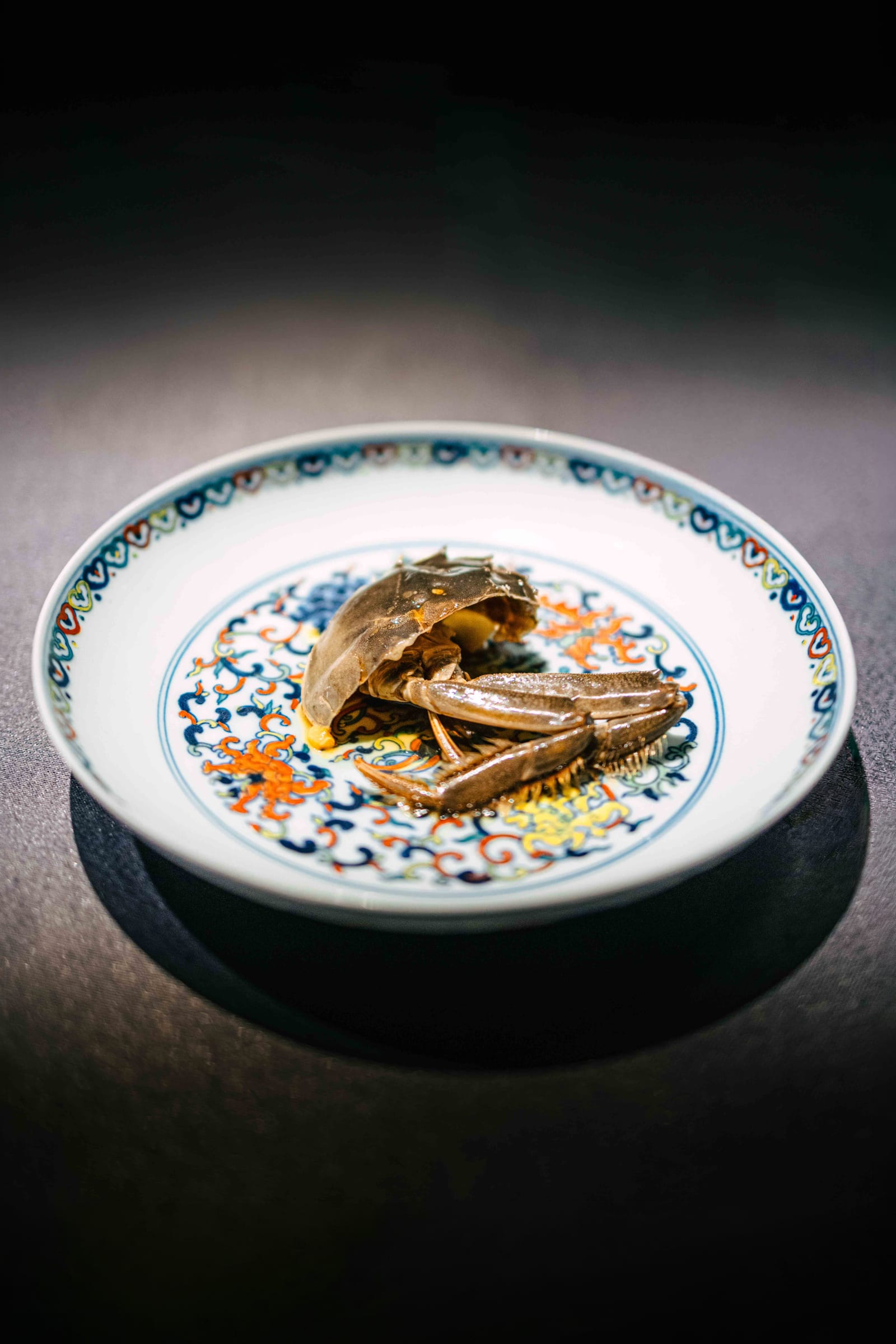
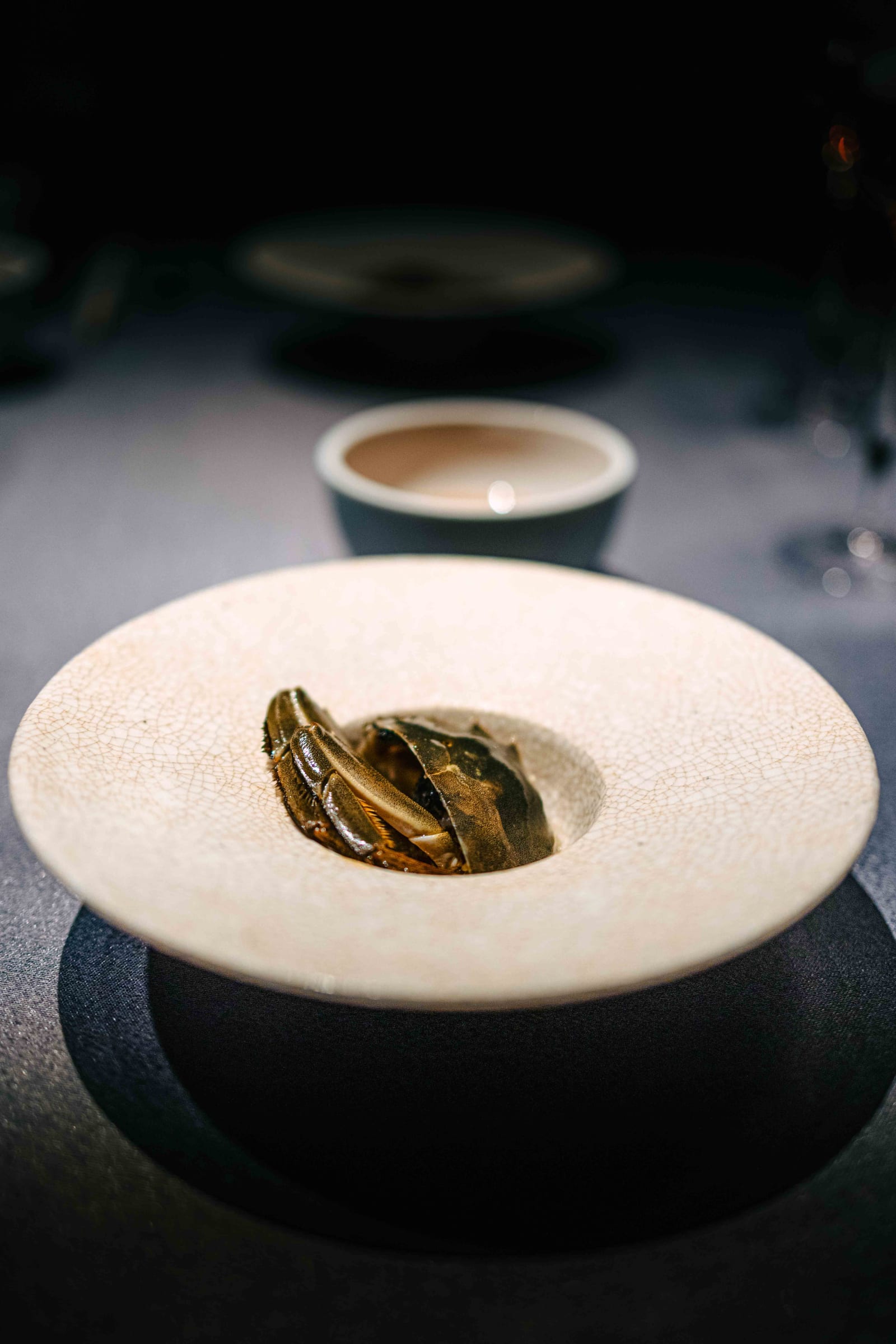
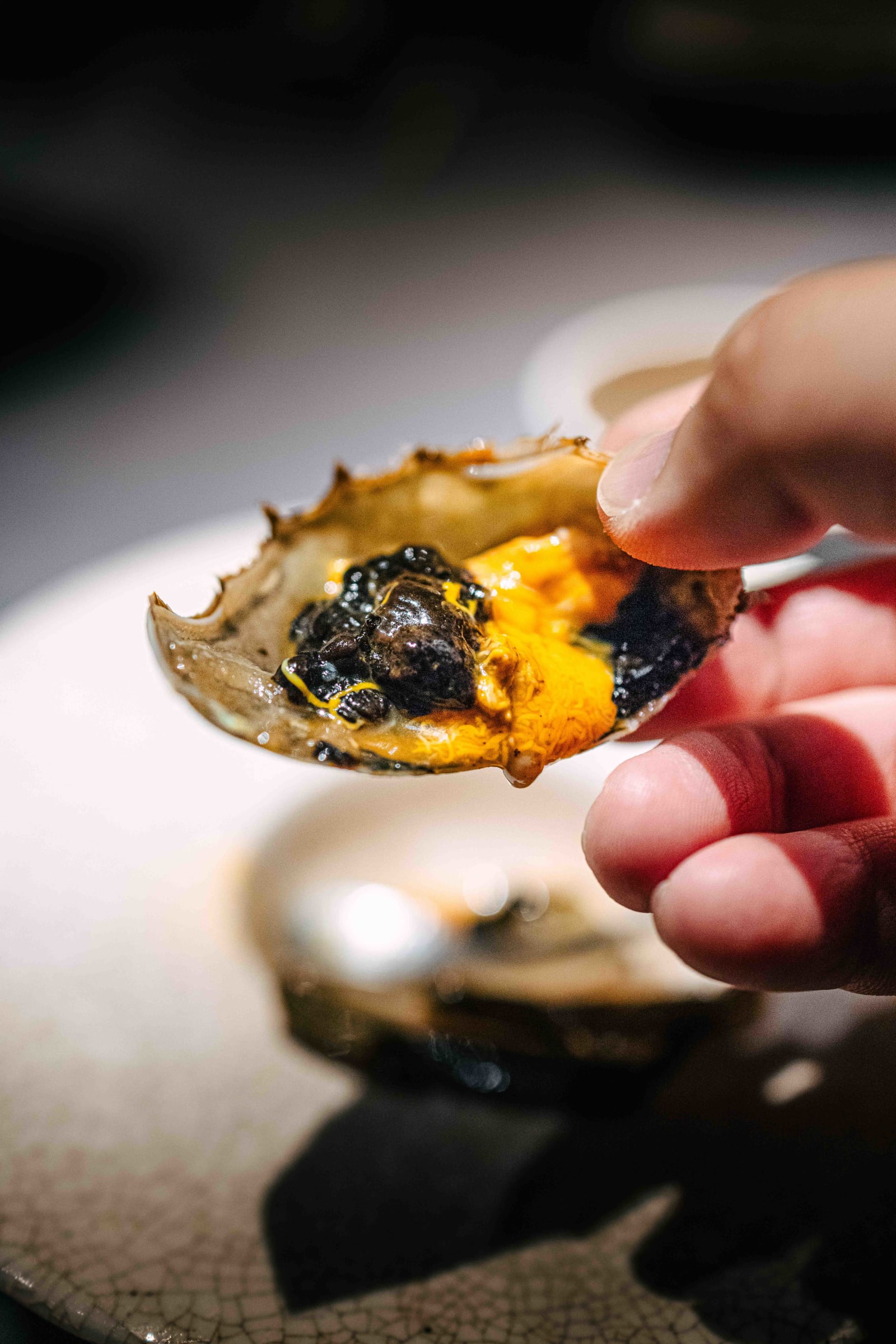
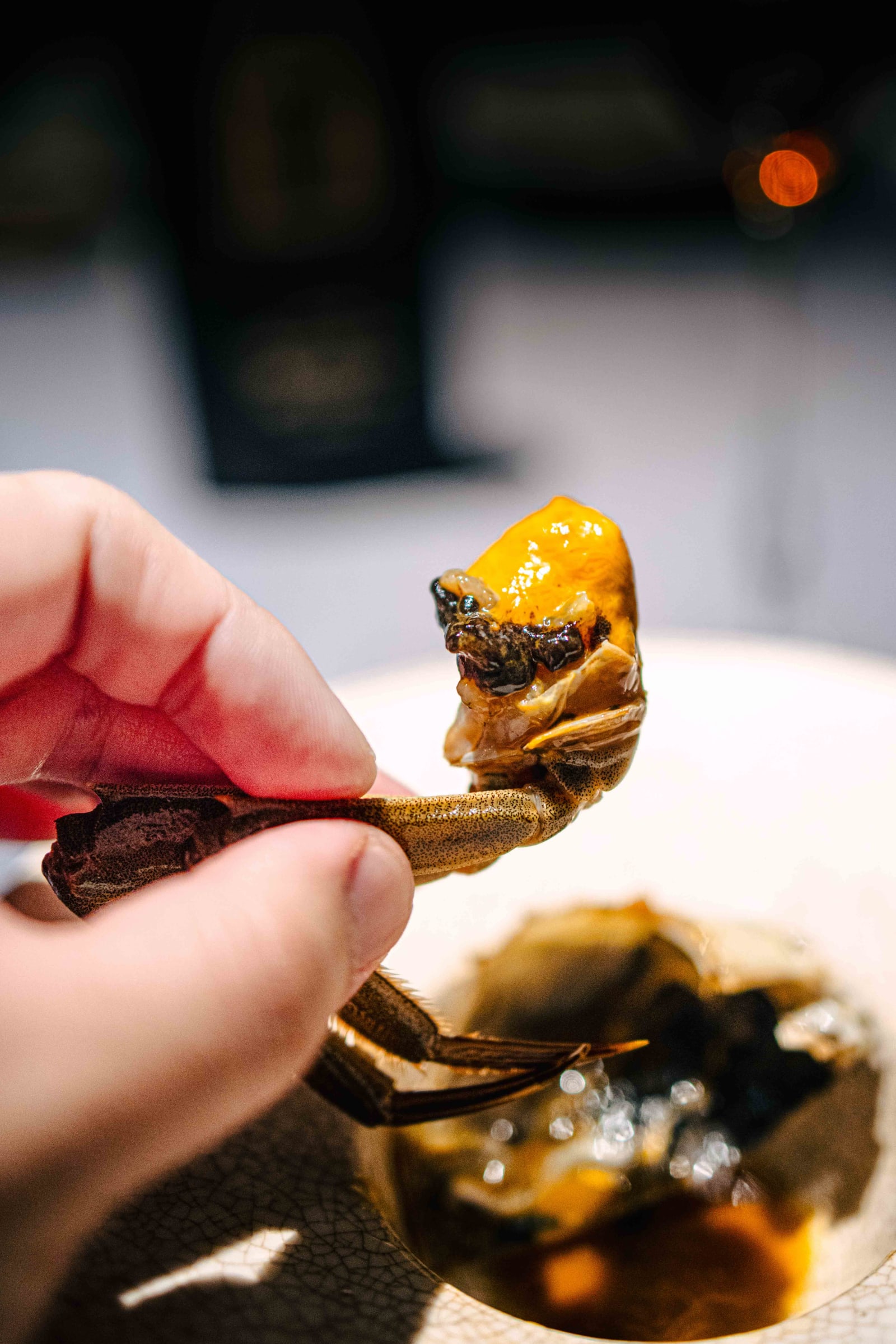
The Drunken Hairy Crab (醉大閘蟹, marinated in Shaoxing wine) was served as two separate crabs, female and male, presented for comparison. The server said the female came first, though at the time I was not certain. The difference between the two was visible. The first had thin, yellow viscera; the second had deeper orange, sticky internal matter. The contrast was legible through the camera. Whether because of the November timing or something else, the aroma from the first was richer and more penetrating. Back home afterward, I did some research and found the method for distinguishing male from female when you cannot see the underside: leg hair. Male crabs have prominent, long, numerous leg hairs; female crabs have fewer and smaller ones. Looking back through that lens, the server had been right. The first was female, the second male. I also learned then that the yellow inside the female is the ovary, the roe, and that the darker portion is the oxidised liver and pancreas. The two sets of crab meat were extracted and placed side by side on a spoon for direct comparison. Honestly, I could not detect much difference between them. Inexperience with dazha xie, most likely. Still, the chance to eat and compare by sex, presented as its own small course within the course, was something I had not encountered before.
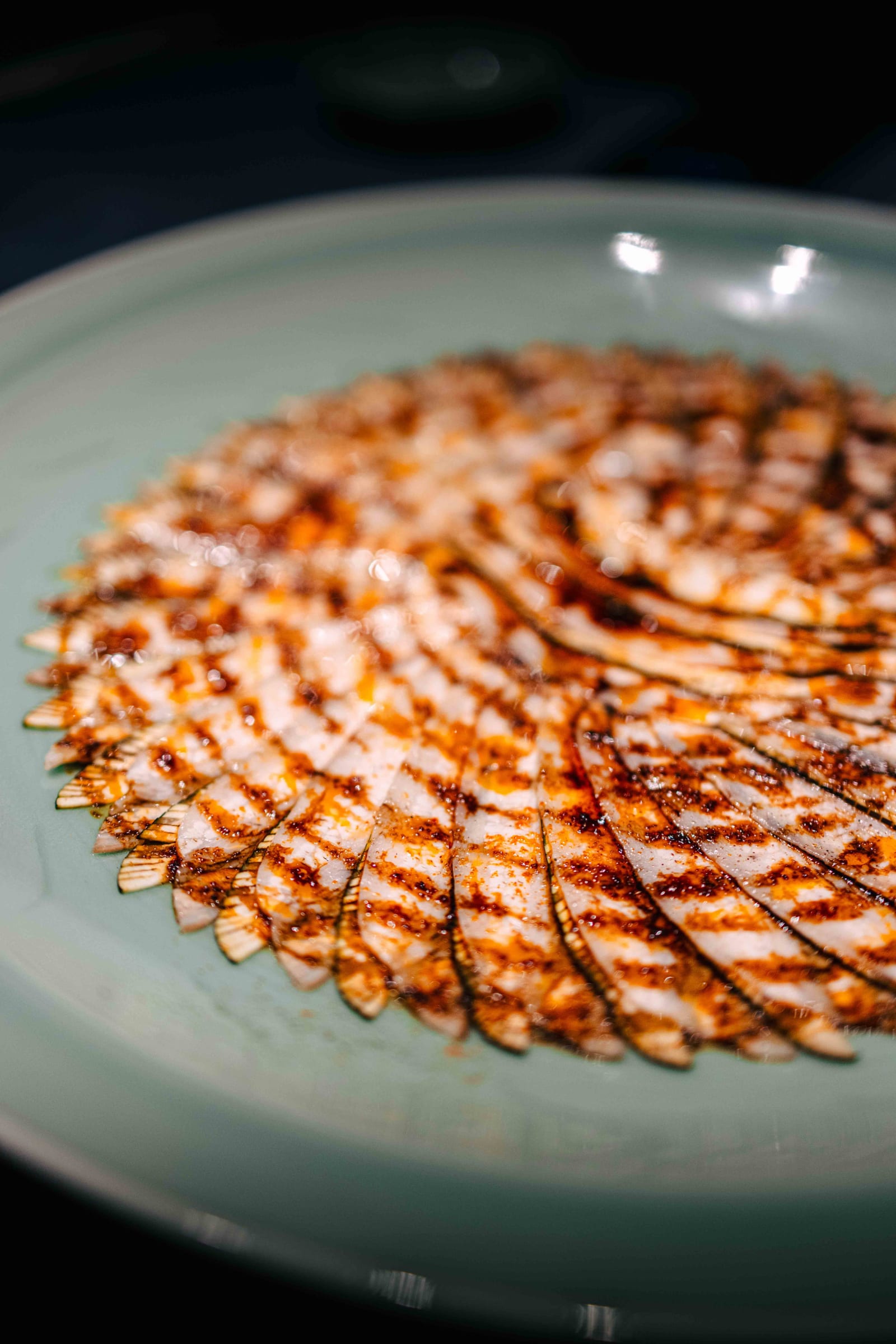
Next came Sazenka's signature dish, Yun Bai Rou Pian (雲白肉片). My first impression was of something resembling a small fish, perhaps anchovy. It turned out to be pork belly and aubergine, sliced very thin and layered together, finished with a Sichuan sauce that brought a moderate heat. The rice served alongside it was very nearly perfect. The pork was tender; the contrast in texture with the aubergine worked well; the seasoning was calibrated rather than aggressive, and eating it with rice, one bowl emptied without effort. It was also the dish where the Wakon-Kansai philosophy felt most direct: Sichuan sauce applied, then restrained and completed through Japanese ingredient and sensibility.
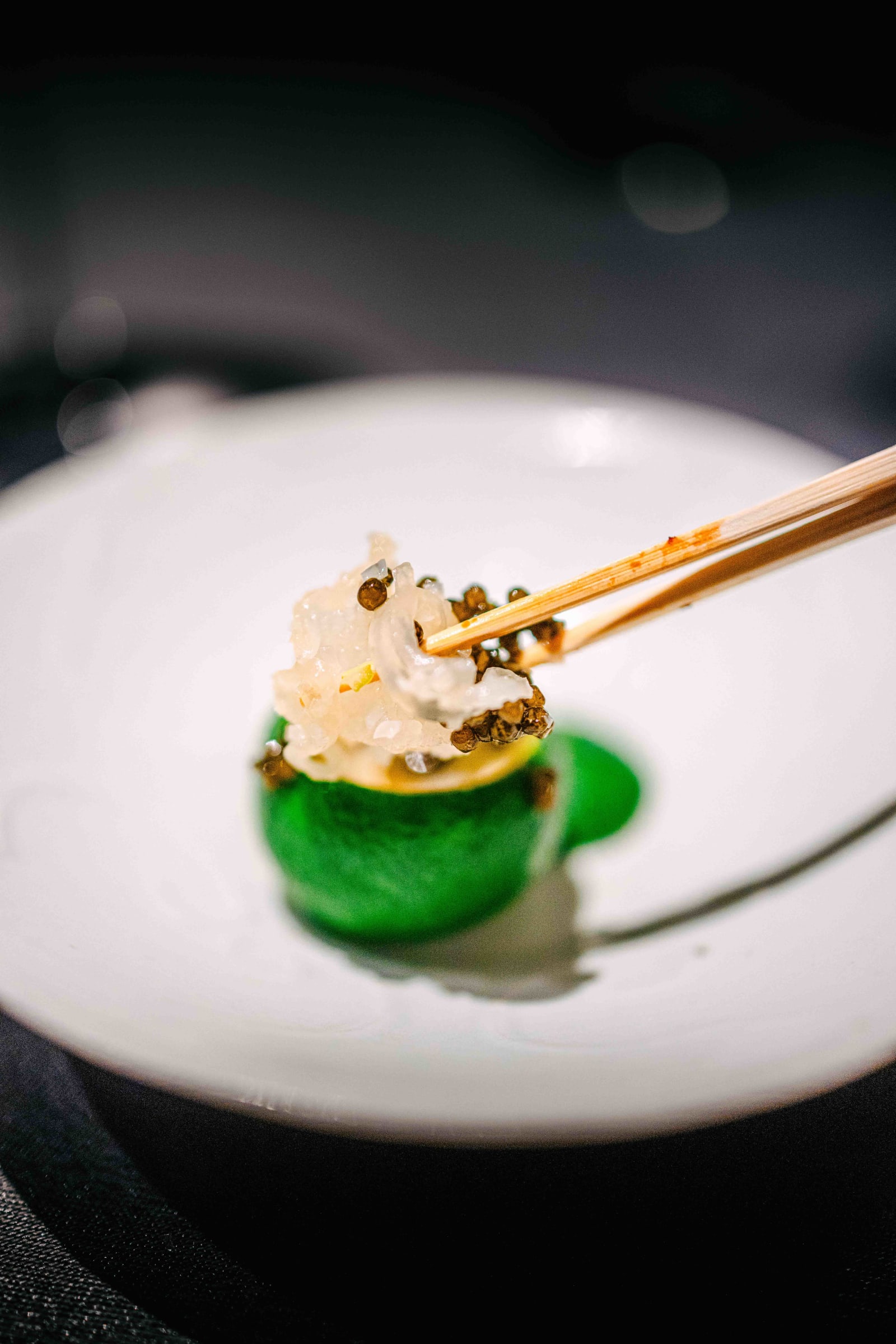
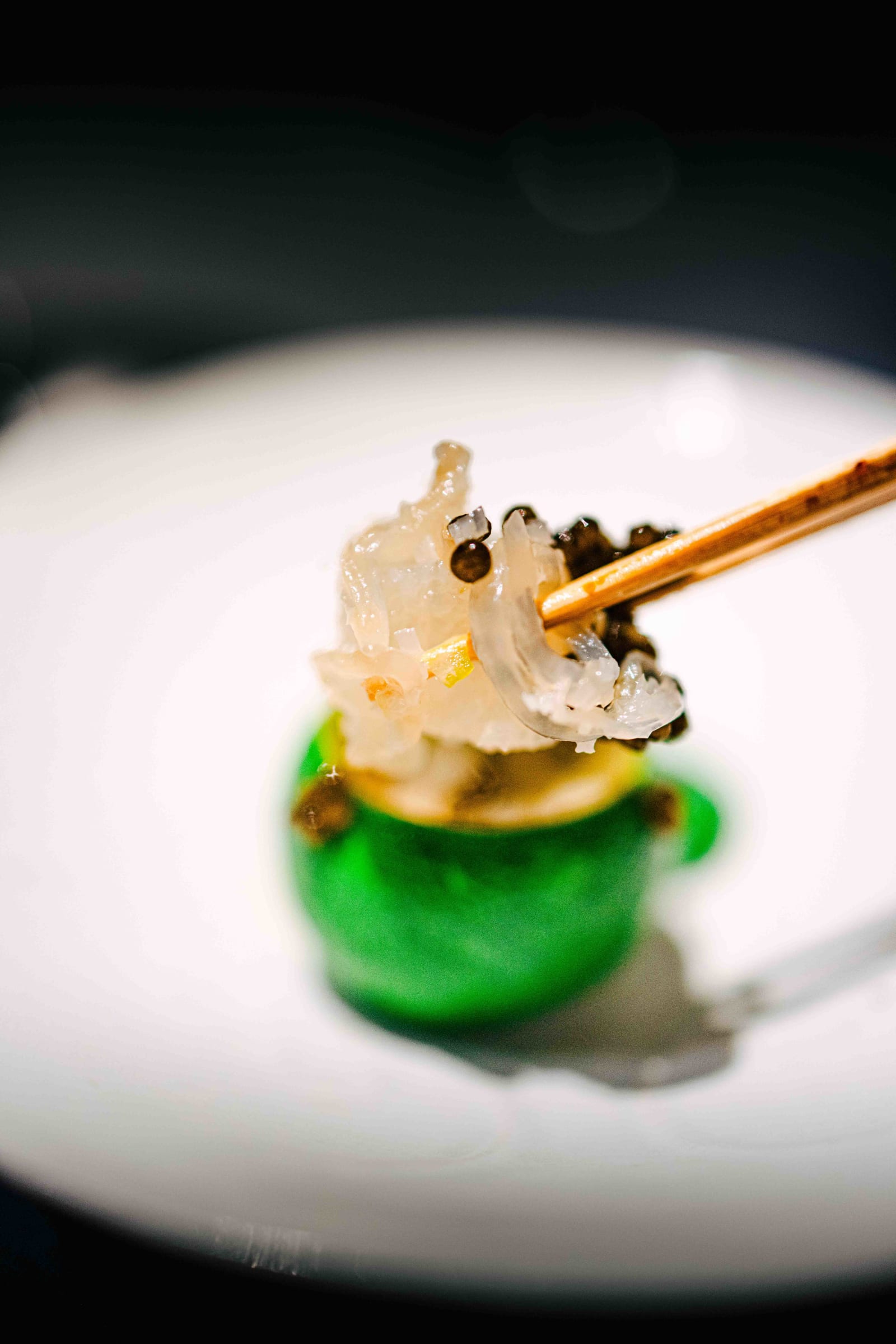
The Sudachi and Jellyfish (酸橘海蜇) was one of the most unexpected dishes of the evening. A single sudachi arrived on the plate. Opening it revealed a cold preparation of shredded jellyfish and caviar inside. It read as modest. It did not eat that way. The crunch of the jellyfish, the subtle acidity of the sudachi, and the caviar arriving at the end to supply the precise amount of salt that had been slightly absent: three ingredients, each requiring the other two. What made this dish excellent was not flourish but accuracy.
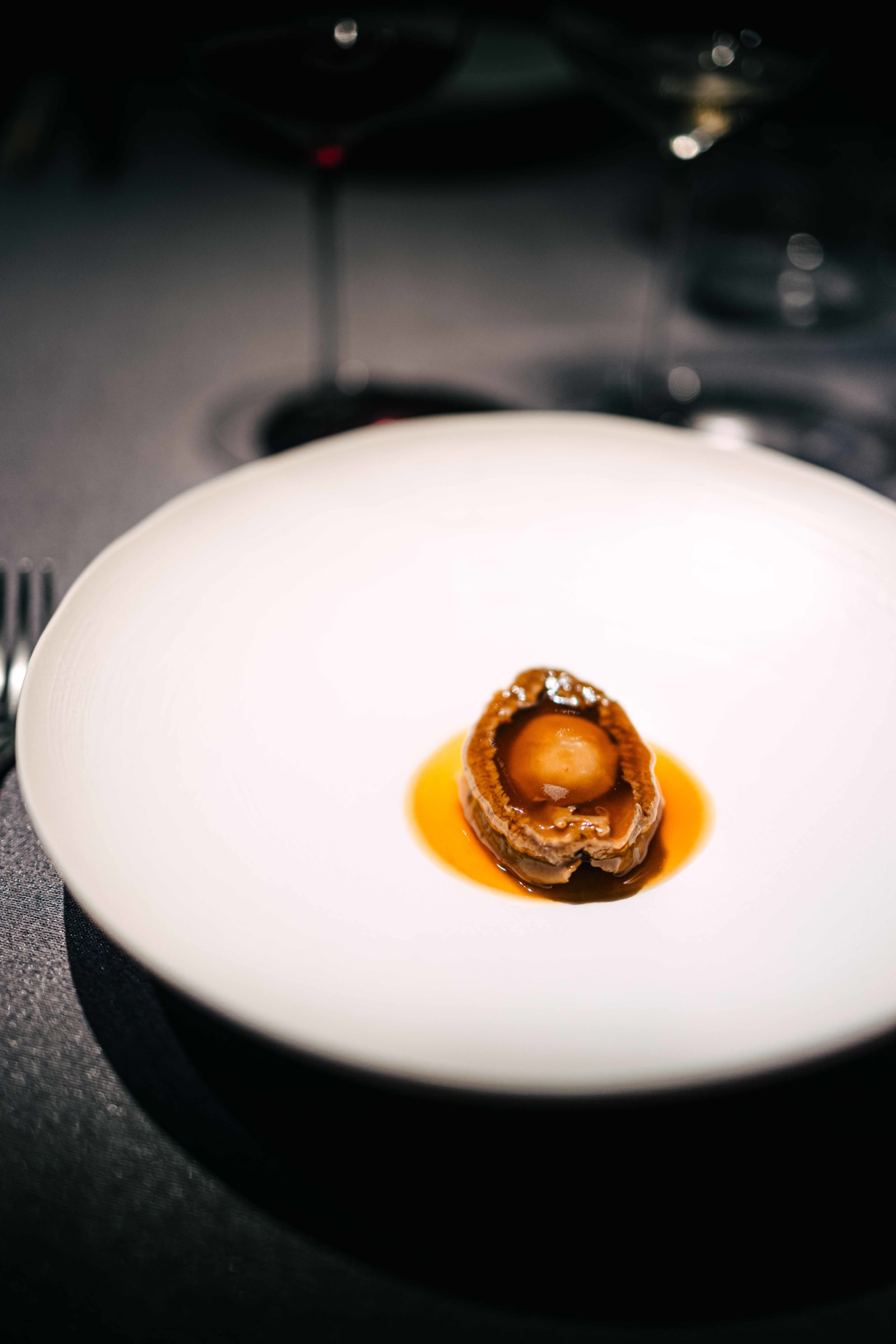
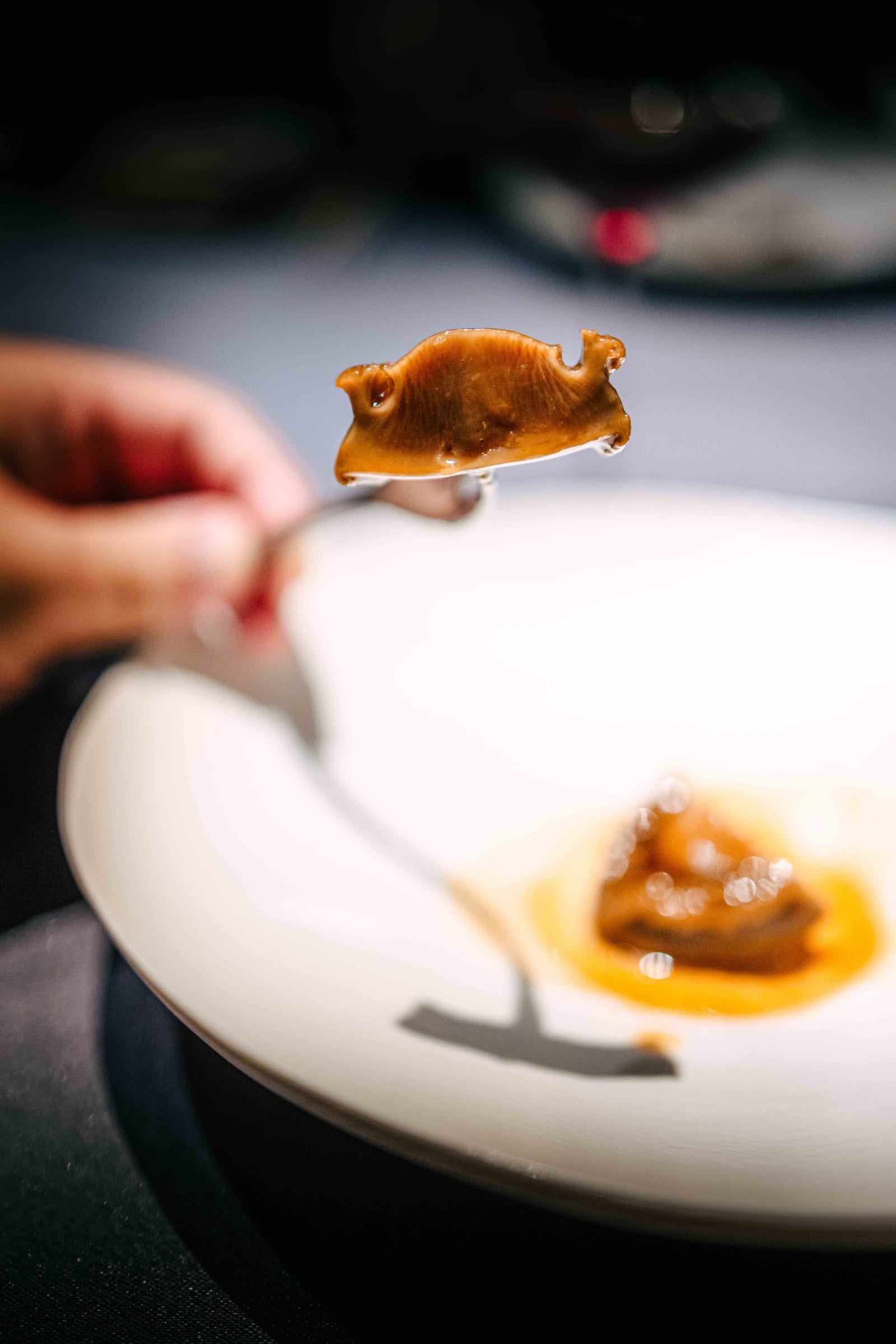
The Braised Dried Abalone (清淡干鮑) was the most ordinary dish of the course. Having eaten abalone at several Hong Kong restaurants, the comparison was immediate: this was something available in Hong Kong as well, and in similar sizes. If a distinction had to be made, Sazenka's was slightly more springy, while Forum's carried a deeper sauce and a more adhesive texture. The restraint characteristic of Japanese Chinese cooking may, in this dish, have read more as plainness than precision. A moment of rest within the course.
Steamed Hairy Crab (鴛鴦蒸蟹) brought dazha xie back to the centre. The shell arrived filled with the male's milt, the female's roe, and crab meat, all already extracted and heaped together inside, ready to eat without further work. What had been difficult to distinguish in the living crabs was now unmistakable by colour. Eating through it allowed the flavour difference between the two to emerge. The flavour is clean and delicate, characteristic of dazha xie; the sharp black vinegar poured in at the end cut through with a sudden and welcome force.
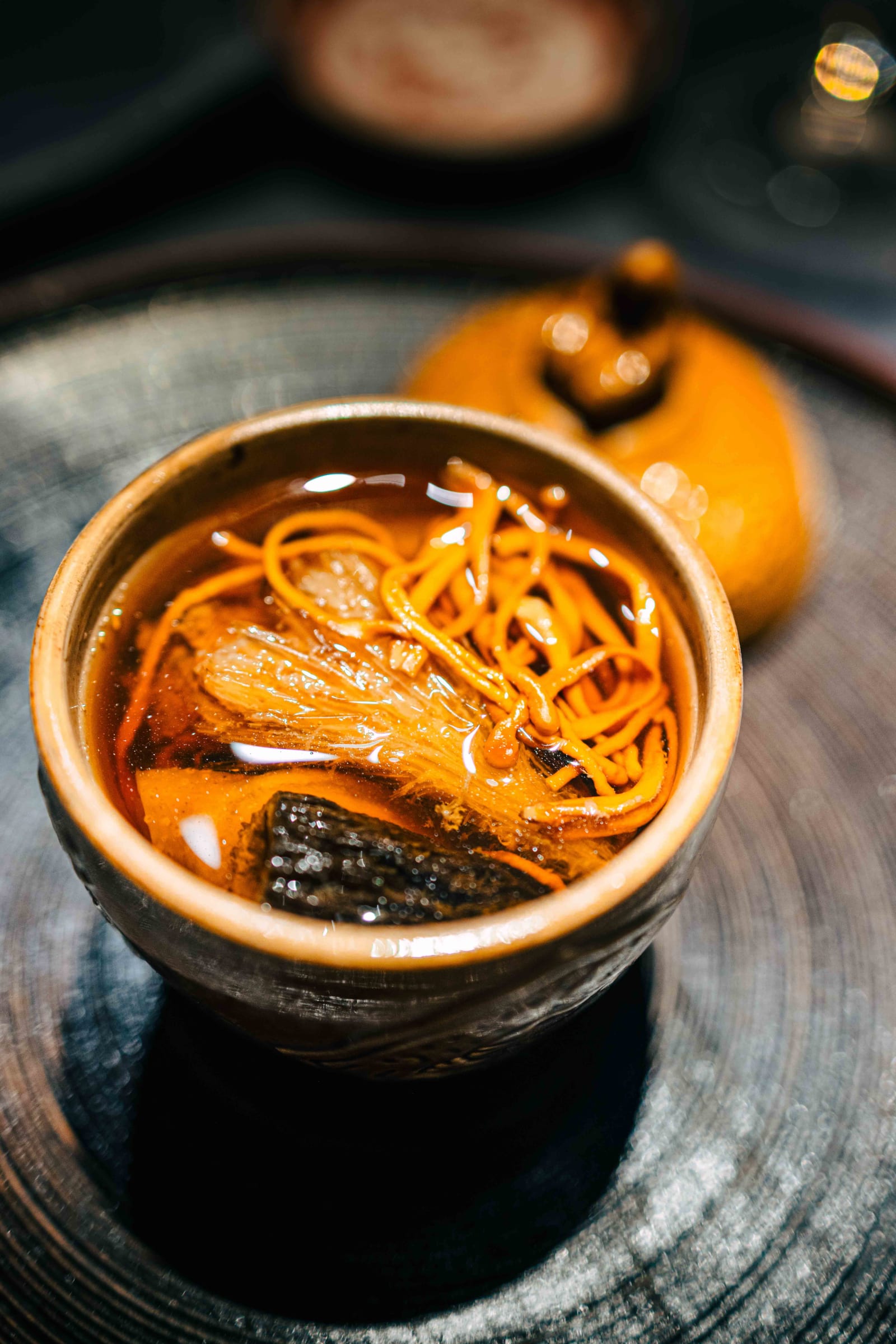
Buddha Jumps Over the Wall (香佛跳牆) arrived with a printed card listing twenty-four ingredients: cordyceps, morel mushrooms, shark's fin, and various meats among them. Whether every ingredient named was actually present I cannot confirm. It came in a small vessel. The broth was unsweetened and good, warming the body in a way that registered after eating. One thing, however, has to be noted. Every other element in the dish could be lifted directly with a spoon, with no attention needed to bone or shell. A piece of chicken with the bone still in had been included. Biting into it produced a sharp pain in the tooth. It was not an experience one expects at a three-Michelin-star table. That single preparation aside, it would have been a flawless dish.
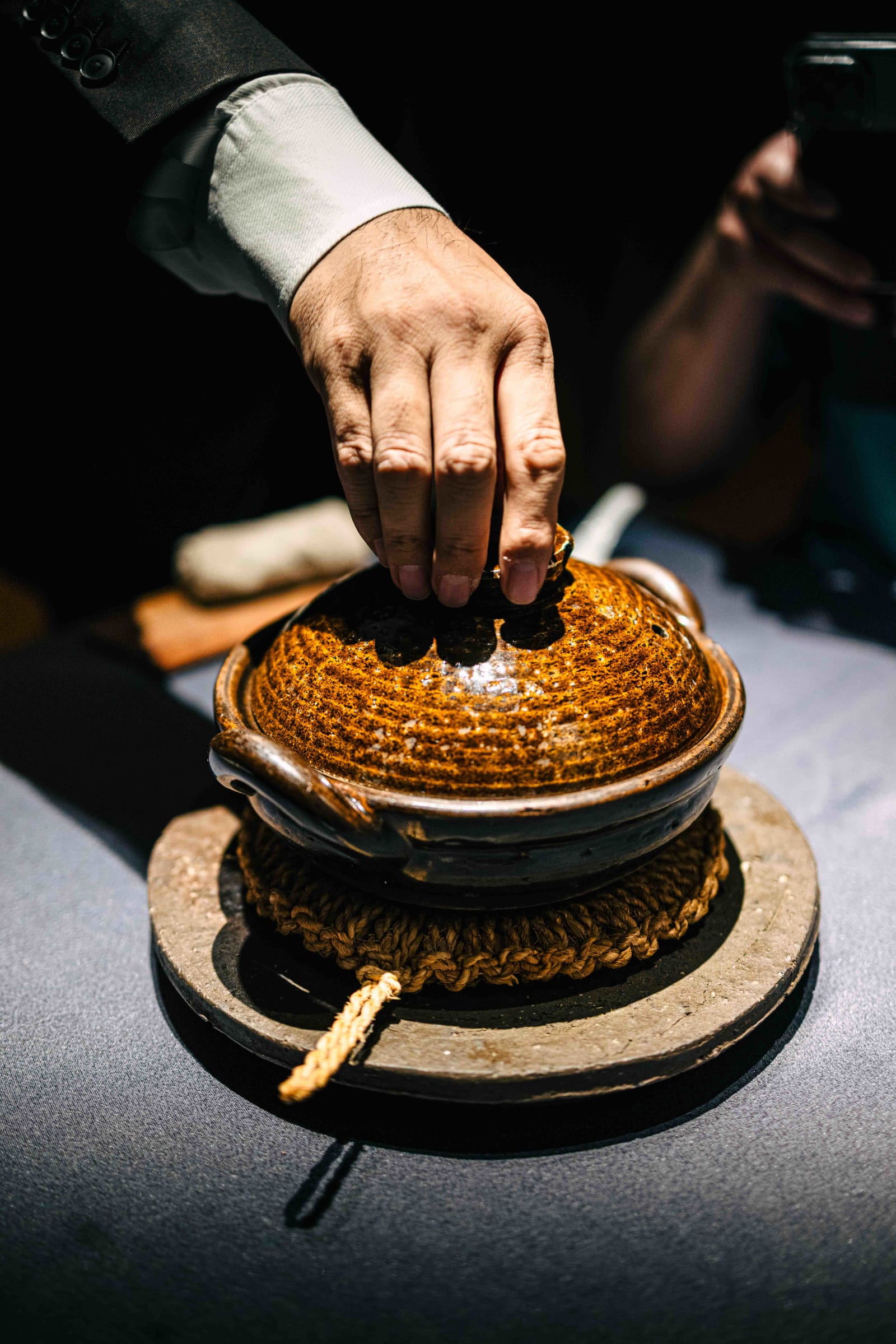
Then came the Sichuan Chicken Wings (香辣鸡翅). Two members of staff entered carrying, between them, an enormous ceramic vessel that required both arms. The surface was buried under a mountain of bamboo leaves and dried red chillies, with a single hairy crab placed on top as ornament. The immediate response was bewilderment. Something that large needed to be photographed before anything else. After some time with the camera, I waited for the actual dish to arrive. Nothing came. The chicken wings were inside the mountain of chillies, retrieved from it to eat. A properly theatrical moment of the kind a three-Michelin-star kitchen occasionally produces. Inside each wing was shark's fin and crab viscera; the heat was Sichuan, with a live presence of Sichuan pepper. The style was similar to the chicken wings I had eaten at Forum in Hong Kong, but spicier and more aggressive, which made it more enjoyable. By this point in the course the stomach was beginning to fill; this dish woke the senses again. Between courses, a single pear was brought as a palate cleanser. A small consideration, to prepare for the next dish. These quiet acts of attention are what sustain a long meal.
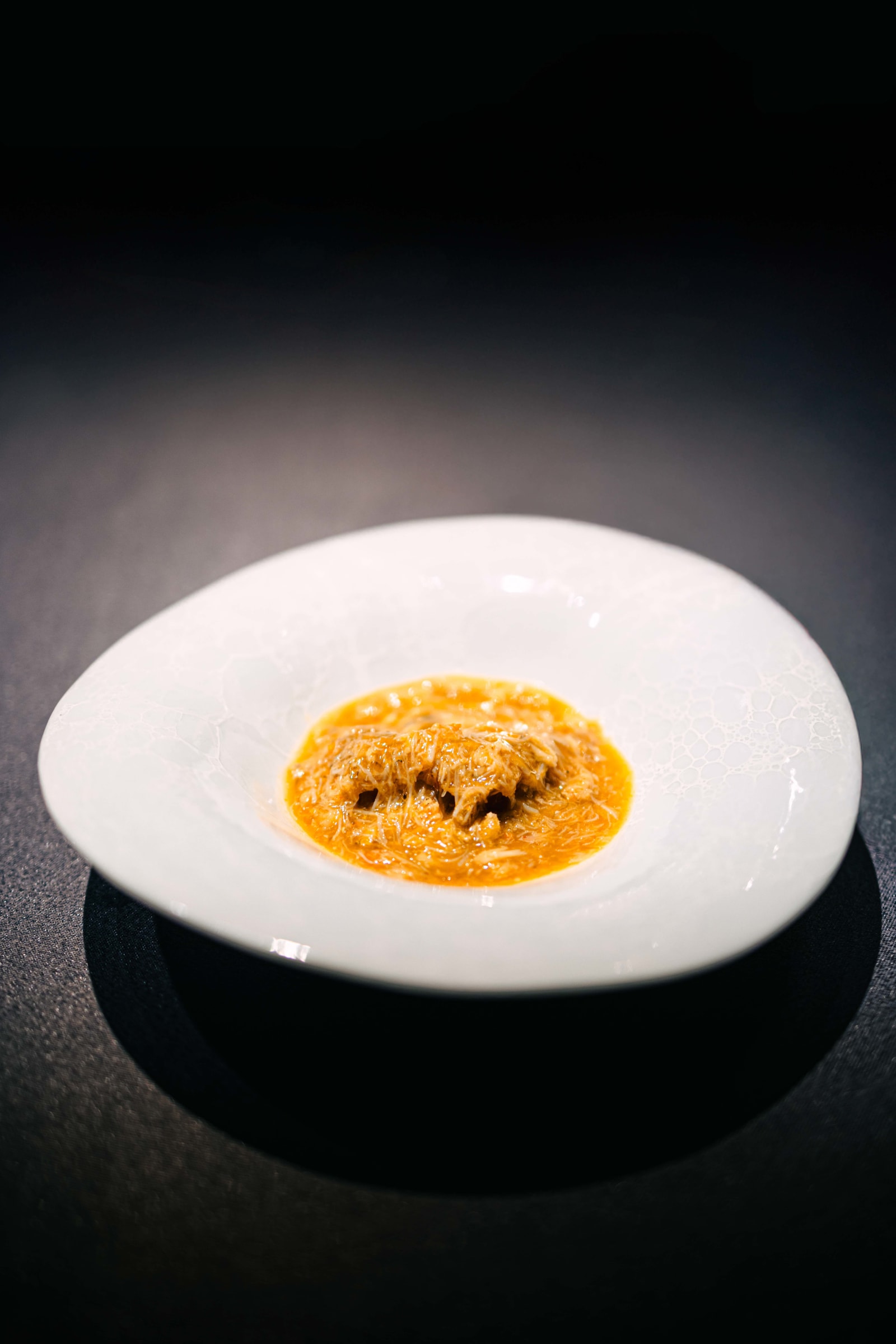
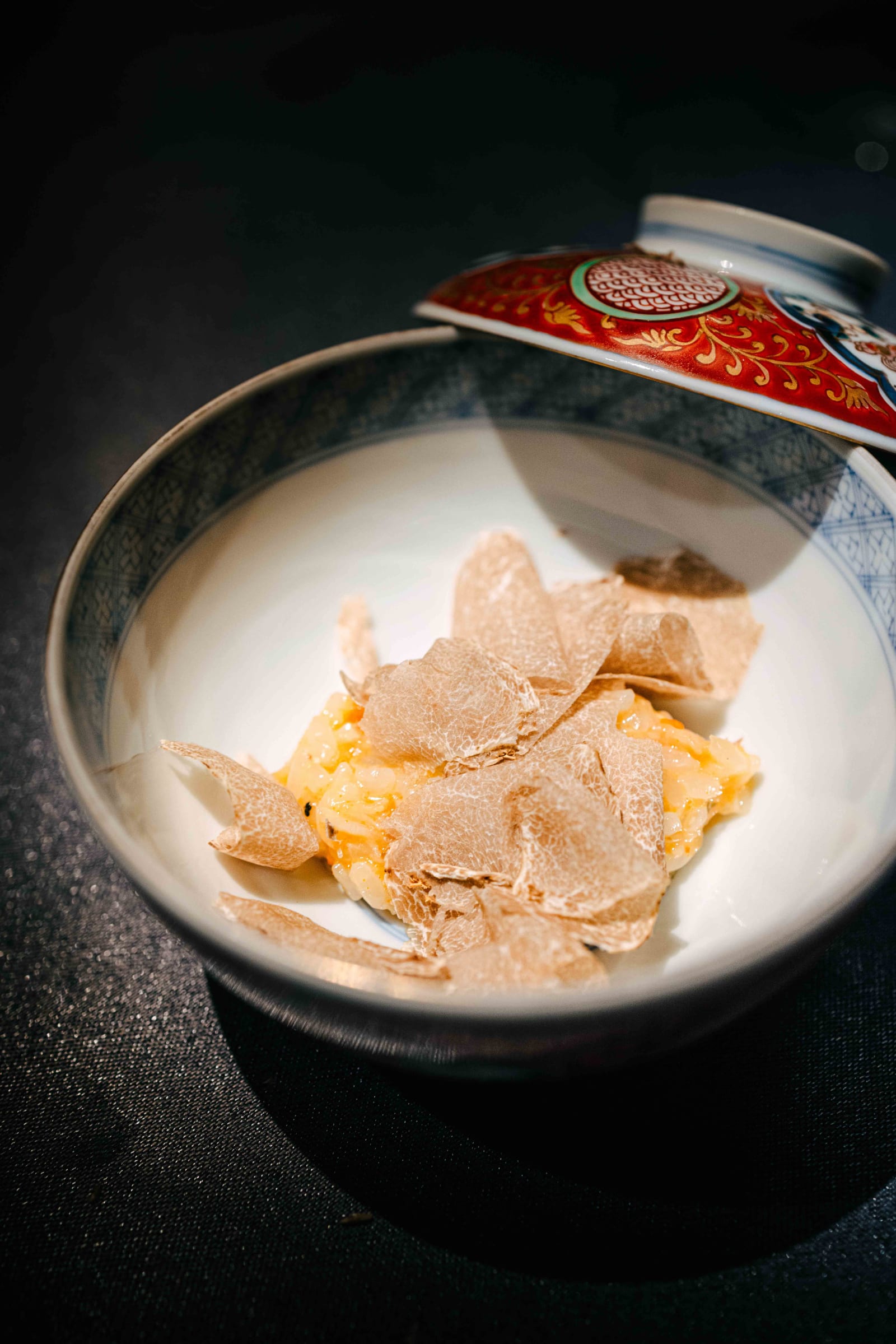
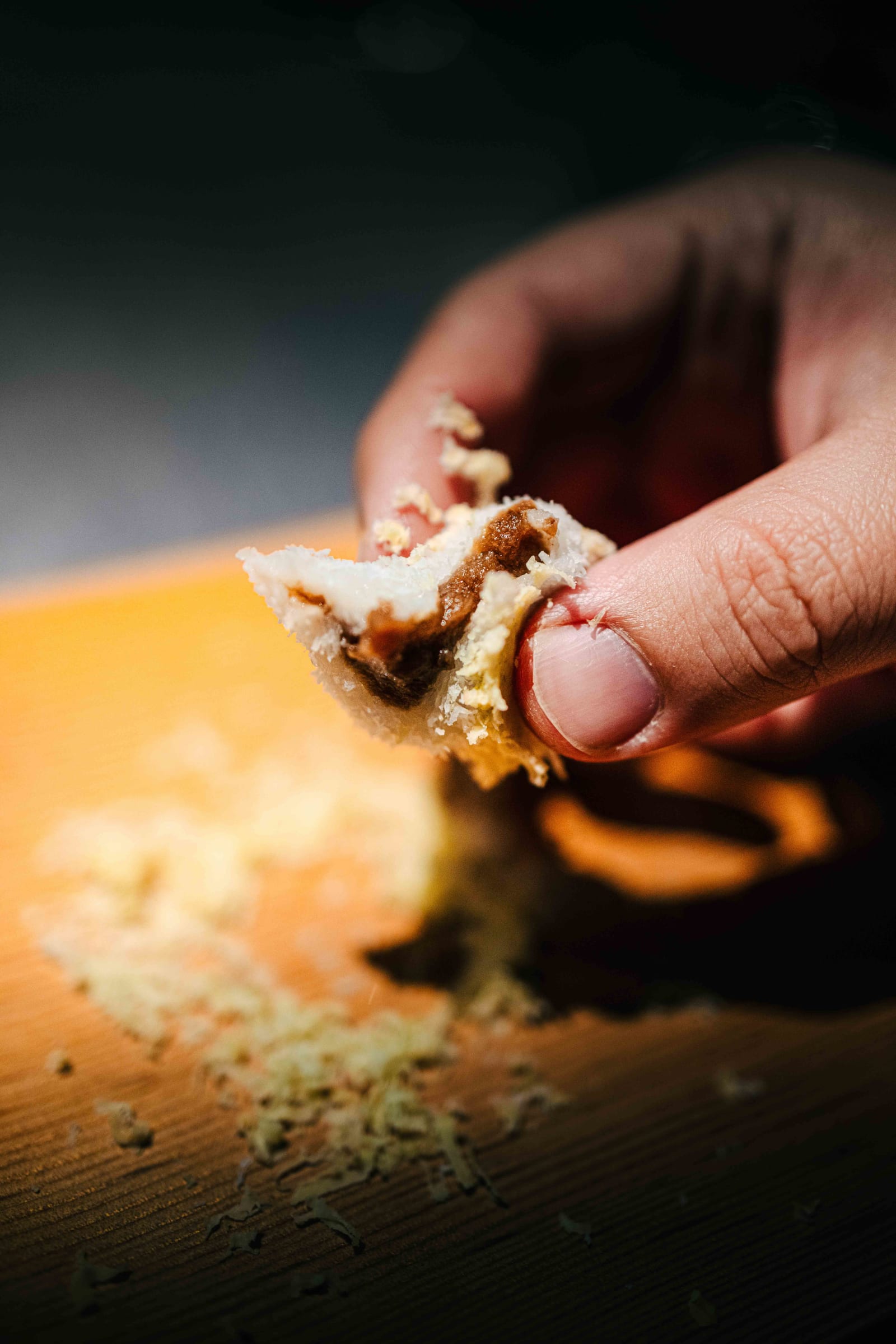
The Crab Roe and Shark's Fin Soup (蟹皇魚翅) placed two rare ingredients in a single bowl. Either alone would have been notable; together, the hairy crab functioned as the sauce, supporting the shark's fin. Neither overwhelmed the other; the balance held. This was my first encounter with a dish conceived on this logic, and I finished it slowly. Then the risotto made from the same soup arrived, and at the same moment, another large vessel was brought in. Opening it revealed a packed quantity of white truffle. It was grated generously at the table. The fragrance was present and the combination worked. Truffle alongside a crab and shark's fin risotto: neither ingredient is aggressive, and neither erased the other. Looking back across the full course, the restraint and balance consistent across every dish offered a partial answer to why Sazenka has drawn high marks from institutions with such different standards. Nothing on the course asserted itself beyond its moment.
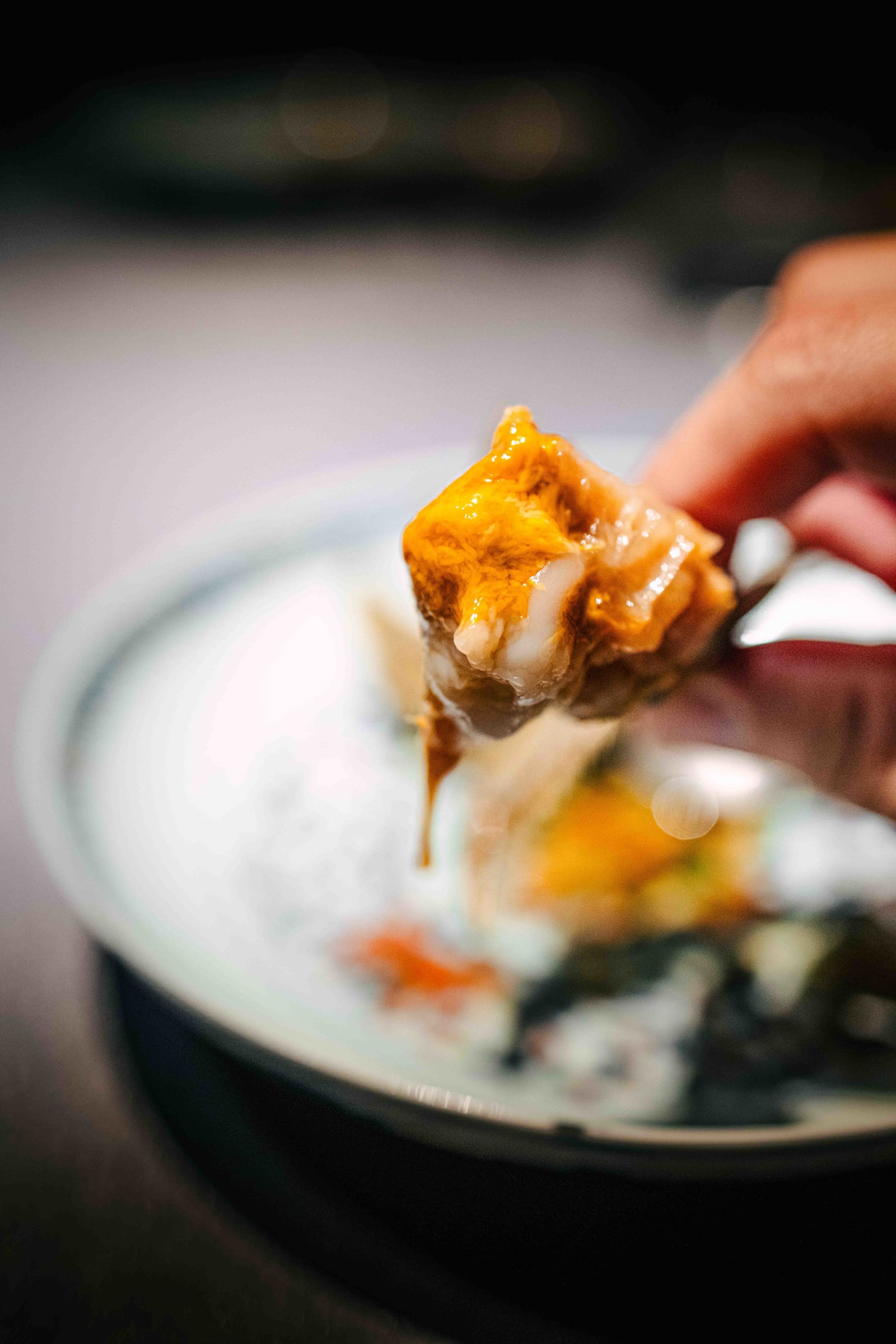
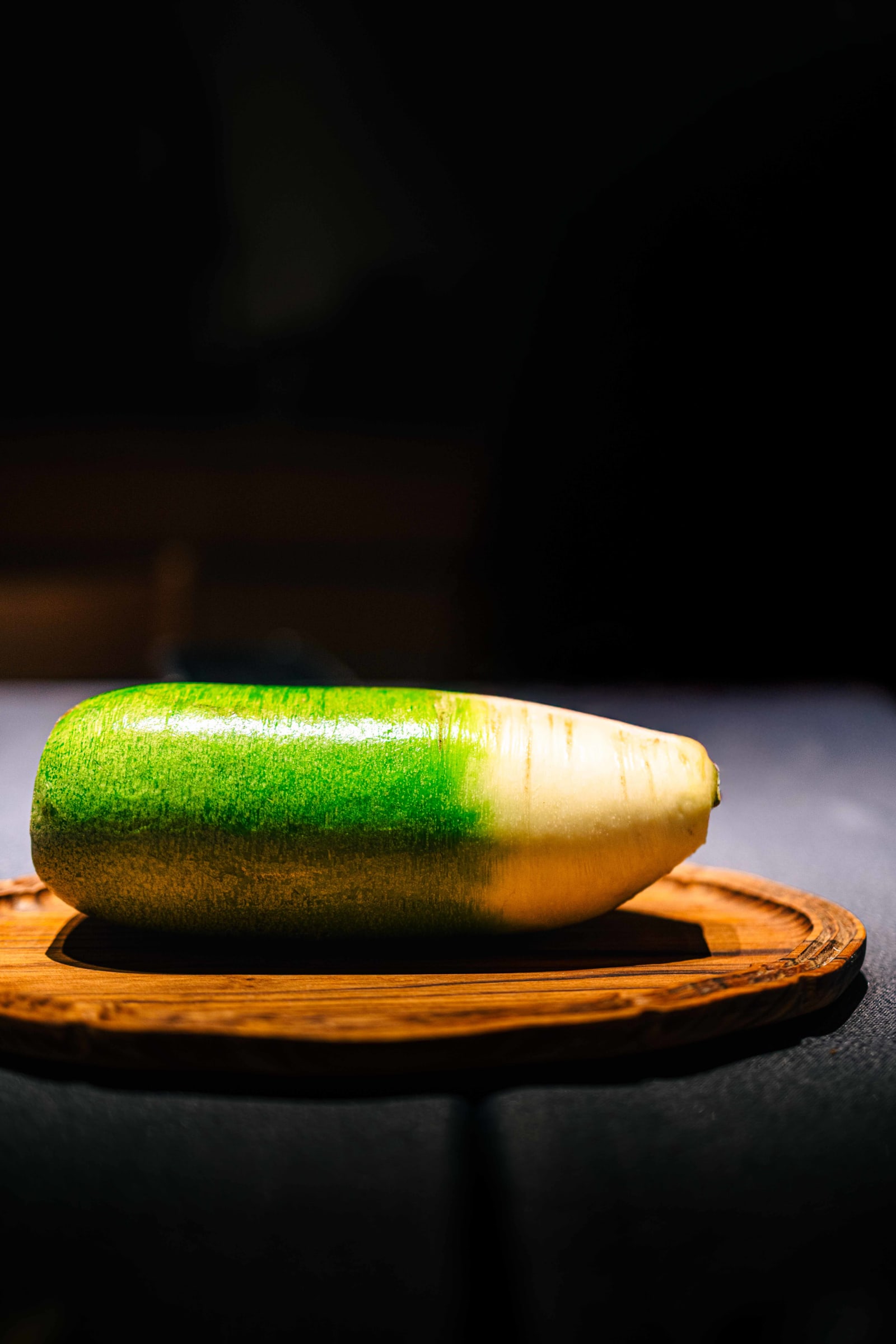
Today's seasonal vegetable (今日時菜) arrived next. A white ingredient, cut into a rectangular block. Daikon.
There was no expectation. One bite, with no anticipation, and something resembling mochi was in the mouth. A second chew. Something like a rice cake. That daikon could have this texture was not something I had known. Of every dish served that evening, only this one sat entirely outside the range of what I had imagined possible. Buddha Jumps Over the Wall, white truffle risotto, drunken hairy crab: all of them, good or otherwise, existed within something I could have predicted. This did not. I cannot think of another thing I have eaten recently that left this particular kind of impression. At a three-Michelin-star restaurant, the most unexpected bite came from a daikon.
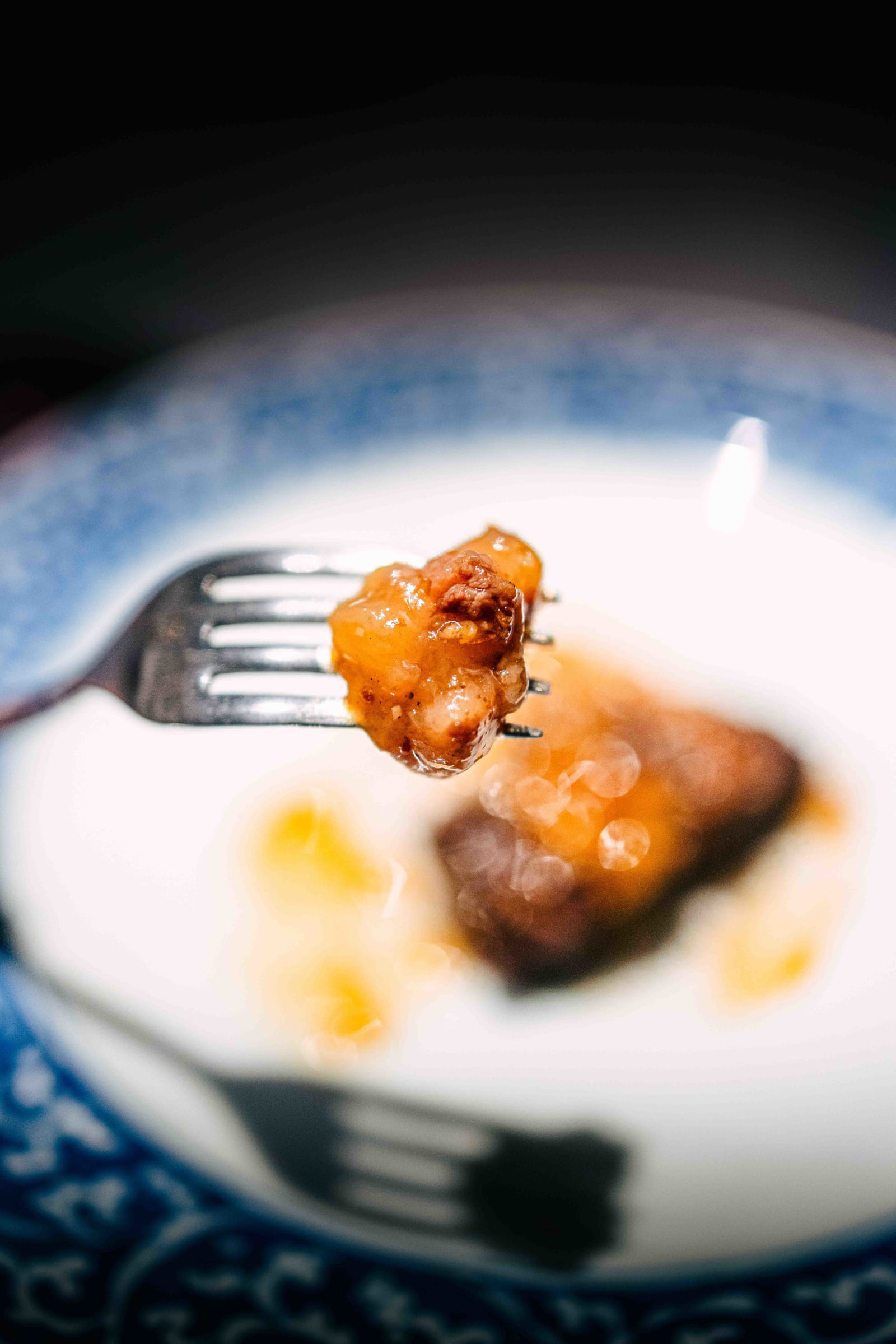
Venison with Fish-Fragrant Sauce (魚香鹿肉) was the final main course of the regular menu. As a child I had eaten wild roe deer, following my father on a hunt; cooking venison as a dish in its own right was new. Whether this deer was hunted or farmed I cannot say, but any concern about gaminess proved unnecessary. The meat had been scored with the precision one associates with Korean marinated galbi, allowing the sauce to penetrate evenly, and the result was tender and not resistant. The flavour of the meat was clean. The mara sauce, made from cartilage, was outstanding. Not strictly Sichuan but using Sichuan pepper as its base, refined through Japanese sensibility: Wakon-Kansai in a single plate. I came away wanting to try venison again at another Japanese restaurant.
That concluded the regular course. The special dishes followed. First, Sazenka's mapo tofu. I had asked for a generous portion in advance. It arrived with a bowl of perfectly cooked rice. The tofu was spiced at a level that preserved the layered flavour of the Sichuan pepper without overwhelming it. Those who prefer more intensity might have found it measured; for me, the balance was right. The best mapo tofu I had eaten before this was a special-order version at Palsin, the Chinese restaurant at the Shilla Hotel in Seoul; this surpassed it. I finished one bowl and, though full, asked for more. Sazenka was left in a state that might accurately be described as past capacity.
Full well before the end, two bowls of noodles followed. One was a cold-style dan dan mian; the other, a clear broth resembling a light tonkotsu. The dan dan mian, with its sesame base and combination of meat, noodle, and chilli oil, was the one dish of the evening that felt discordant to my palate. If there is a single thing I would note as a disappointment at Sazenka, it is this. The clear broth noodle was the opposite. With a crab-based seasoning paste stirred through, it was clean, refreshing, and very good.
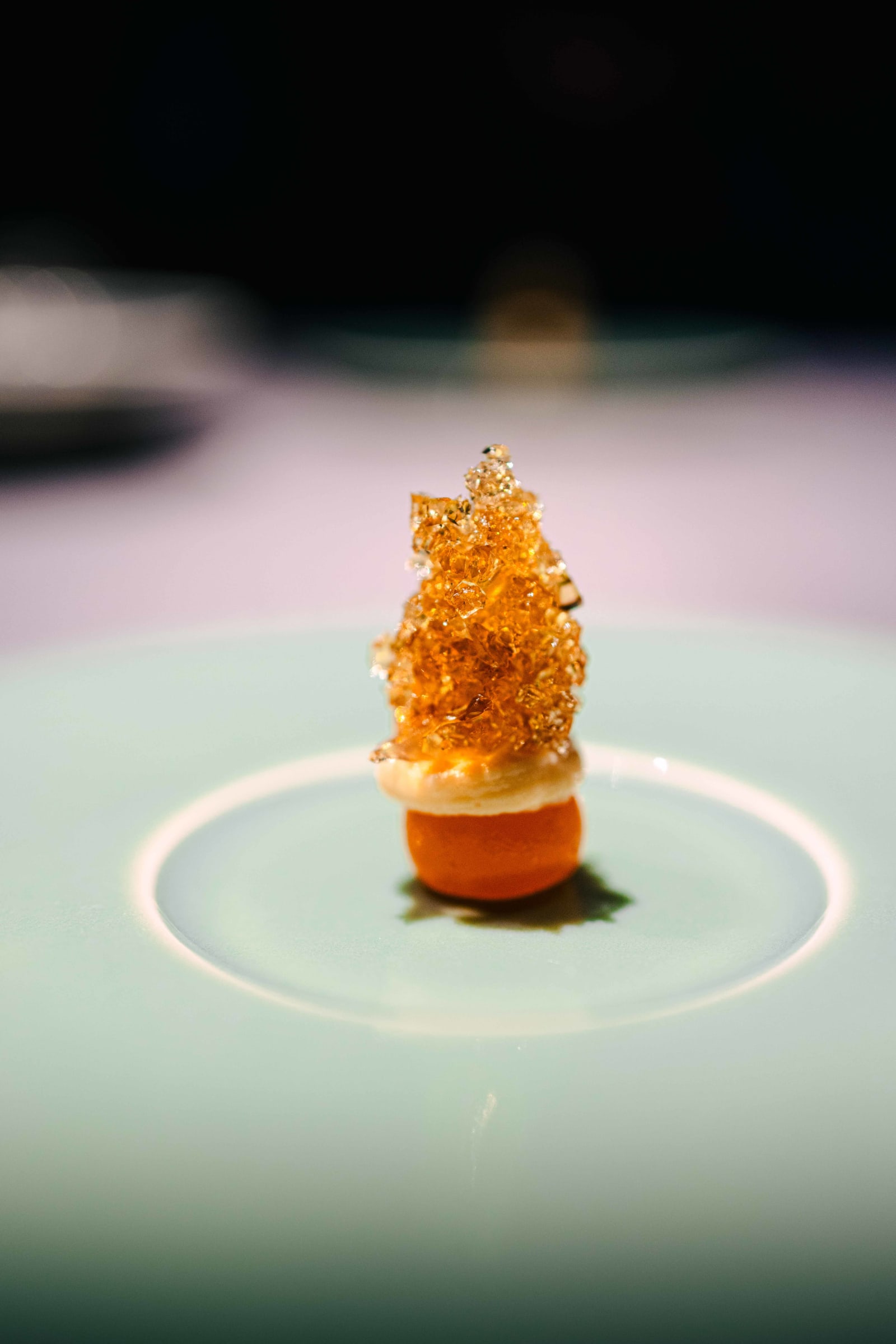
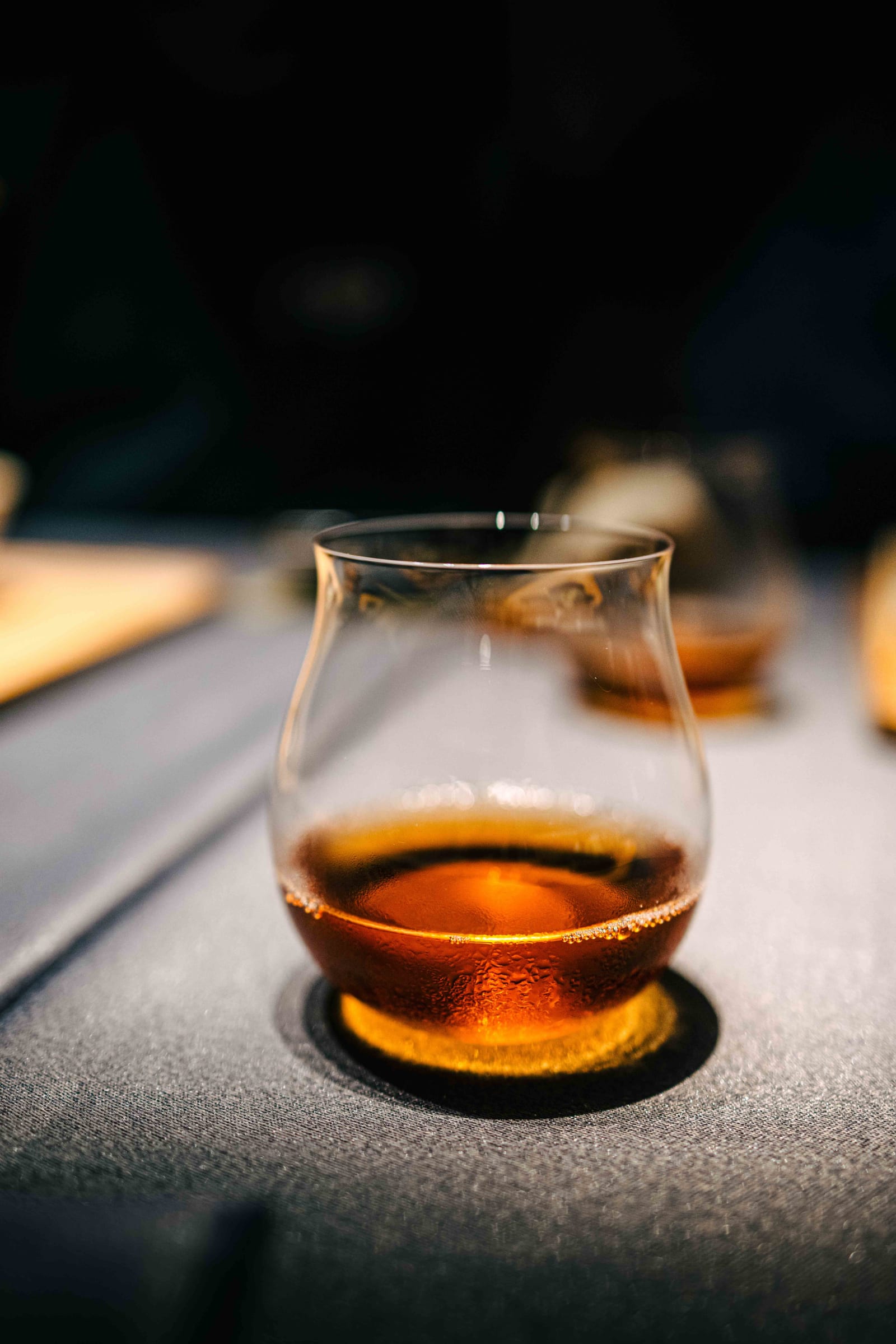
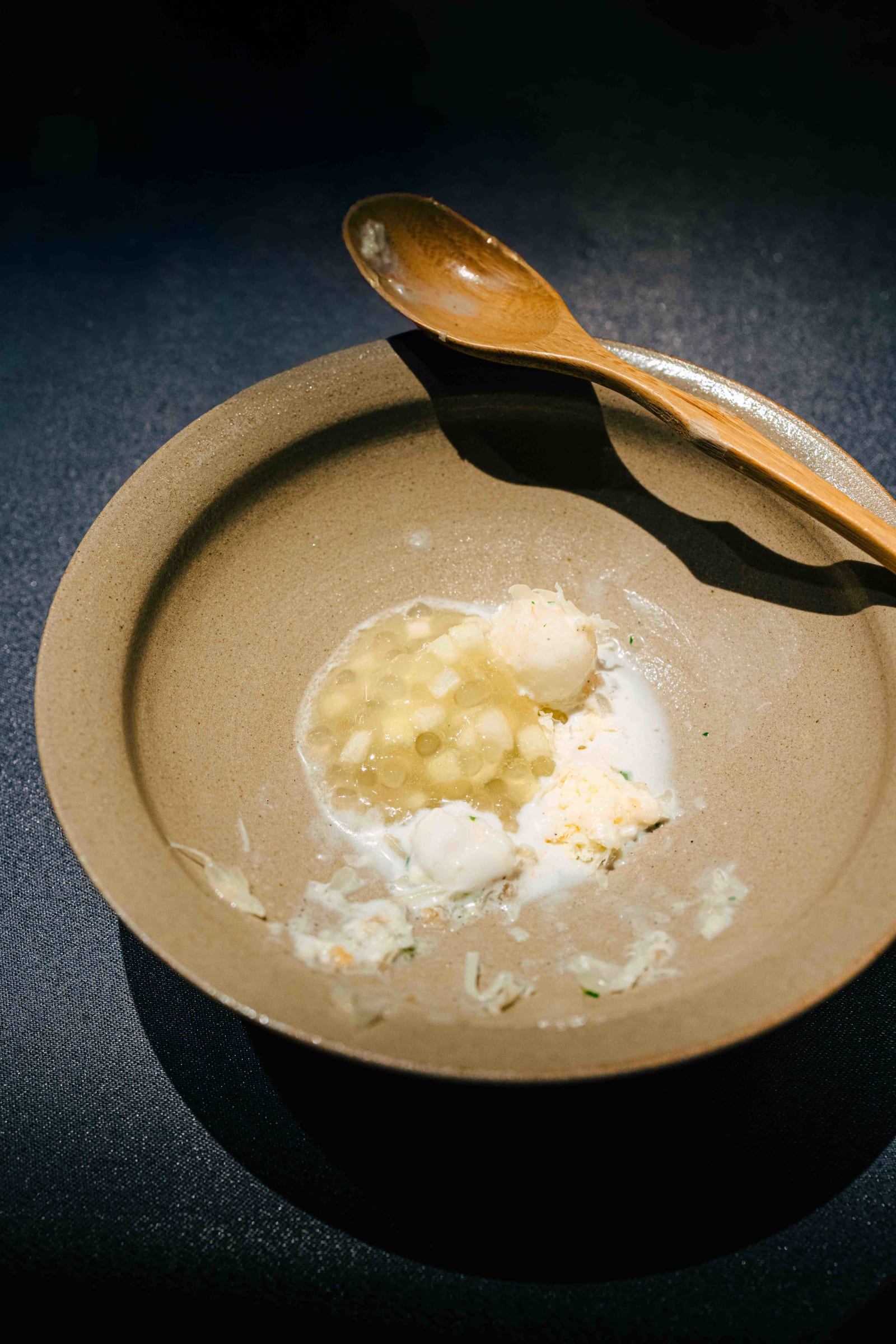
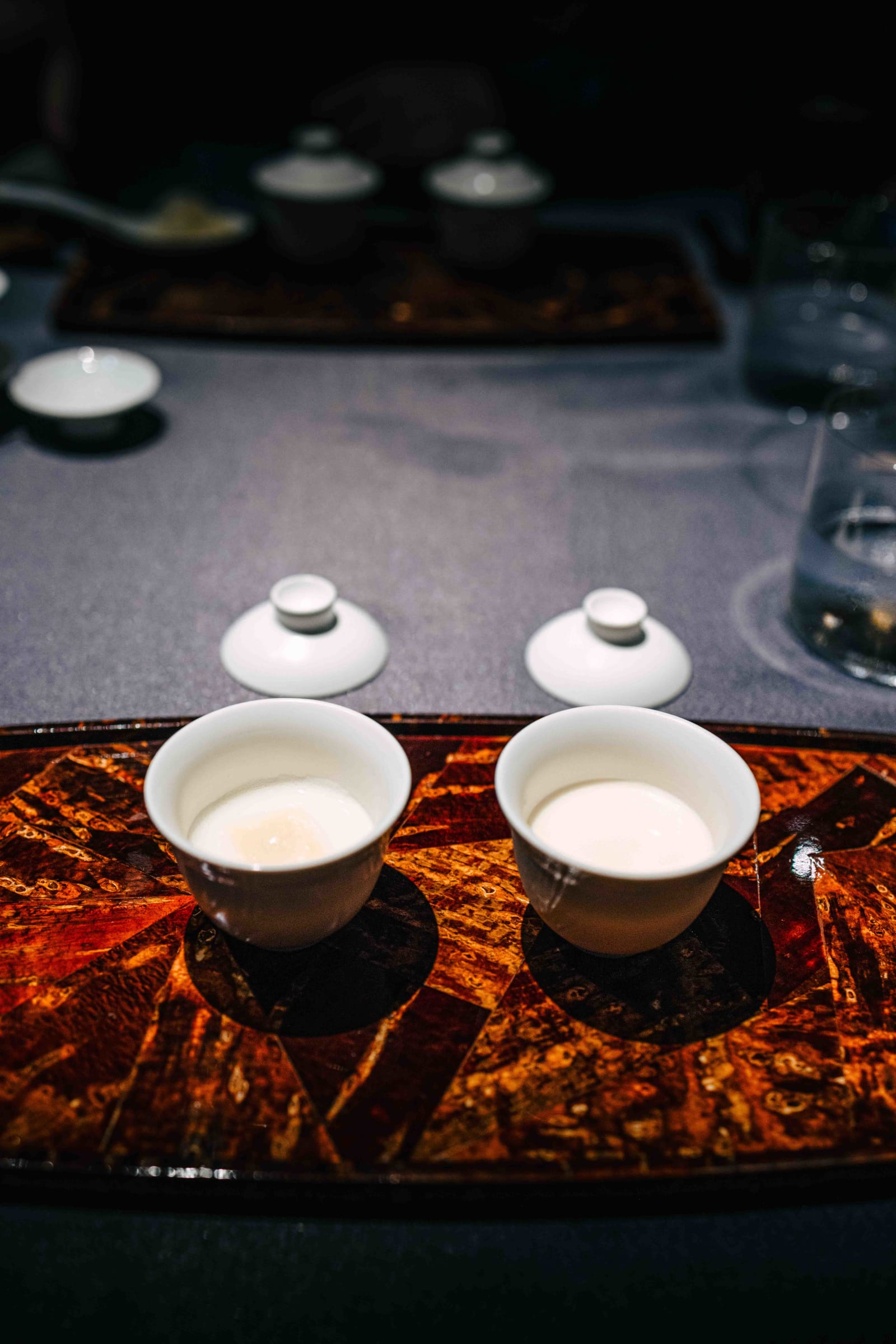
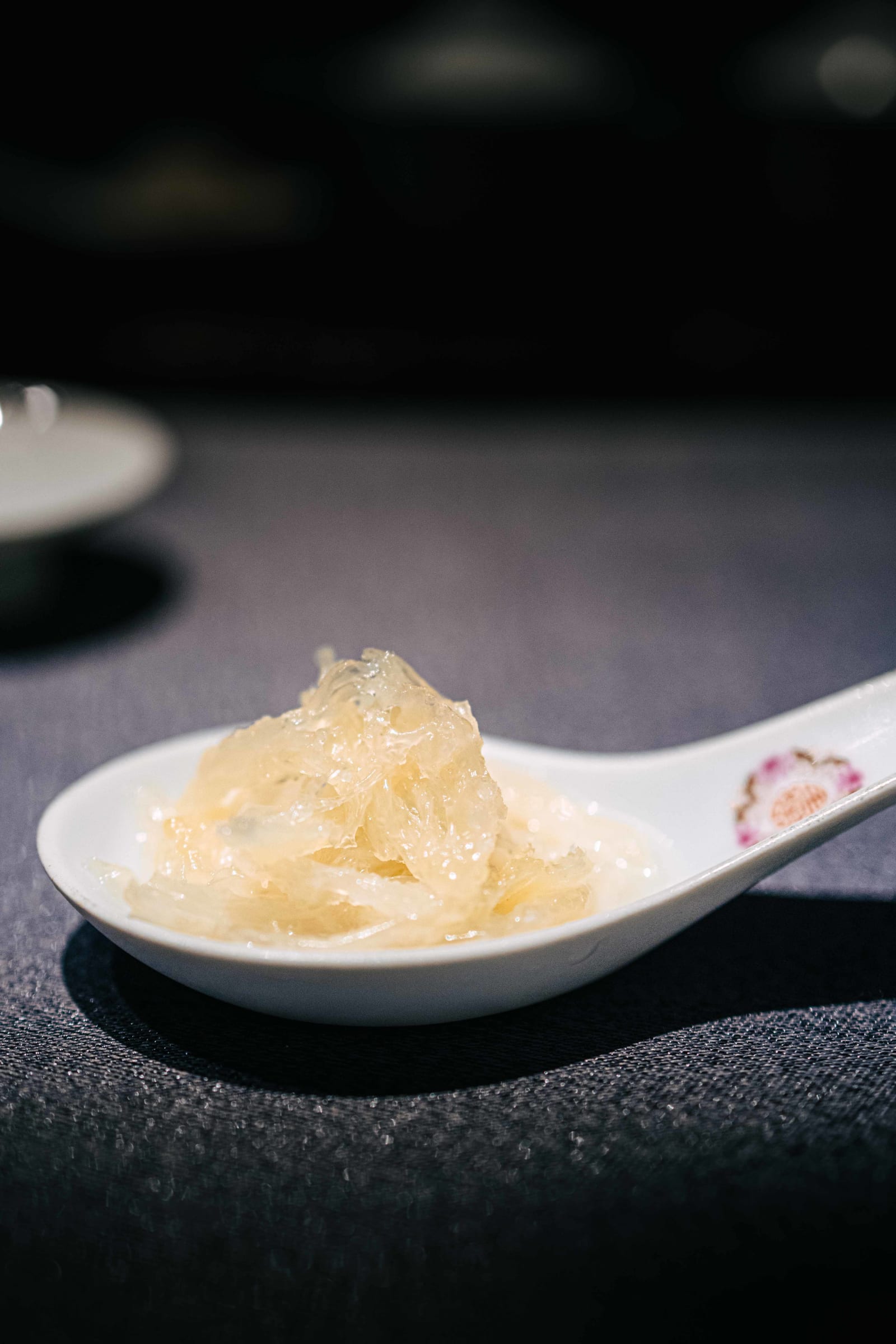
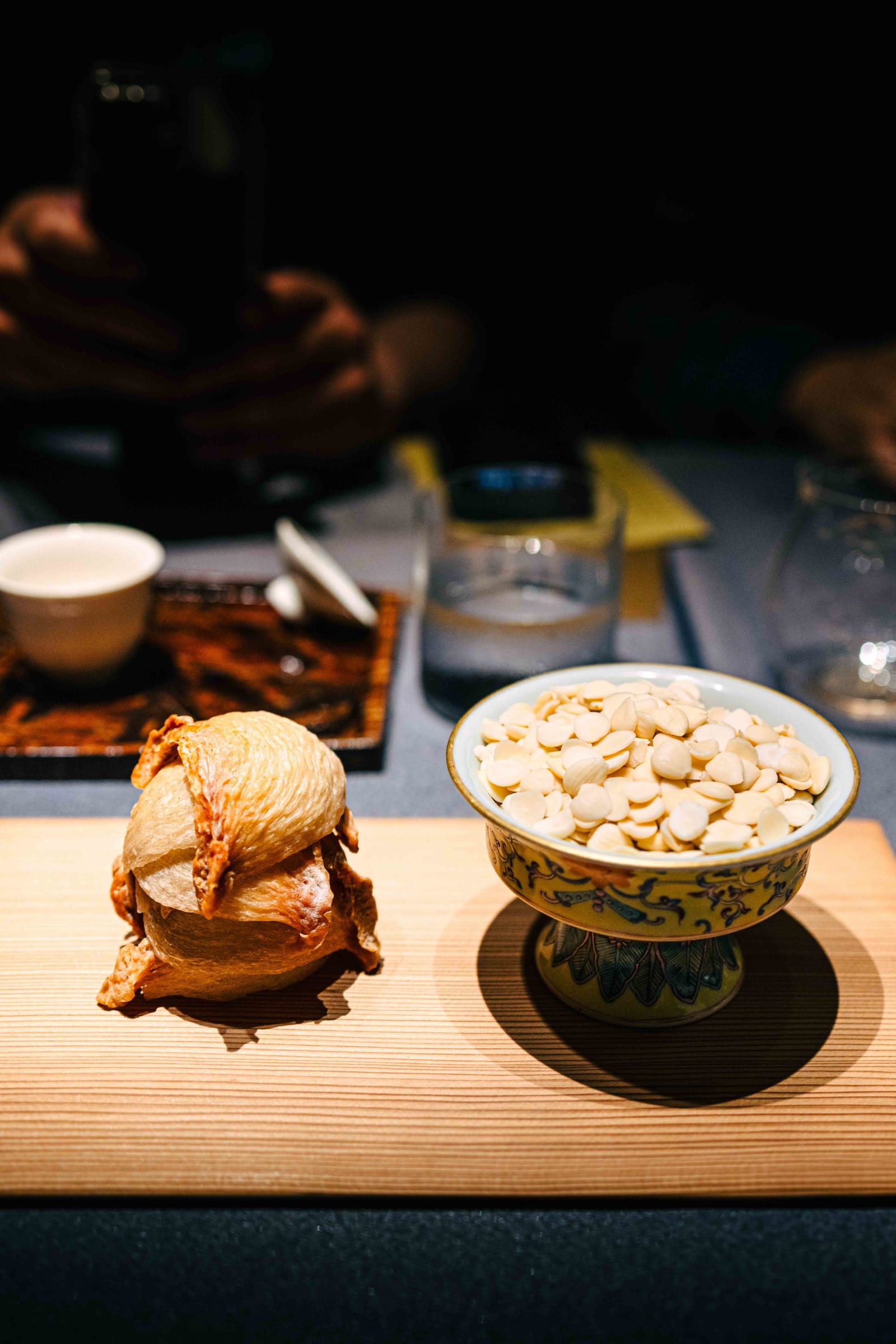
Dessert came in three parts. The first brought ice cream over a base of pear, cream, and something resembling a soft cheese. Cool and welcome after a long meal; a loosening of what had grown fatigued. The second returned to the amuse-bouche that had opened the course: annin dofu, now in two temperatures, warm and cold side by side, with bird's nest alongside. It was a pairing I had first encountered at Lung King Heen in Hong Kong, and here it appeared again. Bird's nest, I have found, carries little flavour beyond its texture; in Chinese cuisine, as with shark's fin, the texture appears to be the point. The warm version carried more fragrance; both had their own quality, and both were good. Last came a sweet chestnut mochi. The rose tea served alongside dessert was memorable. I do not usually drink tea at Chinese restaurants. This one stayed with me.
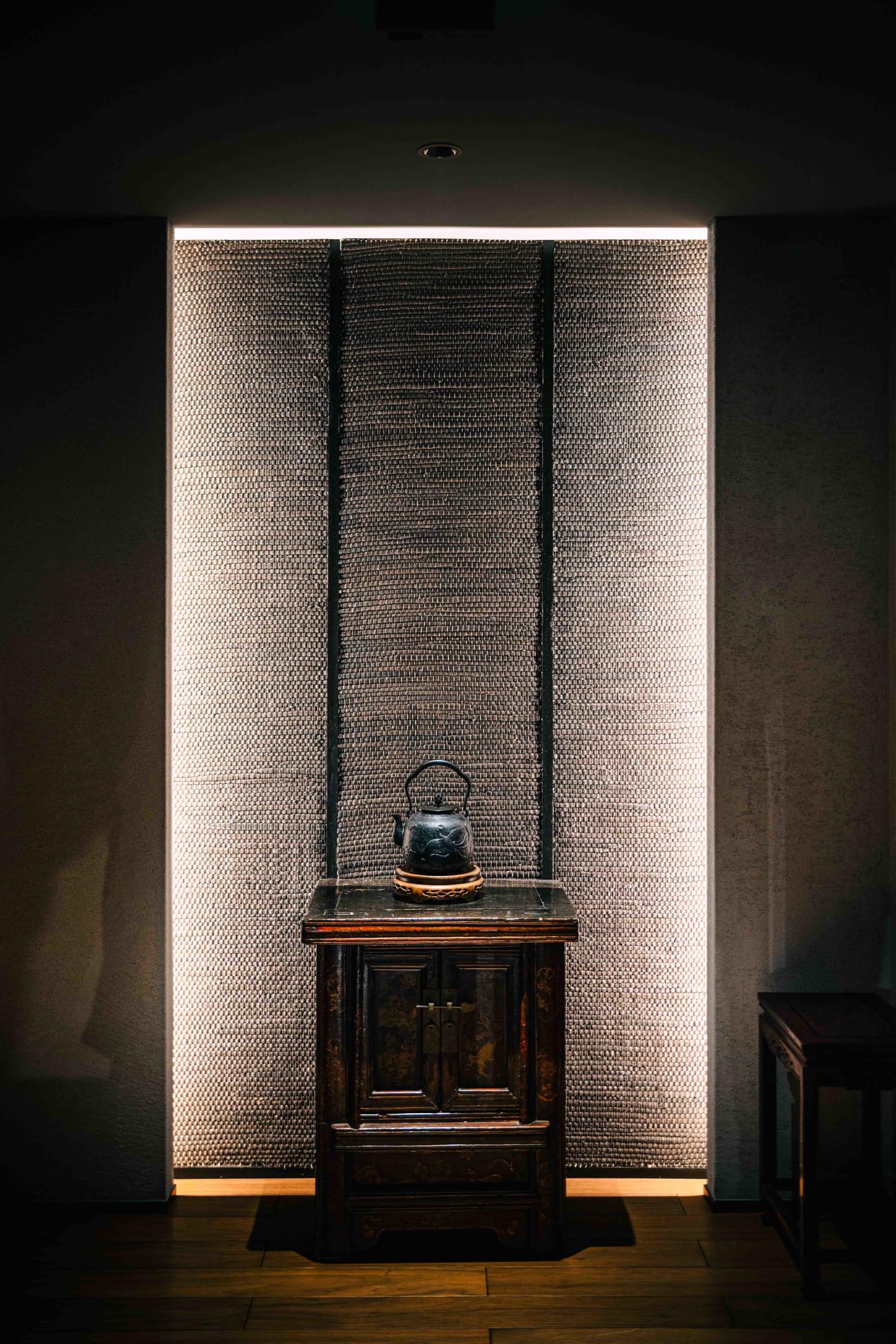
Before leaving the table, I walked slowly through the space I had not properly taken in on arrival. The interior was refined, an expression of Eastern aesthetic in restrained form. Details that had passed unnoticed coming in were visible now. The ornamentation throughout earned the phrase Wakon-Kansai. The alertness and anticipation of arrival had by then receded, replaced by something more settled, and in that state the room's details became legible. The philosophy evident in the cooking was present in equal measure in the space.
As the meal drew to a close, Chef Kawada came to the table himself. He was warm. We talked about Culinary Class Wars, the Korean cooking competition that had been drawing attention across Asia's dining world at the time. A chef running one of the world's finest Chinese restaurants with a close interest in a Korean food programme: that was not what I had anticipated.
A first visit to Sazenka. A first three-Michelin-star meal in Japan. A first proper encounter with dazha xie. Three firsts on a single day. Much of what arrived that evening was something I had never eaten before, and the education was real. I have since experienced mainland Chinese cooking, and from it came a new way of seeing: Japanese Chinese, Hong Kong Chinese, and mainland Chinese as three separate genres, each with its own grammar and its own beauty. The meal that first produced that view was this one. What made the evening what it was went beyond the restaurant itself. Without the hosts who opened this table, the dishes the chef prepared for this evening alone would not have existed. The price was very high. It was not a lot to pay.
The three institutions that evaluated Sazenka, Michelin, Asia's 50 Best, and Tabelog, represent three distinct constituencies with limited overlap. Michelin measures technical execution and consistency against French-trained criteria. Asia's 50 Best aggregates the preferences of an international dining community. Tabelog Gold reflects the sustained trust of Japanese domestic diners who eat at this level habitually and have no reason to be impressed by foreign recognition. That all three reached the same conclusion about the same restaurant is not coincidental. It points to a kitchen that speaks multiple languages without confusion. The bridge that made this possible was Ryugin. Kawada Tomoya spent a decade in Chinese cooking before training under Yamamoto Seiji at one of Tokyo's most technically demanding Japanese kitchens. The resulting philosophy, 和魂漢才, Japanese spirit with Chinese knowledge, is not a marketing formulation. It explains why Sazenka's cooking reads as rigorous to a Michelin inspector, surprising to an international food traveller, and trustworthy to a Japanese diner who has spent years understanding what restraint costs.
Have a question about this restaurant, or want to share your own experience?
Send a message