Fine Dining · Madrid · Spain / October 2023 / Michelin ★★
Deessa
"Quique Dacosta's Madrid room inside the restored Ritz, where a Denia repertoire is performed in a Belle Époque salon"
Section 1·Spain, Expanding
Coming back from a food trip through Spain in 2023, I said that Spanish Michelin chefs seem serious about expanding and commercialising their restaurants, and Deessa happens to be a restaurant tied to that very subject. Spain has fifteen restaurants with three Michelin stars, and one of them is Quique Dacosta, in a town called Denia near Valencia. I visited Quique Dacosta itself in 2025, a year before I write this in 2026, which gives this review all the more to look back on.
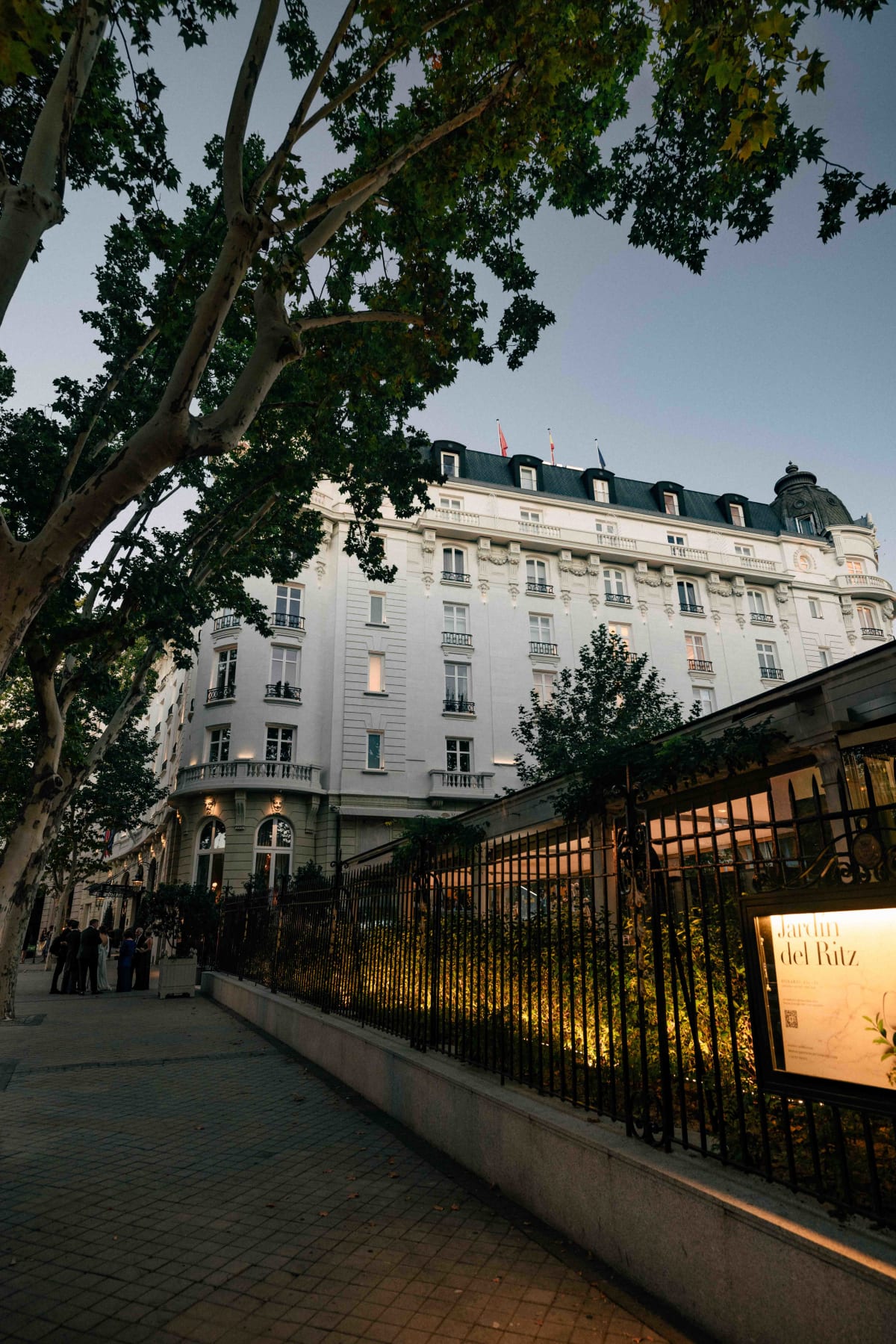
Chef Quique Dacosta, whose name is the restaurant's name, owns not only the three star restaurant but twelve restaurants in all, and five of them, Deessa included, are inside the Mandarin Oriental Ritz hotel in Madrid. My guess was that he had planned the entire F&B of this hotel.
The guess was right. When the hotel reopened in 2021, Dacosta became creator and culinary director, designing and overseeing the food and beverage programme of the whole hotel, not only Deessa but Palm Court, Pictura and the Ritz Garden. So this is not a hotel restaurant where a famous chef lent his name. It is a setup in which one chef curates the entire gastronomy of a hotel and puts his own name at the summit of it.
Section 2·Quique Dacosta
Knowing a little about who he is makes this course read differently. Quique Dacosta was born in 1972 in Jarandilla de la Vera in Extremadura, Spain, and moved as a teenager to Denia, a coastal town in the Valencia region. In 1988 he started cooking at El Poblet, the restaurant he would later take over, laying modern form and new technique over the Mediterranean base of a local house that had served seafood and rice, and the restaurant eventually took his name. He won his first star in 2003, his second in 2006, his third in 2012, and has held three stars since.
In 2003 he presented The Enchanted Forest, composing mushrooms and plants as a woodland landscape, and began the work he calls edible landscape. He went on to the Guggenheim Oyster, which renders an oyster like a mineral or a metal sculpture, and to edible papers, veils and mineralised forms, becoming an important figure in Spanish avant-garde cooking. It would be a mistake to read his cooking as simple molecular technique or visual trickery, though, since the root of that invention is the Mediterranean of Denia and the Montgó natural park, the rice culture, the cured seafood, the red prawns, the nature and food culture of Valencia.
Section 3·The Ritz, Restored
The Mandarin Oriental Ritz sits near the Prado, and since the museum's closing time fell close to my dinner reservation, I could plan the evening simply: see the Prado, then go to Deessa.
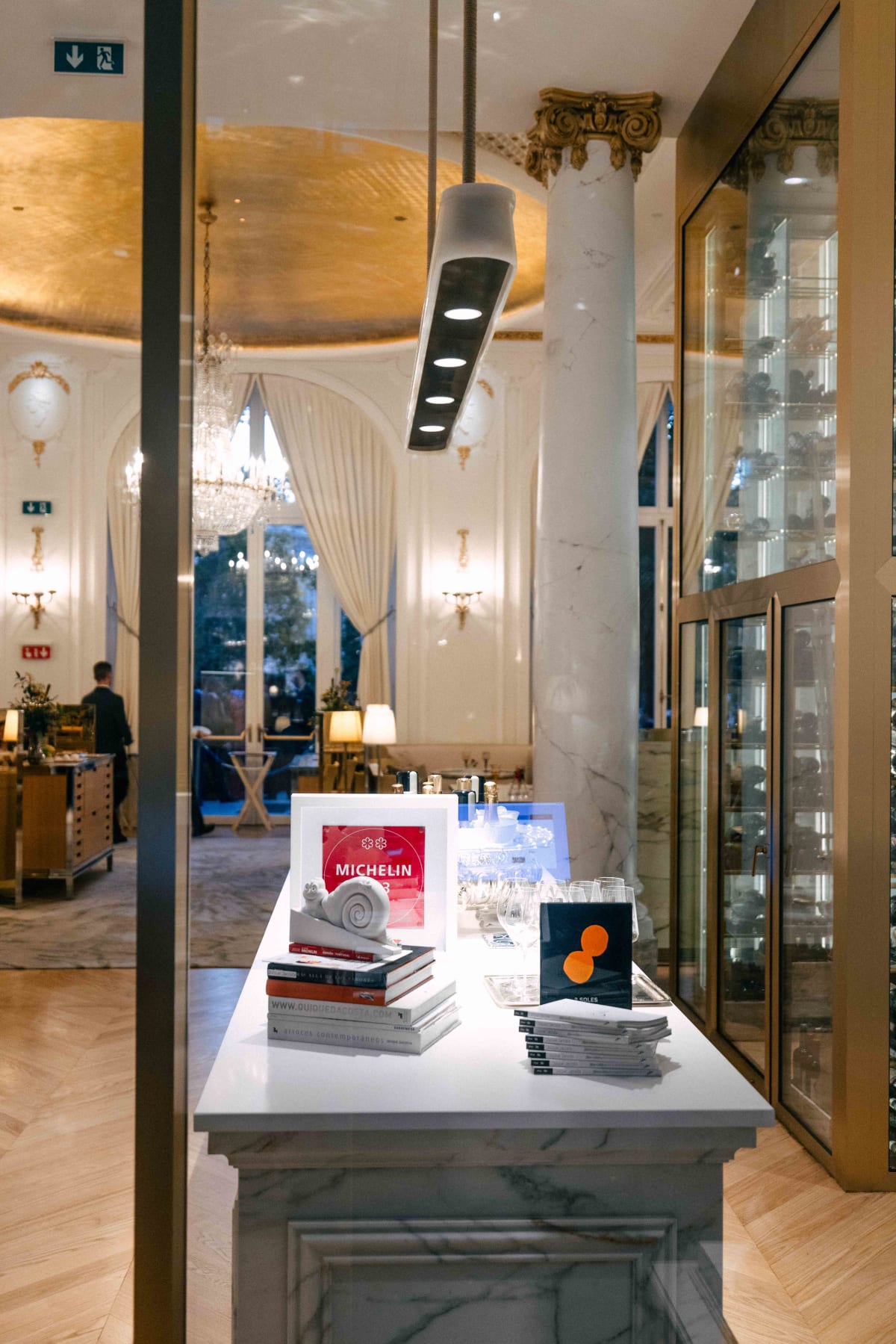
This hotel has a deep story of its own. Its predecessor, the Ritz Madrid, opened on 2 October 1910 under the conception of King Alfonso XIII. It began from the judgment that Madrid lacked a luxury hotel fit to receive European royalty and high society, and Spanish architects realised the plan of Charles Mewès, who had designed the Paris Ritz. It was among the first steel-frame buildings in Spain and a pioneering hotel that introduced twenty-four hour room service. After a large restoration it reopened in 2021 as the Mandarin Oriental Ritz, and in the process the central glass dome, hidden for a long stretch, was restored as well.
That I walked here from the Prado is no accident either. This hotel sits in the middle of what is called the Golden Triangle of Art, running from the Prado to the Thyssen-Bornemisza and the Reina Sofía. It is a position where the line from leaving a museum to walking straight in to dinner makes sense in the first place.
Section 4·A Goddess and a Pasture
The name Deessa means goddess in Valencian. At the same time it sounds close to the Spanish dehesa, the landscape of pasture and oak woodland common across the central west of the Iberian peninsula. It is a name in which the chef who completed his culinary language in Valencia and the landscape of the Extremadura he was born into overlap inside one word.
The speed at which it took its stars is worth noting too. Deessa opened in the spring of 2021, when the hotel reopened, and took its first Michelin star at the end of that year, about seven months after opening, then a second in November 2022, eighteen months in. From the outset Dacosta described this not as a second brand but as an independent destination restaurant aiming at three stars, and the speed rather backed that up.
One thing to add: Dacosta does not cook in this kitchen every day. He oversees the creative direction, the menu and the world of the brand, and a resident Madrid team runs the daily operation. The person who contributed most to winning those two stars was Guillermo Chávez, who led the kitchen on site at the time, and the seat is now held by Domenico Vildacci, an Italian who spent more than five years at the Denia flagship, from chef de partie up to sous chef. Which is to say the Madrid kitchen has someone trained inside the flagship system rather than handed a manual.
Section 5·Two Menus
In the OAD Guides European Top Restaurant category, which I consulted as much as the Michelin Guide on this trip, this place made the top hundred, and its flagship Quique Dacosta stood very high at seventh, so after keeping several places in the running I settled on this one.
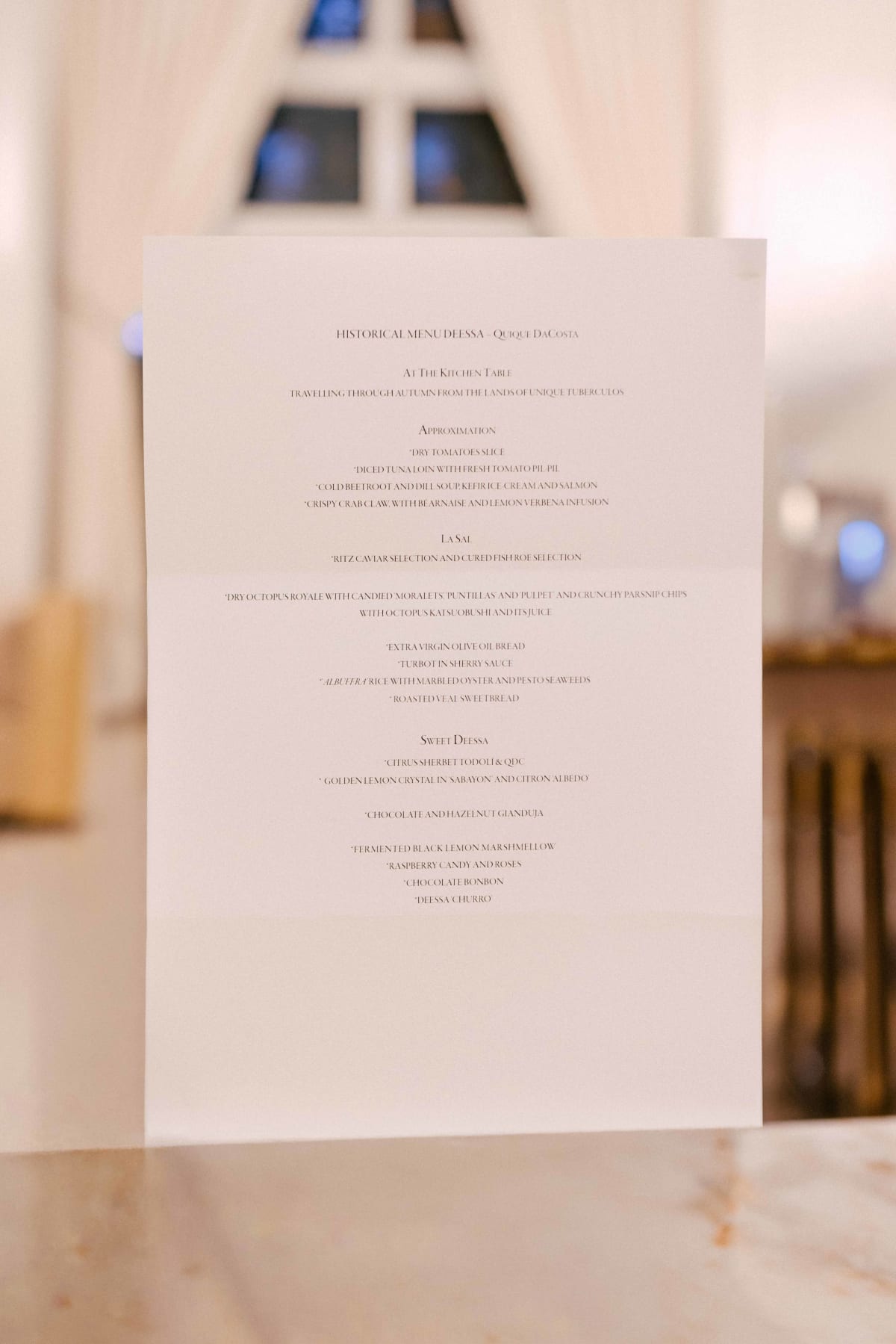
When you book they email a PDF asking you to choose between two tasting menus, one HISTÓRICOS QUIQUE DACOSTA and one CONTEMPORÁNEO QDRITZ. Since the former was described as the history of chef Dacosta, who holds three stars, that is the one I chose.
There is a bigger difference in that choice than it seems. Históricos is the menu that reconstructs in Madrid the history and signature works Dacosta built in Denia, while Contemporáneo is filled with comparatively new dishes made together with the current Madrid team. It amounts to running a chef's retrospective and his new work in the same restaurant at once, and the one I chose was the retrospective. That retrospective, though, is less a taxidermied reproduction of old dishes than a repertoire in which the present team performs again, on the new stage of Madrid, the ideas and techniques that mattered in the making of three stars.
Section 6·Dining at the Door
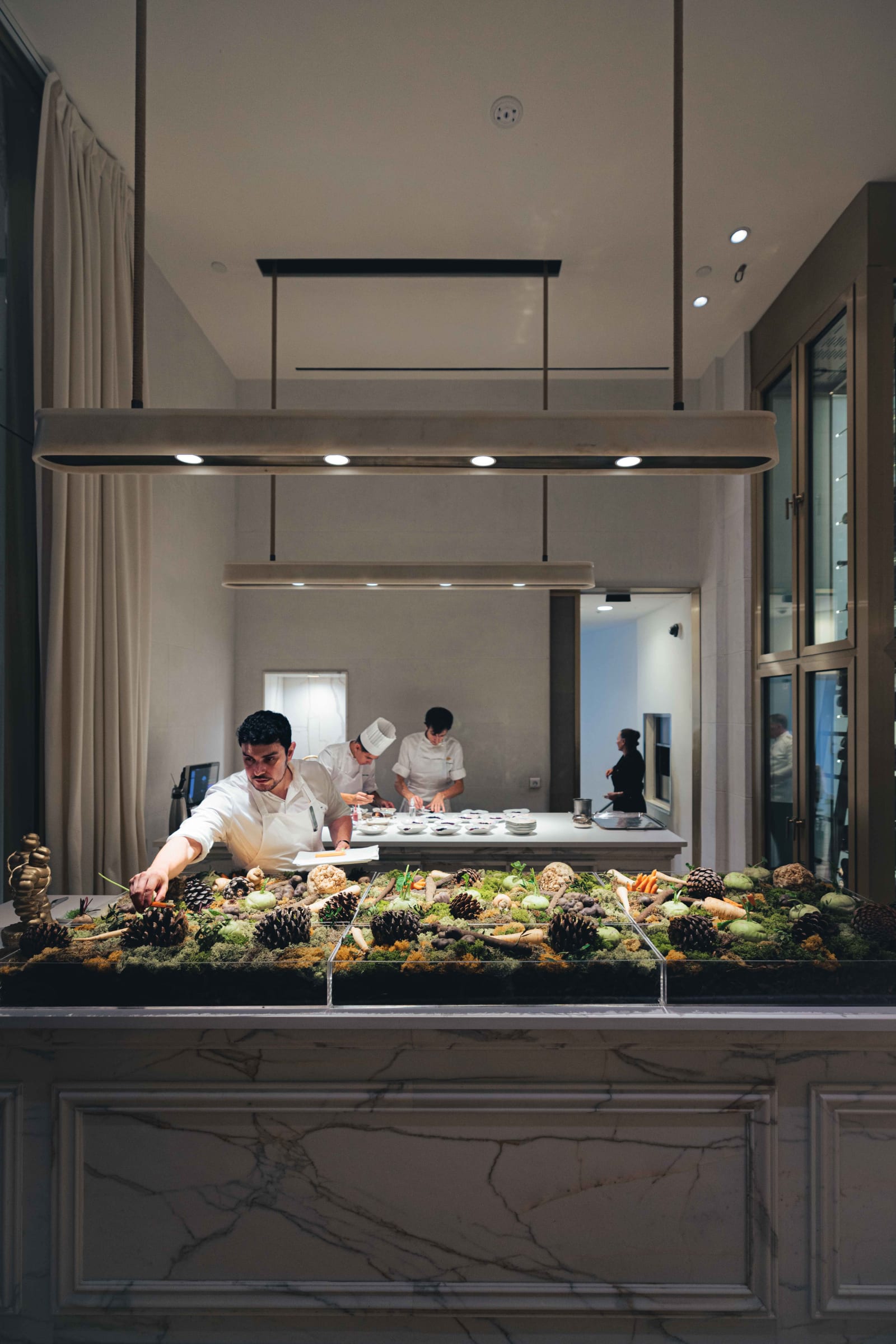
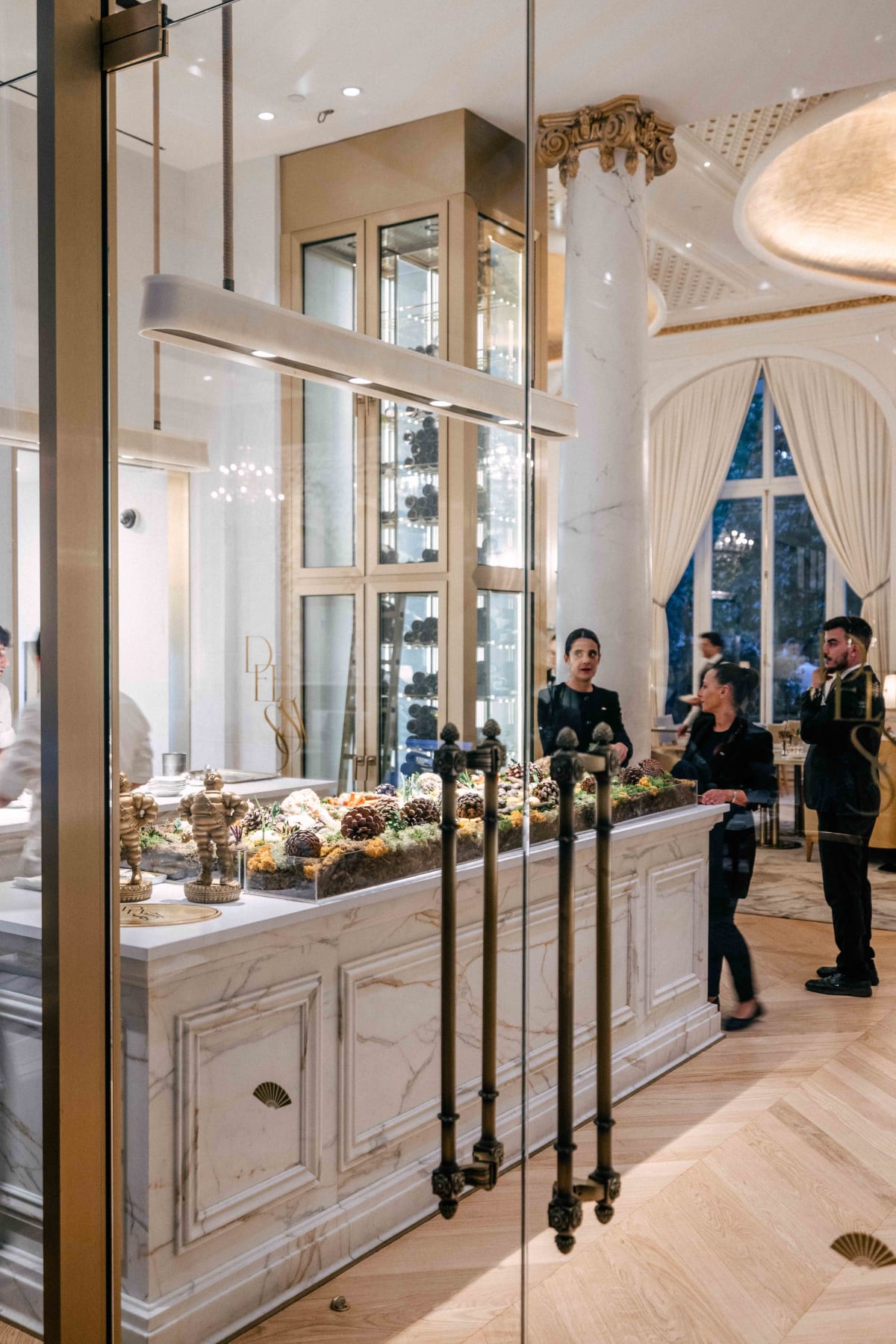
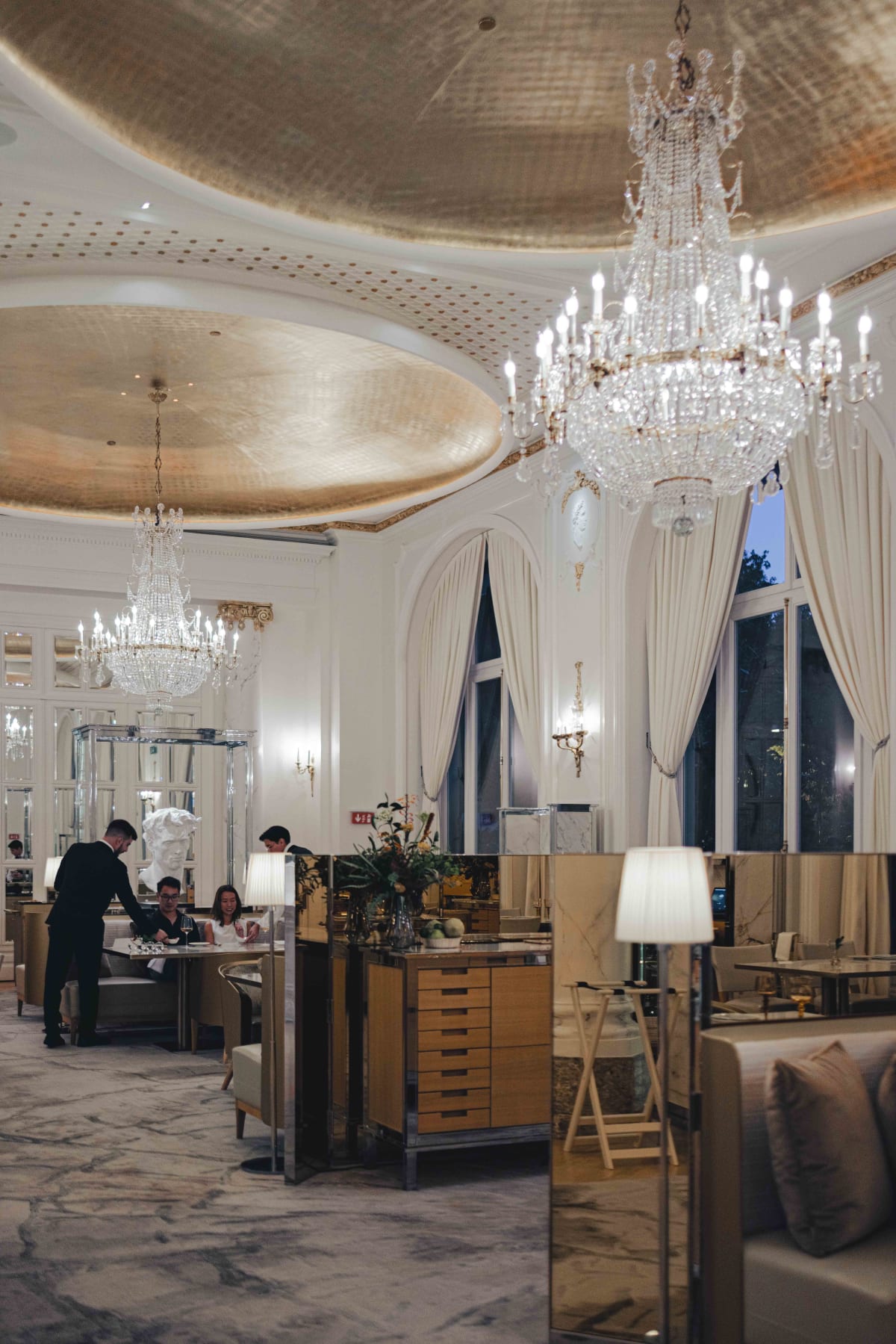
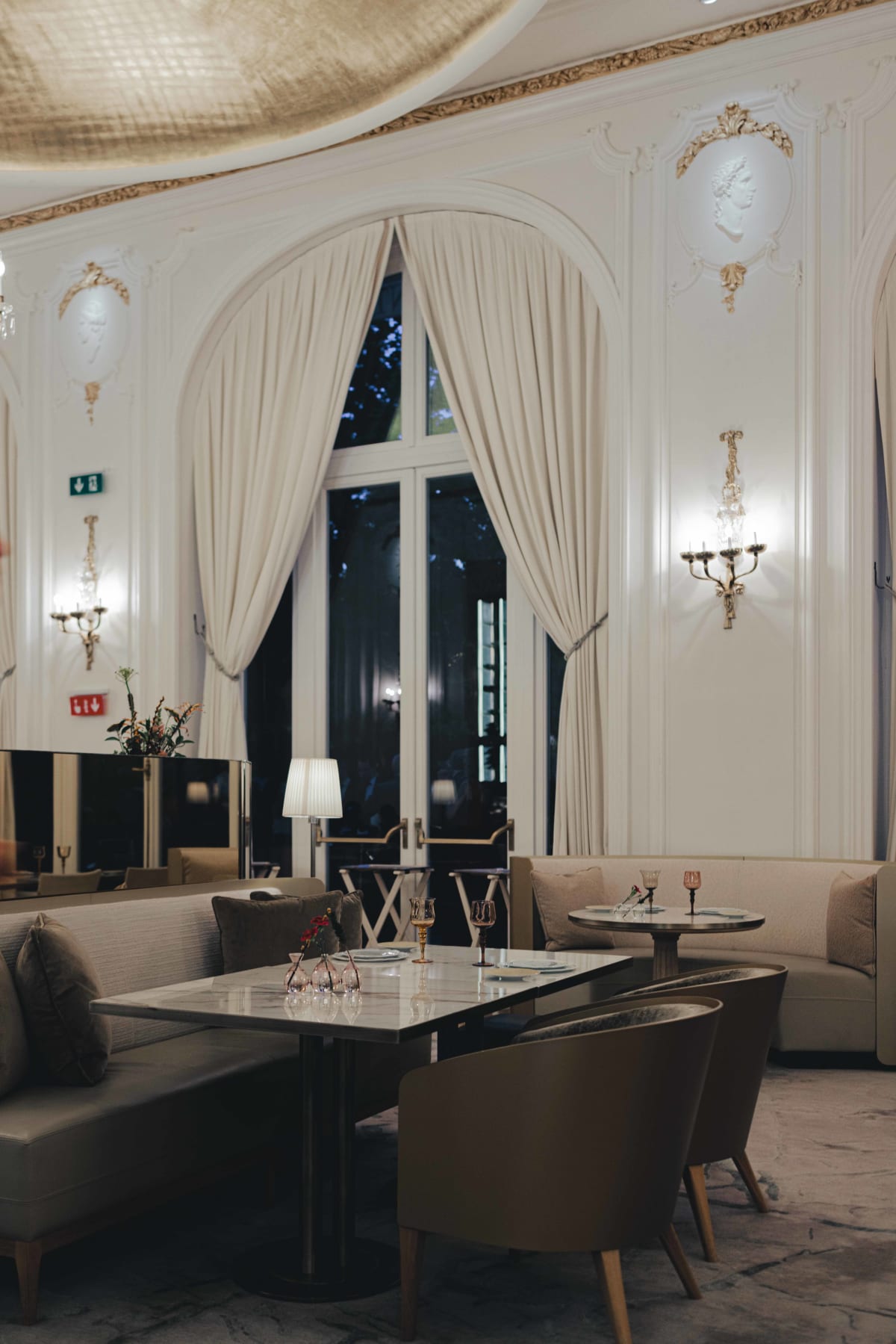
You enter through a door so large it is visible straight from the hotel lobby, and it is showy enough that showy is the only word needed. Even before going in, a marble table, chandeliers and the various awards displayed above them greet the guest.
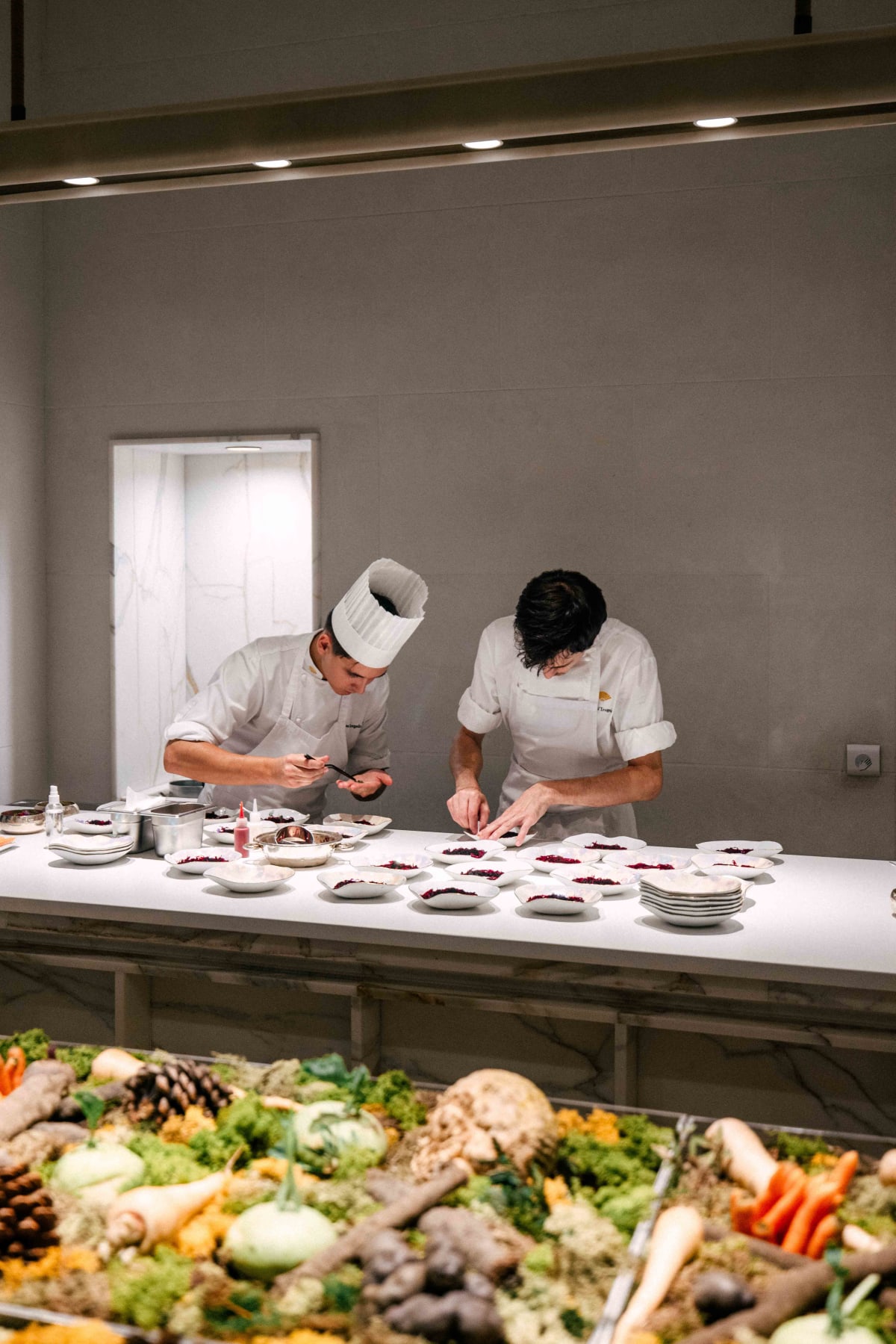
One of the things that sets this restaurant apart is that dining begins the moment you enter. Right in front of the door the head chef makes an appetiser, explains the food, and sets it on a table displayed with a nature motif so the guest coming through the door can eat it immediately.
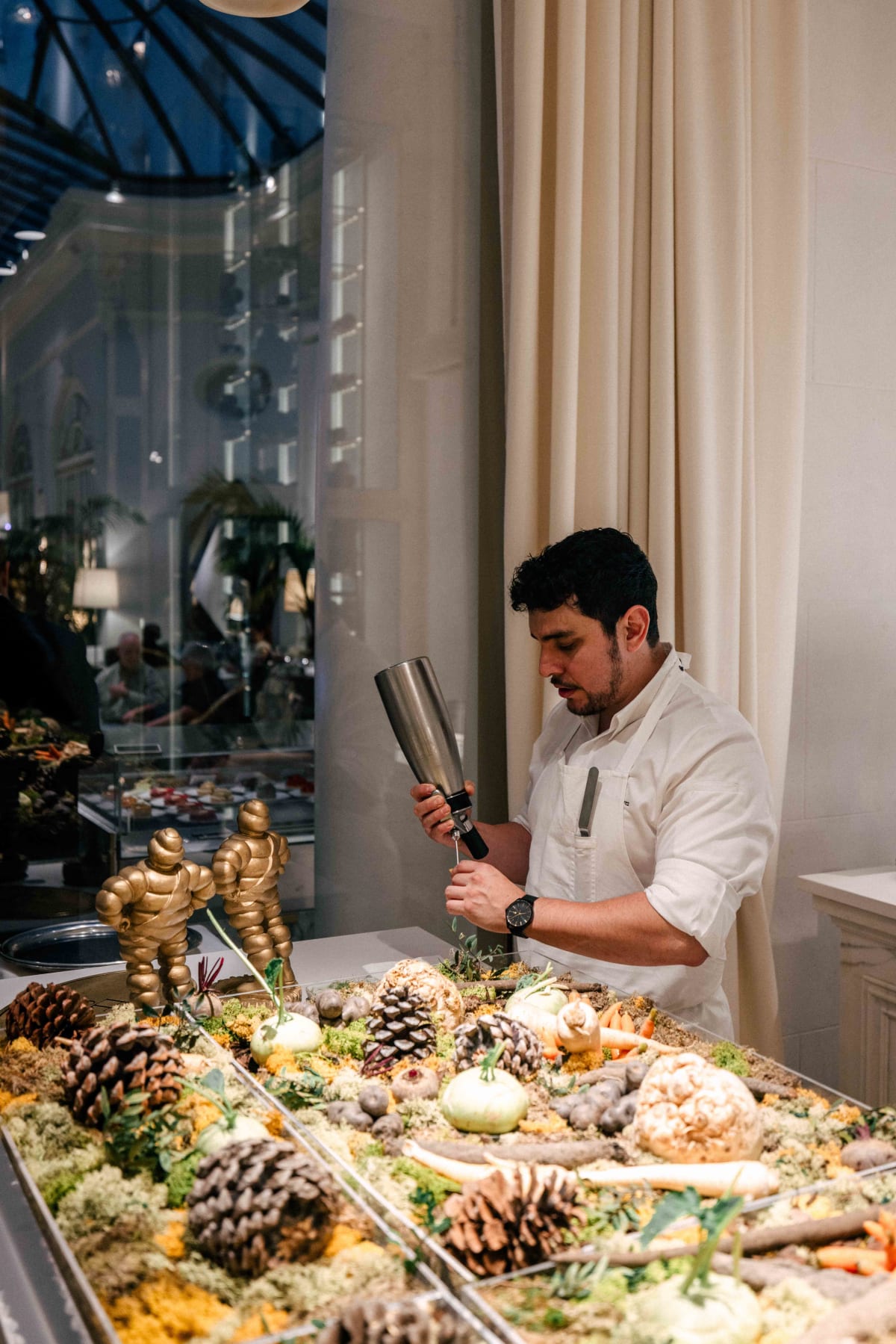
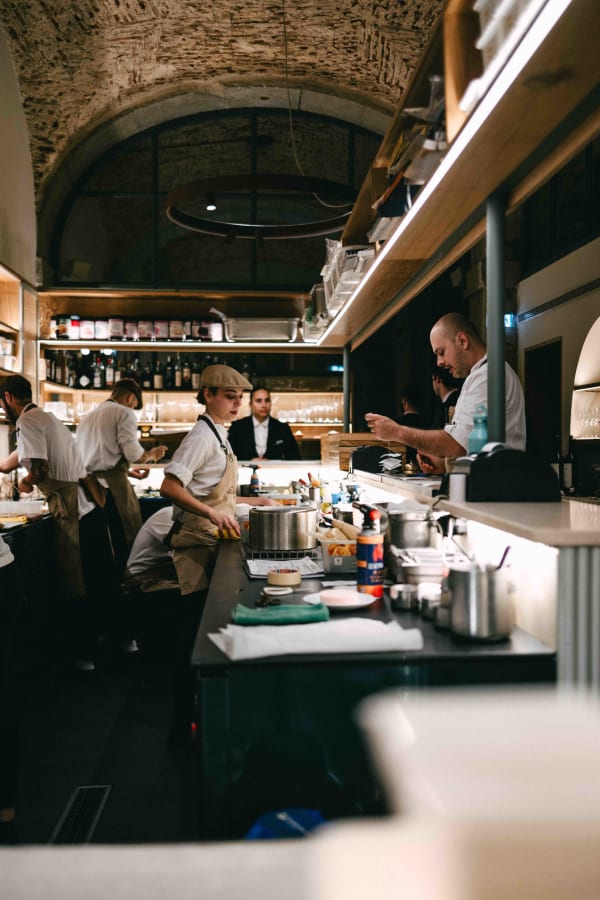
And behind that you could see other chefs busily making food. At the time I did not have much experience in Europe of a meal that moves you around the room, so being told out of nowhere to eat an appetiser before being shown to a seat left me flustered. I gulped it down and do not remember well what I ate, but the experience of being met with it the moment I entered stayed with me vividly.
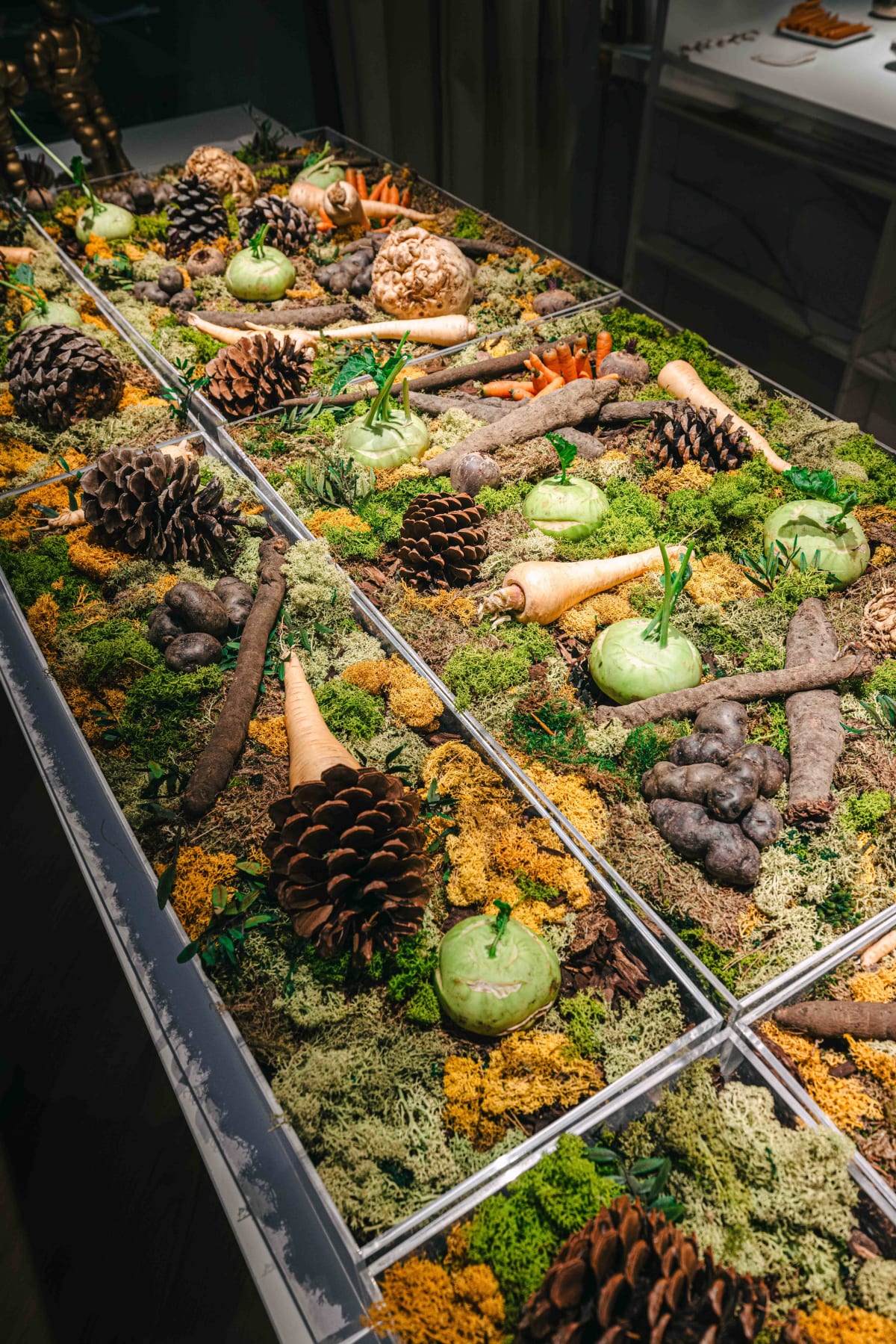
What I ate standing there was gone before I could look at it properly.
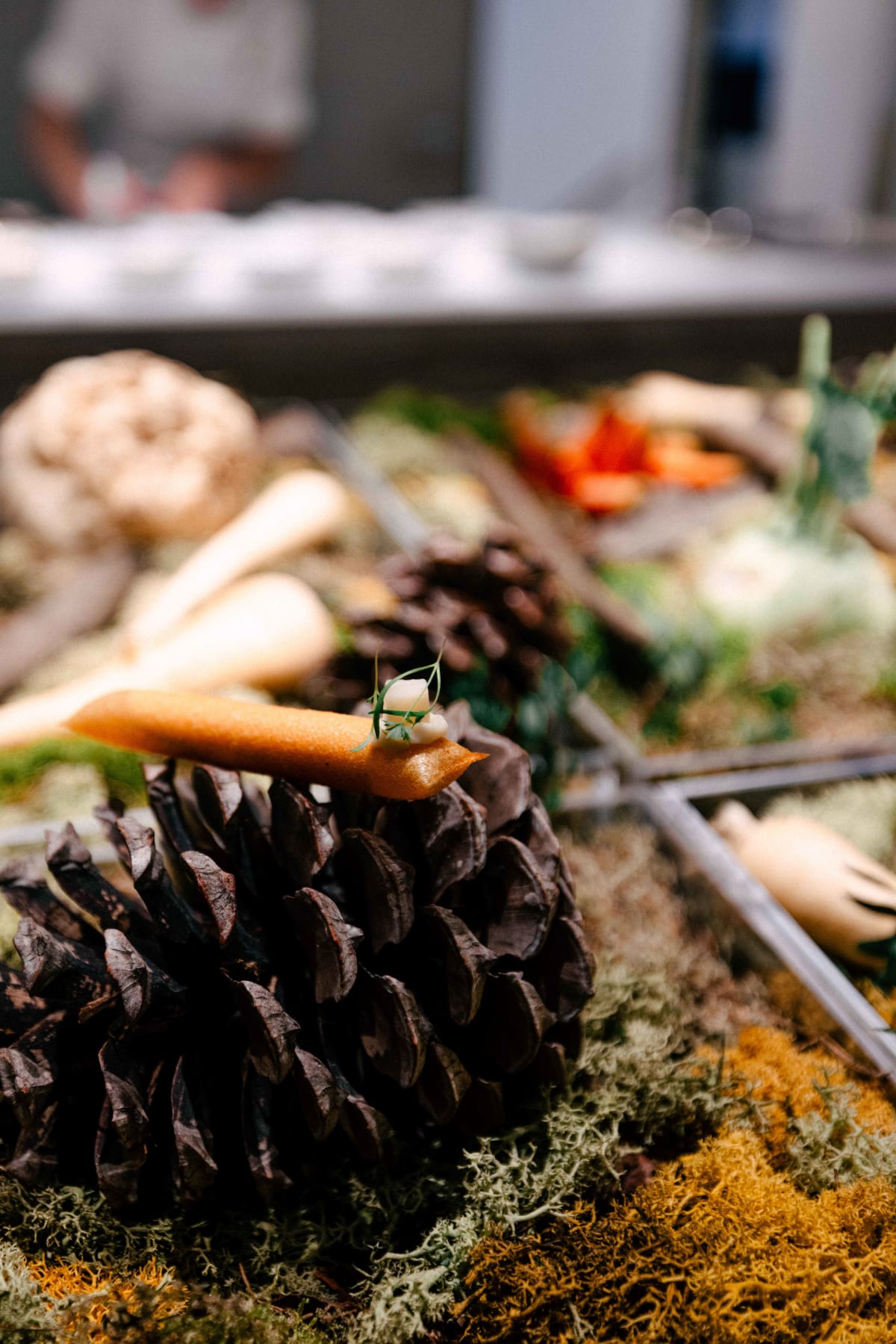
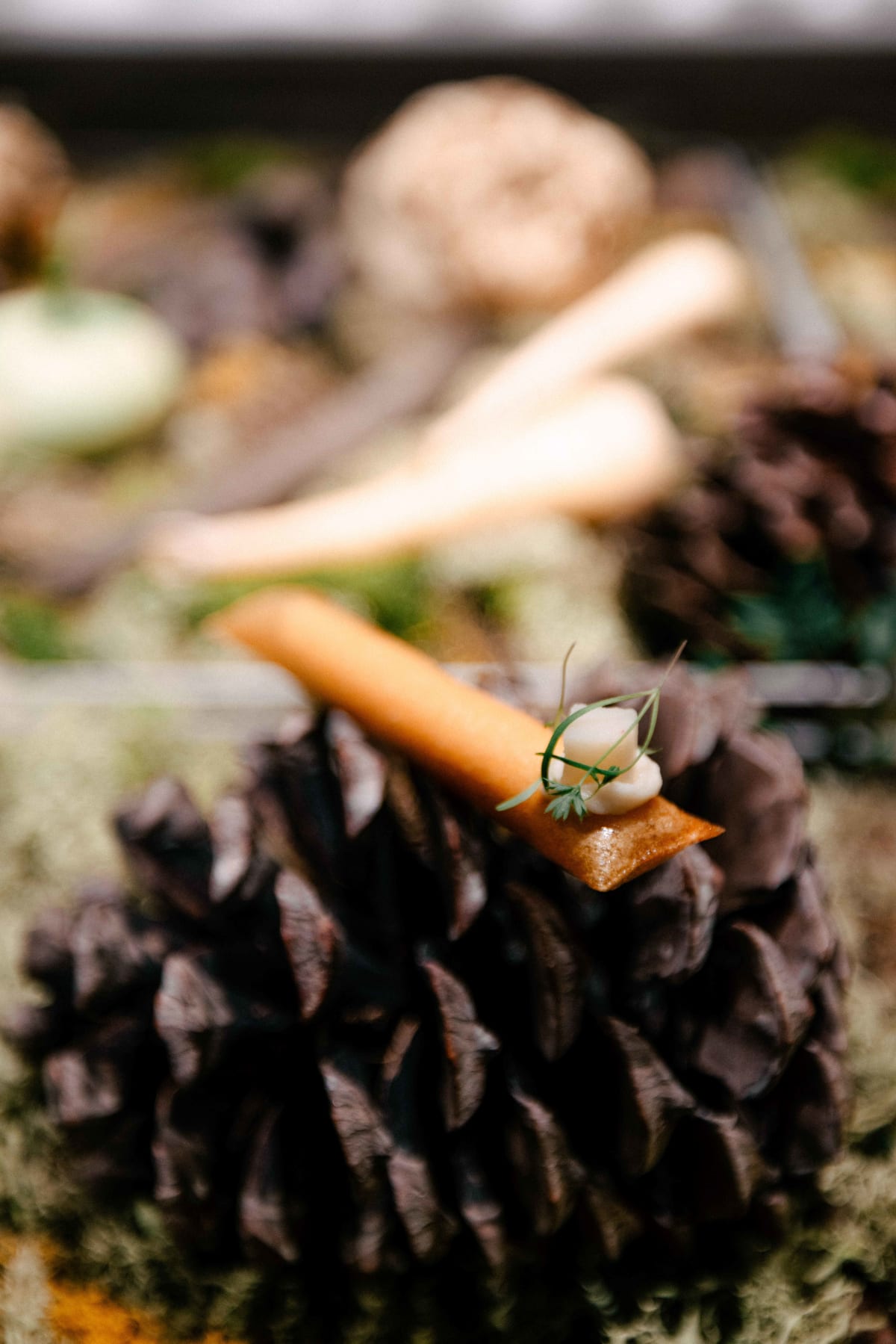
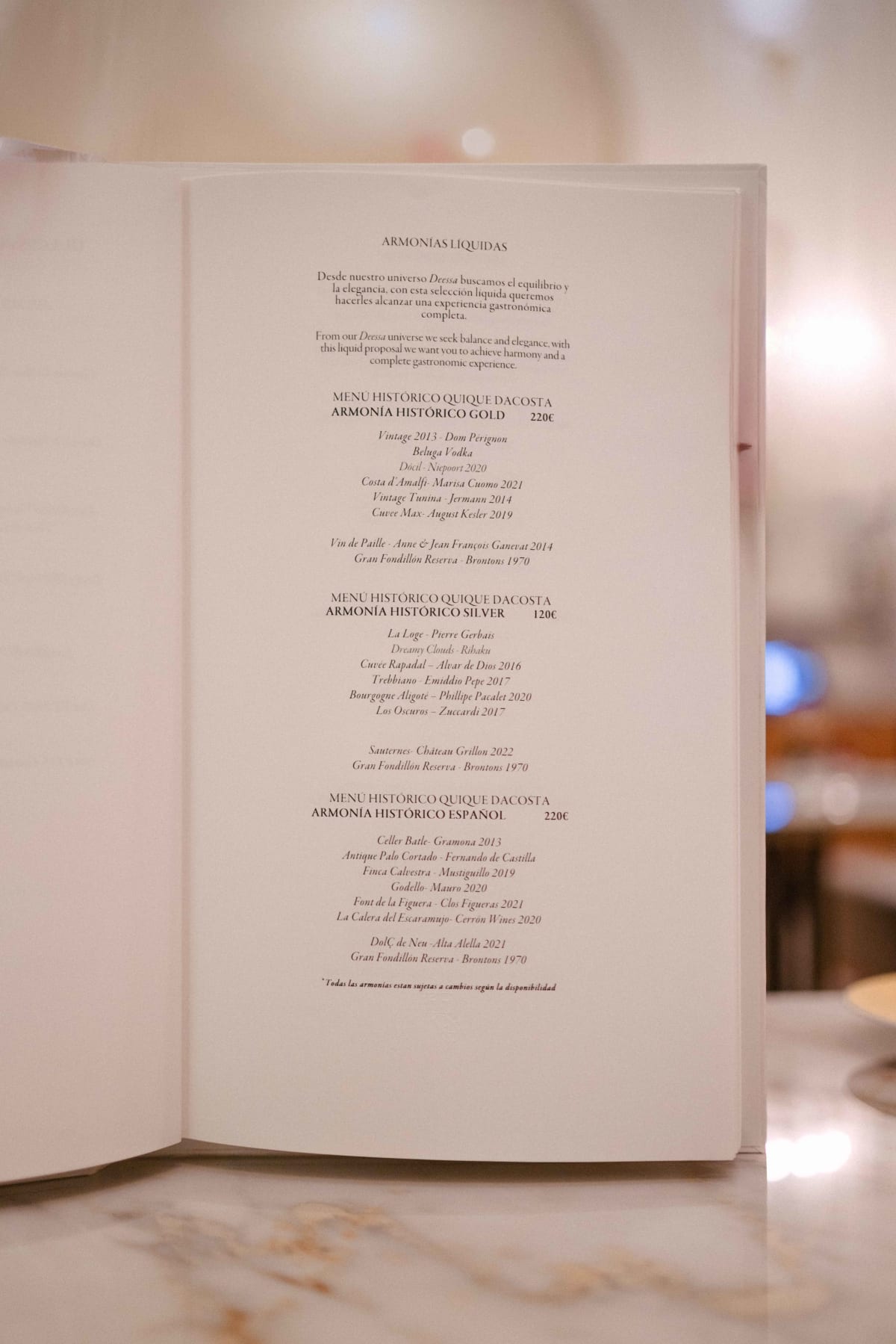
Once you are shown to your table you receive the menu you chose in advance and the wine list, and there are three pairings prepared for each menu. The course was two hundred and ten euros, and since the two hundred and twenty euro gold pairing did not look that well composed and felt like a burden, I chose the hundred and twenty euro silver pairing.
The pairing card came with the menu.
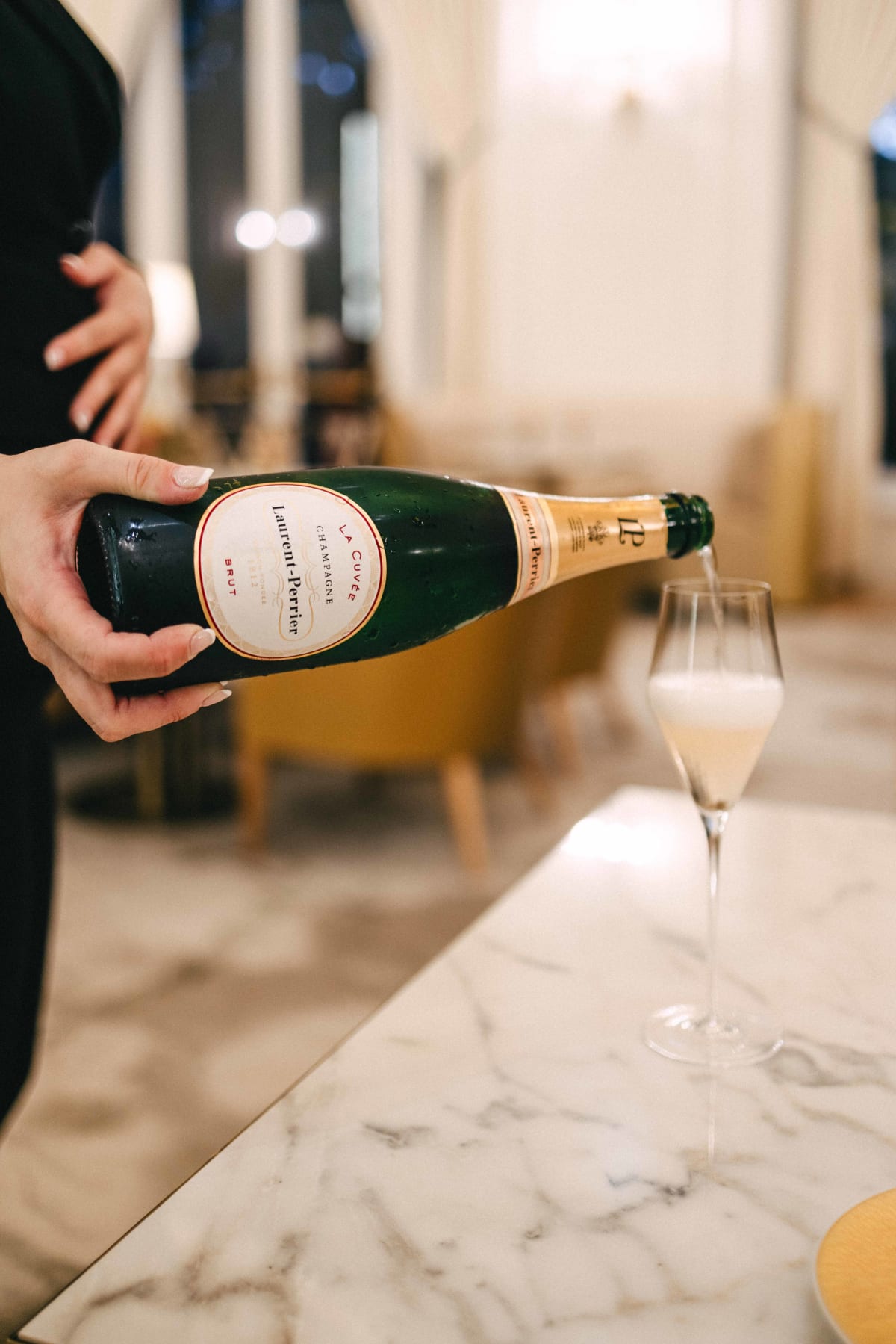
Right before the meal I was very thirsty, having done three hours of walking at the Prado that was harder than jogging along the Han river. Since the pairing was said to begin from the middle of the course, I ordered a glass of Laurent-Perrier, which came to twenty-four euros.
Laurent-Perrier is a house founded in 1812 in Tours-sur-Marne, and La Cuvée, the one I drank, is its flagship non-vintage. It blends more than a hundred crus while filling over fifty percent of the blend with Chardonnay, nearly double the Champagne average, a character that came about when Bernard de Nonancourt, who led the house from 1948, put Chardonnay to the front. It rests four years on the lees. For drinking in a state of thirst there could hardly be a champagne of more suitable character.
Section 7·The Appetisers
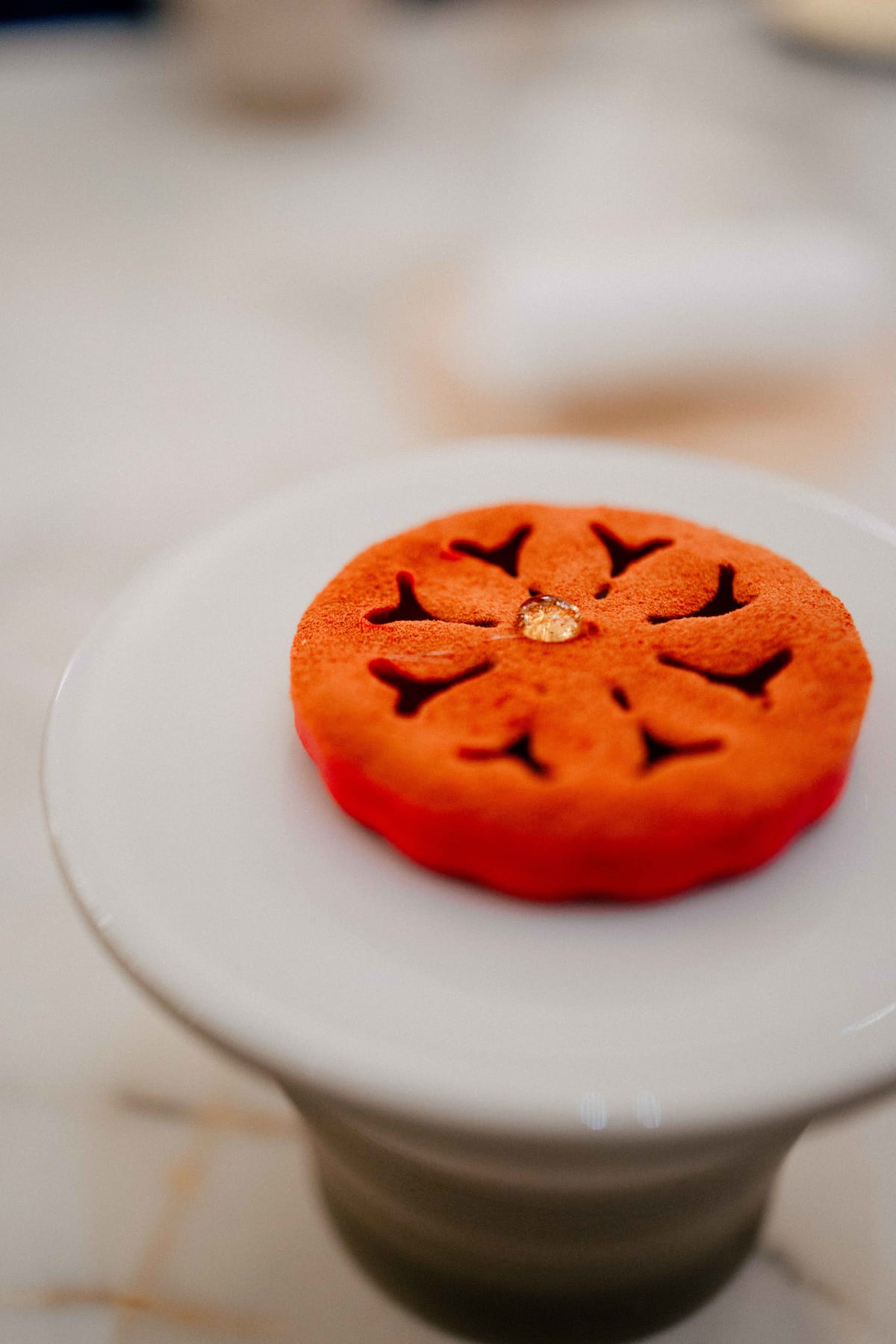
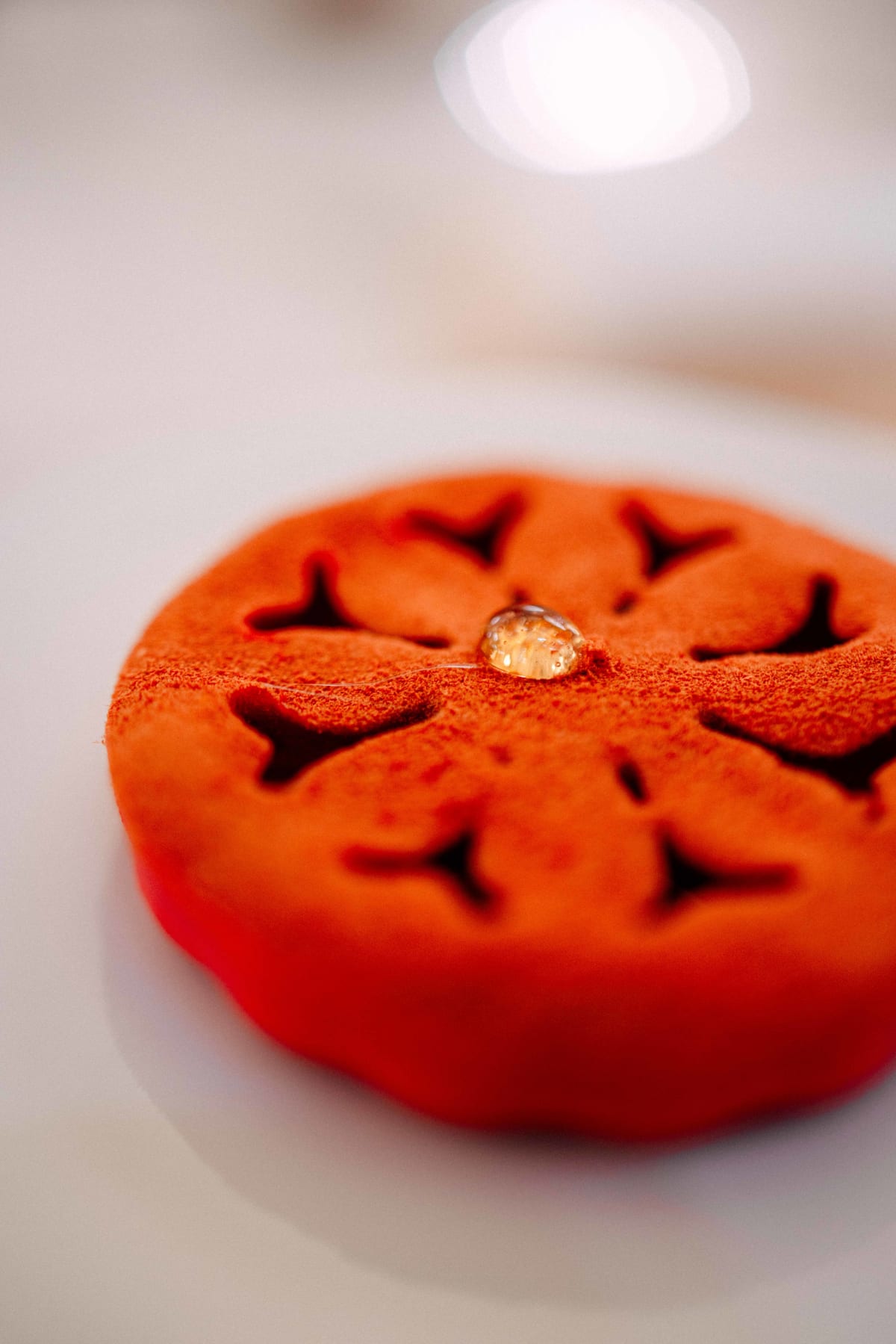
The first thing to arrive as the course began was a Dry Tomato Slice. From the texture, which was not that of tomato but of a cracker, I guessed it had been freeze-dried. Powder and something like a syrup went on top, and it was an interesting taste and just right as a start.
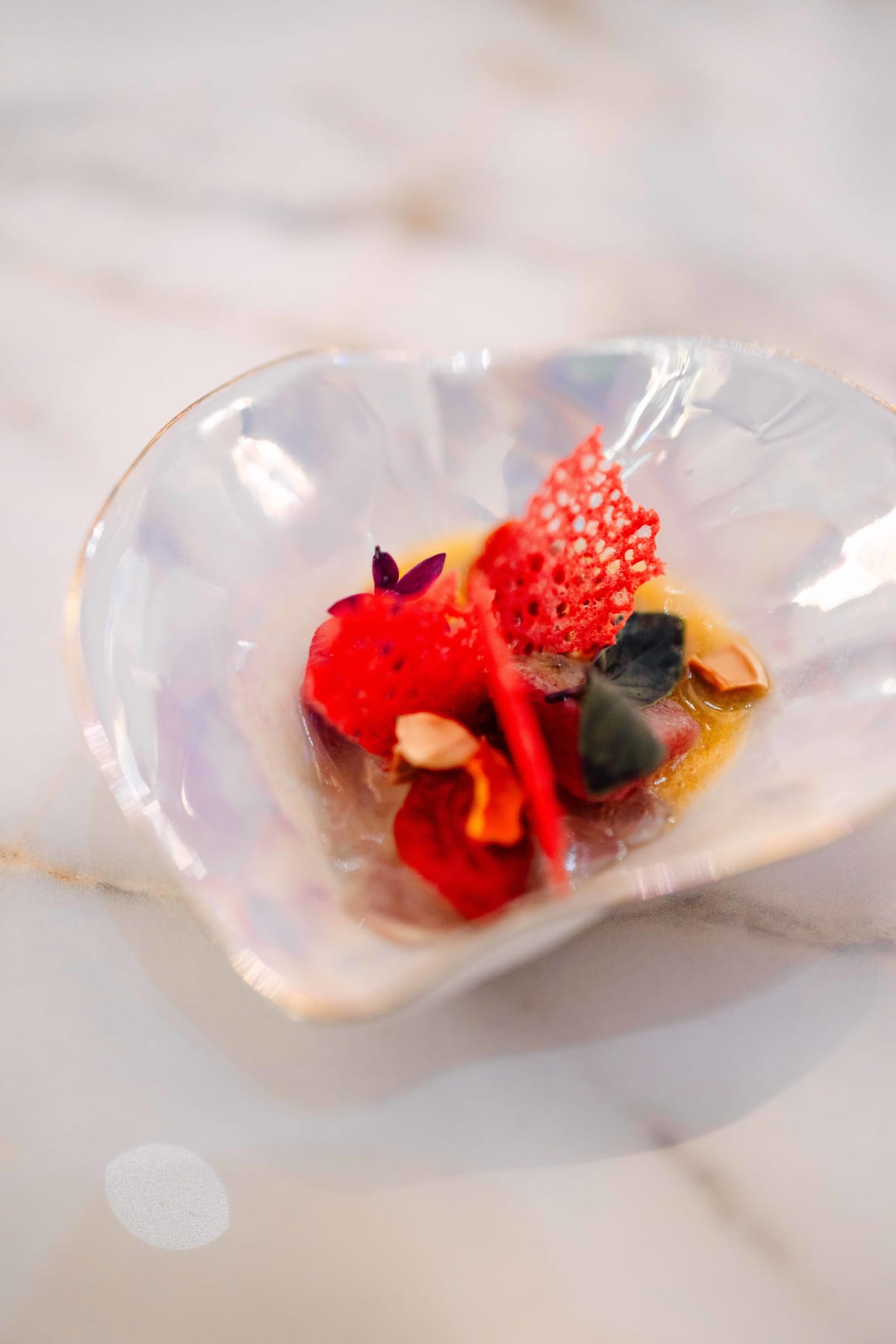
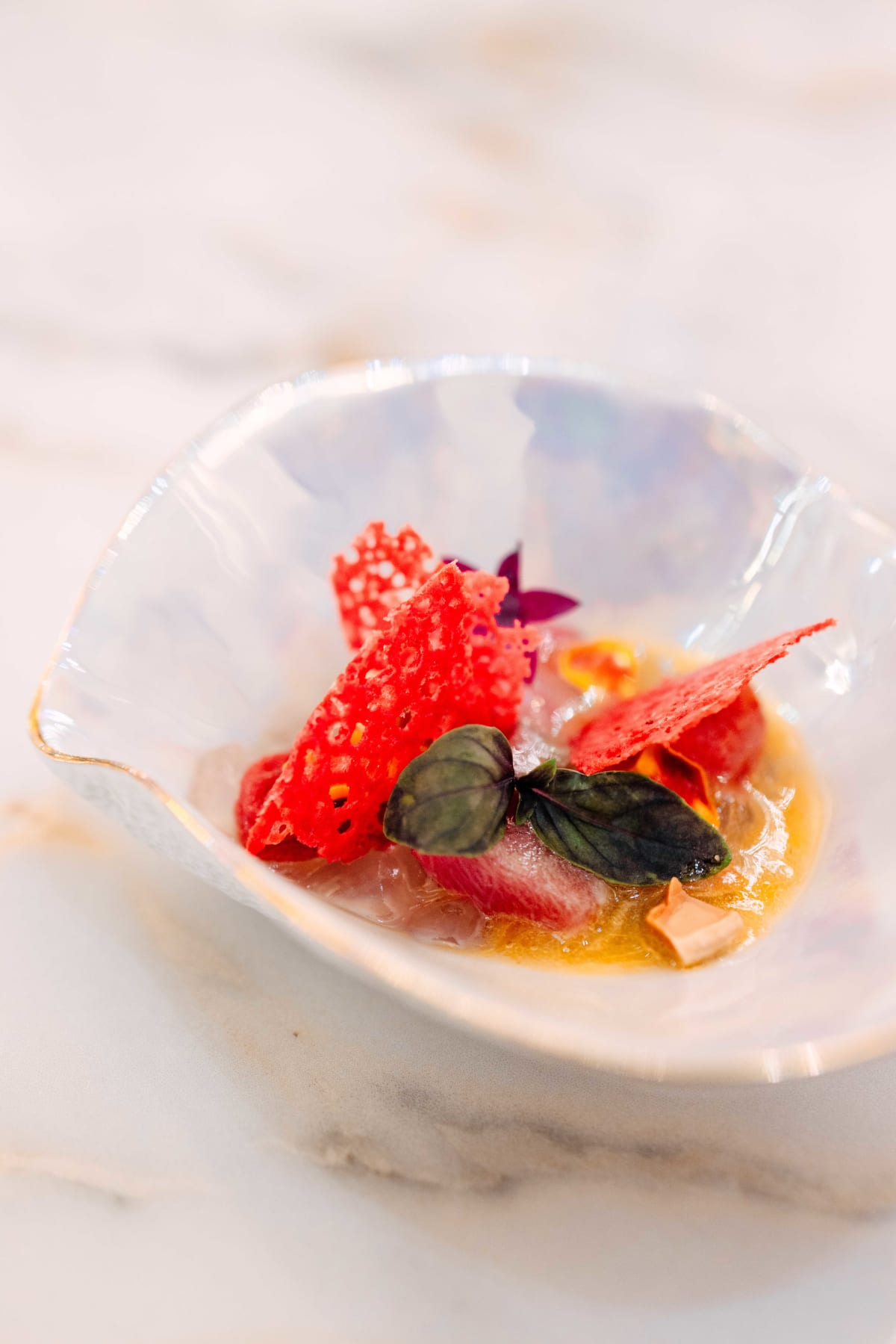
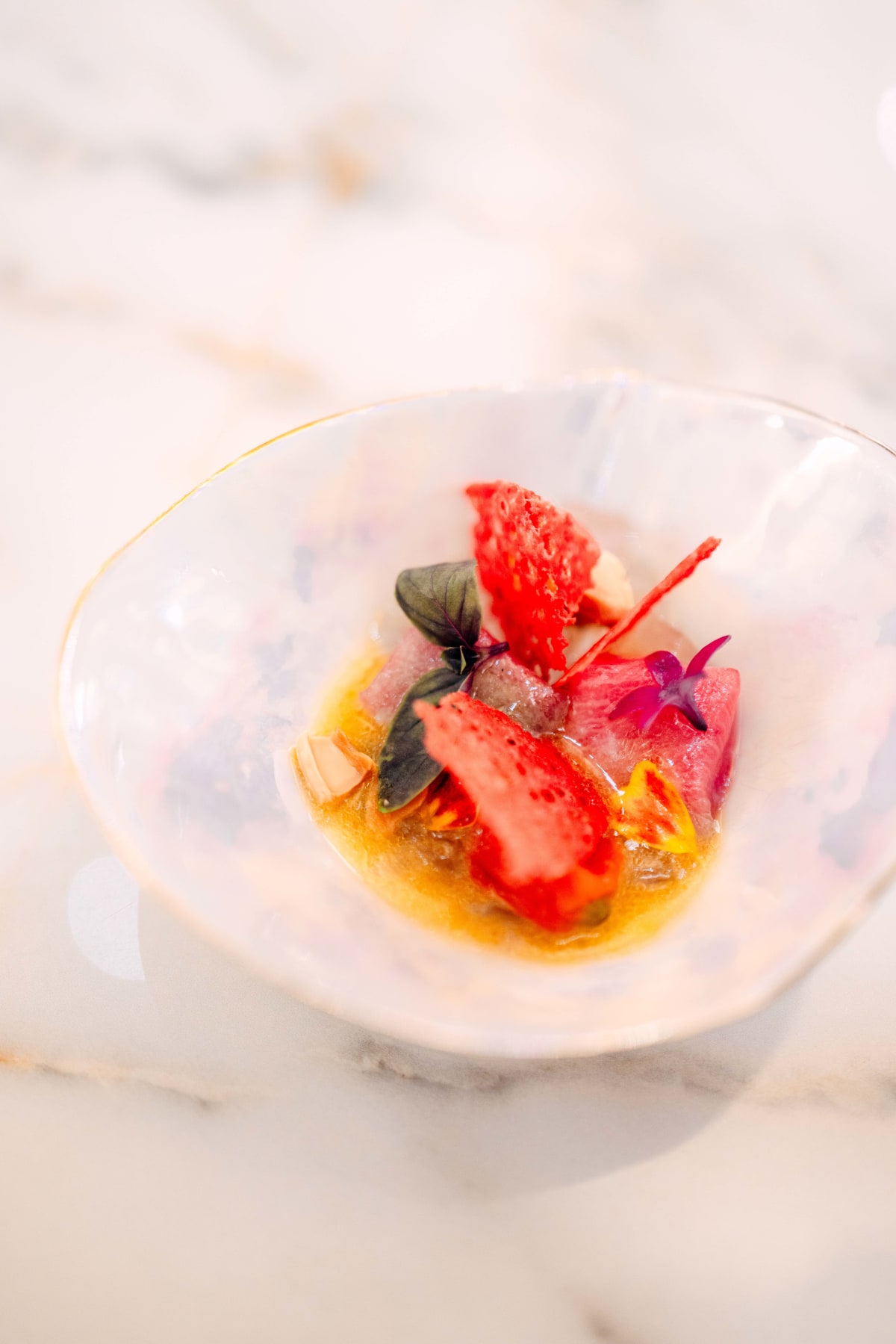
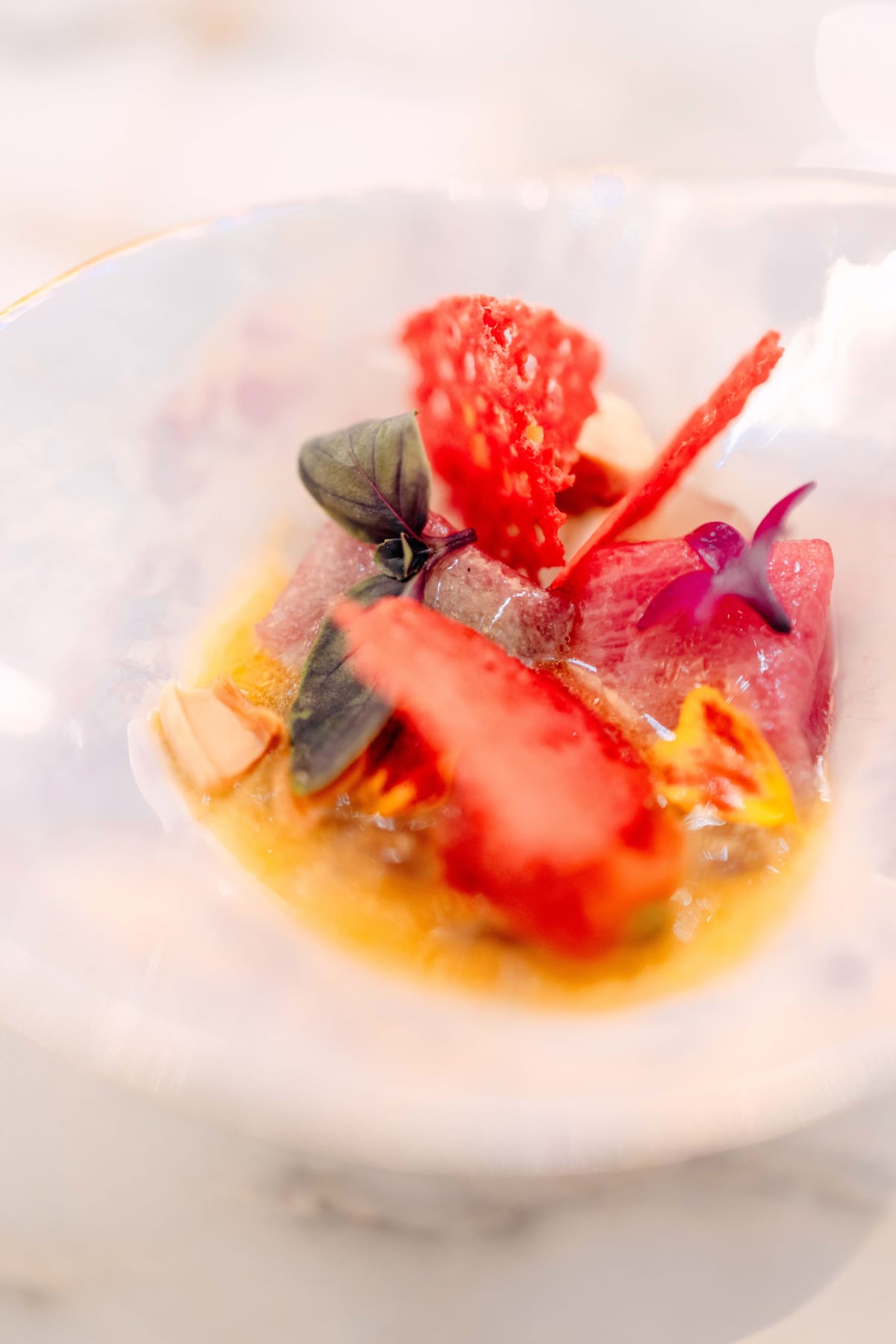
The second dish to arrive was Diced Tuna Loin With Fresh Tomato Pil-Pil. Raw tuna came with a pil-pil sauce, and it was the dish that made me think I had done well to order the champagne.
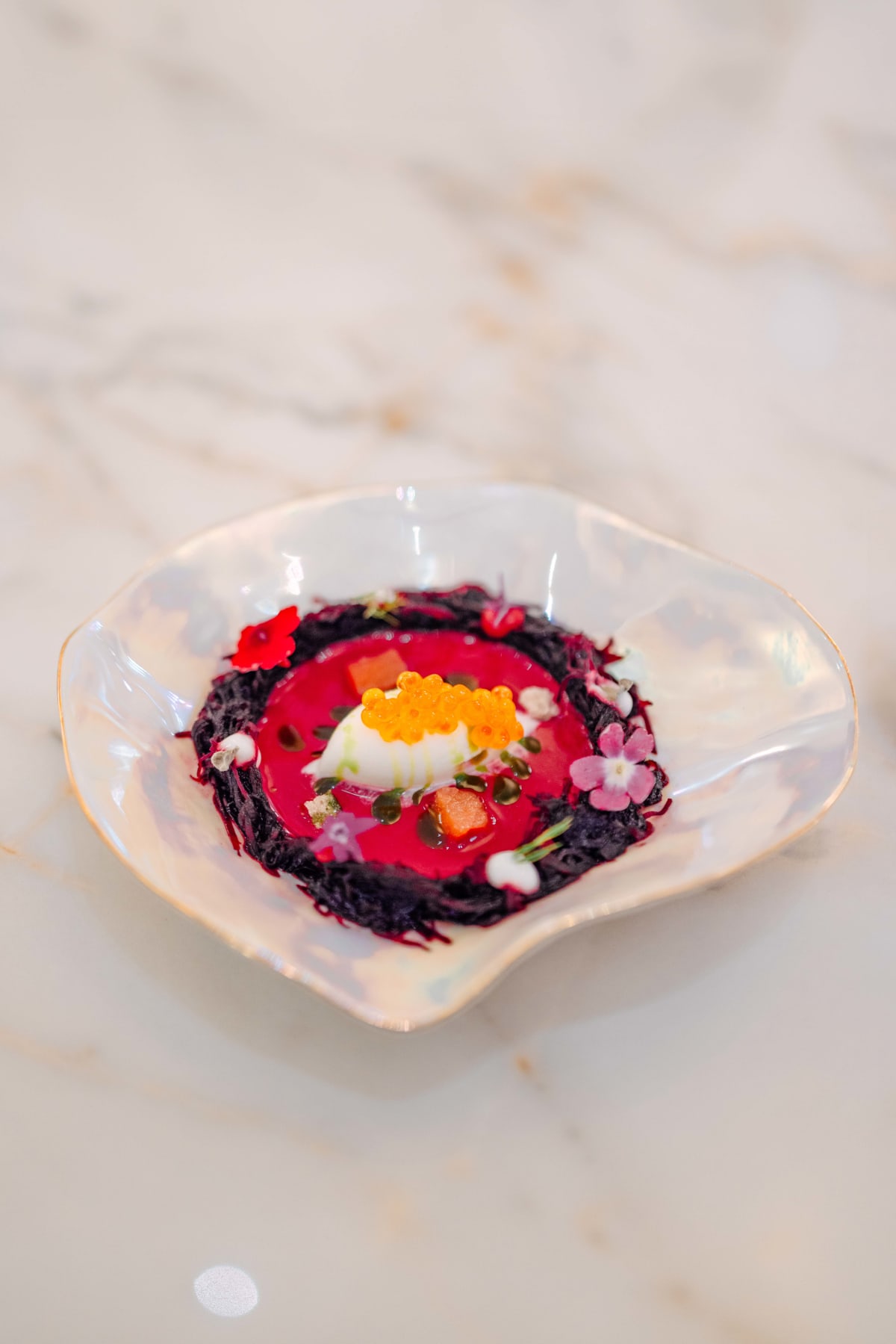
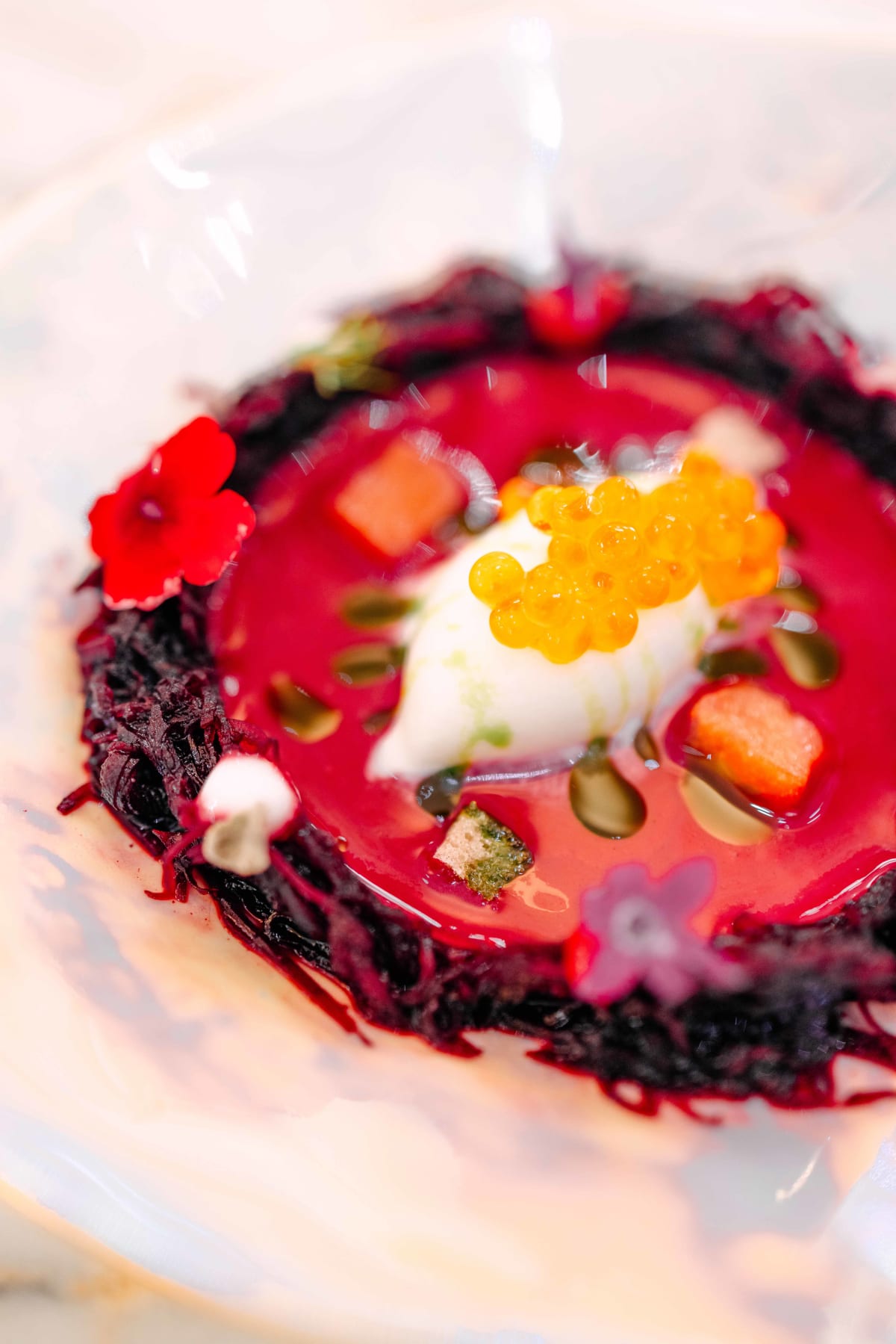
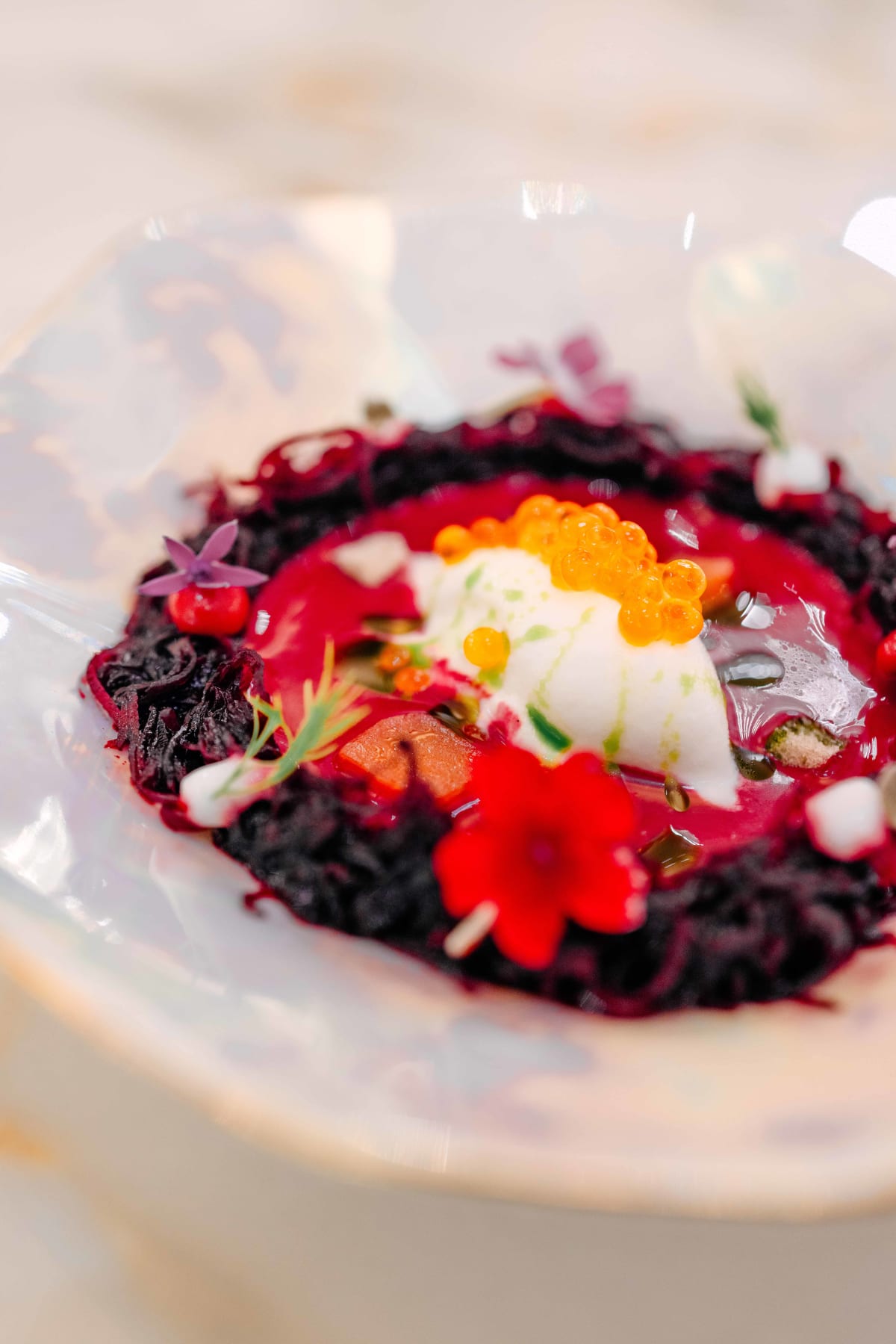
The third appetiser after that was Cold Beetroot and Dill Soup, Kefir Ice-Cream and Salmon. This one was distinctive enough in taste that I still remember it, sweet and sour beetroot and a purple sauce with an ice cream made from goat's milk.
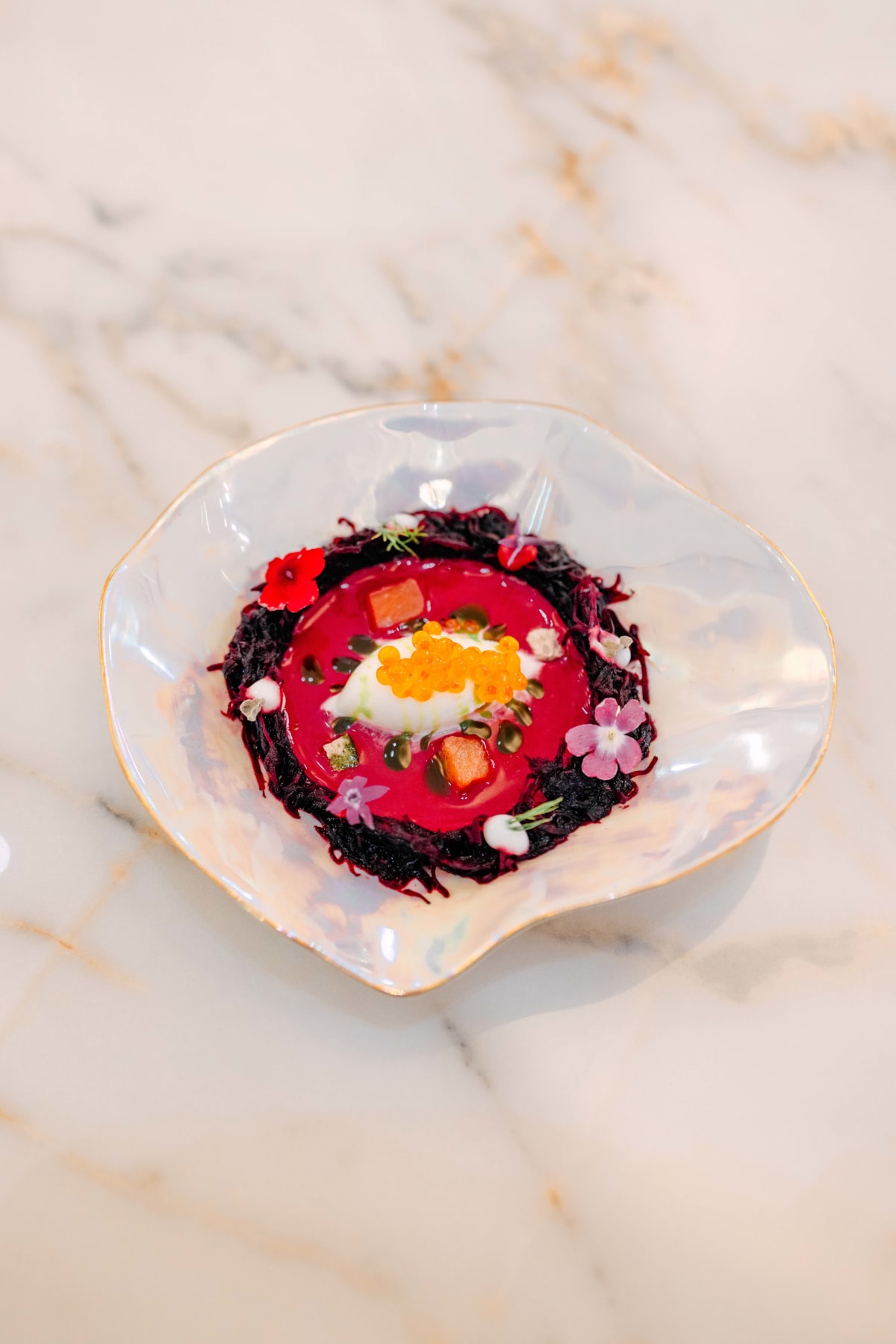
And then salmon roe on top of that, a curious dish. The taste was distinctive, but I was left wanting because I did not feel a deliciousness that went beyond the creativity of the combination. Still, as the start of the course the appetite-rousing sweet and sour played its part, and I think as an appetiser it did the job it was there to do.
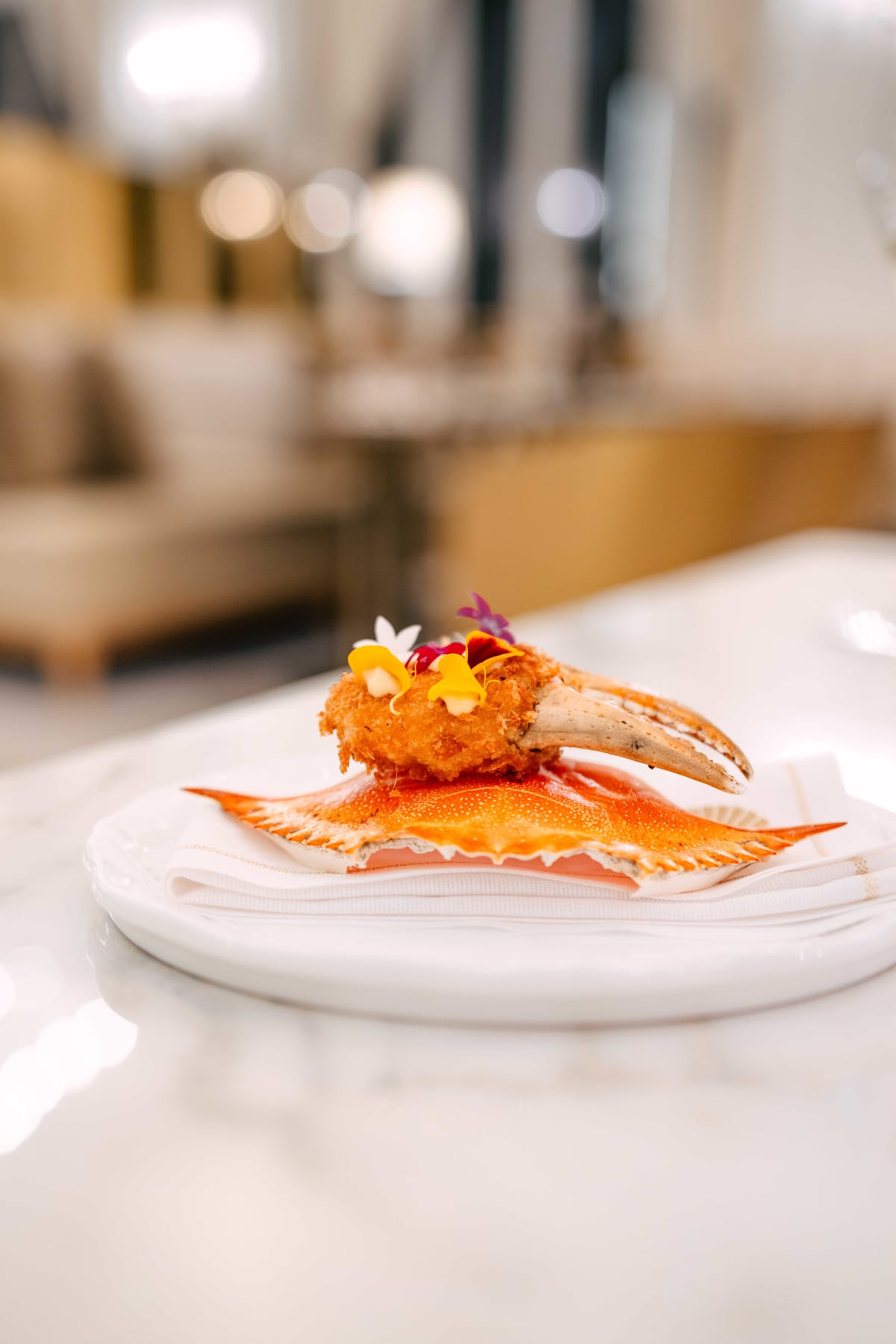
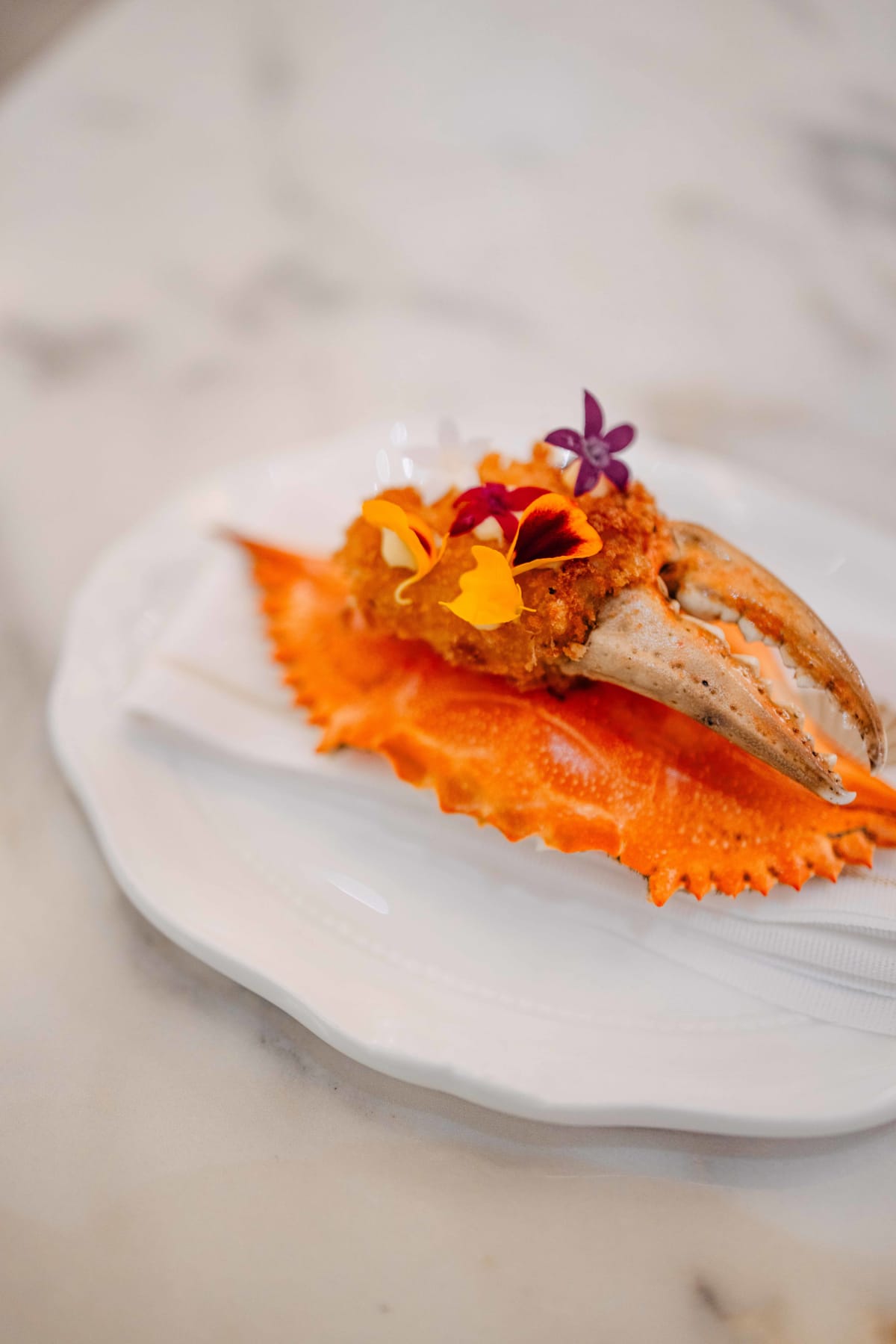
The last appetiser, arriving after the three, was Crispy Crab Claw with Béarnaise and Lemon Verbena Infusion. The title is grand but put simply it is fried crab claw.
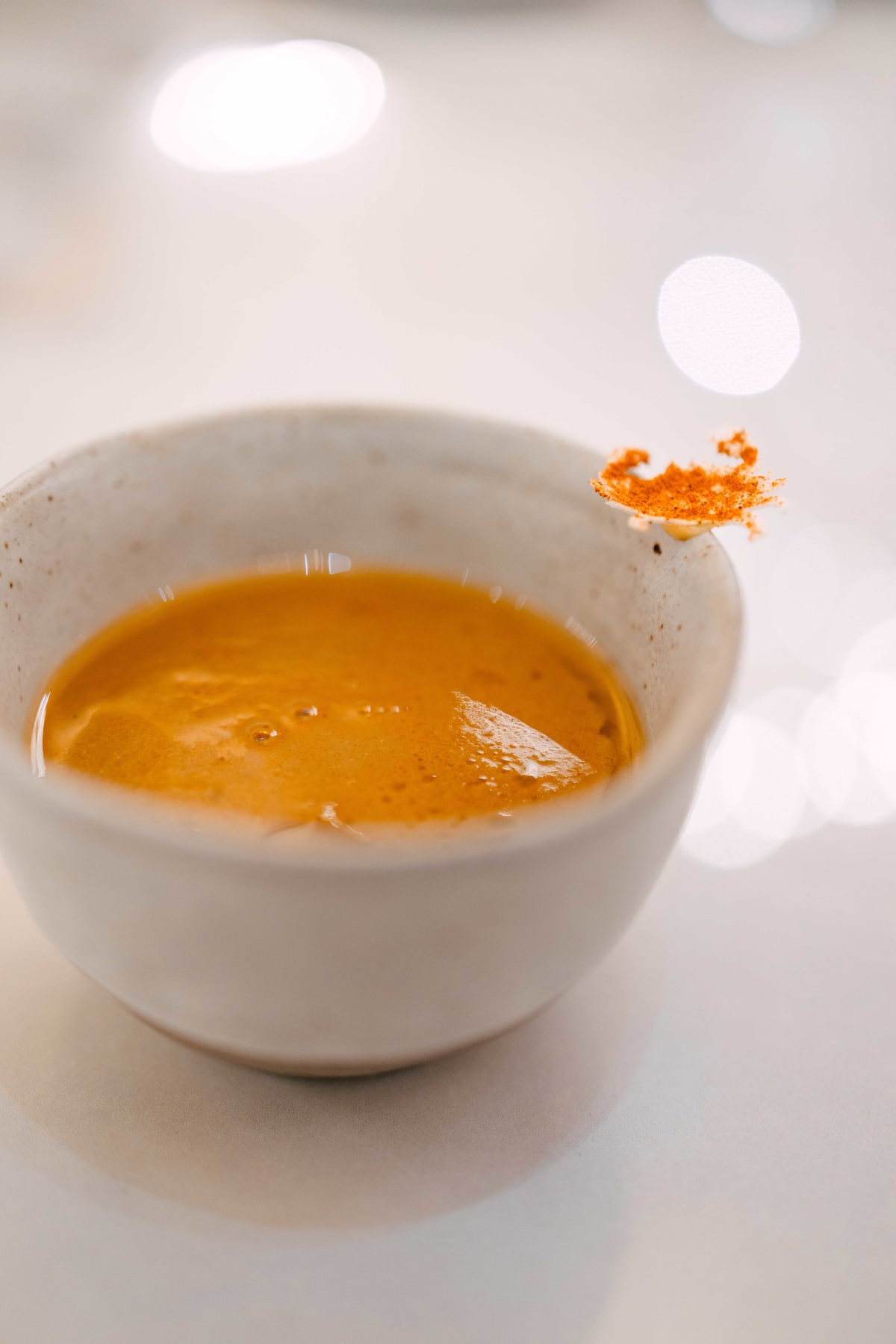
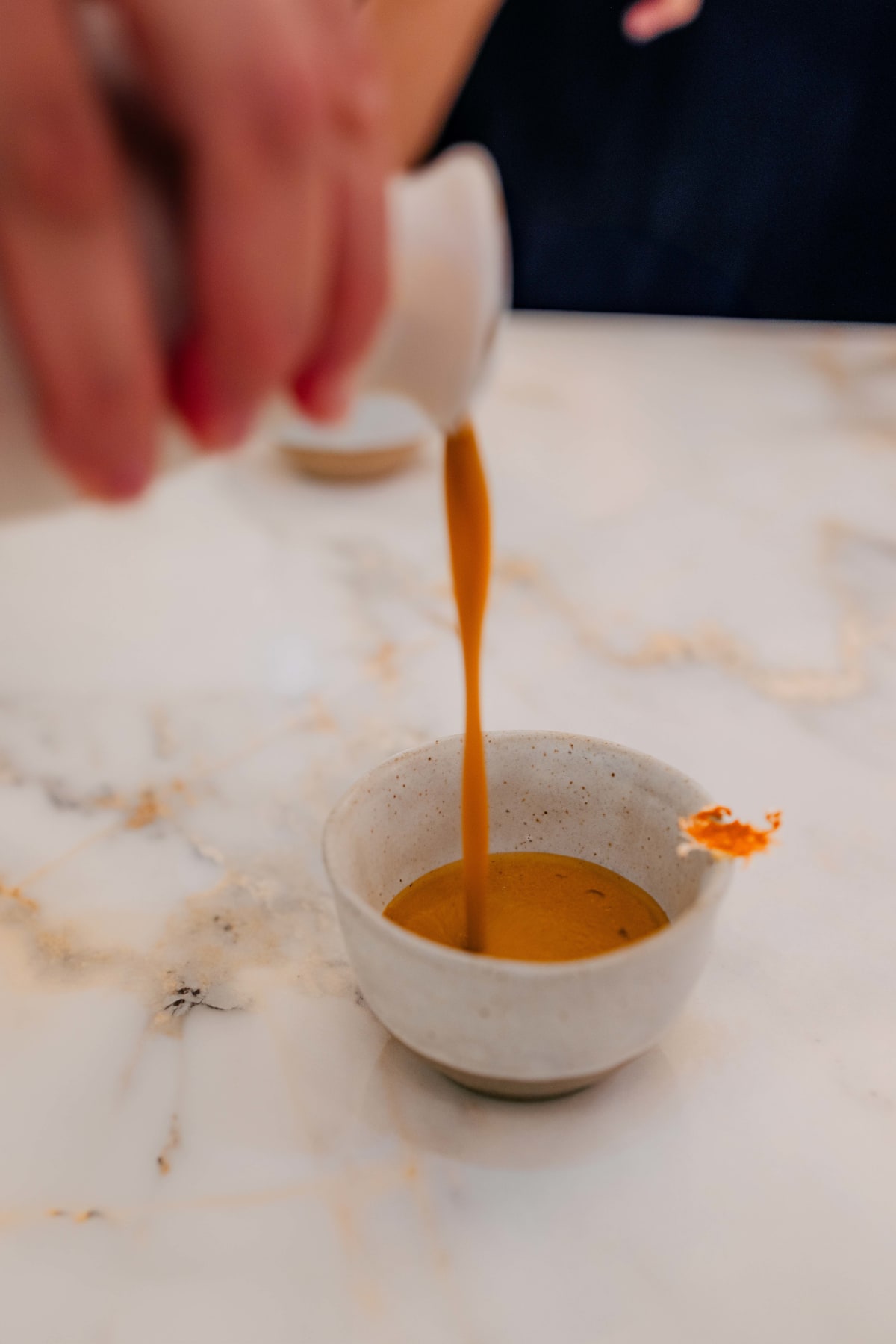
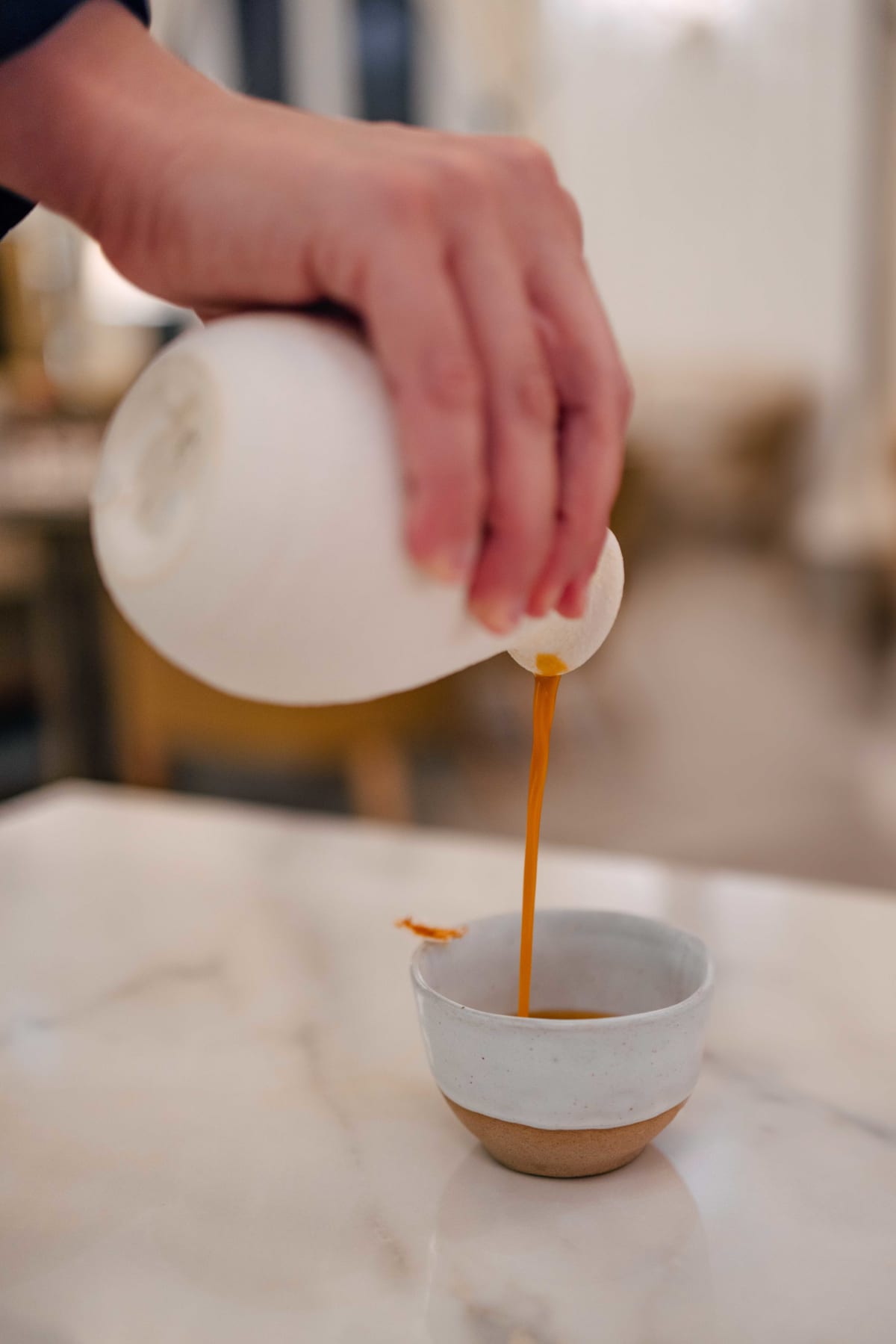
Before the fritter arrives they pour into a glass a thick brown sauce that looks like tsukejiru, the dipping sauce of the Japanese ramen style called tsukemen, and it seemed to be a sauce made by boiling and reducing crab innards and various other things. The sauce tasted good. The fried claw was pretty to look at, but frankly I think what they fry at a neighbourhood sushi omakase in Korea might taste better.
Section 8·Palace and Avant-Garde
Something I felt while eating was that the interior here gives the feeling of arriving at some Spanish or French palace while the cooking style is closer to French with a lot of Asian touches, and this contrast is not accidental but the structure of the restaurant itself.
Deessa sits in the hotel's Alfonso XIII salon, where high ceilings, large crystal chandeliers, gilt ornament and white and cream furniture follow the grammar of an early twentieth century European grand hotel exactly. The cooking that comes out inside it is Valencian avant-garde. So the experience here is less about eating modern cooking in a historic room than about formally installing modern Spanish cooking inside Spain's old national formality.
So the experience here is less about eating modern cooking in a historic room than about formally installing modern Spanish cooking inside Spain's old national formality.
Section 9·LA SAL
After the appetisers came what I consider the highlight of the Deessa course, LA SAL's Ritz Caviar Selection and Cured Fish Roe Selection. For taste alone I think the main sweetbread, the thymus, was the best of the day. In terms of breadth of experience I would pick this Roe Selection. It is literally a dish that prepares a selection of caviar and various cured fish roes for you to taste.
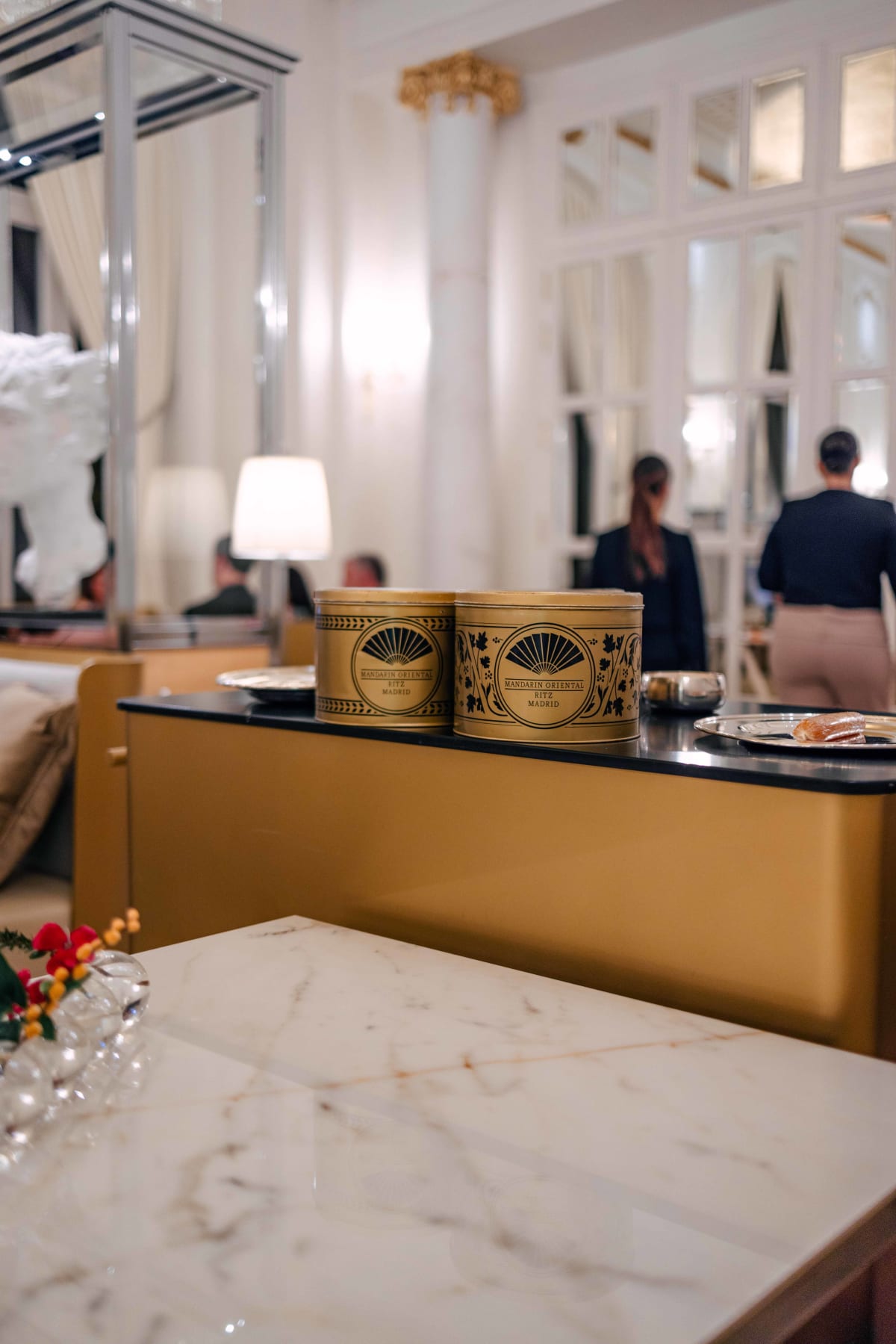
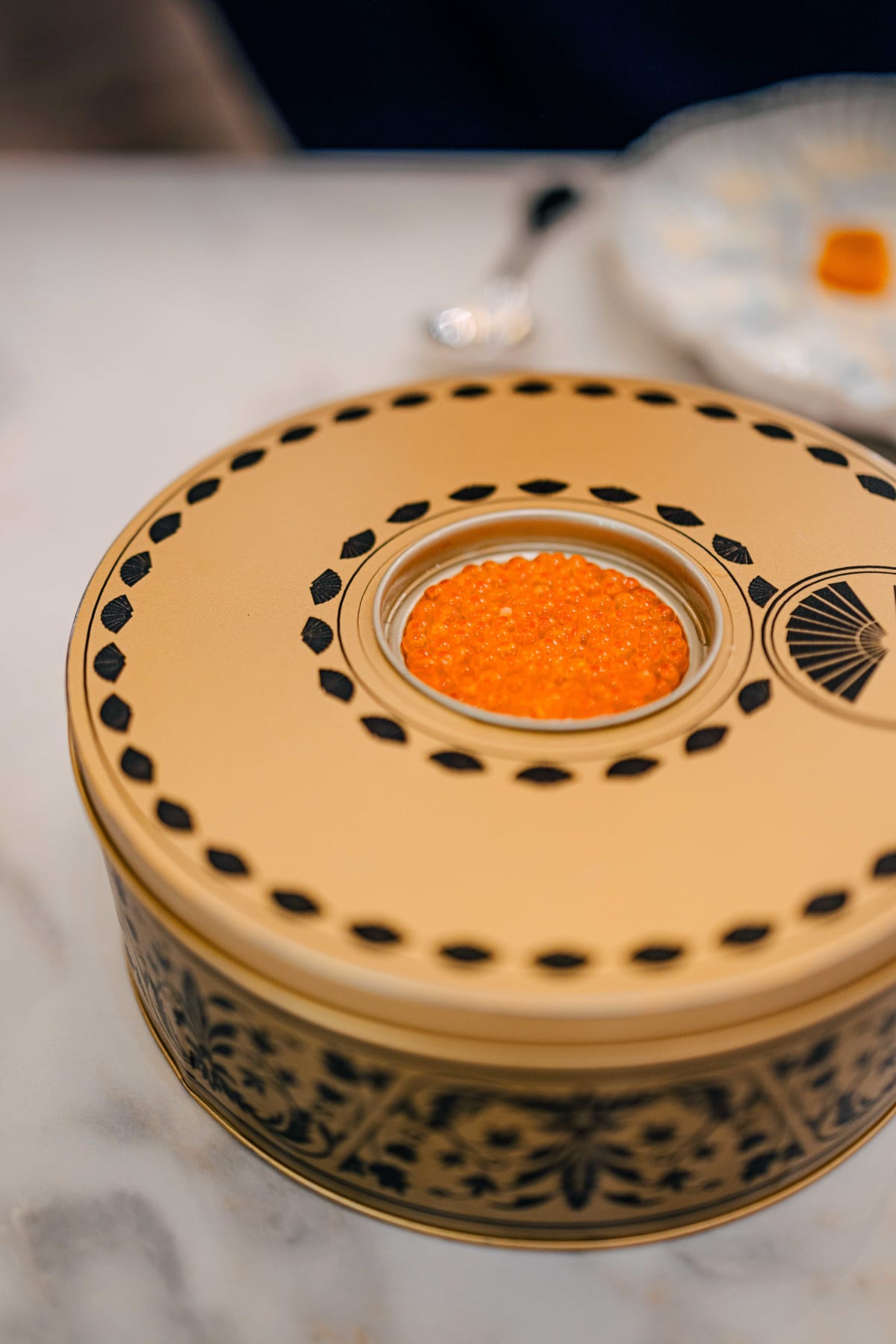
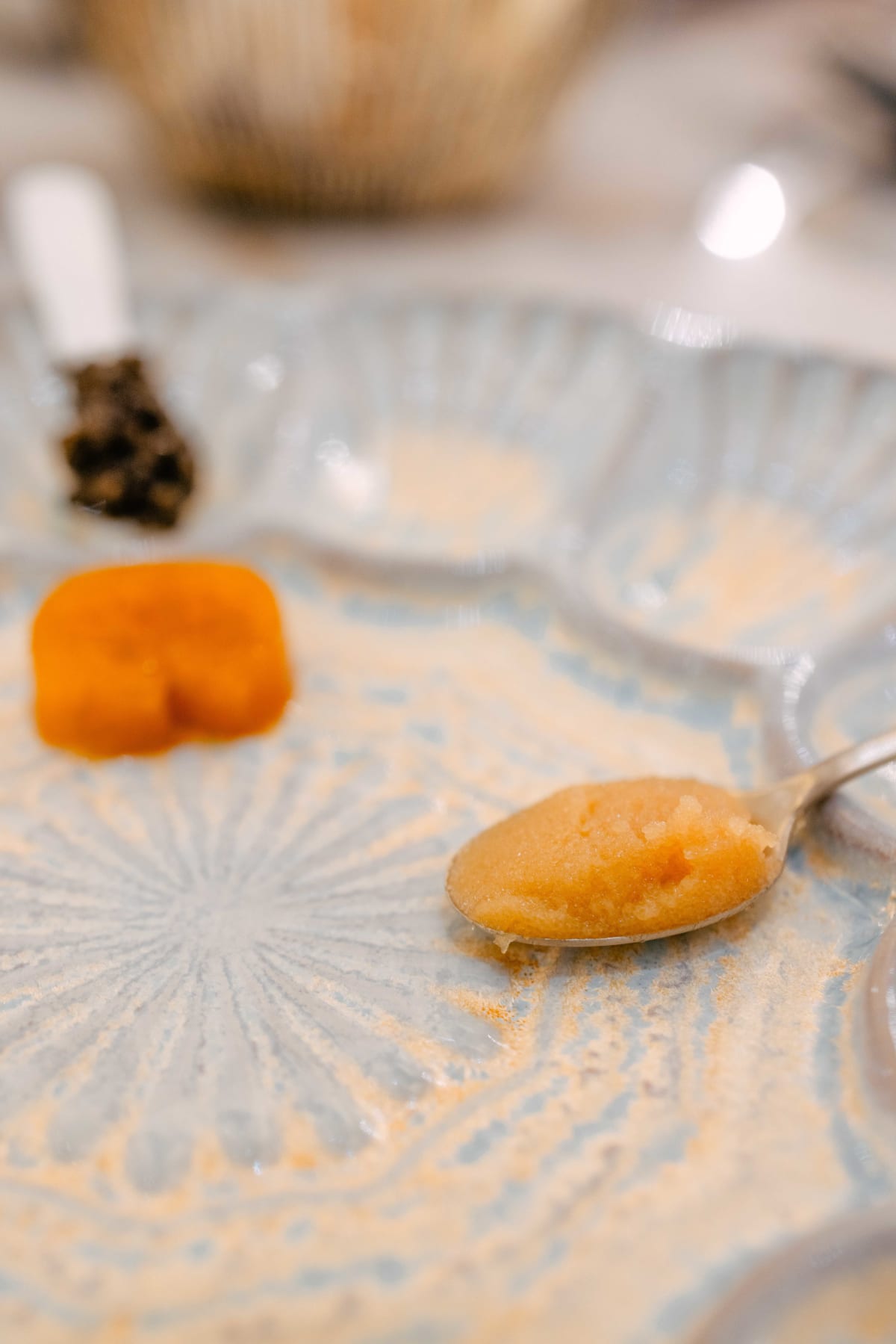
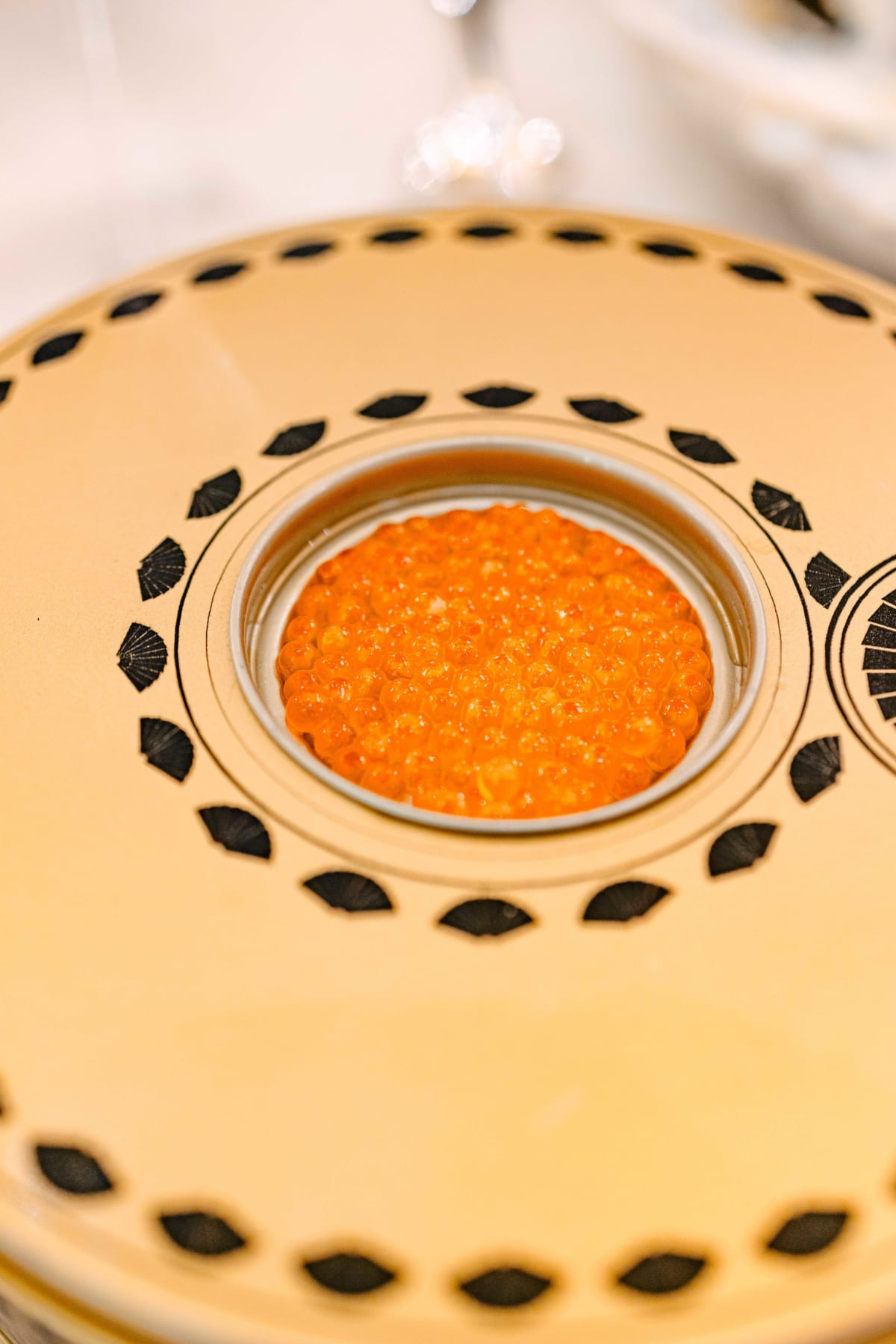
They bring a large trolley loaded with a big tin of caviar and the other elements, and first show you the caviar and salmon roe in their cases. The salmon roe, though small, is given in the tin as it is, and there are two grades of caviar prepared, served onto the plate a spoonful at a time.
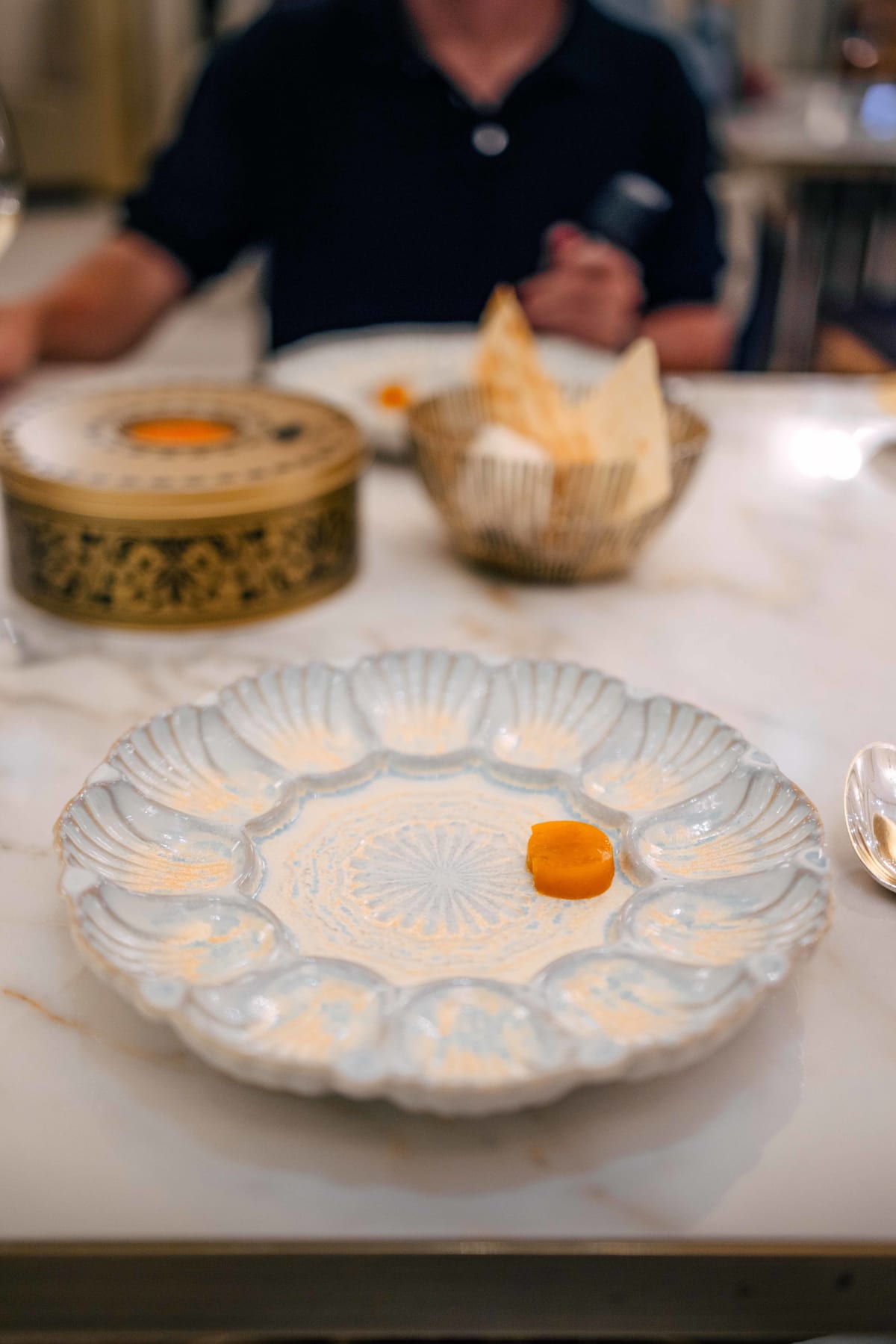
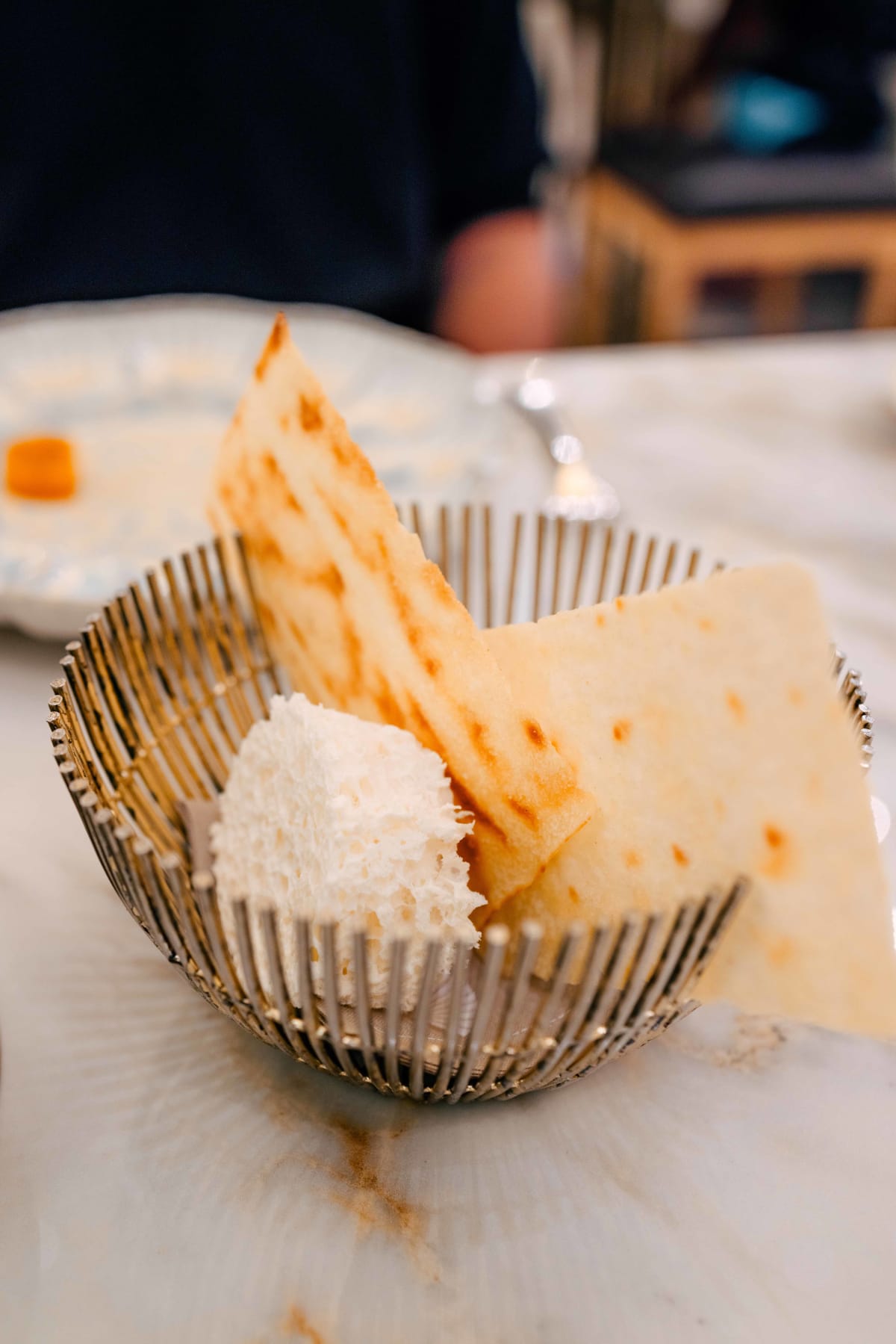
Then they show you a dish of large cured roe, and although I do not remember what it was I think it was pollack and mullet. In any case these roes too are cut in small amounts and set on the plate to eat, and they were rich and delicious. On top of that, to eat alongside, they give you meringue and a cracker and a cheese wrapped in something like a lotus leaf with olive oil poured over it.
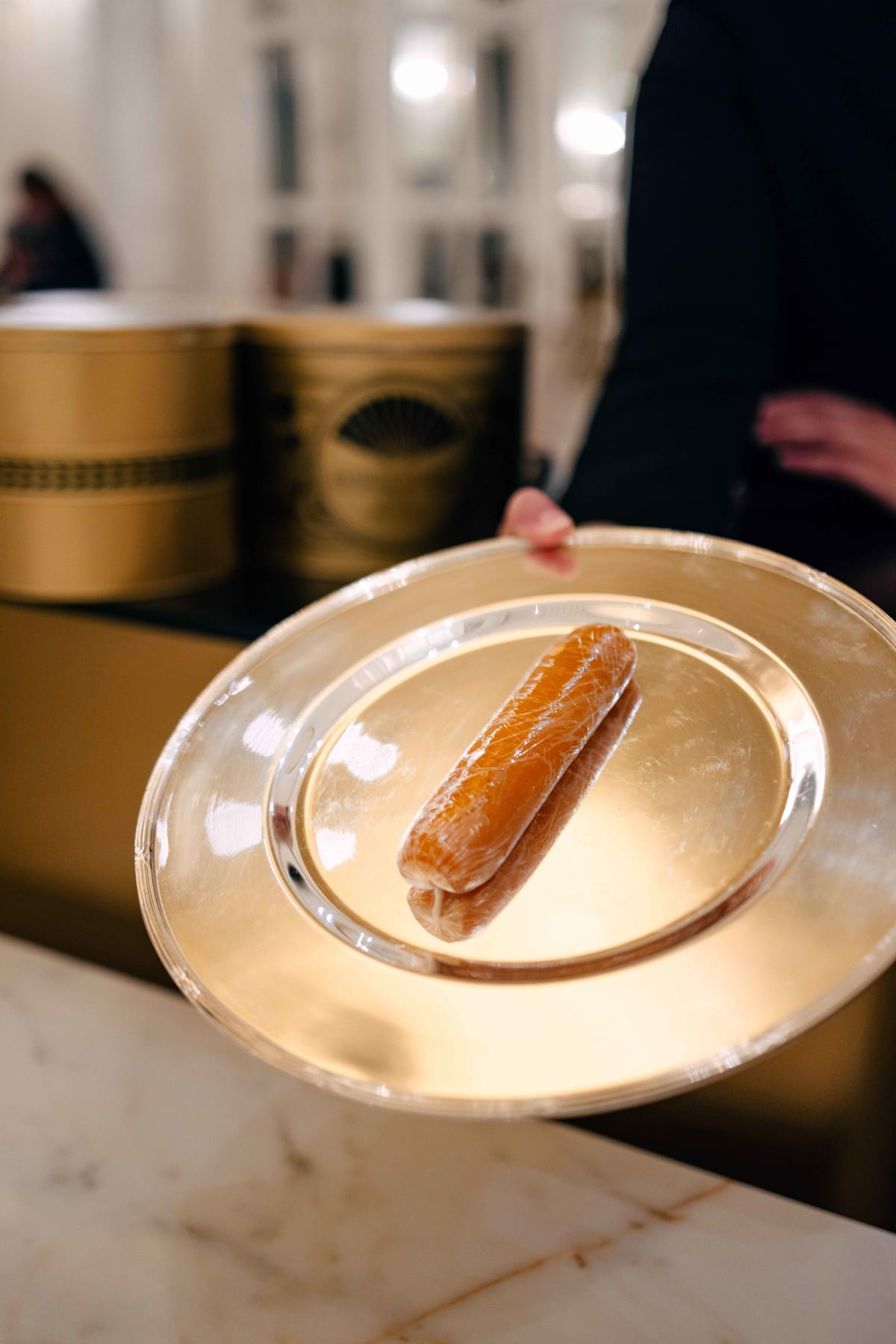
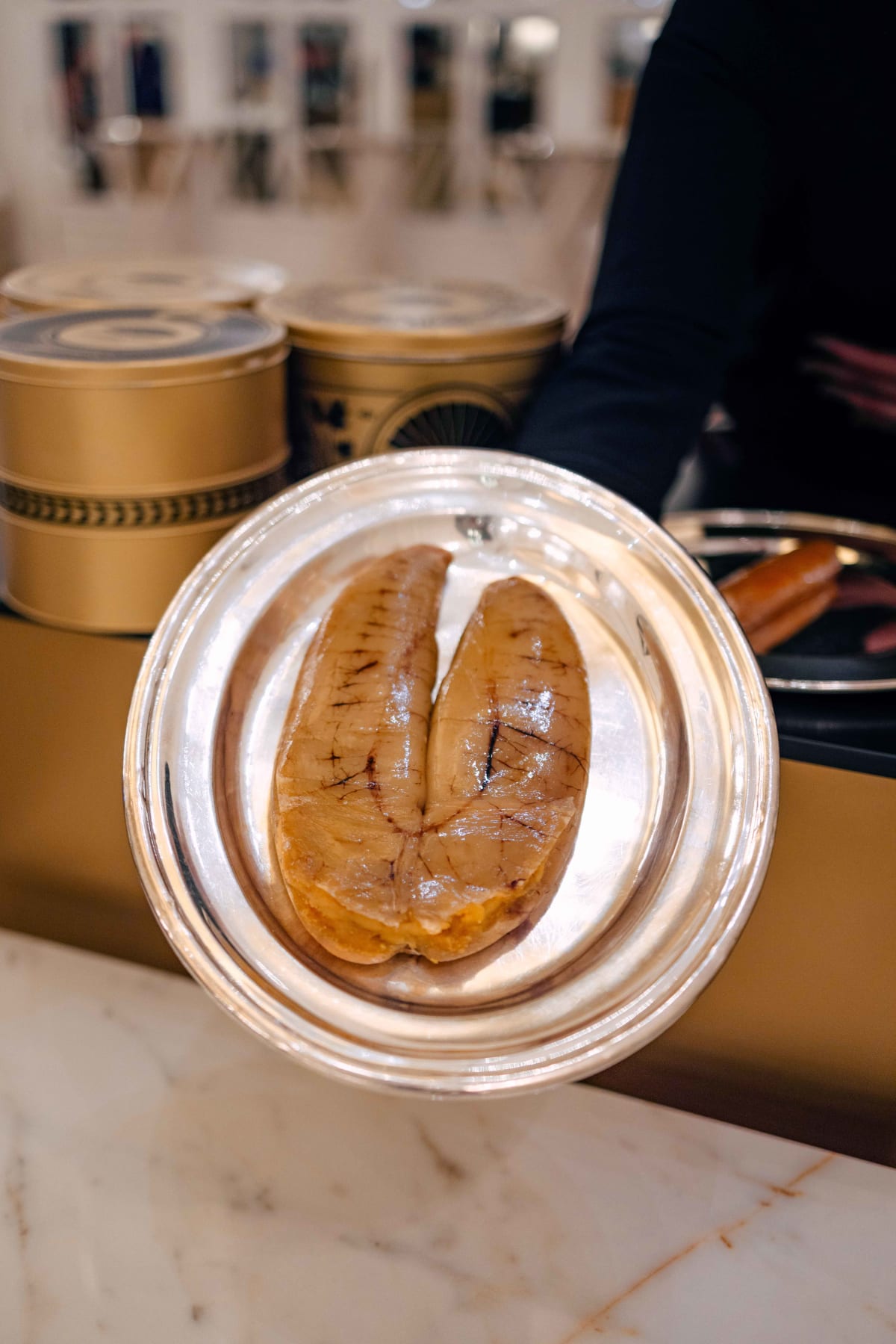
Each roe is portioned onto the spoon in front of you before it reaches the plate.
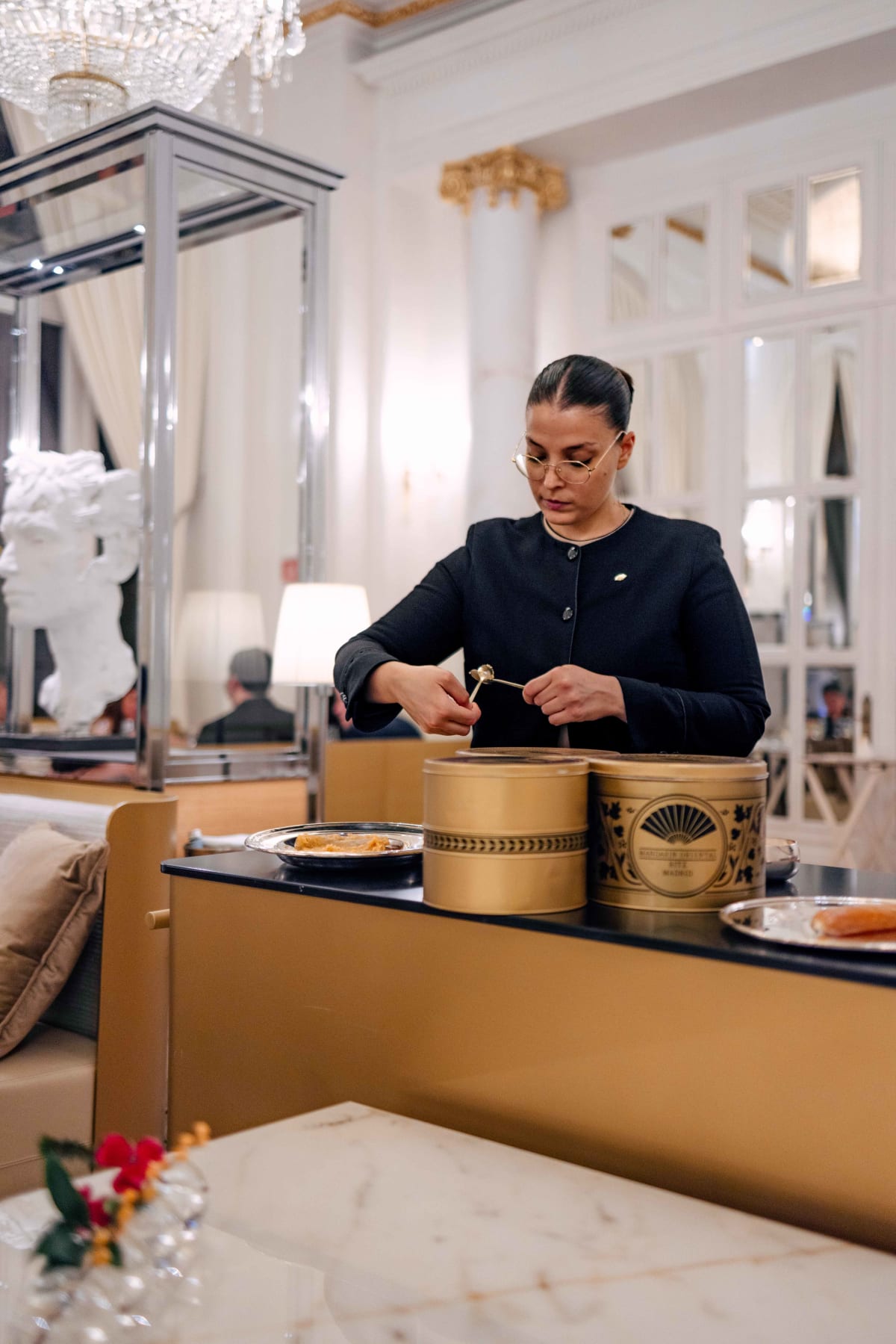
There is a reason this course is titled LA SAL, which is to say salt. Caviar, fish roe and cured and aged fish are one of the central axes of Dacosta's cooking. The work is not simply serving fresh seafood but rewriting the preservation culture of the Mediterranean coast through salt and drying and curing and concentration.
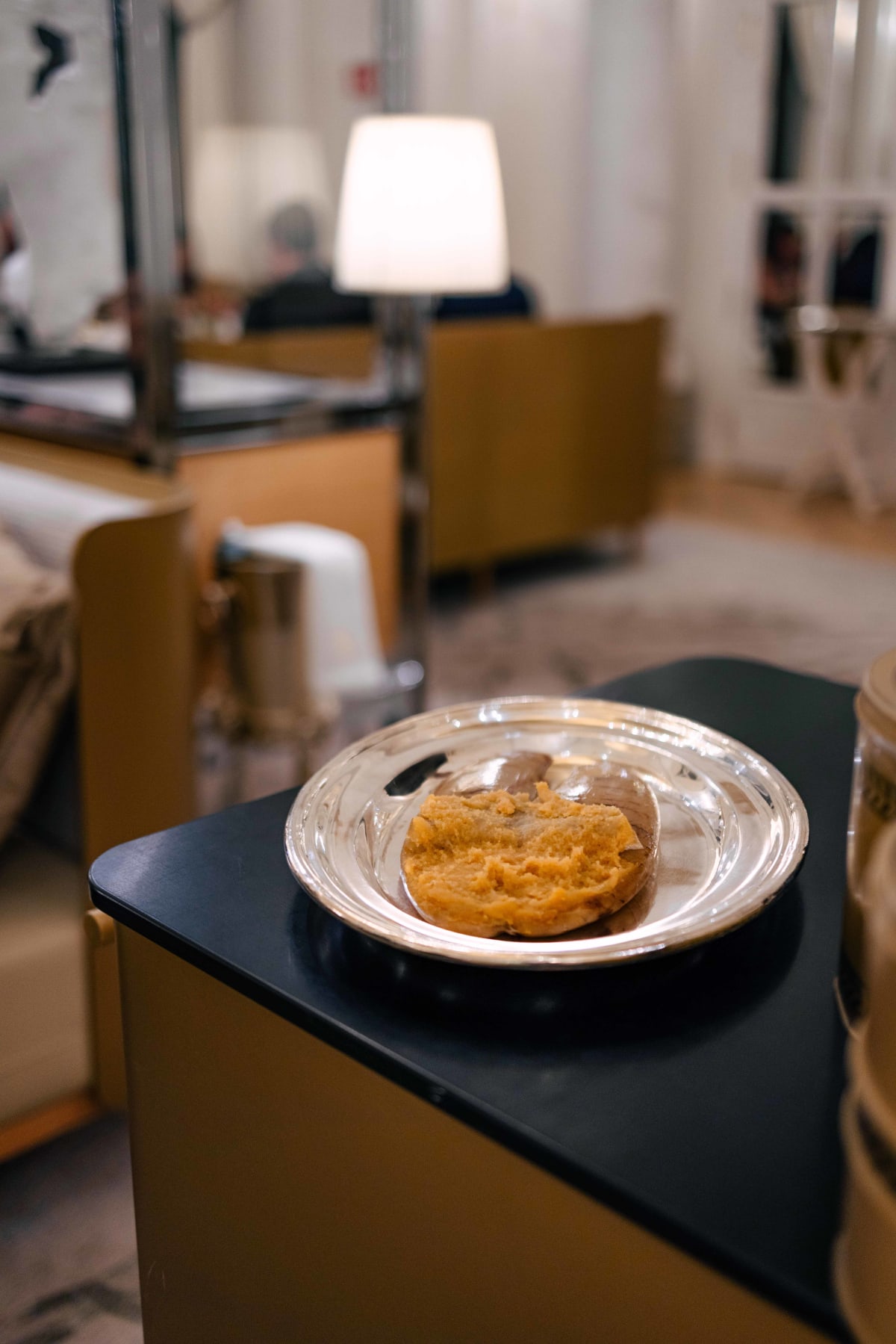
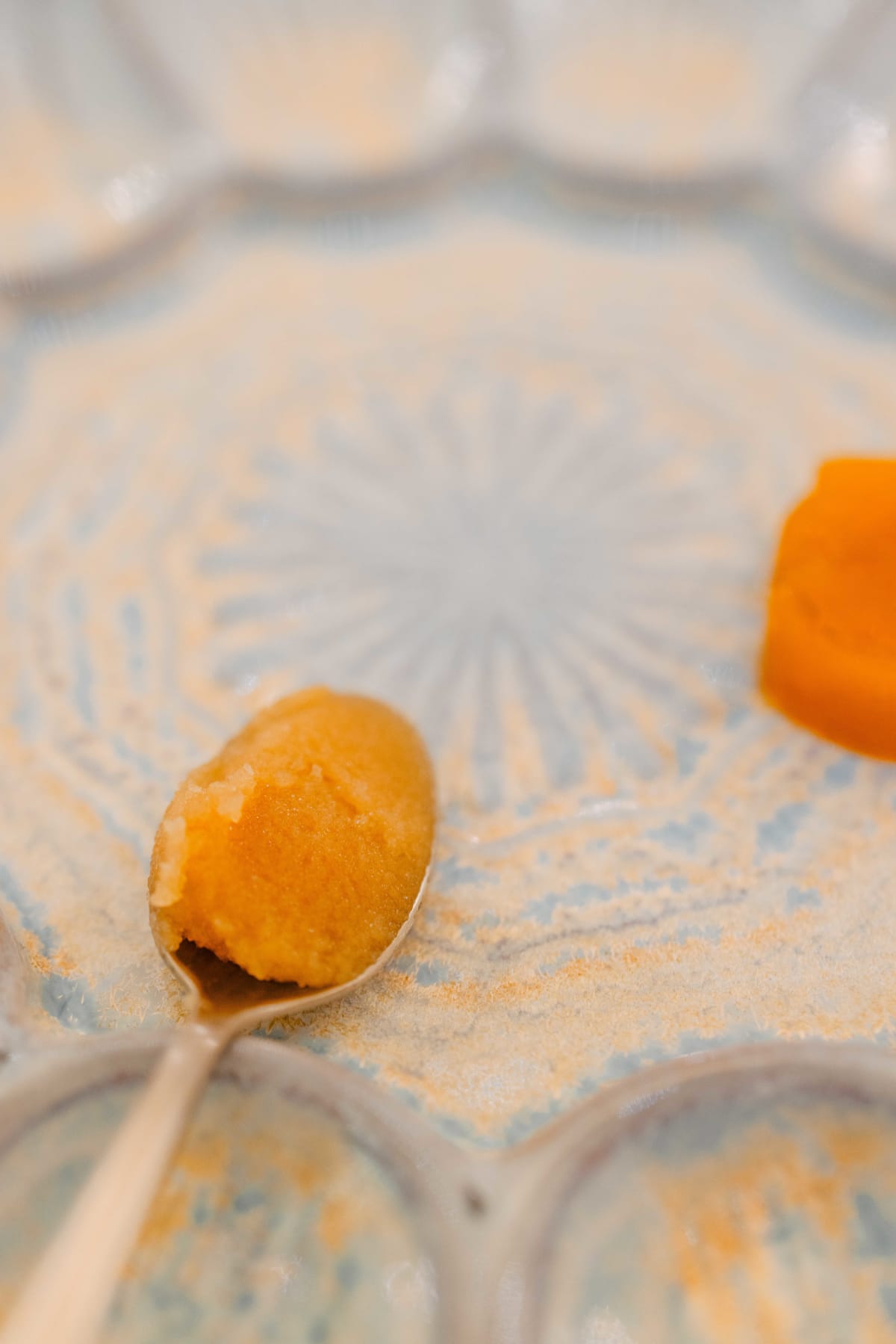
The work is not simply serving fresh seafood but rewriting the preservation culture of the Mediterranean coast through salt and drying and curing and concentration.
I think introducing this many kinds of fish roe by type and preparing them so you can taste them together is what sets Deessa apart, an experience not easily had at the Michelin restaurants I had usually visited.
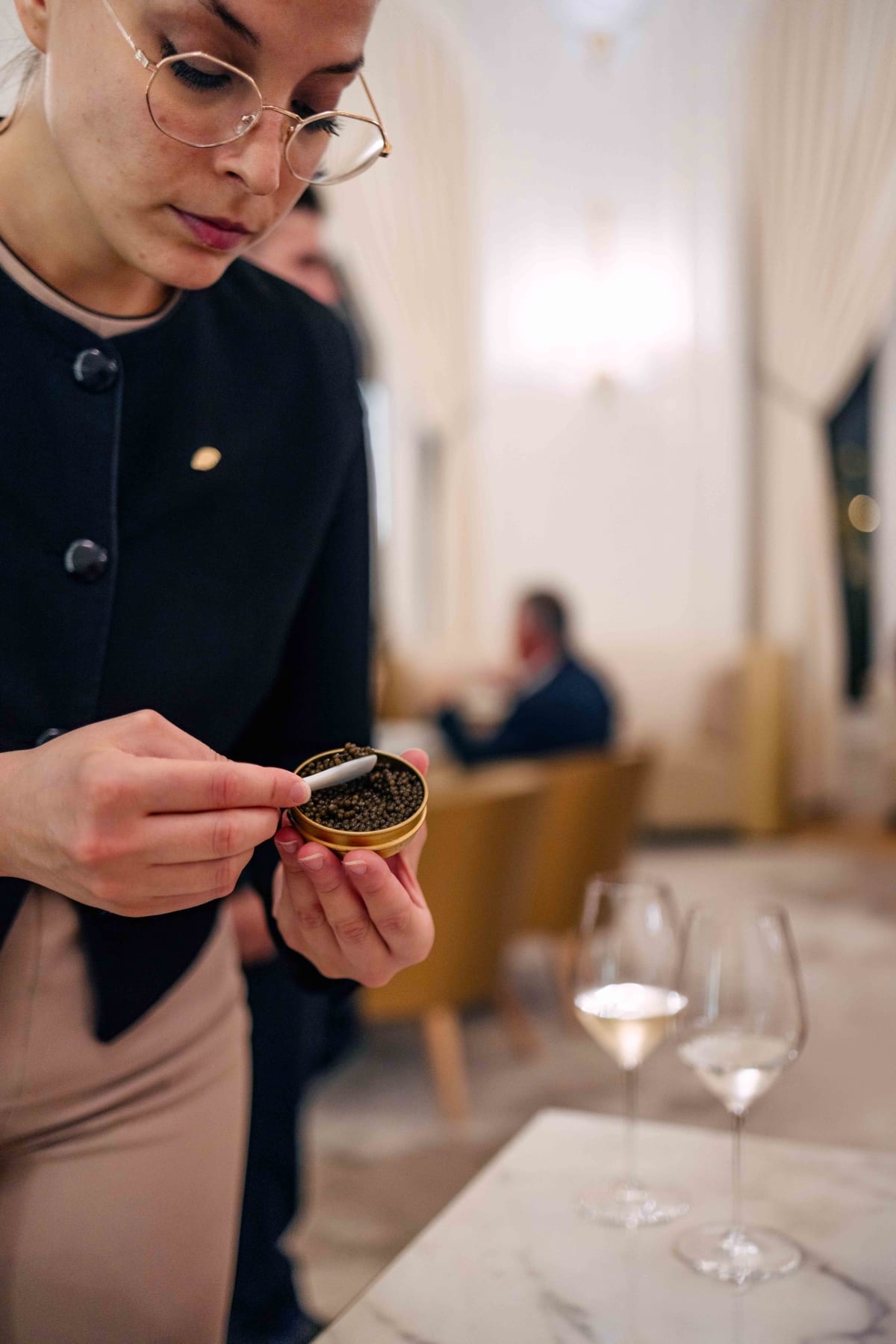
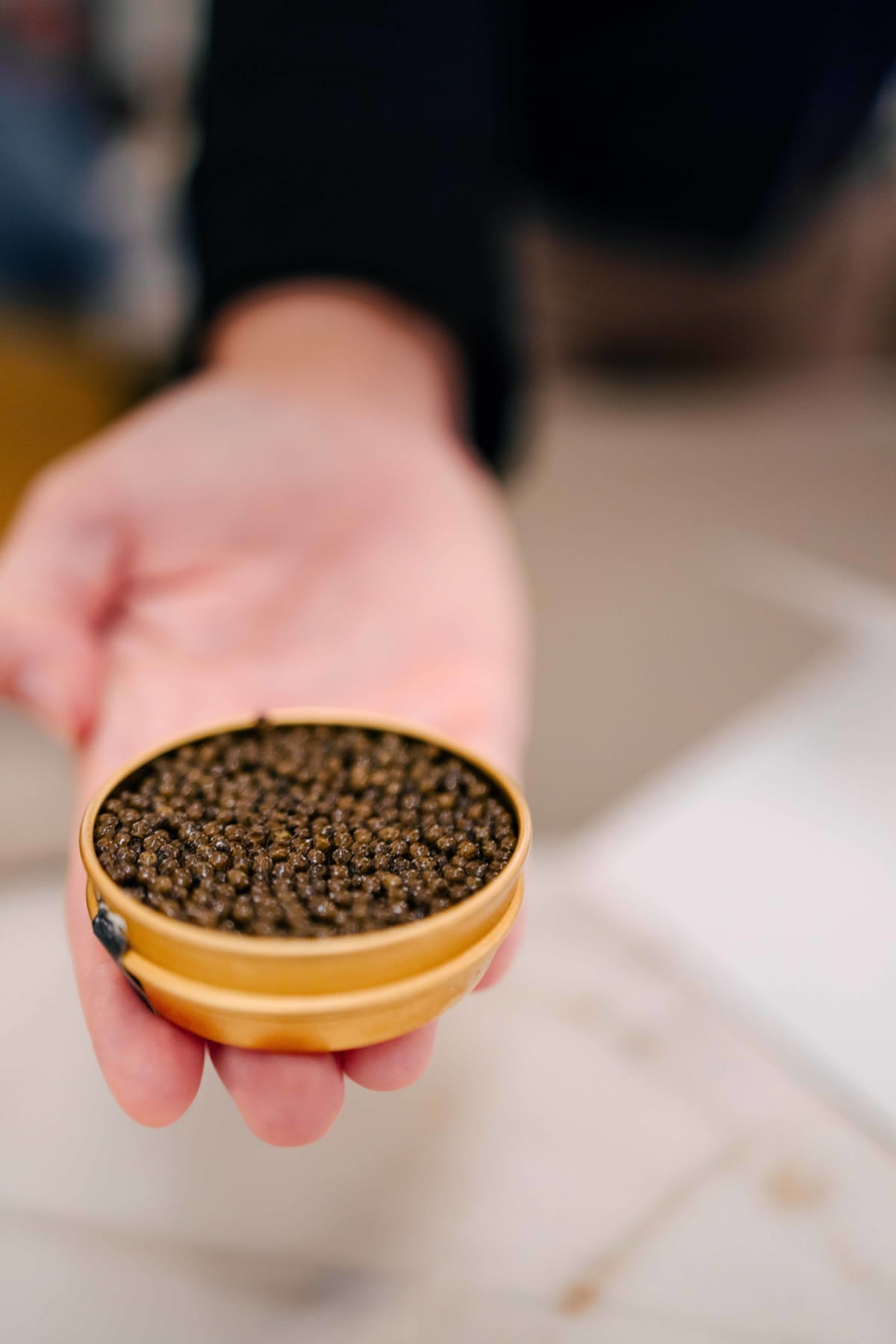
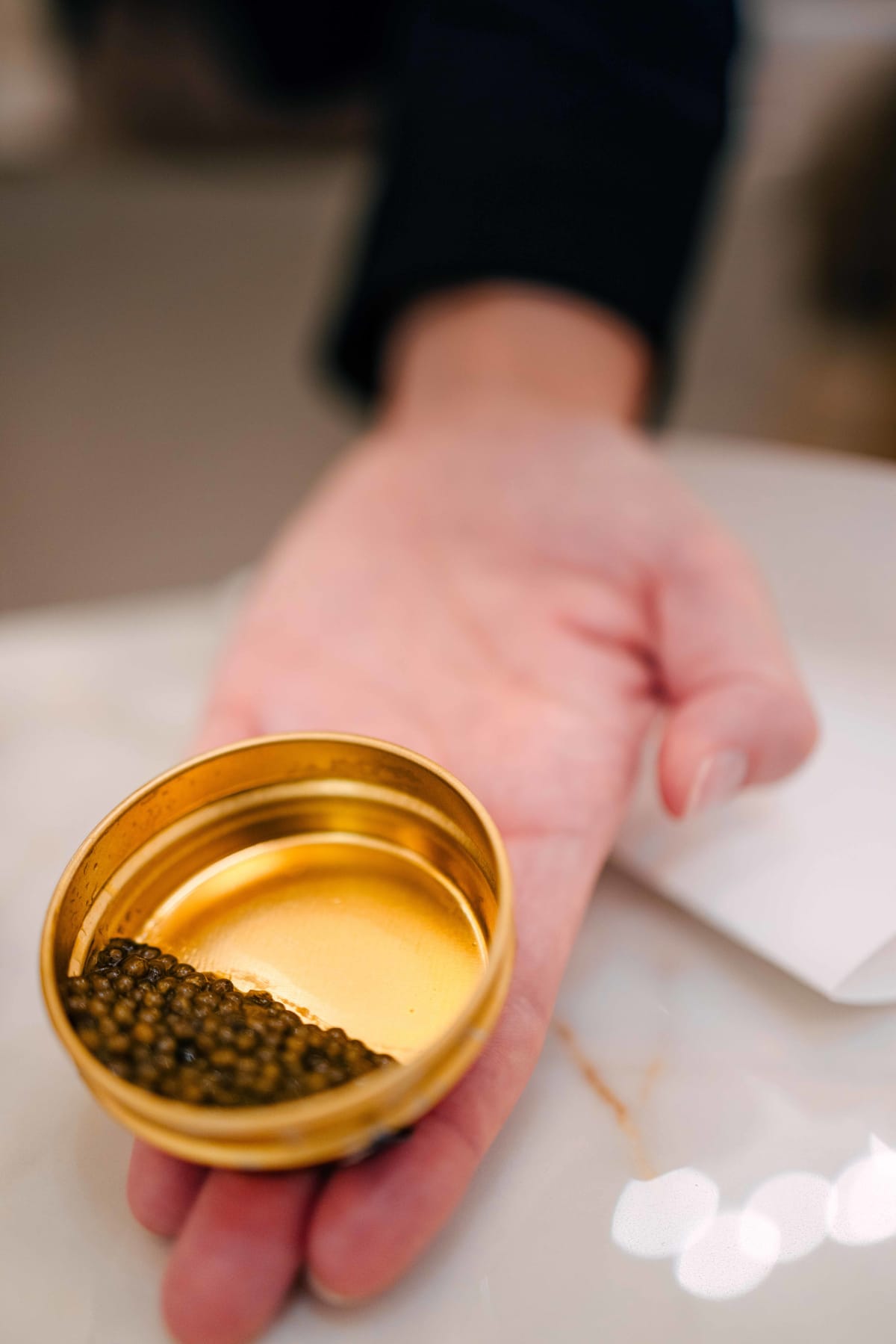
When I visited Quique Dacosta in 2025 I went in carrying the memory of this Deessa visit and wondering whether a similar course would come, and at Quique Dacosta what came was tonyina de sorra, tuna belly cured in salt and aged and dried, a speciality of Denia. Personally, since I like fish roe, I think I preferred Deessa's Ritz Caviar Selection and Cured Fish Roe Selection.
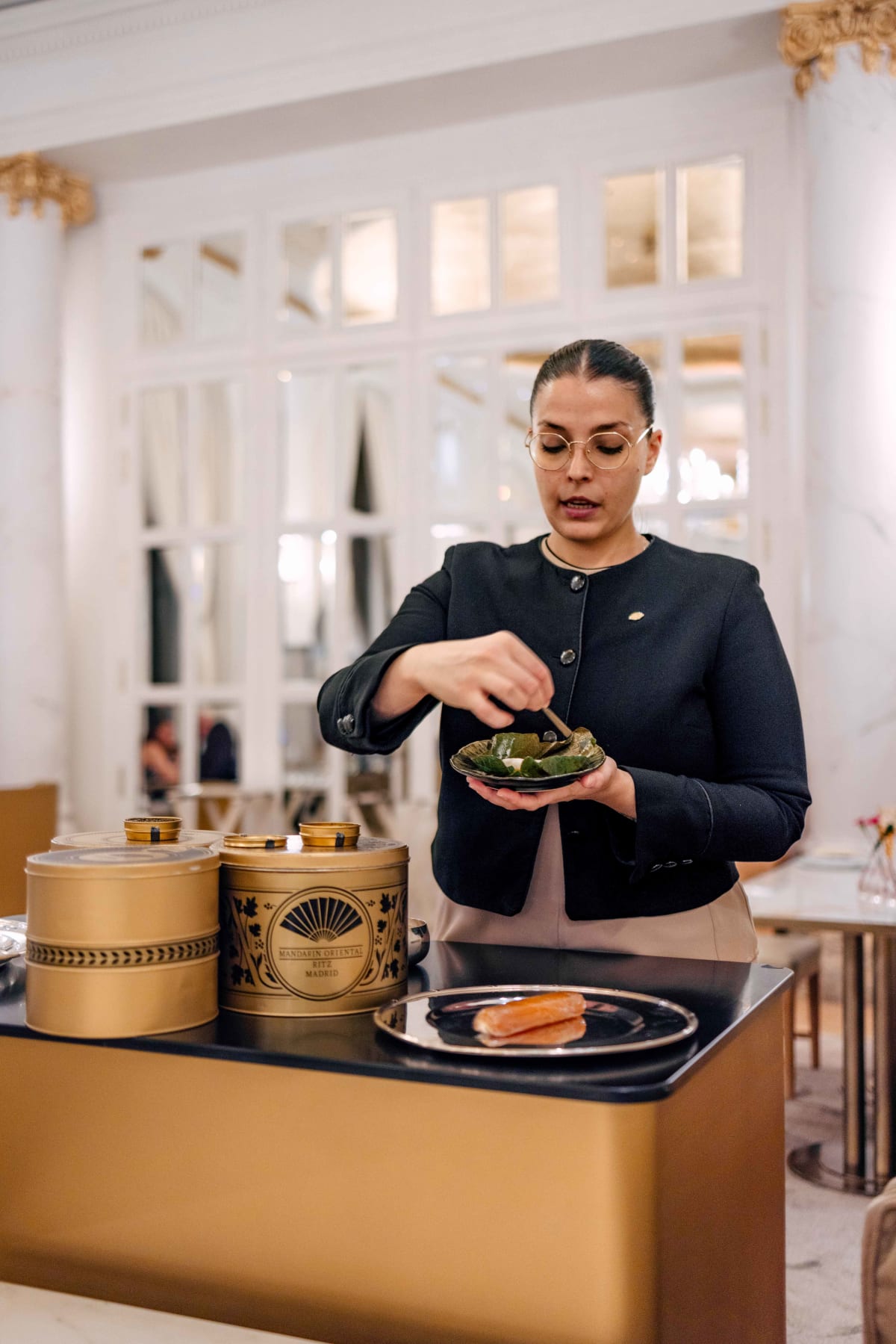
Among the various elements, the best pick of the day for me and for my companion alike was the salmon roe, the ikura. The bursting texture, the pop of it, was good beyond what I can describe in writing, and since this was early October it was the season for new ikura in Japan and in Korea.
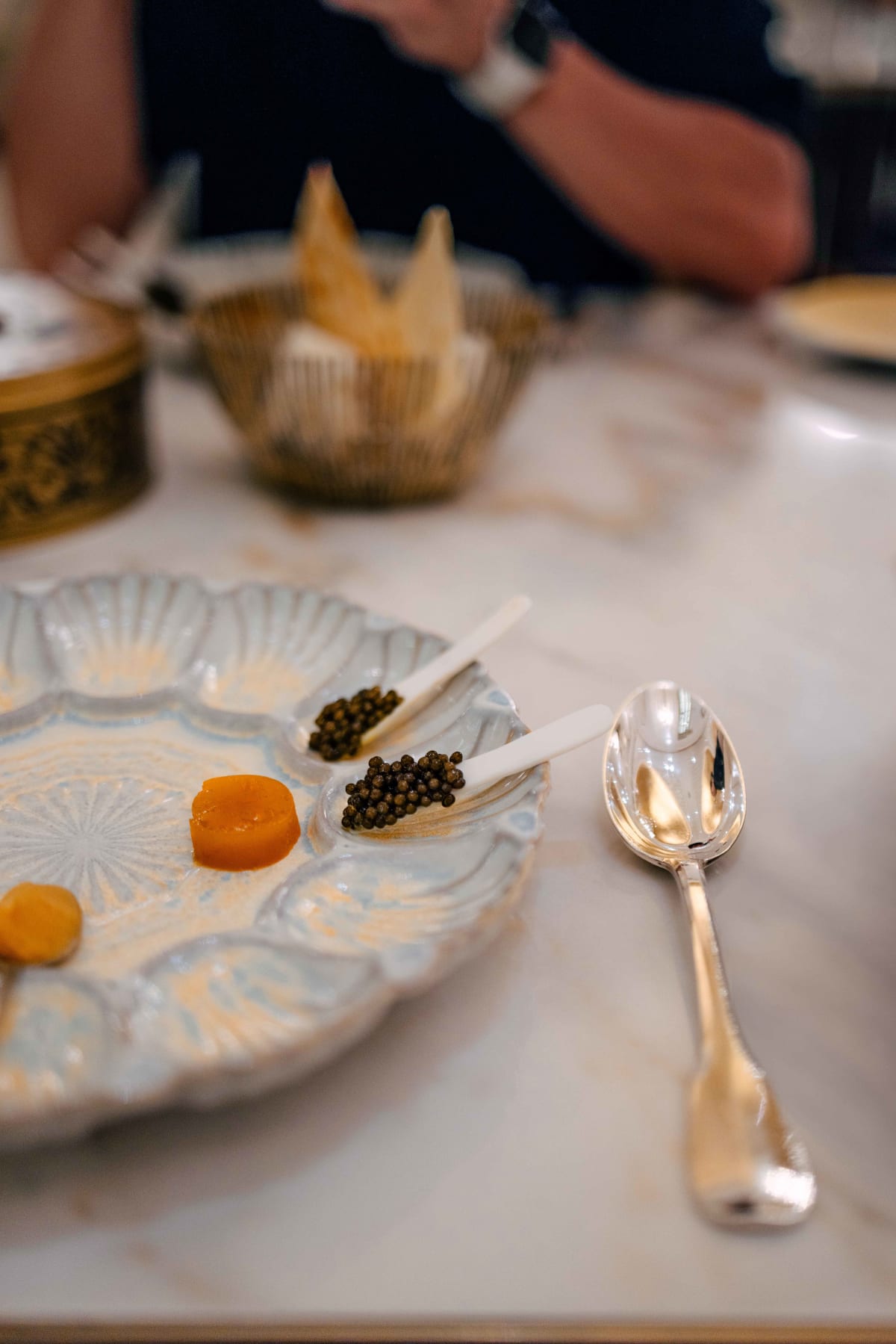
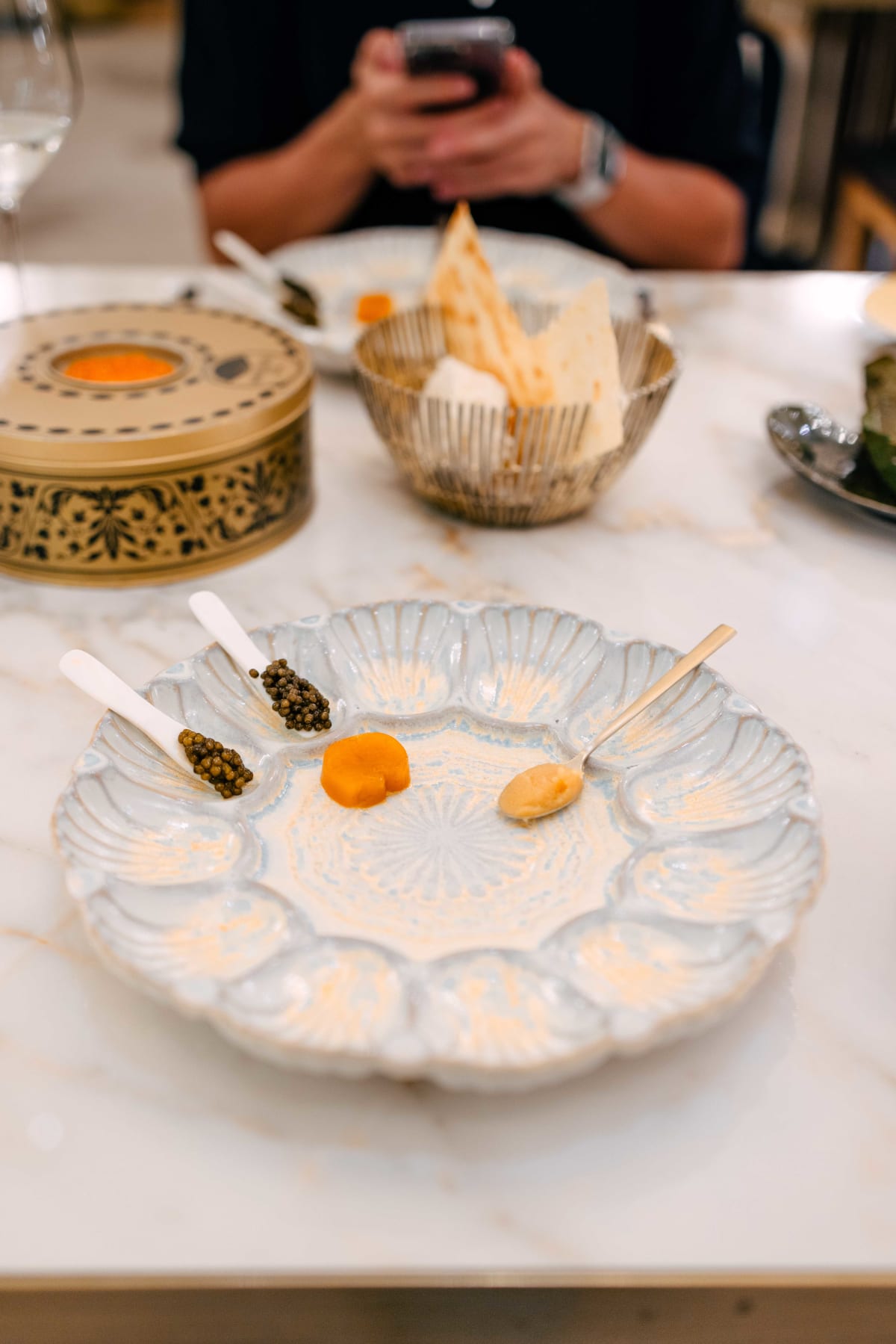
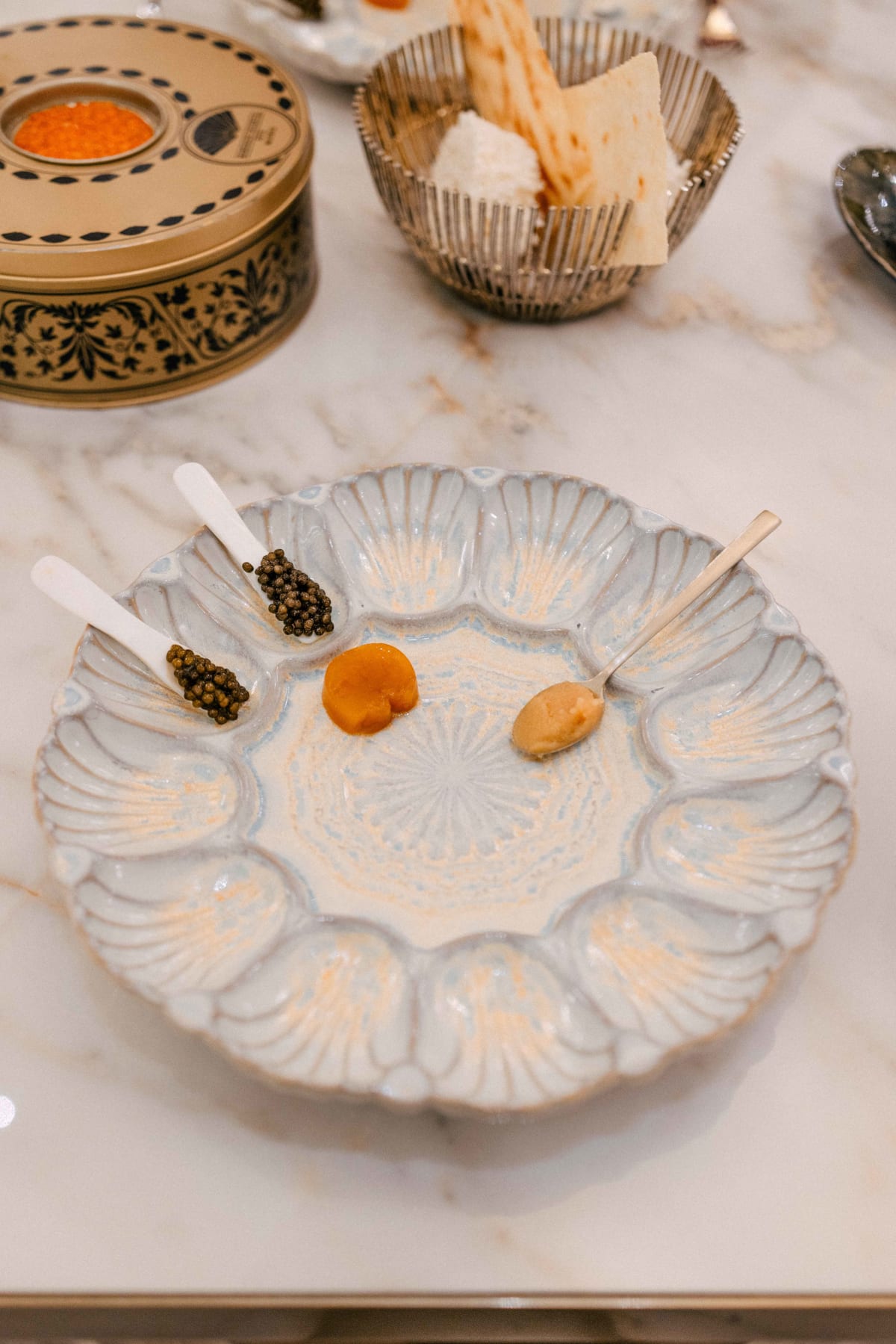
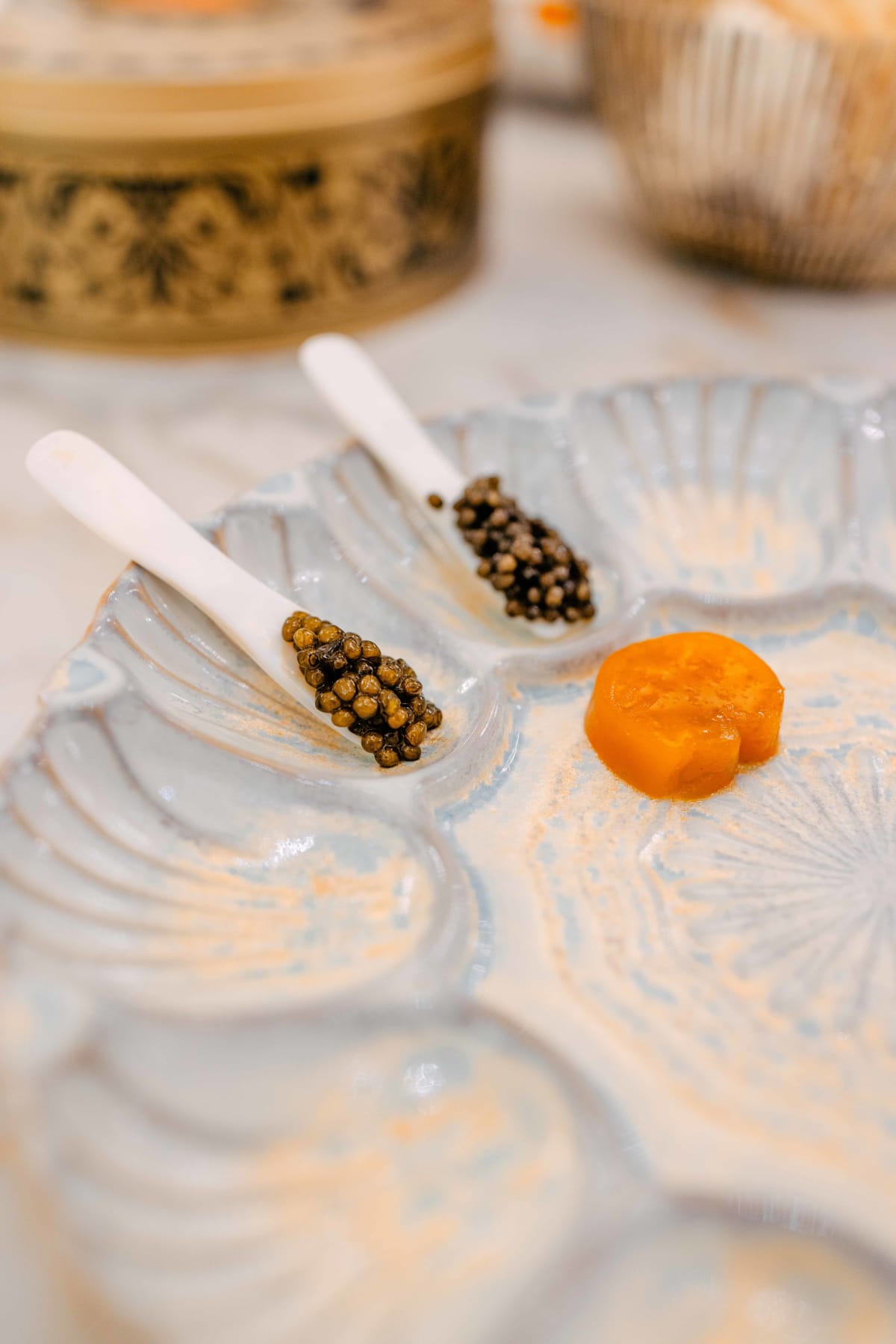
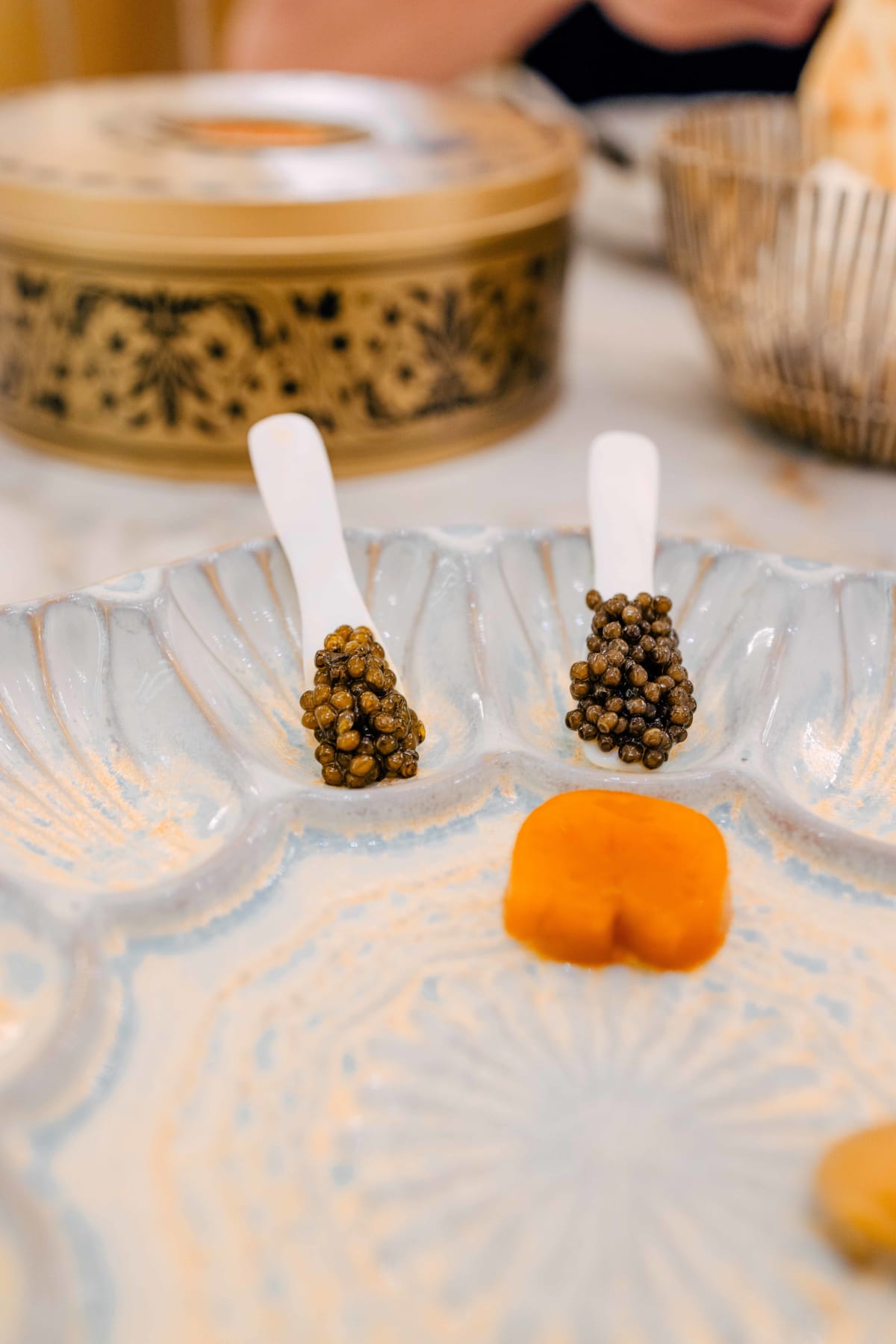
I do not know when this salmon roe was caught, or whether the salmon roe season in Europe also falls at the end of September and the start of October, but the taste of it was delicious enough that I have not forgotten it.
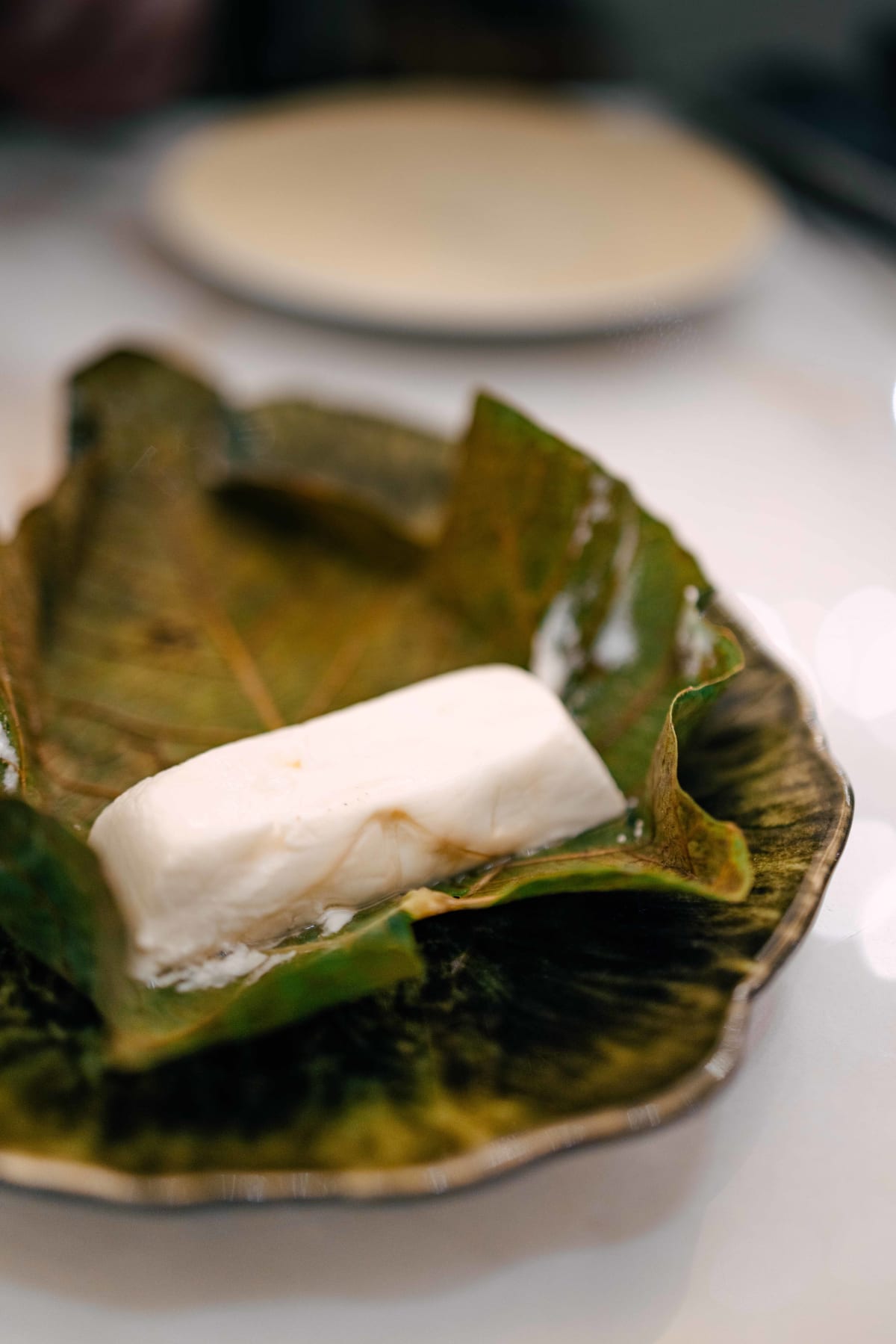
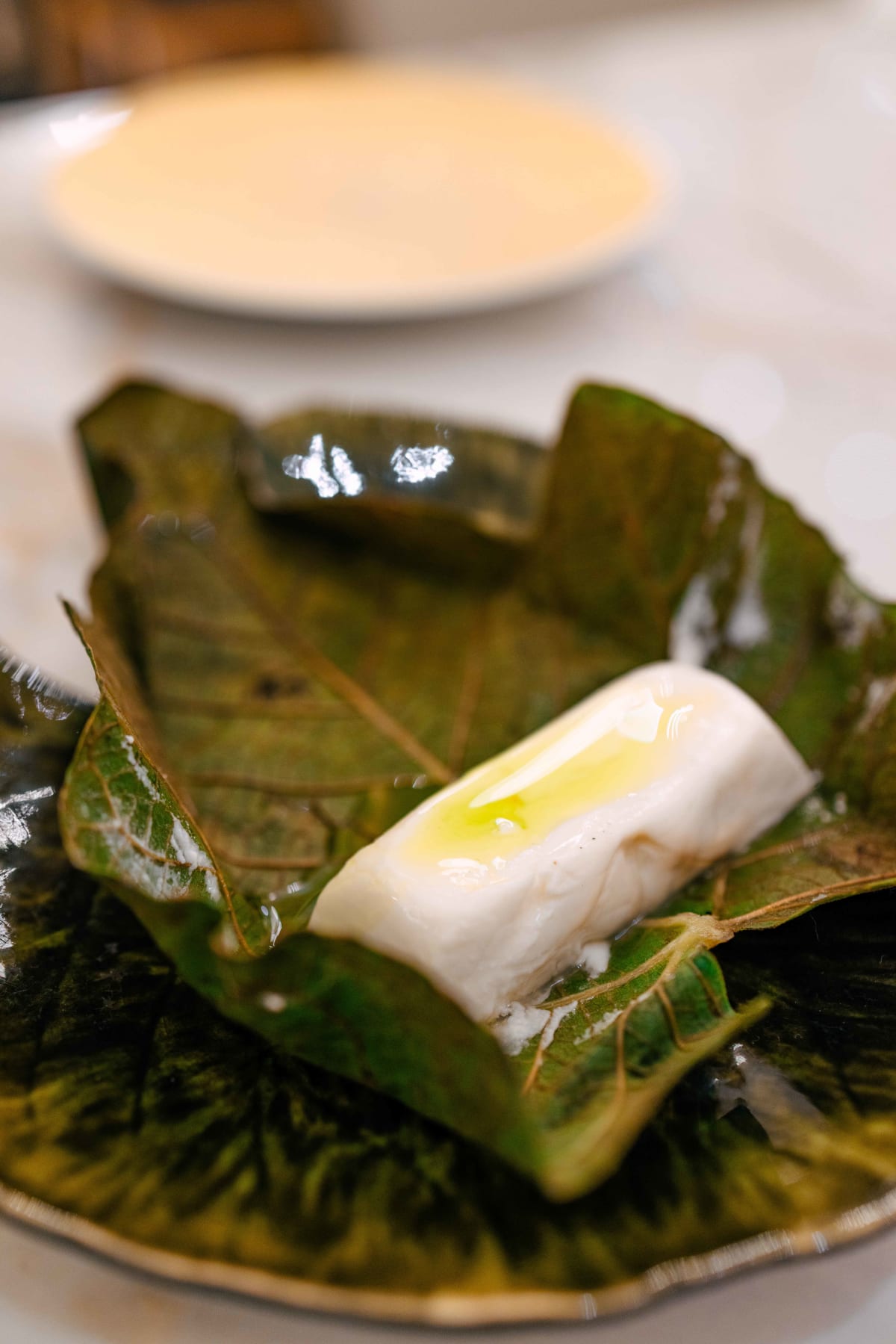
The ikura, in the end, was the thing I kept going back to.
The first of the pairings that came while I tasted the appetisers and the Roe Selection was a champagne, La Loge by Pierre Gerbais, a blanc de blancs. I think it was a fitting pairing for the early stretch where seafood comes one after another.
Calling La Loge a blanc de blancs is correct, but the grape differs from the usual blanc de blancs. Pierre Gerbais, in Celles-sur-Ource in the Aube, is an eighth generation family domaine now led by Aurélien Gerbais, and the house is known for having preserved a strain called Pinot Blanc vrai, all but vanished from Champagne.
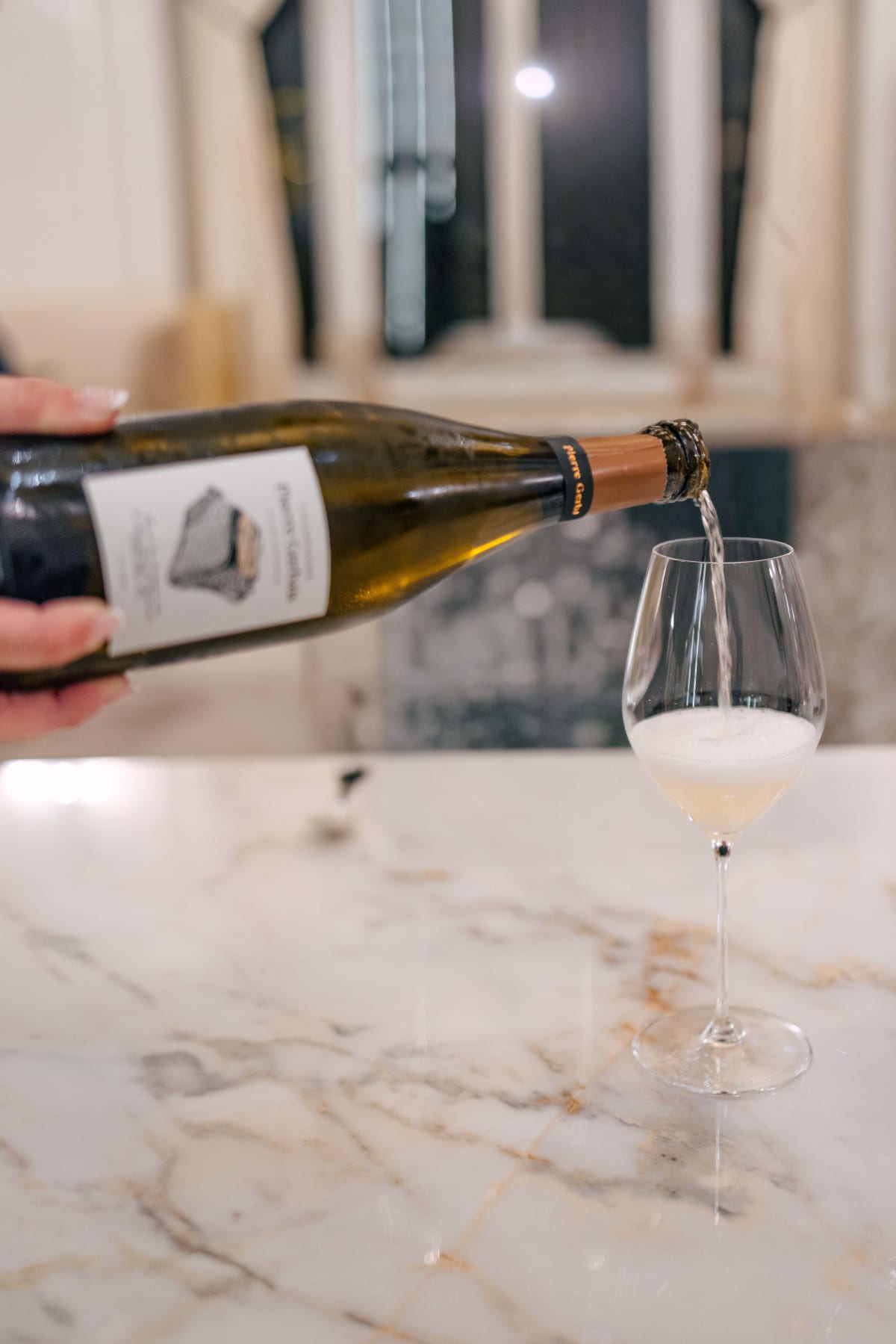
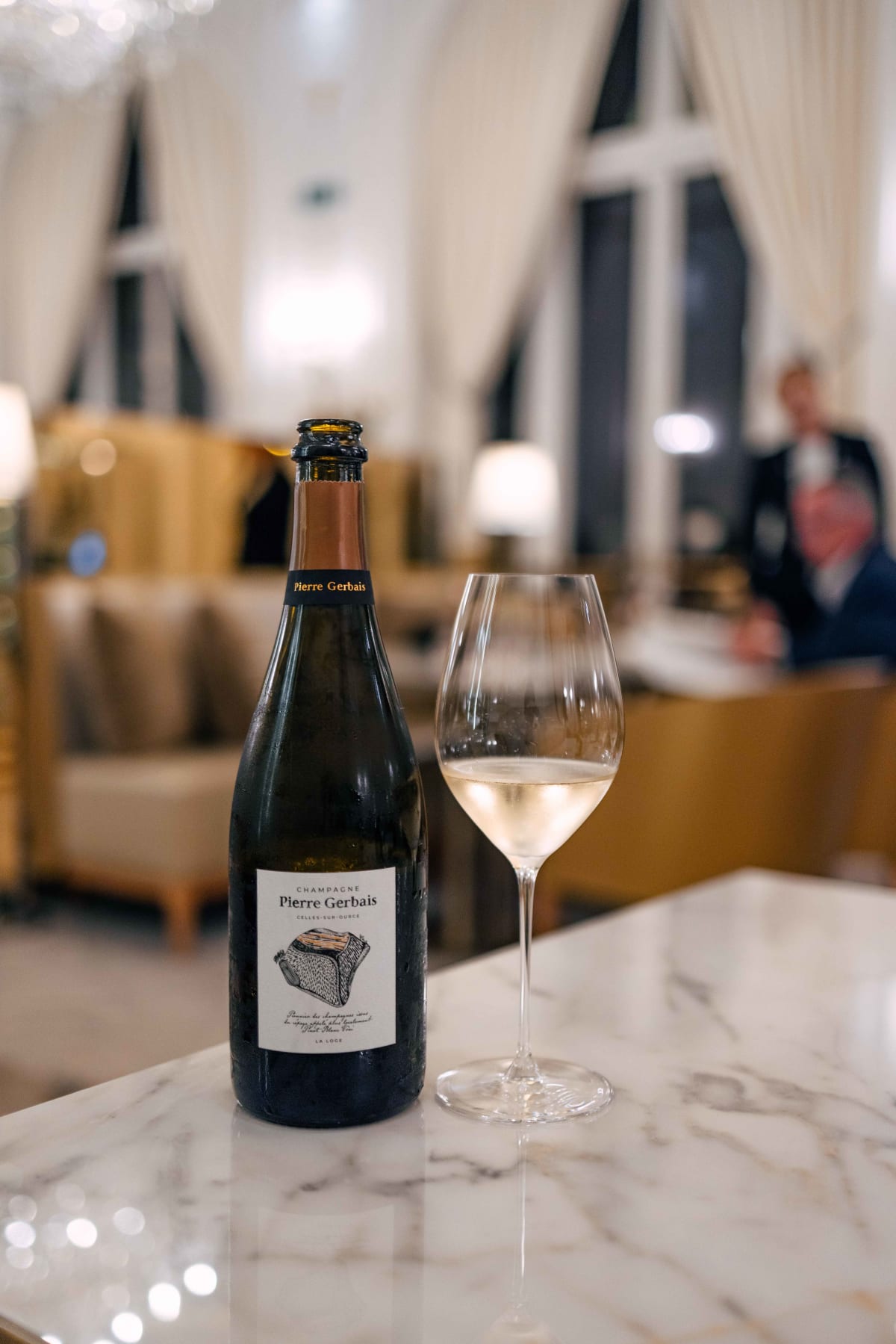
La Loge is one hundred percent Pinot Blanc from ninety year old vines in the single parcel of that name, blended with a perpetual reserve running from 2011, raised thirty-six months on the lees and bottled as an extra brut with three grams of dosage. So it is plainly a blanc de blancs made only from white grapes, but the white grape is not Chardonnay. It is one of the very few Pinot Blanc cuvées in all of Champagne.
The next pairing was listed as Dreamy Clouds by Rihaku. But then Dassai 45 arrives? What is this? Nihonshu appearing in the middle is a combination that comes up often in Korea too, so I understand it, but what came was a Dassai 45 that was not on the card. Dassai 45 is easy to drink plenty of in Korea or Japan and it is not a taste of the highest order, so it did not move me much. If anything, after drinking champagne straight through the trip, drinking nihonshu brought its particular aroma rushing in. As an Asian, Dassai 45 was a slightly disappointing part of the pairing for me.
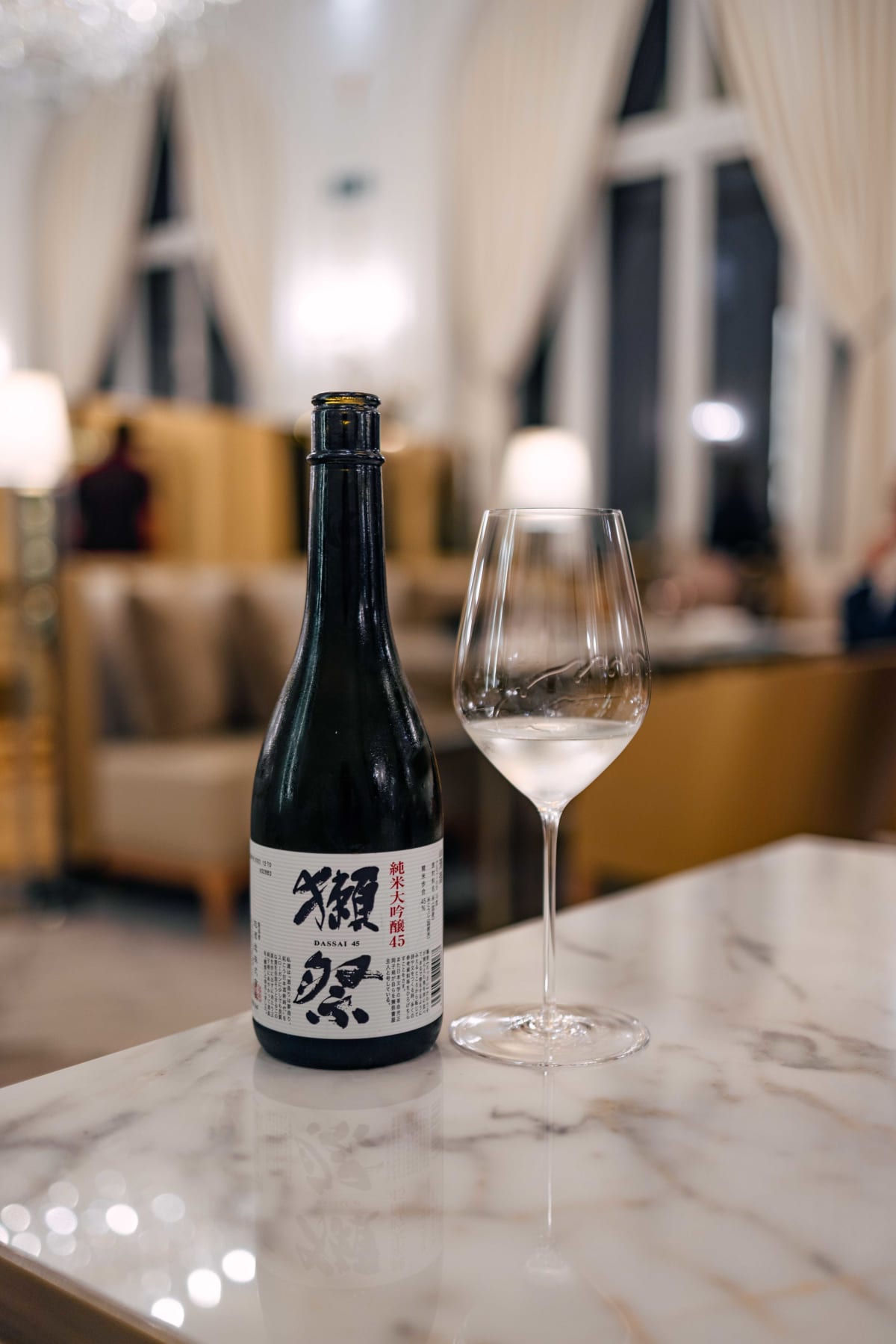
Dassai is a nihonshu made by Asahi Shuzo in Iwakuni, Yamaguchi prefecture, and the house is known for brewing everything to junmai daiginjo specification. The number after the name is the seimai buai, the proportion of the rice grain left after polishing. The 45 means Yamada Nishiki, called the king of brewing rice, polished down to forty-five percent, and in April 2019 it took over the standard slot of this house from the long-running bestseller 50. That is also why I found it common: it was designed as this house's baseline in the first place. The Dreamy Clouds by Rihaku printed on the card is made by a brewery in Matsue, Shimane prefecture, and is a rather different thing, so Dassai stood in for its place.
There was one disappointment that repeated later as well, which is that the drinks that came were different from the ones printed on the pairing menu.
Section 10·Octopus and Prawn
Looking at the name of the dish that came after the Roe Selection, it was DRY OCTOPUS ROYALE WITH CANDIED MORALETS, PUNTILLAS AND PULPET AND CRUNCHY PARSNIP CHIPS WITH OCTOPUS KATSUOBUSHI AND ITS JUICE. A Japanese-leaning dish that uses katsuobushi outright.
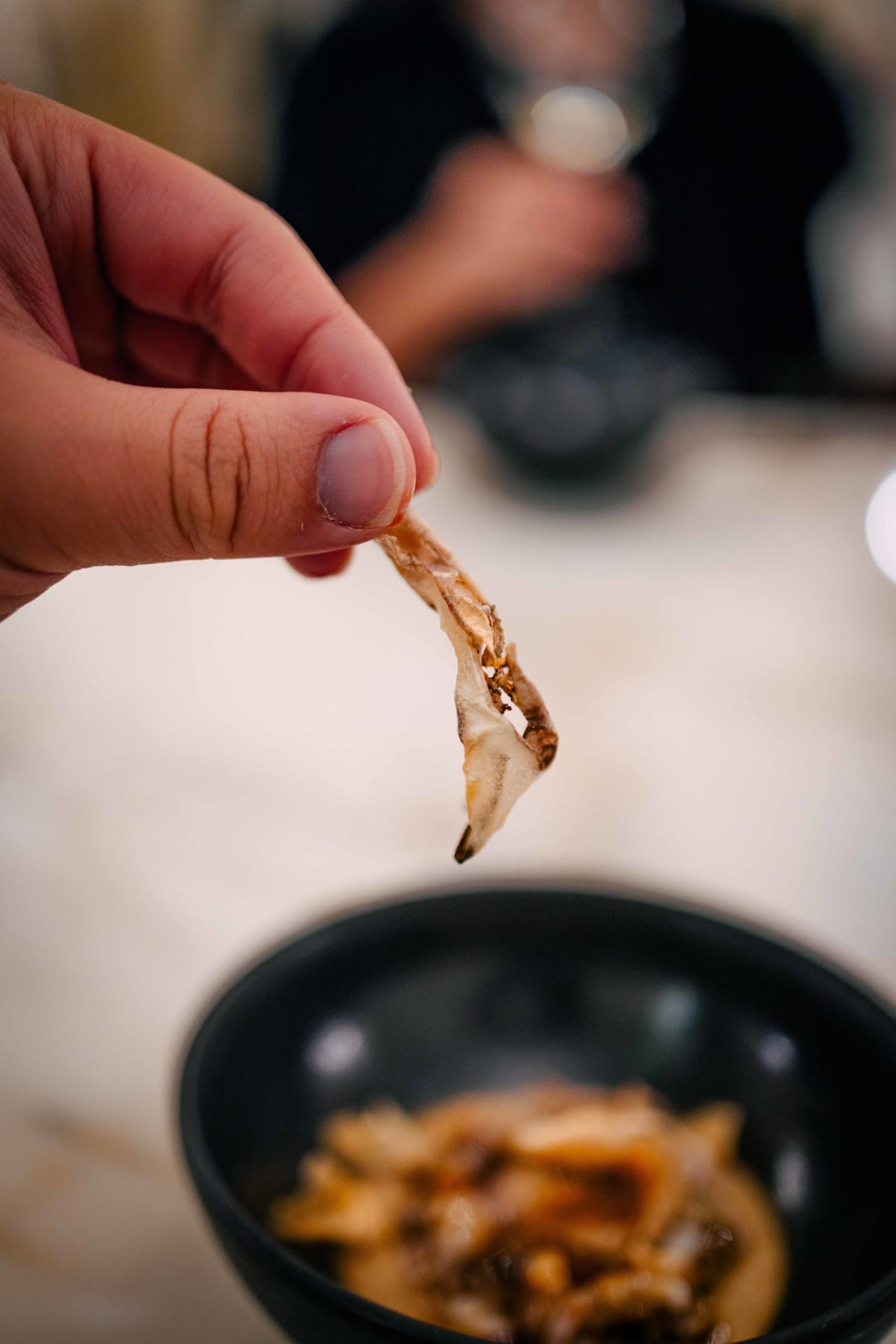
Well. What I think looking at this dish is, why go to the trouble of naming a menu item this elaborately. It said Octopus, but what came were tiny squid, small enough that I wondered whether they were hotaruika by the Japanese name. And among the chips laid on top, I think what I ate was the one the name calls Octopus Katsuobushi, and I am not exaggerating when I say it was like eating the thin part of a Korean highway rest stop grilled squid, the bit charred crisp. It was not that it tasted bad, but it was a dish with a lot of moments that drew a wry laugh.
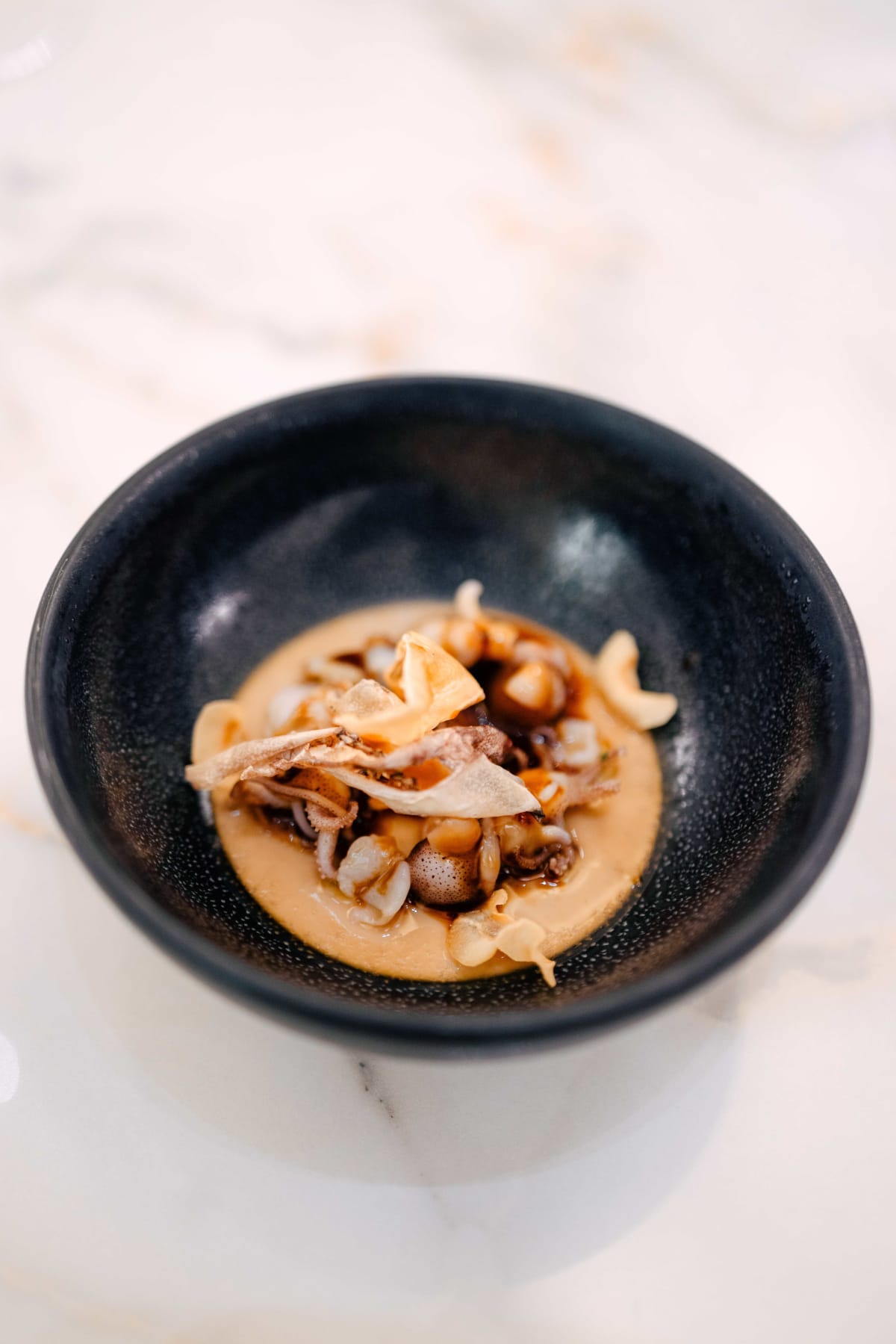
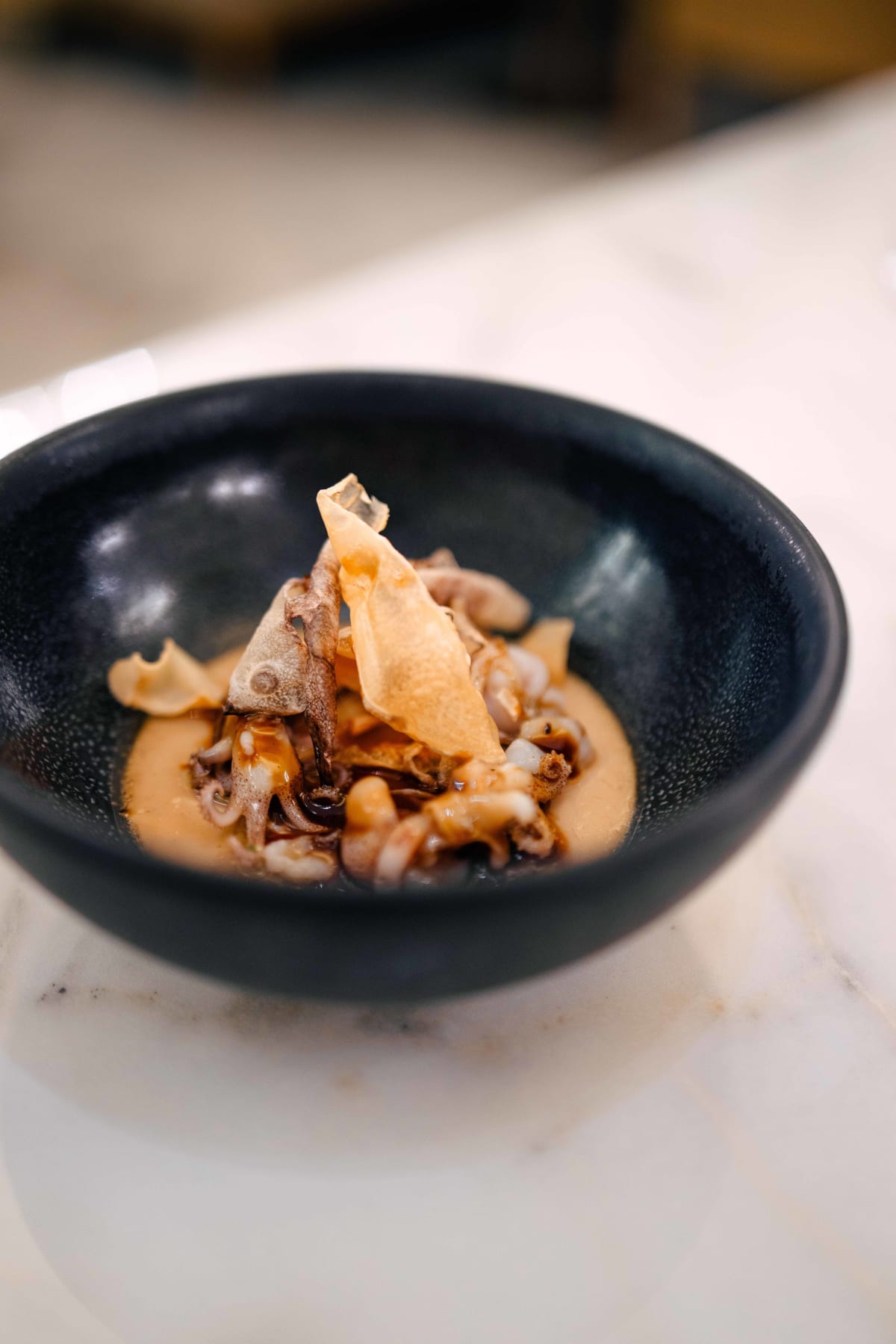
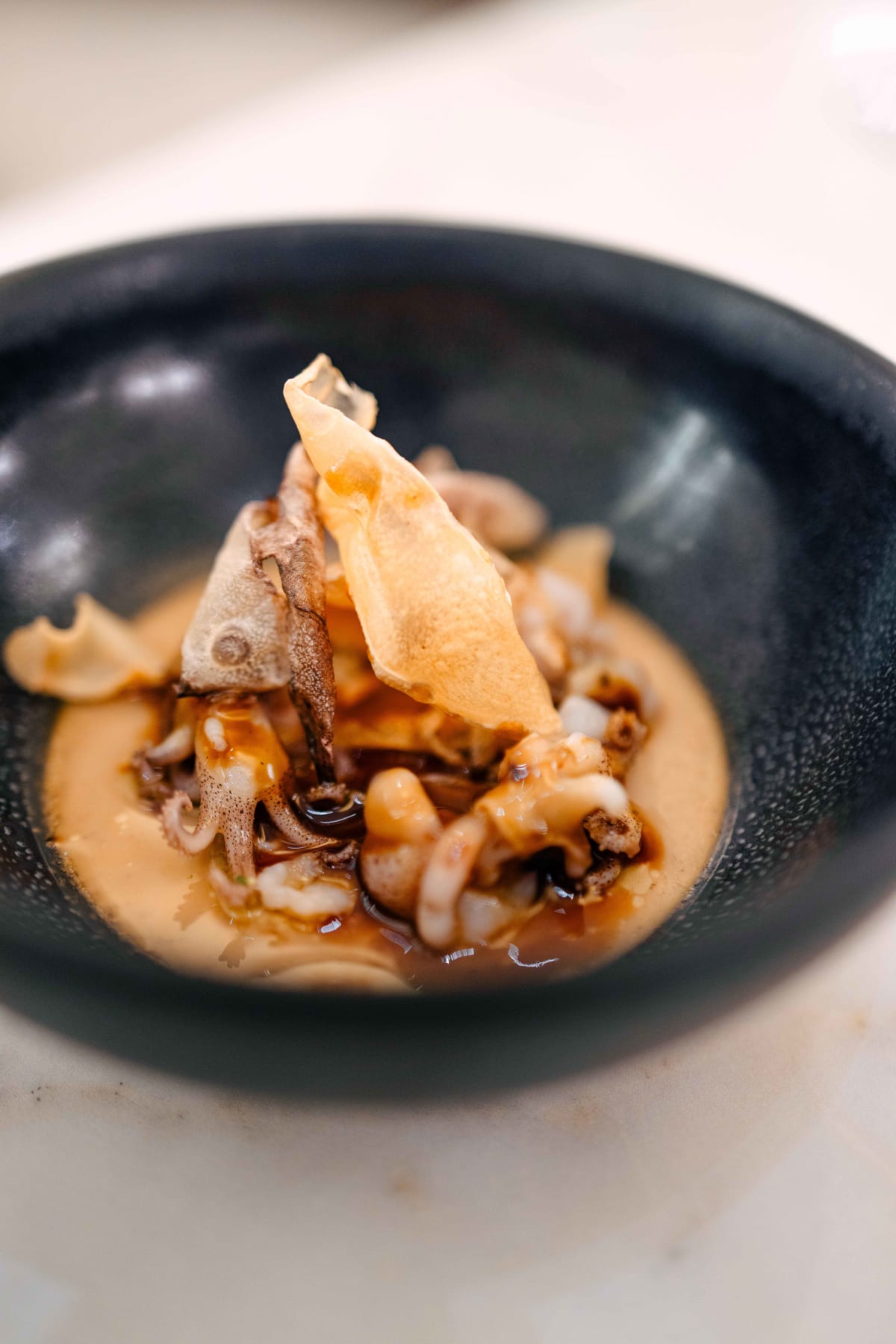
The parsnip chips were the part of the plate I remember most clearly.
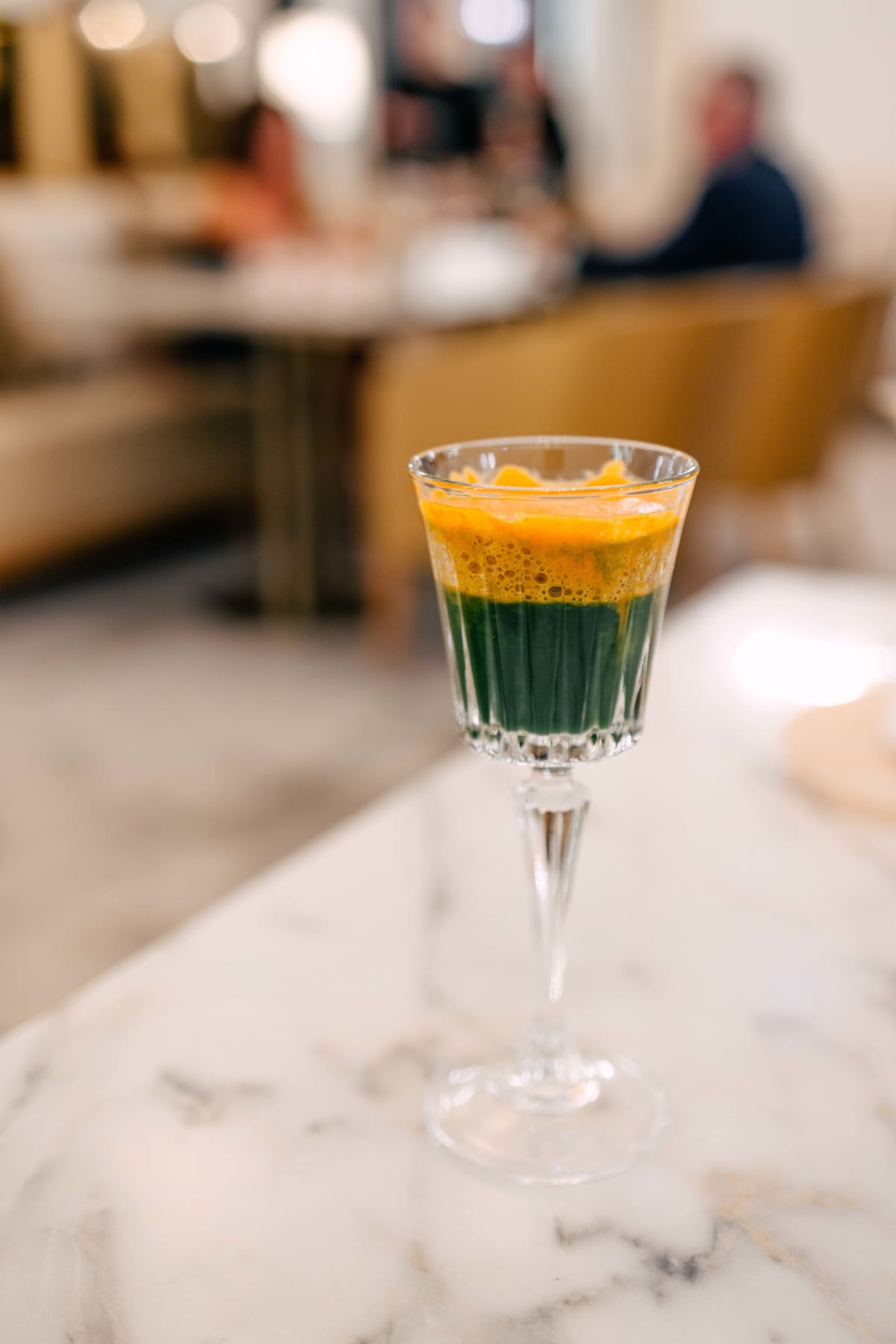
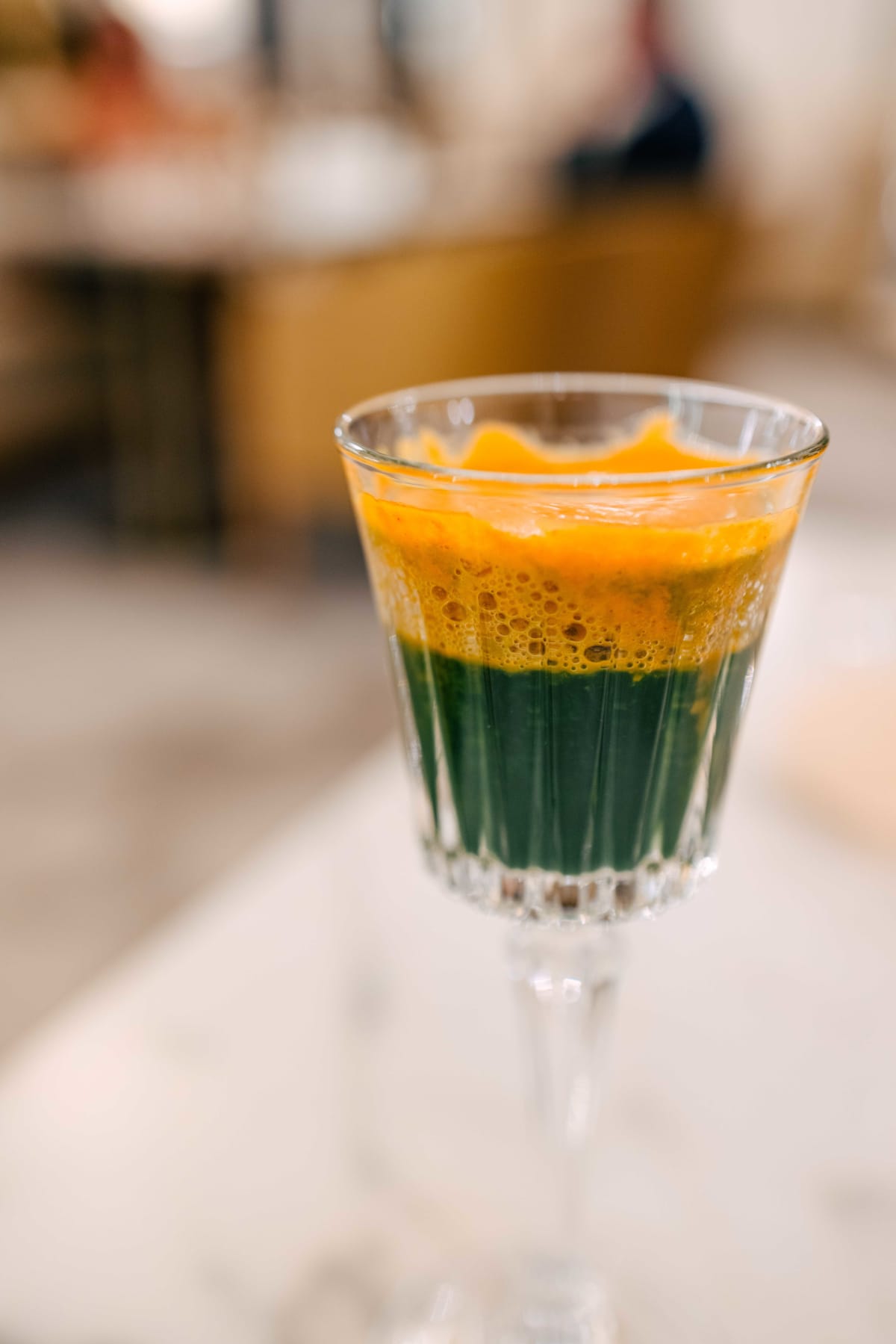
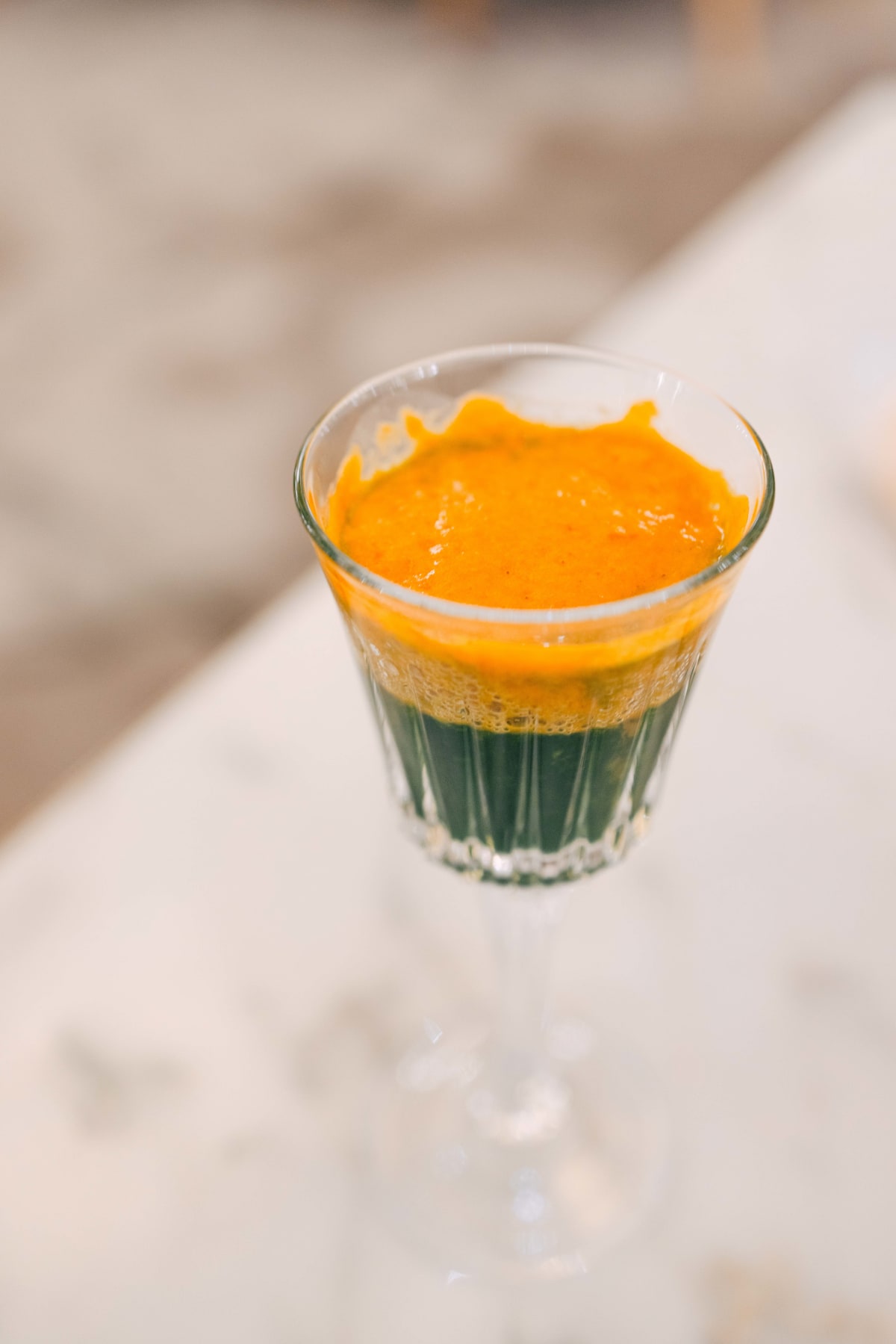
After that a gambero rosso, a red prawn, came cooked, and while I was blinking at it not being on the card they said it was a special not on the menu. It was my favourite ingredient of the whole Spain trip, so I was delighted. I peeled the shell diligently and sucked the head and the innards clean. Alongside the prawn they gave a glass with green mousse below and yellow above, a mousse that carried the flavour of prawn innards. I enjoyed that too.
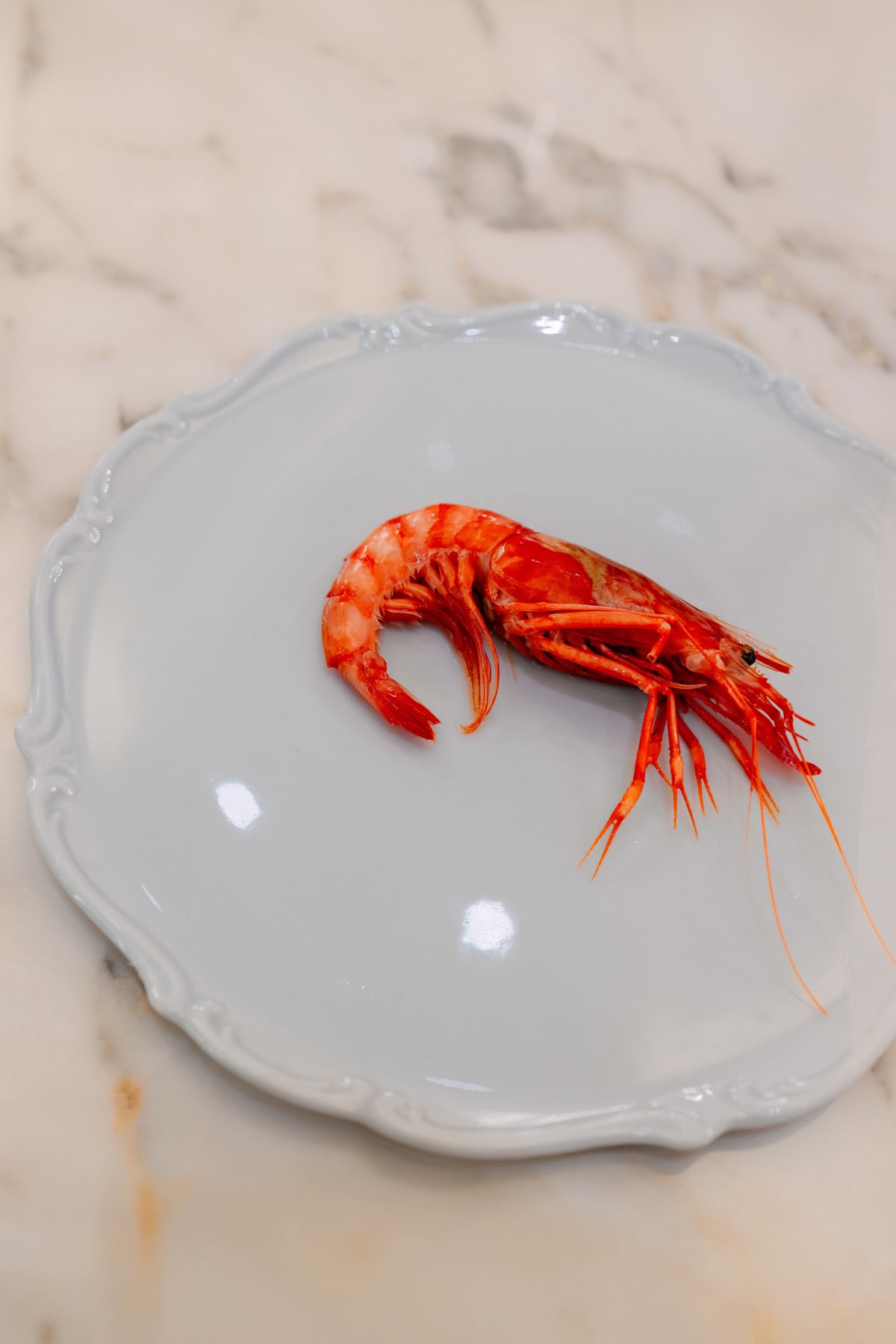
It came whole, to be taken apart by hand.
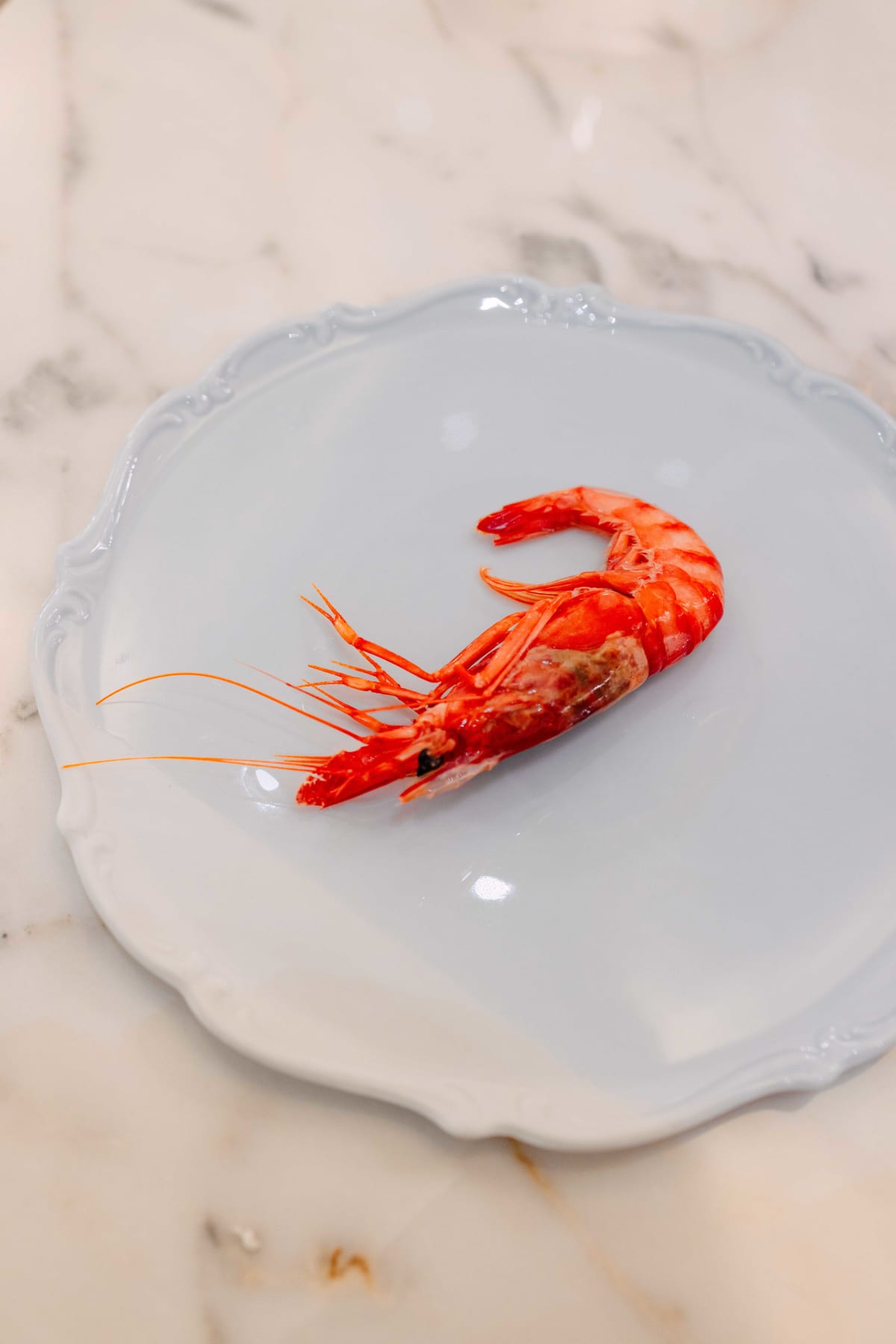
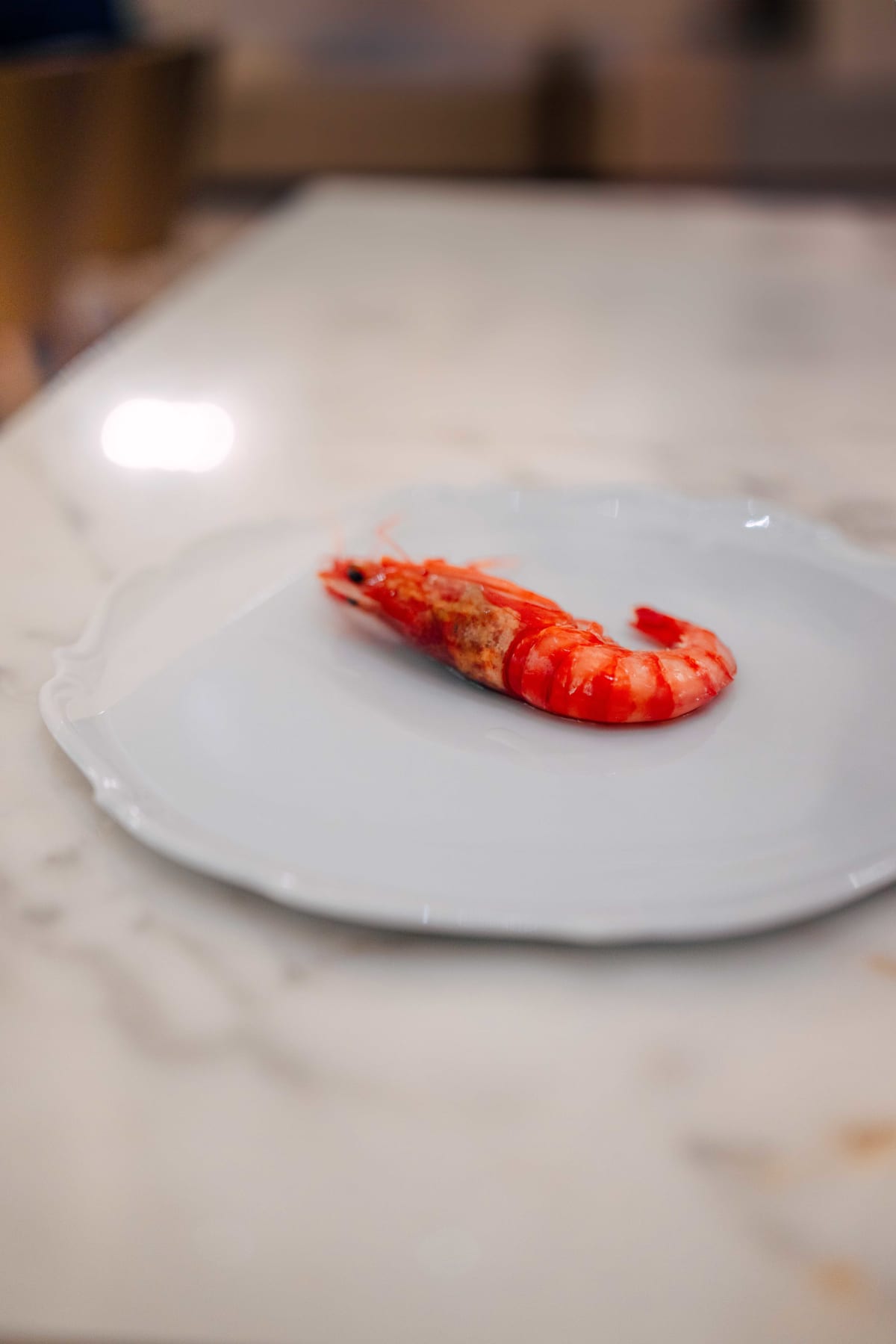
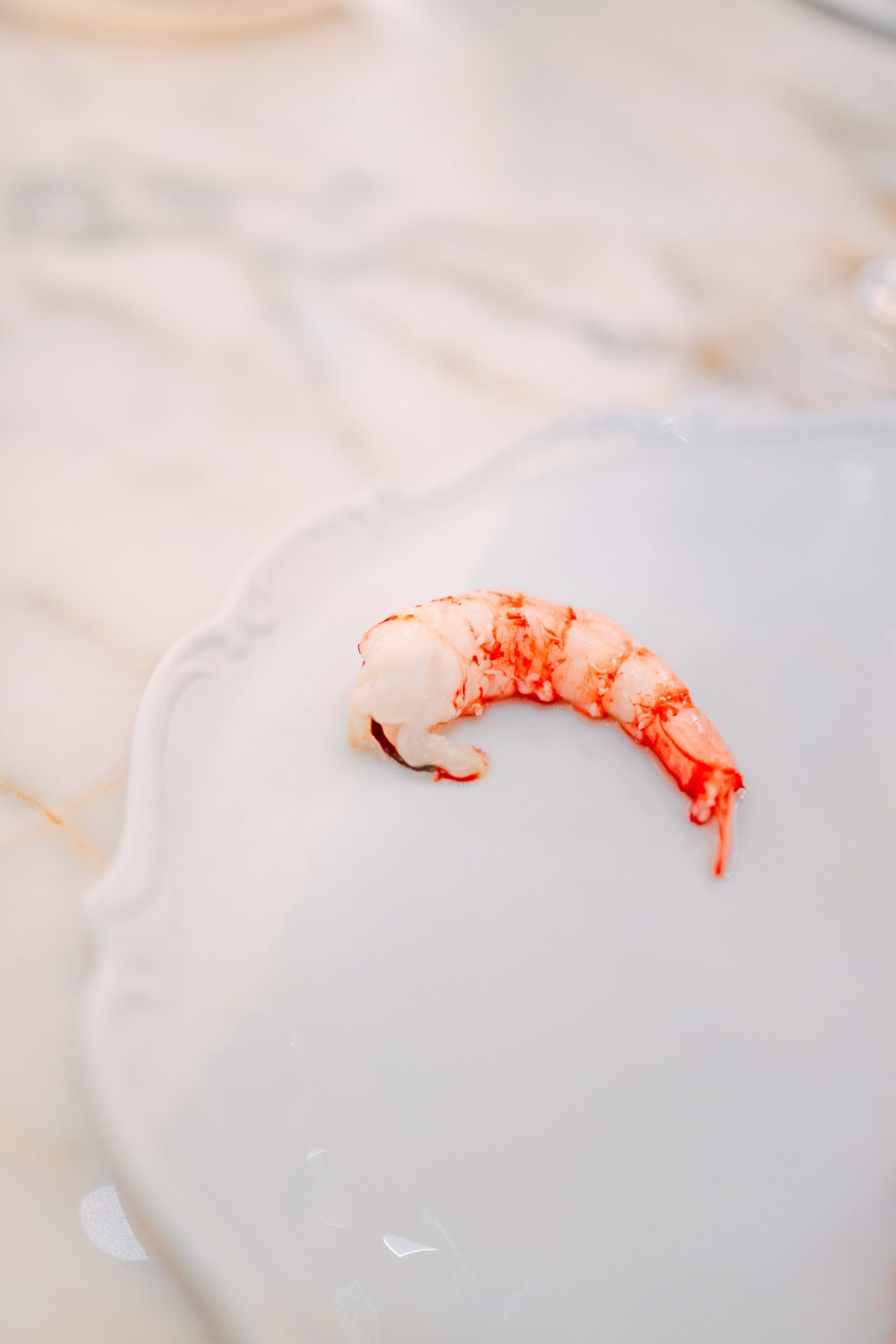
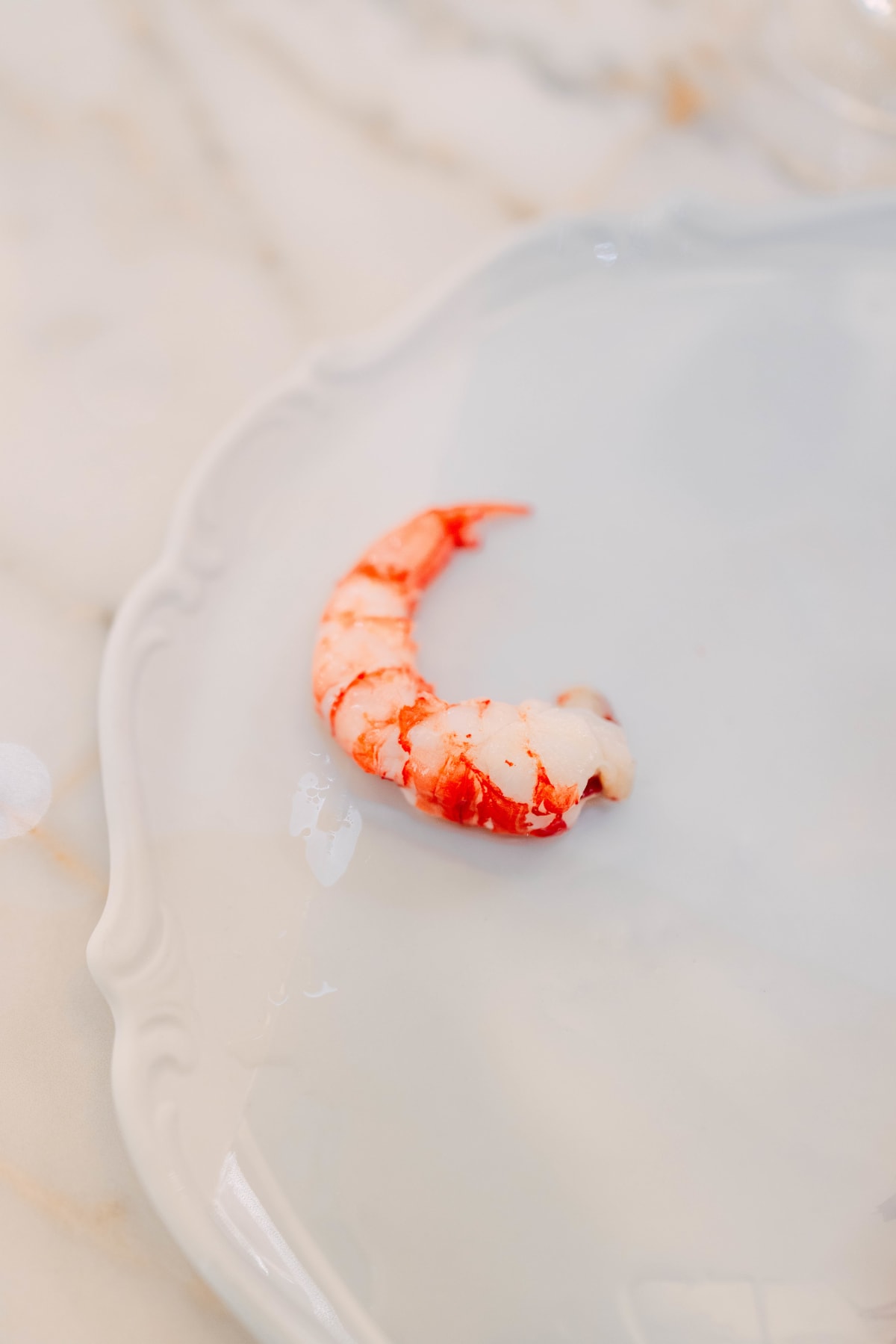
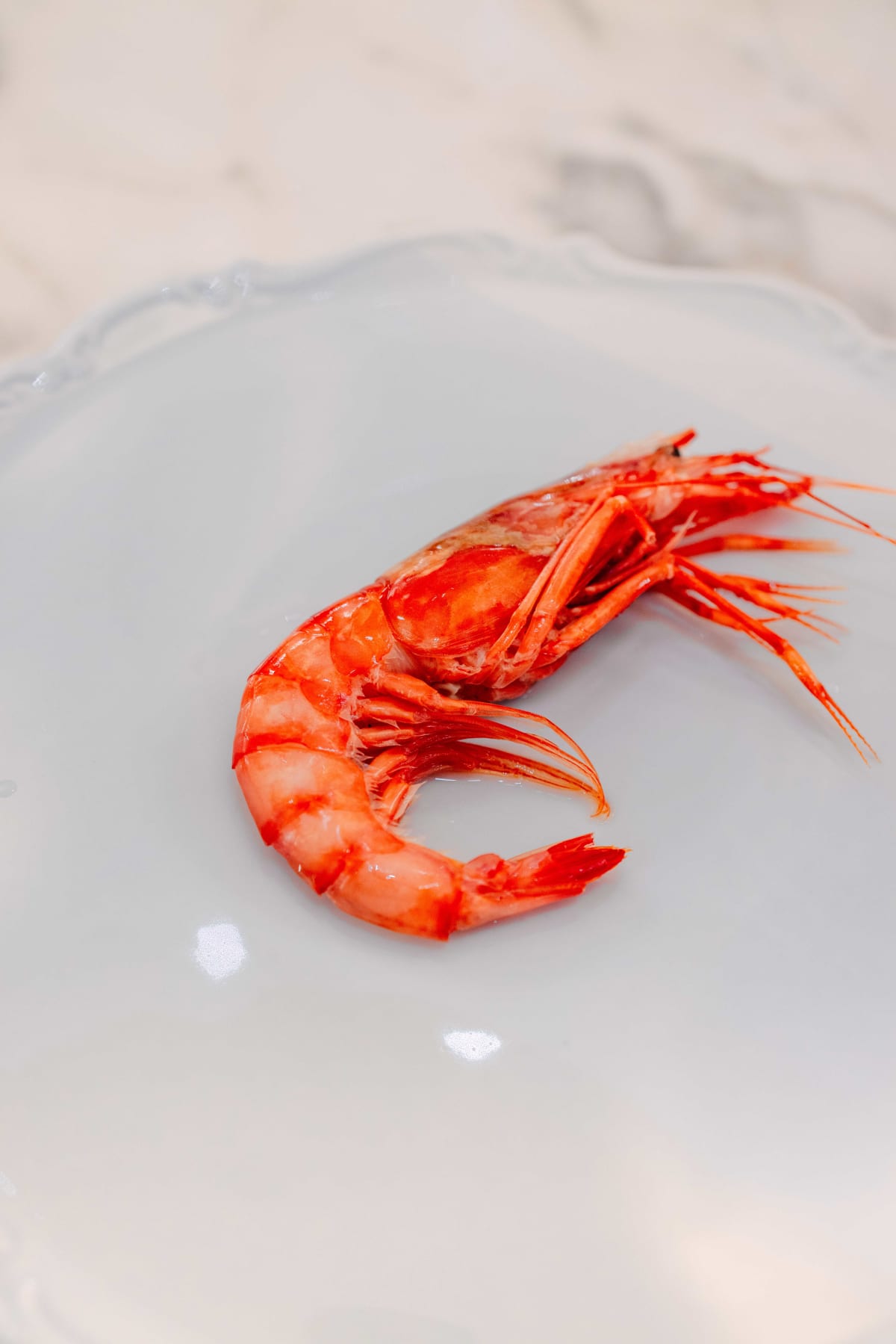
Alicante province, where Quique Dacosta sits, is especially famous for this prawn, and when I visited Quique Dacosta a similarly simple prawn dish came out. It was an axis of ingredient connecting two years of time.
Section 11·Bread, Turbot, Rice
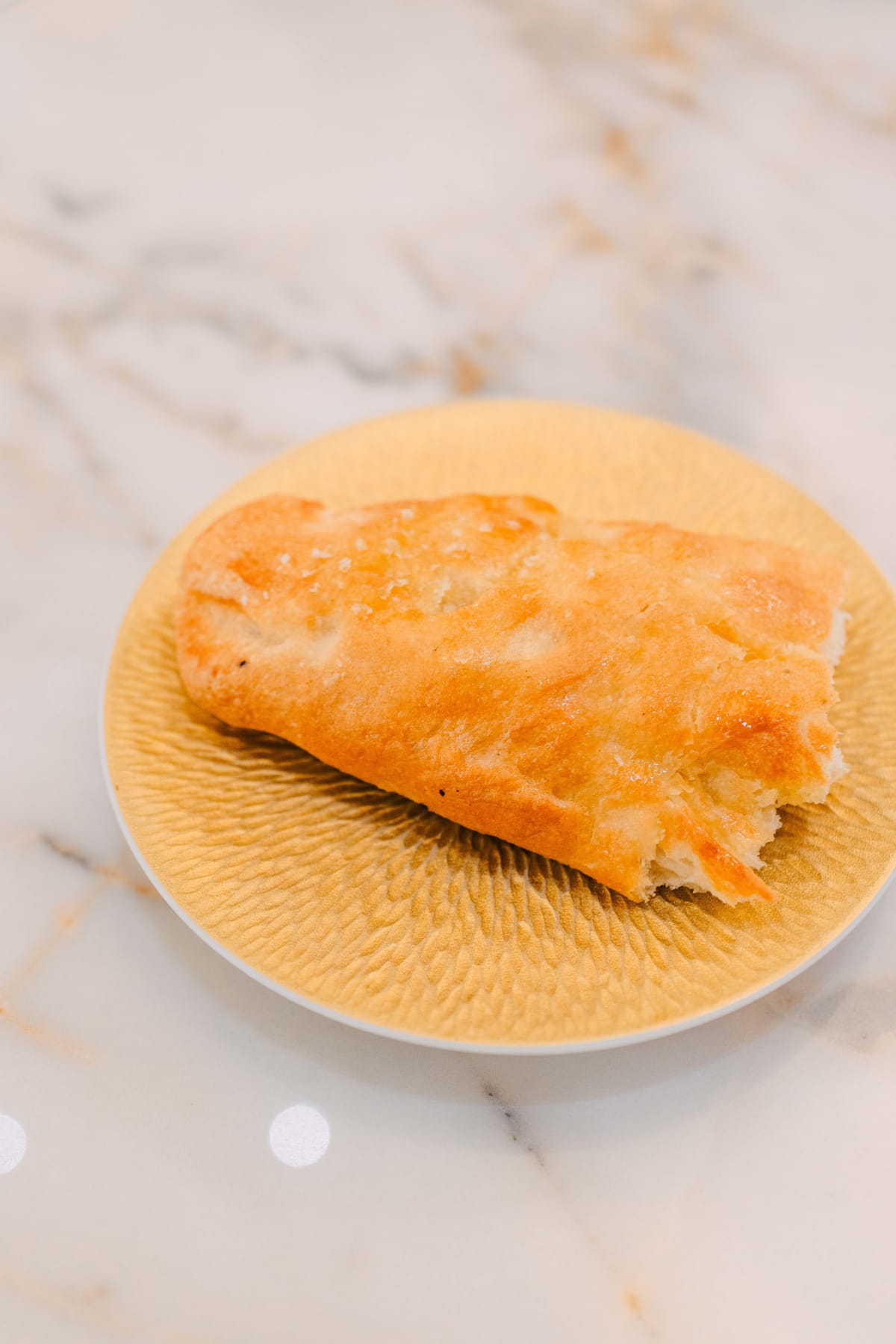
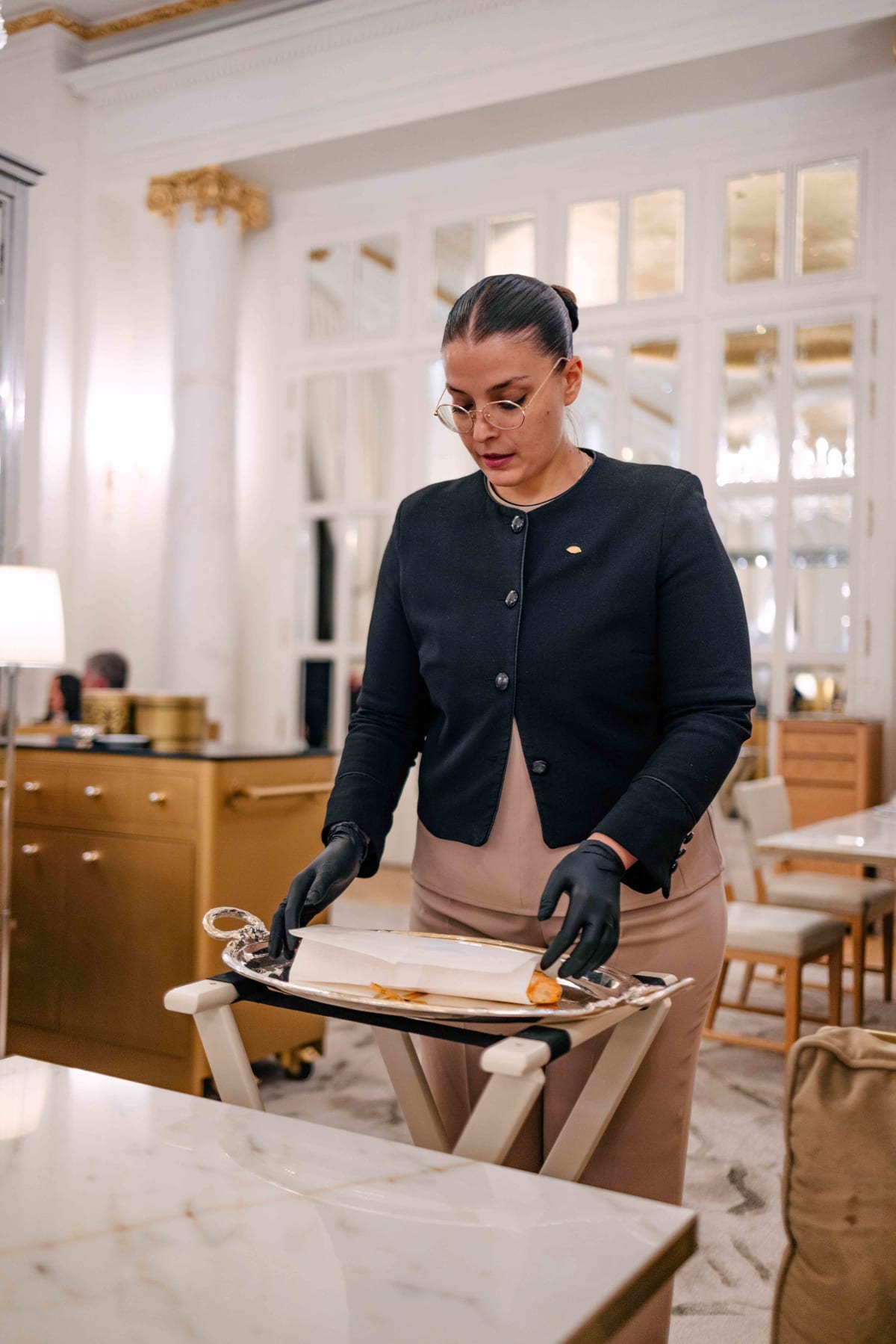
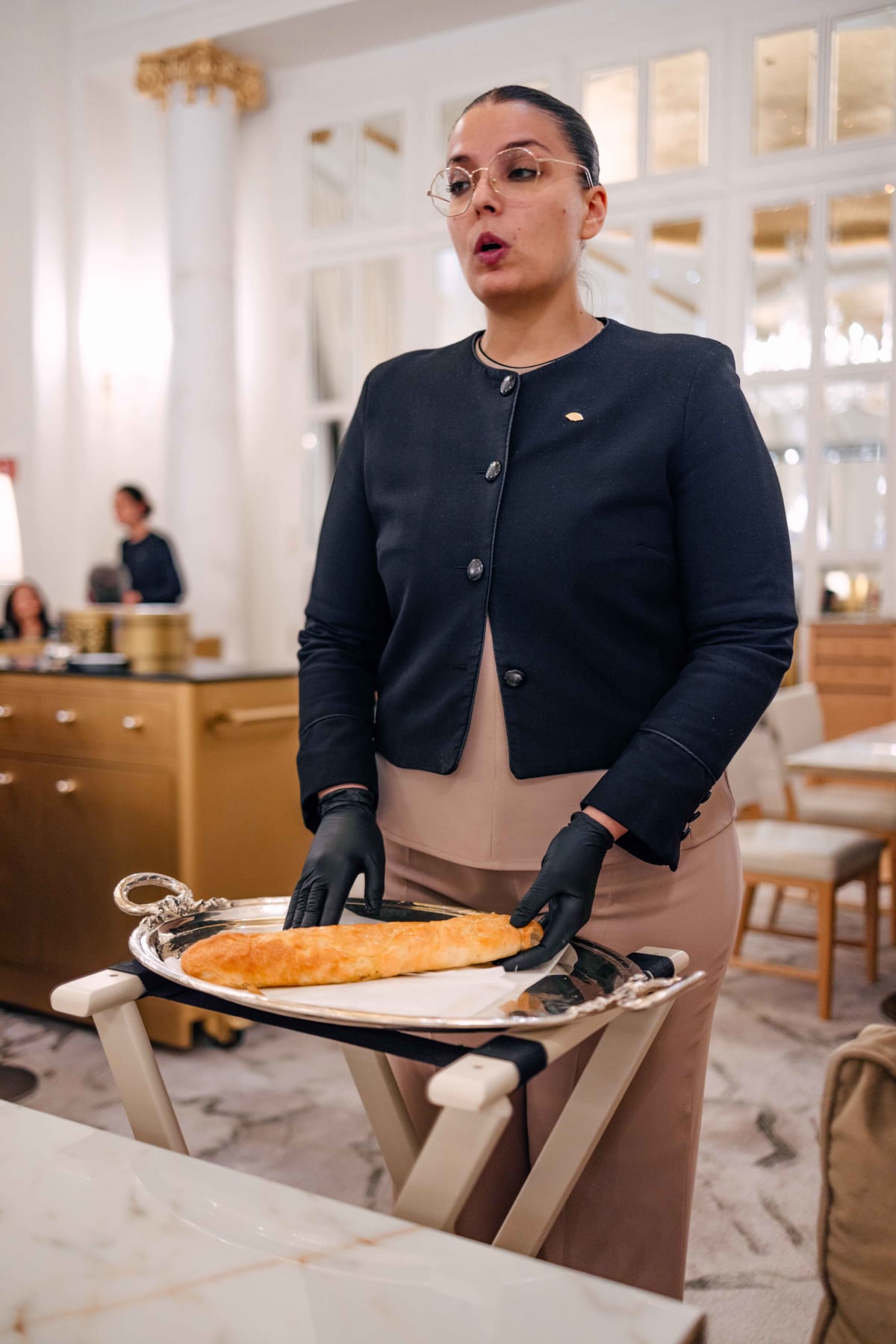
After this, as with the Roe Selection, a waitress wheeled a trolley over again, this time carrying bread wrapped in white cloth. The bread was named Extra Virgin Olive Oil Bread. That bread occupies a slot on the menu at all is unusual, and that a member of staff wheels a trolley over and tears it for you is unusual too, so I thought this must be bread the restaurant made with real confidence. I tried it, and the bread was good. Salty and moist, with good texture.
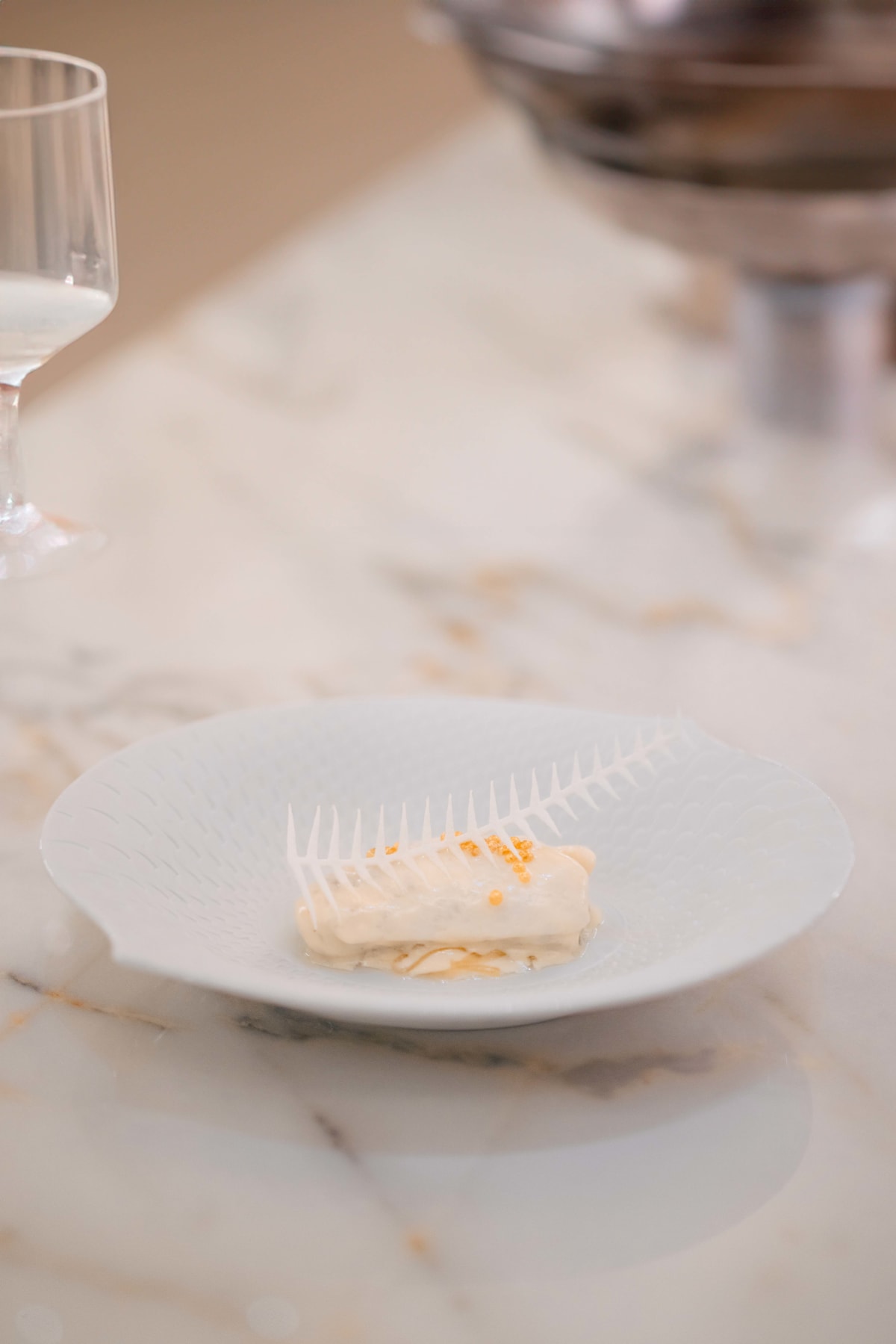
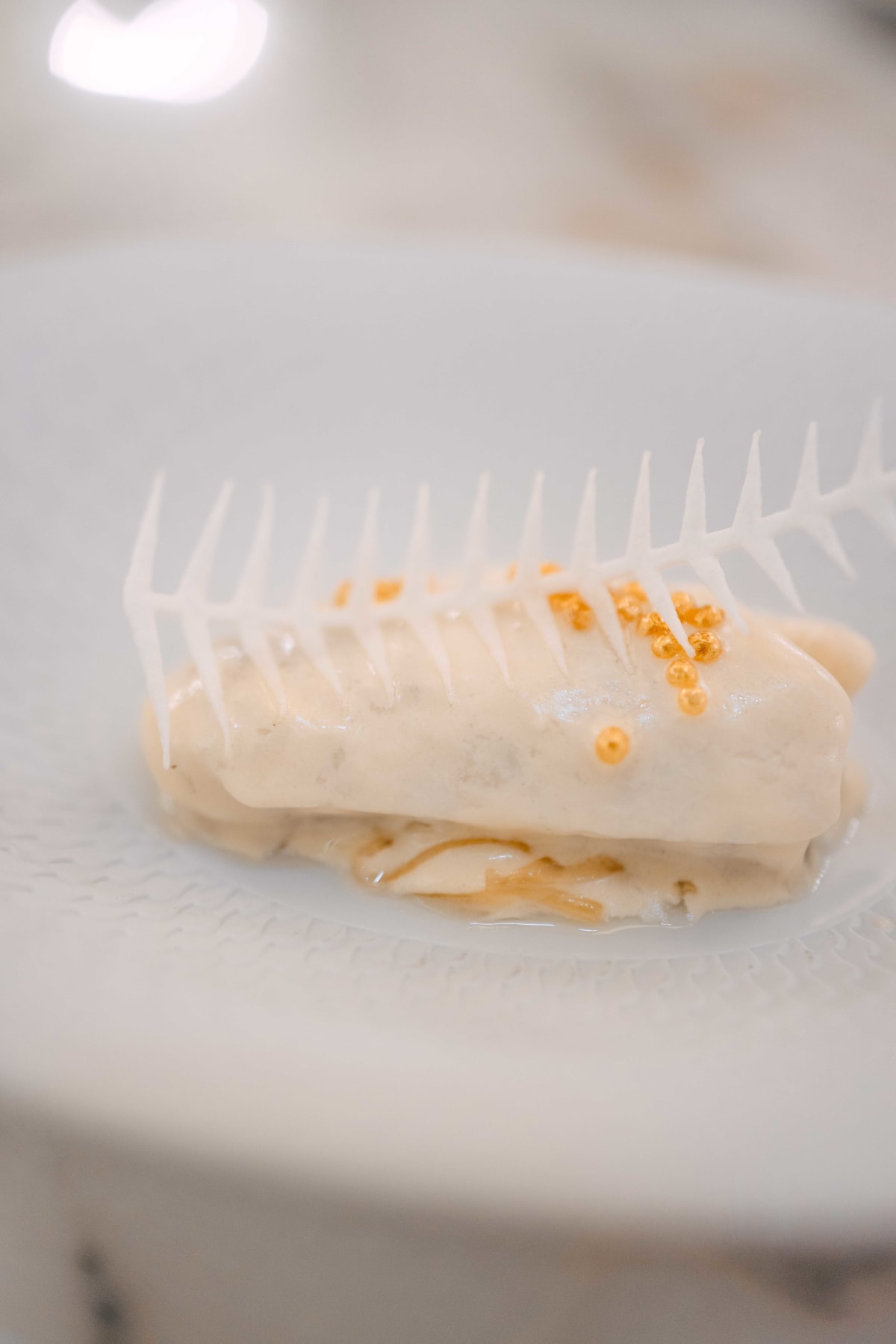
Deessa running into the latter half of the course. The fish dish that came next was Turbot in Sherry Sauce. A turbot dish covered in a beige sauce, with a cracker shaped like a fish bone on top that made an impression. The taste was slightly sweet because of the sherry sauce, but whether it was a sauce that suited turbot well, that I am not sure about, and it was a somewhat disappointing dish.
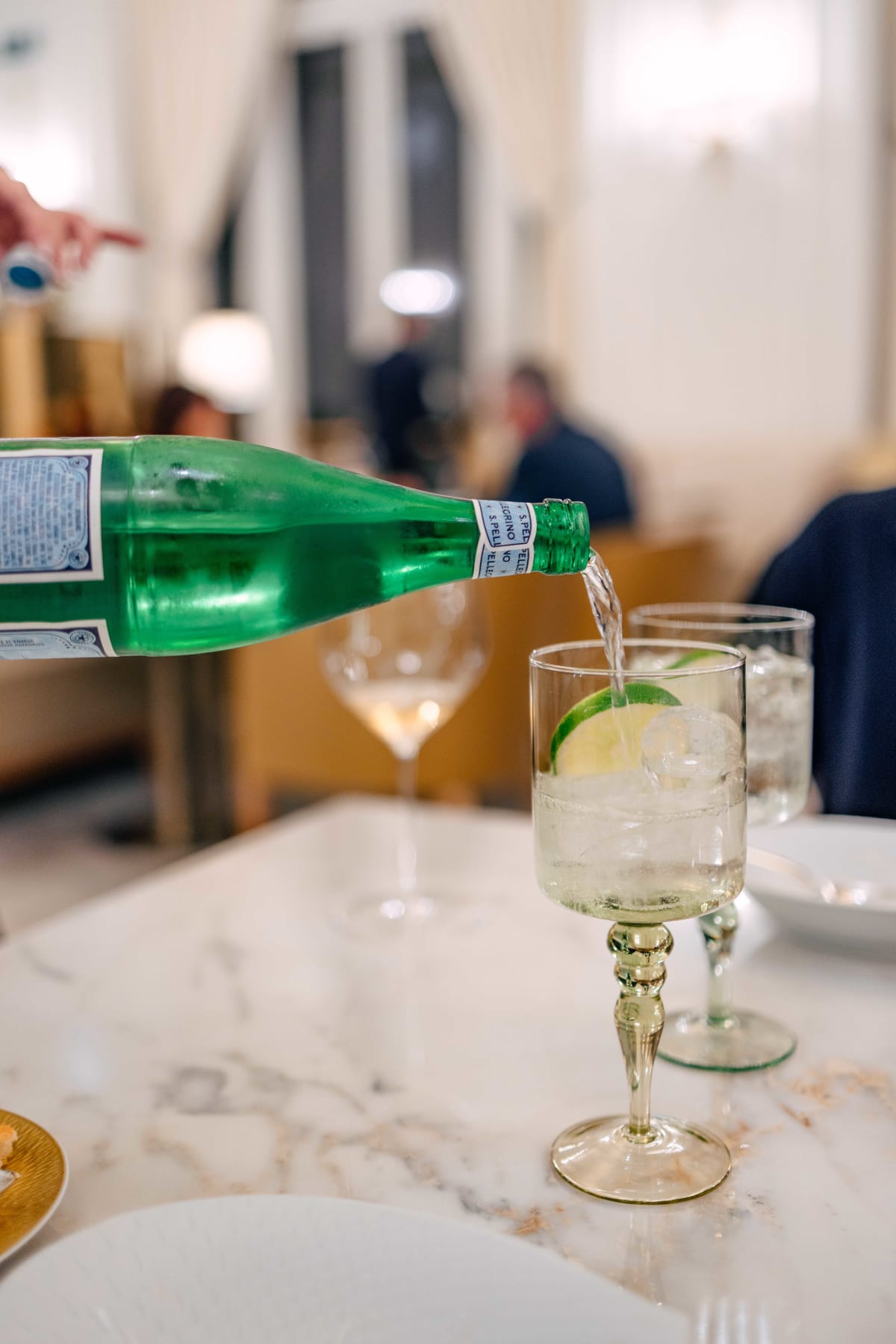
The sparkling water was topped up throughout.
The last seafood dish before the meat course was 'Albufera' Rice with Marbled Oyster and Pesto Seaweeds. It was not at the level of the best, but this dish left an impression too and was among the things I ate happily.
The Albufera of the name refers to the lagoon south of Valencia and the area around it, the heart of Spanish rice culture and of paella. Rice is also a core material running through Dacosta's career. A chef who started at a house serving rice dishes in Denia now serves rice under the name of the Albufera in a Belle Époque salon in Madrid, which makes it the plate in the course that calls his hometown by name most directly.
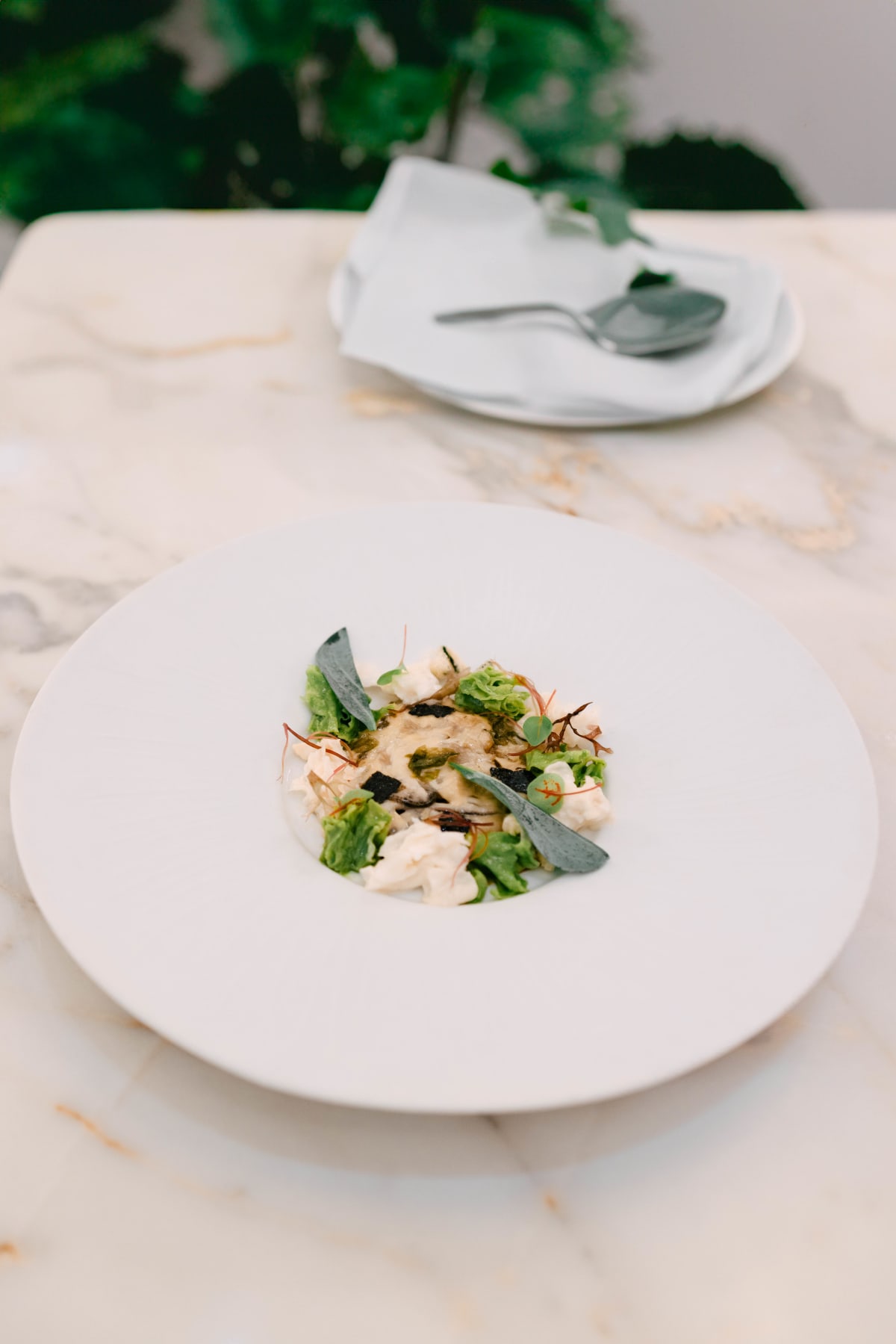
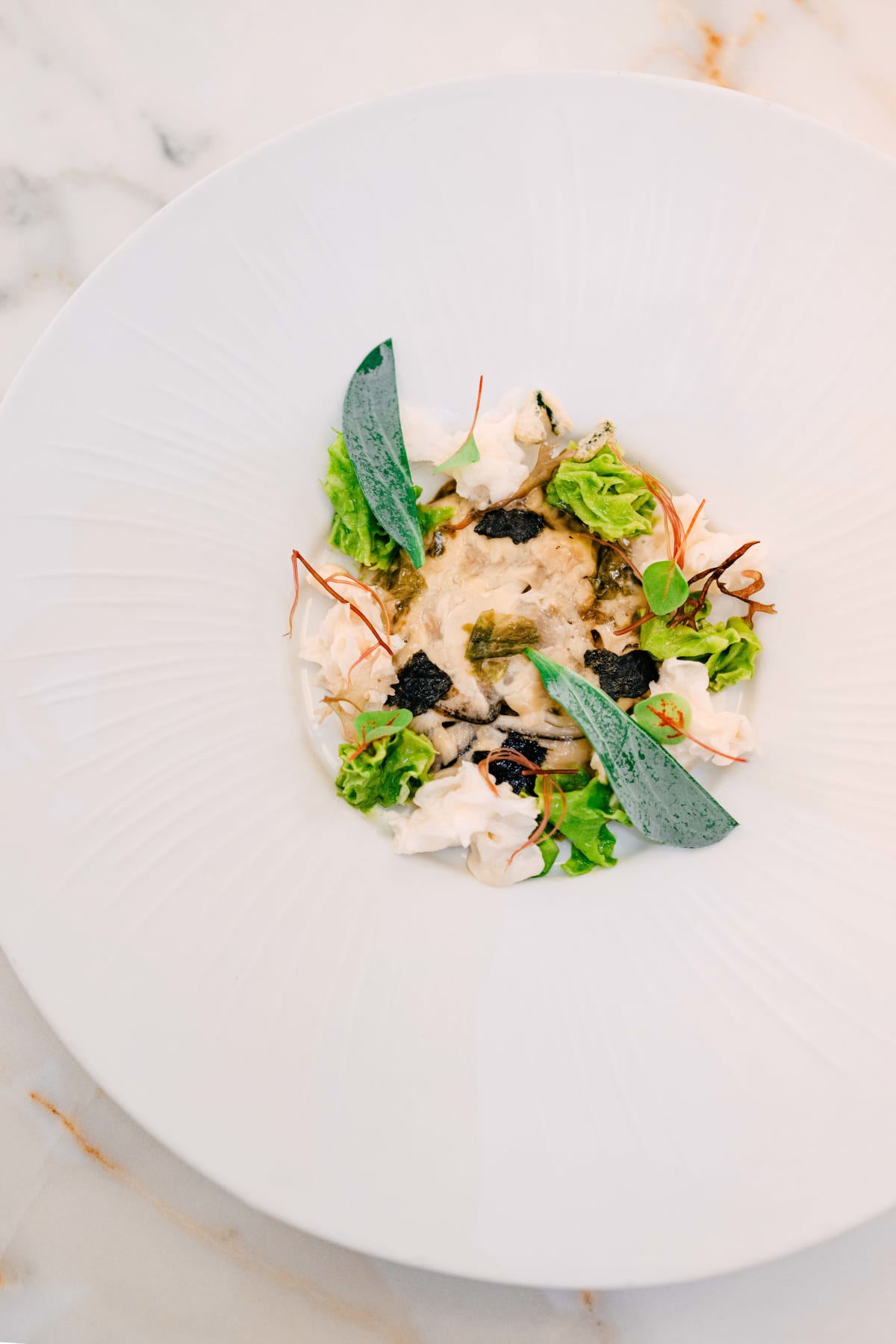
Underneath was the rice and on top came seaweeds and oyster, and eating all the elements together the flavour of the oyster spread and the texture was good. The crunch of the seaweeds laid over it was particularly good on the texture side. As a drawback, perhaps because Madrid is inland, the quality of the oyster did not seem to be top grade. There was a faintly fishy note to it.
Section 12·Three Whites
Apart from the bread, the middle of the course was a run of seafood, and the pairings were mostly white wines. Cuvée Rapadal by Alvar de Dios 2016, Trebbiano by Emidio Pepe 2020, and Bourgogne Aligoté by Philippe Pacalet 2020, in that order. Spain, Italy, France in sequence, which made an impression.
Each of these three glasses has a story. The first, the Vagüera Cuvée Rapadal of Álvar de Dios Hernández, comes from a vineyard at a place called Rapadal in El Maderal, Zamora. Vines planted in 1920 on red clay at between nine hundred and twenty-five and nine hundred and fifty metres, north facing, ringed by cork oak forest, and the phrase Viña Promiscua on the label means precisely a vineyard planted with several varieties mixed together.
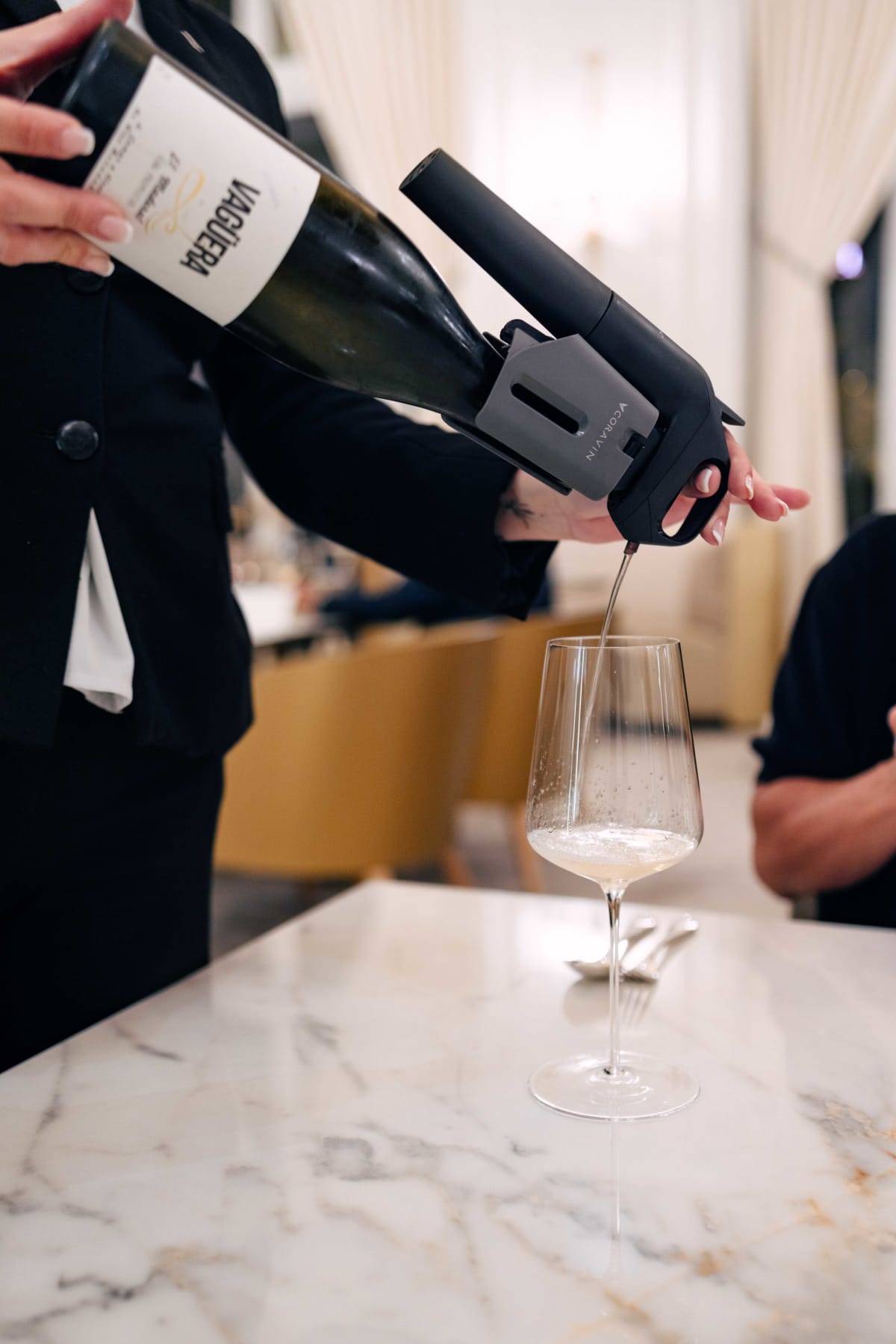
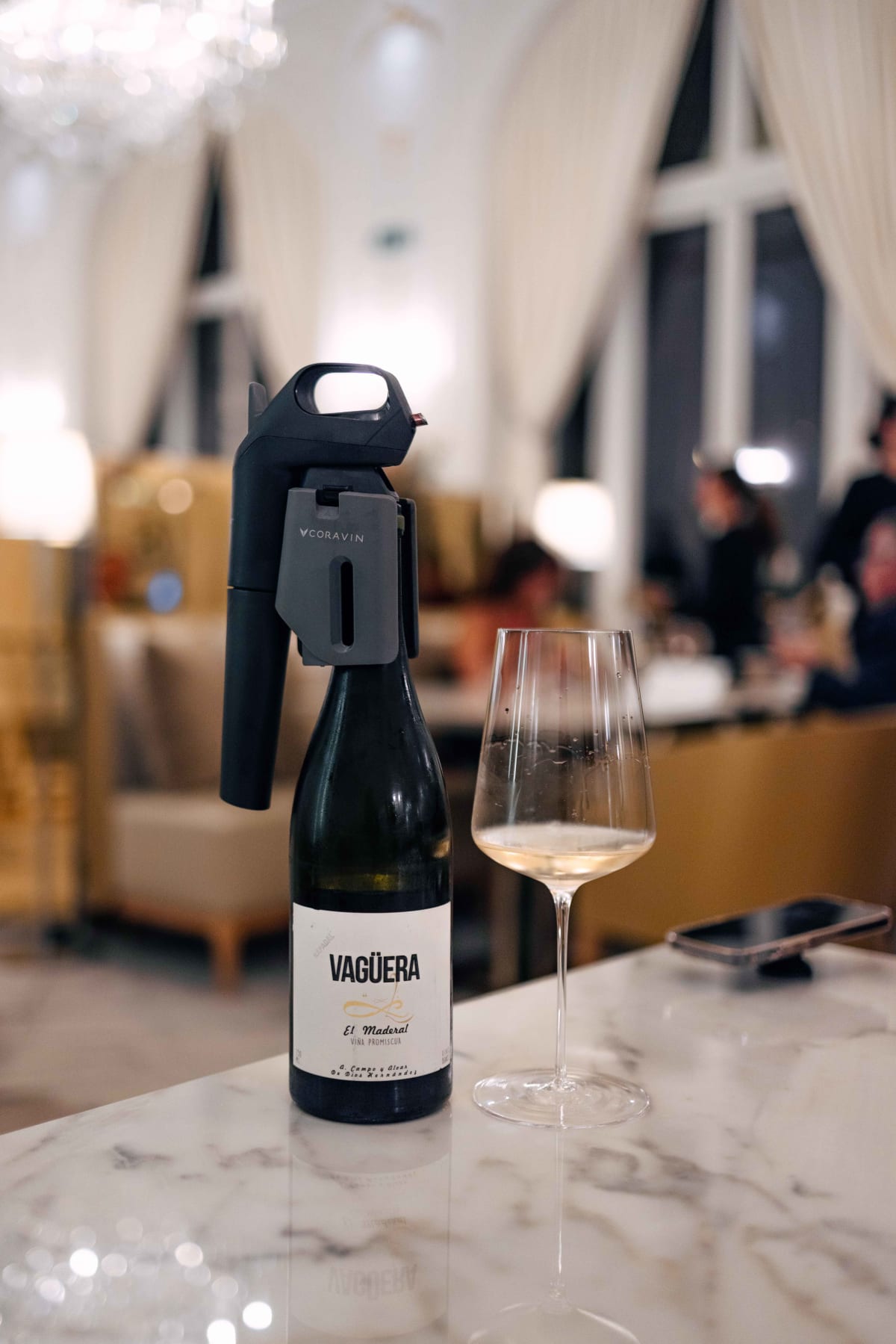
More than twelve indigenous white varieties survive in that vineyard, and Rapadal gathers all of them except Doña Blanca. It is not made every year, and only about five to six hundred bottles come out of a vintage.
The second glass, Emidio Pepe, was only a little confusing in the spelling of the name. It is a legendary producer of Abruzzo. The family has grown grapes in Torano Nuovo since 1899, and in 1964 Emidio Pepe took it over and became the first in the area to bottle his own wine.
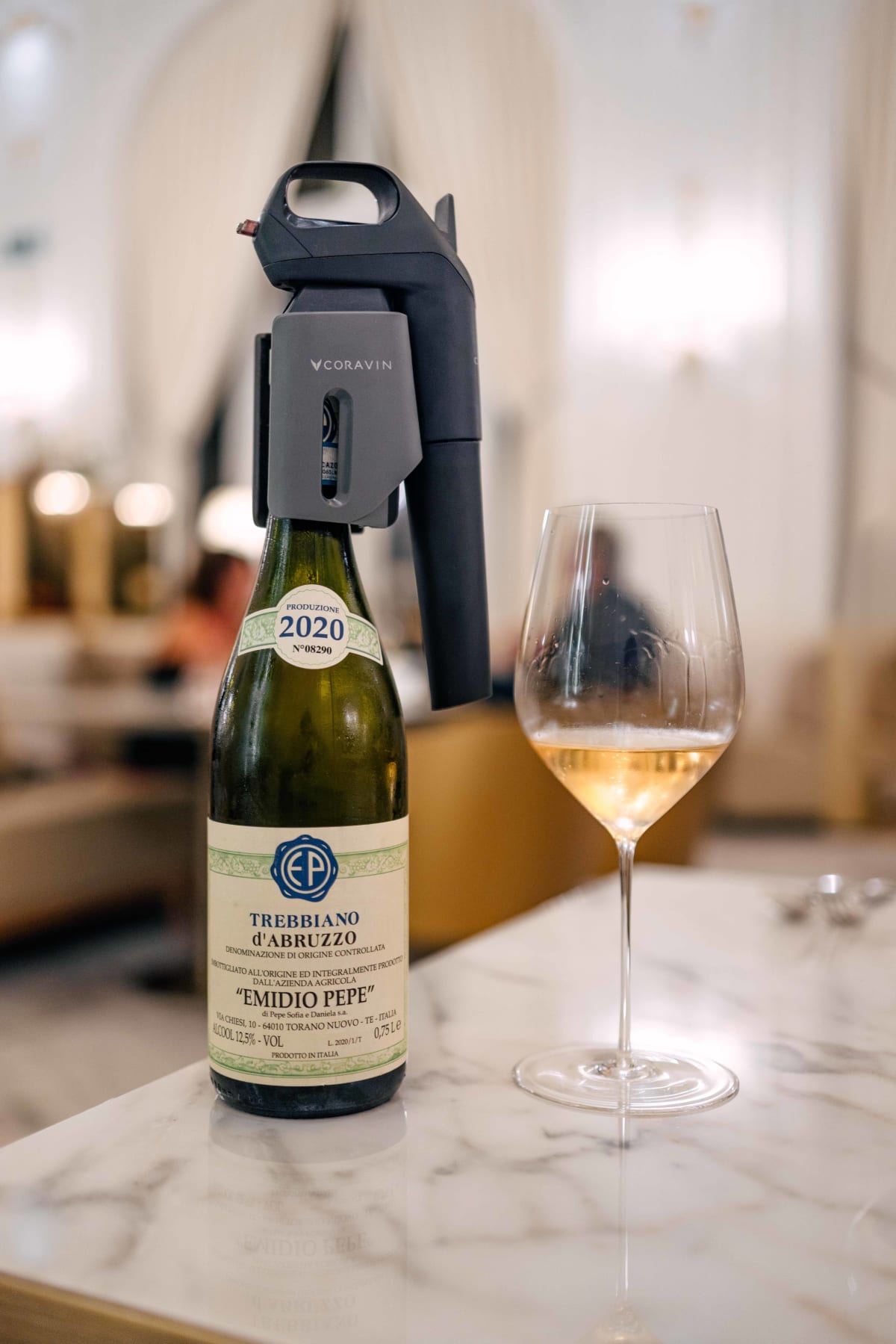
At the time the neighbours took him for an eccentric, since selling wine young was common sense, and what he wanted to prove was that Trebbiano and Montepulciano could last for decades. The Trebbiano is still foot-trodden in wooden tubs, fermented on native yeasts and raised eighteen to twenty-four months in glass-lined concrete tanks before bottling unfined and unfiltered. Oak has never once been used.
The third is the Bourgogne Aligoté I found interesting that day, made by Philippe Pacalet. Nephew of Marcel Lapierre, the symbol of Beaujolais natural wine, he learned under his uncle from 1985 to 1991 and wrote his thesis on indigenous yeasts under Jules Chauvet, called the father of natural winemaking. He then handled the winemaking at Prieuré-Roch from 1991 to 2001, and in 2001 founded a micro-négociant under his own name in Beaune. He owns no vineyards, buying grapes on long-term contracts from growers farming organically or biodynamically, and his principles are whole-cluster fermentation on native yeasts, no sulphur added during fermentation, no fining and no filtration.
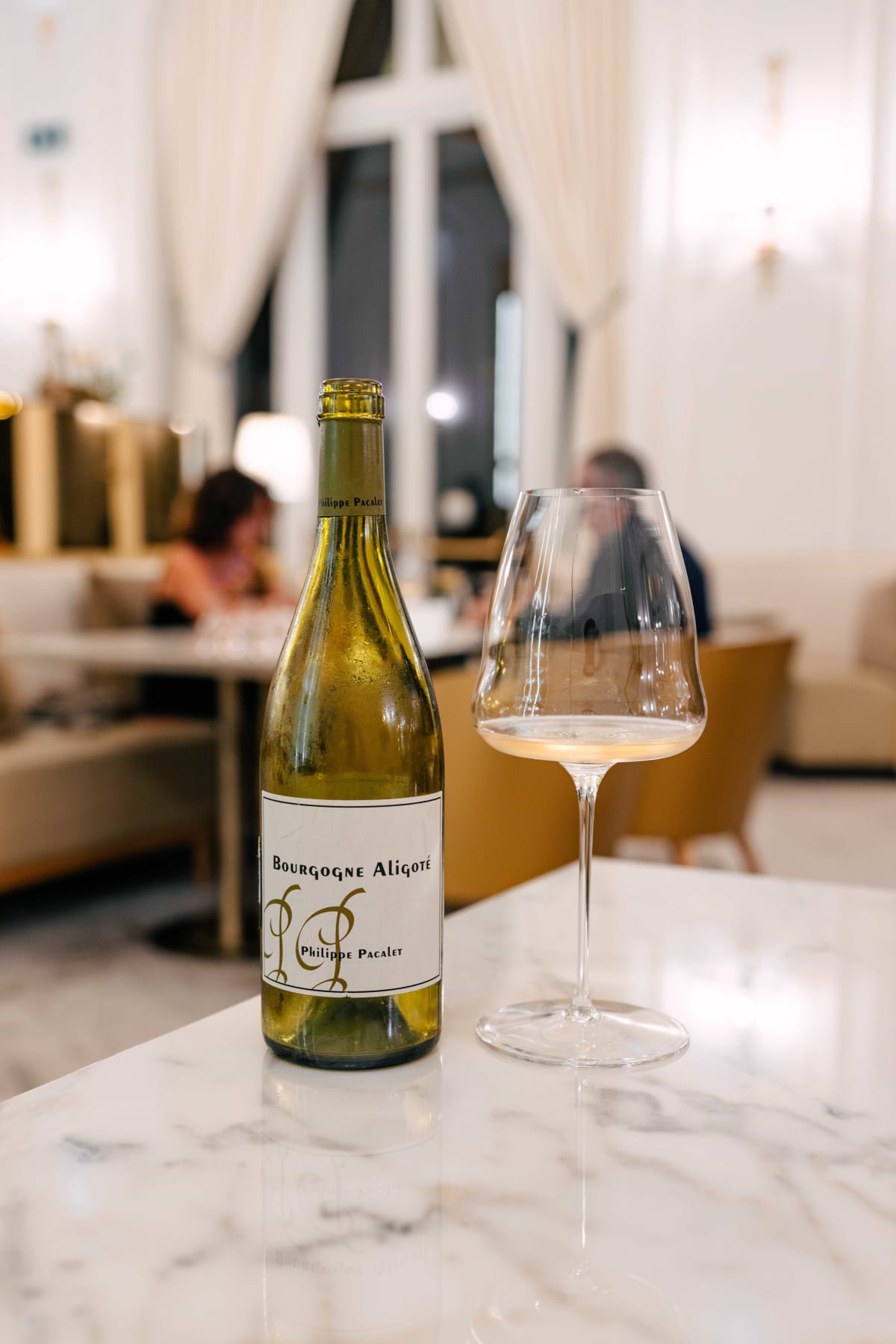
The wine I found interesting was the Bourgogne Aligoté. A white Burgundy made not from Chardonnay but from a variety called Aligoté, and an interesting wine.
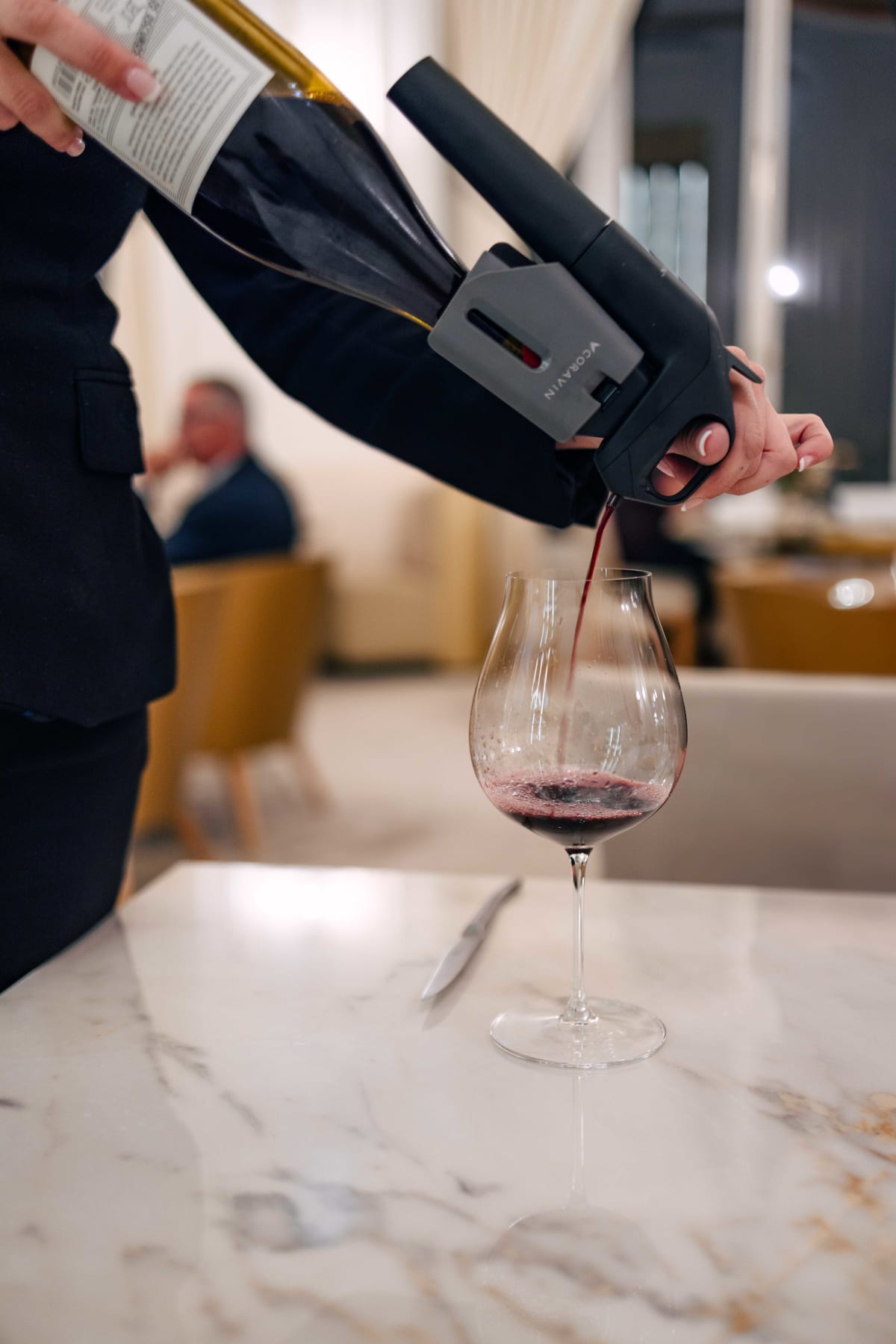
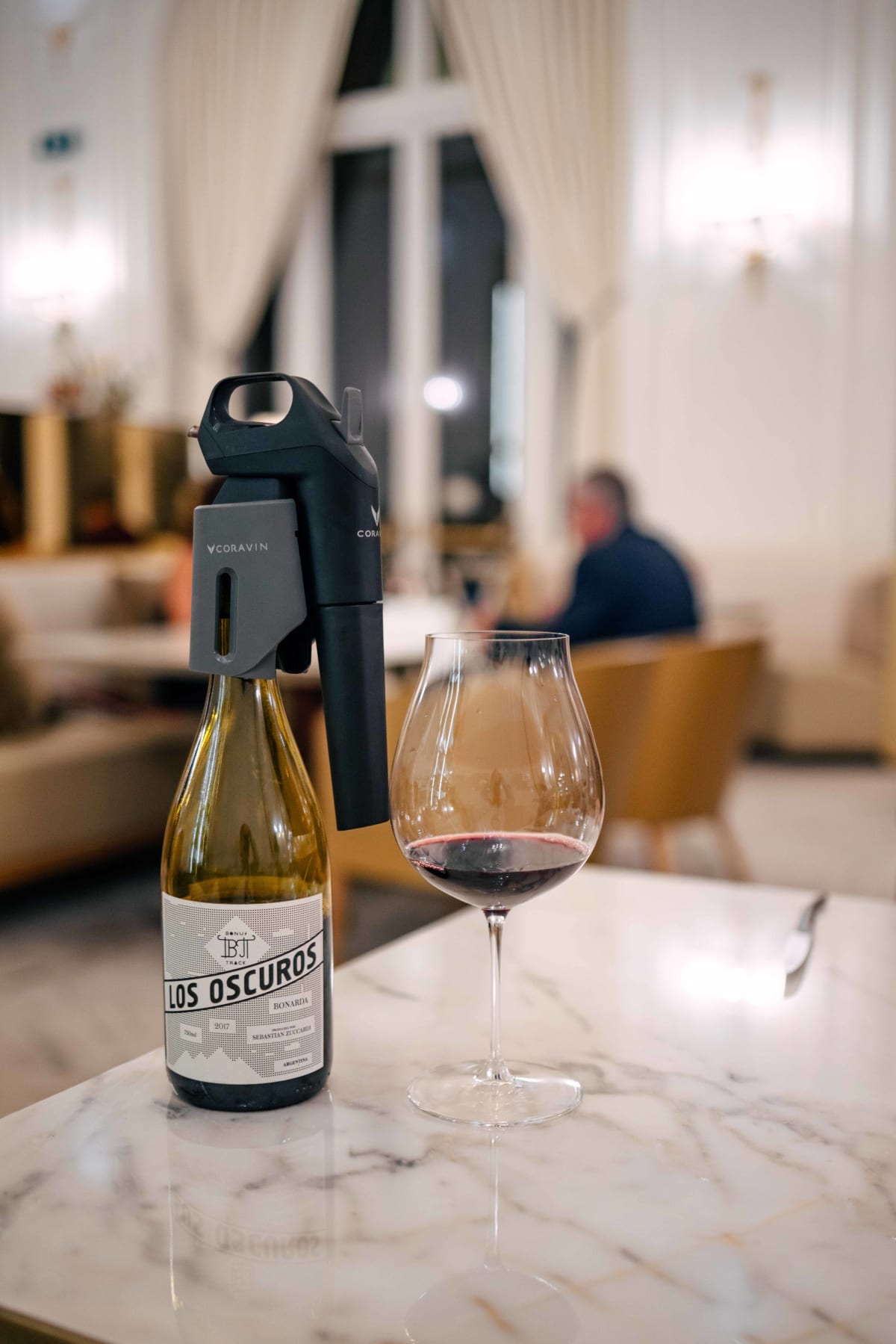
Not all of Deessa's wines but many are served by Coravin, and I liked that they manage even the pairing wines that well. Among the Spanish Michelin restaurants I visited on this trip, this was the only one serving pairing wines by Coravin, I think. Plenty of restaurants use Coravin now.
Can Roca draws such crowds and pours so many pairings that there is no particular need for Coravin, but the other places were not like that and I was not satisfied with the wine selection or the service for the price. Deessa's pairing was a hundred and twenty euros, and perhaps because the price is not that high there was no wine that lodged deep in my memory, but the composition and the service on the floor were not bad.
Section 13·The Sweetbread
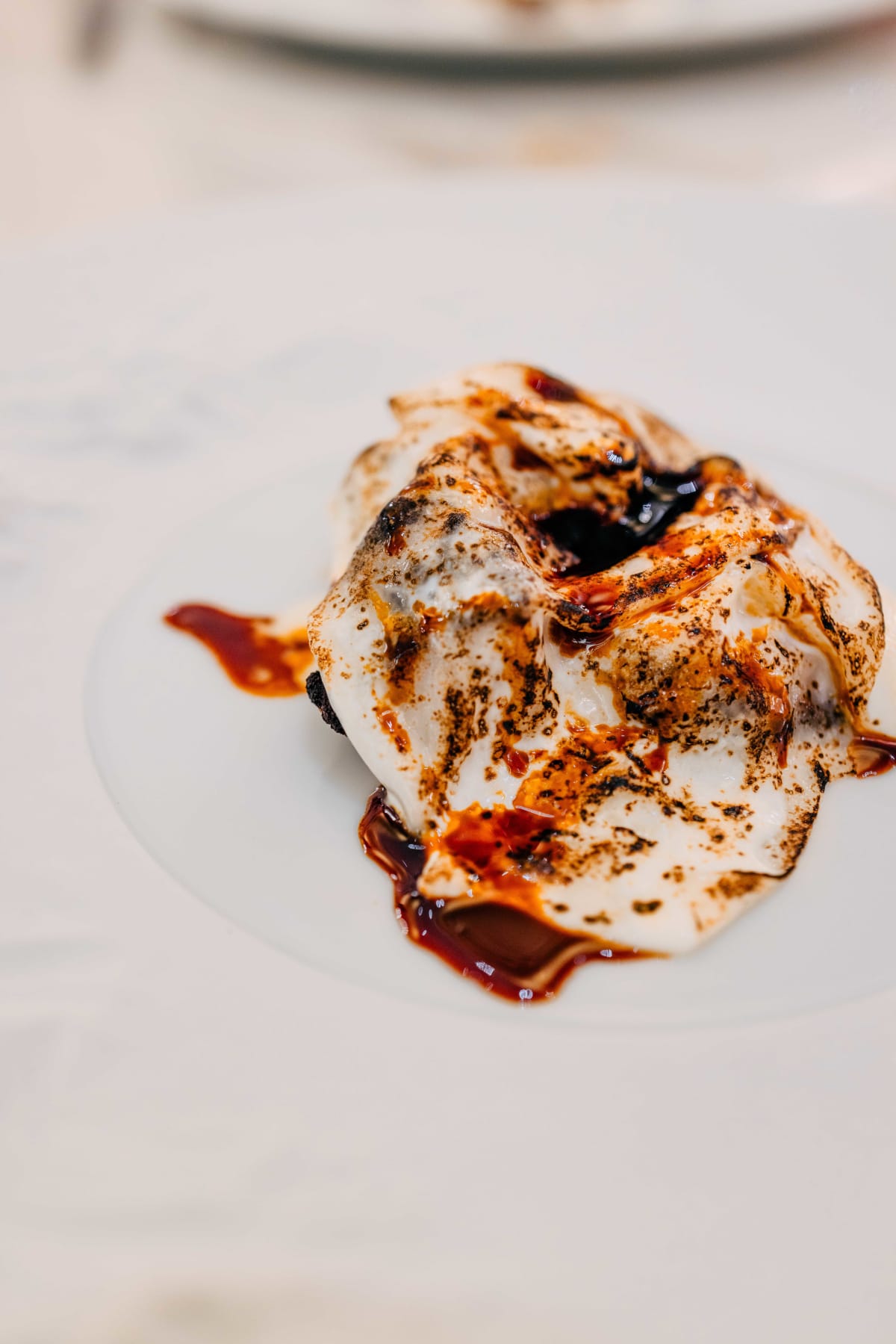
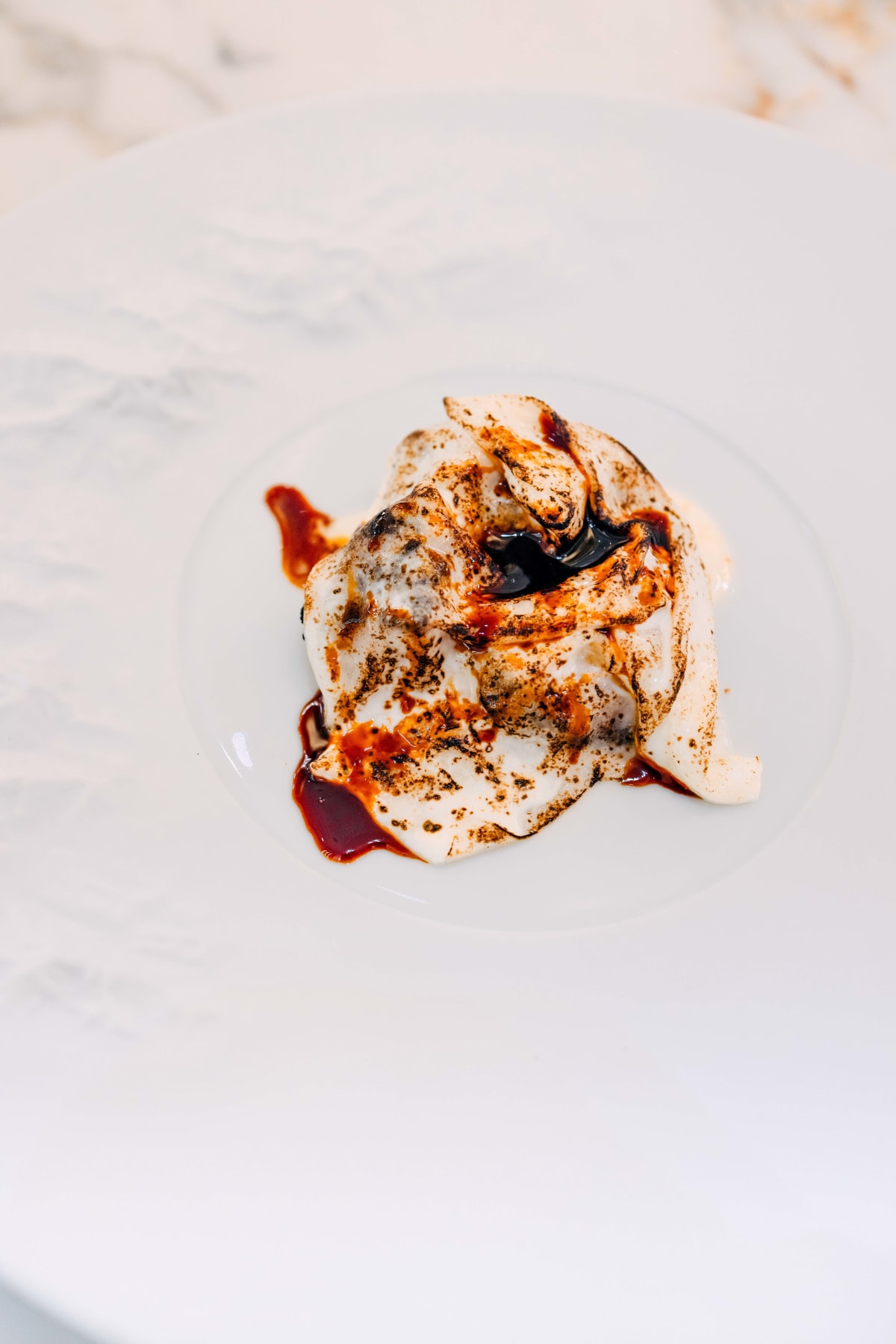
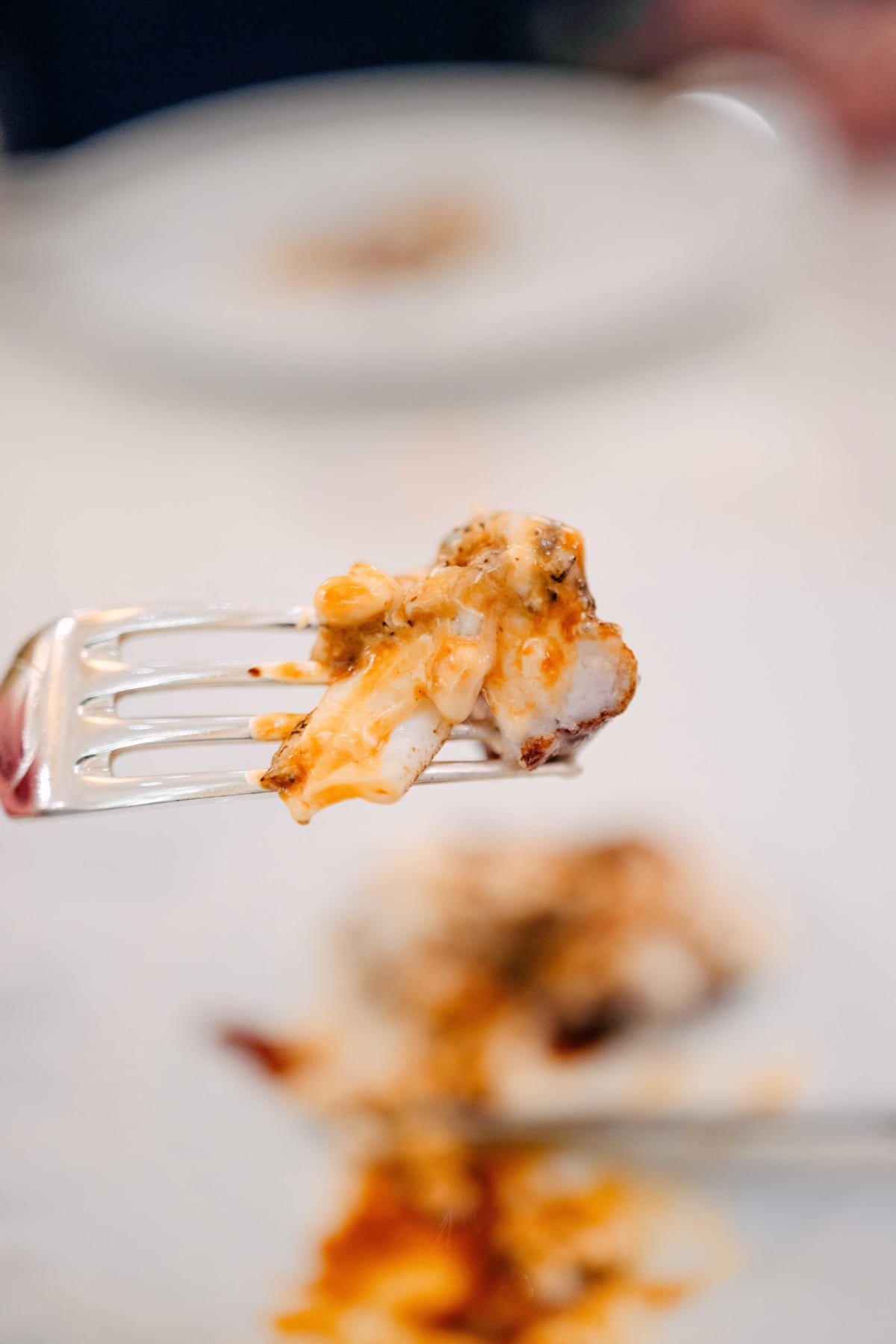
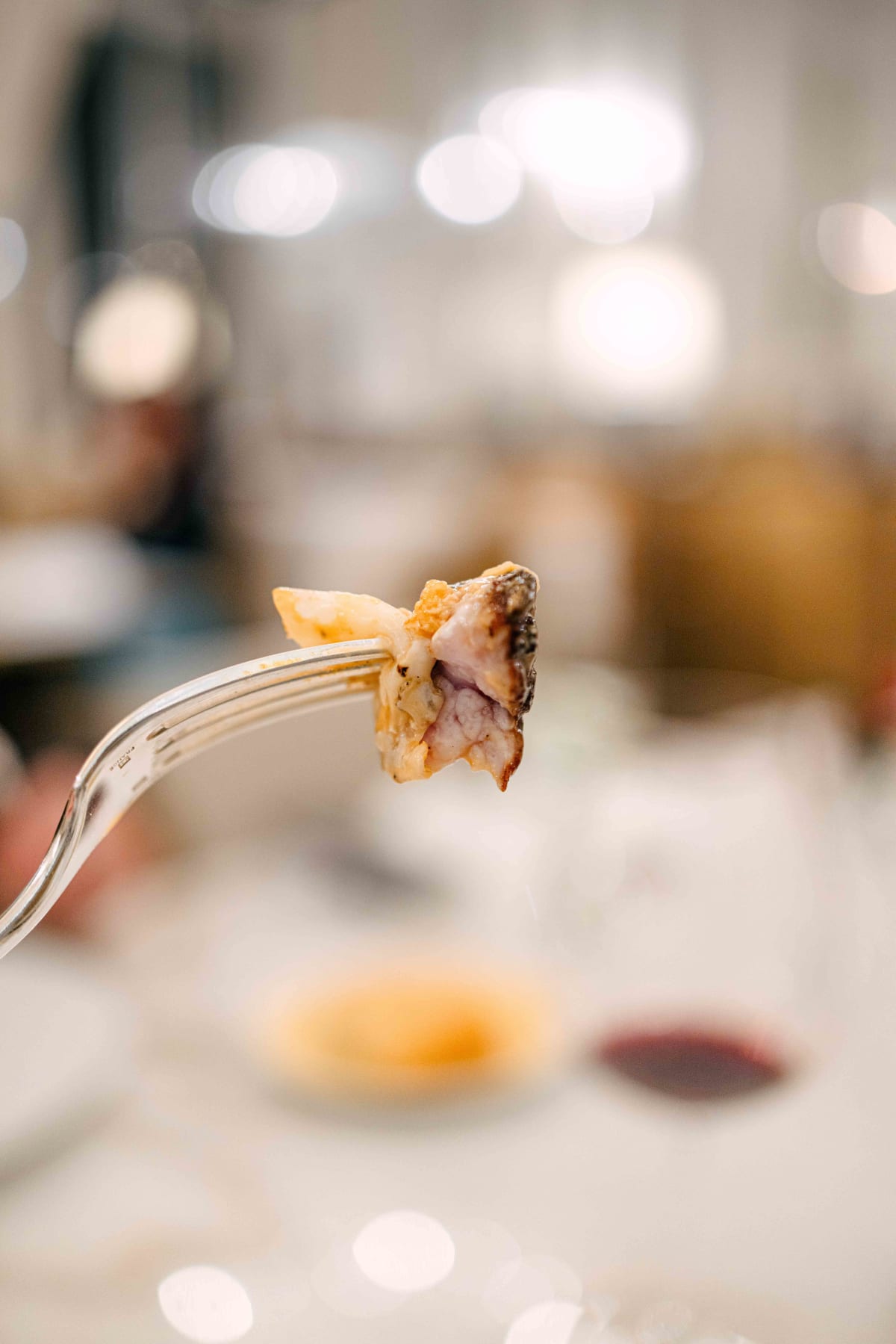
All the seafood dishes done and only the meat main left at Deessa. The last main dish was Roasted Veal Sweetbread. Veal thymus, with thinly seared cheese on top and a sticky sauce like a demi-glace alongside.
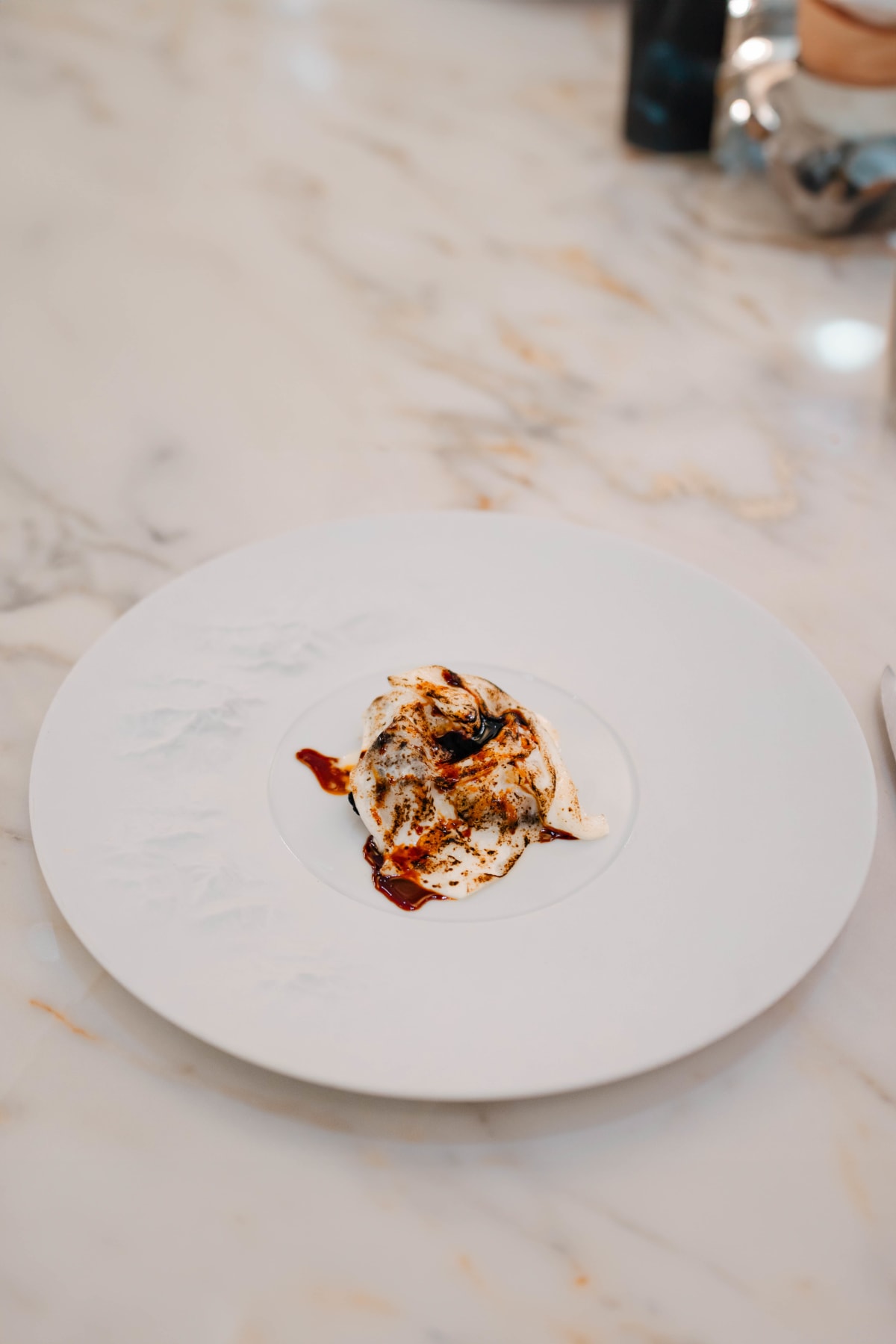
Thymus was something I had not eaten since Essence in Seocho long ago, and this main was one of the best I have had. Not only the combination of sauce and cheese but the cooking of the sweetbread, its particular texture, its saltiness, all of it was perfect. I later ate a really good sweetbread dish in Málaga, and it made me wish we ate more sweetbread dishes at home.
The pairing wine served with the sweetbread was Los Oscuros by Zuccardi 2017. An Argentine red, and rare enough that I wondered whether I had ever tasted a New World red in Europe. From what Europeans told me, wine producing countries seem hardly to drink New World wine at all, with a sense of why bother. The grape was not Malbec either but Bonarda, a variety I had never heard of.
Bonarda is in fact the most planted red grape in Argentina after Malbec. And this bottle is not strictly a wine Zuccardi released under his own name but a bottle from a separate project called Bonus Track. It is a venture in which people who call themselves opportunists bottle wines from producers they respect under their own signature and release them in limited quantities, and the name itself is borrowed from the music business. That is why the label says Sebastián Zuccardi made it. It is fermented in concrete eggs and aged in the same vessels.
Section 14·The Desserts
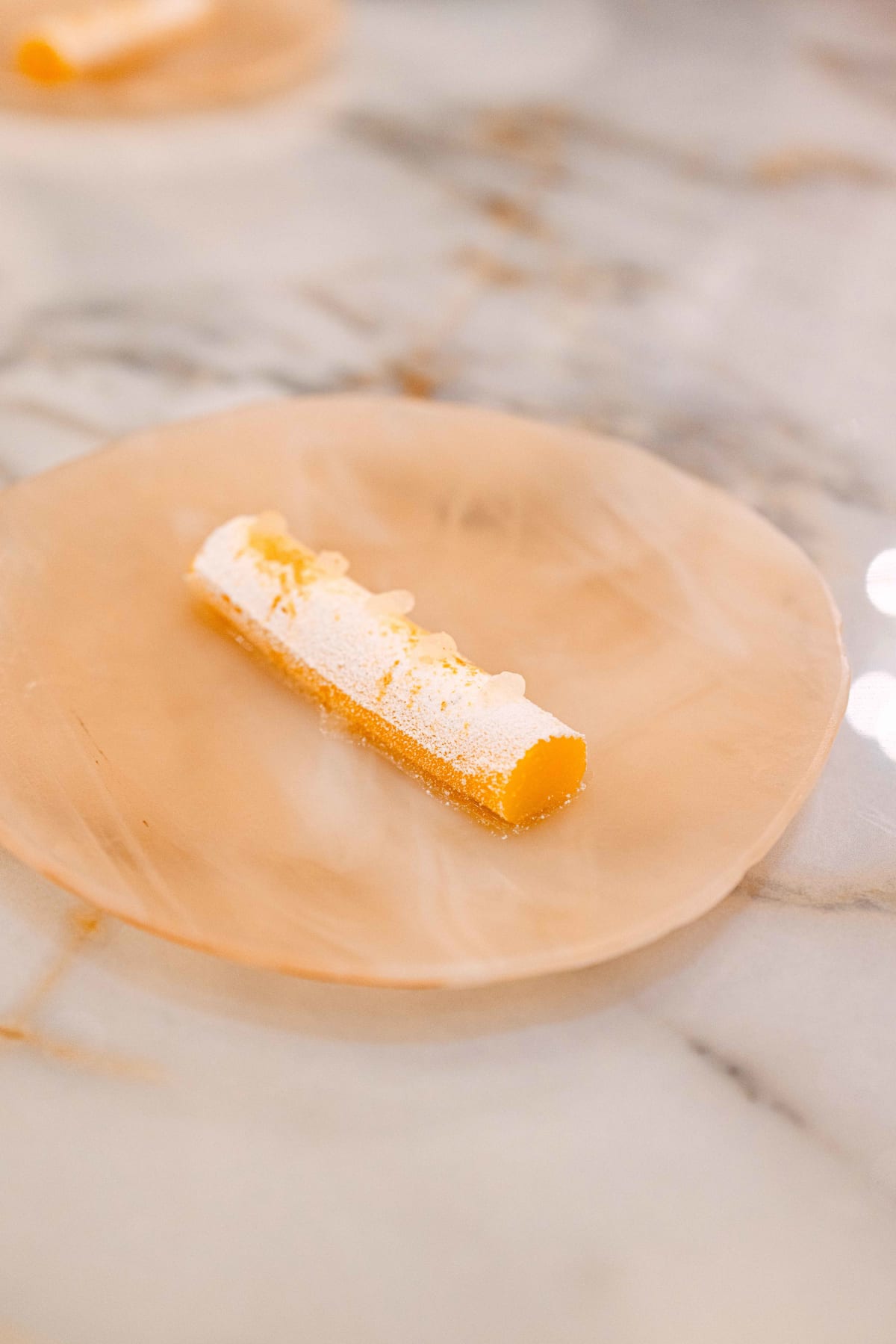
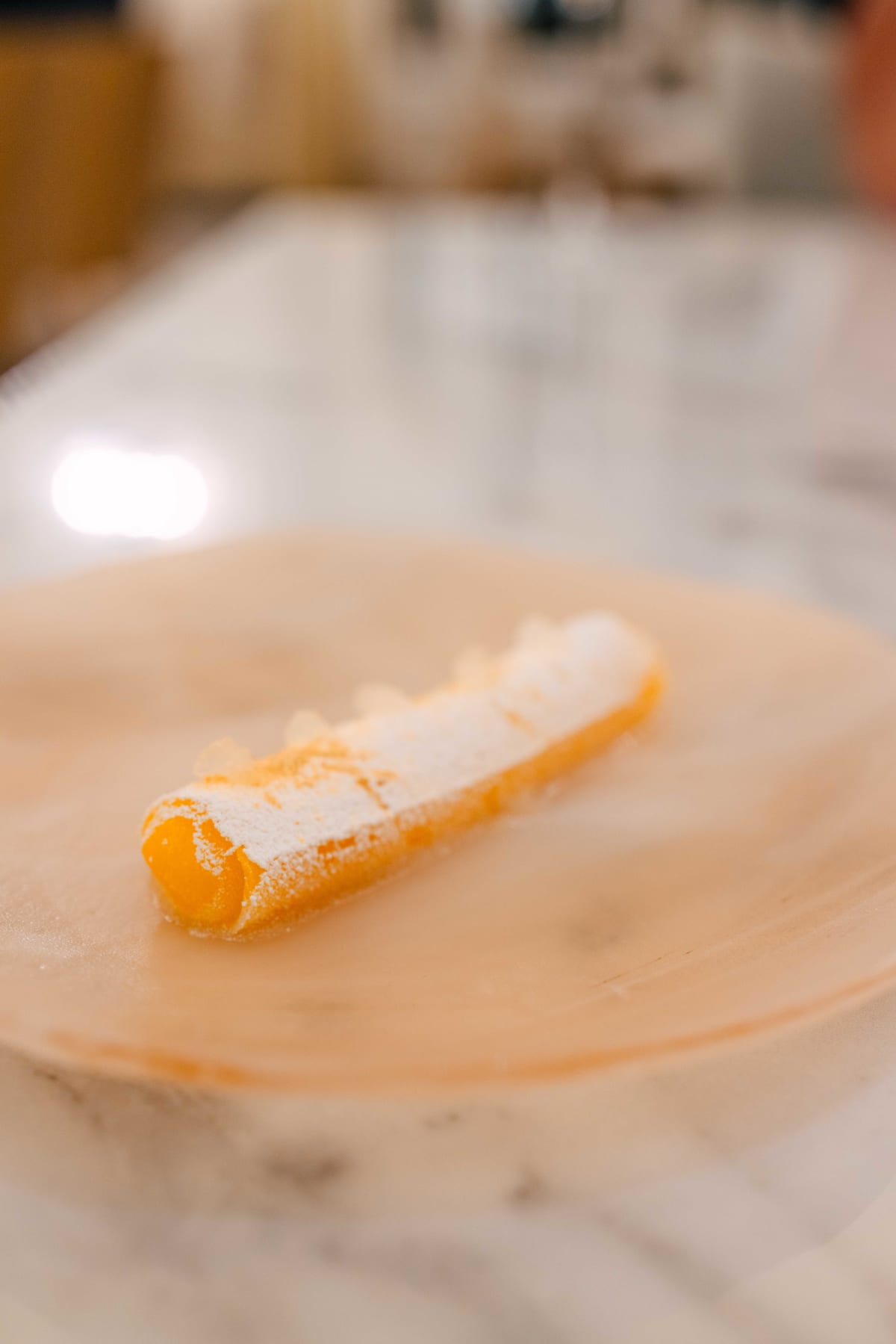
All the dishes done, dessert began, and by the time it started it was past eleven at night. So I remember dozing a little while waiting for it. The first dessert was Citrus Sherbet Todoli & QDC and Golden Lemon Crystal in 'Sabayon' and Citron 'Albedo'.
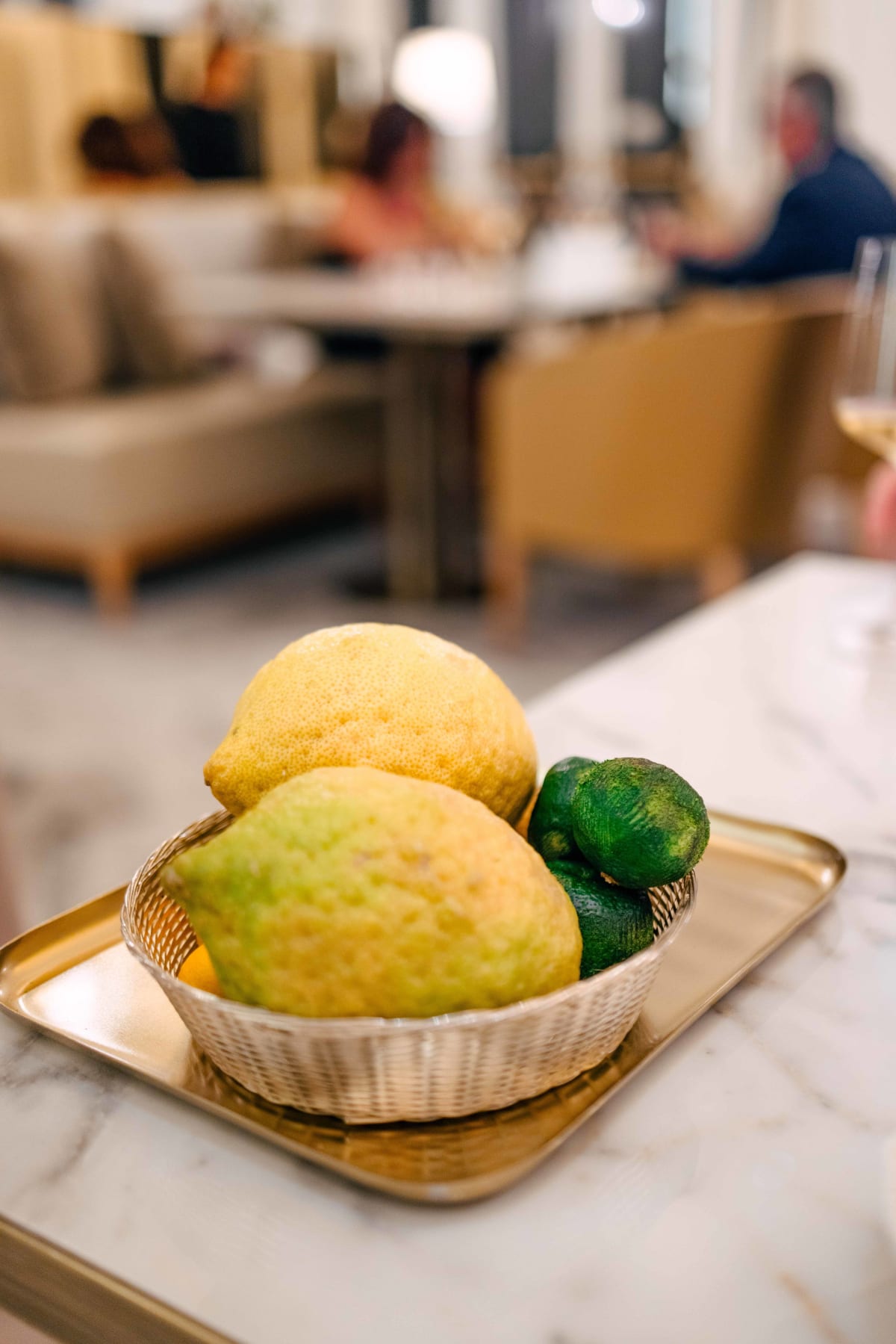
Its appearance was that of a long yellow spring onion, so I wondered whether this was dessert, and they bring a lime and grate it over the top as powder.
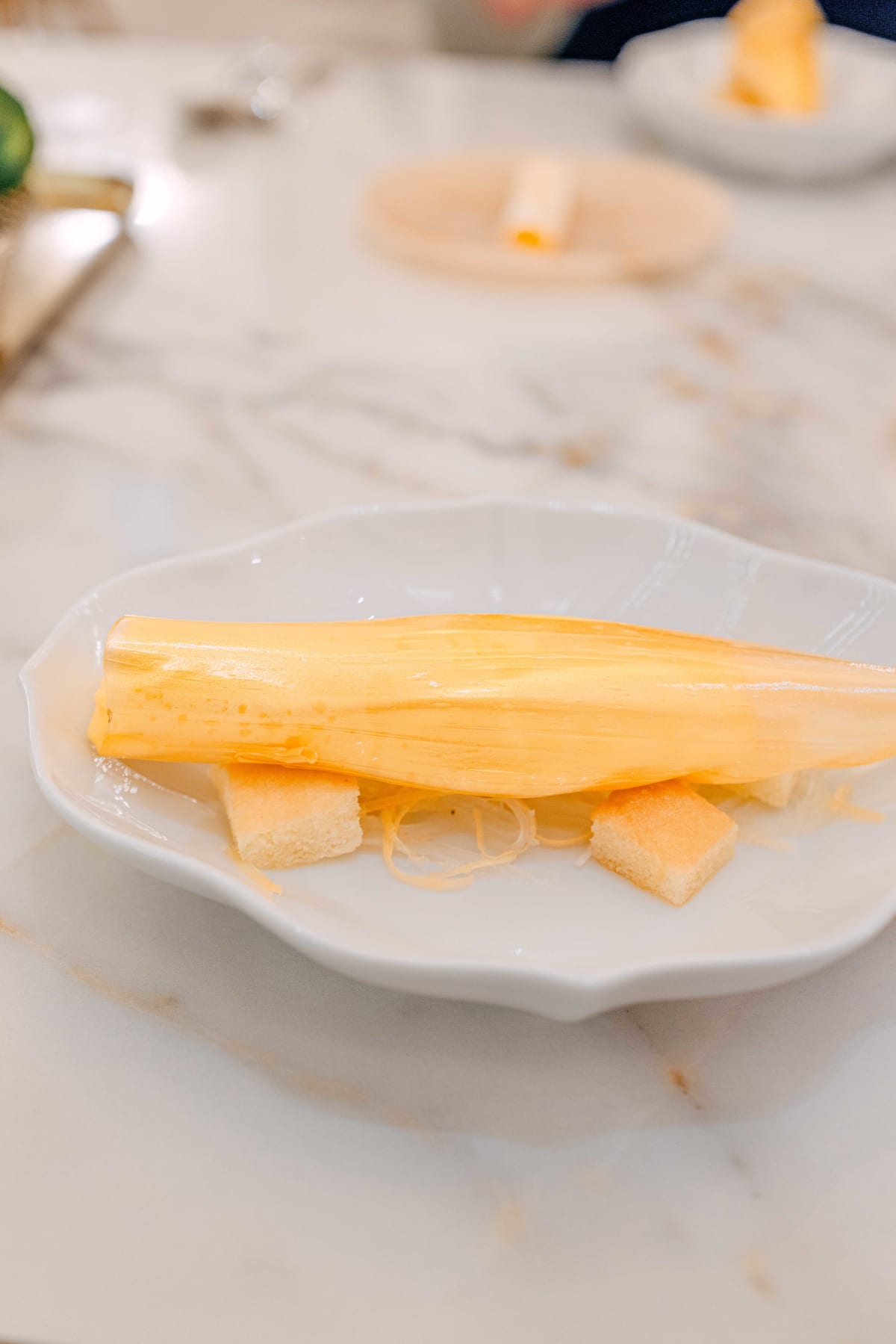
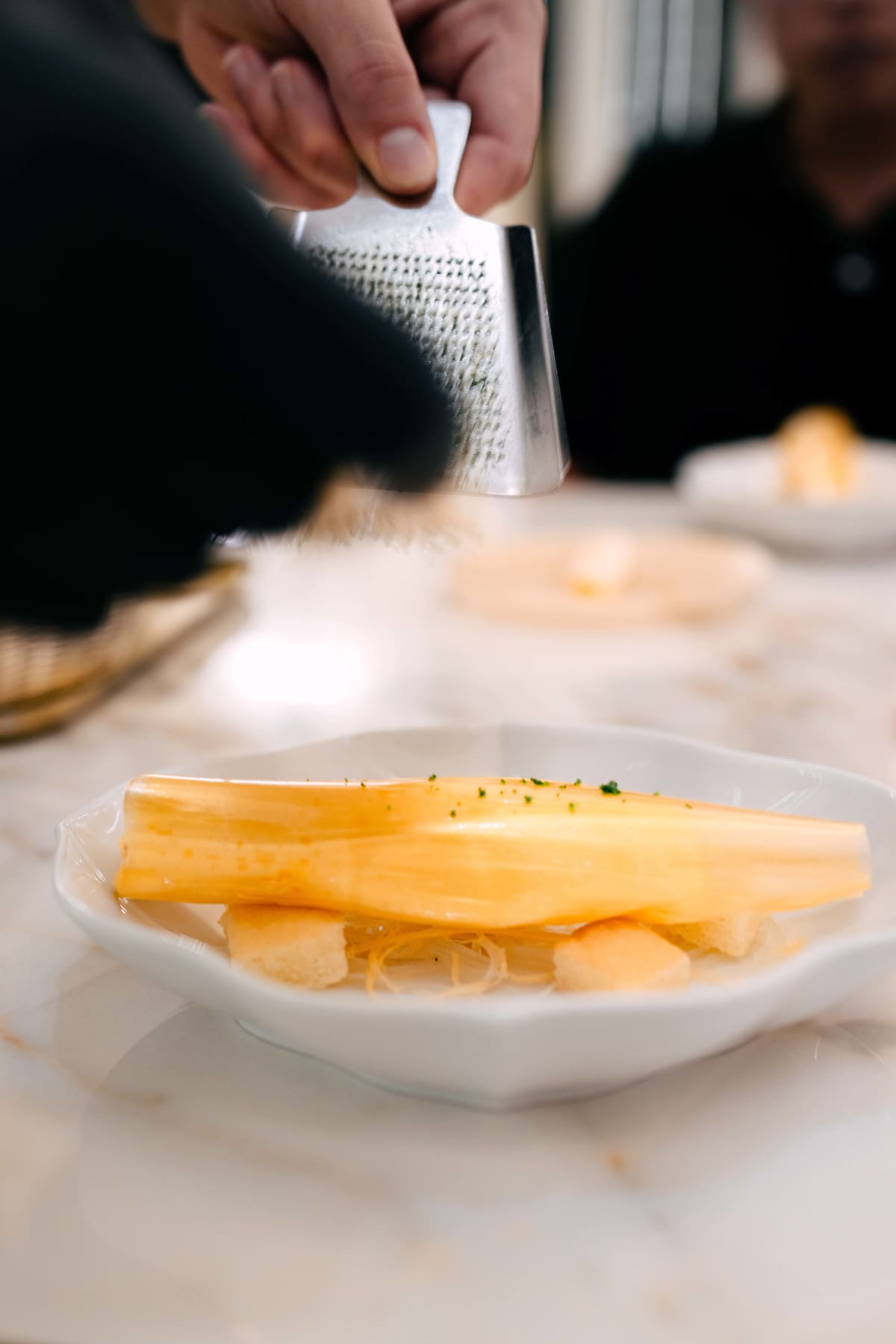
Inside is sherbet, and what wraps the sherbet is a thin cracker-like thing that tastes of dalgona. I broke this dessert with a spoon and scooped it out, and the cool and the tartness and the sweetness came together harmoniously into a delicious dessert. Among the desserts I ate on the dining of this trip, it is on the delicious side and lingers long in memory.
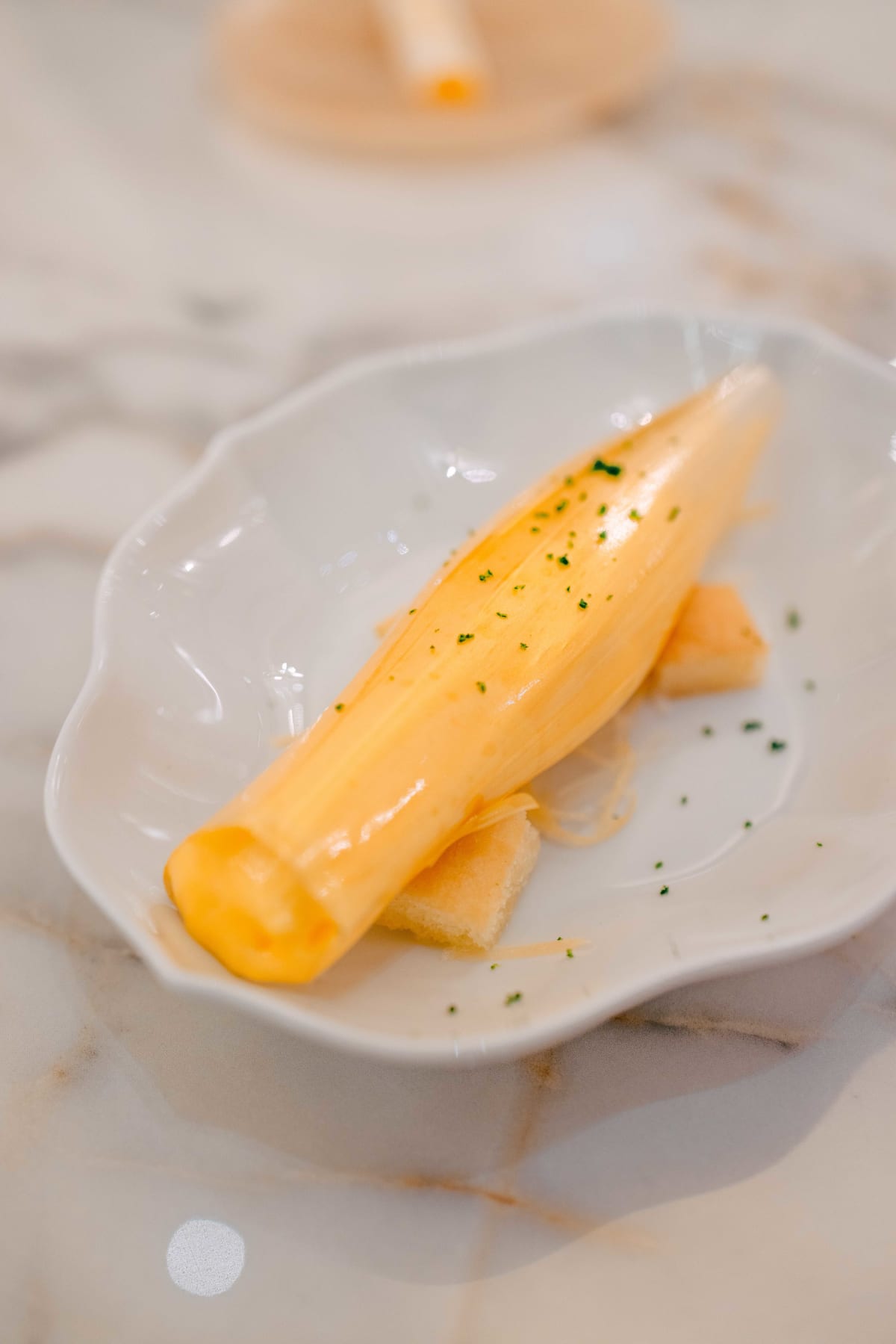
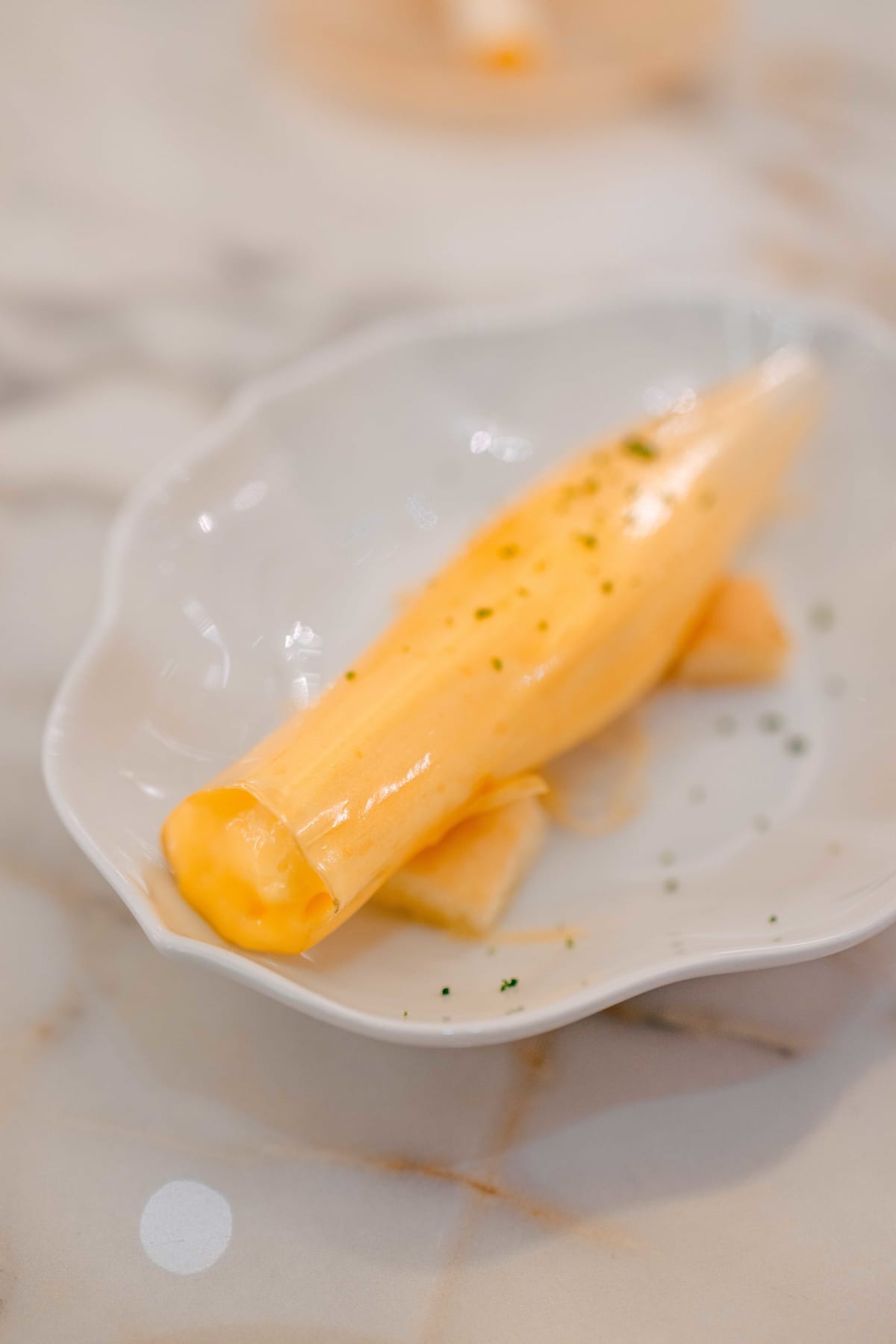
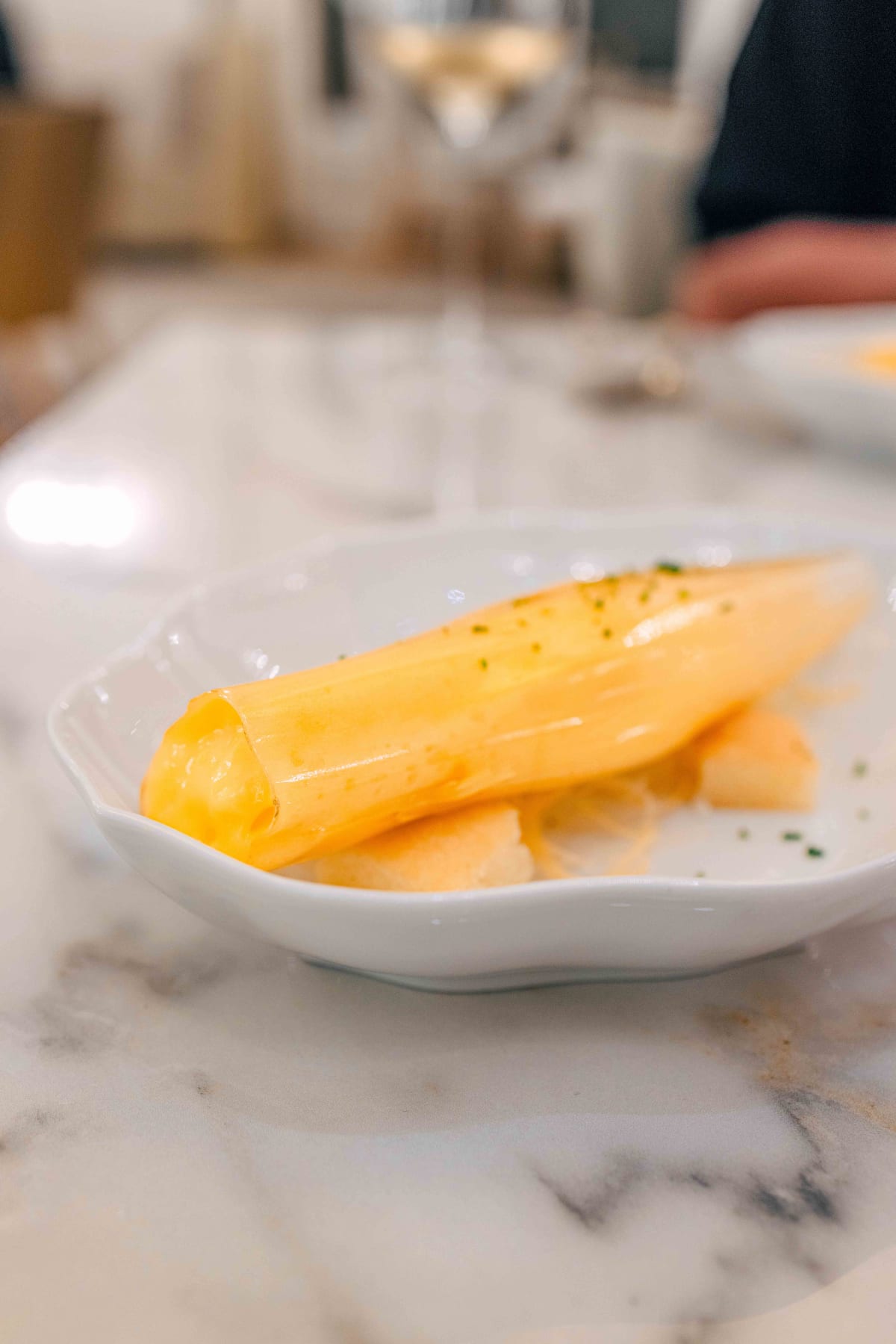
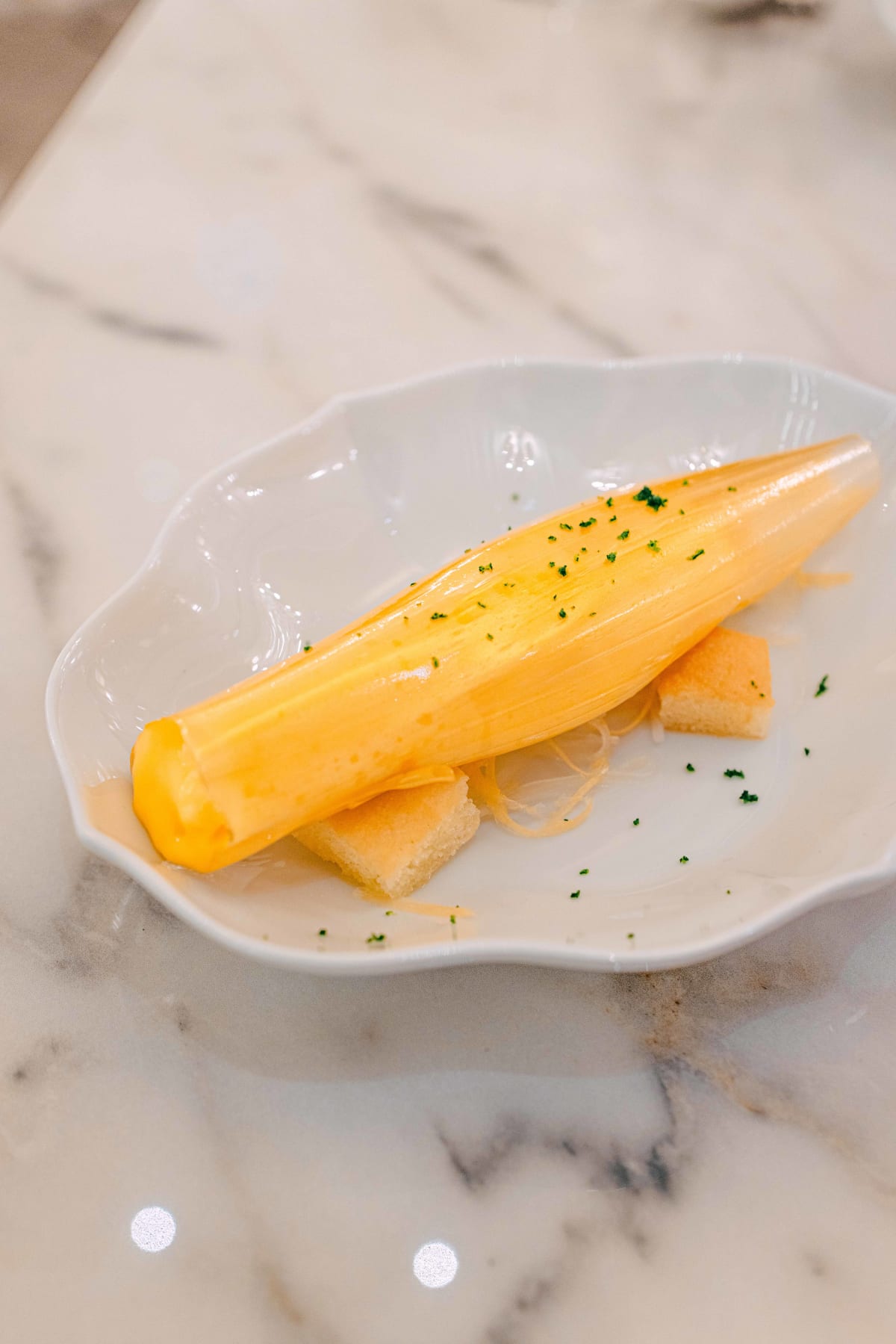
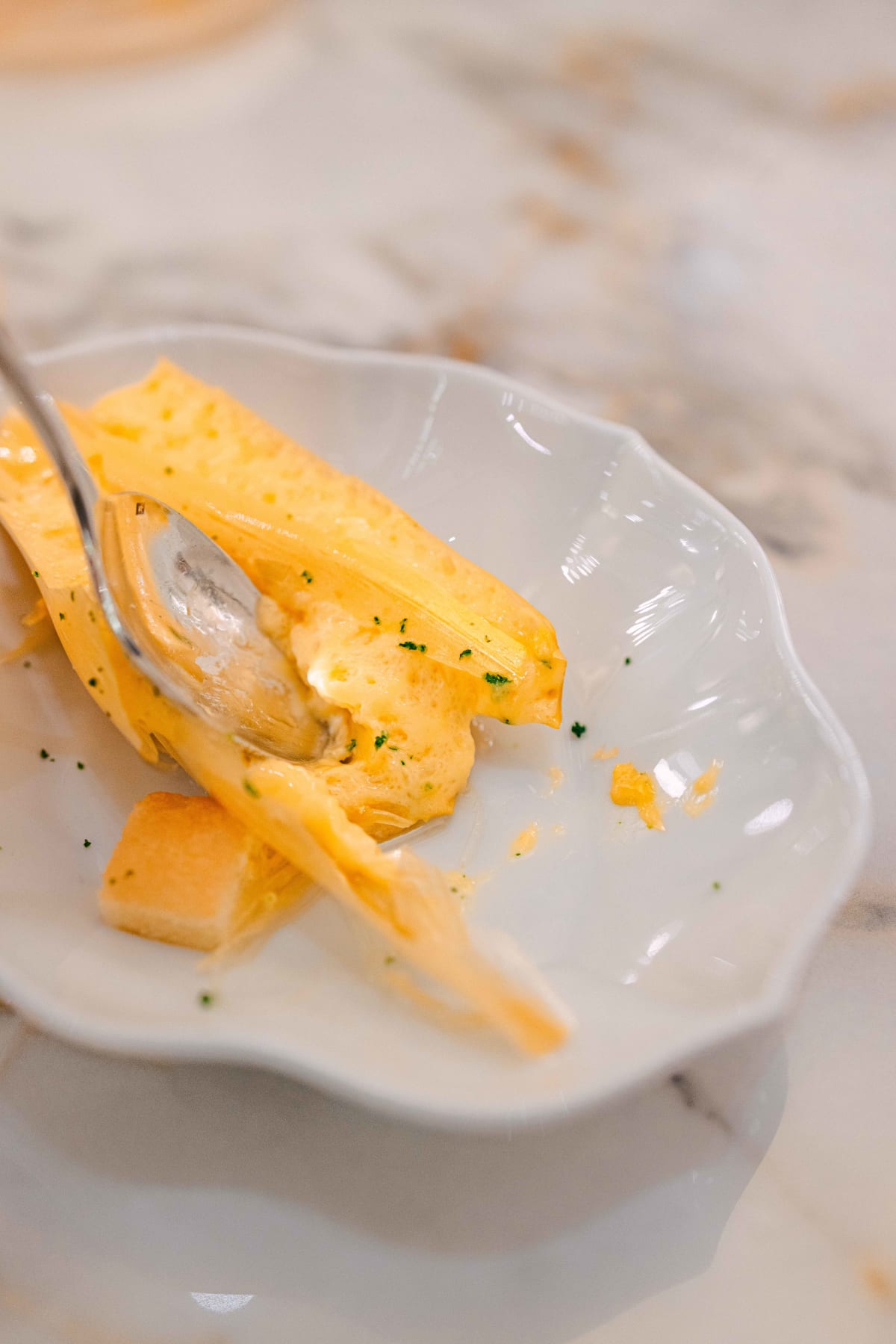
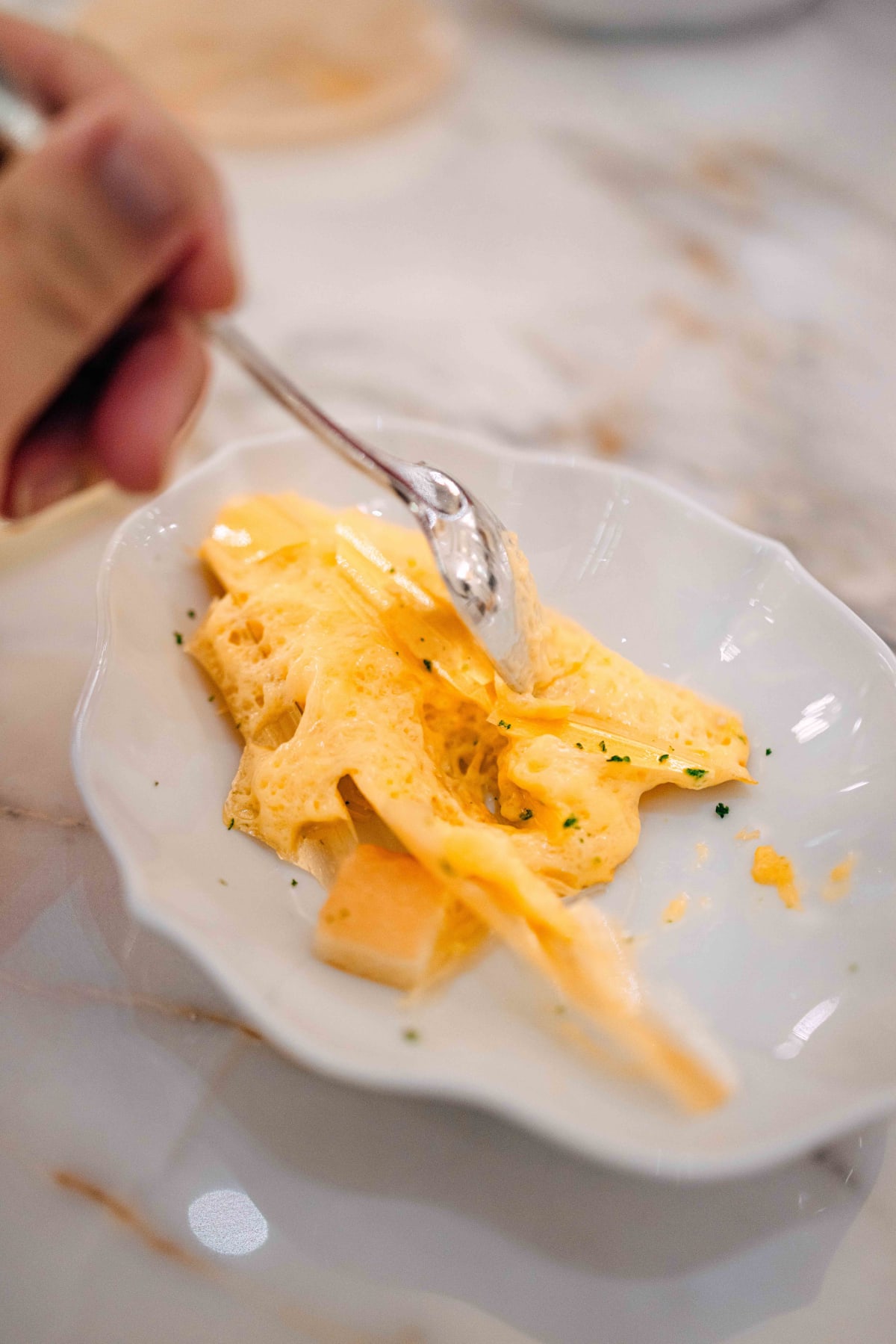
The sherbet inside it was the citrus part of the pair.
The dessert that came next was a somewhat typical chocolate ice cream dessert called Chocolate and Hazelnut Gianduja. Gianduja is said to be a traditional chocolate of the Piedmont region of Italy. Typical as it was, it was hard to make it taste bad.
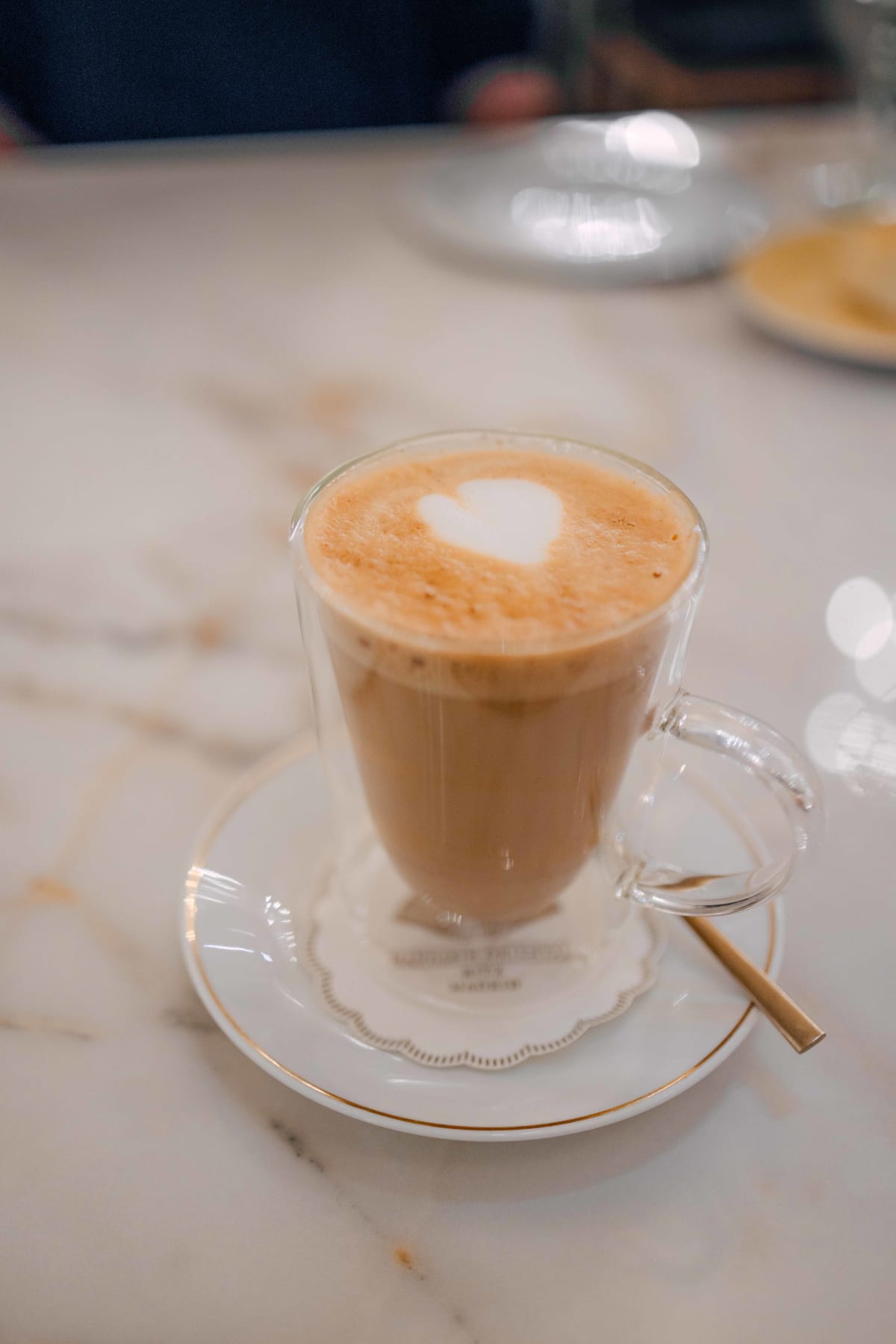
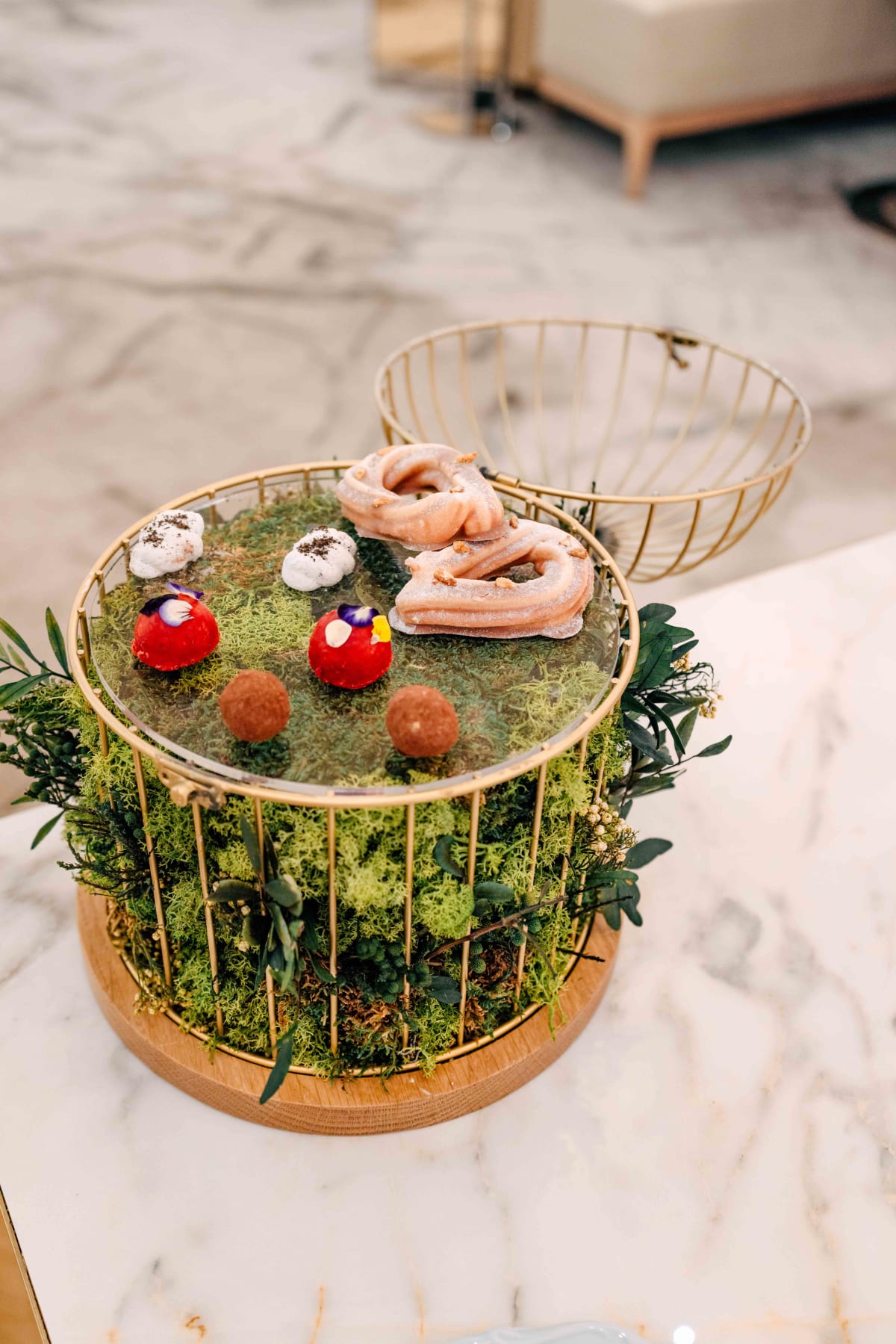
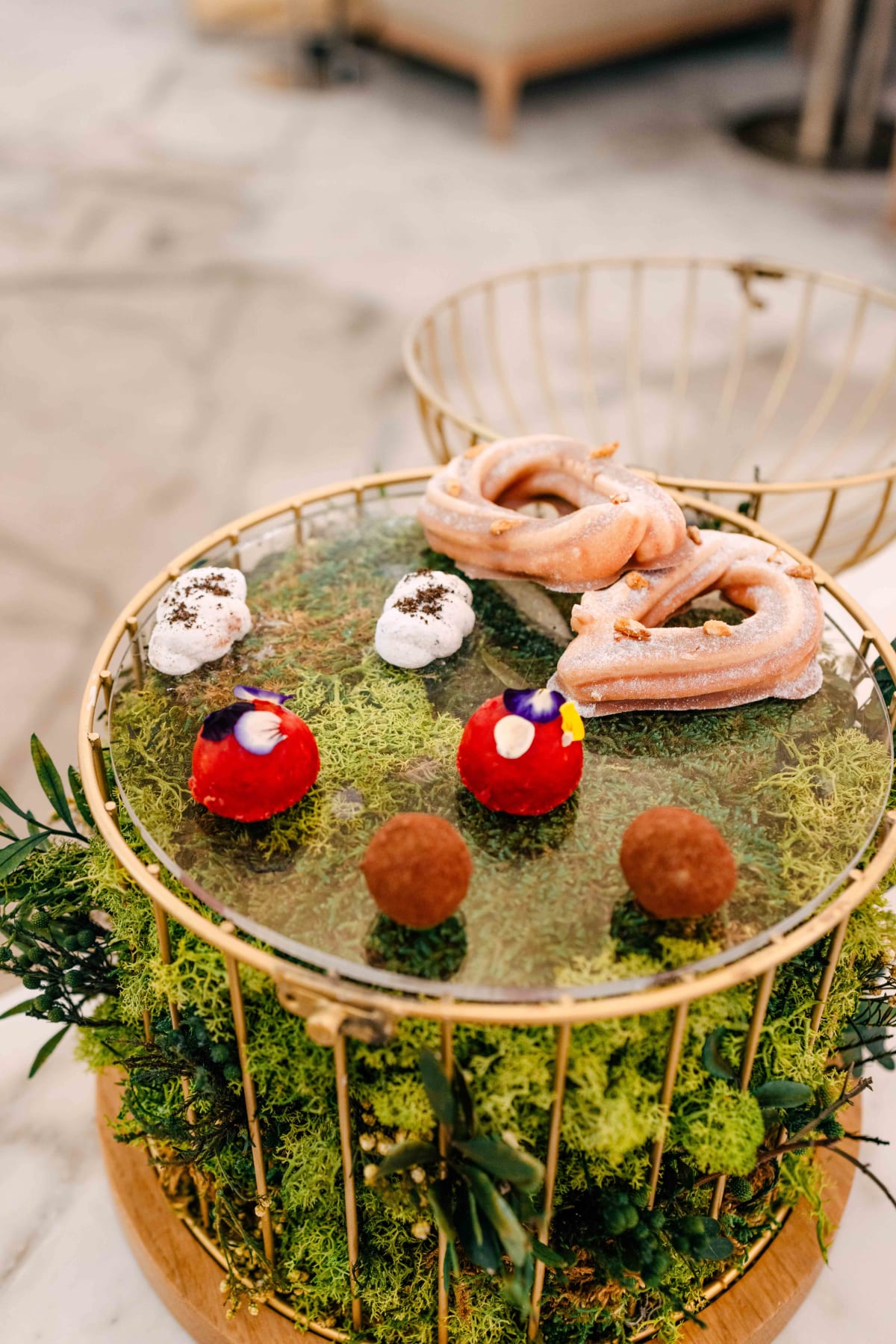
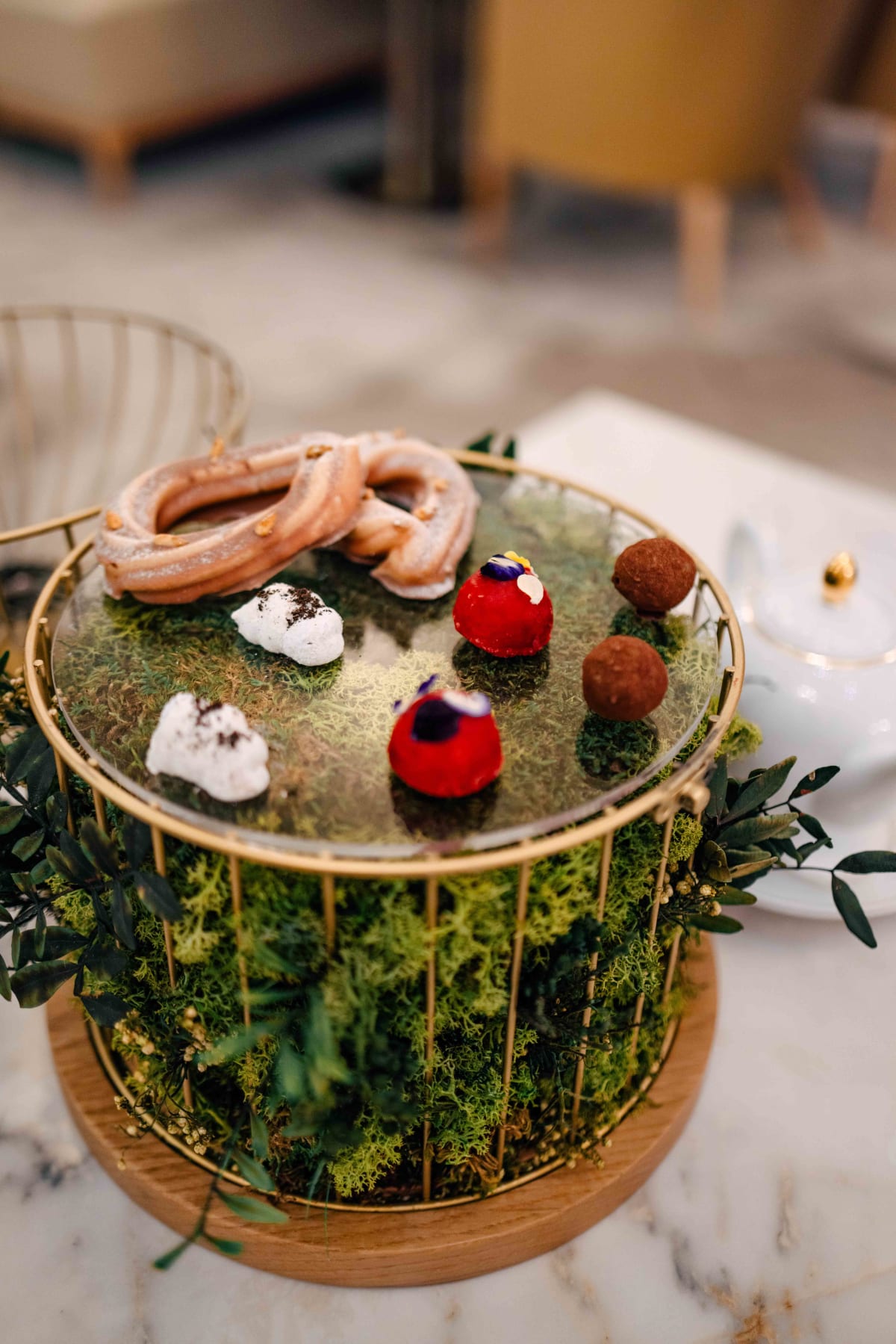
The last dessert was coffee and Deessa Churro, the restaurant's churro, which is Madrid-appropriate, along with various other petits fours. The churro was painted with chocolate and went well with the coffee.
Two typical wines came as the dessert pairing, and the first was Sauternes by Château Grillon 2022.
Château Grillon carries Sauternes in its name but sits in Barsac. Producers in Barsac may choose to label under either the Barsac or the Sauternes appellation, so releasing under Sauternes is not uncommon. It is a family holding of just under eight hectares in a single block, sitting at the highest point of the Barsac limestone plateau and at its northern end. The reason that position matters is that the river Ciron runs less than two hundred metres away. This cold tributary of the Garonne makes mist every morning around harvest, and that mist is said to bring on Botrytis cinerea, the noble rot. The sweetness of Sauternes and Barsac comes, in the end, from that mist.
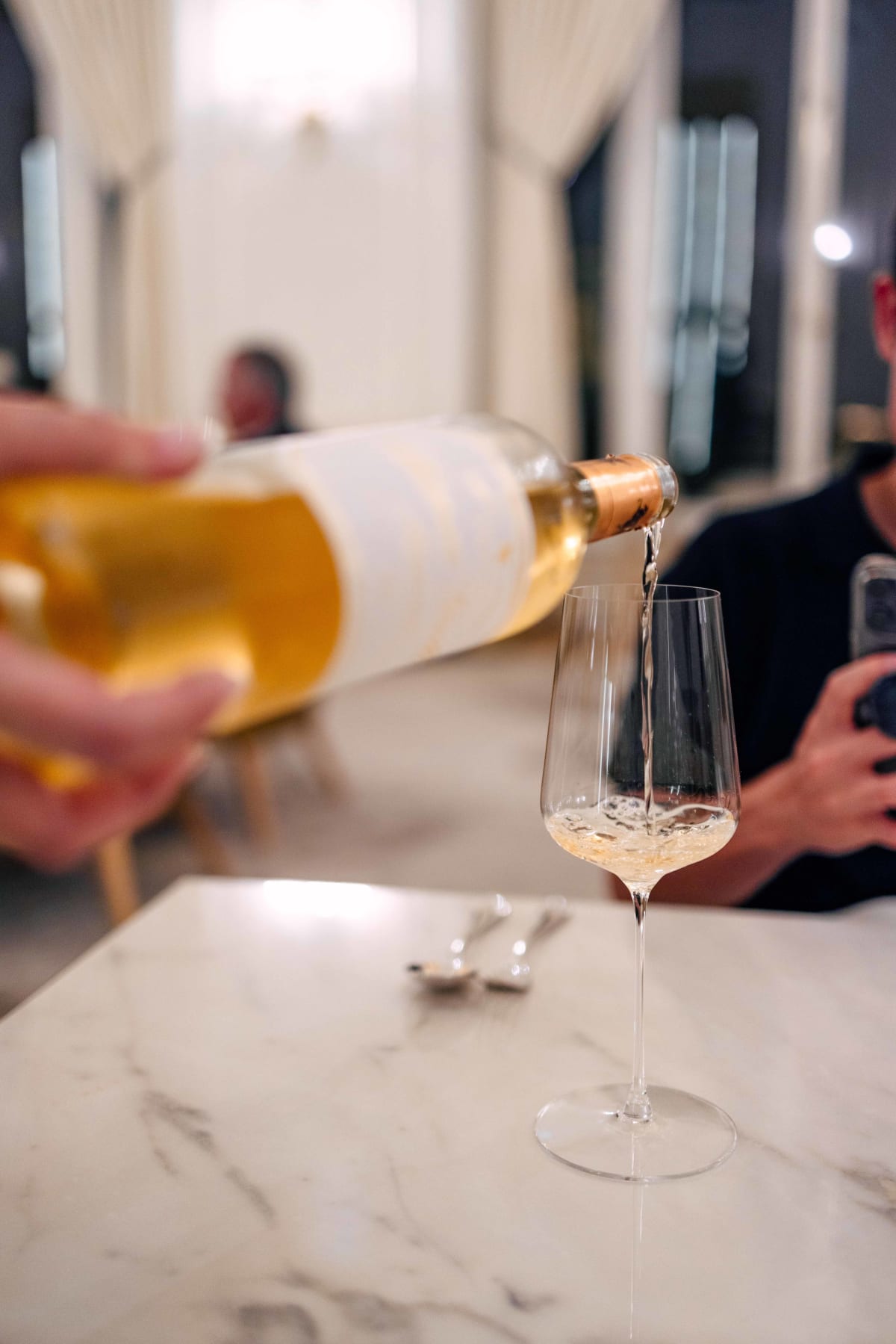
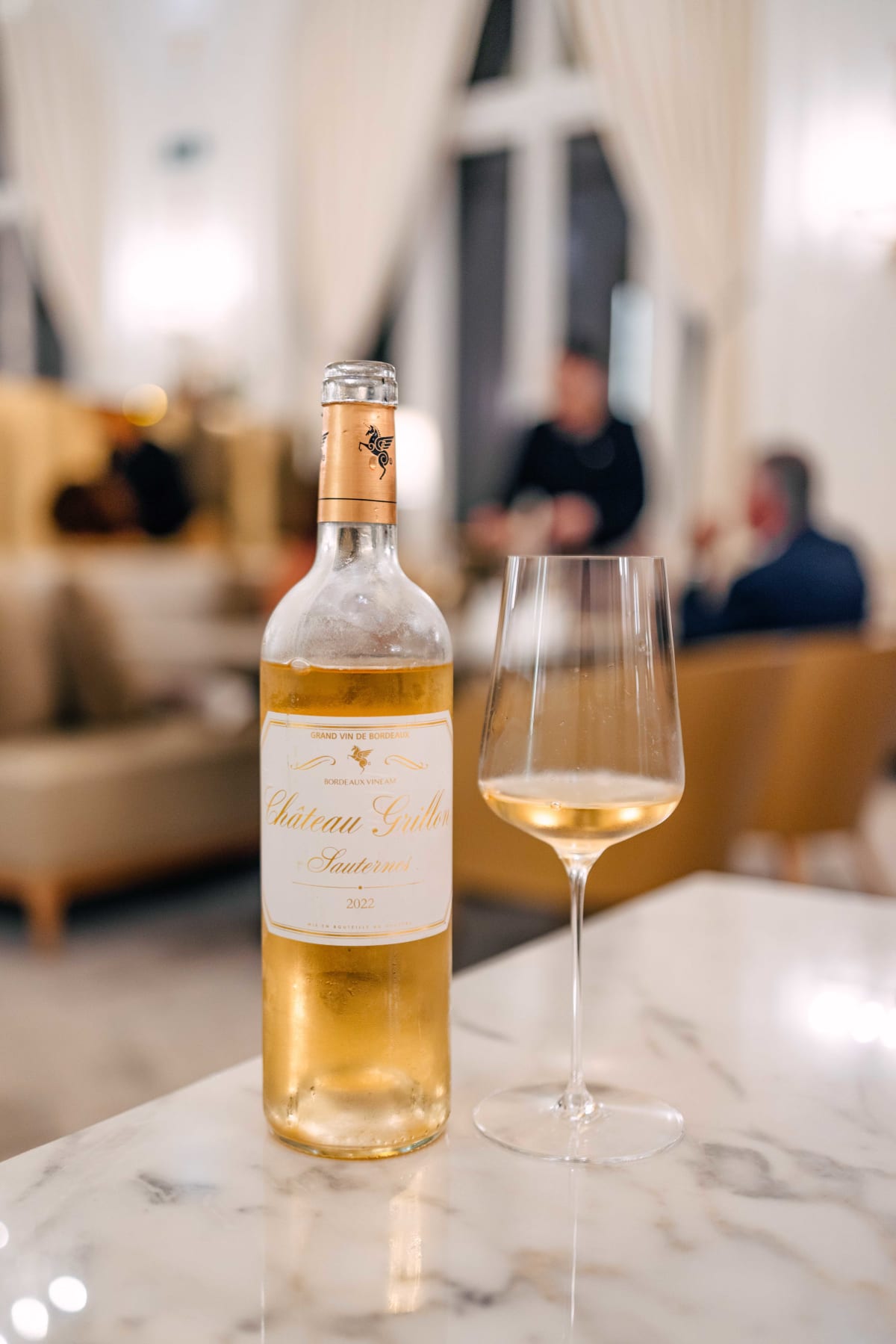
Sauternes, easy to drink like cool honey water, always goes well with dessert and I like it too. The disappointment was that this was a 2022, which felt too young. I want to drink an old vintage Sauternes.
The dessert wine that came when I ate the chocolate ice cream was Toro Albalá Don PX 2020. PX is a sherry made from a grape of the same name, Pedro Ximénez. The characteristic of this sherry is that the grapes are dried and concentrated before fermenting, making it sweeter than other sherries.
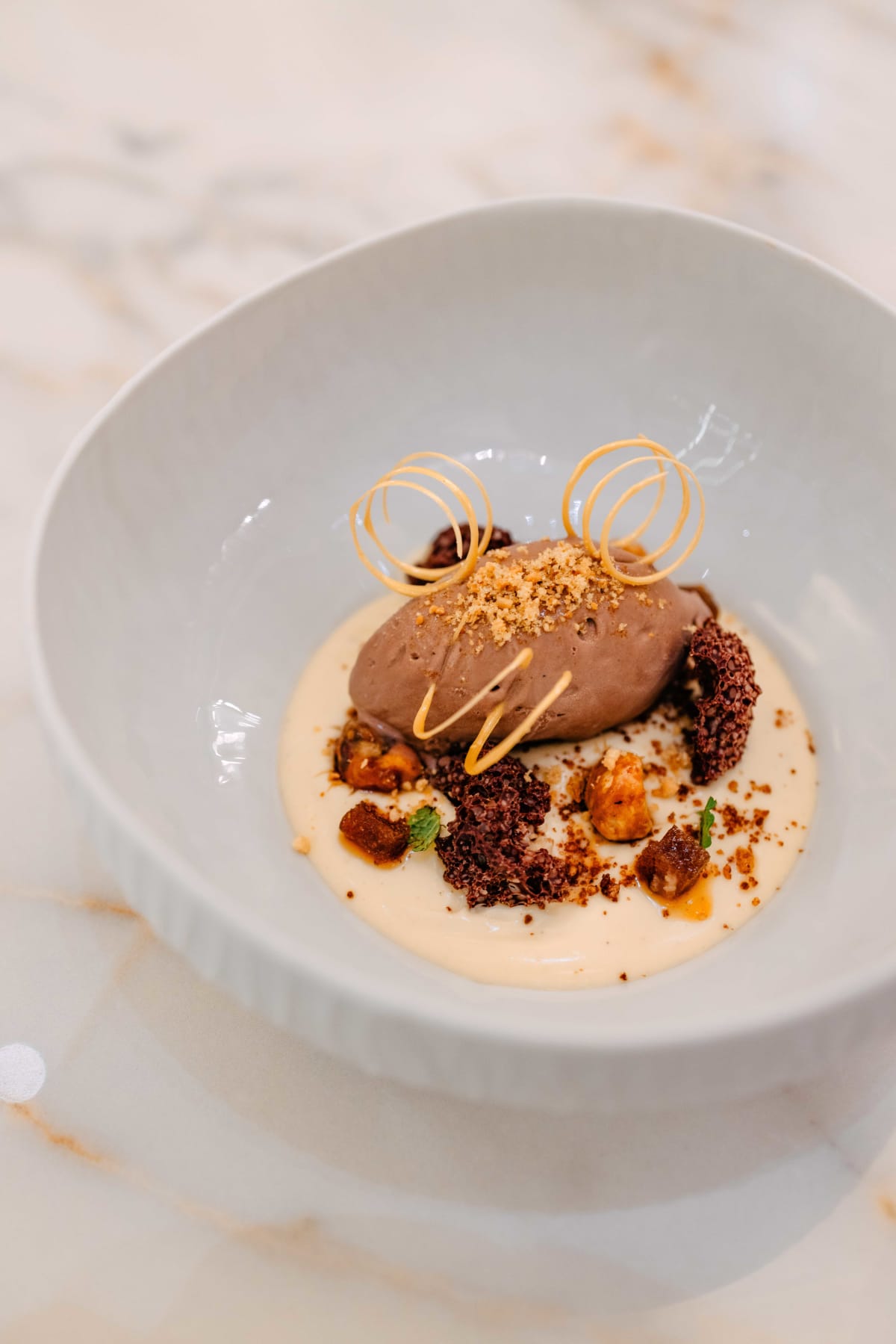
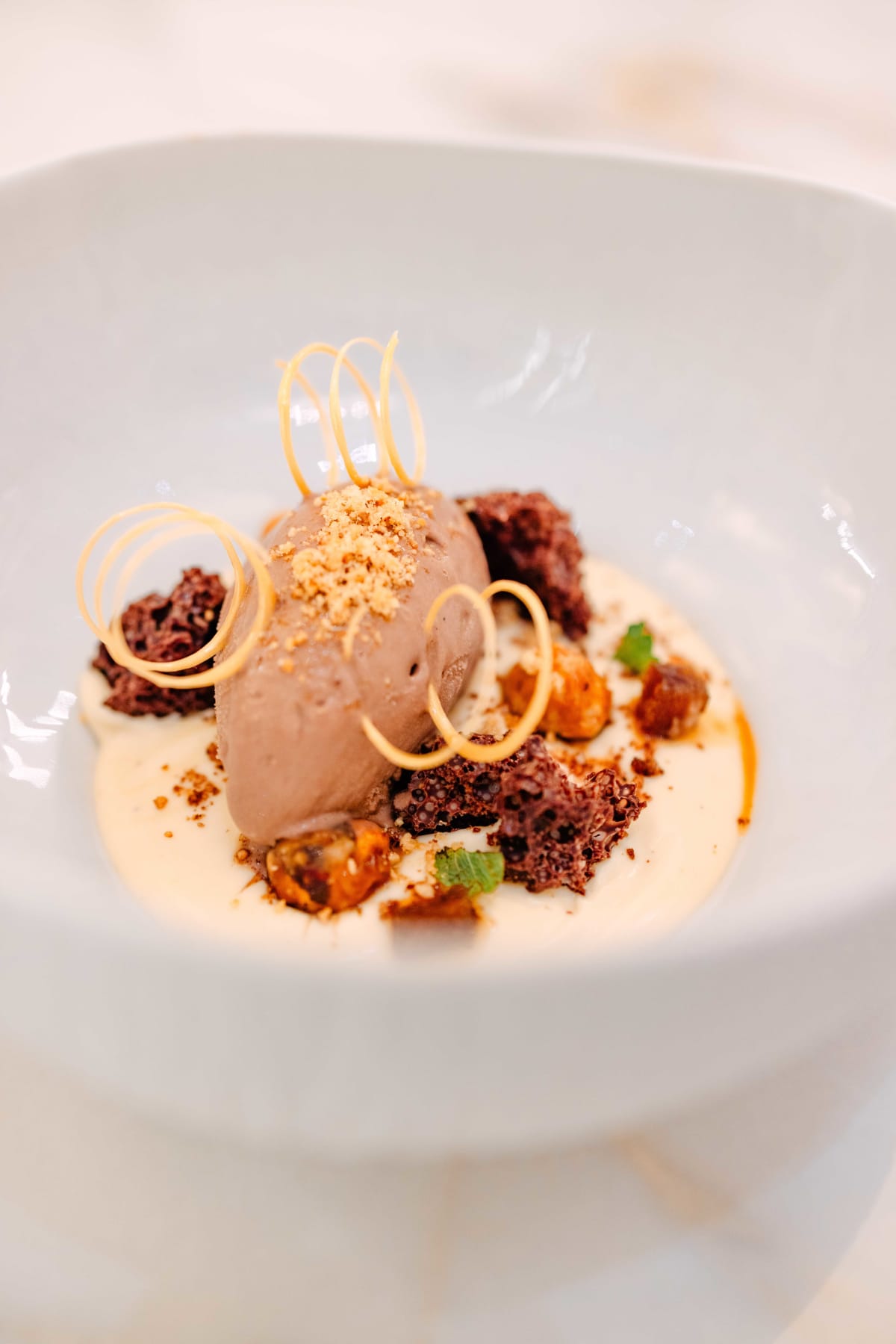
One thing to note is that Toro Albalá is not in Jerez but in Montilla-Moriles in the south of Córdoba. It is a separate denomination of origin neighbouring Jerez, and historically the Pedro Ximénez of this area was sold in bulk to Jerez and used in blending. Toro Albalá, which settled into an old power station building in 1922, was the first Montilla producer to put dessert Pedro Ximénez into its own bottle in 1970, and that became the Don PX series that now represents this house.
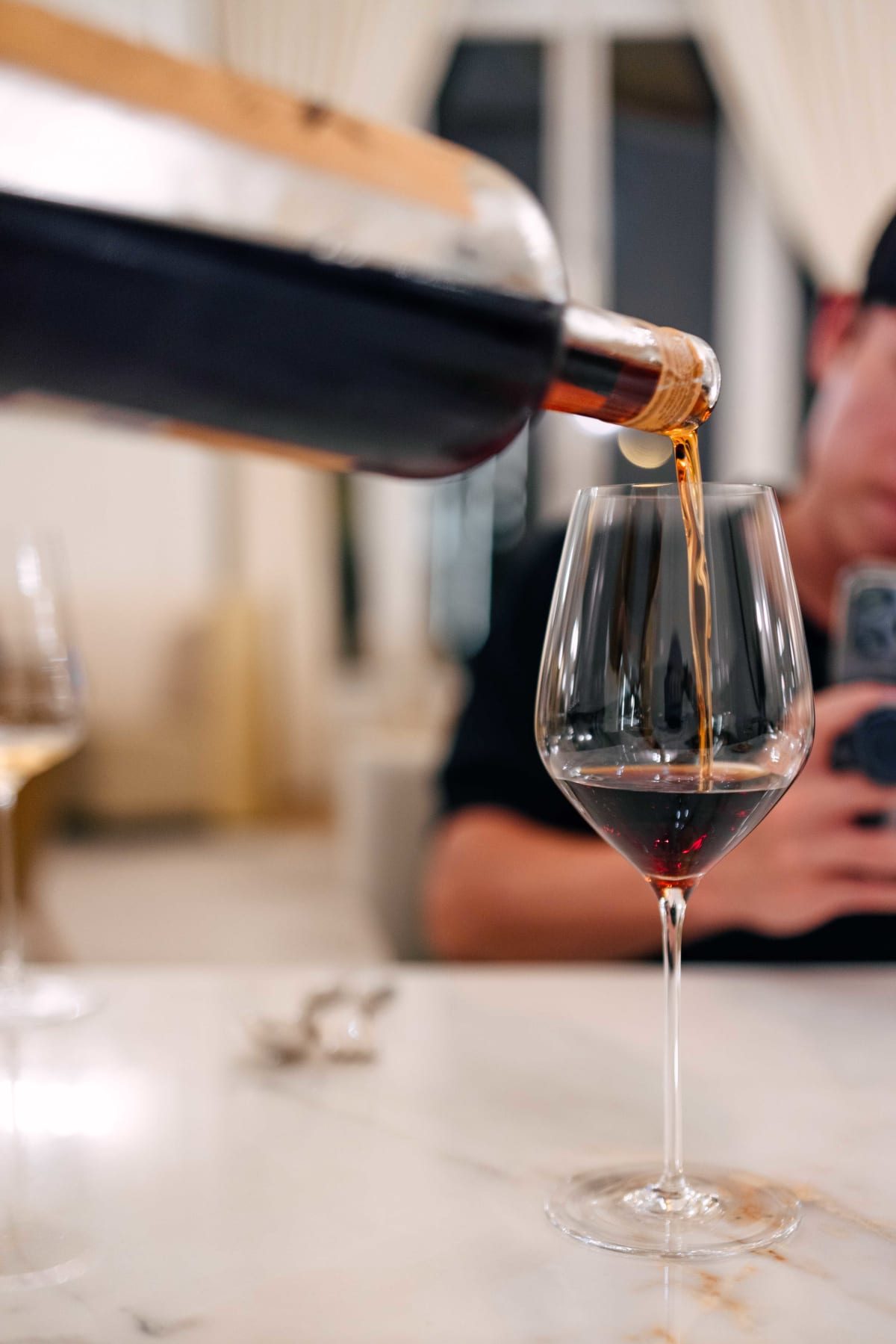
The Cosecha I drank is the young style among them, one that sees no oak ageing, made by pressing grapes turned to raisins over about a fortnight under the August sun, adding spirit, and letting it rest in stainless steel. The label also says it is bottled without filtration or additives and may throw a sediment.
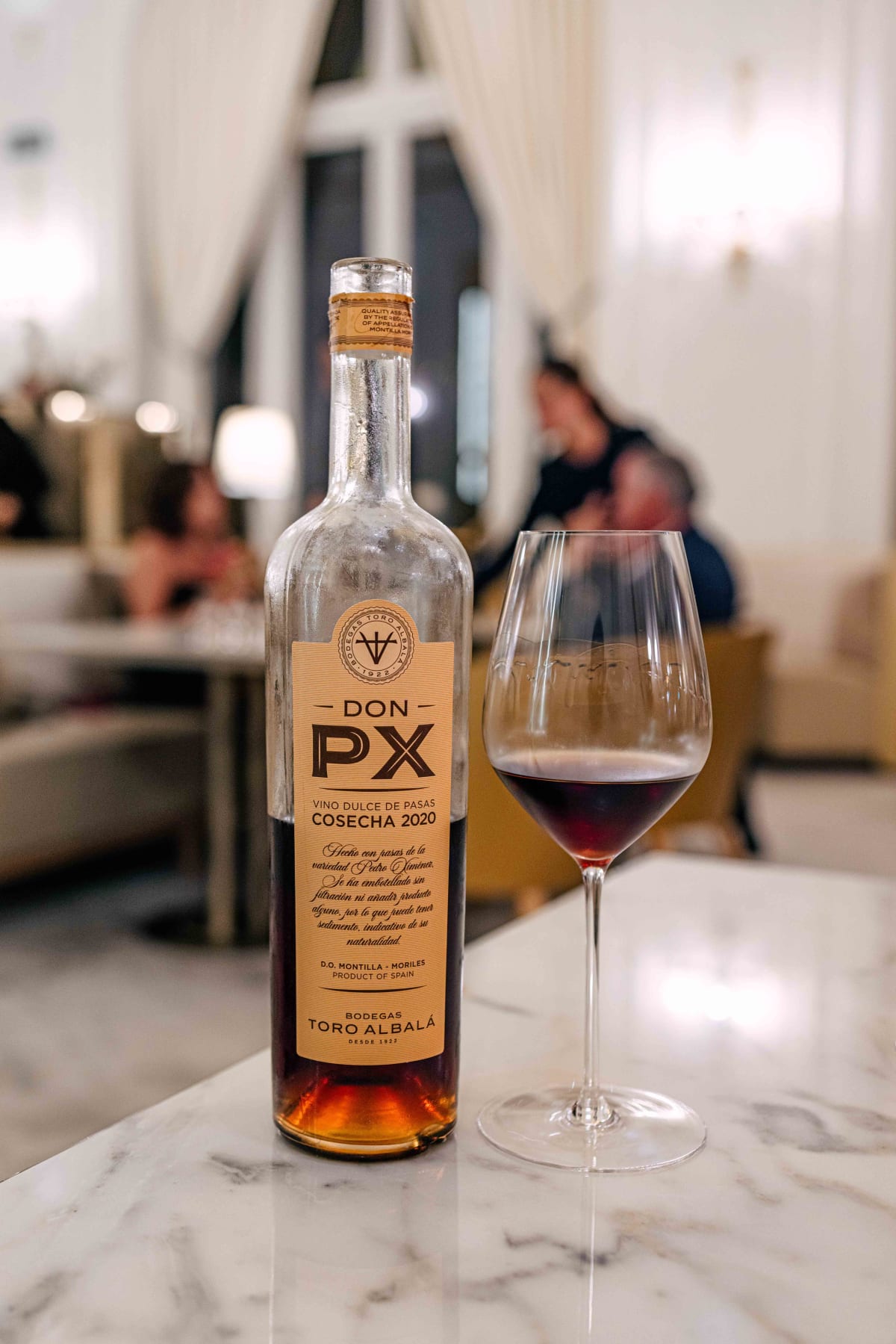
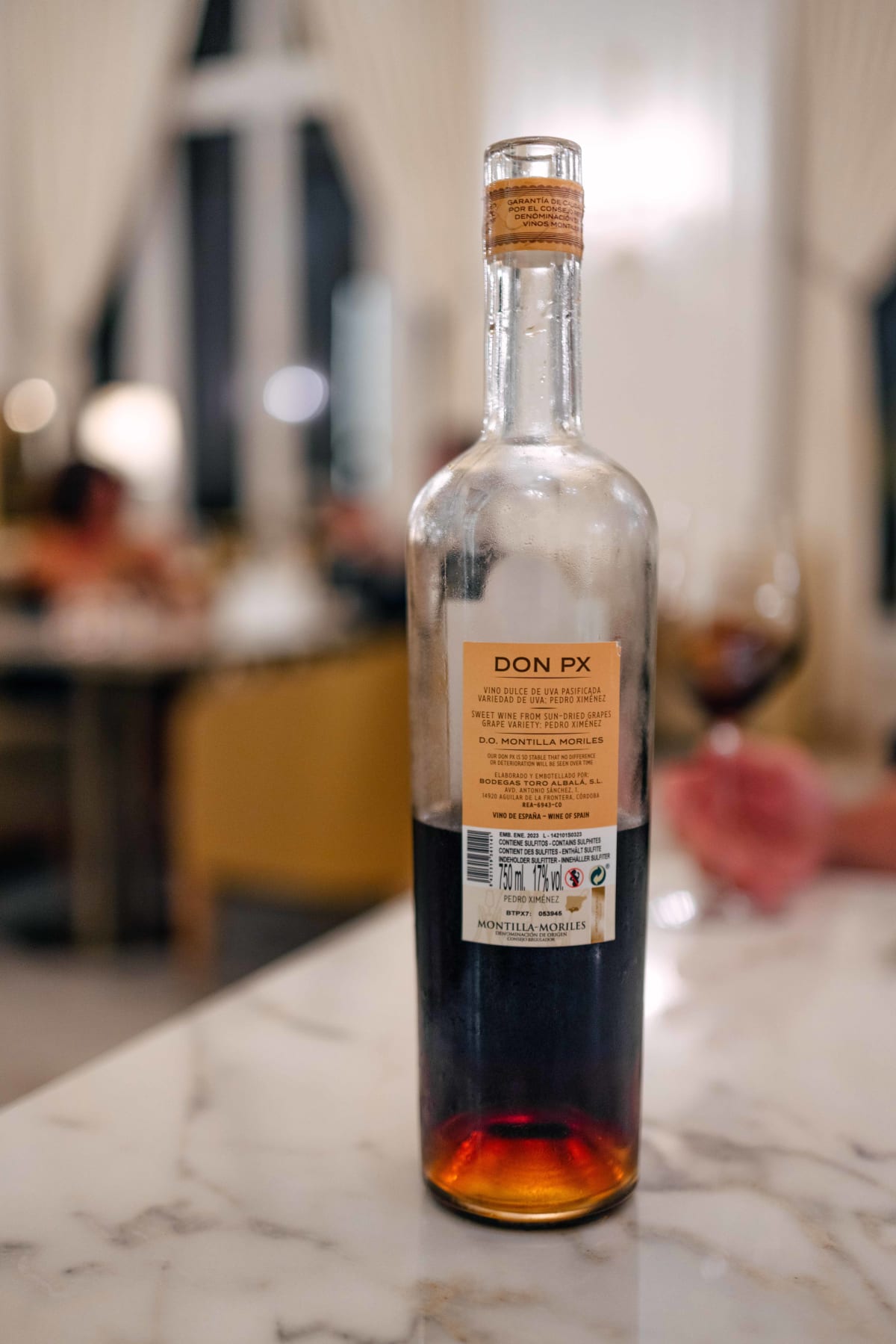
Two dessert wines came, but what disappointed slightly is that although dessert wines age readily and old vintages are plentiful, both wines were young vintages. A hundred and twenty euros is not a cheap amount at all, so it was a shame, and on top of that the card I was given when I ordered the pairing said the second dessert wine would be Gran Fondillon Reserva by Brontons 1970, so another wine arriving was regrettable.
Section 15·In Sum
I think Deessa is a solid two star restaurant with excellent hardware, a good location and an ornate interior, where you can experience the food of a three Michelin star chef, Quique Dacosta, at second hand.
I think it can be recommended for marking an anniversary in Madrid, or for spending an evening with decent cooking in a space with good atmosphere. But if you are looking purely in terms of gastronomic experience for the innovative and leading places of the Spanish dining scene, or if you want the ultimate gastronomic experience, I thought it would not be a bad idea to take a little more patience and time in Madrid and look around for somewhere else.
What you conclude about Deessa depends on which of its two long menus you chose. Históricos asks a Madrid team to perform a Denia repertoire, so what you judge is closer to a cover version than to the band, and the fair question is not whether a dish is original but whether the reading holds. Contemporáneo is the other test, the one asking what this house has become on its own. The carte and the price have both moved since this visit, and a shorter format now runs on selected weekdays at roughly half the cost, which is the easier way into the room. The pairing is where the value sits or does not.
Have a question about this restaurant, or want to share your own experience?
Send a message