All Reviews
Back to homeShowing 85 reviews

Plénitude
At Plénitude, sauce is not a supporting element — it is the subject. Every dish is written in its name: the ingredient exists for the sauce, not the other way around.
Housed on the second floor of the Cheval Blanc hotel at the foot of the Pont Neuf, Plénitude received three Michelin stars without passing through one or two — a distinction that alone makes it one of the most anticipated reservations in Paris. Chef Arnaud Donckele's philosophy places sauce at the centre of French cuisine in a way that is not merely technical, but almost literary.
02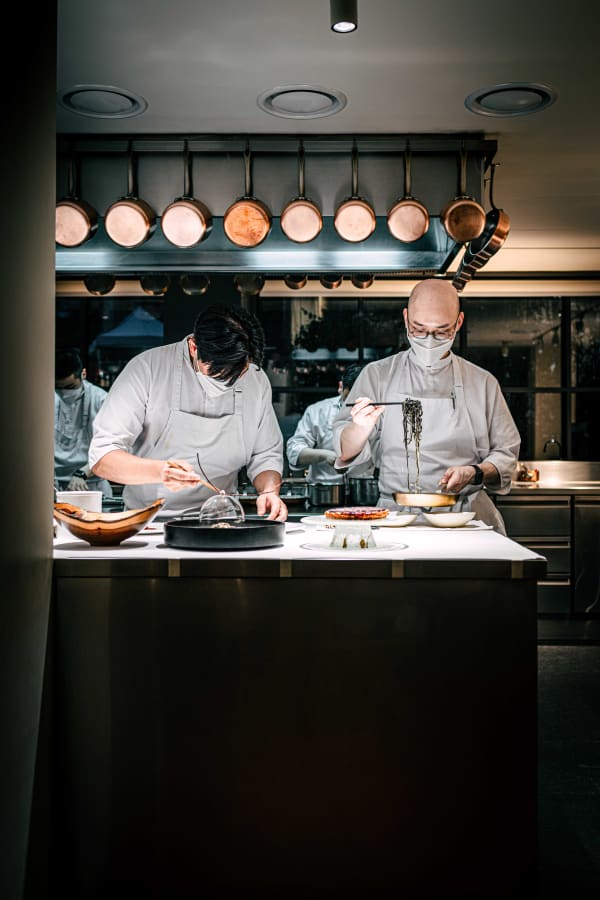
Mosu
Where Korean memory and French technique meet at the fire — Ahn Sung-jae's cooking asks you to rediscover ingredients you thought you already knew.
Mosu was my first Michelin three-star, and it remains one of the most considered meals I have eaten in Korea. The kitchen sits open to the dining room with almost no barrier between cook and guest — a transparency that turns out to be entirely appropriate for food this honest about its intentions.
03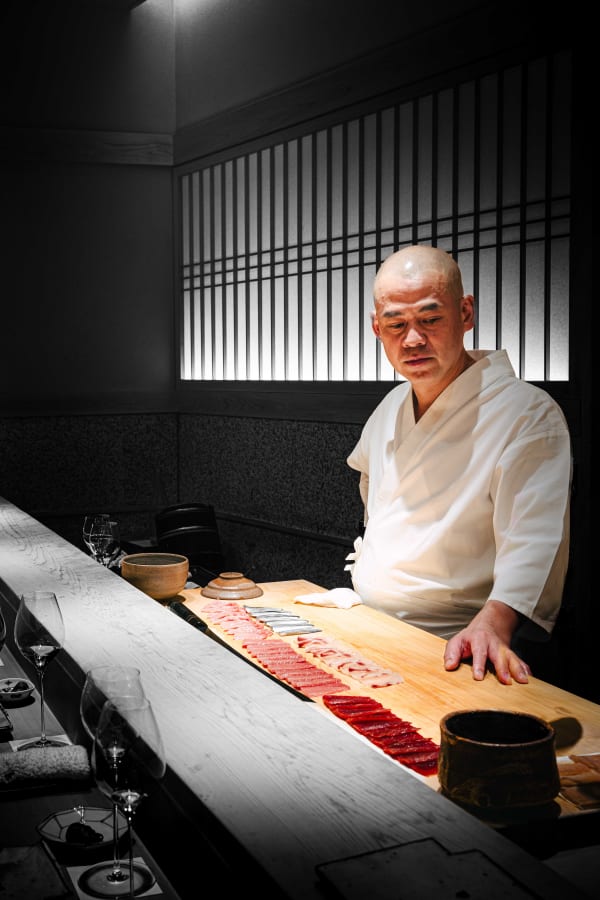
Sushi Saito
The shari makes the sushi. At Saito, every piece of neta is a lens, and the rice beneath it brings the image into focus.
Sushi Saito has been a members-only counter since 2019, when it withdrew from the Michelin Guide rather than continue accepting public reservations. The reputation it built before that withdrawal, and everything that has accumulated since, makes it one of the most coveted seats in the world. An invitation to a private group dinner in April 2024 brought me there, and it remains my finest experience of sushi.
04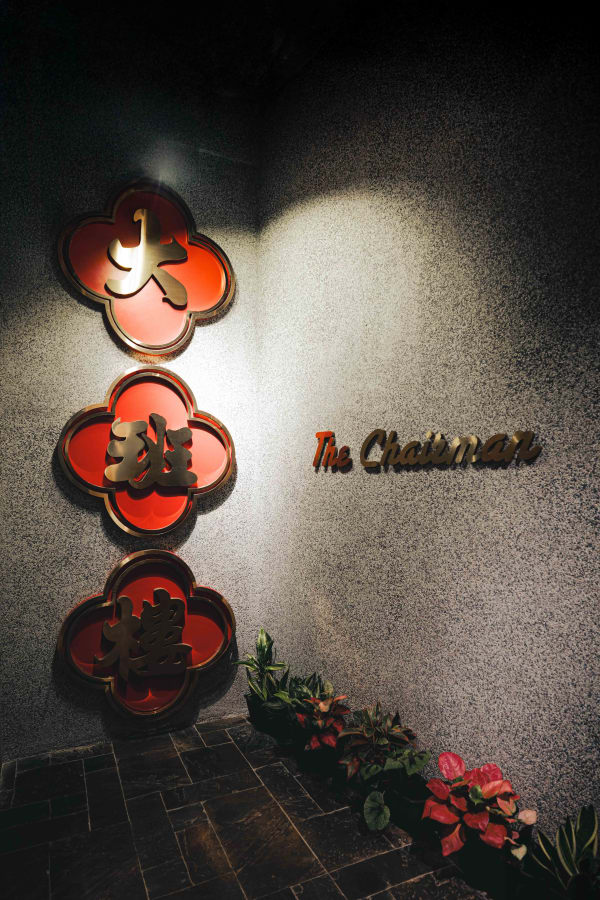
The Chairman
Cantonese cooking stripped of pretension, driven entirely by ingredient. Danny Yip's kitchen does not try to impress you. It simply feeds you better than almost anywhere else in Asia.
The Chairman opened in 2009 with a philosophy that has not changed: no factory-made sauces, no shortcuts, no flourish for its own sake. Eighteen years after my last visit to Hong Kong, it was the first restaurant I went to, and the right choice.
05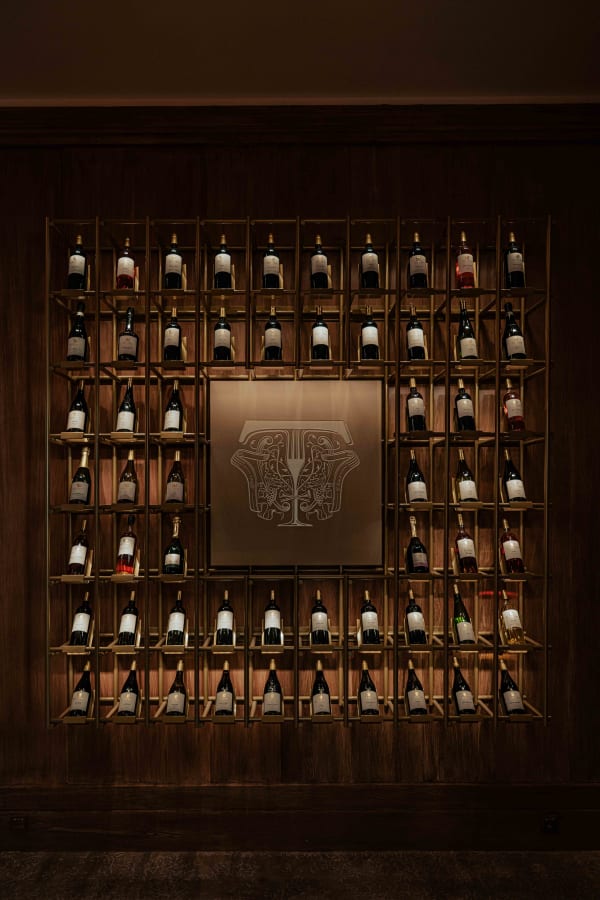
Le Taillevent
Where the history of French gastronomy pours itself into every glass.
Founded in 1946 and a three-star institution for over three decades, Taillevent remains one of Paris's most storied grandes maisons. A first visit that arrived before I fully understood what I was walking into — and proved more than I was ready for.
06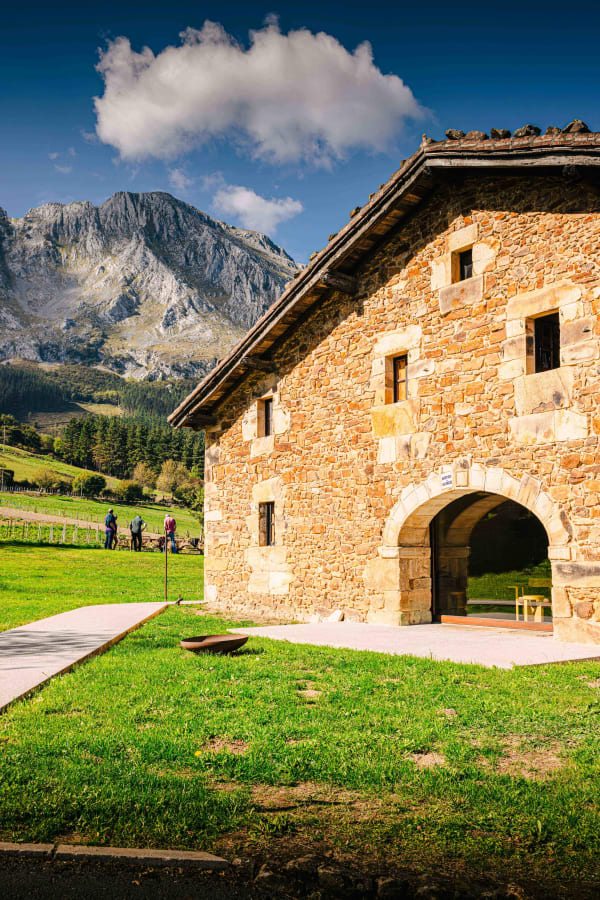
Txispa
The apprentice's fire burns differently, and that is exactly the point.
Seven months after opening, Txispa earned a Michelin star and entered the World's 50 Best at number 85. Set 200 meters from the legendary Asador Etxebarri in the Axpe valley, it is where a decade of training under Bittor Arginzoniz becomes something entirely its own.
07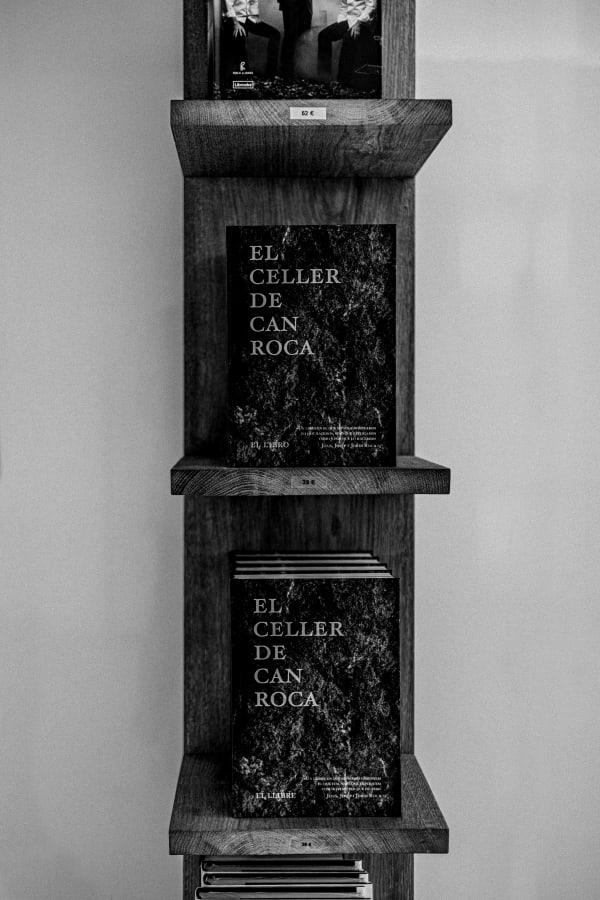
El Celler de Can Roca
Thirty courses and sixty thousand bottles. The reservation I had waited for.
A meal built around a single reservation, designed from the beginning around one table in Girona. Four and a half hours, thirty courses, and the finest wine pairing of my experience.
08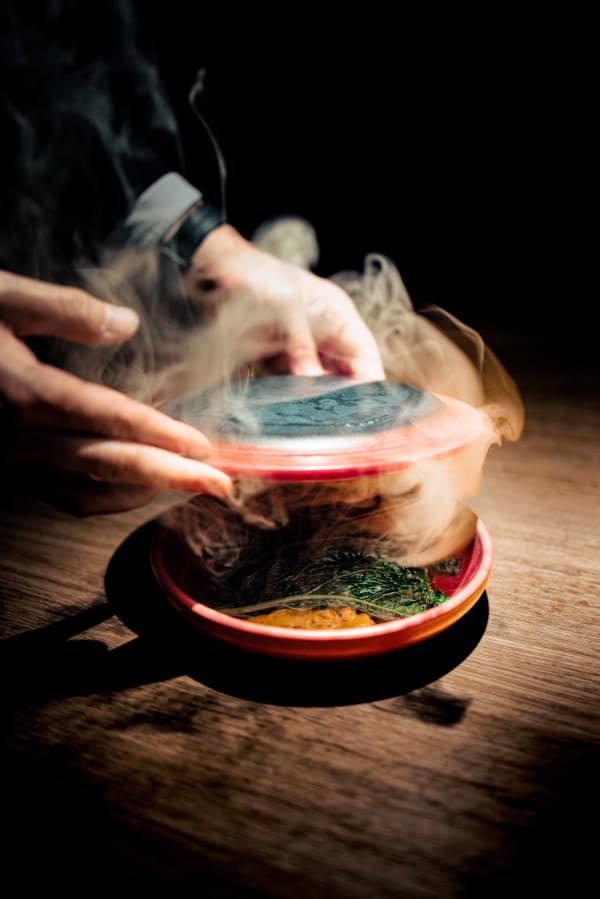
iKOYi
A restaurant better measured by the 50 Best than the red guide
iKOYi does not call itself a fusion restaurant, and the food makes the case for that refusal. Built on British ingredients with West African spices and Asian sensibility woven through, it is one of London's most original cooking propositions.
09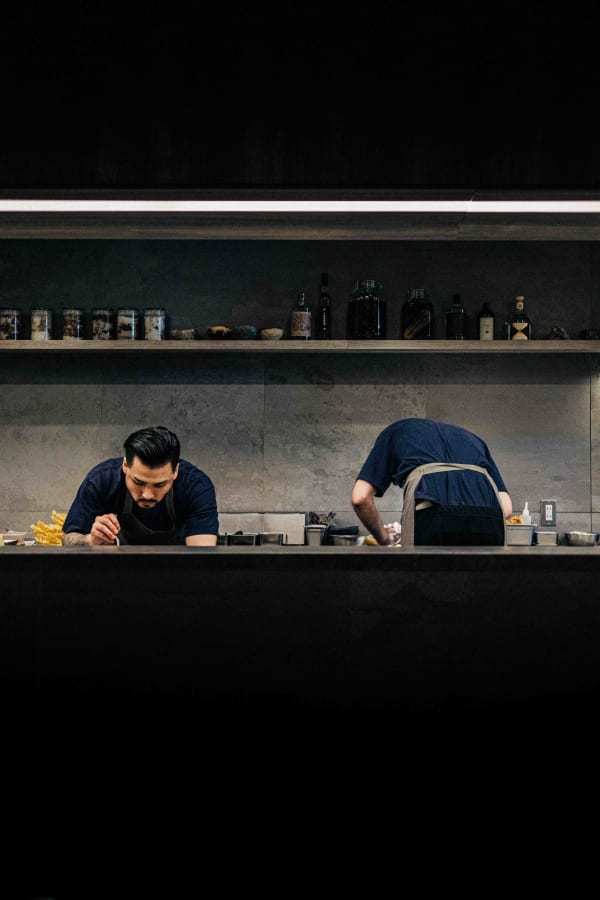
MAZ
Nine courses from ocean floor to Andean highland, made with Japanese hands
MAZ is the Tokyo outpost of Central, the Lima restaurant that topped the World's 50 Best in 2023. Nine courses climb from ocean floor to Andean highland, built on Japanese ingredients and Peruvian philosophy, and the two meet most clearly in the sea.
10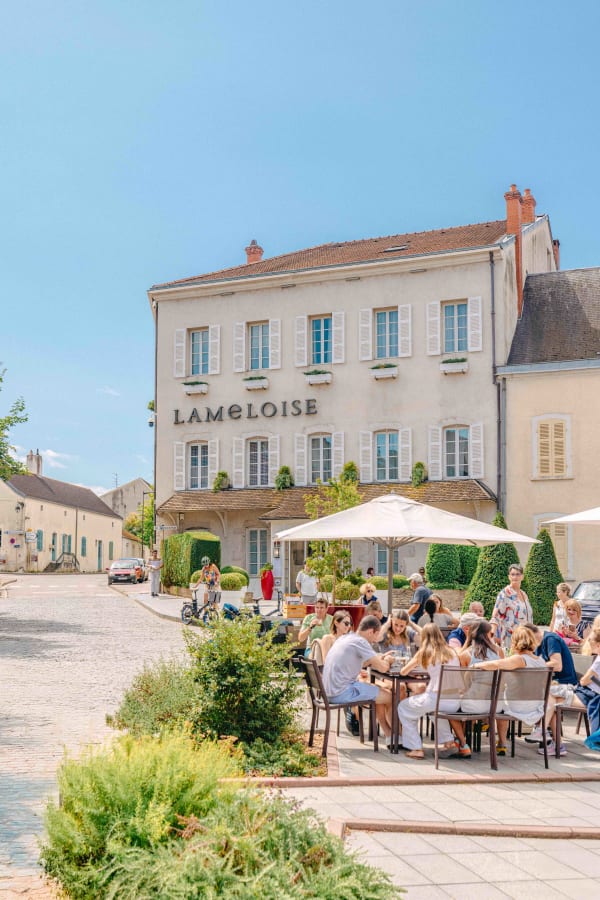
Maison Lameloise
Where tradition is the future, and the Côte d'Or ends at the table
Maison Lameloise has held a Michelin star since 1926, the year the Guide first awarded them. Nearly a century later, under Éric Pras, the third star remains, and the Burgundy wine pairing alone is worth the detour to Chagny.
11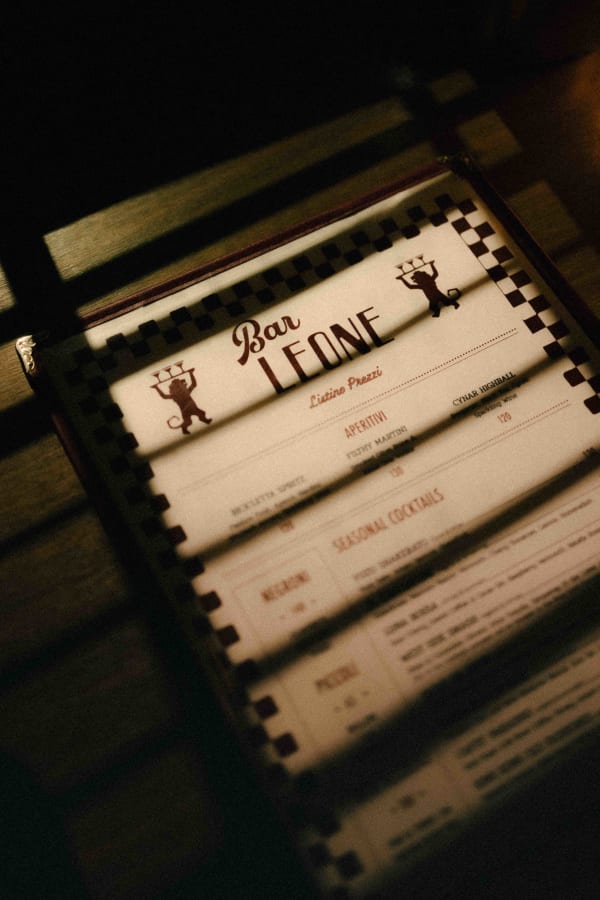
Bar Leone
The best bar in Asia, and I still haven't eaten the mortadella.
Bar Leone topped Asia's 50 Best Bars in its debut year. I went twice, got soaked both nights climbing the hill, and missed the mortadella sandwich both times. The bar more than made up for it.
12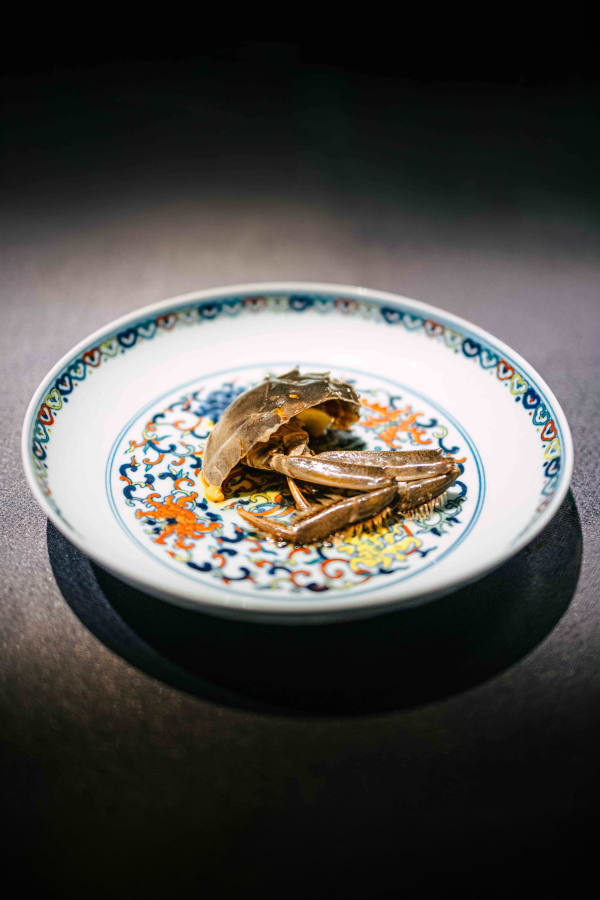
Sazenka
Three firsts on a single day, and the most unexpected one was a daikon.
One of only two restaurants in Japan to hold the triple crown across Michelin, Tabelog Gold, and World’s 50 Best. A first visit, a first three-Michelin-star meal in Japan, and a first proper encounter with dazha xie, all on the same day.
13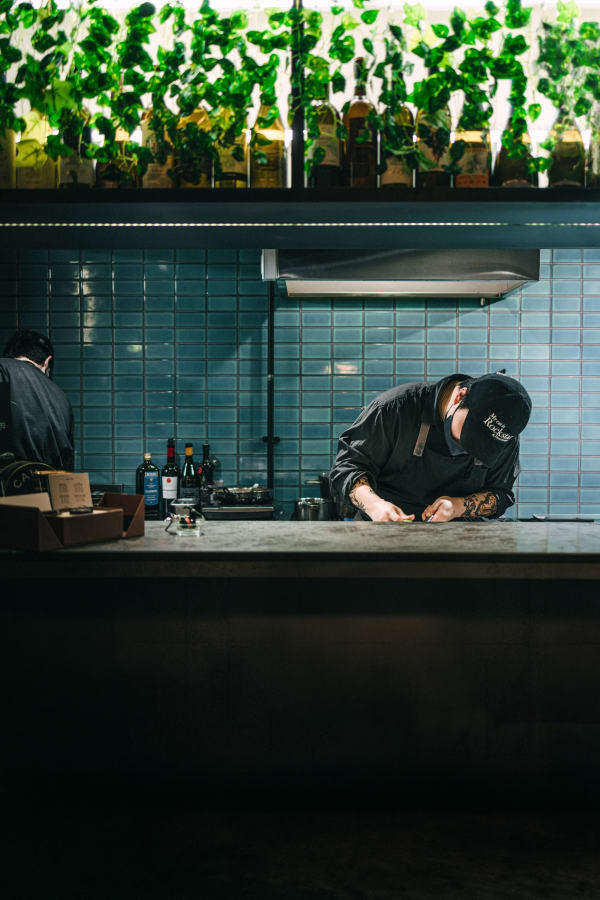
Via Toledo
The street that changed everything. Naples, reimagined in a room in Namyeong-dong.
Before Culinary Class Wars made him the most talked-about chef in Korea, Kwon Seong-jun was running a seven-course caviar collaboration dinner for six people in a room that felt like a studio. I had no idea what was coming.
14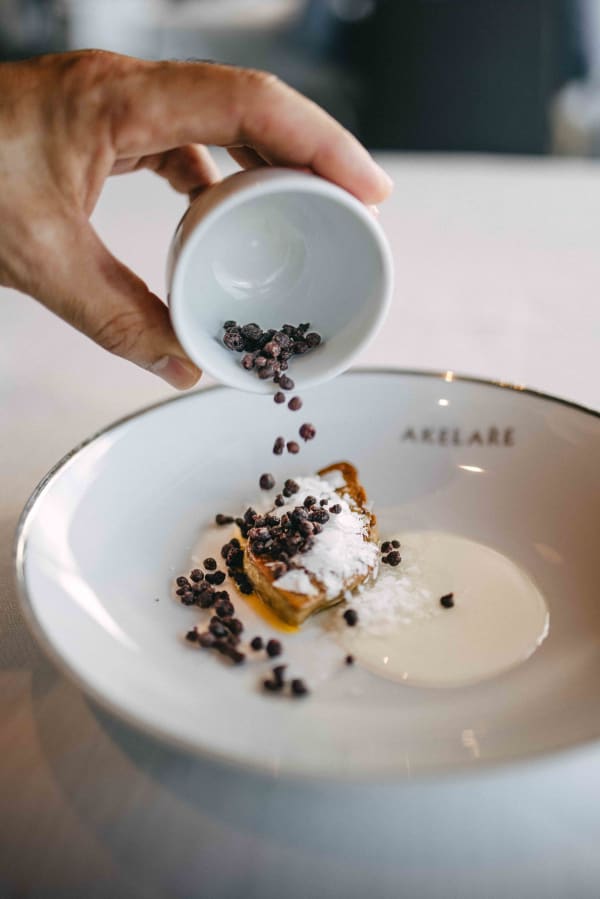
Akelarre
Where the view and the chef's name carry what the menu cannot consistently deliver
This is a restaurant with two moments of genuine force: a plate of foie gras and a lamb main. Those two dishes alone are reason enough to have come. What runs between them, however, did not hold to the standard three stars implies.
15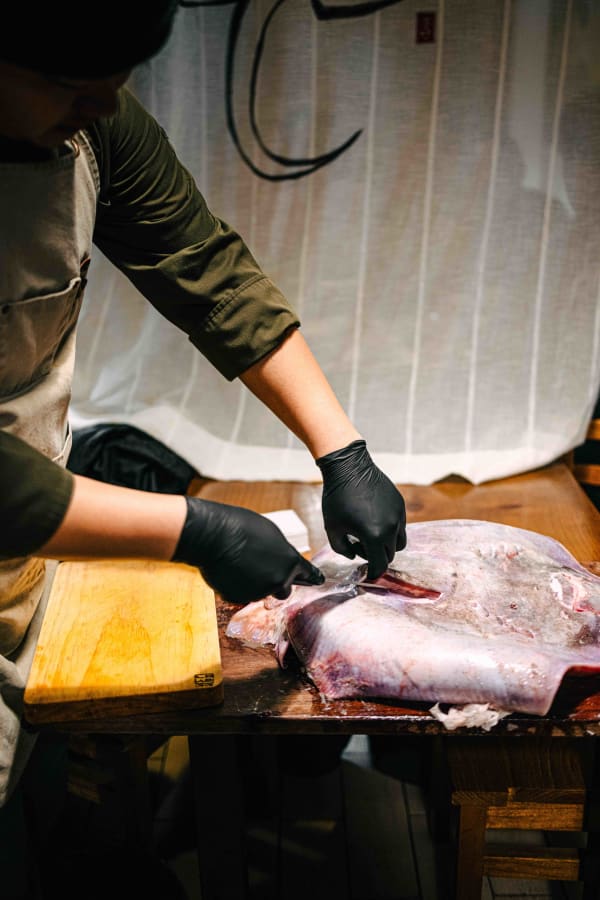
Sadang Heuksando Hongeo
Hongeo is not food you taste. It is food you inhabit for an evening.
Someone at the table said, half-joking: where are Korea's fine dining chefs while this exists in a neighborhood restaurant in Sadang? Having spent time at three-star restaurants across Europe and Asia, I found the question harder to dismiss than it sounded.
16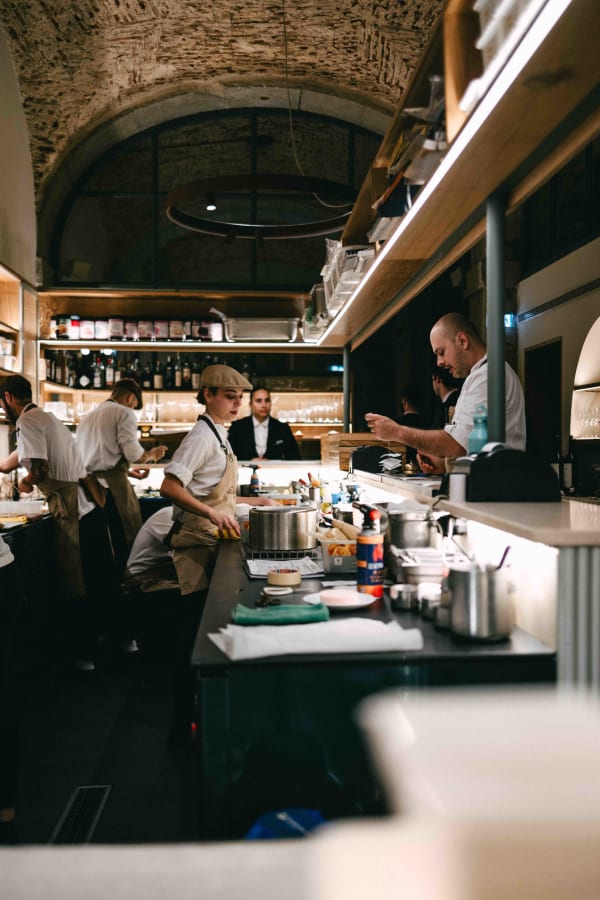
Belcanto
Two stars in Portugal and 25th in the world. One of those numbers is the more accurate account.
A personal rule for this trip held that pairings would be ordered wherever possible. At Belcanto's Chef's Table, watching Avillez check every dish and adjust sauces mid-service, the pairing became secondary to the spectacle of a kitchen operating at full commitment.
17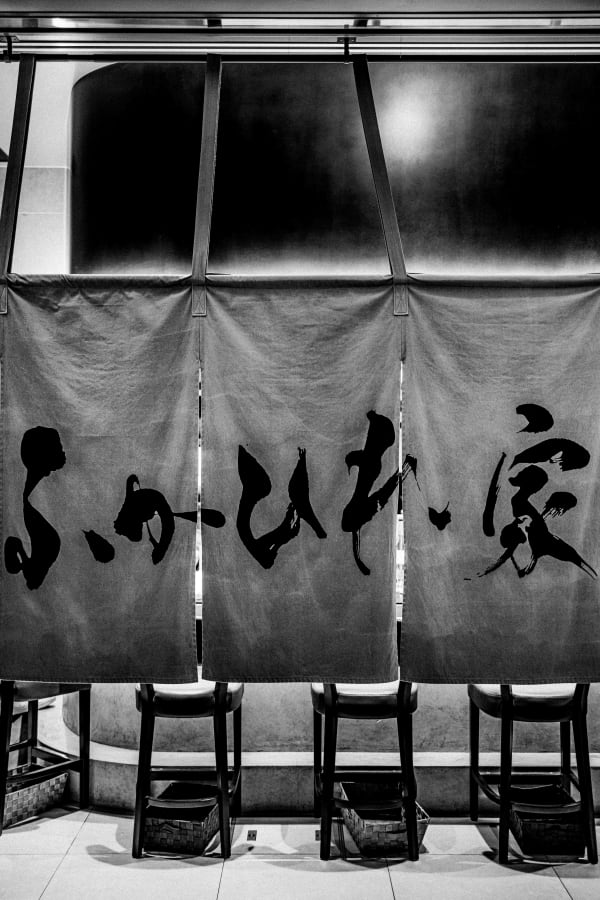
Fukahireya
The most satisfying meal at Azabudai Hills, and a preview of what 4000 Chinese Restaurant might be
The chef asked at the counter whether I wanted it grilled or steamed. I chose grilled, and it brought out a springy, chewy texture. Of everything I ate that evening, it was by far the best.
18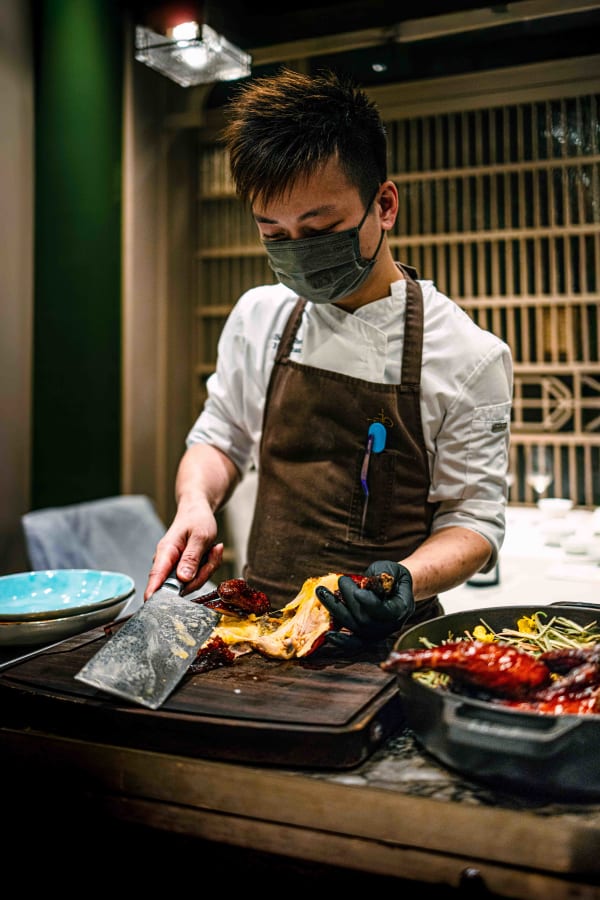
WING 永
A guide that rewards mastery of established forms, and a list that rewards the construction of new ones
The building at 198 Wellington Street holds The Chairman on the third floor, WING on the twenty-ninth, and VEA on the thirtieth. I visited all three during the same trip. What follows is what happened twenty-six floors above.
19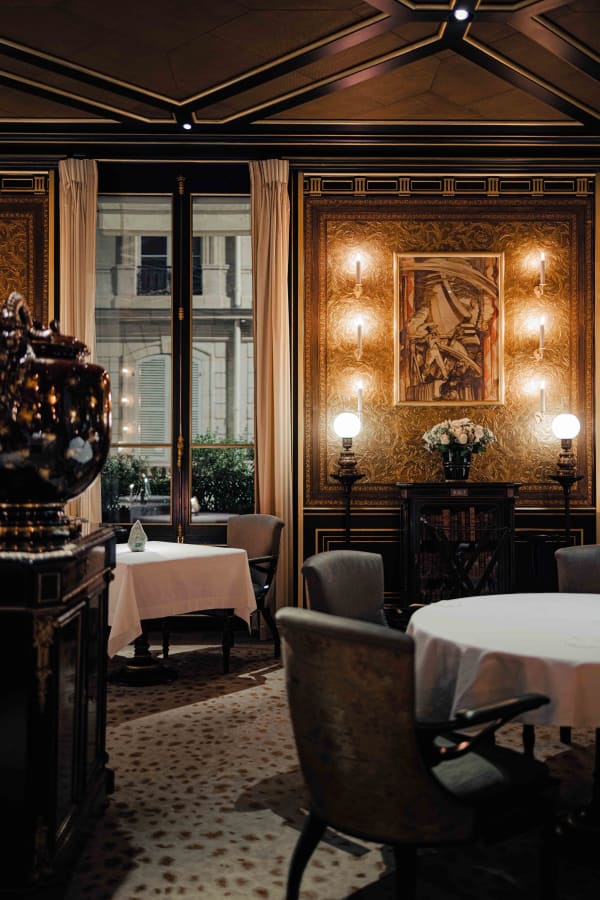
Le Gabriel
Two months after the promotion to three stars, the lineage behind it
The news reached me on a weekday afternoon in mid-March 2024. One restaurant in Paris had moved from two stars to three: Le Gabriel. My European trip the following May had its final night in Paris.
20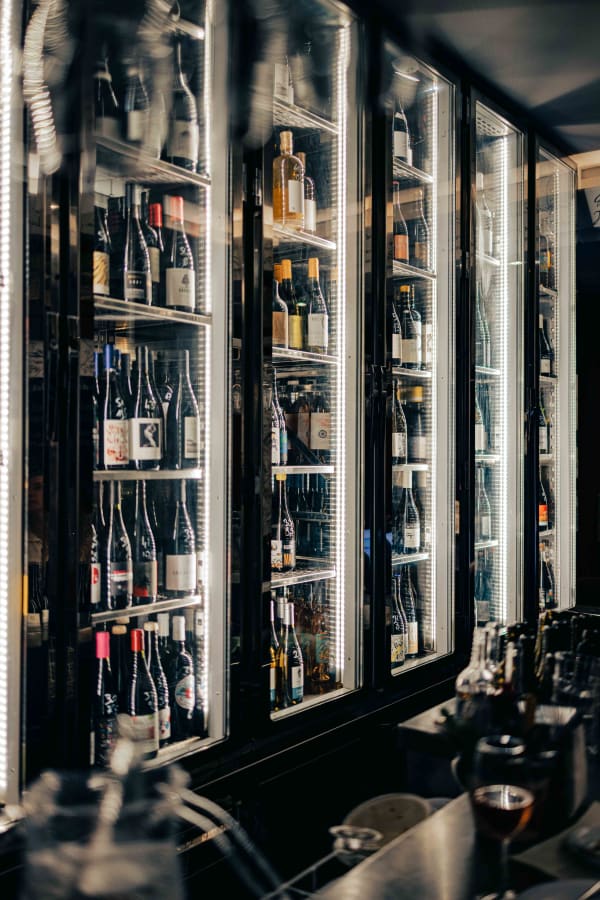
L'Avant Comptoir de la Mer
No reservation, no menu, no seat, and one of the better stops in Paris
My trip to Paris in July 2024 was built around the Olympic Games. The days ran on the schedule of events at one venue or another, and meals had to fit themselves into whatever gaps remained. That may be why I found myself drawn that summer toward local wine bars and seafood places rather than Michelin restaurants.
21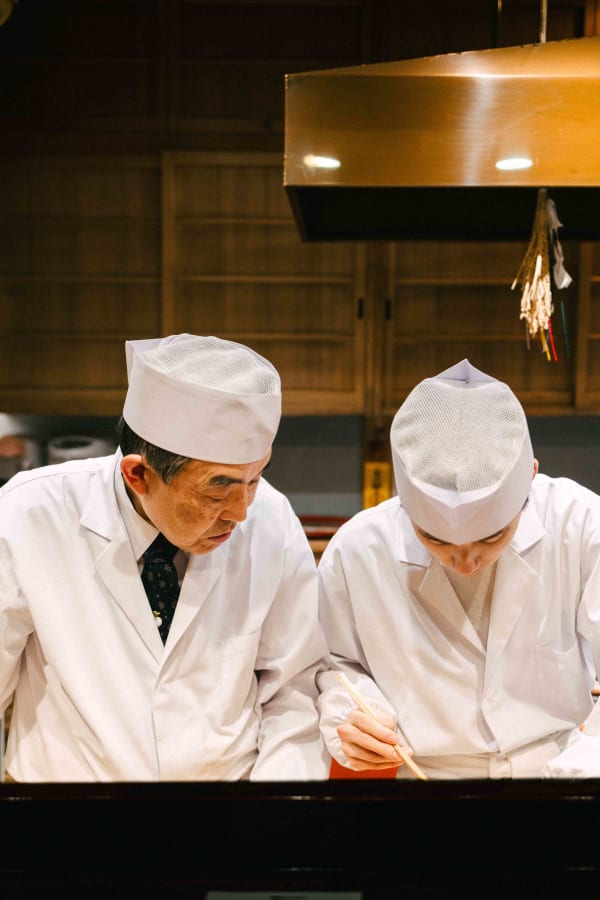
Soujiki Nakahigashi
Where the Michelin Green Star becomes the actual frame of the work
Only after the reservation did I discover that the restaurant held a Michelin Green Star and leaned heavily toward vegetable-driven cooking. A small note of regret followed, the suspicion that an impulse booking might not suit my taste. The worry, in the end, proved misplaced.
22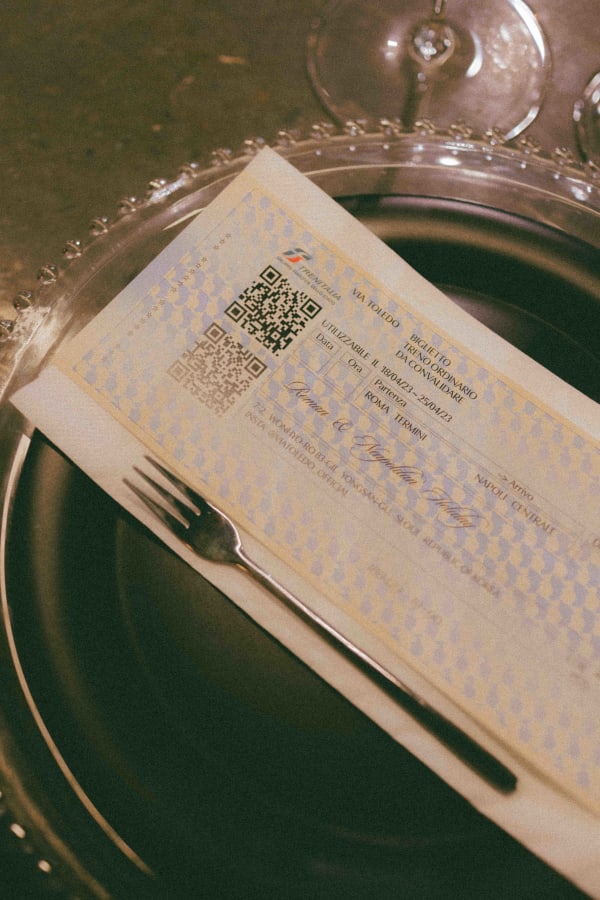
Via Toledo
Lazio and Campania, laid out on a Namyeong counter
I had been in conversation with the chef well before any of his television exposure, and his attachment to Naples was already evident in those exchanges.
23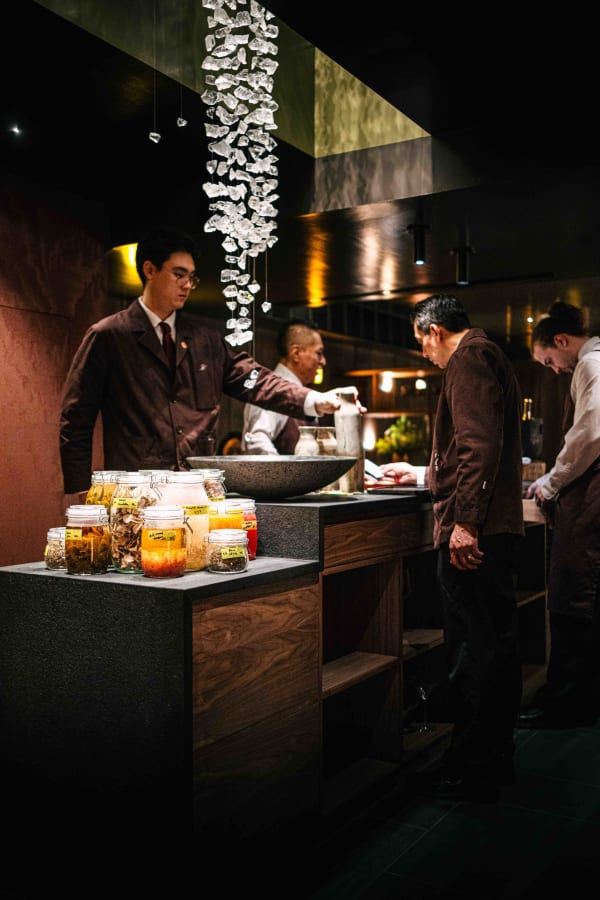
Oyatte
Two days in, already at world-class technique
The halibut held a firmness and a chew that did not register as halibut at all, closer in texture to a good Japanese scallop or one cooked with only the lightest touch of heat. I do not recall ever encountering this level of cooking precision in a dish from a Korean chef before.
24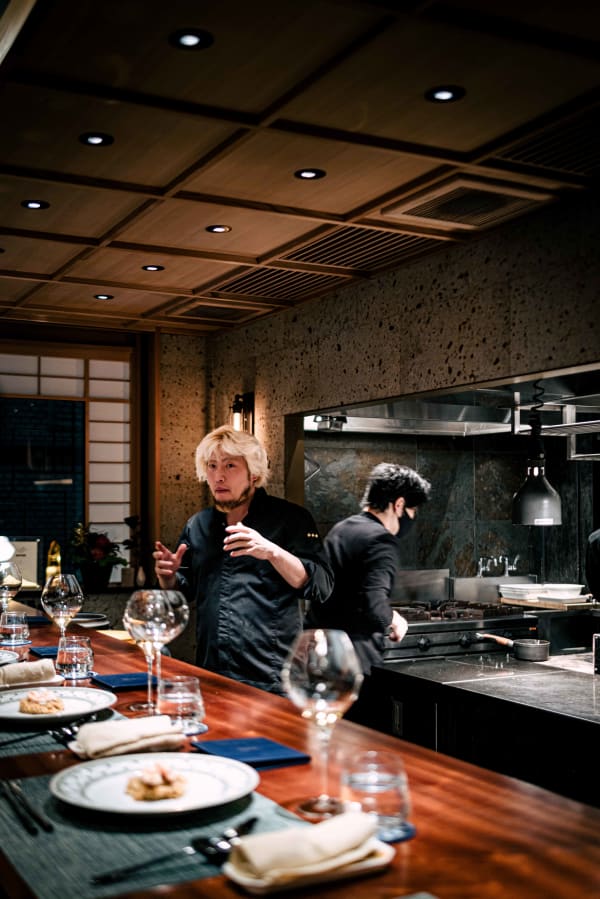
Ao Nishiazabu
Japan's number-one French on Tabelog, and the cleanest test case for the Michelin gap
What Ao's cooking demonstrates is what happens when the quality of ingredients is pushed to the very top of the scale: the flavour of the produce is not overwhelmed by the sauce, which is the central pillar of French cooking, but stands beside it and holds its own.
25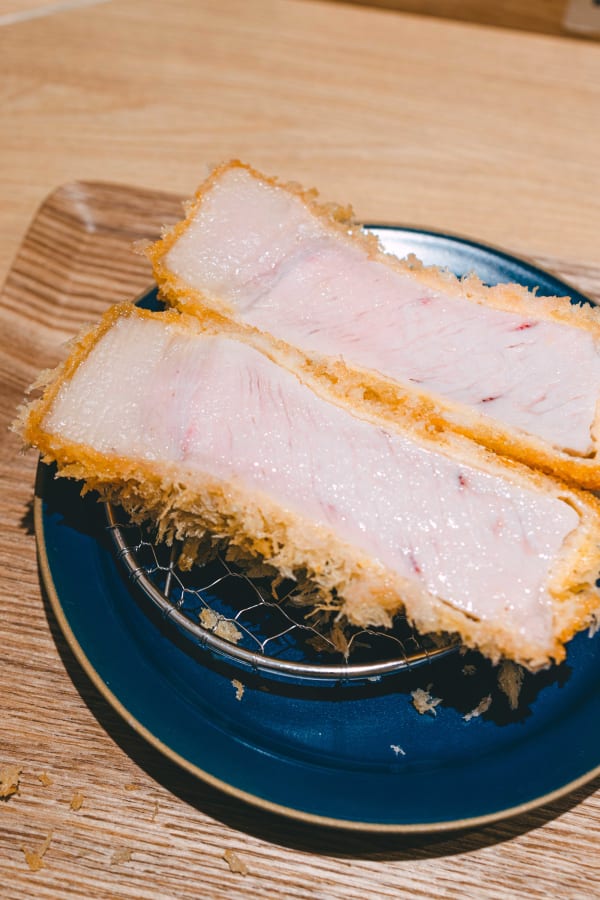
Tonkatsu Narikura
The Japanese path to tonkatsu, met by Korea on its own terms
Not one of them has fundamentally shaken my view that this is the single dish where Korea, on its own terms, has caught up.
26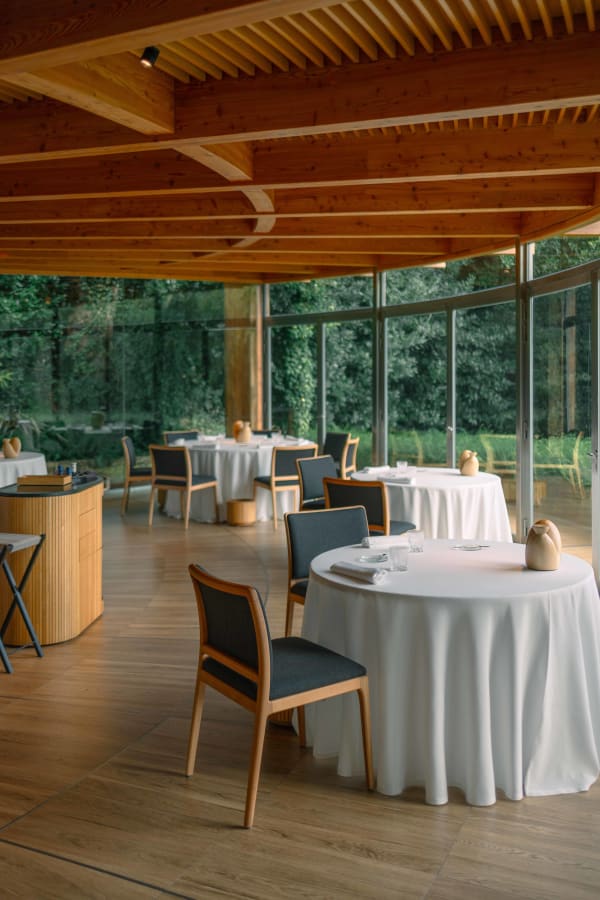
Martin Berasategui
A three-star team without a superstar, and a baseline for the Spanish path to fine dining
Anyone who has planned a serious dining trip to Barcelona will know two restaurants there: the three-star Lasarte and the one-star Oria. Both are Berasategui's, and both take their names from this very neighbourhood, Lasarte-Oria.
27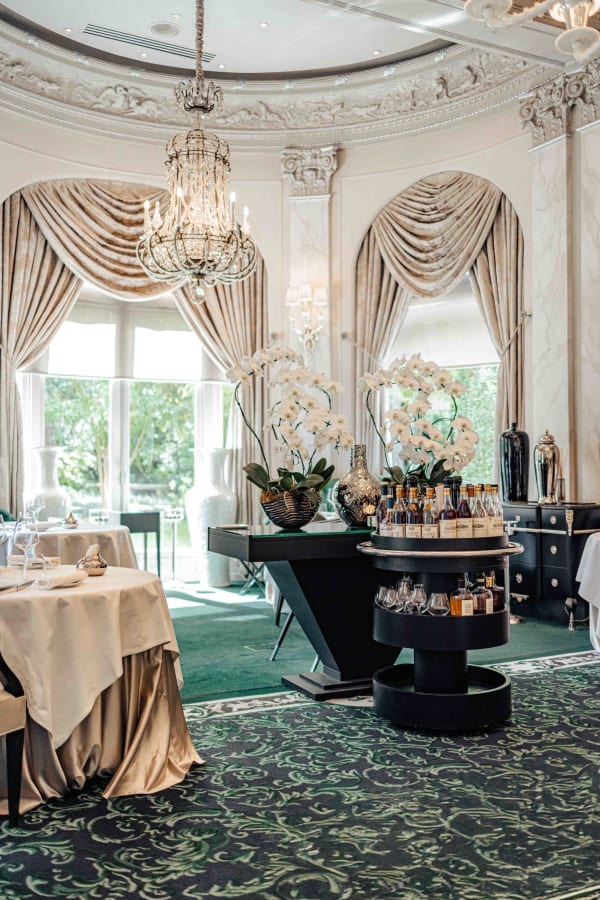
Le Pré Catelan
A signature menu kept honest by its own stillness
The foie gras sauce, in particular, had been worked into a cream foam that landed lightly on the tongue while delivering a deep, almost unctuous body underneath.
28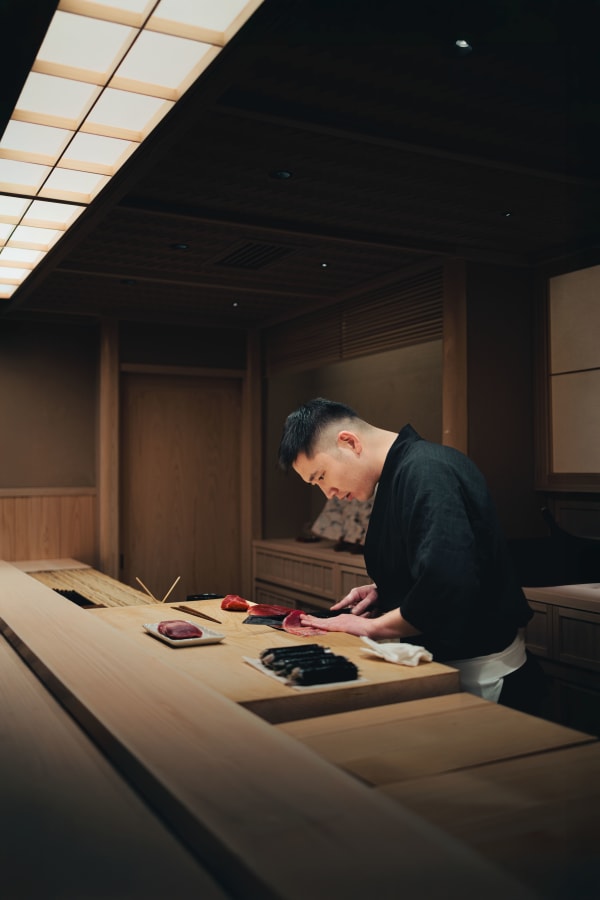
Sushi Riku
The honest middle of Tokyo's generational sushi wave
The colour ran from pink into red, neither cloudy nor transparent, a gradient that resembled looking into deep ocean water.
29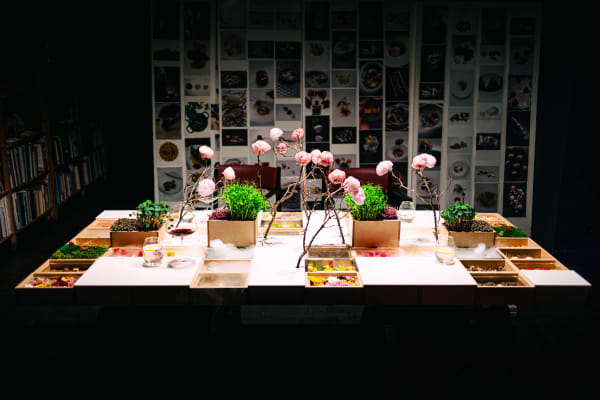
Disfrutar The Living Table
elBulli's heirs, and the rare immersive table where the cooking always leads
The amaranth coral shattered crisply first, and the caviar, oyster, and codium piled on top burst all at once, so that my mouth turned into the sea in an instant.
30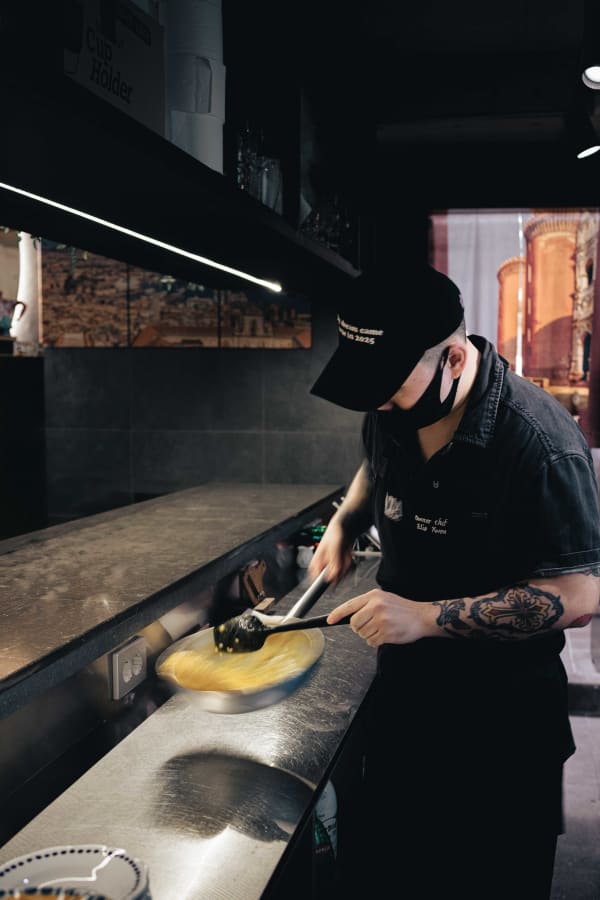
Via Toledo
The Culinary Class Wars champion's pasta bar, the cooking transformed two years on
Even now I half wonder what possessed me, because on each of those visits I went to real trouble to take careful photographs of a chef who, at the time, was not remotely famous.
31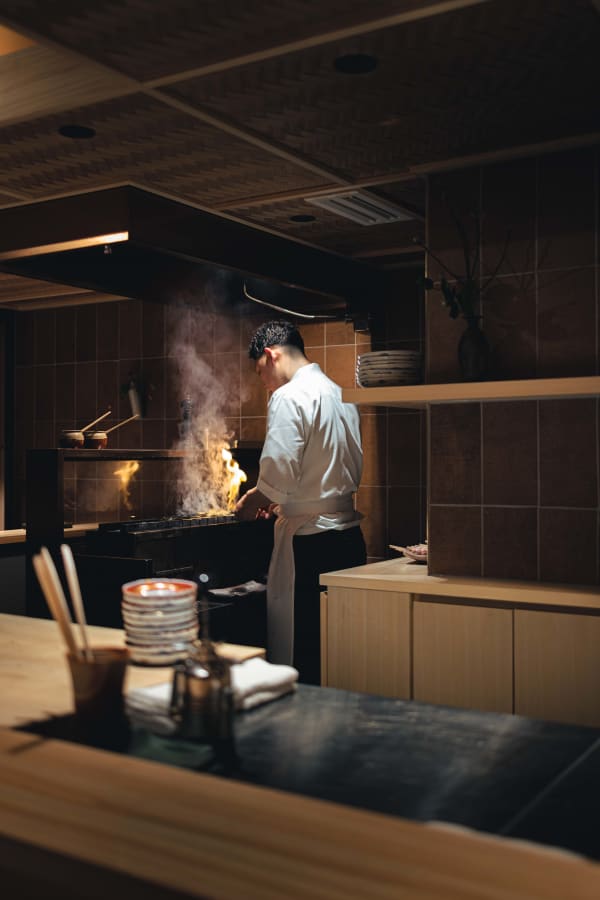
Aramaki
A roomy Tokyo yakitori counter with the polish of a ryotei
Ask around about what to eat in Japan, or in Tokyo specifically, and the recommendations lean toward yakitori more often than sushi.
32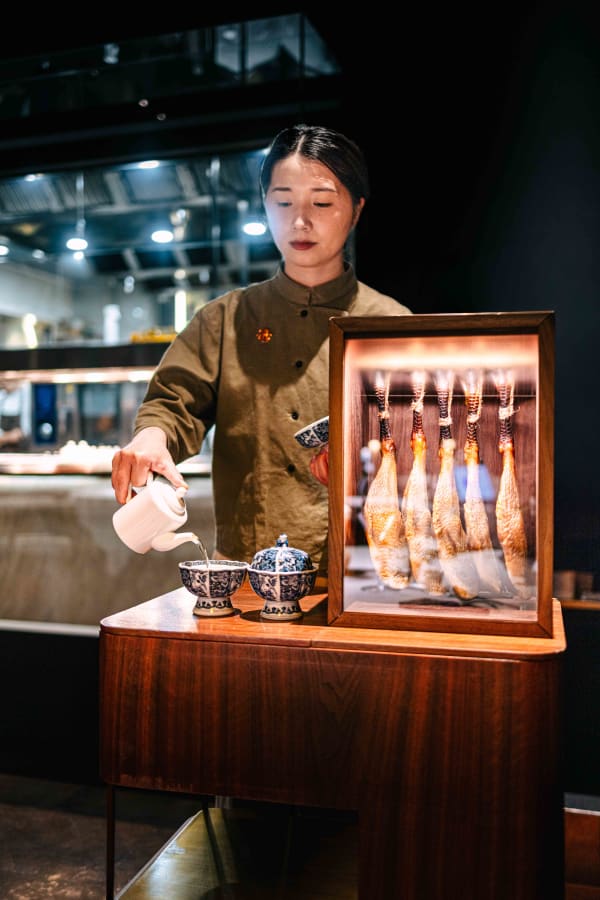
LING LONG
Modern Chinese fine dining on the Shanghai Bund, and a glimpse of where Asian gastronomy is heading
When Asia's 50 Best Restaurants was announced this past March, there was only one restaurant I cared about: LING LONG.
33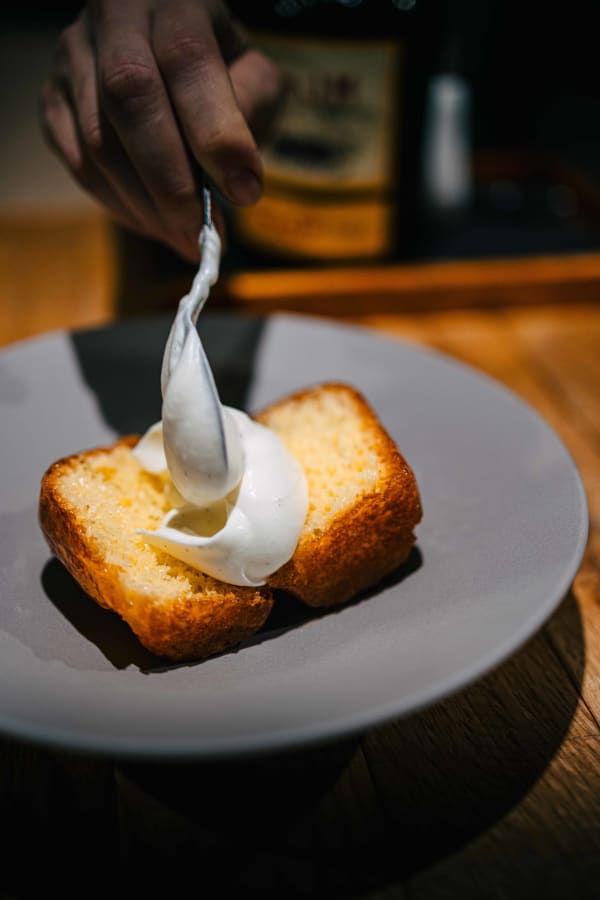
noura
Sister to a two-star in old Asakusa, an orthodox French bistro where a bowl of fish soup outshines the address.
The last meal of my Tokyo trip was a casual French bistro behind a two-star in Asakusa, and a few of its dishes were better than what I have had in France itself.
34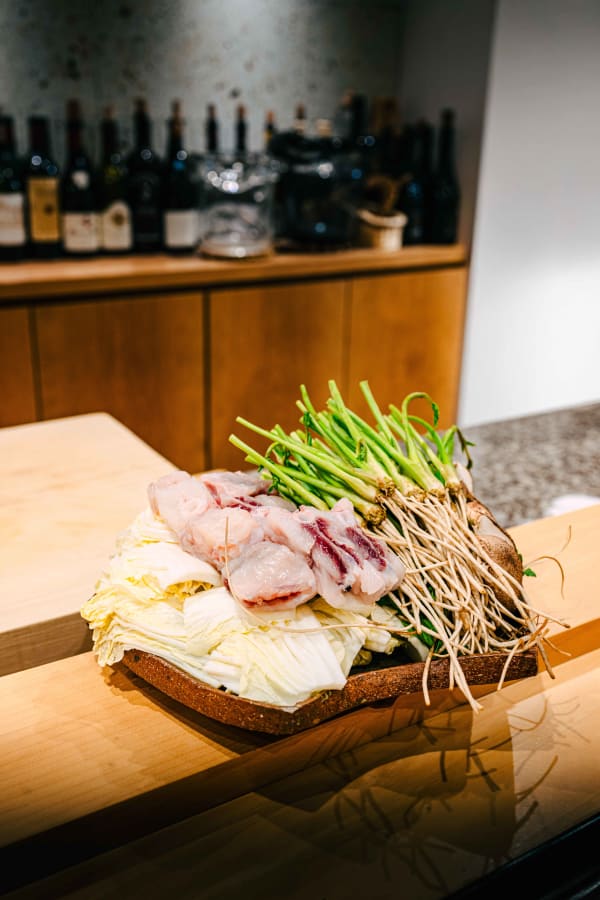
Seirin
A Tabelog Gold table in provincial Hamamatsu where the season is the entire menu, and one giant wild fugu becomes the meal.
My first regional food trip in Japan was to Hamamatsu in fugu season, to a Tabelog Gold restaurant that built an entire course around one giant wild fugu, and warm hospitality and a surprisingly gentle bill made it stay with me.
35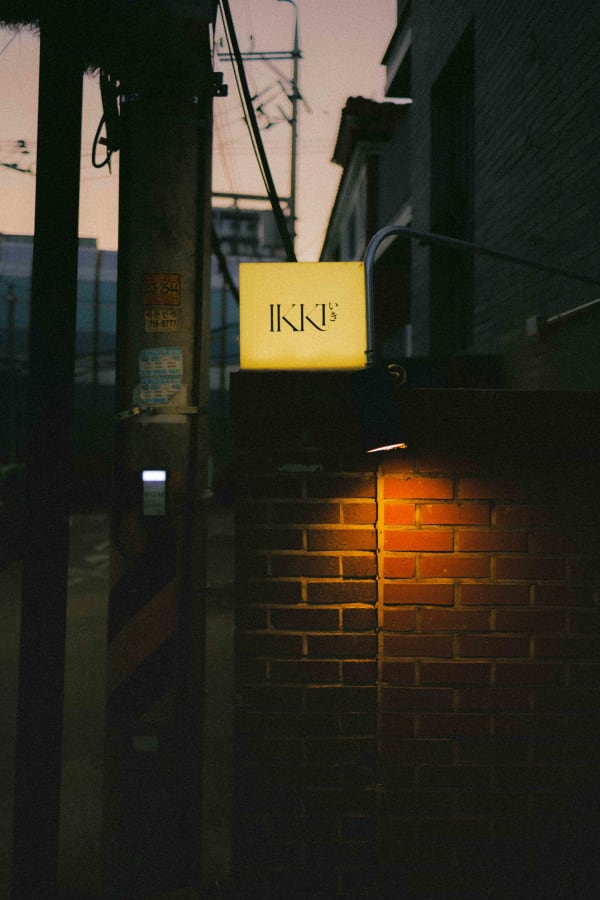
IKKI
A modern, hard-to-book izakaya in Hapjeong where a former omakase chef brings real precision, and a Korean accent, to the casual counter.
ikki is one of the elevated izakaya that helped make Hapjeong a destination, a modern room where a chef trained in sushi omakase cooks with care and slips in distinctly Korean touches, from a Hwayo highball to live local fish, that you would not find in Japan.
36
Antica Trattoria
A tiny Seocho trattoria, now closed, that for a brief while held some of the most uncompromisingly Italian cooking in Seoul.
Antica Trattoria was a small, homeland-minded trattoria in Seocho, now permanently closed, where a chef who hand-made his own fresh pasta brought a purist's Italian cooking, and a brief taste of Italy itself, to Seoul.
37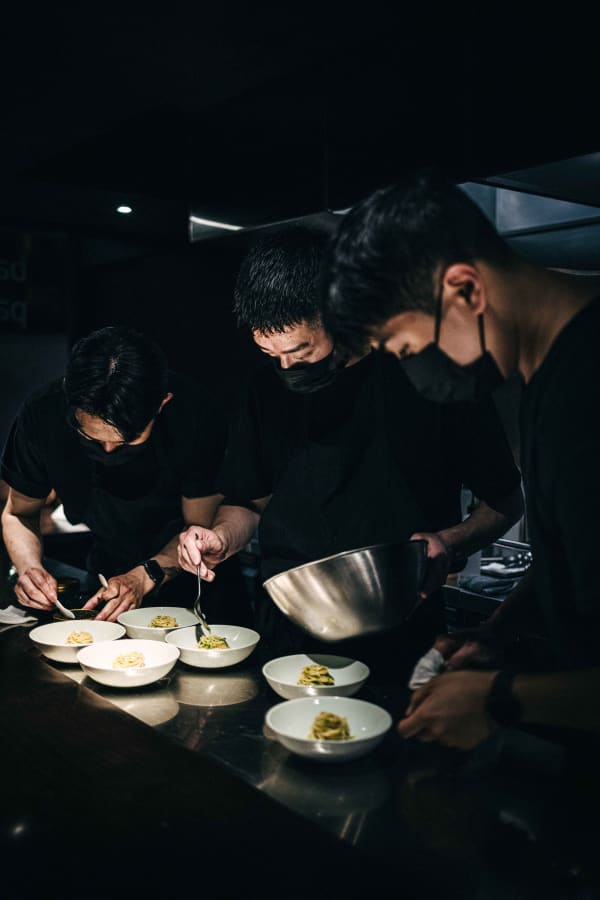
bawi pastabar
The now-closed Seongsu original that started Korea's fresh-pasta-bar craze, where a Japanese touch and Japanese precision met Italian form at the counter.
Bawi Pastabar in Seongsu, now closed, was the root of Korea's fresh-pasta-bar wave, a counter where chef Kim Hyun-jung folded a Japanese touch and Japanese precision into course after course of Italian pasta. A first visit in May 2023, set down three years on.
38
Burger Police
The casual wagyu-burger bistro from the chef behind Michelin-starred TACUBO, beside the Himonya police station and once Tabelog's top-ranked burger in Japan.
Two visits, in April 2023, to a Himonya counter where a Michelin Italian chef rebuilds the hamburger around wagyu, salt, and butter, and the appetizers quietly steal the show.
39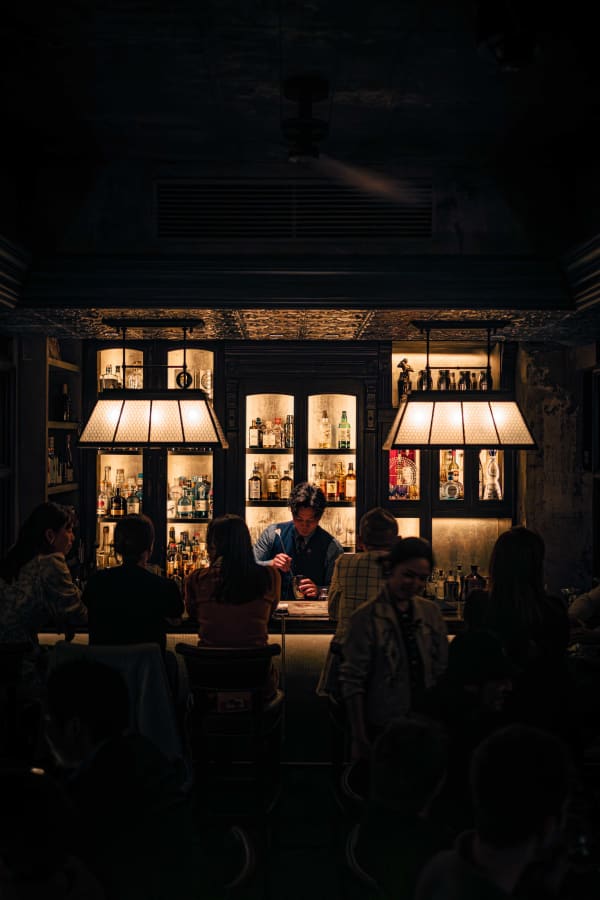
The SG Club
Shingo Gokan's Shibuya original: three bars in one, where a clever idea and serious craft share the glass
The Tokyo home base of bartender Shingo Gokan, themed on the 1860 Japanese mission to America. A casual Guzzle upstairs, a spirit-forward Sip in the basement, and cocktails as inventive as they are precise.
40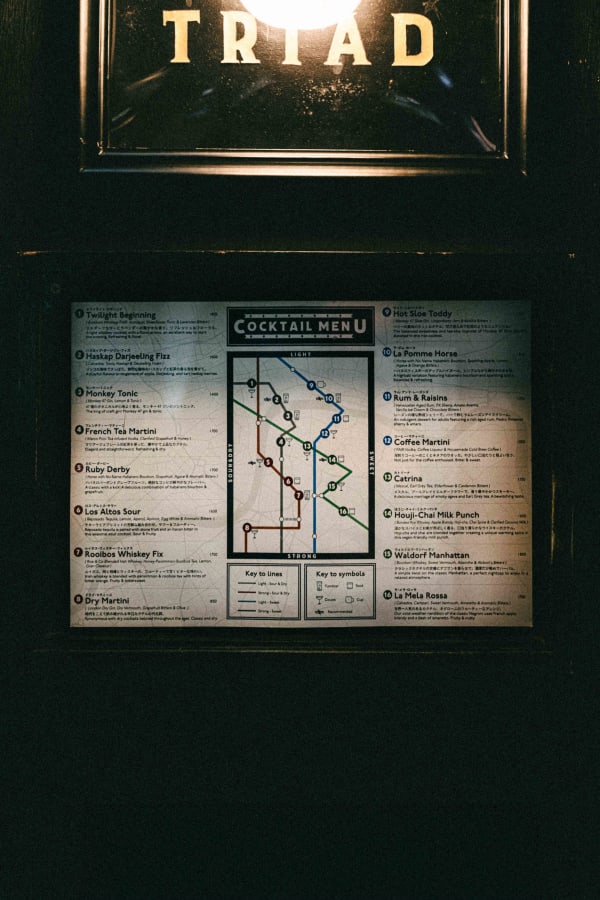
Bar TRIAD
An Ebisu cocktail bar in the Bar Trench family, where a transit-map menu makes a serious list easy to read
A group venue of Ebisu's celebrated Bar Trench, reached by a private elevator to the fourth floor. Herbal-liqueur depth and a playful taste map that lets anyone order by flavour, not by name.
41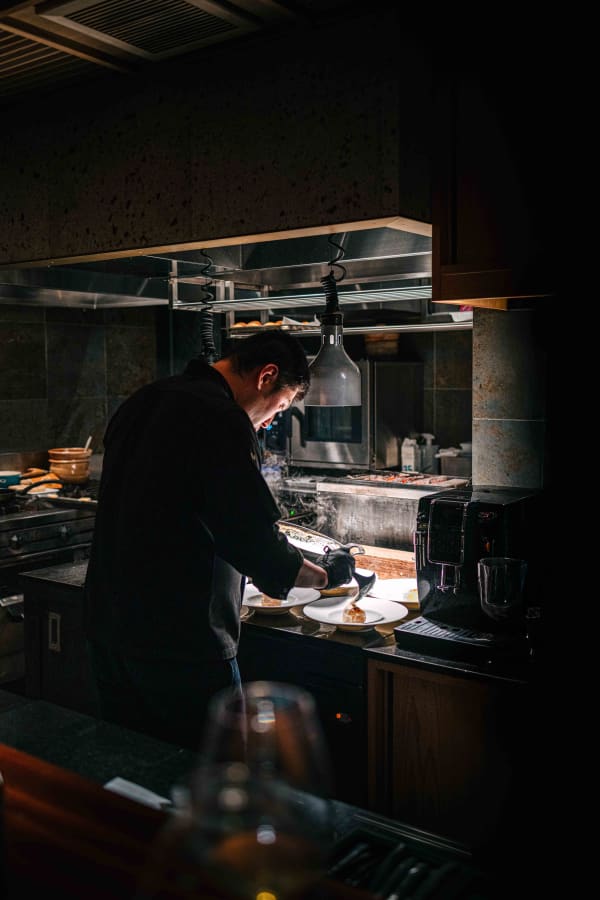
Ao Nishiazabu
The number-one Japanese-French in Tokyo, where Japan's finest produce is the whole argument
A Nishiazabu counter that ranks as the current number one in Japanese-French on Tabelog, built on fish and seafood from Japan's finest suppliers, each named on the menu. Twenty months on, a near-complete return where the produce does the talking.
42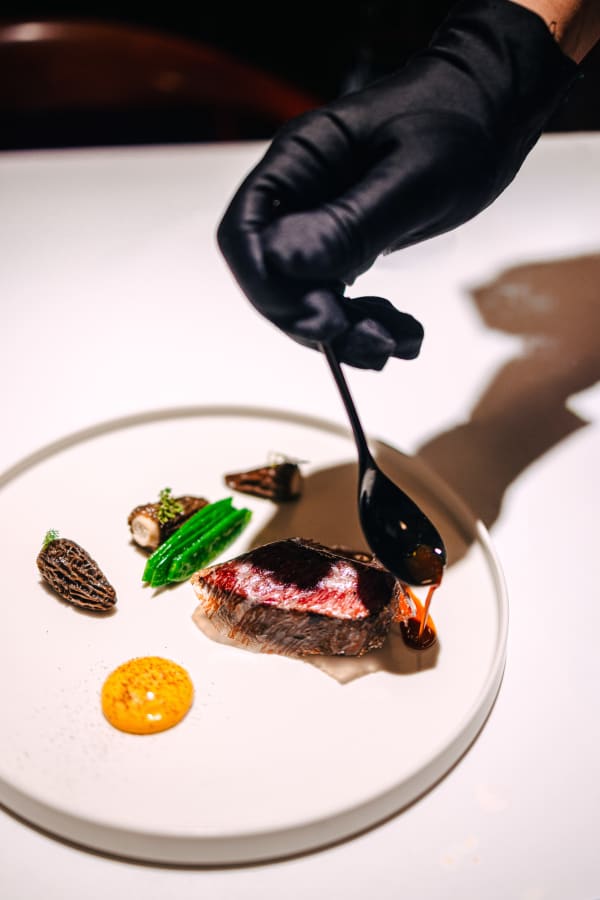
Hommage
Backstreet Asakusa's two-star, where French cooking lets Japan in through the ingredients
Chef Noboru Arai's Asakusa fine-dining room, two Michelin stars since 2018, where a French-trained native of the neighbourhood builds his cooking around top Japanese produce. A meal of real balance and ingredient harmony, with a few honest shortcomings in the cooking of the proteins.
43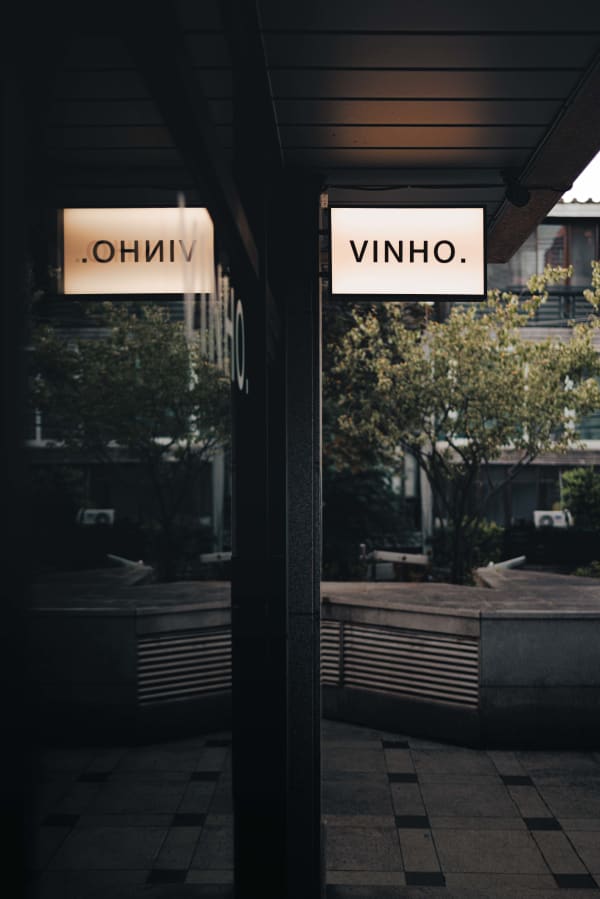
VINHO
A one-star in Nonhyeon where the sommelier is a co-author, not an accompanist
At Seoul's one-star VINHO, chef Jeon Seongbin and Michelin-awarded sommelier Kim Jinho treat wine as a co-author of the plate rather than an accompaniment. Ten pairings trace a Korean contemporary dinner of real balance, closing on an Australian lamb that ranks first among the mains I have eaten in Korea.
44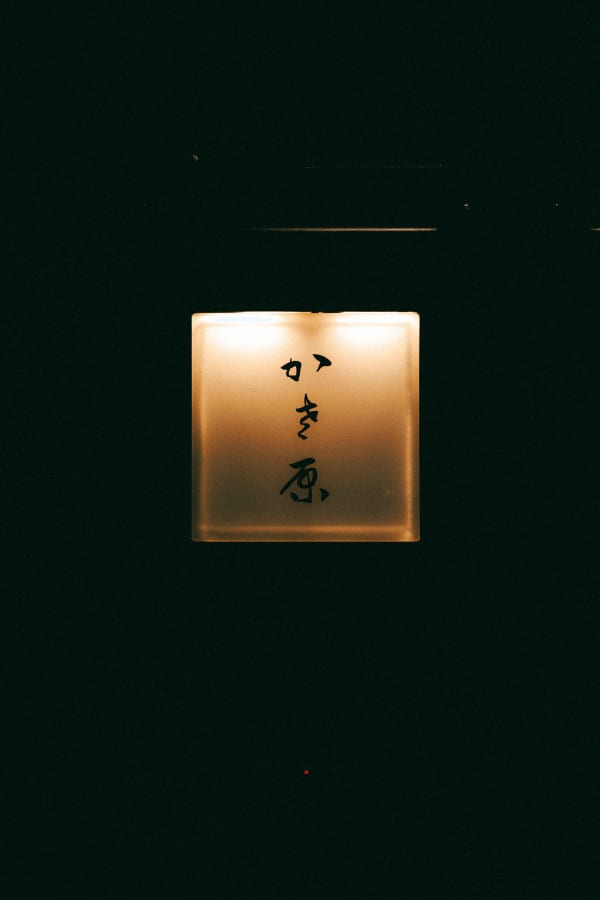
Kasahara
Tabelog's number-one yakitori in Tokyo, where a single bespoke chicken is the entire show
At Kasahara, the hidden Kagurazaka counter that tops Tabelog's national yakitori ranking, chef Kasahara Yujin grills a bespoke Takasaka-dori over binchotan with a precision of texture and salt that reset my sense of the genre. My best yakitori yet, and the closing rice and noodles were no afterthought.
45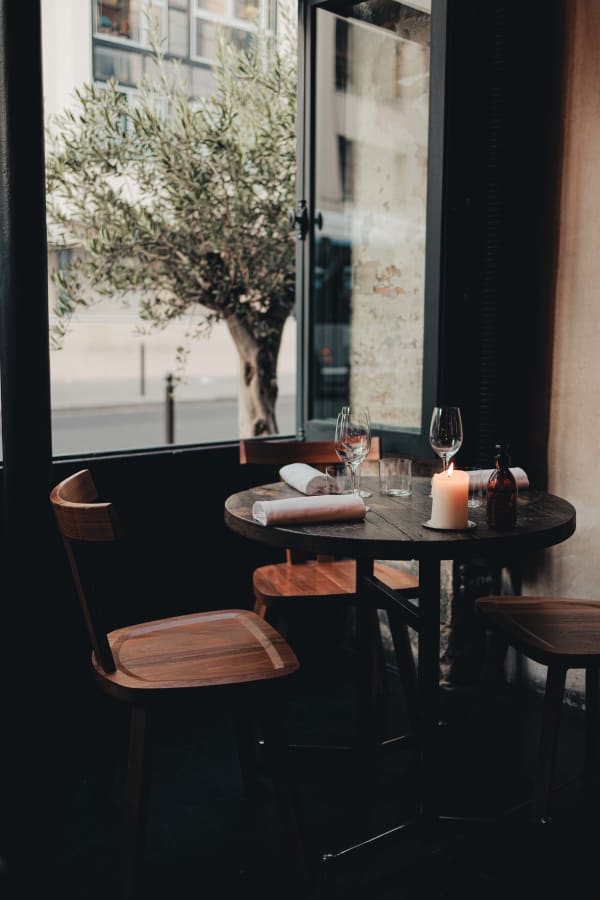
Septime
The bistronomie landmark of eastern Paris, where technique and natural wine matter more than formality
At Septime, the eastern-Paris landmark of bistronomie, chef Bertrand Grébaut set a course of restrained, product-driven, occasionally startling plates against an all-natural wine list. A meal built to be thought through rather than simply enjoyed.
46
Common Era
A Seoul research lab from the team behind New York's Atomix, digging into the roots and future of Korean food
Common Era is the Seoul research lab of JP and Ellia Park, the couple behind New York's Atomix, a space less for a finished dinner than for studying where Korean food comes from and where it goes next. An early-days visit in late 2024: uneven on the plate, but a concept with real promise.
47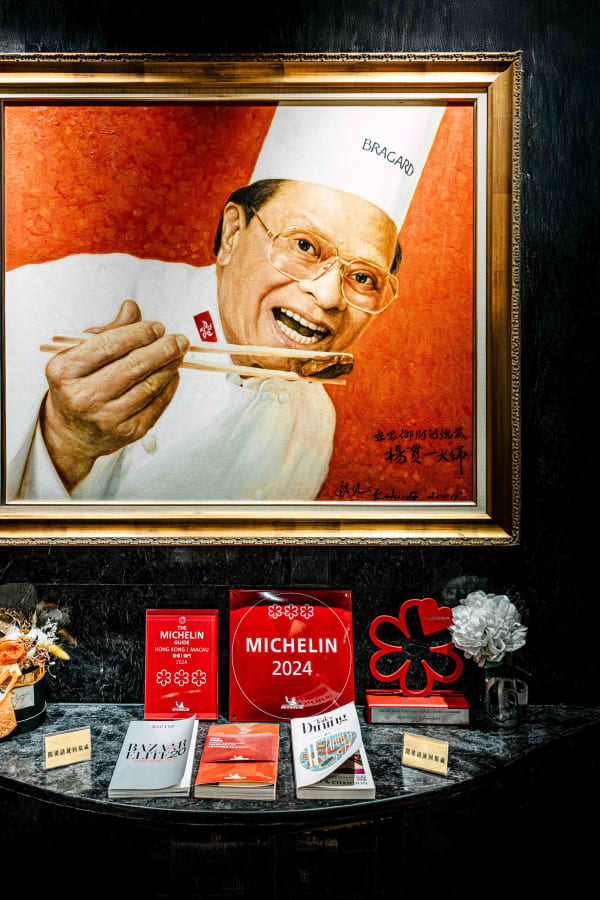
Forum Restaurant, 富臨飯店
The Causeway Bay institution where an 'abalone king' built a three-Michelin-star name out of a single dried-abalone dish
Forum is the Causeway Bay institution where the late 'abalone king' Yeung Koon-yat turned a single dried-abalone dish into a three-Michelin-star name. A solo dinner through its set course: uneven in places, but with a stuffed chicken wing and a foie gras wonton that justify the visit, and a wine service that outclasses the room.
48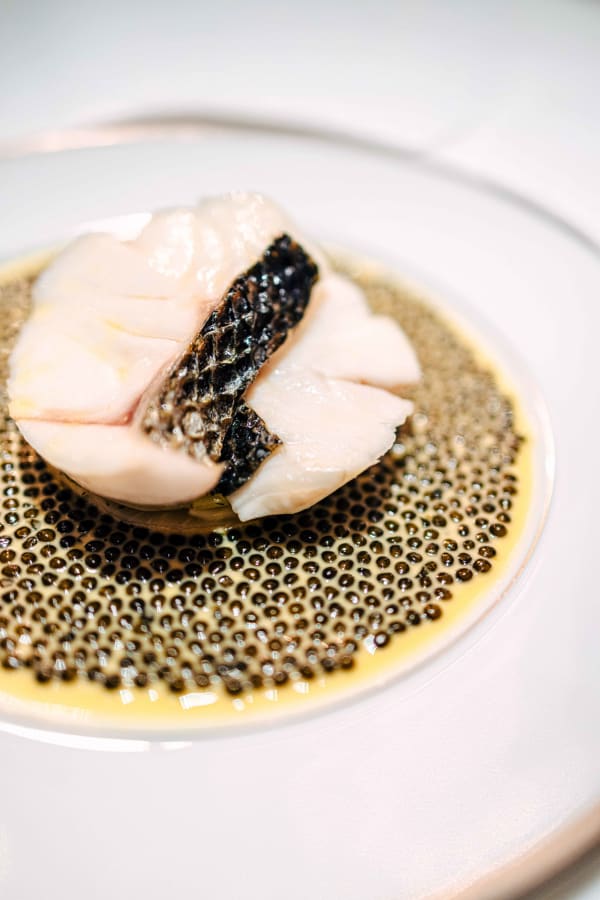
L'Ambroisie
A one-off Olympic course at the Place des Vosges house that ran on à la carte alone for forty years
L'Ambroisie had held three Michelin stars since 1988 and ran on à la carte alone, until the 2024 Paris Olympics produced the one course menu in its forty years. A last-night dinner in Bernard Pacaud's dining room, and the closing phase of his three-star era: the langoustine and the sea bass at their peak, and a parting glass of Chartreuse poured by a Korean chef.
49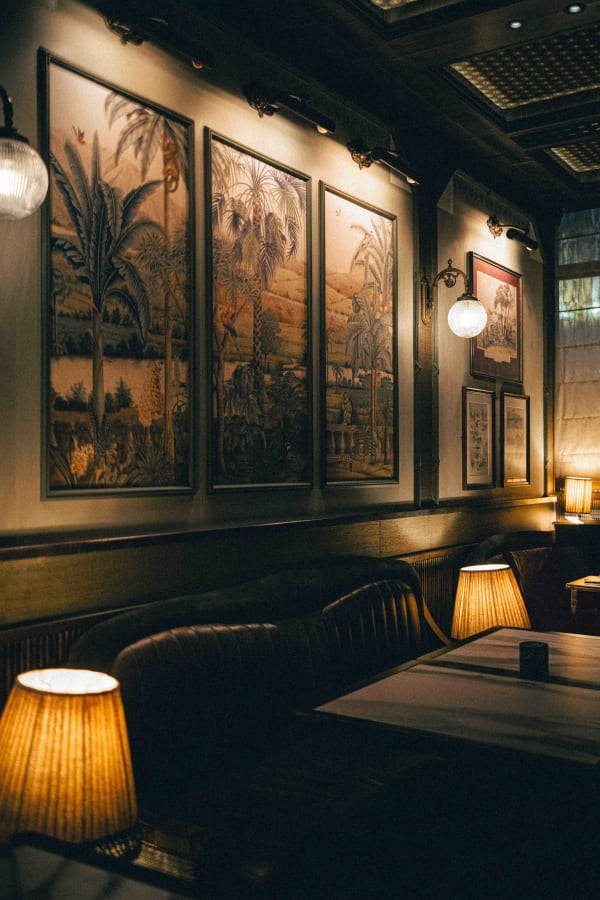
Gymkhana
Mayfair's colonial-club stage for classic North Indian cooking, the first Indian restaurant in London to reach two Michelin stars
Gymkhana is the JKS Restaurants stage in Mayfair where the Sethi siblings won two Michelin stars for classic Indian cooking, the first in London to do so, without softening the spice for European palates. A first Indian meal that ran hot and heavy, with an excellent kid goat keema and muntjac biryani.
50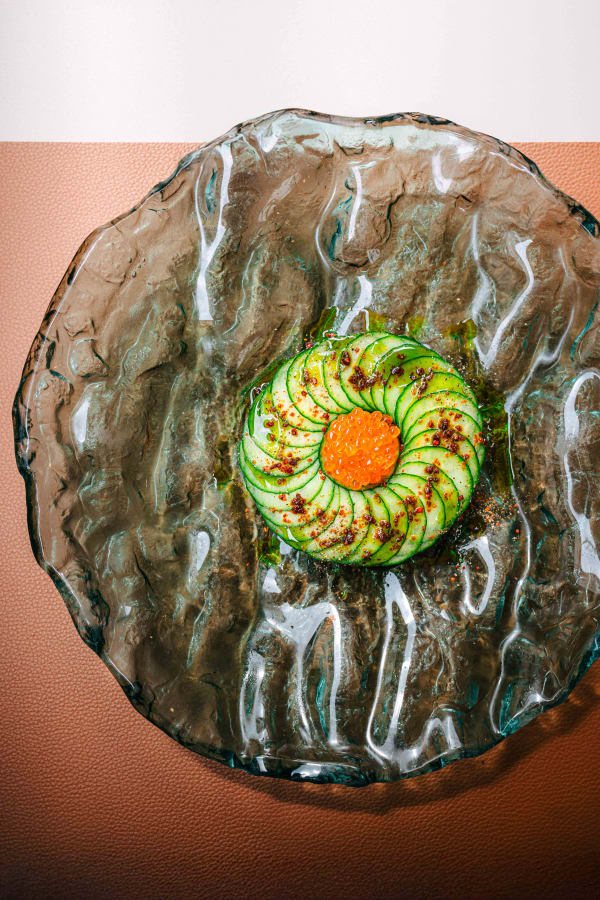
Tomy & Co
Tomy Gousset's one star kitchen on rue Surcouf, and the Olympic menu that closed out a year of France
Tomy & Co is Tomy Gousset's one star house in the 7th, where a résumé built at Le Taillevent, Le Meurice and Boulud runs at gastro-bistro scale. Lunch on the last day of the Paris Olympics, and the second Olympic menu in two days: three courses inside an hour, a Georgian grape grown south of Nîmes, and a sweet Austrian Merlot.
51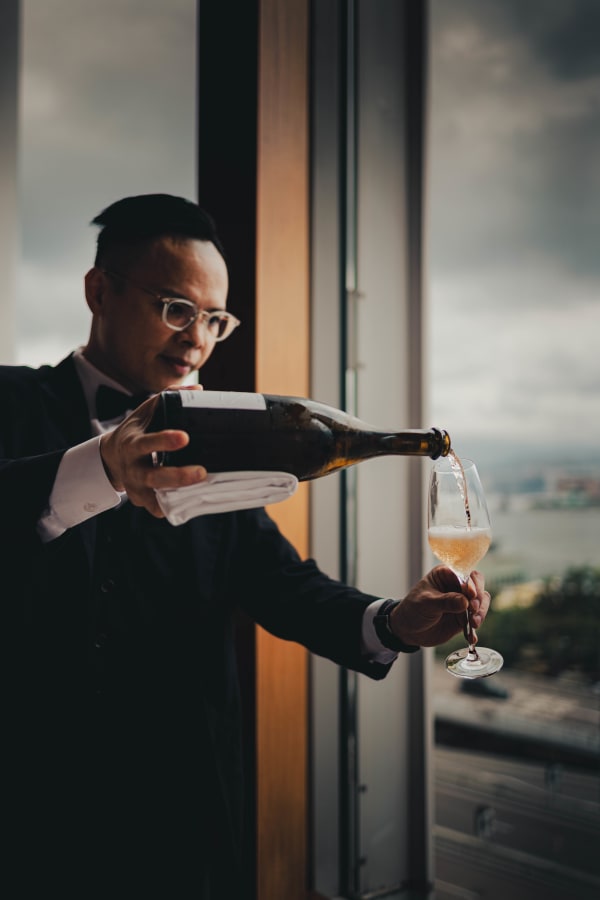
Lung King Heen
The first Chinese restaurant in the world to hold three Michelin stars, eaten the way it is meant to be eaten: a dim sum lunch over Victoria Harbour
Lung King Heen took three Michelin stars in the inaugural 2009 Hong Kong and Macau guide, the first Chinese restaurant anywhere to do so, held them for fourteen years and came down to two in 2023. A dim sum lunch at Chan Yan-tak's harbour-facing room: all ten of the seasonal dim sum, a grower champagne, and desserts that landed harder than the dumplings.
52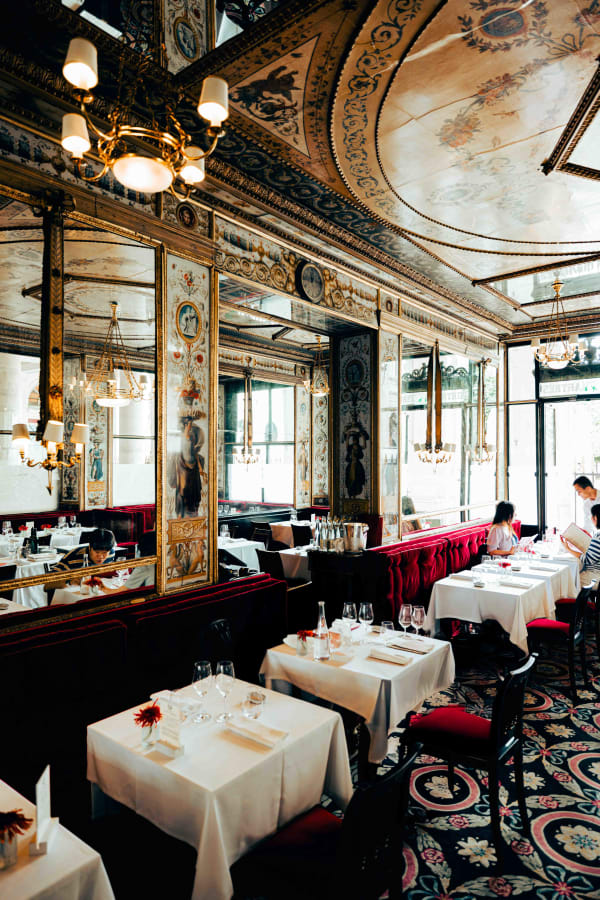
Le Grand Véfour
Lunch under the arcades of the Palais-Royal on the opening day of the Paris Olympics, in a room that has been serving since 1784
Le Grand Véfour opened under the arcades of the Palais-Royal in 1784 and has held three Michelin stars twice, first under Raymond Oliver and again under Guy Martin, before letting them go in 2021 for an à la carte room. Lunch on the opening day of the Paris Olympics, in one of the last years of Martin's thirty-four, and the foie gras ravioli that defined them.
53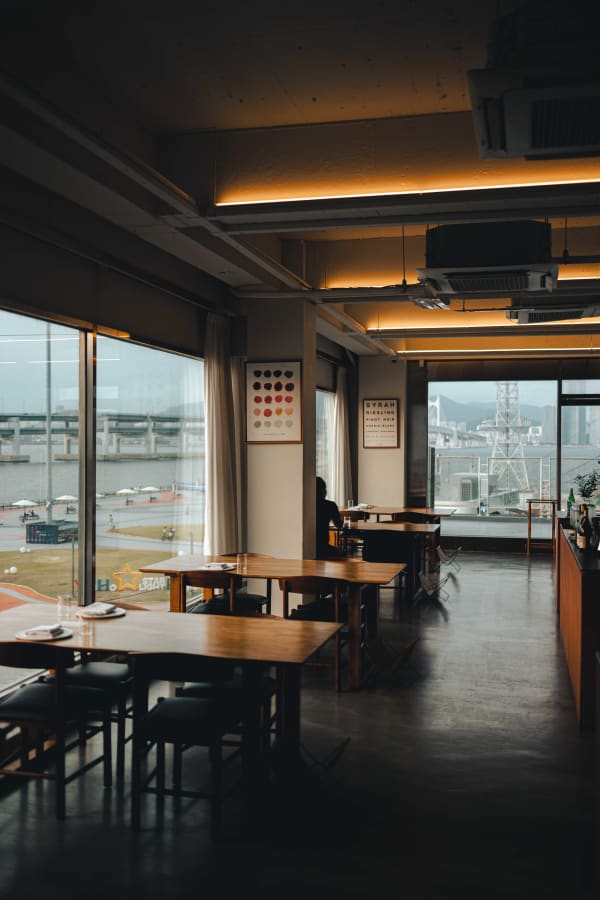
palate
Kim Jae-hoon's one star kitchen at Yongho pier, where Sydney, Seoul and Busan meet in a single course
palate took one of the three first stars awarded when the Michelin Guide reached Busan in 2024, a restaurant opened independently by a Busan chef in his hometown rather than a hotel room or a Seoul branch. Dinner at the old Yongho pier address: eight courses at a hundred and fifty thousand won, a Dom Pérignon 2015 not yet released, and a tilefish that tasted of instant ramen.
54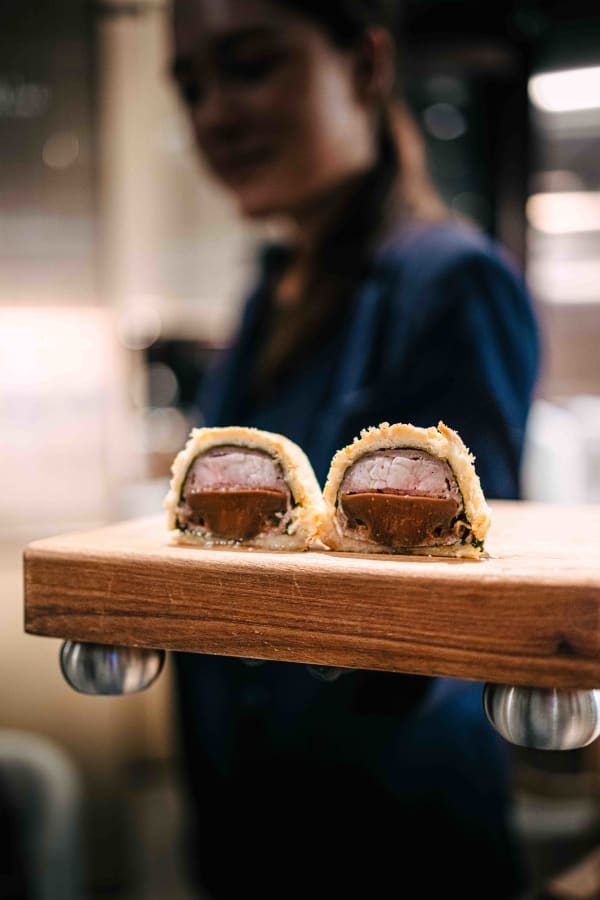
VEA
Vicky Cheng's first restaurant, thirty floors above Wellington Street, where Chinese ingredients are put through French technique
VEA is the restaurant Vicky Cheng opened in 2015 on the 30th floor of The Wellington in Central, one Michelin star since 2016 and twelfth on Asia's 50 Best at its highest. Dinner one floor above his WING: nine courses of Chinese ingredients under French technique, a Bouzy grower champagne down to its last bottle, and a crispy sea cucumber that turned out to be the first signature of the house.
55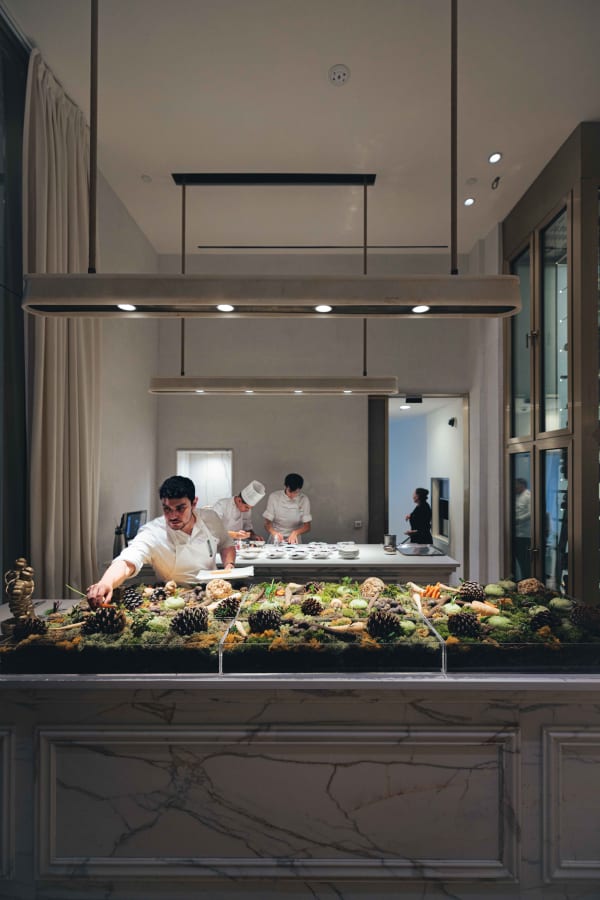
Deessa
Quique Dacosta's Madrid room inside the restored Ritz, where a Denia repertoire is performed in a Belle Époque salon
Deessa is the restaurant Quique Dacosta opened inside the restored Mandarin Oriental Ritz in 2021, taking one Michelin star within seven months and a second within eighteen. Dinner from the Históricos menu, the one that replays the repertoire he built in Denia: a caviar and cured roe trolley, and a veal sweetbread that was the dish of the night.
56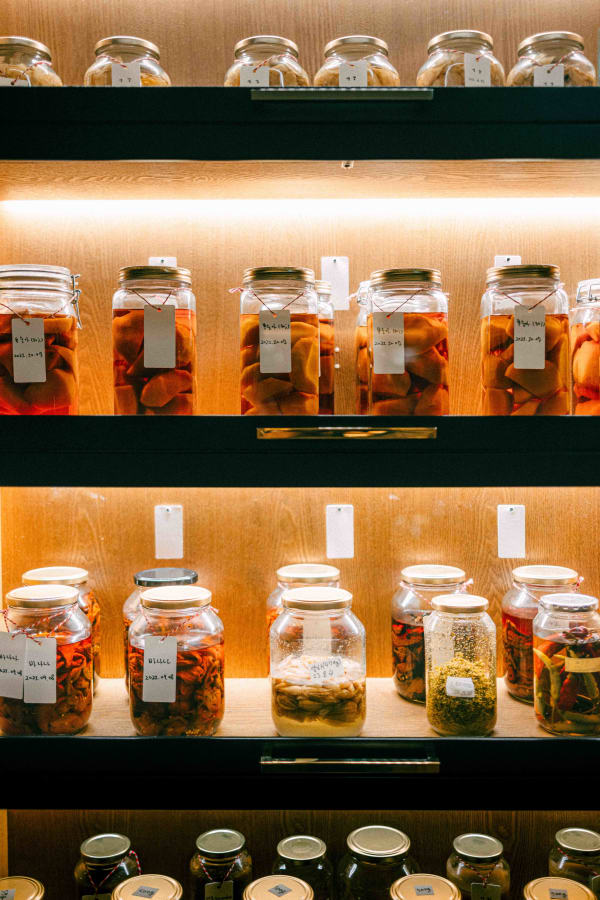
GIGAS
Jung Ha-wan's farm-led kitchen, where the field in Gunpo decides the menu before the chef does
GIGAS is Jung Ha-wan's Mediterranean-leaning restaurant, where the vegetables and herbs come from Wani Farm, his family's ground on the slopes of Suri-san in Gunpo. Dinner in November 2023, when it held a Michelin Green Star and no star yet: a course decided by what the field had ready, and a herb sherbet that arrived with the herbs still whole.
57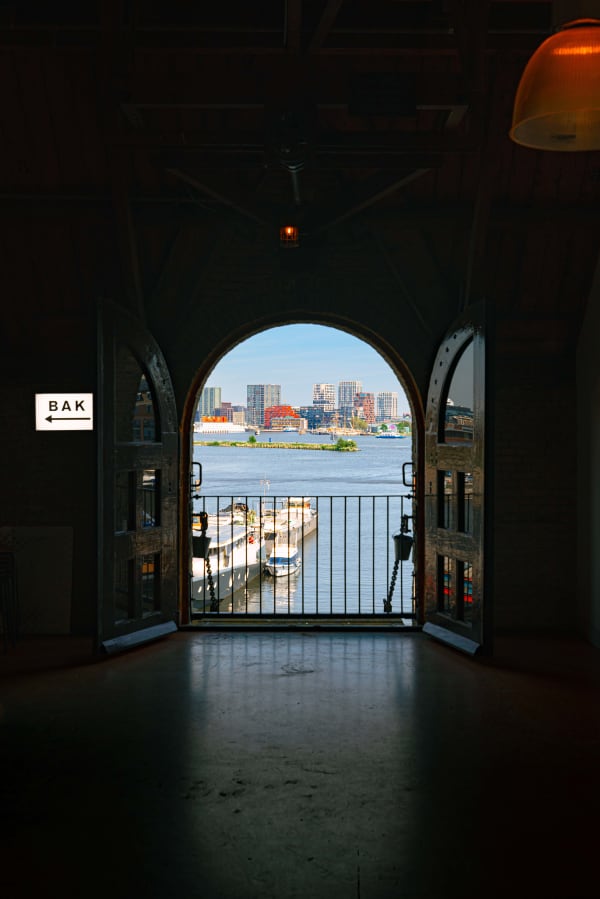
BAK
A 2012 pop-up that settled into a listed harbour warehouse, where the grower decides the menu before the chef does
BAK began as a pop-up in 2012 and settled into the third floor of Het Veem, a listed 1897 warehouse in Amsterdam's old timber port. Lunch in May 2024 from the seven-course menu: a kitchen that opens with vegetables before it turns to fish and meat, four glasses poured one at a time from a five-hundred-label cellar, and a lamb dish the chef sent out unasked.
58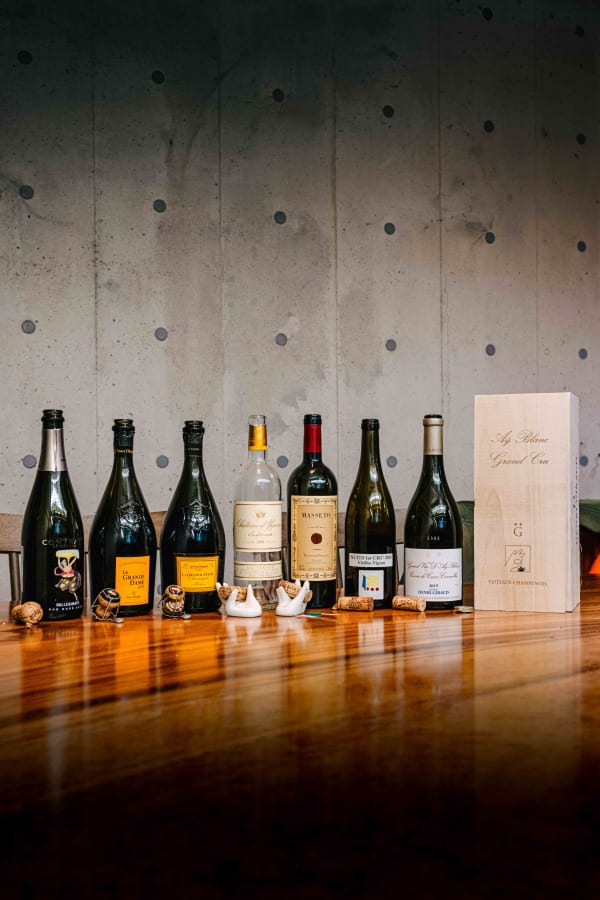
Via Toledo
The fourth visit to Kwon Seong-jun's pasta bar, and seven bottles carried in for one dinner in Namyeong-dong
Via Toledo is the Namyeong-dong pasta bar of Kwon Seong-jun, winner of the first Culinary Class Wars, and this was a return five months on from November 2025. Dinner in April 2026 with seven bottles brought in by friends, from a Grande Dame poured in two vintages against each other to a Masseto 2001, and a course visibly further along than it had been.
59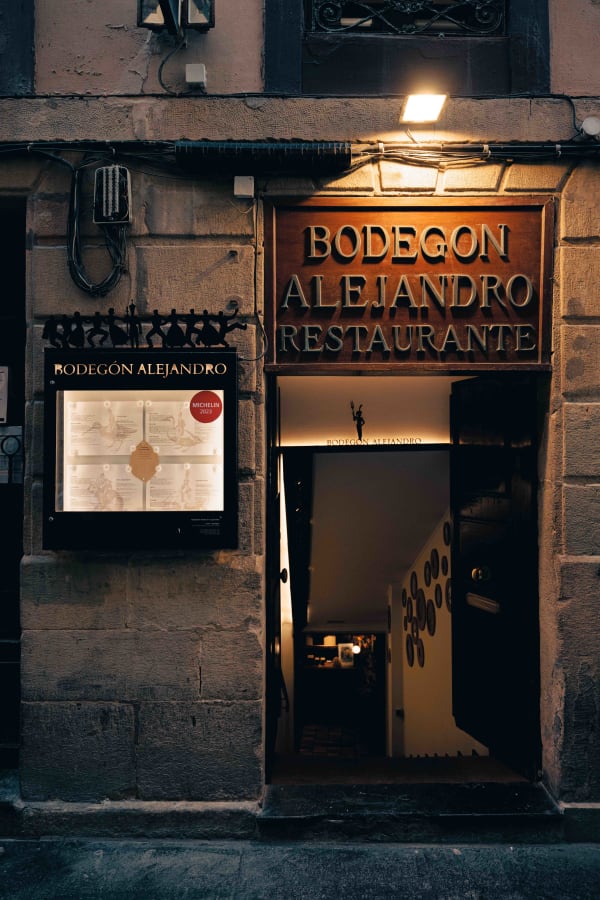
Bodegón Alejandro
The basement eating house in the old town where Martín Berasategui took the first Michelin star of his life
Bodegón Alejandro is the casa de comidas in the old town of San Sebastián where Martín Berasategui grew up, took charge of the kitchen at twenty-one, and won the first Michelin star of his life in 1986. Dinner in September 2023, ordered off the carte rather than the fifty-eight euro menu, two days before the three-star that carries his name in Lasarte-Oria.
60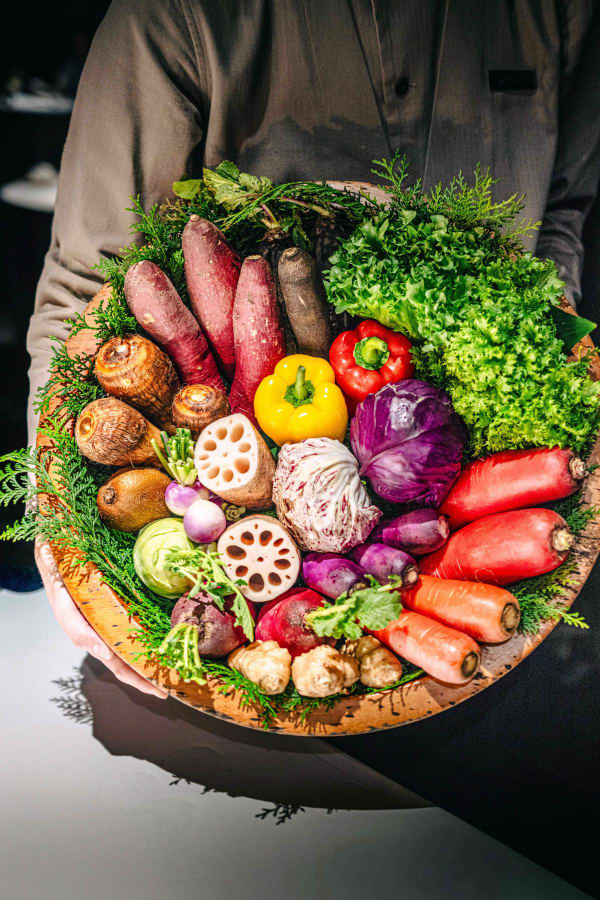
L'Effervescence
Tokyo's most reachable three star, where the vegetables outrank everything else
Shinobu Namae's French three star in Nishiazabu, and the only one of Tokyo's twelve that also holds a Michelin Green Star. Five plates on 28 January 2025, built around a whole Tokyo turnip that has anchored the menu for more than a decade.
61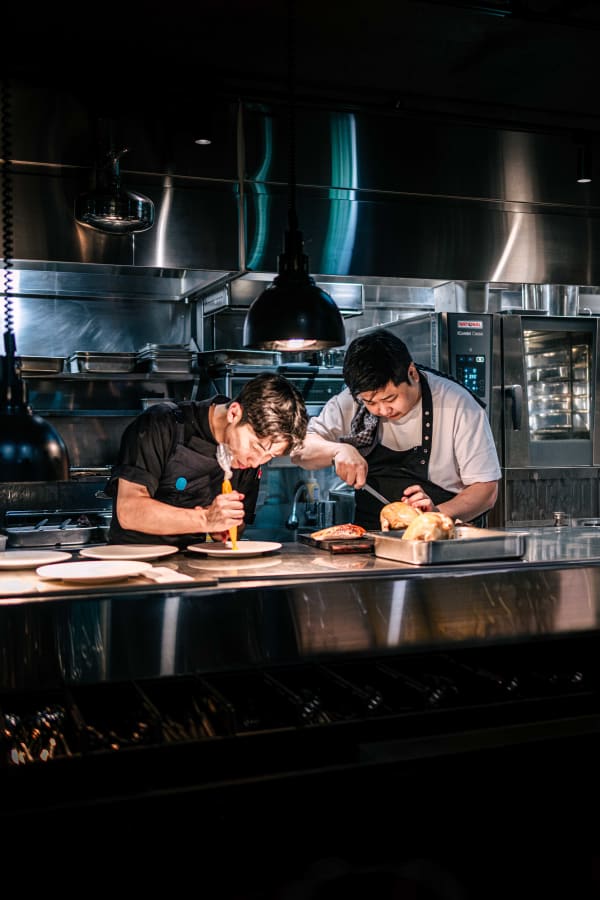
Bistronomy Notre
The first restaurant of his own, where the mains carry the room
Yoon Nam-no's first restaurant of his own, opened in Apgujeong Rodeo in spring 2026 after four and a half years running the kitchen at deepin. Nine counter seats, five mandatory small bites, and an à la carte list five of us worked through almost end to end. The three meat mains were the night.
62
Firedoor
Sydney's wood only kitchen, where the fire is the whole argument
Lennox Hastie spent five years at Asador Etxebarri before opening Firedoor in Surry Hills in 2015, cooking on burning wood with no gas and no electricity. Dinner at the counter in March 2025, seven courses and all three add-ons. The barramundi and the 200 day dry aged beef were the evening.
63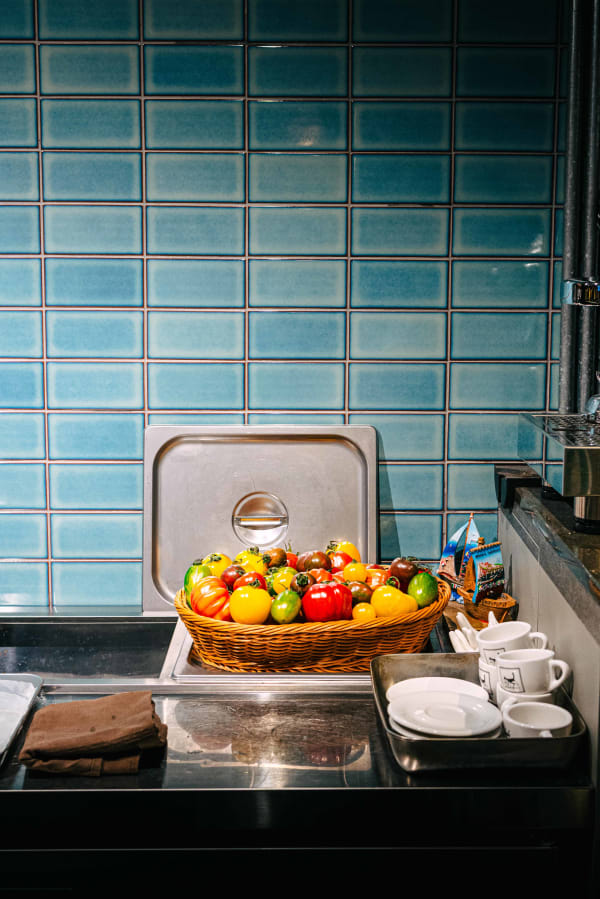
Via Toledo
The last dinner in the Wonhyo-ro room, before the move to Sindang-dong
The last dinner at Via Toledo on Wonhyo-ro, June 2026, before the move to Sindang-dong in July. A fifth visit to a room I had almost always taken as a full buyout, this time shared with another party. The saffron risotto under red-spotted grouper was the best thing on the table.
64
Ristorante Vesuvio
Via Toledo's kitchen in a new building, with the counter gone
Kwon Seong-jun's new room in Sindang-dong, opened in a building of his own after closing Via Toledo in Namyeong-dong. A soft-opening dinner in July 2026, one eight-course menu, Campania read through Naples. The Genovese tortellini with oxtail was the most resolved plate of the night.
65
Ippei Hanten
The Cantonese counter where technique outranks the shopping list
A Michelin one star Cantonese counter hidden in a residential street in Motoazabu, produced by the owner who co-founded Sazenka before transferring it. Dinner in April 2024, eleven small plates before the rice and the noodles. The fugu soft roe was the best thing of the night.
66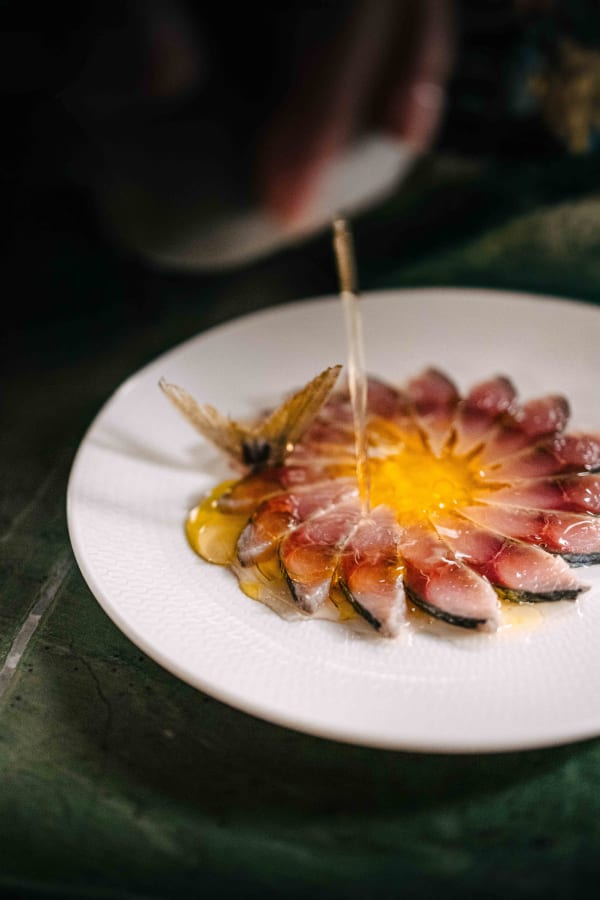
Saint Peter
The kitchen that treats a fish the way a butcher treats a cow
Josh Niland's whole fish kitchen, moved in 2024 into an 1890s Paddington pub. A March 2025 dinner with no meat anywhere on the menu, including a charcuterie platter built from everything except the fillet. The salted mackerel on olive oil sourdough was the best thing of the night.
67
La Chèvre d'Or
Two stars handed down across generations above the Mediterranean
The two star restaurant of a five star hotel scattered through the medieval village of Èze, four hundred metres above the Mediterranean. Lunch in September 2022, under Arnaud Faye and in the last season of a twelve year pastry chef. The grilled seasonal fish was the best thing on the table.
68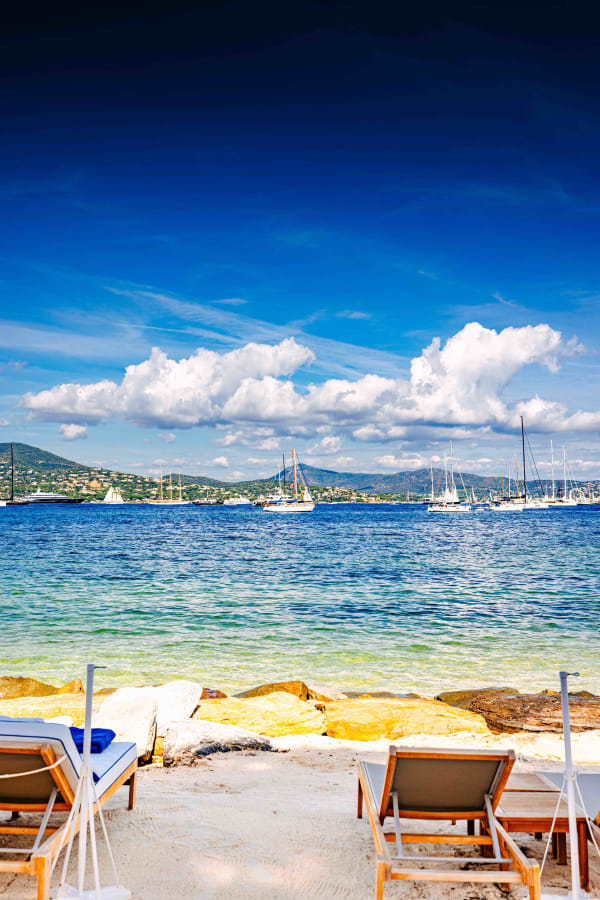
La Terrasse
The lunch half of a three star kitchen, above the Mediterranean
The Michelin starred lunch restaurant at Cheval Blanc St-Tropez, sharing a kitchen with the three star La Vague d'Or that opens only at night. A four course lunch in the last week of the 2025 season, eaten looking out over the private beach. The grilled lobster with coral sabayon was the best thing of the day.
69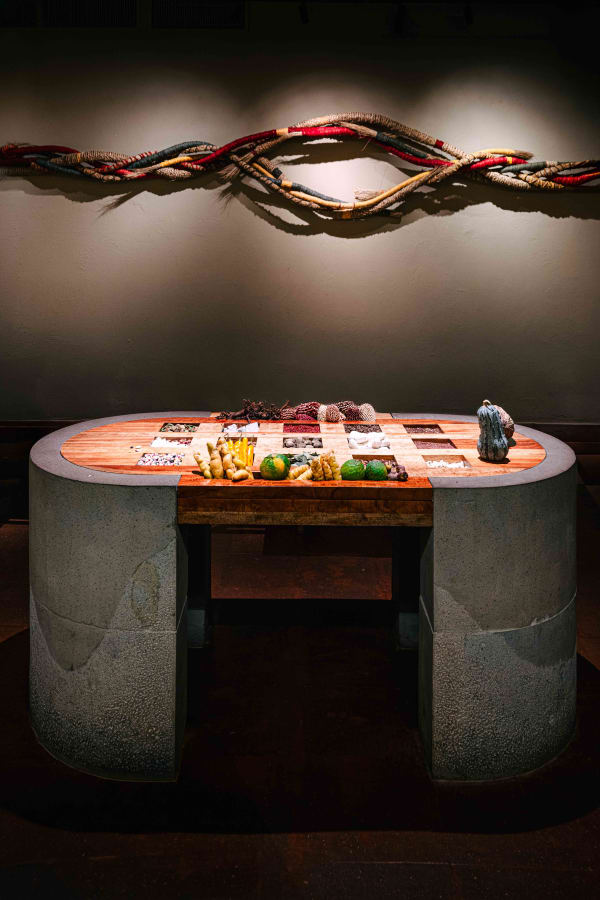
Mauka
Pía León's Andean kitchen inside the most expensive hotel in Cusco
Pía León directs the cooking and Cusco born Leonel Almanza runs the kitchen at this Andean restaurant inside Palacio Nazarenas, a Belmond hotel built into a former convent. Six courses at 130 dollars with a 70 dollar pairing. The pork belly confit, where skin and fat and meat separated at the fork, was the best thing of the night.
70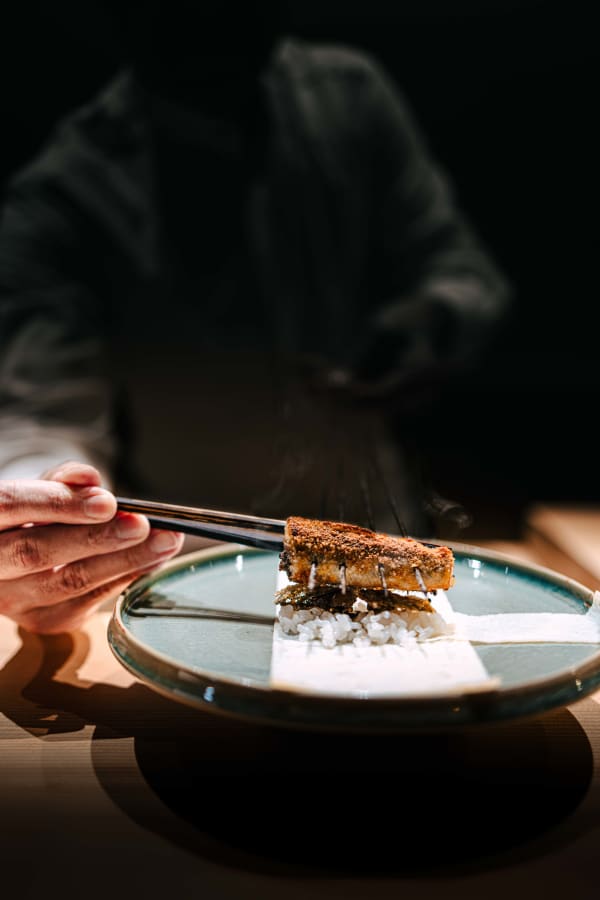
Myoujyaku
The kitchen that took kombu and katsuobushi out of Japanese cooking
Nakamura Hidetoshi's Nishiazabu counter, which took two stars in its opening year and rose to three in the 2026 guide. A Christmas Eve dinner in 2024, in the middle of the two star years, built on water and salt rather than a common dashi. The straw seared yellowtail with two kinds of grated daikon was the best thing of the night.
71
Gion Yorozuya
The udon shop that fed Gion before Gion became a sight
A Bib Gourmand udon shop one turn off Hanamikoji, known for kujo negi piled until the bowl disappears. Ninety minutes in the queue on a late December afternoon, then thirty more before the bowl arrived. The broth was worth both.
72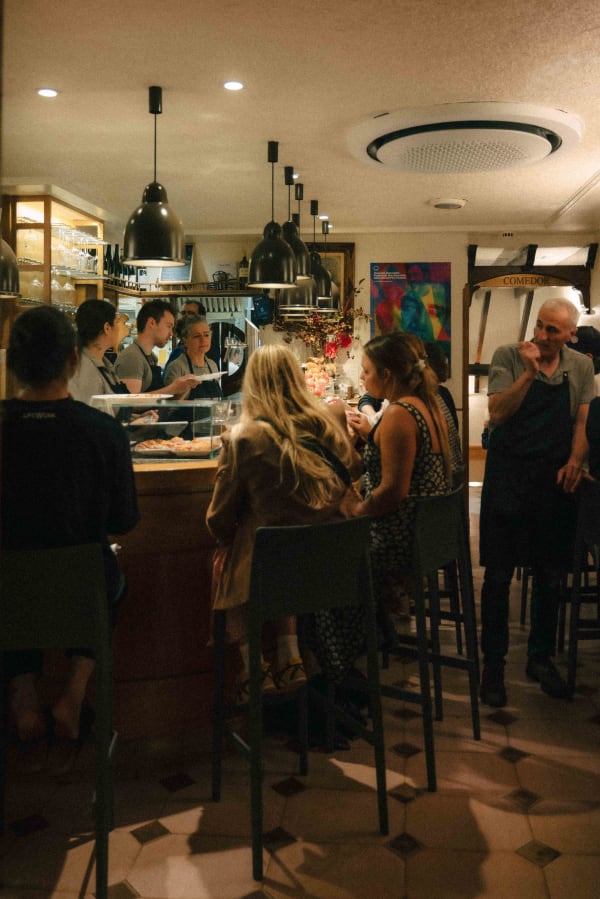
Ganbara
The counter where the produce is the display
A walk-in pintxo bar in the old town, run by the same family since 1984 and now into its third generation. One seat at the counter just before last orders, during the film festival. The carabinero was 26 euros and worth ordering once, though it turned out not to be a Basque shrimp at all.
73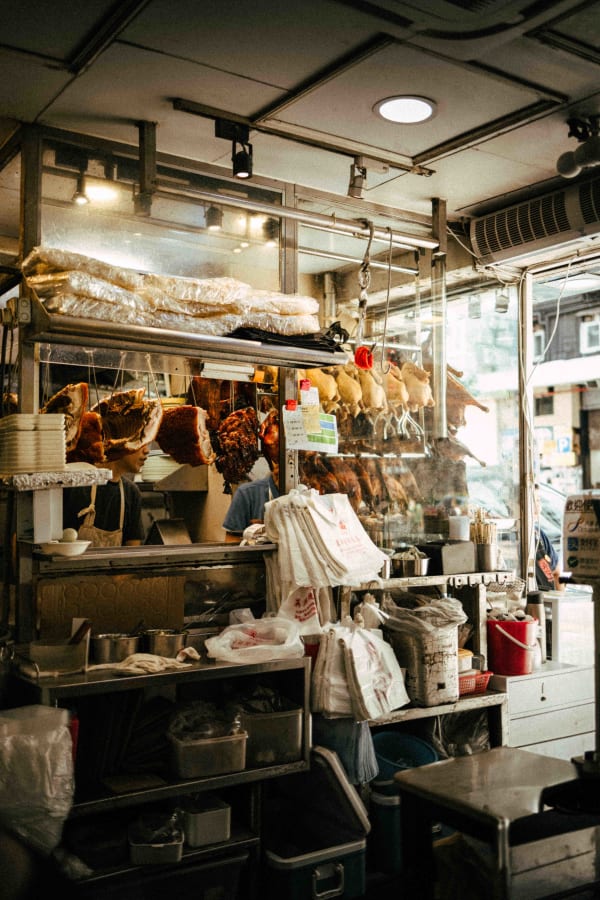
Joy Hing Roasted Meat
The siu mei counter whose name means to rise again
A Wan Chai roast meat shop whose family line runs back to the late Qing, closed through the Japanese occupation and reopened after the war under a new name meaning to rise again. Roast goose and chicken over rice, about ten thousand won each. The char siu is the signature and I ordered neither.
74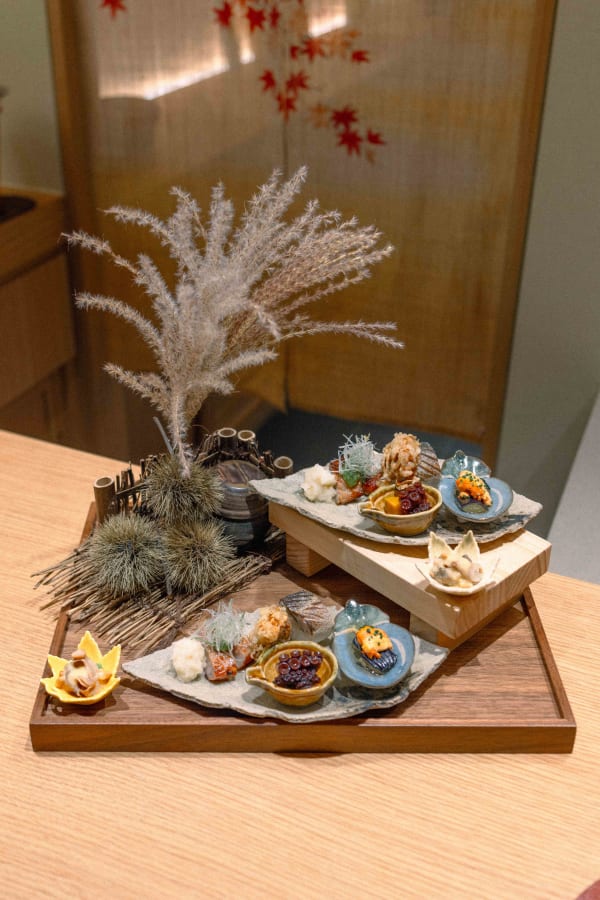
Mitou
The Seoul kitchen that sets Japanese cooking to Korean seasons
Kwon Young-woon and Kim Bo-mi's Japanese restaurant in Cheongdam, the first one-star in the Michelin Guide Seoul's Japanese category and two stars since 2024. A first visit in the opening week of the 2023 autumn course, with a Dom Pérignon 2013 that had been shaken across Mongolia. The unagi wrapped like Peking duck was the dish of the night, and it turned out to be left over from August.
75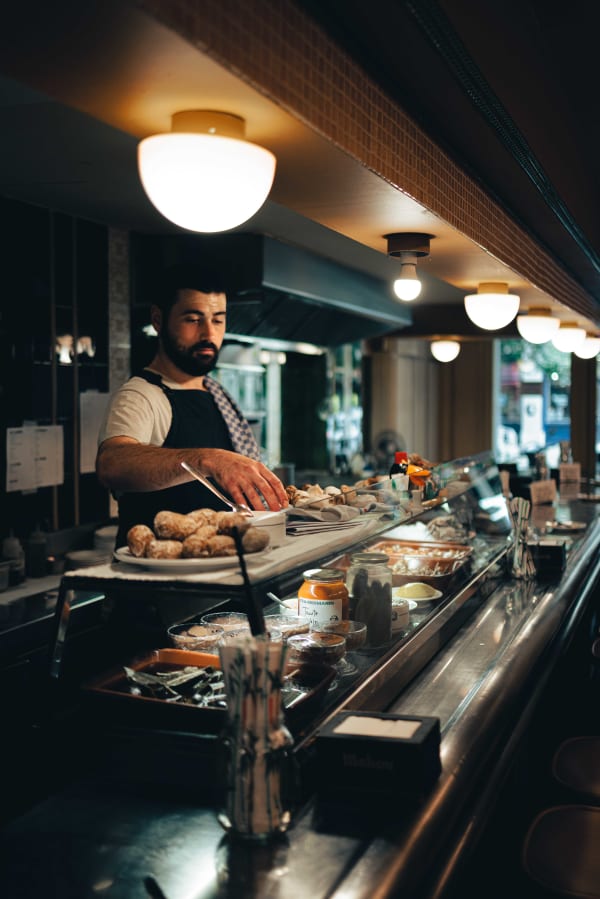
Ultramarinos Marín
The Barcelona bar that keeps its technique off the menu
The first meal of my first food trip to Spain, at the Barcelona bar then placed first in the city on OAD's European Casual list. Basque chef Borja García Ordoño, who cooked at Etxebarri and Noma, runs it as a neighbourhood bar with a menu in Catalan that names only the ingredients. Red prawns nearly raw under crisp heads, kokotxas al pilpil and a velvet crab.
76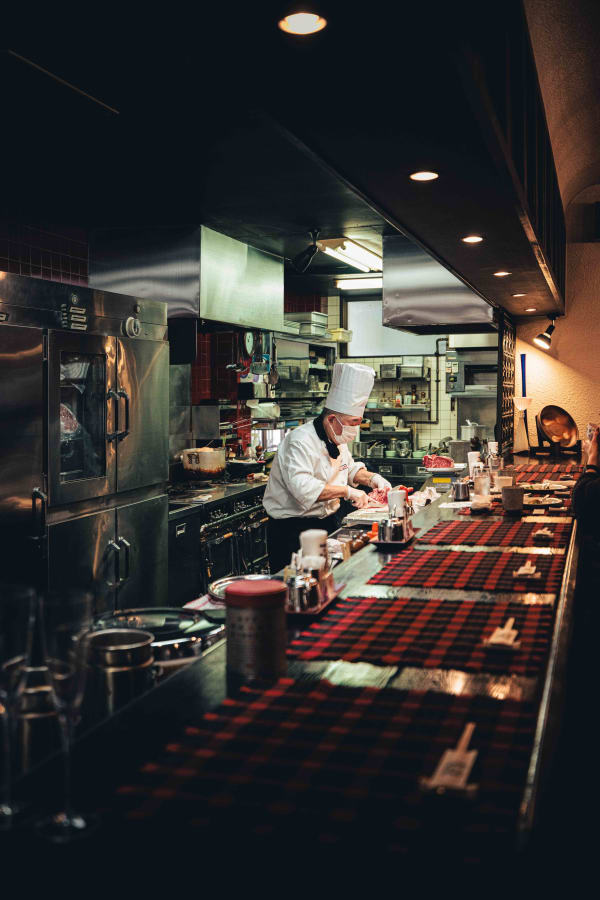
Kuishinbo Yamanaka
The Kyoto steakhouse that bets on the cow, not the grade
Lunch in Katsura, west Kyoto, at the steakhouse that has taken its Omi beef from one producer since it opened in 1976. Chef Yamanaka still trims and grills nearly every steak himself, and the Tajima-line heifers behind the fillet are raised to thirty-eight months for deep red meat rather than heavy marbling. Twelve pieces of fillet, ordered rare, for 16,000 yen.
77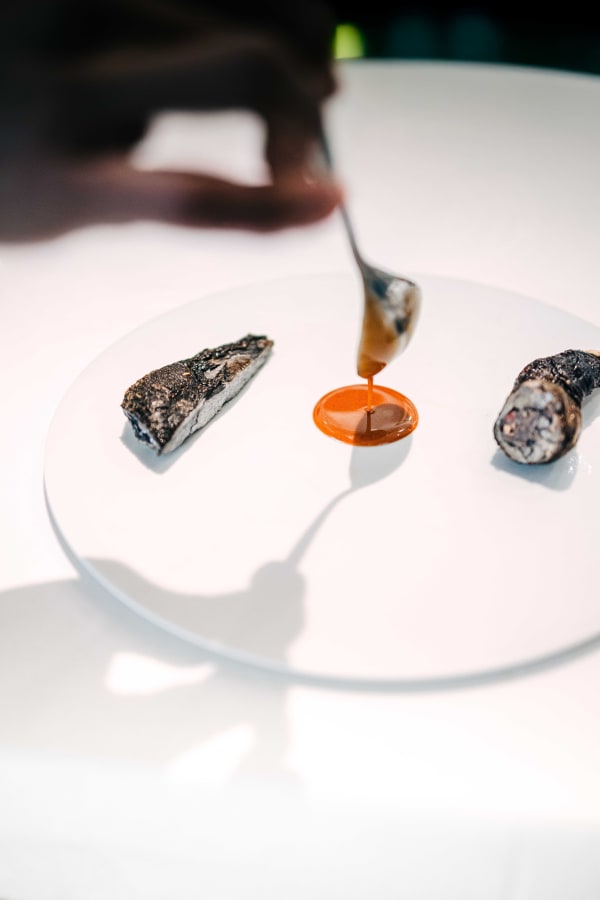
JEE 志
A Cantonese veteran, a French-trained chef, and a Central lunch course where so much arrives stuffed
JEE opened in Central in 2024 as a partnership between Siu Hin-chi of two-Michelin-star Ying Jee Club and French-trained Oliver Li, on the same Lyndhurst Terrace floor where Hansik Goo began. Lunch in its opening season: HKD 388 for six courses, an added crispy sea cucumber that made the strongest impression, a Moutai silkie chicken more puzzling than disappointing, and a blind glass from the manager.
78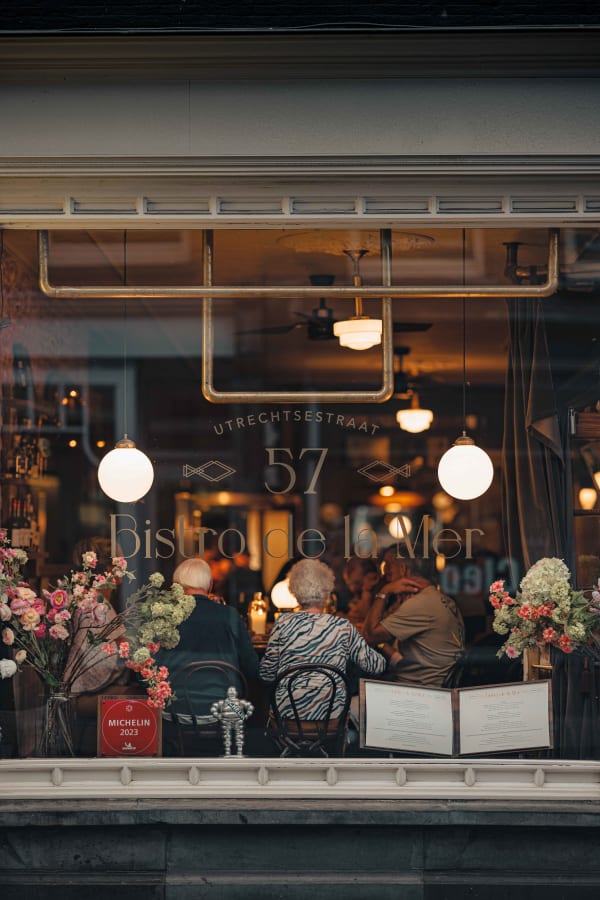
Bistro de la Mer
A late walk-in at the counter, two reds poured to taste, and a monkfish Rossini that seems to have earned the star
The seafood bistro from the chefs behind two-Michelin-star 212 opened on Utrechtsestraat in 2022 and won its own star thirteen months later. A late walk-in for one at the counter in May 2024: oysters under sorrel granité, a brown crab cocktail served in a coupe, scallops that left little mark, two reds poured to taste, and a monkfish Rossini with duck foie gras and umeboshi that seemed to explain the star.
79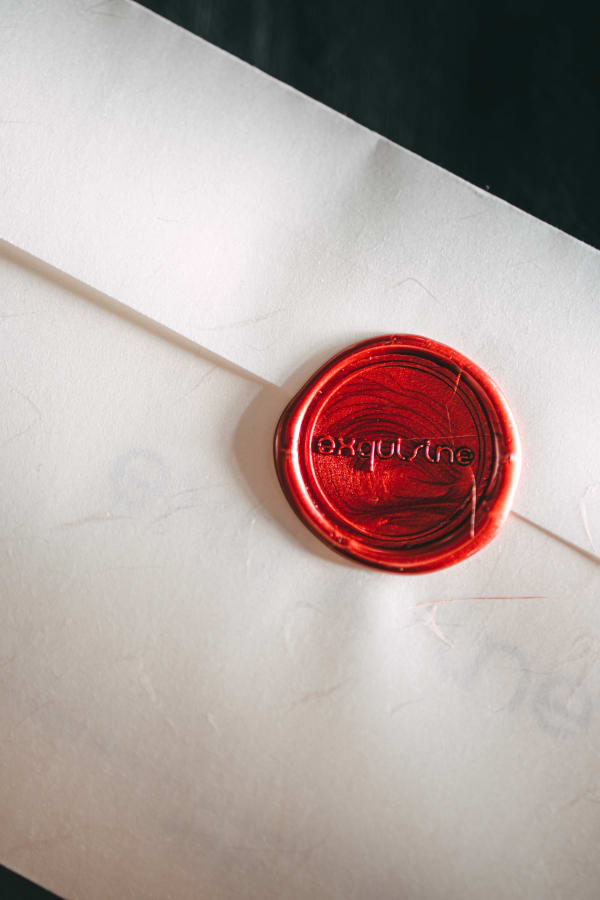
exquisine
Seoul's classic first Michelin star, a sea urchin taco, a hangover-curing broth and a cult Burgundy by corkage
Chef Jang Kyung-won opened Exquisine in Cheongdam in 2016, won a Michelin star a year later and has kept it for nine editions. It was my first Michelin-starred meal in Korea, and in May 2023 I went back for a third lunch: a sea urchin taco that broke the house's run of round snacks, the signature fish fry, a broth over octopus and potato that seemed to cure my hangover, and a Yann Durieux BT 2017 brought for corkage.
80
Asador Etxebarri
Second in the world with a single Michelin star, and after lunch both made sense
Bittor Arginzoniz taught himself to cook over fire, opened Asador Etxebarri in Axpe in 1990 and took it to second in the world in 2024 and 2025, still with a single Michelin star. Lunch for four in October 2025, on the day of the village's Witches' Race: add-on caviar with pork lard, the Palamós prawn of my life, a razor clam that was the day's worst plate, and desserts I never saw coming.
81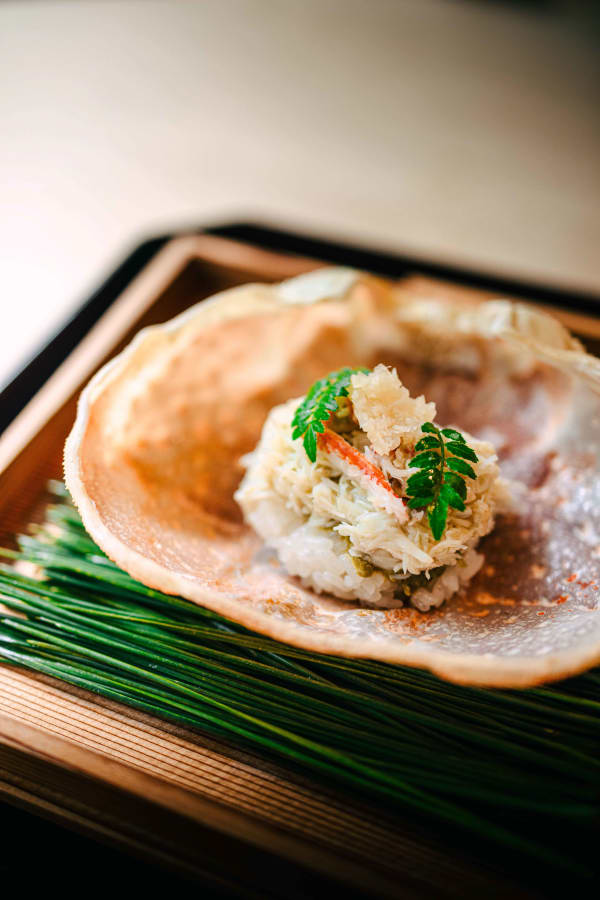
Matsukawa
Tokyo's introduction-only summit of Japanese cuisine, where a Taiza crab claw opens like a flower in ice water
Tadayoshi Matsukawa trained at Shofukuro and opened his restaurant in Akasaka in 2011; taking guests by introduction only, it has won Tabelog Gold every year since the award began without a place in the Michelin Guide. A Saturday lunch in January 2025, in a seat freed by a cancellation: Taiza crab whose claw meat opened like a flower in ice water, a suimono of scallop and bachiko, turtle glazed with tare, bear in a clean broth, and closing courses that could not keep pace.
82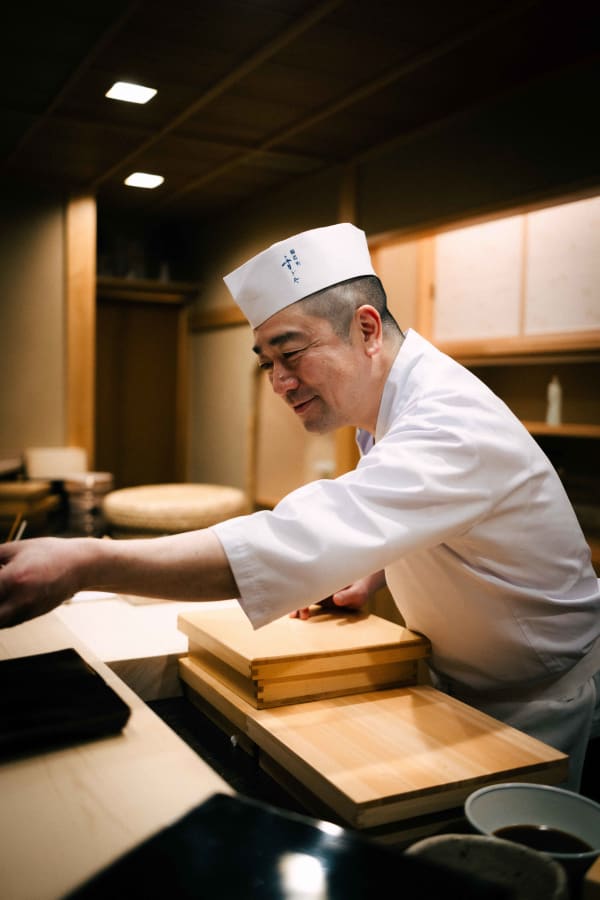
Nihonbashi Kakigaracho Sugita
Ten straight years of Tabelog Gold for a neighbourhood machizushi at heart, where the shari decides every piece
Takaaki Sugita trained for twelve years at Miyako Sushi in Kakigaracho and moved his own counter back to the neighbourhood in 2015; it has won Tabelog Gold every year since 2017 and ranked first in Japan when I went. An April 2024 dinner at the eight-seat counter: hotate that drew a wow, ankimo with Aramasa's Hinotori, kohada to open the nigiri, a strongly seasoned shari that flattered oily neta more than the prawn, and extra shellfish that outshone the regular course.
83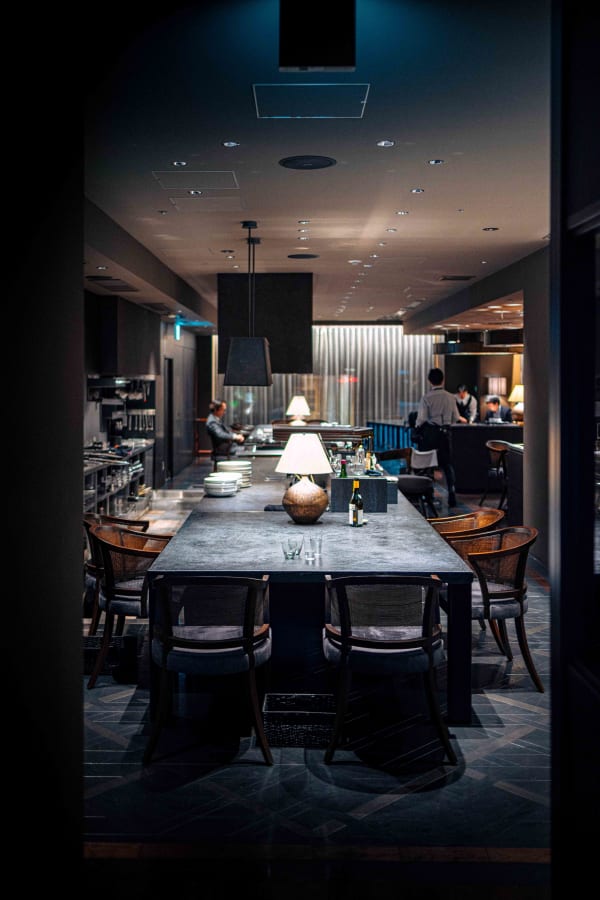
Florilège
Christmas Eve alone at Florilège's thirteen-metre table, where a radish pie wore caviar of the fields and real caviar
Hiroyasu Kawate was sous chef at Quintessence before opening Florilège in 2009; when I went, it held two Michelin stars and a Green Star and ranked 27th on The World's 50 Best Restaurants. Christmas Eve 2023, alone, at its new thirteen-metre table at Azabudai Hills: a salmon roe waffle, a taco wrapped in jerky, a radish pie under tonburi and caviar, a poulet jaune main better than I had been warned, mozzarella as dessert, and a natural-wine pairing that ran from a fine Loire white to a musty rosé.
84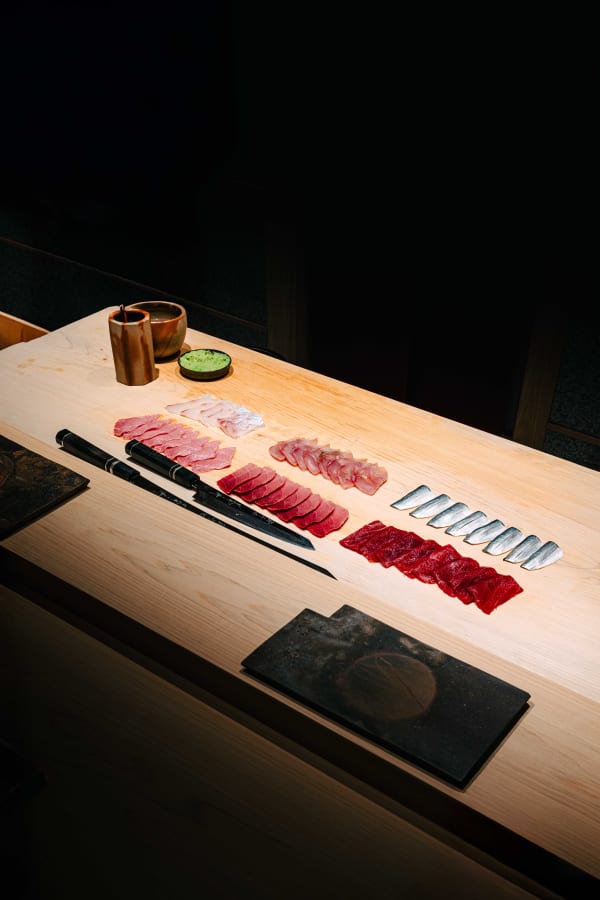
Sushi Juyon by Saito
The Seoul counter that carries Sushi Saito's name, where the shari leads and the neta follows
Kim Joo-young trained at Sushi Saito in Tokyo and runs this second-floor counter in Cheongdam, which opened under the Saito name in October 2023. I went twice in October 2024, three weeks apart: a mozuku that stayed with me, an otoro to rival Tokyo's top counters and new-season ikura spooned over shari, then a tired akami and an overcooked prawn, with Cristal 2015 and a side-by-side tasting of Juyondai and Jikon.
85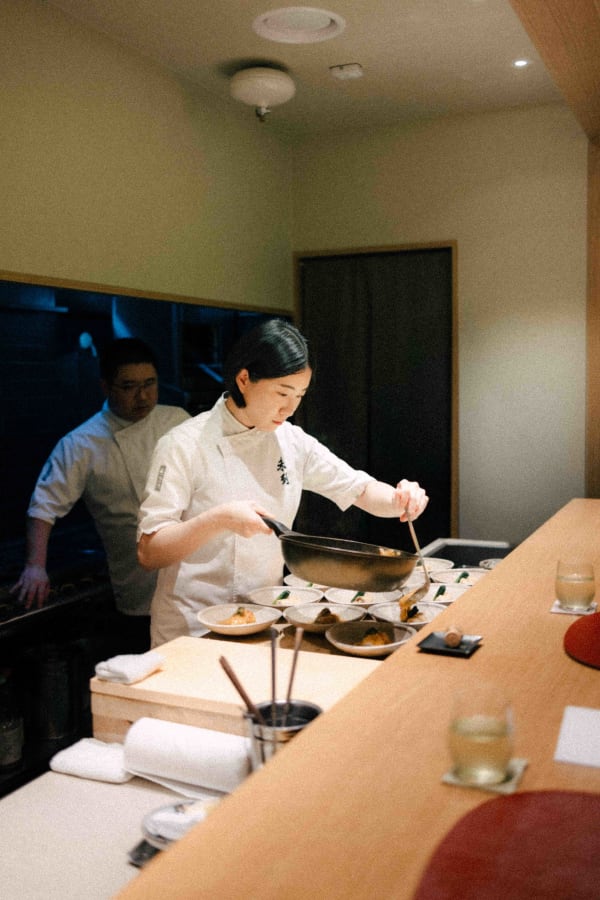
Mitou
Korea's summer restorative food, in Japanese cooking with a Chinese accent
Two visits a month apart, in July and August 2024, for the summer restorative course at Kwon Young-woon and Kim Bo-mi's two-star Japanese restaurant in Cheongdam: Korea's custom of eating for strength in the heat, cooked the Japanese way with a Chinese accent. Uni soba led July, snakehead in yuxiang sauce ran close behind, and in August a special plate of yakitori from the restaurant's own Nagoya Cochin took the night.