Local & Essential · Kyoto · Japan / December 2024 / Michelin Bib Gourmand (2024)
Gion Yorozuya
"The udon shop that fed Gion before Gion became a sight"

Section 1·Kyoto Overrun
Since travel to Japan hit its peak after the pandemic eased, Kyoto has drawn enough visitors to be called a symbol of overtourism. I had only heard it said, but when I went there late last year I thought it was not wrong at all. Ninenzaka and Sannenzaka in particular, the path down from Kiyomizu-dera, were crowded enough that it was hard to walk while watching your step.

Walking through the Gion streets I worked through the places I had saved for lunch one by one, and every one of them had a long wait. In late December the sun is down in Japan by half past four and it starts to go dark at five, so spending a lot of time in a lunch queue felt like a waste.
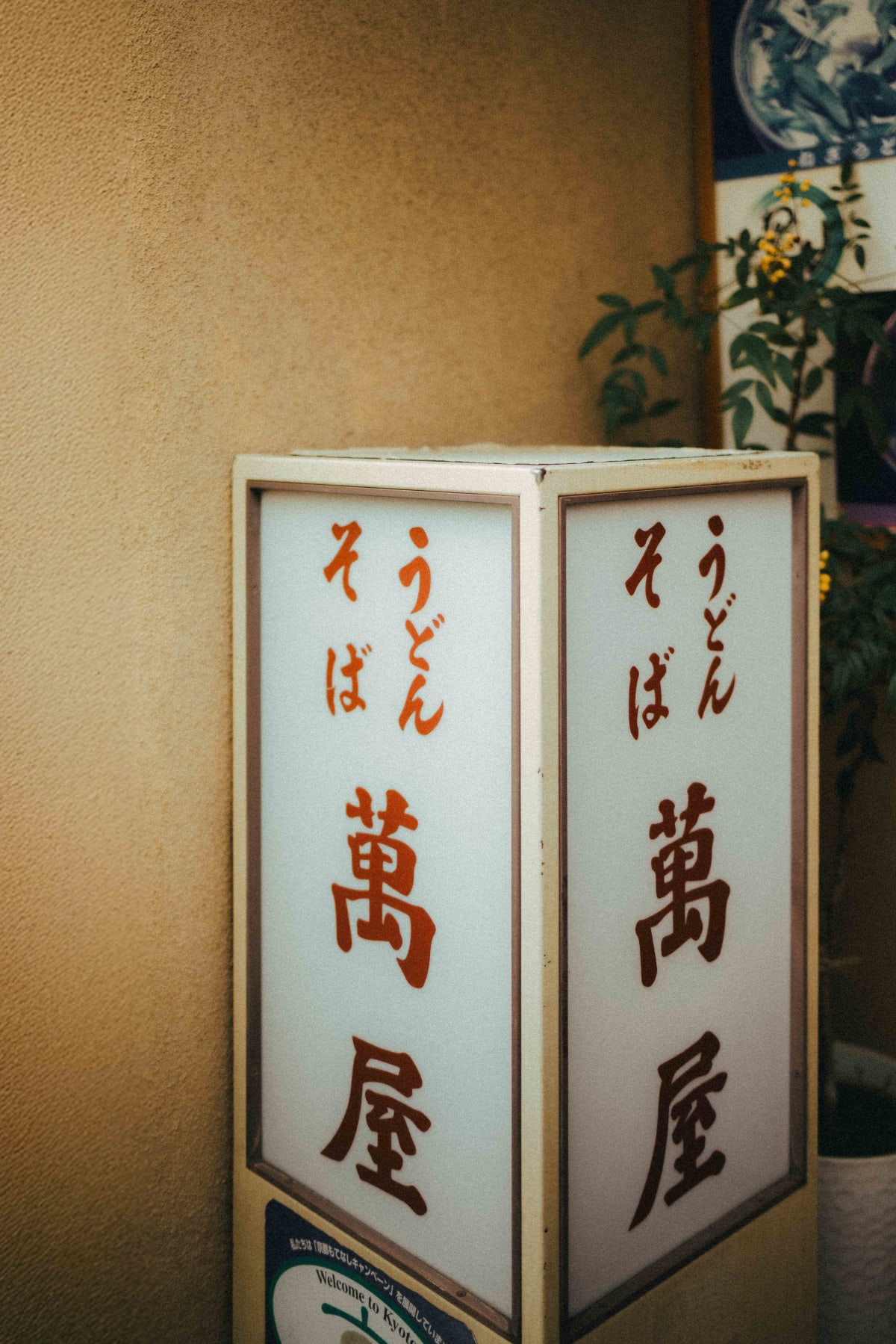
Then one of the places I had saved looked as though the queue might be manageable, so I got in line, and this was it. The lunch I went for was Gion Yorozuya, a udon shop selected for the Michelin Bib Gourmand.

Section 2·Ninety Minutes
In the middle of Gion, Yorozuya is the Kyoto udon shop known for kujo negi covering the whole bowl, a pinch of ginger and a clear dashi. It has been selected for the Michelin Bib Gourmand several years running and a queue forms before opening.

The address is 555-1 Komatsu-cho in Higashiyama ward, in the middle of Gion one turn off Hanamikoji, about three minutes on foot from Keihan Gion-Shijo station. The founding year is not given in Michelin's own listing, but several Japanese sources record it as Showa 52, which is 1977.
For the record, do not take the wait here lightly even when it looks short. When I went at around one in the afternoon there were a little under ten people outside. So I thought: with the turnover at an udon shop, twenty minutes or so and I would be in. Not twenty minutes. People went in one at a time and it took so long that it came to nearly an hour and a half. With every mouthful of broth I could feel the warmth coming back into a body that had gone cold out there, and I did wonder, half joking, whether this was the plan all along, to make the udon taste that good.
Anyone who has queued a long time at a ramen or udon shop in the Japanese winter, in the shade where no sun reaches, knows how cold the body gets.
Section 3·Delivered To The Teahouses
Yorozuya started as a delivery business in Gion, and in its early years it mainly delivered to the ochaya and the theatres. Its most famous dish is the negi udon, with kujo negi piled to fill the bowl out of a philosophy of using Kyoto ingredients. That it began with delivery is the key to understanding this shop. The ochaya here is not simply a teahouse but the space in Gion's entertainment quarter where the banquets and the hospitality of geiko and maiko take place. So the early customers were not tourists but the people who worked in Gion themselves. Its reputation spread among the geiko and maiko, and now it is a shop with a queue before the doors open. Which is to say this is not a Kyoto udon shop built for tourists but a neighbourhood's everyday life that turned into a tourist attraction later.
Which is to say this is not a Kyoto udon shop built for tourists but a neighbourhood's everyday life that turned into a tourist attraction later.
Section 4·Kujo Negi
Take kujo negi for an ordinary Japanese spring onion and you miss the point of this bowl. According to Kyoto city material, the original form of kujo negi is said to have been grown around 711 in what is now the Fushimi area, and records remain of it being cultivated in the Kujo district of Kyoto between 834 and 848. It is one of the traditional vegetables of Kyoto designated by the prefecture and a branded agricultural product. Soft leaves, sweetness, and a strong aroma are given as its characteristics.
So negi udon is less an udon with a lot of spring onion in it than a regional dish that puts one traditional Kyoto vegetable at the centre of the bowl. The onion is not a topping, it is a main ingredient. Yorozuya is known to source kujo negi from a dedicated supplier and use it in generous quantities.

What Michelin points to in its own listing is not noodle-making technique either but three things: the soft noodle, the dashi and the onion. Which is to say the assessment rests on how Kyoto produce, dashi culture and Gion as a place come together inside one bowl.
The onion is not a topping, it is a main ingredient.
Section 5·Inside The Room
Step inside and it is a plain, homely place with the feel of a noodle shop or a sundae-guk shop back home, and the atmosphere was warm. And then there was the wall, covered with red Michelin stickers and an extraordinary number of plaques, which brought home just how well known this place had become.

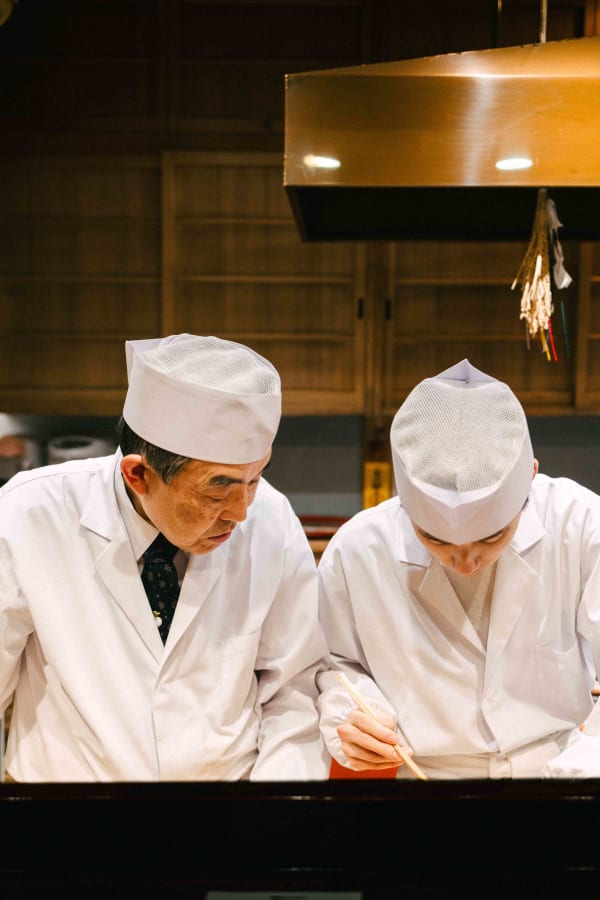
The people running it are an elderly couple, and they were kind and warm even to a foreigner. But to be plain about it, they are certainly not fast. You can see why the queue runs about an hour. Even after ordering, one bowl of udon took an age, close to thirty minutes.

Section 6·The Negi Udon
Negi udon is the famous one, and there are two, plain negi and negi ankake. I was curious about the ankake so I ordered negi ankake. First of all, the broth of the negi udon was excellent.

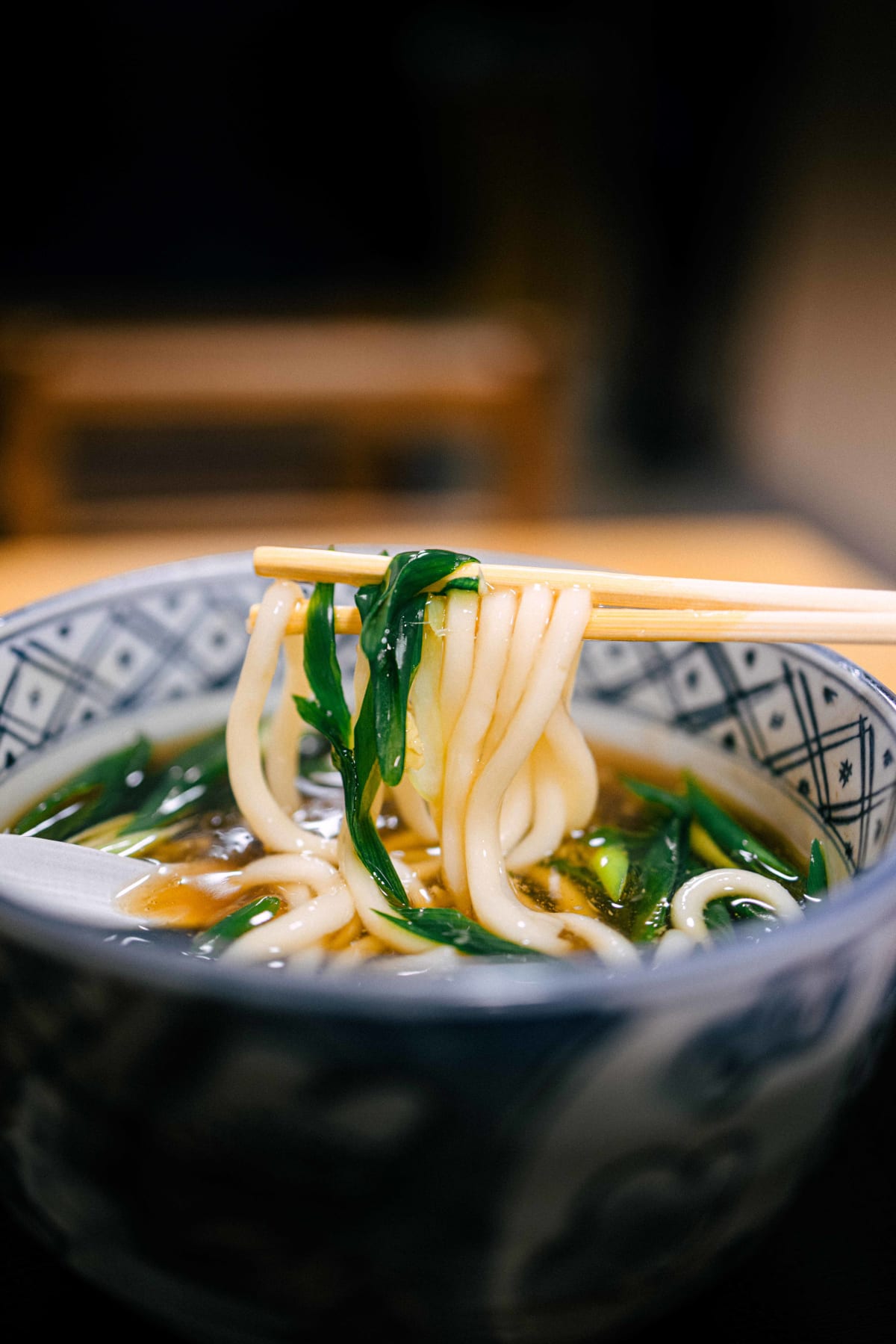
The noodle itself was nothing special, but with the thick warm ankake clinging to it so the two came into the mouth as one, the feel and the taste were very good.

The softness of the noodle is Yorozuya's design. Set against the strong elasticity and koshi of Sanuki udon it feels quite soft here, but the crisp kujo negi and the soft noodle make a contrast, and a noodle that does not stand out between the dashi and the onion is closer to the character of this udon.

Section 7·Why The Onion
As for the broth, the savour was very good, perhaps because so much onion goes in, and the texture of the onion made a contrast with that of the noodle. There is a reason the onion is piled high enough to cover the bowl.
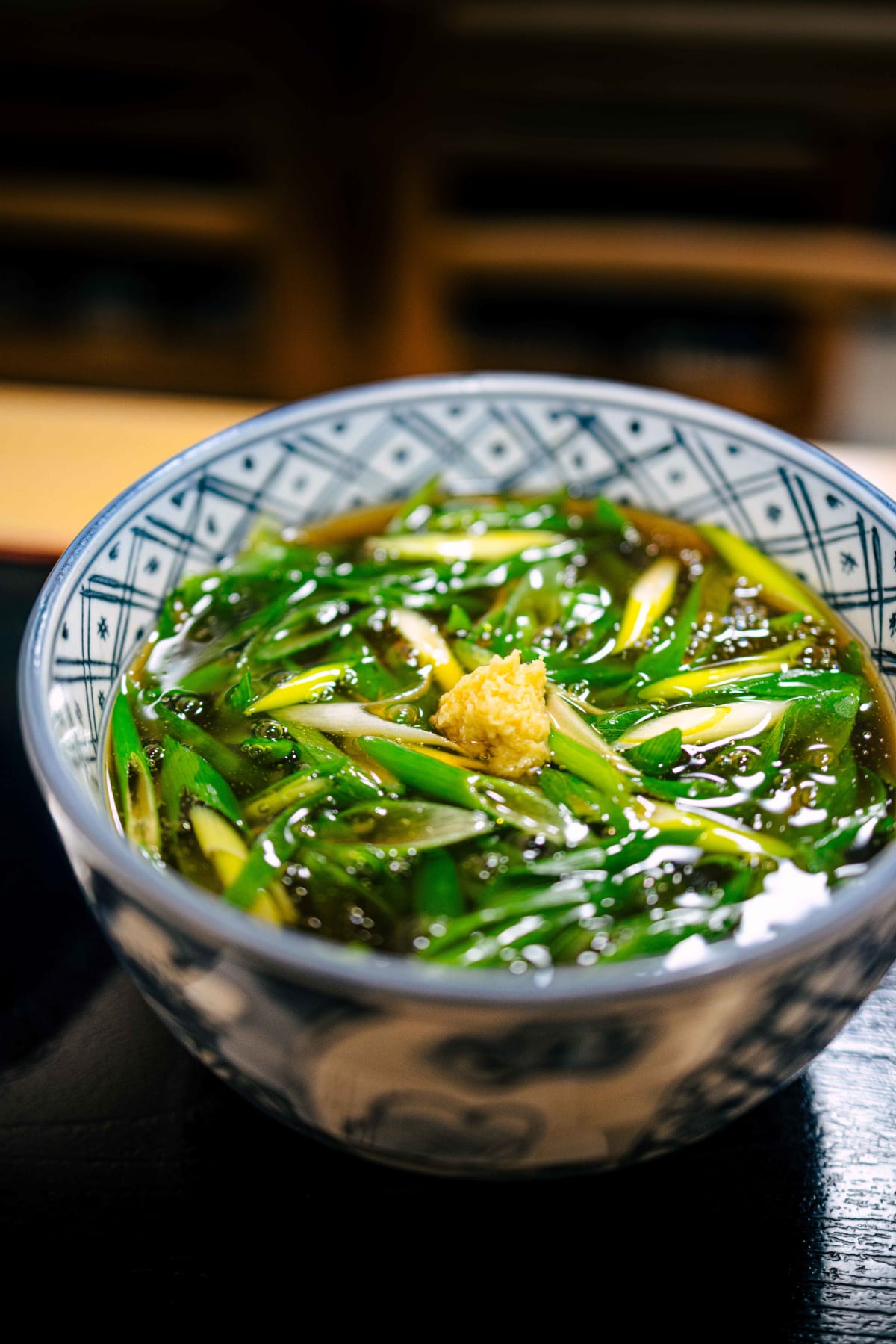
Onion cut on the diagonal is laid down until the surface of the bowl is out of sight and a little grated ginger goes in the middle. Submerged in hot dashi the onion is crisp at first, then softens as the heat works on it and the sweetness comes up. The way the onion changes while you eat is the thing to watch in this bowl.

Section 8·Ginger Last
The ginger cannot be left out either. It gave a quiet coolness and heat without standing out too much, and it lifted the flavour.

I think the ginger plays an important supporting role in this udon. Looked at structurally its role is clear. When the sweetness and the aroma of the onion run on and on, the flavour can start to feel flat, and the aroma and the heat of the ginger cut through that once and make the dashi sharp again. Dashi comes first, then the aroma and the sweetness of the kujo negi, and the ginger puts it in order.
Section 9·Out Into The Dark
By the time I came out it was past three and the light was starting to go, and it was a little disappointing that evening was coming on when I had not really done anything. Still, on the taste of the udon alone I think it is well worth a visit. If you go, get yourself thoroughly cold in the winter first, then queue from opening.
This shop began as a delivery kitchen for the ochaya and the theatres of Gion, which means its first customers were the geiko and maiko who worked there rather than anyone visiting. Read the bowl from that and the parts that look like shortcomings stop being shortcomings. The noodle is soft because it is not meant to compete with the onion. The onion is piled past the rim because a Kyoto vegetable is the subject here, not a garnish. What is left is a queue that has nothing to do with any of it, and a room where an elderly couple work at their own pace.
Have a question about this restaurant, or want to share your own experience?
Send a message