Fine Dining · London · United Kingdom / May 2024 / Michelin ★★
Gymkhana
"Mayfair's colonial-club stage for classic North Indian cooking, the first Indian restaurant in London to reach two Michelin stars"
Section 1·London's India
When people talk about the food and the good restaurants of London, they almost always bring up the cuisine of India, the country Britain held as a colony. I had never once eaten traditional Indian food, so I decided that in London I had to go to an Indian restaurant. May 2024 was not my first time in London, but it was my first since I grew serious about food, and I booked Gymkhana for the experience of Indian cooking.
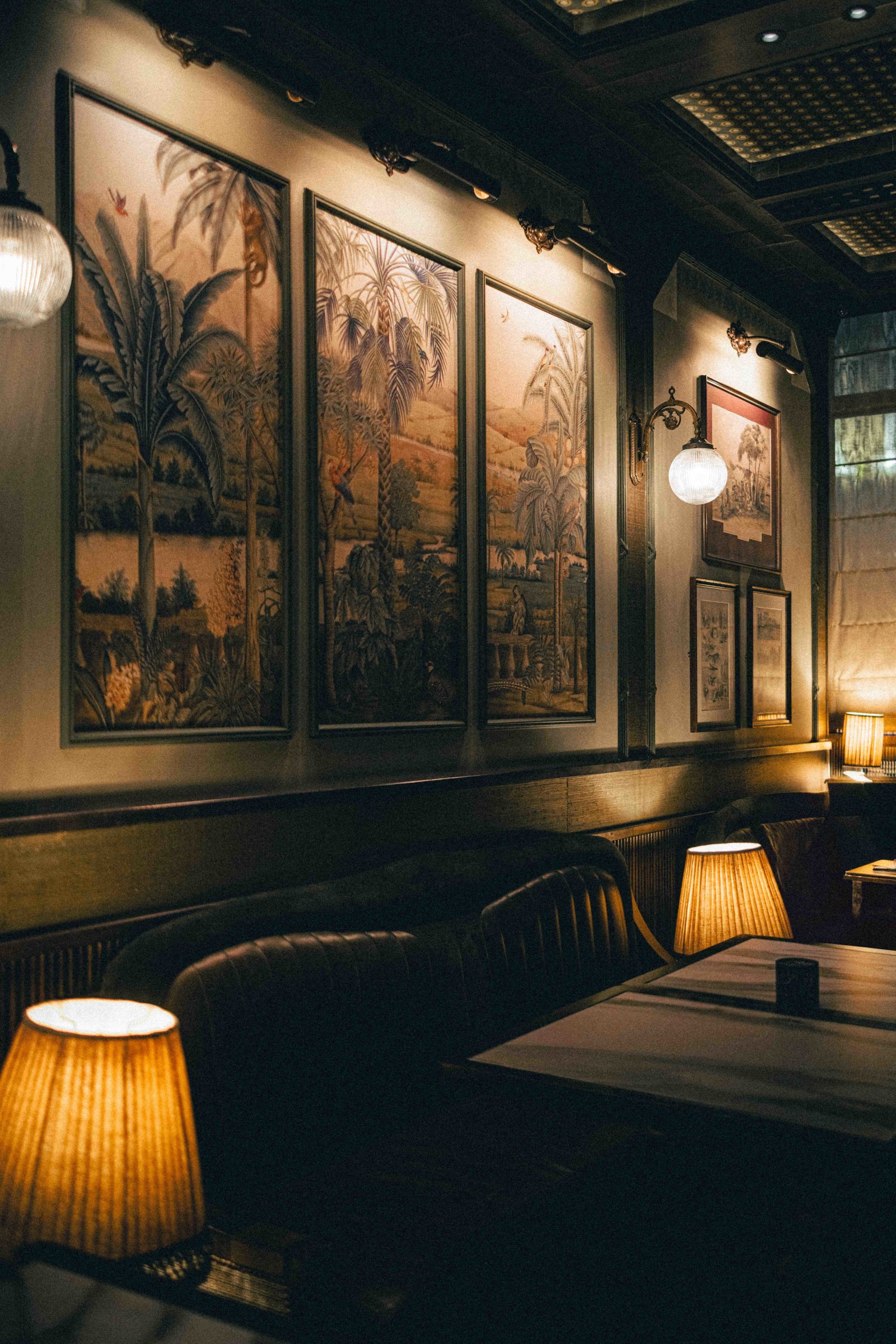
Gymkhana, as I understood it, had held one Michelin star and became a two-star in 2024. It sits in upscale Mayfair, its interior done up lavishly on a theme of the old Victorian, colonial-era India.
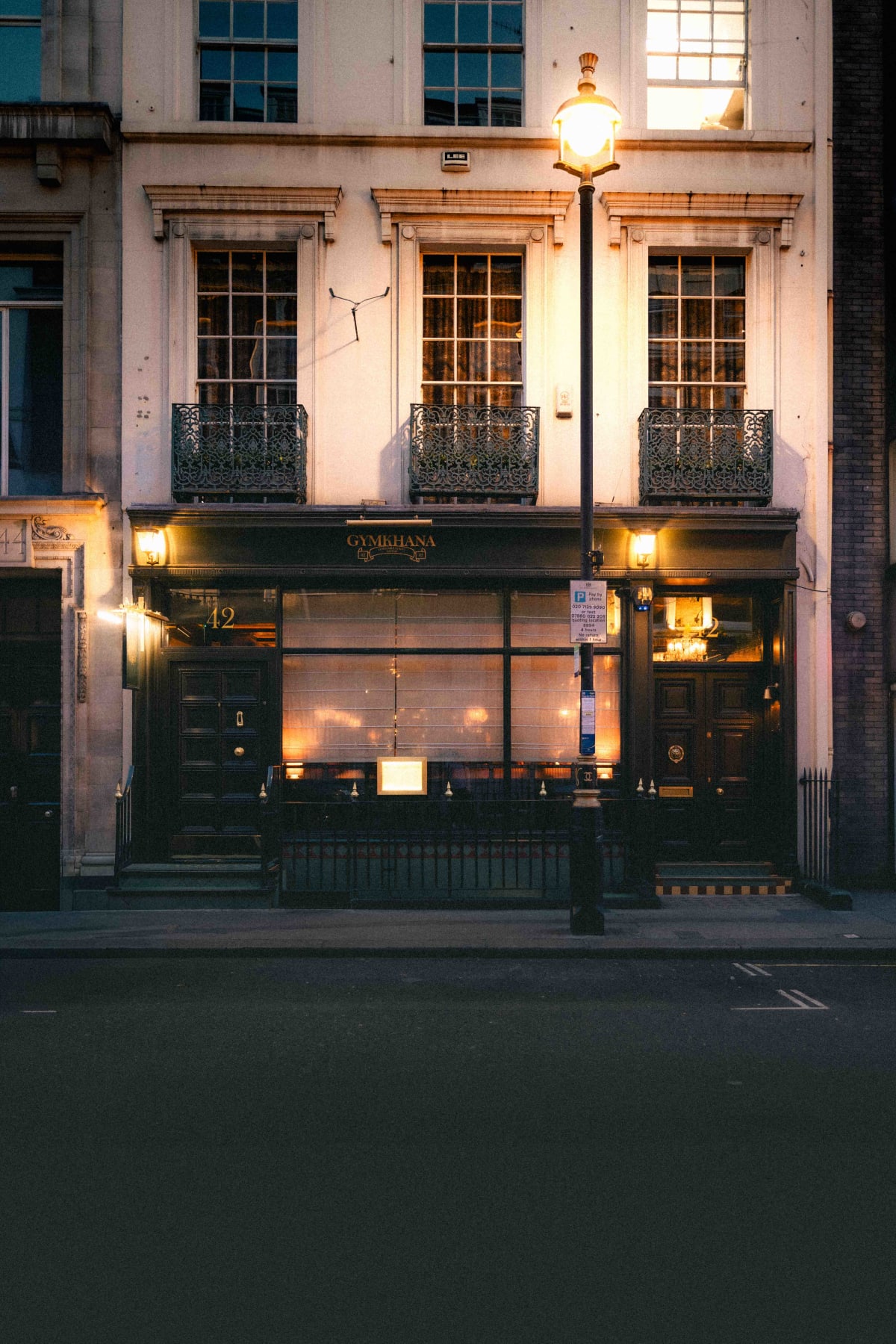
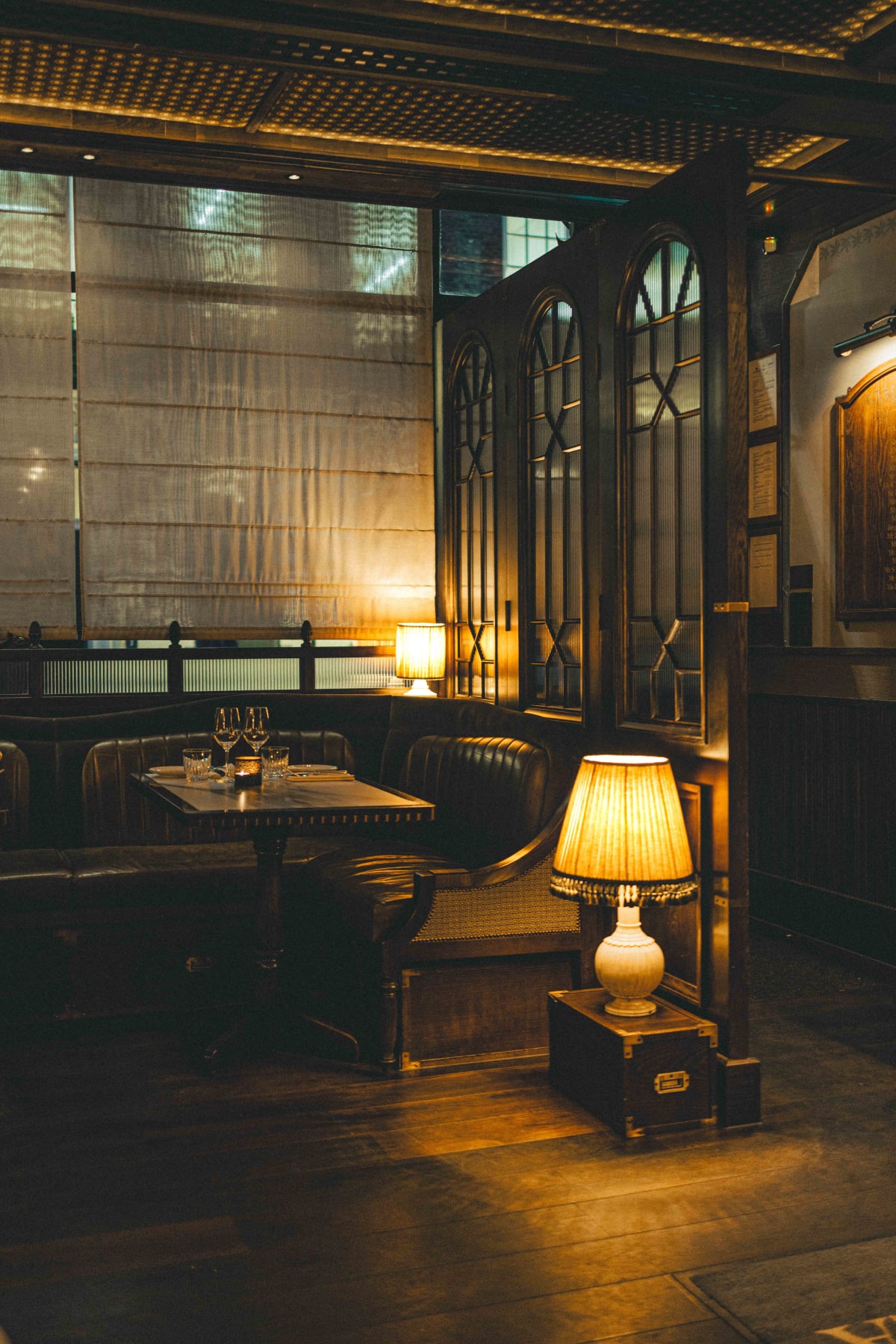
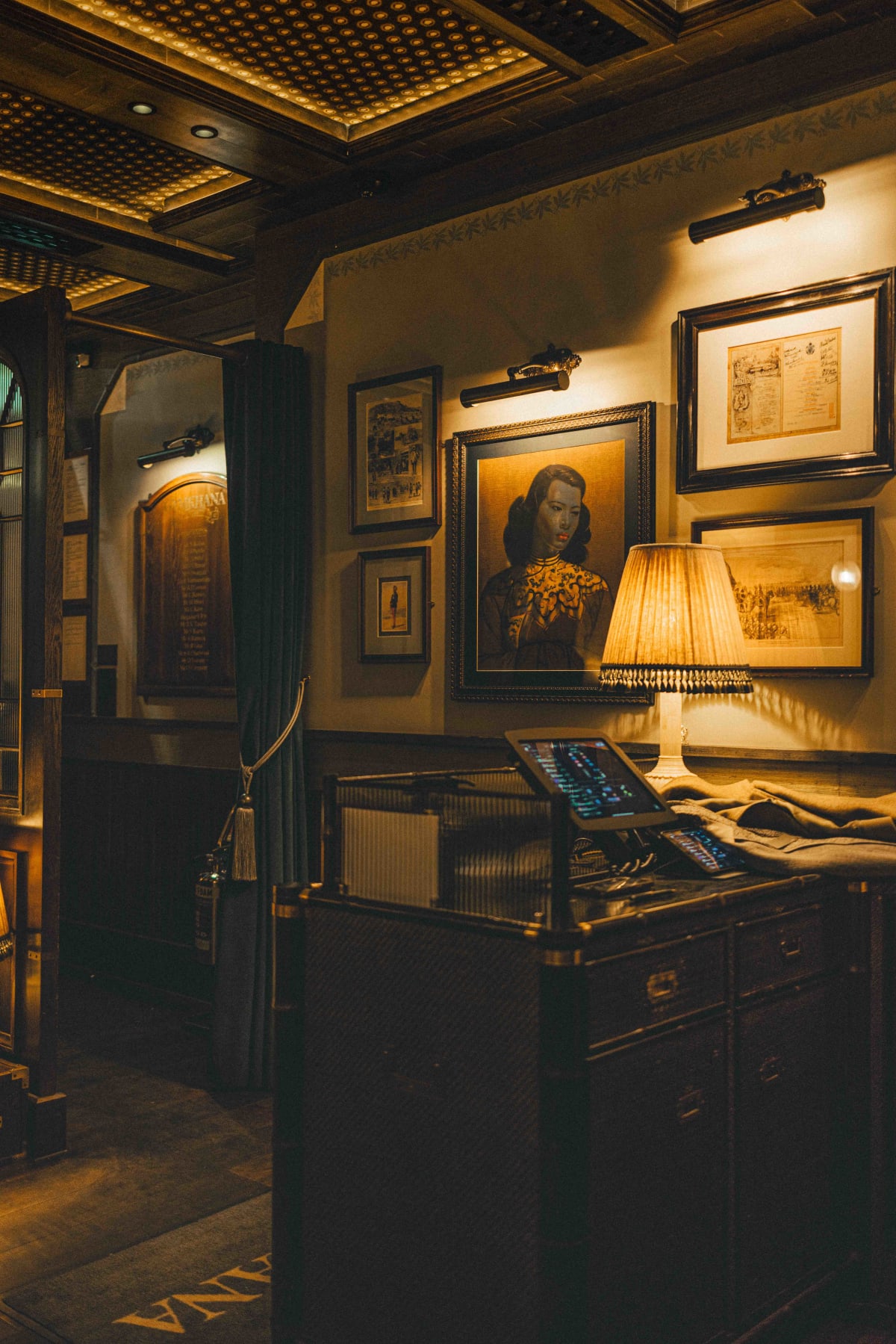
I am not British, so I cannot say for sure, but the atmosphere was wonderful, and I felt as though I had walked into some grand restaurant of Victorian India I had only seen in films.

Section 2·A Colonial Club
Knowing a little of this house's background makes that atmosphere read more clearly. Gymkhana opened in 2013 on Albemarle Street in Mayfair (42 Albemarle Street), run by JKS Restaurants, led by the three Sethi siblings, Jyotin, Karam, and Sunaina. Born and raised in London to Indian parents, the siblings turned an affection for food built up on childhood trips to India into their first restaurant, Trishna, in 2008, and Gymkhana was the work that followed.
It earned a Michelin star in 2014, the year after opening, and that same year was named number one nationally at the UK's National Restaurant Awards. Then in 2024 it won a second star, becoming the first in London, and indeed the first "classic Indian cuisine" restaurant in the world, to reach two Michelin stars.
It holds two stars in the 2026 guide as well.
The name Gymkhana is an Anglo-Indian term for the social and sports clubs formed in the era of British India. They were places where sport like cricket, polo, and tennis went alongside dining, drinking, cards, and socializing, and at the same time they were sites of colonial power, with entry restricted by race and class. So calling this restaurant's interior "traditional India" is a little inaccurate. More precisely, rather than India itself, it is a dramatic re-creation in modern Mayfair of the memory of an elite club from the days of British India, one where a romance for glittering club culture and the traces of colonial privilege sit side by side. That was the true identity of the sense I had of a grand restaurant of Victorian India.
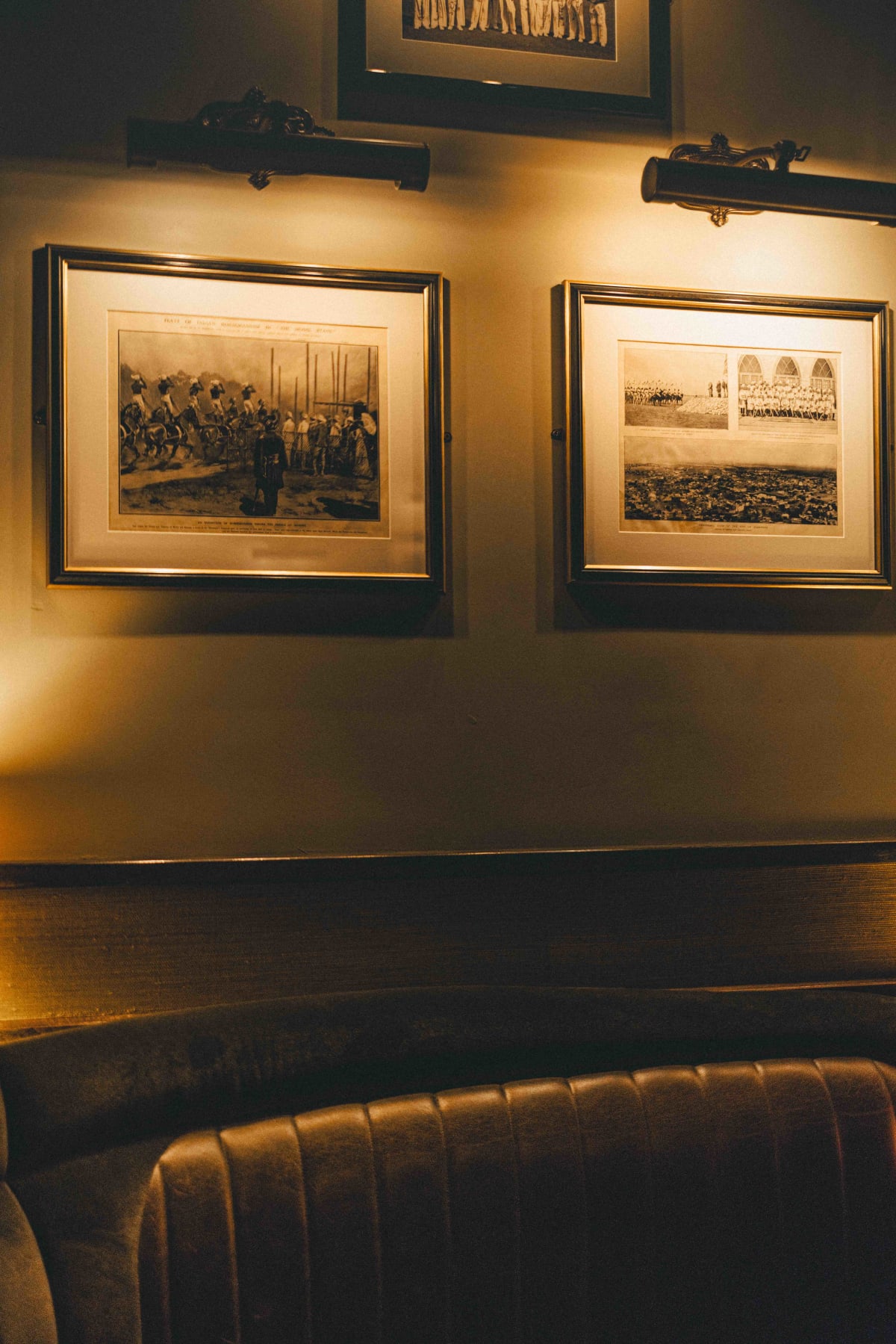
More precisely, rather than India itself, it is a dramatic re-creation in modern Mayfair of the memory of an elite club from the days of British India, one where a romance for glittering club culture and the traces of colonial privilege sit side by side.
Section 3·Why It Matters
Above all, the reason Gymkhana matters in London's food history is that it did not earn its stars by reinterpreting Indian cooking in the grammar of French fine dining, or by dialing spice down to suit European palates.
The founder, Karam Sethi, described the flavor here as "chatpatta," which does not simply mean spicy but the state in which sourness, heat, saltiness, and the intensity of spice reach their most precise point. He has said it is Gymkhana's principle not to soften the spice for European guests.
It keeps the traditional forms of curry, tikka, kebab, and biryani almost intact, raising only the level of ingredients, heat control, spice blending, service, and the drinks program to that of fine dining. This house's culinary philosophy was set by Karam Sethi and completed as a two-star kitchen by Sid Ahuja, a Delhi native who joined in 2016. (Since Ahuja left in early 2026, Chet Sharma of BiBi has overseen the direction as global culinary director.)
Section 4·The Room
My first impression was, first, that the exterior really was like a luxe club, and every one of the staff working here had, how to put it, style, a real dignity about them, and the service and manners were excellent. There was a staff member of Indian background, a male manager who looked like Raju, the officer from the film RRR. He was tremendously professional and the service was good, but above all he was strikingly handsome, like a film star. Even though it was my first time with Indian food, I was glad to get such fine recommendations.
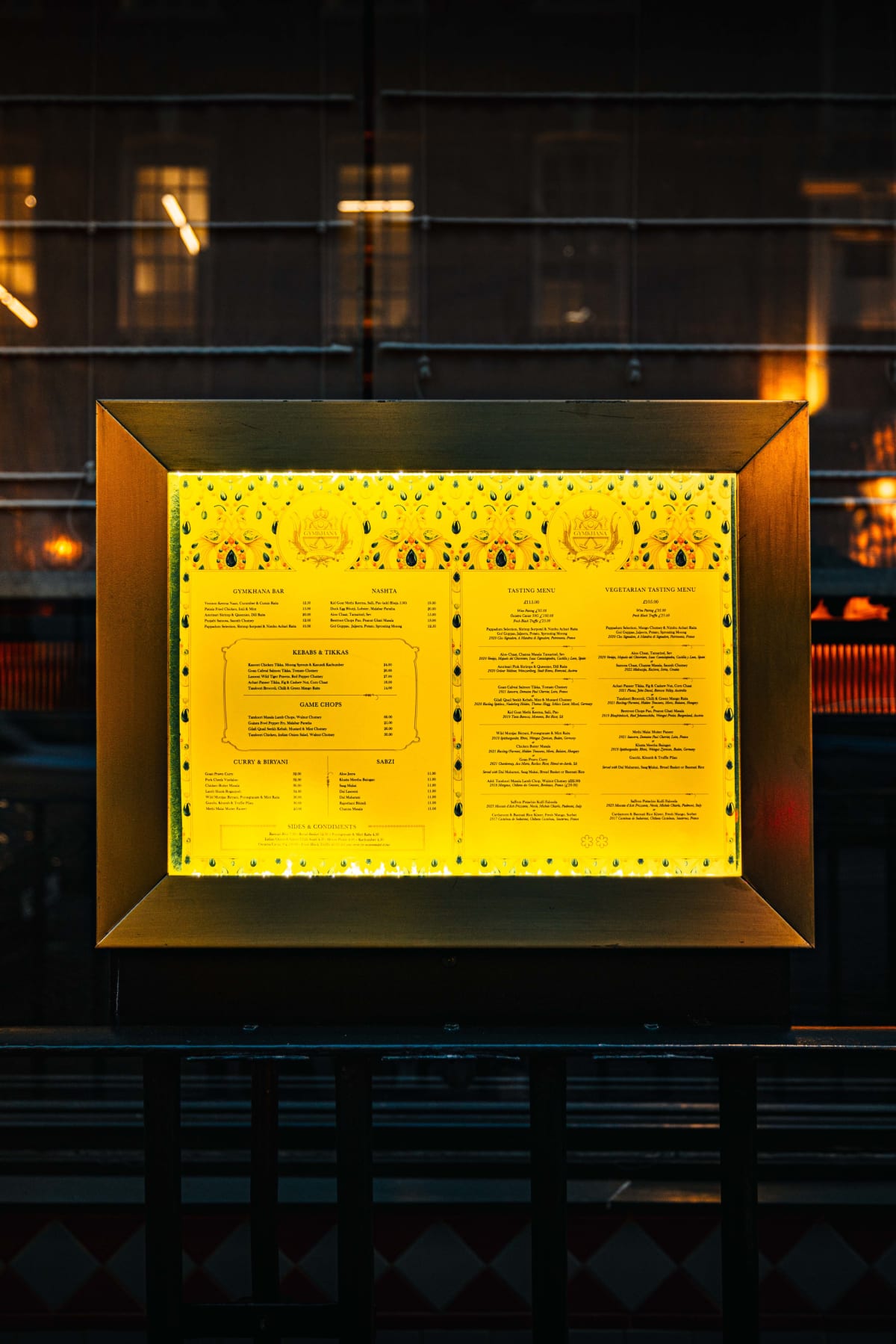
There is a course menu, but many people order mostly à la carte, and I too ordered mainly what I wanted à la carte. Looking back now, though, I am a tourist who does not live in London and does not come often. From that position I think again that unless you come as a group, the tasting course may be the right call. The portions are not small and the food is not light either, so ordering many à la carte dishes was a stretch.
Section 5·The Starters
For the mains, I had things in mind I had decided in advance I wanted.
First was the Butter Chicken Masala, the most widely known as British-Indian food, and second the Wild Muntjac Biryani.
For the starters I took recommendations, and ordered first the Kid Goat Methi Keema, Salli, Pao, and second the Amritsari Shrimp & Queenies, Dill Raita.
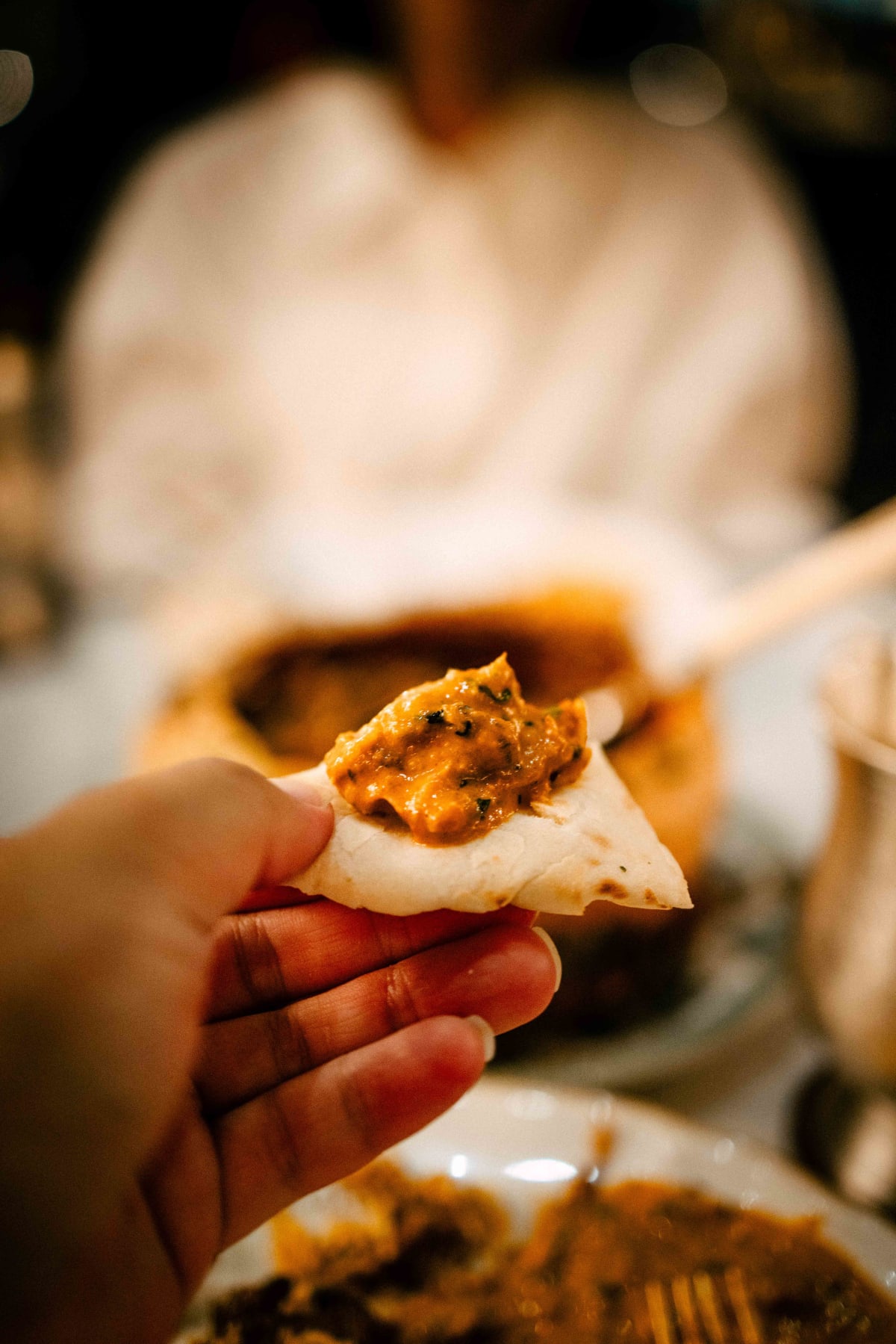
The first to arrive, the Kid Goat Methi Keema, Salli, Pao, was a dish of finely minced goat you eat with bread, and tucking it into the bread for the first bite was bliss. It was delicious. Since it was my first Indian meal I had worried the spice might be too strong, but there was none of that, and the goat, of good quality, carried no unpleasant gaminess.
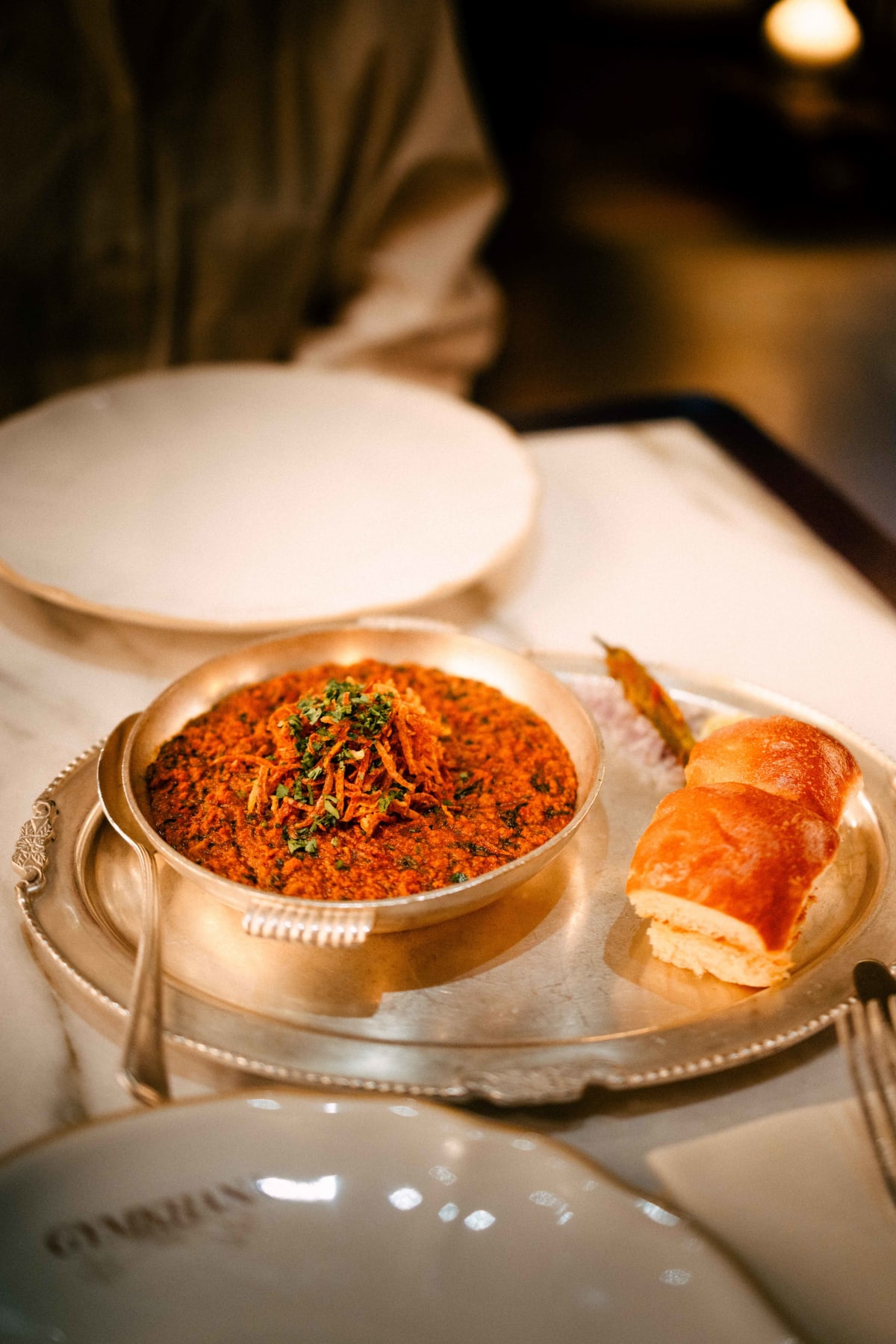

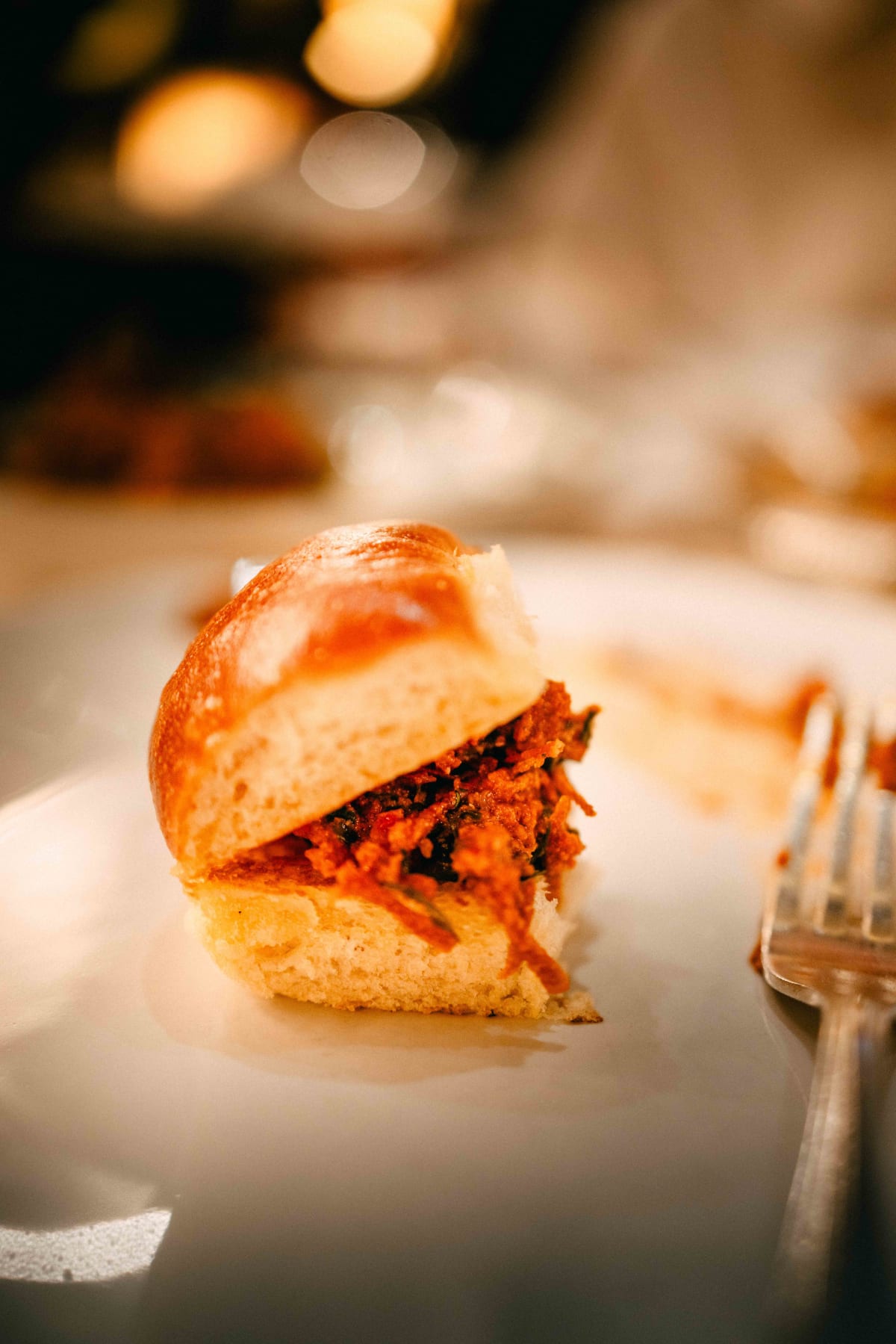
For the record, this dish is precisely minced kid goat keema given the nutty, faintly bitter aroma of fenugreek (methi), topped with finely fried potato straws (salli), and spooned into a soft roll (pao). Keema pao and salli are elements of western India that call to mind the Irani and Parsi cafe culture of Mumbai, and Gymkhana is said to have combined these pieces in its own way into a signature. The goat I had that day carrying so little gaminess was probably because it was young kid goat.
The second, the Amritsari Shrimp & Queenies, Dill Raita, you could think of as an Indian version of Chinese kkanpung shrimp. The shrimp on its own was the sort of well-fried shrimp you can easily find anywhere in the world, so it could not fail to taste good. But there was one thing that lent this dish the specialness of eating Indian food: a yogurt-like sauce called Dill Raita. Eaten with this sauce the sharp flavors seemed to mellow, and the pairing was good.
Still, in hindsight, fried shrimp of this kind is something you can taste in Korea or elsewhere too, so if I return I would want to order a different dish. There seemed to be many kinds of starters, and they all looked delicious.
Section 6·The Lassi
For a drink to go with the food I thought I would order lassi, the traditional Indian drink, but when I went to order there were two kinds. The fine manager suggested I try the mango lassi first and order the other if I liked it, so I ordered the mango lassi, and it was sweet and tasty enough to call simply mango yogurt. With not a trace of resistance, I ordered the other one.
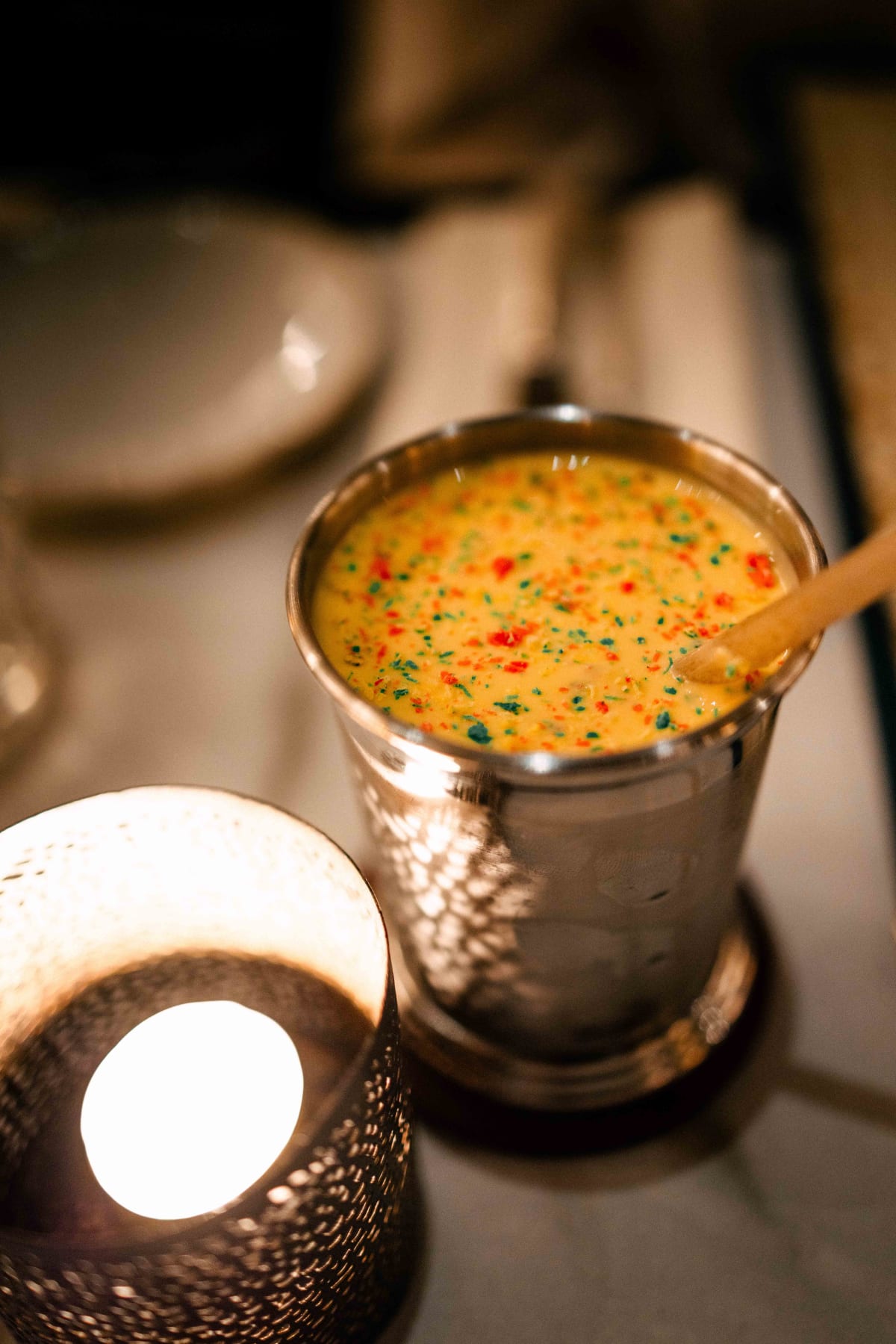
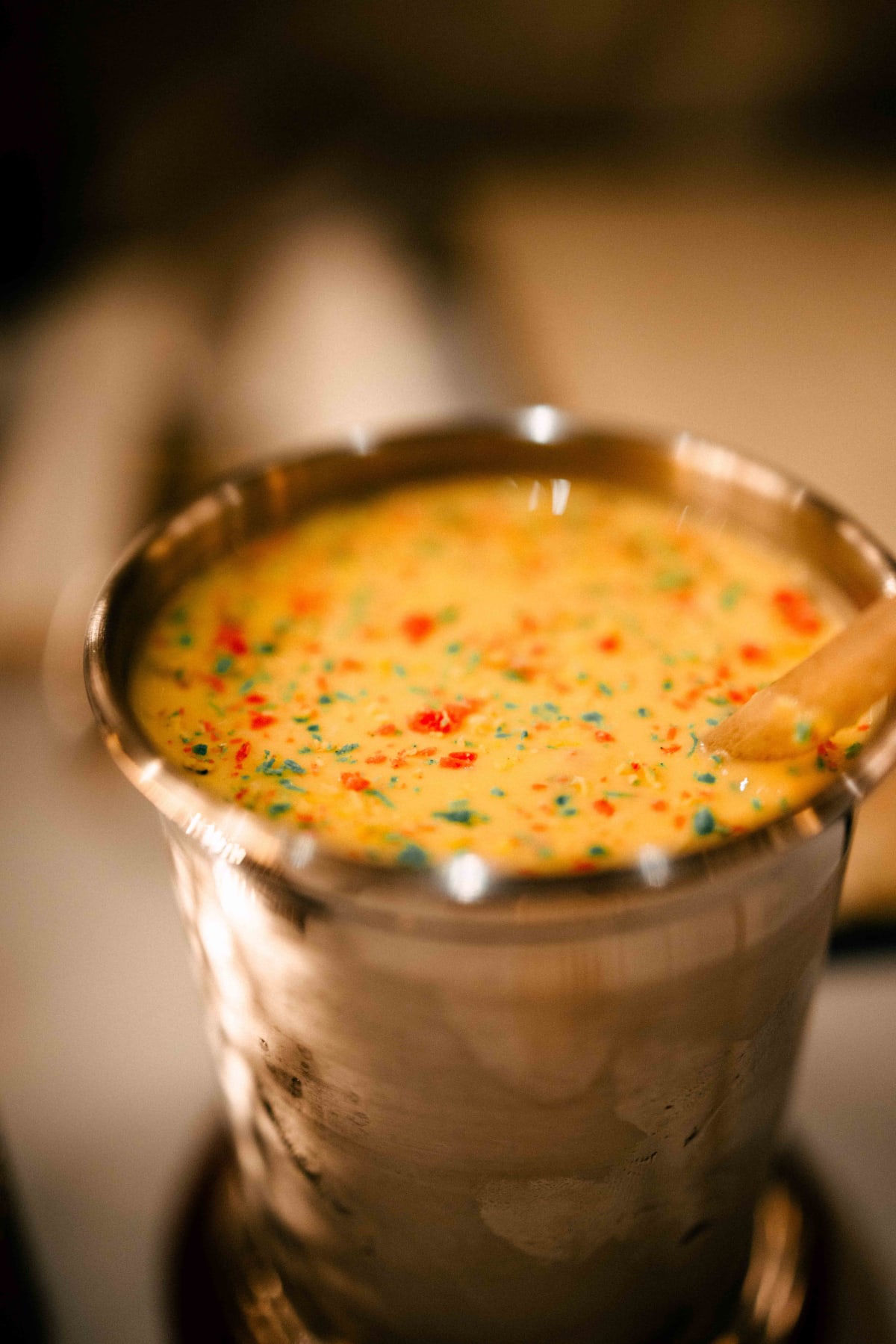
Its name is Salty Masala Lassi. My mother, who was with me, and I each took a sip, and the strong spice aroma and flavor of Indian food that I had worried about while eating came rushing in here.
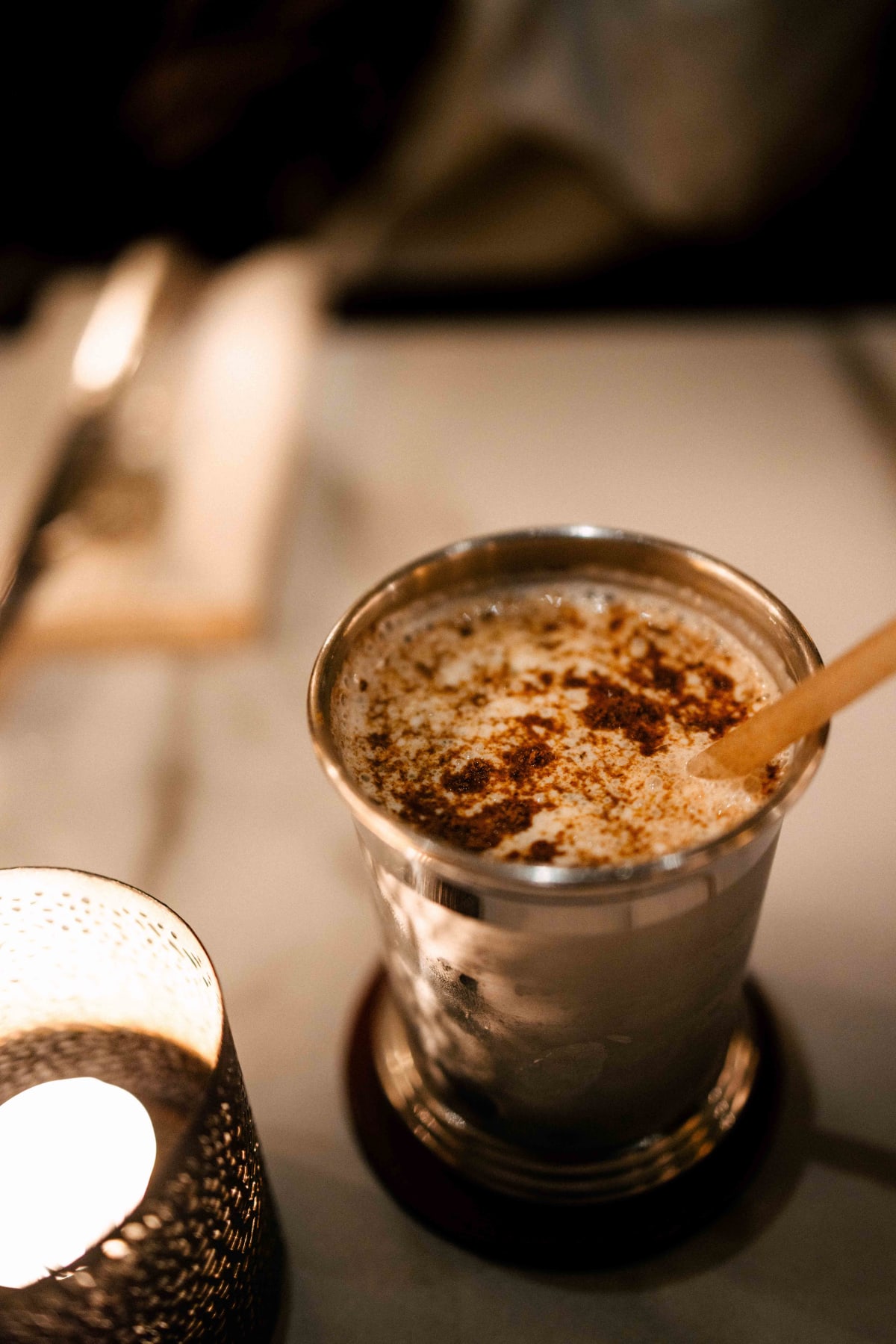
Seoul, where I live, is a country where, apart from the places Indian residents frequent, Indian restaurants are generally hard to find. So the smell of an Indian restaurant is unfamiliar to me, and this was like a concentrate of the smell my nose reacts to first when passing a steamy Indian restaurant, poured into yogurt, with heat and saltiness on top of it, a very sharp and unfamiliar taste. It was a truly unexpected, peculiar flavor, an entirely different kind of thing but for the mango lassi and the yogurt in it.
If you go with someone conservative about food, I think it is a drink hard to recommend.
Section 7·A Beer, and the Biryani
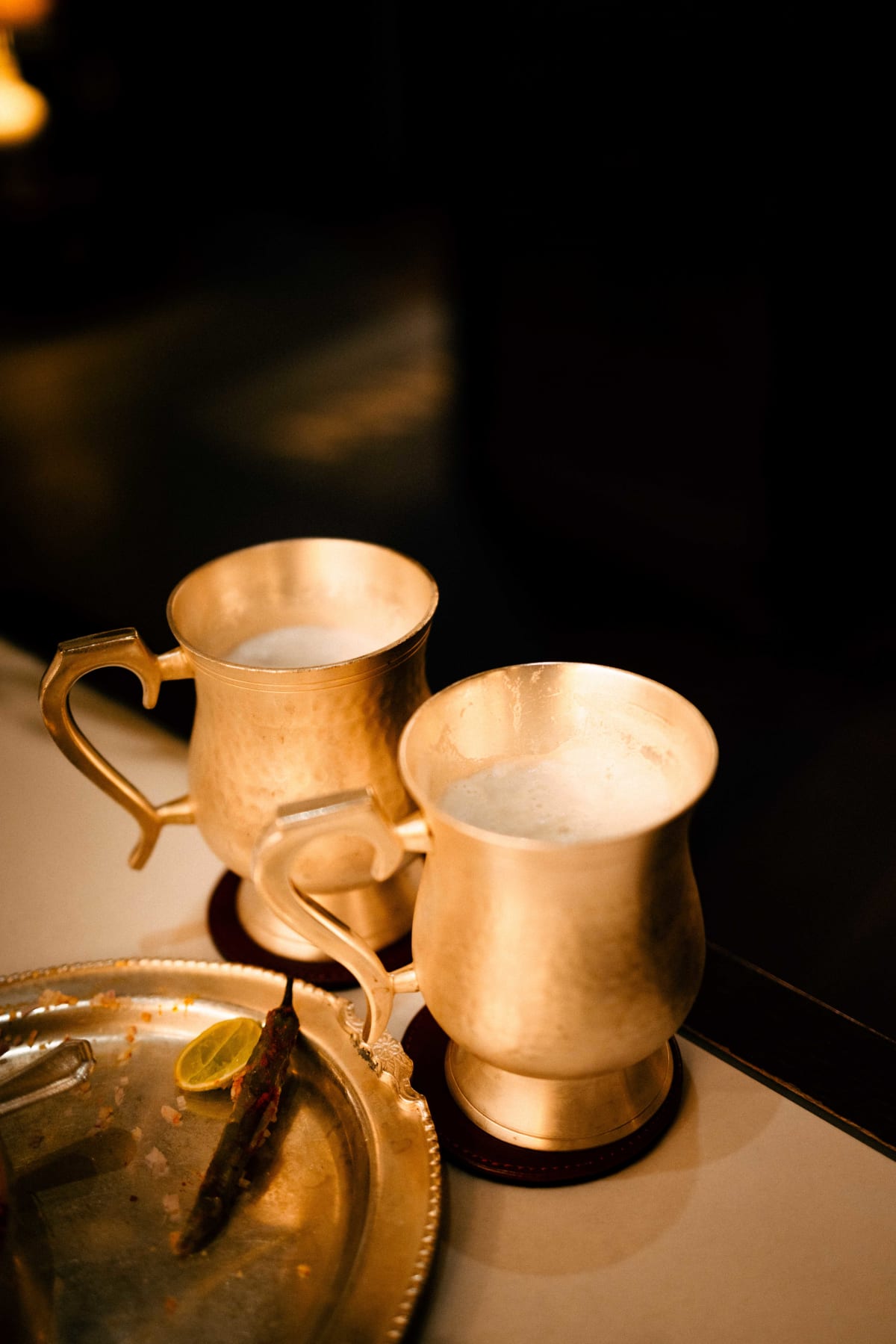
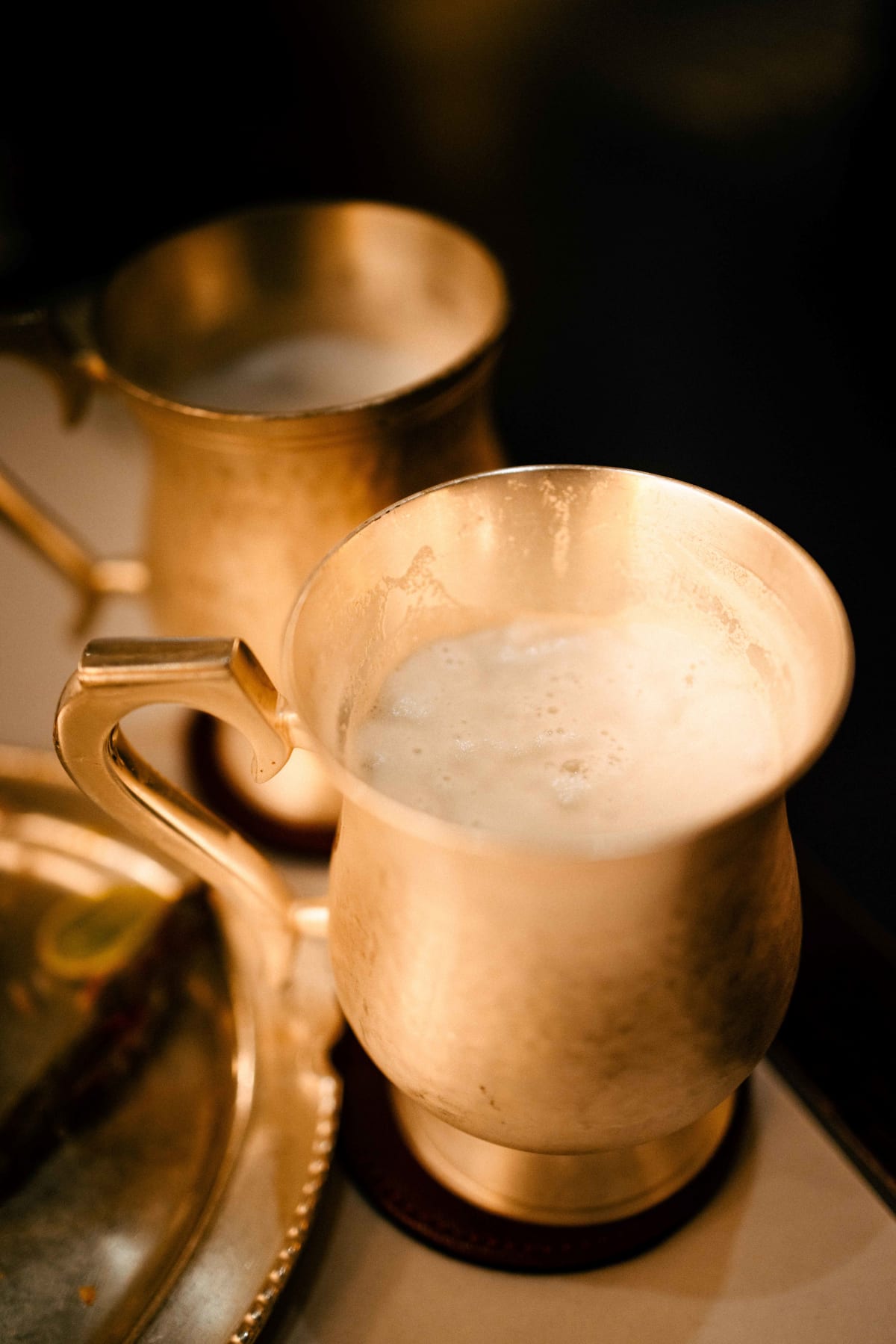
Eating the two starters, I unexpectedly wanted a drink against the heat, and wanting something cooler than lassi, I ordered the Indian beer on the menu. It came not in an ordinary beer glass but in a silver cup, as if drunk in old India, which was fun. Soon the dishes I had ordered as mains arrived.
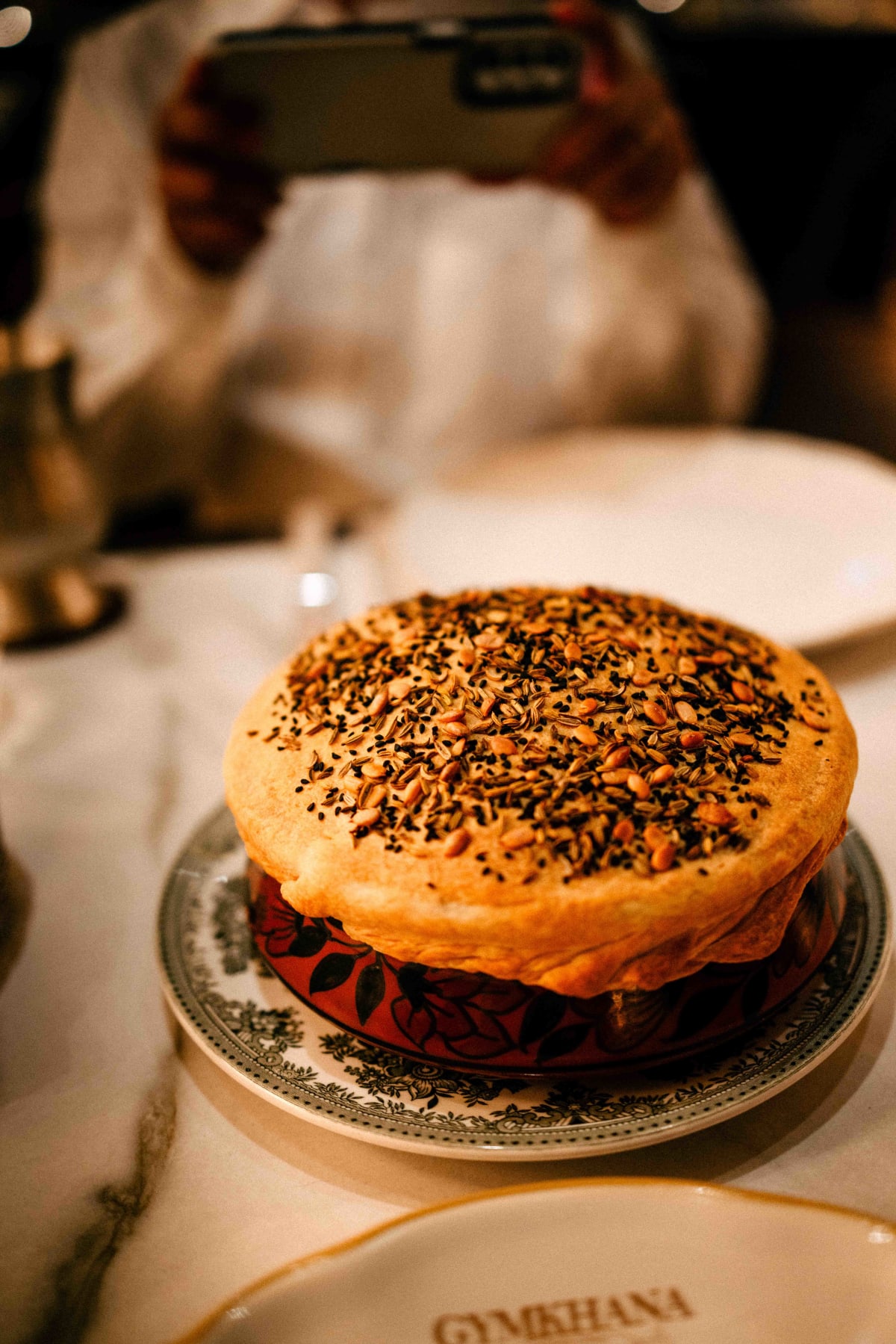
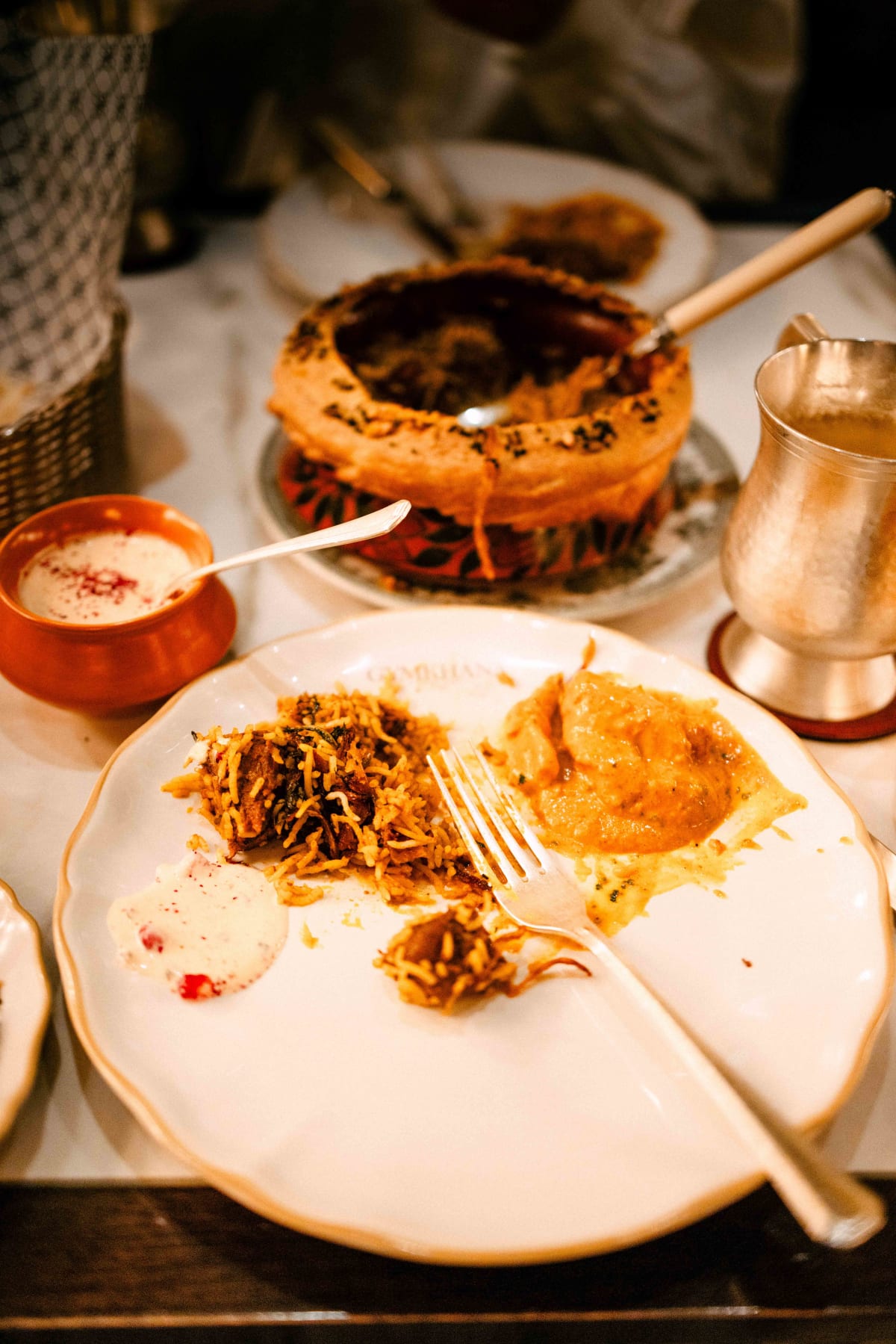
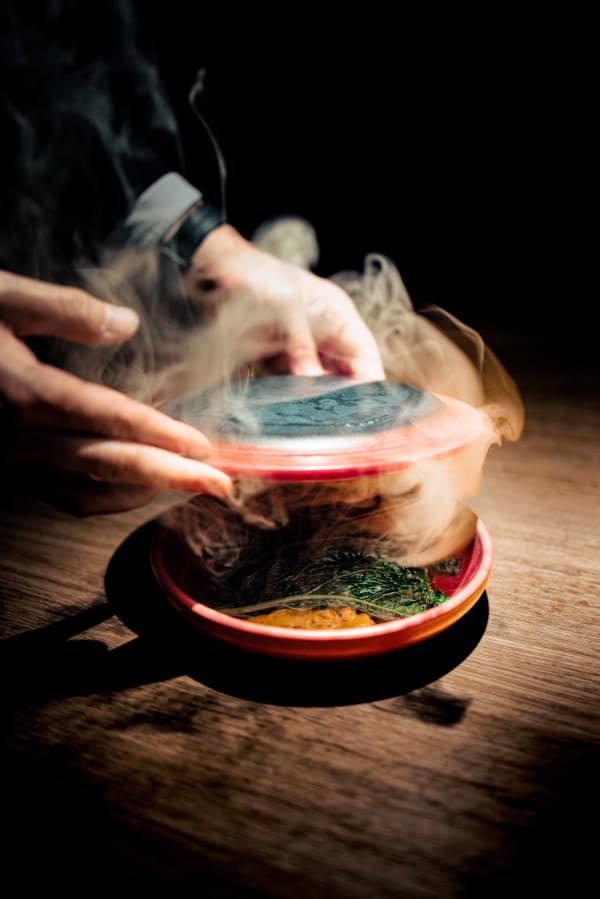
The first main, the Wild Muntjac Biryani, arrived in a pot-like vessel covered on top with bread.
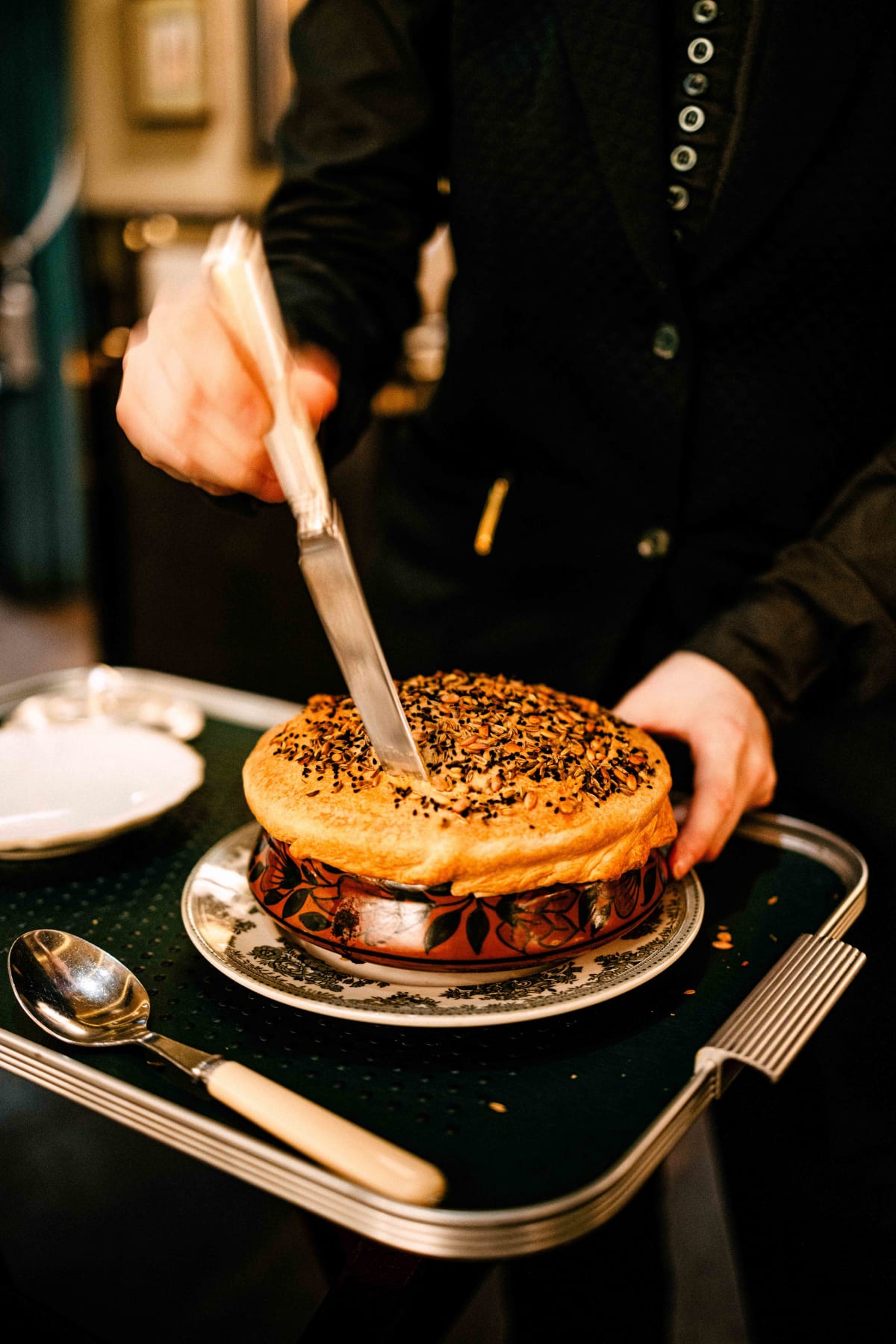
The server did the performance of cutting the lid, and you eat the biryani inside, and it tasted good.
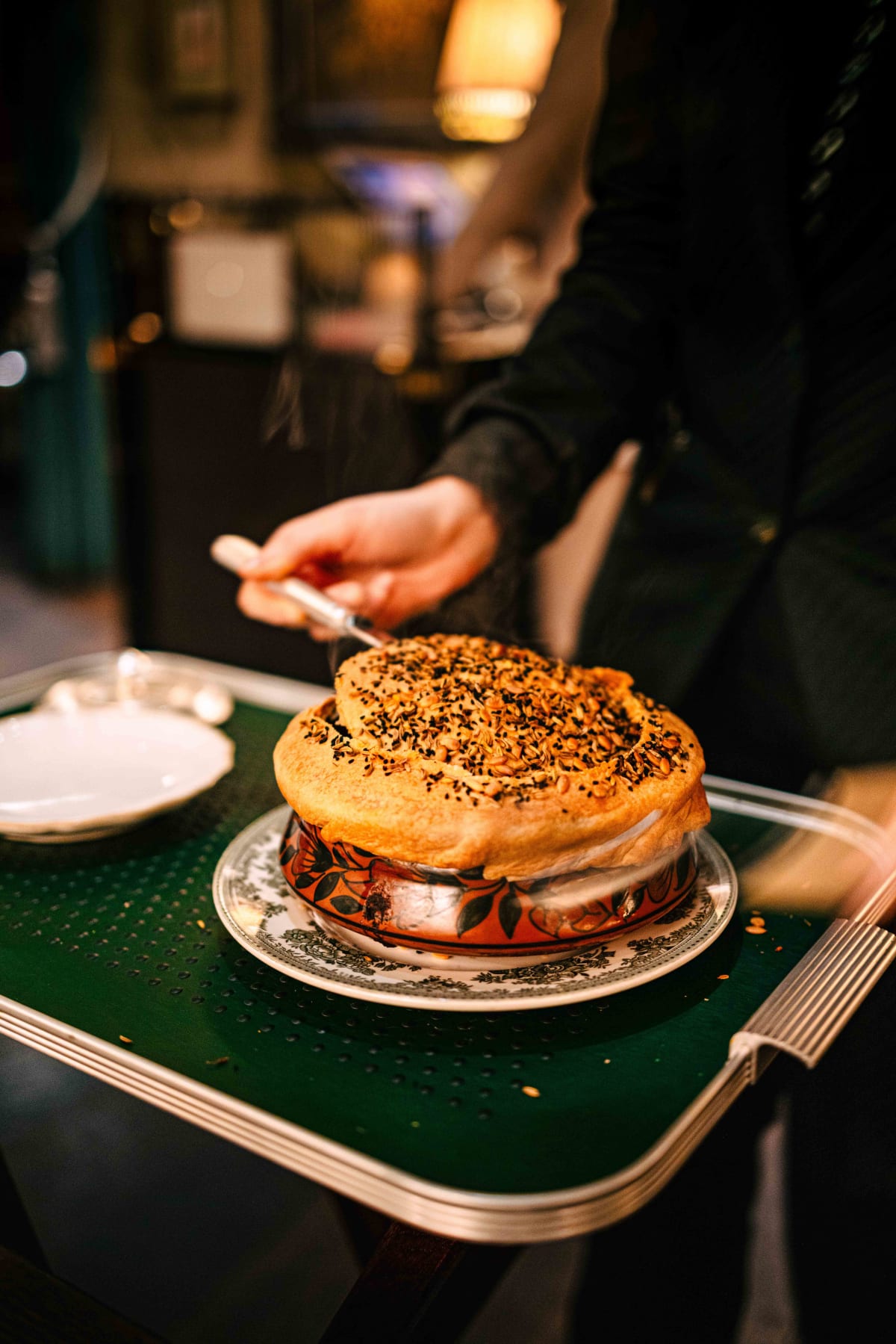
Muntjac is a kind of deer, and it had no gaminess at all, tasting almost like beef.
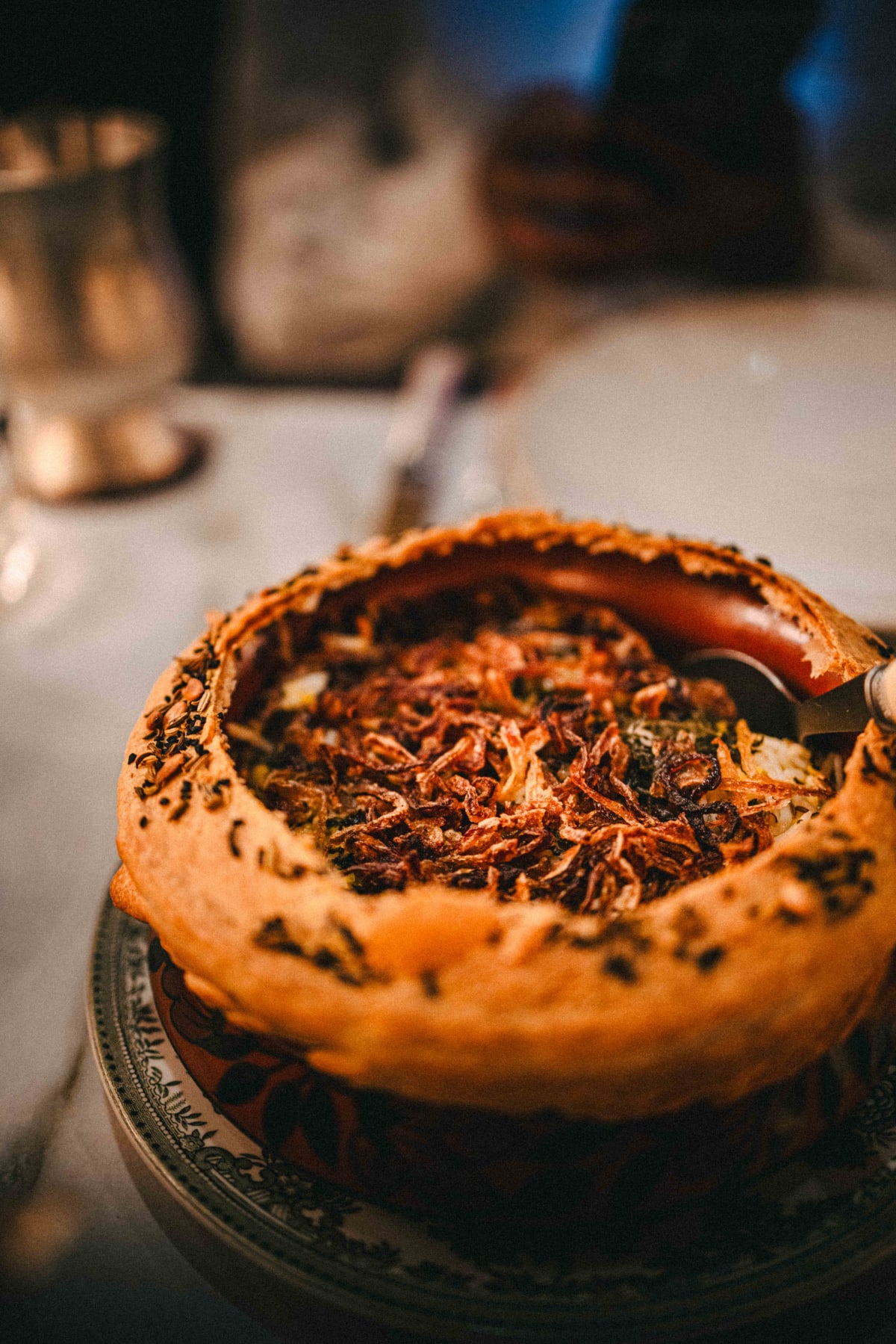
The rice too was fluffy, like eating beef fried rice, and its texture felt less foreign than I expected.
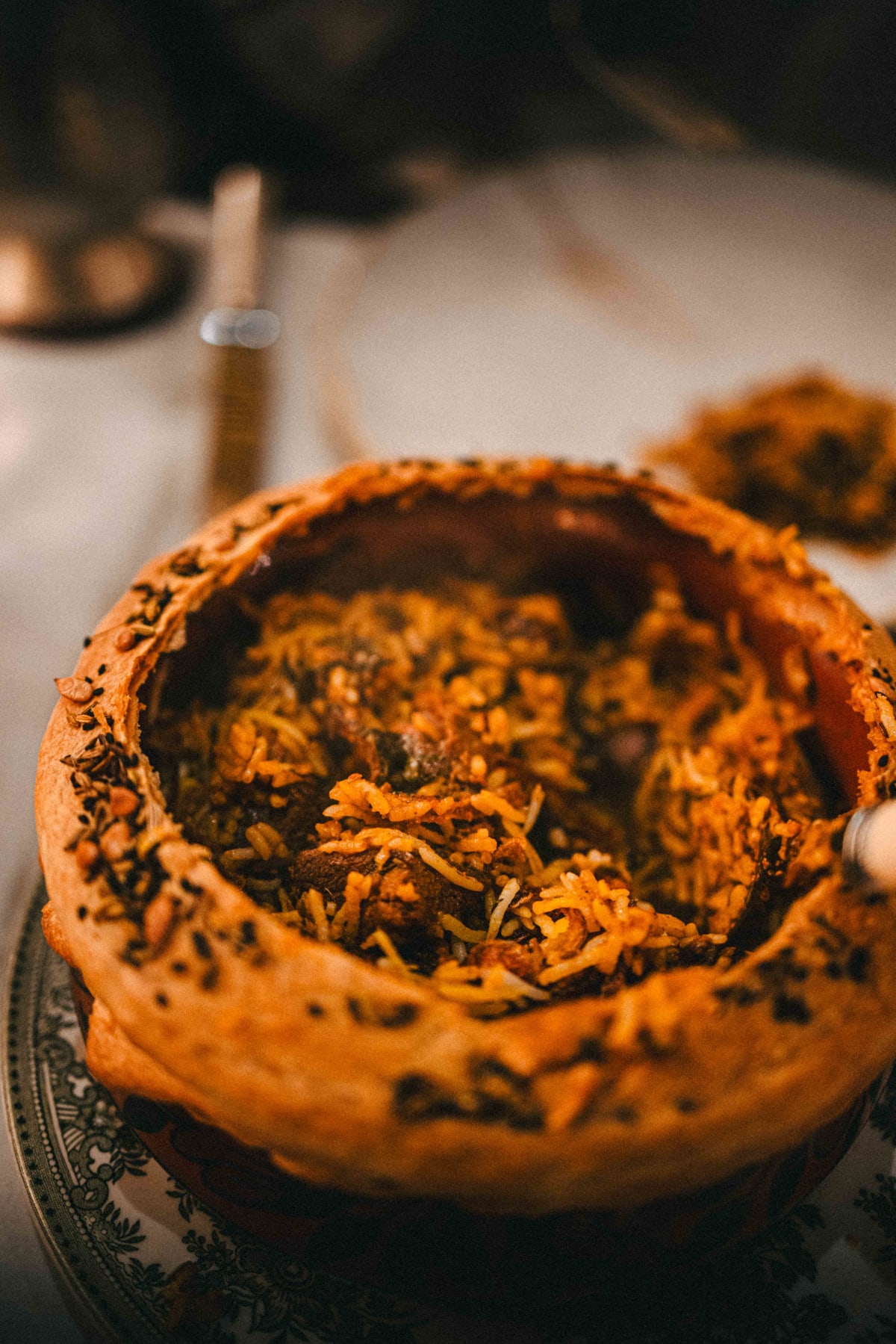
This muntjac biryani is a signature from Gymkhana's early days. It is the house biryani, treating British game meat in the style of Indian court and club cooking, cooked in the dum method, in which spices, meat, and basmati rice go into a pot sealed at the mouth with dough and left to steam.
That is why, the moment the lid is opened at the table, the aroma that had been trapped spreads out. The reason mine carried no gaminess is that the Indian spices cut through and complemented the fat and aroma of the strongly flavored game meat. This dish is exactly where two traditions and strengths meet: the royal hunting culture of the Indian subcontinent and Britain's superb game-meat supply.
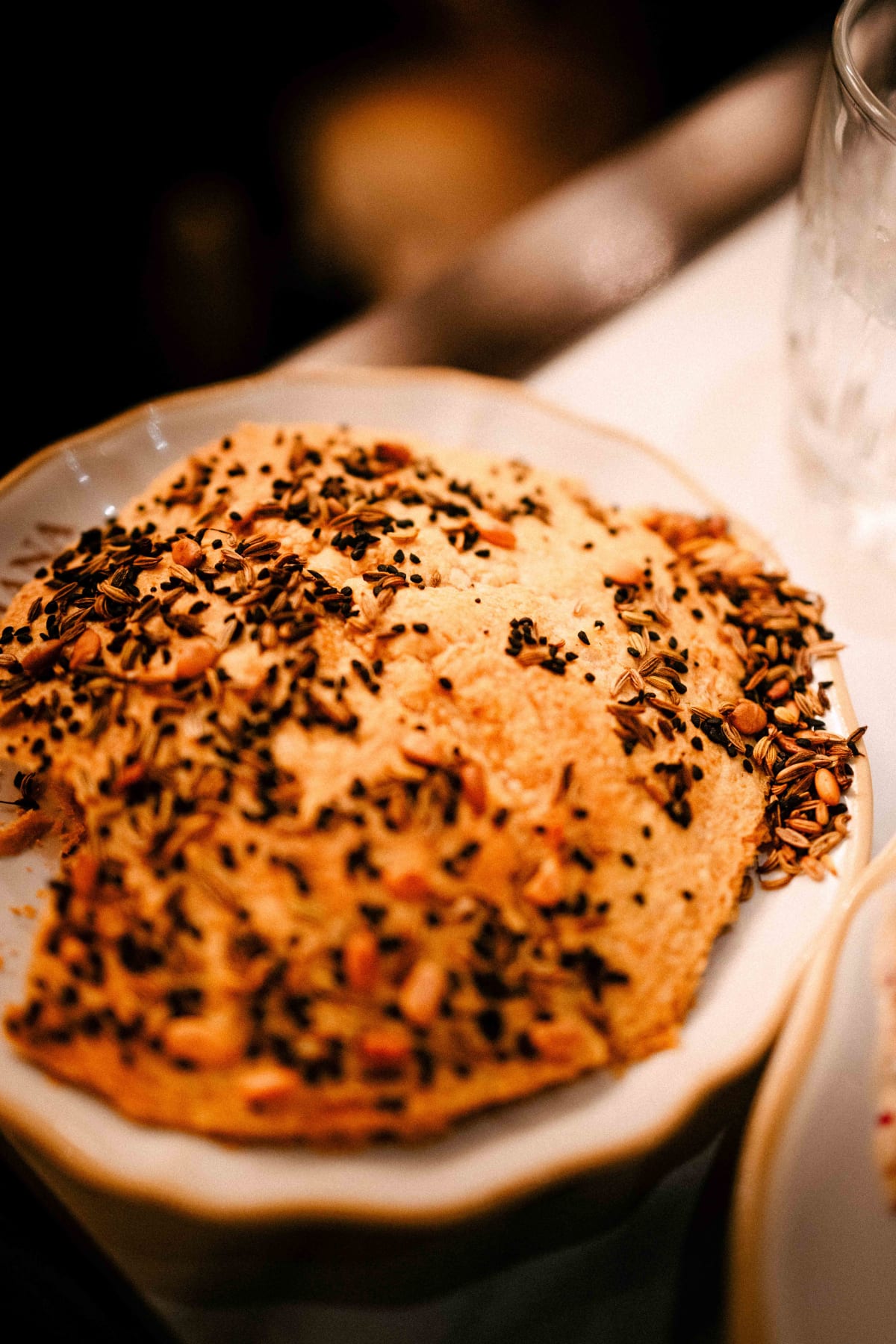
This dish is exactly where two traditions and strengths meet: the royal hunting culture of the Indian subcontinent and Britain's superb game-meat supply.
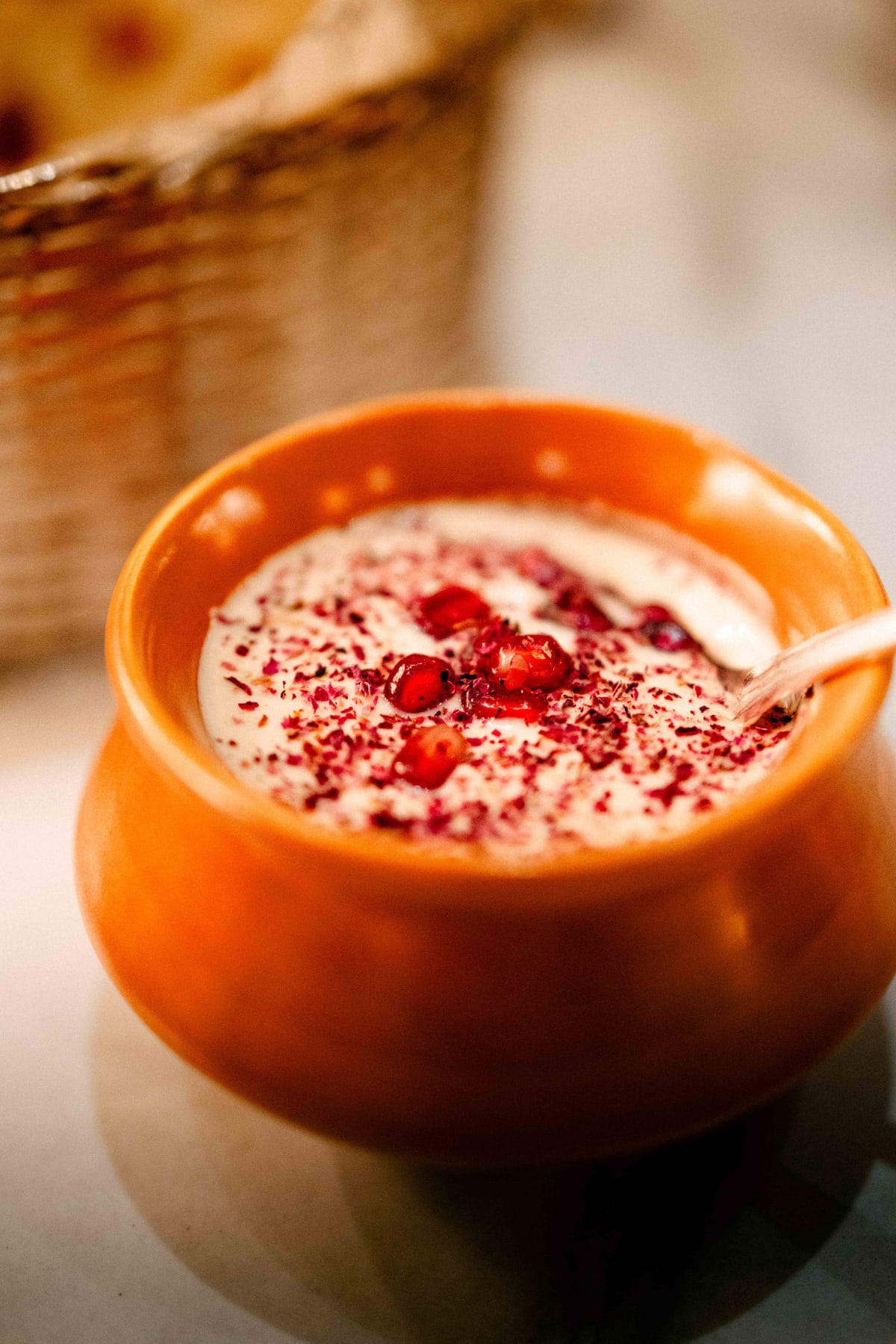
And this biryani always comes with a raita, a yogurt sauce, of pomegranate and mint. It is a cooling side that tempers the heat of the spicy biryani, and this house does in fact always serve this pomegranate and mint raita with its muntjac biryani.
Section 8·The Butter Chicken
The second main, the Butter Chicken Masala, came in a small silver bowl, and it was just right to spoon out a little at a time and eat with the naan or rice that came alongside. Inside were a few good-sized chunks of chicken, and the chicken itself was ordinary. But the curry was not strong, its restrained flavor was good, and I thought this too was something anyone could eat happily without resistance.
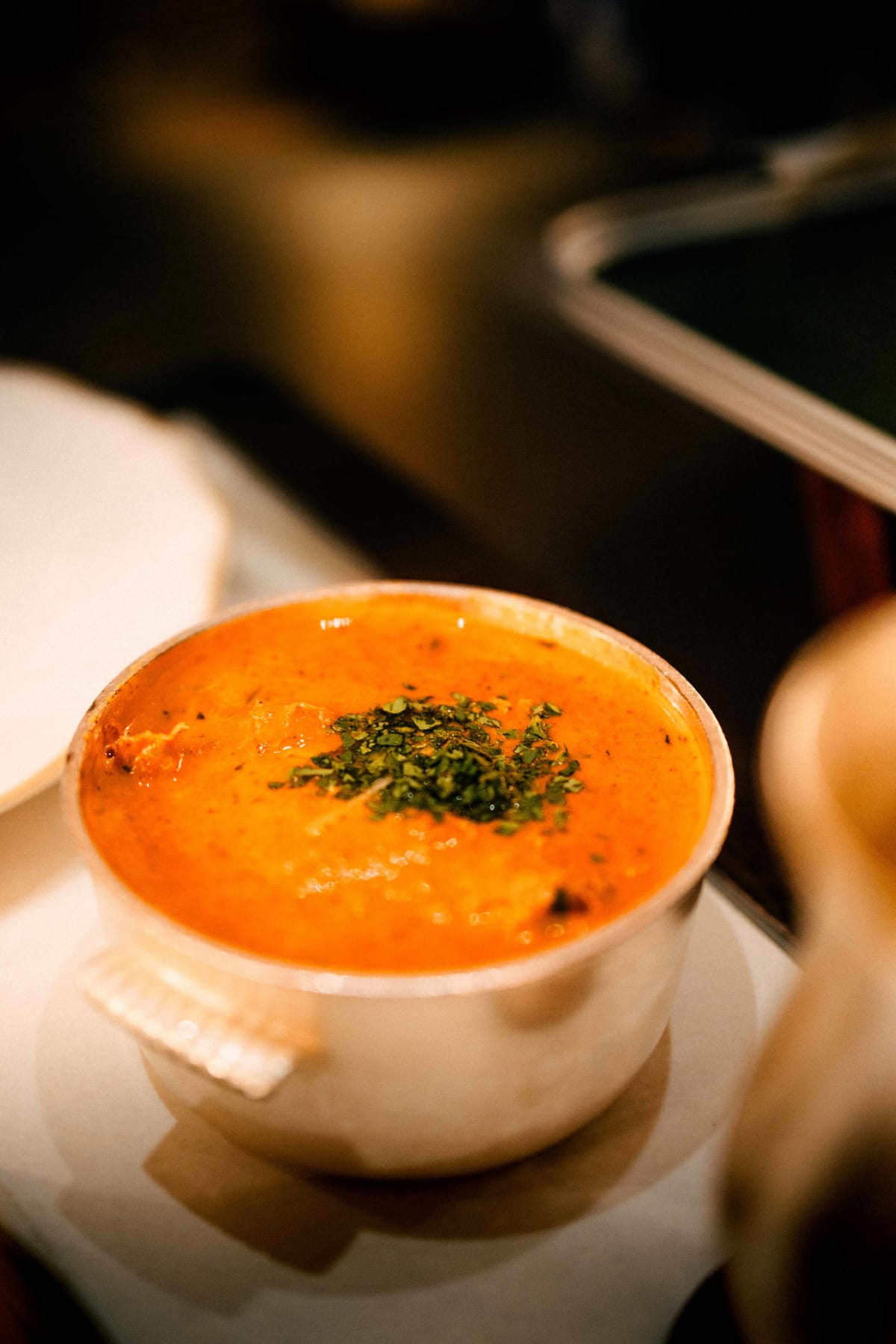
This butter chicken is Delhi-style, with chicken grilled in the tandoor set into a tomato, butter, and cream sauce. Sid Ahuja is said to have held especially dear the butter chicken he grew up eating in his native Delhi, and the key is not the sweetness or the amount of cream but whether the smoky aroma of the tandoor-grilled chicken stays alive even inside the soft tomato sauce.
What I felt eating Indian food for the first time here was, first, that it is quite spicy. I think I have rarely suffered with heat when traveling abroad, but here, maybe because everything I ordered was spicy, it grew hard later on and I ordered beer and gulped it down. Unlike the heat of Korean food, which hits you hard from the start, it was a style where the heat built up little by little and grew very spicy toward the end.
And the dishes have real heft, so you tire of them quickly. Two starters and two mains for two people was a reasonable amount by my standard, and I usually eat a lot, but partway through the mains it got hard and I left some. Of course it depends on how you order, which is why I think this is one of those places good to visit with a group and share widely. You should also work in something to refresh, a salad or something acid-forward, in the middle.
Section 9·The Close
Reservations are a little hard at peak hours, but with last orders taken close to 11 p.m. the late slots are easier to book. Toward the end it looked as though people were coming as walk-ins too.
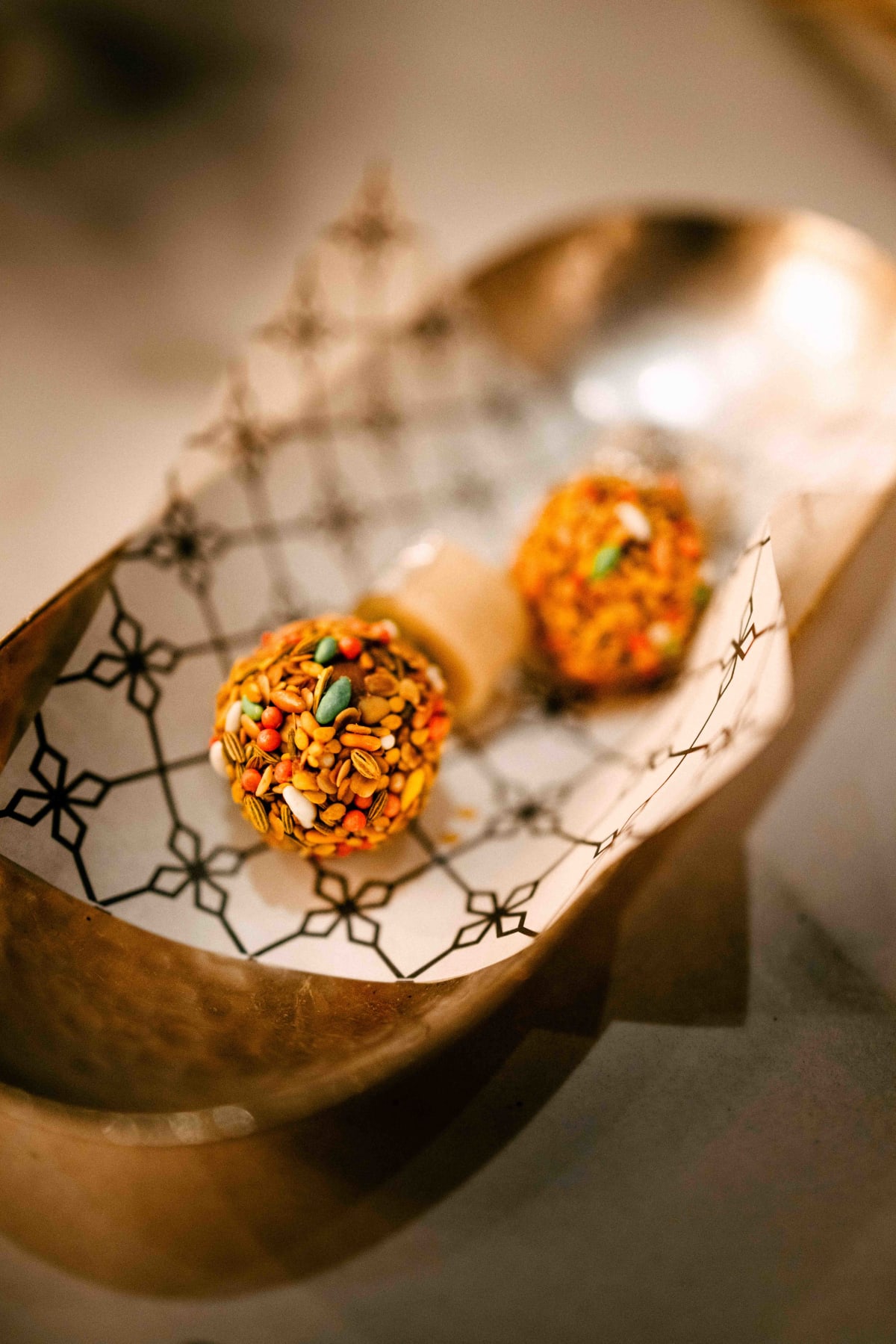
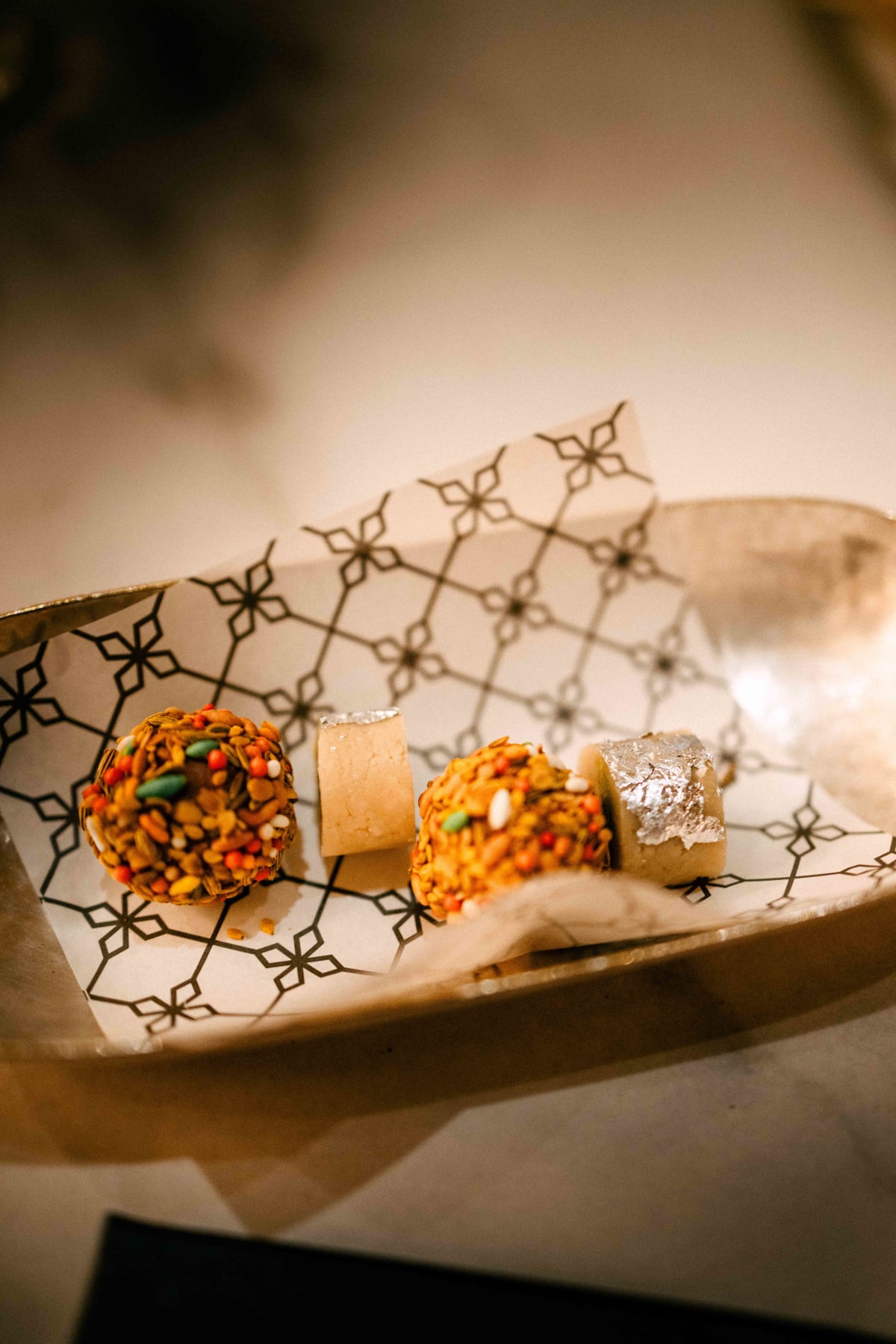
At the end they gave an Indian chocolate and a dessert, like petits fours, and when I put the chocolate in my mouth the aroma of a spice like cumin pricked my nose and startled me. The taste of chocolate did follow, but this was a place that gave you no chance to let your guard down to the last.
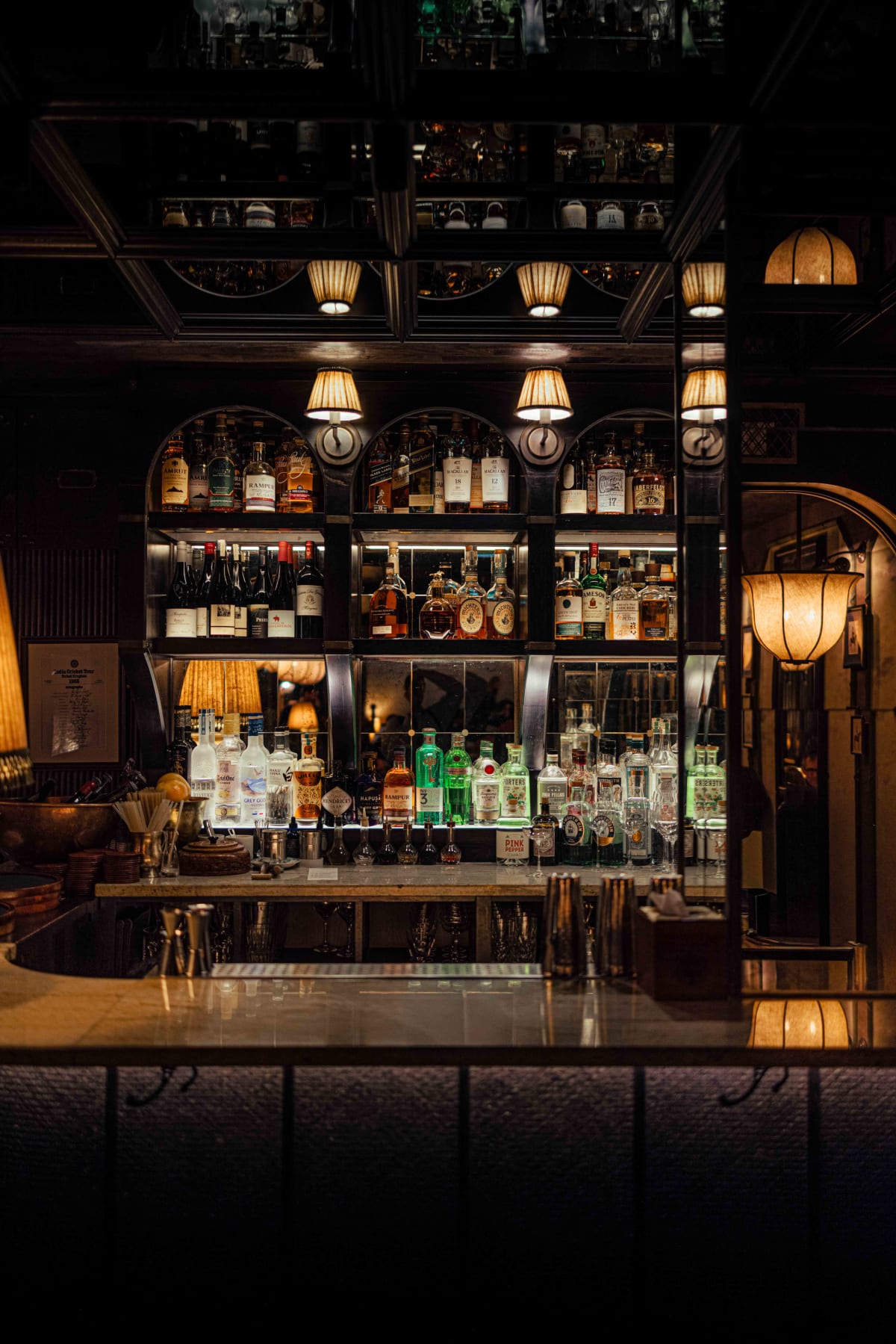
At the back of the restaurant sits a very fine bar, in fact famous as a place with a lineup of various British and Indian whiskies and gins, with a wide range of cocktails too. There is a wine list, but personally I think wine would be buried under the intensity of the food.
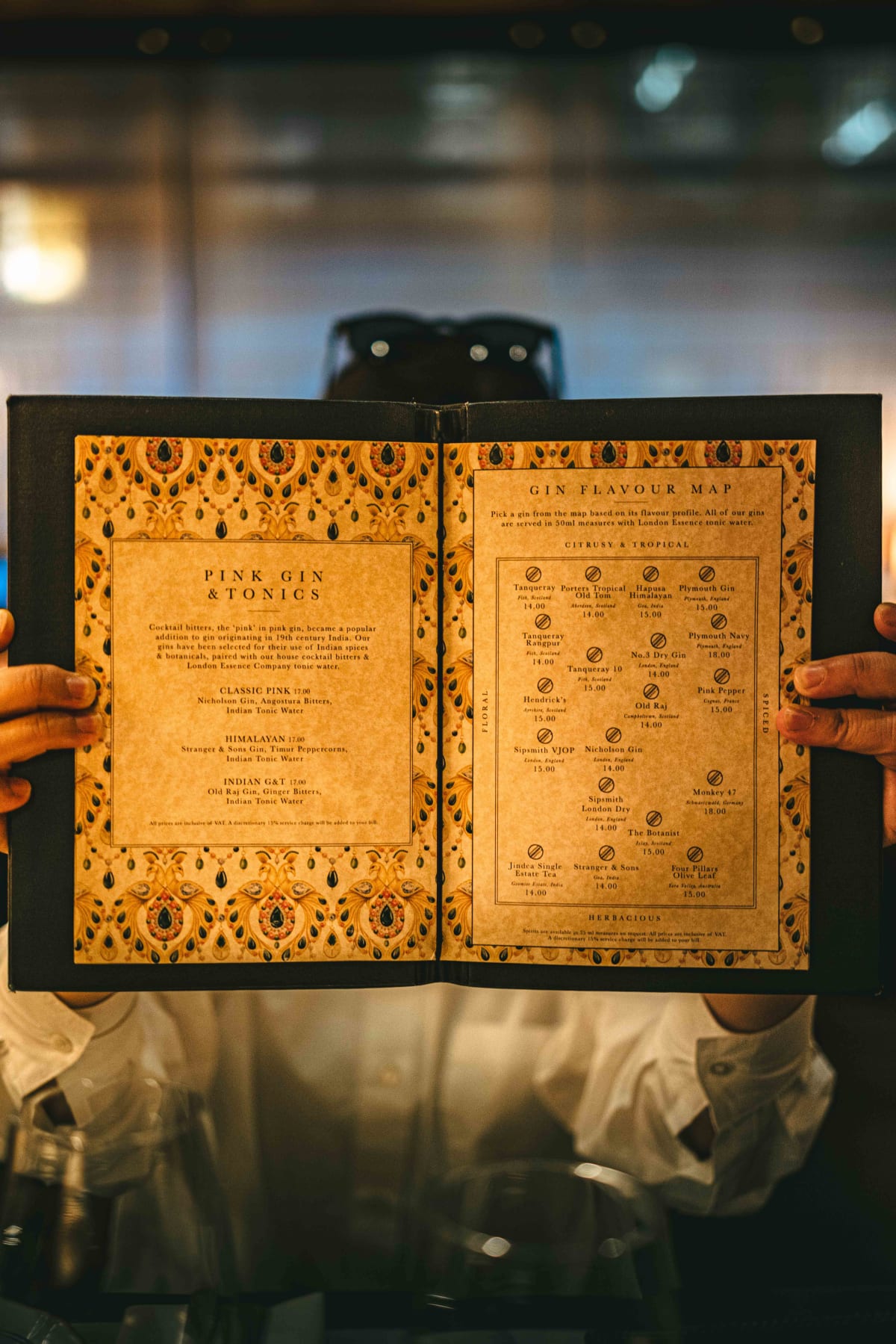
I would like to return someday, and if I do, I would want to experience this range of drinks as well. Together with the wine and drinks program led by Sunaina Sethi, they say it is the space that completes Gymkhana as a re-creation of club culture rather than a mere restaurant.
There are many Indian restaurants in London besides this one, and I would want to try them next time I come. It was my first dinner in London, and Gymkhana let me experience London's reputation as a place where you can enjoy high-level cuisine from a great range of countries.
The story here is what Gymkhana did not do to earn its stars. It did not reinterpret Indian food through a French lens or mute the spice for European rooms; it kept curry, kebab, and biryani intact and raised only the sourcing, the fire, and the service to a two-star level. That is the real headline of a second star in 2024, and it reframes the room too, less a nod to Indian tradition than a staged memory of a British-Raj club. A note on how to eat it. The plates run heavy and seriously hot, and the heat stacks rather than hitting at once, so with a small party it is better to share widely, with something acid-forward worked in, than to order several plates each. Come for the game-meat biryani and the tandoor, and give the bar its own evening.
Have a question about this restaurant, or want to share your own experience?
Send a message