Local & Essential · Seoul · Korea / December 2024
Sikdang Minhong
"Ten dishes and free-flowing drinks, the shokudo way in Seoul"
Section 1·What A Shokudo Is
Japan has a strand of food culture that is hard to find in Korea: the 食堂. Read in Korean, the characters simply say sikdang, and in Japanese they are pronounced shokudo. In Korea, a sikdang is any place that sells food. In Japan, though, a shokudo is not a house of refined cooking but an everyday, friendlier kind of eatery for local residents, workers and students.
Even so, some of Japan's shokudo serve cooking good enough to win a following and join the ranks of the yoyaku-konnan, the restaurants that are notoriously hard to book. Shokudo Ogawa in Kyoto and Shokudo Todaka in Tokyo are among them, and when aca, a Spanish restaurant that is all but impossible to book, opened a more casual place in Azabudai Hills in May 2024, it too took the name Shokudo aca.
Shokudo Todaka sits in the basement of a building in Nishi-Gotanda, Tokyo, and serves a course of ten or so dishes bundled with unlimited drinks. People say the wait for a reservation runs to two years.
Section 2·From Todaka To Nonhyeon
I had heard that someone who learned to cook at Todaka had opened a restaurant in Seoul, and that restaurant is Sikdang Minhong in Nonhyeon-dong. It opened officially in February 2024, on the second floor of a building near Hakdong Station. Its name has already spread far among food lovers, and at weekends it stays busy until late. I went on a Saturday in December 2024, about ten months after it opened, and came away satisfied.
The Minhong in the name is the owner's own: Kim Min-hong. He is said to have lived in Tokyo and learned to cook in Japan. The restaurant describes itself not as a sushi omakase but as an izakaya-style omakase serving Japanese koryori (小料理).
In Japan, a koryoriya (小料理屋) is a small place that serves single dishes made from seasonal ingredients alongside drinks, often across a counter where the cook and the customer talk. Omakase is not a genre either but a way of ordering that leaves the choice of dishes to the cook, so here it is koryori, not sushi, that arrives one dish after another.
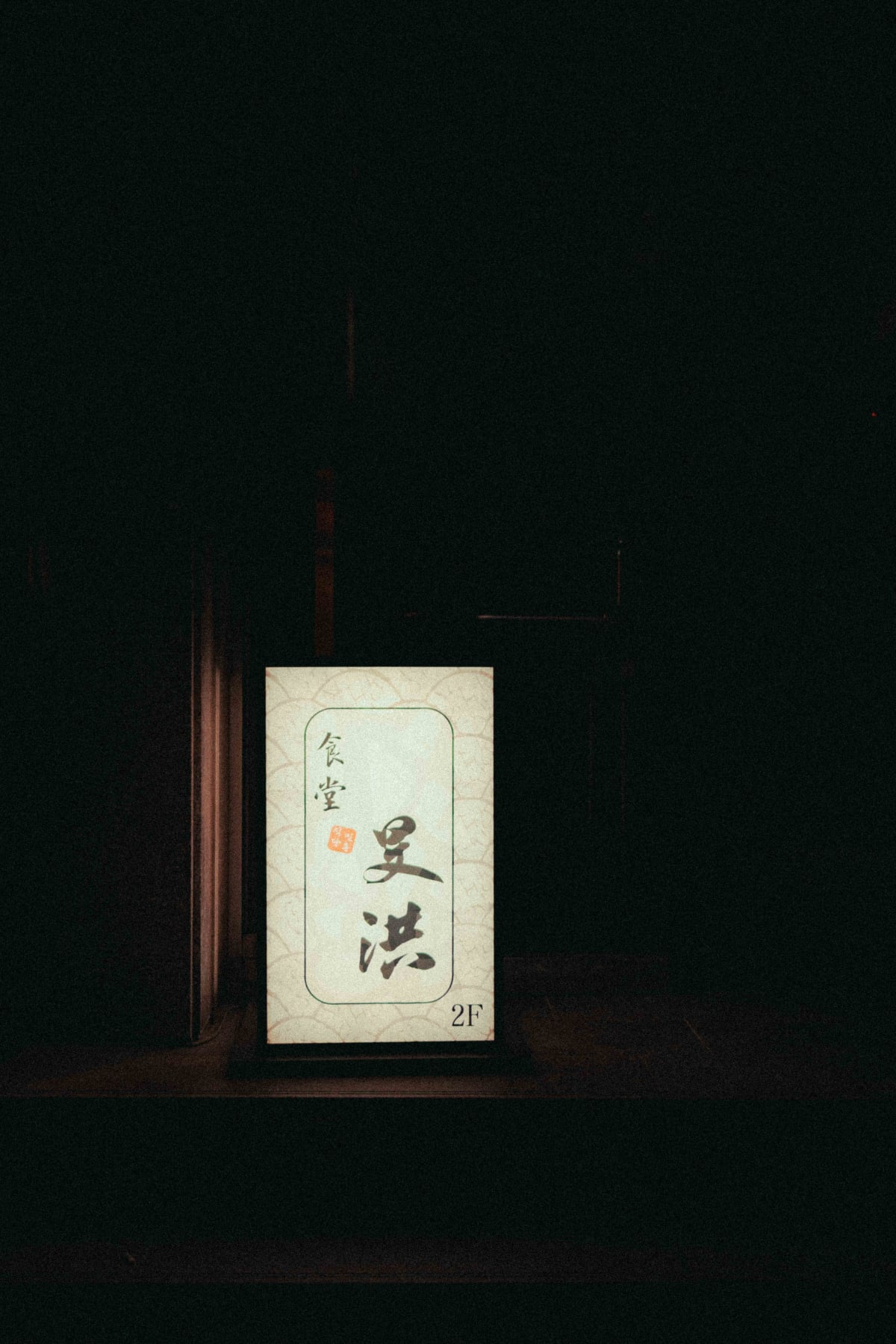
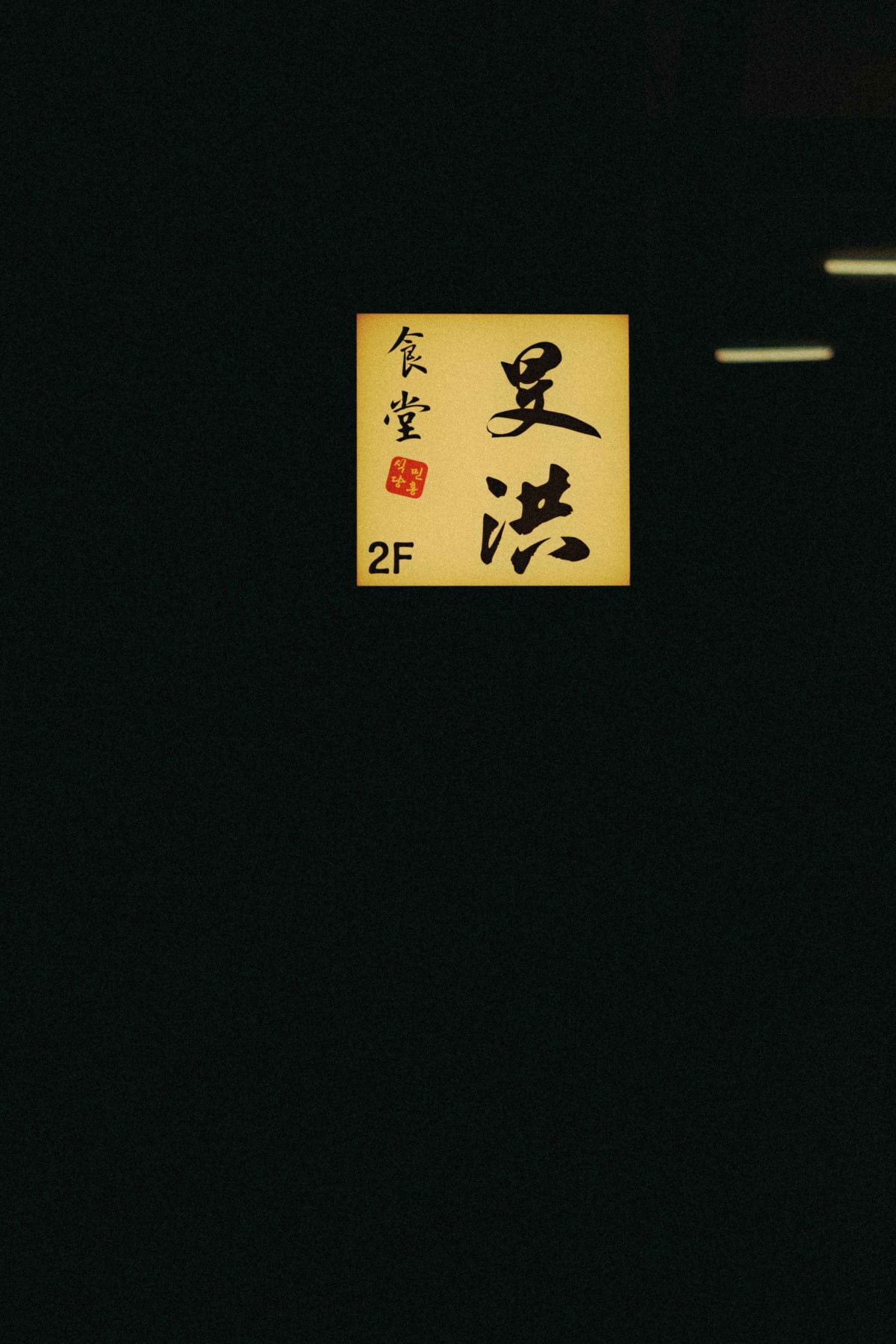
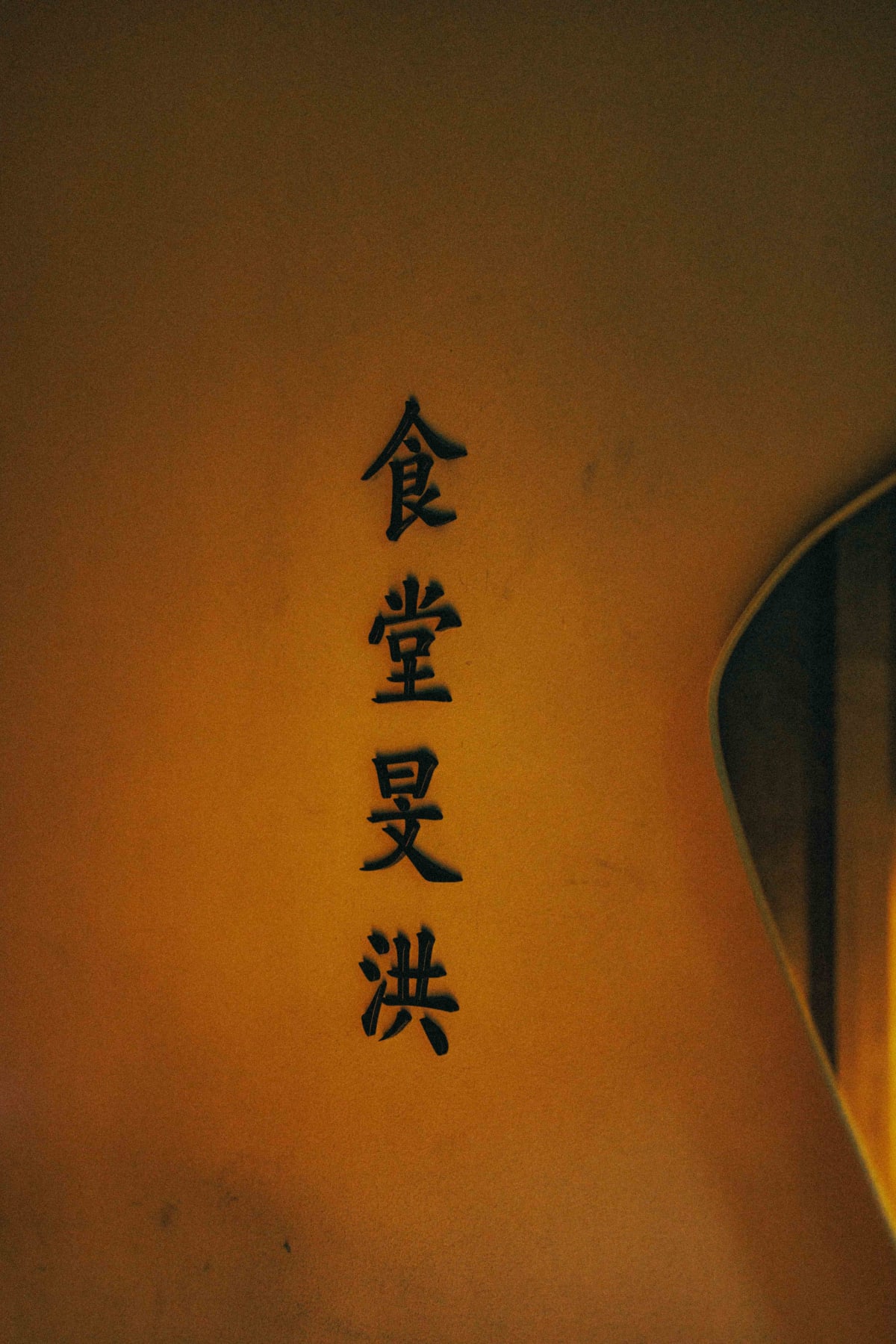
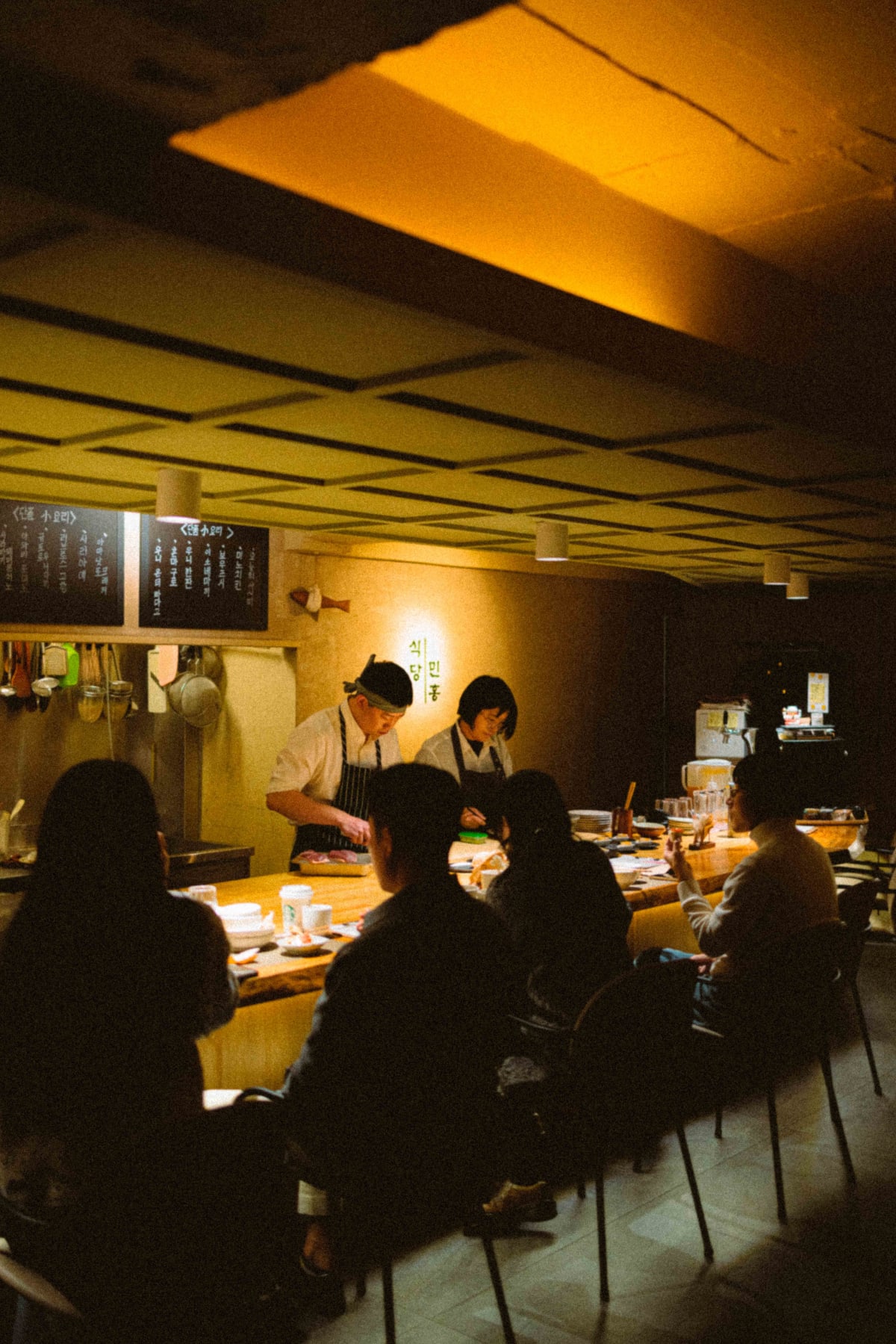
Climb to the second floor and 食堂旻洪 is written down an orange wall.
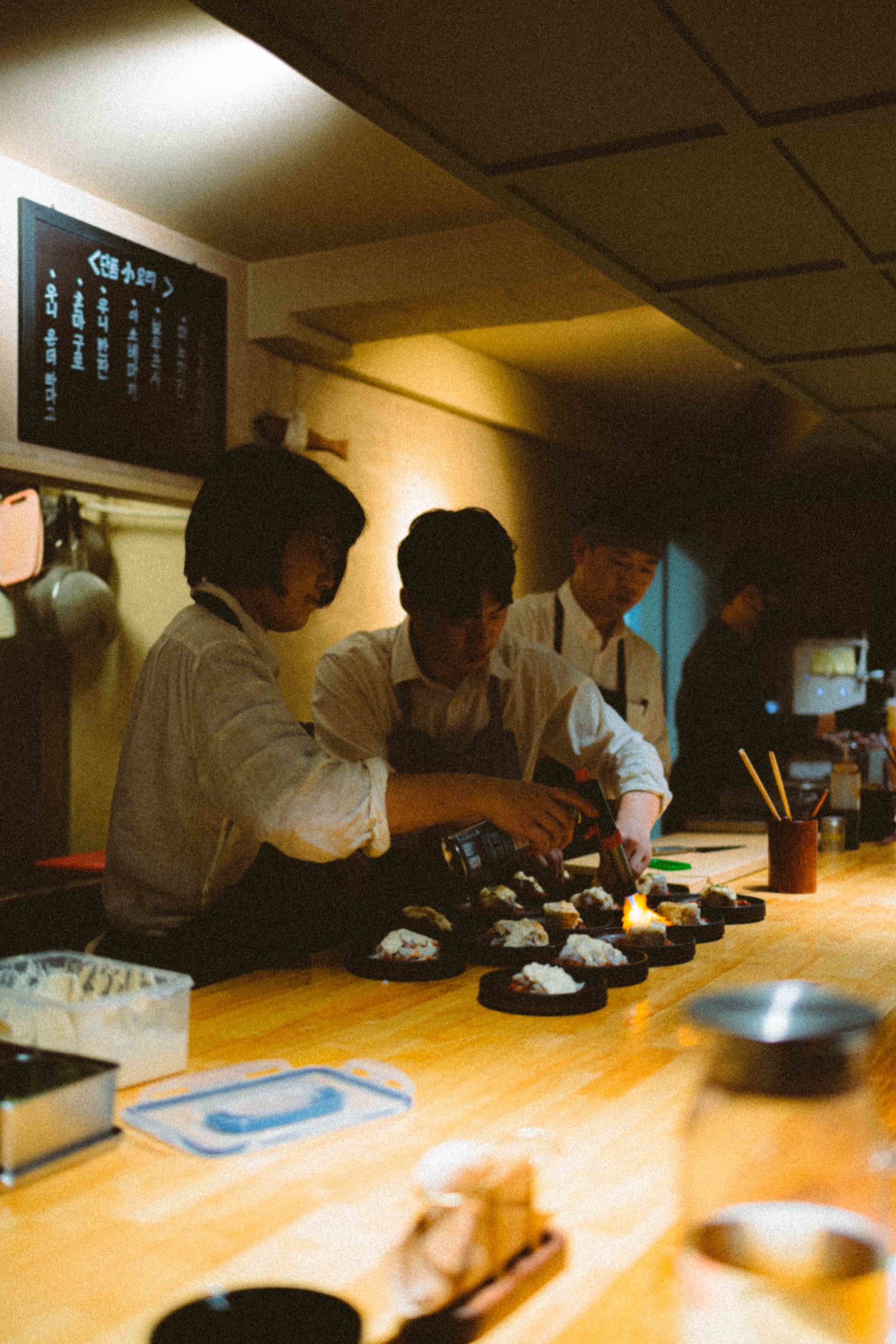
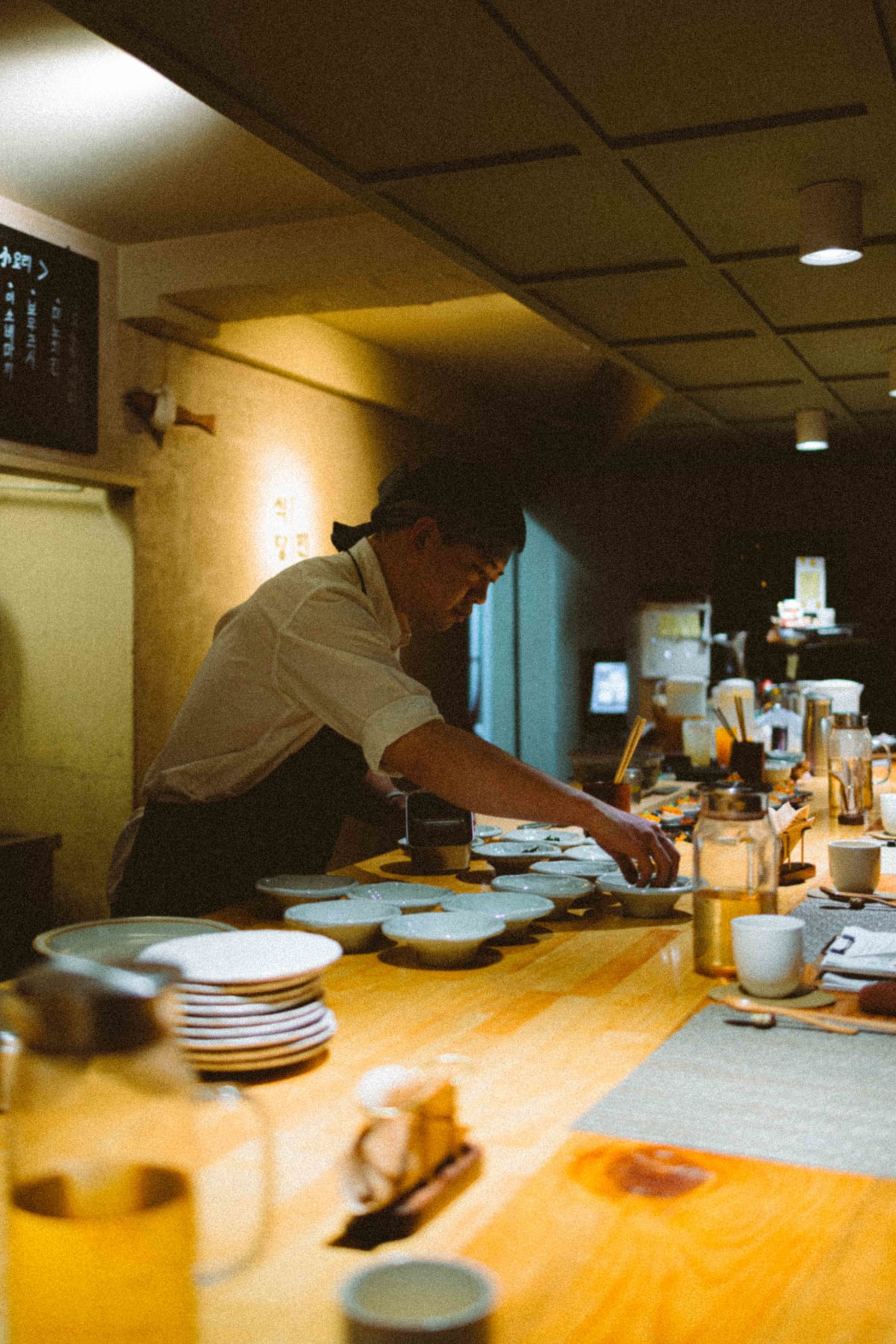
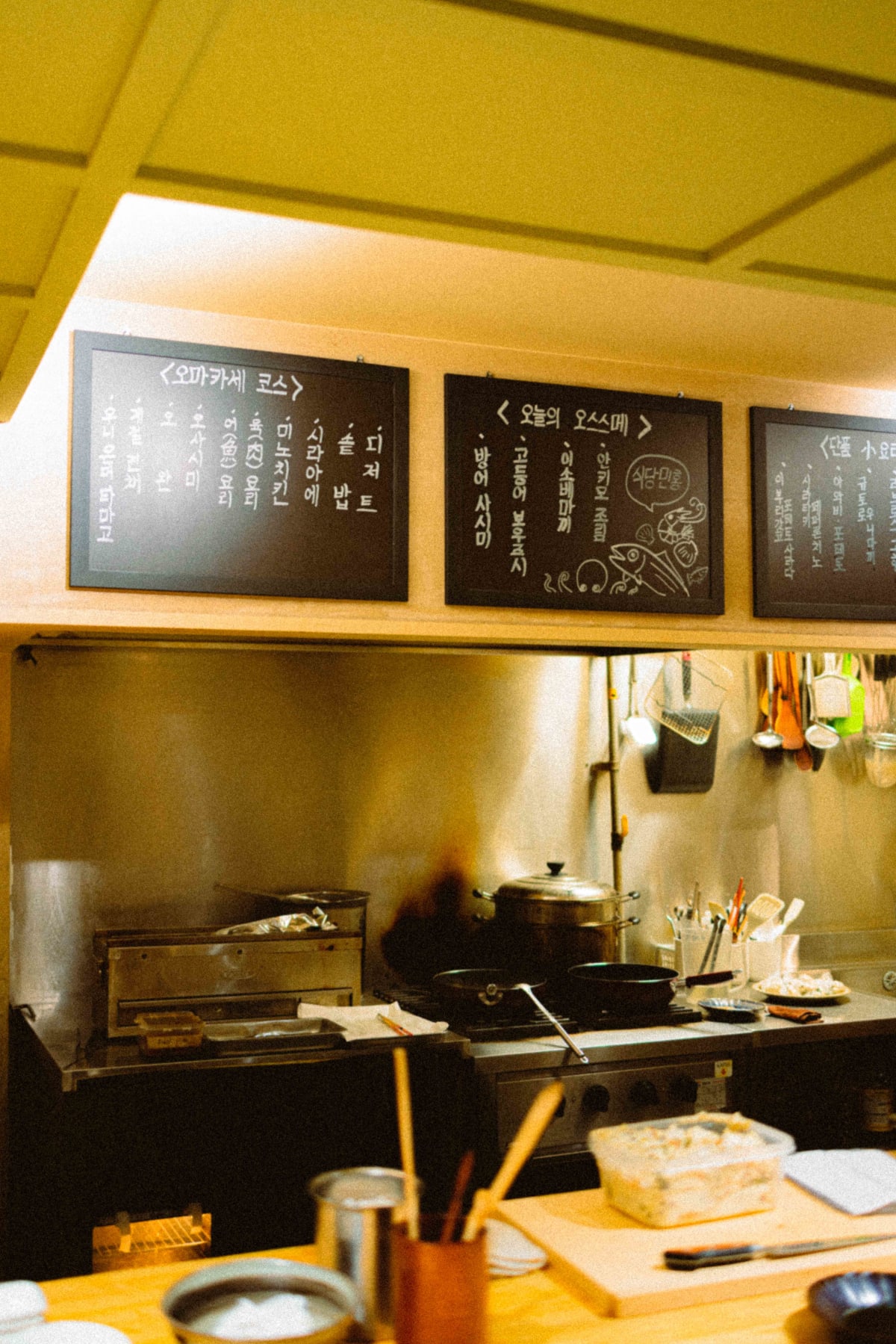
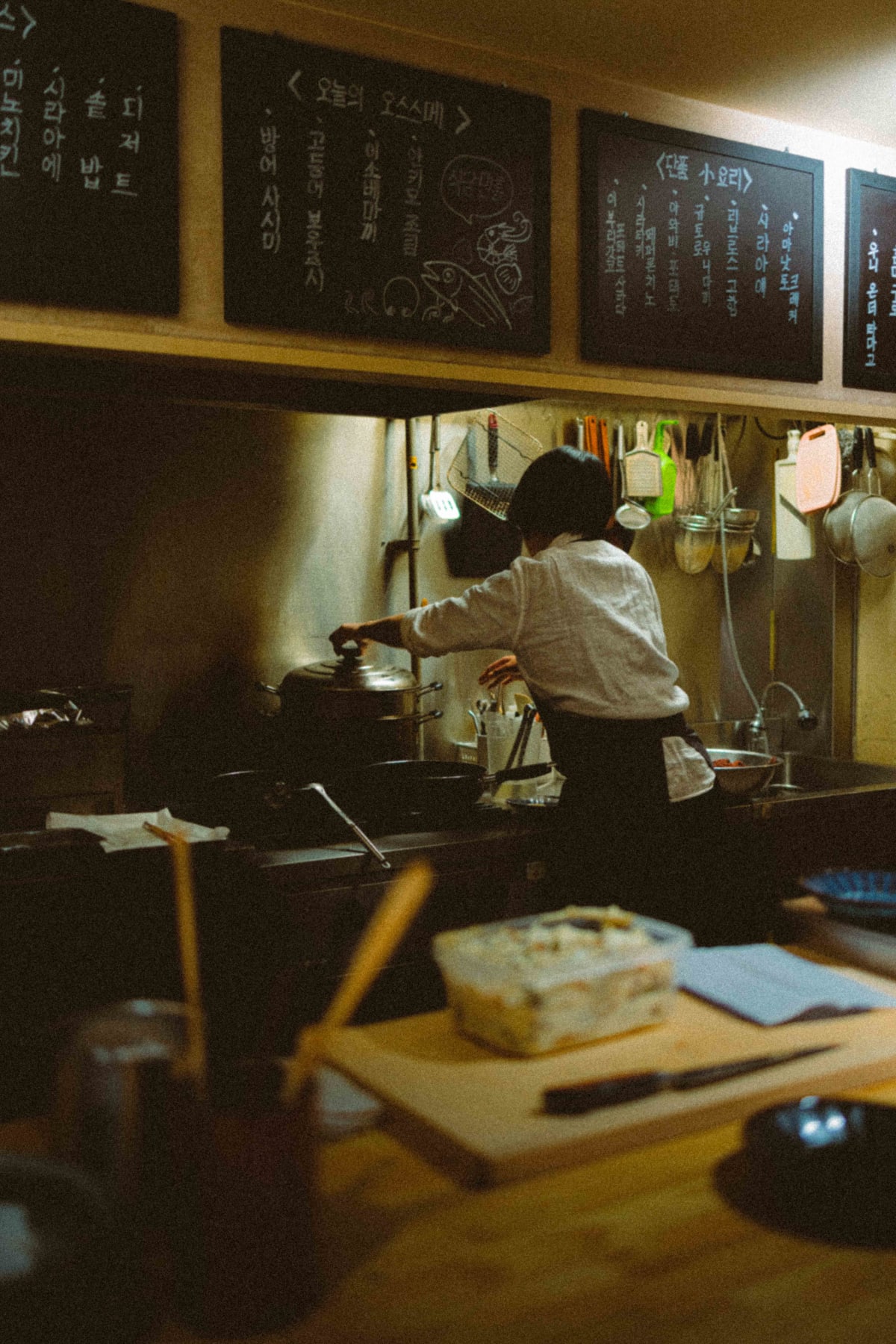
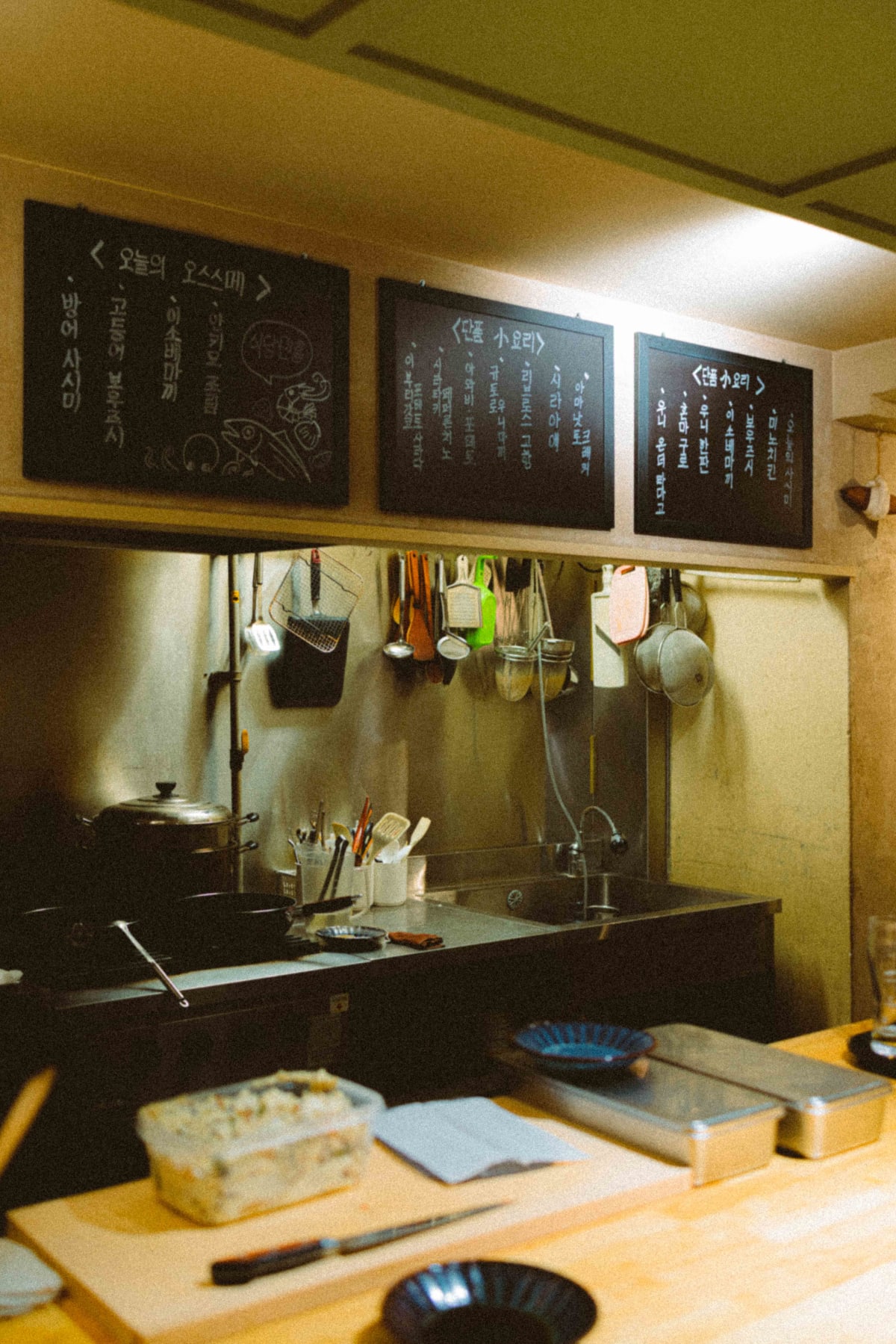
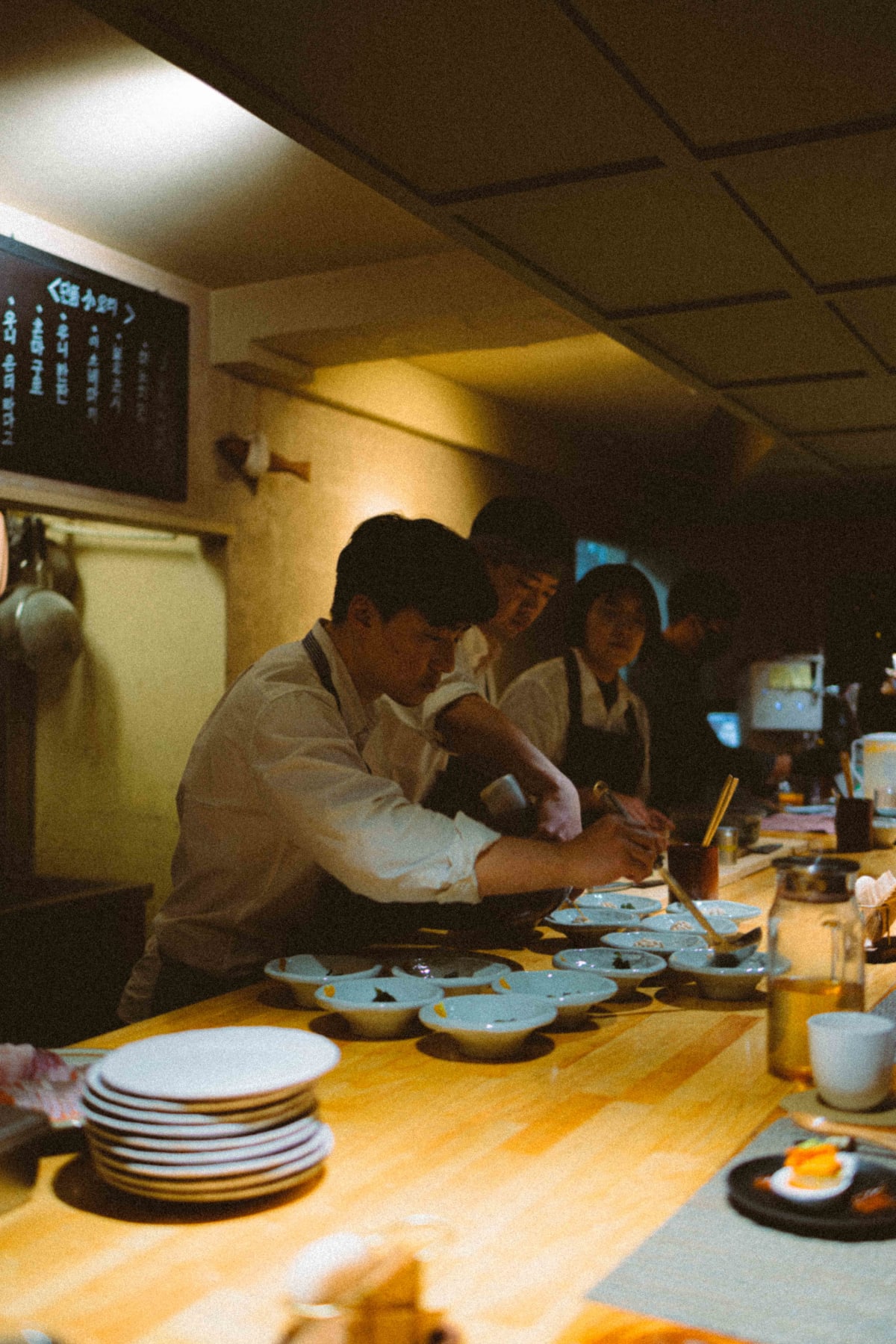
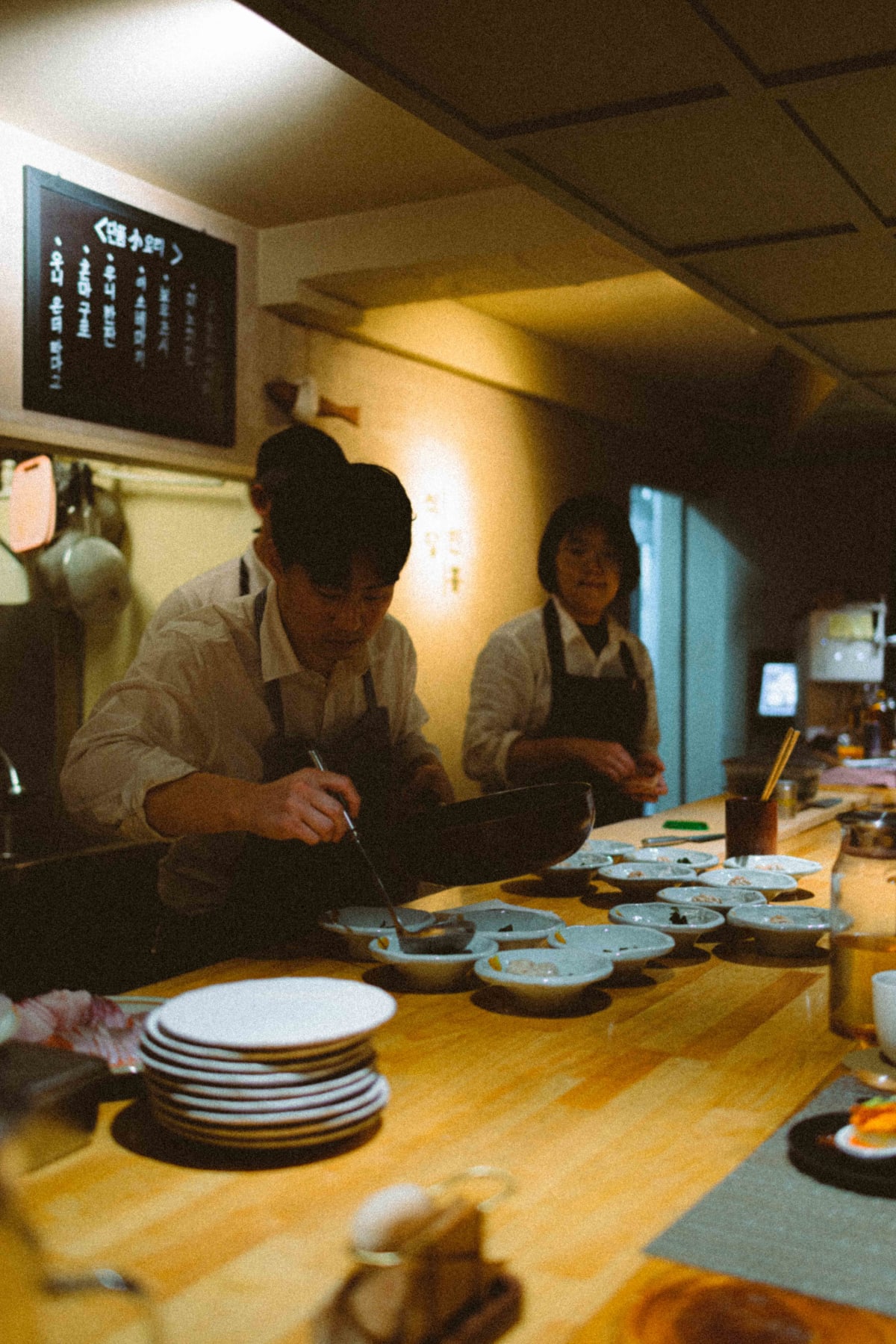
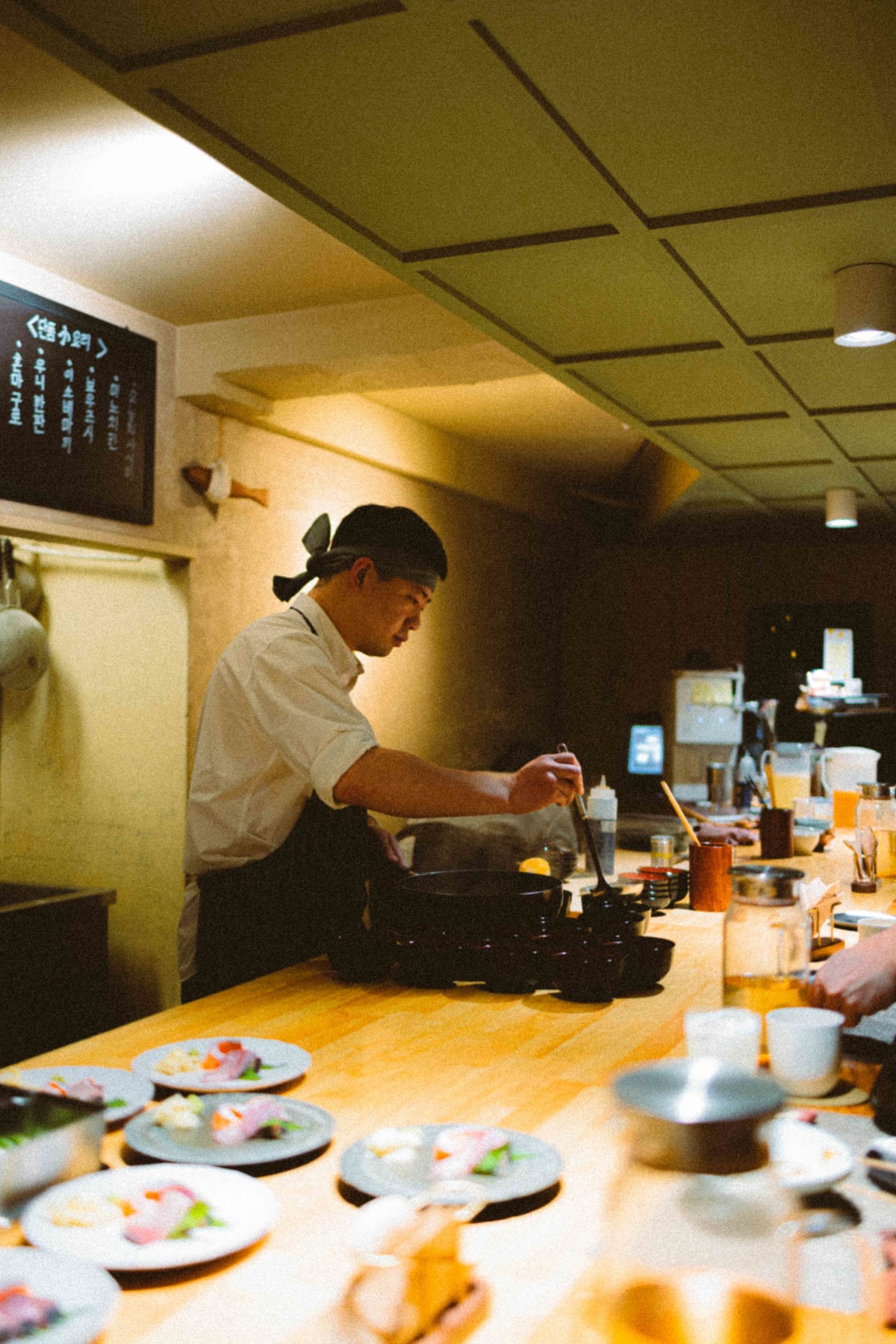
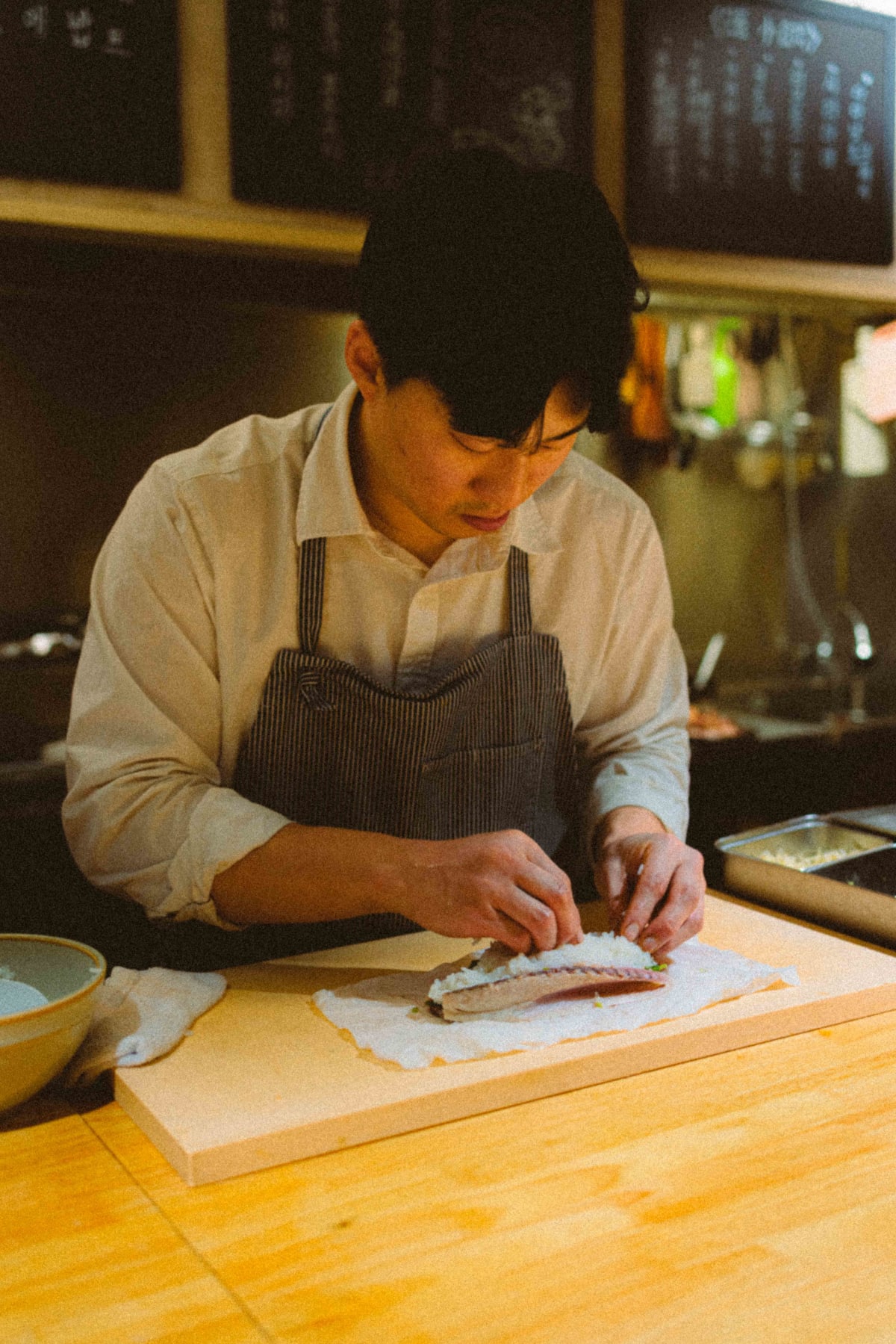
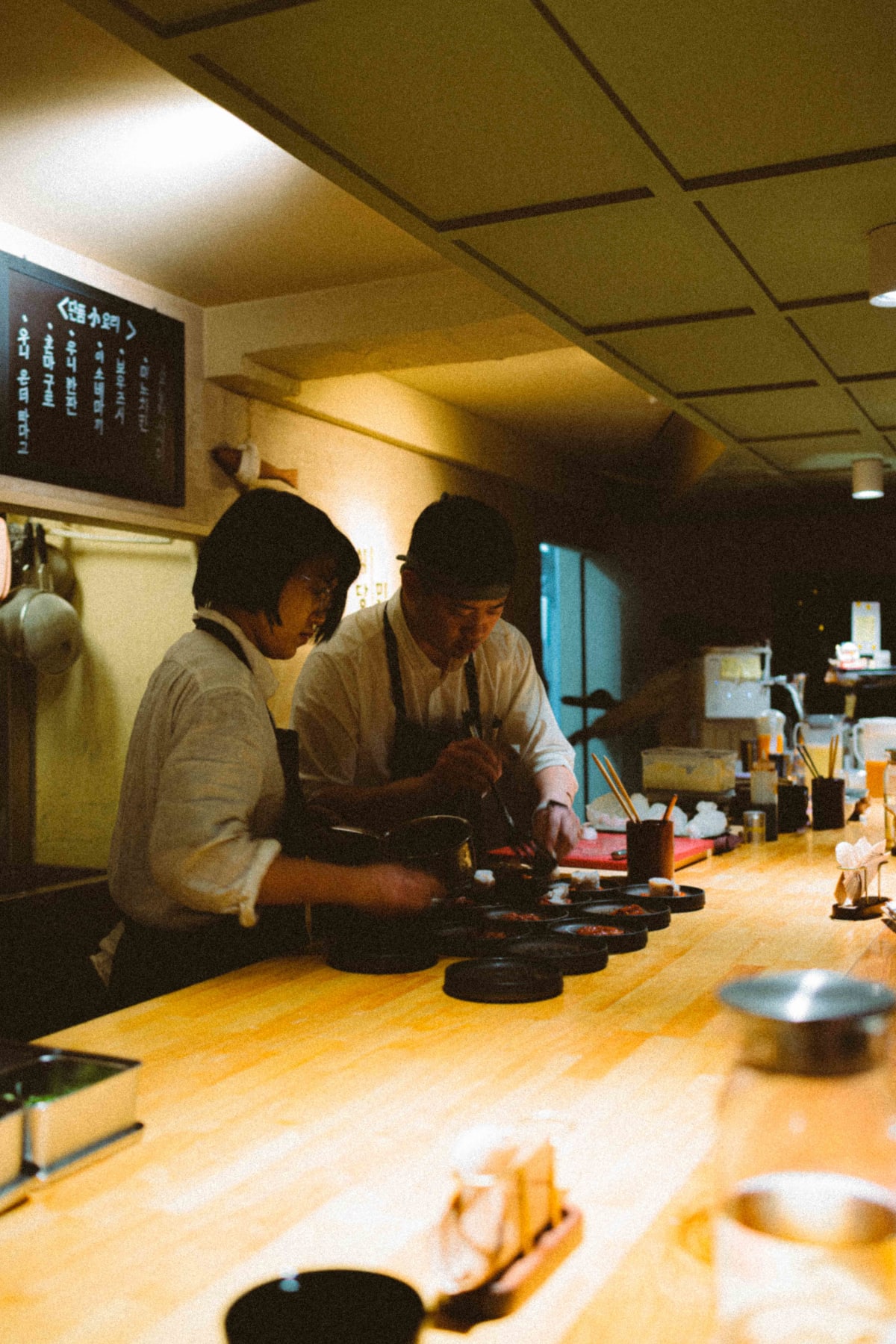
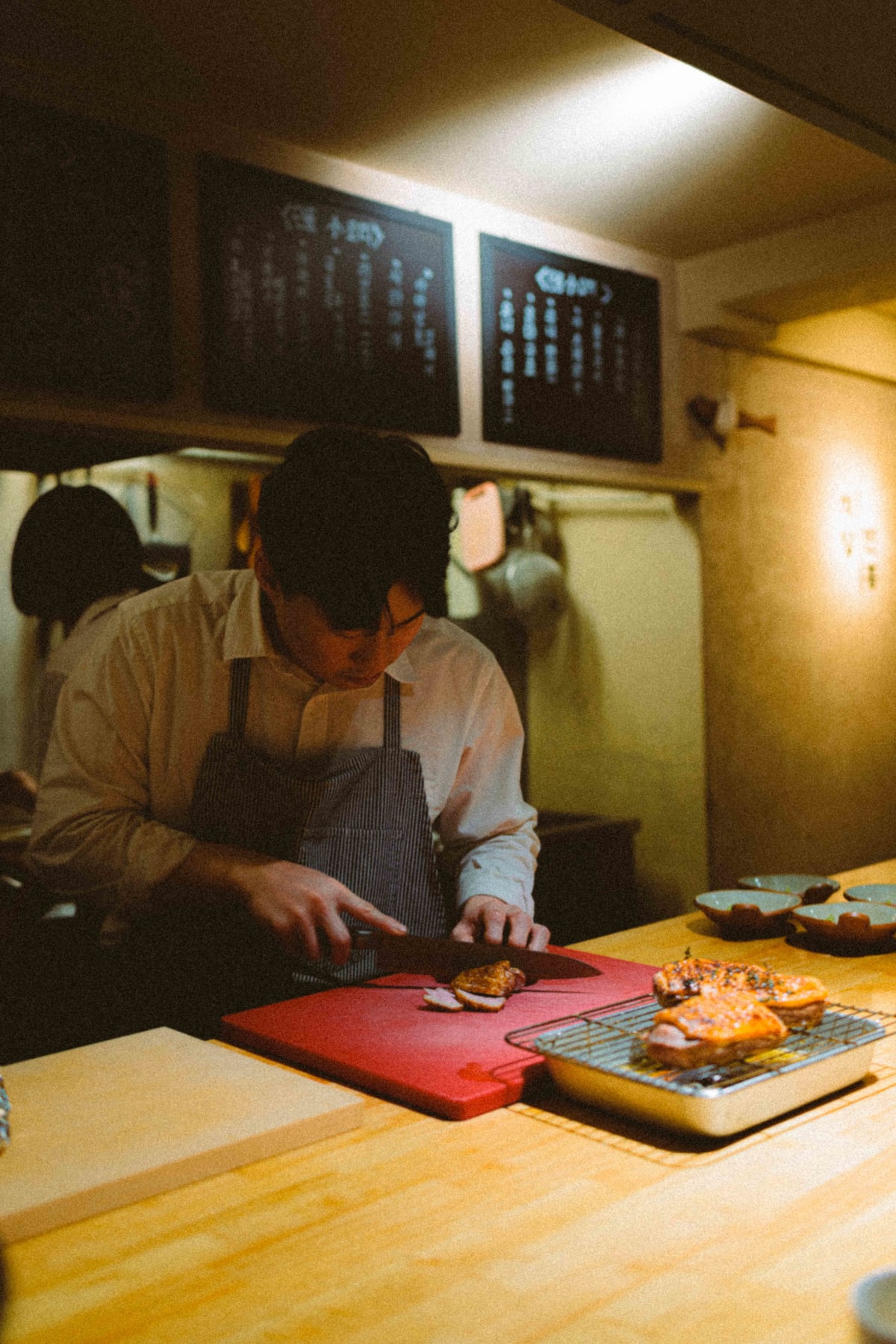
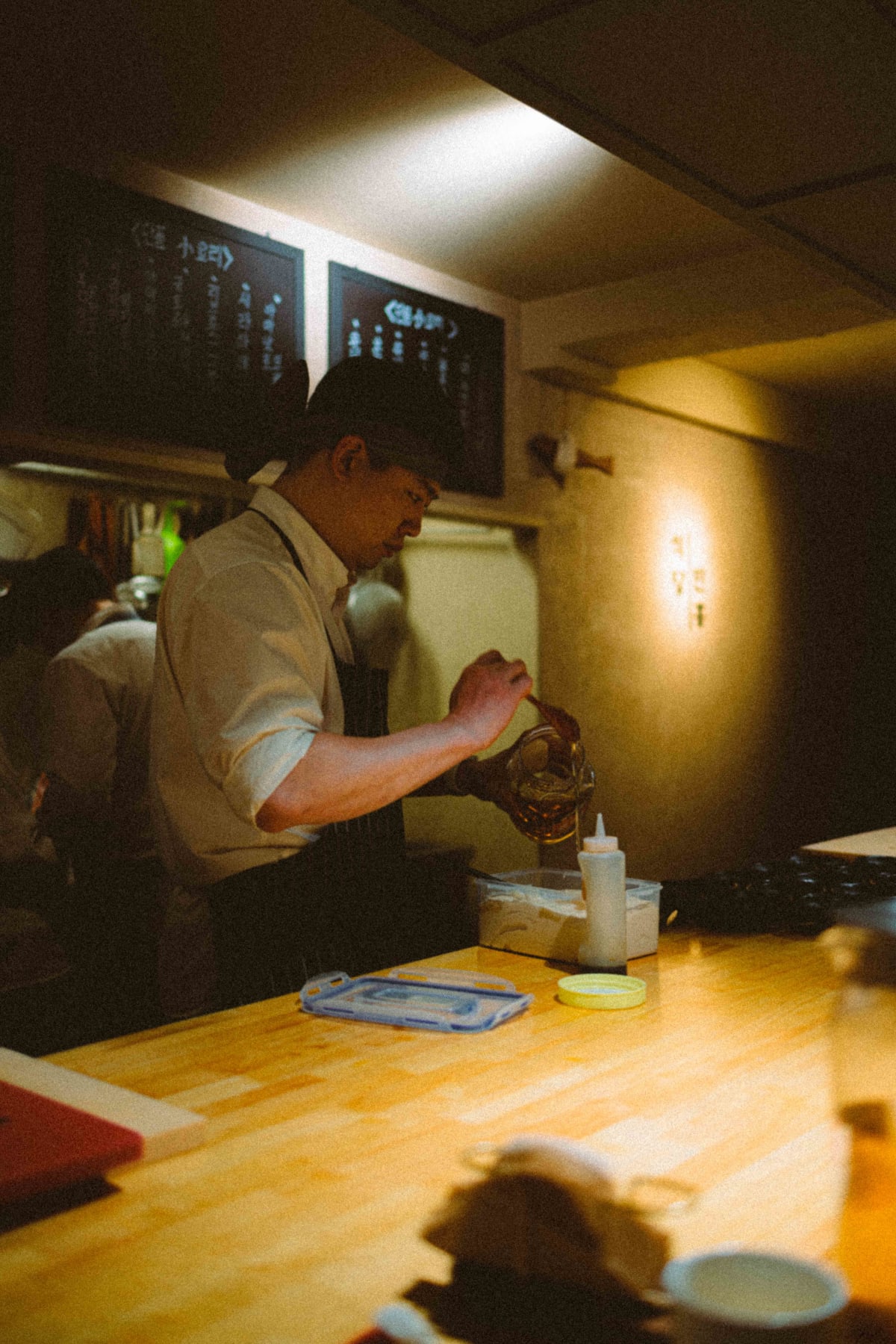
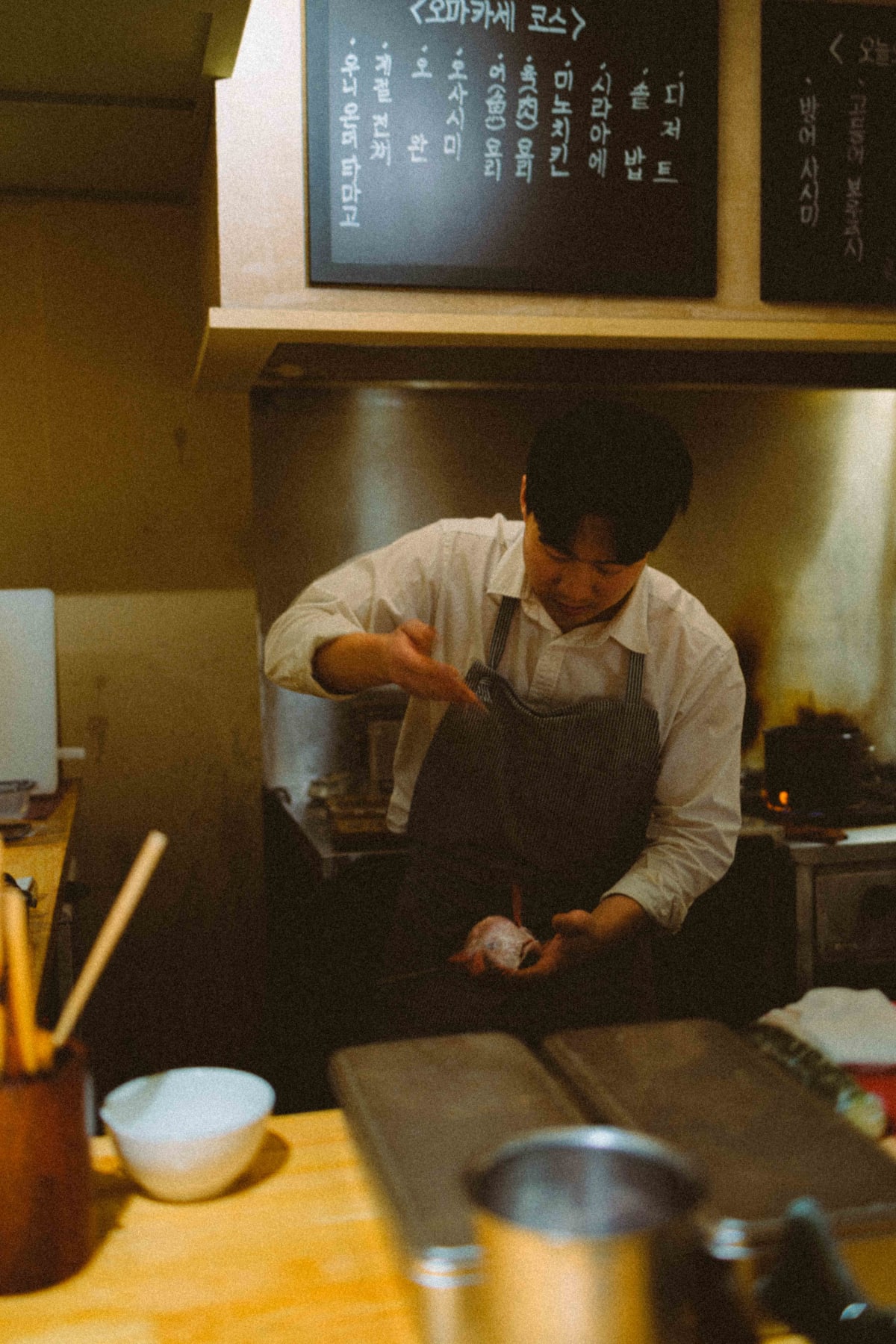
Step inside and the open kitchen sits beyond a long wooden counter, with chalkboards above it listing, in handwriting, the omakase course, the day's osusume and the à la carte small dishes.
Section 3·Ten Dishes, Drinks Included
There is an omakase course, and there is also a long à la carte menu of tempting dishes. That evening I wanted to eat a lot, so I chose the omakase, and it was excellent value and a delicious meal.
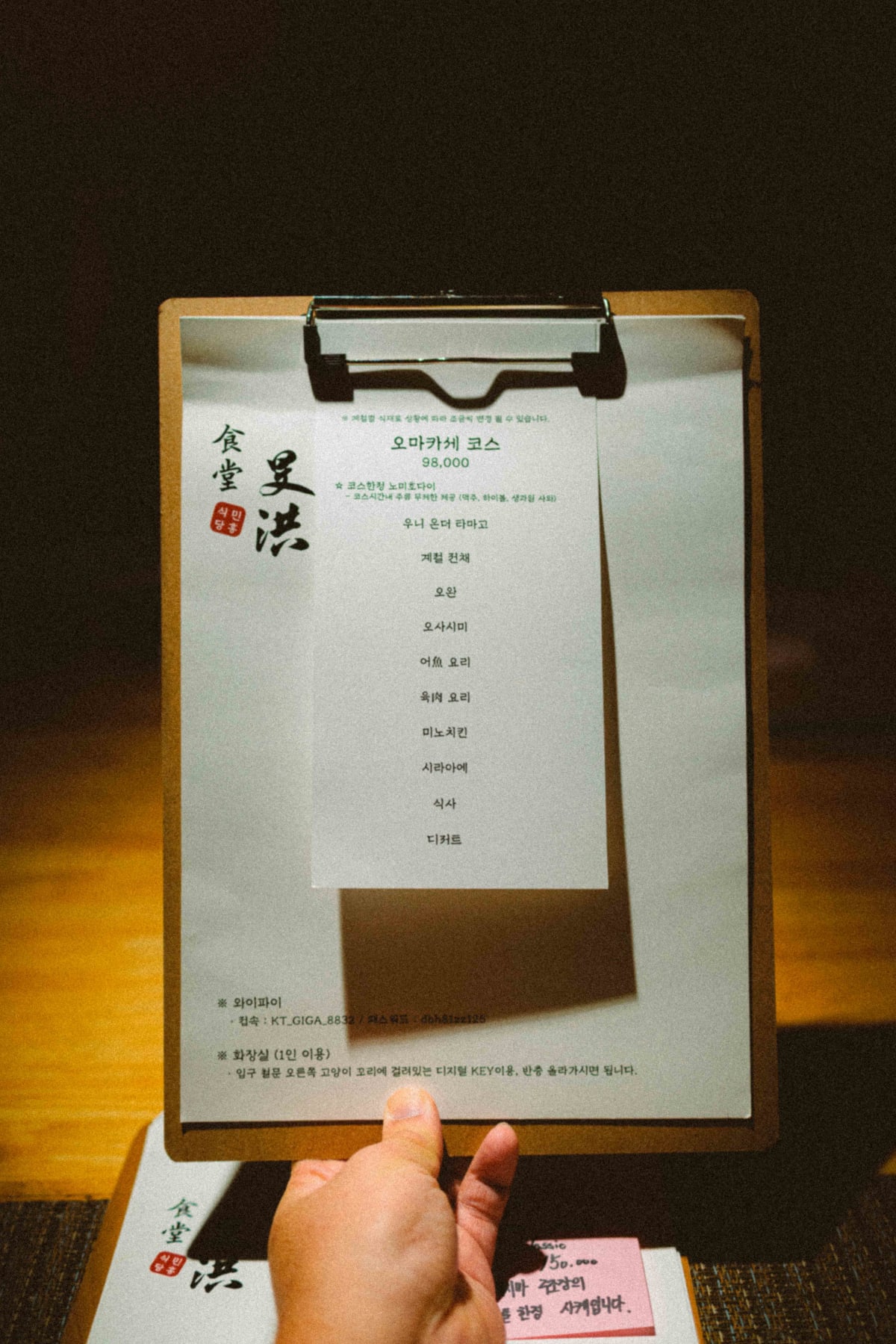
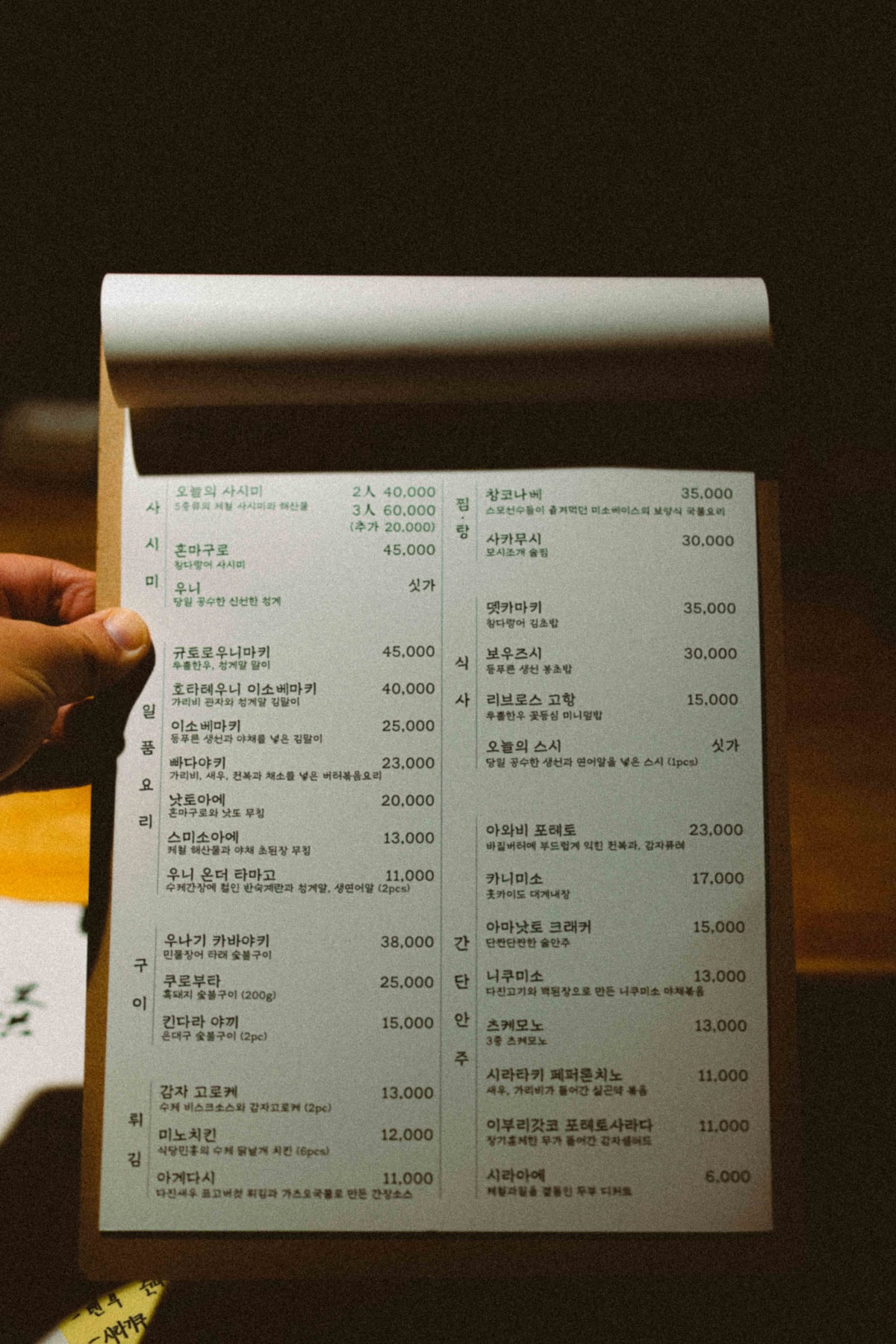
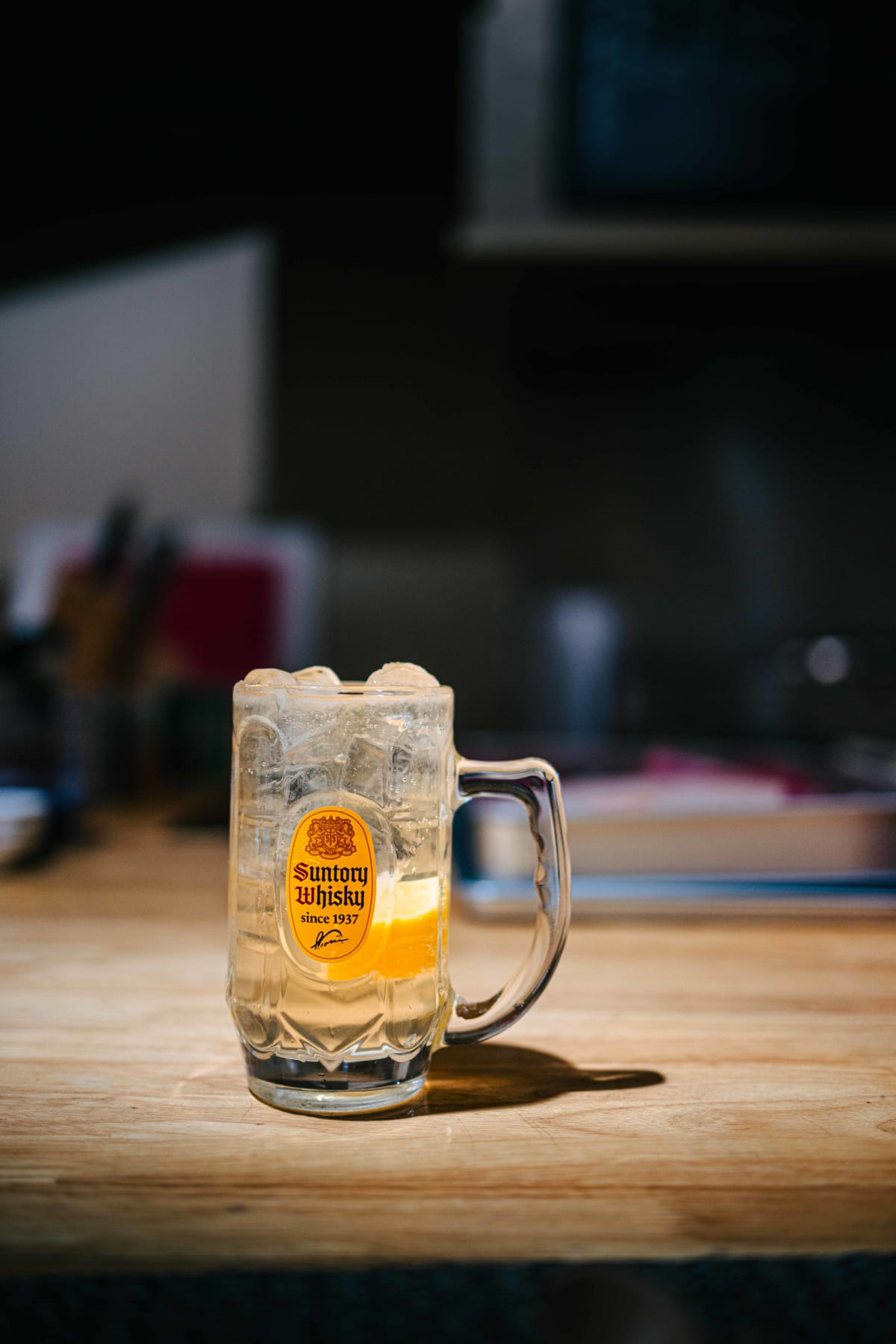
The course costs about USD 70 (98,000 won) and brings ten dishes that change with the seasons, and it includes nomihodai: beer, highballs and fresh fruit sours, as much as you like for the length of the course. The highball came in a Suntory Kakubin mug.
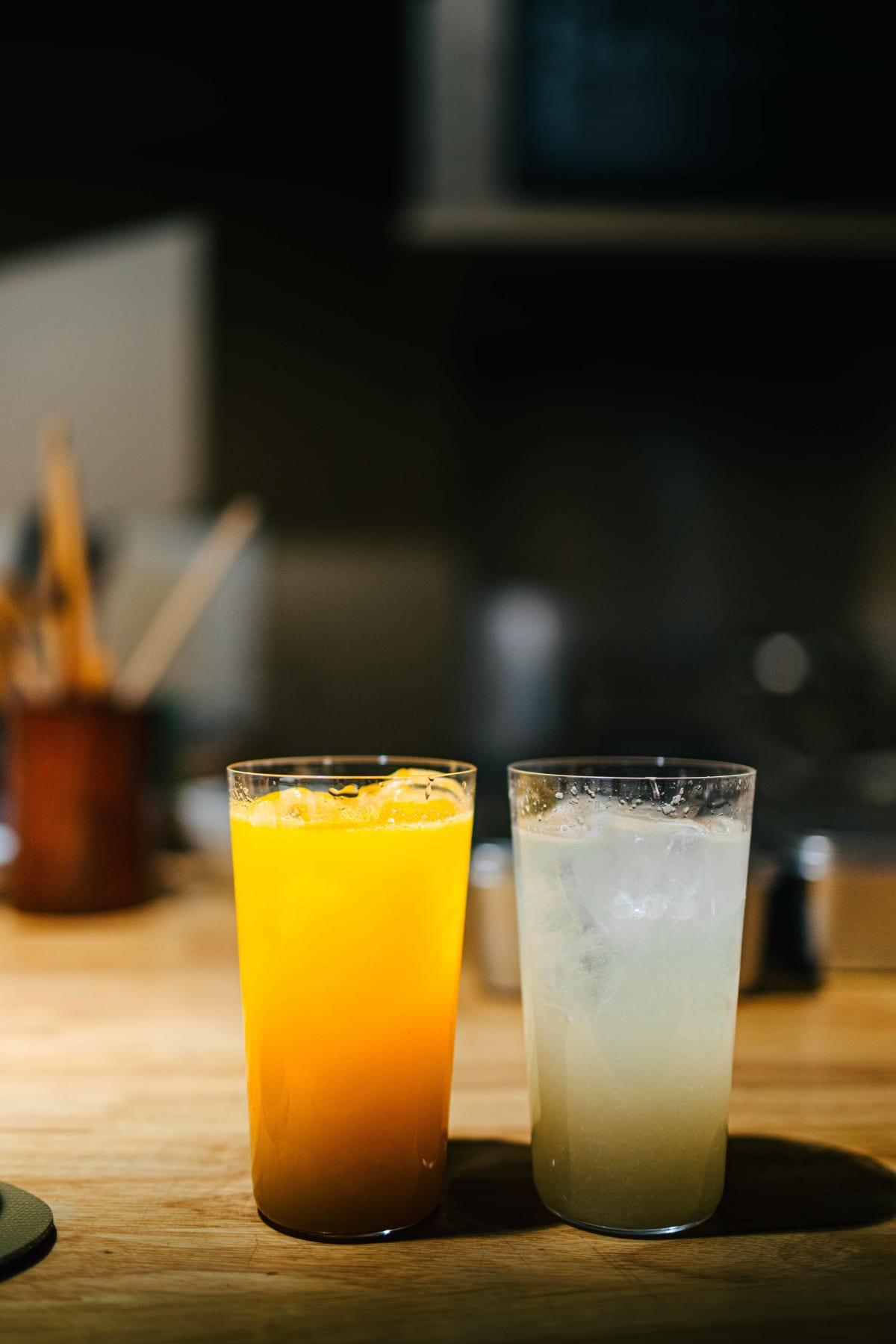
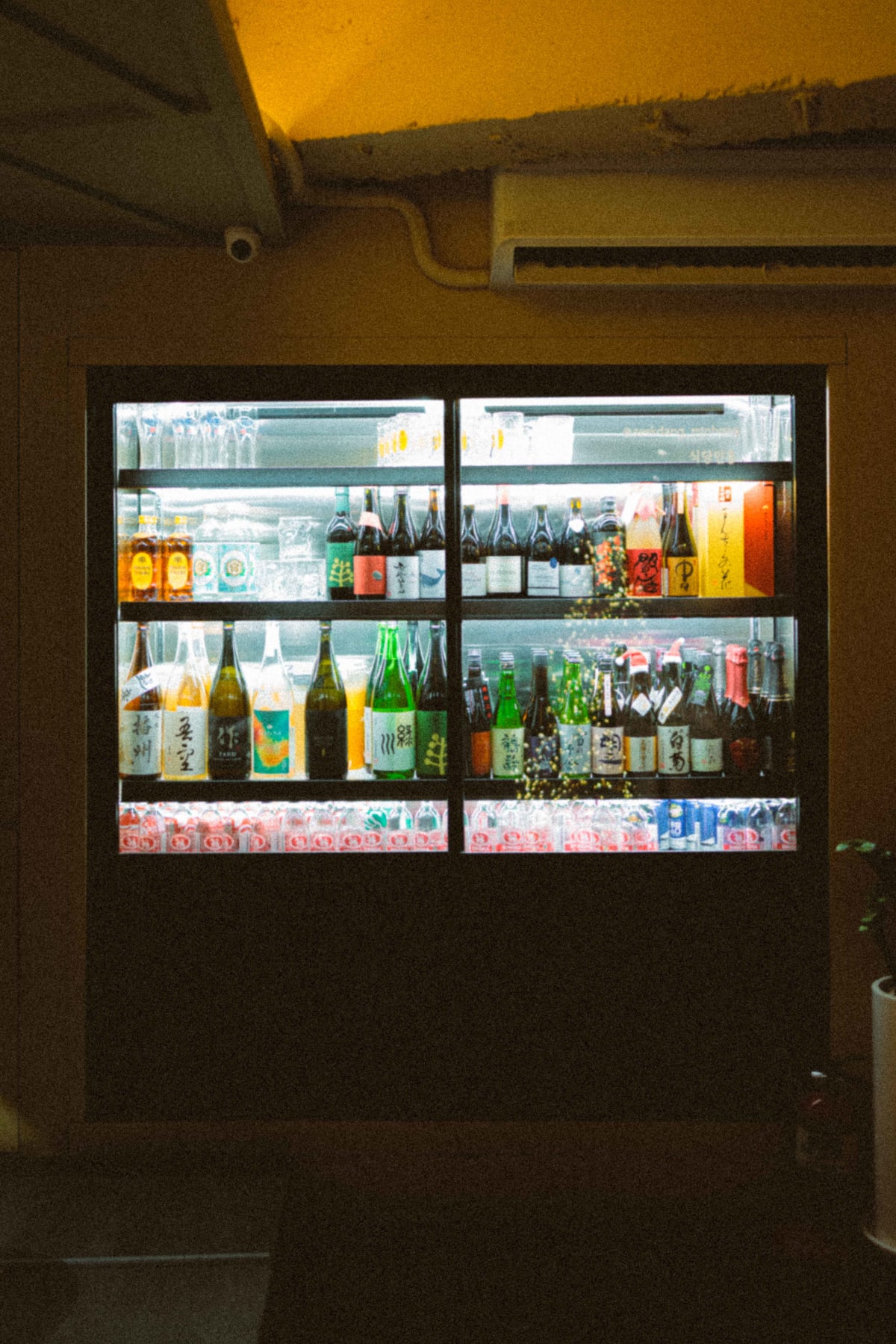
Bundling ten dishes with nomihodai follows the same template as the course at Todaka. That said, I thought a fuller list of sake and shochu would make it an even better place to drink.
Bundling ten dishes with nomihodai follows the same template as the course at Todaka.
Section 4·Warm Dishes, Cold Plates
It was not without its faults, the first being temperature, which at the time left something to be desired across the meal. Dishes that are cold to begin with, such as the uni on tamago and the sashimi, were fine, but the warm dishes arrived having already lost some of their heat.
I touched the plates, and sure enough, they were cold. The room was full even at the eight o'clock seating, and perhaps that was why, or perhaps preparation simply took a long time, I cannot say, but the dishes that would have tasted best warm came out short of heat, and that was a shame.
Section 5·Uni On Tamago And Cod Shirako
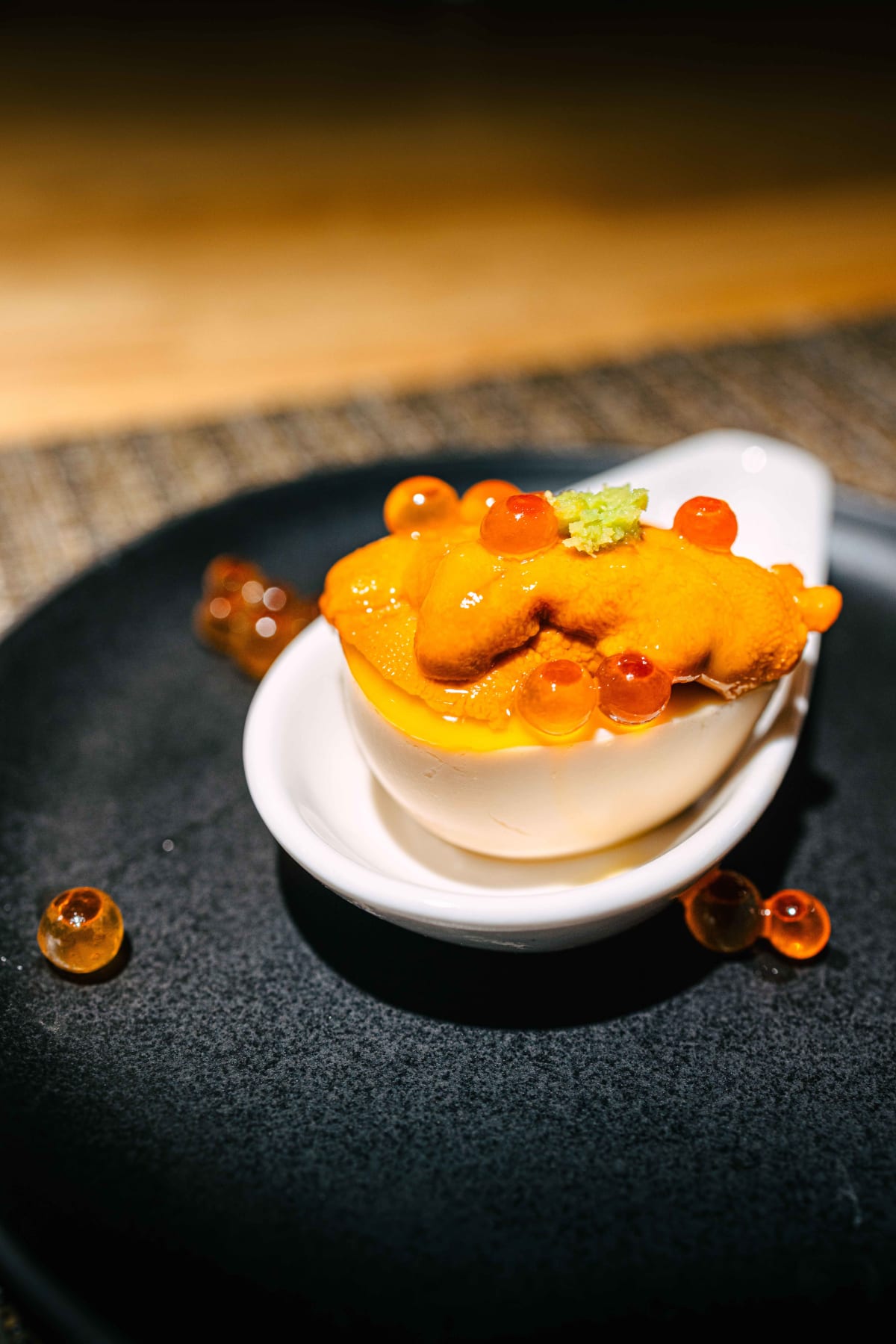
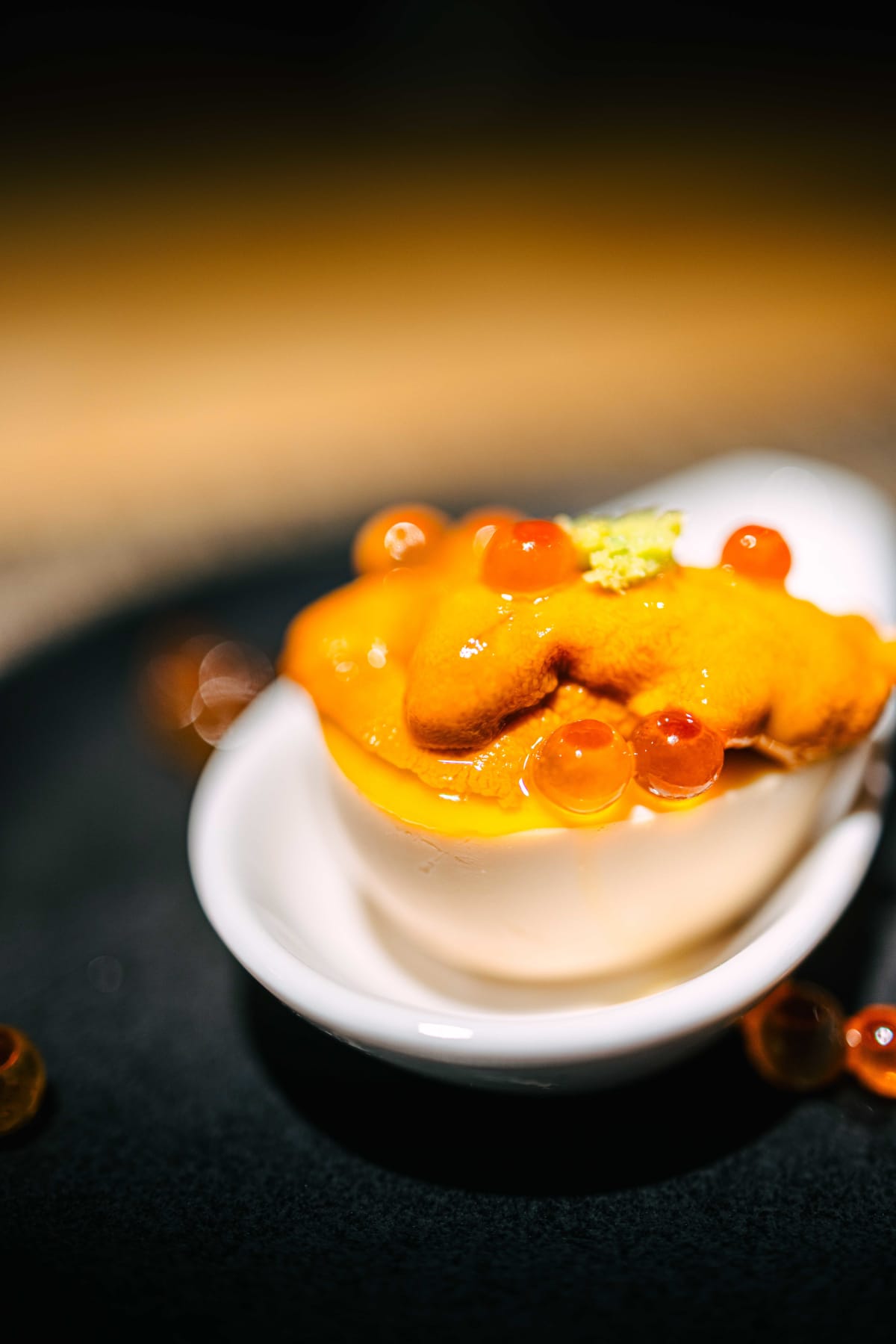
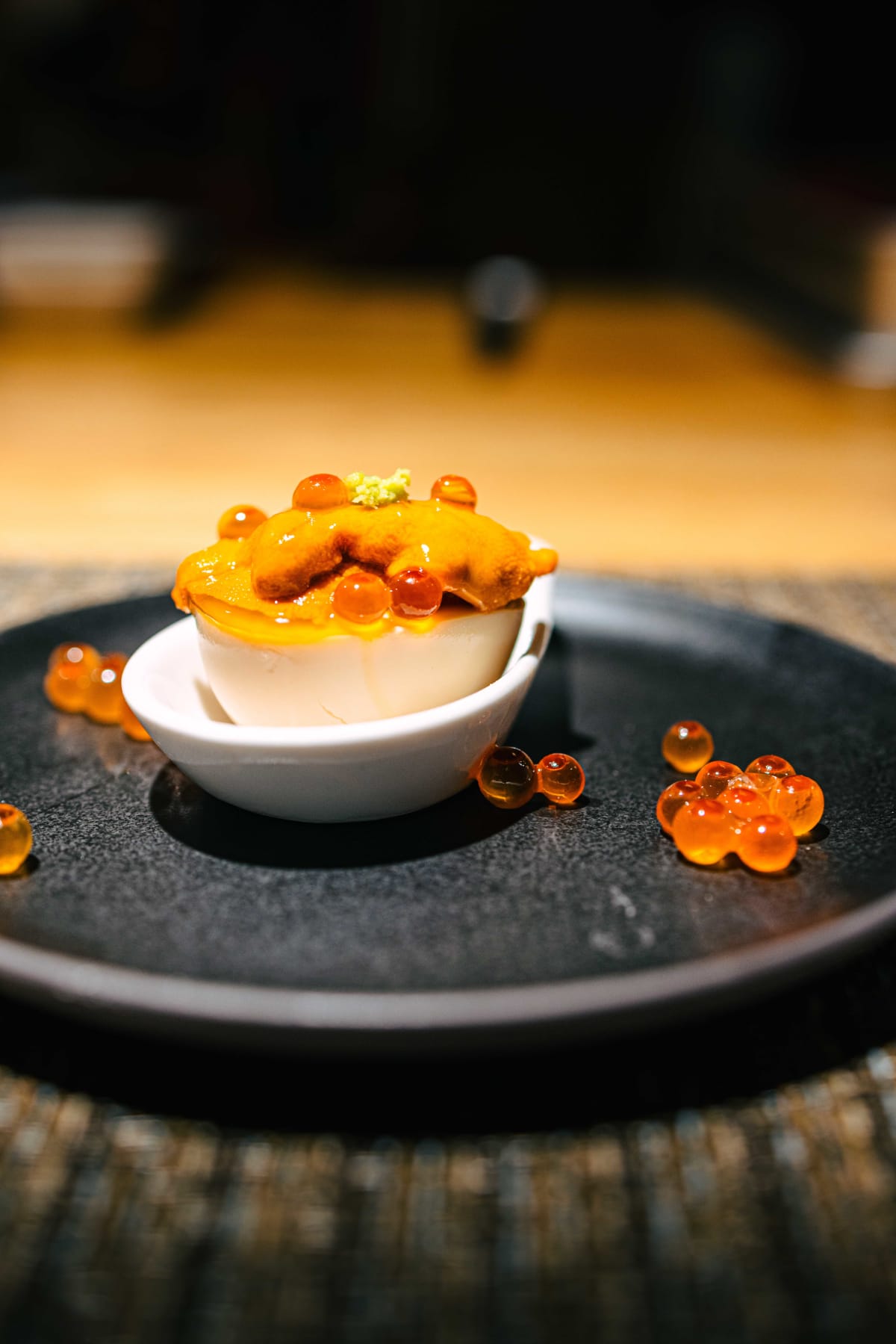
The first course was uni on tamago. A soft-boiled egg marinated in house-made soy sauce is cut in half and heaped with uni and ikura, then topped with wasabi.
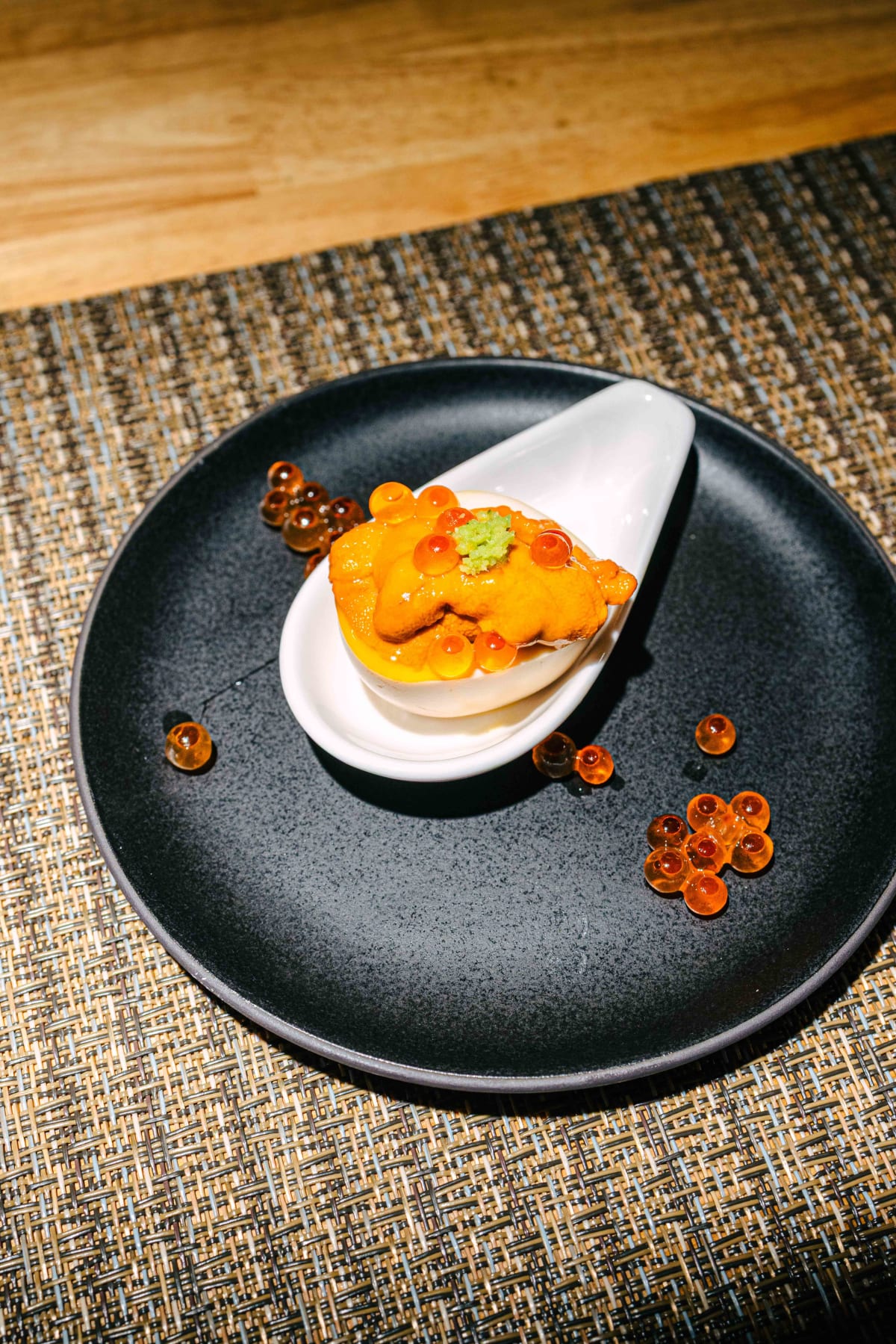
It came in a spoon-shaped white dish set on a black plate, with more ikura scattered across the plate. It is also on the à la carte menu.
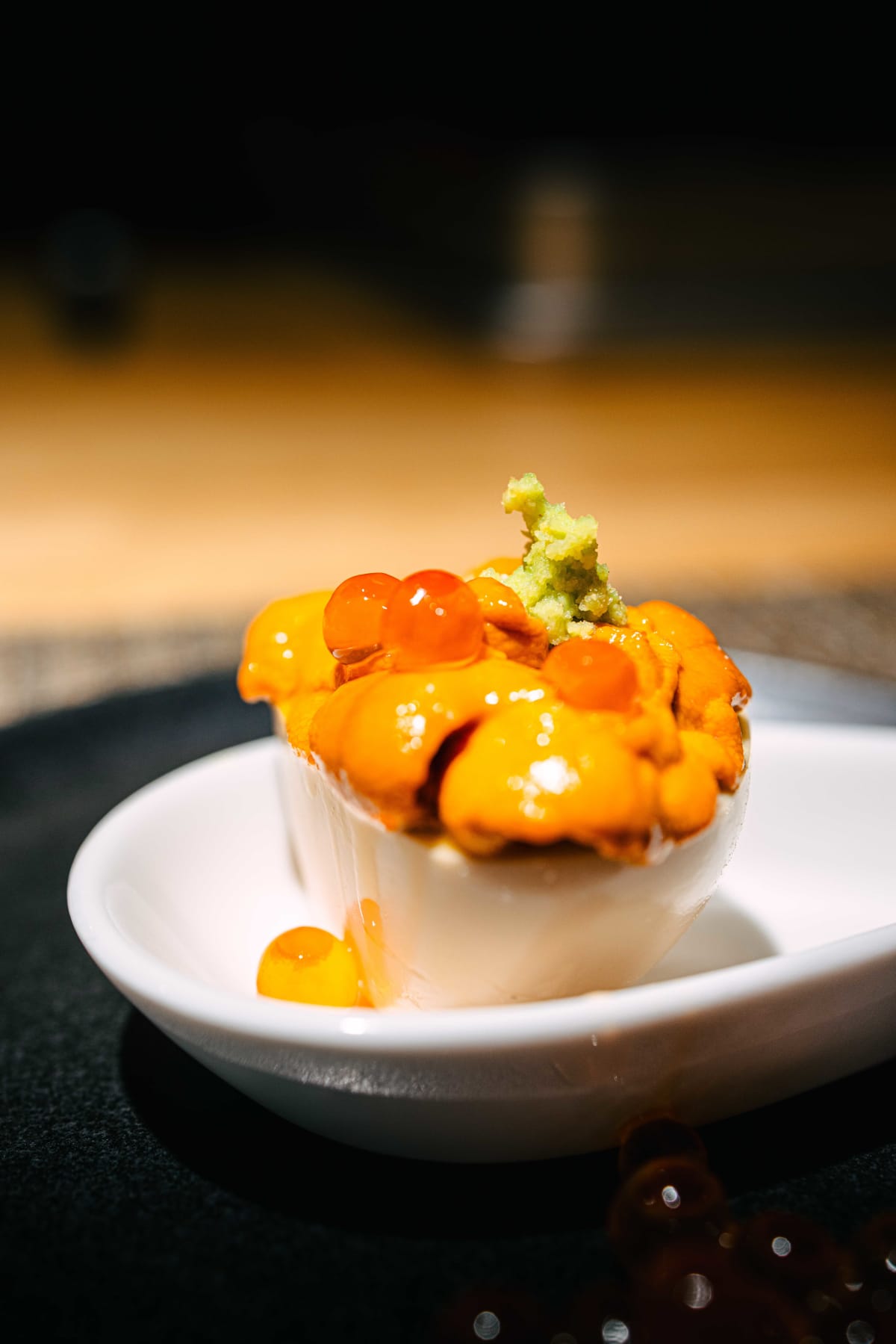
Across the course, I felt that Sikdang Minhong draws flavour out well, and there were a few dishes that stayed with me for their taste.
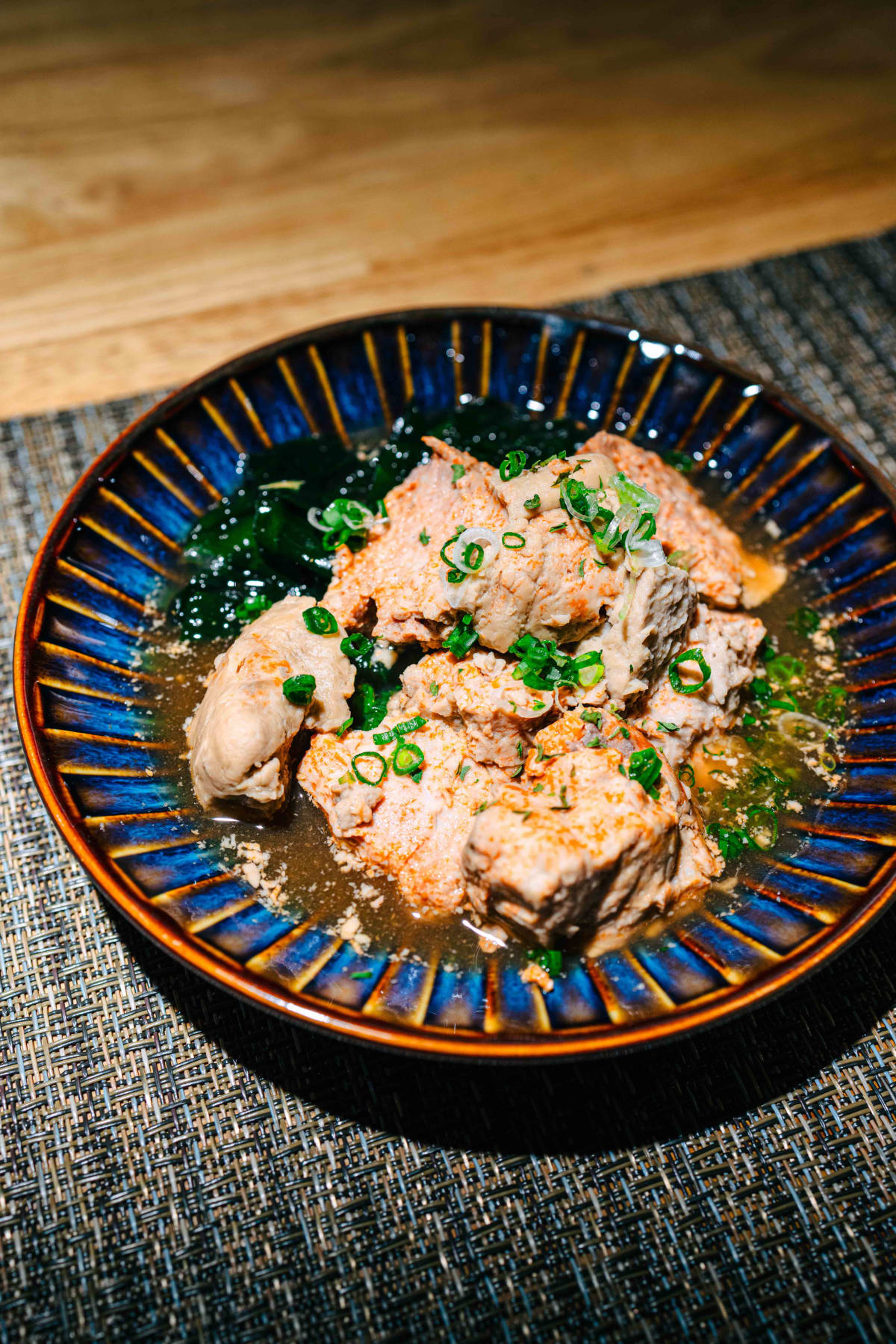
Top of that list was the cod shirako, the second course, served as the seasonal starter. The shirako sat in a miso broth with wakame, spring onion and shichimi, and a little karashi mustard had been smeared on the rim of the bowl.
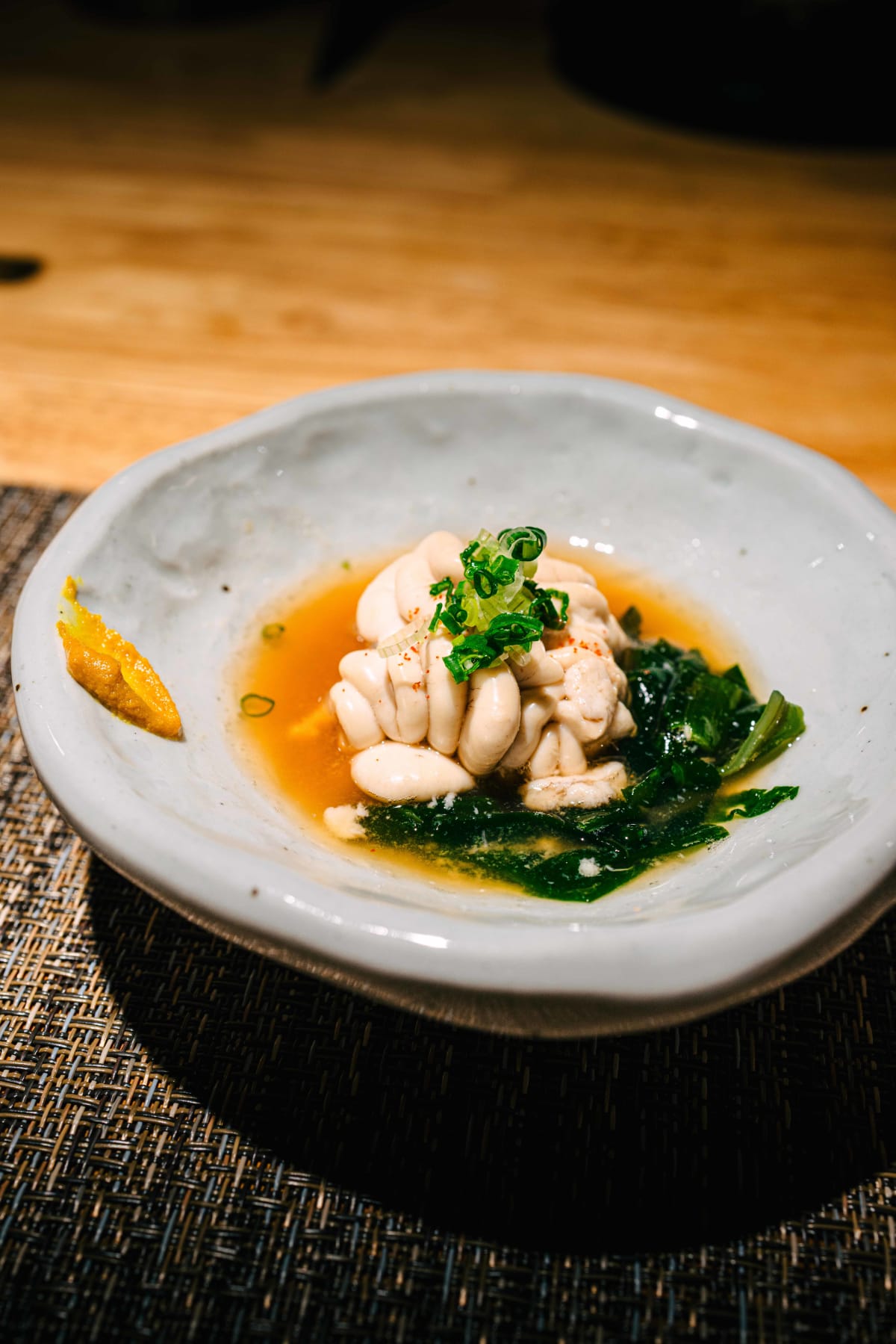
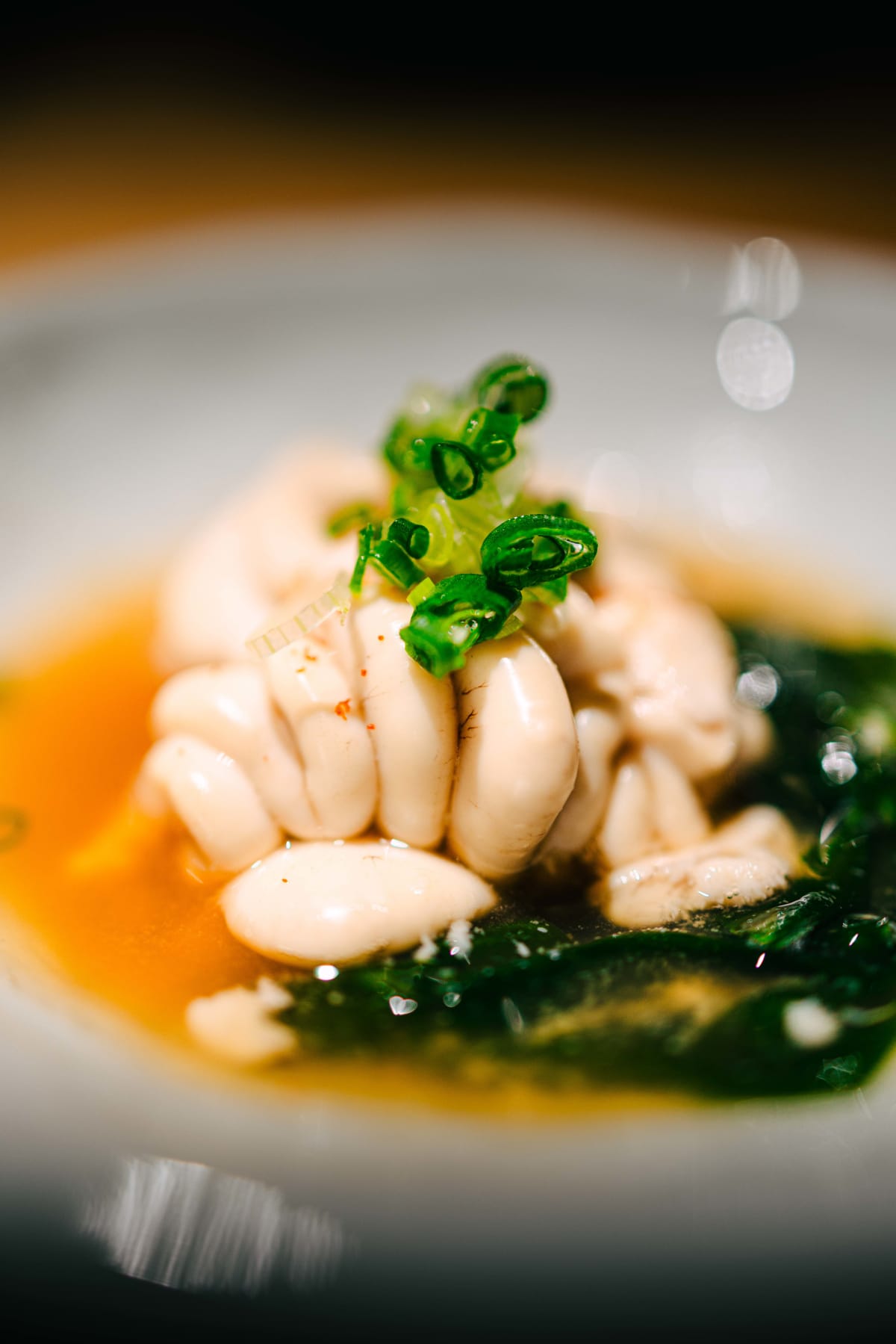
The shirako, the miso broth and the ikura spooned on top went well together, in texture and in overall feel.
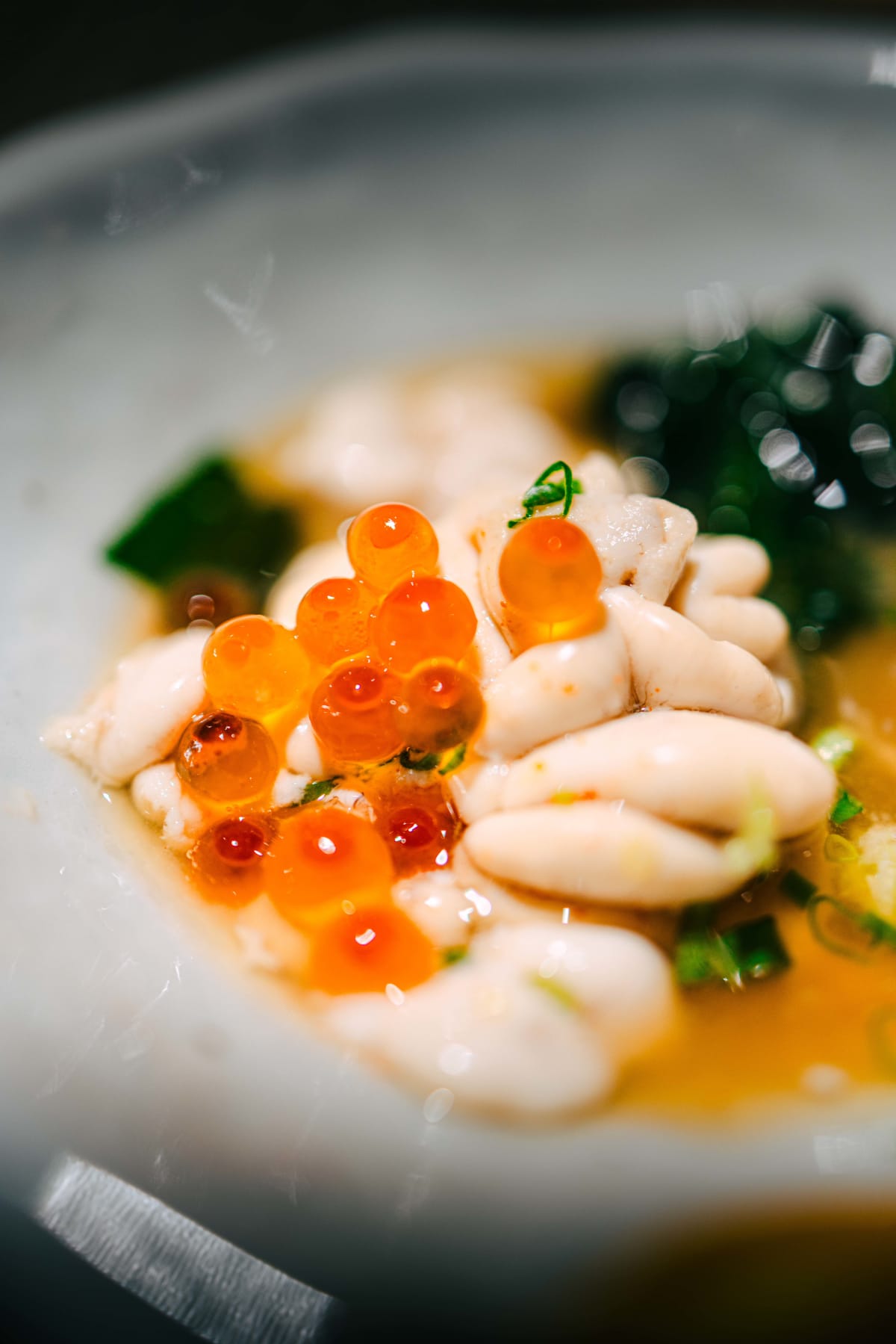
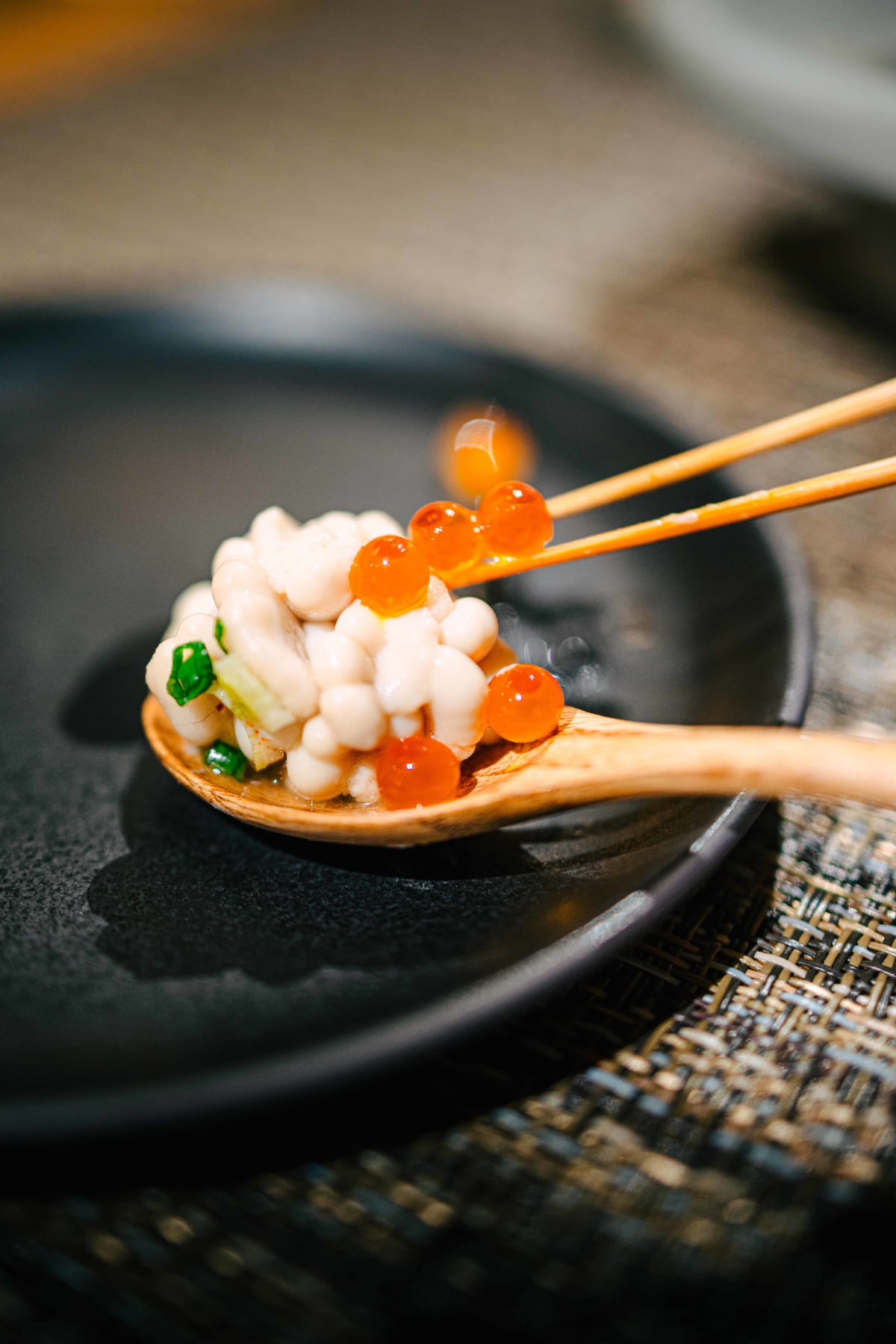
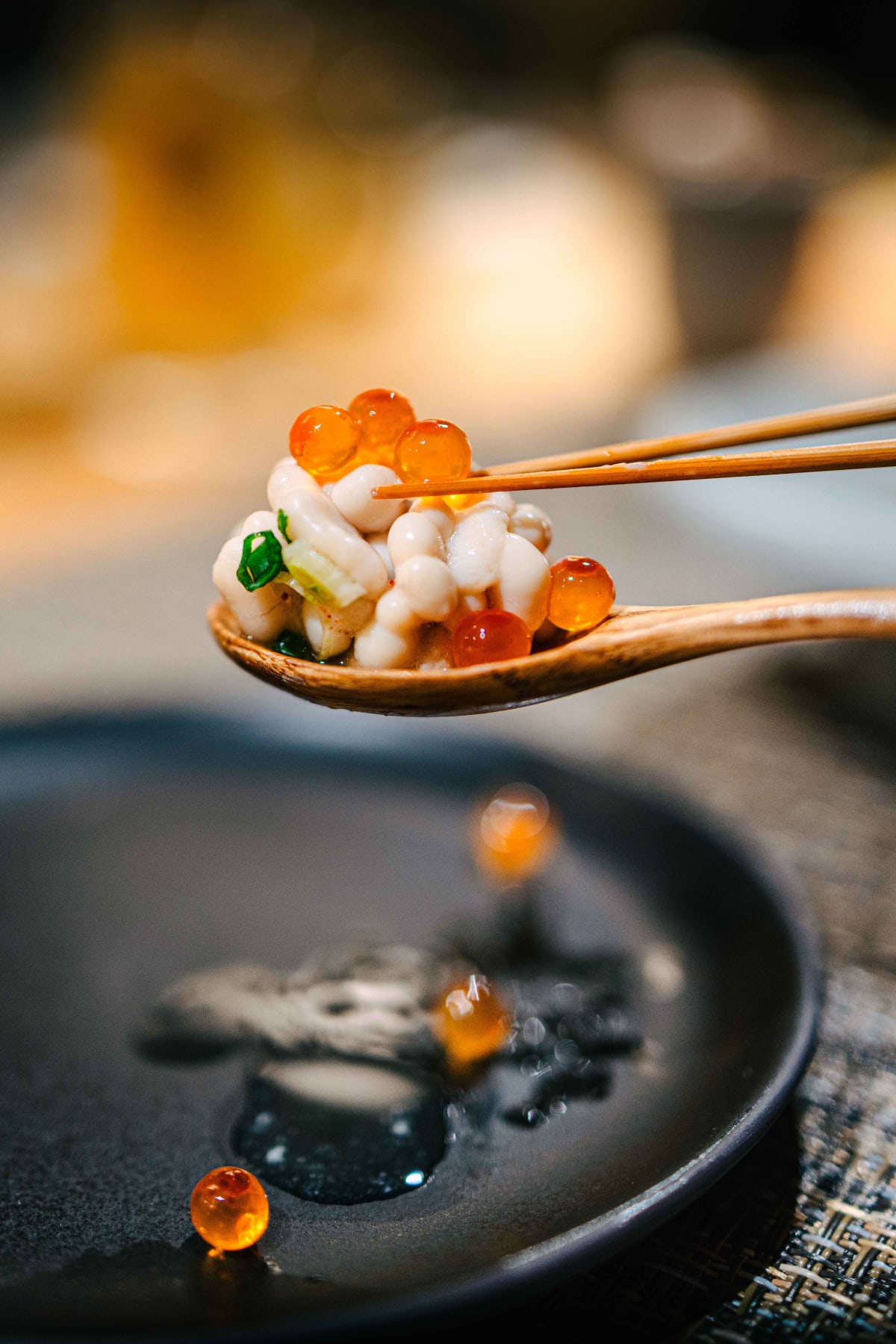
The other dish that impressed me for its taste comes later.
Section 6·The Chef, The Owan And The Sashimi
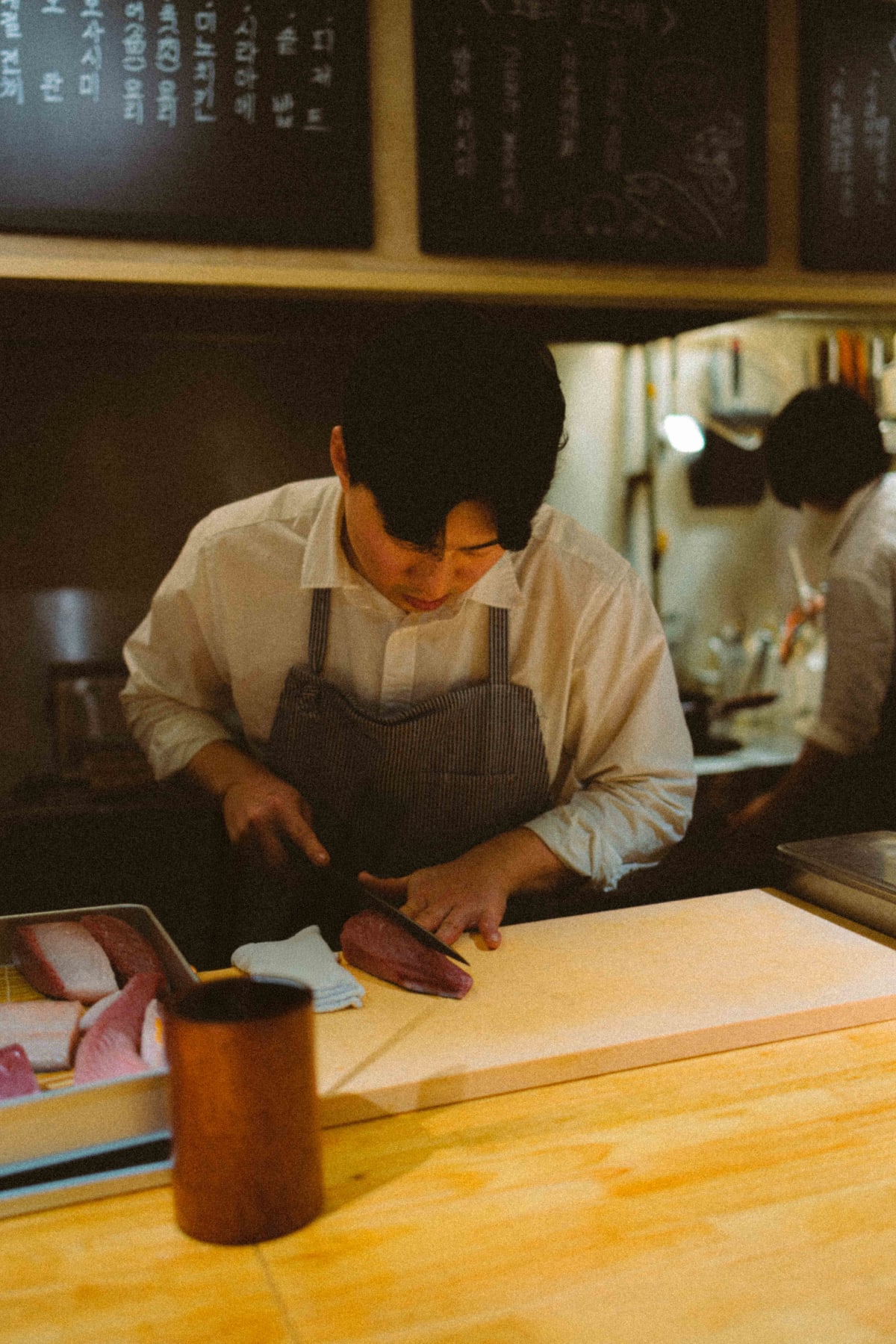
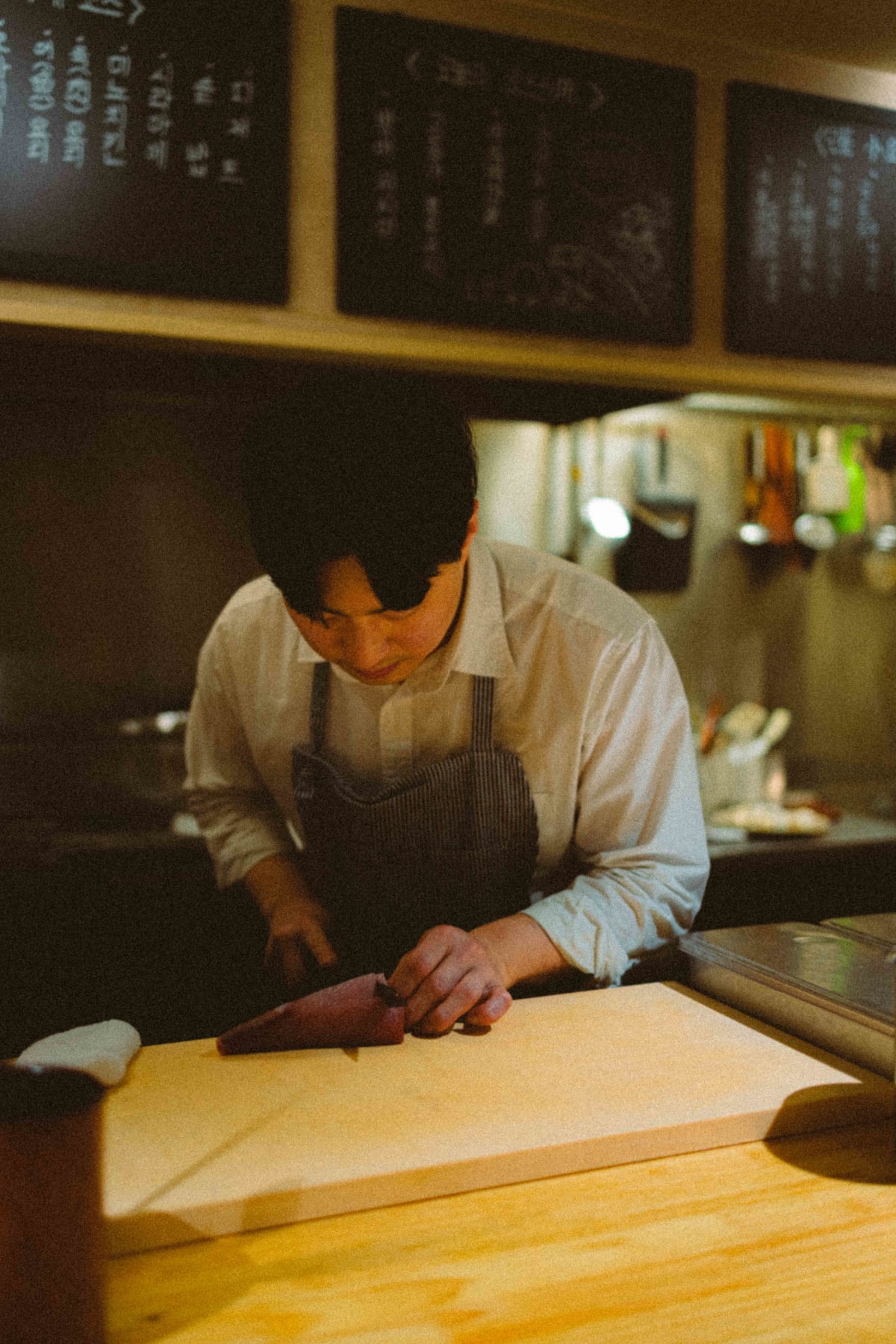
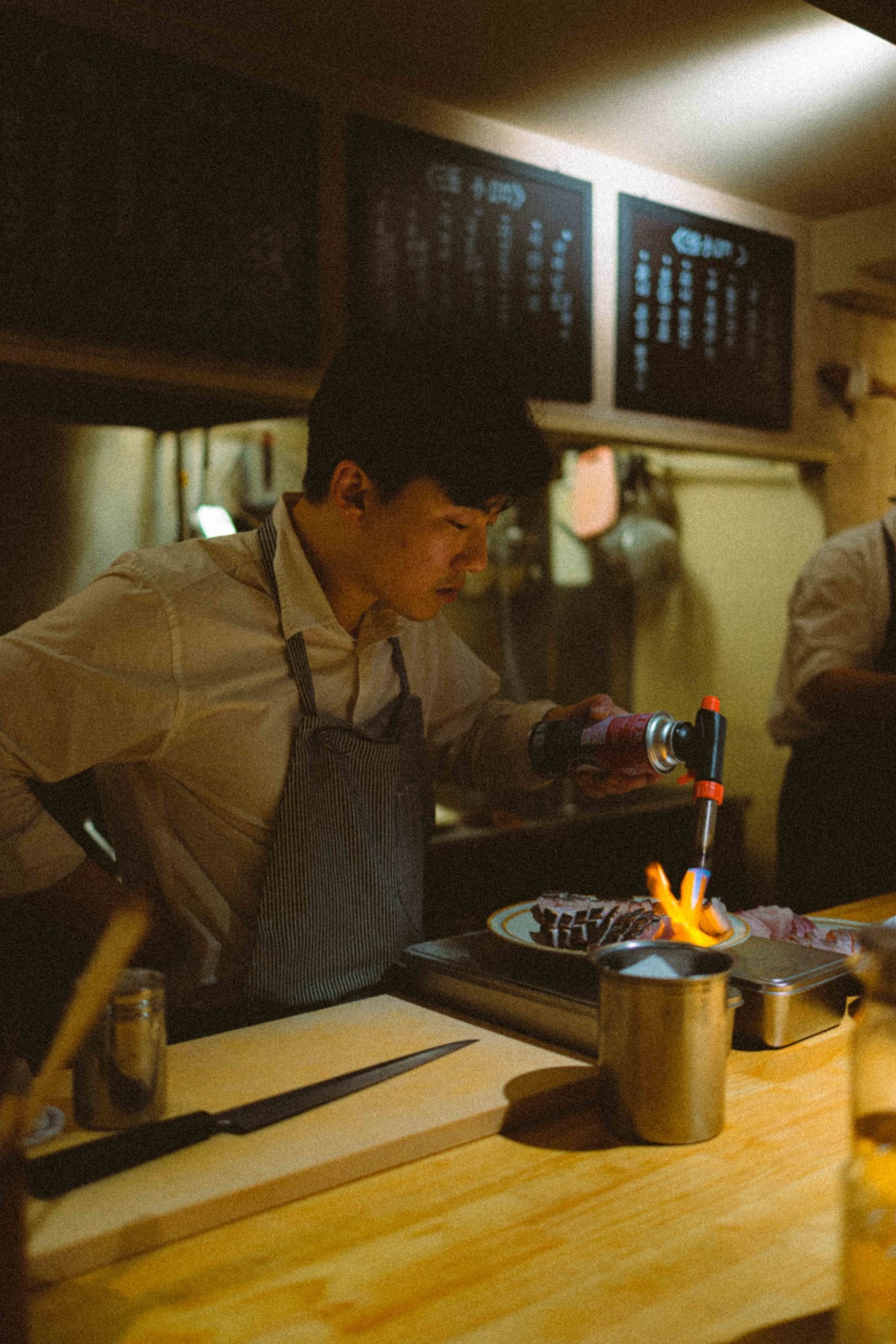
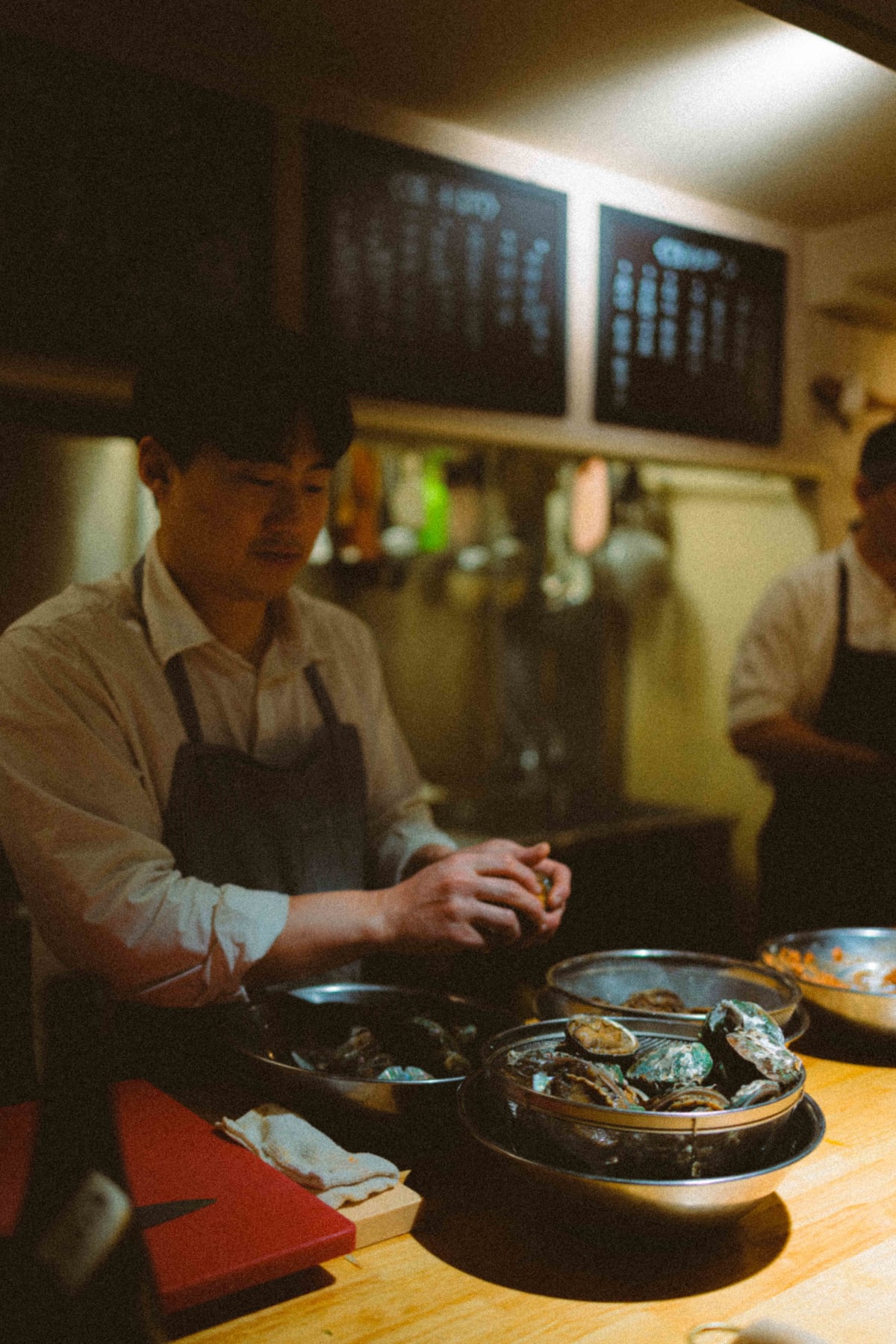
The chef looked about my age, and when he saw me taking photographs he went out of his way to make it easy for me. He was kind, and the service felt excellent.
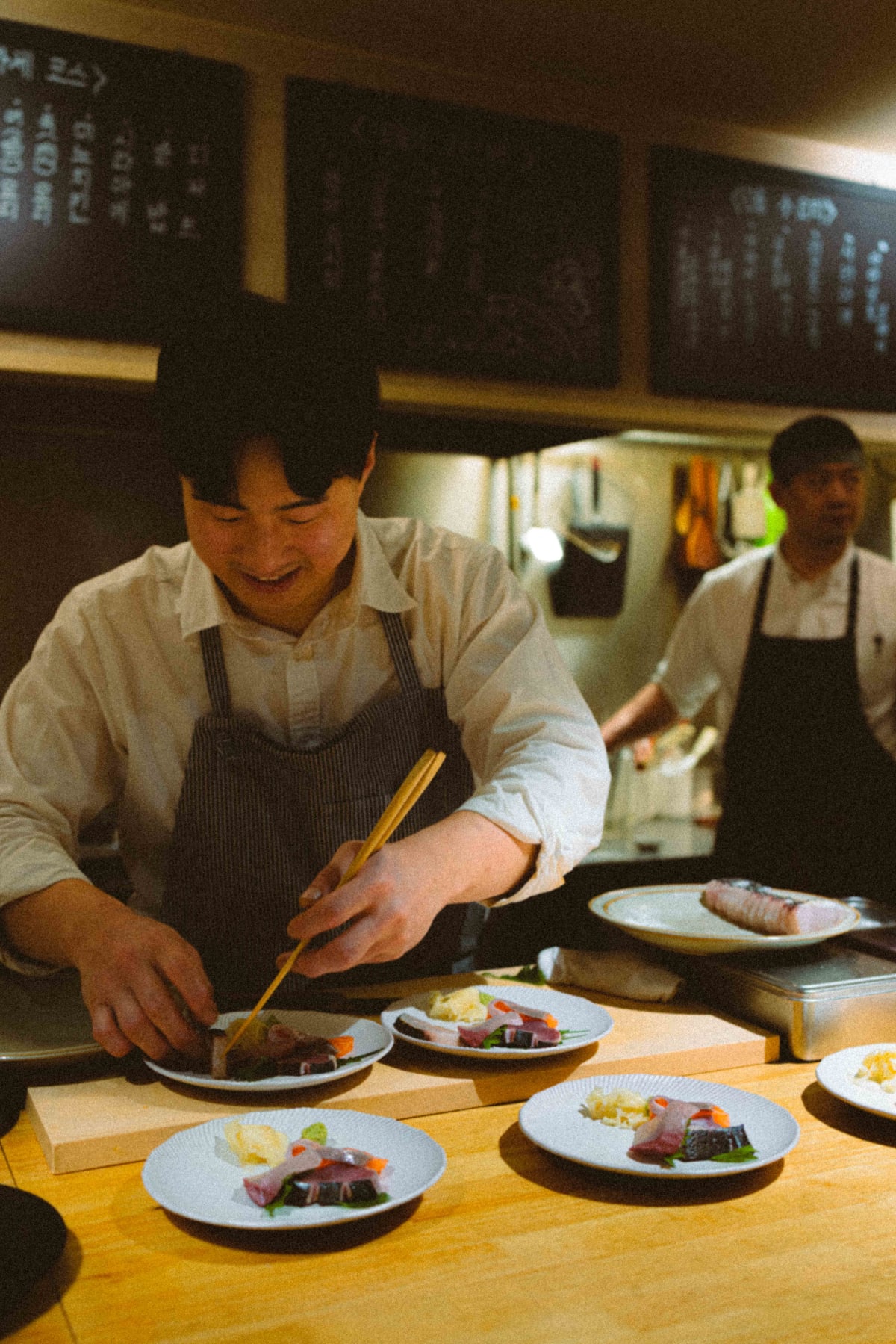
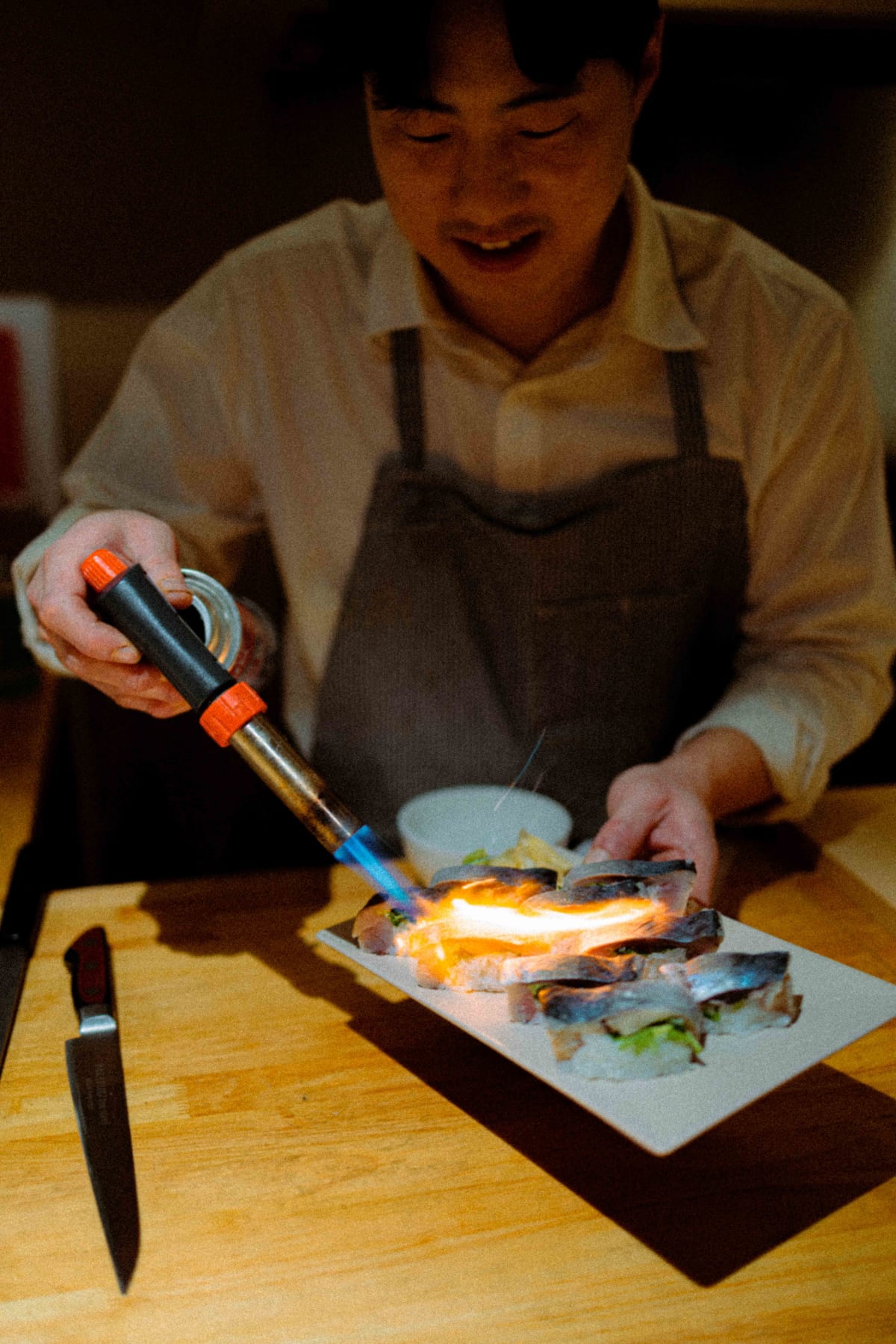
So I took a great many photographs here, and unlike other times, I edited them in a vintage film style. It is a perfect match for the warm, friendly feeling of a place called a shokudo. I also heard from the chef himself at the counter that night that he had trained at Todaka.
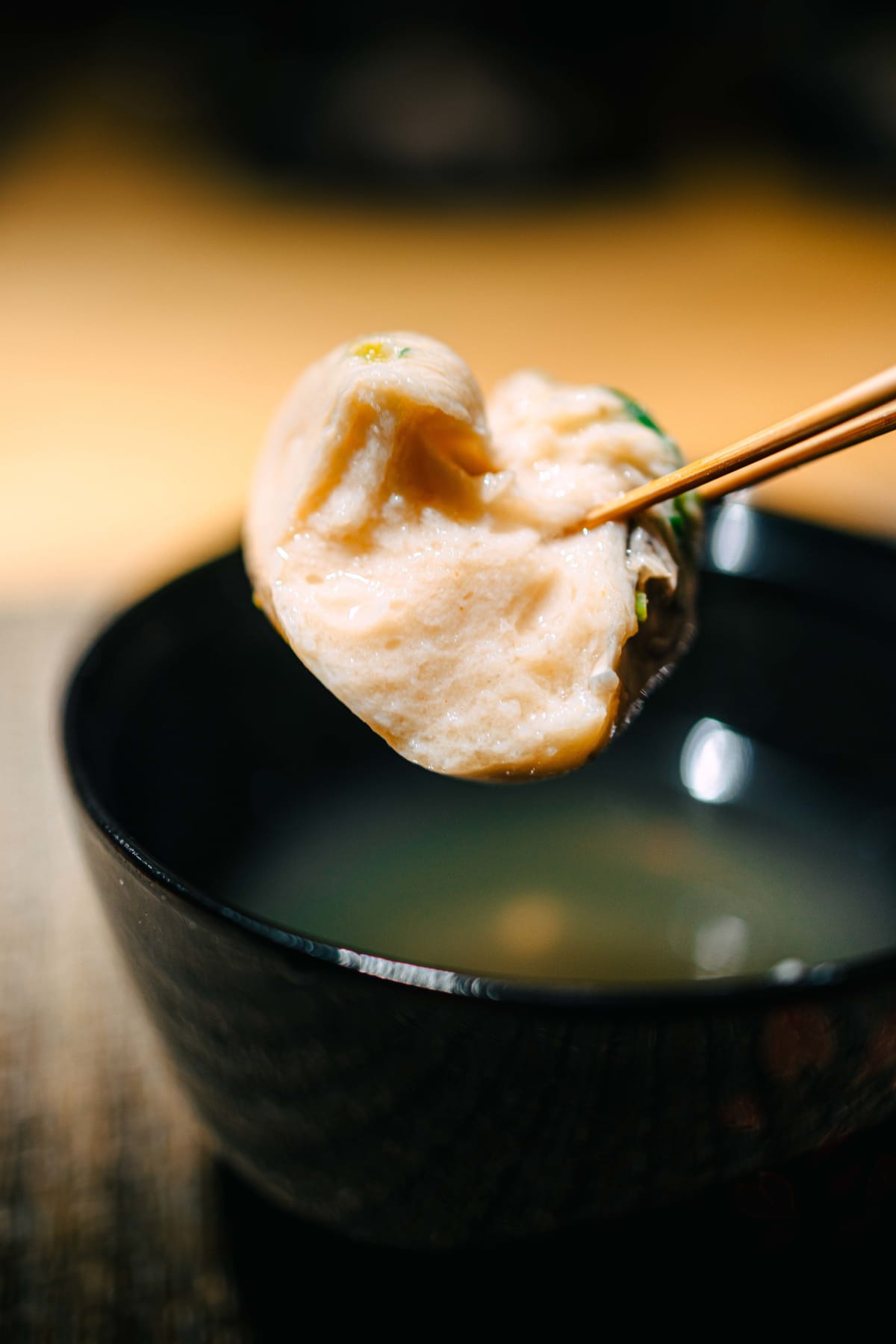
The third course was the owan. A fish dumpling went into a clear broth in a black lacquer bowl, finished with chamnamul, a Korean wild parsley.
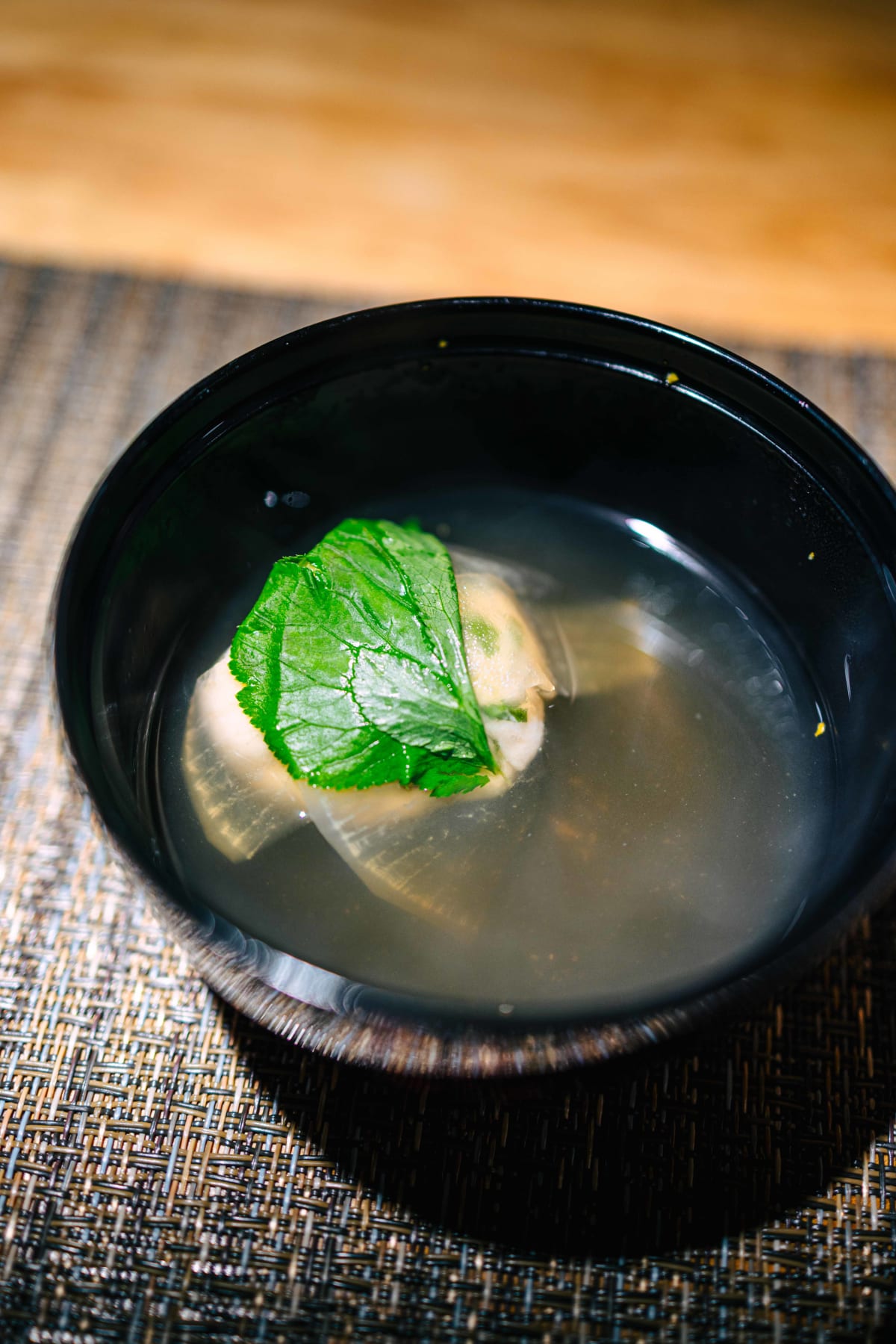
The broth was clean and refreshing and seemed to settle the stomach, and the dumpling had a pleasing texture too.
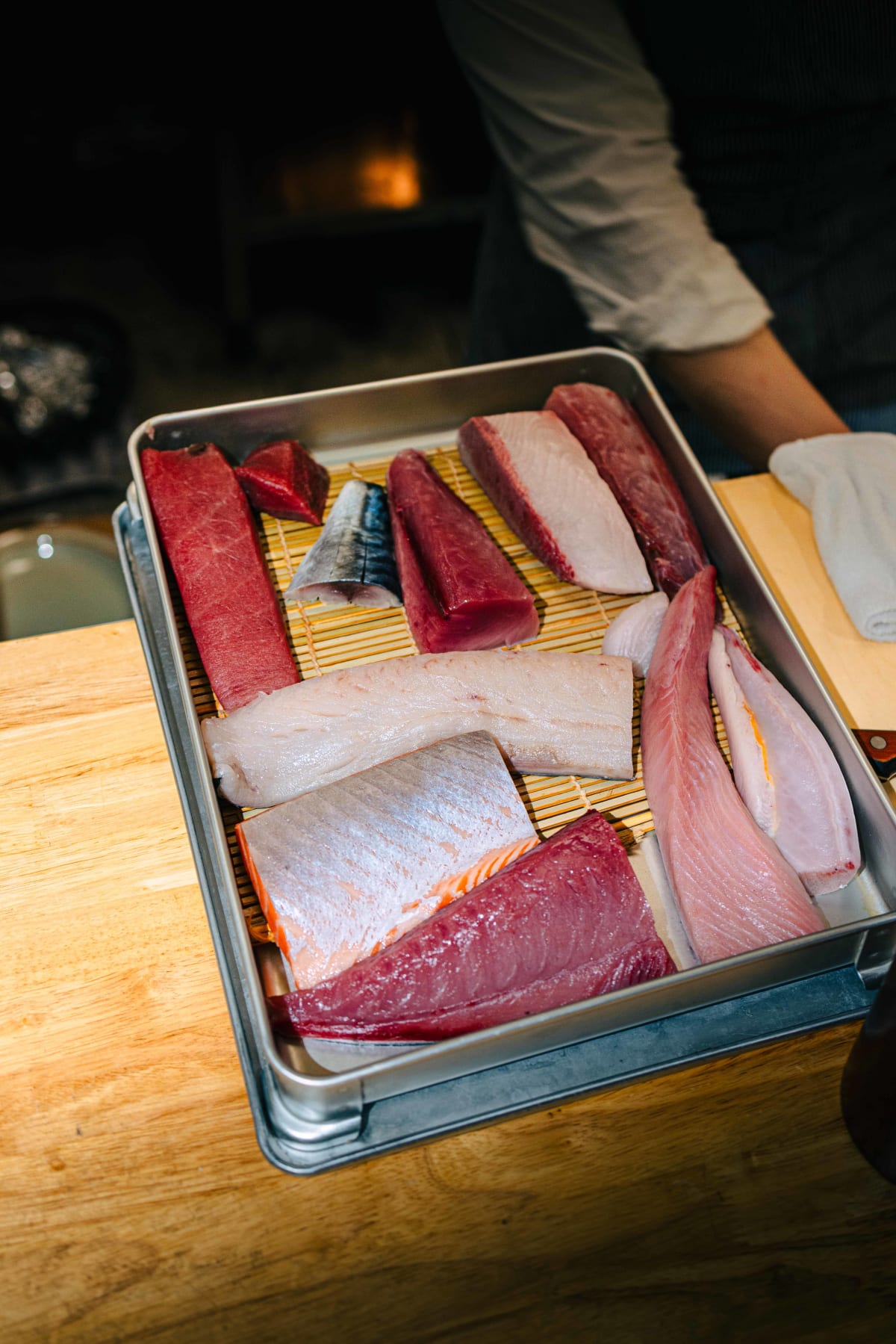
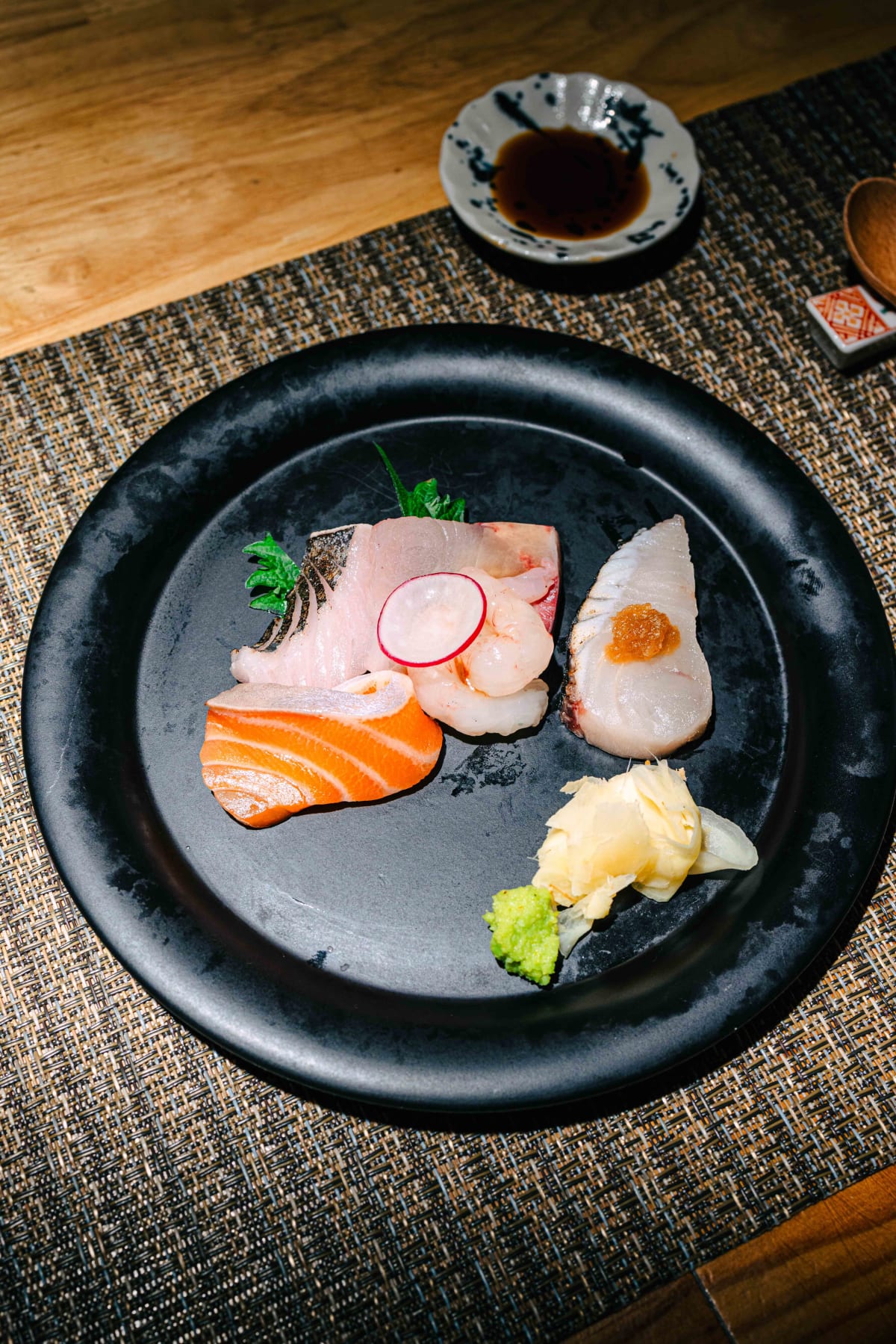
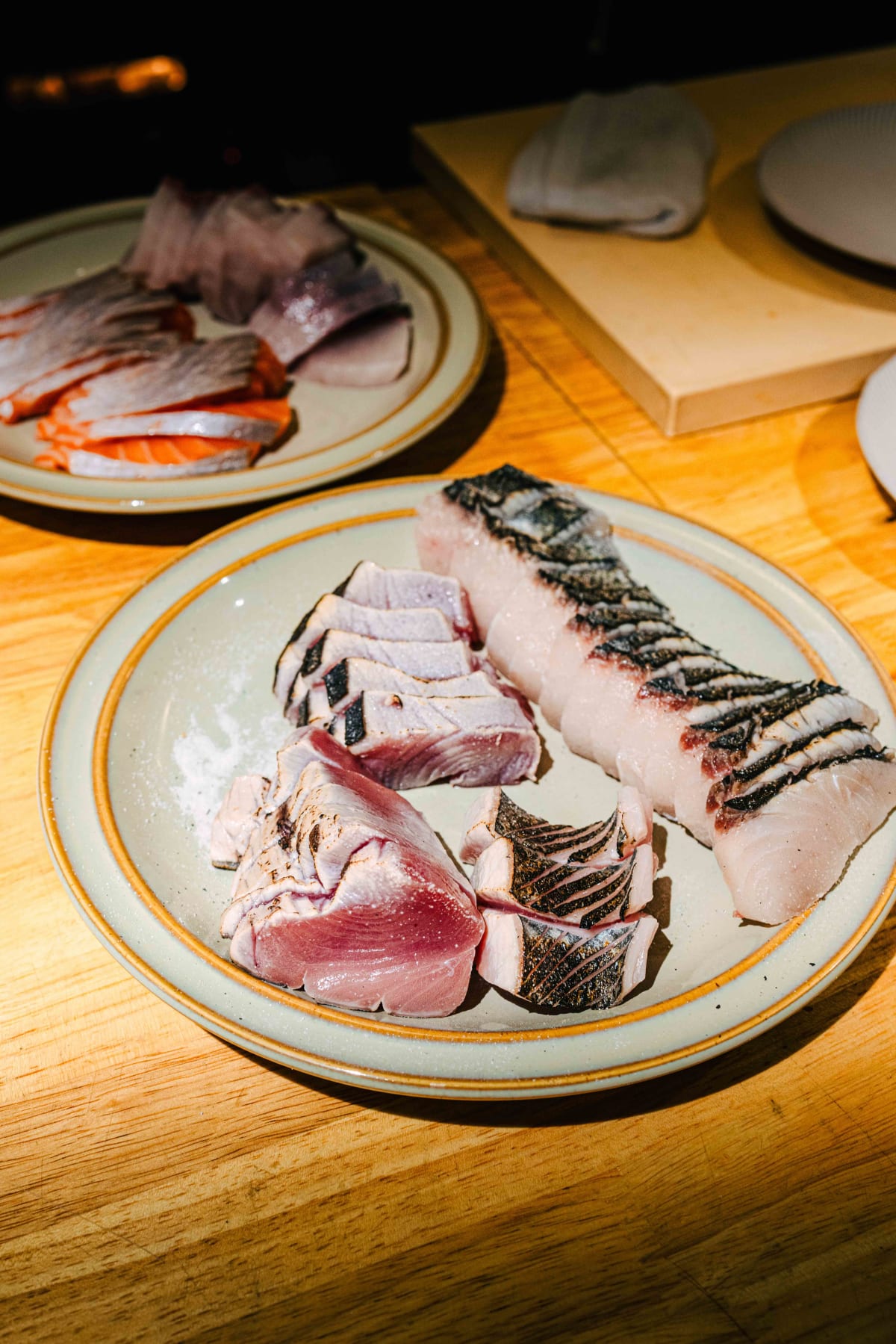
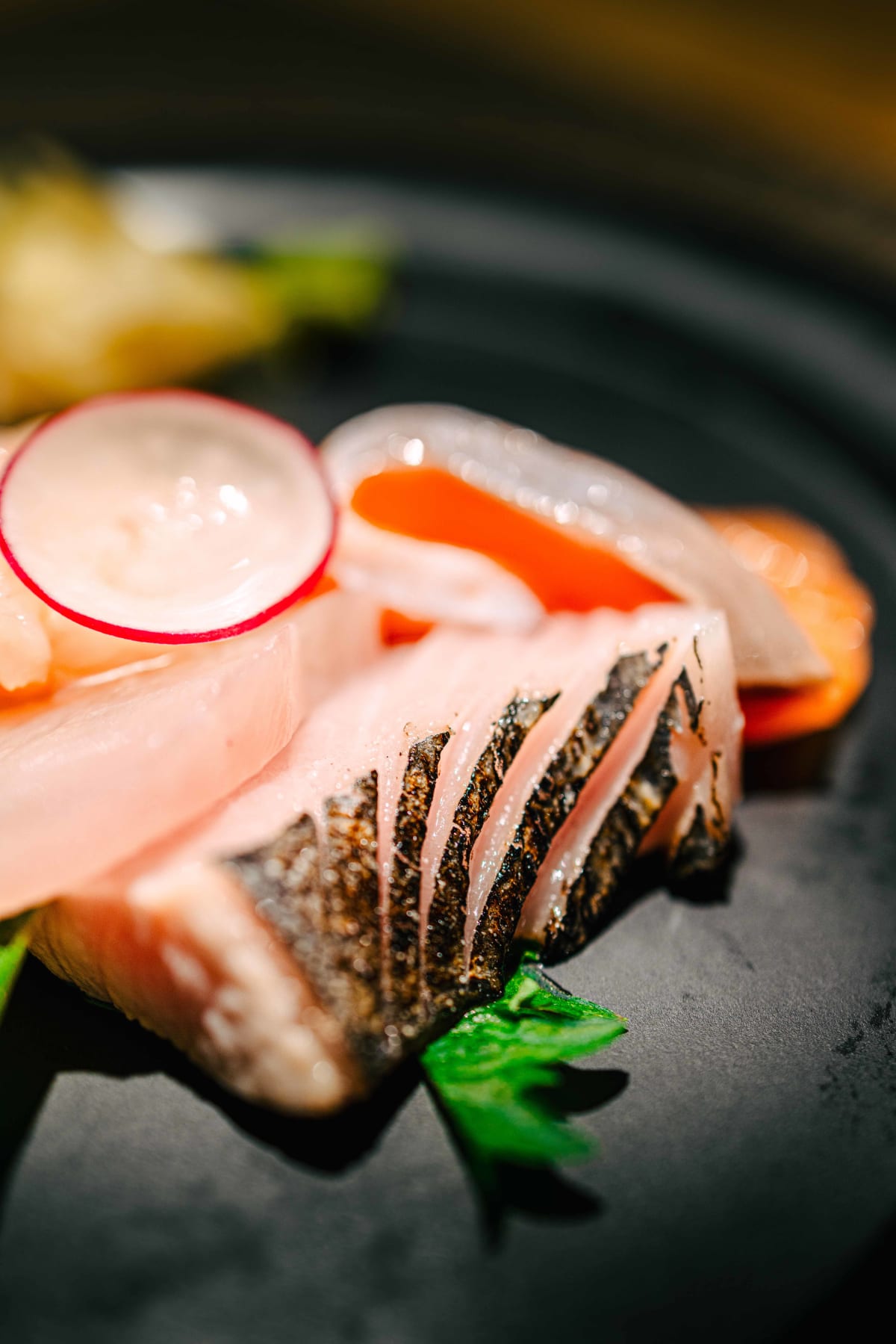
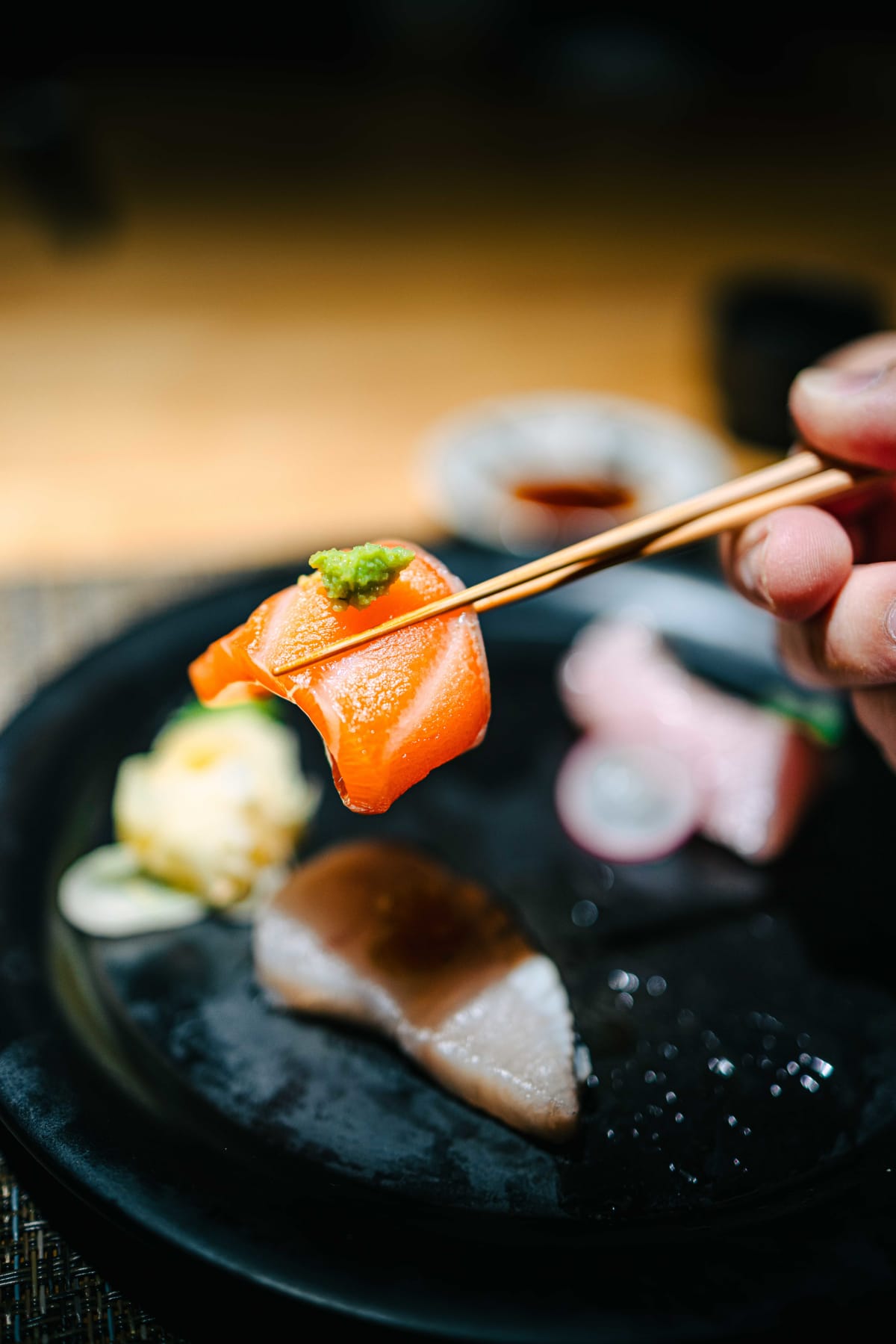
The fourth course brought the sashimi no Japanese course can do without. Salmon, yellowtail, prawns, shima-aji and sawara, its skin side seared with a torch into stripes, shared one plate. The prawns were topped with thinly sliced radish, with gari and fresh wasabi alongside.
Before plating, you can watch the fish being seared with a torch right there at the counter.
Of the sashimi, the prawns, with their firm, sticky bite, were delicious.
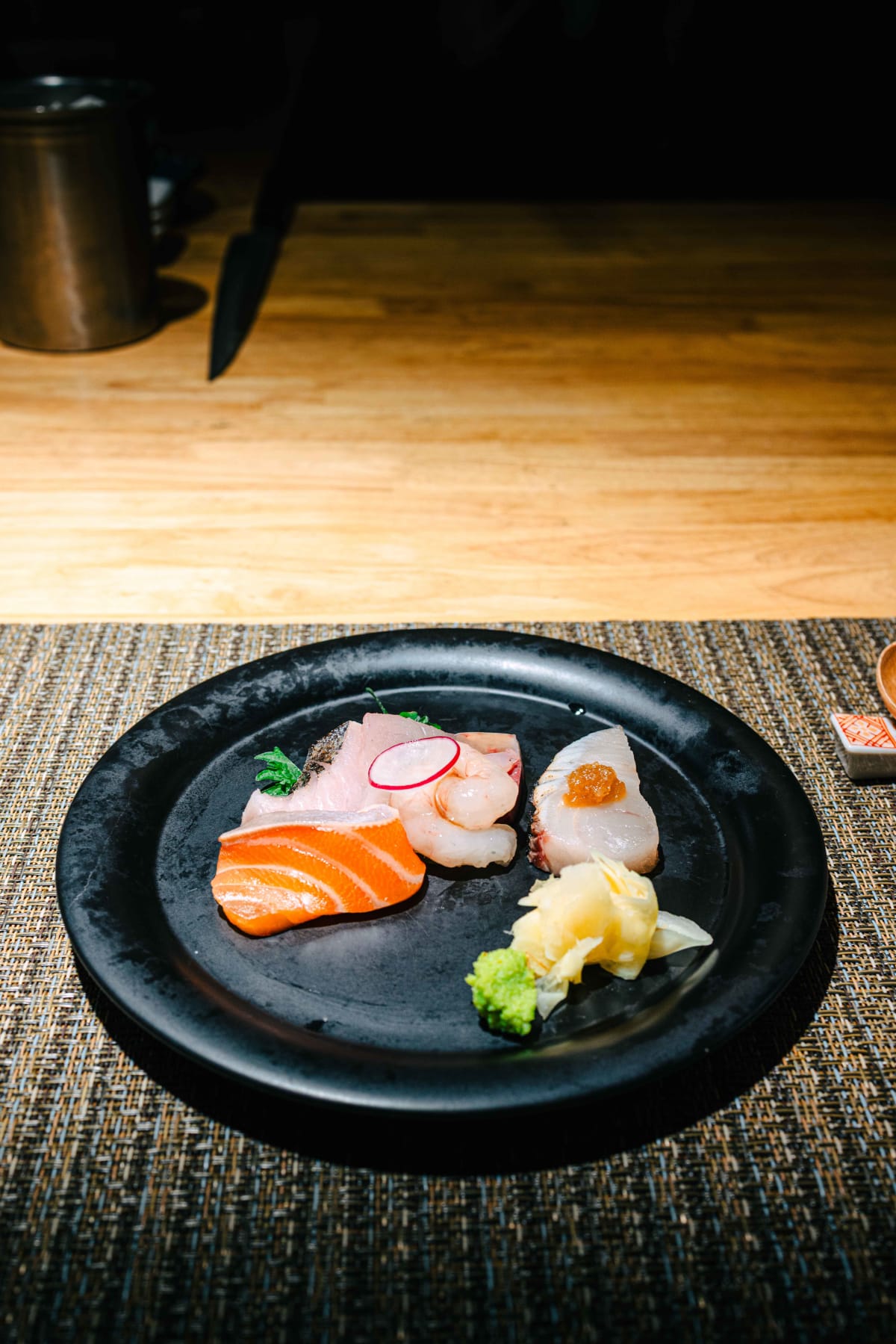
I liked the sawara too, its skin torched to bring out a smoky flavour.
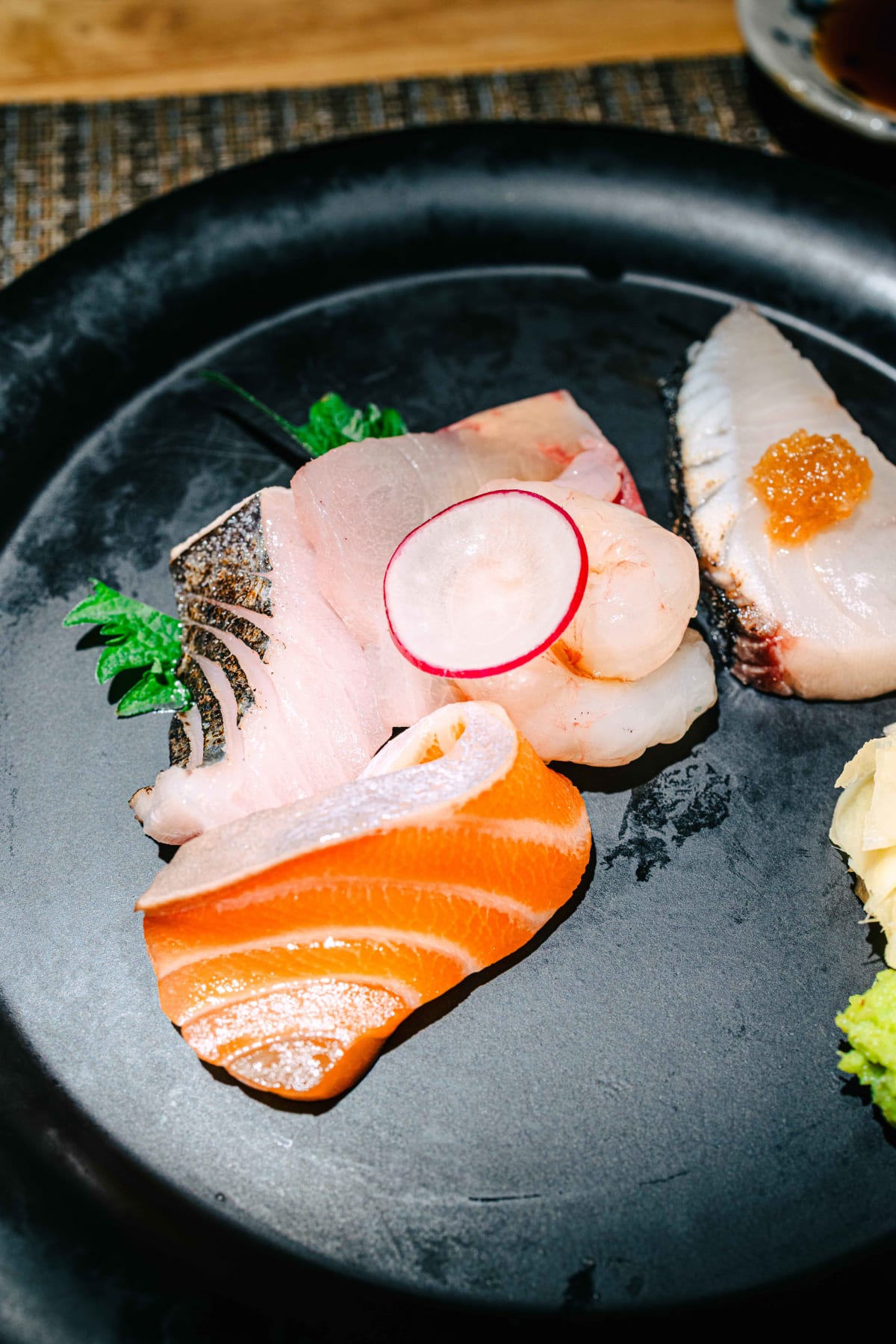
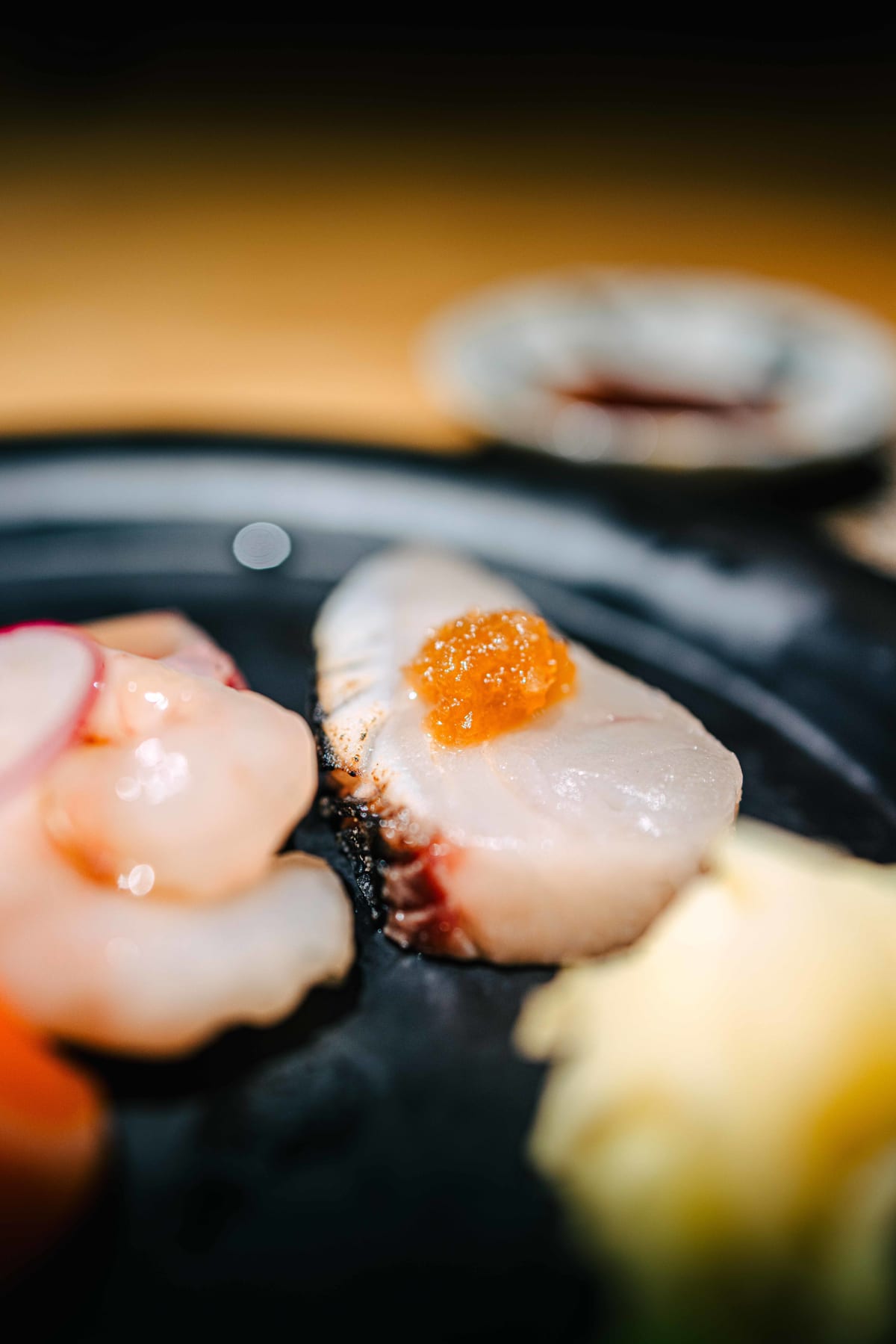
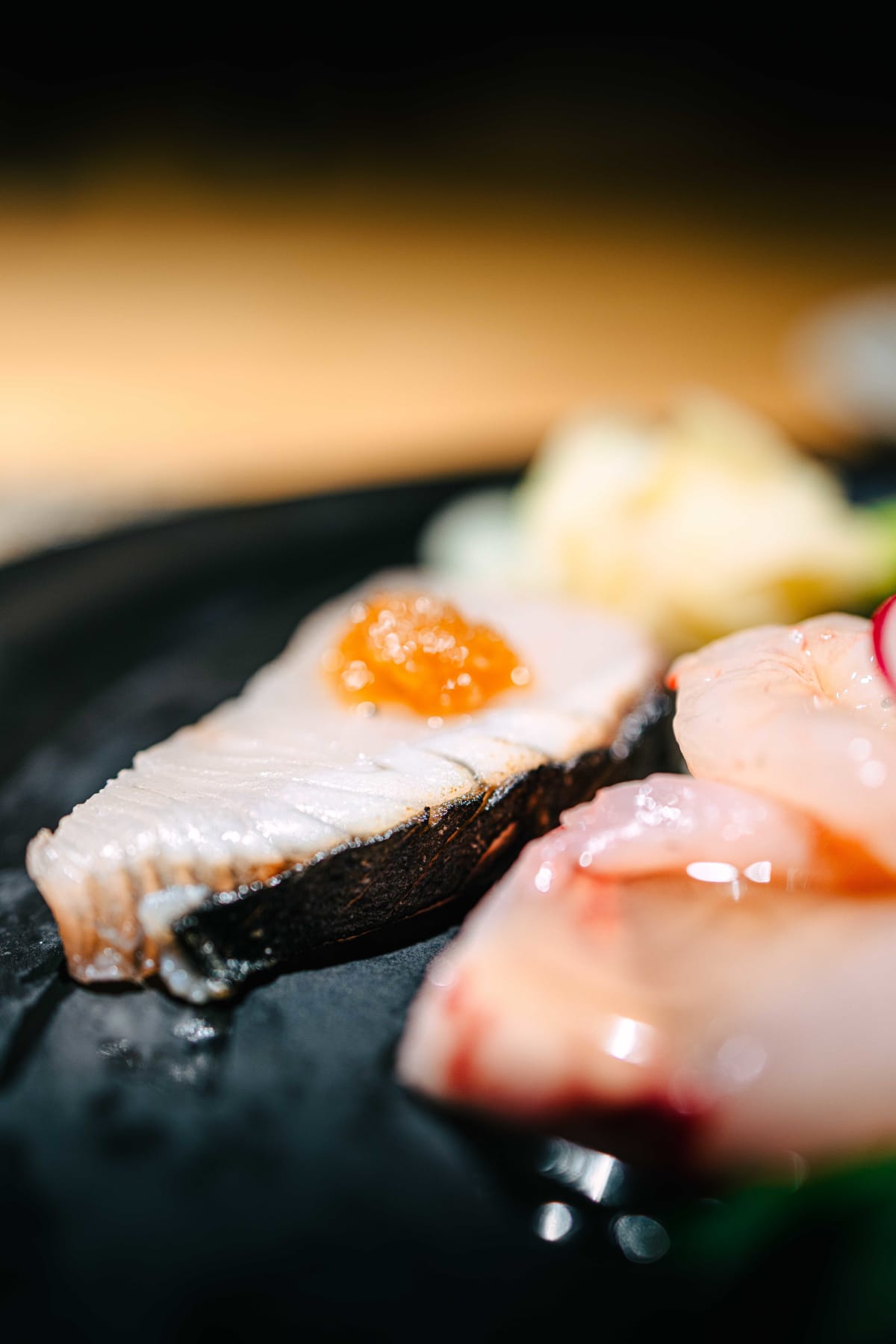
The disappointment was the salmon. Traditional, high-end Japanese cooking tends not to use salmon, and I do not think salmon makes a good match within an assorted sashimi plate either. Coming from someone who trained at a famous shokudo in Tokyo, it disappointed me all the more.
Section 7·A Bottle Of Omachi
The omakase includes nomihodai, but I wanted something good to drink, so around the time the sashimi arrived I ordered a bottle of sake. Nomihodai covers beer, highballs and sours, so sake has to be ordered separately.
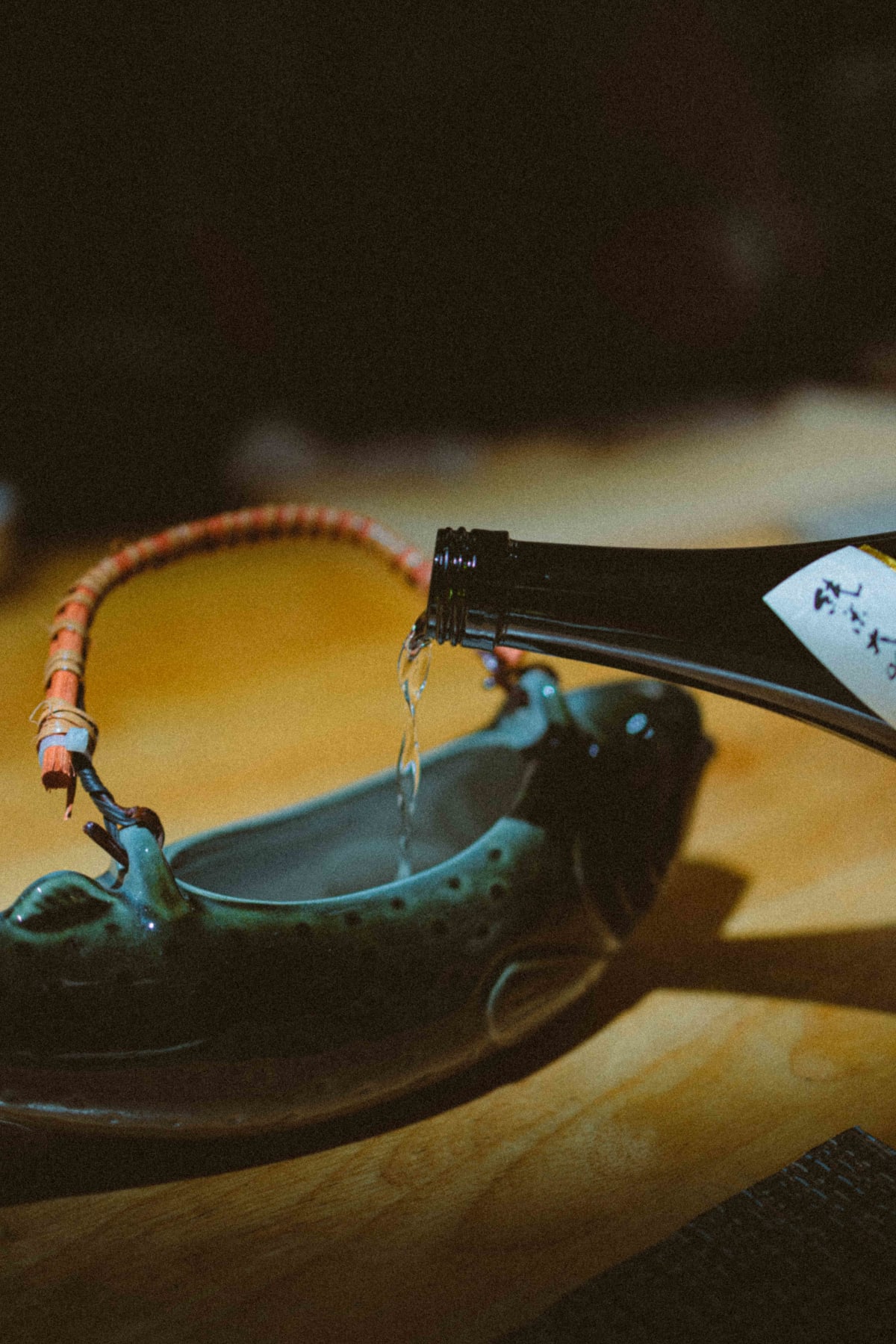
The bottle I chose was Taiten Shiragiku Junmai Daiginjo Omachi, brewed by Shiragiku Shuzo in Takahashi, Okayama Prefecture. It is made from Omachi, an Okayama rice known as the phantom sake rice, milled to 50 per cent and brewed by a Bitchu toji, a master brewer of the Bitchu school. It being December, it came to the counter in an ice bucket with a knitted Santa hat on its neck.
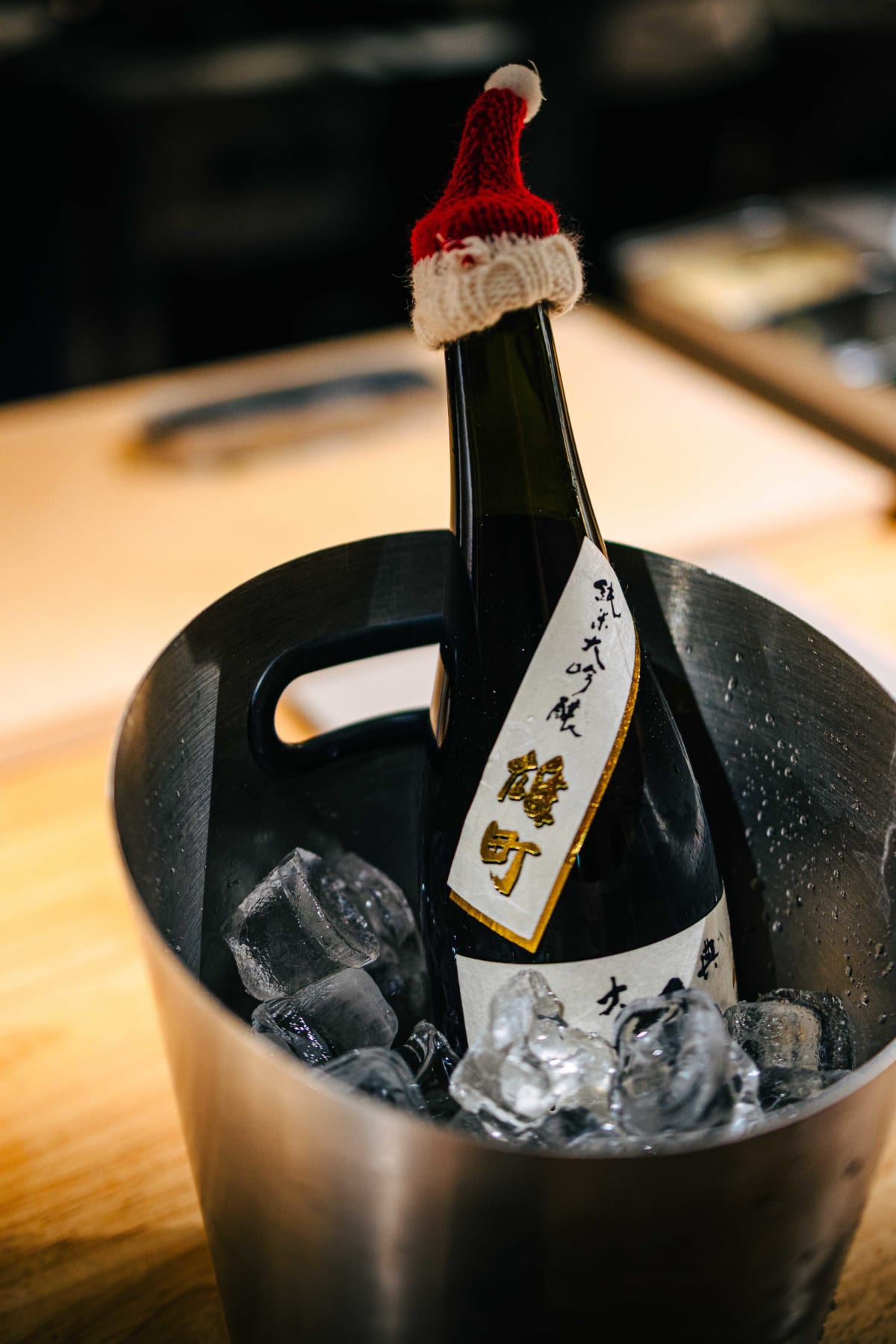
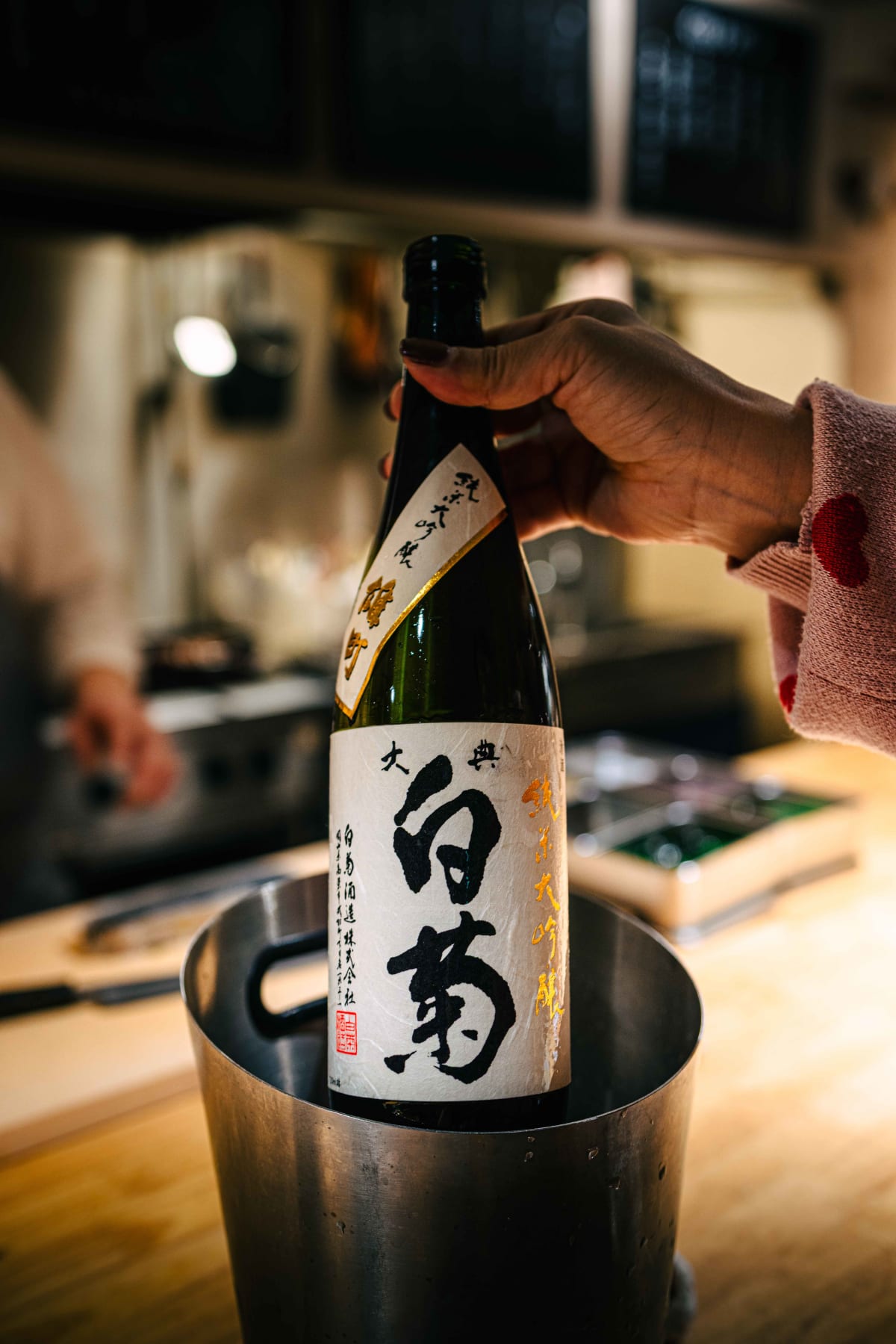
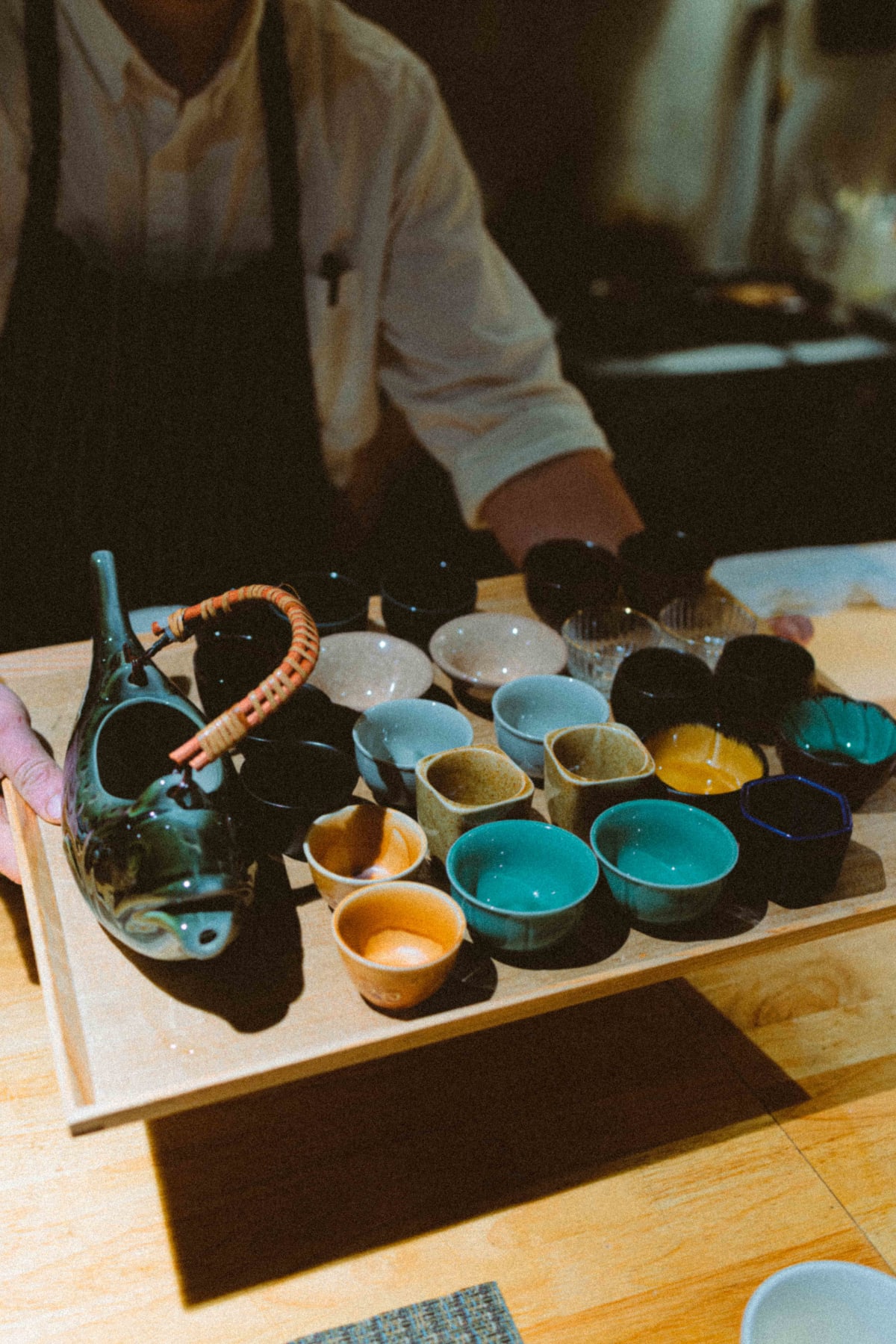
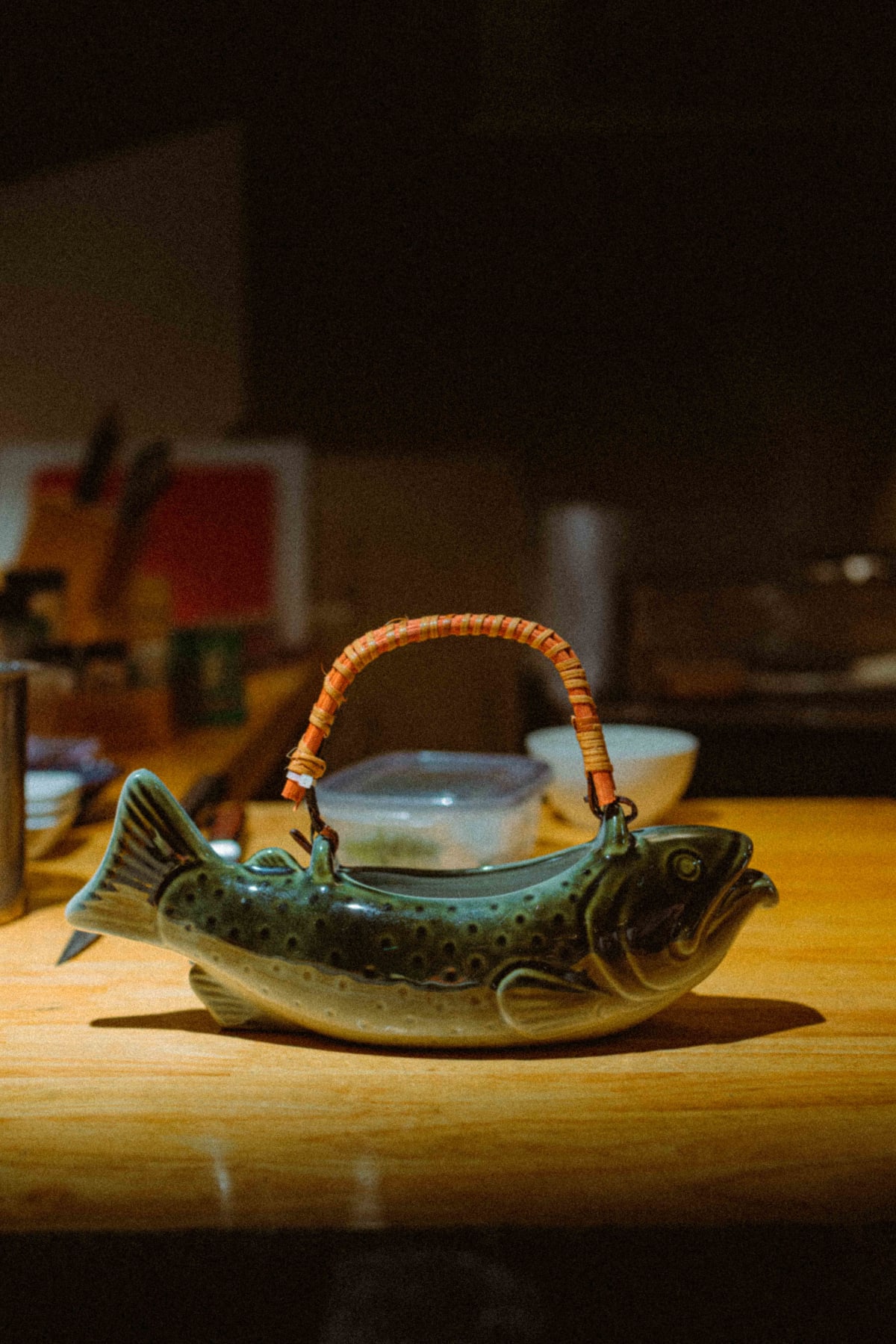
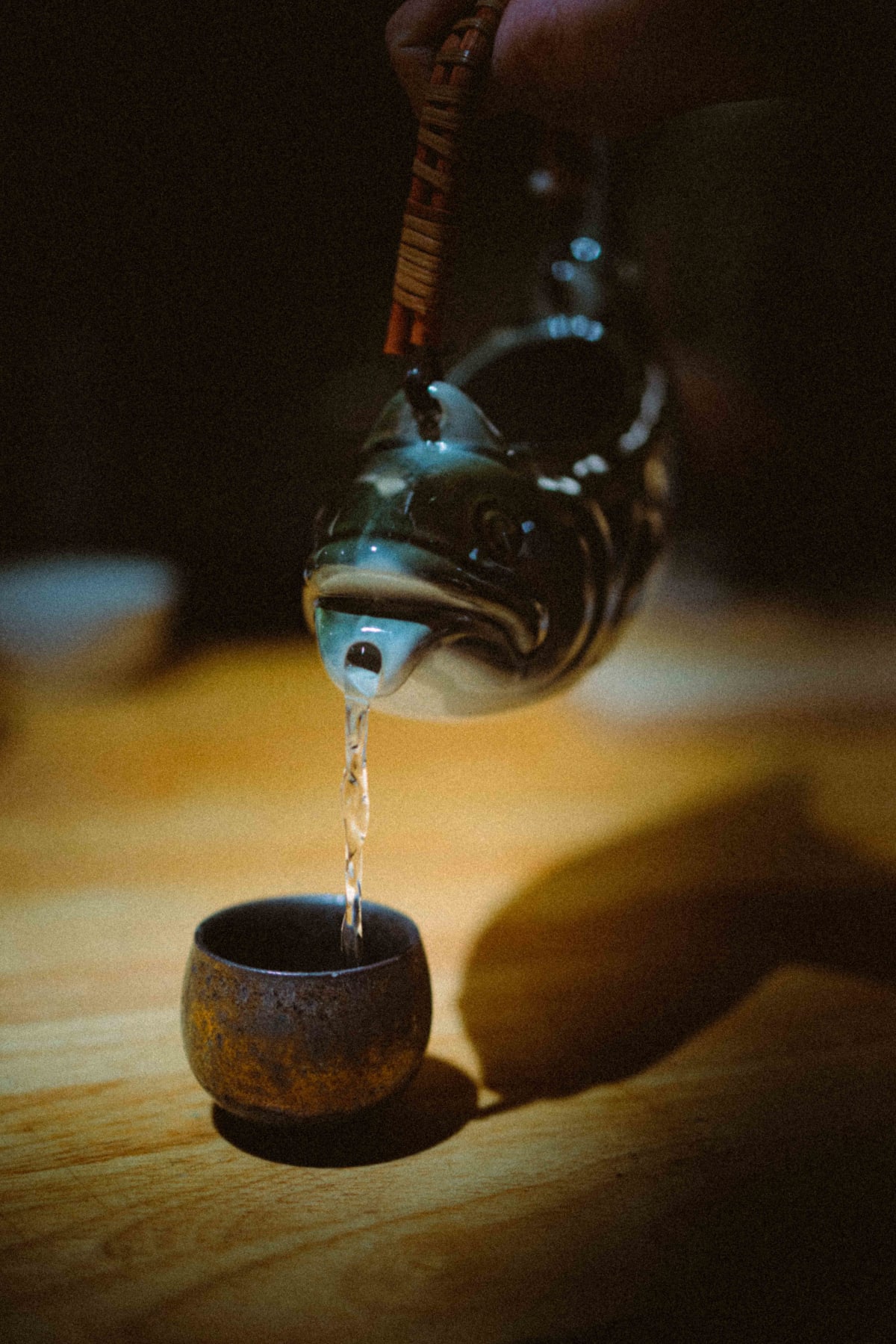
I could choose my cup from several brought out on a tray, and the sake was decanted into a tokkuri, a fun ceramic jug shaped like a carp.
So there was also the pleasure of pouring it in a little trickle from the carp's mouth into my cup.
Section 8·Honey Cod
There were also two or so dishes that impressed me for reasons beyond taste. One was the honey cod, the fifth course and the fish dish. The chef studied in Japan and the course as a whole carried a strong Japanese nuance, so I was a little surprised to see the honey cod arrive. That is because it is a dish you see often in Spain.
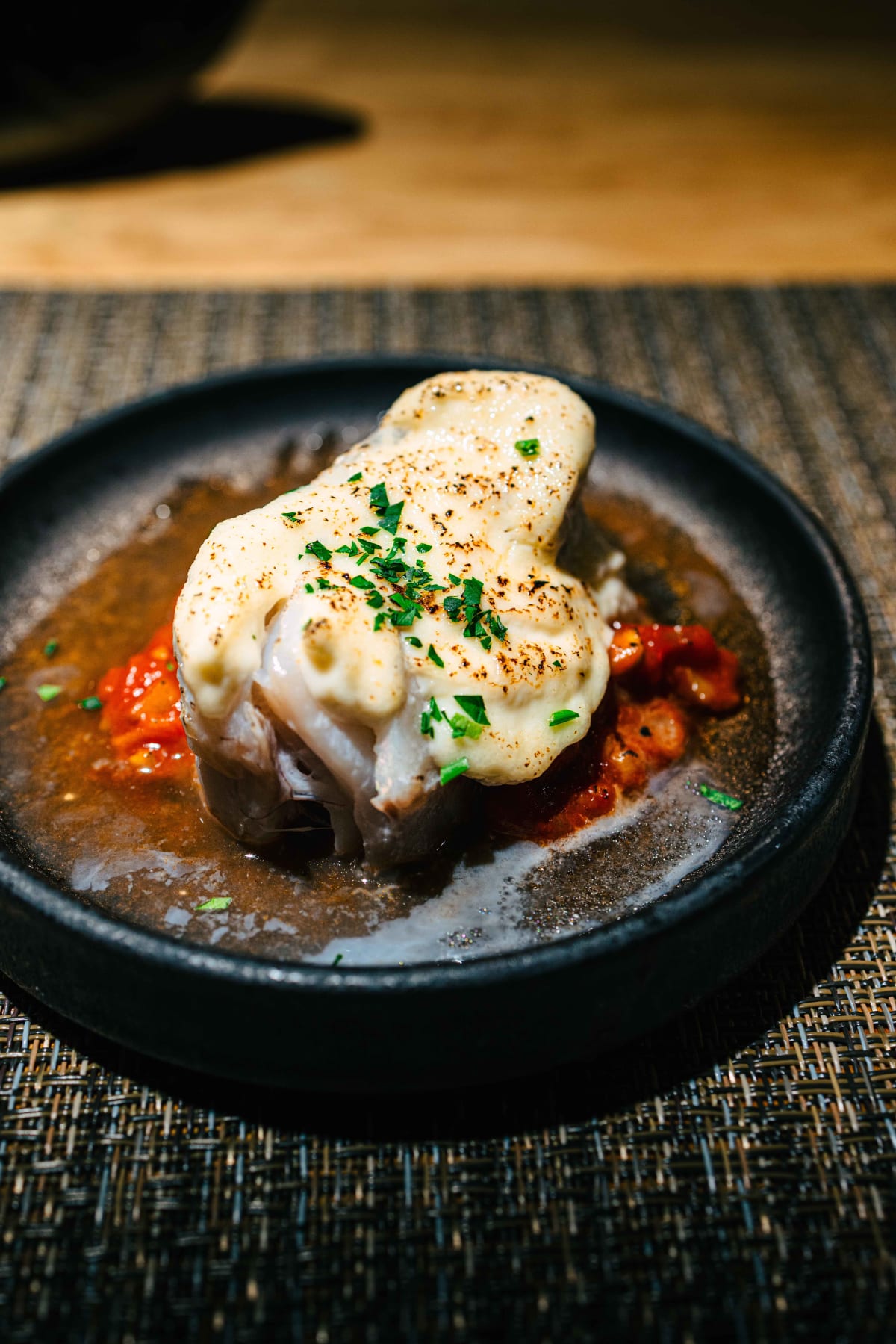
A thick piece of cod is covered with aioli made with honey, browned with a torch and set on a tomato sofrito in a rich sauce.
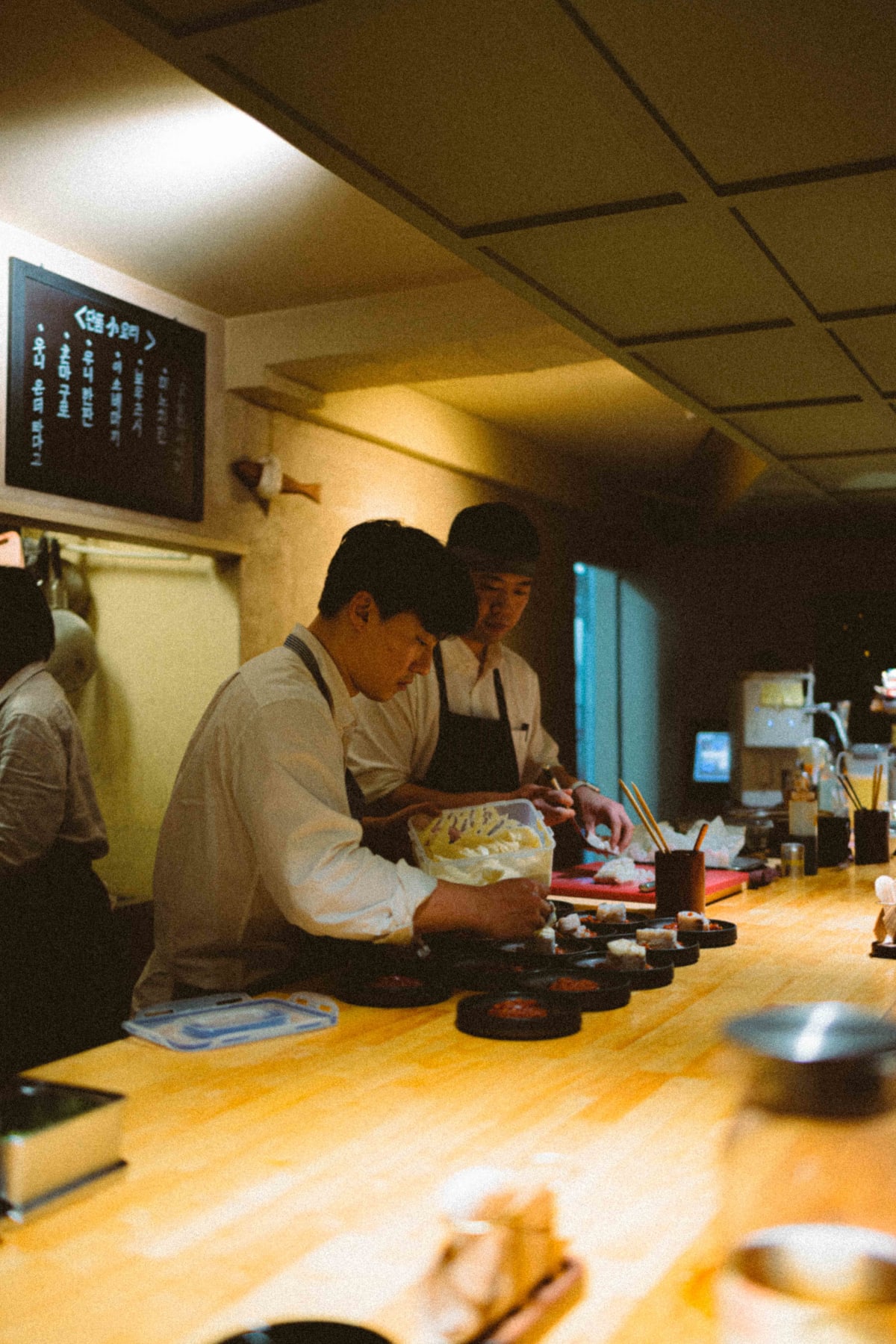
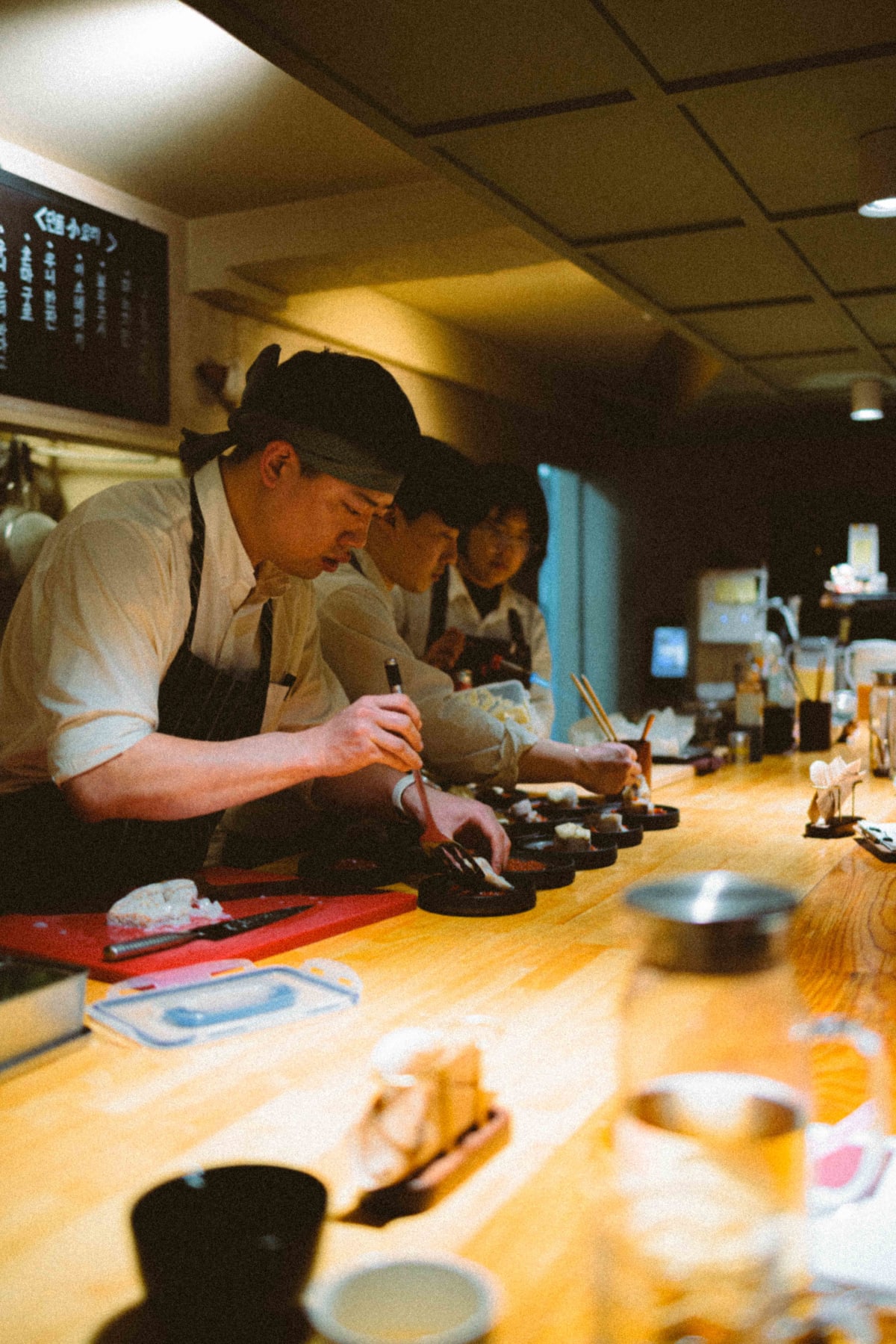
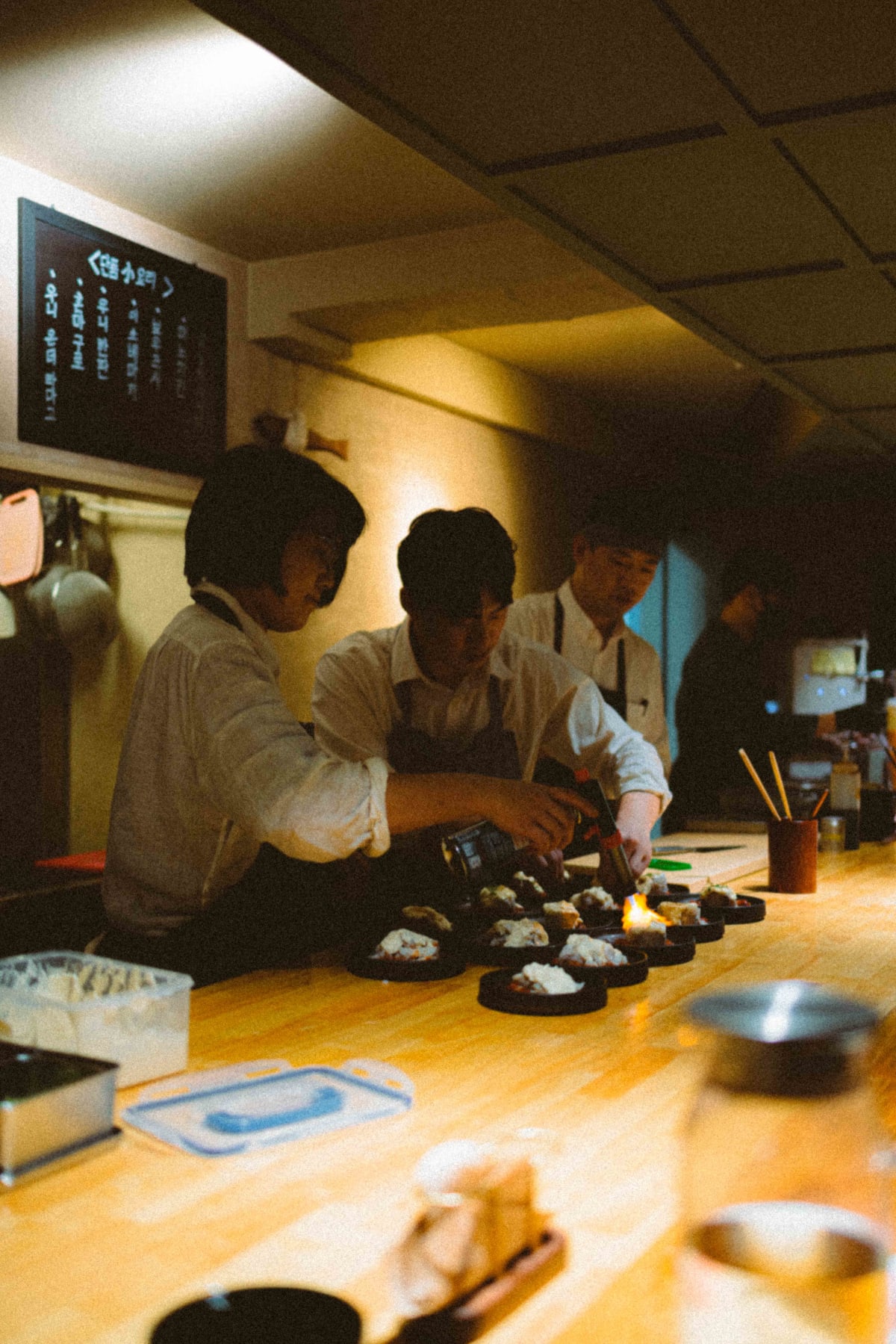
The pairing of cod and honey goes back a long way: there is a record of bacallà amb mel being made at the monastery of Poblet in Catalonia in 1640. It struck me as a strength, the sign of a cook who works across many genres.
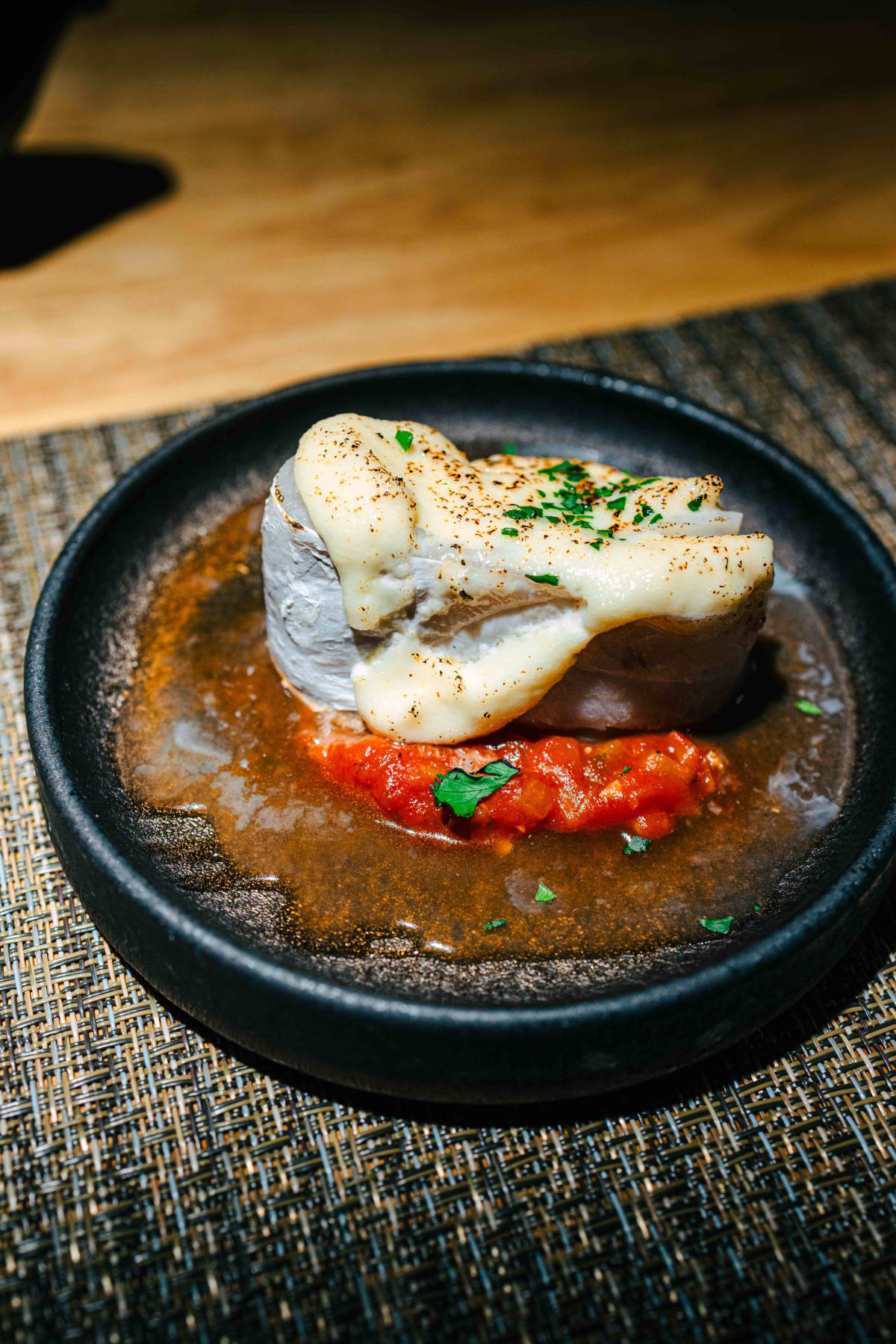
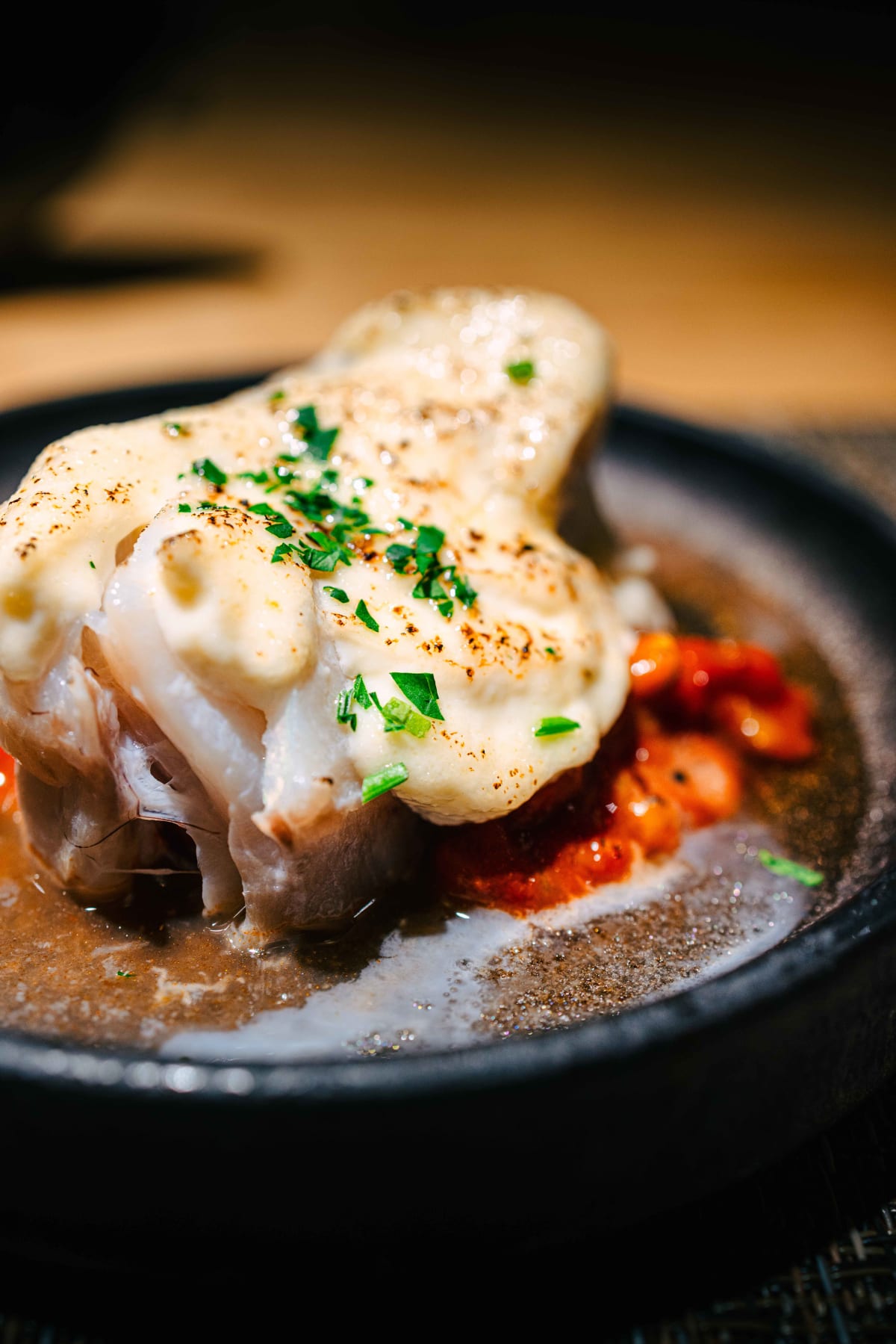
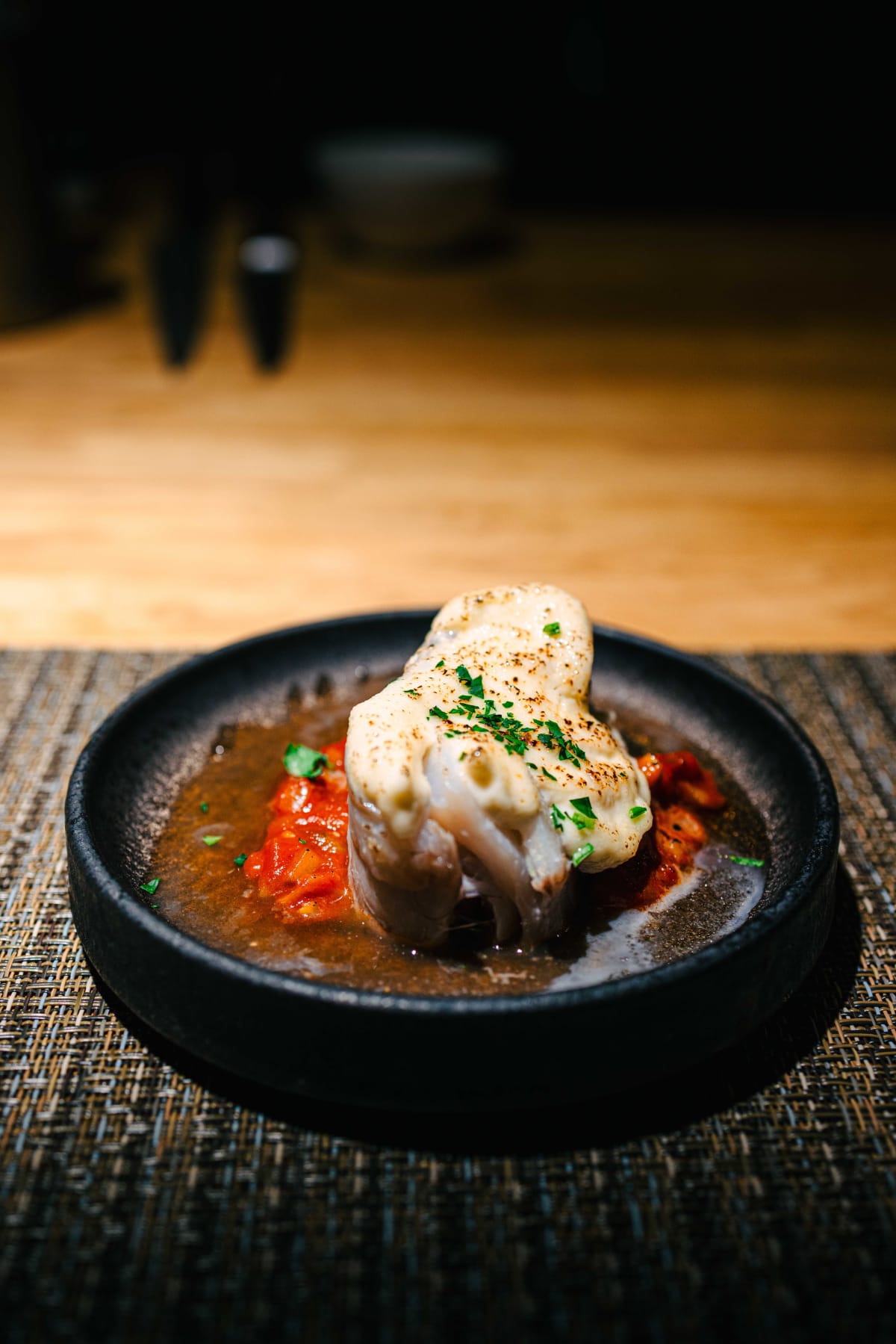
The honey cod did have too much liquid pooled underneath it. The low temperature I mentioned earlier also left something to be desired.
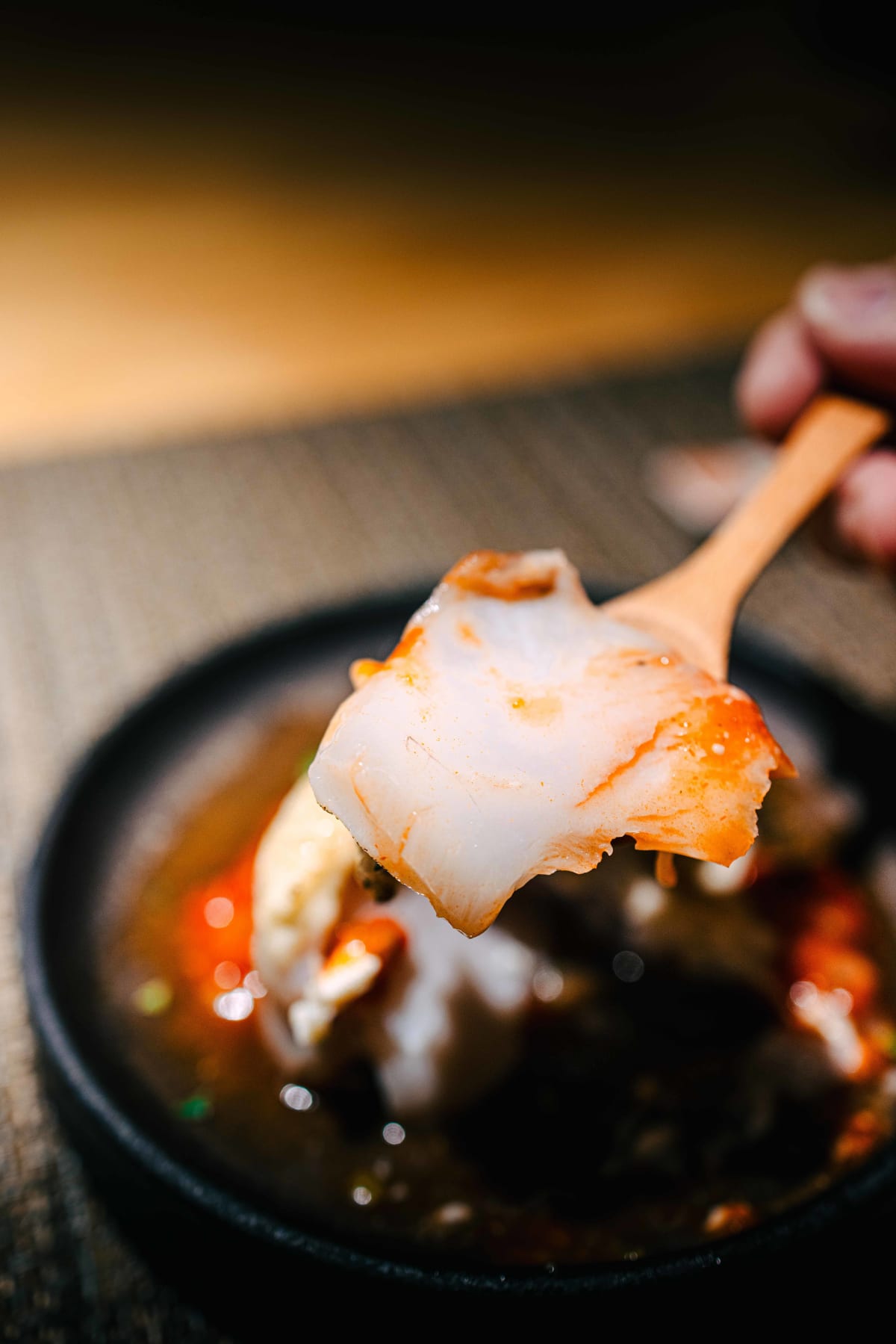
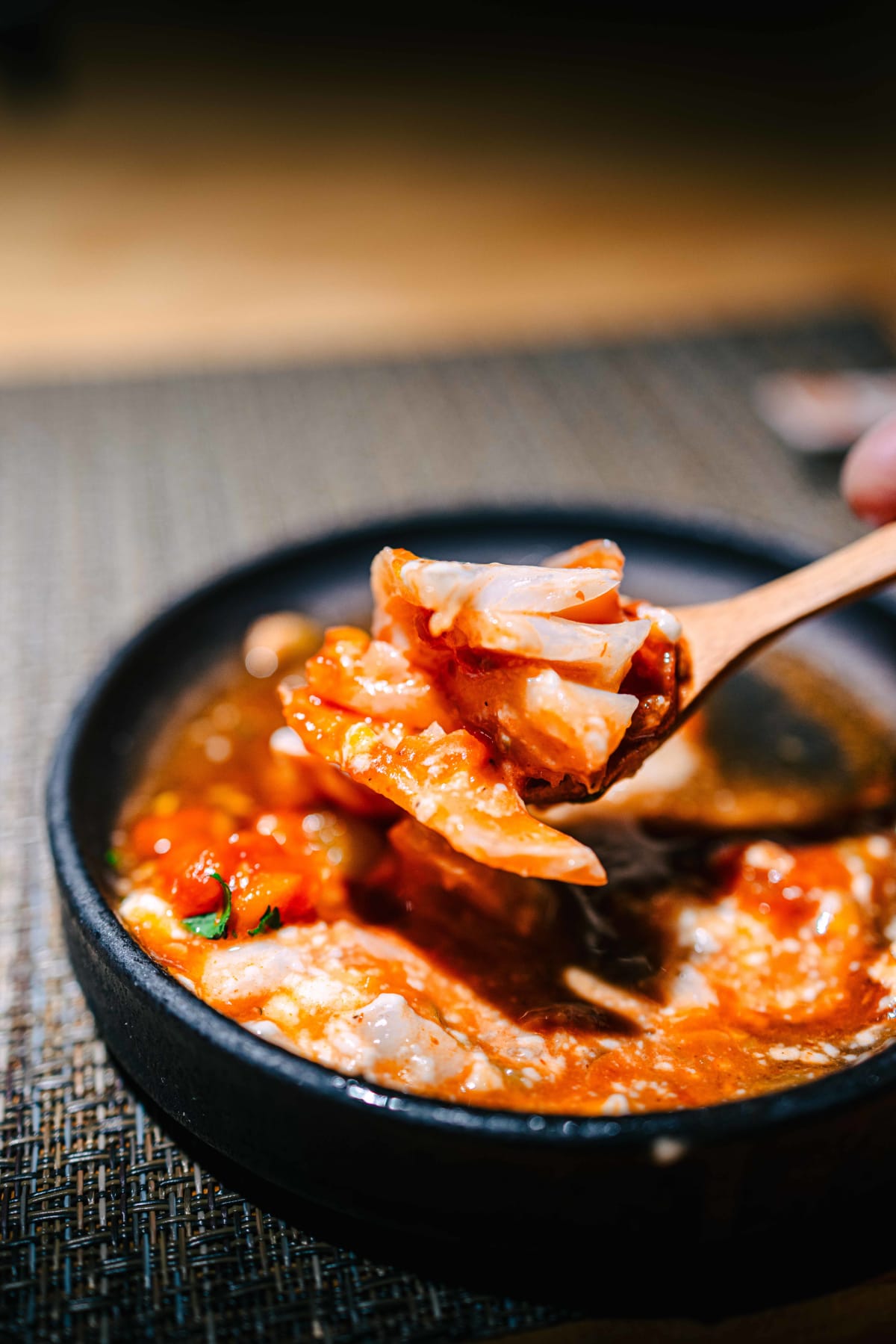
Personally, I do not think sweetness and the flavour of fish go together, so although I like Spanish food, honey cod is not a dish I care for. Even with my own taste set aside, Sikdang Minhong's honey cod had its weak points. The second dish that impressed me beyond taste comes later.
Section 9·Duck And Mino Chicken
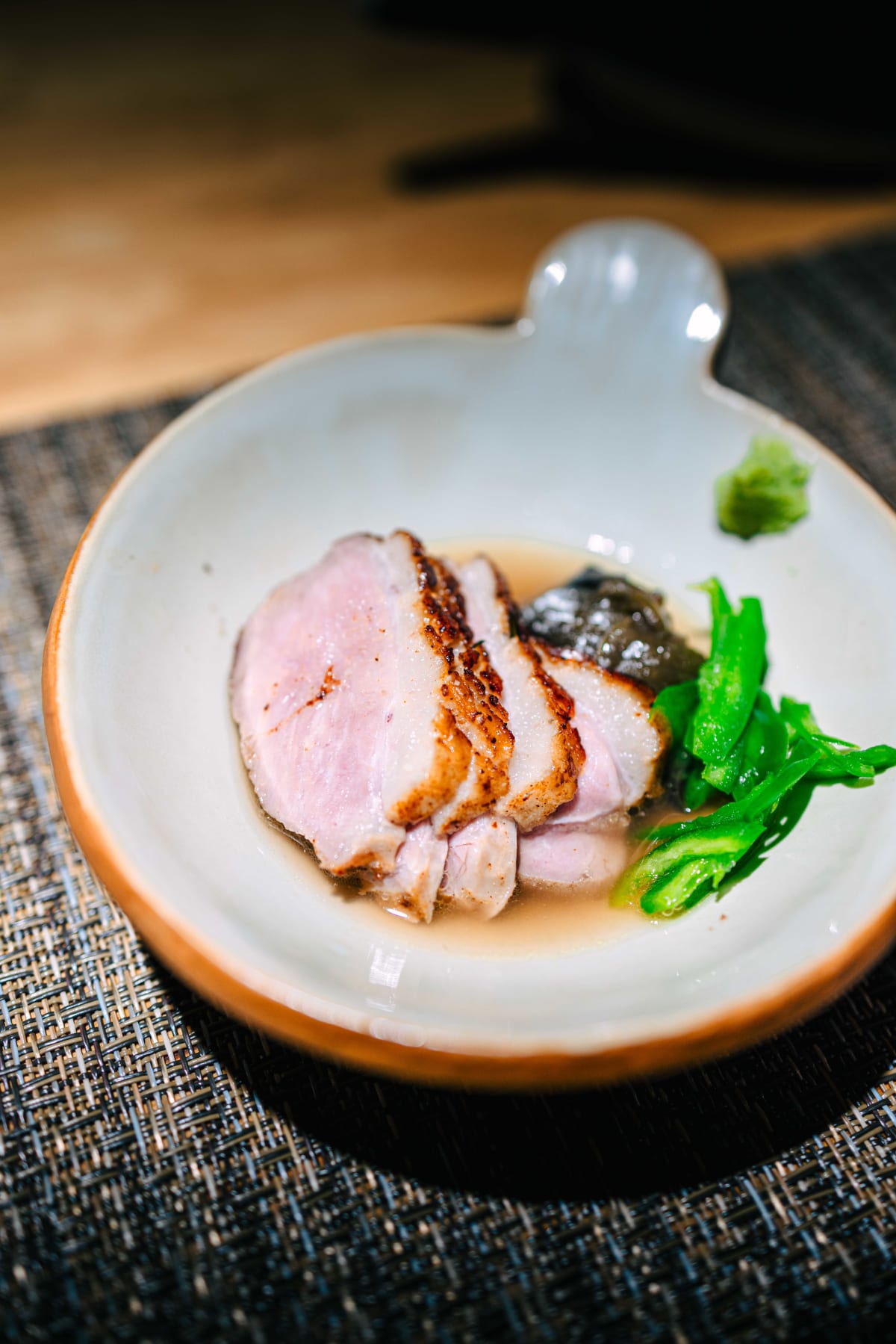
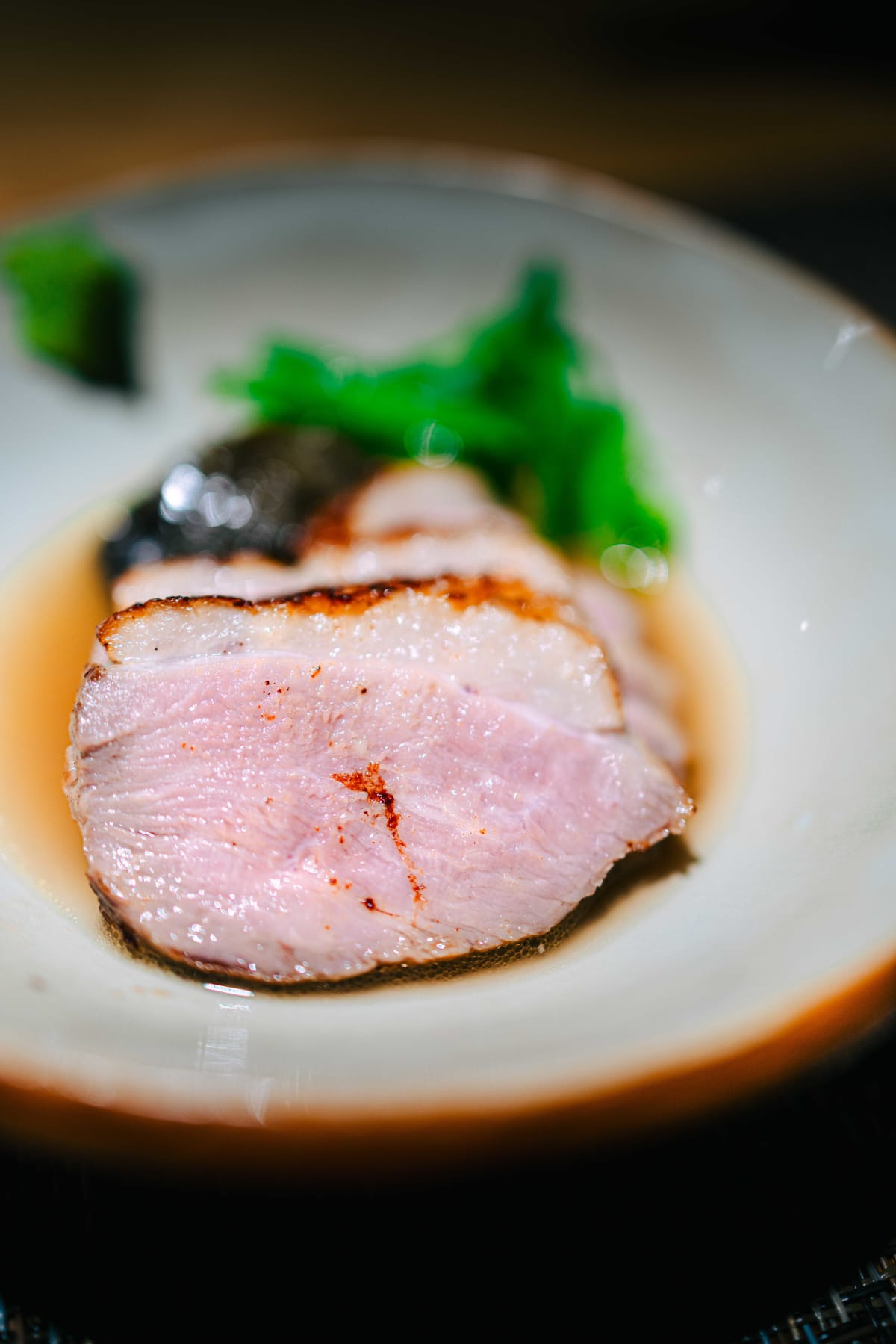
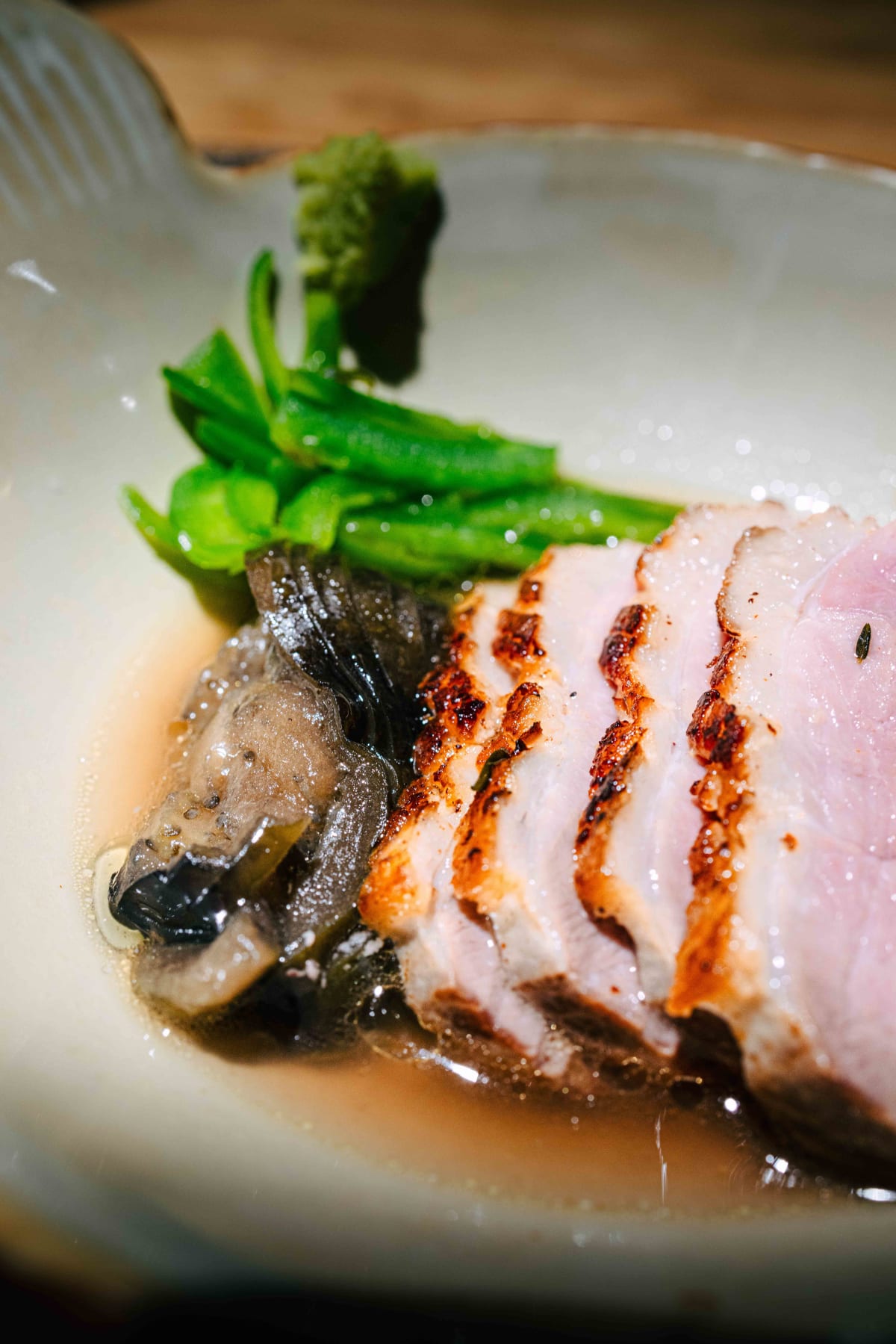
The second dish I loved for its flavour was the sixth course, the meat dish: duck breast. The skin was scored in a lattice and the breast roasted with thyme on top.
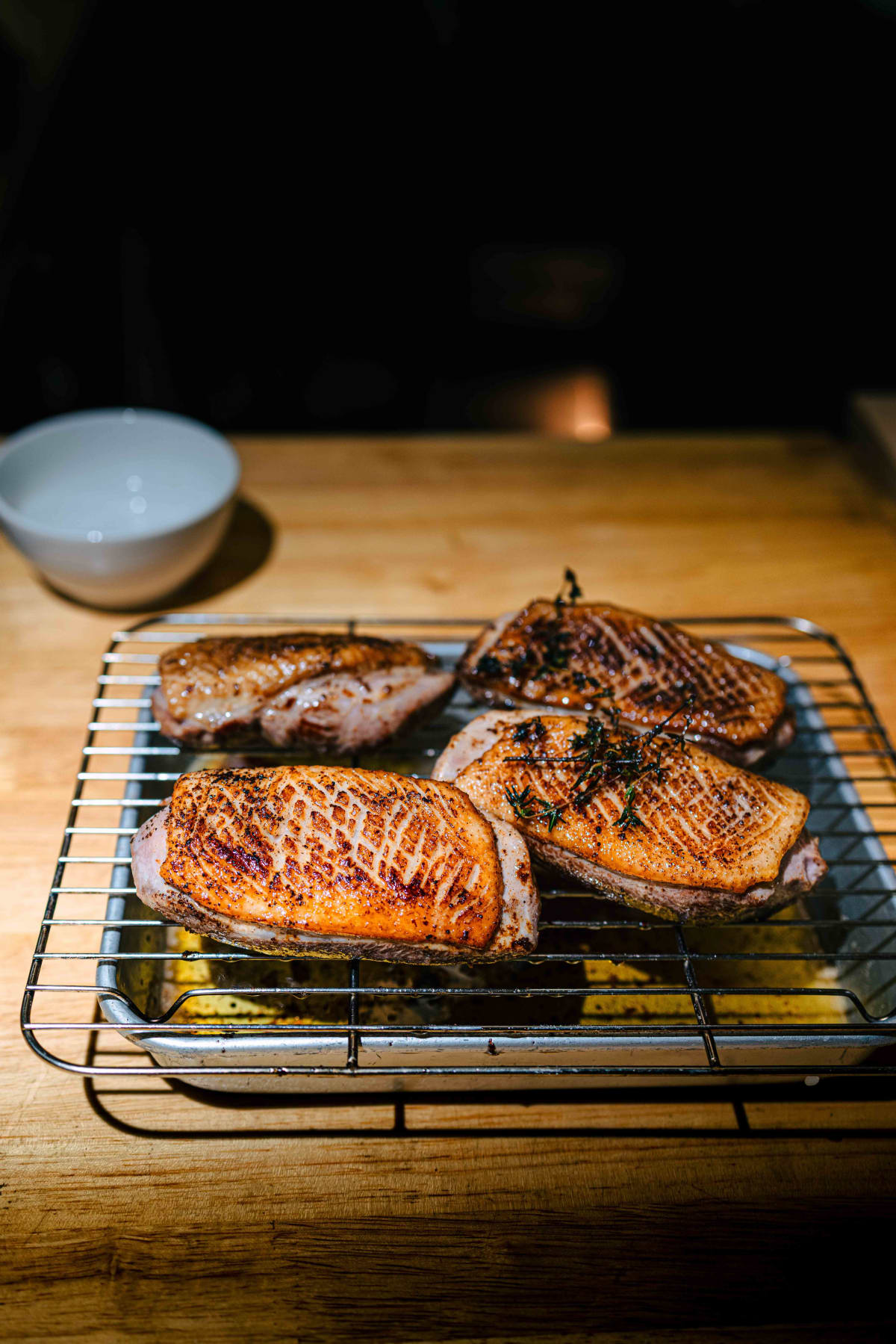
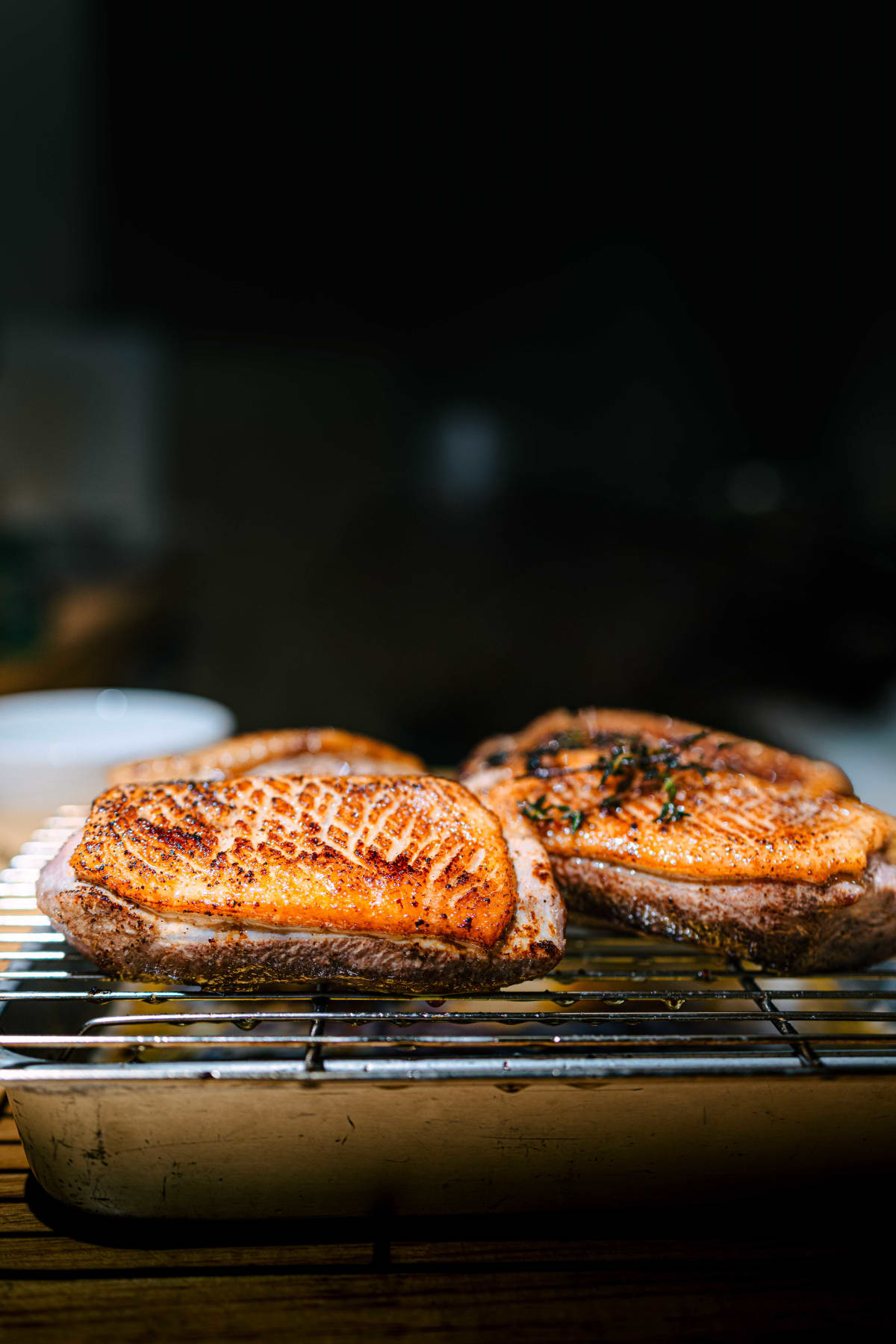
It was then sliced and served in a clear broth with aubergine, green pepper and wasabi.
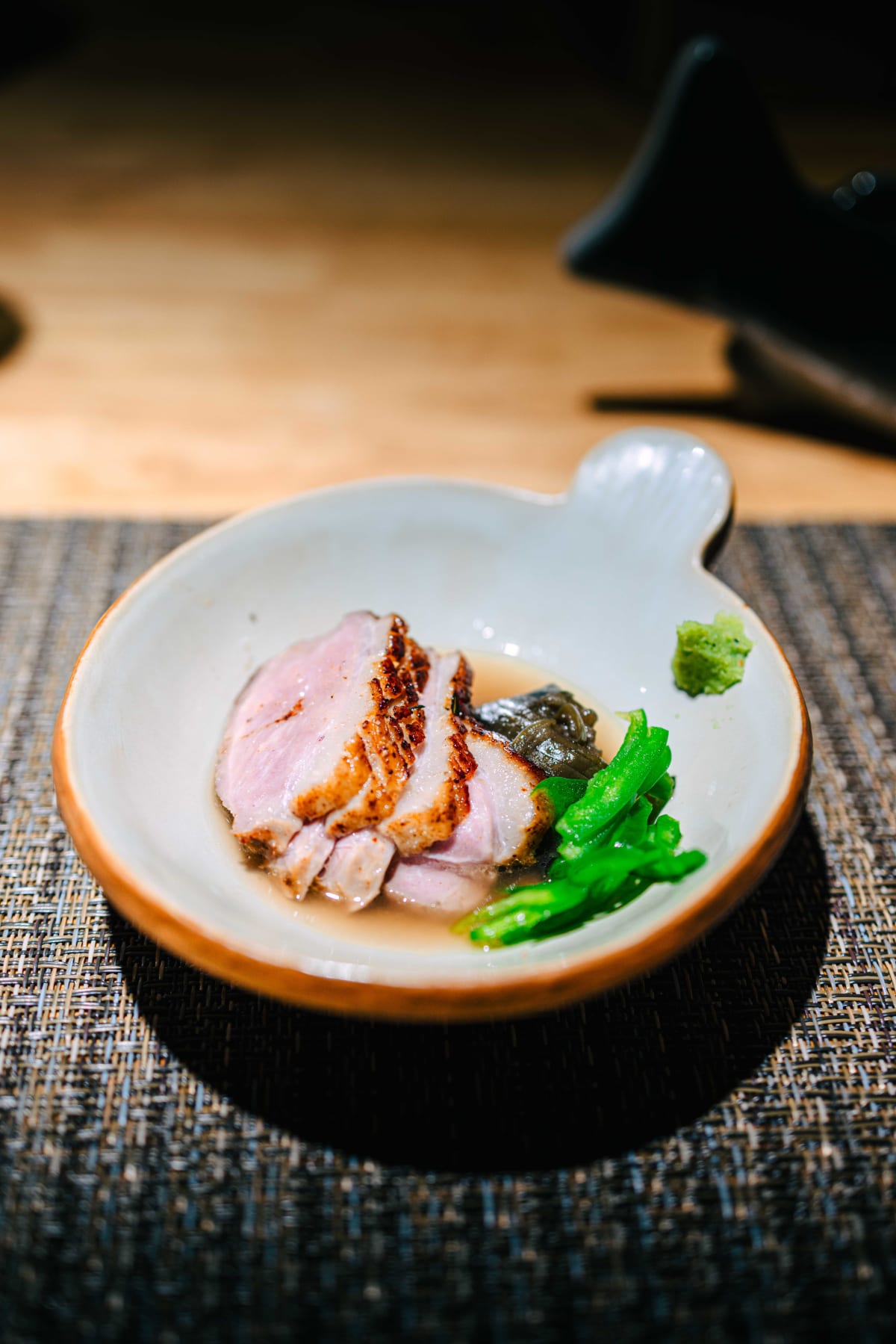
Eaten together with the aubergine, green pepper and wasabi that came alongside, it drew out only the best of each, and the combination was excellent.
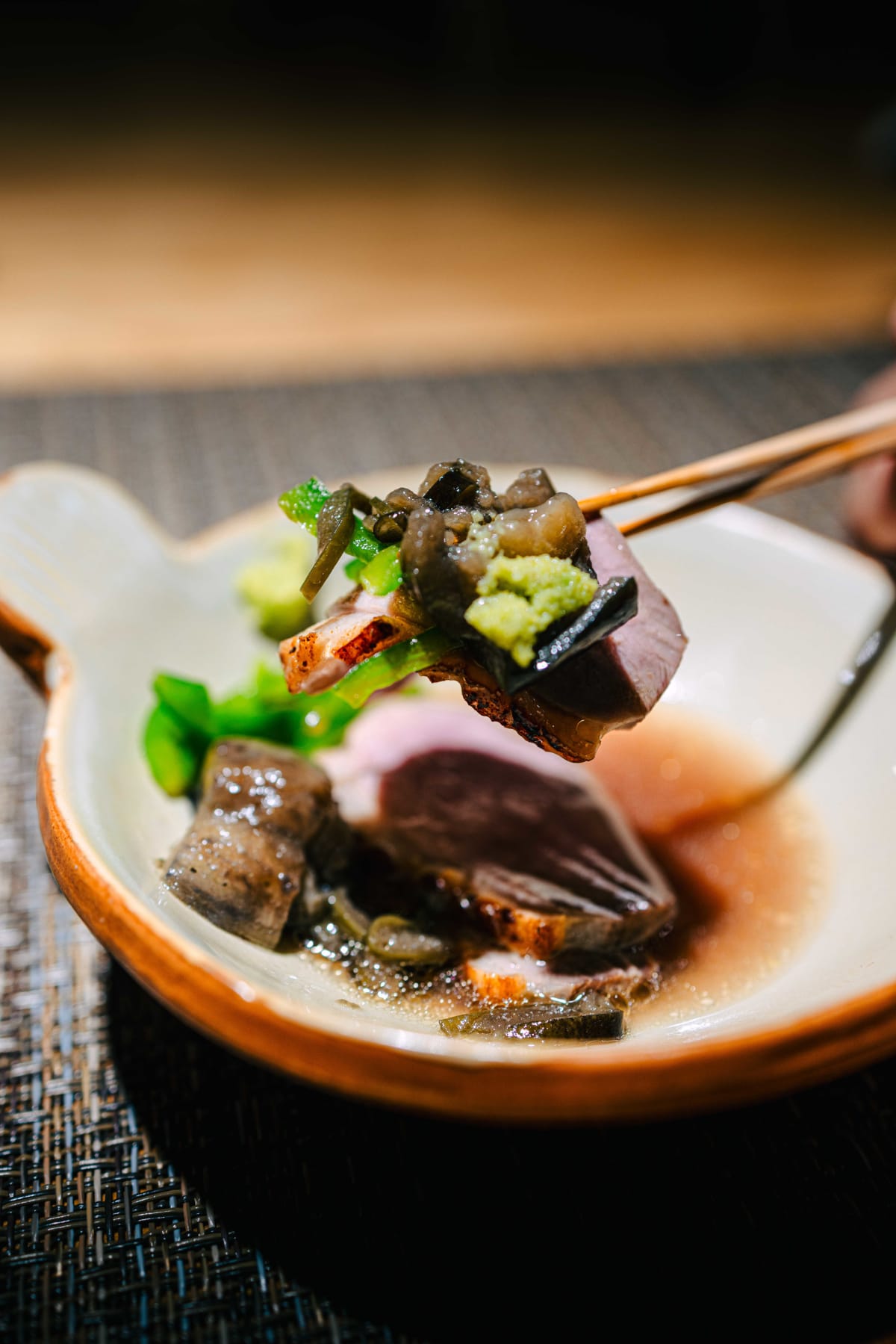
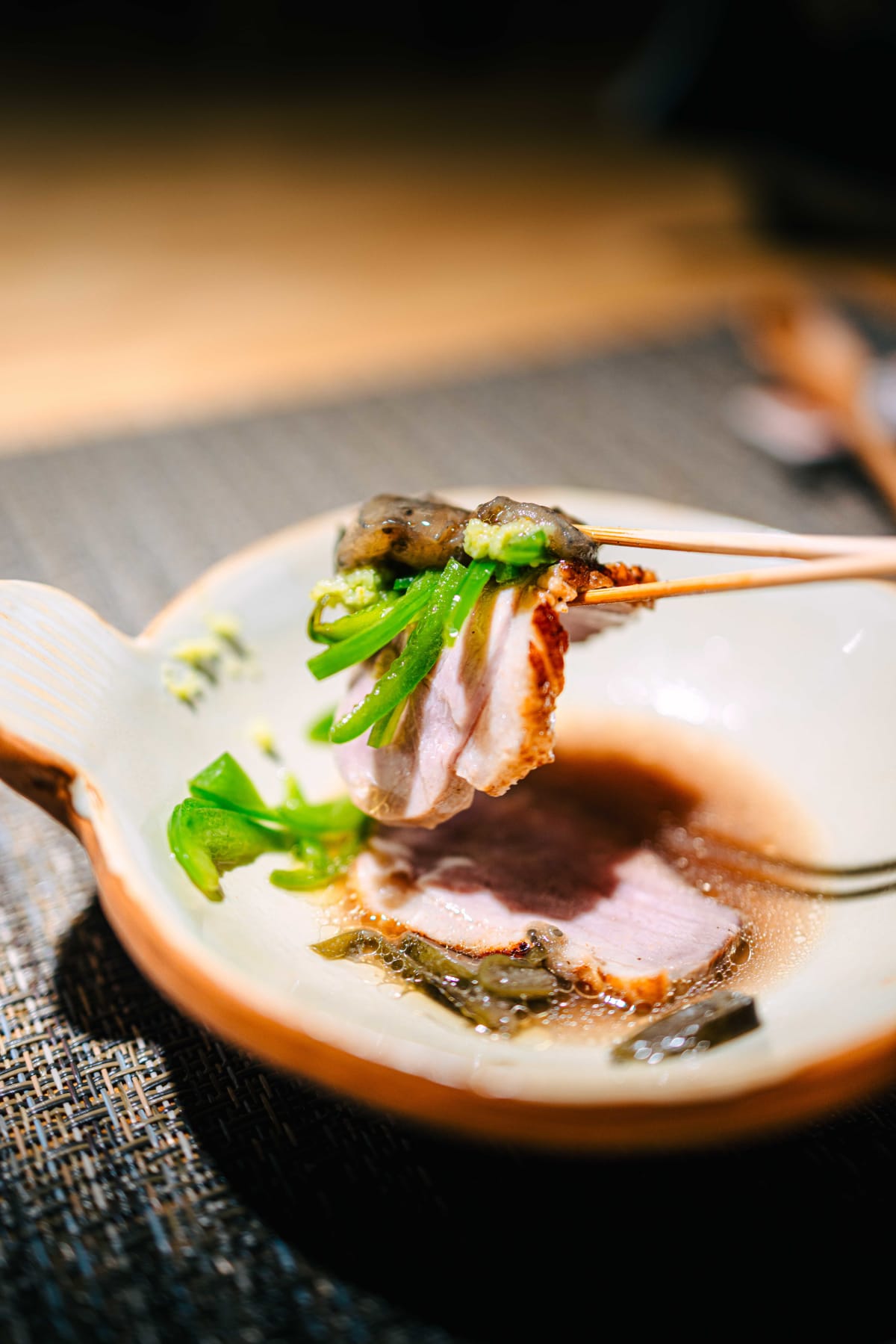
This duck, too, was a little low in temperature. The flavour itself was superb, but it fell just short of perfect.
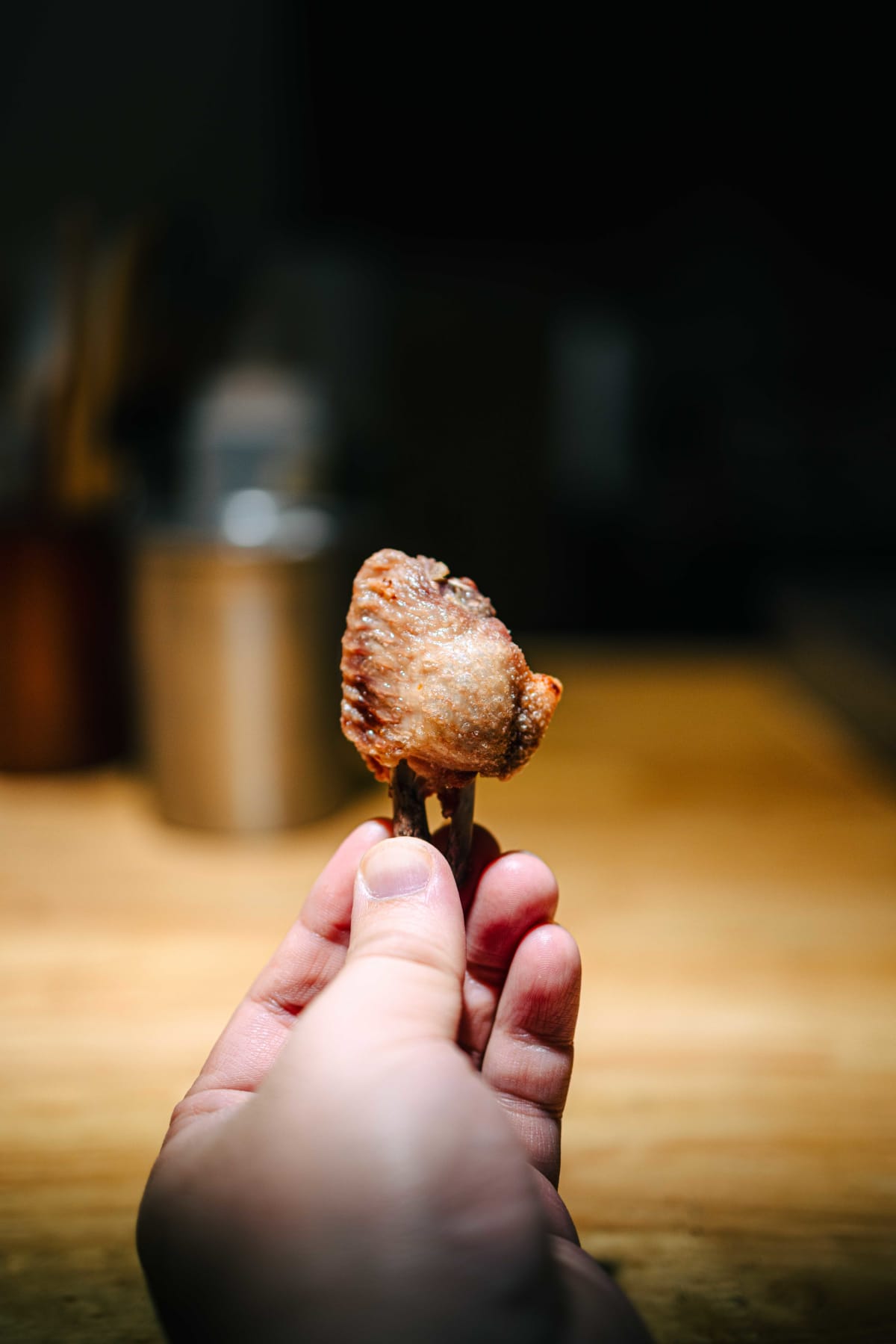
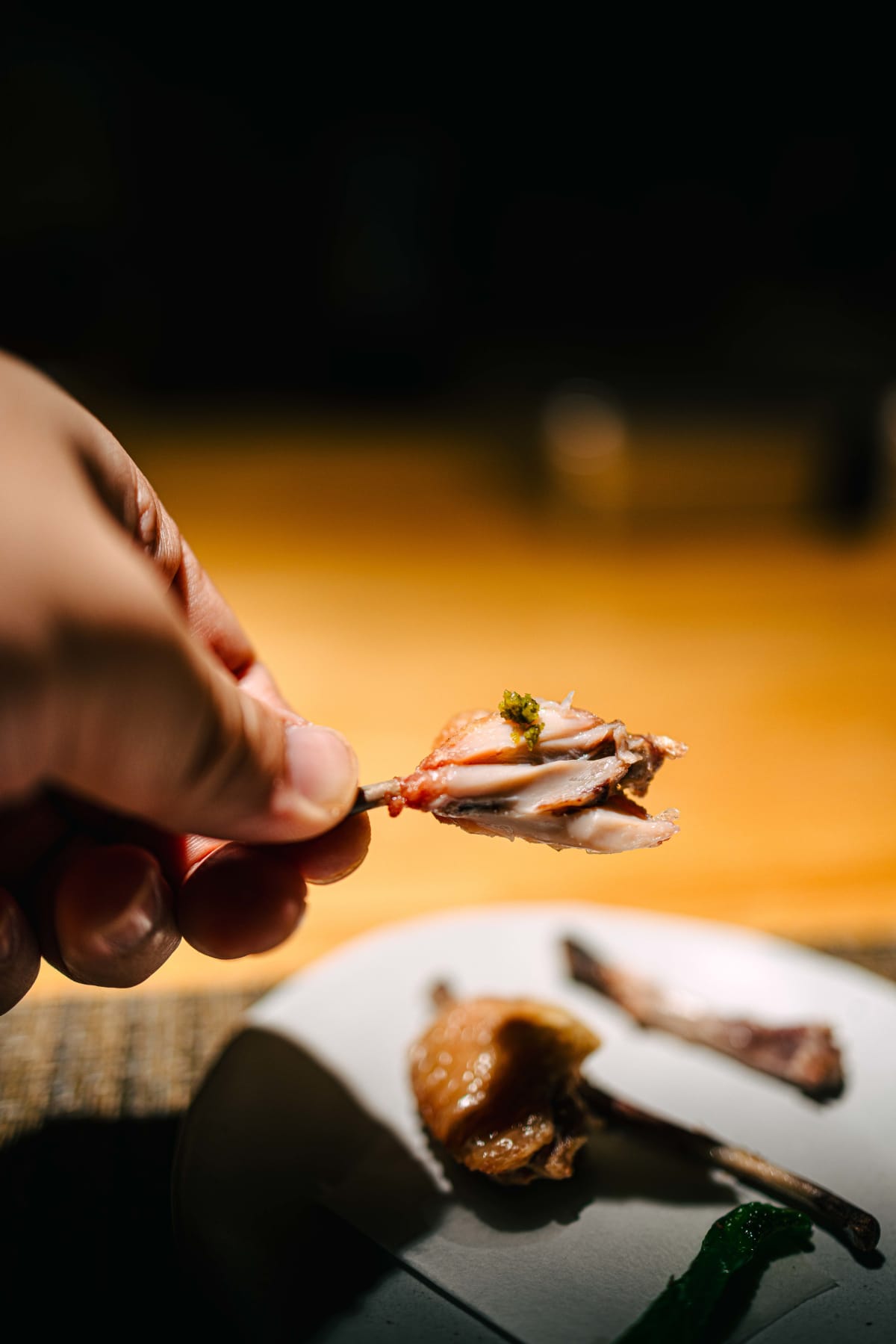
The seventh course was Mino Chicken. It is the house's signature à la carte dish, listed on the menu as Sikdang Minhong's handmade chicken wings, and Mino is said to come from Minhong. In the course, two pieces of chicken wing came with fried shishito peppers and yuzu kosho.
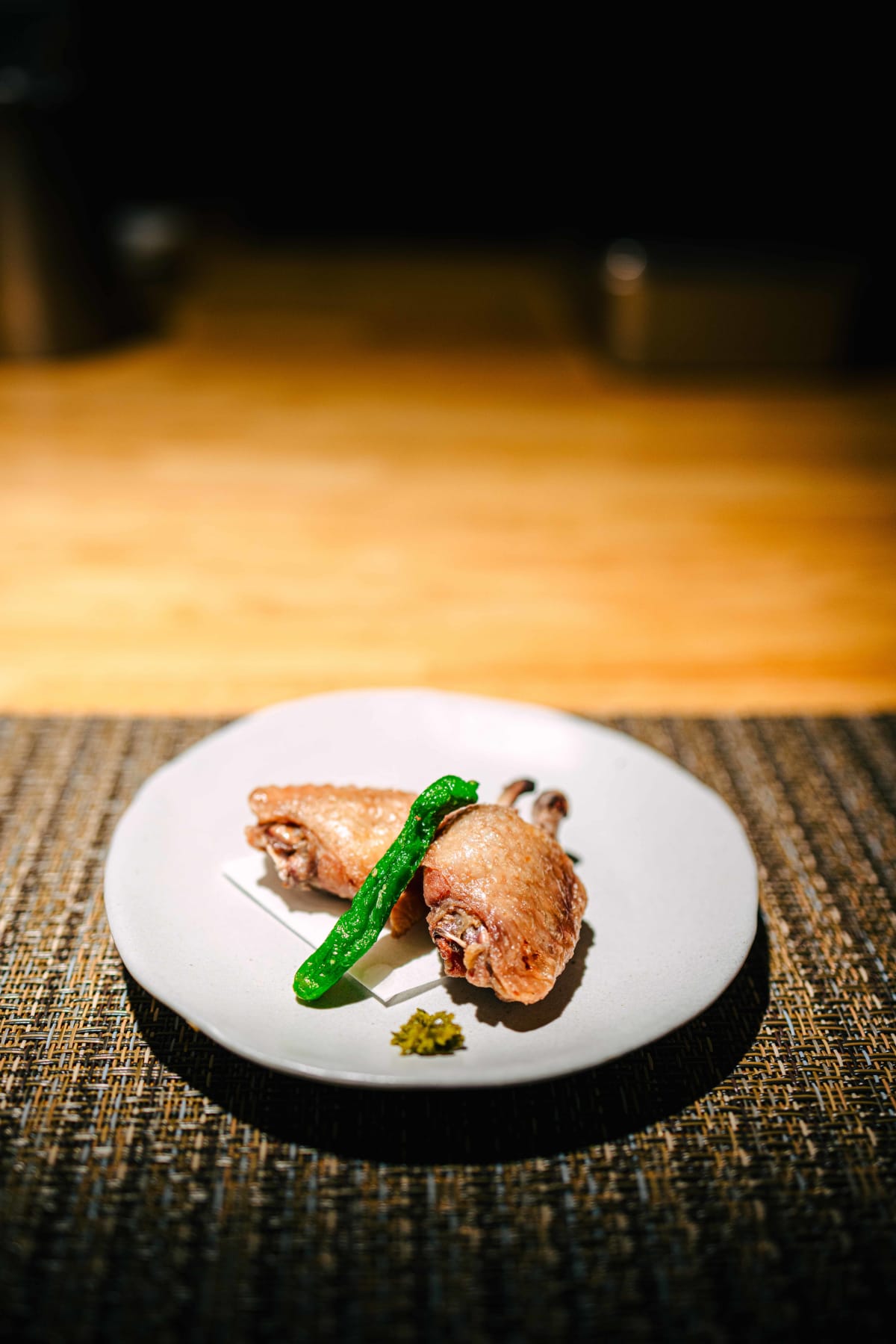
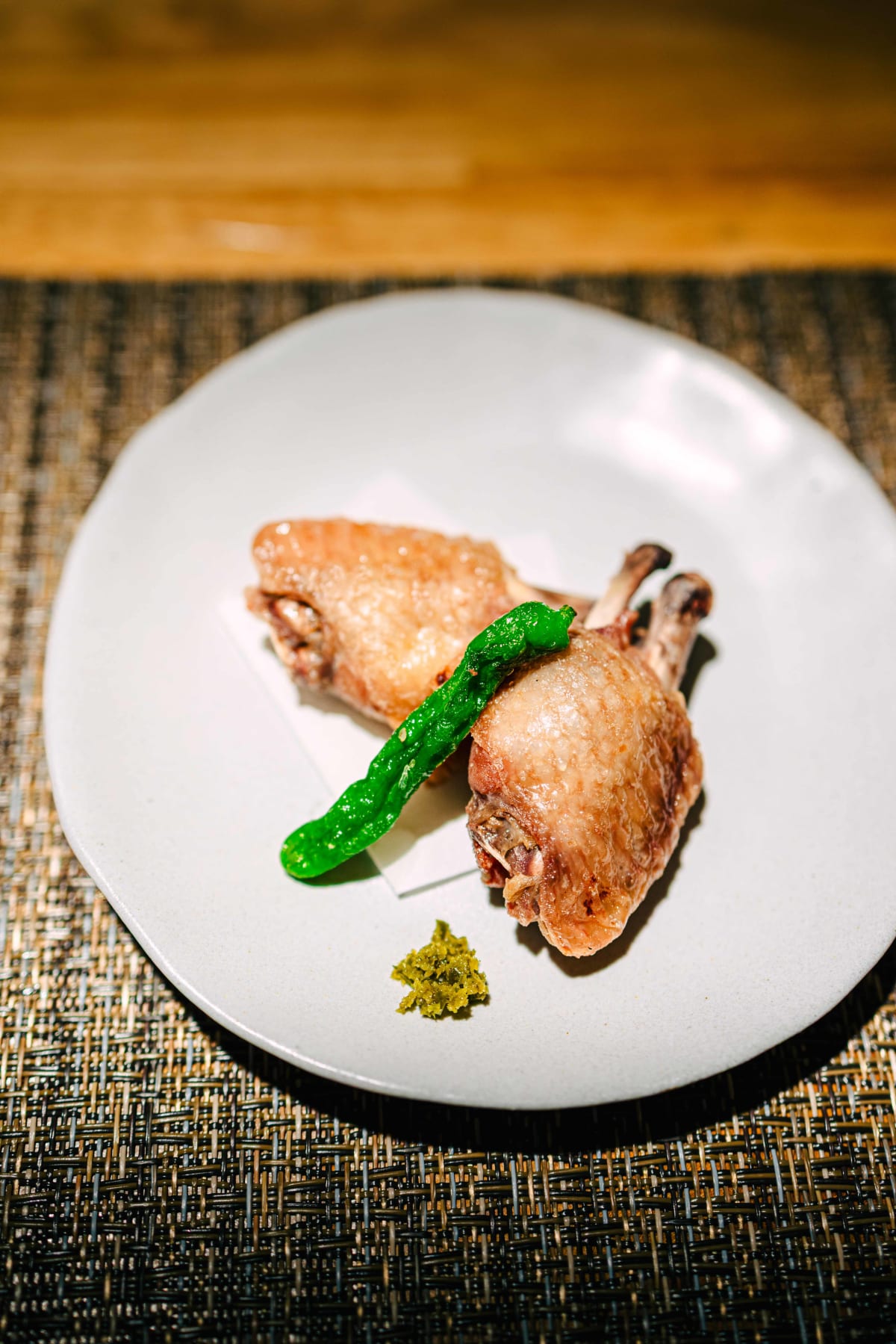
The wings had a good spring to them and were well cooked. On top of that, the shishito and yuzu kosho balanced the taste of the chicken and erased any blandness, lifting the dish further.
Section 10·Shiraae, Ankimo And The Rice Course
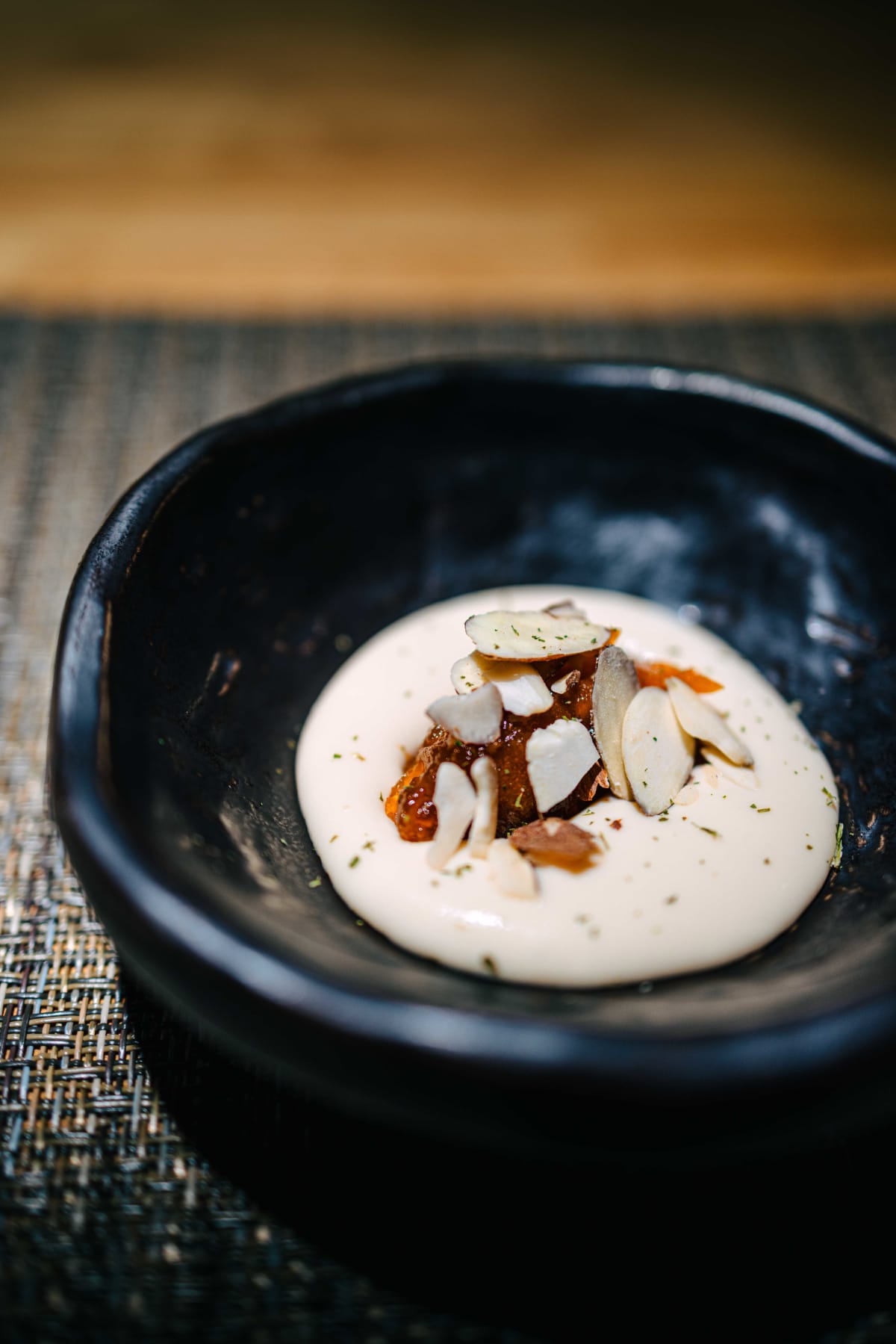
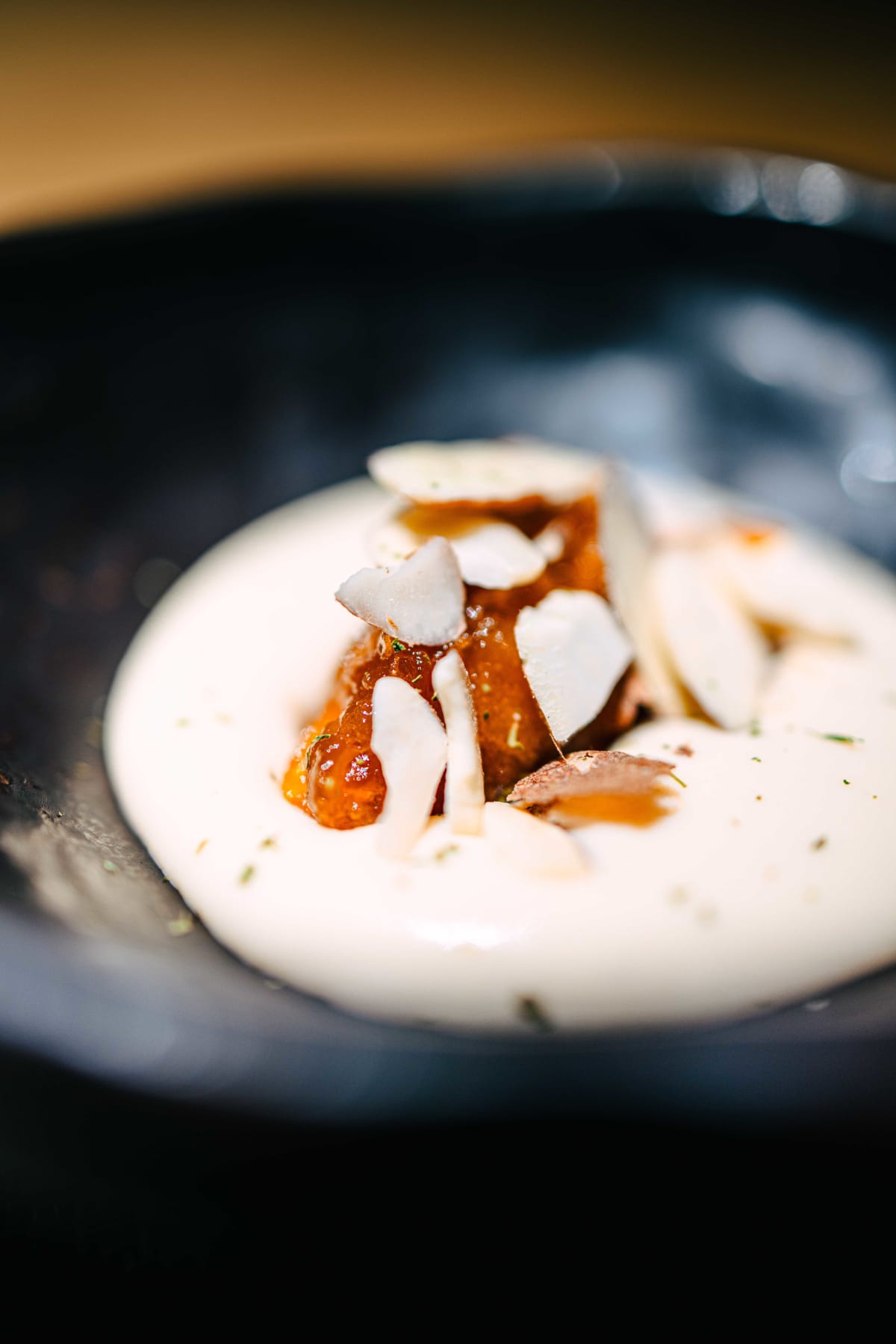
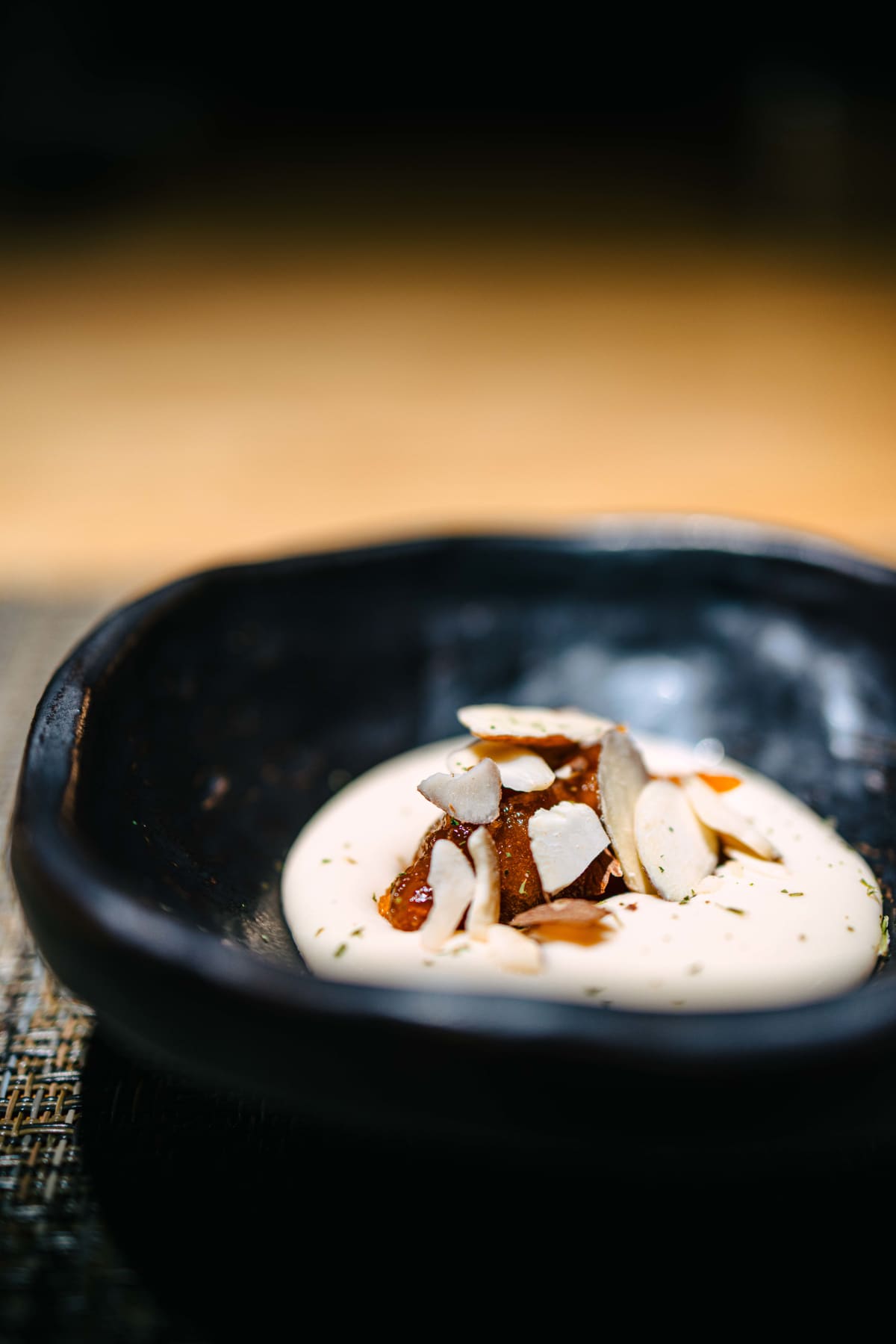
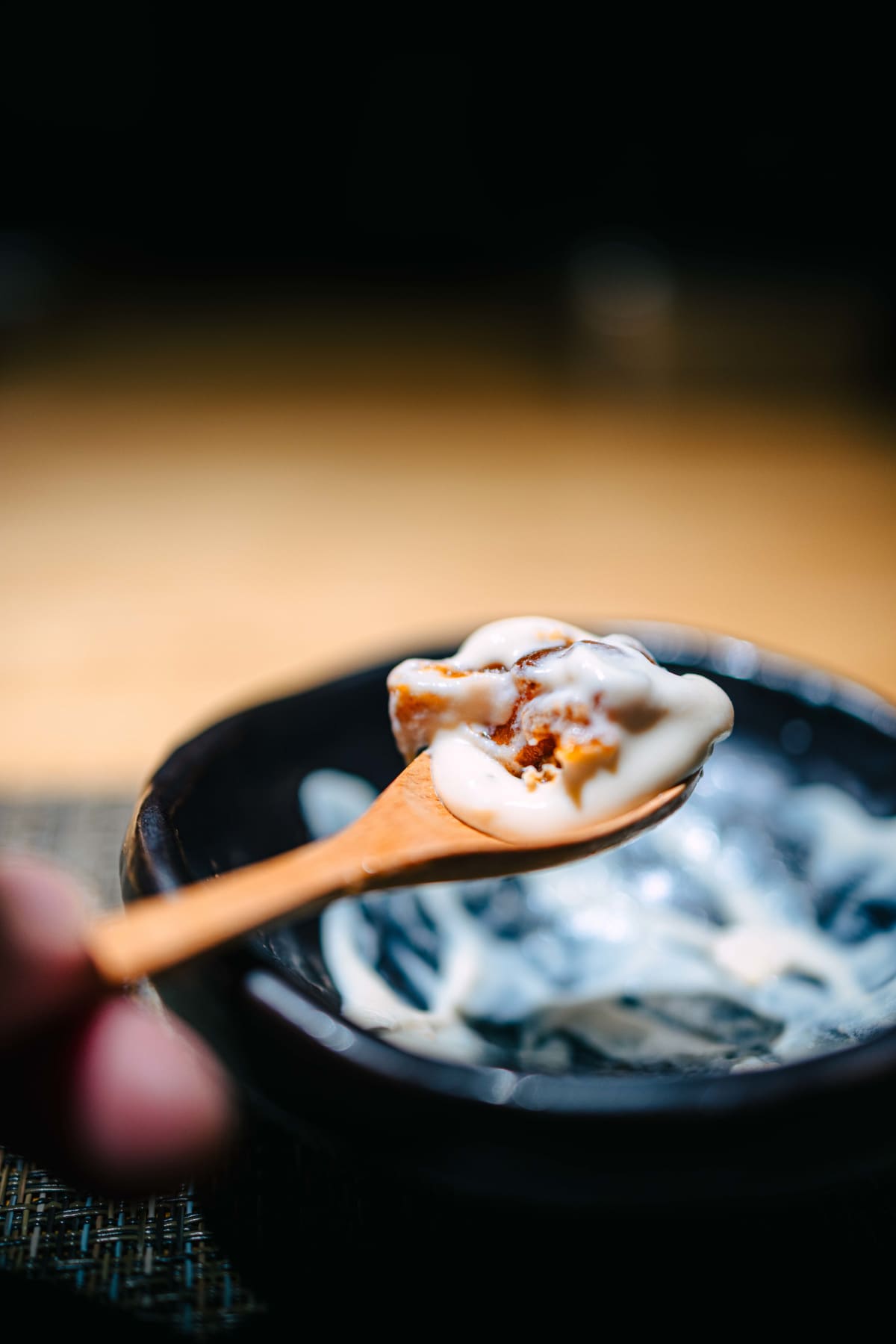
Then the shiraae. Traditionally, shiraae (白和え) is a side dish of vegetables or konnyaku dressed in tofu that has been mashed and seasoned with sesame and the like, but here, as the menu describes it, it is served as a tofu dessert with seasonal fruit.
That day, dried persimmon and flaked almonds sat on a smooth tofu cream.
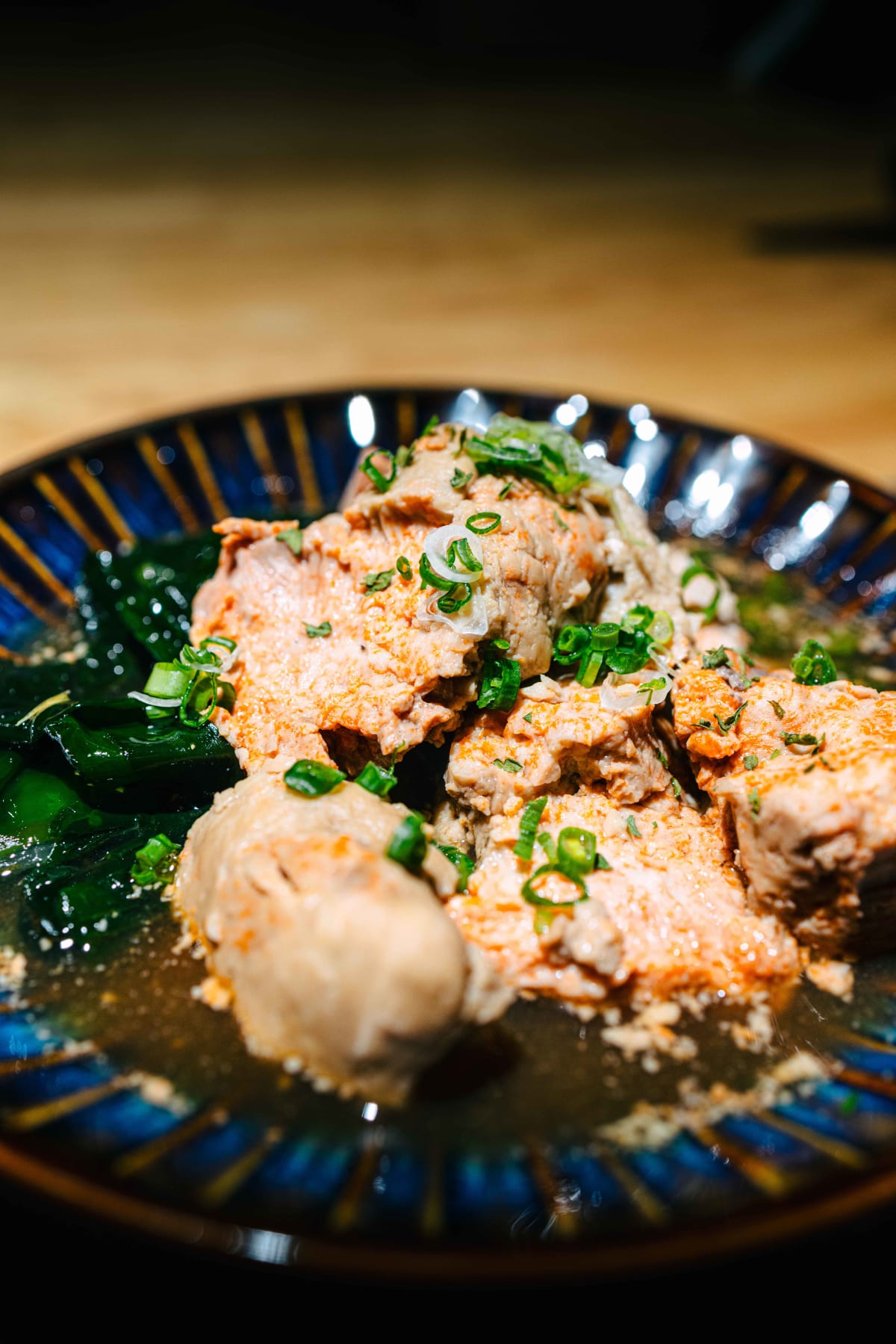
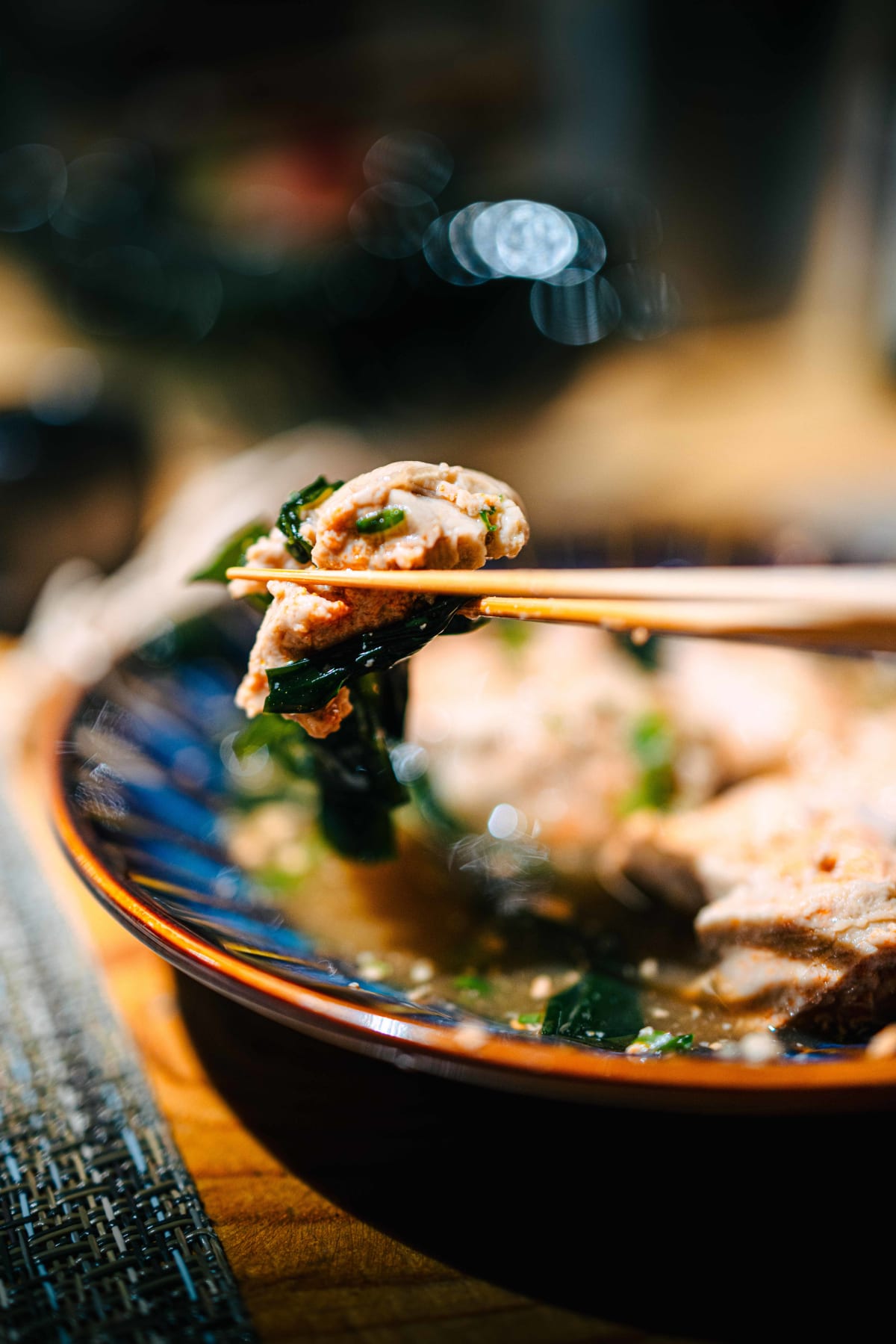
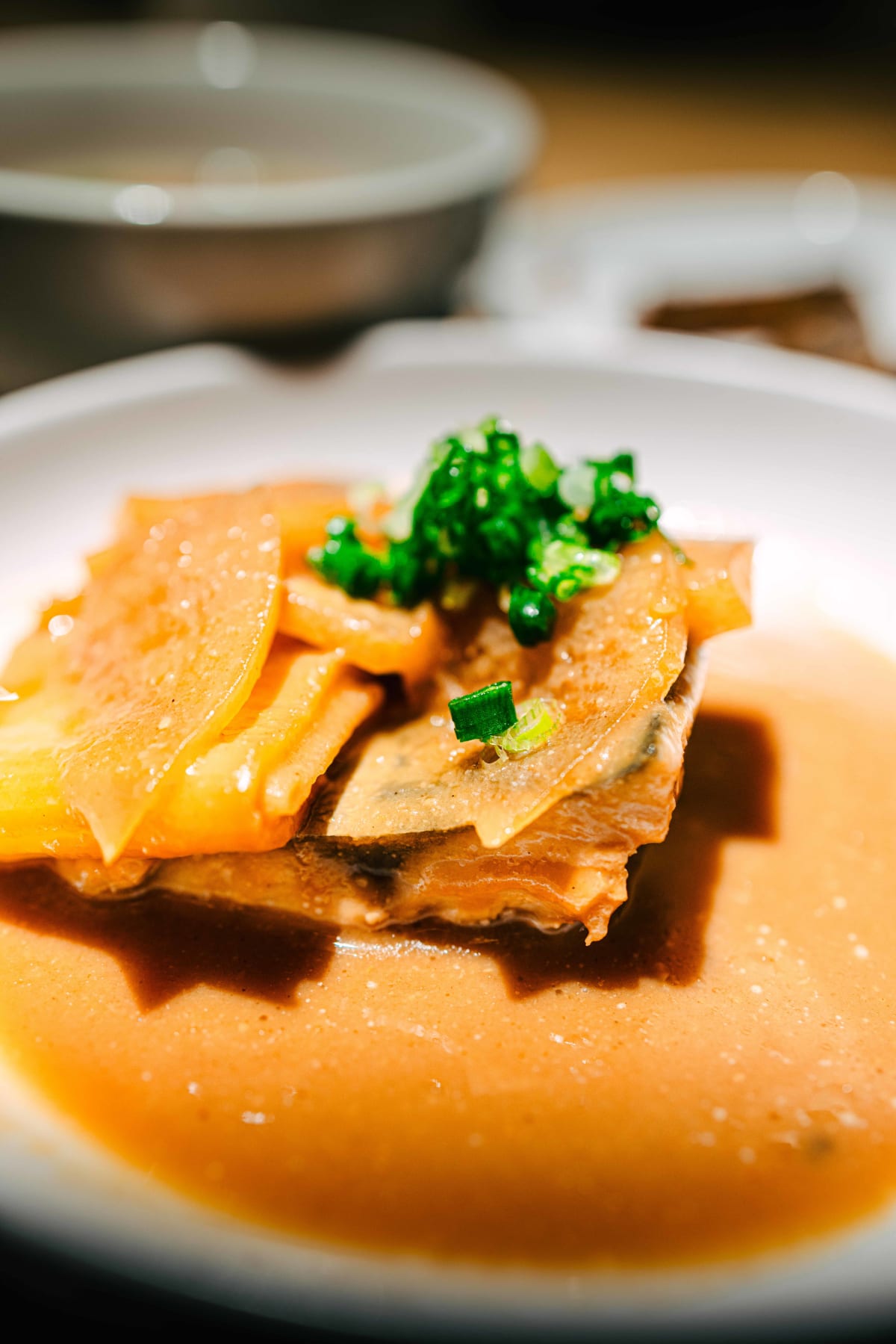
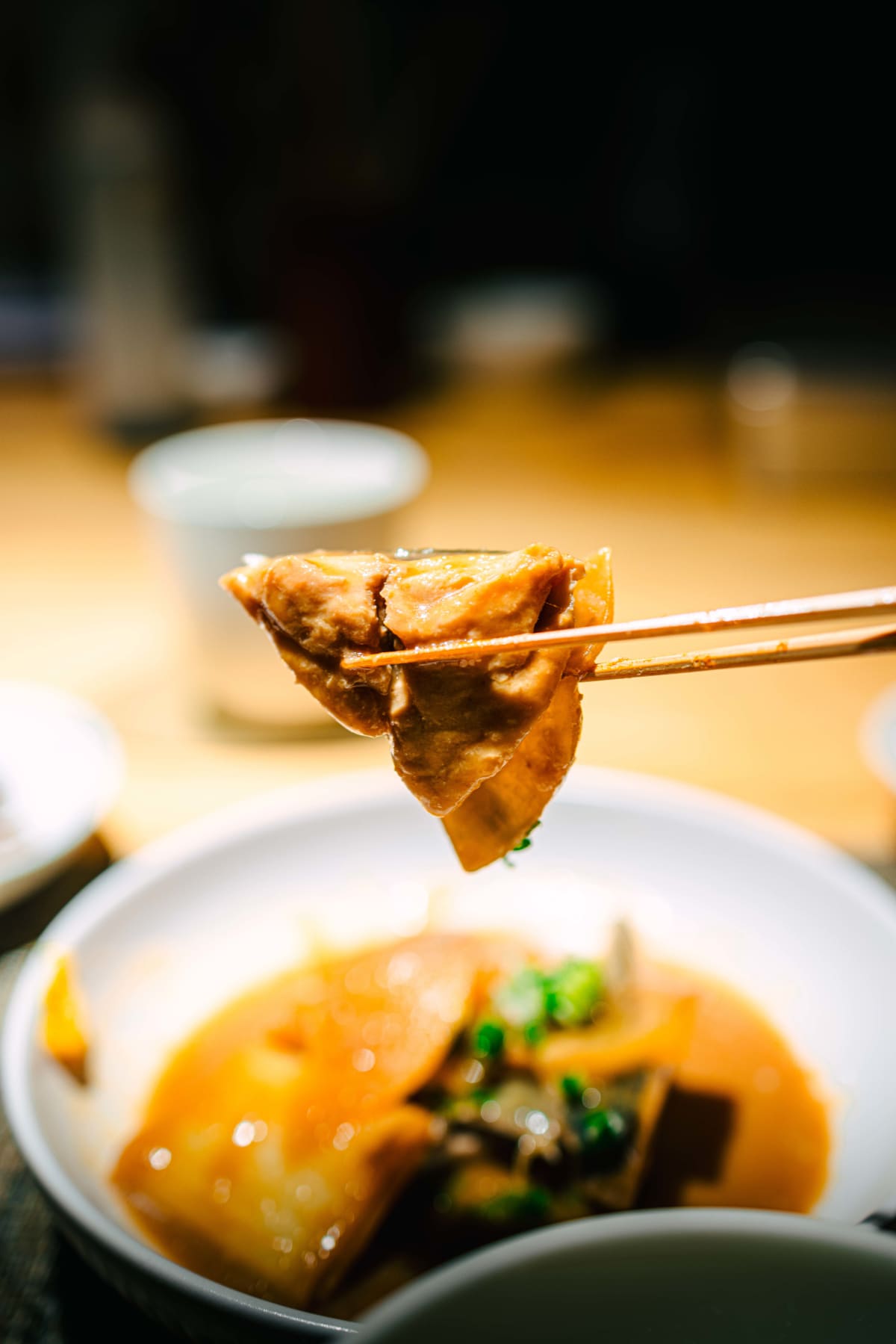
Near the end of the course, I ordered one last dish à la carte, the simmered ankimo from the day's osusume on the chalkboard, and it was delicious.
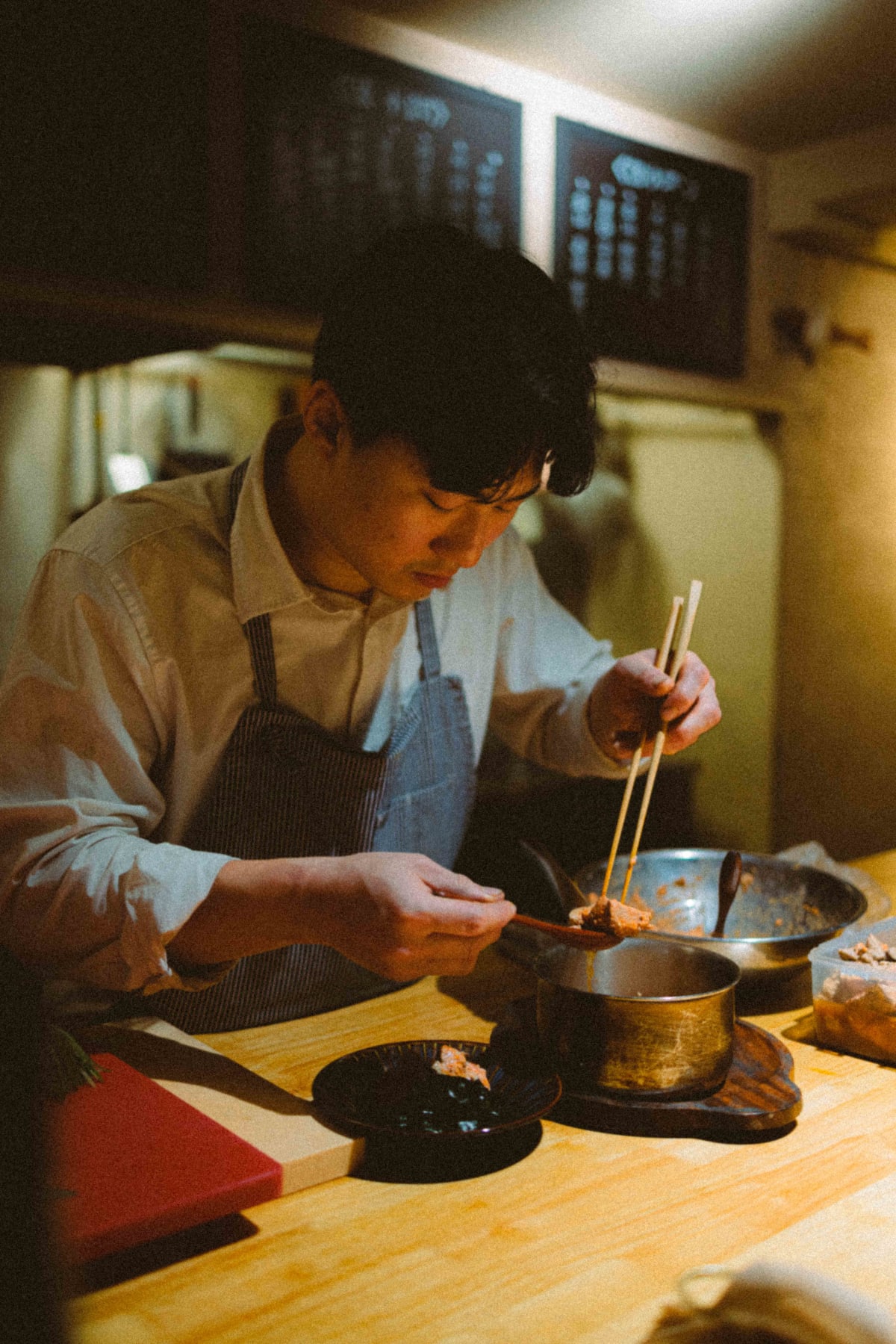
It came with wakame and spring onion, and rather than a neat little portion of the kind a high-end Japanese restaurant would serve, the monkfish liver came in whole chunks, with nothing held back.
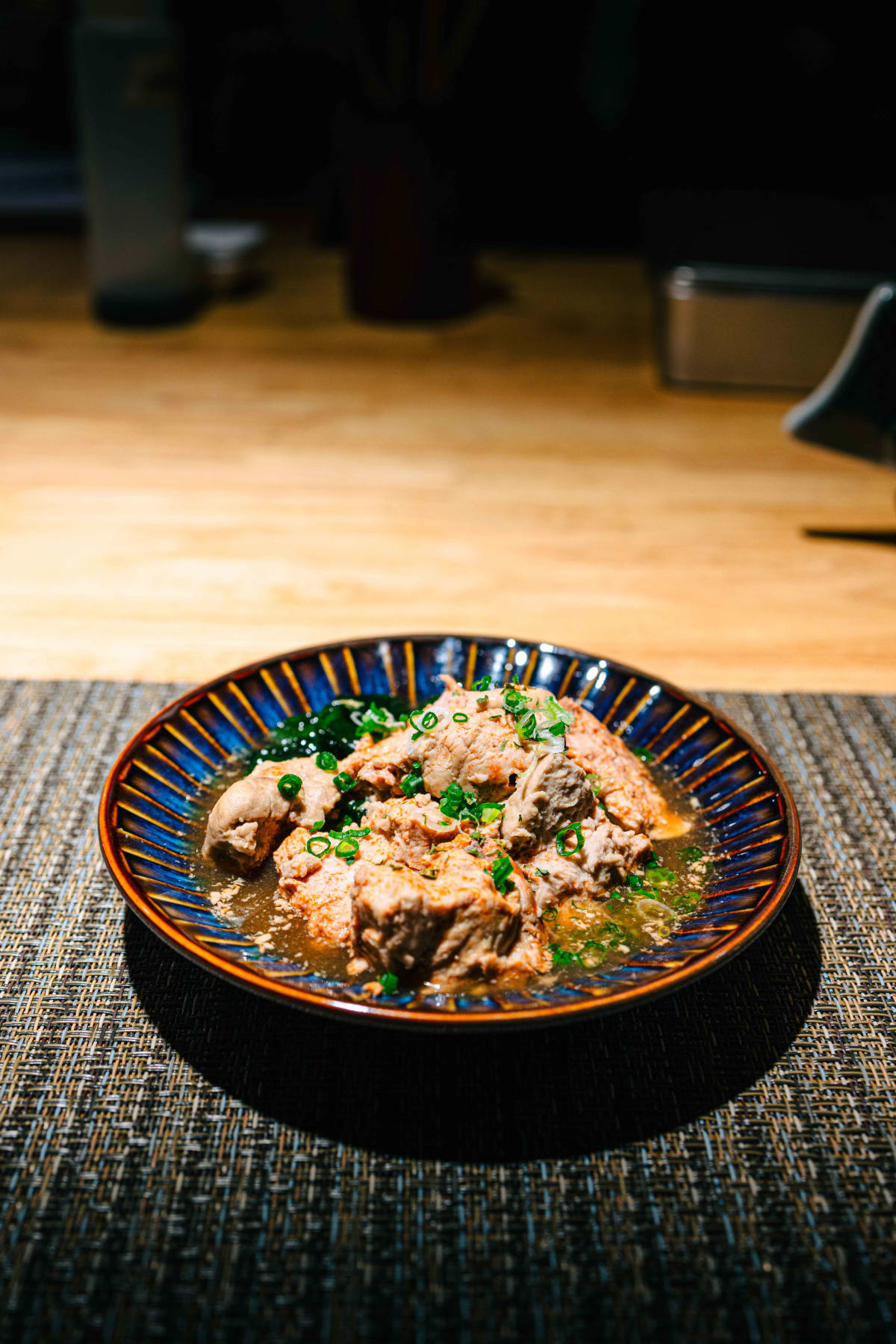
So that a portion this generous would not cloy, it was not made sticky and heavy but came in plenty of broth, with Japanese umami and sweetness lightly soaked in. However much I ate, I never tired of it.
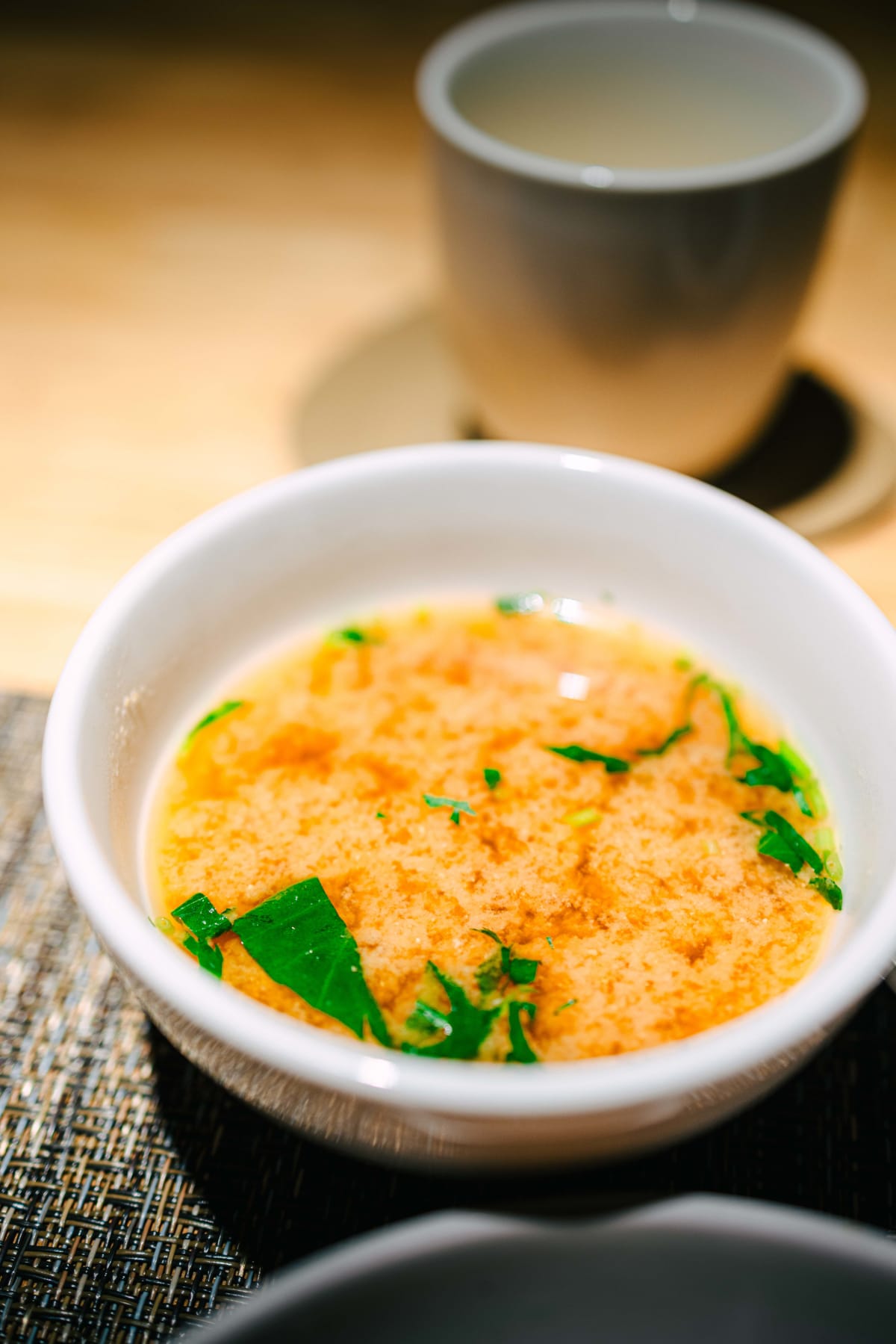
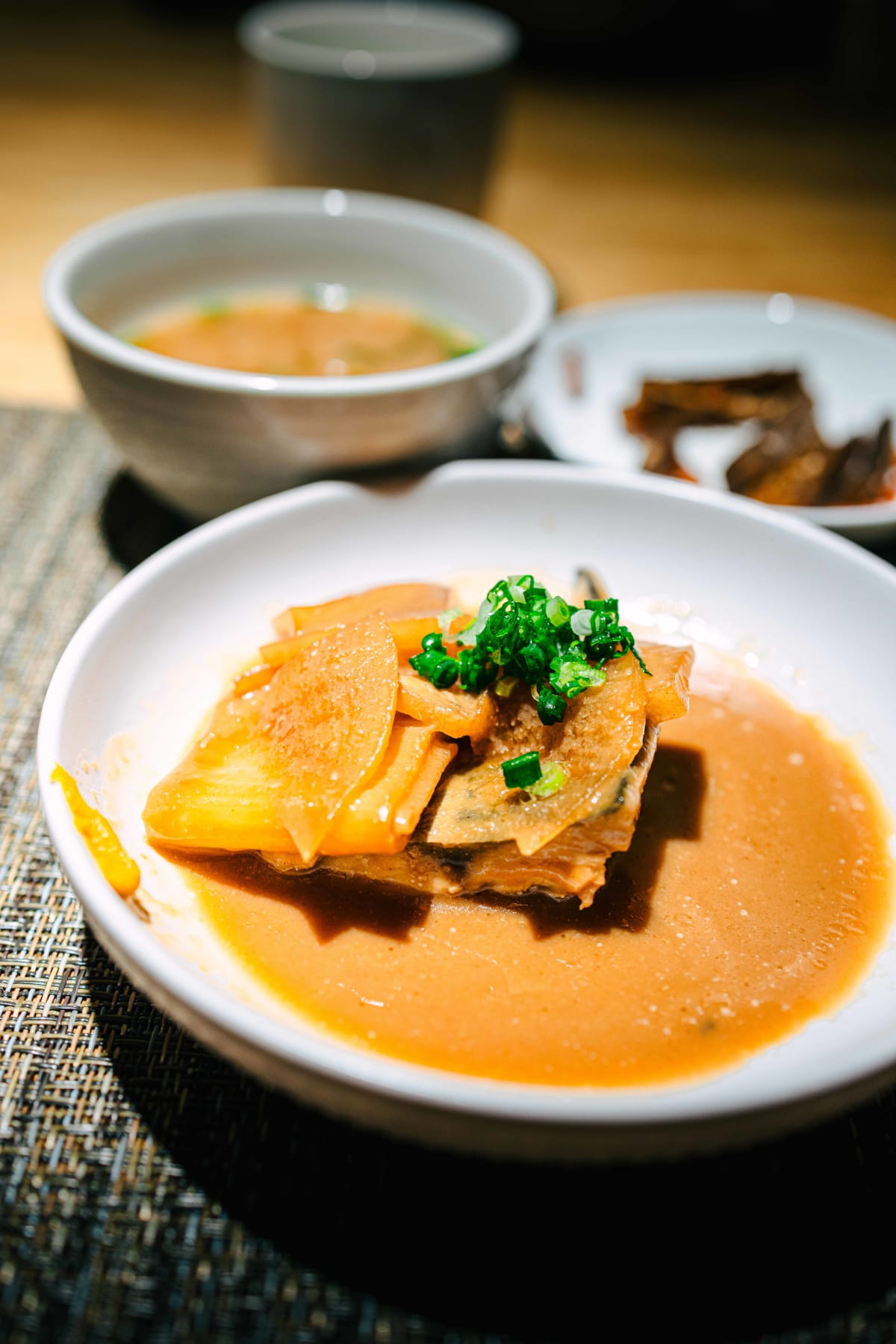
The rice course brought white rice, miso soup and mackerel simmered with daikon.
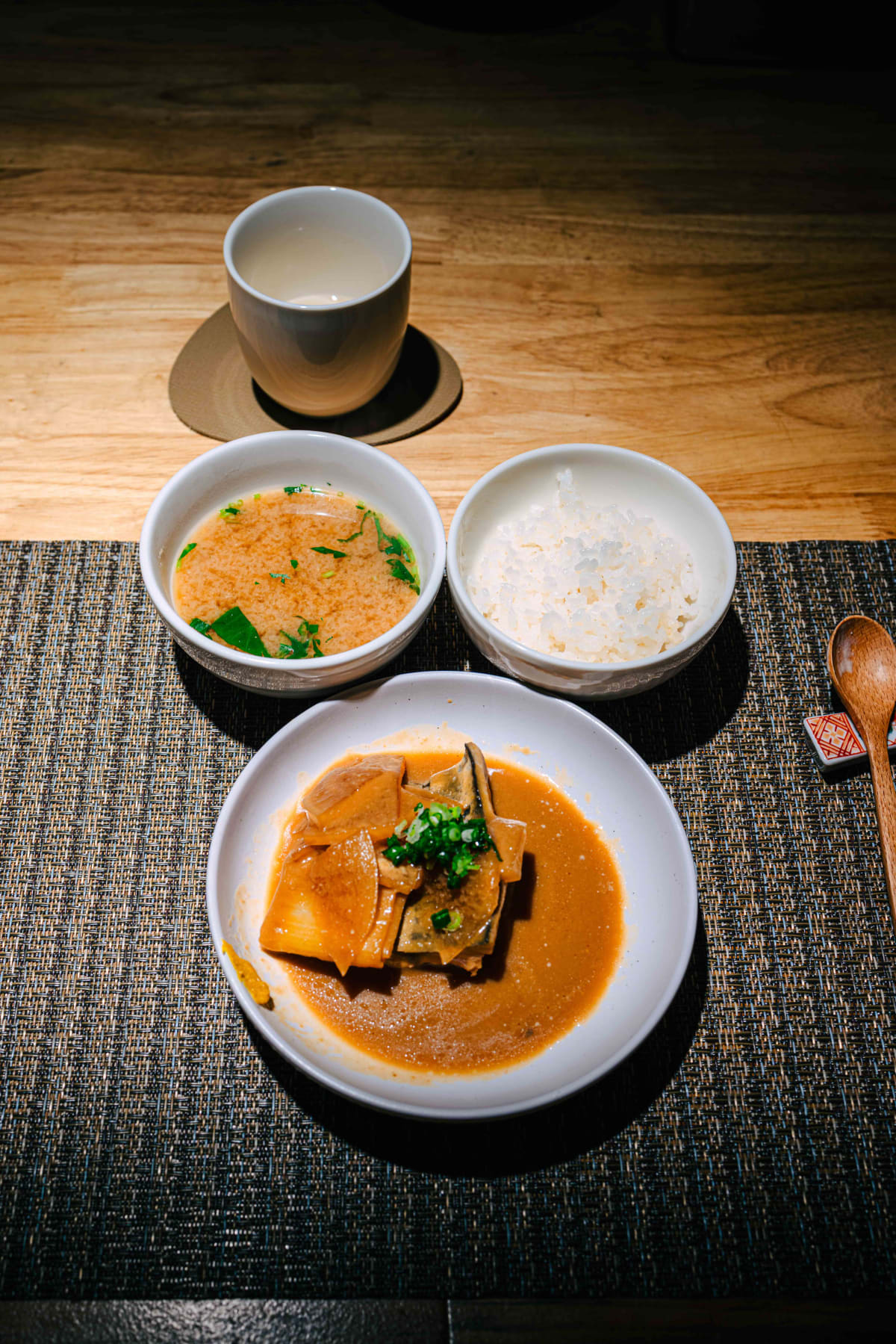
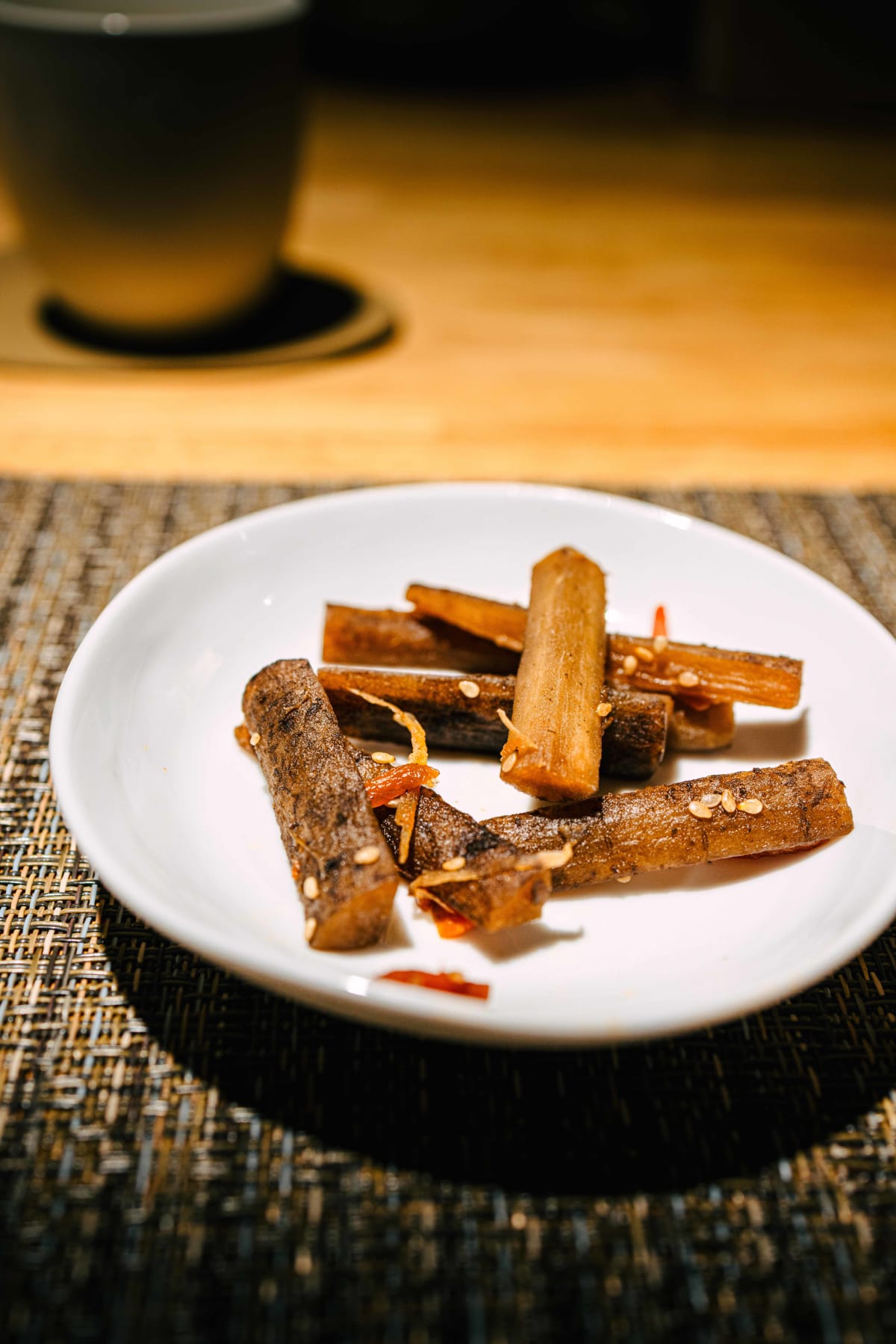
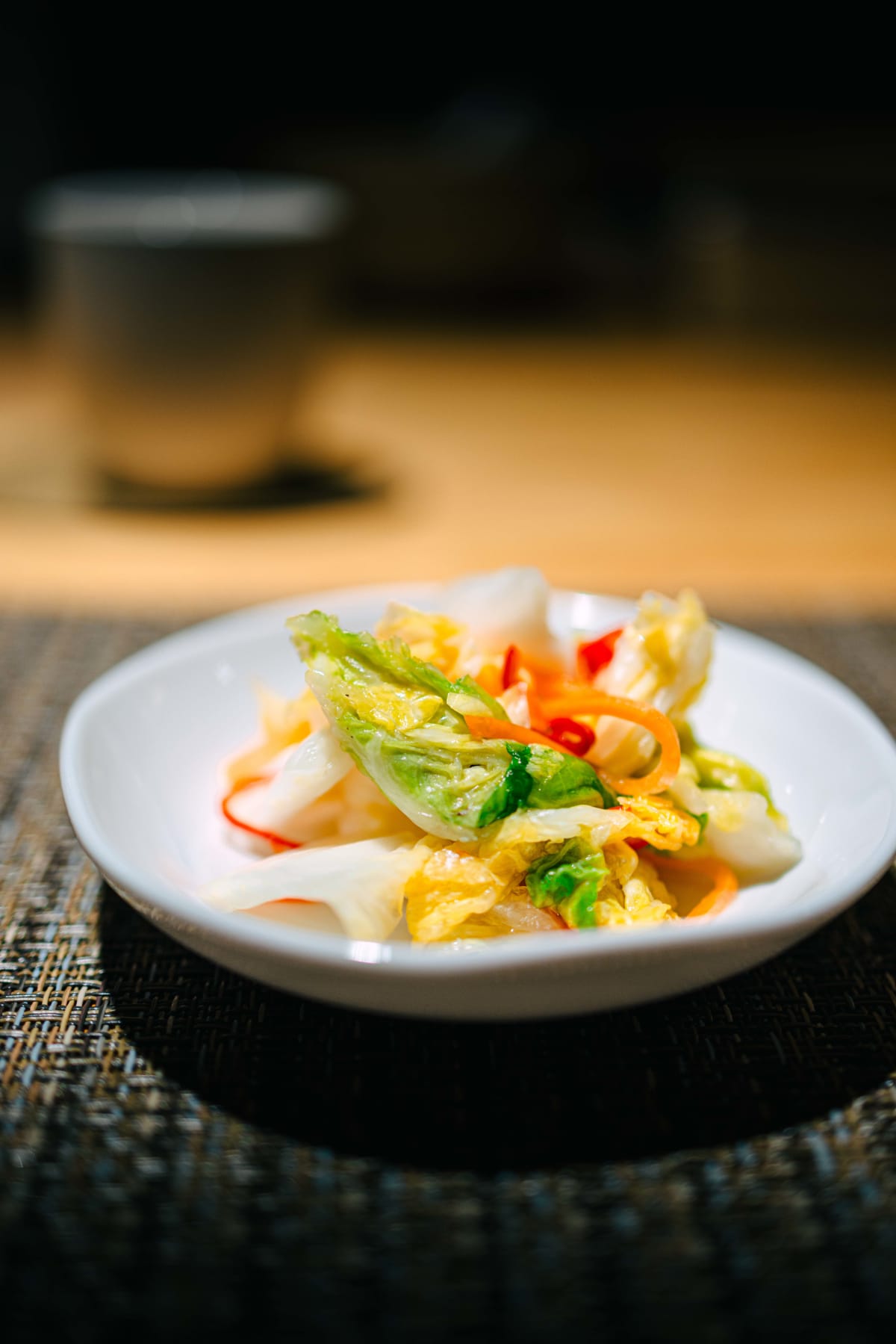
Kinpira gobo and pickled napa cabbage came on the side.
In Korea, mackerel is usually braised with gochujang or with kimchi or mugeunji, kimchi aged for a long time, so mackerel simmered in miso the Japanese way is not easy to come by.
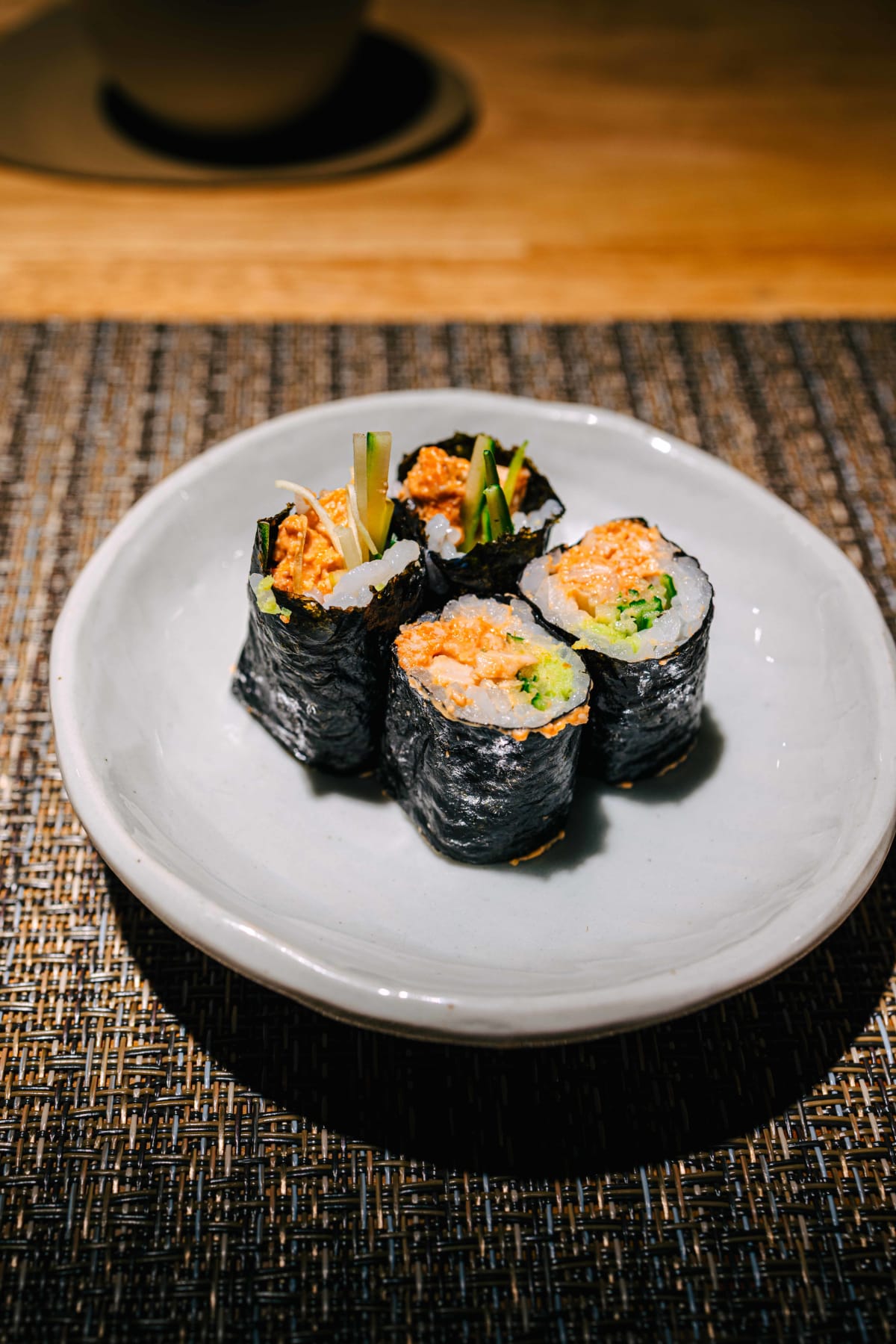
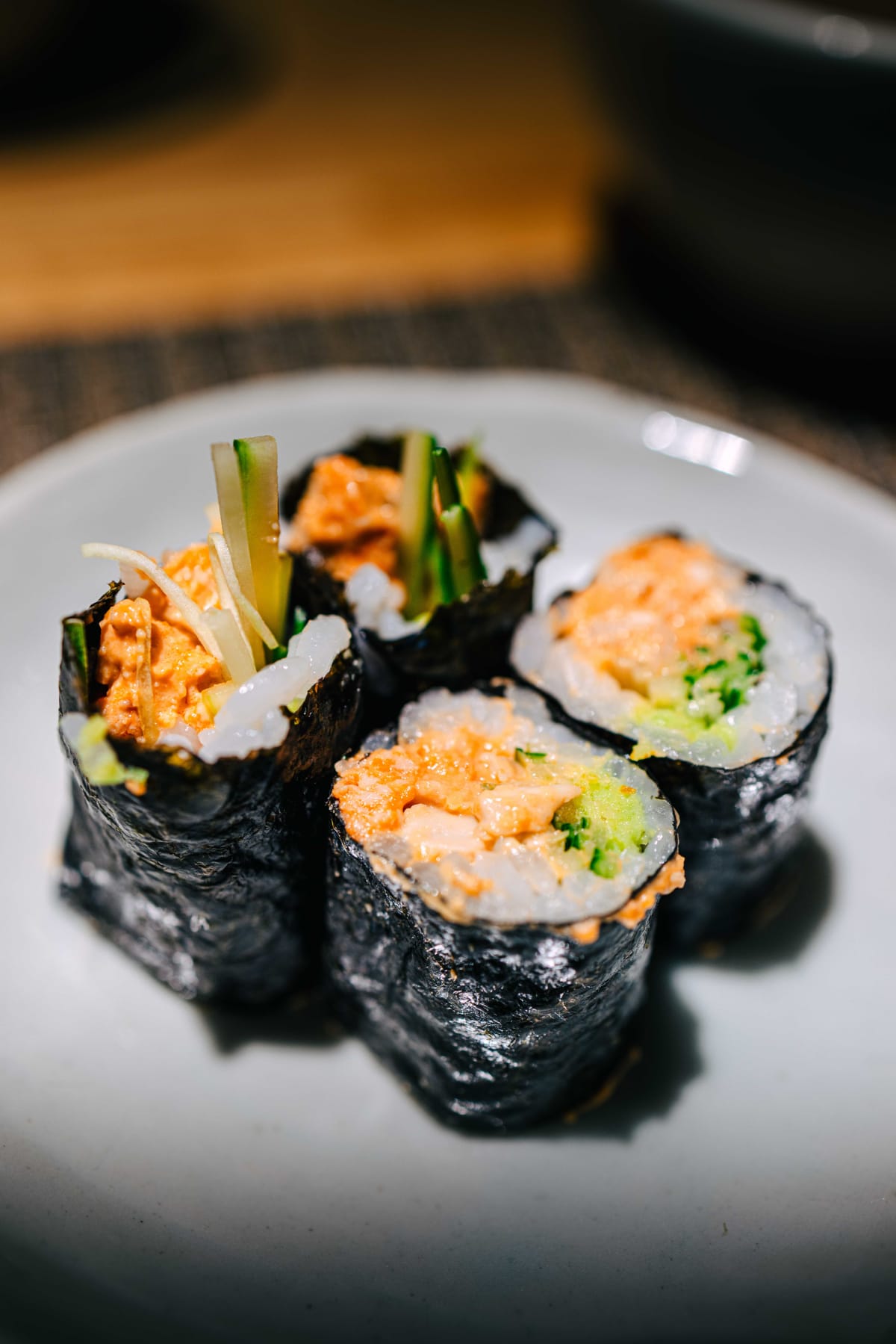
With it, the kitchen sent out ankimo maki on the house, and it was good too. First, the cucumber set its crunch against the spreadable texture of the ankimo, and second, the cool taste of the cucumber balanced the richness of the ankimo.
Section 11·Amanatto And A Fresh Wind
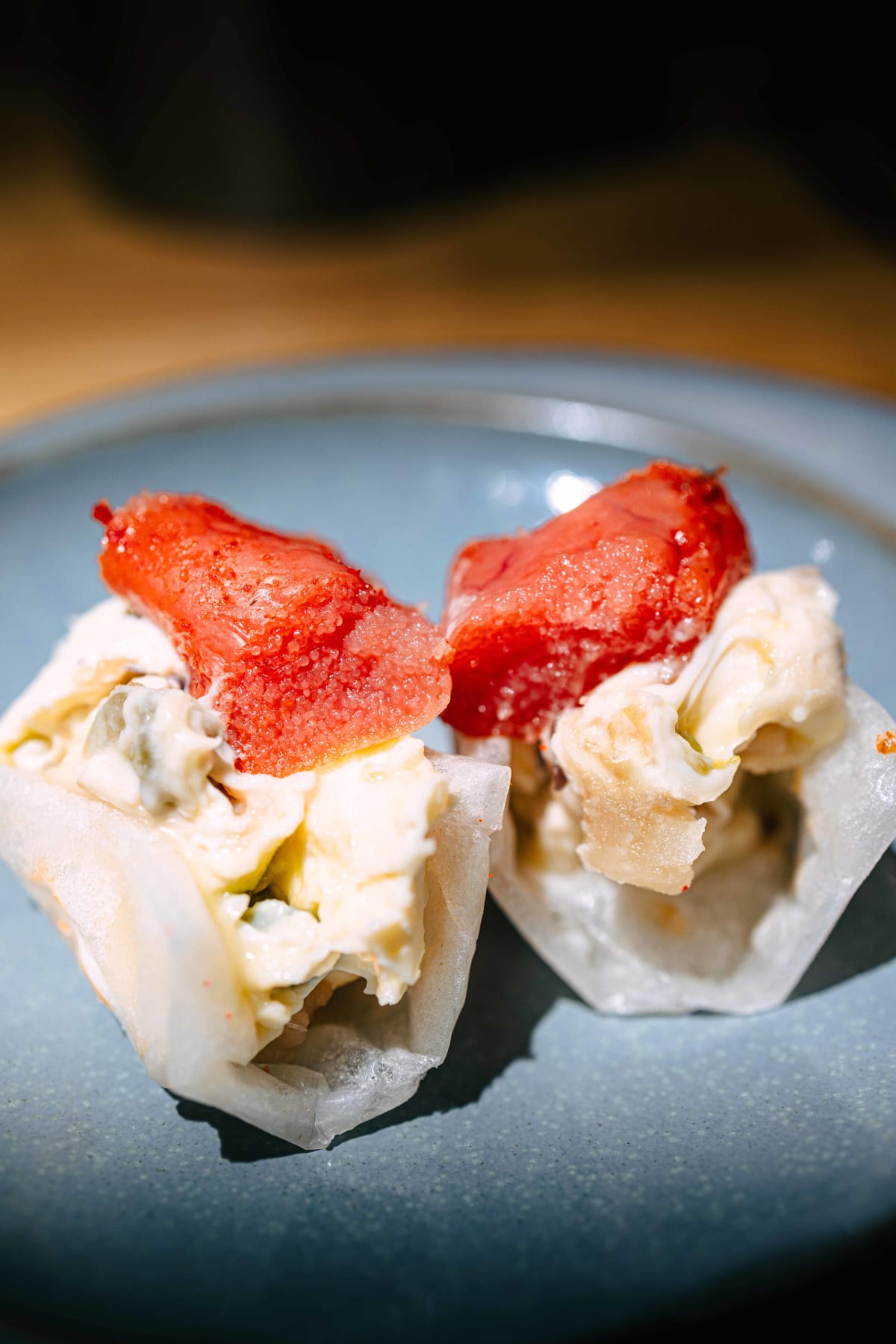
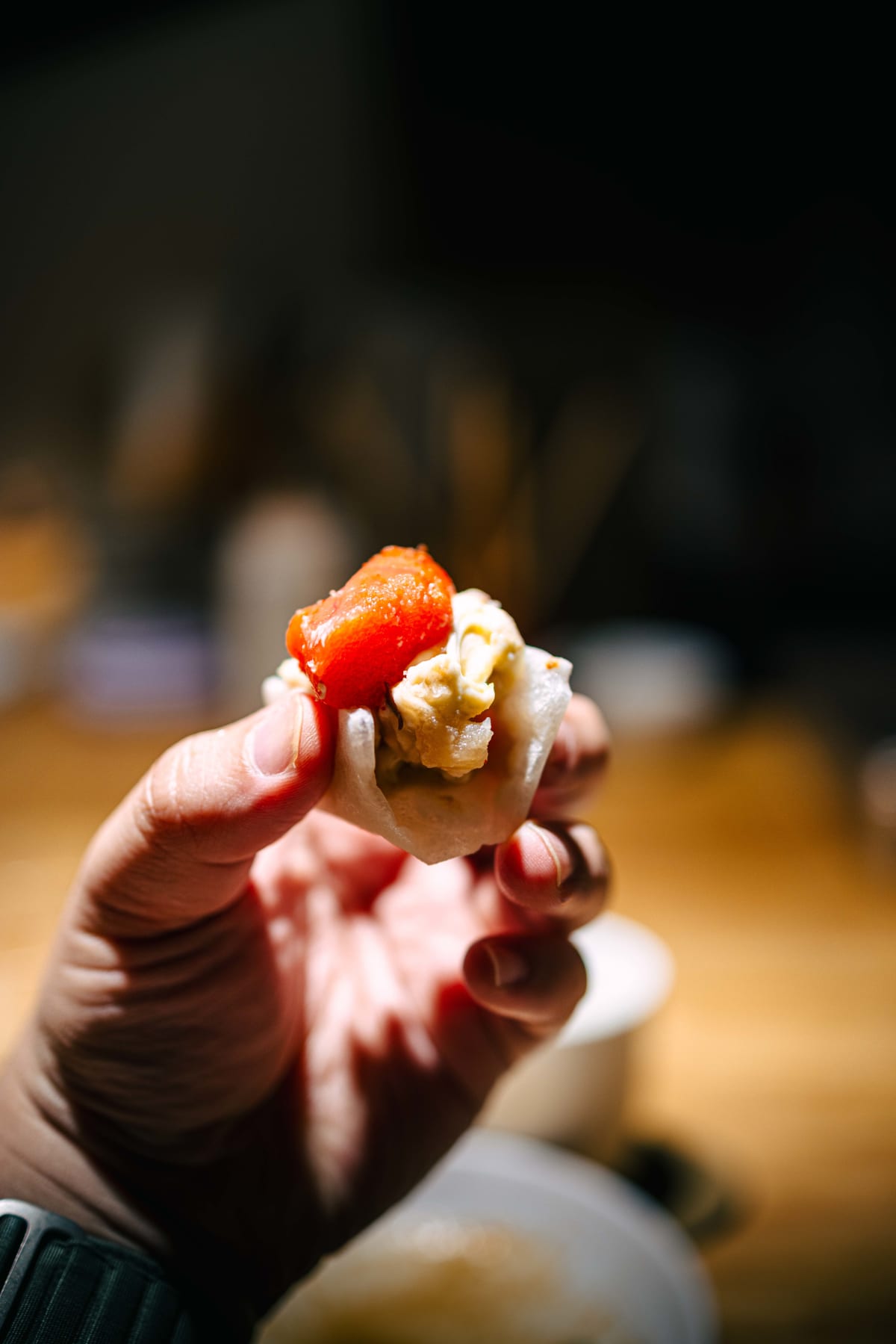
The second dish that impressed me beyond taste was the dessert, amanatto. Amanatto (甘納豆) is not fermented natto but a Japanese sweet made by simmering beans in sugar syrup. Mentaiko on top supplied saltiness, and underneath, warm mochi wrapped the cream and the amanatto.
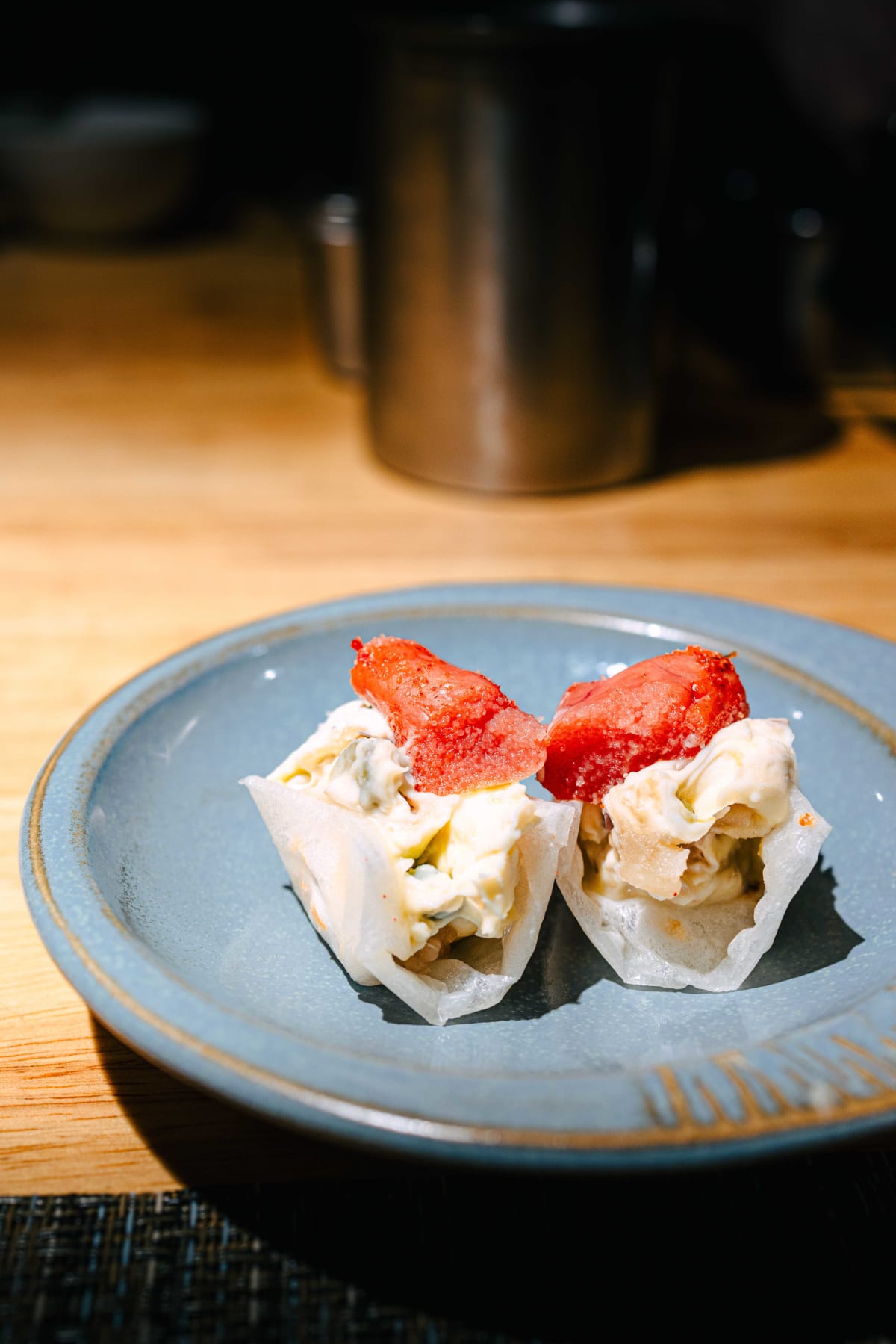
Sweet and salty, and two different temperatures: the combination made it a very memorable dessert, and I wondered how anyone came up with such a pairing. It was a combination I was tasting for the first time too, and when I had finished I wanted to ask for another.
In 2024, Sikdang Minhong brought together casual Japanese cooking learned at a famous shokudo in Japan itself and a young energy and passion that are anything but casual and yield nothing to fine dining, and the result was a very satisfying meal at a reasonable price.
Most cooks who train in Japan and then open a restaurant in Korea go for very expensive washoku, sushi or nihon-ryori. Sikdang Minhong has brought a breath of fresh air to that high-end trend.
Sikdang Minhong has brought a breath of fresh air to that high-end trend.
That day I also felt that the food preparation and service were not smooth, but it was the weekend and the room was full, and a good deal of time has passed since, so I imagine things have improved.
Even with all that, at about USD 70 (98,000 won) this is without question an excellent course, and a place I want to return to whenever I get the chance. The à la carte dishes looked delicious too: the menu ran through chanko nabe, unagi kabayaki, and kurobuta pork and gindara grilled over charcoal.
It would make a good second round too, the 2-cha of a Korean night out, and next time I plan to order this and that from the à la carte menu.
Sikdang Minhong prices its omakase as a night of drinking rather than a dinner with drinks on top. About USD 70 (98,000 won) covers ten dishes and as much beer, highball and fruit sour as the course lasts, so the more you drink, the less the food costs you. The catch is pace. The kitchen plates each course for the whole counter at once, and on a full Saturday that can cost the warm dishes their heat, which makes a weekday evening the better bet. The course follows the season, and December brought cod shirako and monkfish liver. On weekdays the room also opens for lunch, with Mino curry and a seasonal bowl of noodles, soba in summer and chicken shio ramen in winter; it is closed on Sundays.
Have a question about this restaurant, or want to share your own experience?
Send a message