Fine Dining · Amsterdam · Netherlands / May 2024 / Michelin ★
Bistro de la Mer
"A late walk-in at the counter, two reds poured to taste, and a monkfish Rossini that seems to have earned the star"
Section 1·Wherever There Is Sea
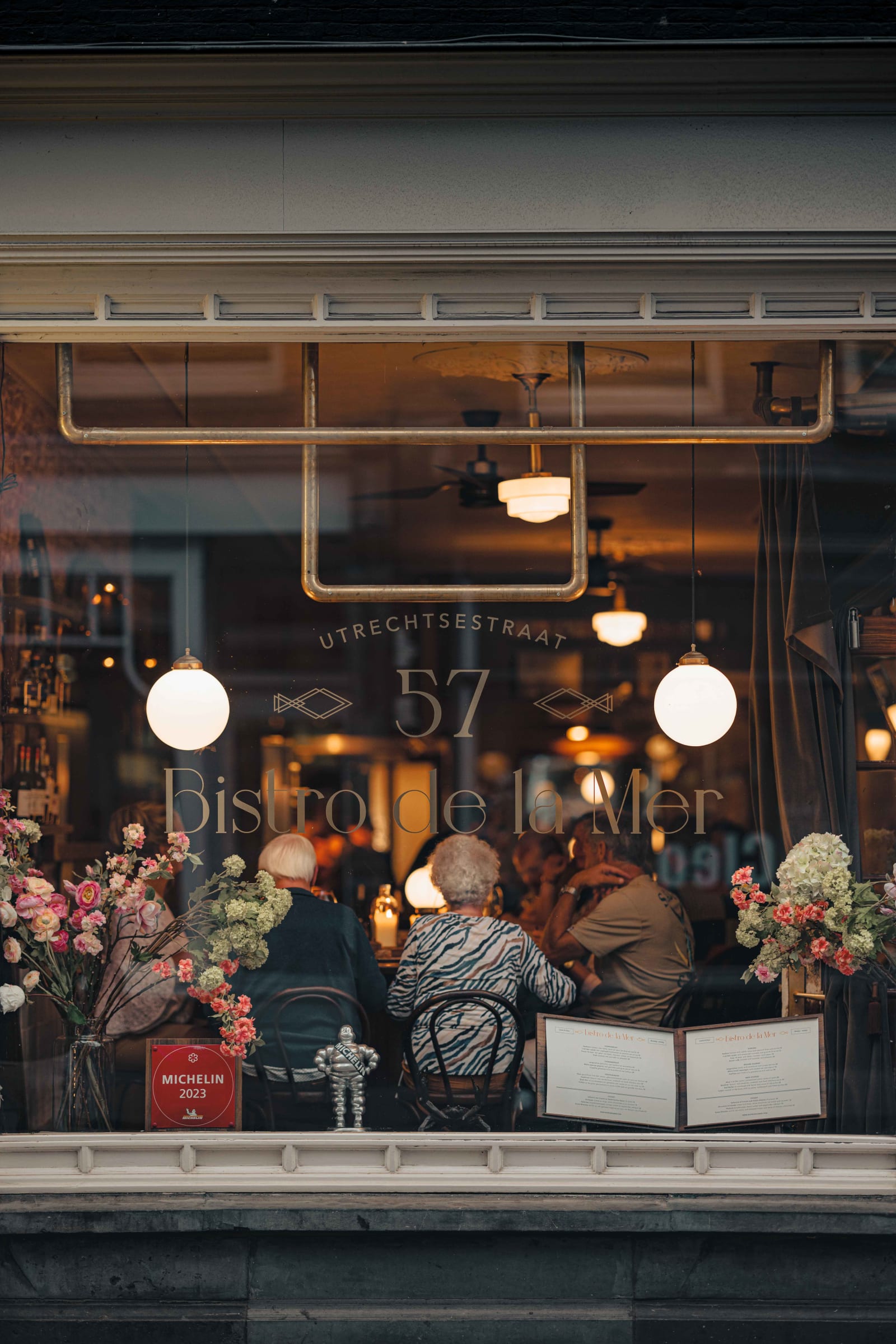
Wherever I go in the world, if the sea is close by, I look for a seafood restaurant and try to eat the seafood of that country and that region. Amsterdam was no different, and the last dinner of the trip was at a Michelin-starred seafood restaurant as well: Bistro de la Mer.
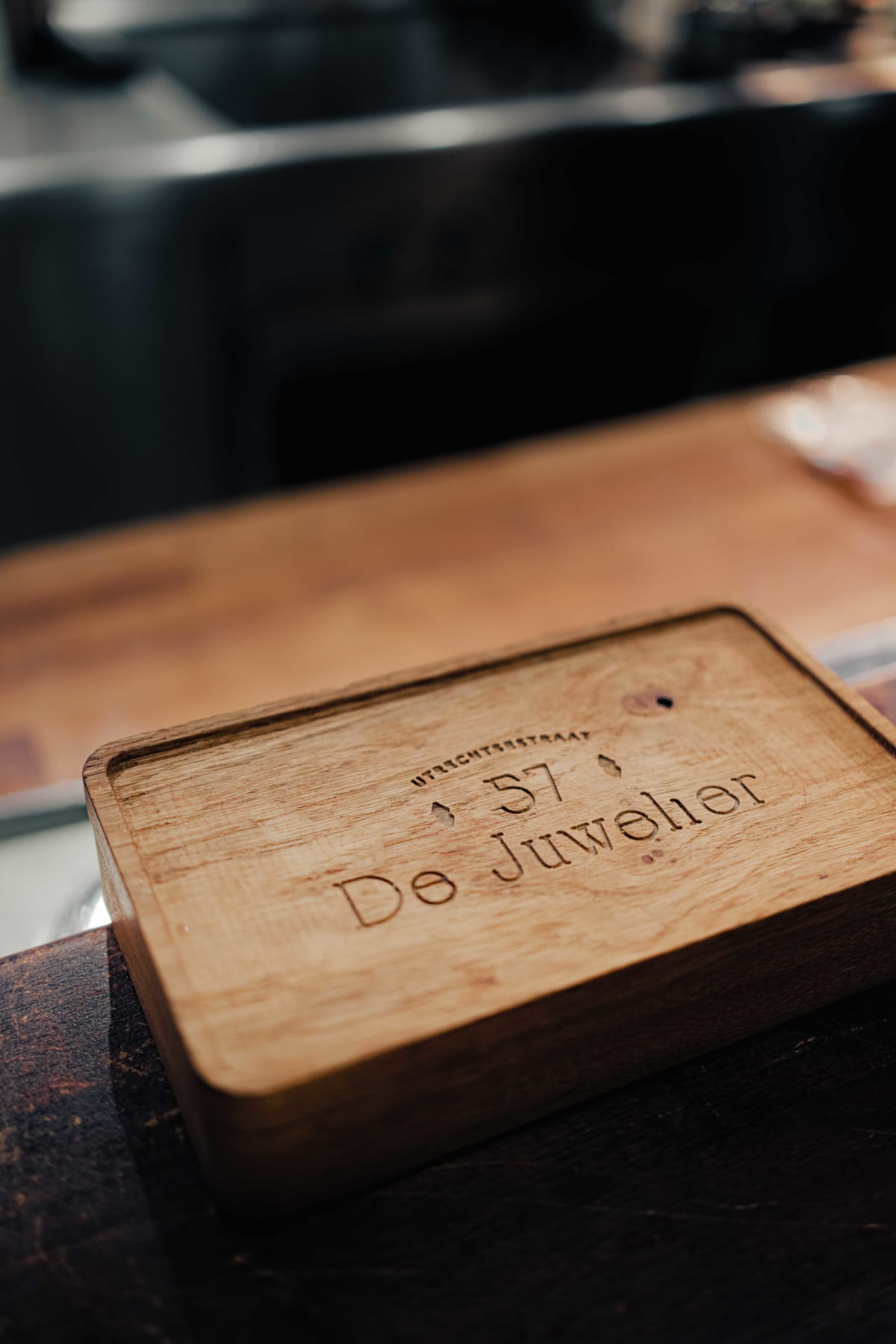
It was opened by a group that runs several Michelin restaurants in Amsterdam, among them, at the time, the two-star Restaurant 212 and the one-star De Juwelier, and all of them sit close together. De Juwelier is at number 51 on the same street, practically a neighbour, and 212 is just around the corner on the bank of the Amstel.
Section 2·A Third House On Utrechtsestraat
The group, Group 212, is led by the chefs Richard van Oostenbrugge and Thomas Groot. The pair won two Michelin stars at Bord'Eau, the restaurant of the Hotel de l'Europe, then went out on their own and opened 212 in January 2018. It is a restaurant with no tables, where you eat only at a counter around the open kitchen, and it won its second star in March 2021.
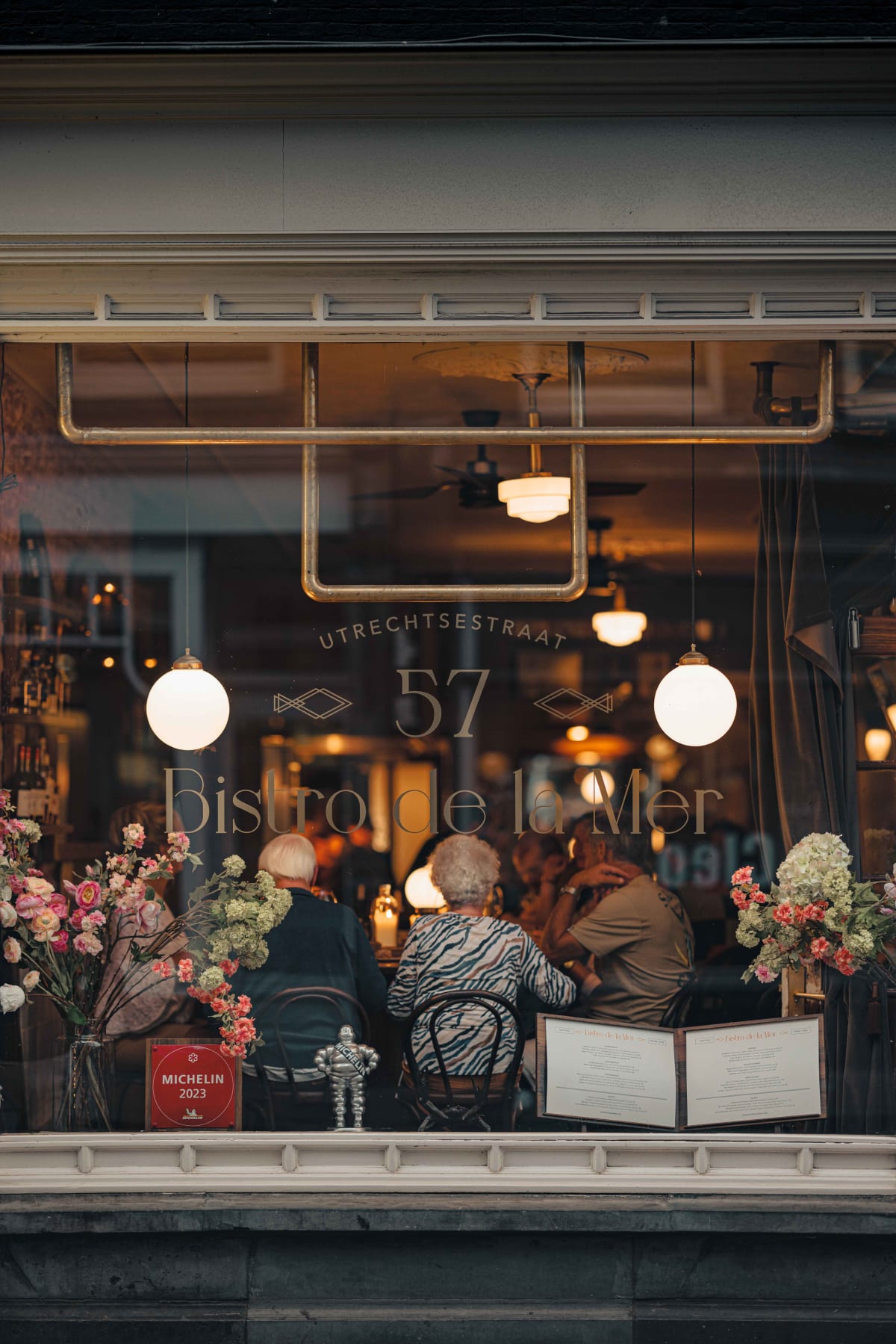
The same year they opened De Juwelier, a French bistro in the old style, which won a star the following year, and in March 2022 they opened a third place, focused on seafood, a few doors along at number 57. That is Bistro de la Mer, which the sommelier Daphne Oudshoorn runs together with the two chefs. Its first Michelin star came in April 2023, thirteen months after it opened, and it has kept it since.
Section 3·A Late Walk-In
It is near Zoldering, where I also ate on this trip, and both are on Utrechtsestraat. Booking does not seem to be difficult. It was late, admittedly, but I walked in on the day and was able to have dinner.
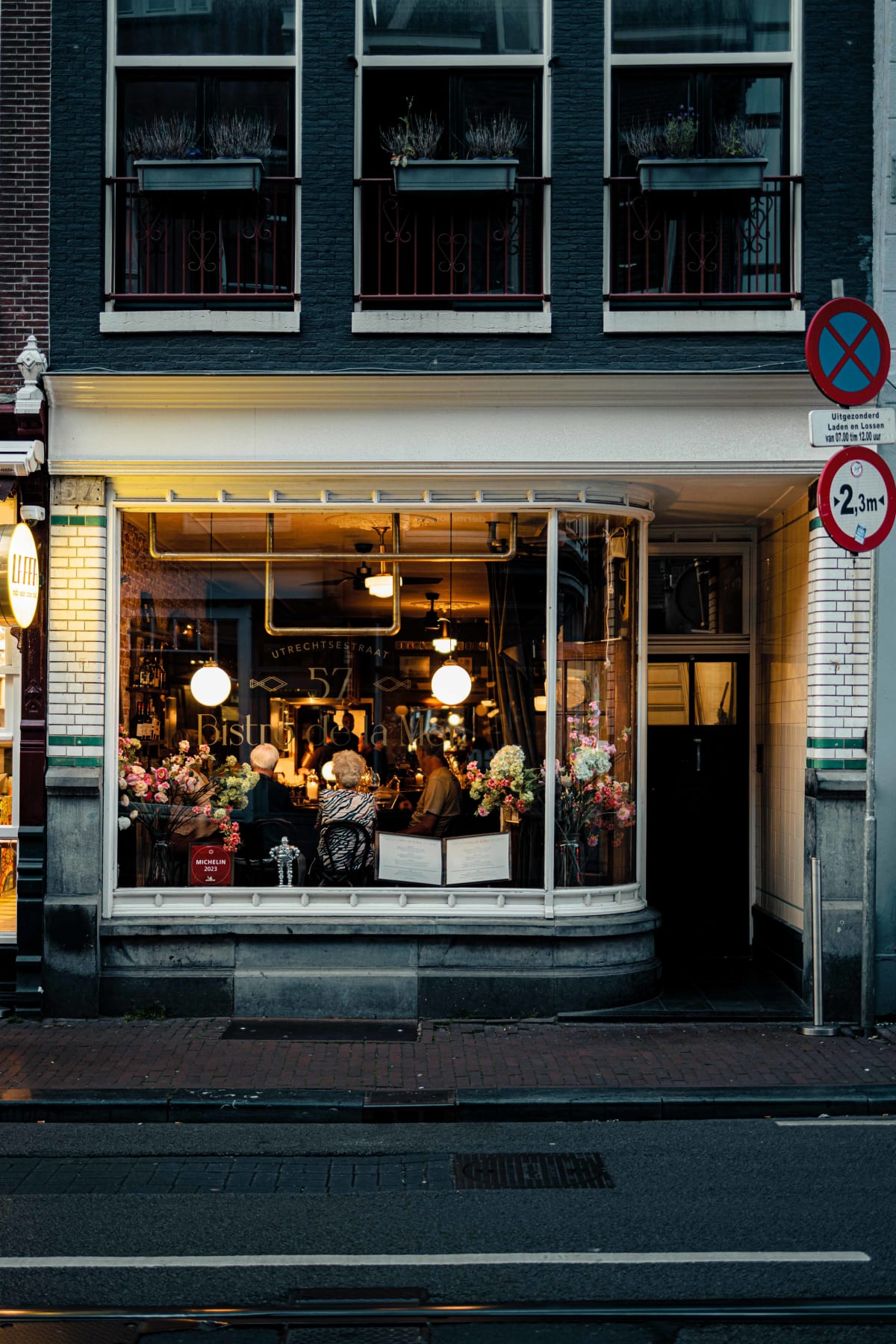
For the record, it opens for both lunch and dinner, seven days a week.
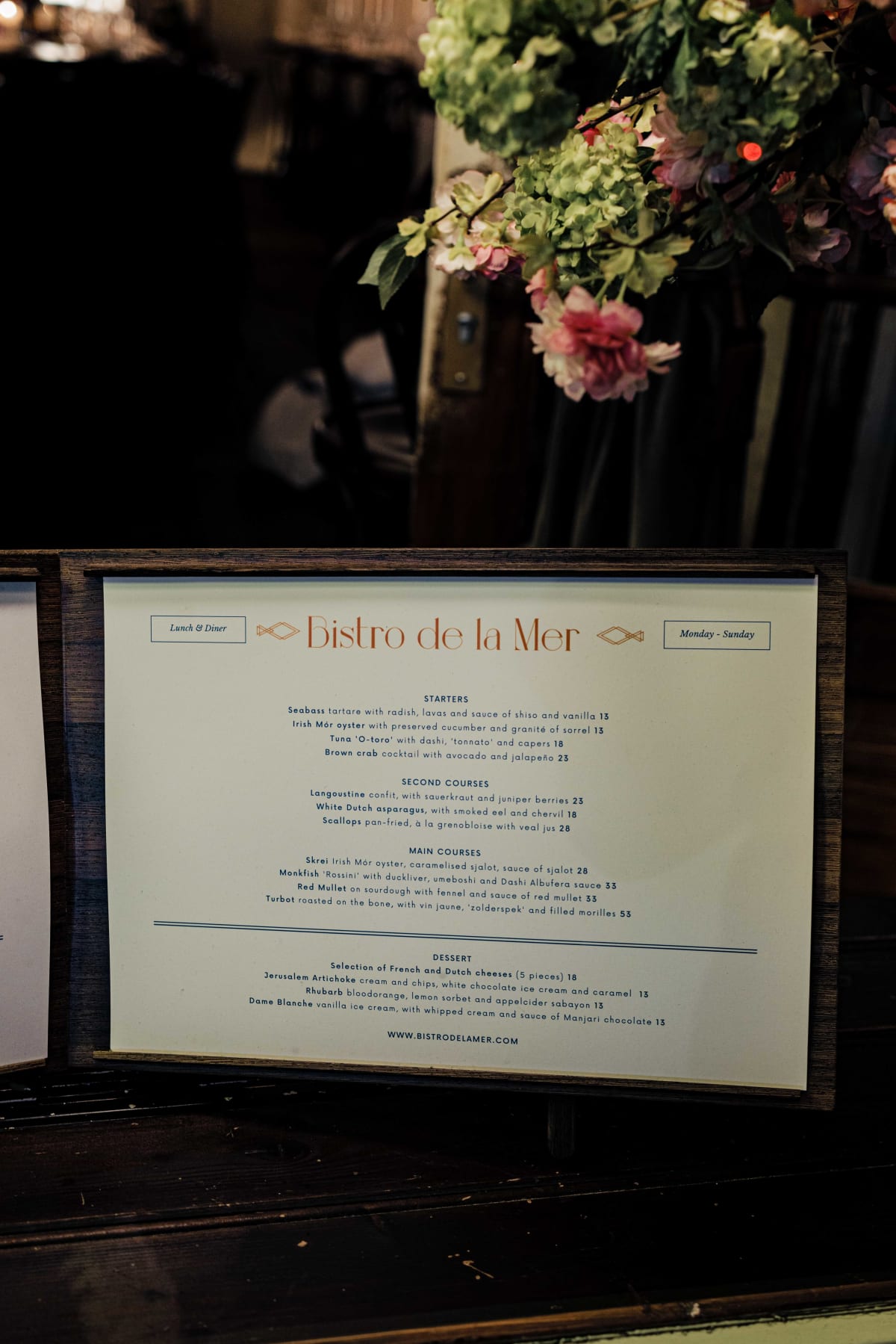
The menu is mostly à la carte and, as the name suggests, built around seafood. Michelin describes the house as giving traditional fish recipes a fresh but down-to-earth twist, and also counts it among the most affordable starred restaurants in the Netherlands. Three plates, a starter, a main and a dessert, come to around seventy euros on average.
Section 4·Service In T-Shirts
The staff here do not wear the smart uniforms you might picture at a Michelin-starred restaurant, nor do they attend to you with punctilious, devoted courtesy. They wear comfortable clothes like T-shirts, and the service is casual: one arm propped on the table, the wine poured with a flourish.
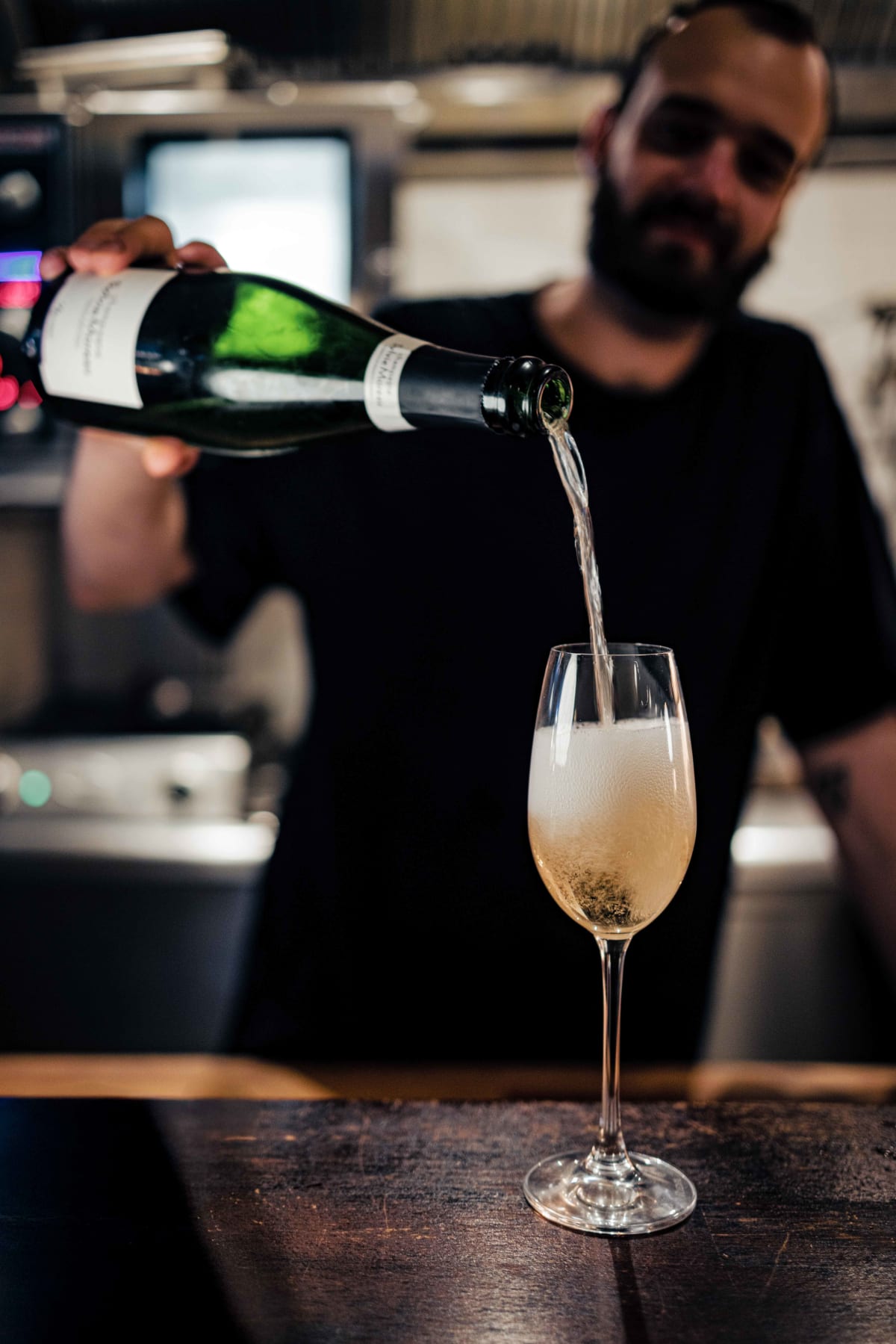
Since I too had walked in on impulse, looking for a relaxed meal, it was if anything the more fitting service for that evening.
Section 5·To Begin
The wine began with champagne: Racines from Sylvie Moreau, who has run her family's domaine in Saint-Euphraise near Reims since 1991.
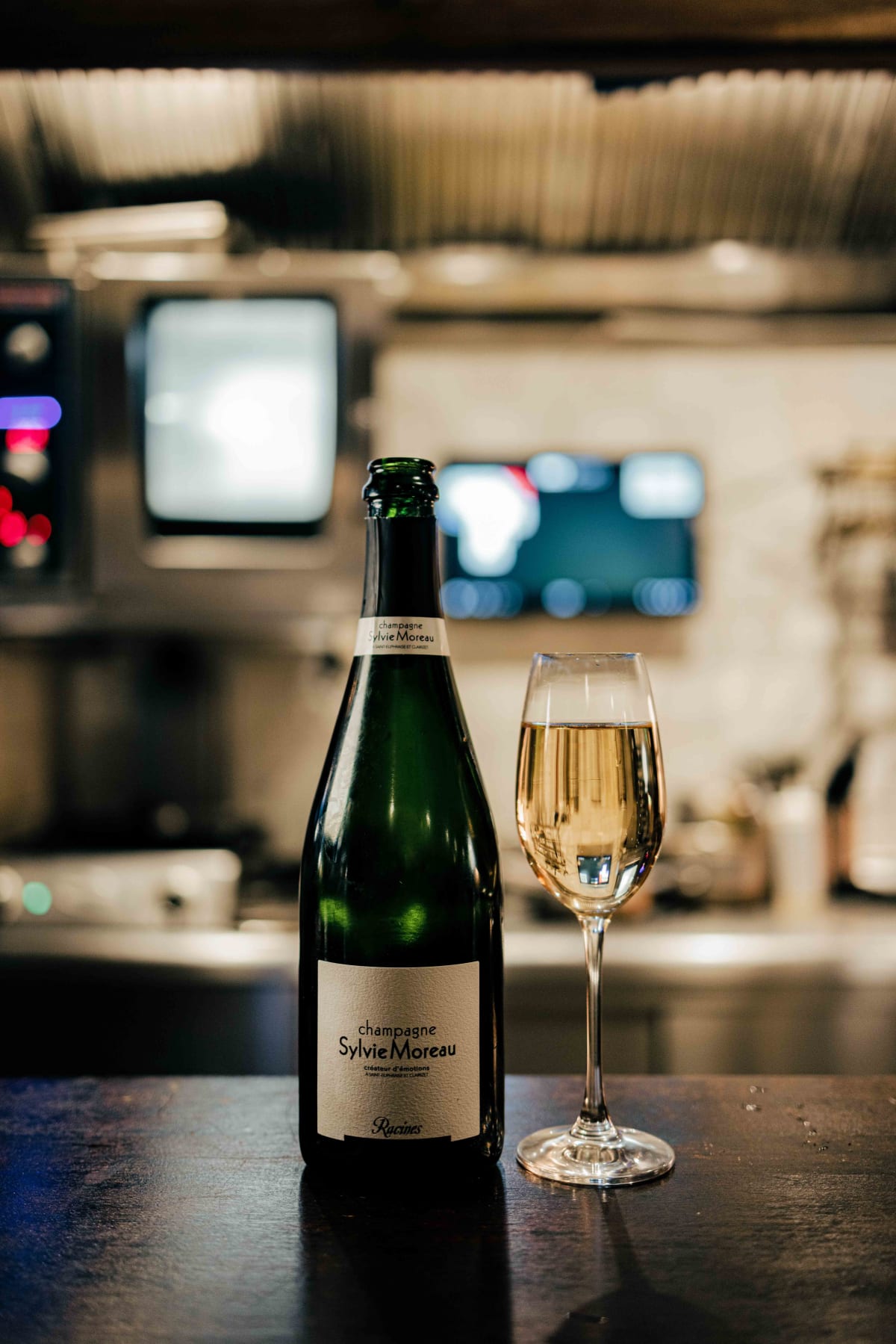
Racines means roots, and the blend is half Meunier, with reserve wine drawn from a solera.
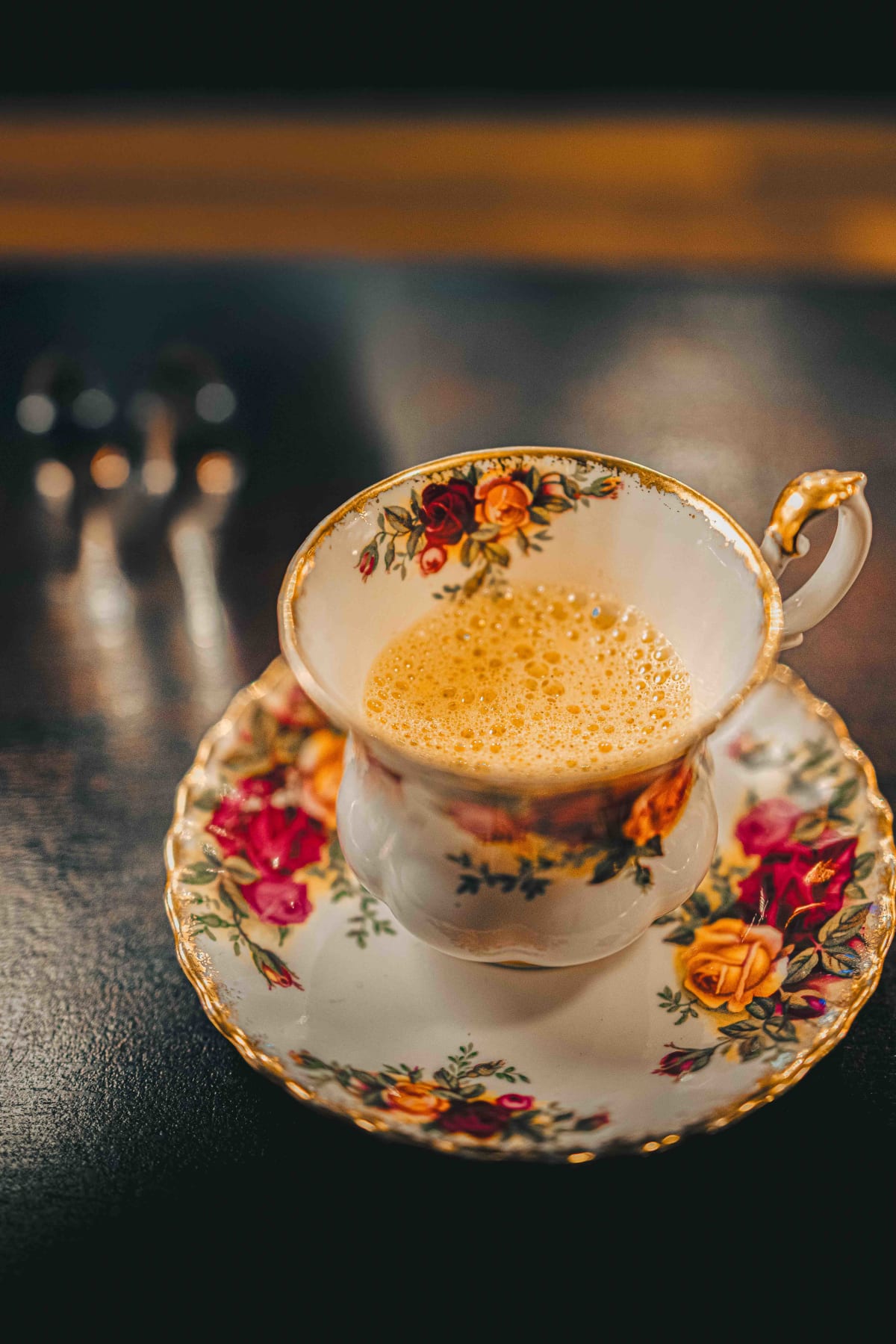
A small cup of frothy soup also arrived, in a rose-patterned teacup.
Section 6·Irish Mór
For the first starter I ordered oysters: Irish Mór oyster with preserved cucumber and granité of sorrel.
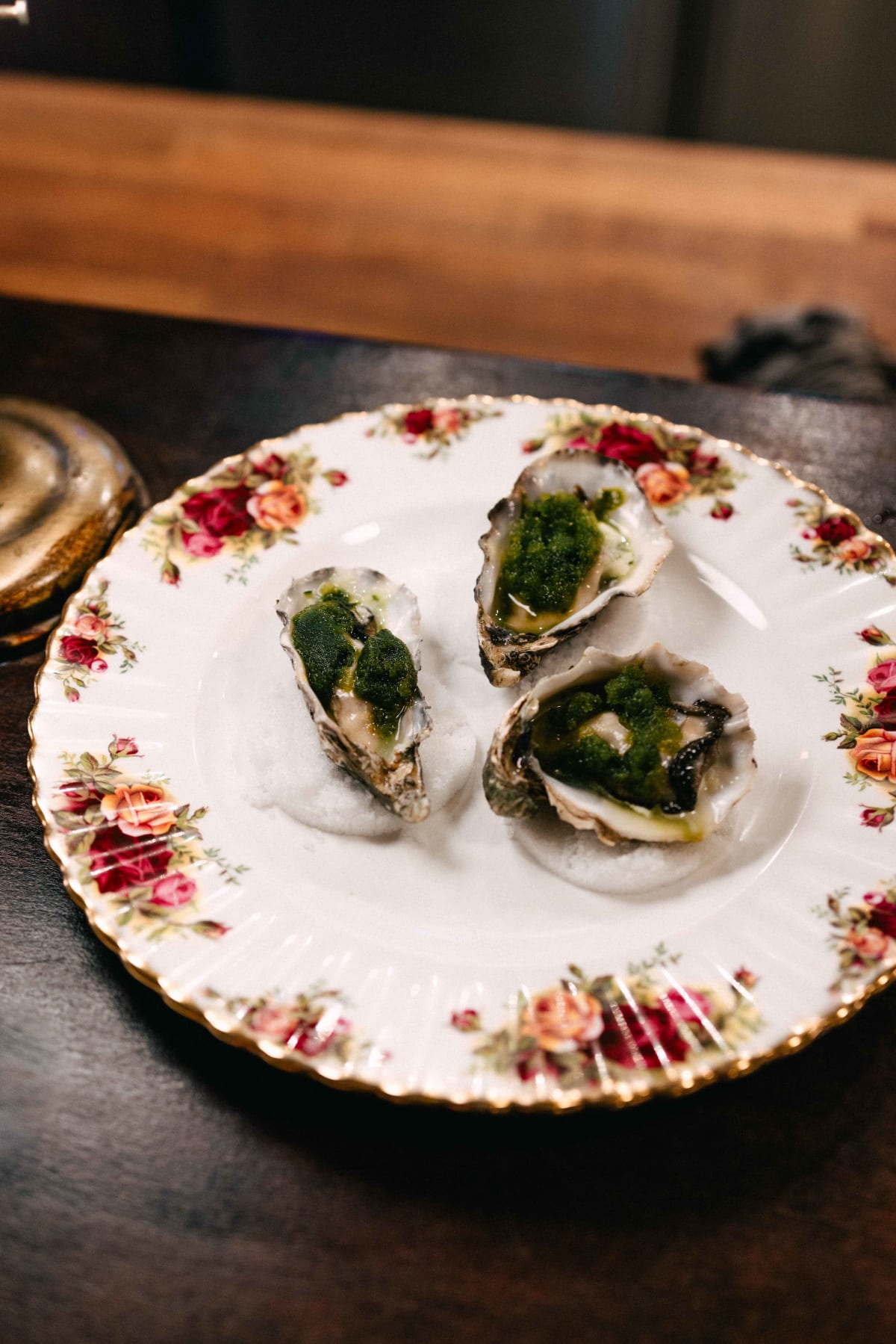
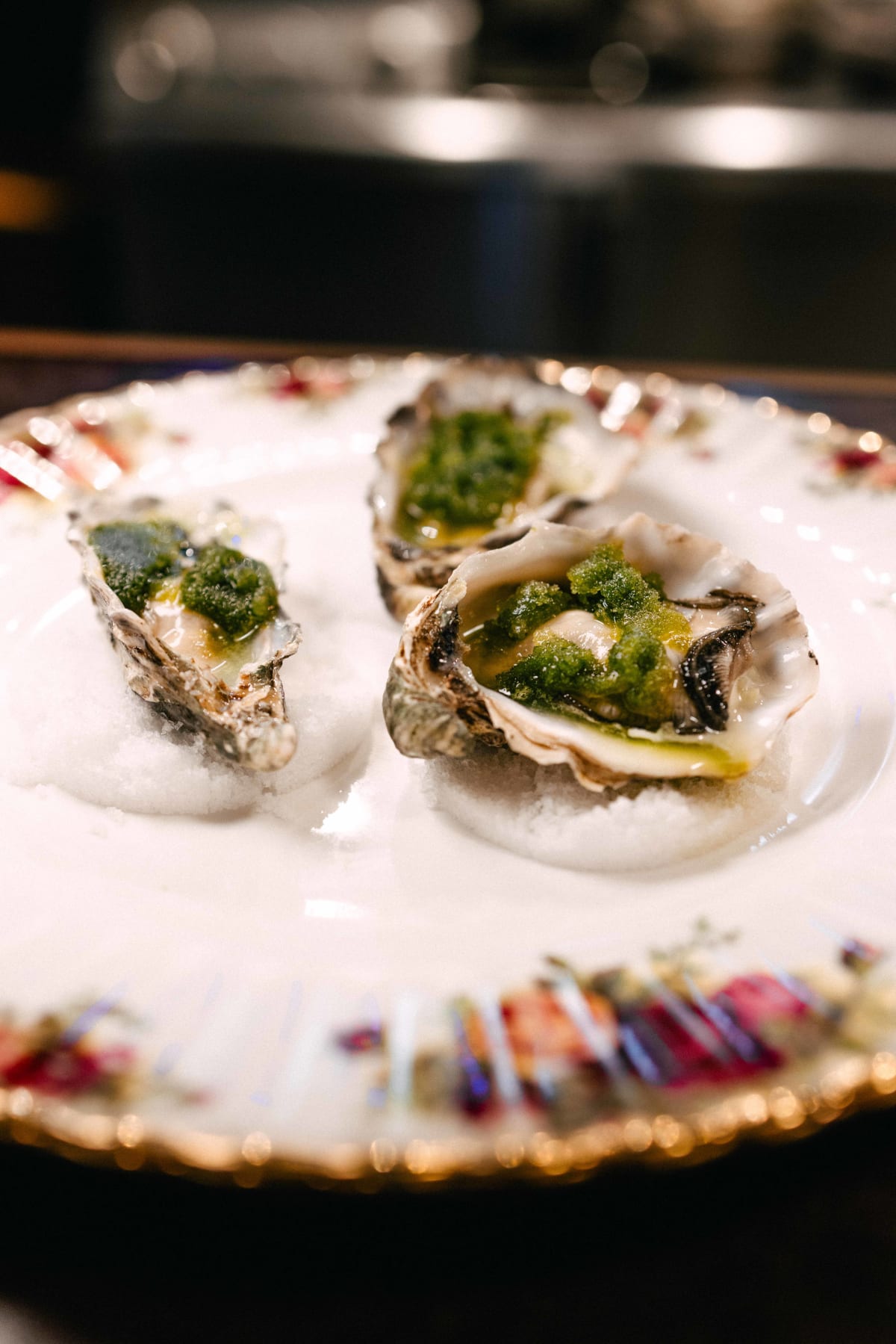
On top of each oyster sat the granité of sorrel, a spinach-like leaf ground fine and made sweet and sour, and the taste itself was good.
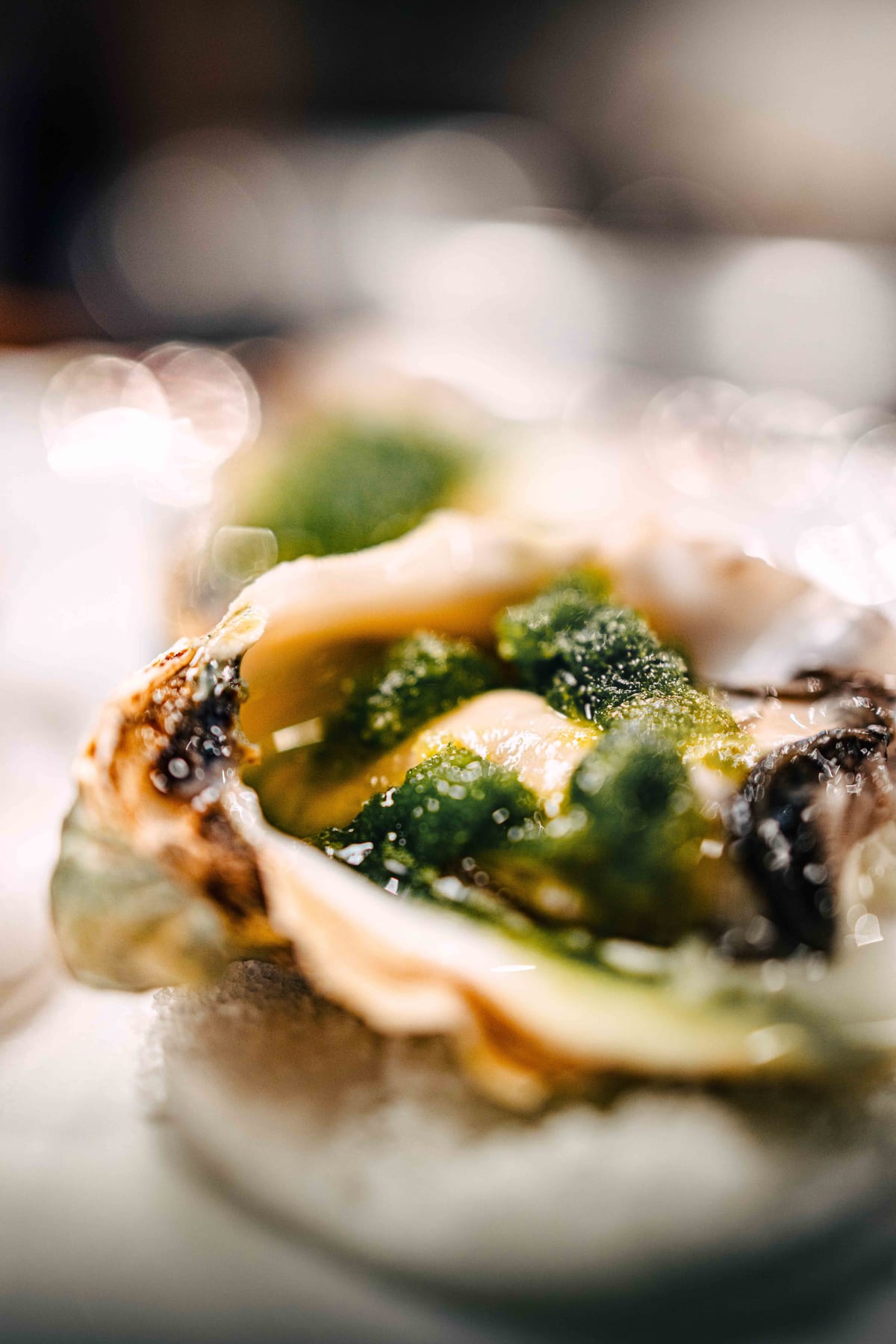
Still, with oysters this good, I wondered whether it might be better to eat them as they are, or with no more than a squeeze of lemon.
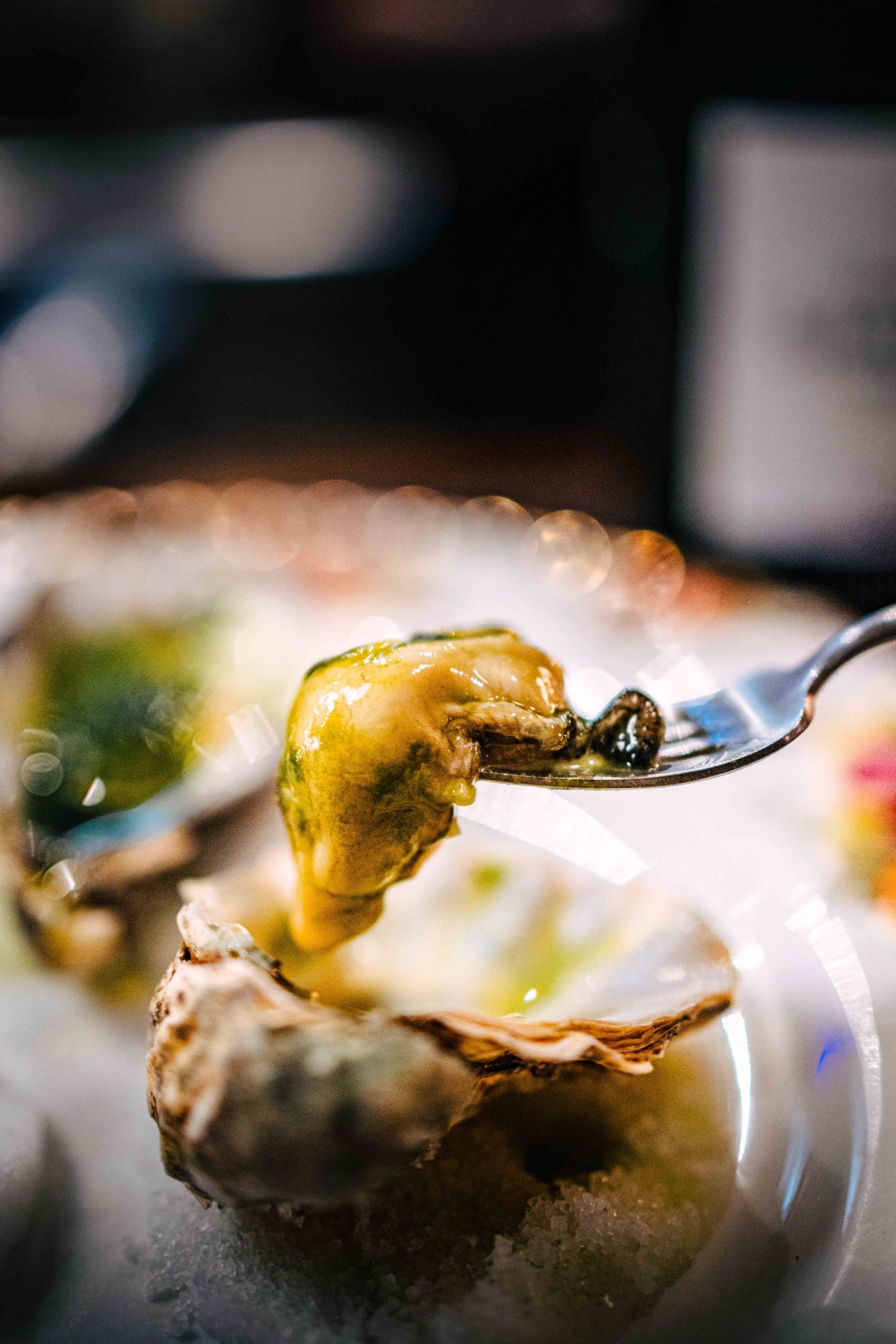
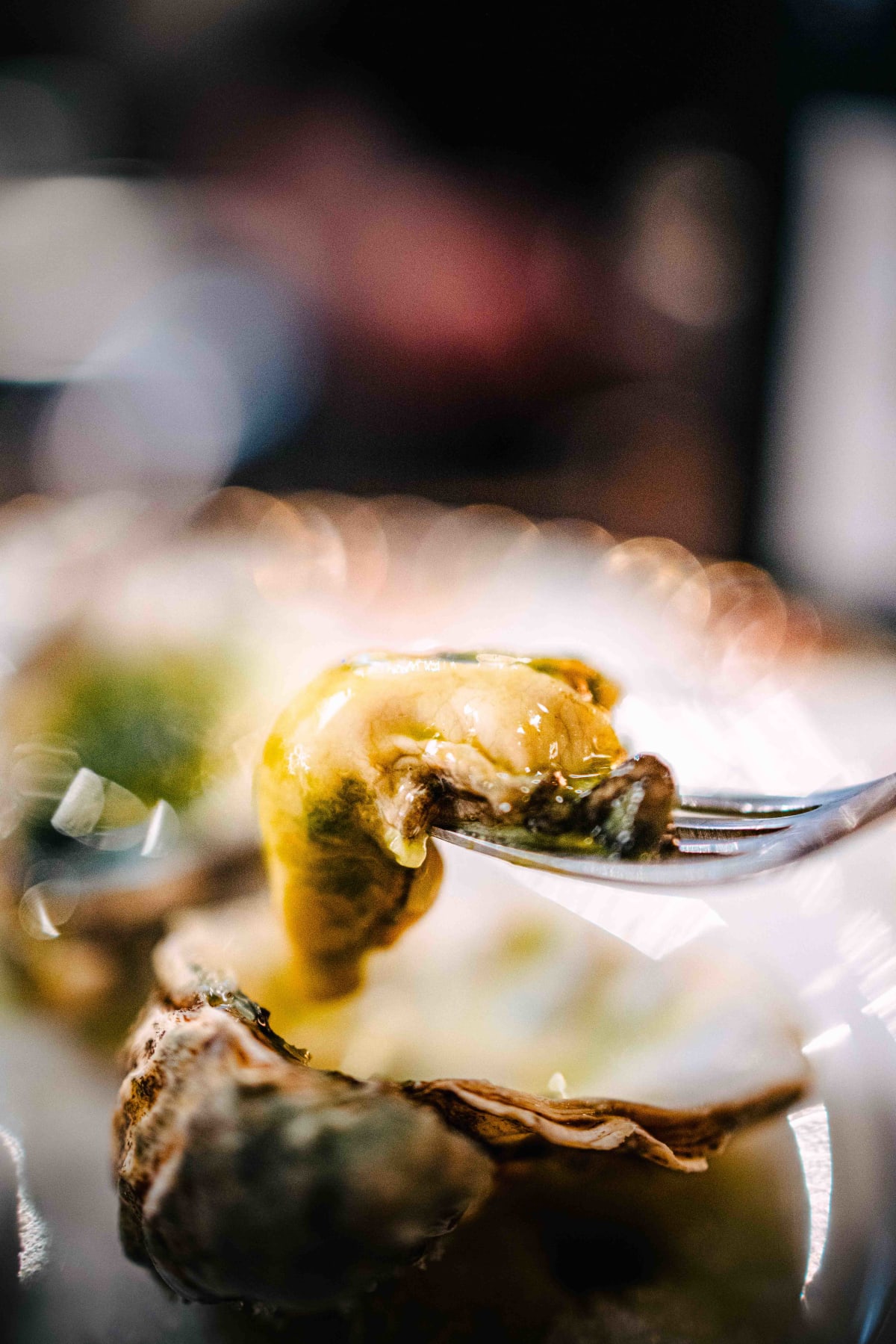
Sorrel is indeed a leaf that looks like spinach, but it is a herb with a lemony sourness. Irish Mór is a name shared by a handful of traditional oyster farms in Ireland, which grow their oysters where Atlantic seawater mixes with fresh water flowing in from the rivers. Mór is Irish for big.
Section 7·A Crab In A Cocktail Glass
The second starter was Brown Crab cocktail with Avocado and Jalapeño. I had ordered it on the strength of the words Brown Crab, set in bold on the menu, and was baffled when a dish in a cocktail glass turned up out of nowhere.
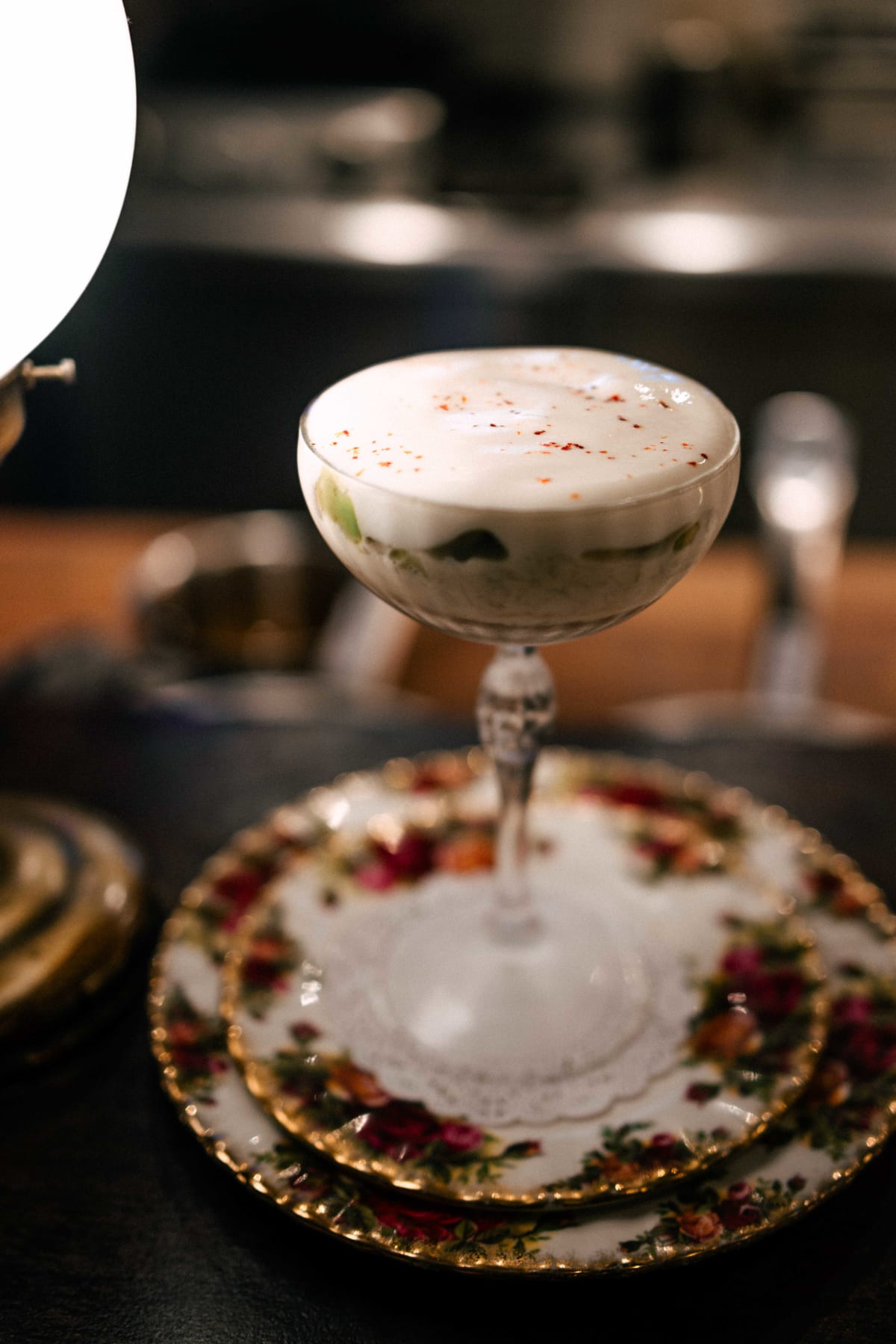
It is a style of seafood dish you almost never see in Korea, where I live, or anywhere in Asia. I had been looking forward to picking out good crab meat and for a moment nearly felt let down, but once I tasted it, it was good. I suspected the glass would be full of avocado and jalapeño with very little crab in it, but it was not.
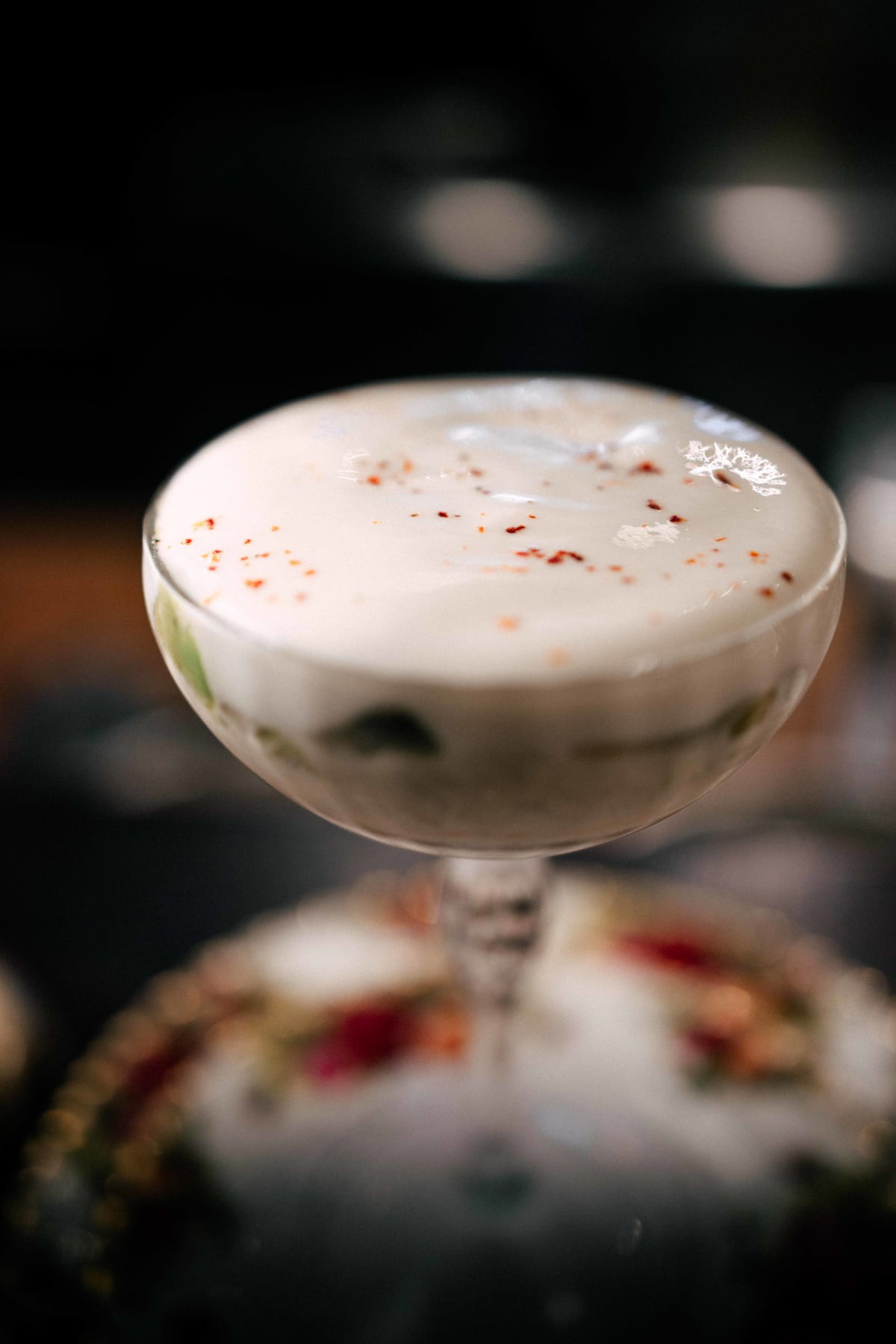
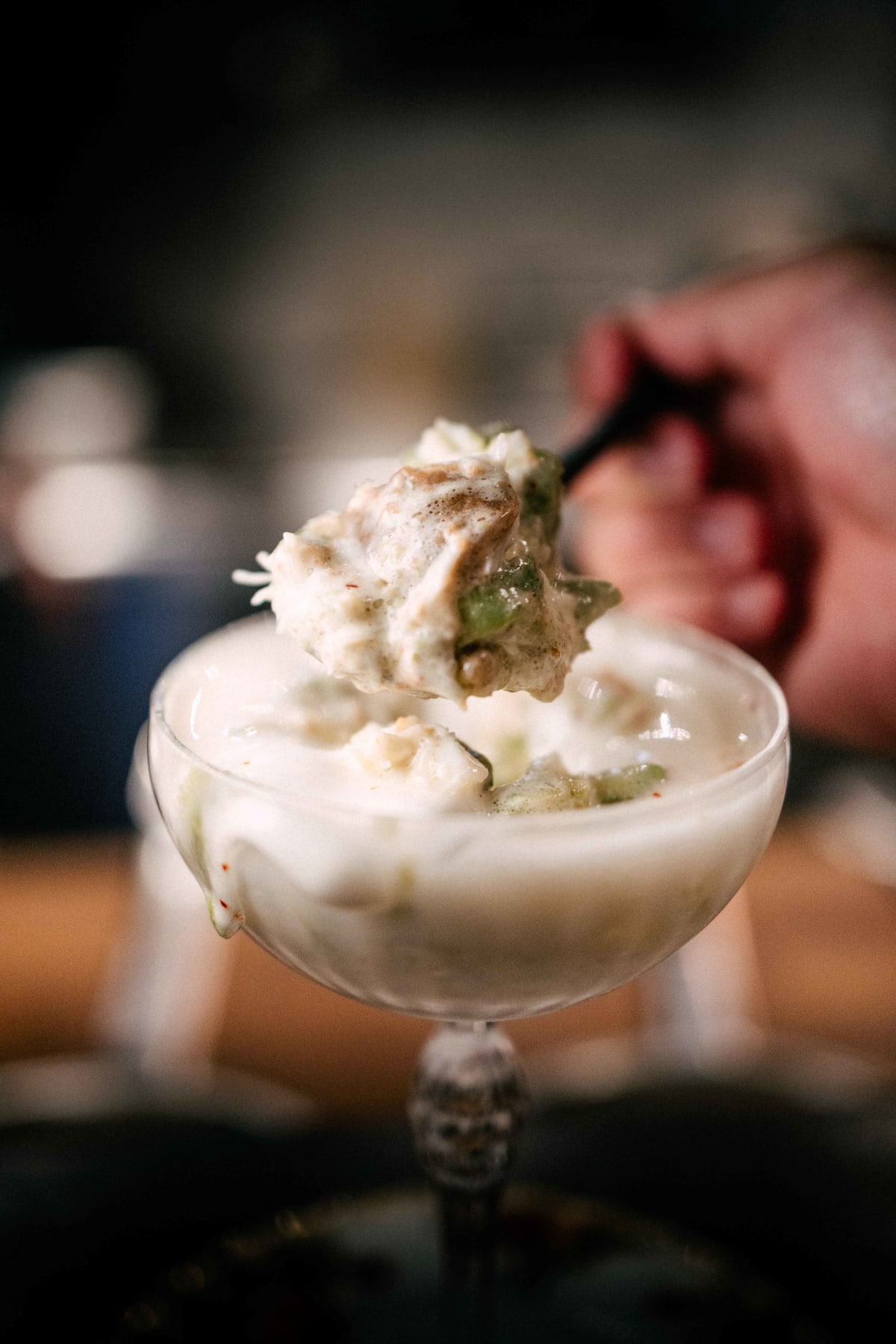
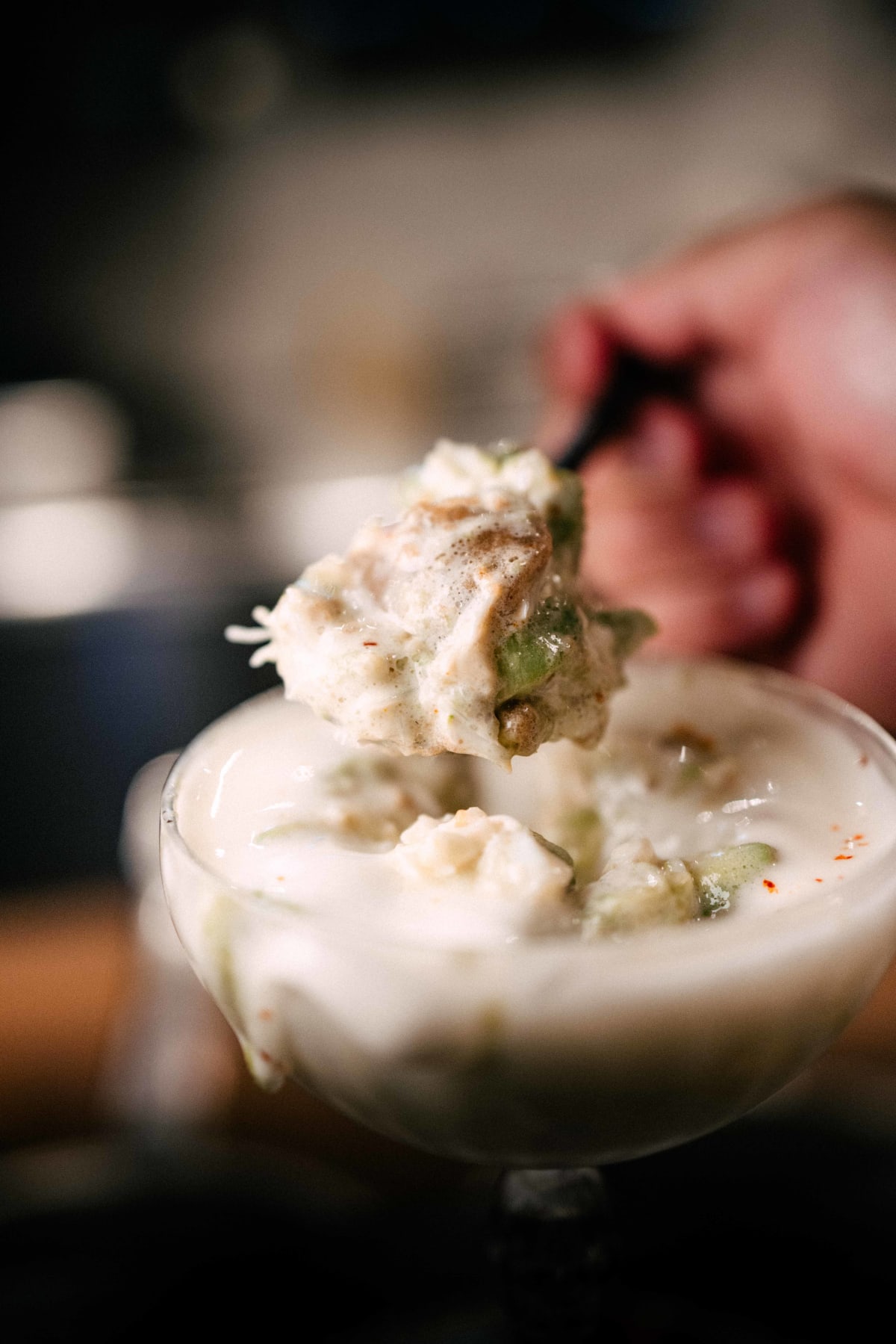
There was a generous amount of meat and more besides, the taste and savour of the innards came through, and it all went well with the creamy sauce. I was surprised, and I drank it happily.
Brown crab is the classic edible crab of Western Europe, caught in the North Sea and off the coasts of Britain and Ireland, and on the Dutch menu it is written Noordzeekrab, North Sea crab. You eat the white meat of the claws together with the rich brown meat inside the shell, and what I took for the savour of the innards was exactly this.
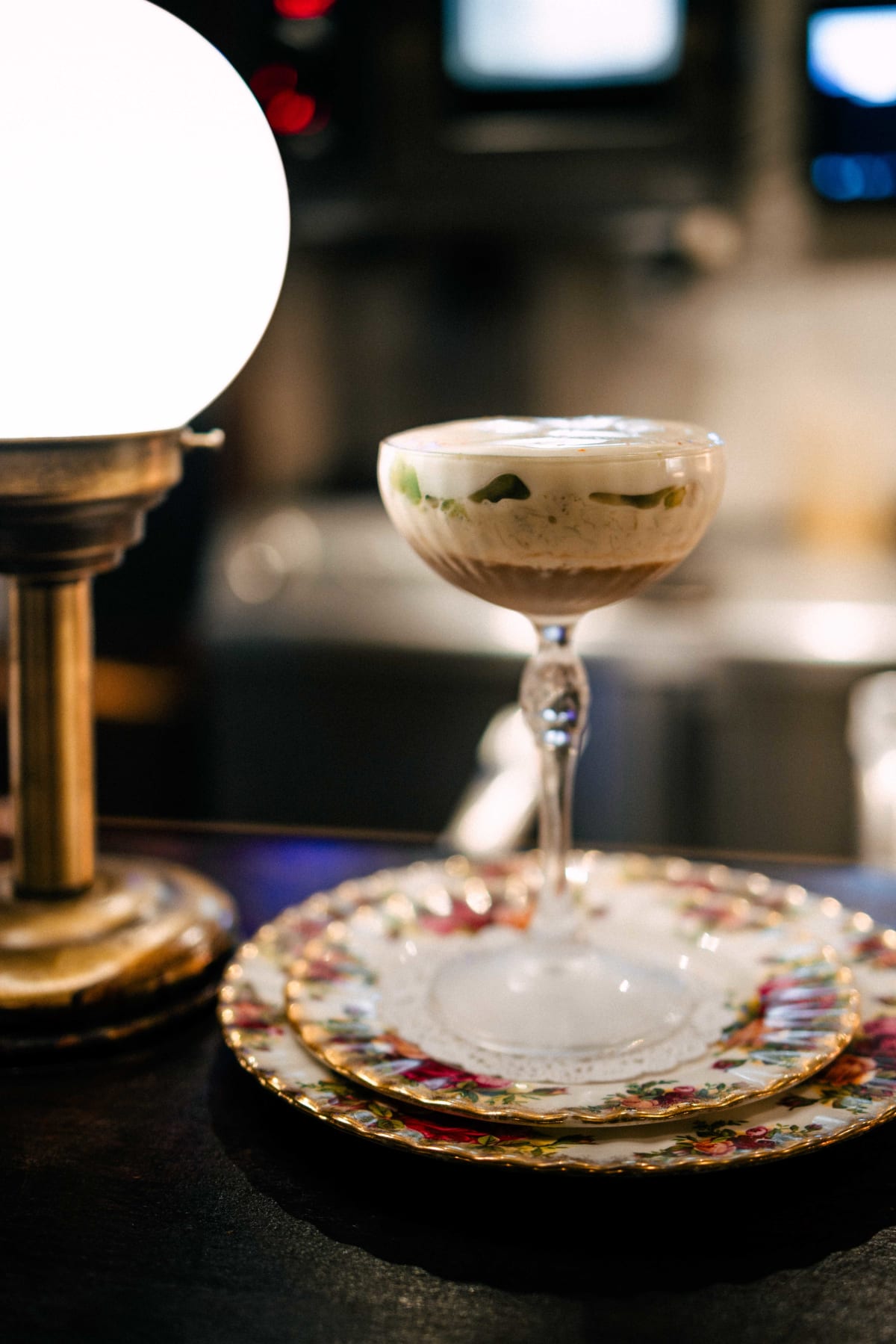
Serving seafood in a cocktail glass is the form of the prawn cocktail, the most popular starter in Britain and the United States from the 1960s to the end of the 1980s. This crab cocktail is still on the menu today, with the same avocado and jalapeño.
Section 8·The Burnt Hill
Ahead of the scallops, I had a glass of white.
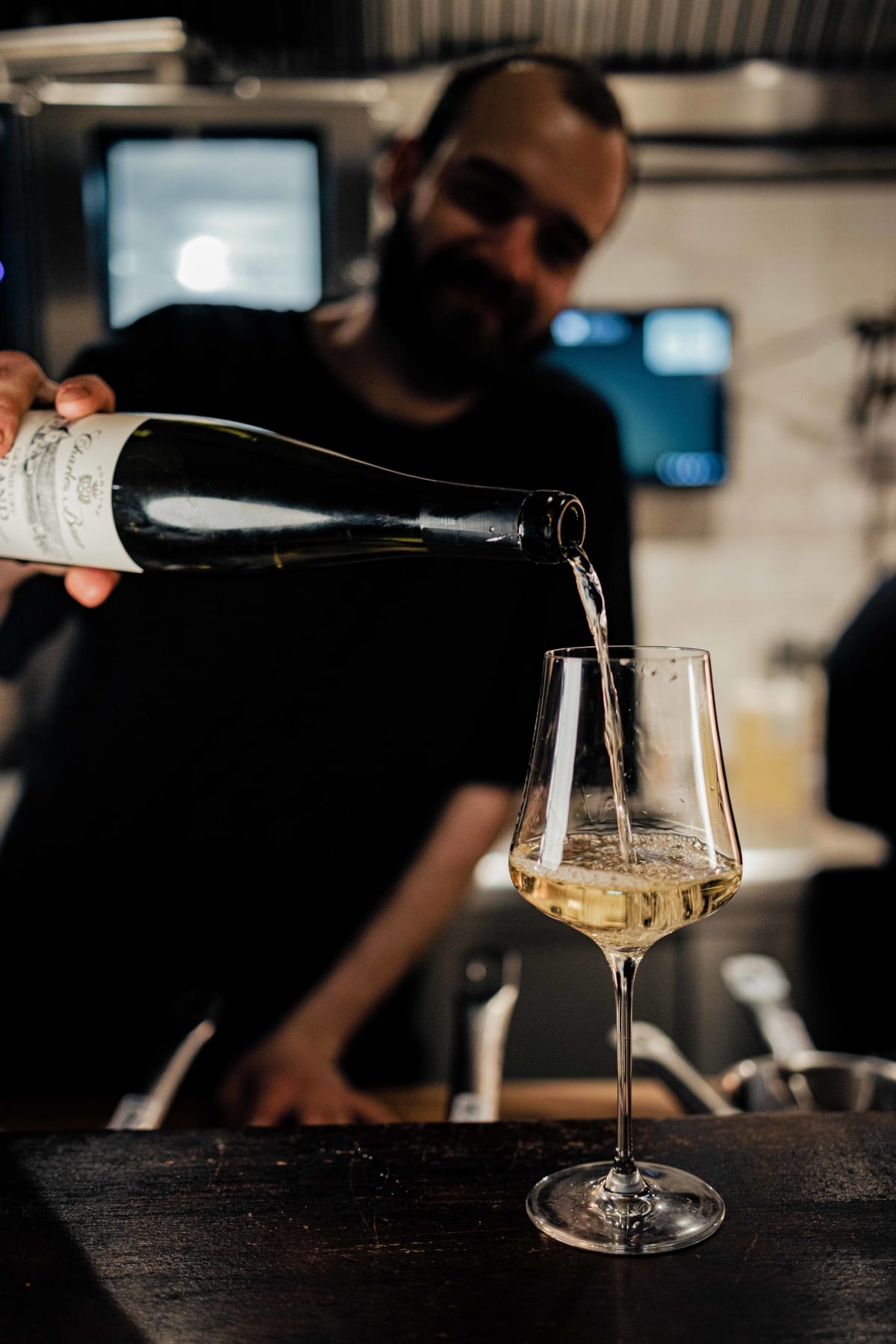
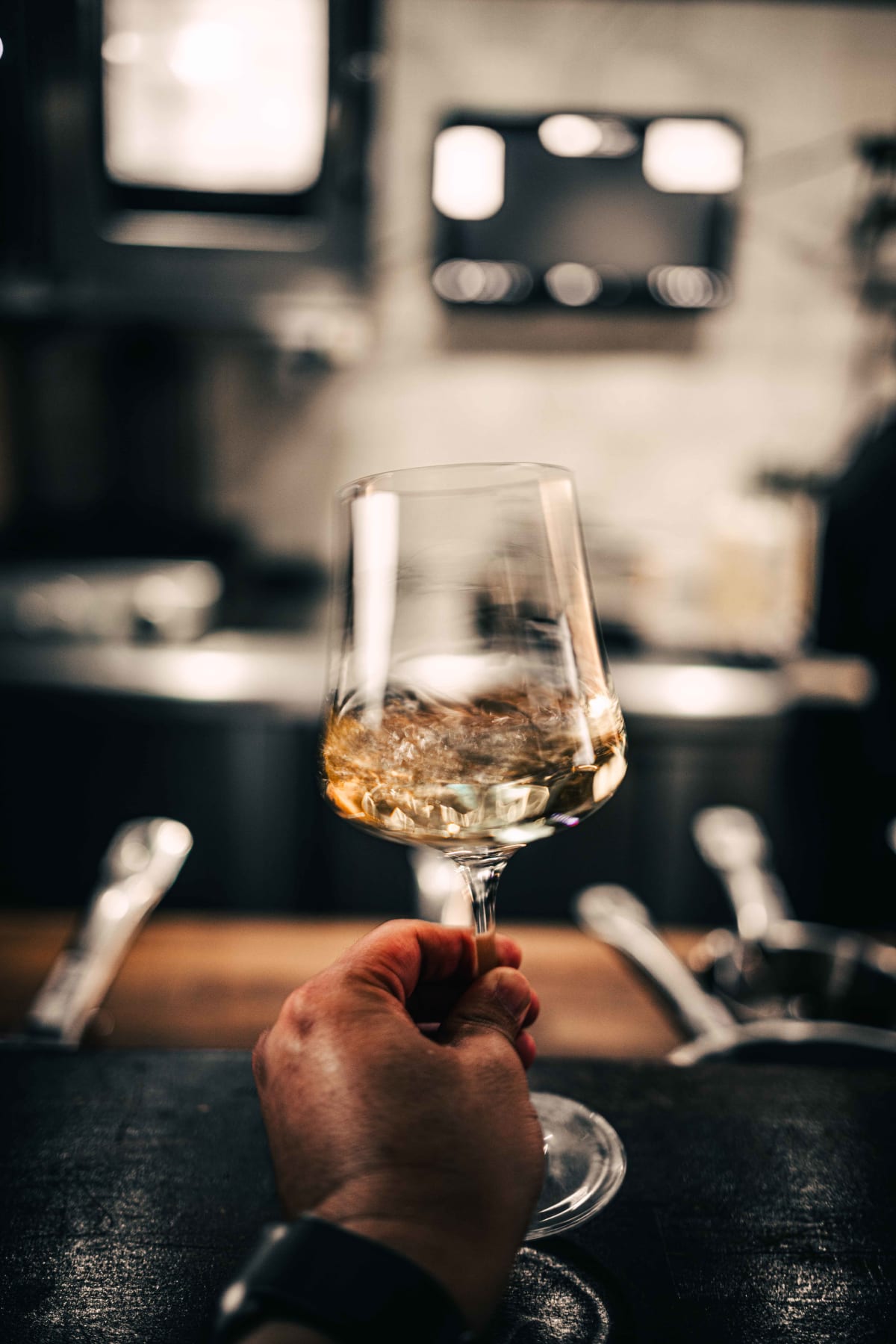
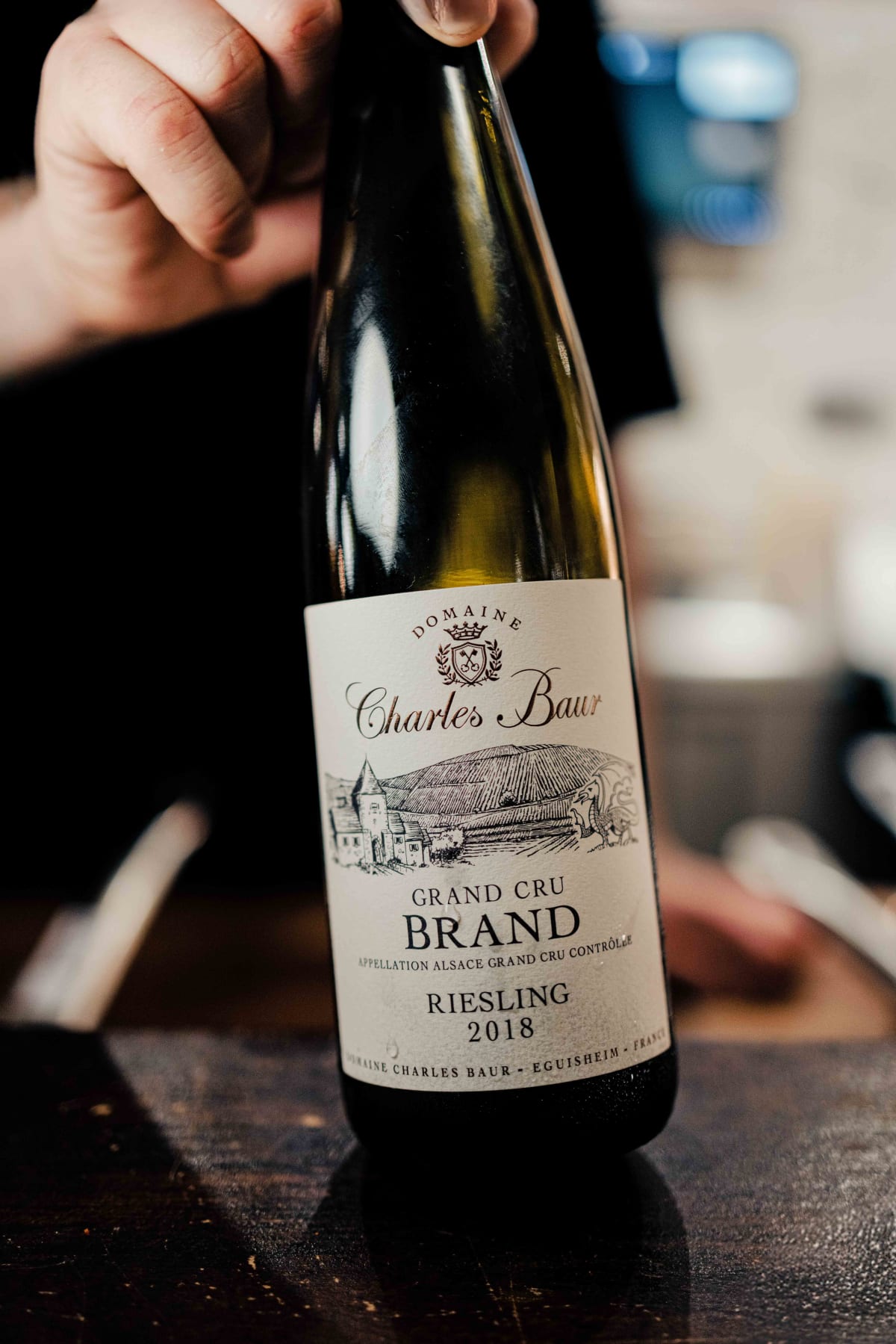
It was the Grand Cru Brand Riesling 2018 from Charles Baur, grown by a family domaine from Eguisheim on the granite hill of Turckheim. Brand means burnt place, and the dragon on the label seems to be the one from the legend, the dragon that fought the sun.
Section 9·À La Grenobloise
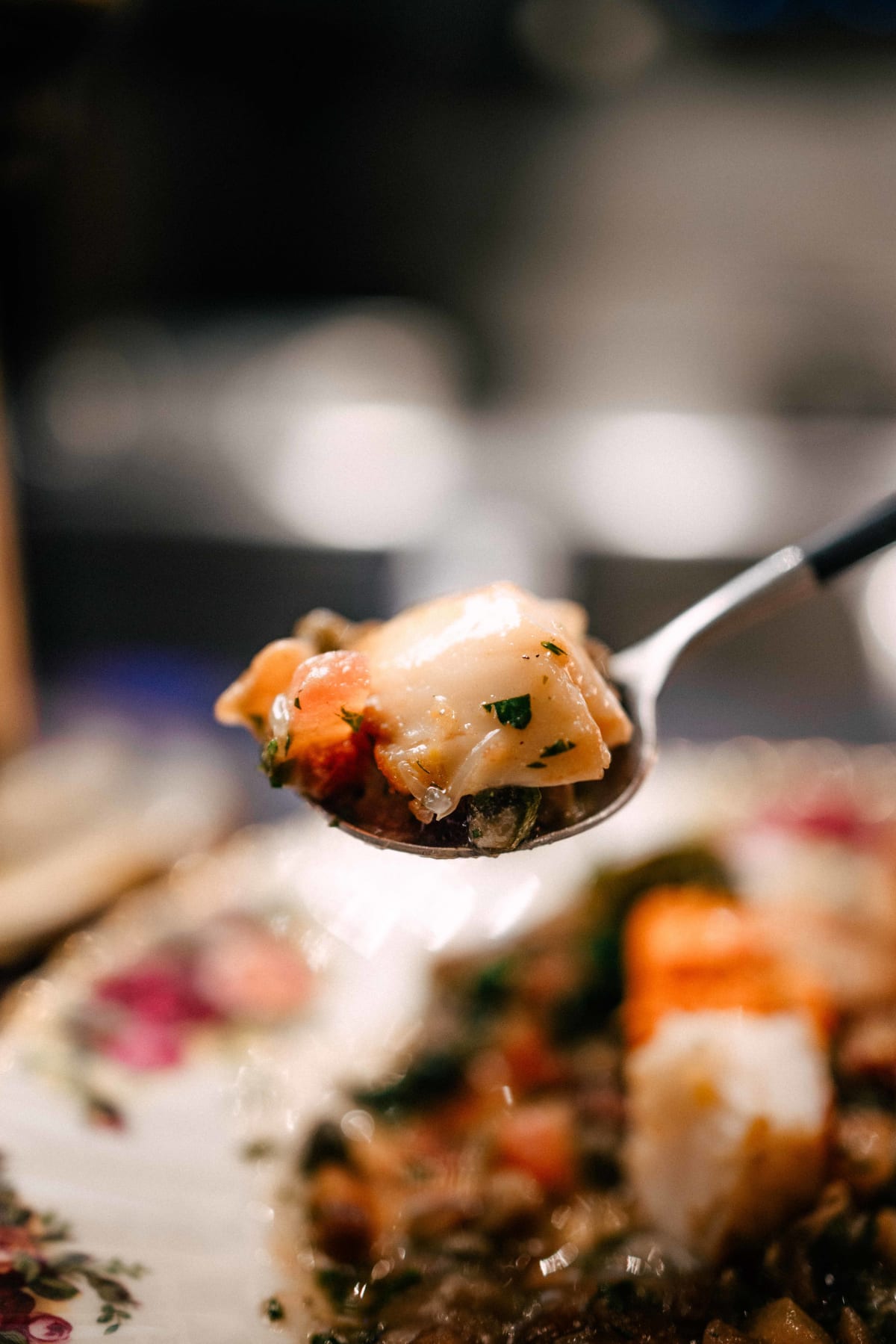
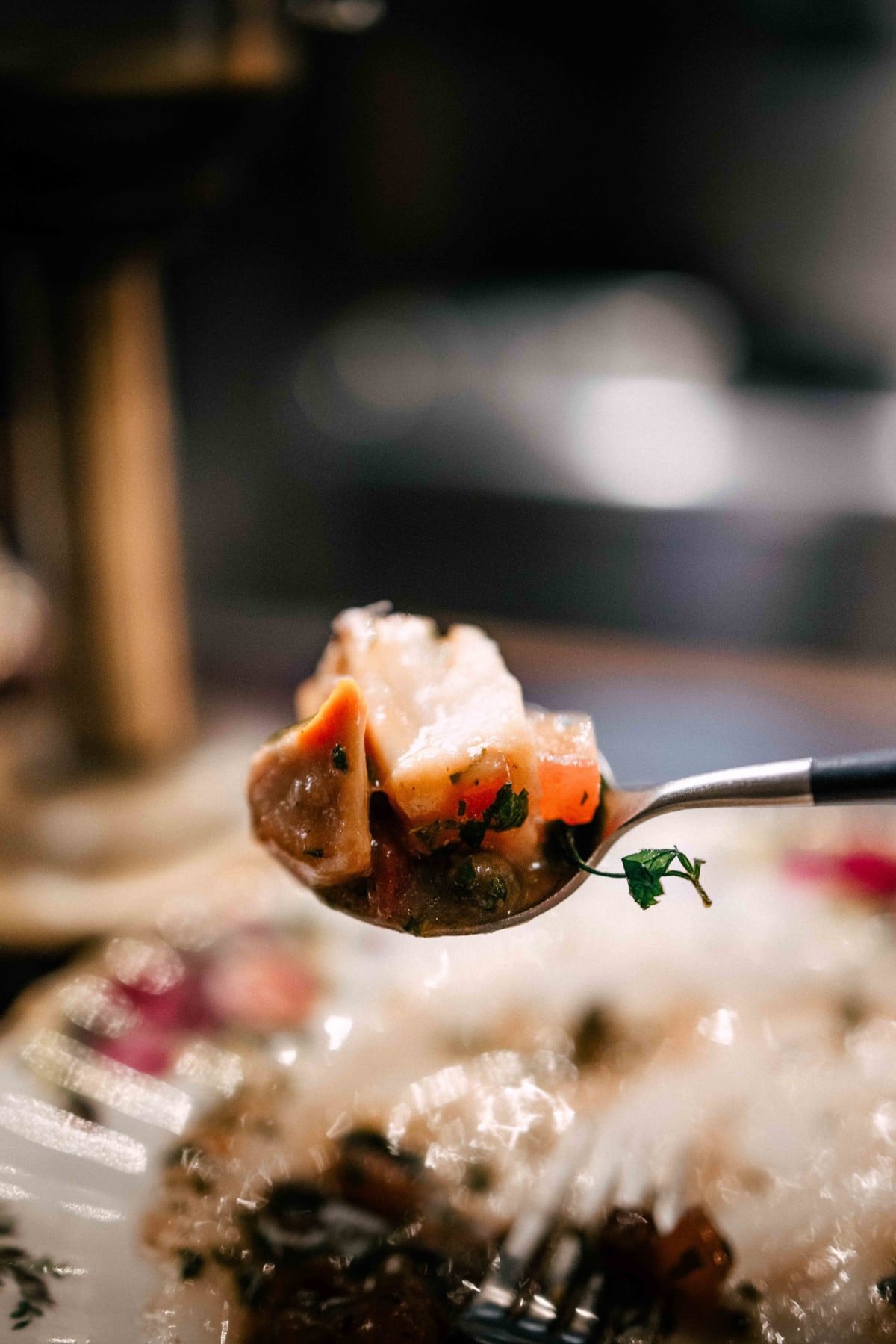
The scallop dish I ordered as an appetizer, Scallops pan-fried, à la Grenobloise, Veal Jus, came with a sauce that would suit meat or an oily fish, and it did not move me much or leave a strong impression.
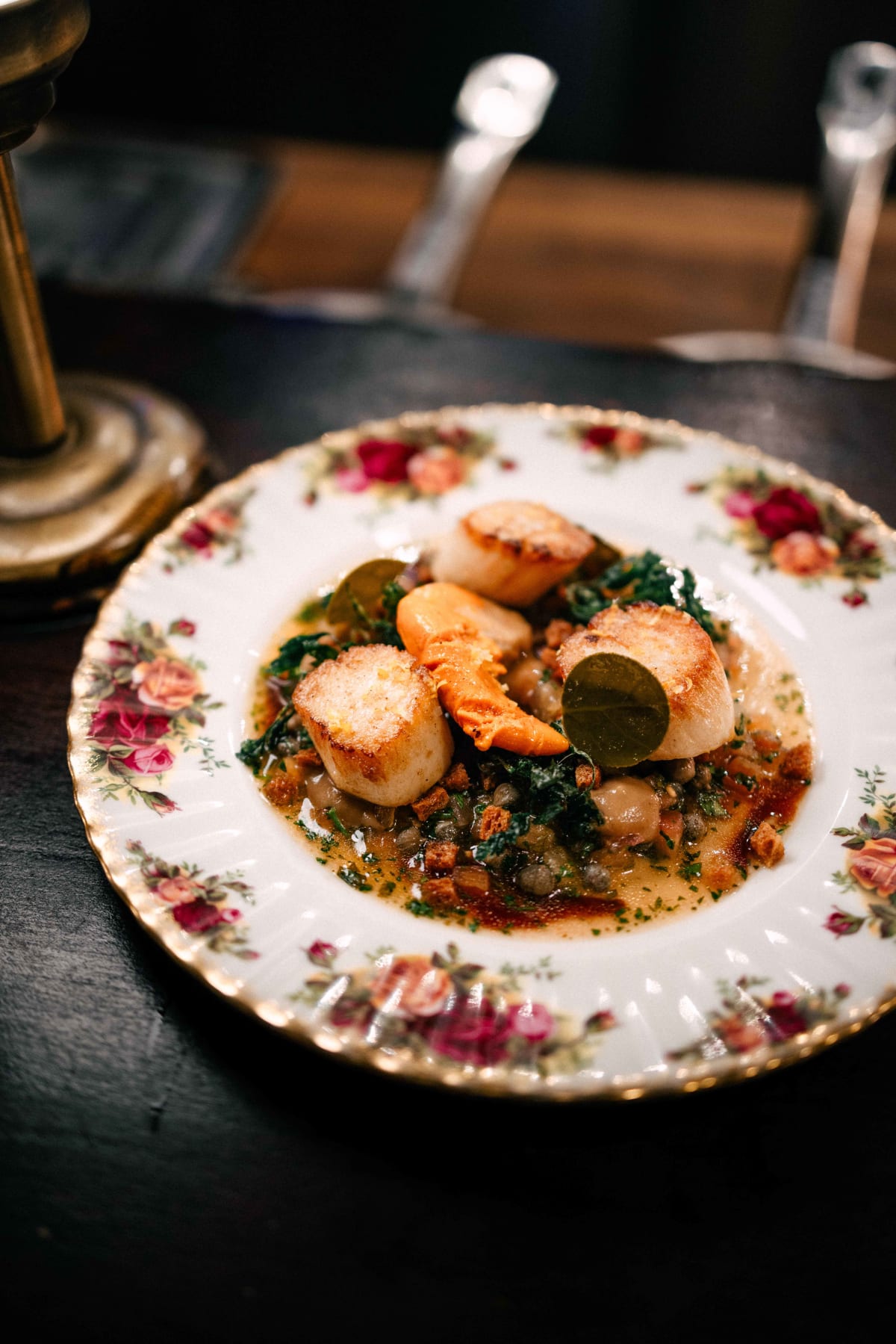
À la grenobloise is a classic garnish of capers, peeled segments of lemon and sometimes crisp croutons, set on fish cooked à la meunière, most often sole, trout or skate.
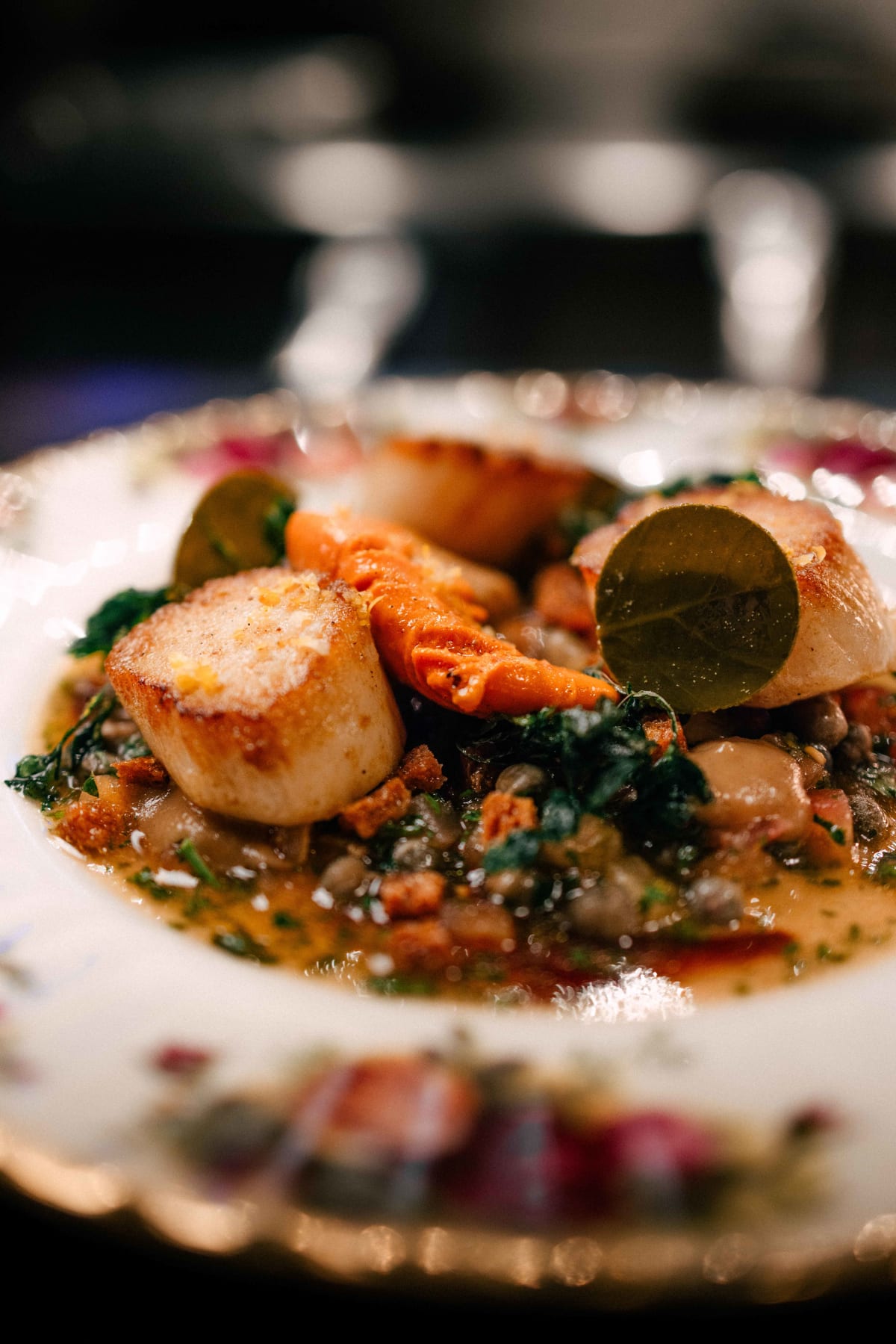
Add a veal jus on top of that, and my sense that it would suit meat was not unfounded. A food blog's account of a visit in the summer of 2023 describes a small turbot paired with the same grenobloise and veal jus, so it looks like a combination the house uses with different ingredients.
Section 10·The Signature
Having eaten this far, I was weighing whether to have a main or simply finish with dessert. Just then one of the kitchen staff told me I should not leave without their signature main, because nothing on the menu beat it. Won over by the confidence of a face that said it without so much as a blink, I ended up ordering it.
That signature was a monkfish dish: Monkfish 'Rossini' with duckliver, umeboshi, dashi Albufera.
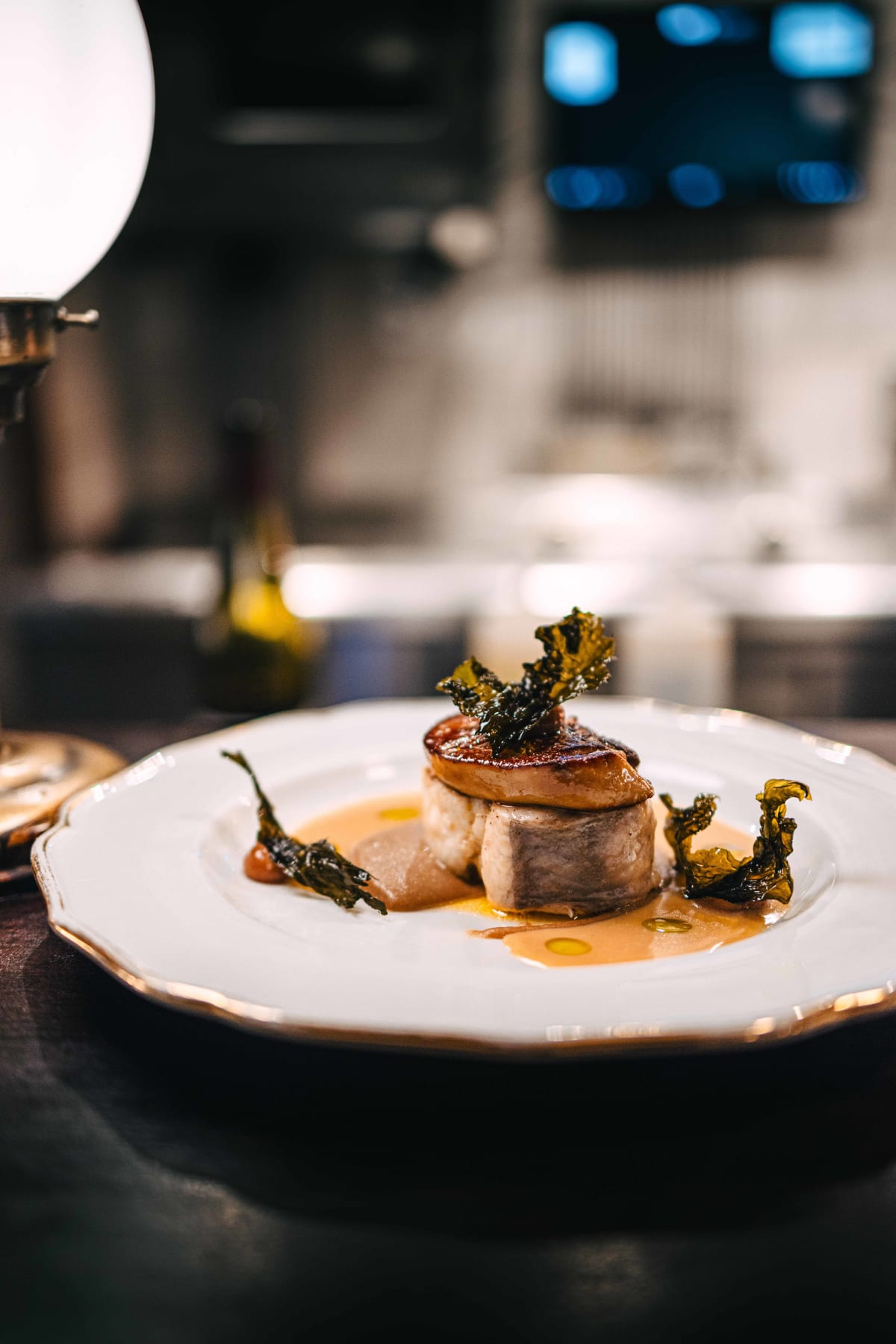
For the record, monkfish is one of my favourite fish, and agujjim, braised spicy monkfish, is one of my Korean soul foods. To go into detail, the monkfish eaten in Europe and the monkfish eaten in Asia go by the same name but are not quite the same fish. The European monkfish is Lophius piscatorius of the north-east Atlantic, while what is sold as monkfish in Korea and Japan is Lophiomus setigerus and the yellow goosefish, Lophius litulon. They belong to the same family but are different species.
Section 11·Two Reds To Taste
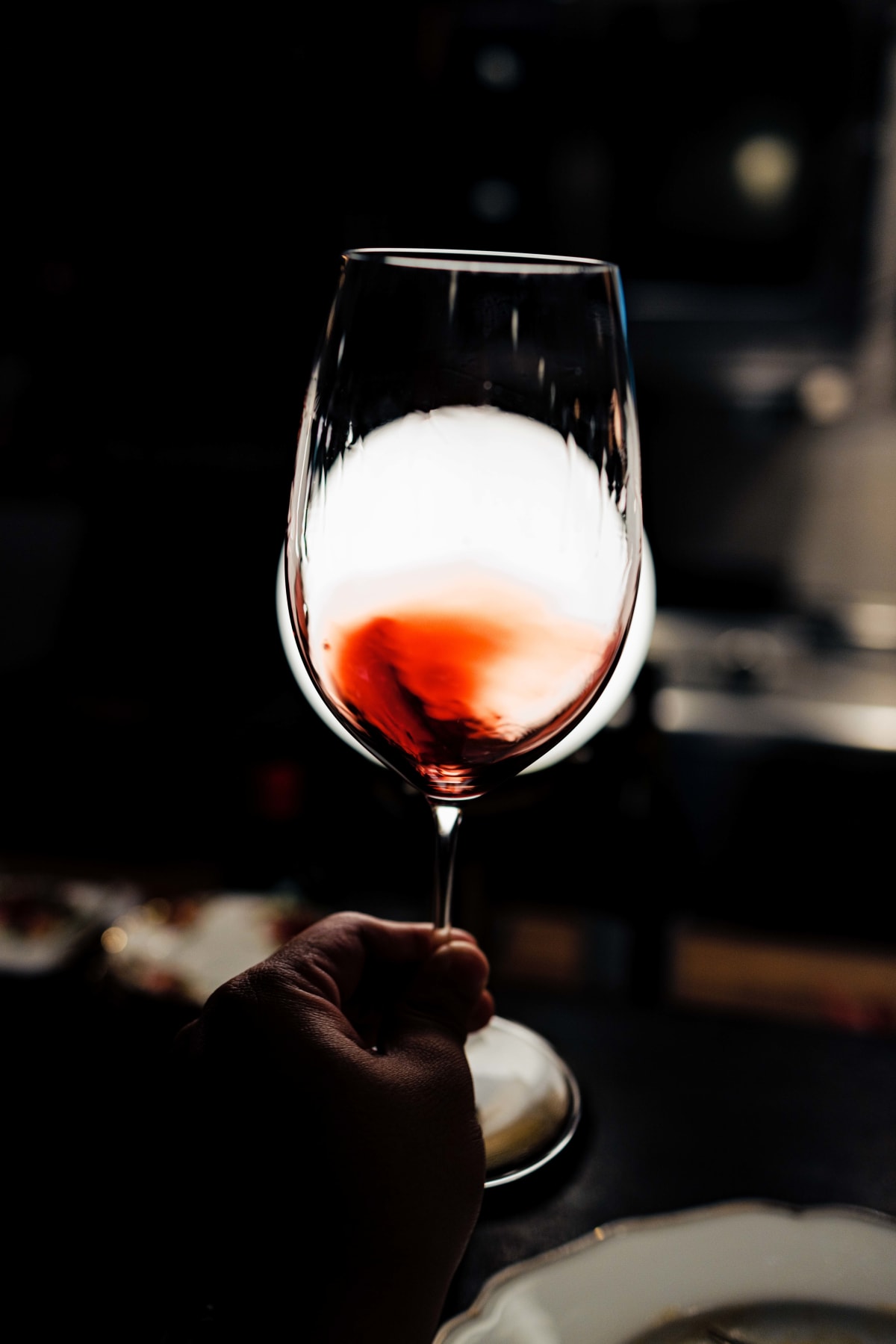
While I waited for the dish and wondered which red to order with it, a member of staff noticed and poured me a glass of each of two reds to try.
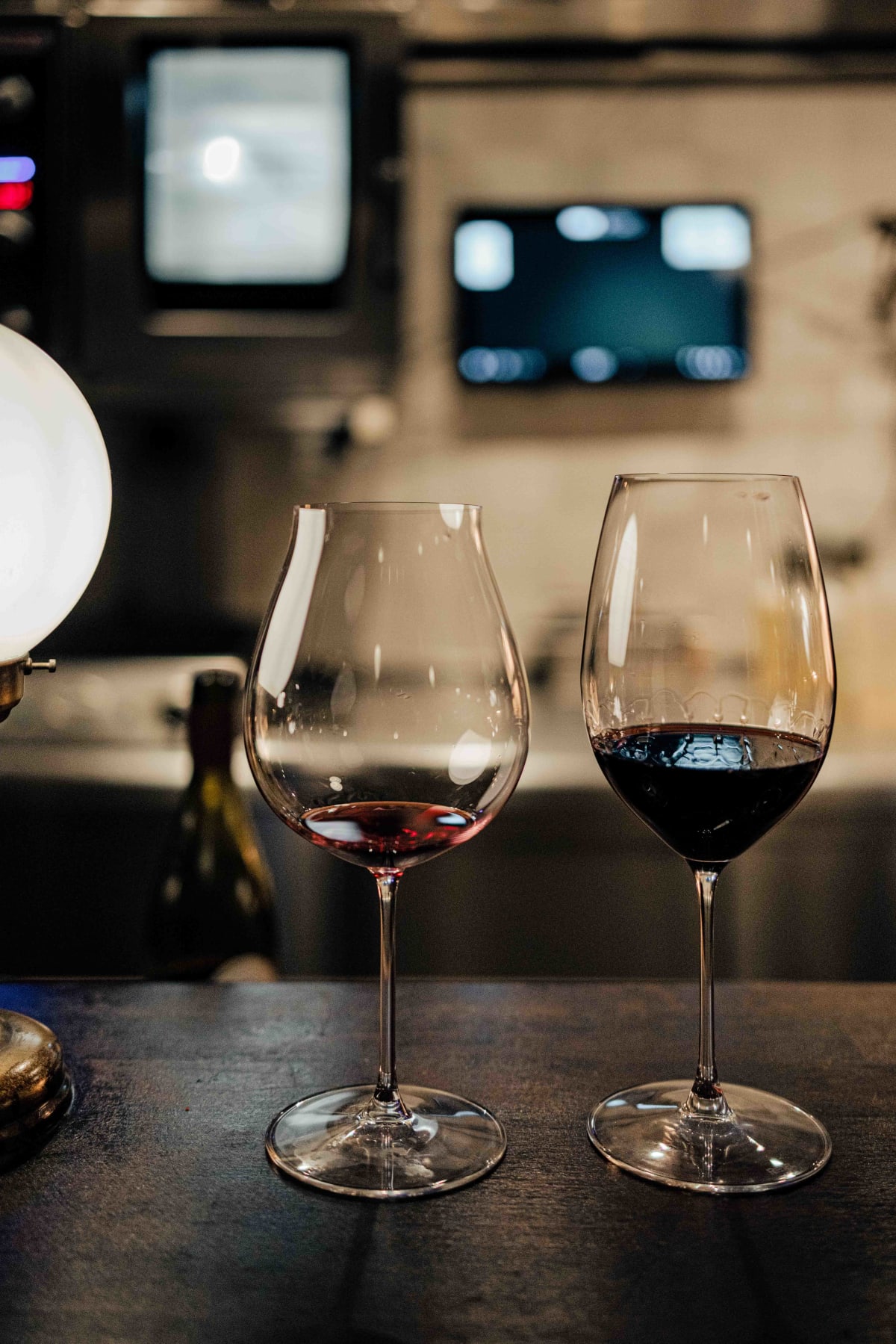
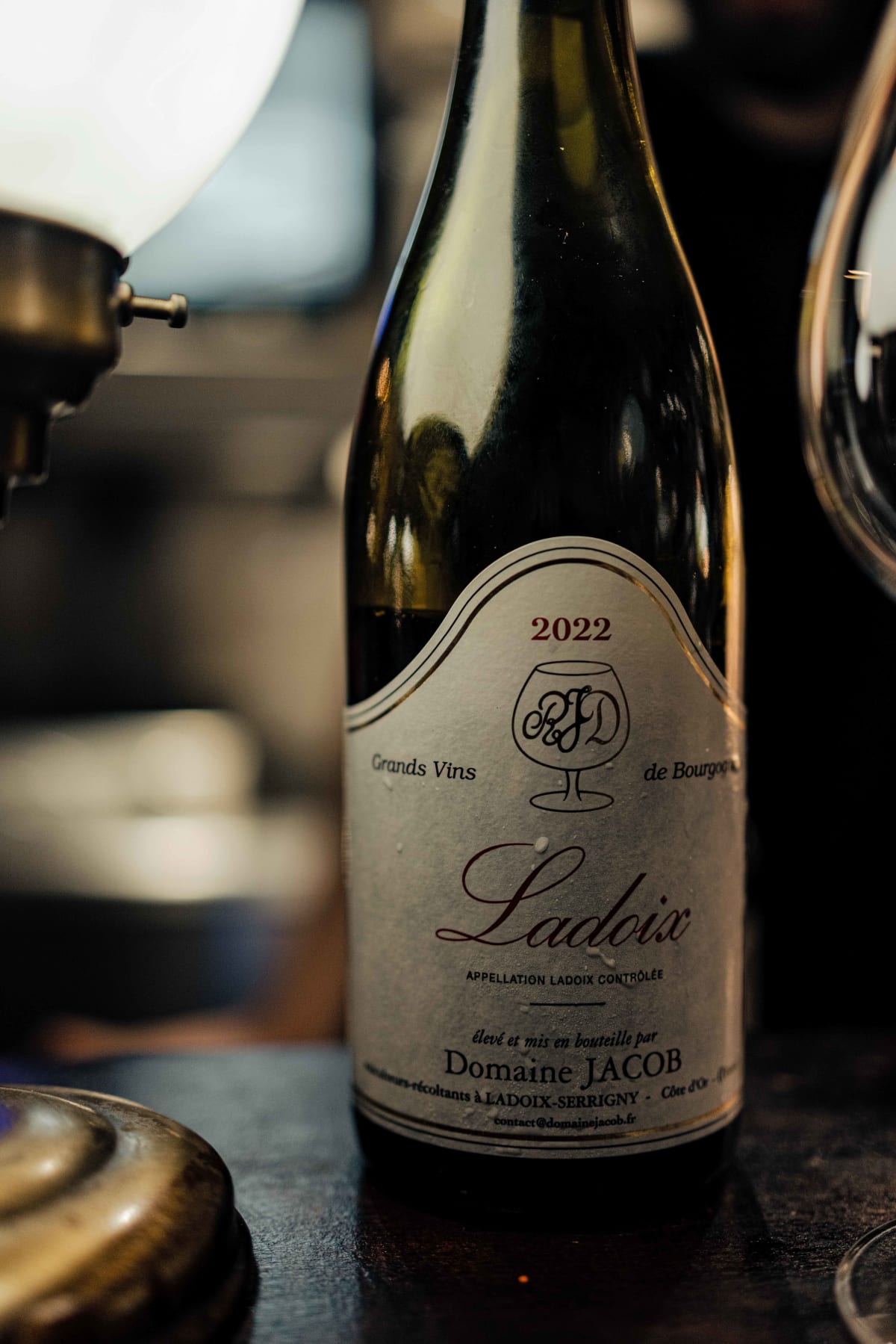
One was the Ladoix 2022 from Domaine Jacob, a family that has grown grapes for four generations since 1923 in Ladoix-Serrigny, the village at the northern end of the Côte de Beaune that takes in the north-eastern flank of the hill of Corton.
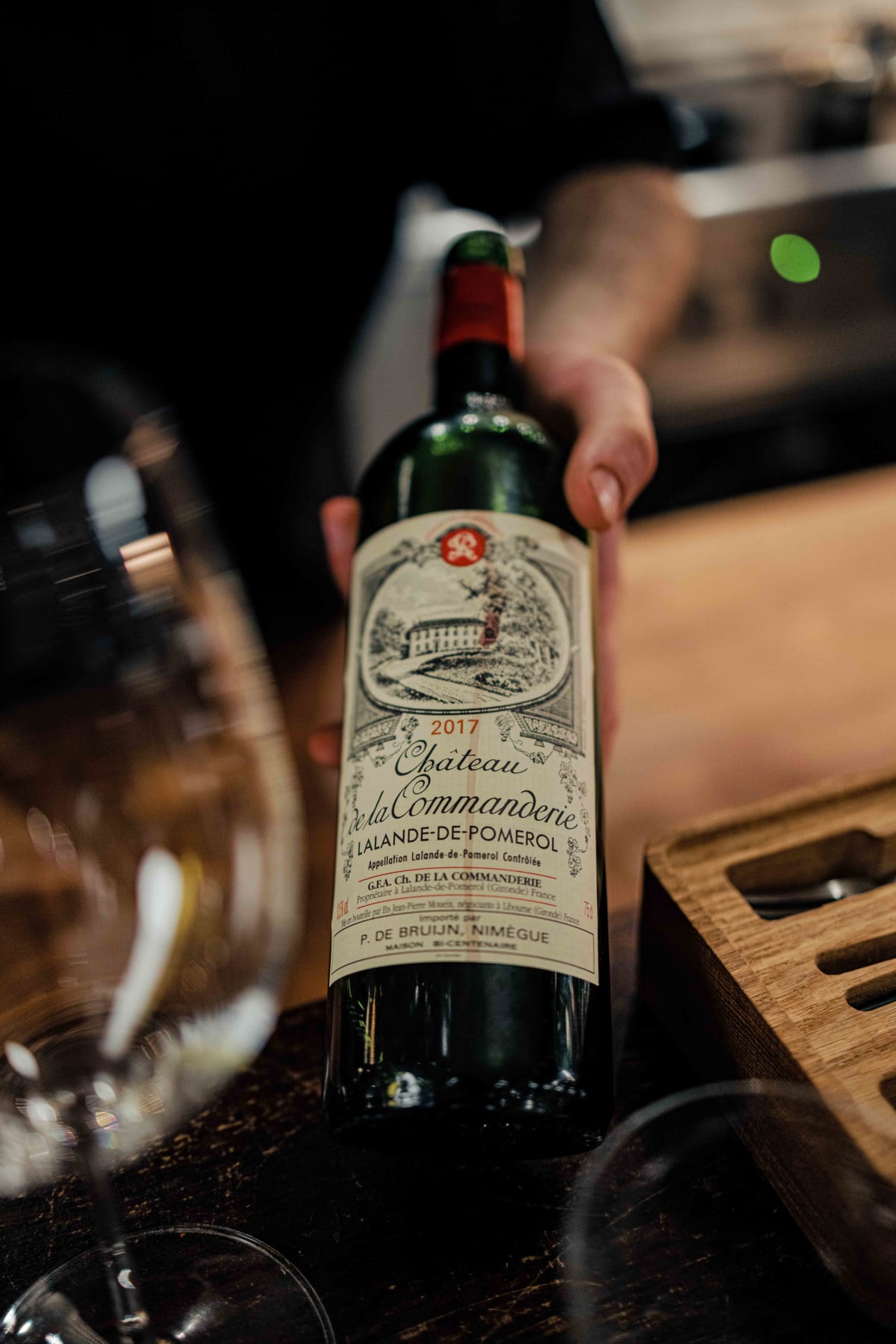
The other was a Bordeaux, Château de la Commanderie 2017.
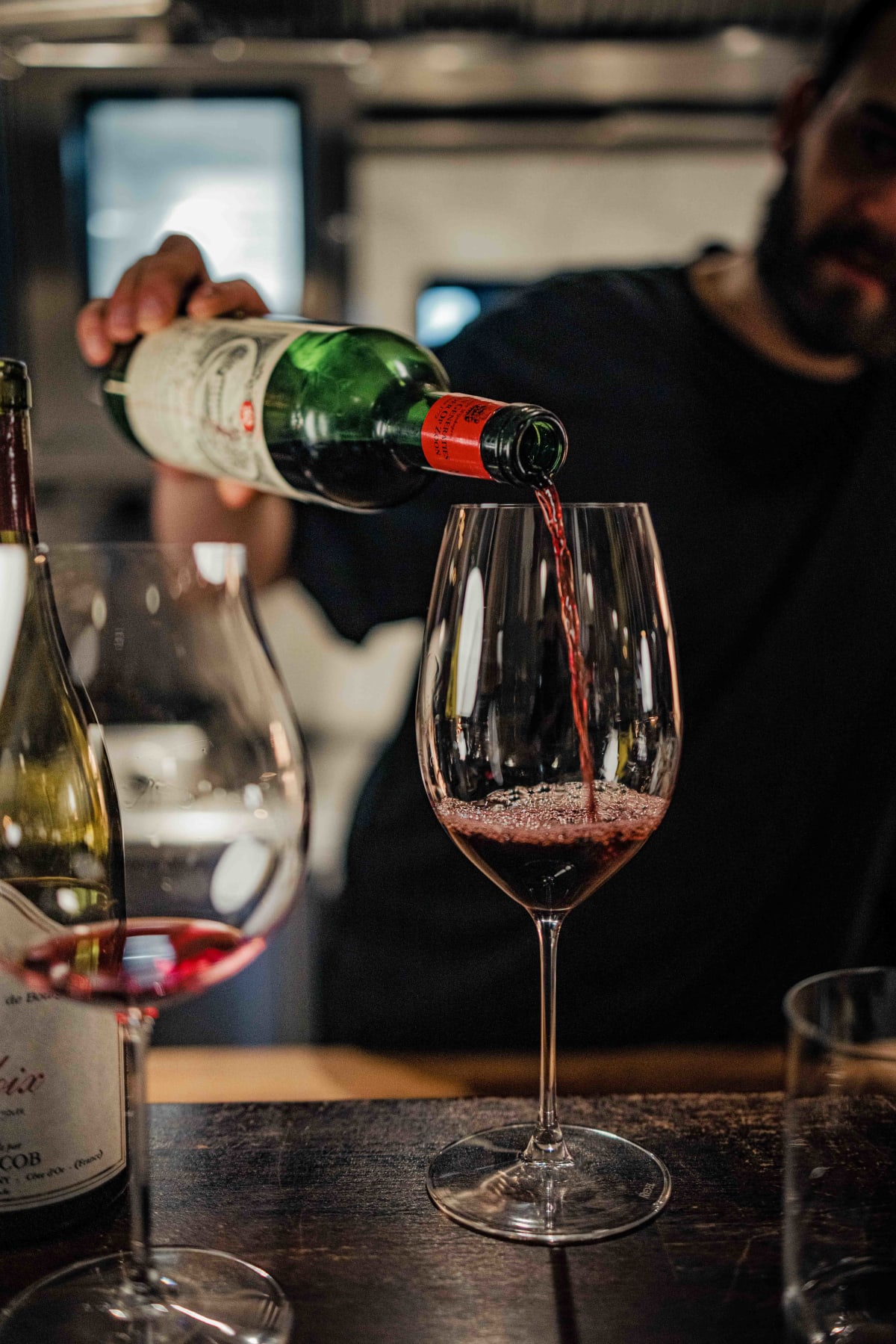
I chose the Bordeaux and went on drinking it with the monkfish. I would not usually drink Bordeaux with a fish dish, whatever its weight, but I had a hunch that the monkfish here would somehow go with it.
It is a Merlot-led wine from Lalande-de-Pomerol, just north of Pomerol, and Jean-Pierre Moueix has been bottling it. In 2017 an April frost cut the appellation's harvest to a third of the year before. For reference, the importer, P. de Bruijn, founded in 1772, is the oldest independent wine merchant in the Netherlands.
Section 12·Monkfish Rossini
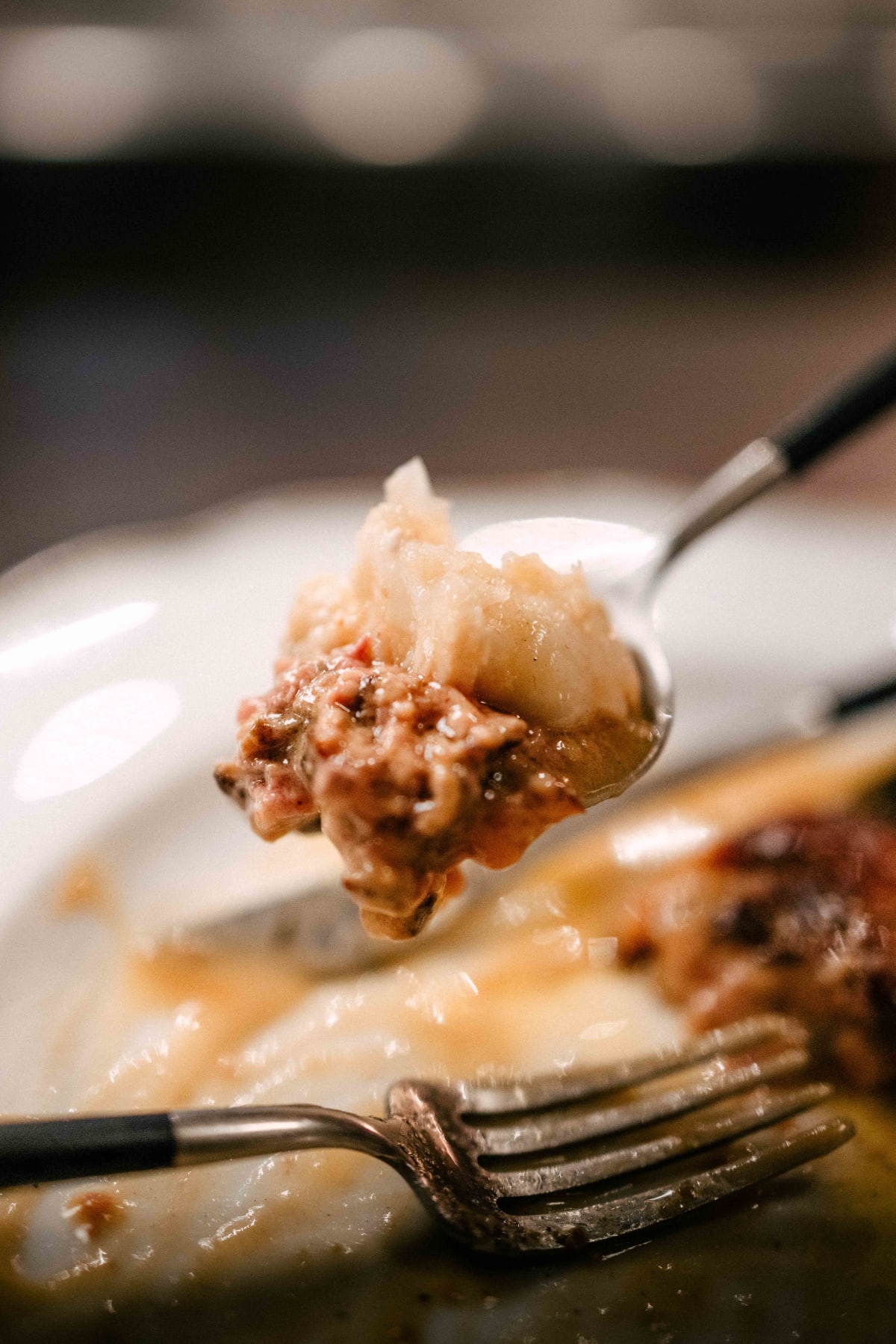
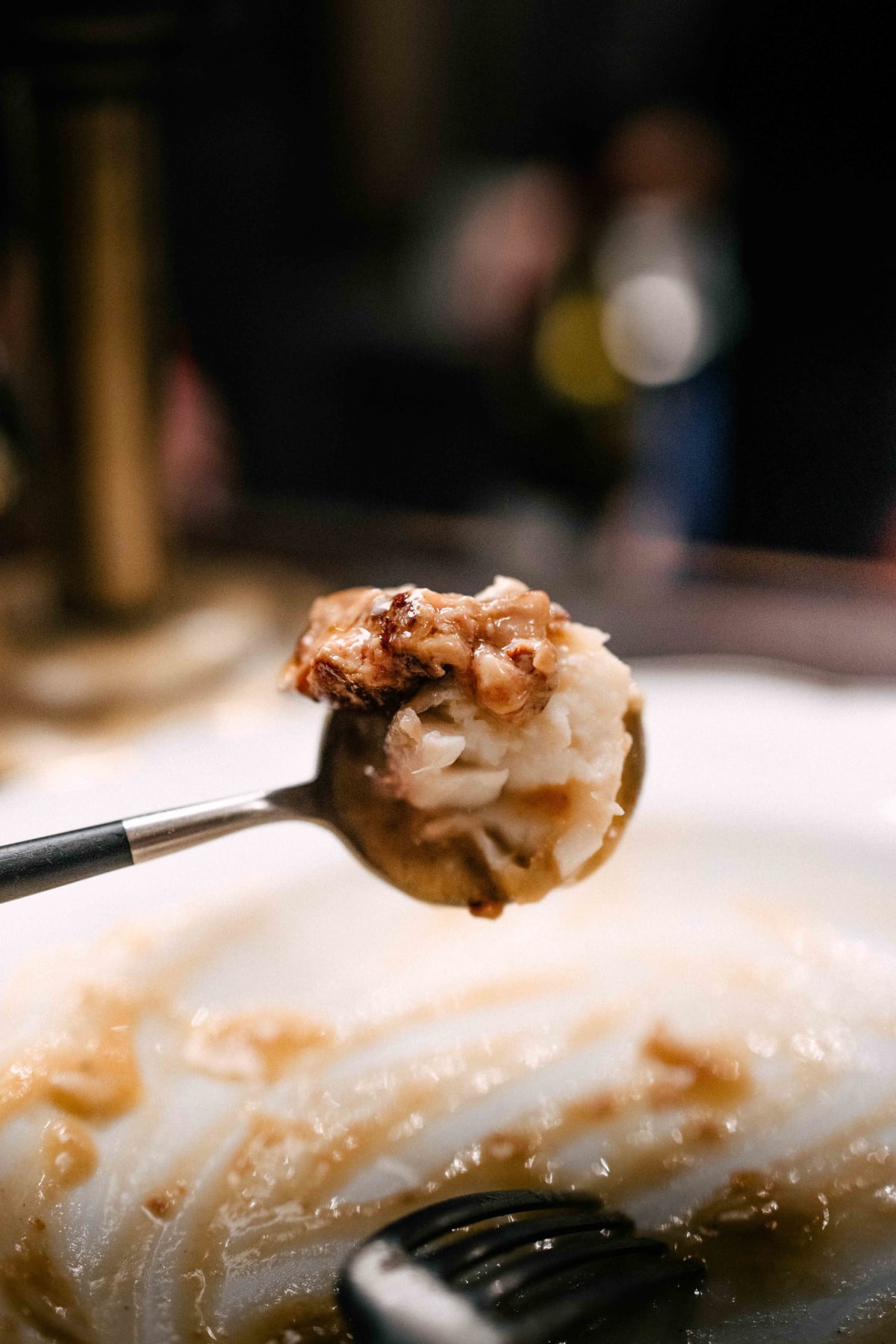
The dish was monkfish roasted Rossini-style and served with duck foie gras, umeboshi and an Albufera sauce, and it was truly delicious.
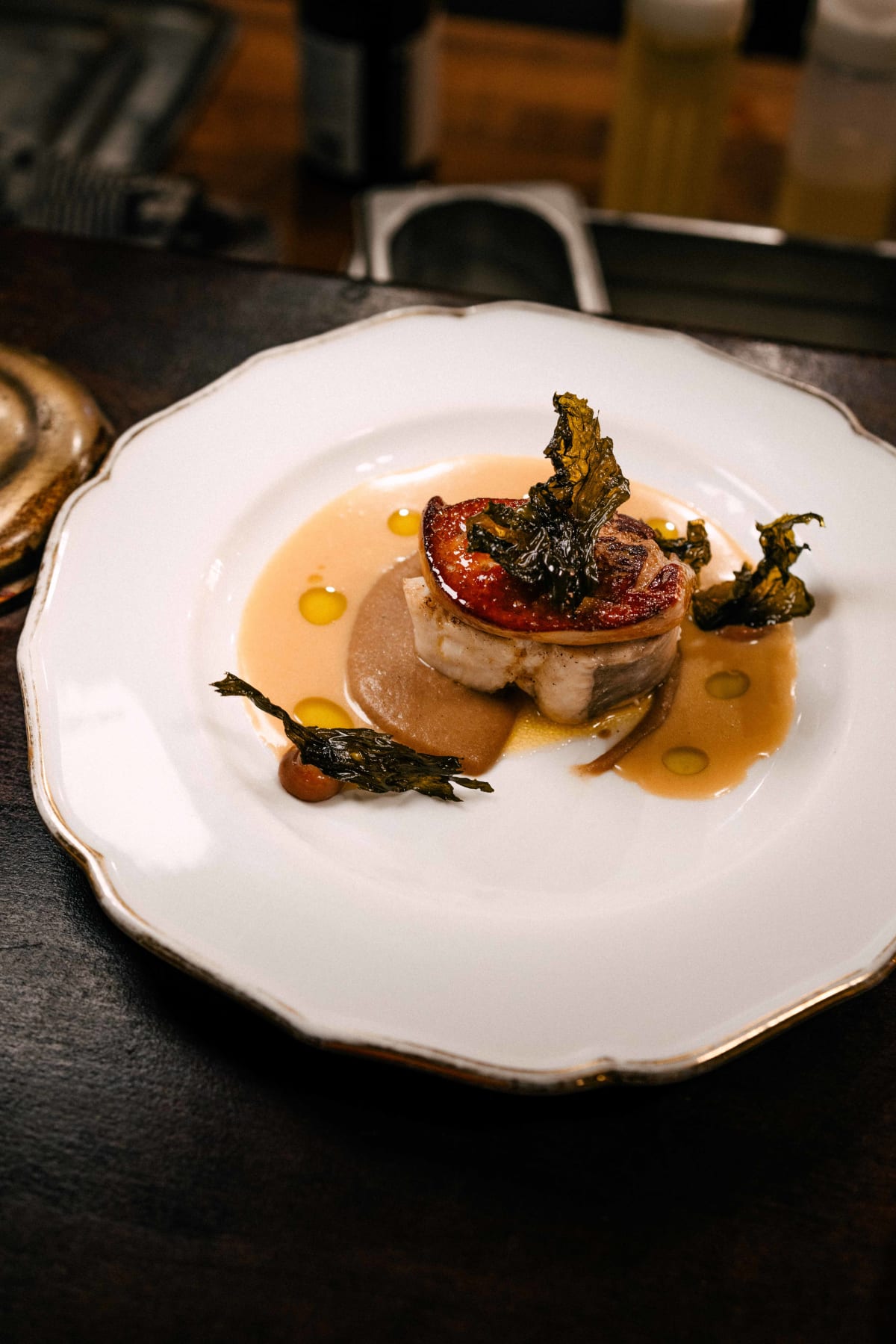
The foie gras laid its richness over monkfish that was not the least bit dry, and the bright umeboshi sauce kept the heaviness in check.
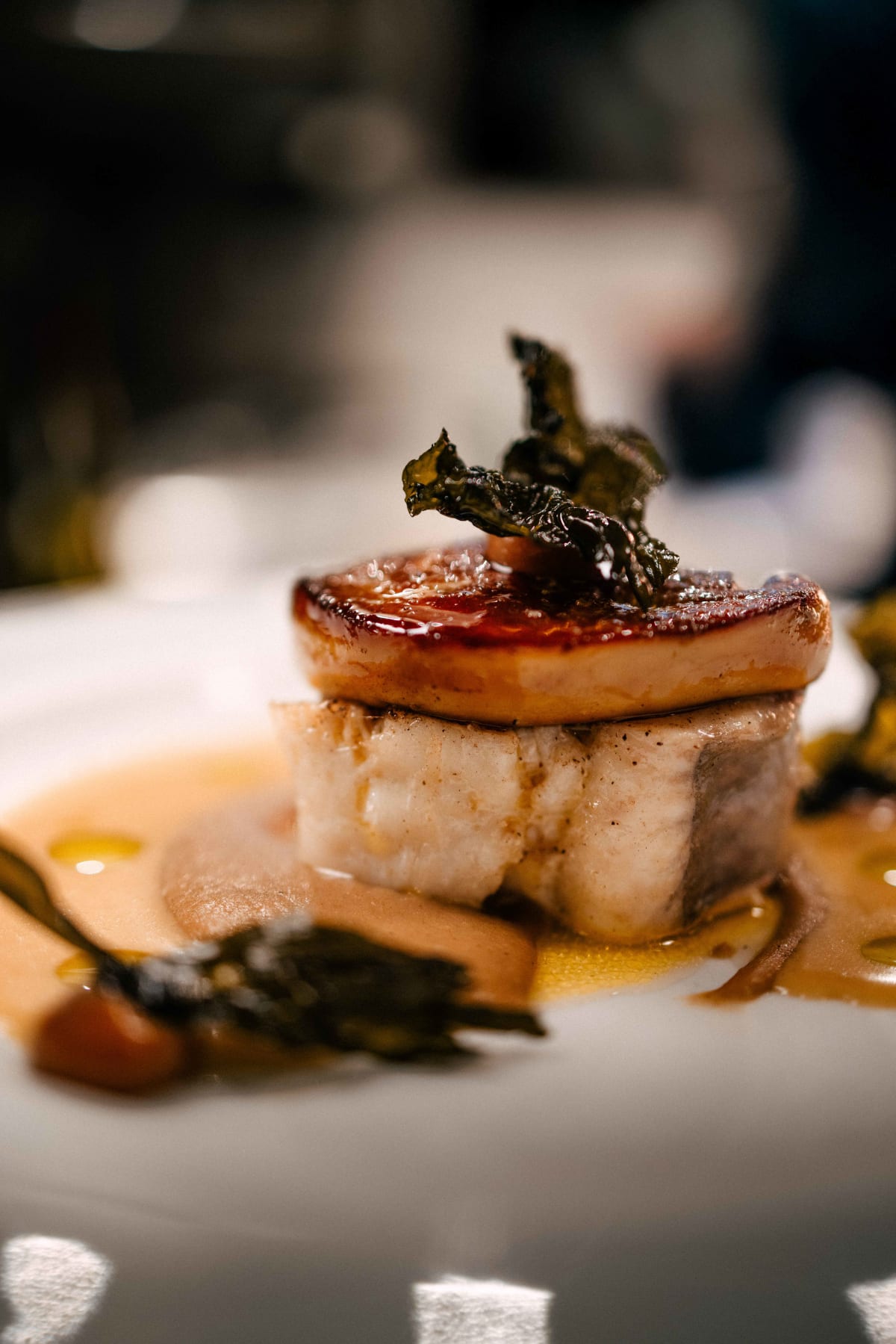
As befits a restaurant with a French name, the cooking follows French lines, but I also felt that it deftly slips in exotic touches here and there, a Japanese one among them.
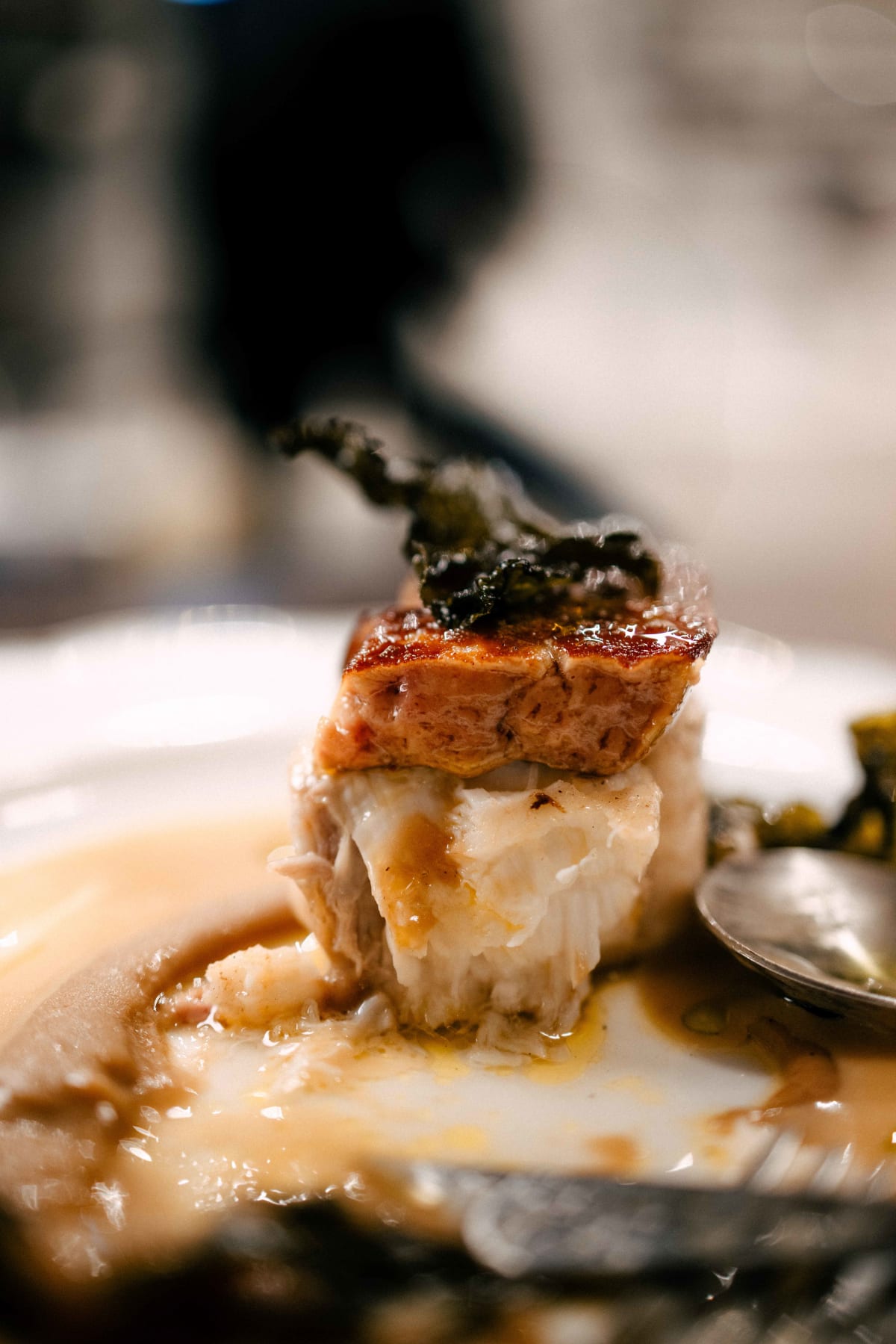
The name Rossini comes from the French classic tournedos Rossini: beef fillet fried in butter and set on a croûton, topped with briefly seared foie gras and black truffle and finished with a Madeira sauce, named after the composer Gioachino Rossini. Who first made it is disputed, with Carême, Dugléré and Escoffier all credited. This house sat the monkfish down in the beef's place.
This house sat the monkfish down in the beef's place.
Albufera sauce is a classic as well. Marshal Suchet, one of Napoleon's generals, received a dukedom named after the Albufera lagoon near Valencia, and the cream sauce that carries the name has mostly been served with poultry.
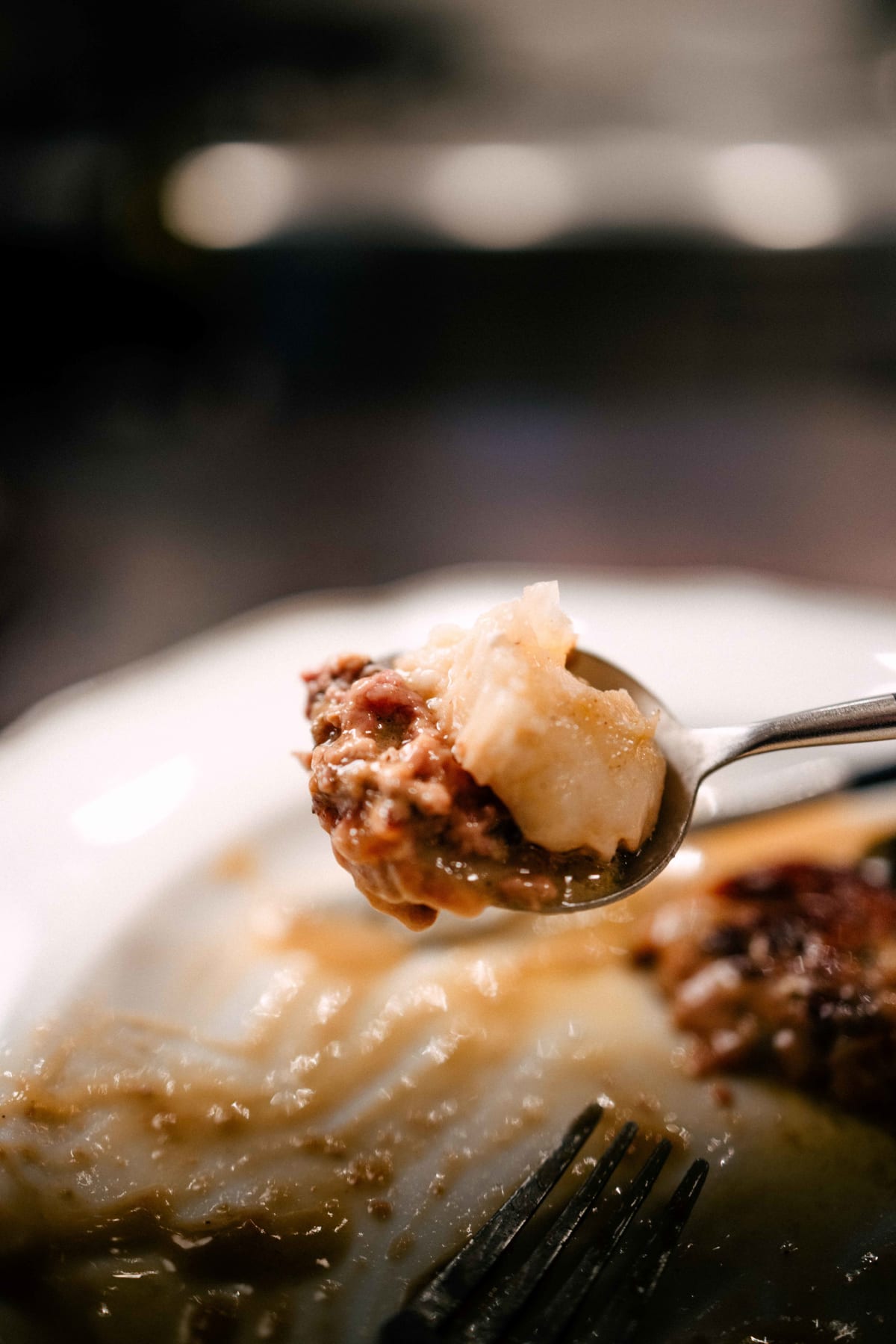
Here dashi (出汁) is worked into that sauce, and umeboshi lifts its acidity. This is the exotic touch I had sensed. Both Michelin and Lekker single this dish out when they write about the restaurant.
Section 13·Why One Star
Up to the middle of the meal the food was not bad, but I kept wondering why this was a Michelin one-star restaurant. Then I began to think it might have won its star on the strength of this one monkfish dish.
Then I began to think it might have won its star on the strength of this one monkfish dish.
It was so good that I would happily make the trip to this restaurant for that one dish alone.
When Michelin gave the restaurant its first star in April 2023, its announcement said, in Dutch, that at the à la carte fish bistro Bistro de la Mer, chef Julius Nuiten, under the wing of Richard van Oostenbrugge and Thomas Groot, shows once again that they can bend tradition to their will.
Nuiten, who ran the kitchen from the opening and won that star, has since moved to another Amsterdam restaurant, Le Souterrain. With the beef swapped for monkfish and dashi and umeboshi brought into the Albufera, this dish was the one that fitted that sentence best.
Section 14·Jerusalem Artichoke
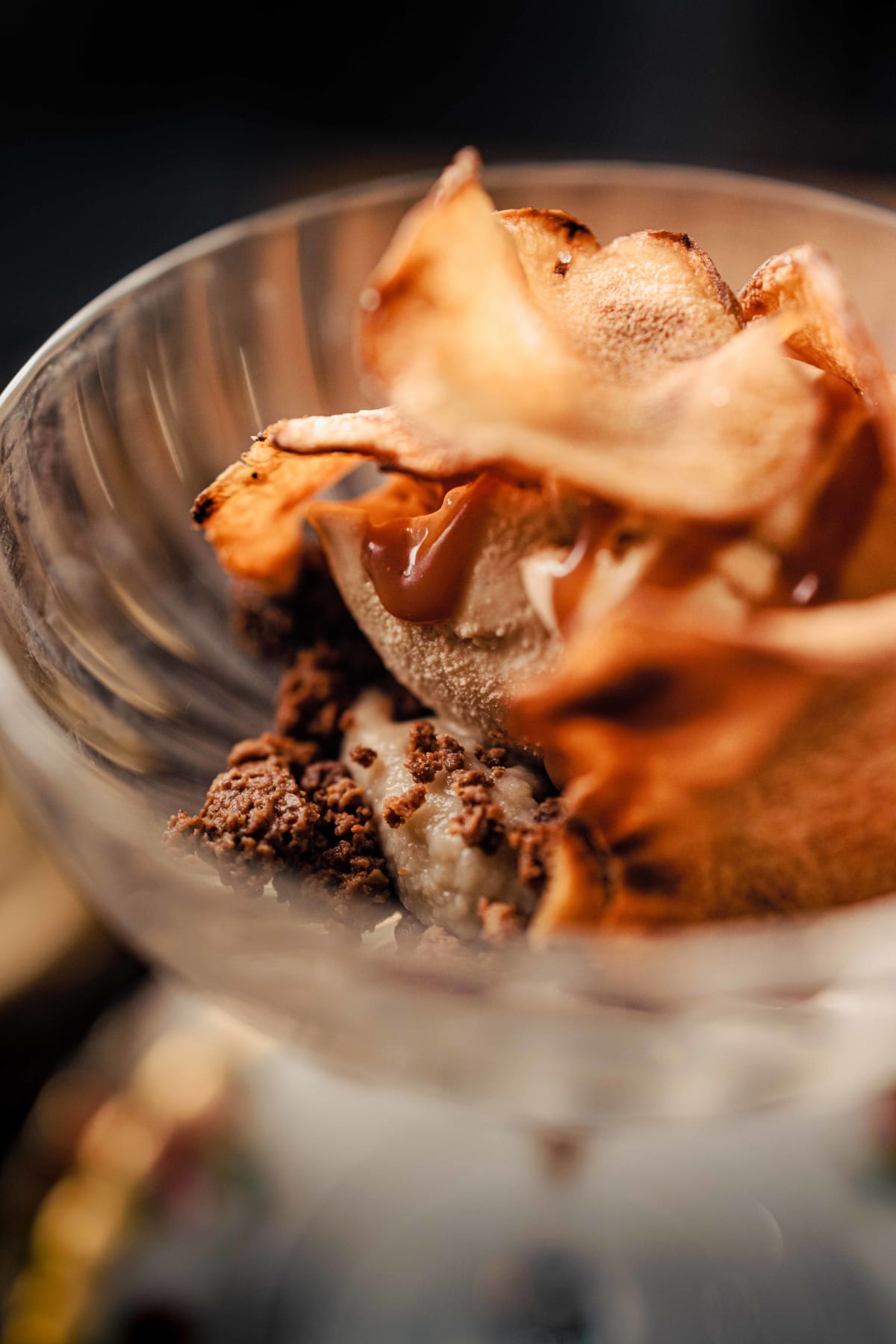
For dessert I ordered Jerusalem Artichoke cream and chips, with white chocolate ice cream and caramel.
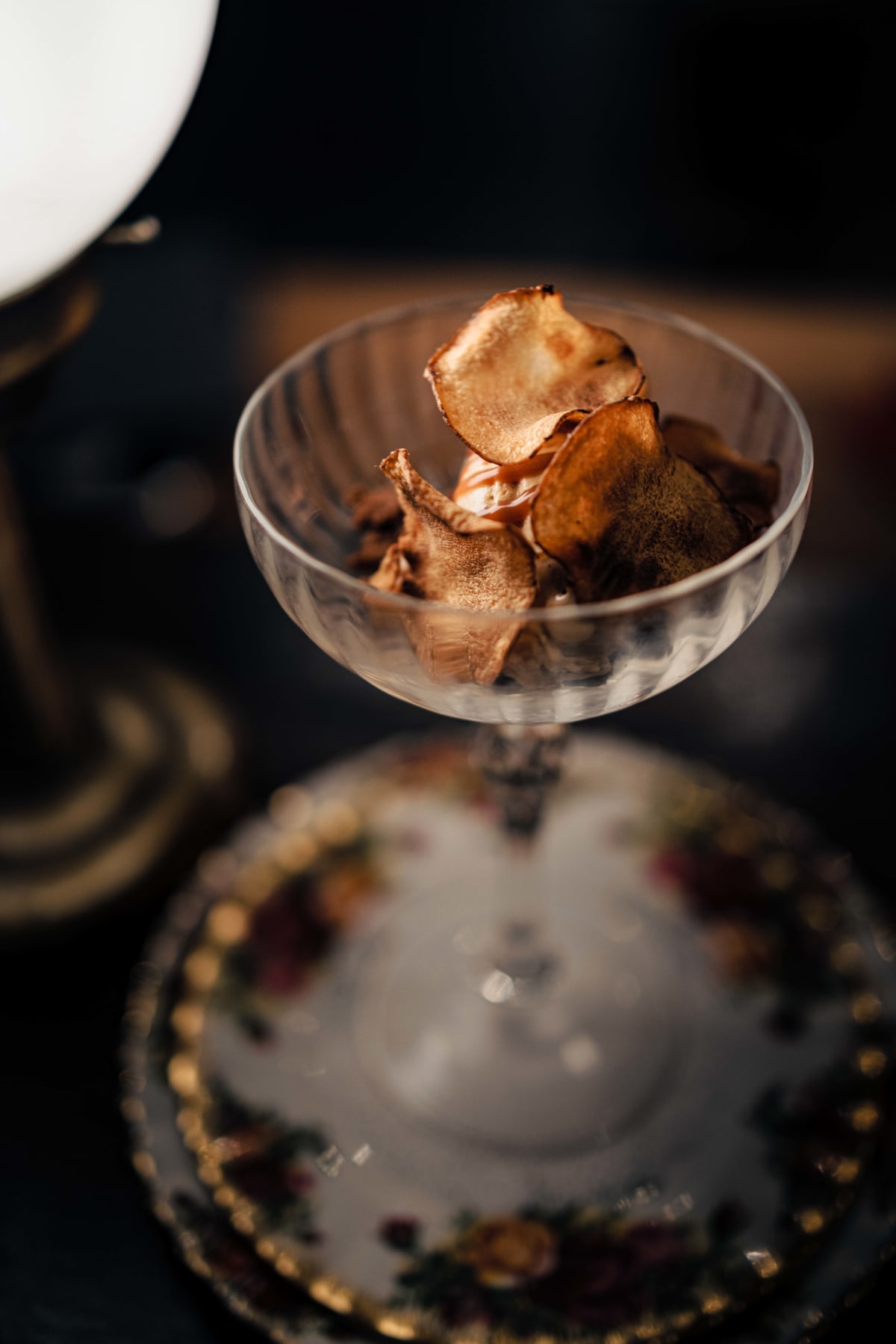
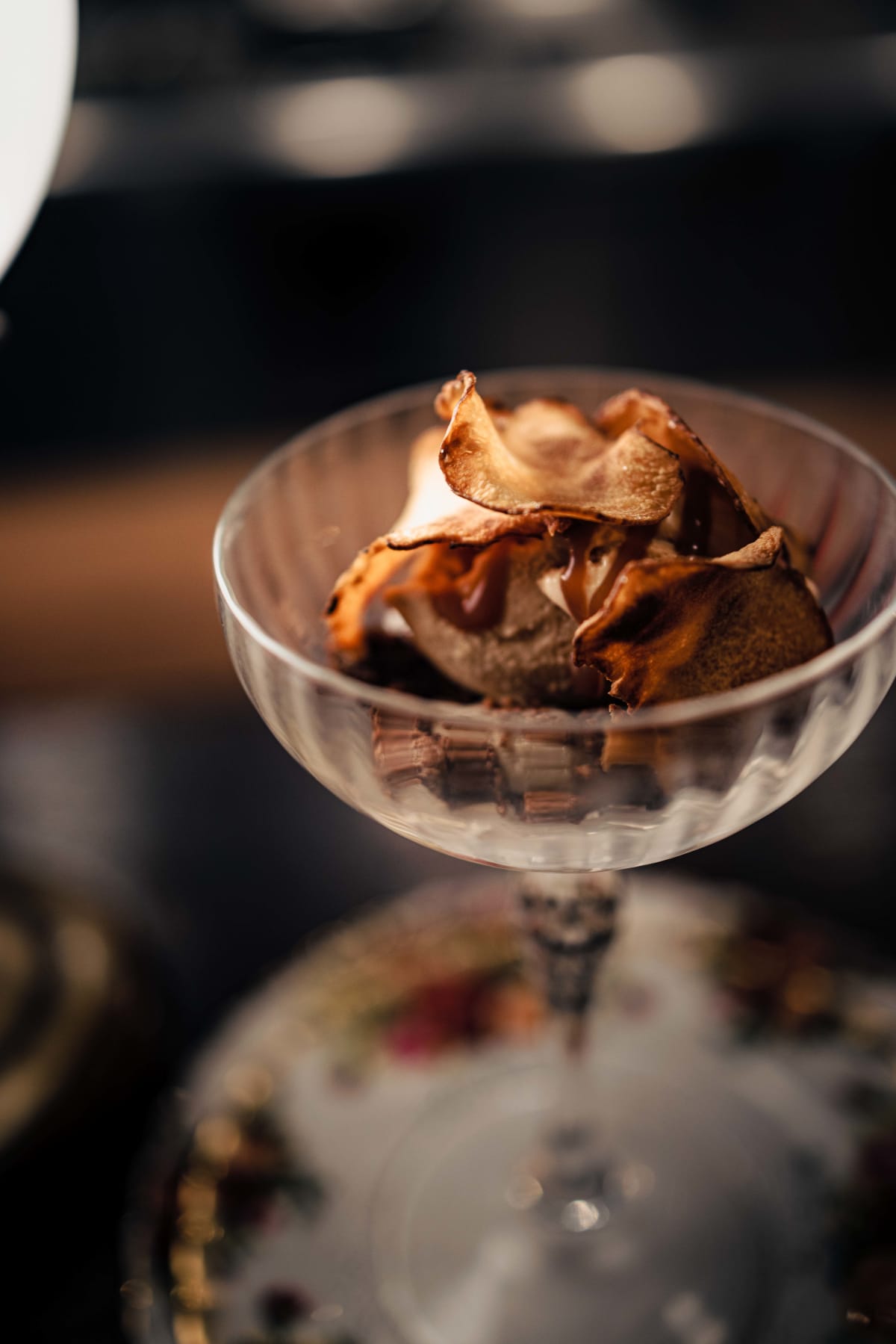
I could taste some salt, perhaps from the Jerusalem artichoke crisps, though I could not be sure, and it was not my style.
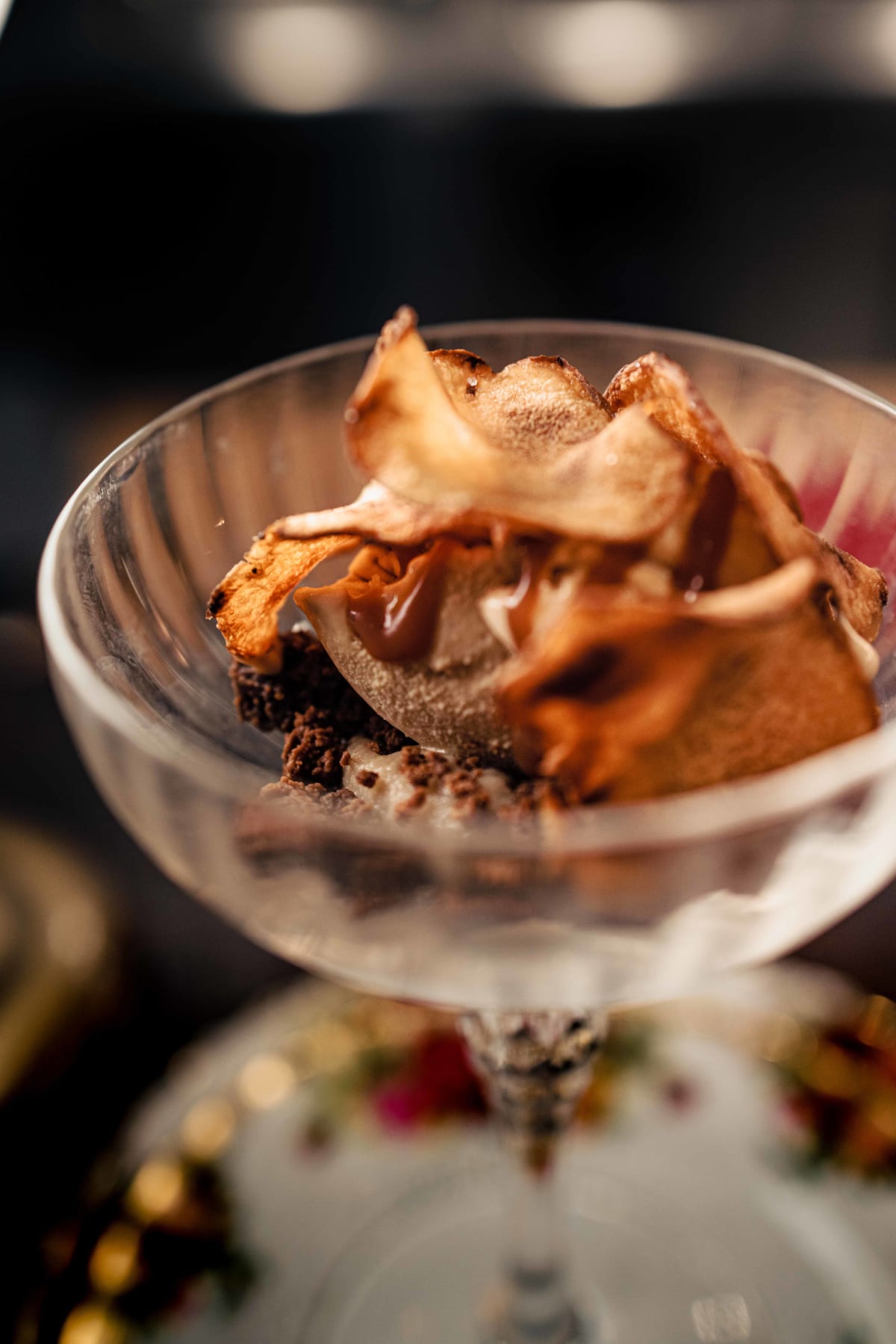
Despite its name, the Jerusalem artichoke has nothing to do with Jerusalem or with the artichoke: it is the tuber of a plant of the sunflower genus. The Jerusalem in its English name is said to be a corruption of girasole, the Italian for sunflower.
Section 15·On The House
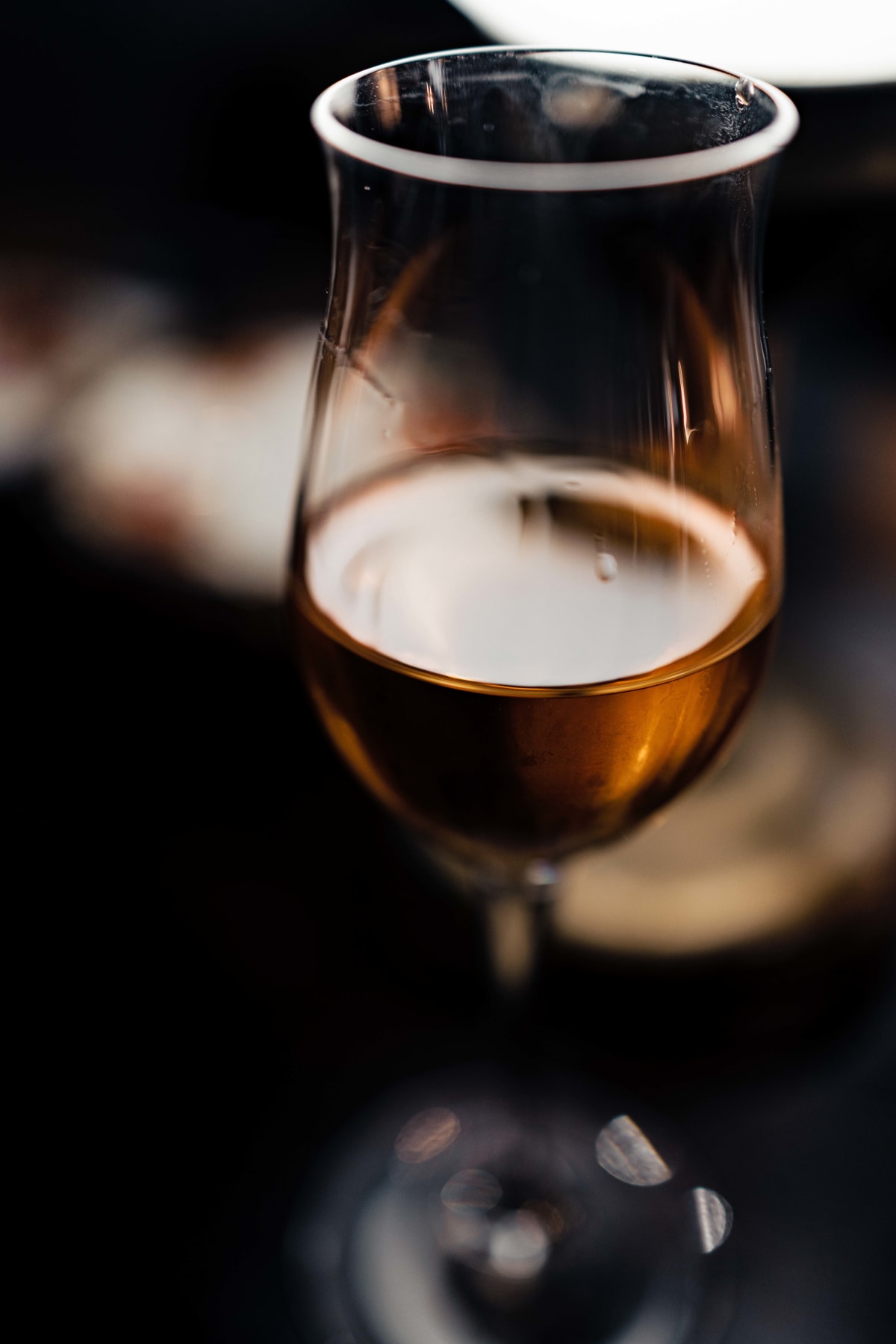
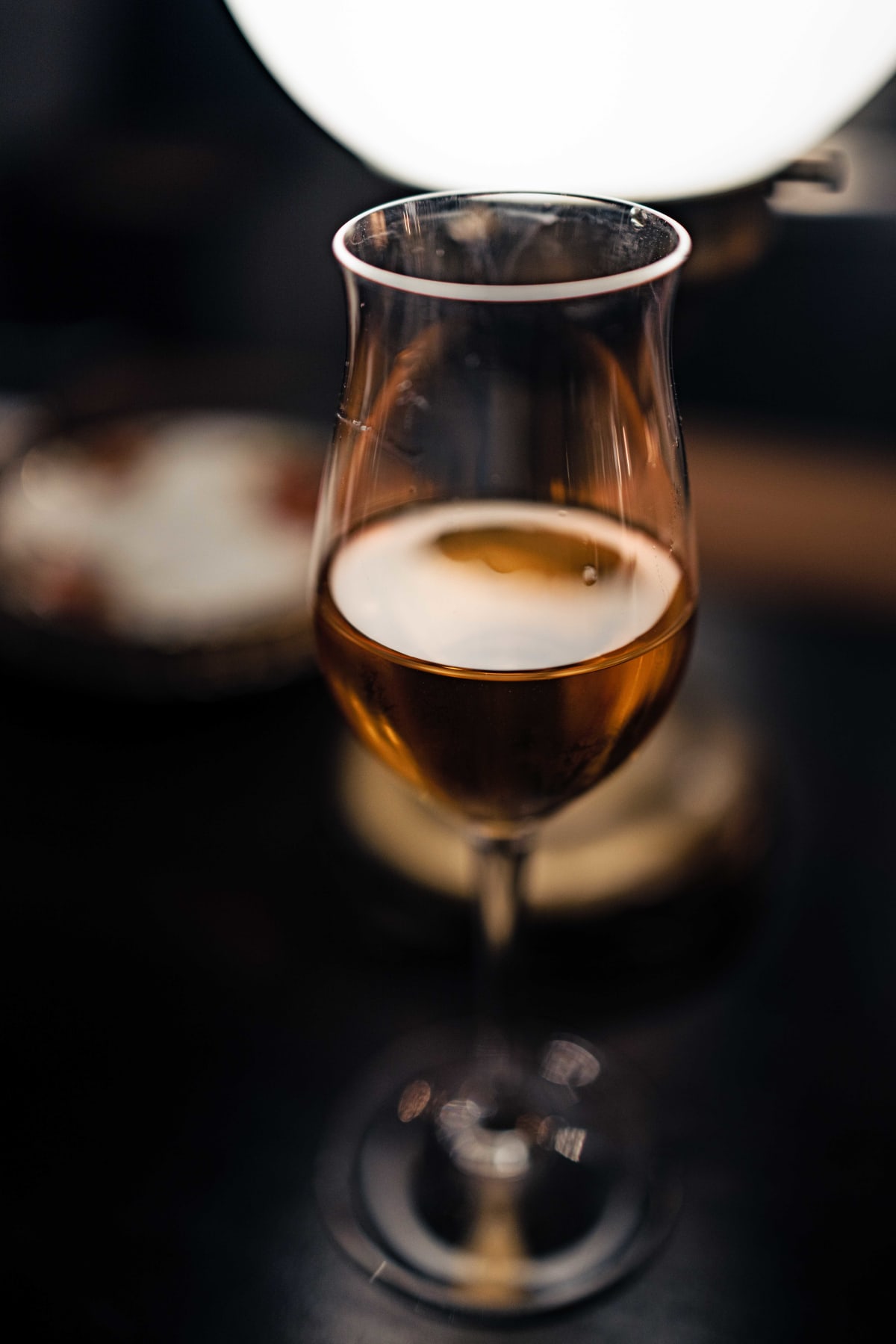
With dessert they poured me a glass of sweet wine on the house.
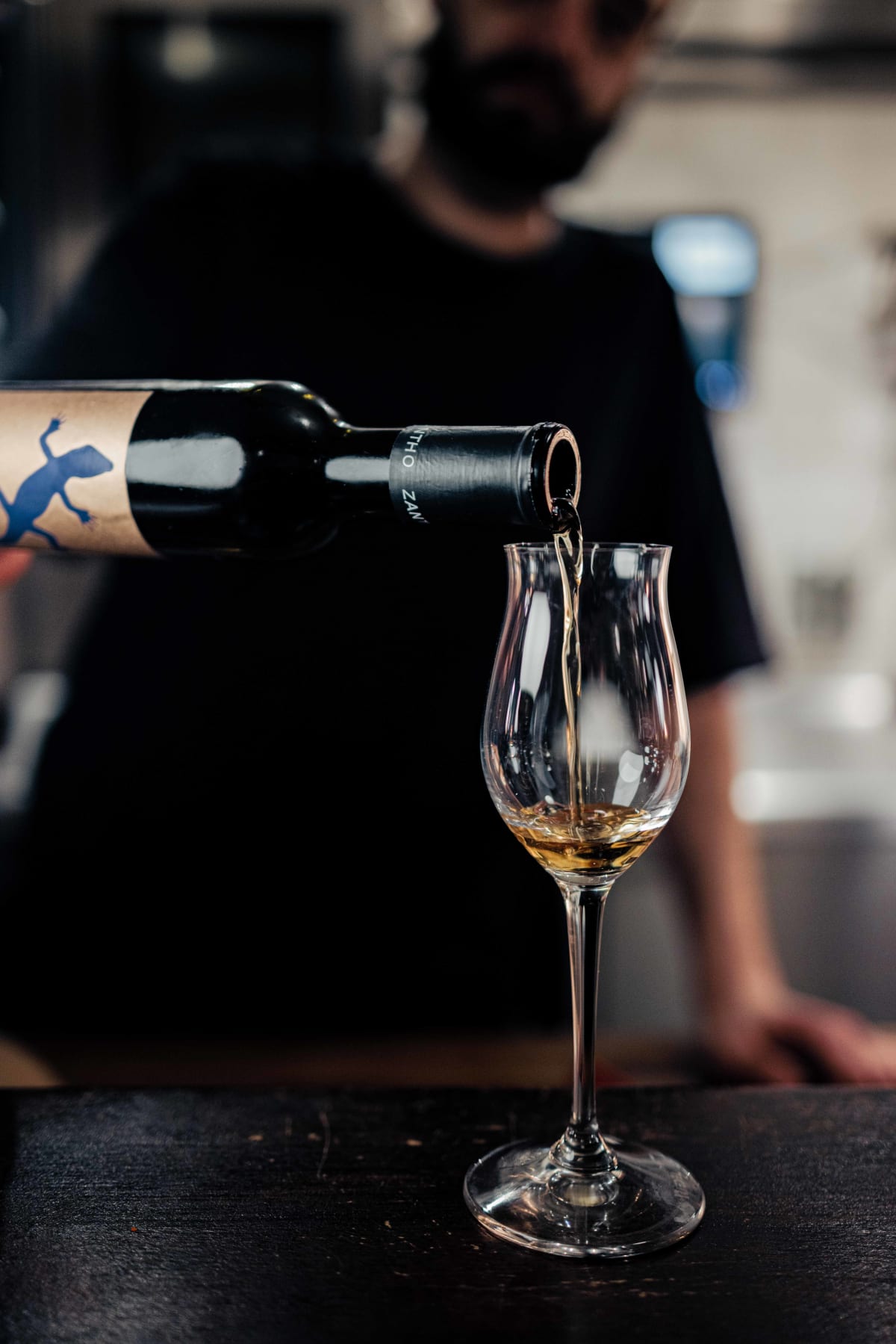
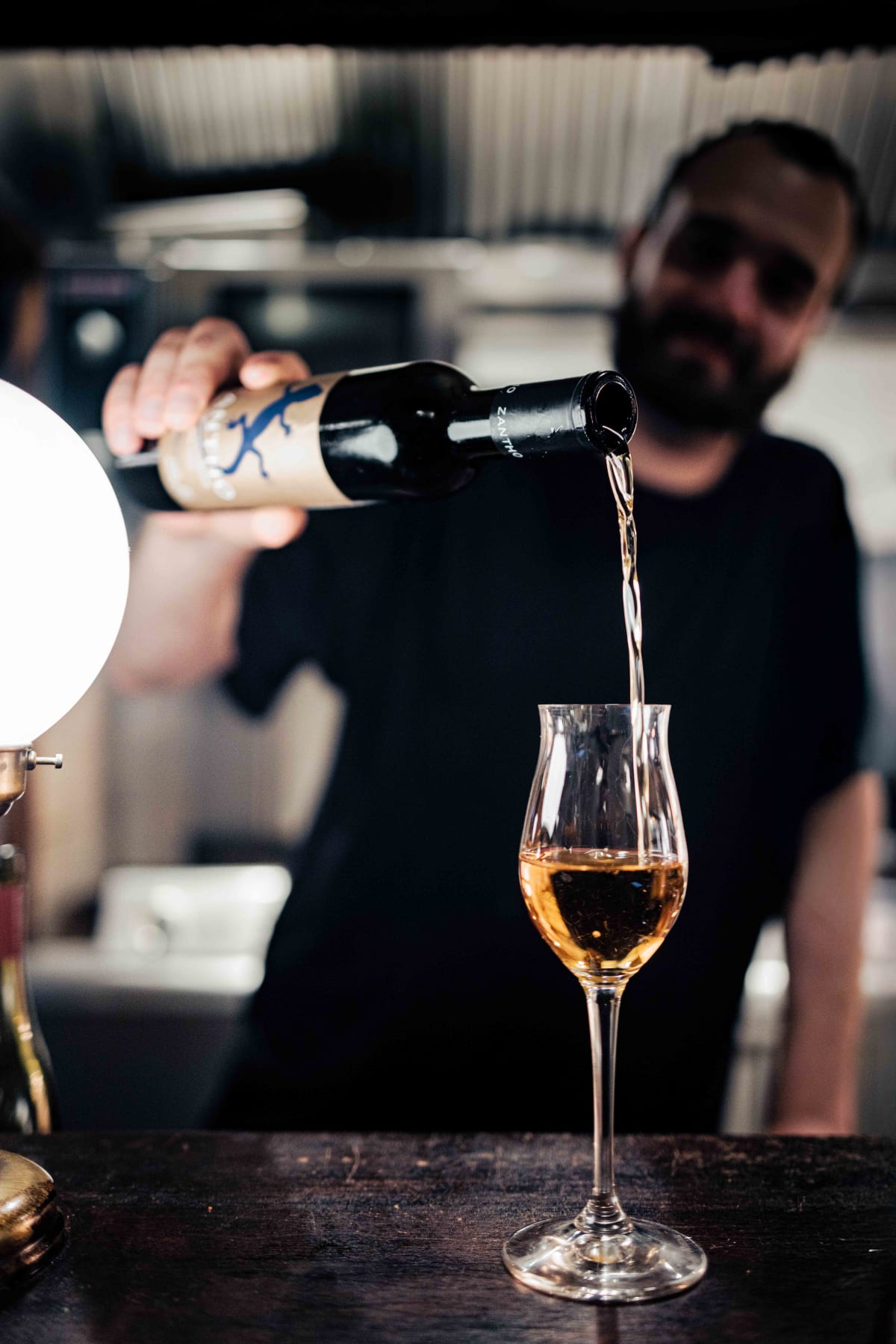
I had come alone, ordered starters and a main, and drunk three glasses of wine along the way. You will not find a nicer customer than that.
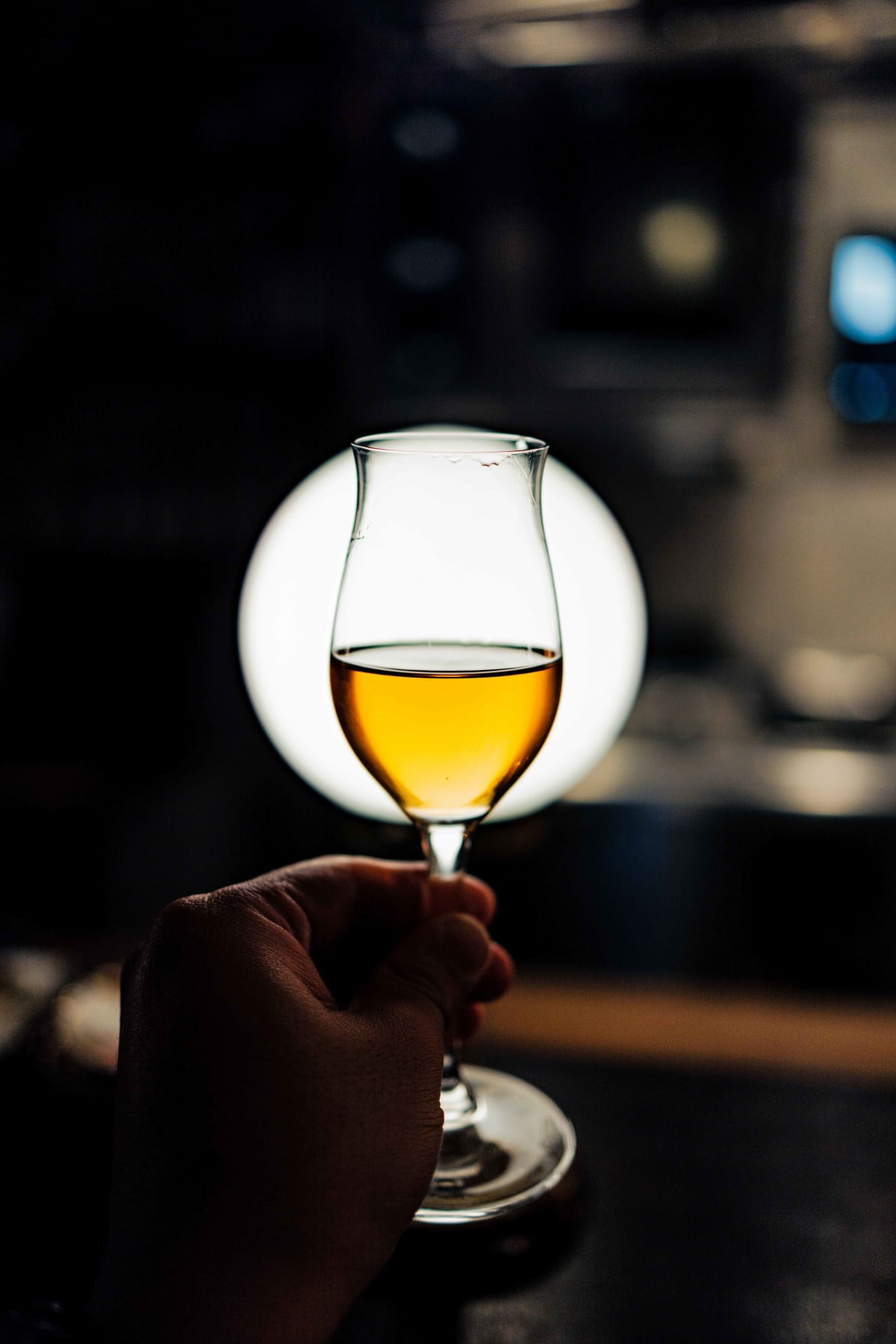
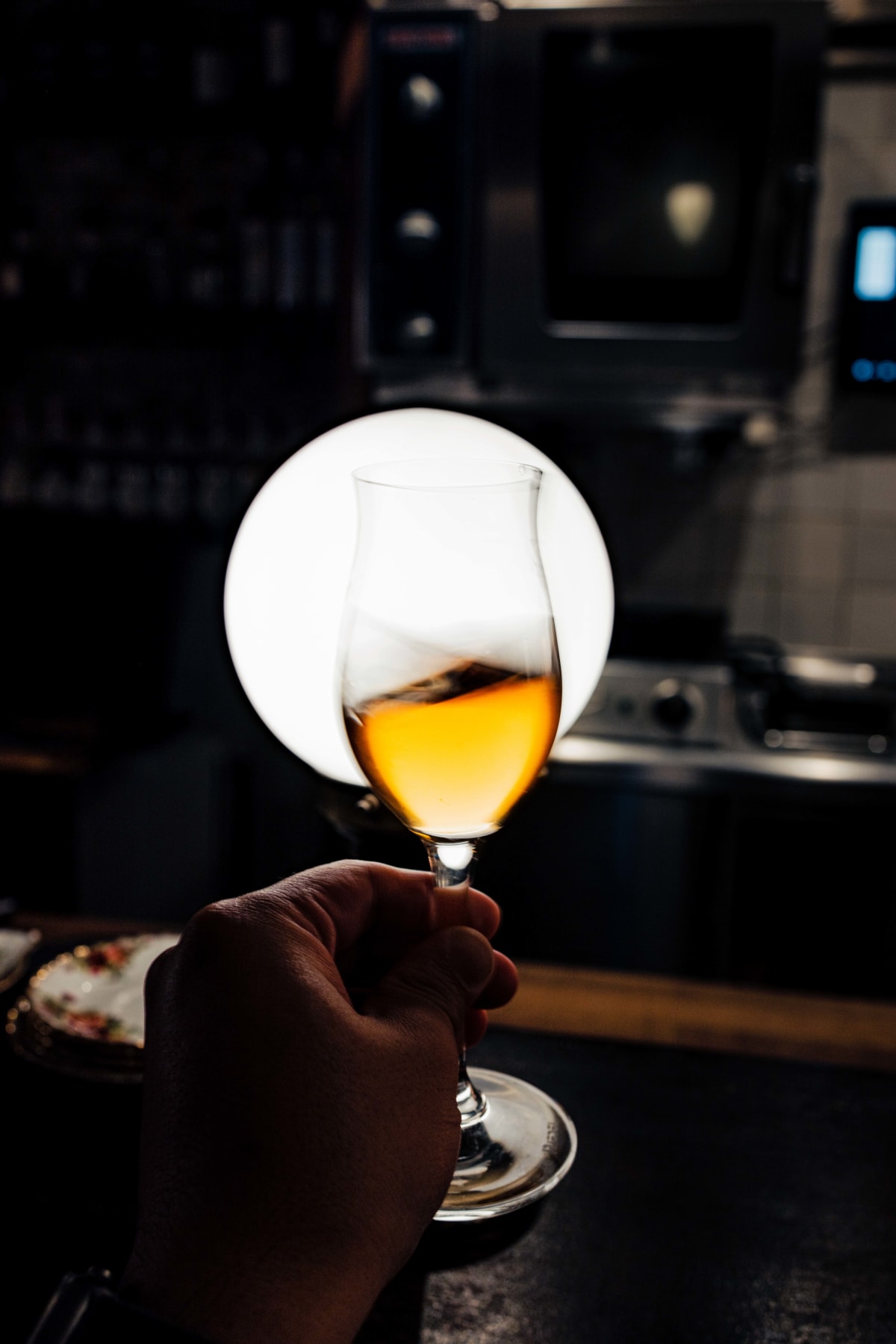
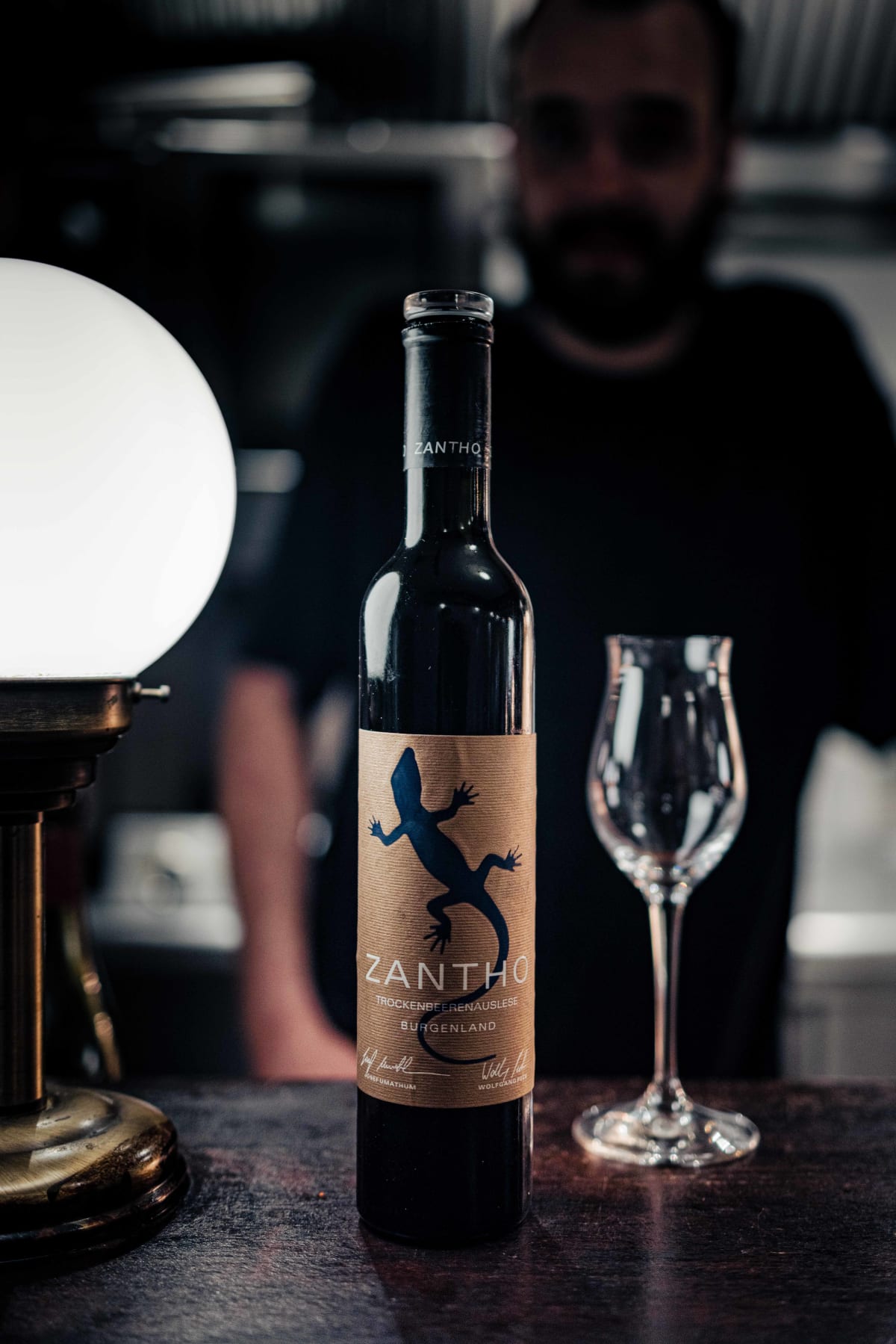
It was a Trockenbeerenauslese from Zantho in Burgenland, Austria. The winery was founded by Josef Umathum together with growers from Andau, and Zantho is the old Hungarian name of Andau, recorded in a document of 1487.
The lizard on the label is the Pannonian forest lizard.
Section 16·Before You Leave
Whatever else you order, if you are in Amsterdam, I recommend coming here once to taste that monkfish Rossini. It is not the most typical seafood or fish dish, but together with the classic, old-fashioned pub feel of the place, it delivers an unusual flavour of real depth and weight.
If you do visit, go down the stairs to the toilets in the basement. On the way down you come to a large room whose walls are beautifully lined with wine. It is not only that room: the whole restaurant is handsomely designed. Almost all the seats are on the ground floor, at a counter where you can watch the kitchen, so it can look like a casual pub.
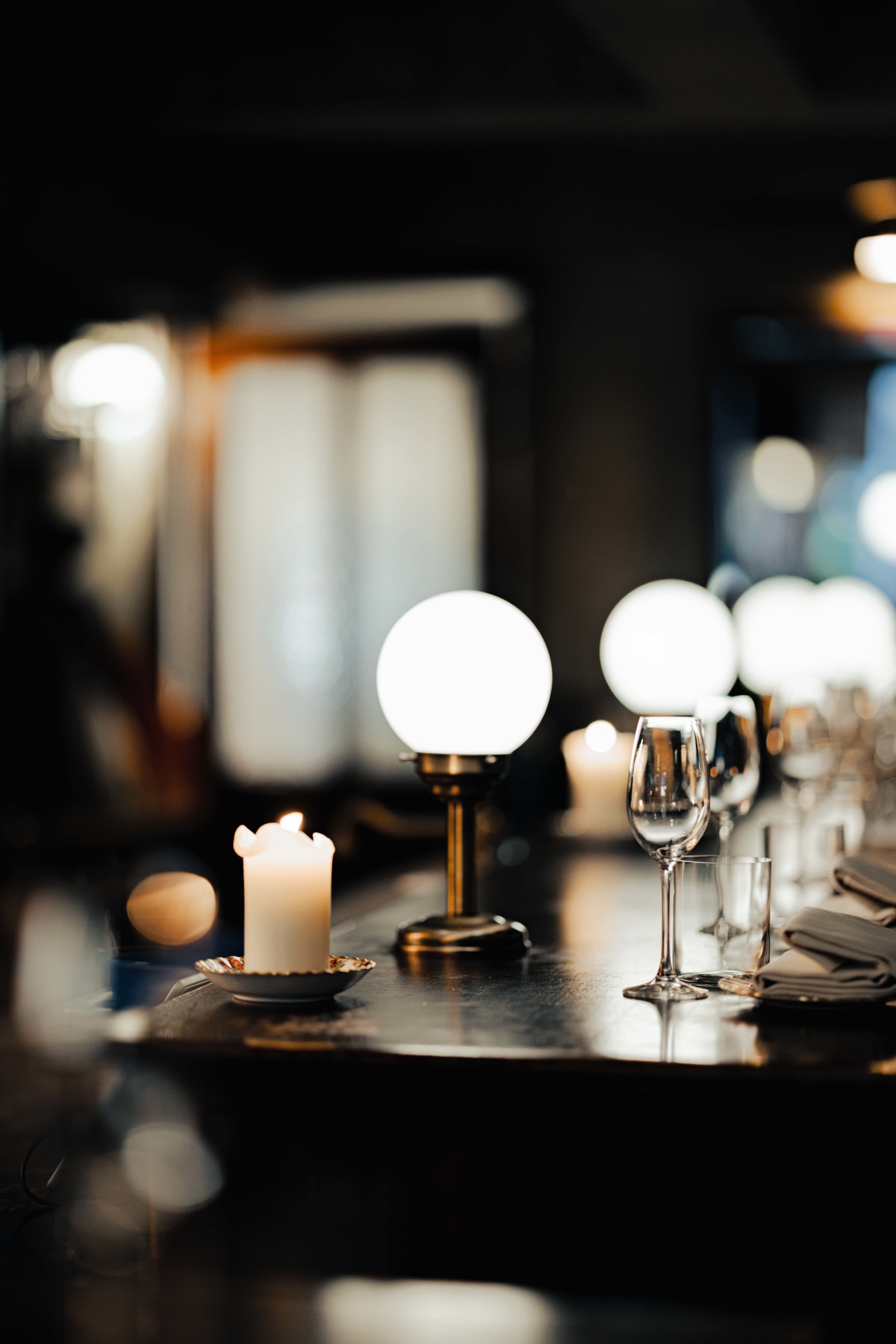
That basement room is a private room that doubles as the wine cellar and takes up to twenty guests. When the restaurant opened, it gave a hundred square metres over to wine storage alone, which tells you how much care it puts into wine. The ground floor is what the Dutch call a pijpenla, a pipe drawer: a narrow space that runs a long way back. It seats about forty-five, and the long bar in front of the kitchen is laid out so that the fish, sea urchins and oysters on ice sit right before your eyes.
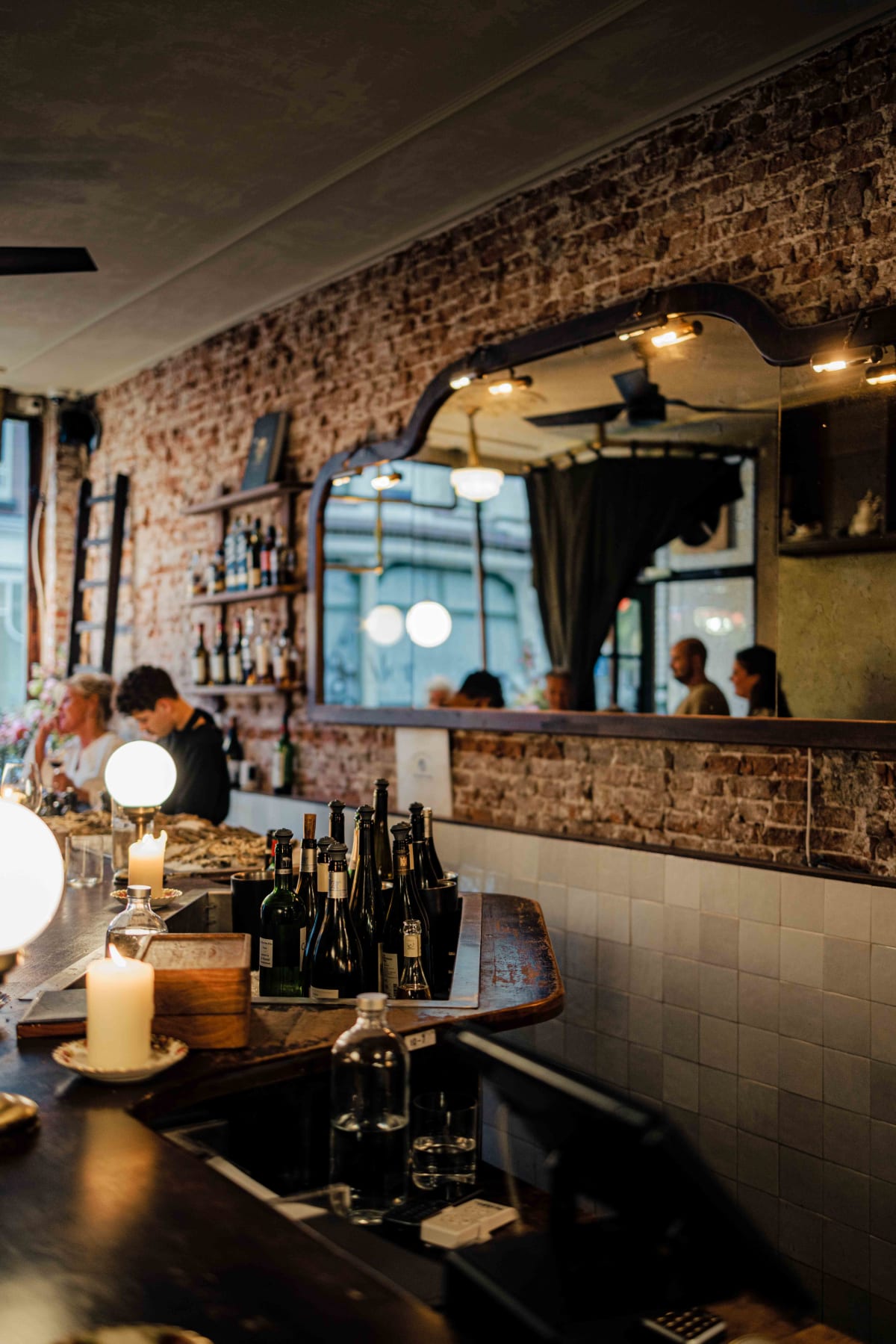
Michelin describes the room as a Parisian bistro with an oyster bar and walls hung with old French brasserie menus. Lekker, the Dutch restaurant guide, puts it as somewhere between a French bistro and a brown café. A brown café, a bruine kroeg, is an old Dutch pub done out in dark wood, so my impression of a casual pub was not wrong after all. Seating guests face to face with the kitchen is the approach the two chefs took at 212 when they did away with tables, carried over here and given the feel of a bistro.
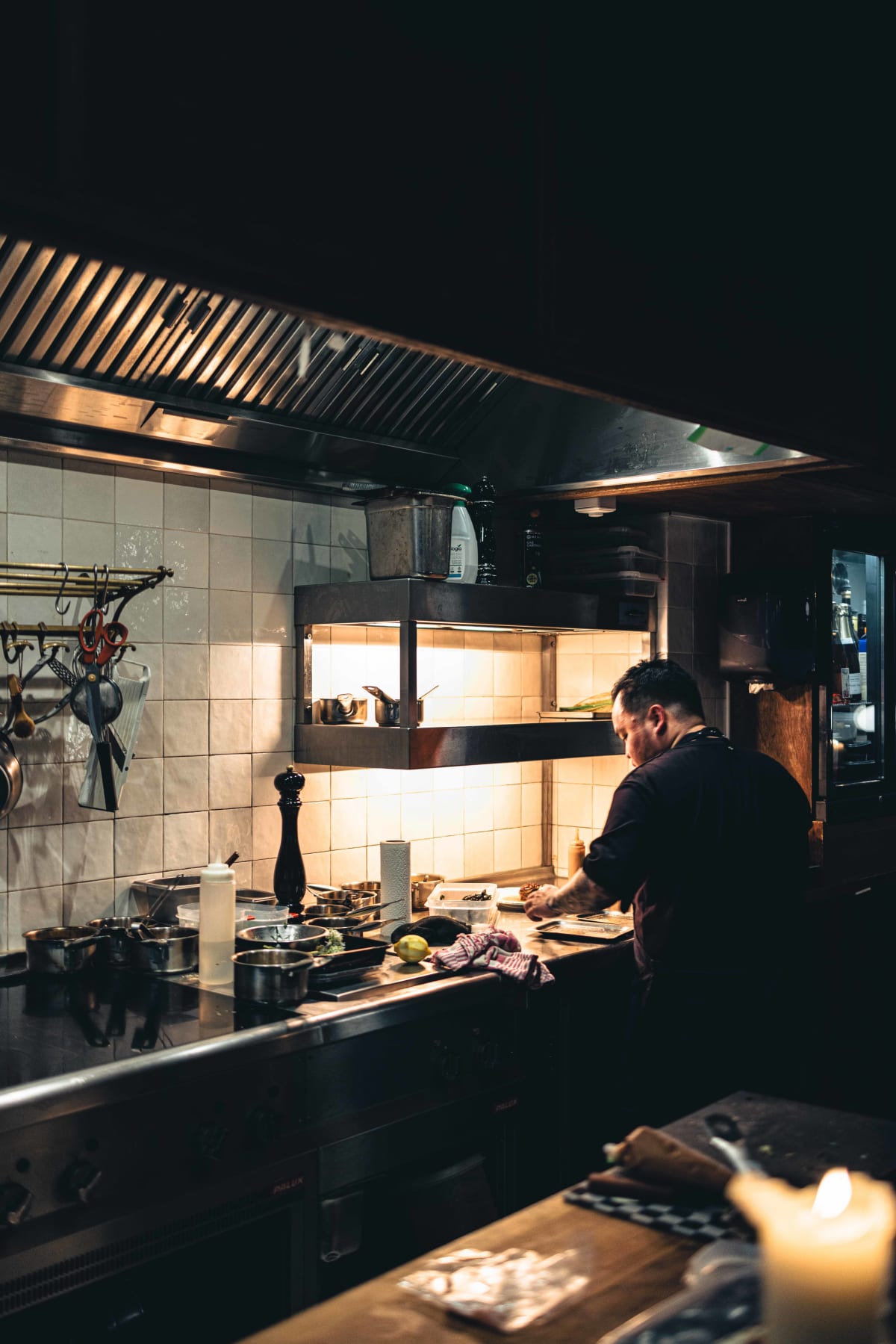
BAK, from the same trip, hands you a set farm-to-table menu. Here every plate is left to you, and the counter is where the real advice comes from. That goes for the wine too. Rather than holding to your own classic ideas of what should be drunk with fish, tell the people behind the bar what you are eating and let them steer you, a glass at a time. The counter also makes Bistro de la Mer a Michelin-starred room that works well for one. There is no table for two with an empty chair across from you, no long tasting menu to sit through alone, and you can stop at three plates or carry on to five.
Have a question about this restaurant, or want to share your own experience?
Send a message