Local & Essential · Seoul · Korea / November 2025 / Culinary Class Wars Season 1 Champion
Via Toledo
"The Culinary Class Wars champion's pasta bar, the cooking transformed two years on"
Section 1·The Return
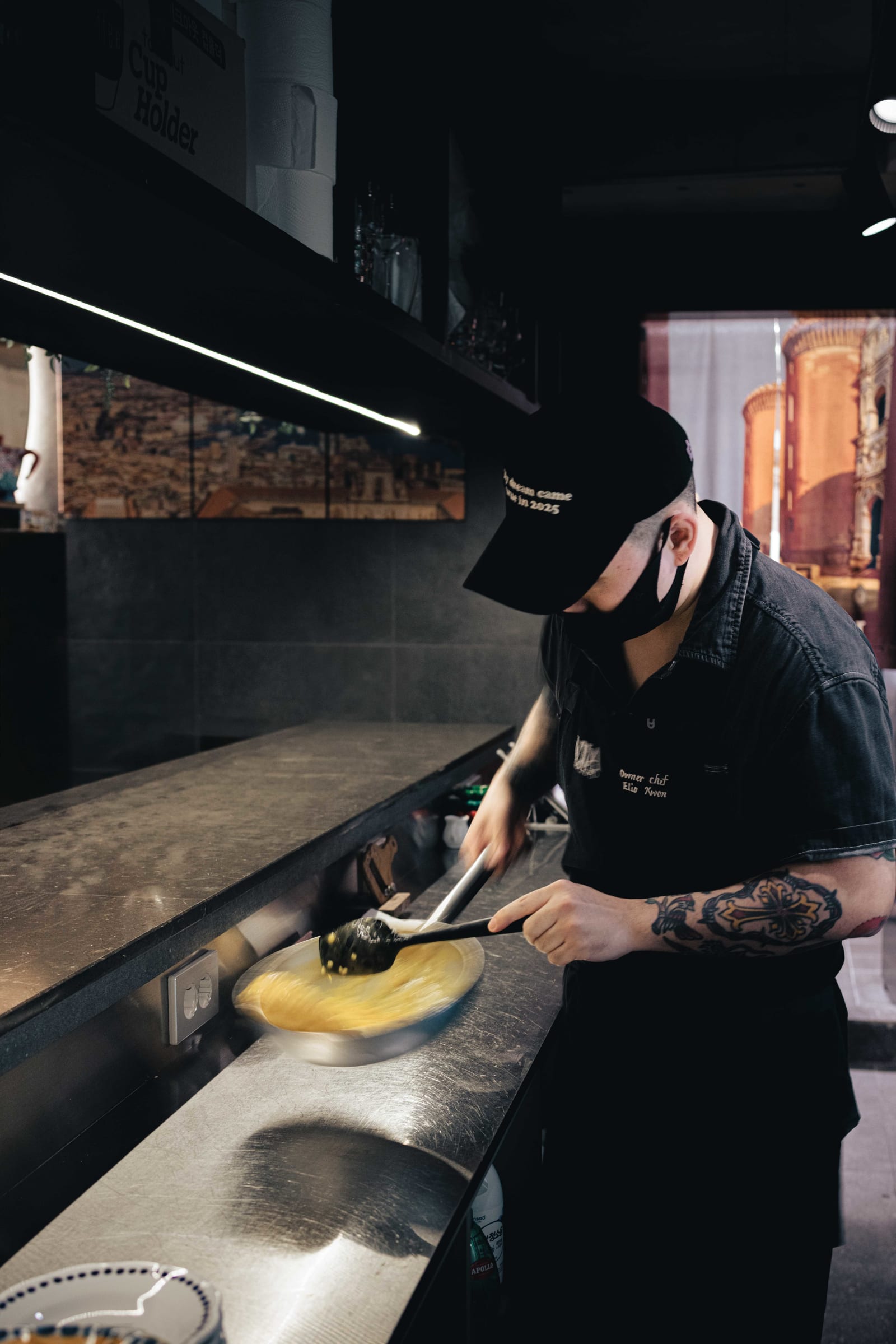
For several years Korea had gone without a hit cooking-competition program, and then last year one variety show swept the country above all others: Culinary Class Wars. Its hierarchy of black and white, a level of production beyond the usual variety format, and an endless run of memes carried it to enormous popularity, and its impact reached well past television into Korea's wider food and beverage market.
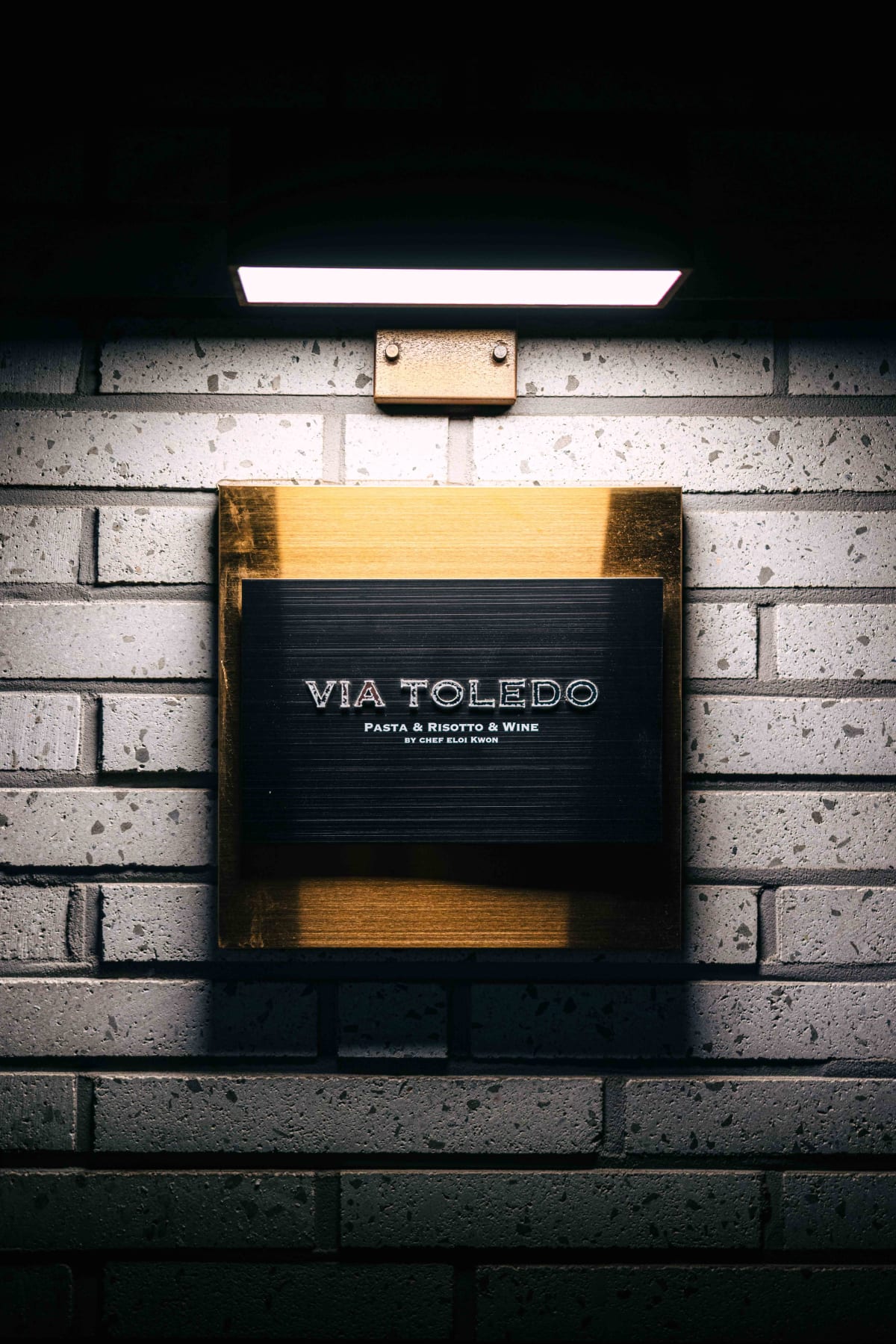
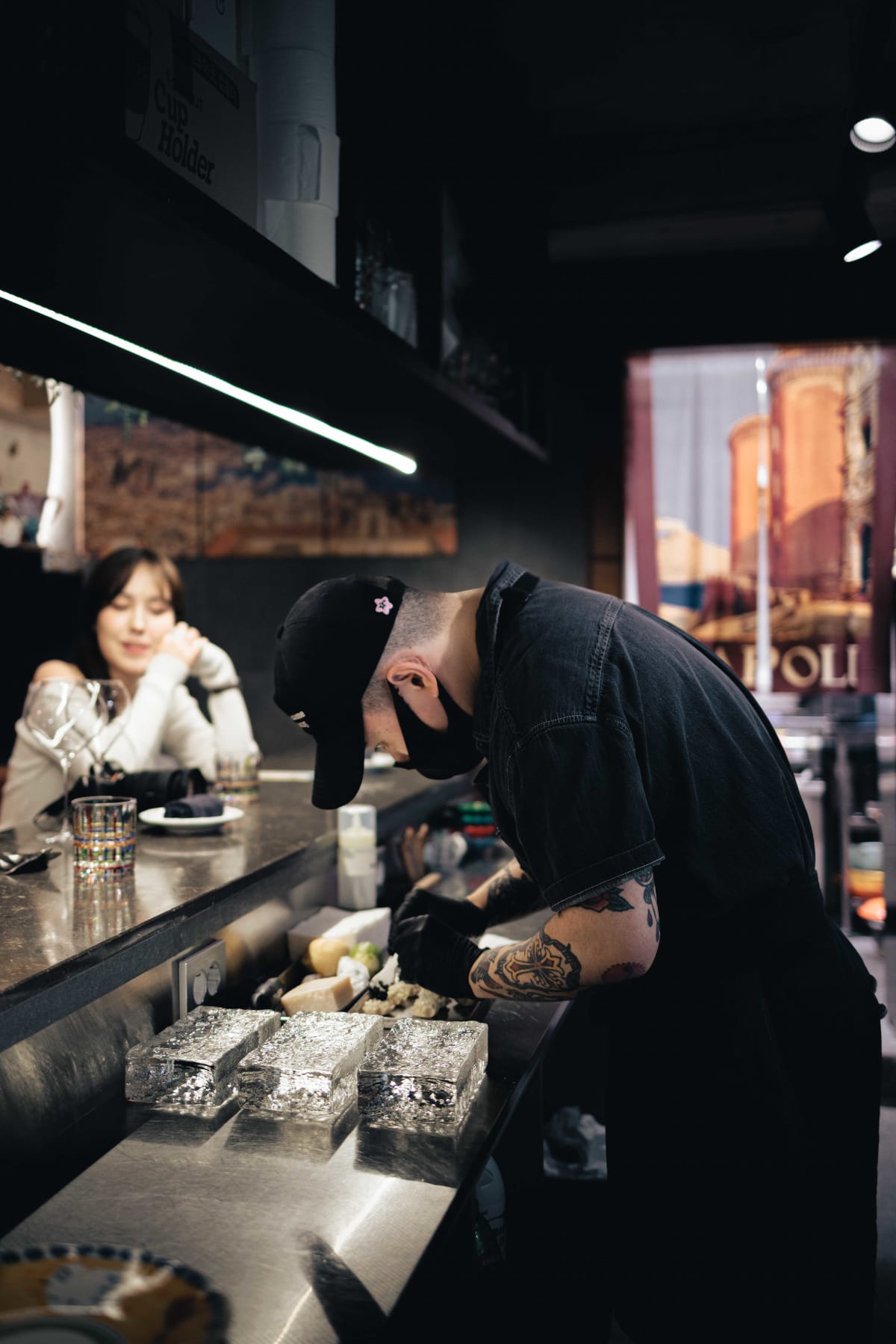
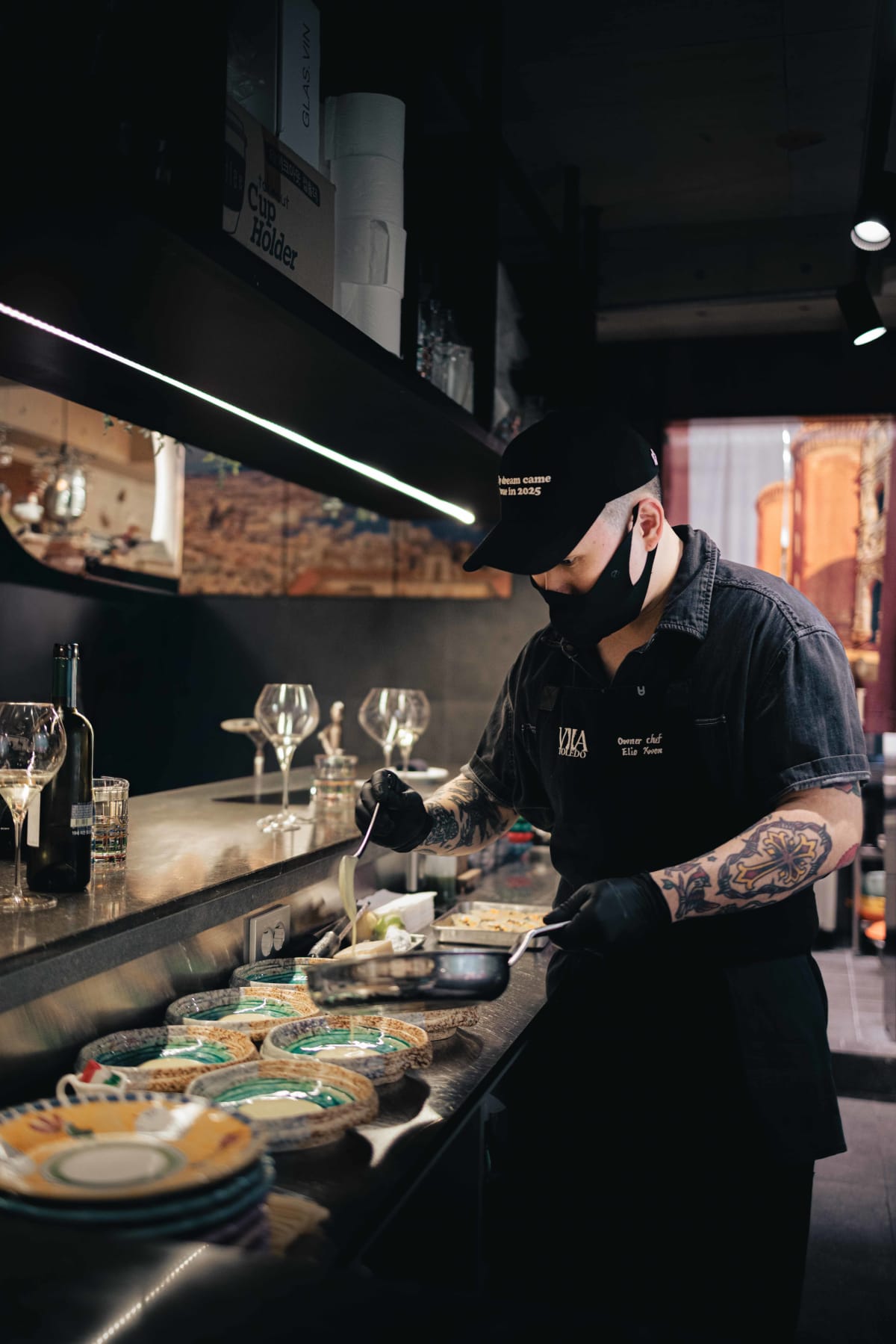
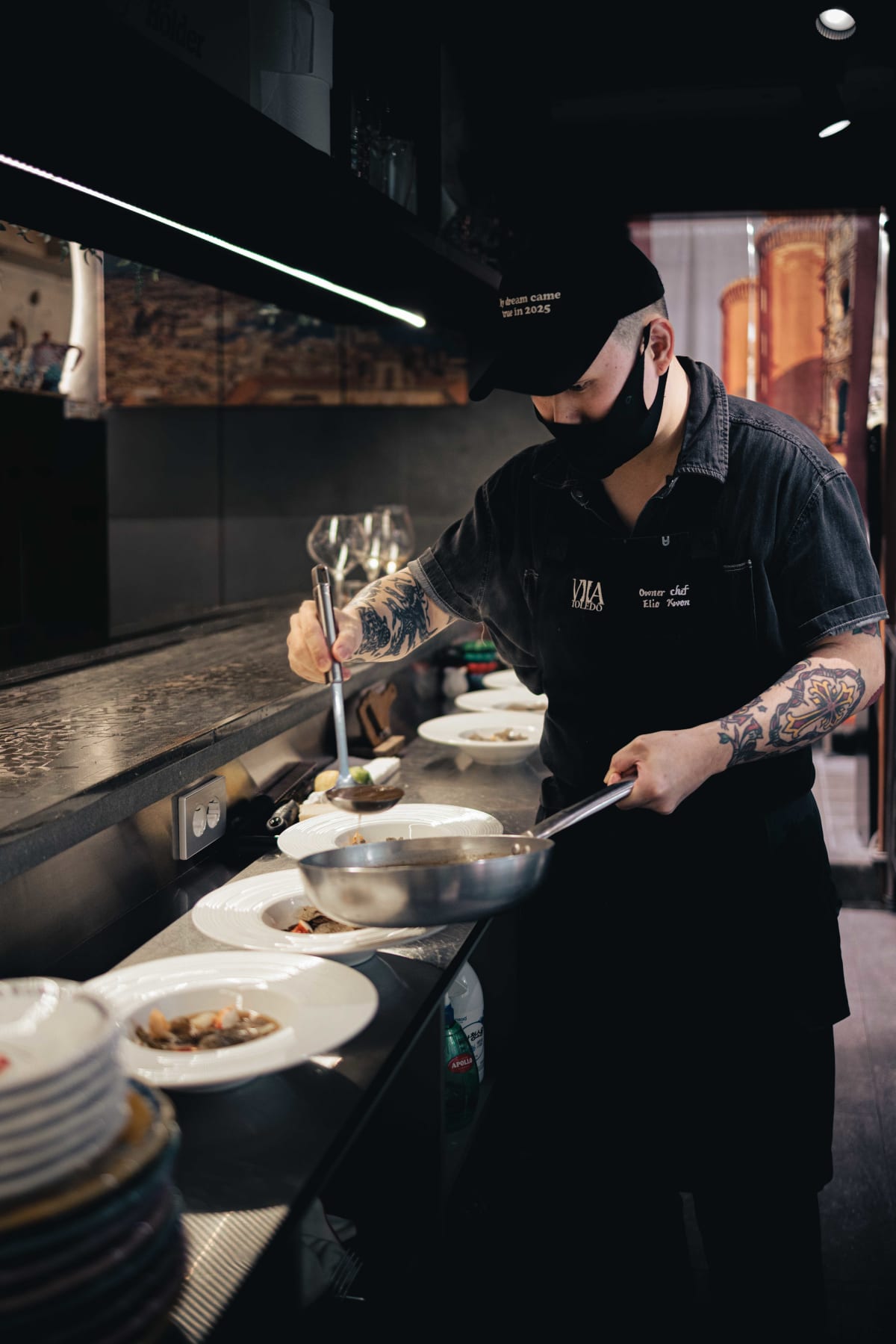
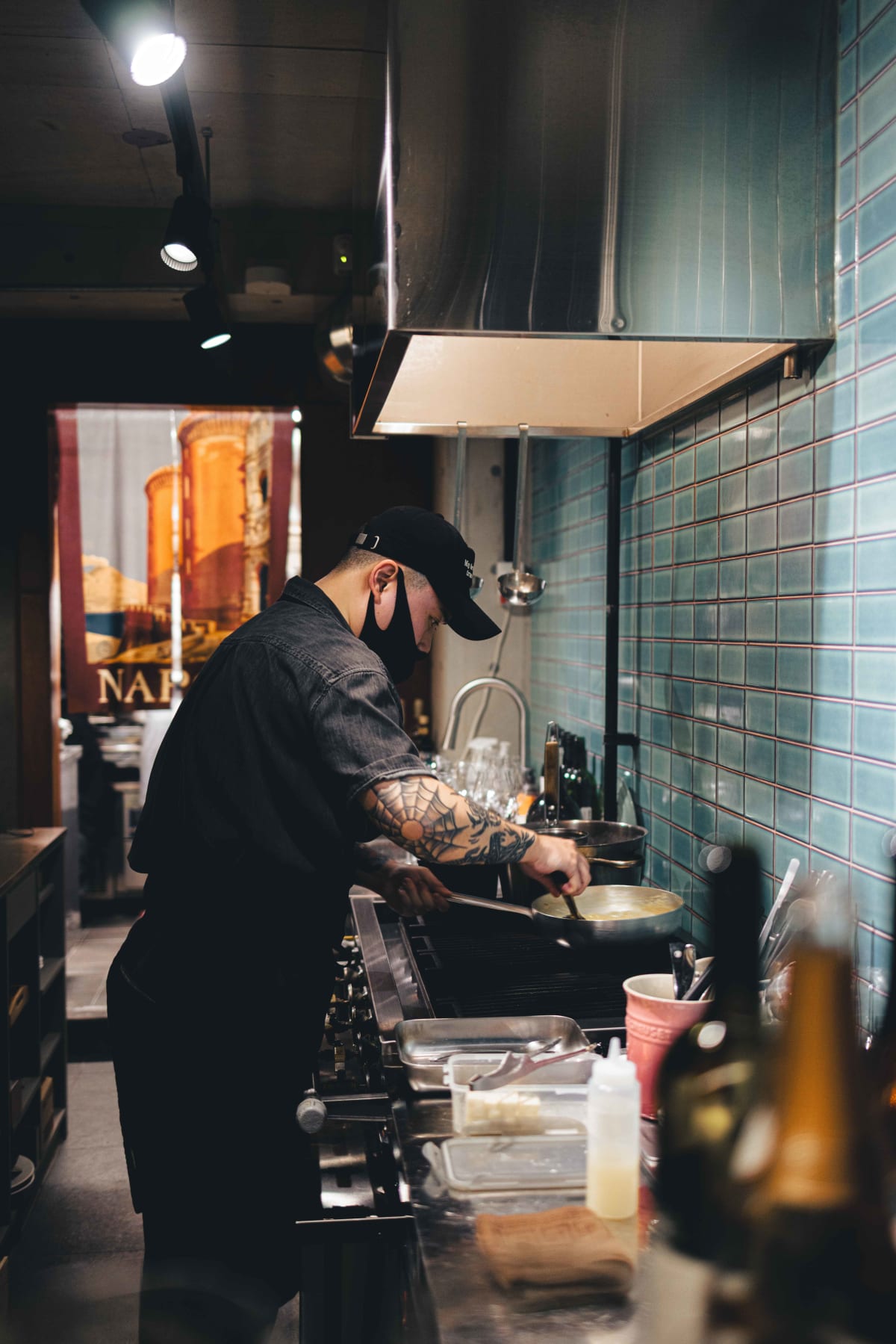
I watched Culinary Class Wars with great enjoyment, and what made it especially meaningful to me was that Chef Kwon Seong-jun, known as Napoli Matfia, played a major role and went on to win the whole thing. The reason it landed that way is that I had visited his Via Toledo twice before he ever appeared on the show, and had written reviews of both. Even now I half wonder what possessed me, because on each of those visits I went to real trouble to take careful photographs of a chef who, at the time, was not remotely famous.
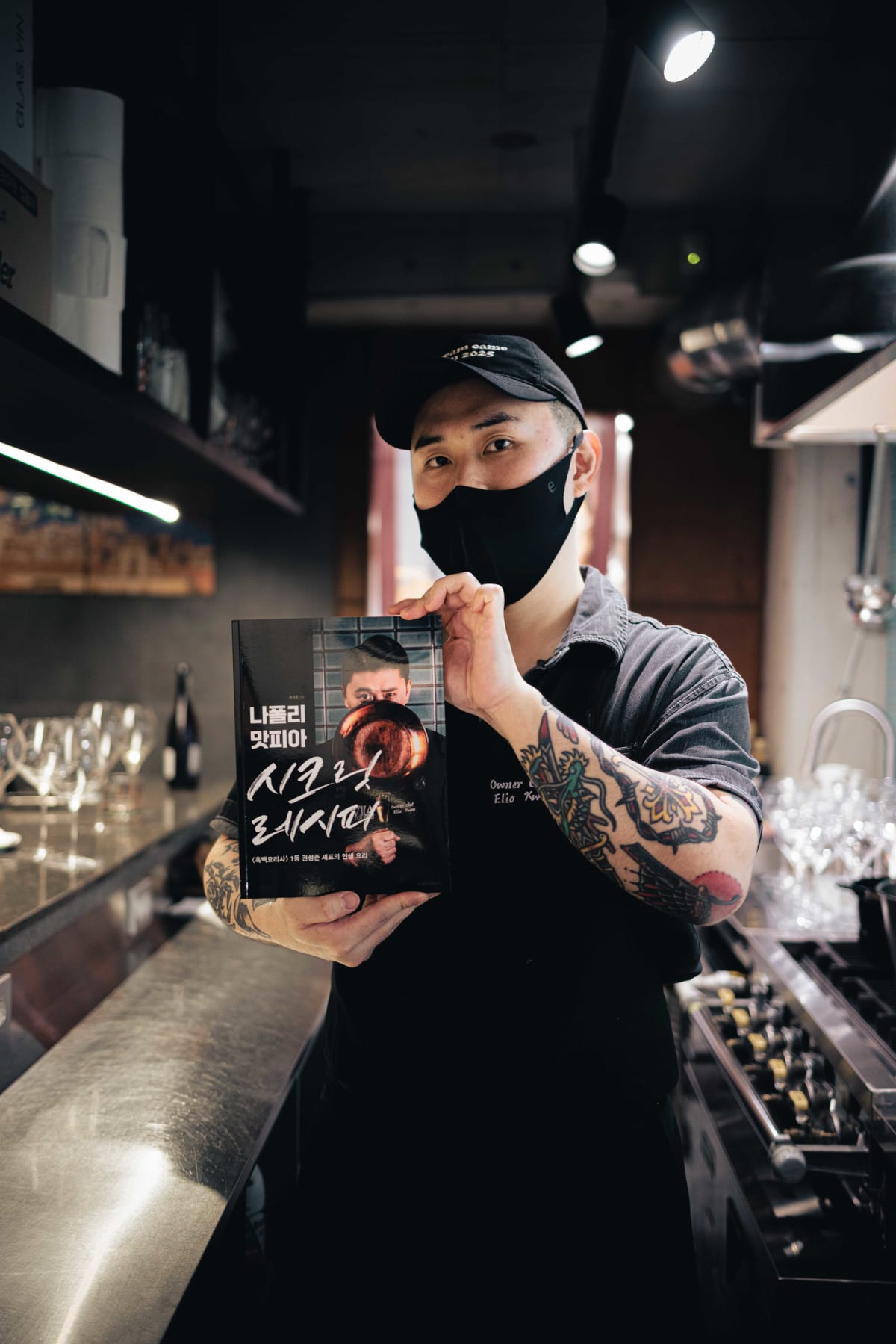
Now that he has become something close to a public figure, reservations have grown extremely difficult and he has become genuinely hard to see in person. Perhaps that earlier care of mine did not go to waste and came back around, because in November 2025 I was able to visit Via Toledo once again.
Section 2·The Table
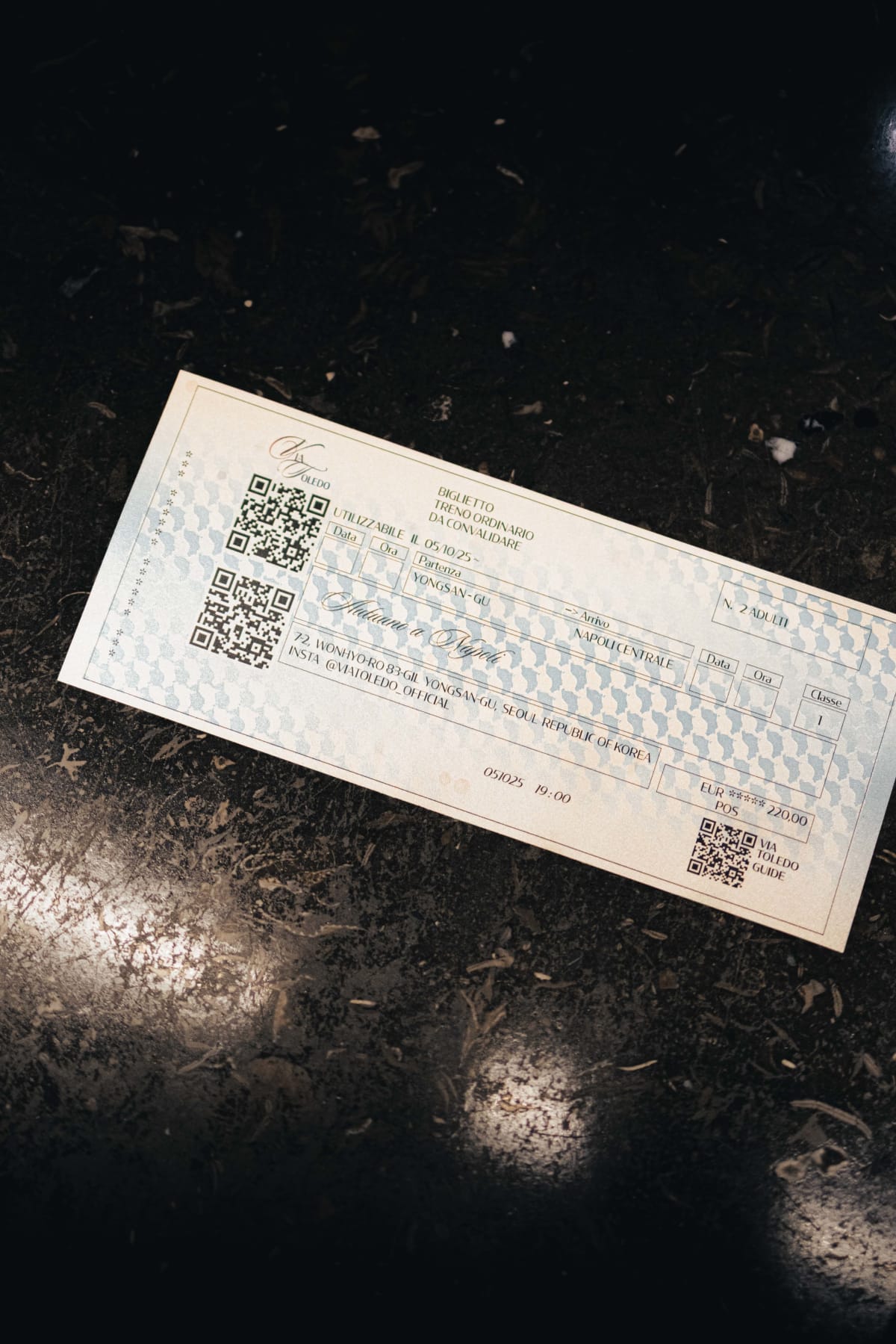
When I visited back in 2023, the per-person course ran to something under 100,000 won, as I recall, but this time it had climbed considerably, to 220,000 won plus a mandatory beverage minimum. Given that the chef's popularity and demand are now about the highest in the country, the figure was entirely understandable. That said, this is an acceptance based purely on popularity and demand; it does not mean the price tracks directly to the taste of the food. Setting that aside, the cooking itself had been upgraded a great deal from the Via Toledo pasta bar of two years ago, and I left the meal satisfied.
Cooking skill aside, a win surely also takes luck, stamina, and any number of other factors, but I came away understanding why he beat such a strong field to take the title on Culinary Class Wars.
I came away understanding why he beat such a strong field to take the title on Culinary Class Wars.
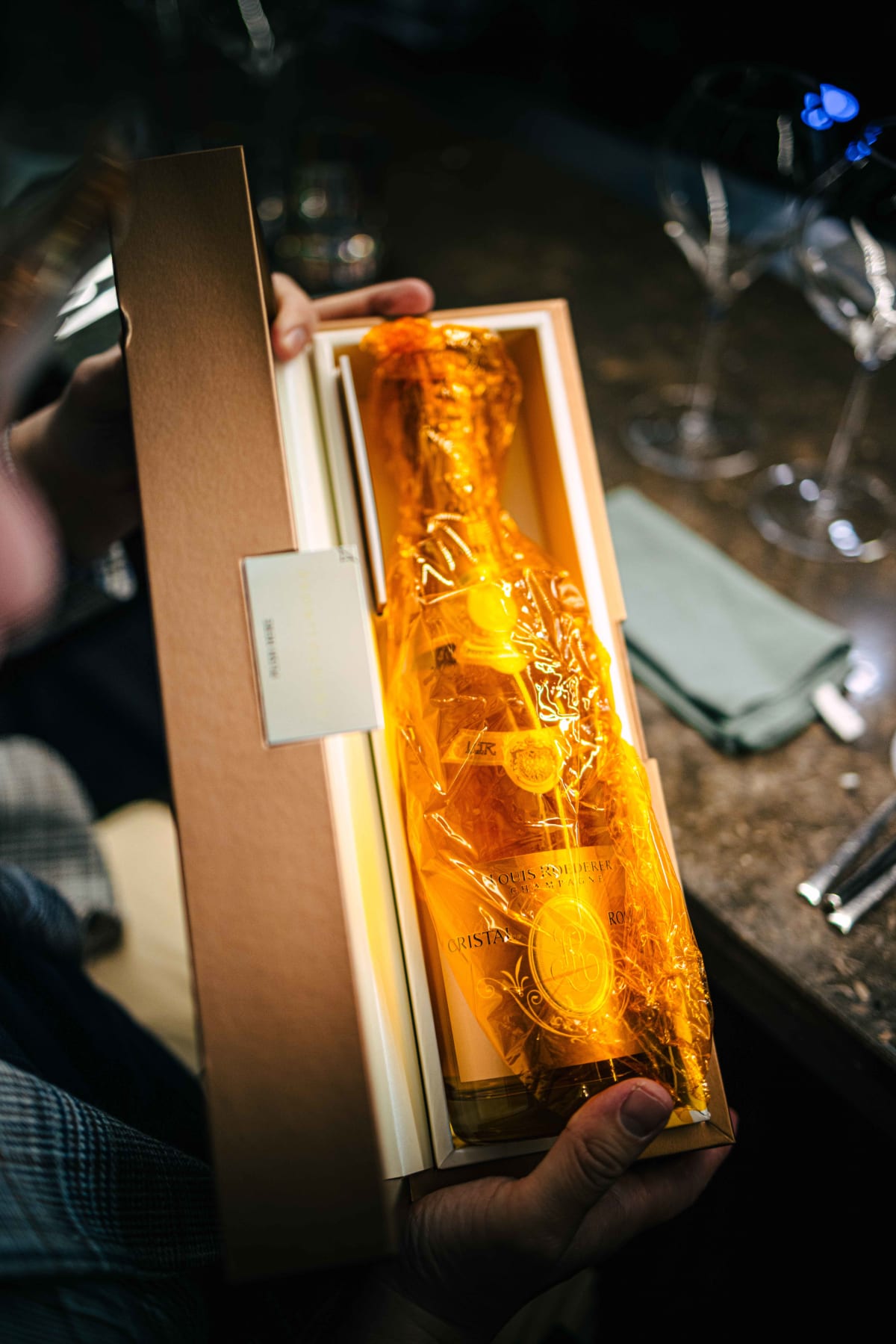
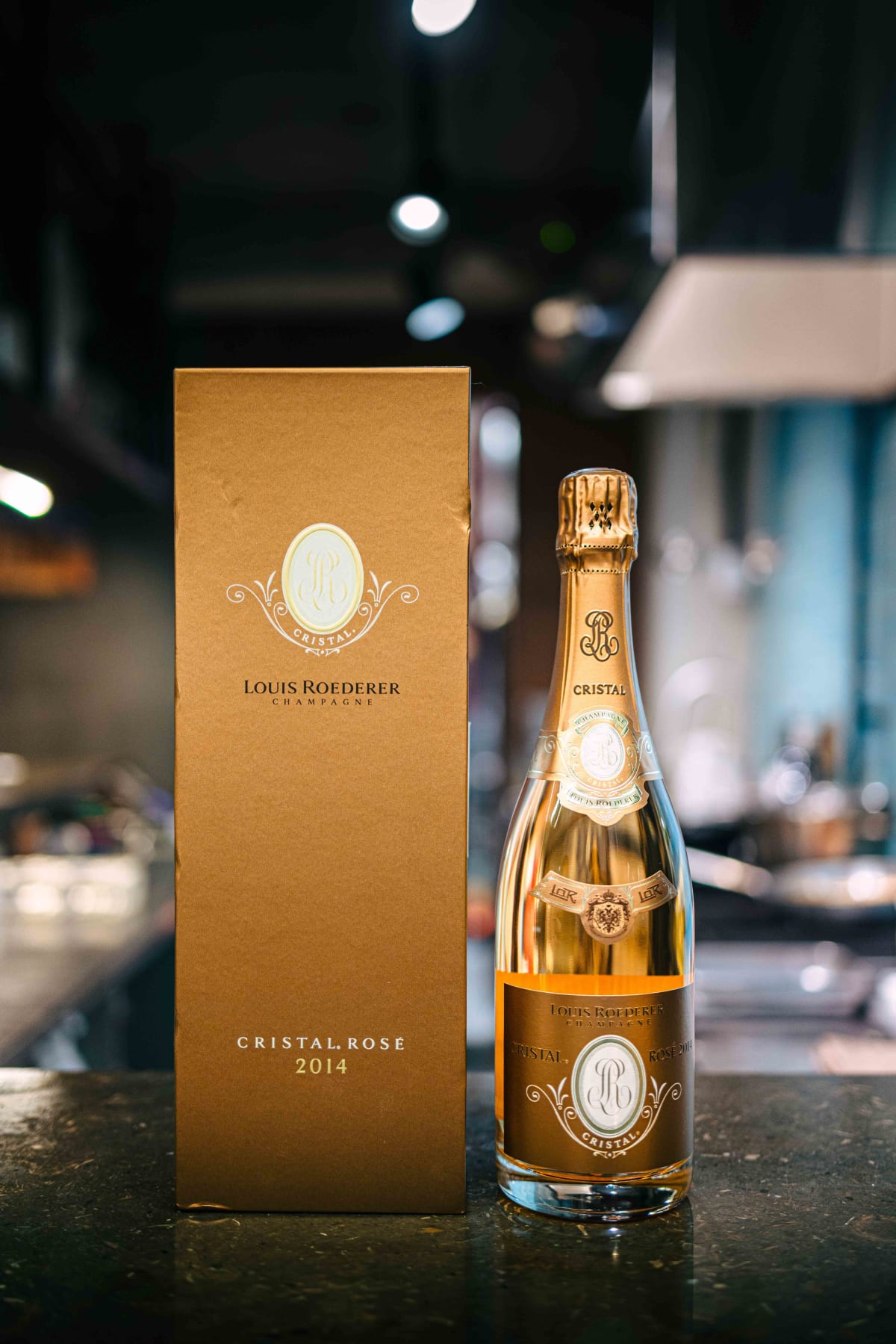
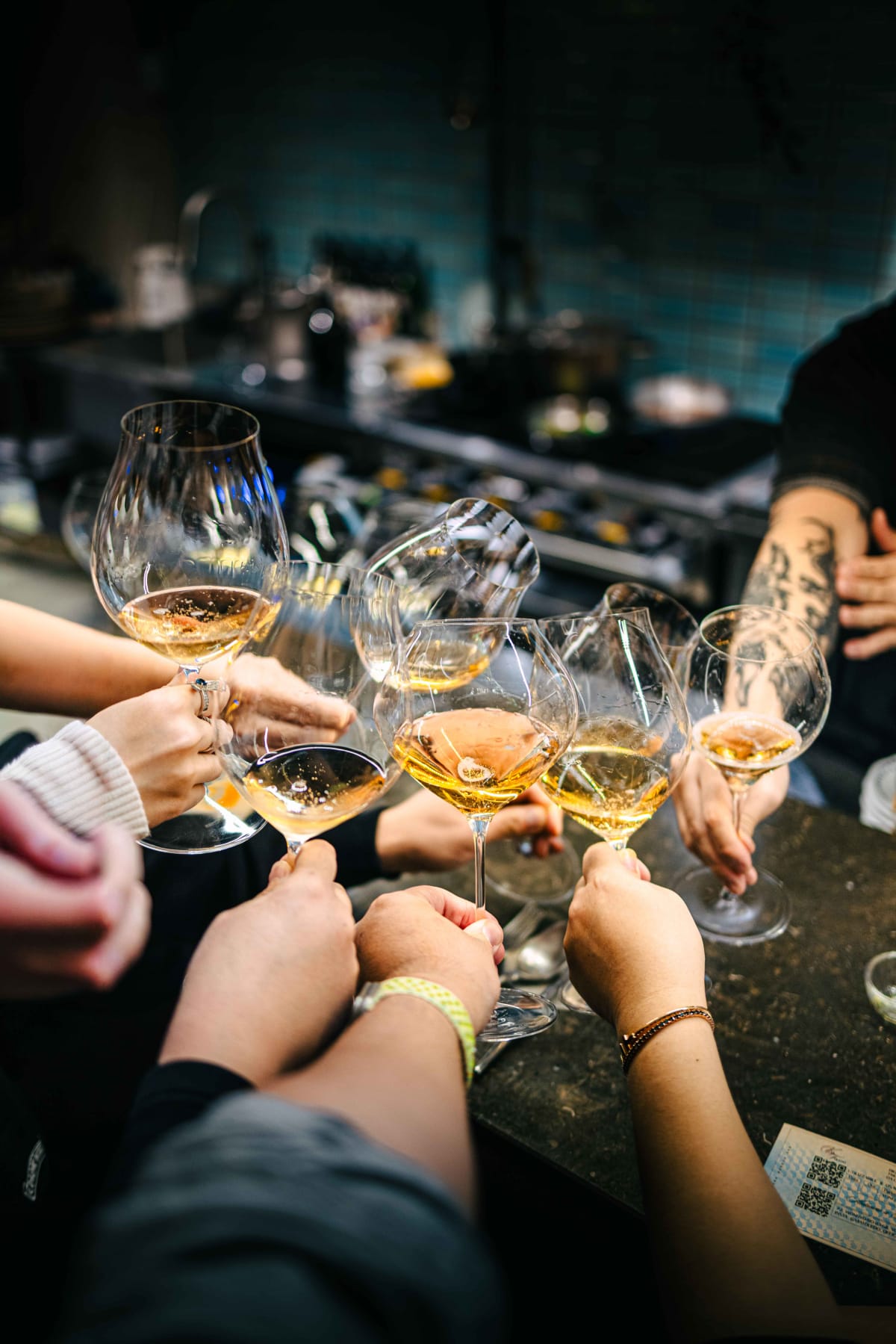
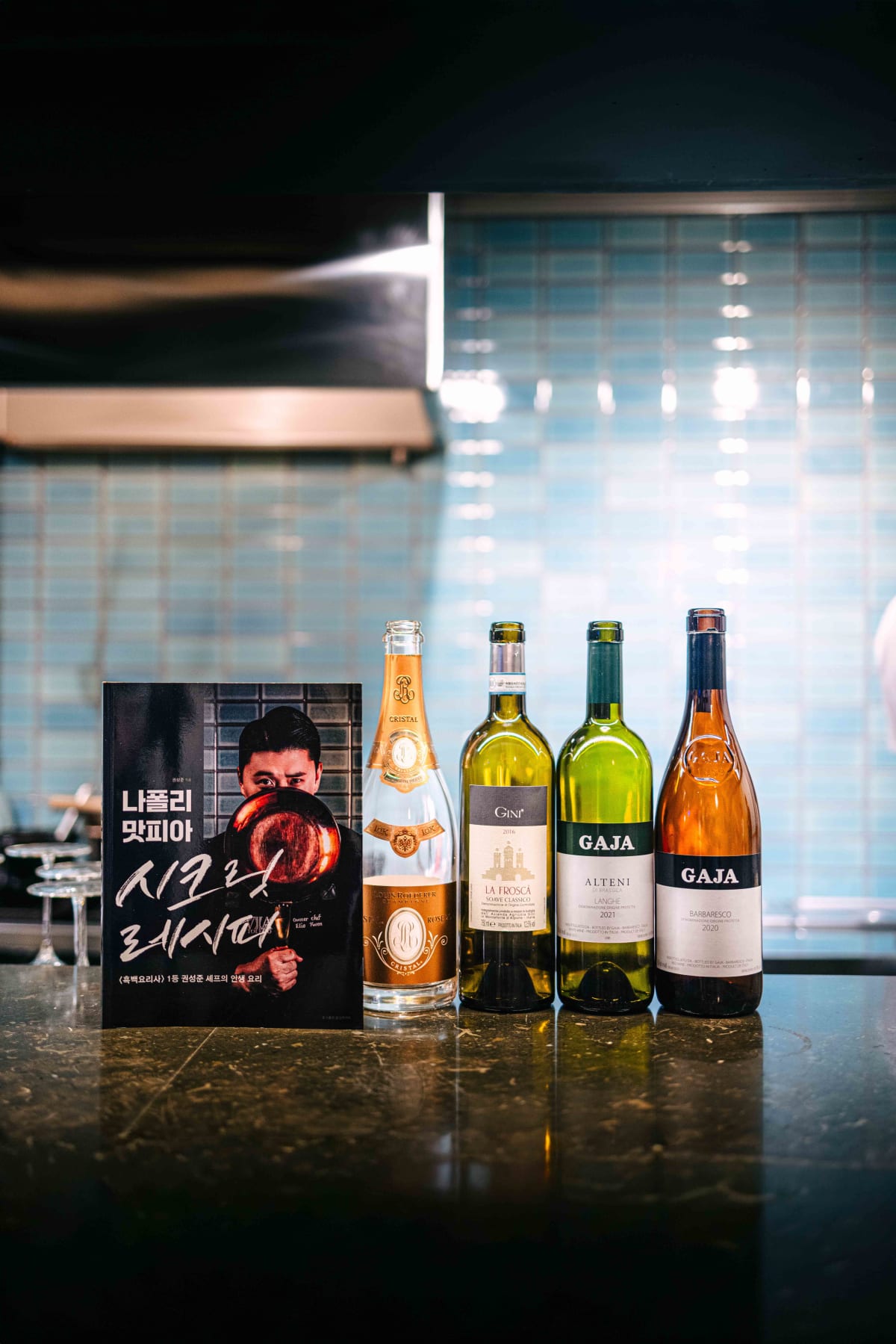
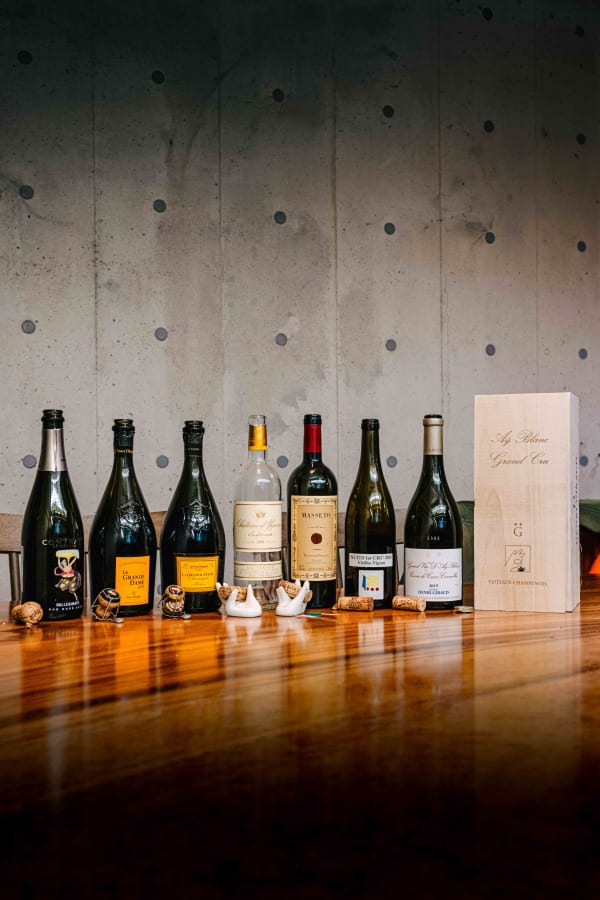
This reservation I arranged as a kind of small year-end gathering, inviting several friends, and thanks to one of them choosing the wines well, it felt like sitting down to a proper Italian course. Corkage ran to 100,000 won per bottle, a substantial figure, so I decided to bring something good for the occasion and corkaged a bottle of Cristal Rosé 2014 as the champagne.
Section 3·Cristal Rosé
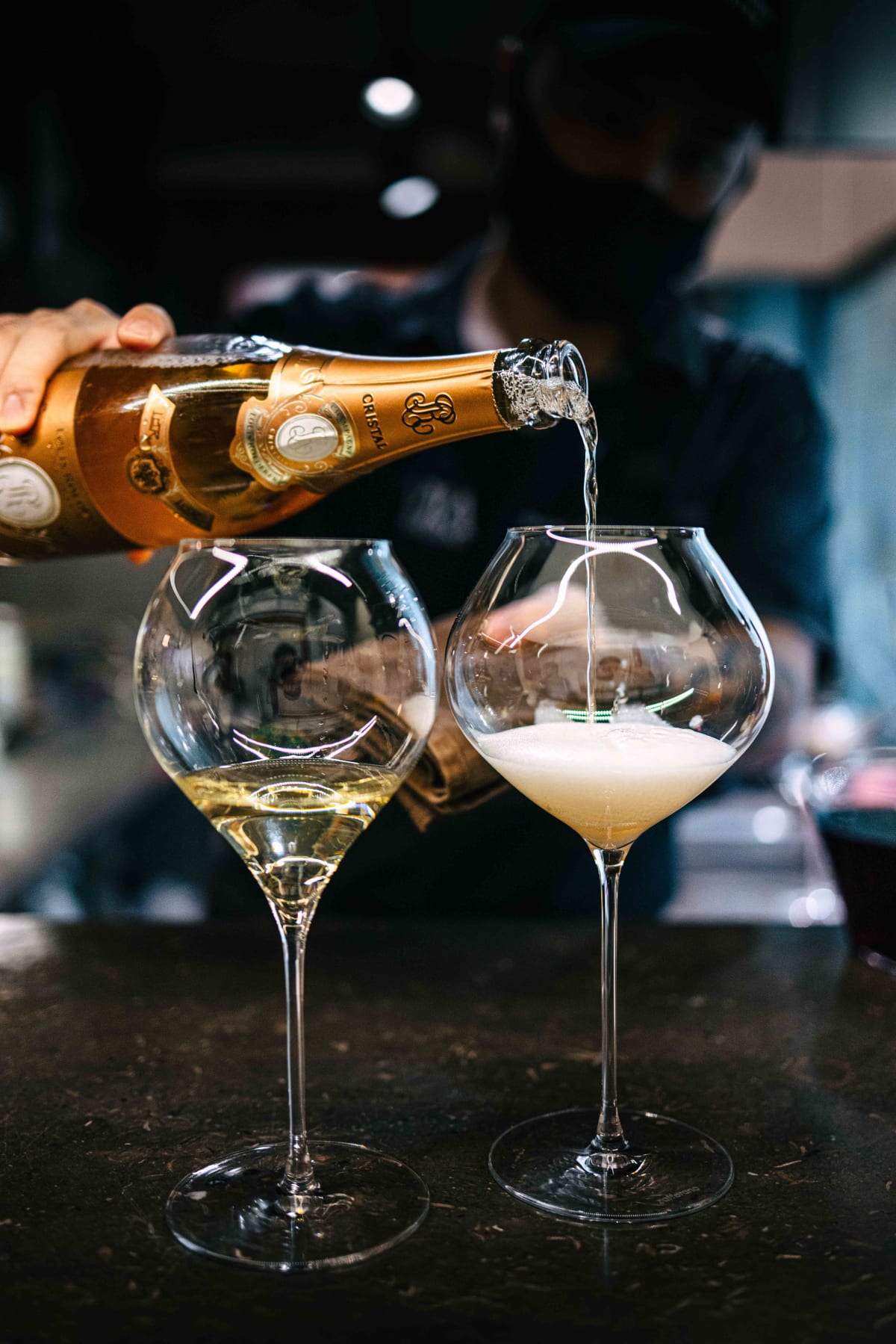
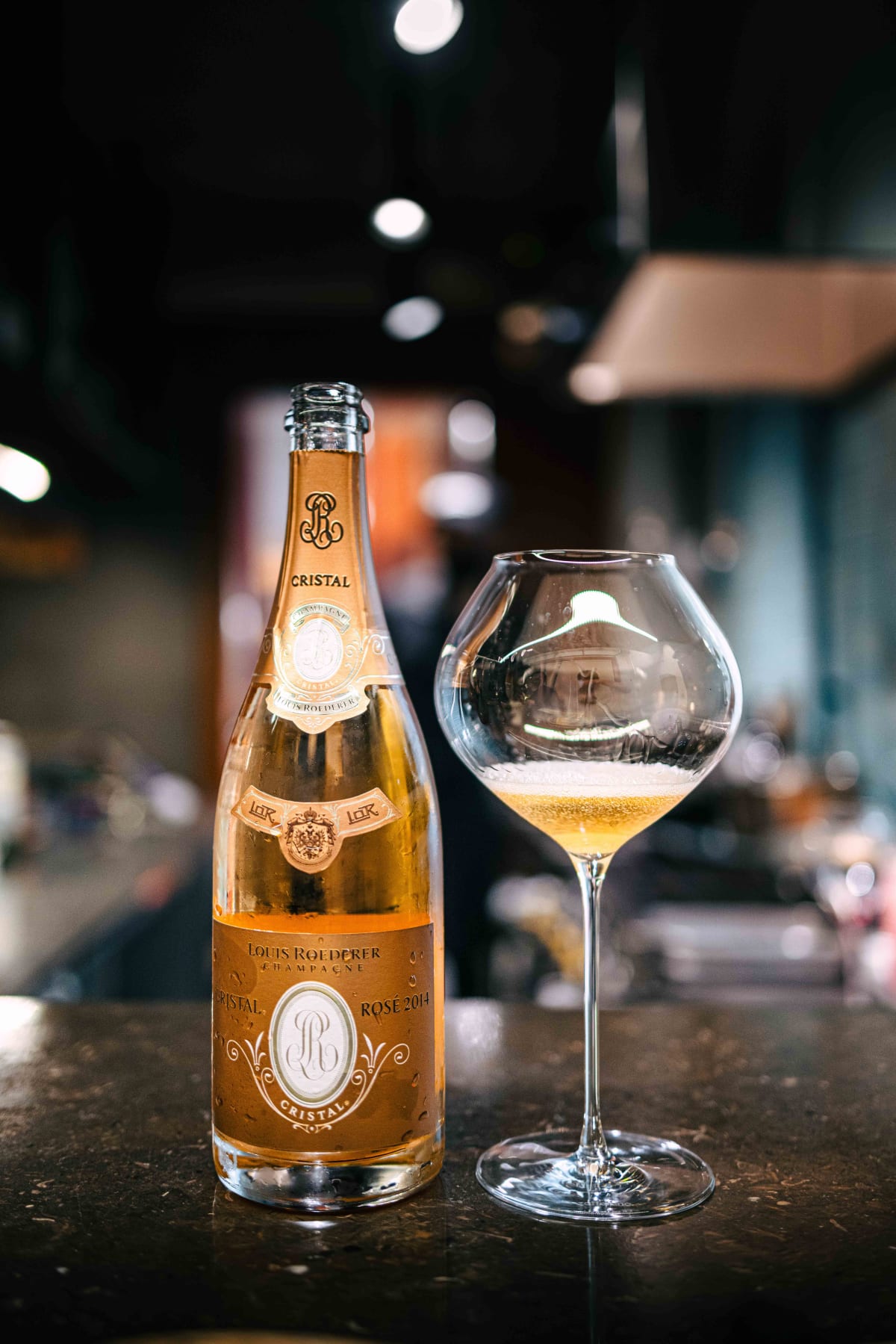
Cristal Rosé 2014 is the rarest cuvée Louis Roederer releases only in its finest years. It is the rosé version of Cristal, the cuvée born in 1876 for the Russian tsar, and this was the 2014 vintage, a Pinot Noir and Chardonnay blend built around old-vine Pinot Noir from the Aÿ Grand Cru. Being champagne, it would normally be the first thing poured, but on this night I drank the whites first and brought it out just before the reds, and it was perhaps the best rosé champagne I have ever had. In fact it may be the only rosé champagne I have ever enjoyed. I tend to find rosé champagne a little ambiguous, somewhat astringent, its aroma and flavor leaning closer to something natural-wine-like than to anything truly seductive, so I do not seek it out, but this Cristal Rosé 2014 was nothing of the sort, and it tasted superb.
Section 4·The Course Begins
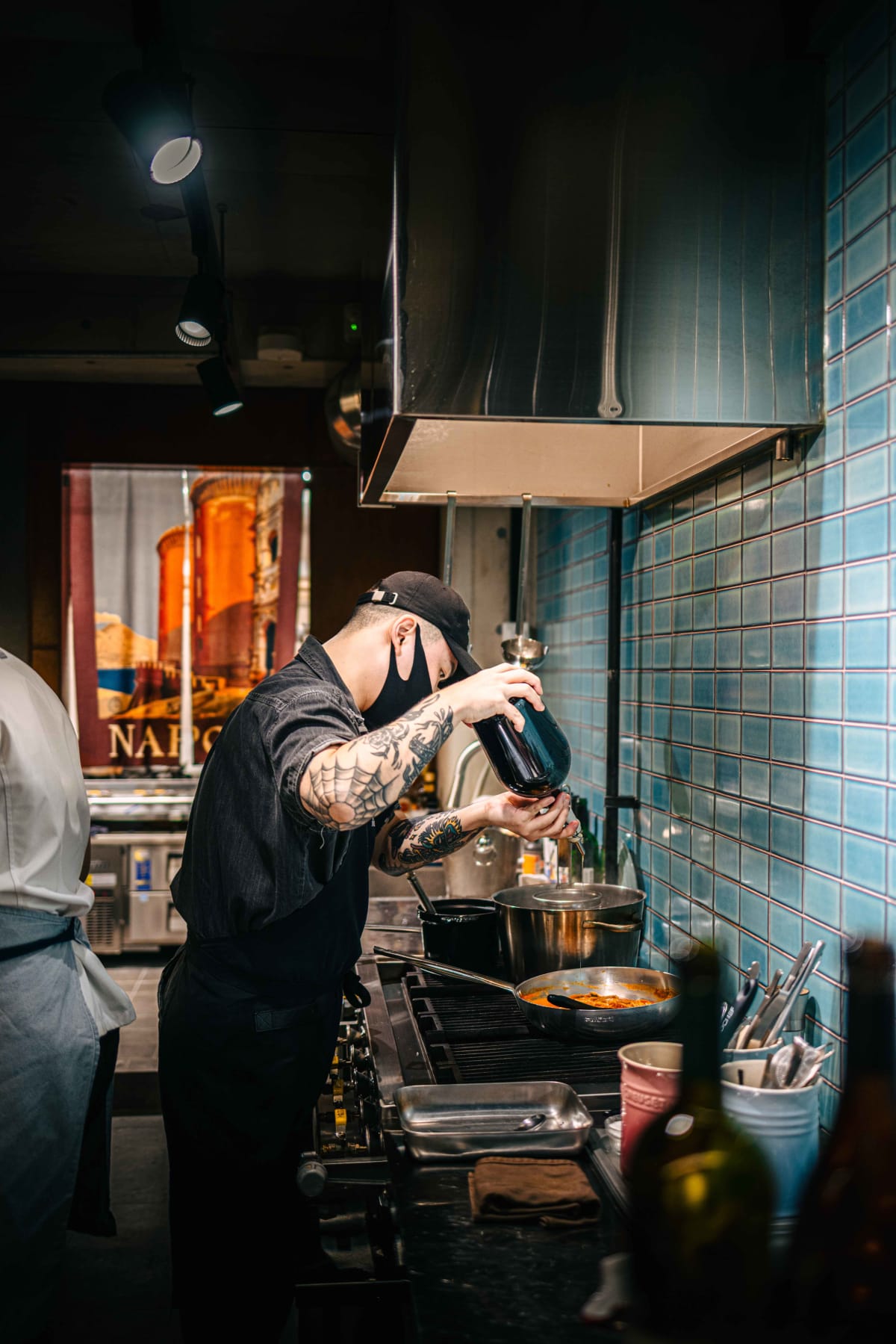
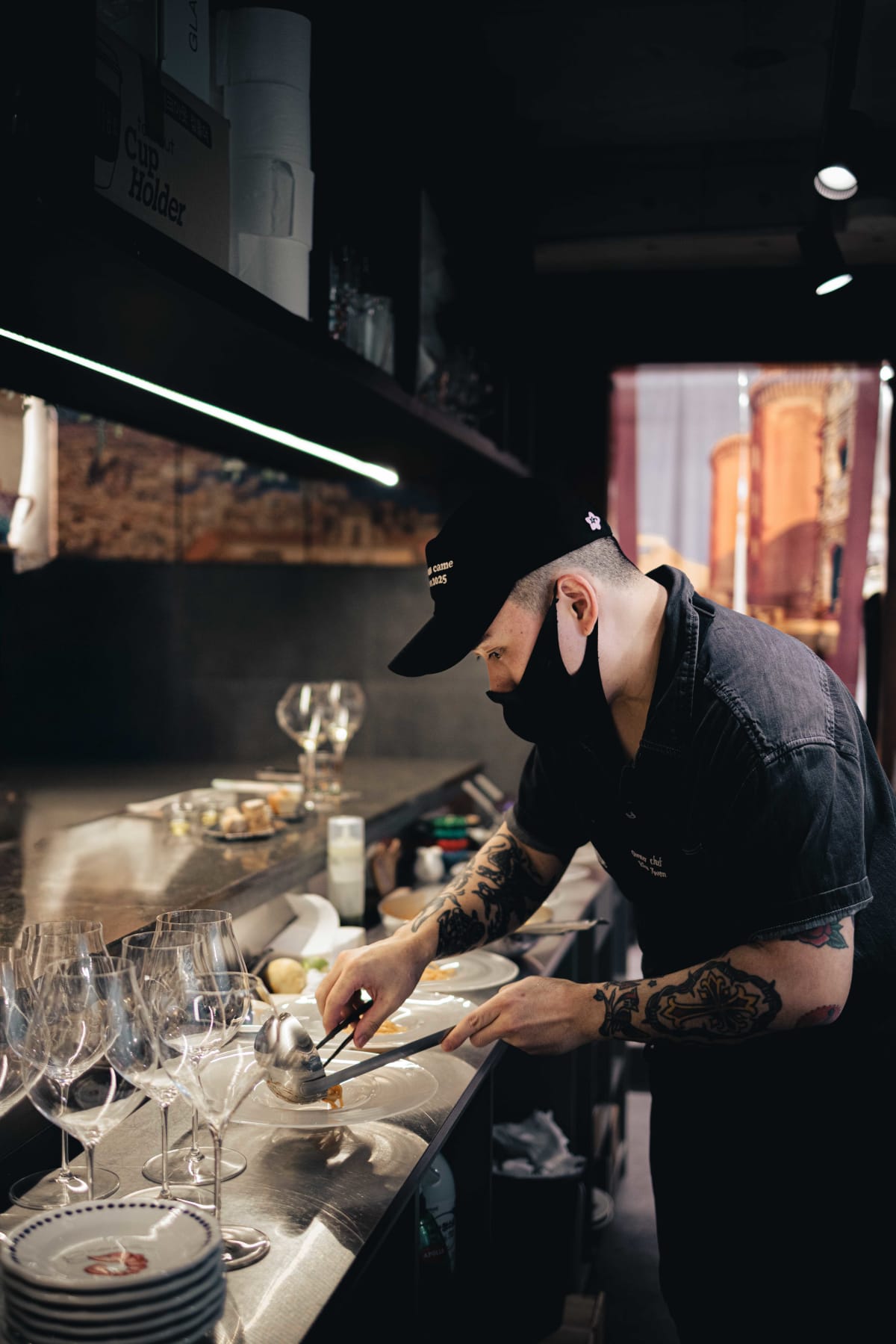
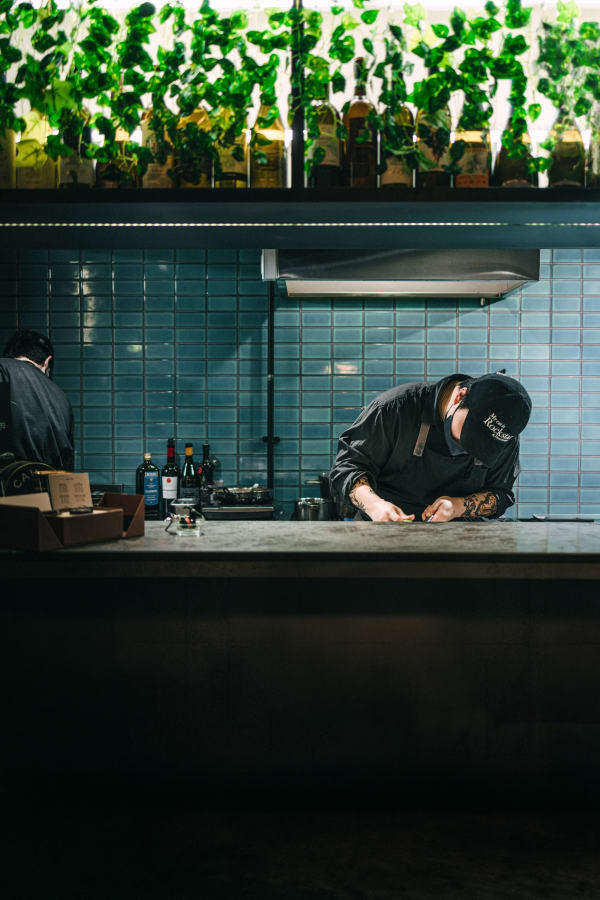
The meal ran to ten courses in all, the volume grown a little larger, and the cooking is still handled entirely by the chef and one or two other supporting chefs. The style is thoroughly classical Italian, with Japanese or broader Asian touches kept to a minimum. He works to bring out the Naples register as much as possible, but it is not solely Naples or the south; there were dishes with a northern Italian feel as well.
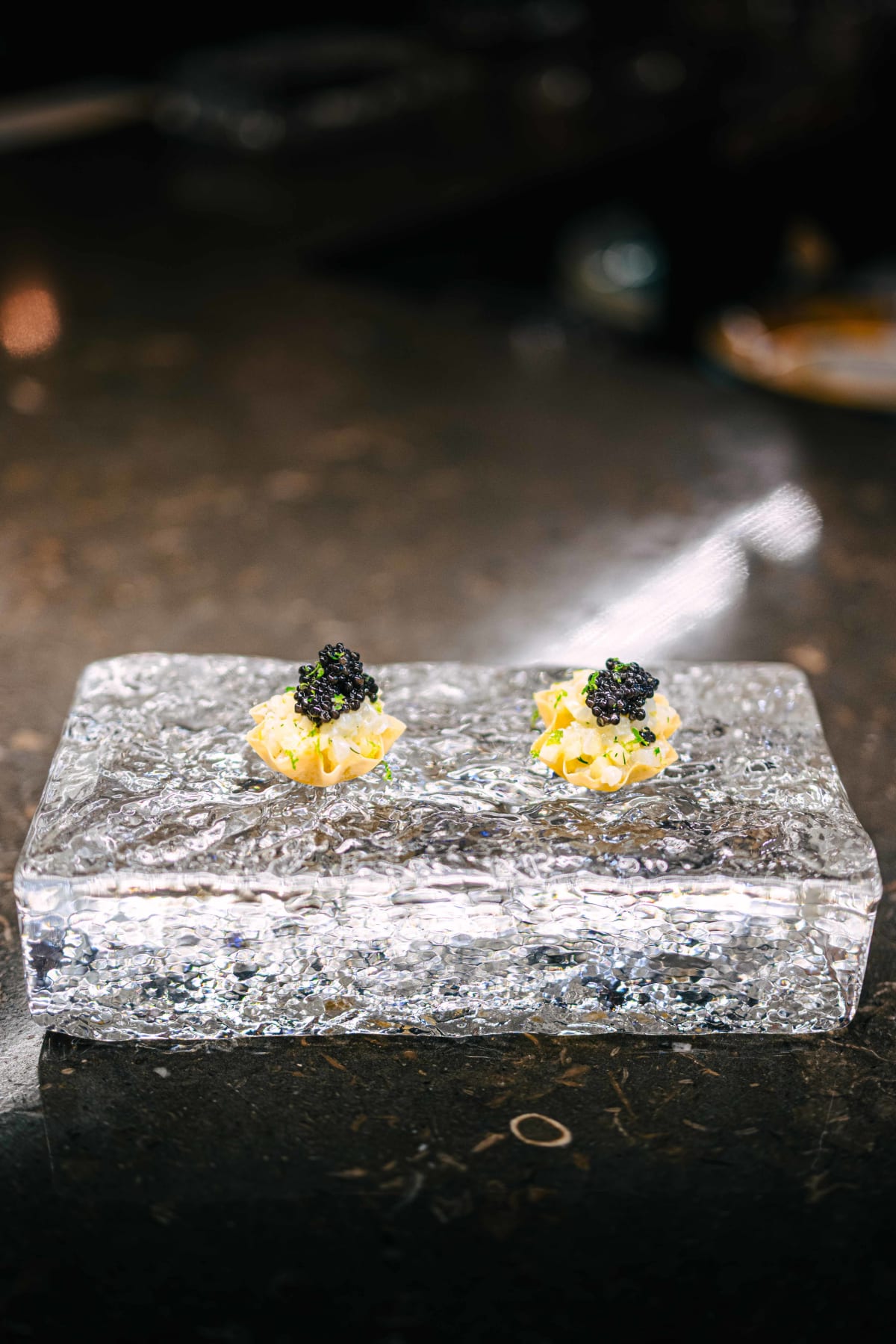
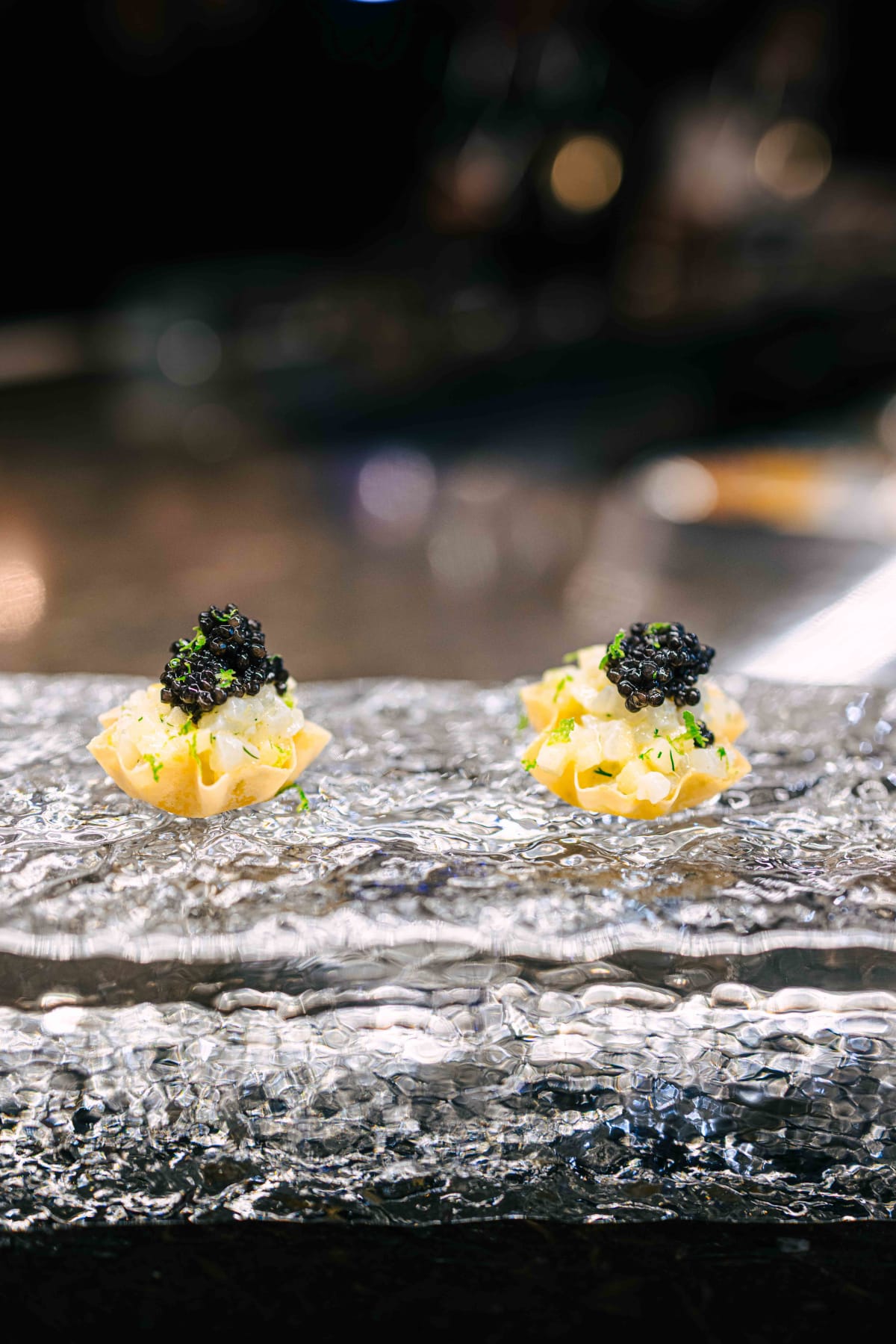
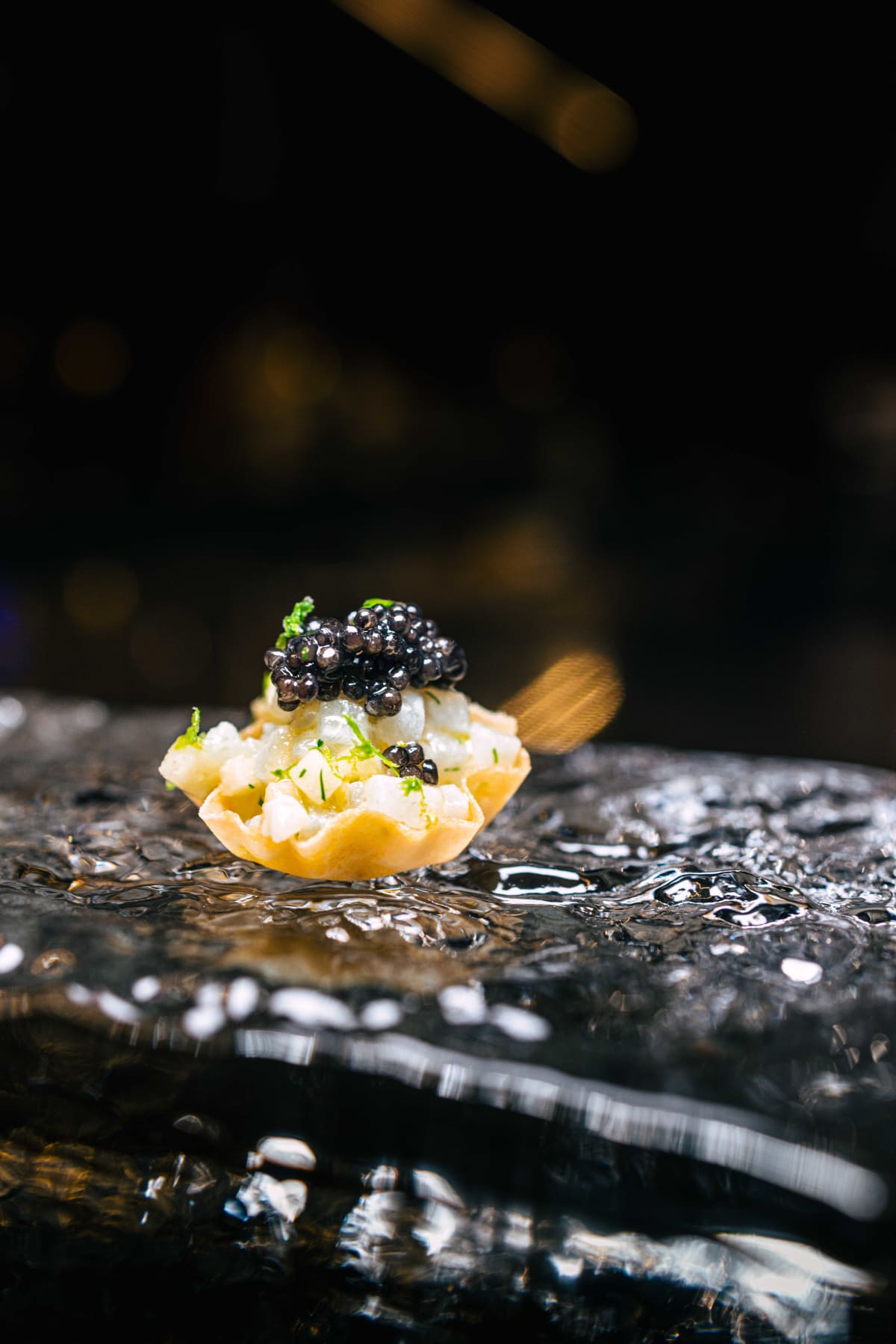
The first dish was an amuse-bouche of apple and herbs, finished with lime zest and a final spoon of caviar on top.
It was quite fresh and crisp, with a smoky note standing out. The one small letdown was that the base beneath it, perhaps from sitting in contact with moisture a touch too long, had lost about two percent of its crispness, which left me slightly wanting.
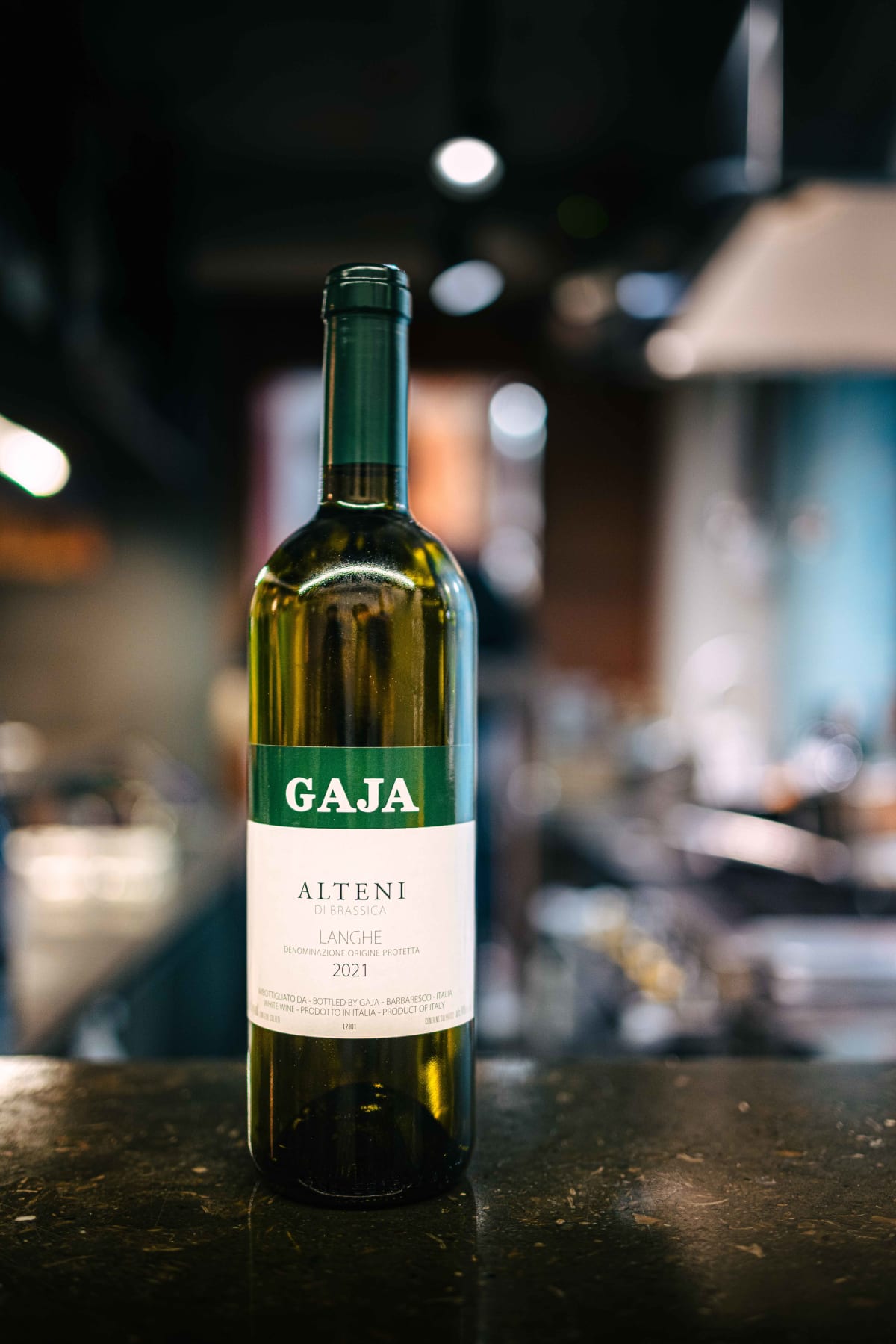
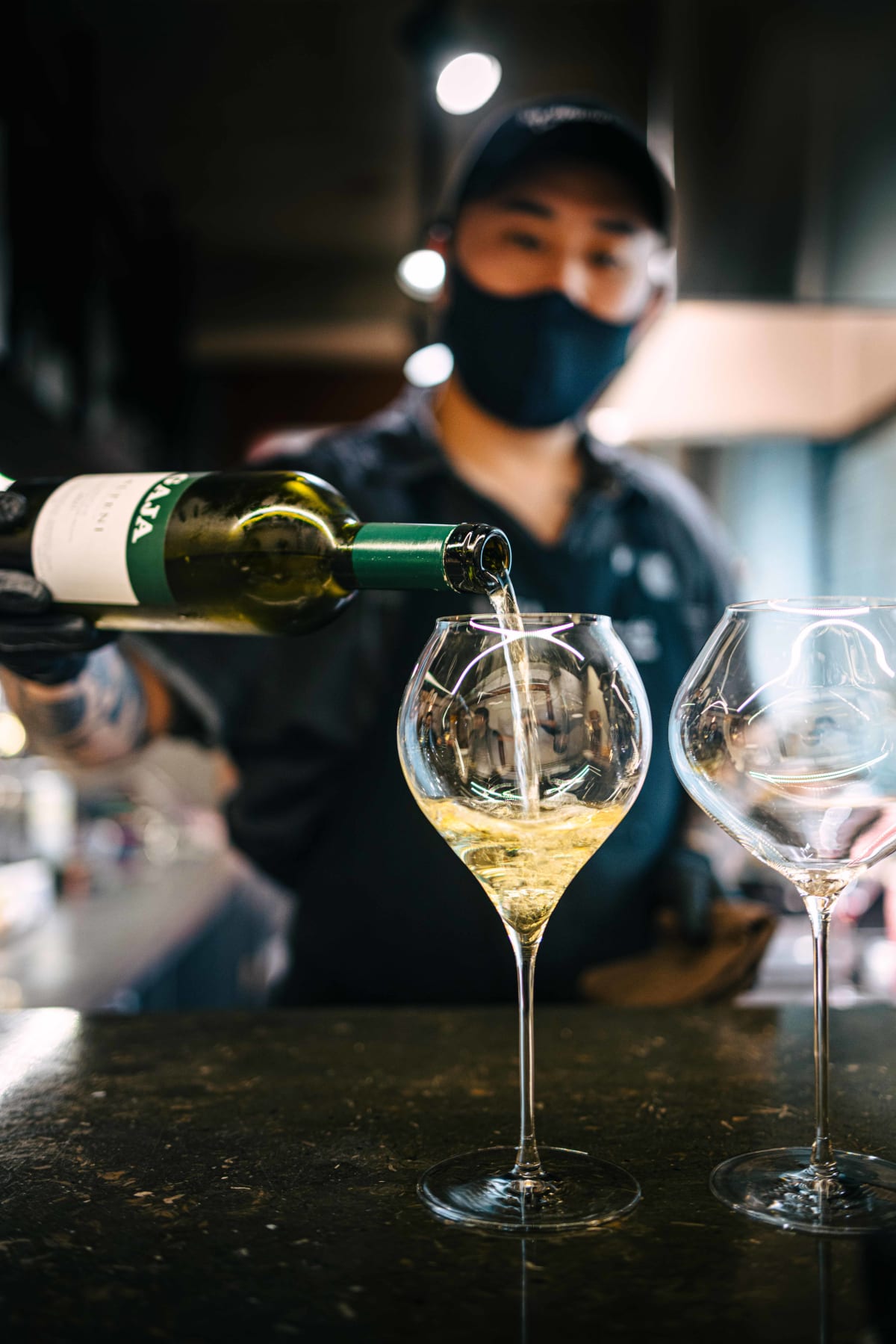
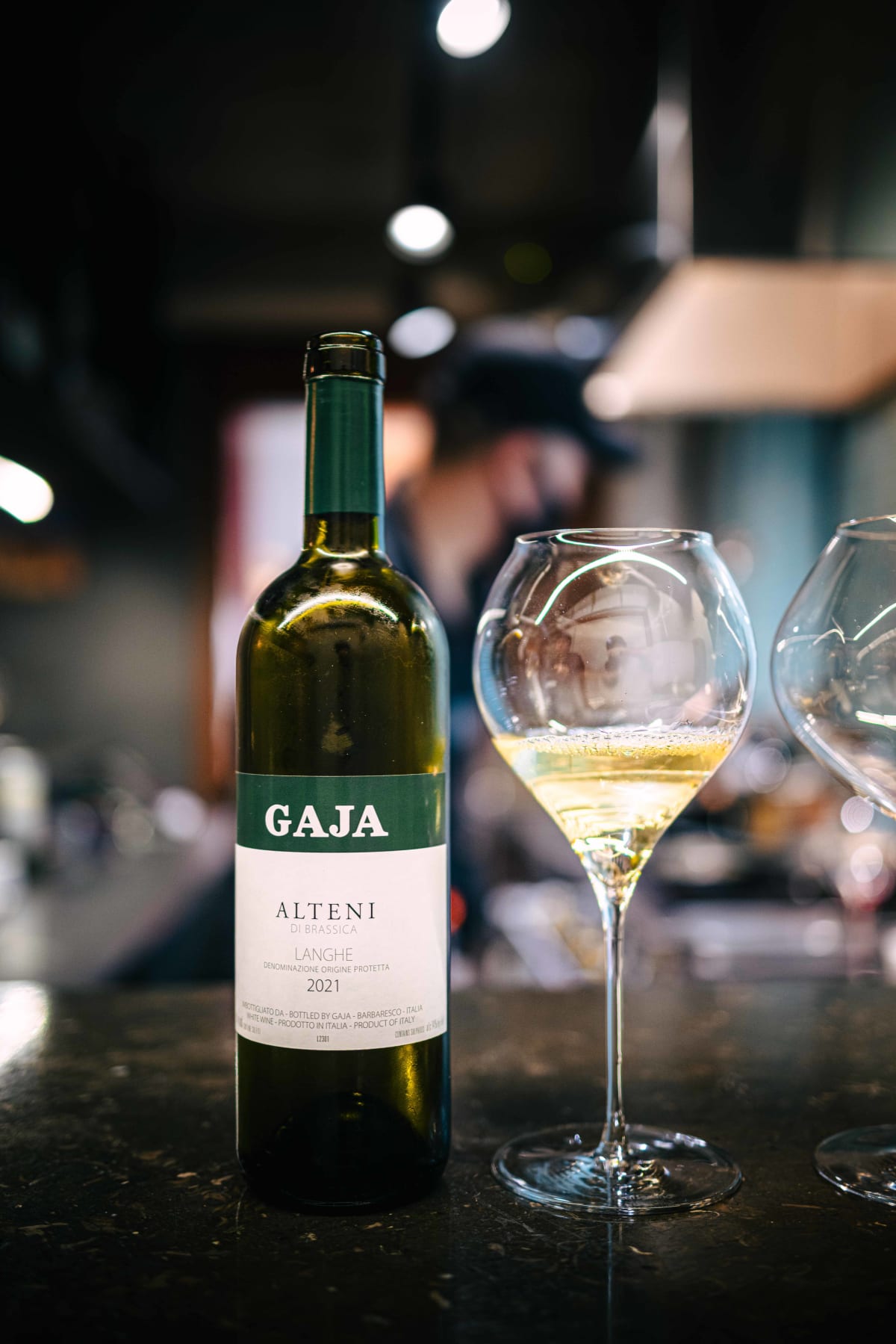
Paired with it, the first wine was Alteni di Brassica, the Sauvignon Blanc that Piedmont's Gaja makes in the Langhe, in the 2021 vintage. It traces back to 1983, when Angelo Gaja planted Sauvignon Blanc in Barbaresco, and it stands as one of Italy's defining expressions of the grape.
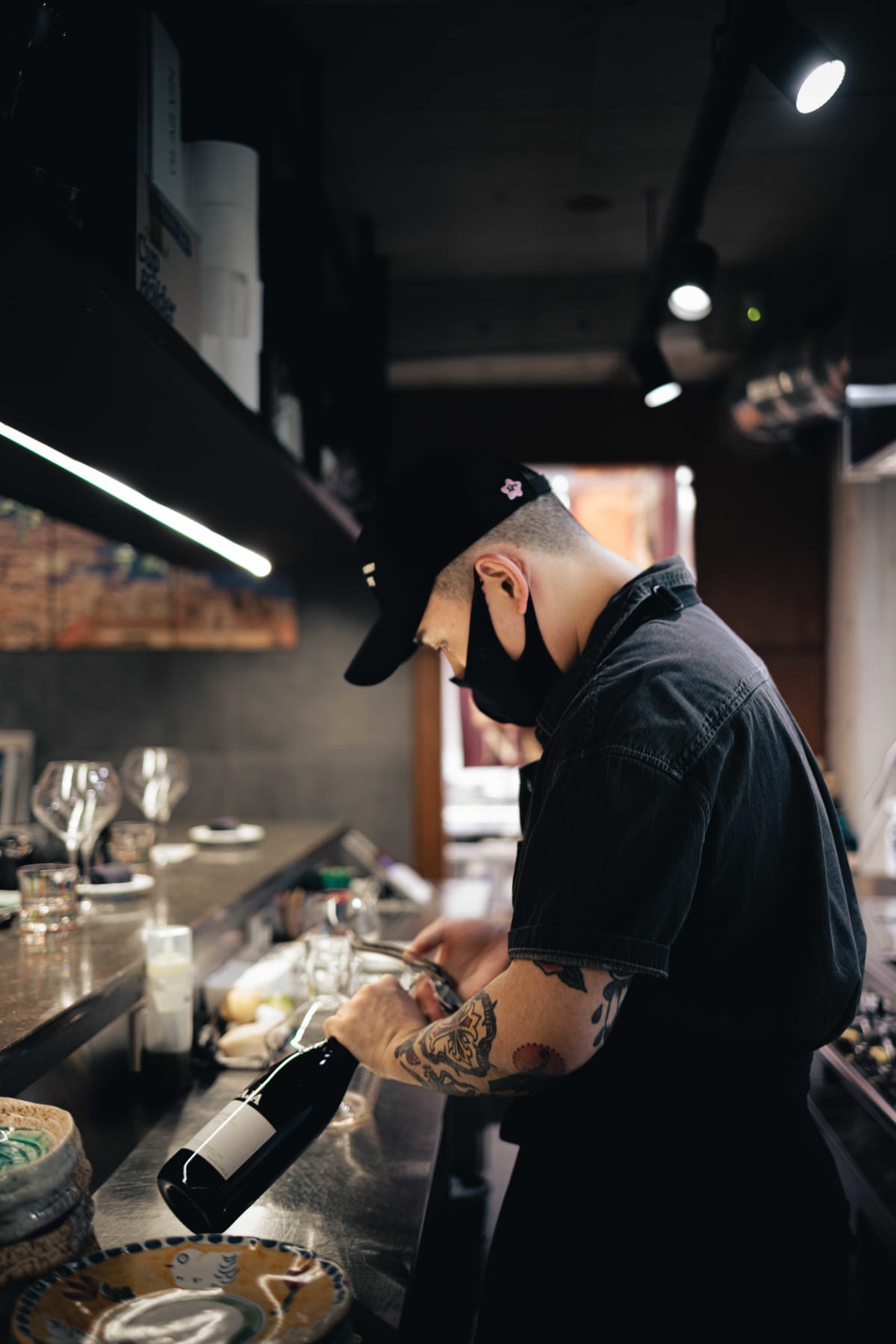
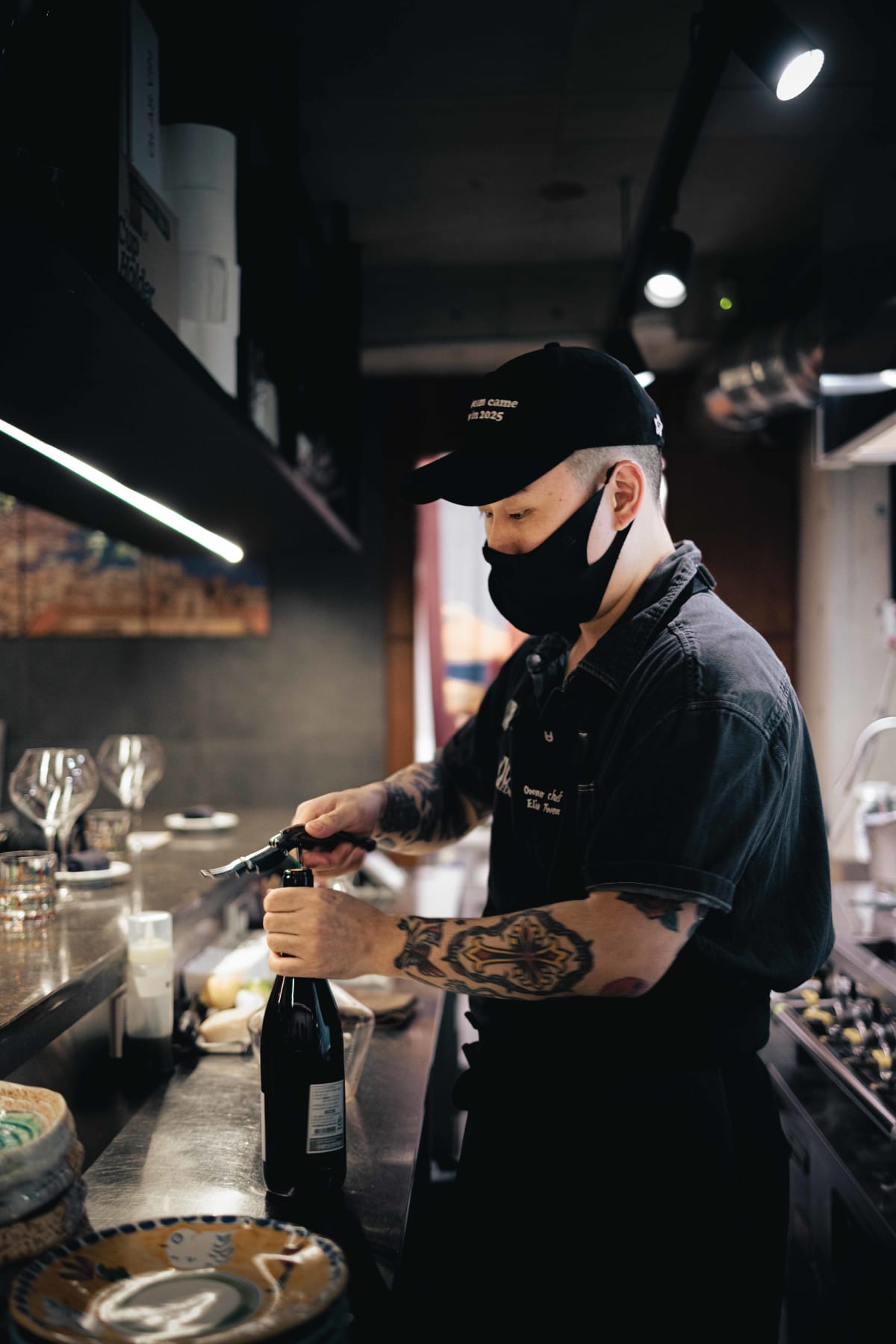
The moment I caught the first aroma I thought of a New Zealand white and guessed Sauvignon Blanc. Yet the grassy note so characteristic of New Zealand Sauvignon Blanc was largely held in check here, and the wine was well balanced in its acidity and freshness.
Section 5·Carabinero
The second dish arrived with a single boat floating on it. On a base of orange and rosemary sauce, shaped to evoke a boat drifting on the Bay of Naples, sat finely chopped carabinero prawn. I had not expected to see carabinero that evening, so its appearance was a surprise.
Spooning up about half of it, the chewy, crisp texture of the carabinero came together nicely, but what stood out most was the bright sauce.
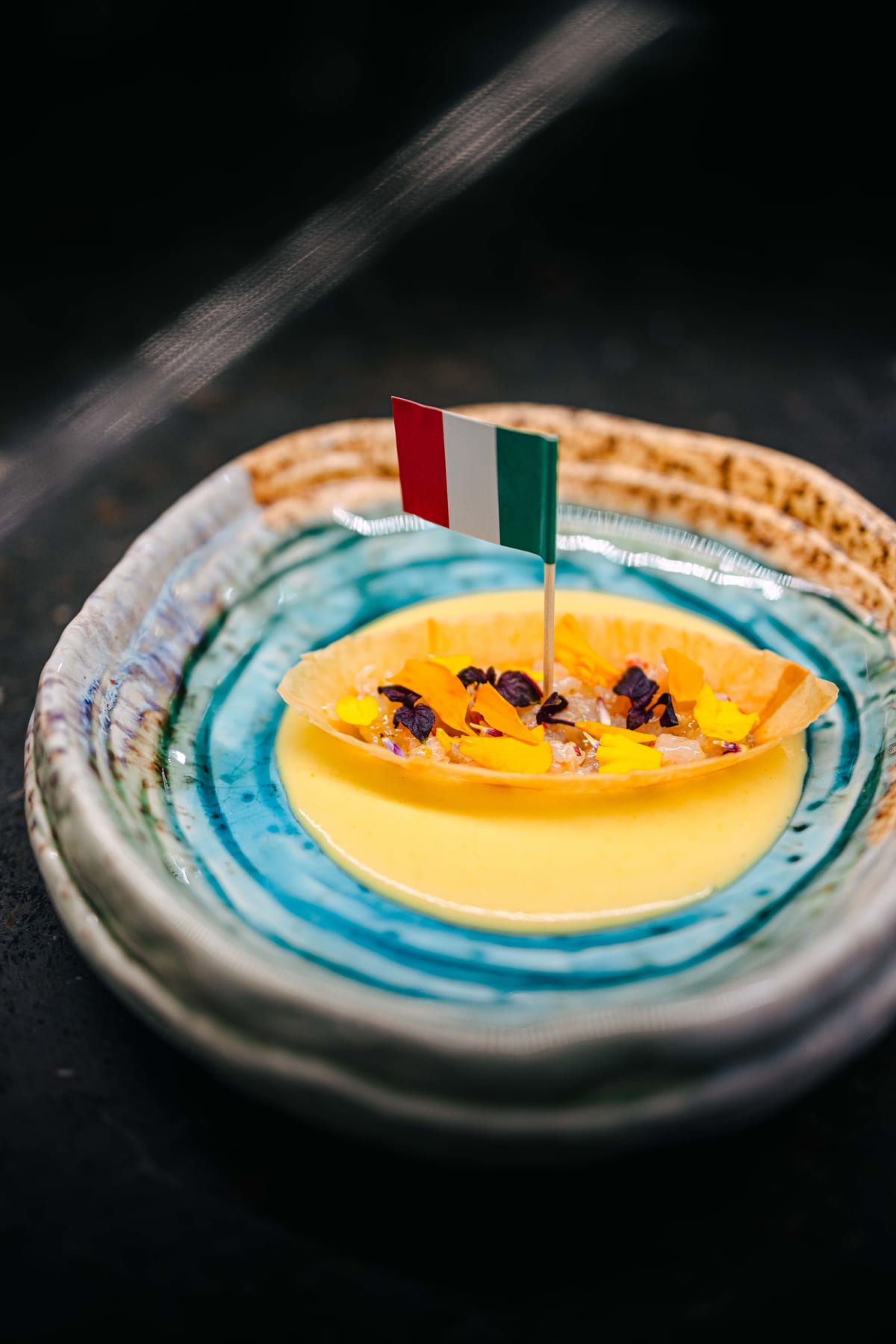
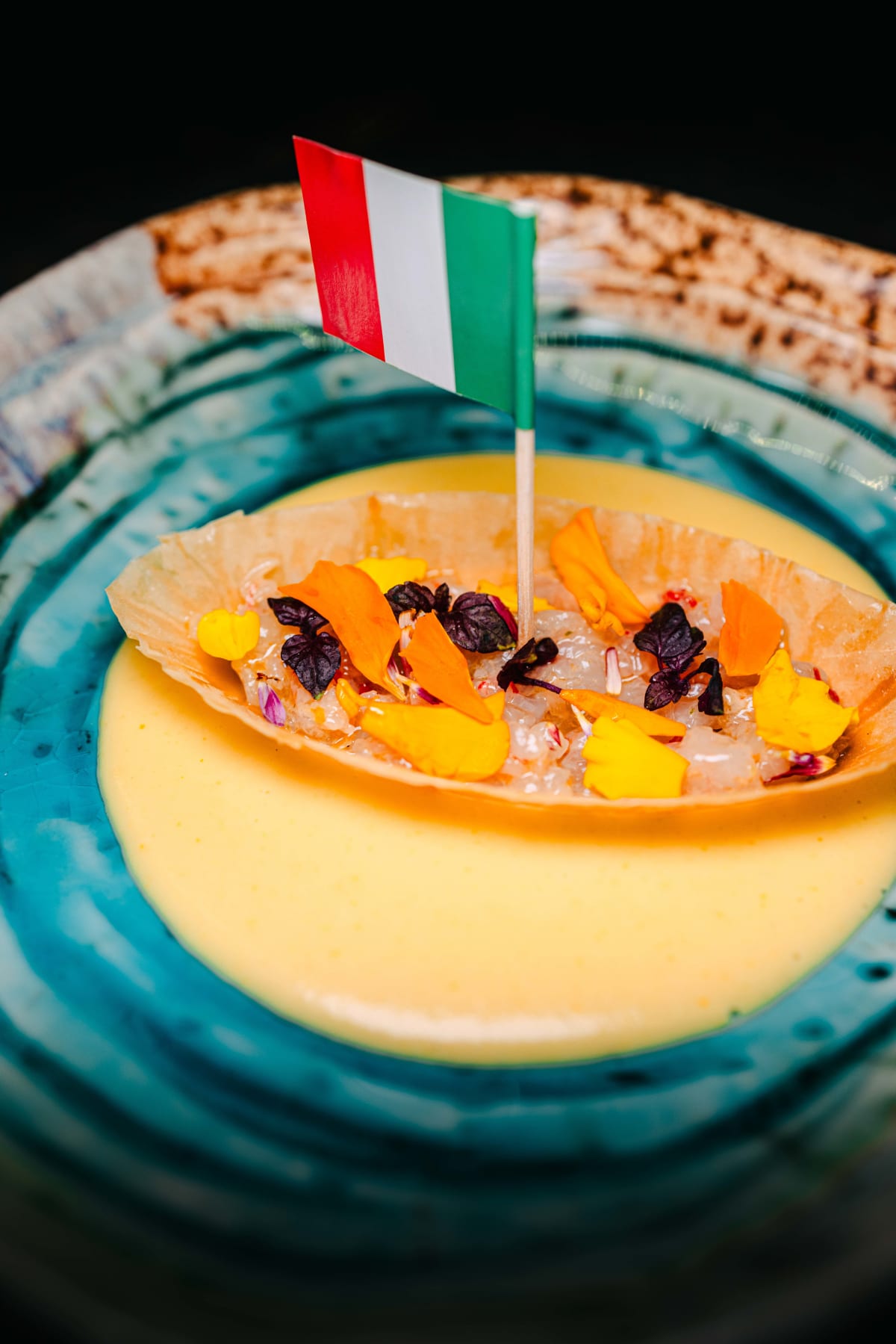
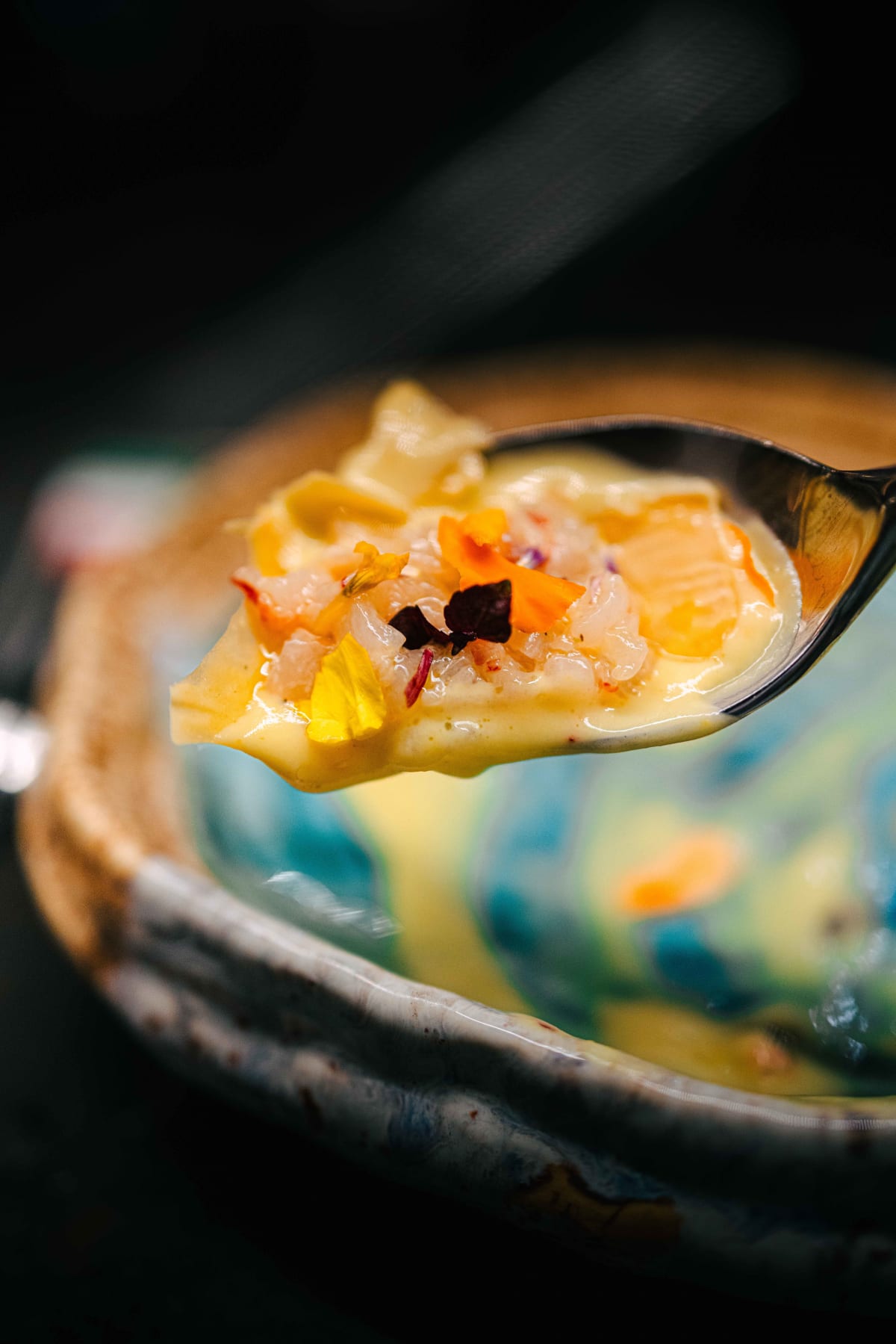
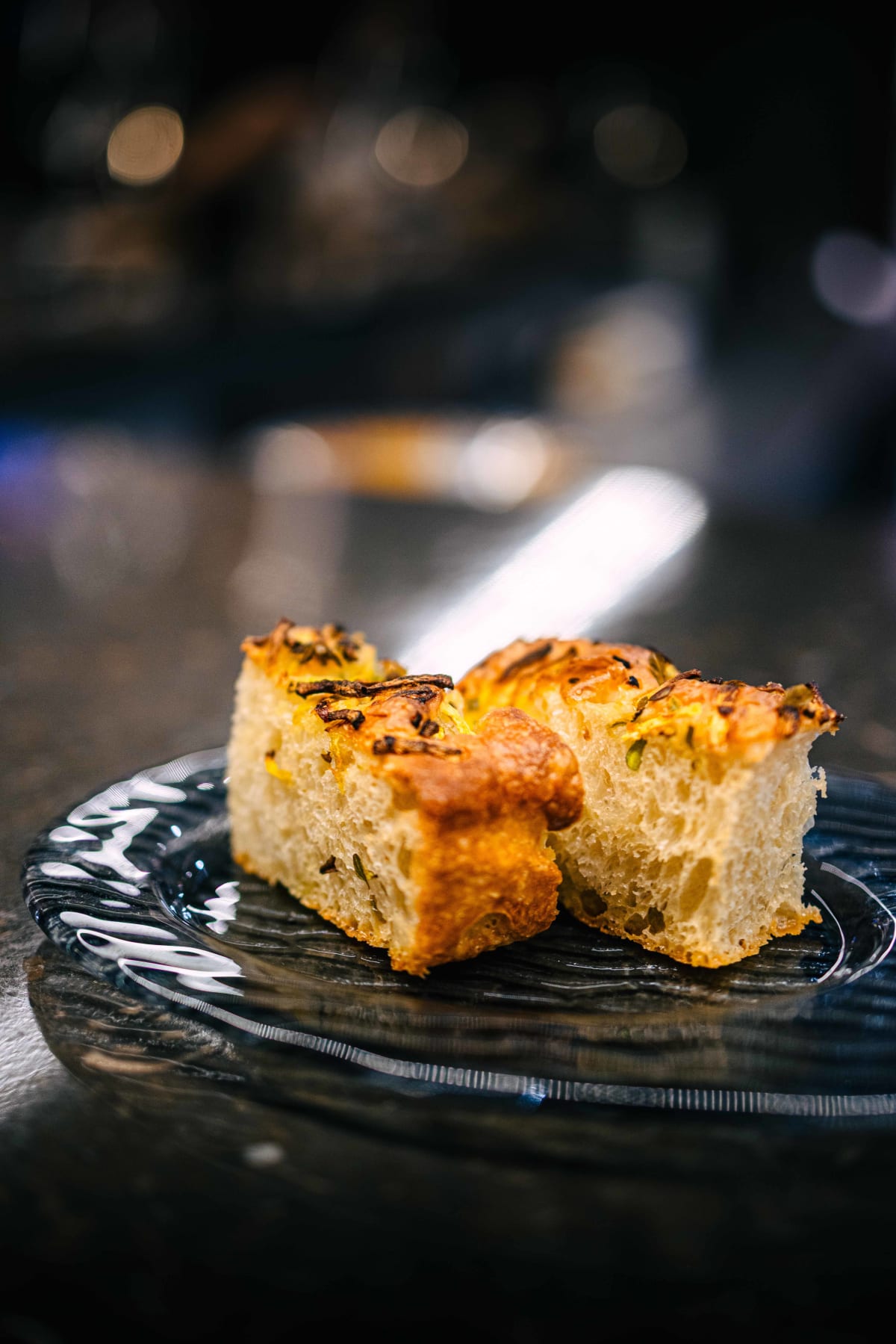
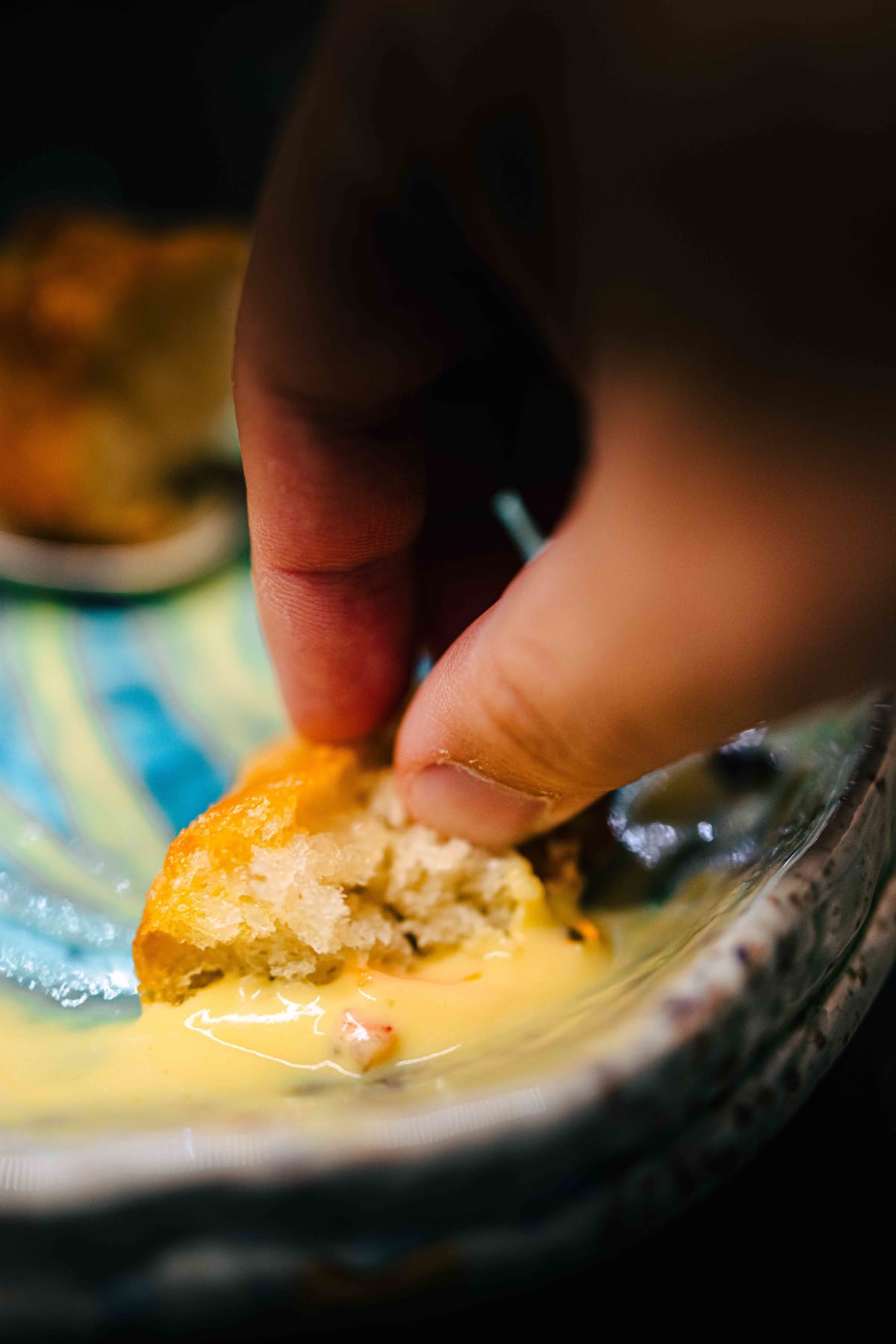
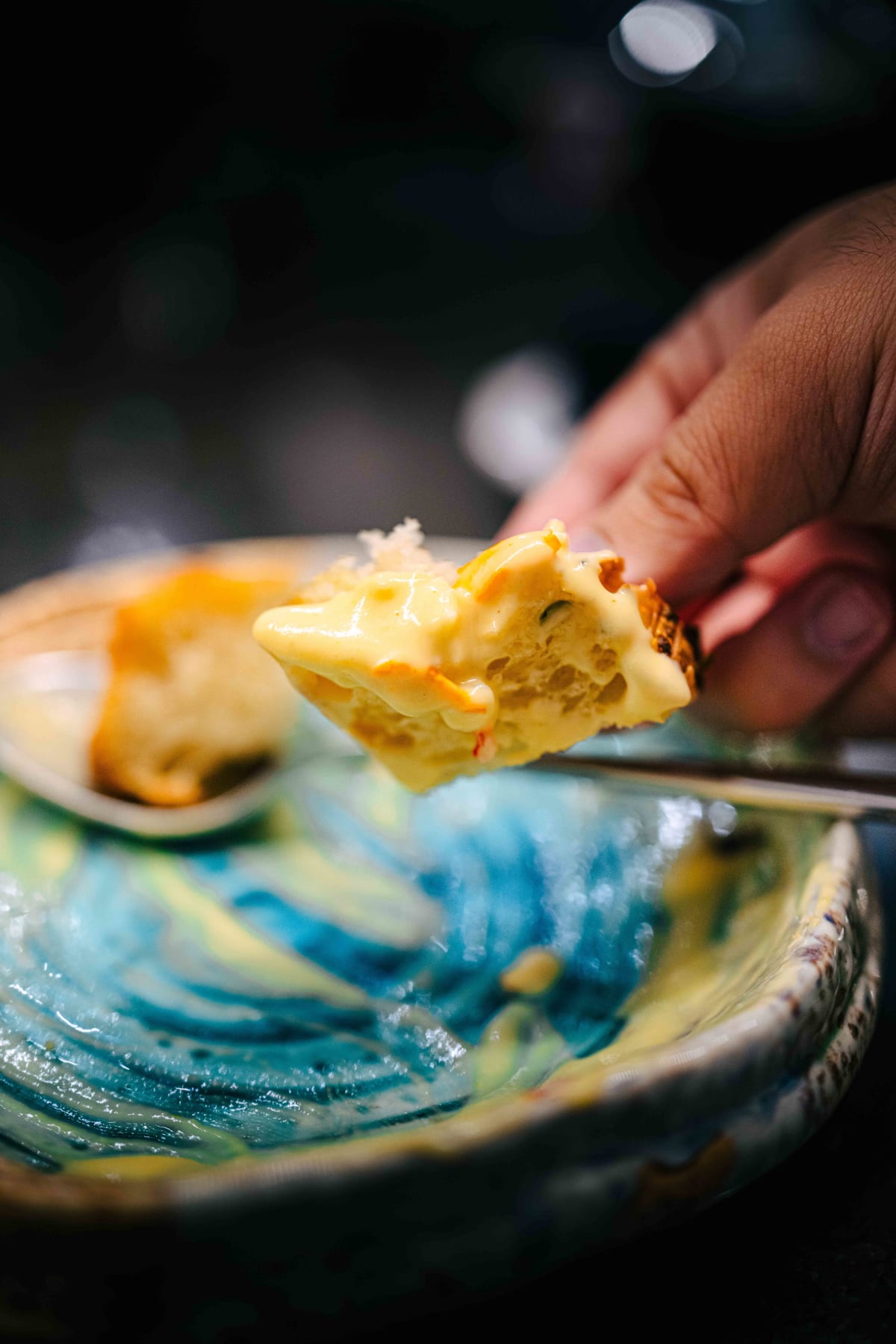
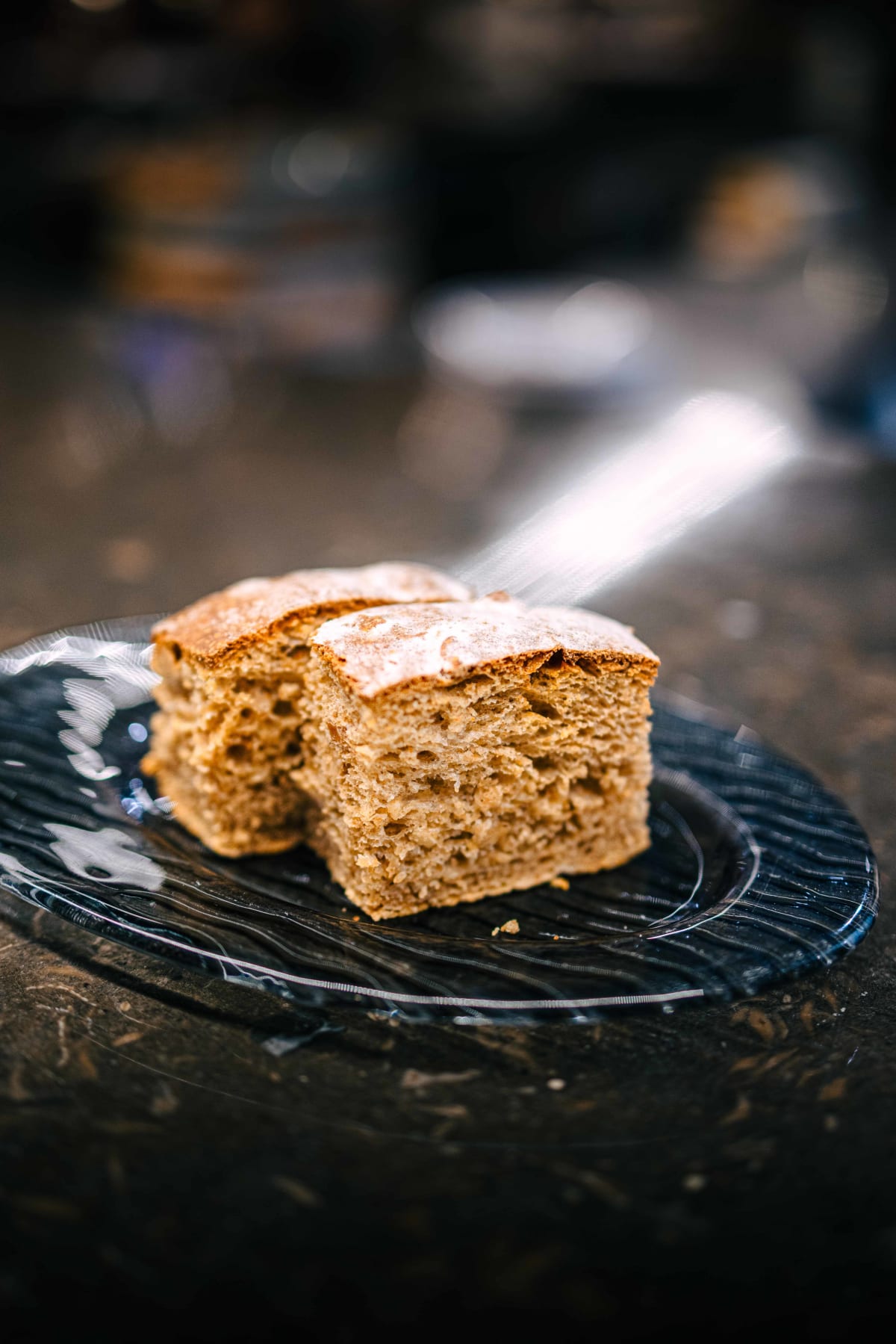
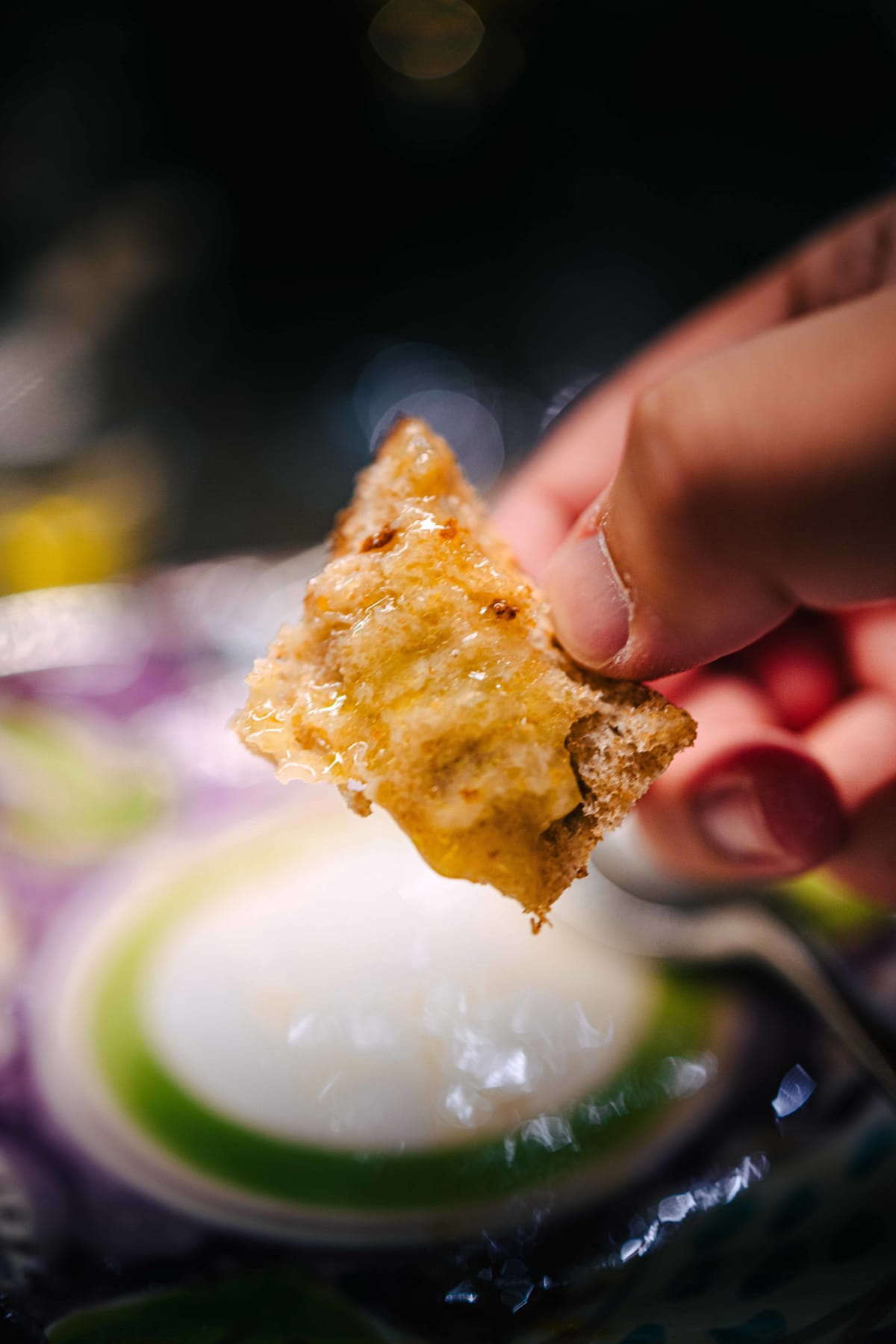
It was fresh yet carried a good savory depth, and thinking it would be lovely on bread, I spread it on the focaccia the chef had given us, and it was excellent. The focaccia in particular had a smoky note on its crust, which paired well with the acidic orange sauce.
Section 6·Fried Pizza
Next came one of the south's signature dishes, fried pizza. The vessel it was served on was shaped like a volcano, which made me think it was meant to evoke Mount Vesuvius, that inescapable emblem of the south. On top sat parmesan and a caprese-style sauce, and biting in, I found tomato confit and caciocavallo, a Sicilian cheese, tucked inside. I think a similar dish had appeared two years ago, but the flavor had been upgraded even further. The first bite was as crisp as biting into a croquette, and the tomato and cheese within carried such a deep, rich flavor that I ate it happily.
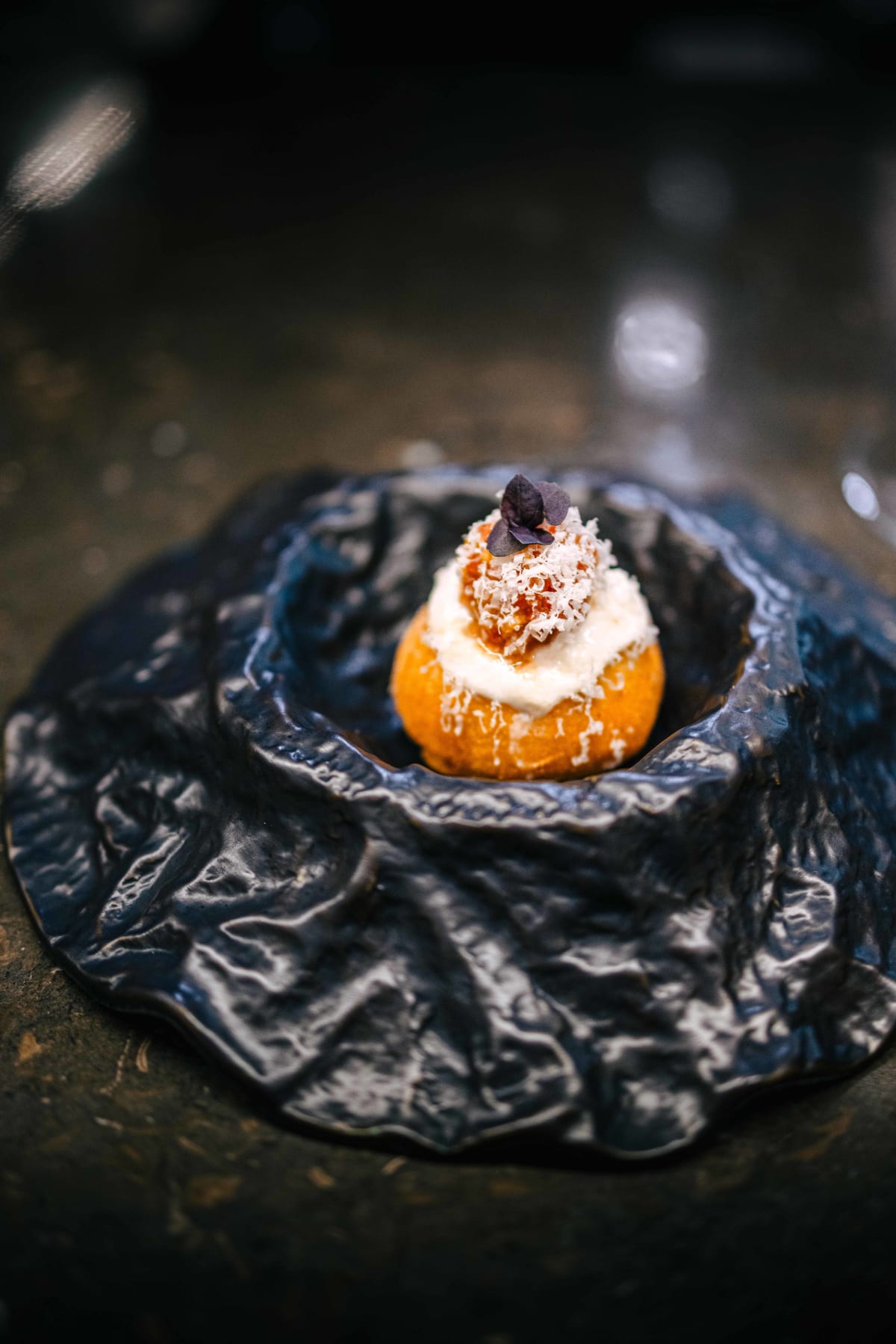
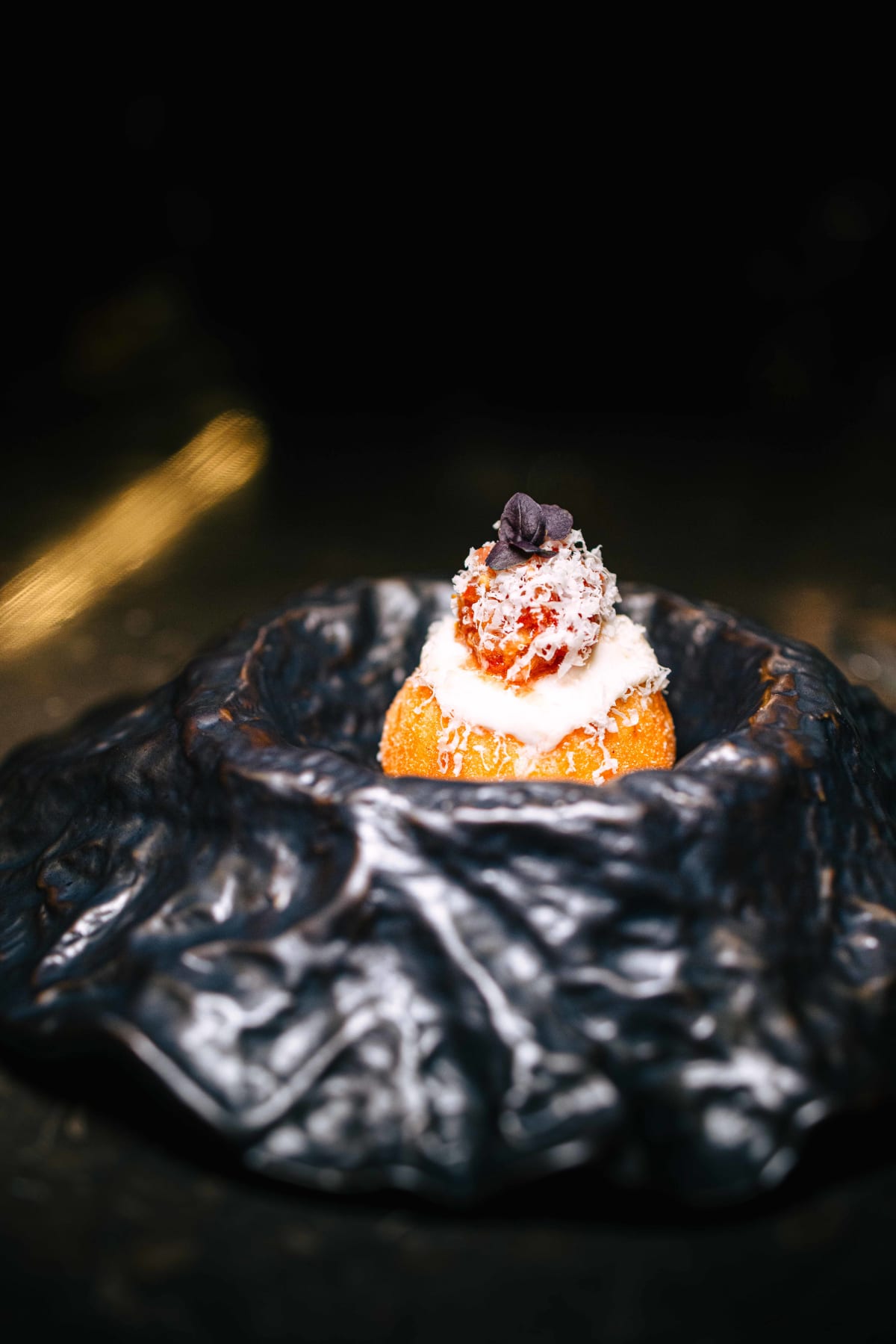
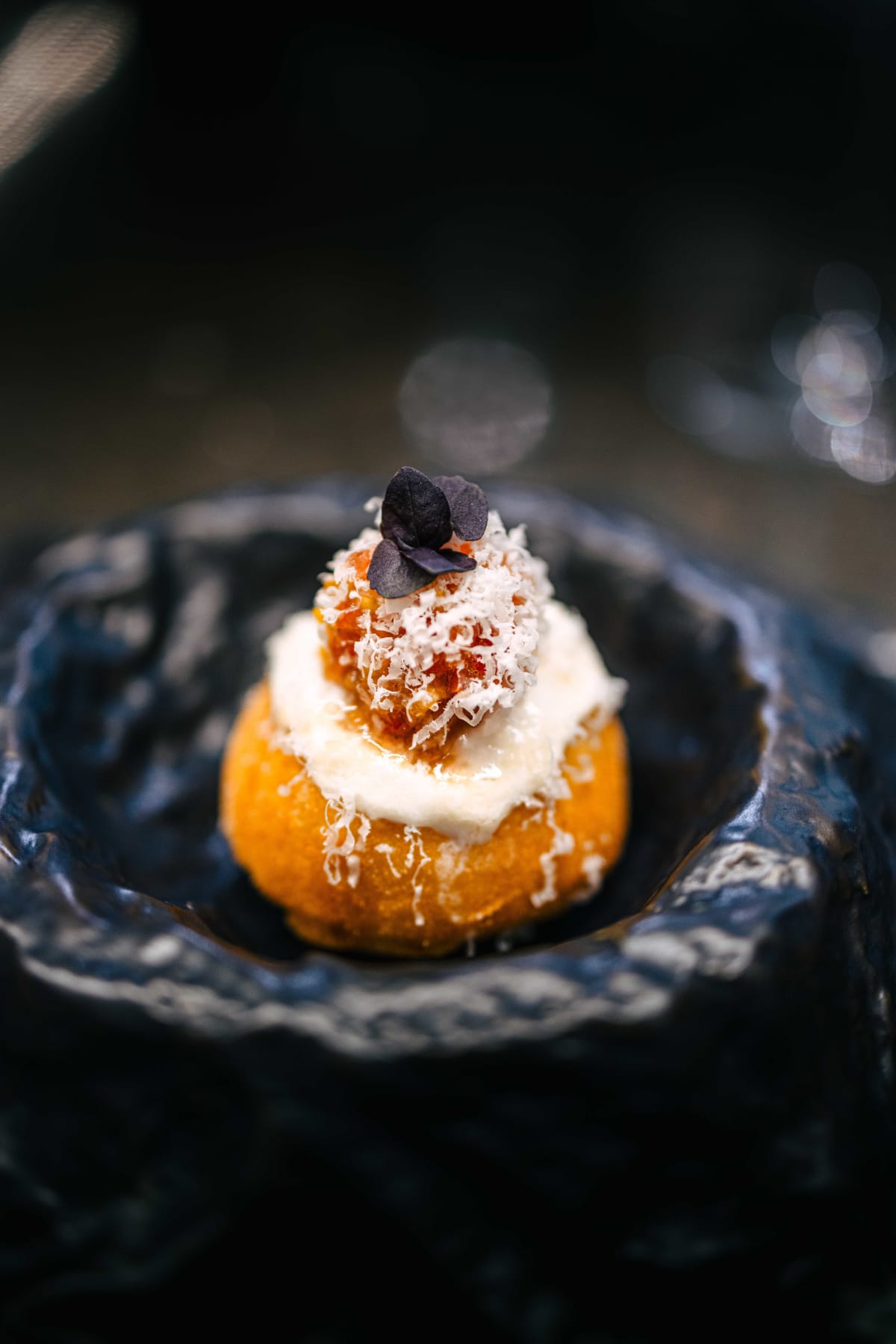
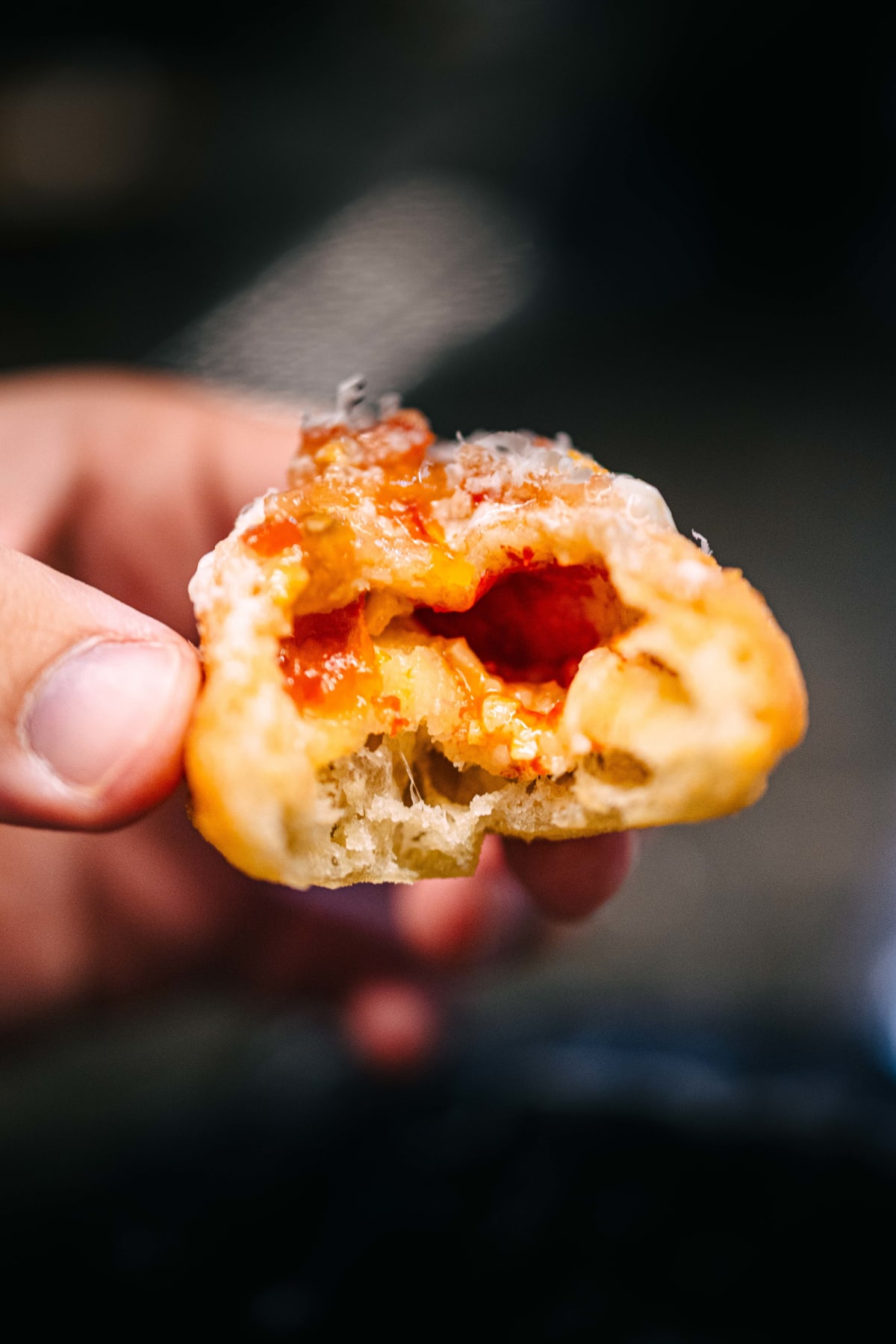
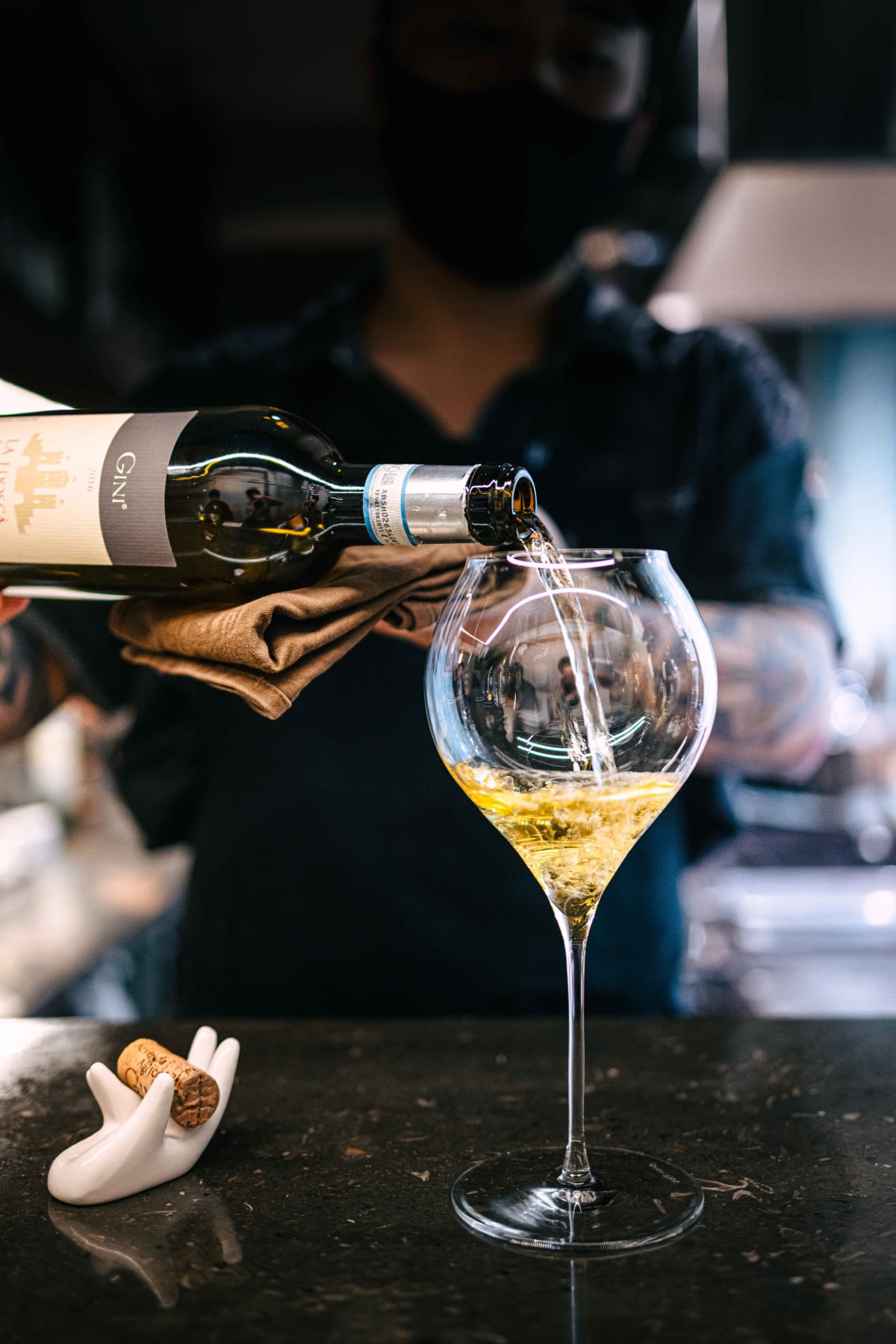
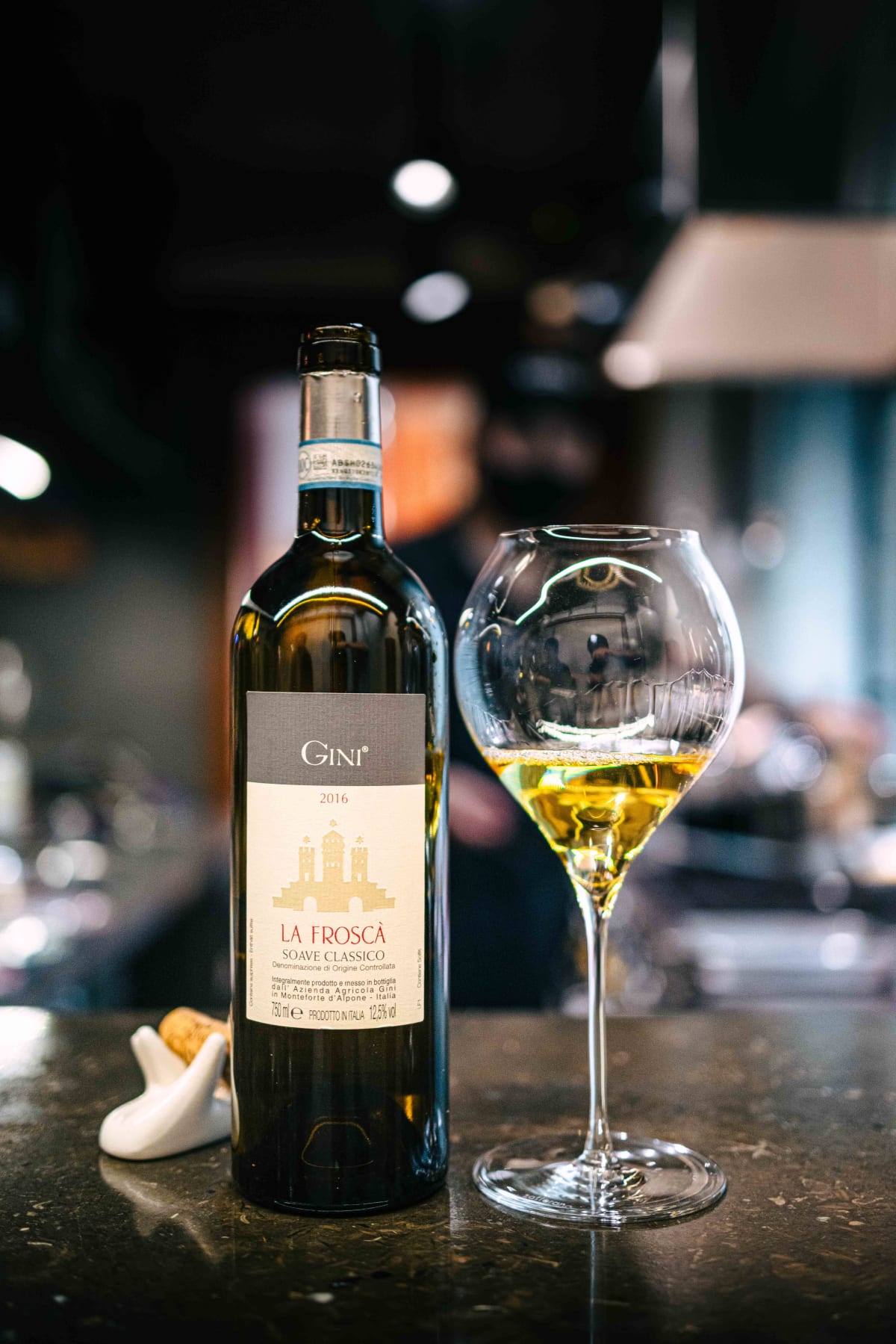
Having eaten through to the fried pizza that represents the Neapolitan south, I ordered another white at this point: the 2016 vintage of La Froscà, the Soave Classico that Gini, regarded as one of the very top producers in Soave in Veneto's northeast, makes entirely from Garganega on the volcanic-soil single vineyard of Froscà. It is said to be a great vintage. The wine's brand value sits below Gaja's, but I found it the more satisfying of the two. Like drinking a fine white Burgundy, its acidity was good, and the aged nuance came through well, making it a wine I was happy with.
Section 7·The Pastas
The chef told us that as he raises the price of the course, he intends to show an increasingly fine-dining side.
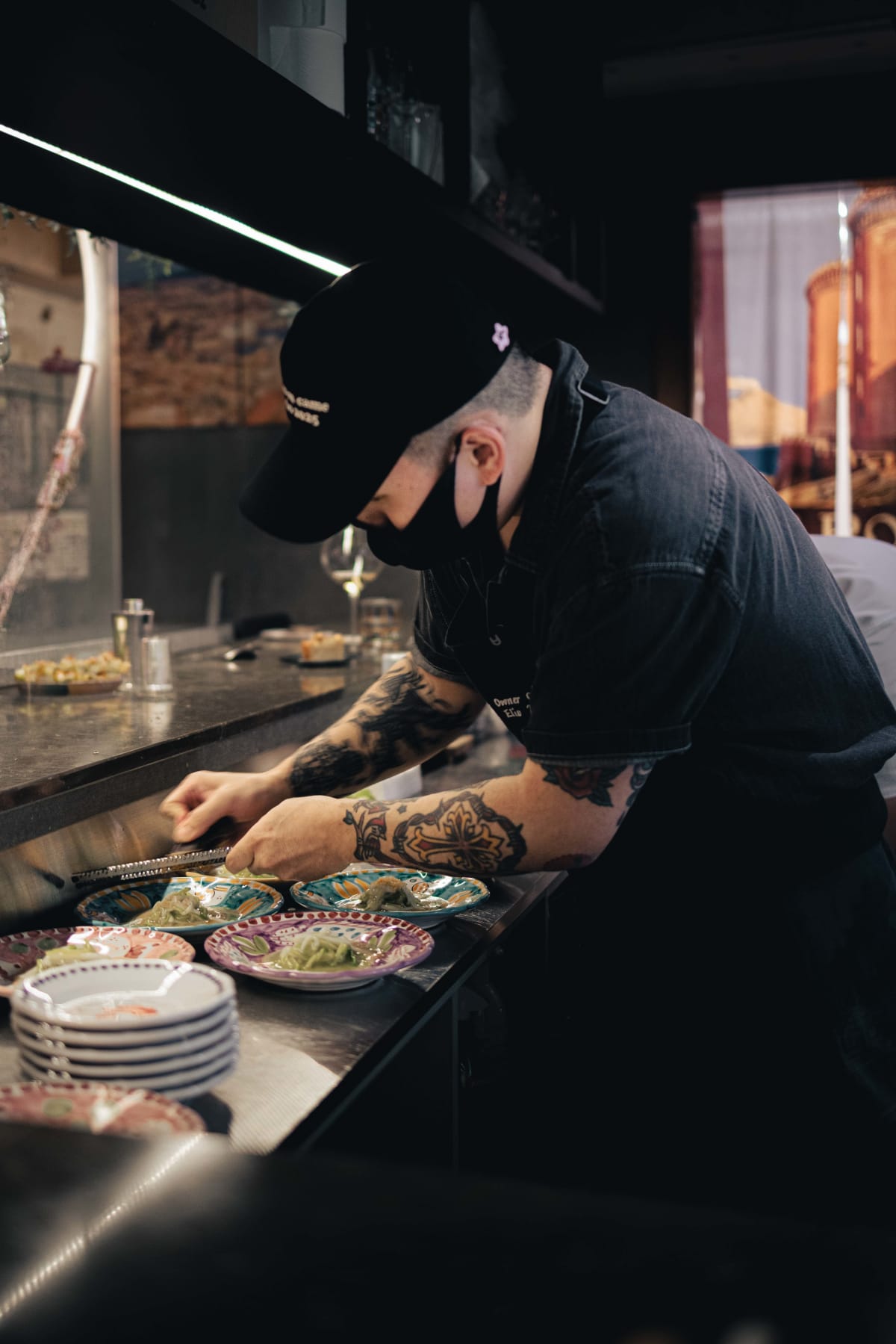
And one of those dishes took zucchini and cuttlefish, sliced thin into pasta-like strands, with bottarga over the top, built like a vongole.
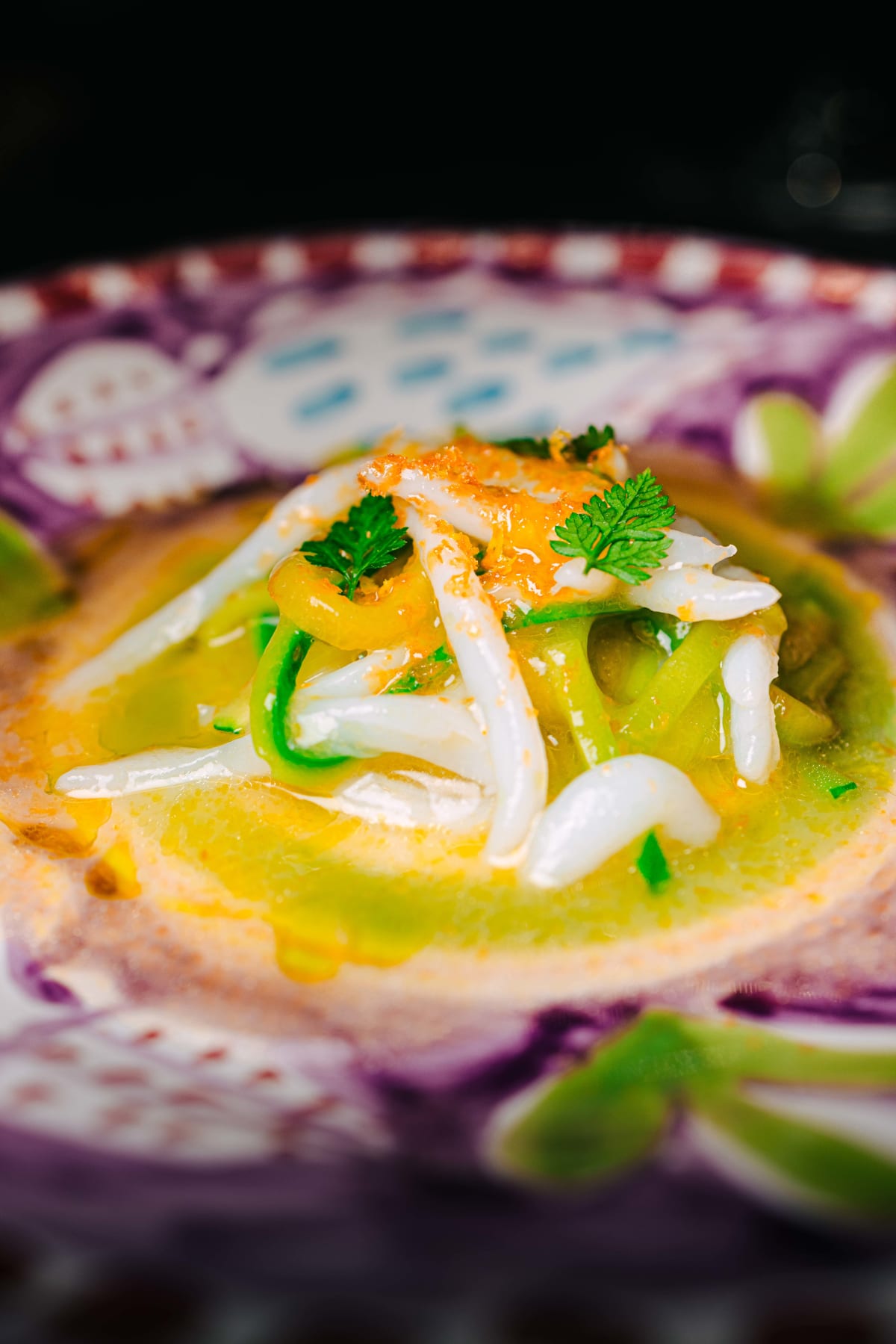
The idea of turning cuttlefish into noodles is an approach I have encountered plenty in other Italian dining rooms, yet it was still highly satisfying, above all because the broth beneath it, made from four kinds of shellfish, was genuinely delicious.
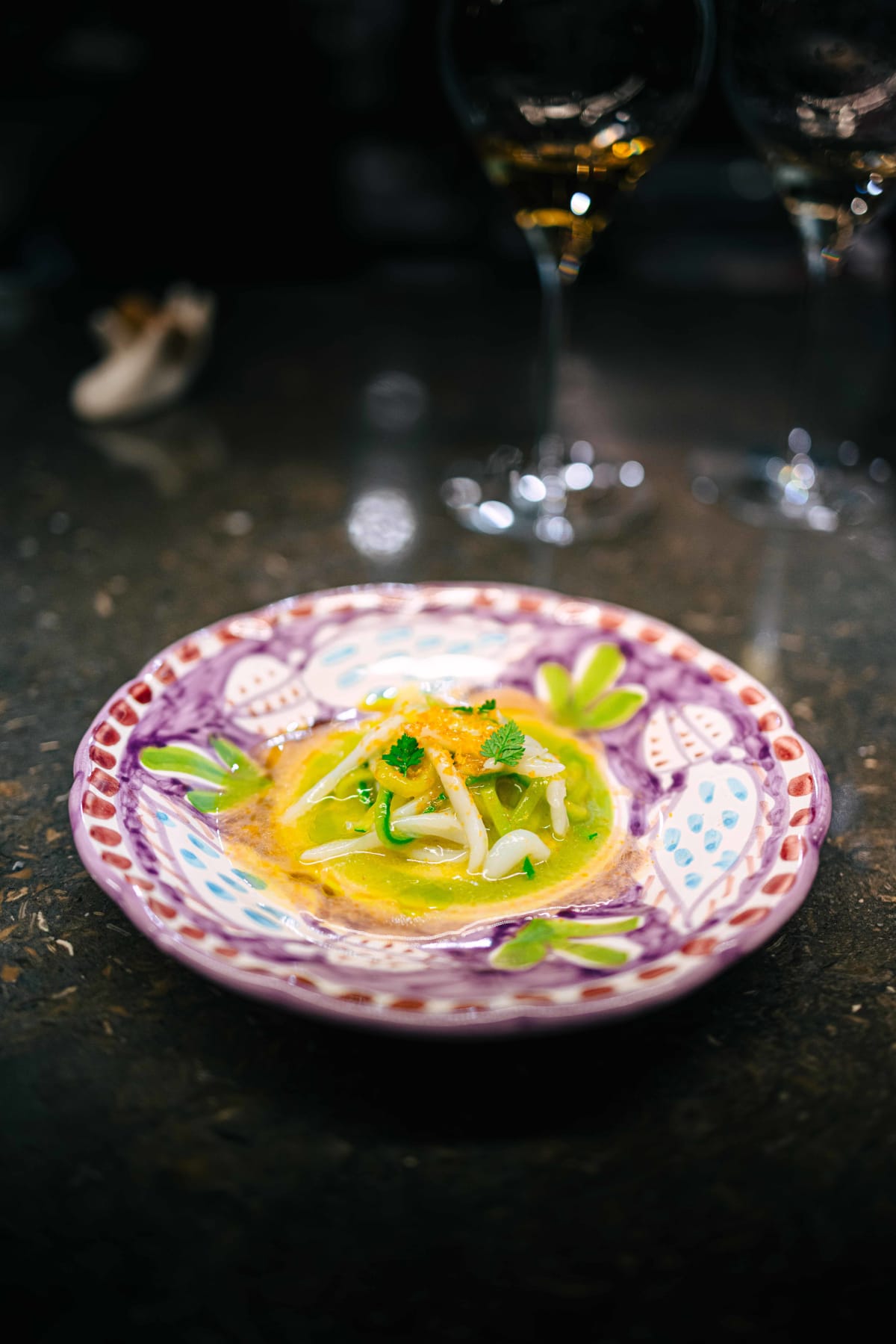
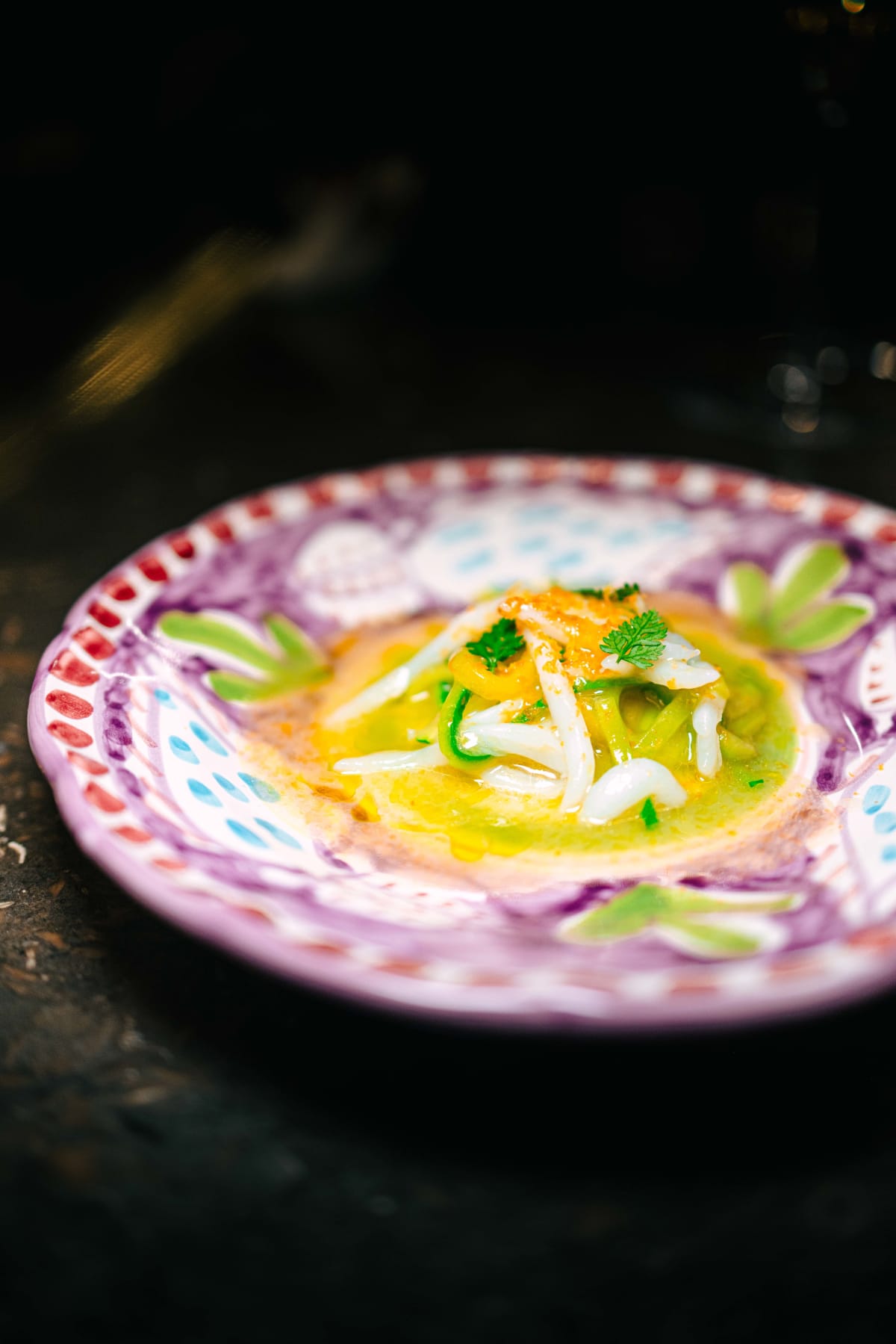
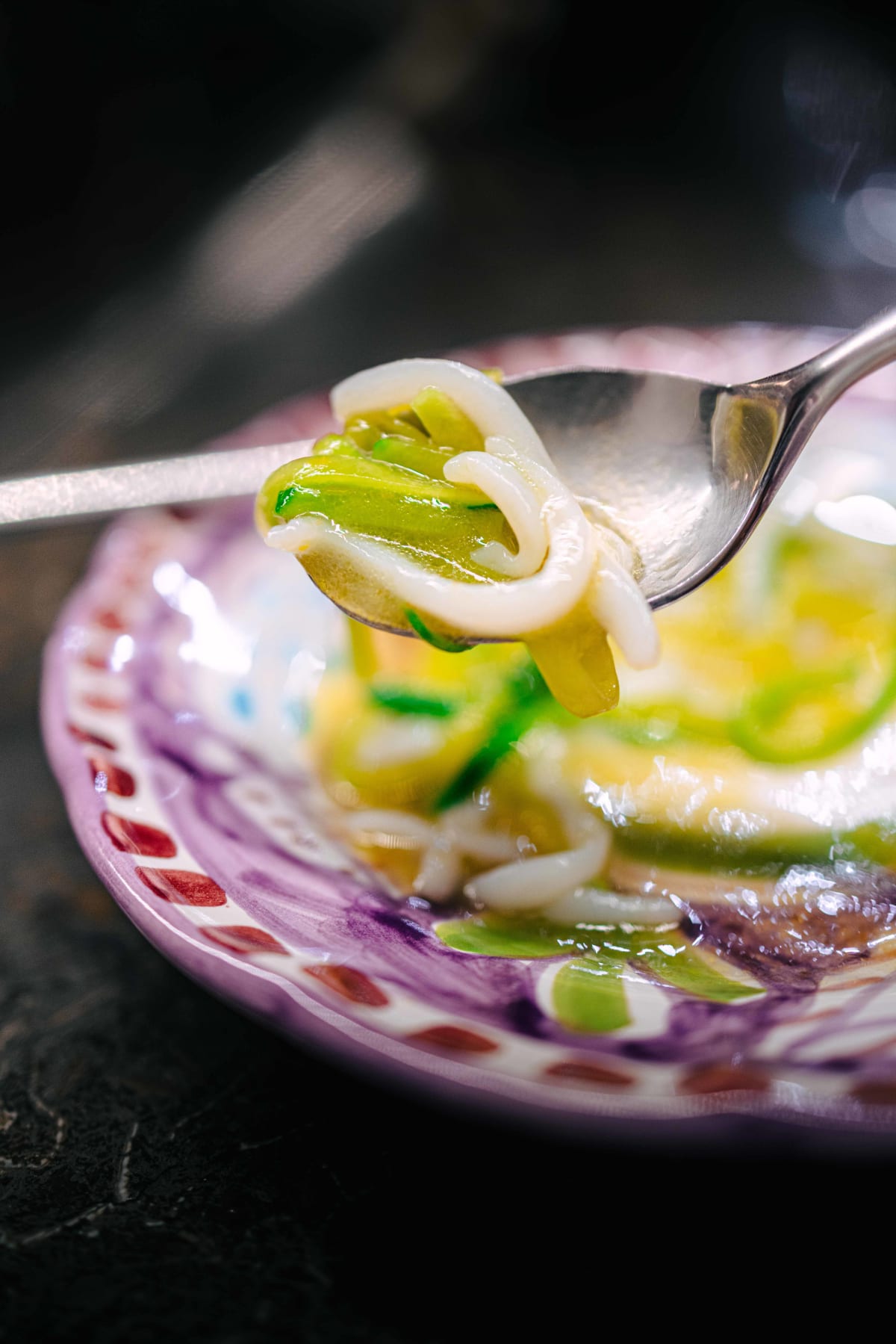
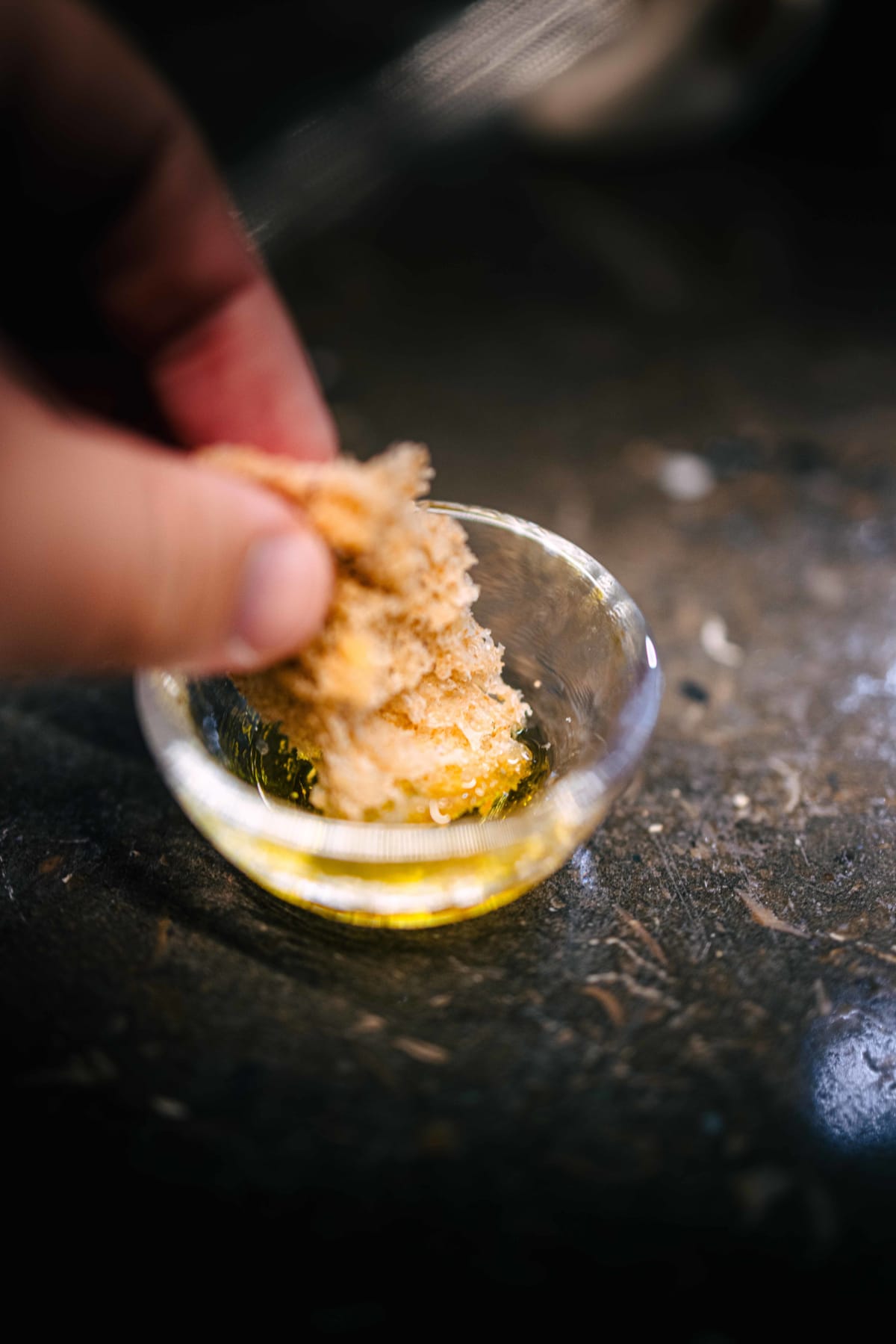
The savory depth was no joke, and here too I worked away at the bread to soak it up.
A friend of mine visits Via Toledo pasta bar a great deal, and he goes precisely because he loves a pasta whose flavor stays close to the homeland rather than to any embellishment. Eating the tomato spaghetti that followed the vongole, I thought of him. This spaghetti was said to stay as faithful as possible to the original Neapolitan style, made in the Neapolitan manner with tomatoes and oil from Naples. The Neapolitan style, as it was explained, leaves out the various herbs and cheeses and draws its sweetness from no more than onion and garlic, a simple approach.
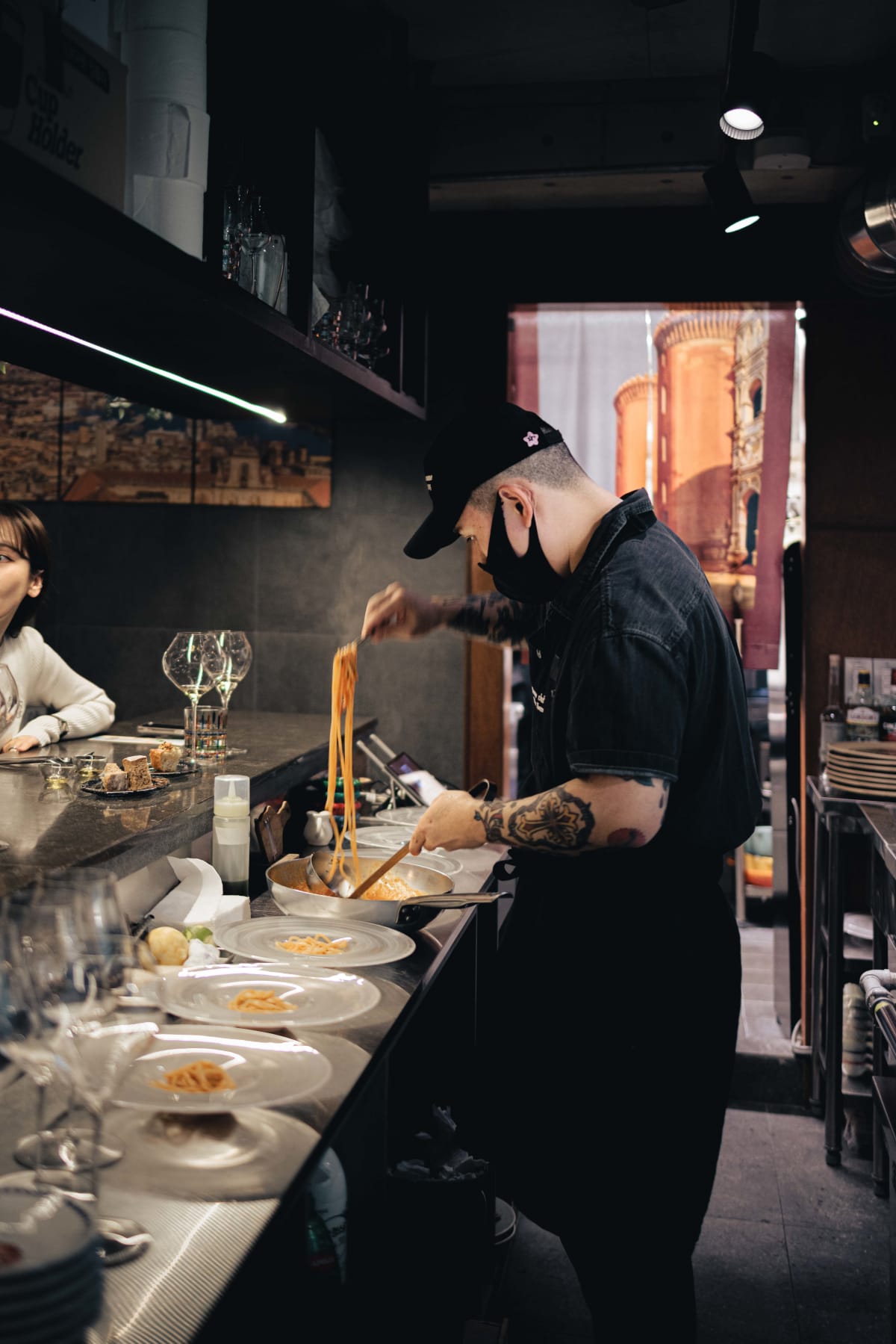
The result was a pasta whose straight, direct tomato flavor stood out, and I was struck by the thick noodles, cooked just right to a firm, springy bite.
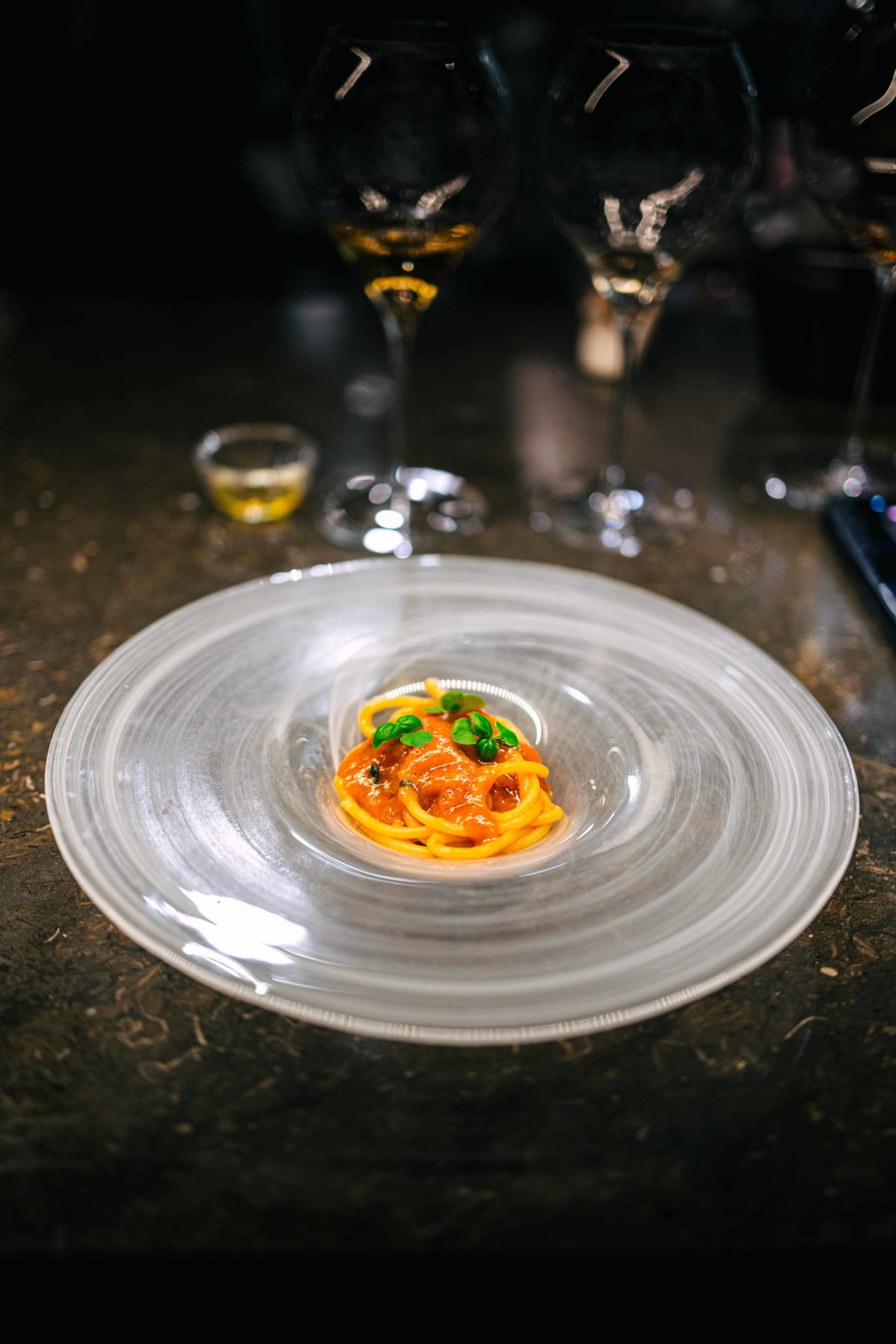
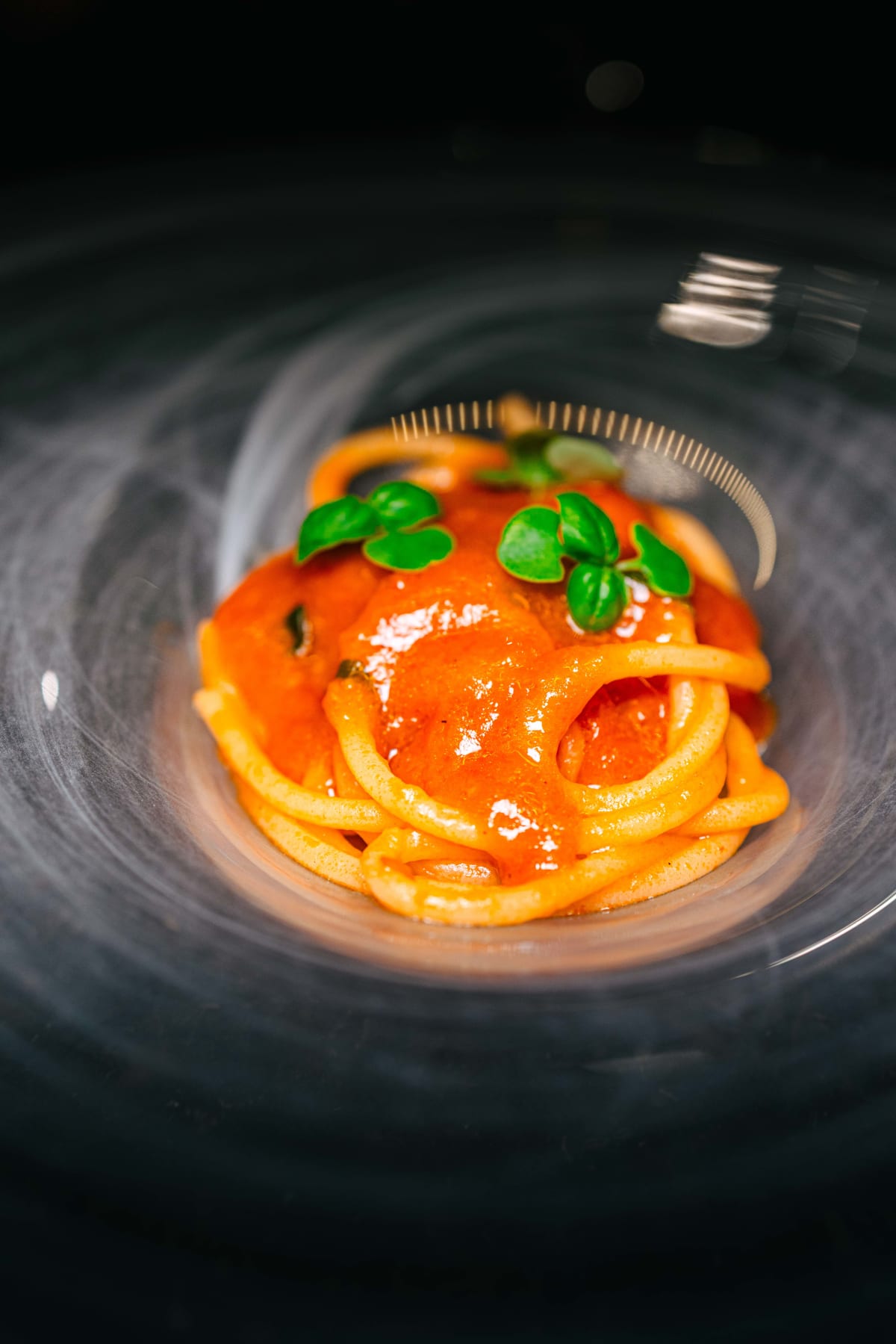
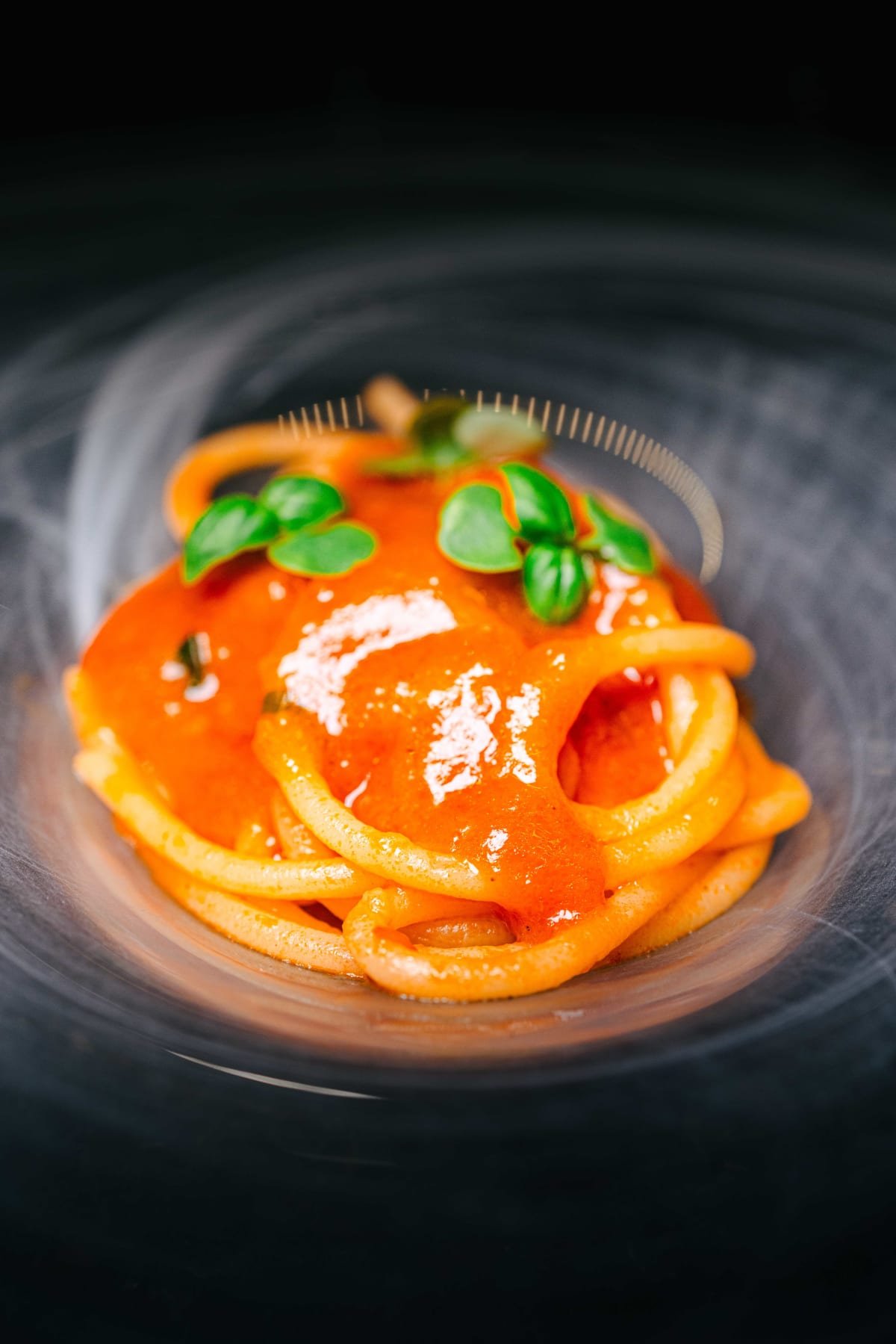
he loves a pasta whose flavor stays close to the homeland rather than to any embellishment.
Section 8·The Salmon
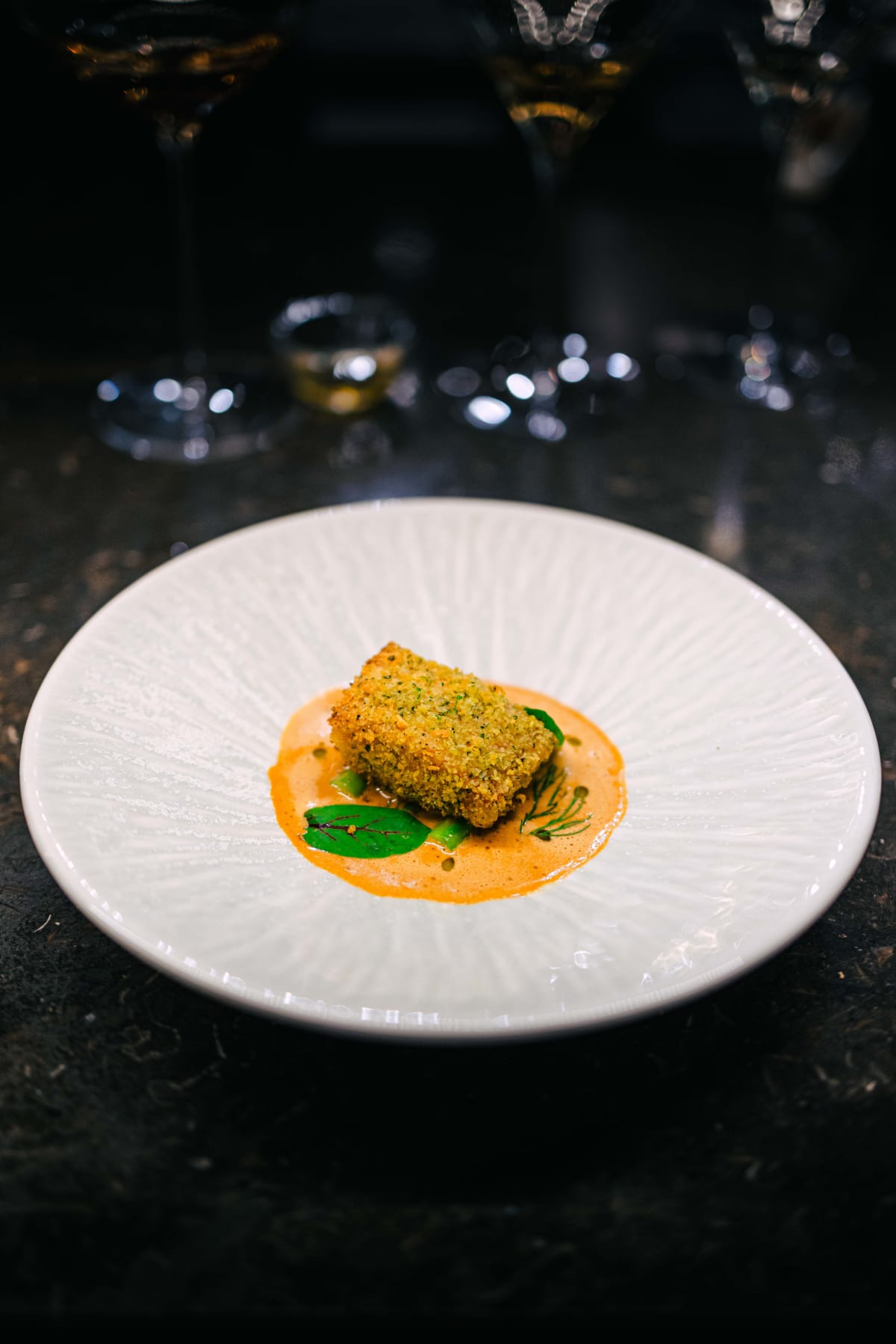
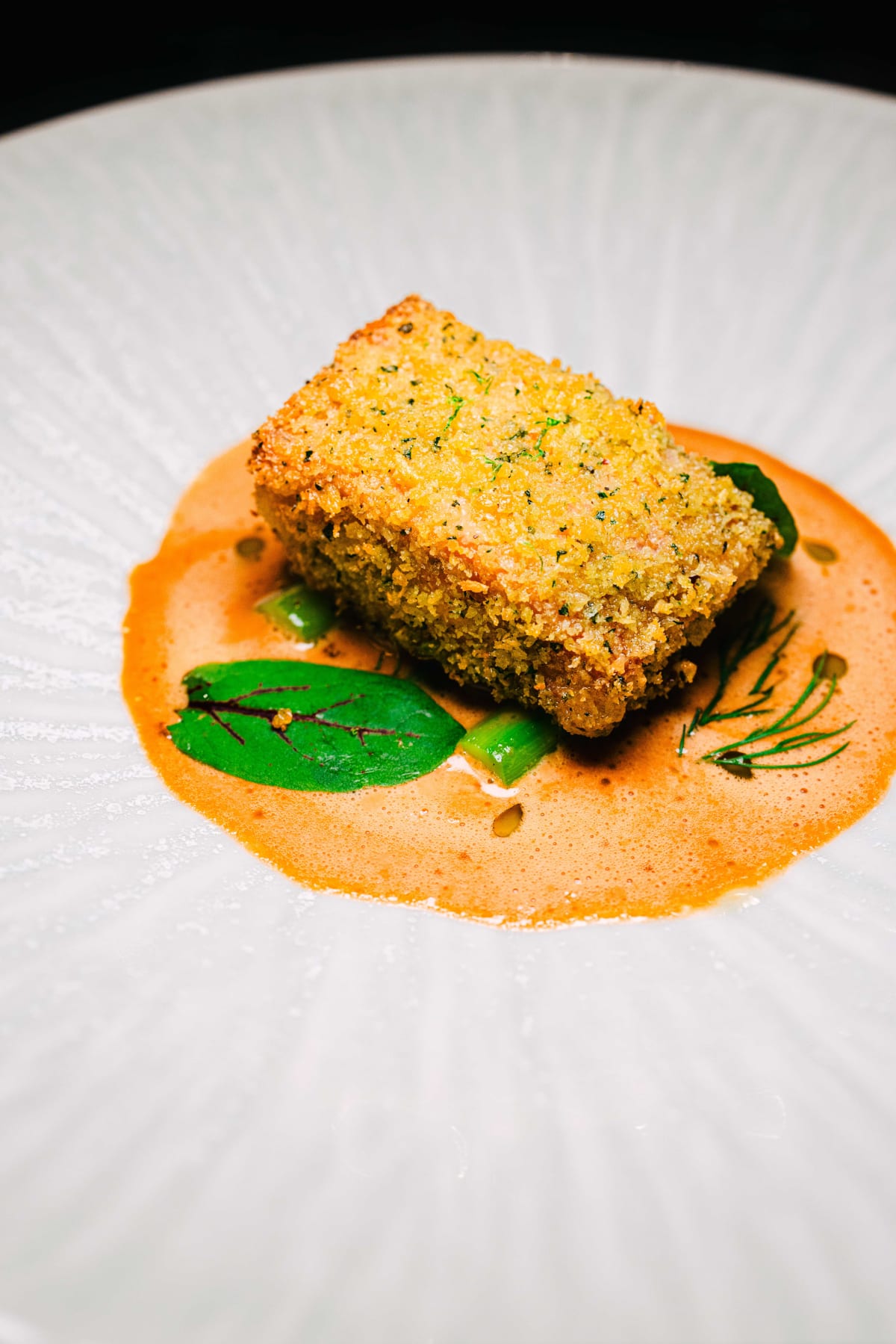
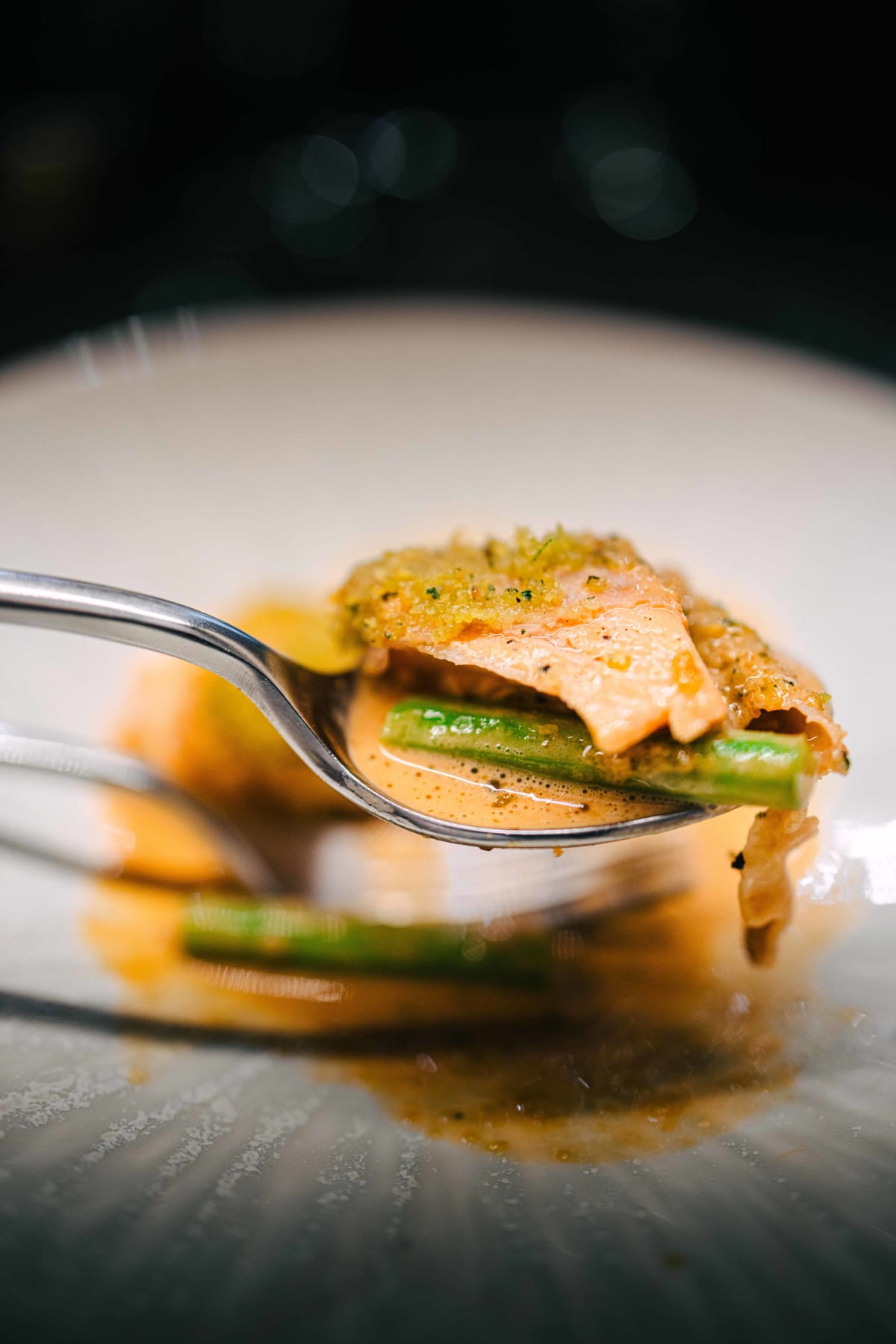
As the meal moved into its later stretch, the dishes grew steadily heavier. For the fish, oven-roasted salmon wrapped in prosciutto came out. Beneath it lay asparagus, and alongside came a bisque sauce made from lobster and carabinero. The deeply flavored sauce, the richness of the salmon, and the crisp bite of the asparagus made for a dish with real layered complexity. The chef must have used a great deal of material, because the sauce was so good that I spread this one on bread as well. The one drawback was that the coarse texture of the breadcrumb coating left my palate a little fatigued.
Section 9·Eleven Mushrooms
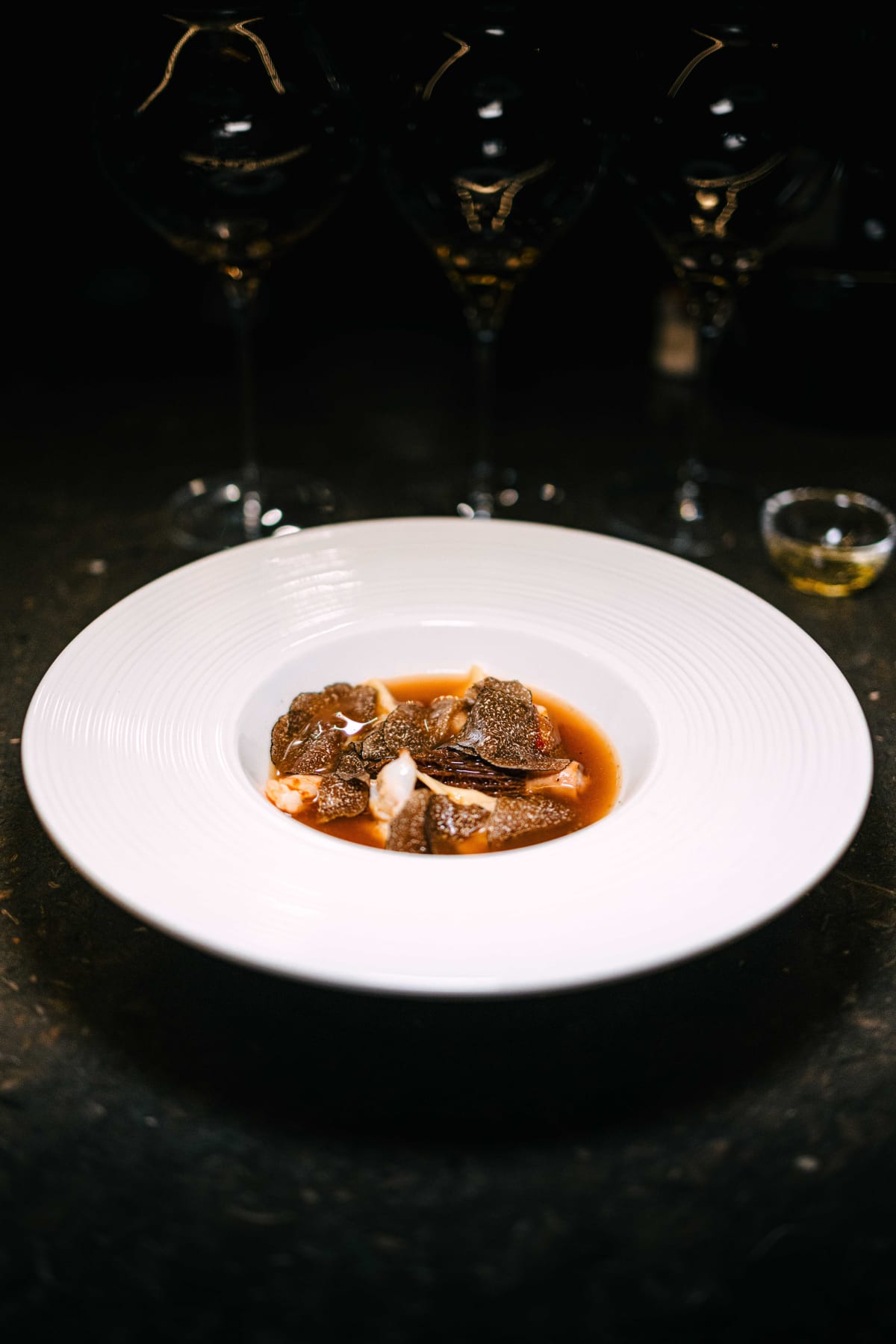
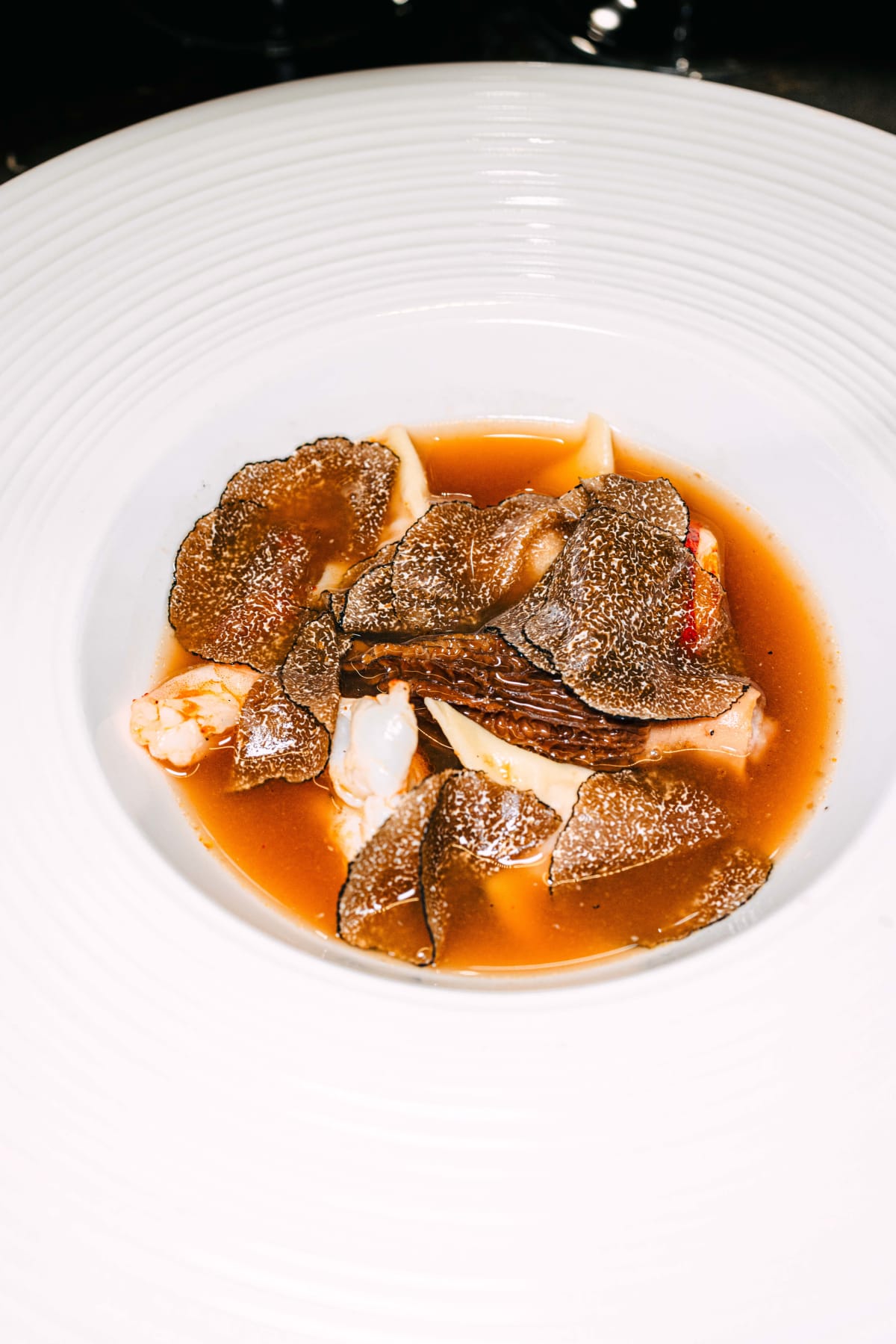
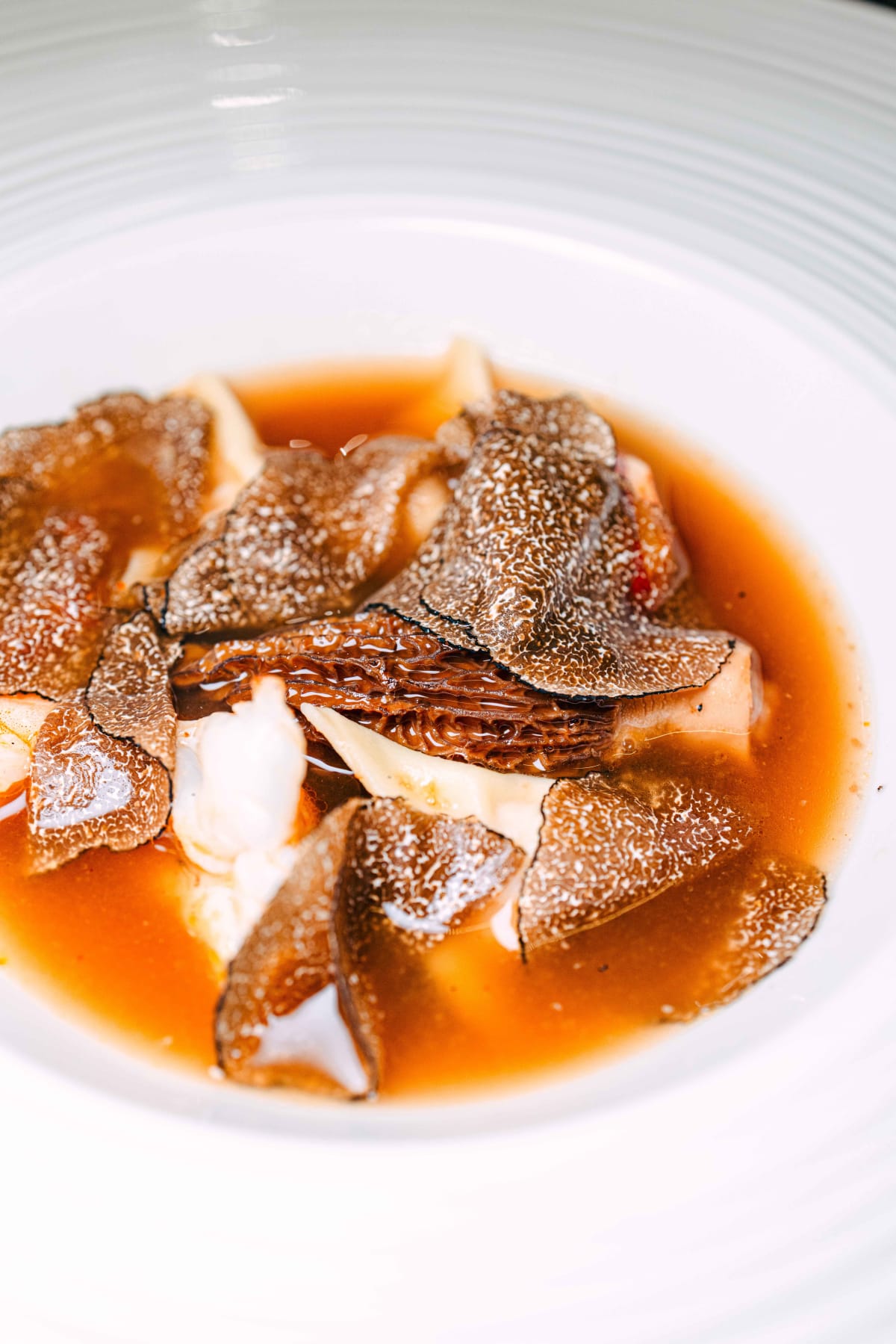
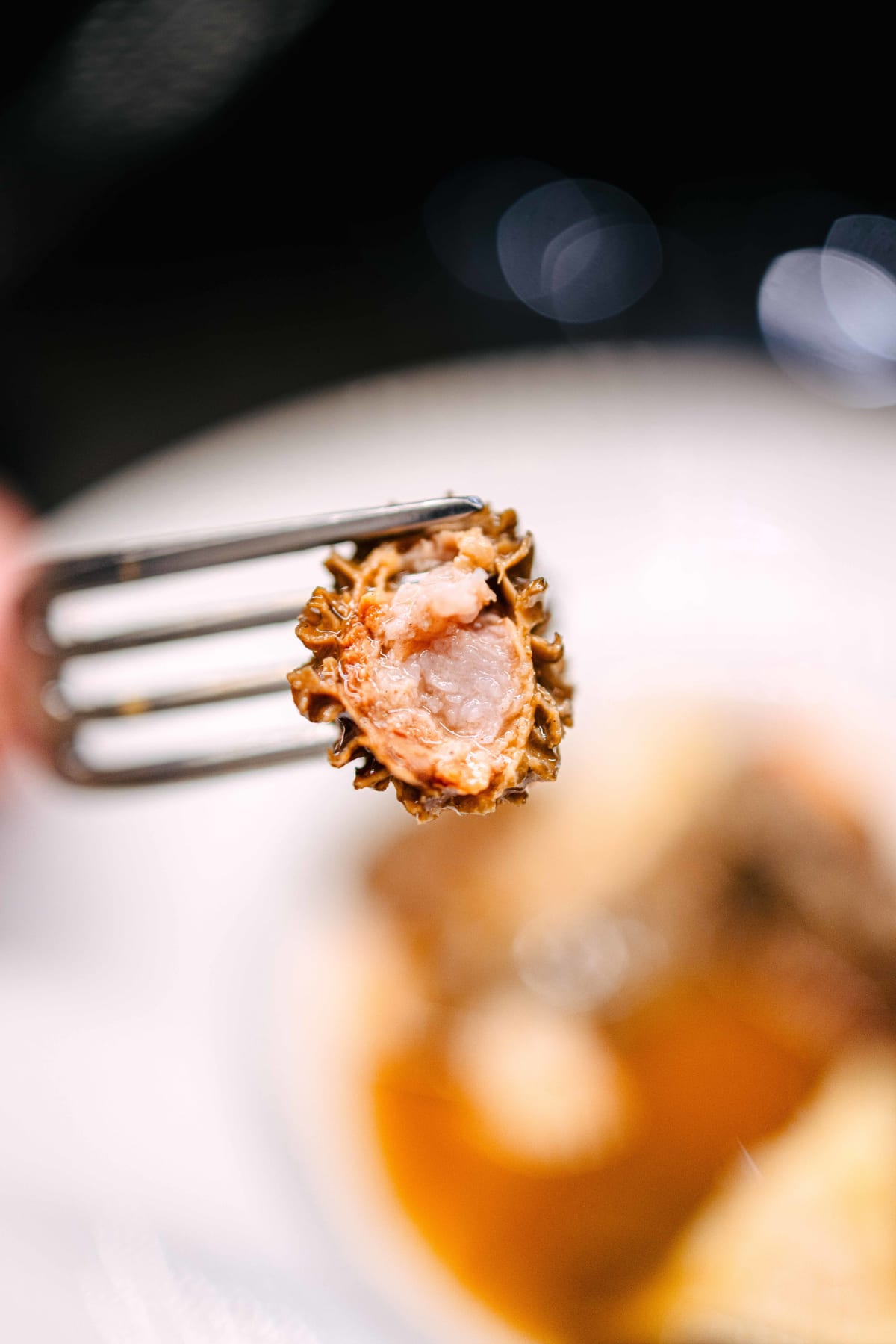
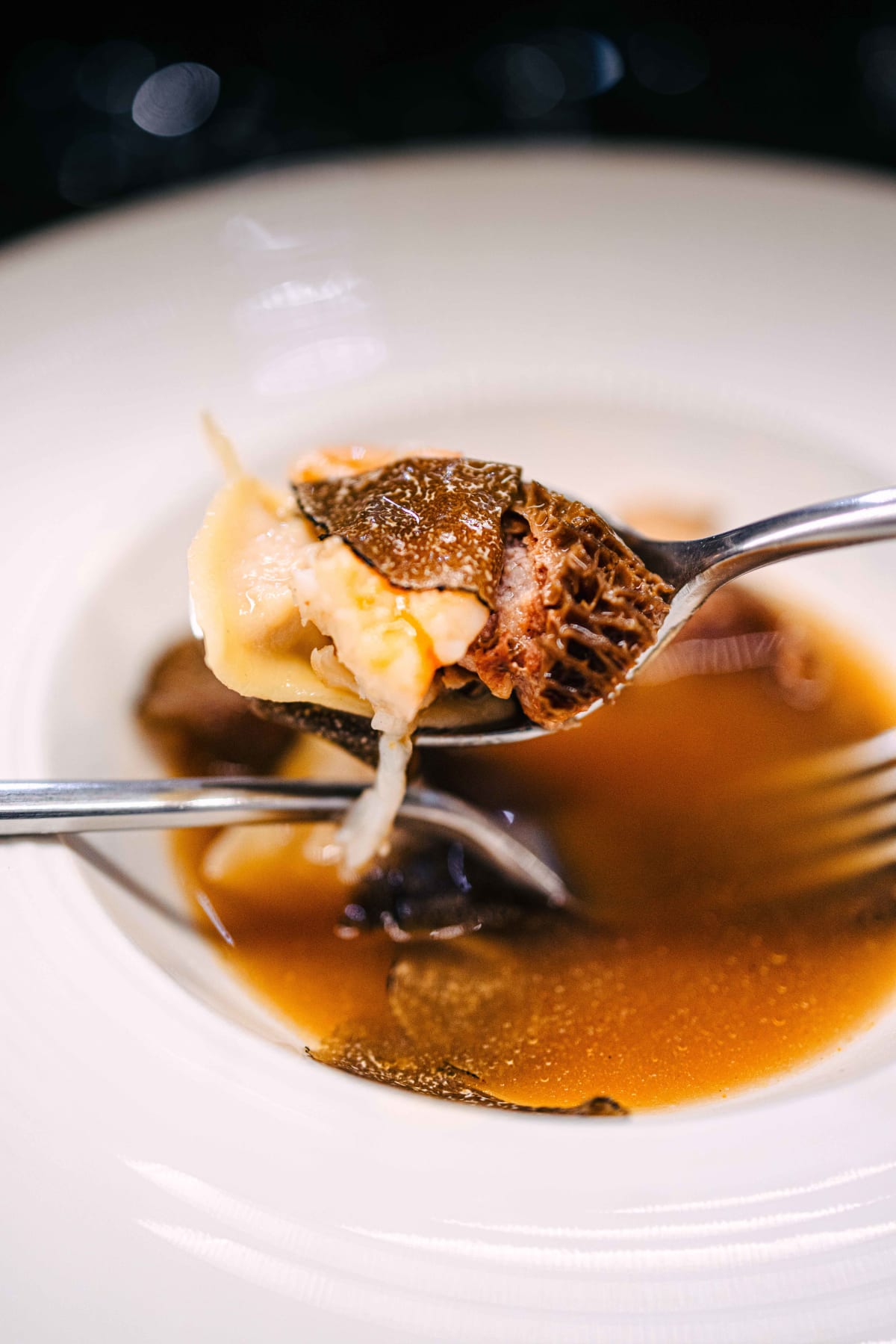
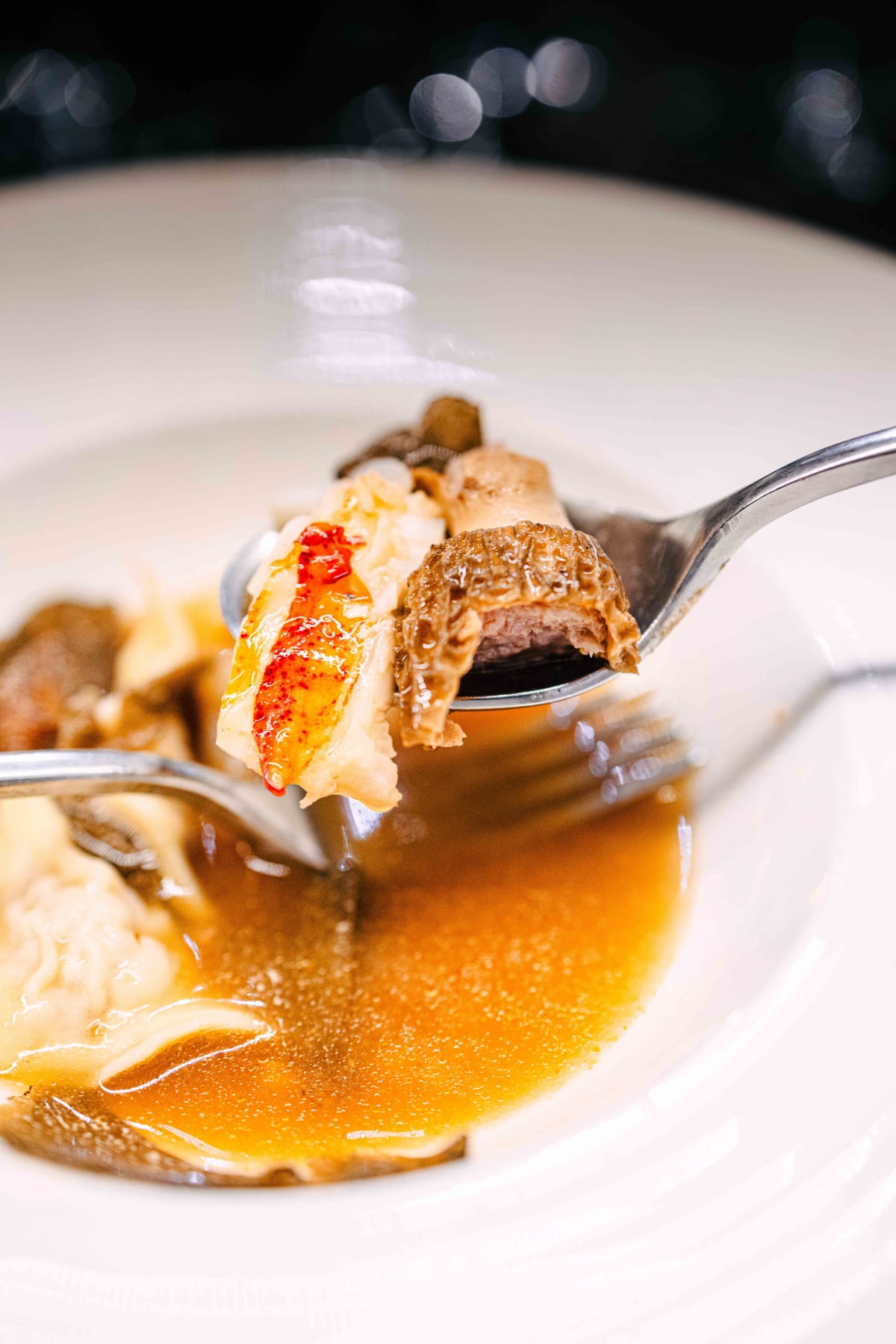
The best dish of the day was, unexpectedly, one heavy on broth: a stock drawn from eleven kinds of mushroom, with charcoal-grilled lobster and king prawn, plus morels stuffed with salsiccia, a Neapolitan sausage, and ravioli.
Truffle was shaved over the top, and this dish was truly delicious. The flavor of the mushroom broth was wonderful, and the seasoning sat exactly right, making it excellent. The charcoal-grilled king prawn and lobster were good too, and that smoky character seeped into the broth and made it all the richer. What struck me most among the components were the morels stuffed with salsiccia; eating them, one of my companions said it reminded him of Cantonese food he had eaten in Hong Kong. The chef said that was, to a degree, intentional, mentioning that he had traveled to Hong Kong often this year. The whole came together well, and it was a superb dish.
Section 10·Risotto and the Red
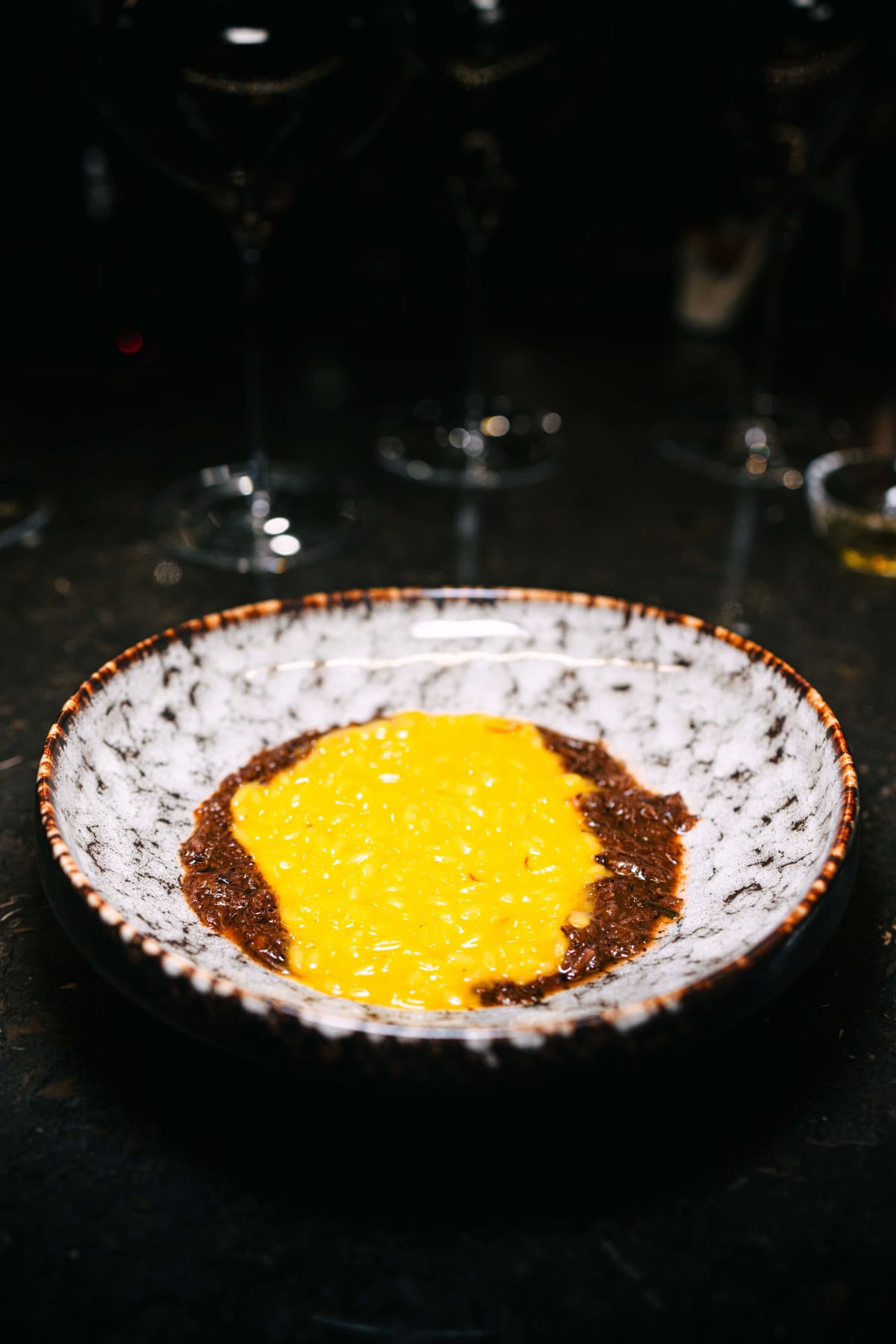
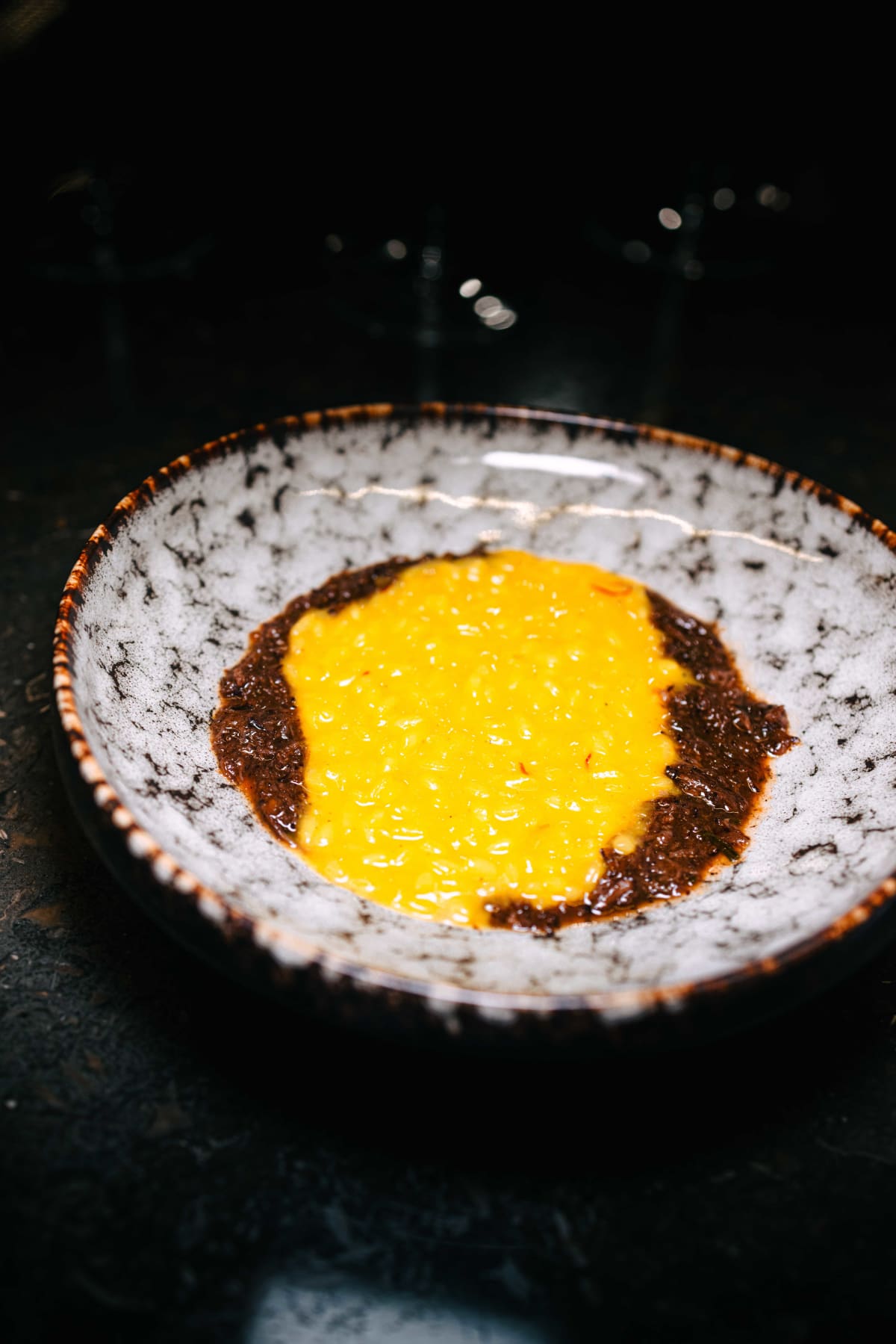
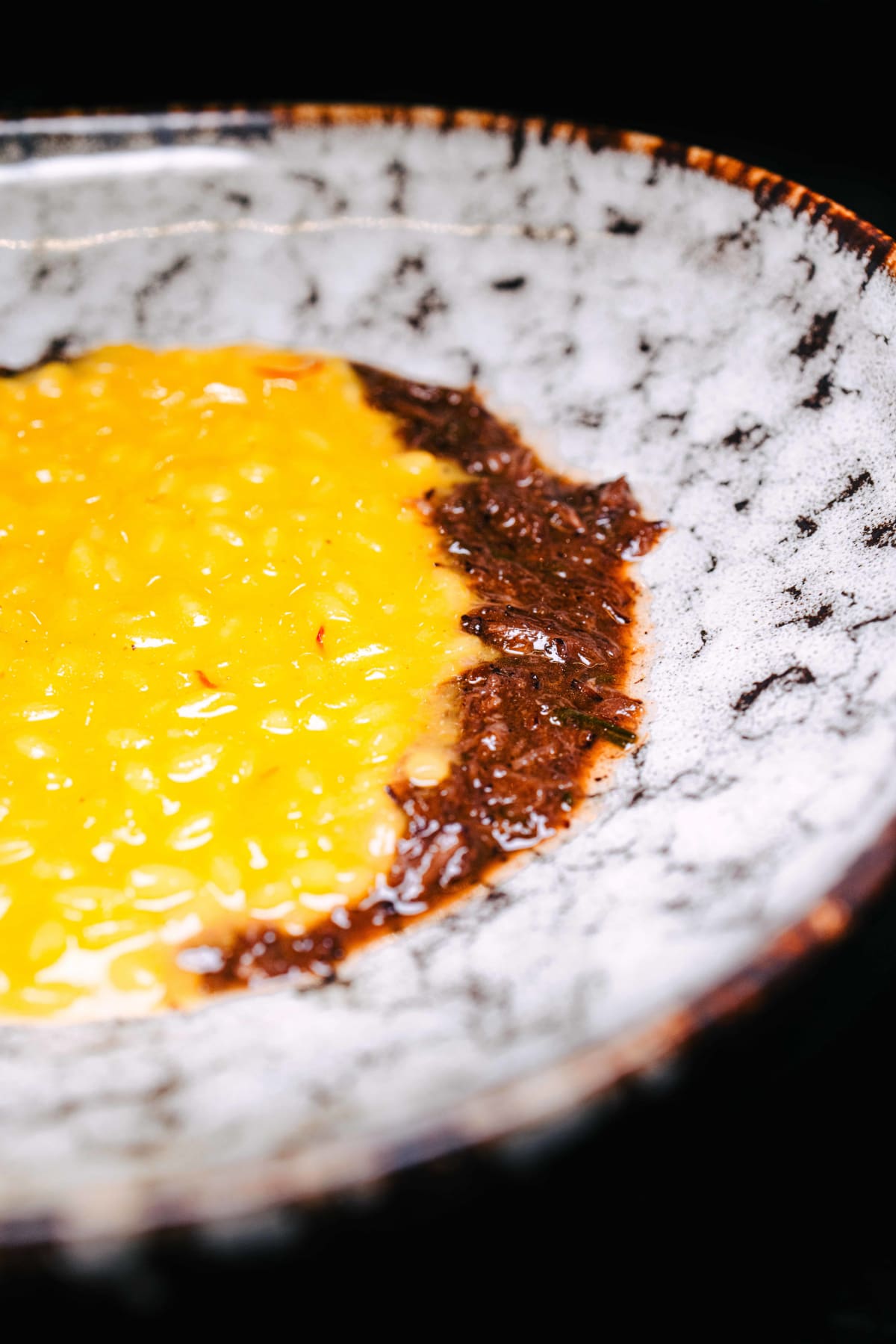
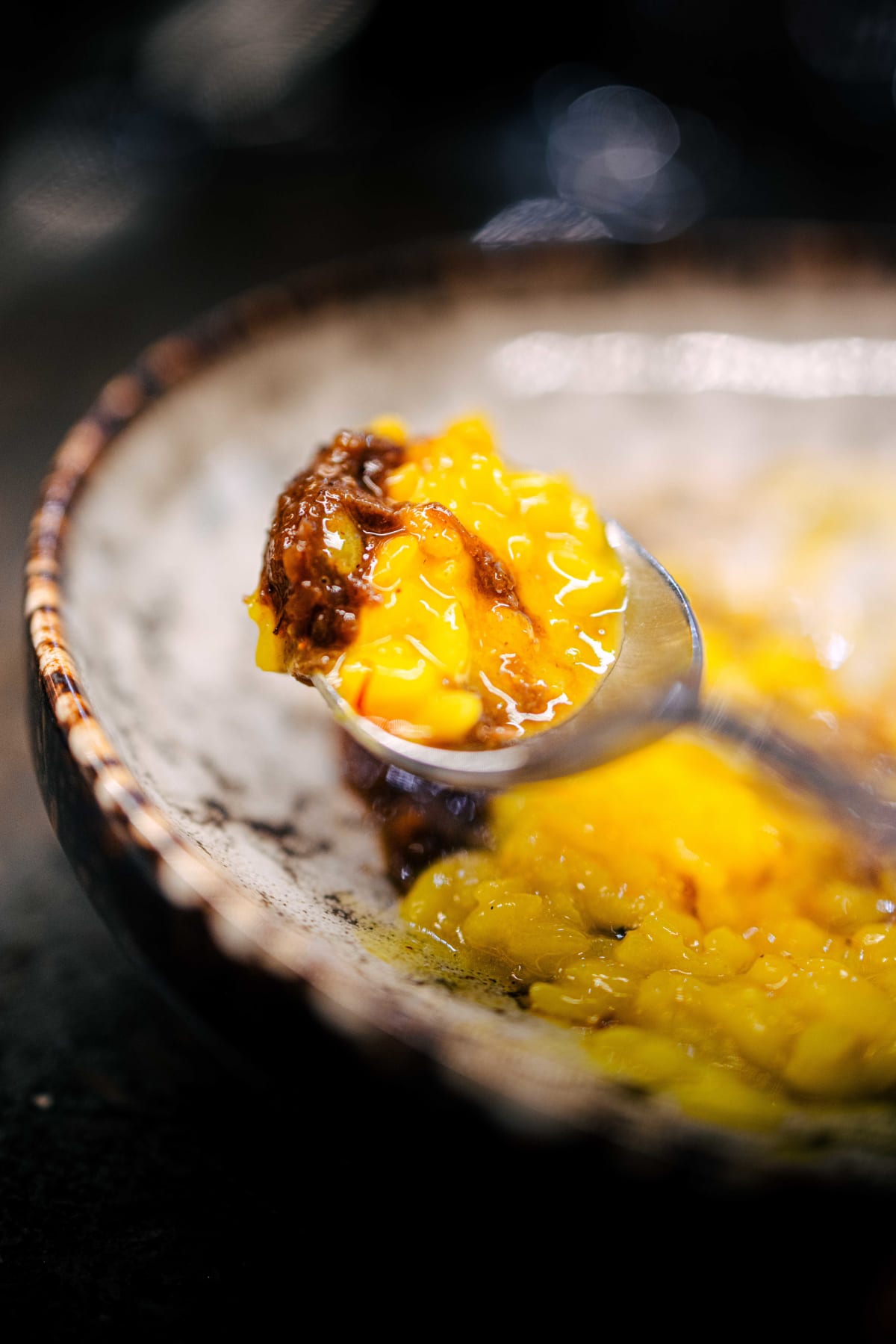
As a course before the main, beef cheek and saffron risotto arrived, another northern Italian dish following on from the mushroom-broth course. In building ten courses, the weight and impact have to rise toward the end, so I imagine he loaded much of the northern feeling into the back half.
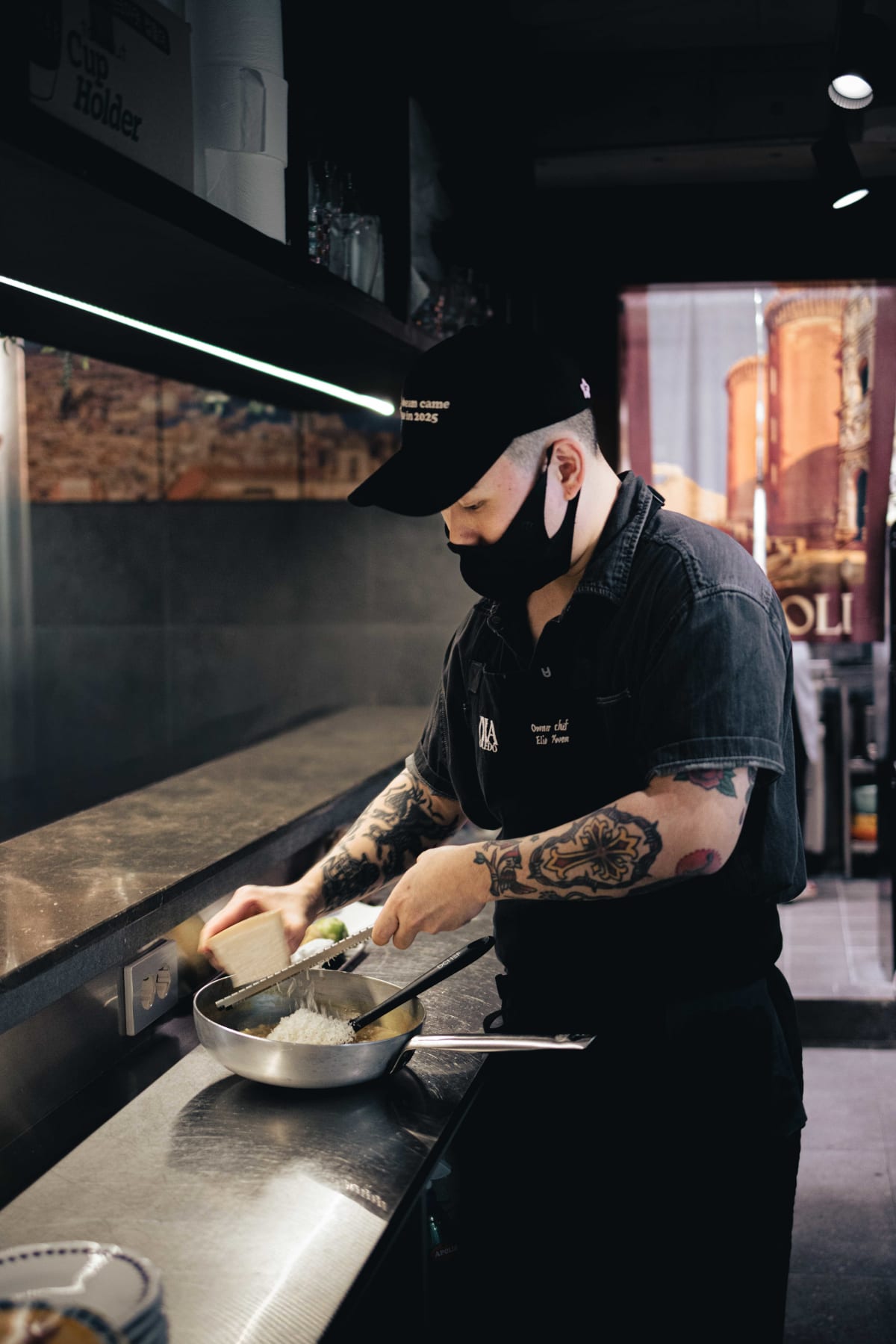
The savory depth and richness of the beef cheek were good, the texture of the risotto was fine, and the seasoning suited a Korean palate.
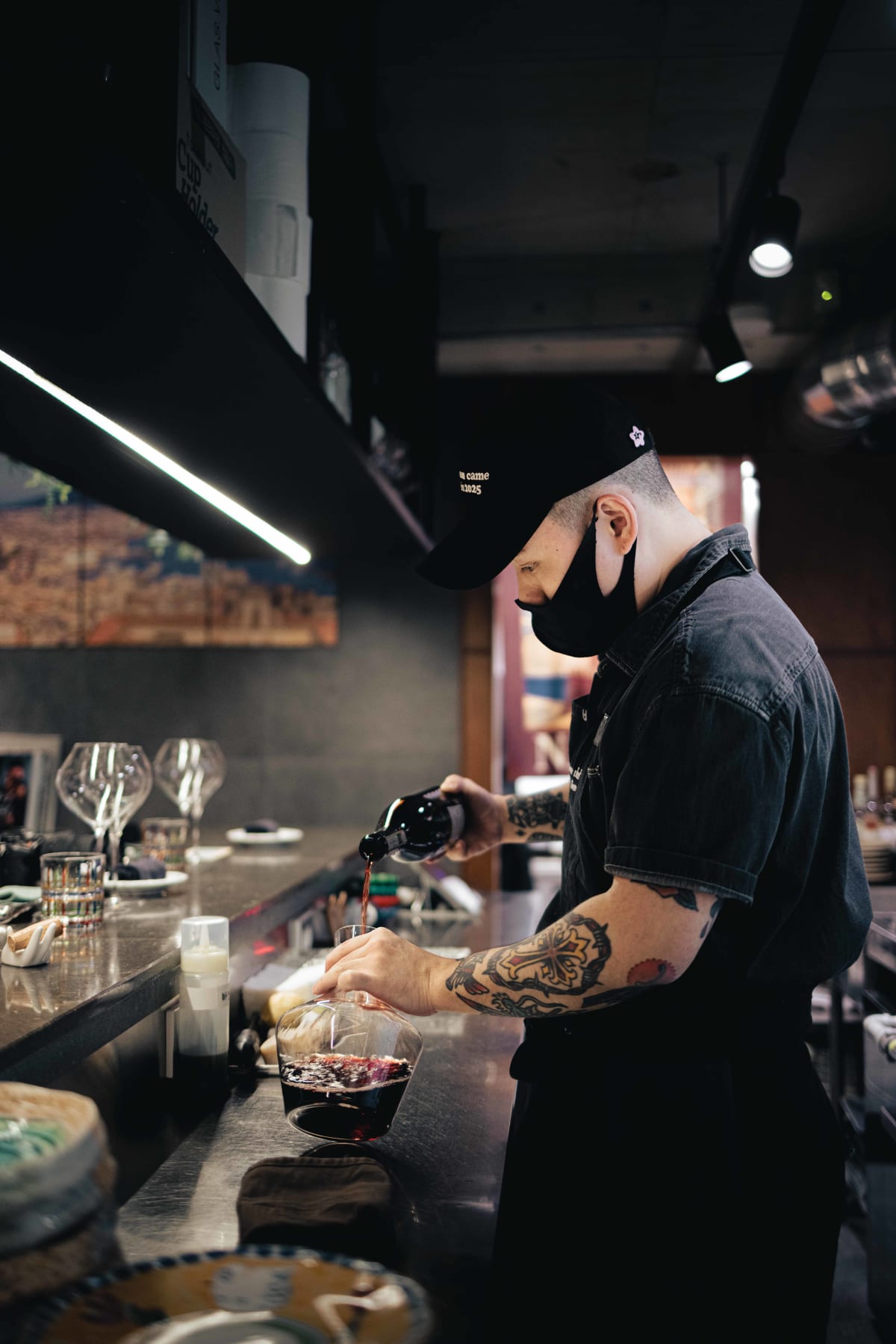
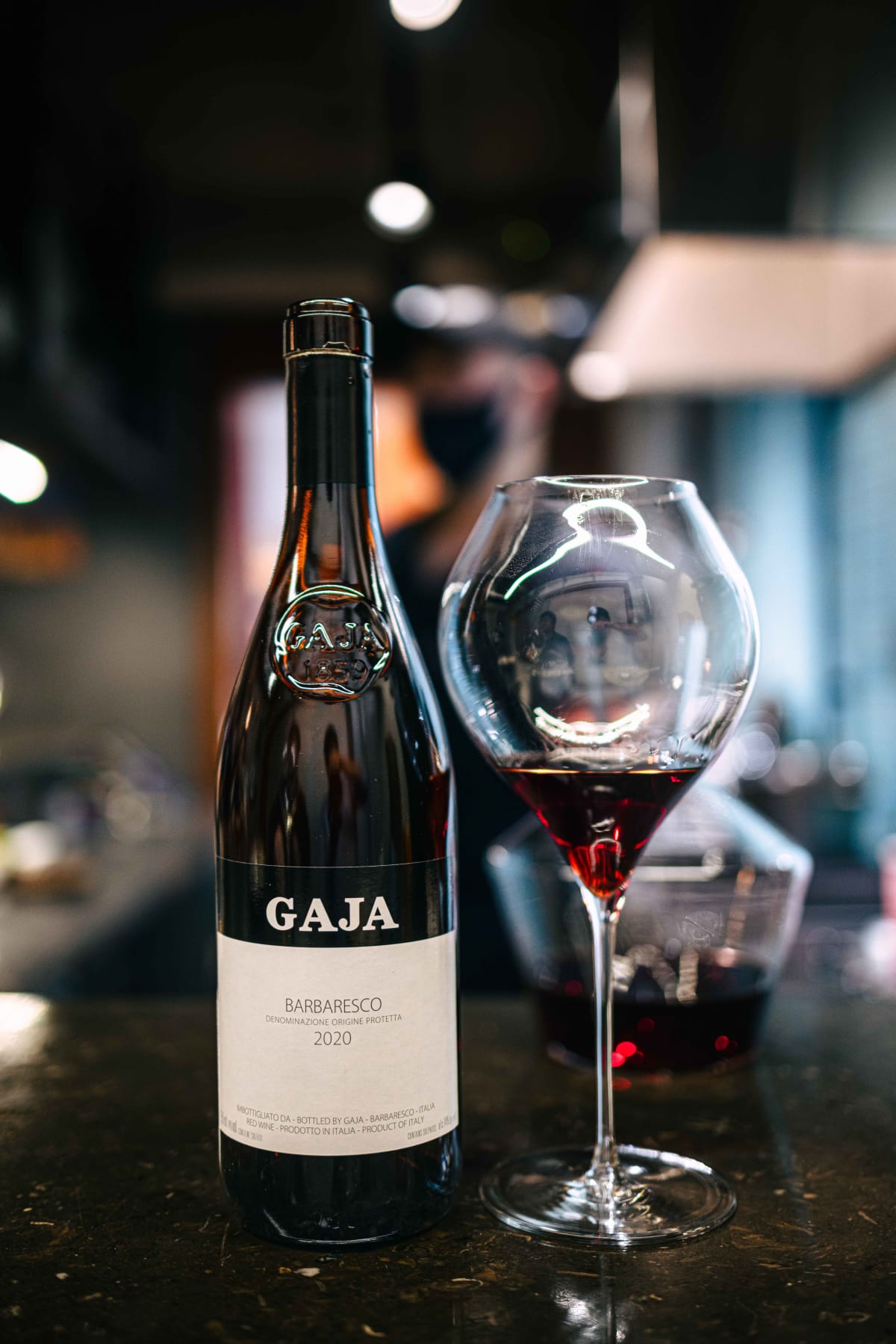
Now it was time for the main, and the red I drank here was Gaja's Barbaresco 2020. A blend across fourteen vineyards within the Barbaresco DOCG and 100 percent Nebbiolo, it is the signature wine that established Gaja as Barbaresco's foremost producer. It was a red I had chosen in advance, and the chef decanted it ahead of time so I could drink it in good condition. This wine, too, drank very much like a Burgundy, with good acidity and a touch of fruit aroma early on. After that came a smoky, delicate touch of oak that I liked. On the whole it was a refined, well-balanced wine. It left me wondering whether Italian wine ultimately comes back to Gaja after all.
Section 11·The Duck
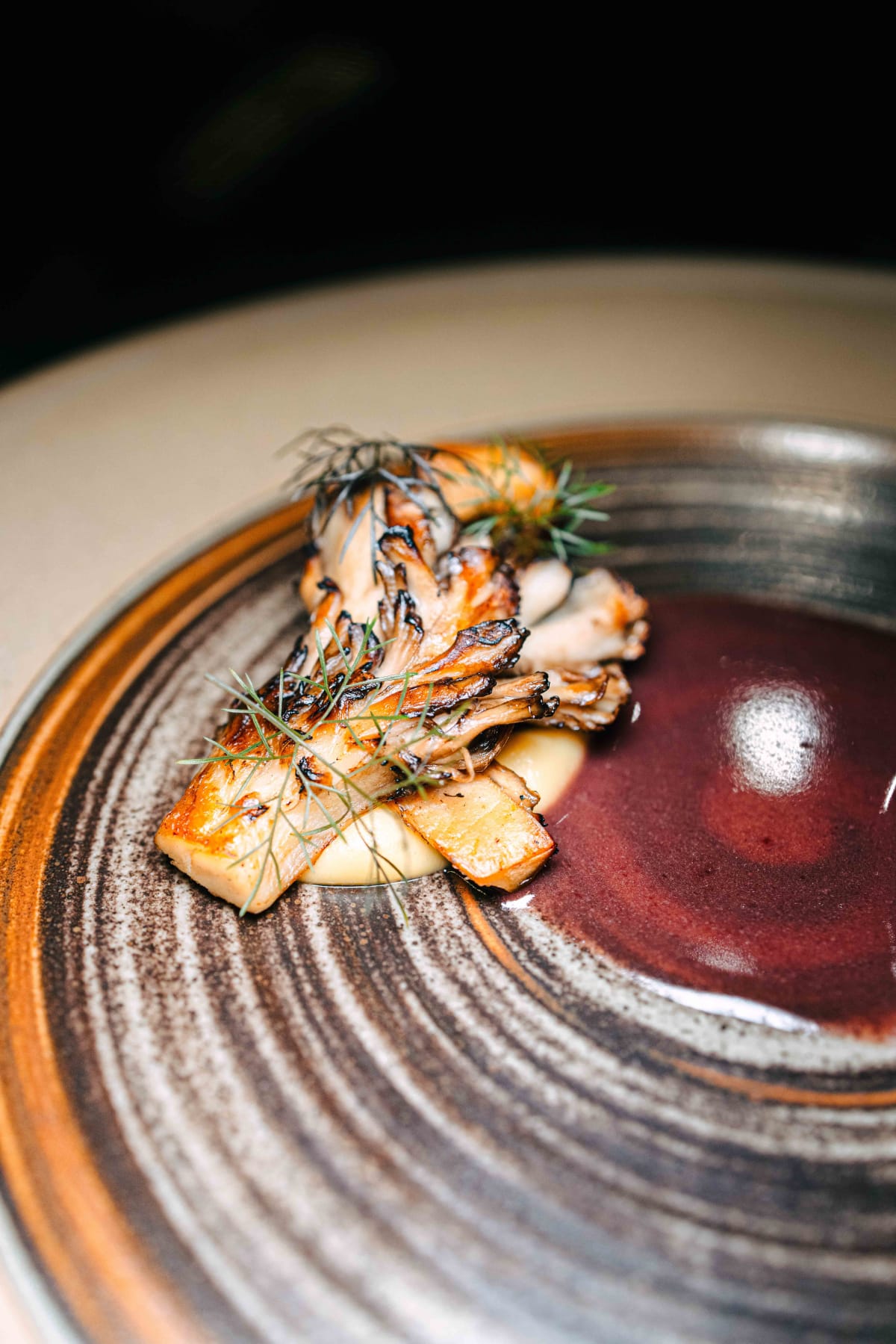
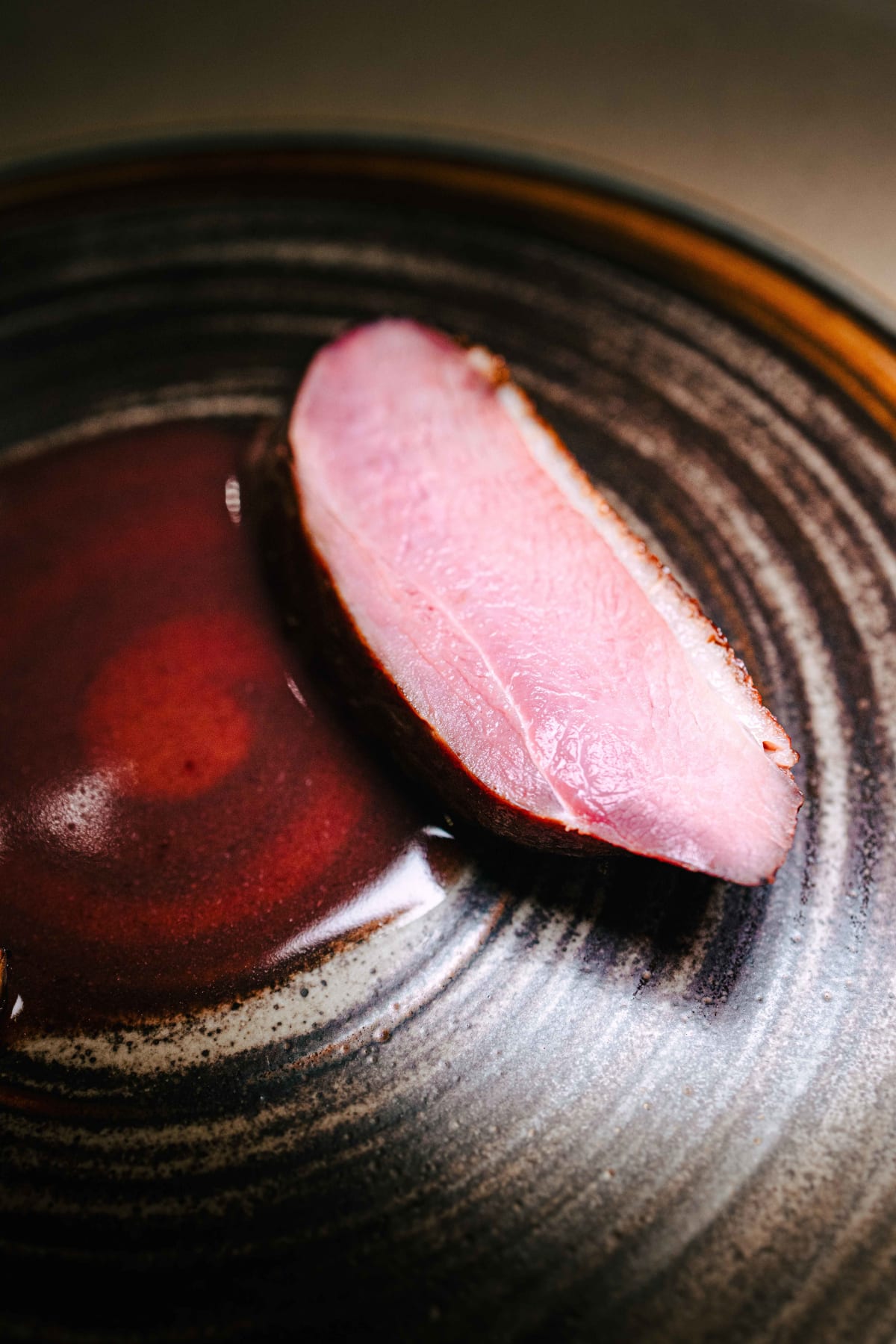
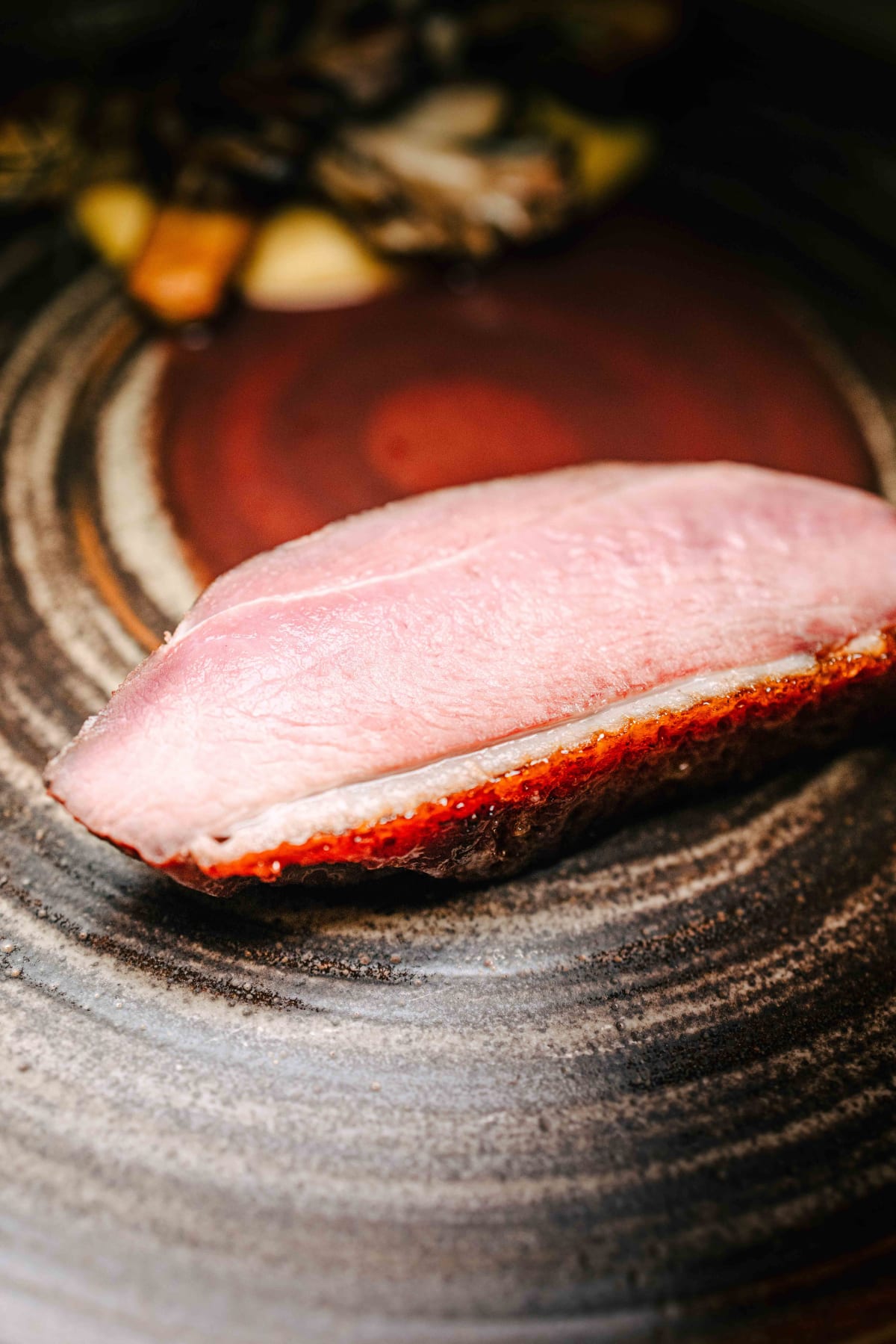
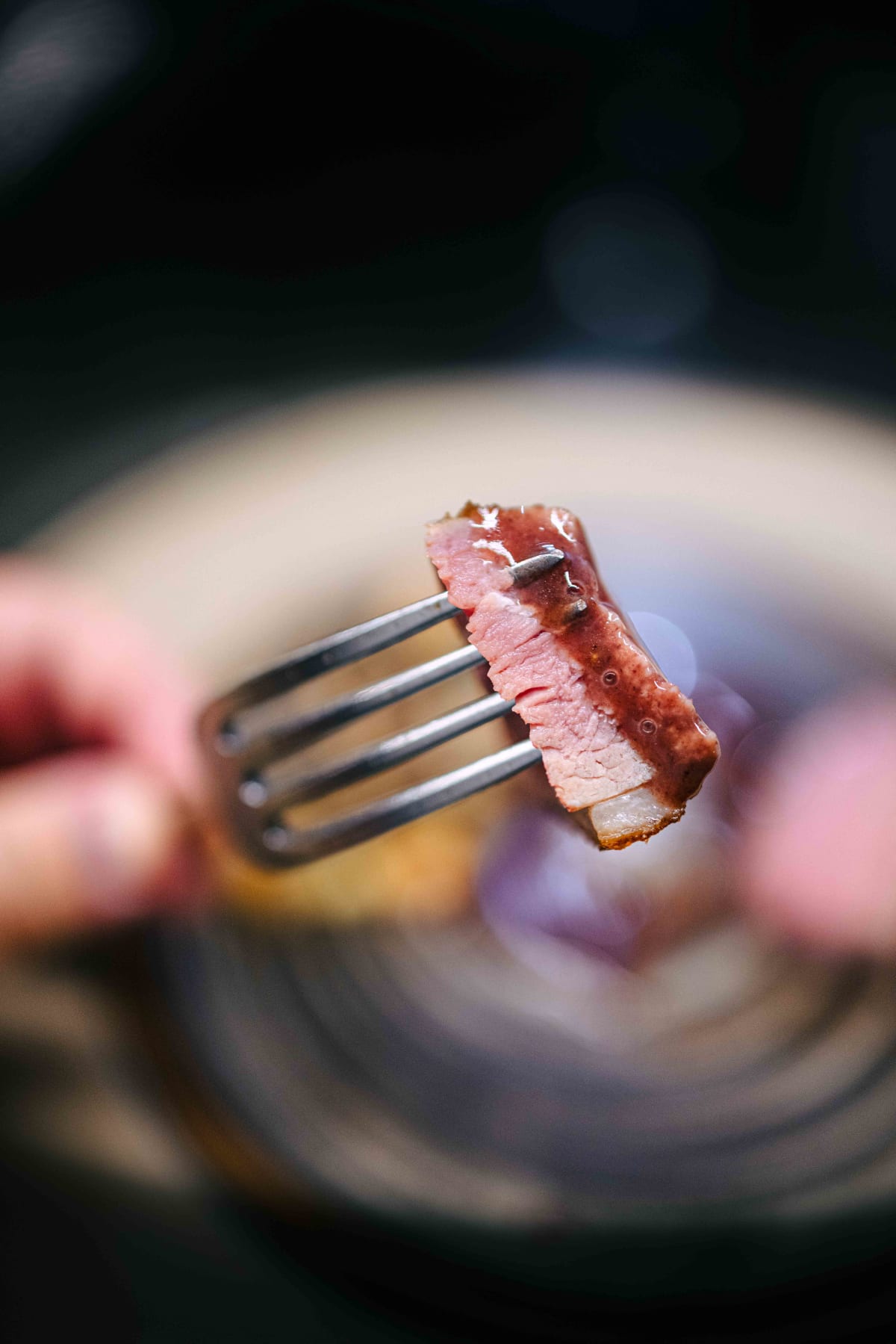
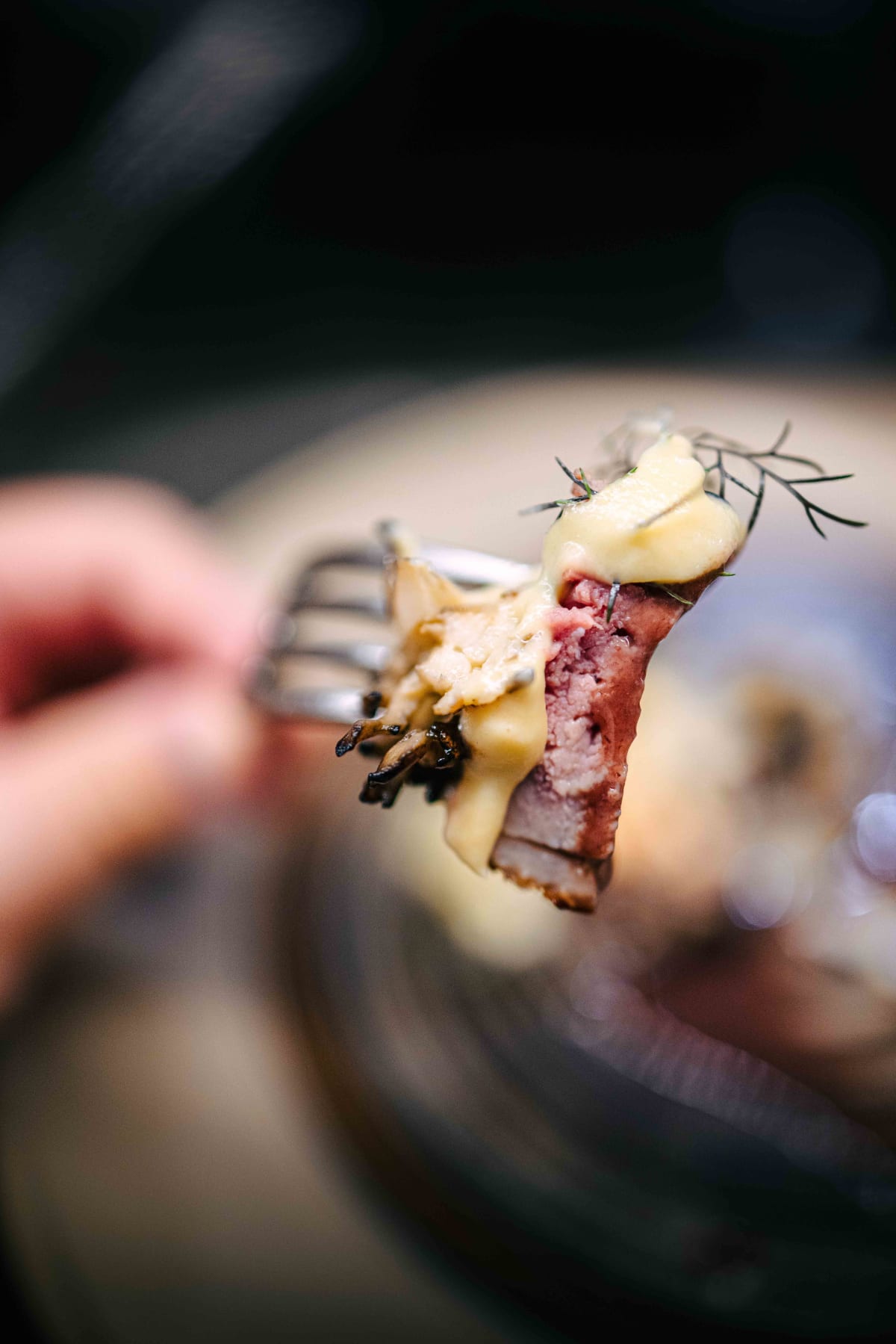
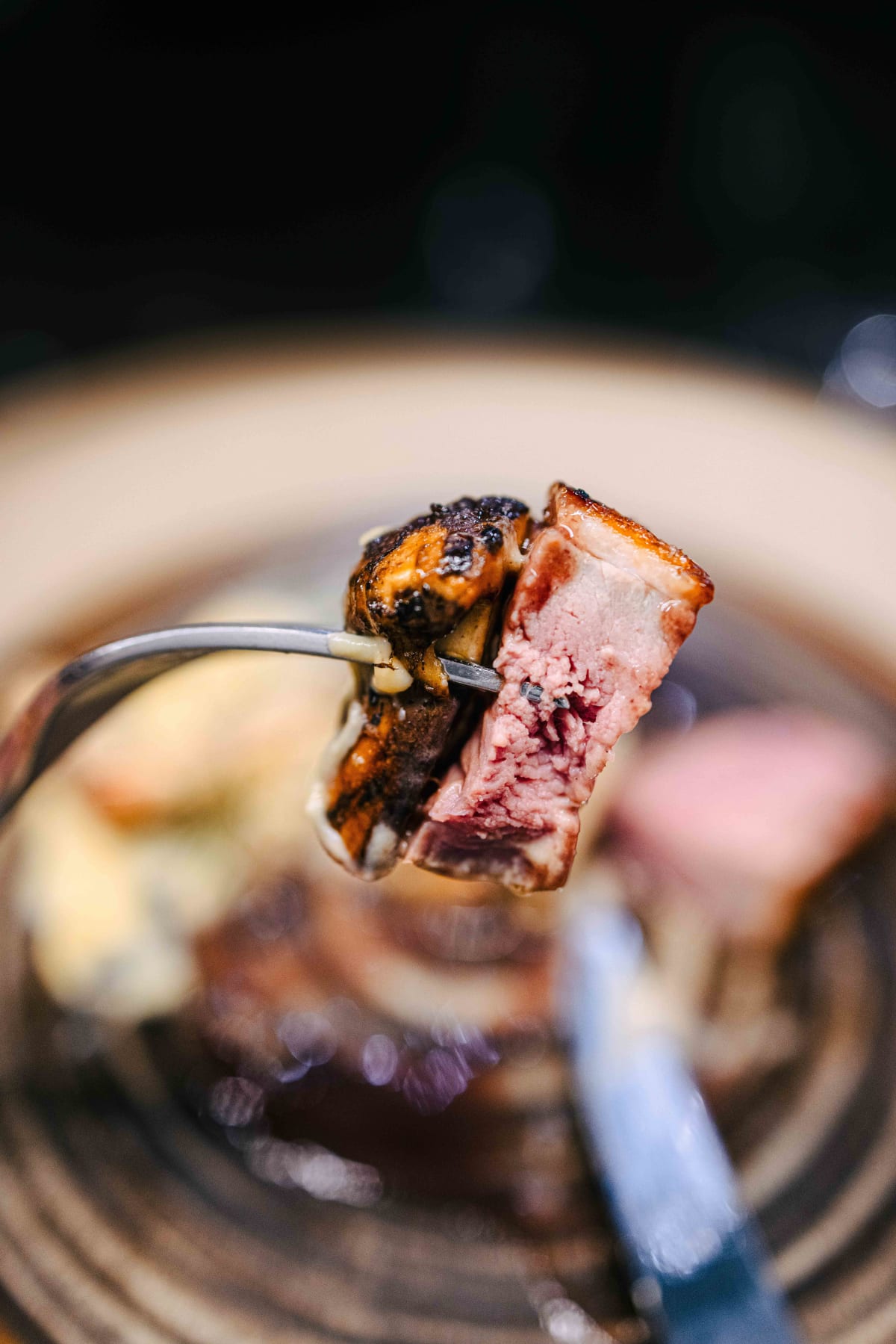
For the main came maitake and pine mushrooms, potato purée beneath, and duck breast with a raspberry sauce.
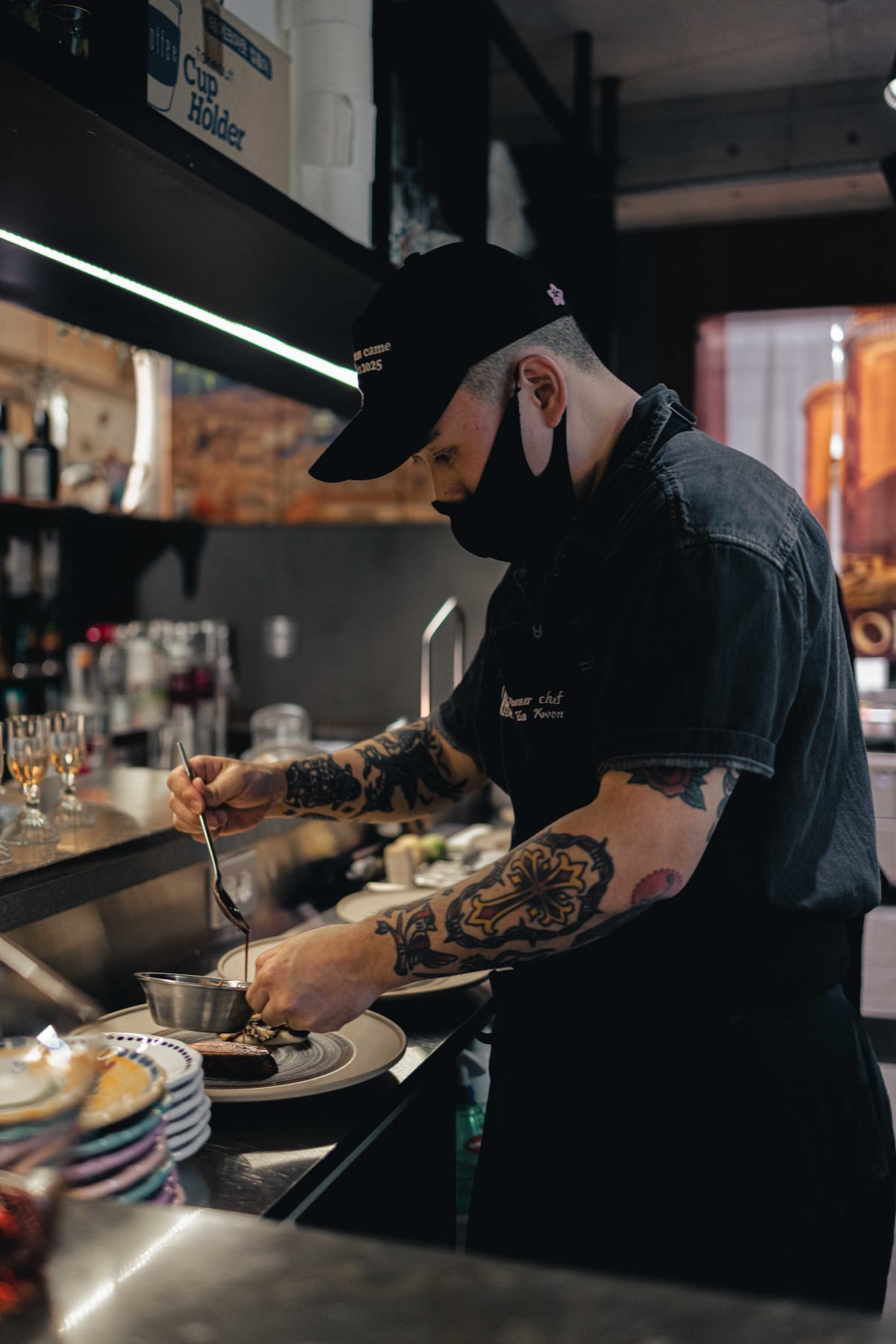
This main, though, was somewhat disappointing.
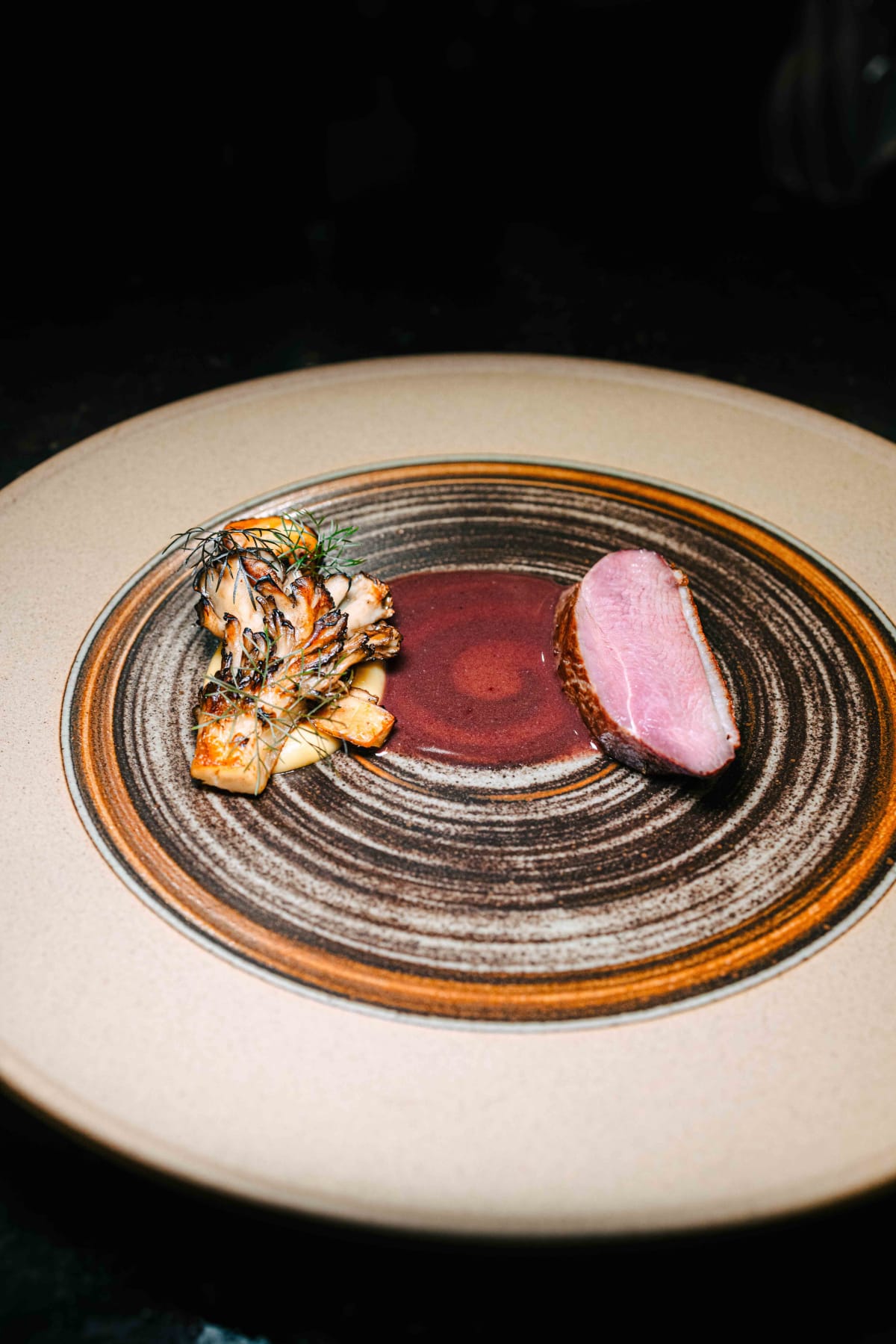
The temperature of the duck, the most important element, was cold, and its texture fell short of what I had hoped for. The direction of cutting the duck breast thick was a good one, the layer of subcutaneous fat was generous, and the fruit aroma and acidity of the raspberry sauce did a fine job of bridging the mushrooms and the duck.
Section 12·The Close
For dessert came the famous chestnut tiramisu, in a version paired with truffle sorbet.
For me, that truffle sorbet was the kick. The chestnut tiramisu was delicious enough to overeat, and the truffle aroma tapping through it now and again was wonderful.
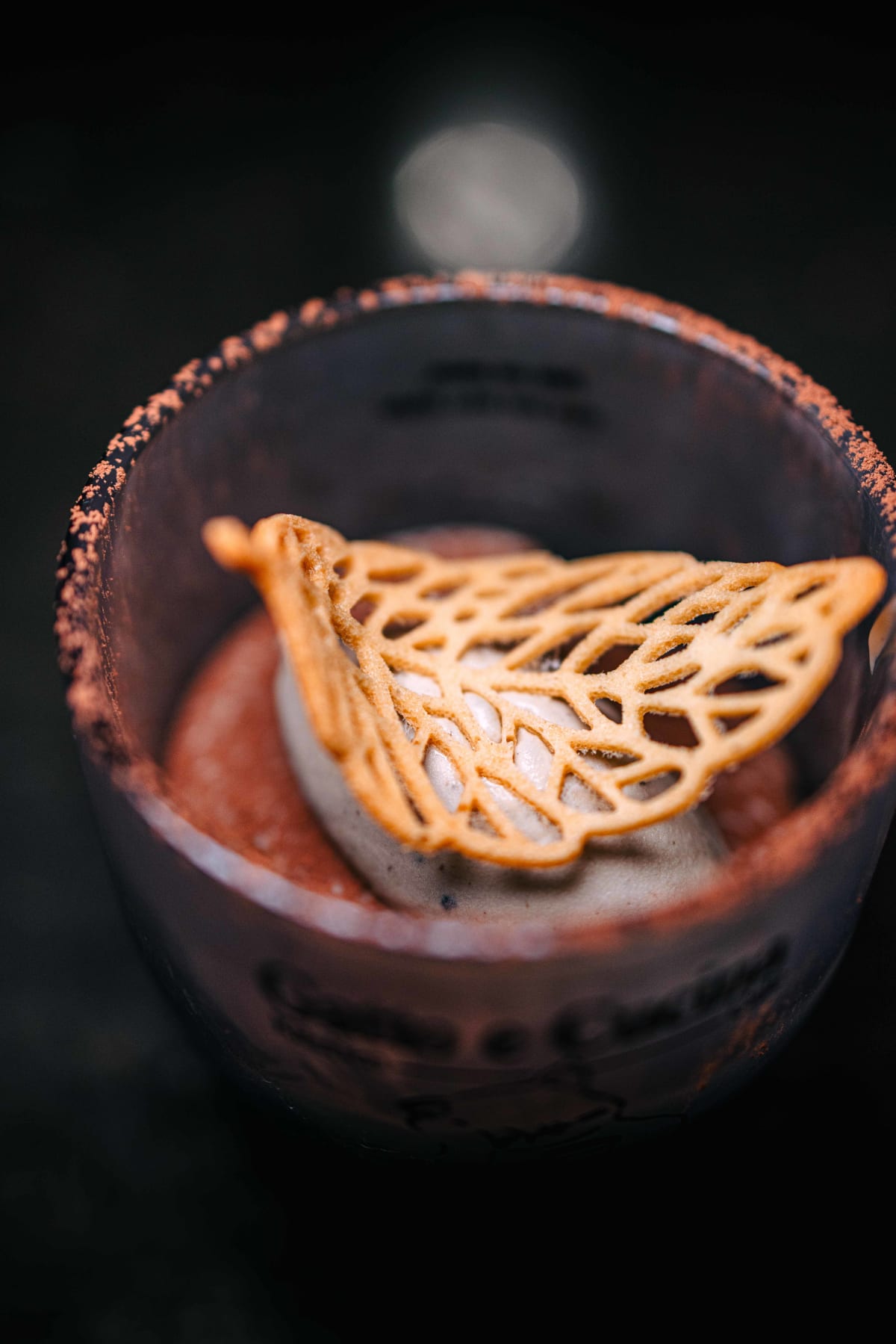
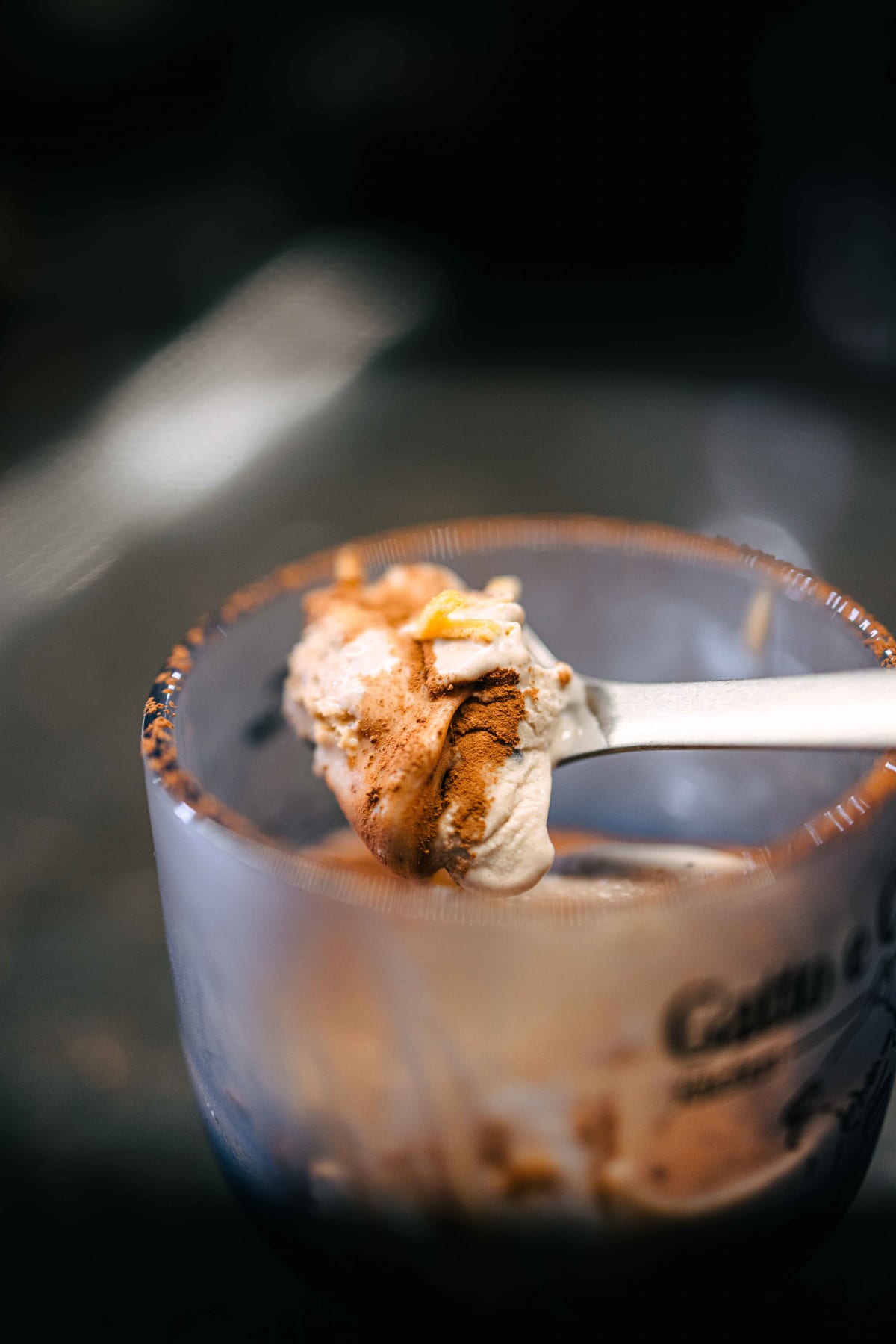
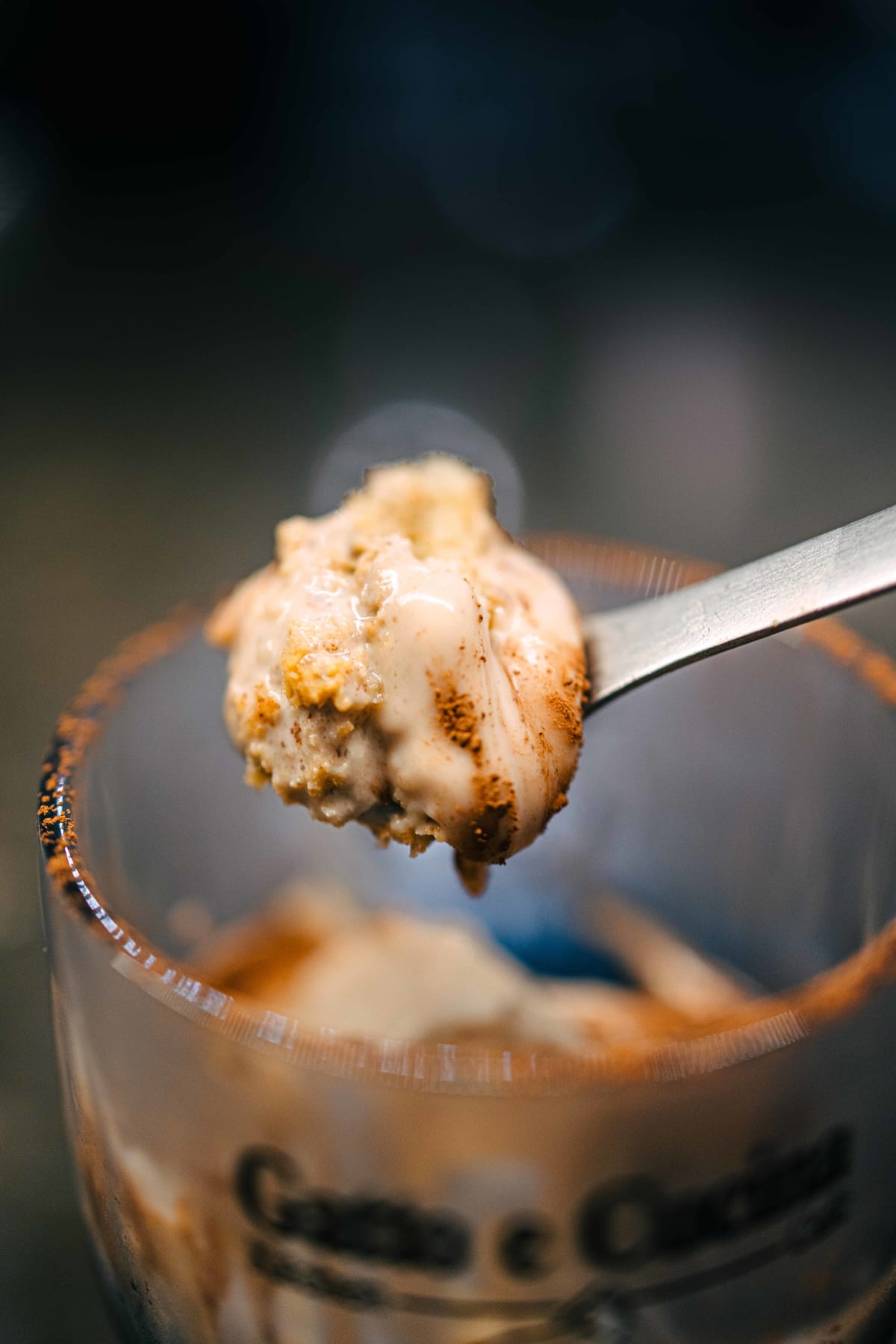
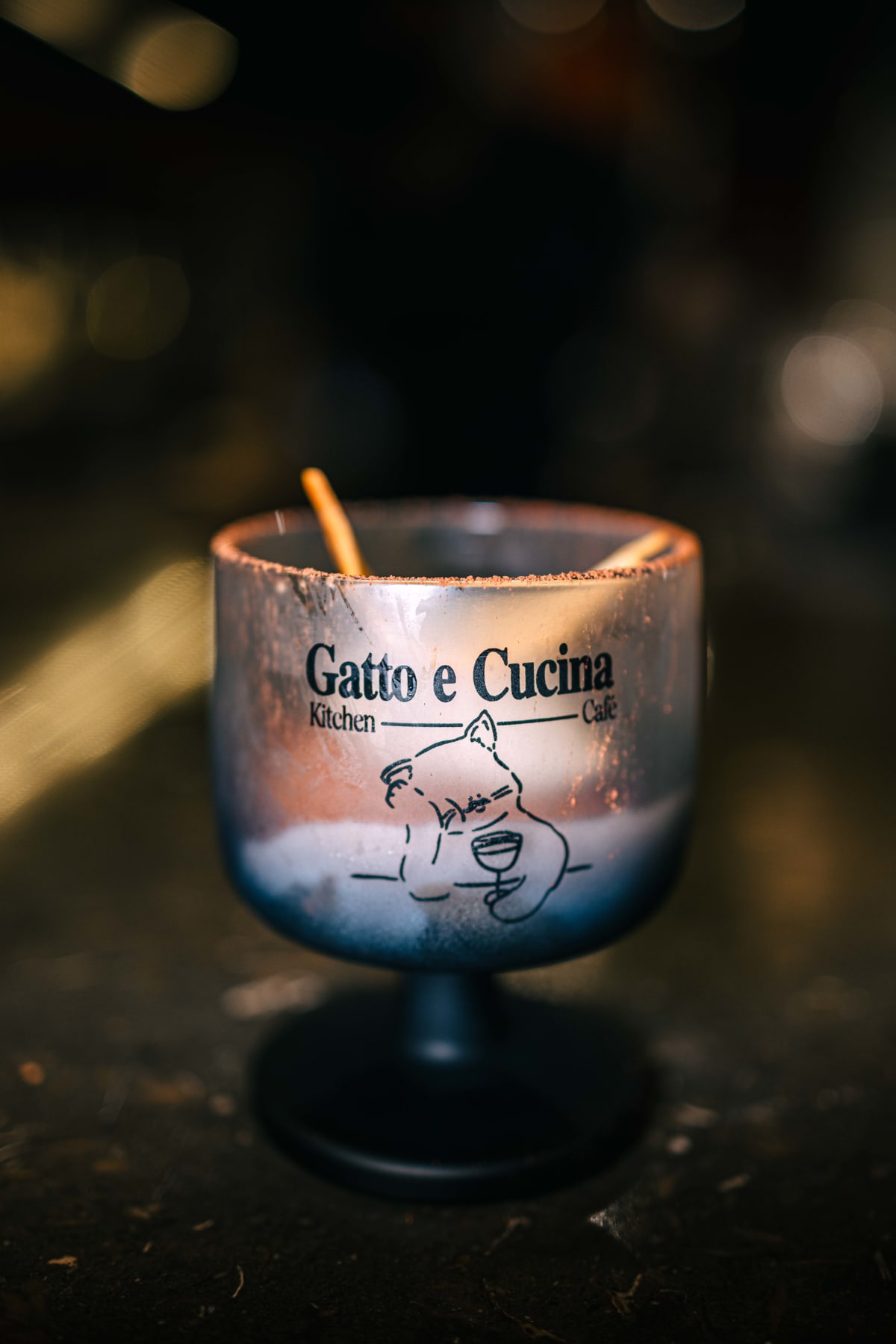
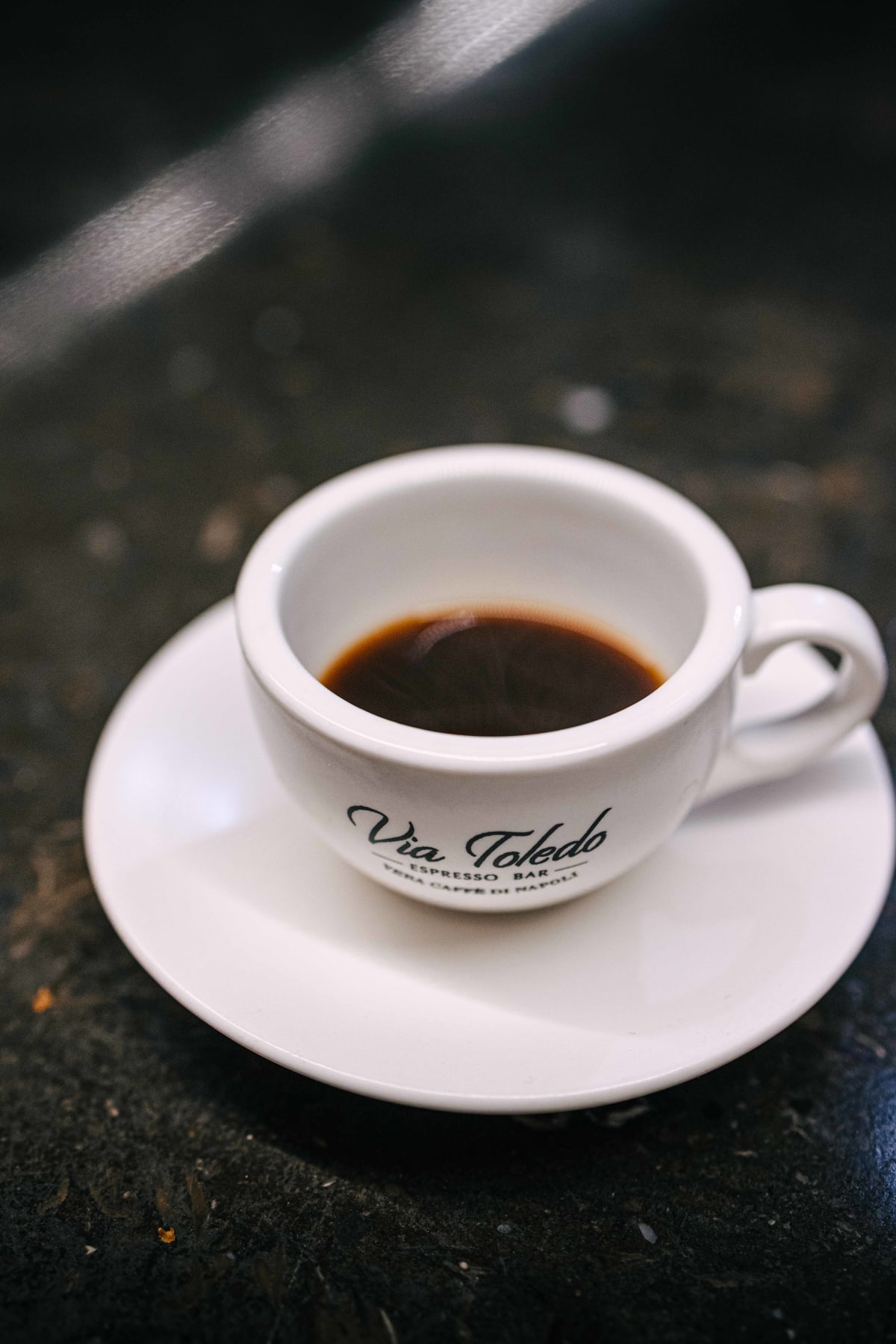
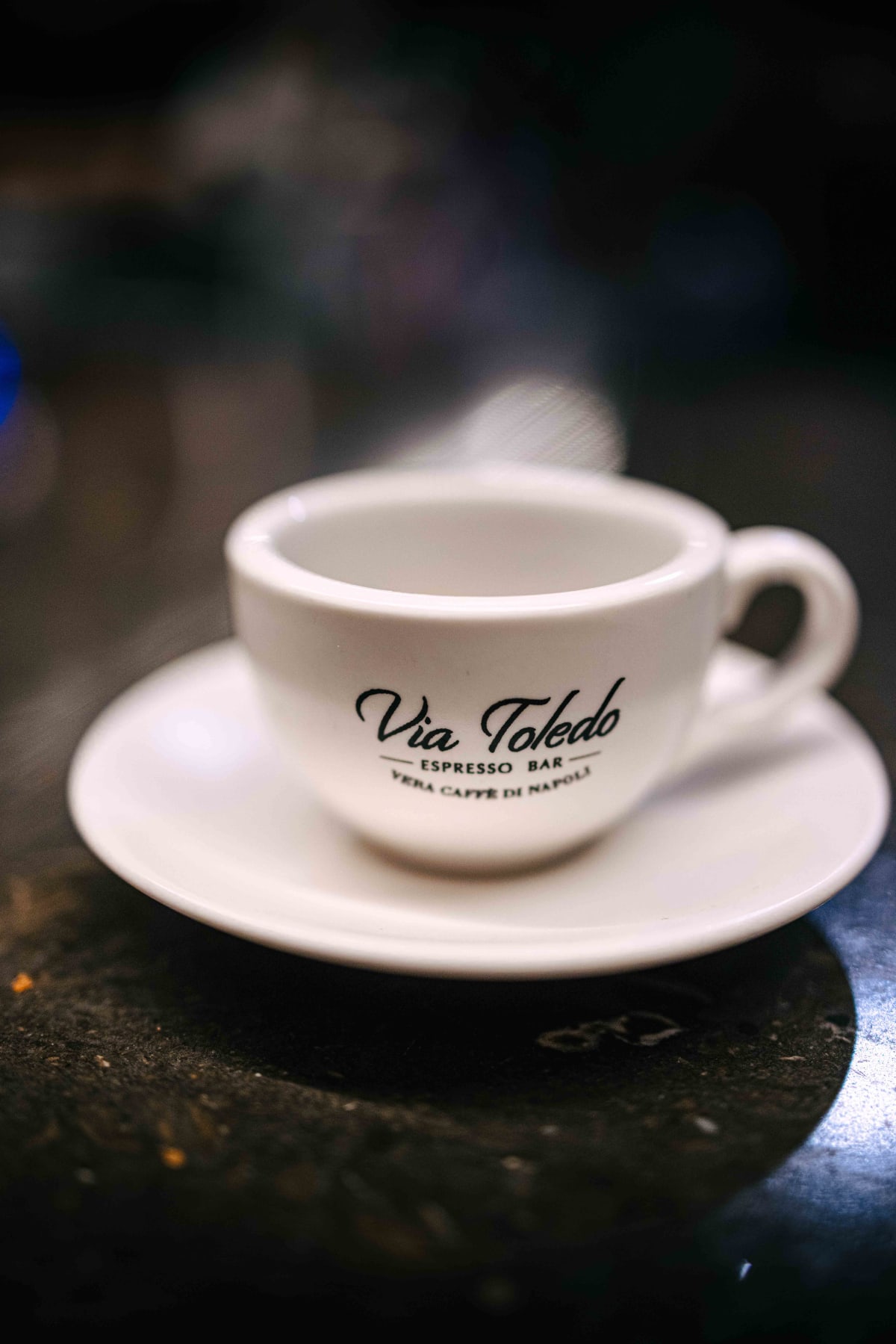
Thinking it would go well with the dessert, I asked for a coffee, and it was made in the classical Italian way with a moka pot.
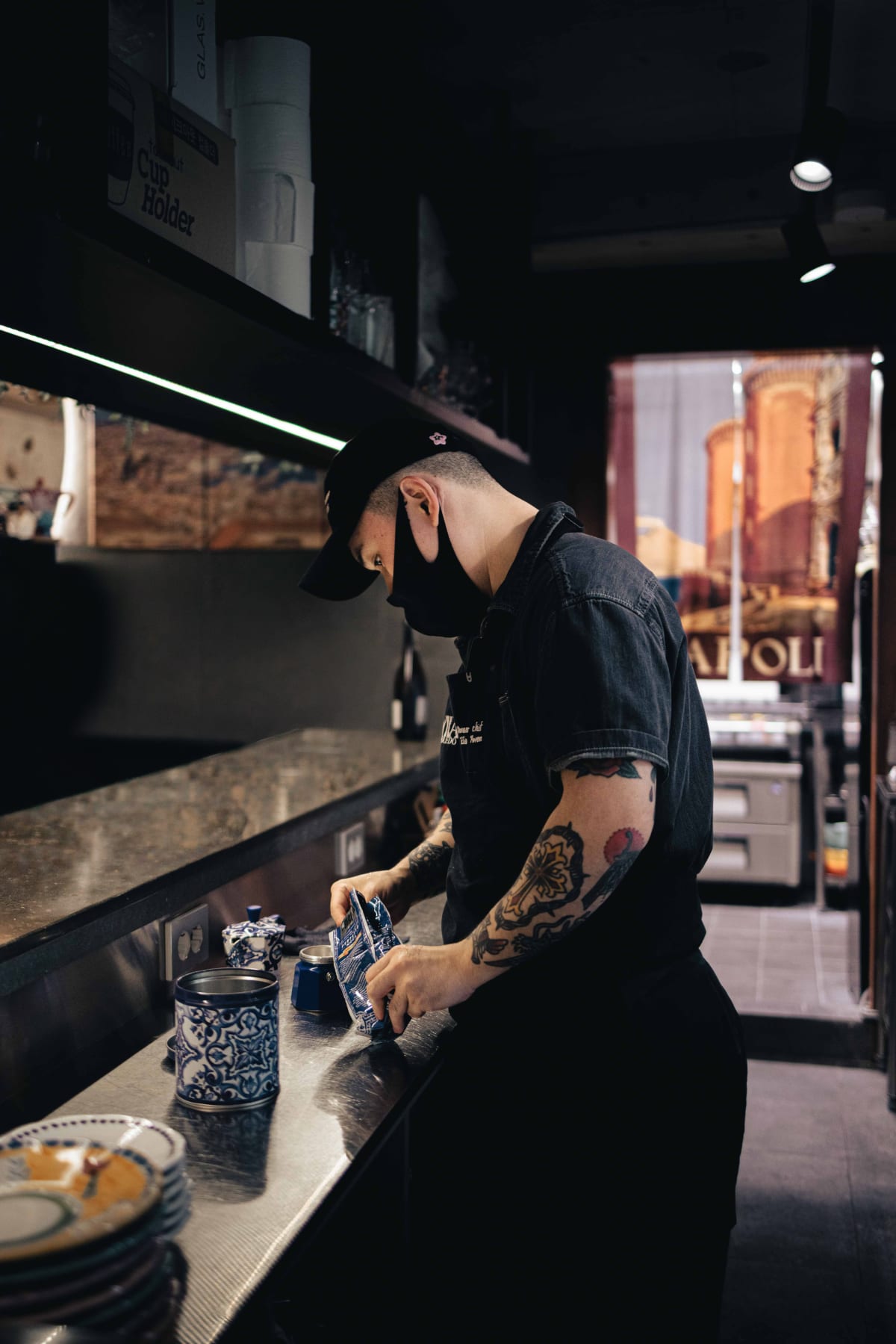
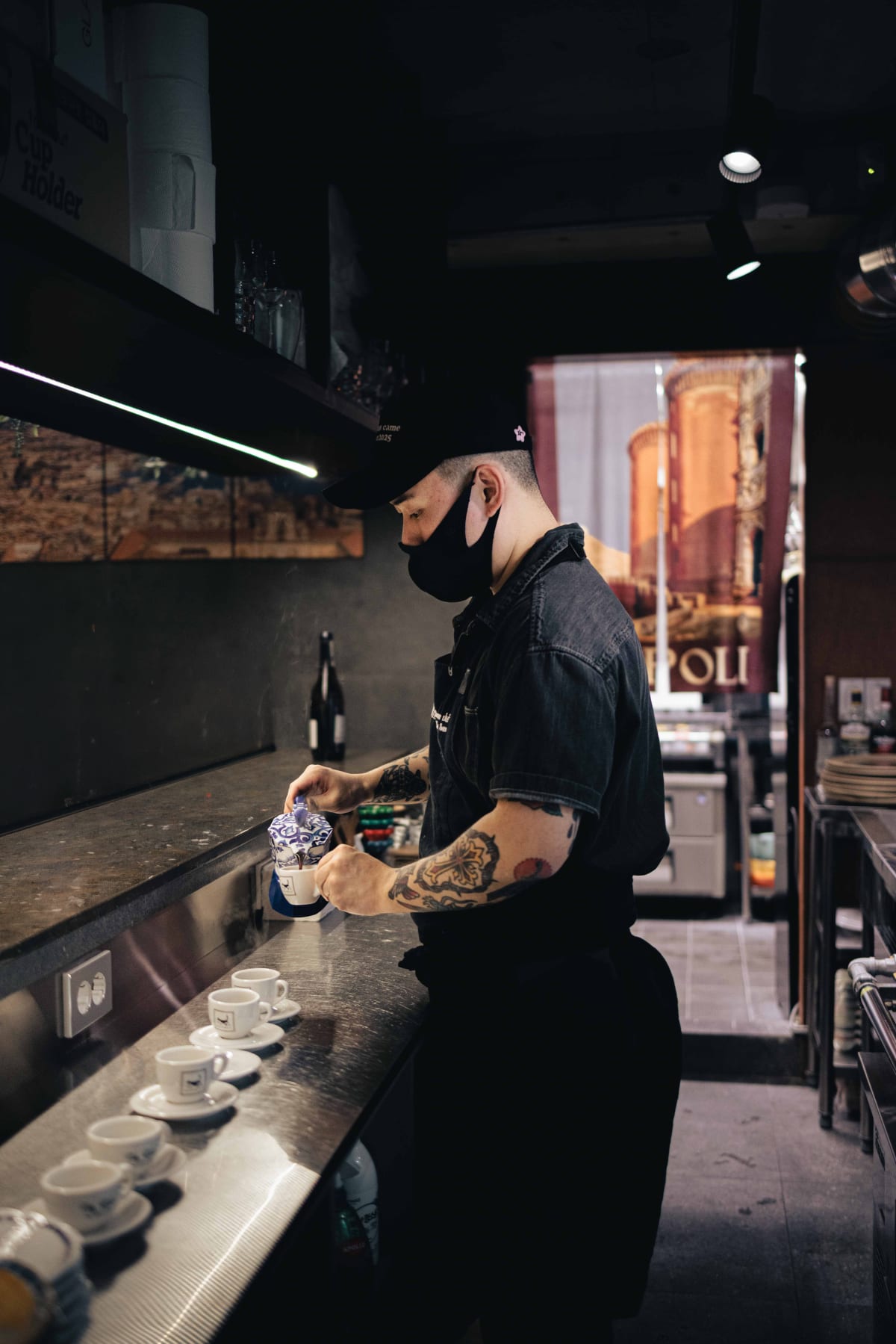
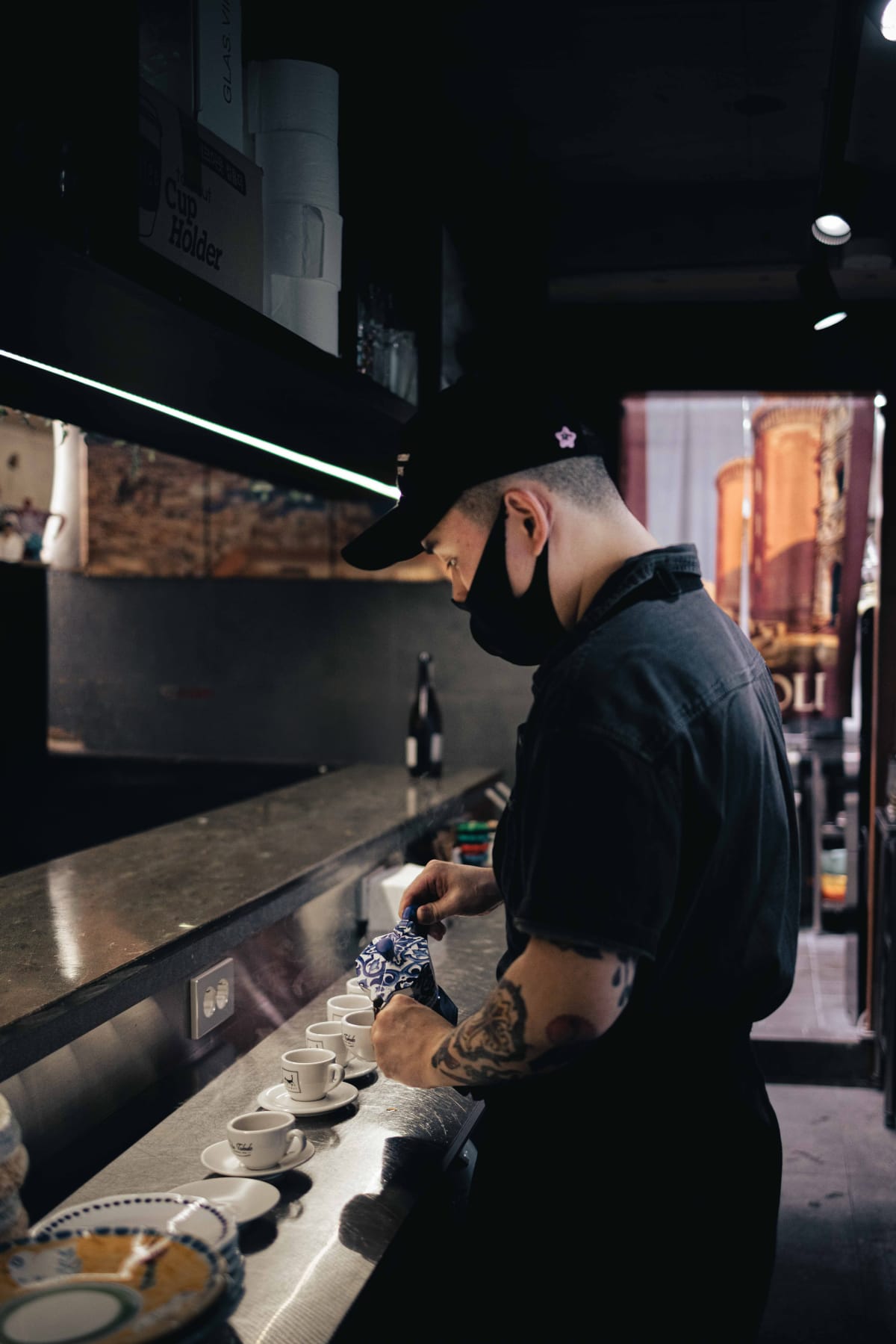
It came at an espresso size, not enormously concentrated, and what stood out was a nutty, hazelnut-like nuance. Lately I had been gravitating toward coffees with acidity, so drinking something like this after a long while felt closer to the original and, for that very reason, fresh and welcome.
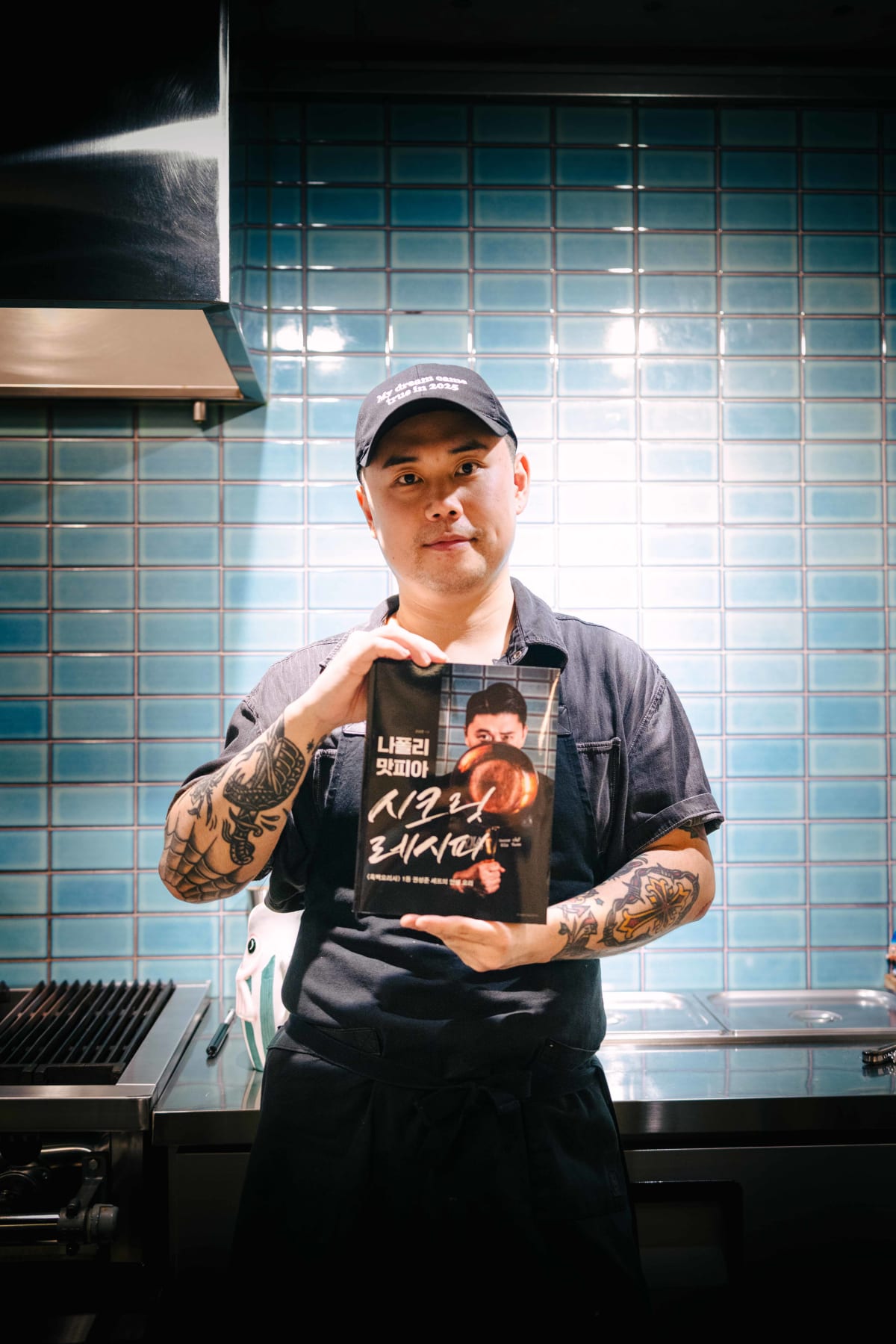
Chef Kwon Seong-jun's service is not the warm or closely attentive kind, so first-time guests might find him a little curt. But his manner had been that way well before he appeared on television, and on this night I was moved by his service at the very end. All six of us who visited that day wanted a photograph with the chef, and each of us wanted a signature on the bottles we had drunk. Even though closing time had come and gone, he took photographs one by one, all but unlimited, as many as we wanted, and signed every bottle. His fan service stayed generous to the last, and everyone who shared the meal left in good spirits, able to finish the evening on a wonderful note.
Across three visits to the same small room, I watched this kitchen cross from anonymity to the most sought-after table in the country, and that vantage, more than any single dish, is the rare thing here. The cooking that once felt like a private discovery now comes with a champion's reputation and a waitlist to match, yet the surprise of this return is how little the plate itself has been bent by any of it: the Naples-rooted identity holds, and the ambition now points toward refinement rather than spectacle. What lingers most is the direction of travel, a kitchen that treats its moment as a reason to reach further rather than rest on it, which is the harder and rarer choice for a room that could so easily coast on its waitlist.
Have a question about this restaurant, or want to share your own experience?
Send a message