Fine Dining · Seoul · Korea / November 2024
Common Era
"A Seoul research lab from the team behind New York's Atomix, digging into the roots and future of Korean food"
Section 1·A Research Space
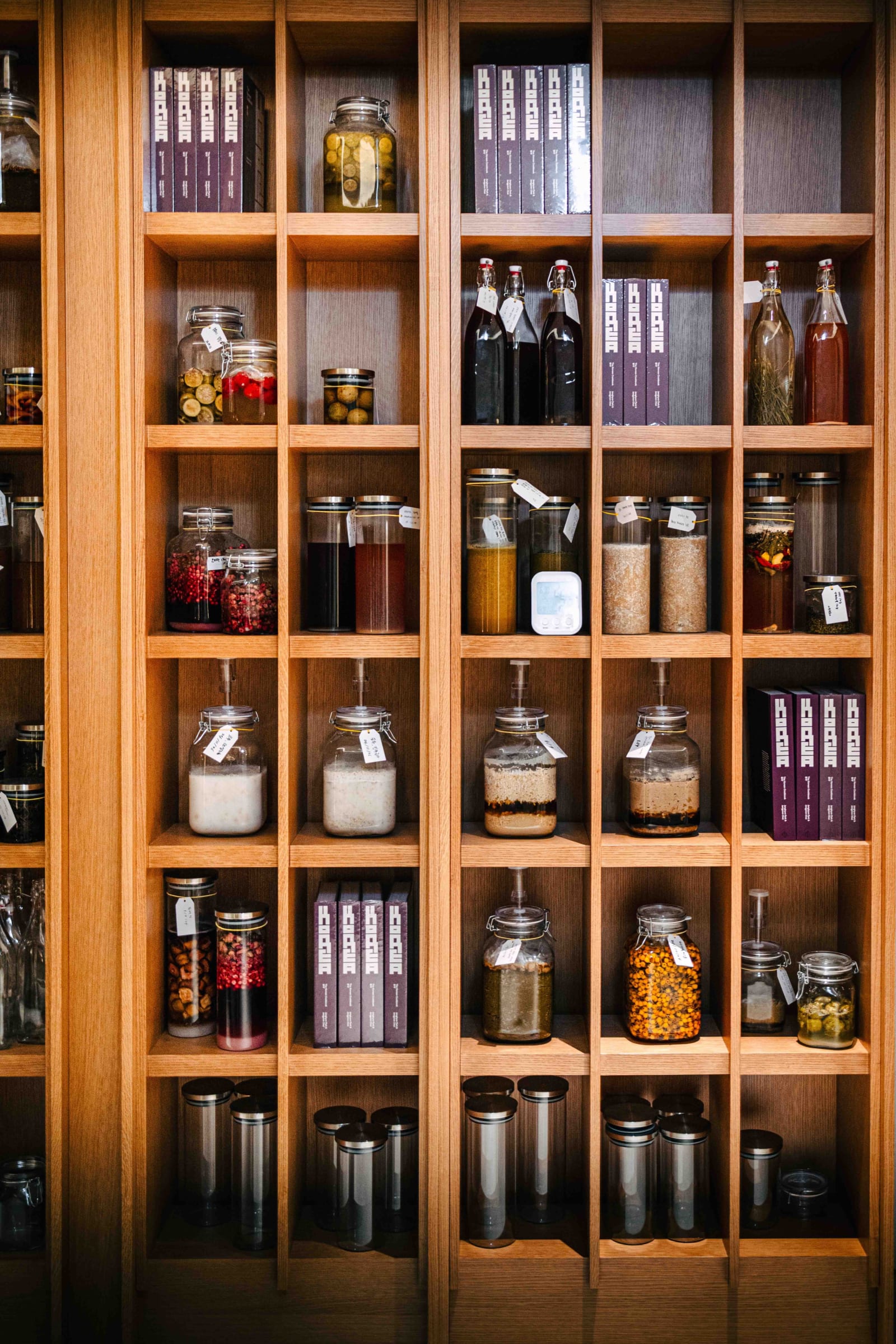
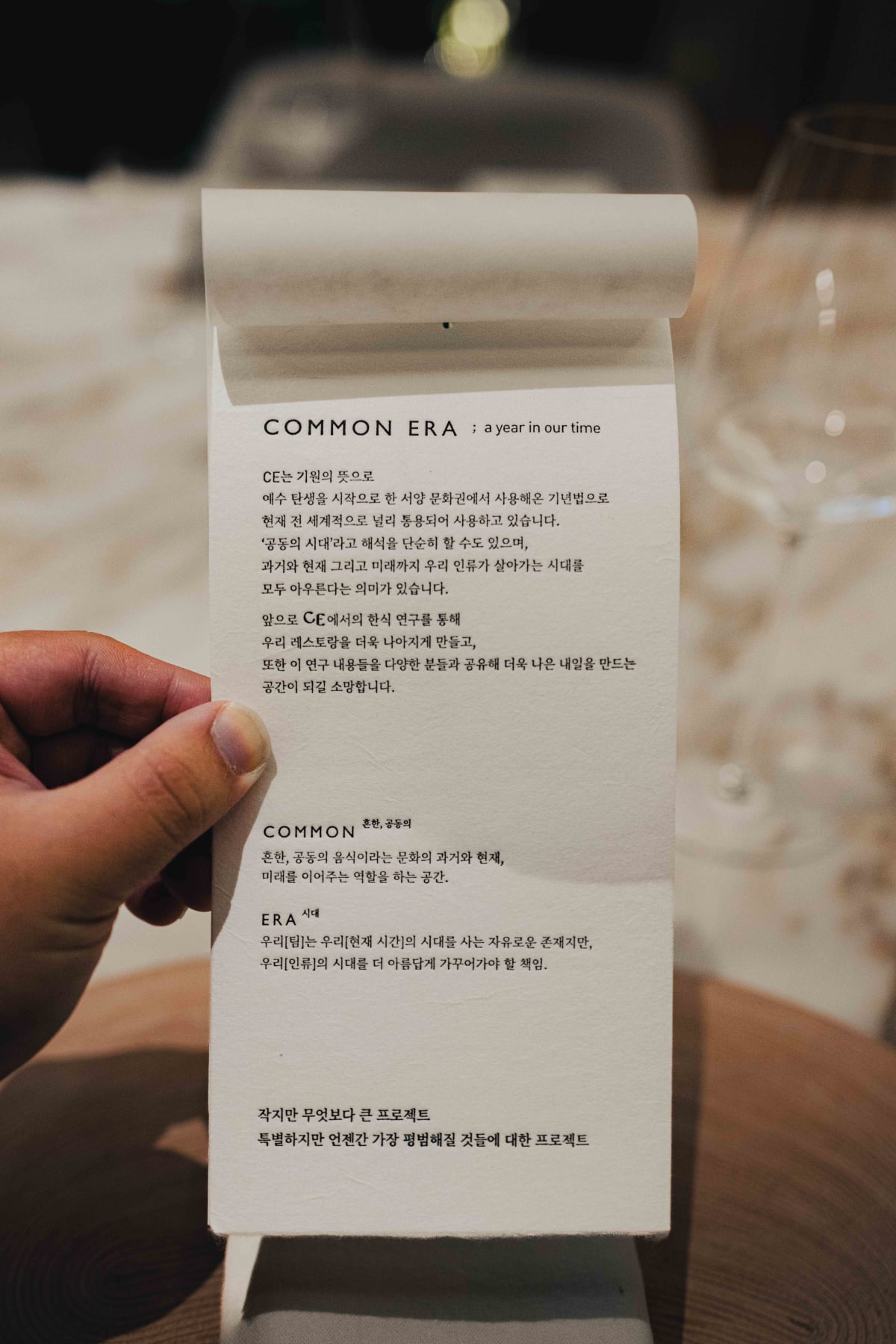
Common Era is a space that Junghyun "JP" Park and Ellia Park, the couple behind New York's Atomix, run in Seoul as a research space for Korean cuisine, the restaurant that carried the strength of Korean food to the world. It is a new kind of dining experience, one that mixes the structure of a finished restaurant with the identity of an experimental research space.
Section 2·The Pedigree
Knowing the couple's track record changes the weight of the place. Atomix, which they built in New York, holds two Michelin stars, climbed as high as sixth in the world on the World's 50 Best in 2024, and topped the inaugural North America's 50 Best in 2025 as the number-one restaurant on the continent. Leading the NA:EUN Hospitality group, which spans Atoboy, Naro, and Seoul Salon, they are regarded as the team that brought Korean food into the mainstream of world gastronomy.
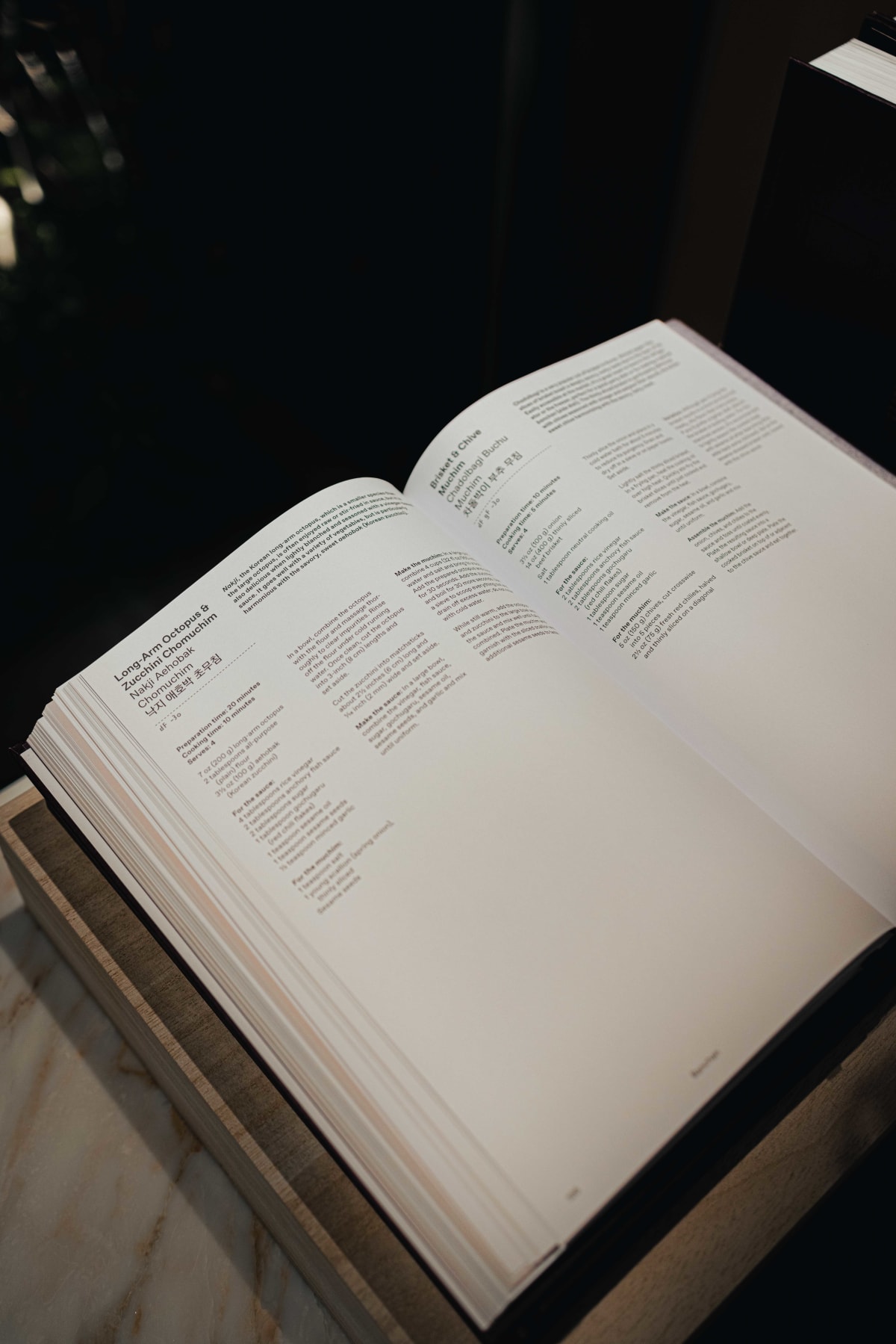

For that reason, Common Era reads less as an "Atomix Seoul branch" than as a laboratory in which a team that has carried Korean food onto the world stage now returns to Seoul to dig up and temper the cuisine's roots and original forms. If Atomix in New York was the stage on which Korean food was presented to the world, Common Era is closer to a research base in Seoul where the ingredients and traditions bound for that stage are gathered and worked over again.
If Atomix in New York was the stage on which Korean food was presented to the world, Common Era is closer to a research base in Seoul where the ingredients and traditions bound for that stage are gathered and worked over again.
Section 3·What They Study
In an interview, chef Junghyun Park said he wants this place to be a bridge between the tradition and the future of Korean food. Just as tteokbokki, treated a generation ago as mere snack-bar fare, is now a representative Korean dish, he means to make this a space that learns and studies traditional foods and ingredients before their line is lost.
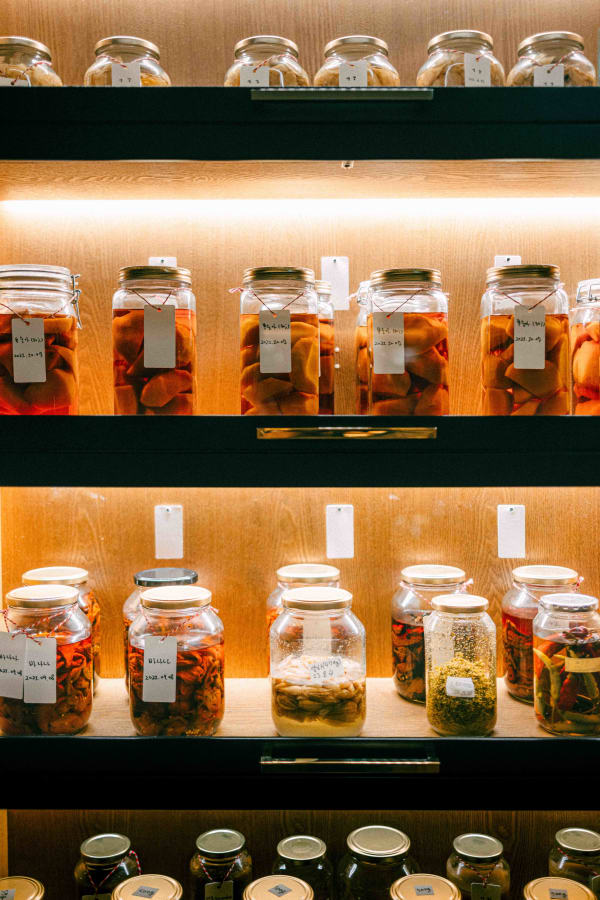
He has also described using nuruk to make a range of jangs, and constantly experimenting with fermentation down to temperature and humidity. Fermentation, in other words, is the root of this team's cooking, and once you know that, it reads more clearly why the day's course was built around long-aged jang and salted-seafood fermentation.
Section 4·The Approach
I too had a peculiar experience, one that mixed the position of an evaluator sampling and assessing research output with that of a paying consumer having a dinner. When you visit here, you have to come with a more challenging mindset than at an ordinary finished restaurant, as though going to meet the results of research.
That said, with the positions of finished restaurant and research space, of evaluator and consumer, all mixed together, it is also true that my satisfaction settled somewhere in the middle, without tipping clearly to either side.
Section 5·The Room
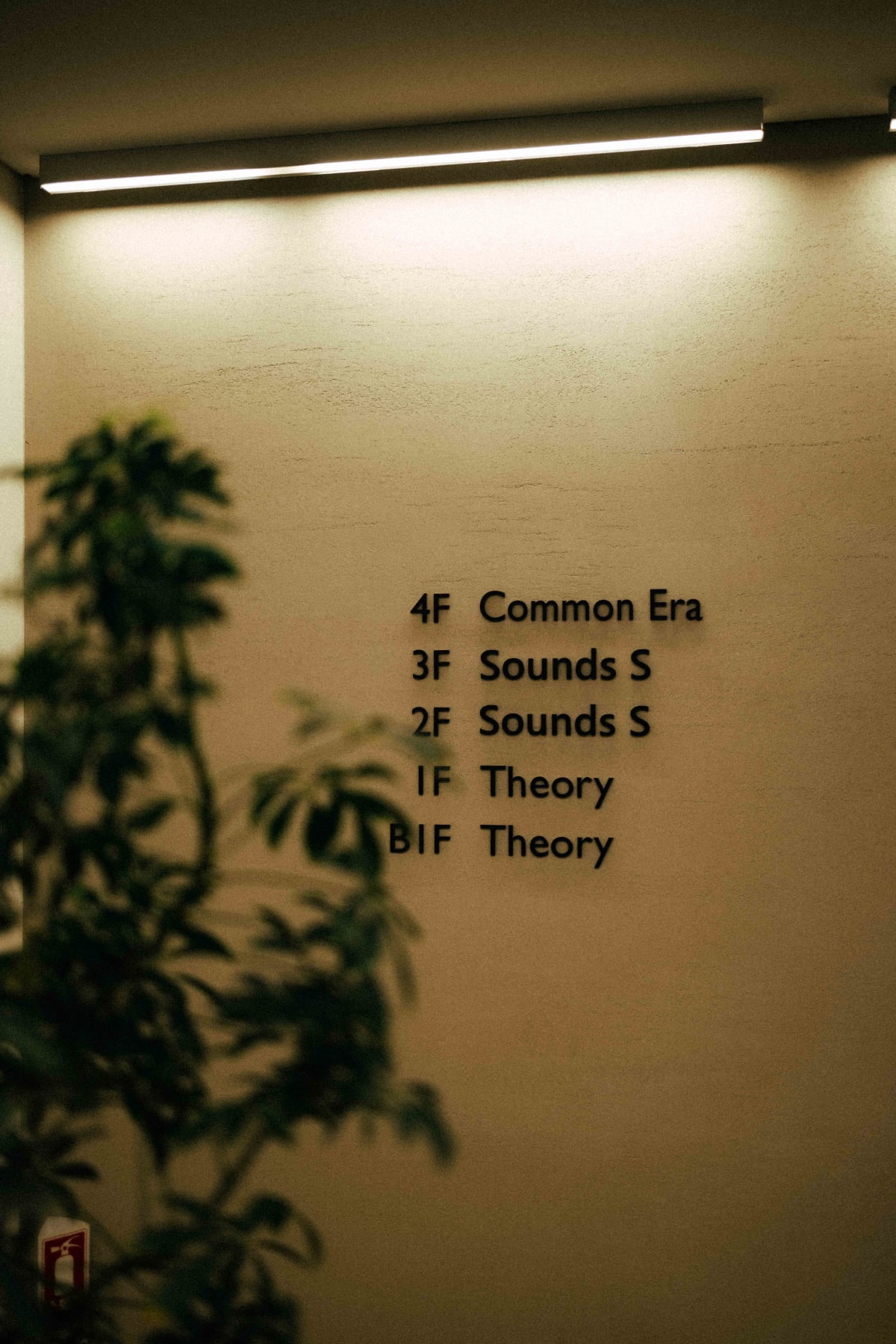
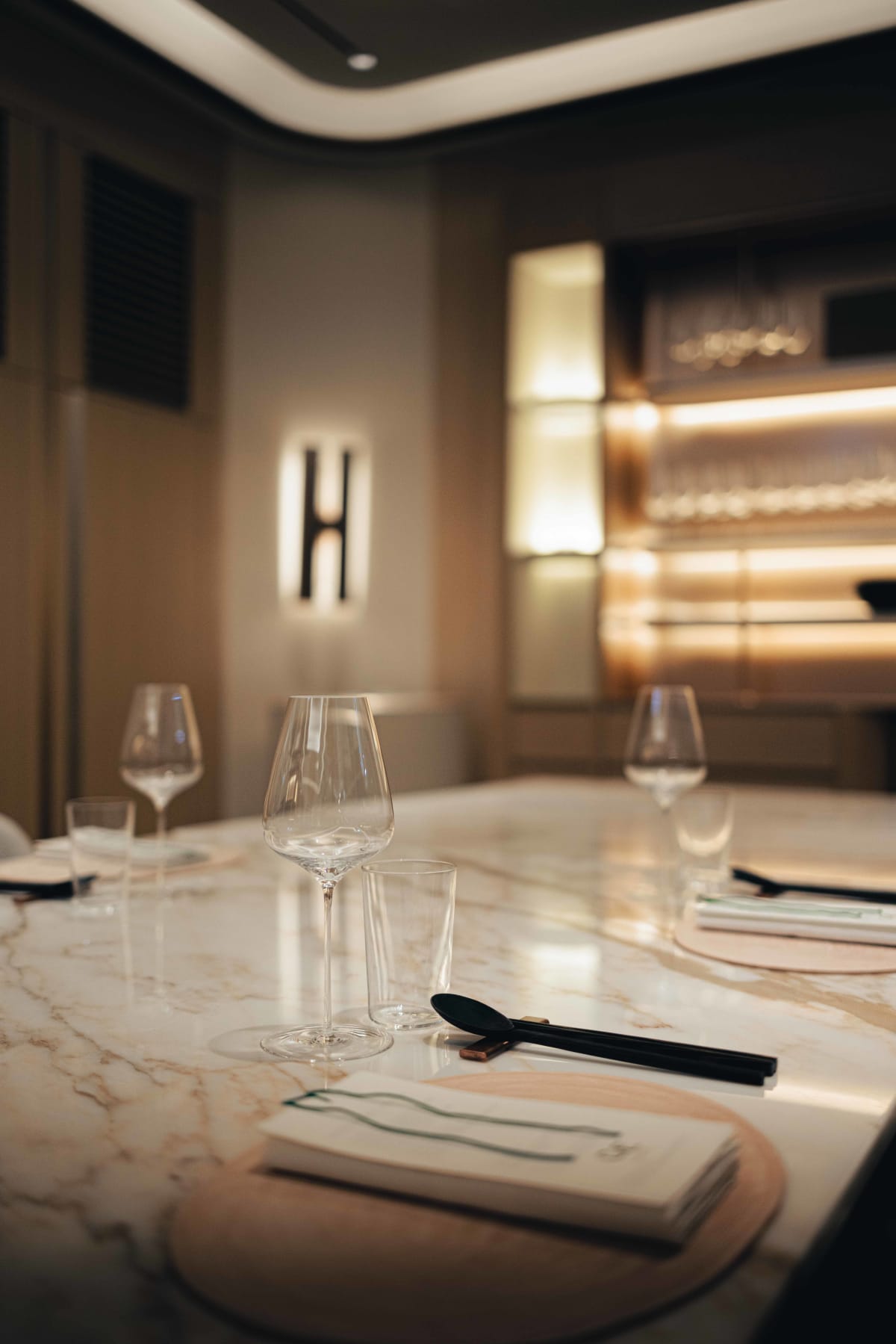
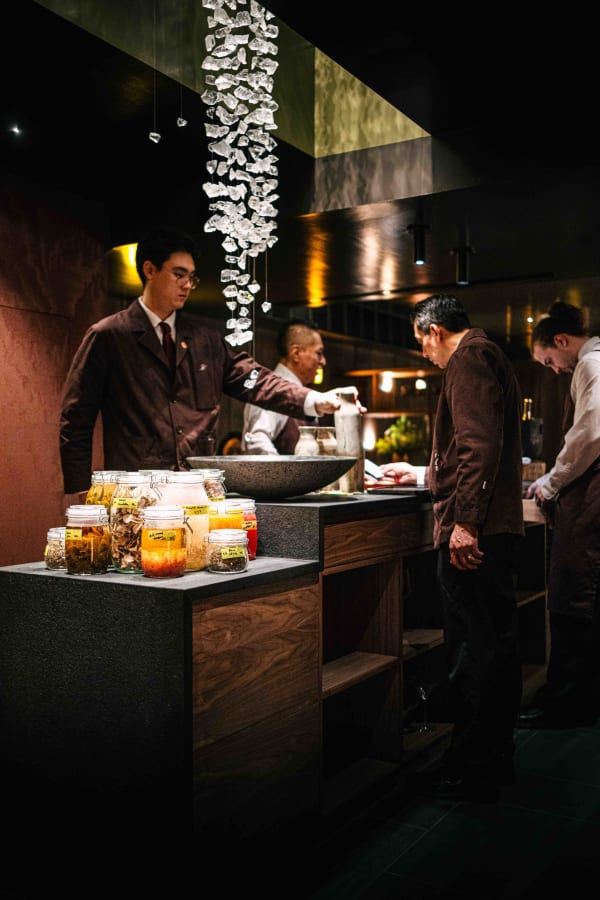
The entry, from the moment you step into the restaurant, was unlike an ordinary place.
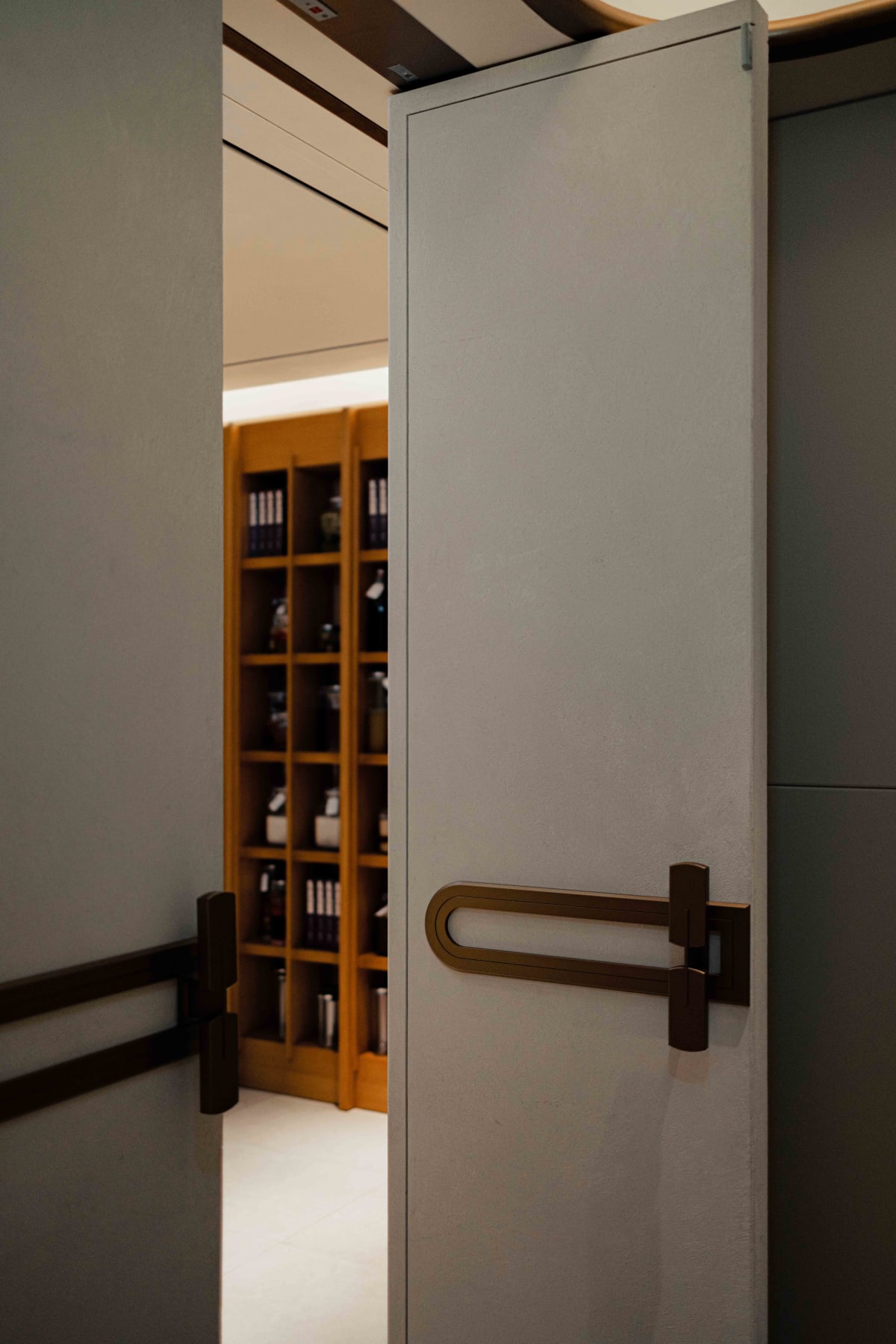
The interior, made up of a hall and a single communal table, gives off the atmosphere of being invited into a grand mansion.
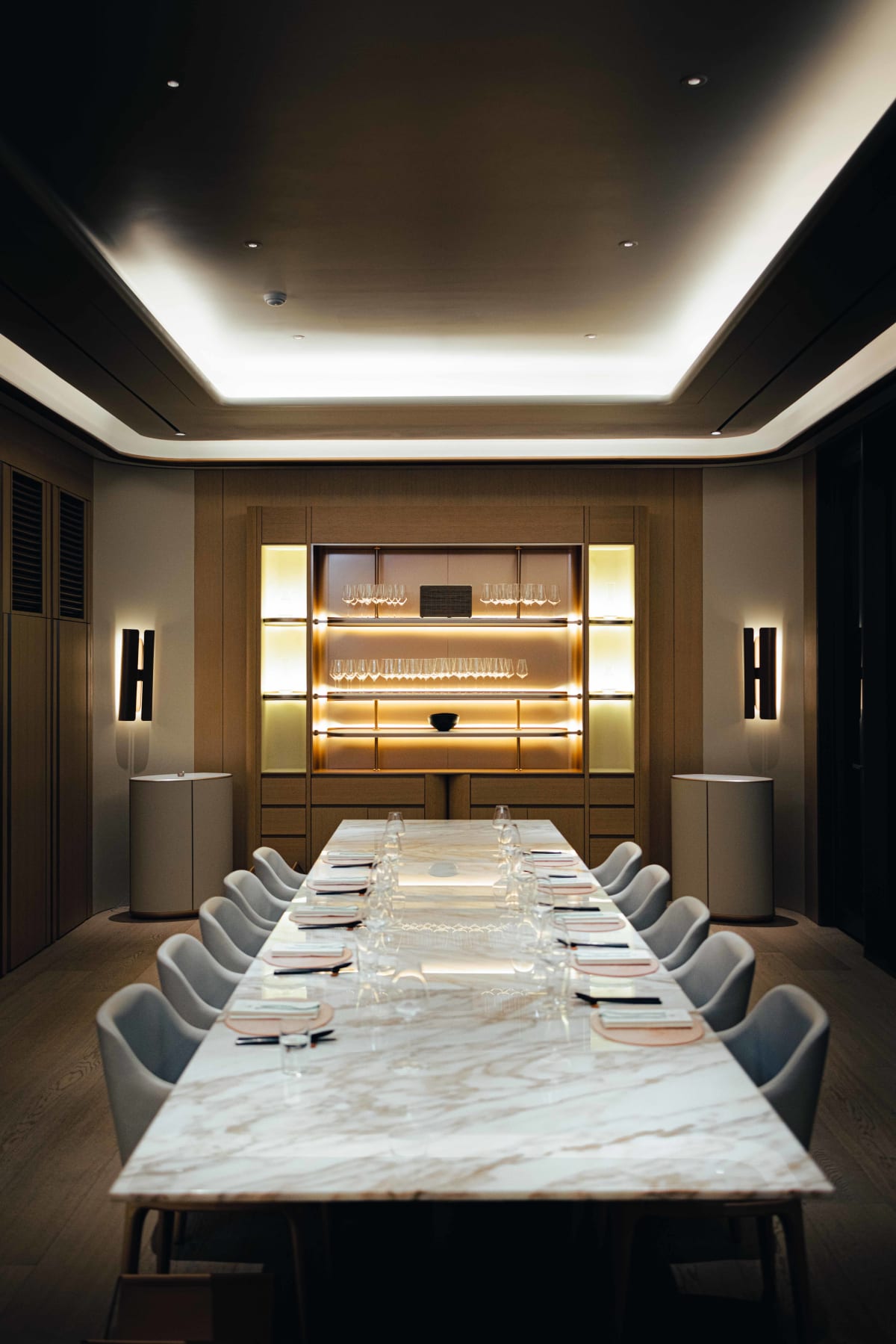
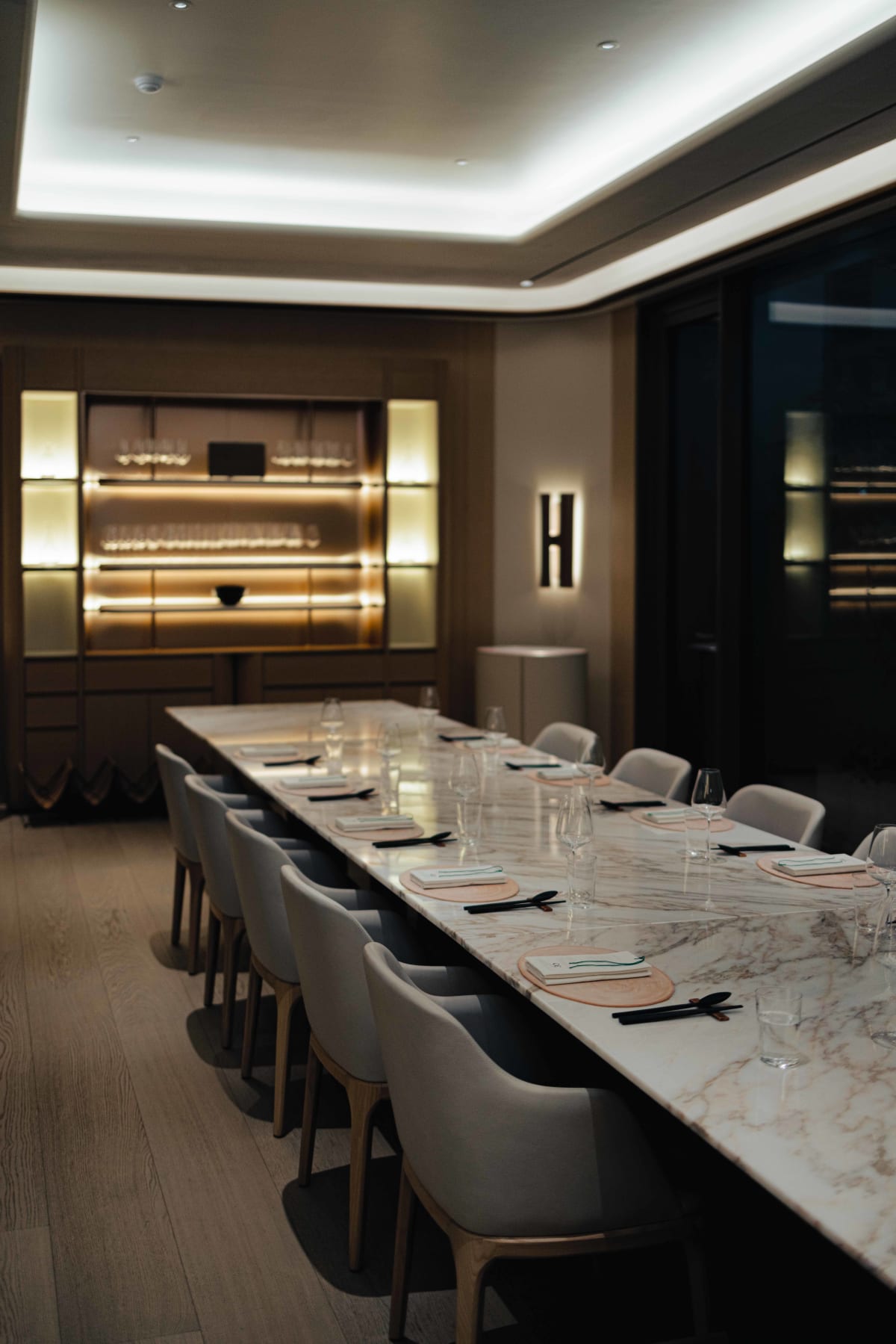
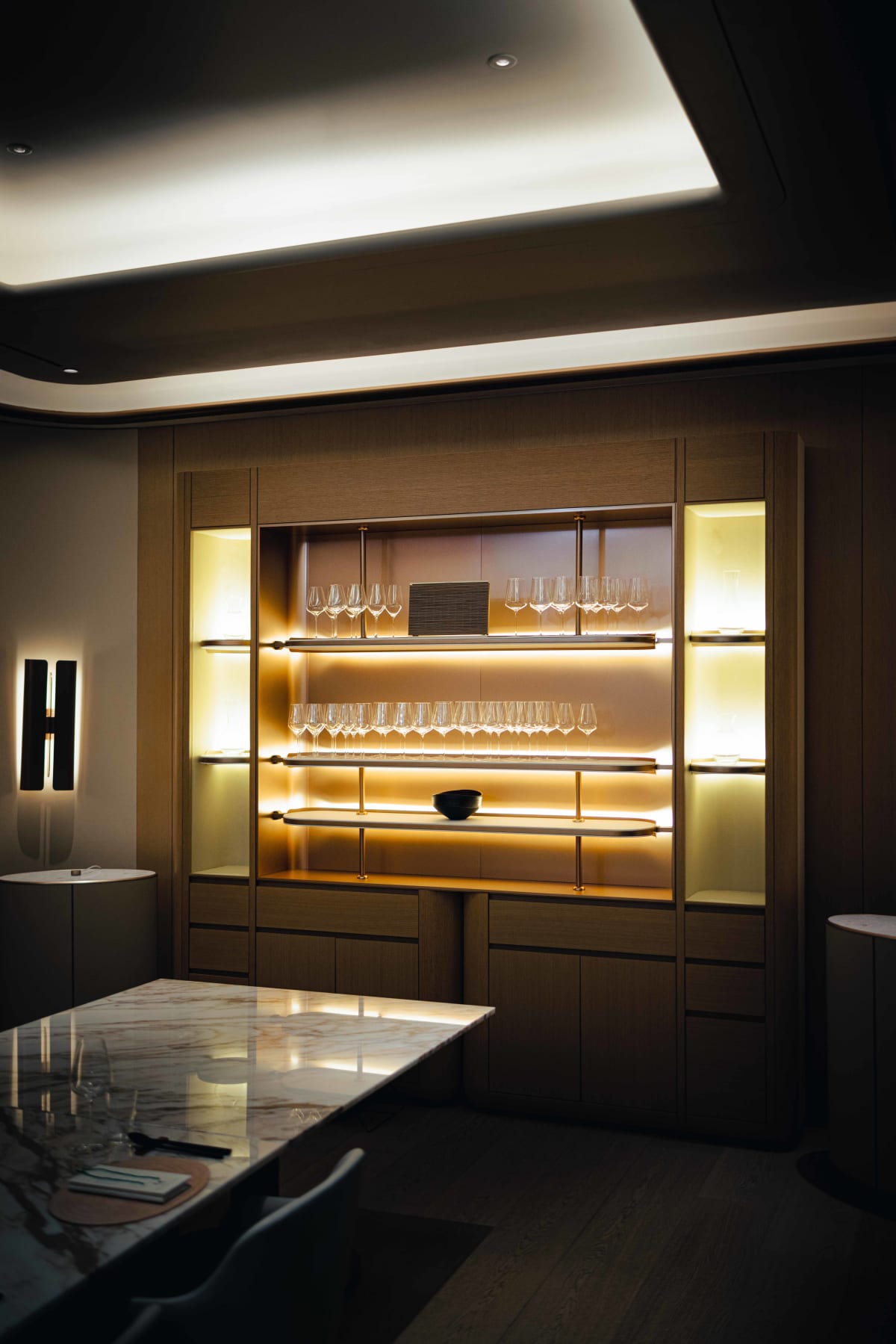
One thing worth flagging, though: the dining room sits on the fourth floor and can be reached only by stairs, with no elevator. On a late-autumn visit it was no great burden, but for anyone with limited mobility or a wheelchair user the access itself is difficult, and that is a drawback not easily brushed aside.
Section 6·The Openings
Judging this day's food on taste alone, satisfaction was not especially high, but as someone who enjoys experimental challenge I tried to taste with a receptive attitude. The taste was fine, and in the sense of realizing what kind of challenge and adaptation you can attempt with Korean food, it was a decent experience for me. A good deal of time has passed, so I imagine even better results are coming out by now, and the way the manager and the chefs actively sought feedback left an impression.
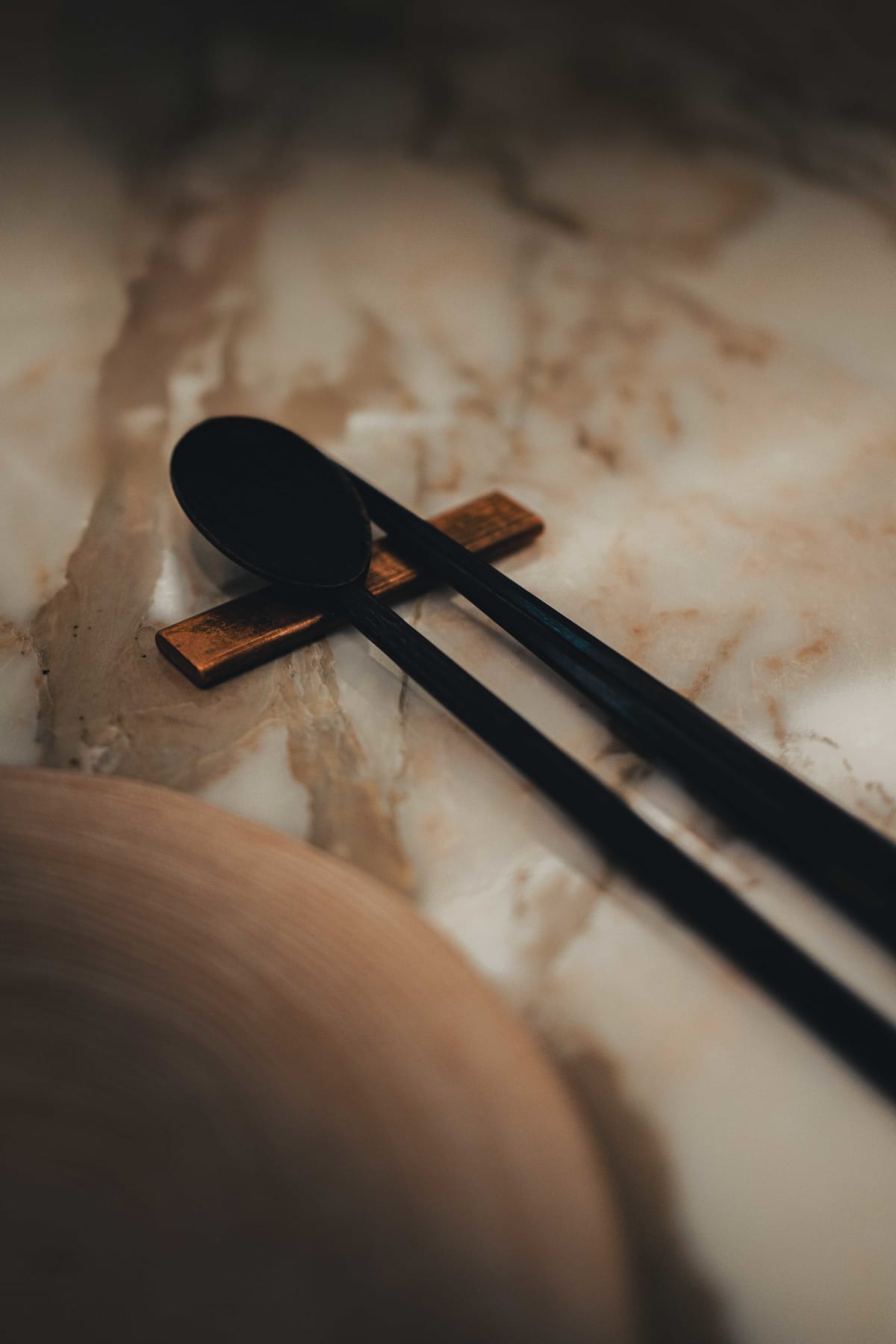
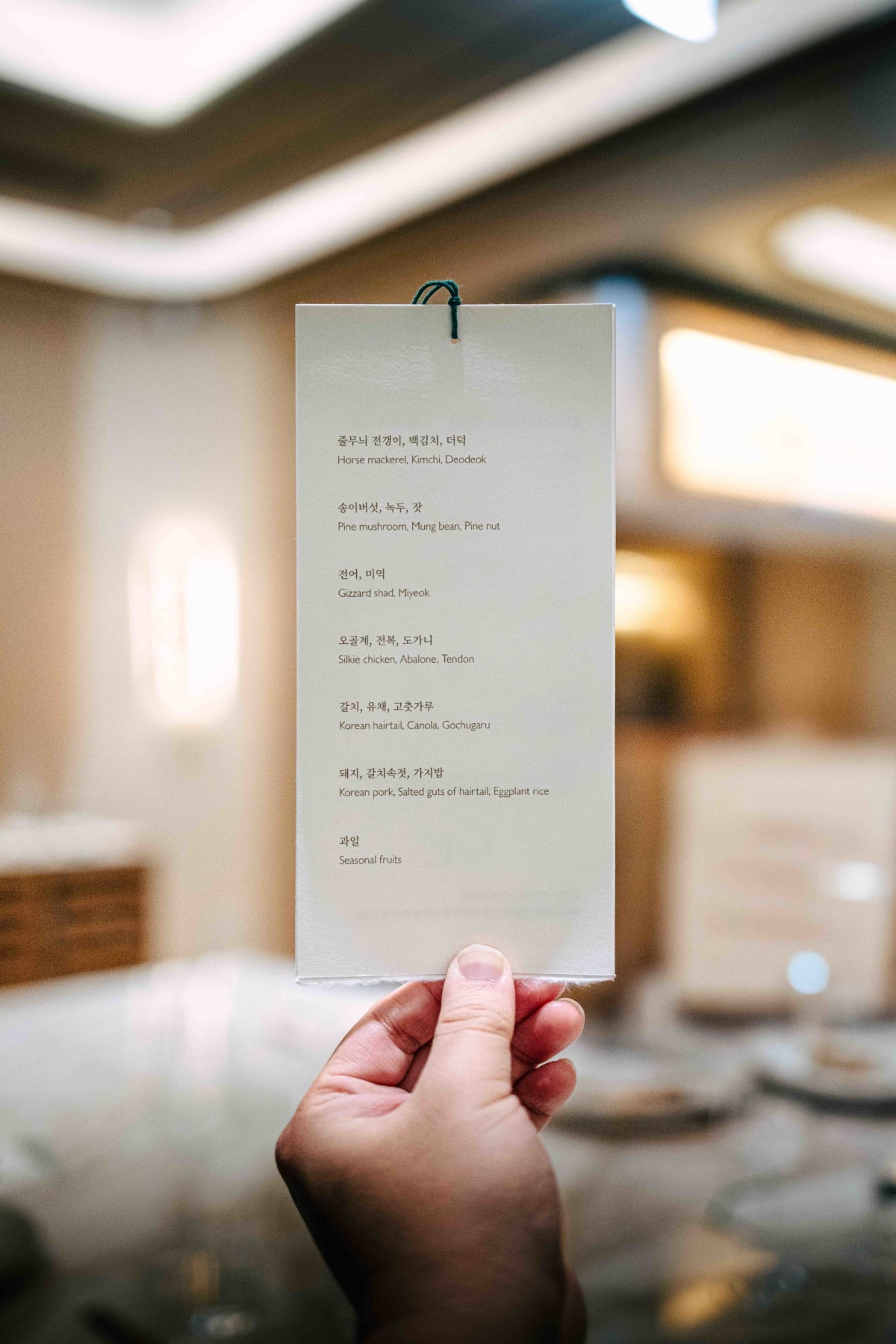
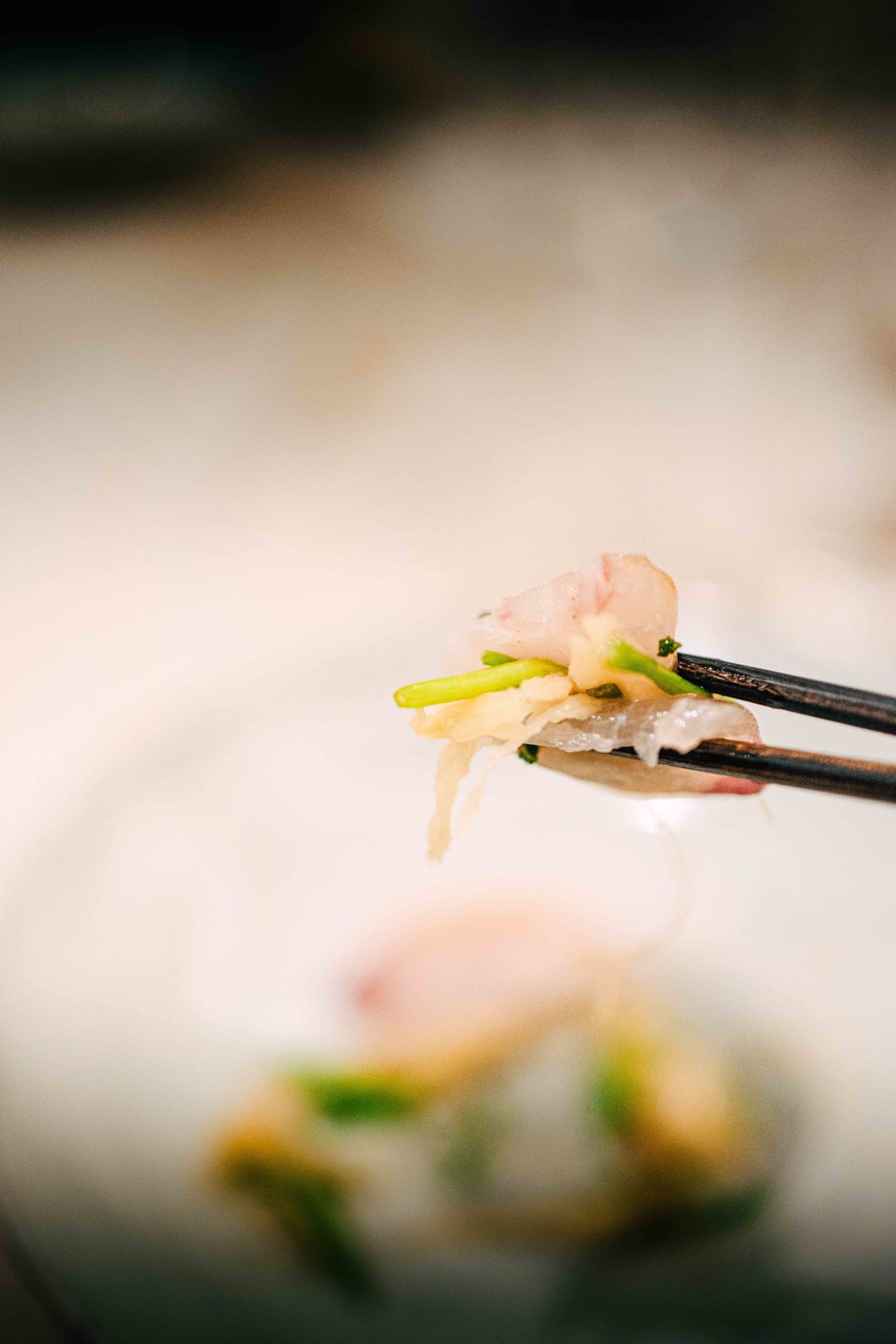
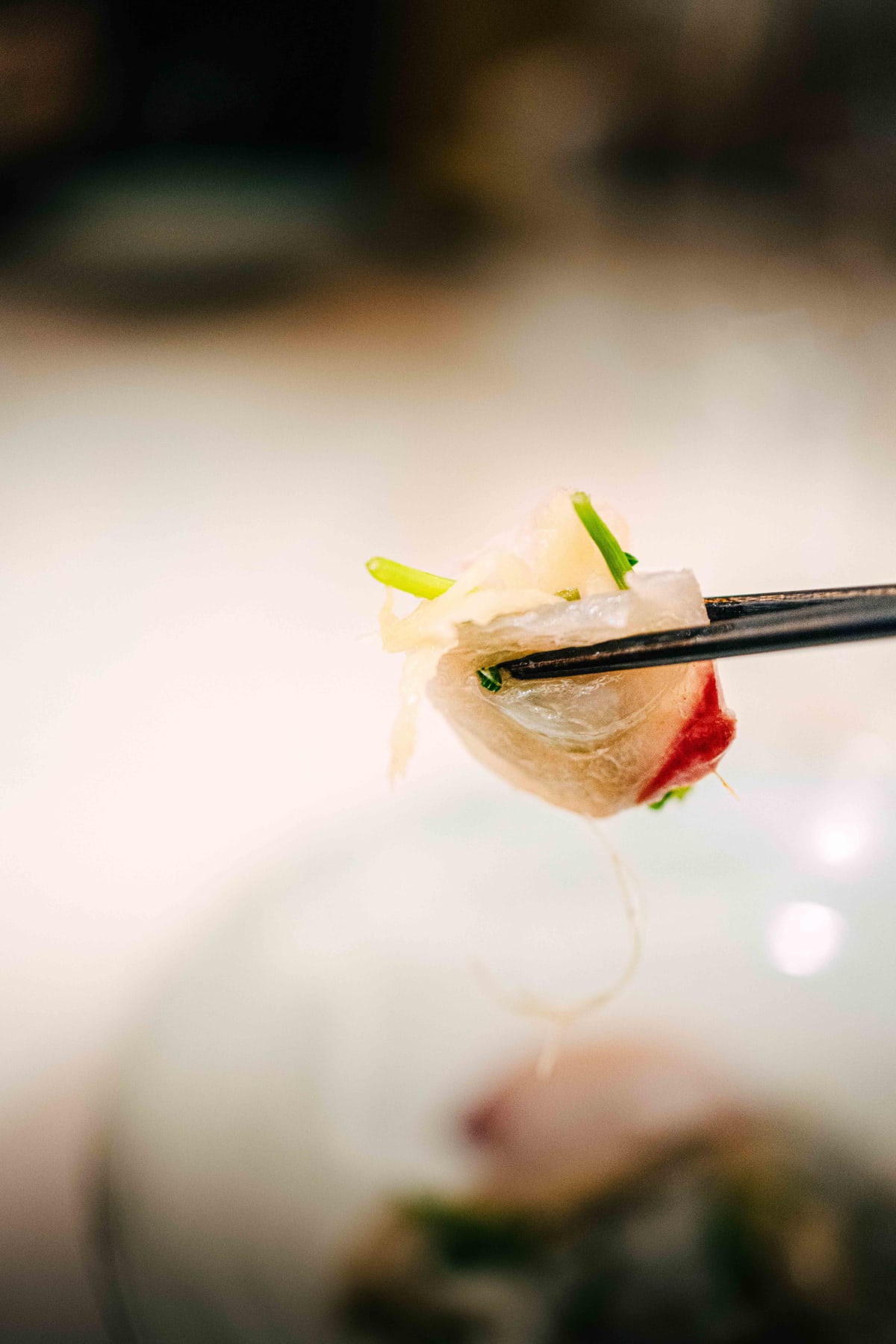
The first dish was striped jack, baek-kimchi, and deodeok.
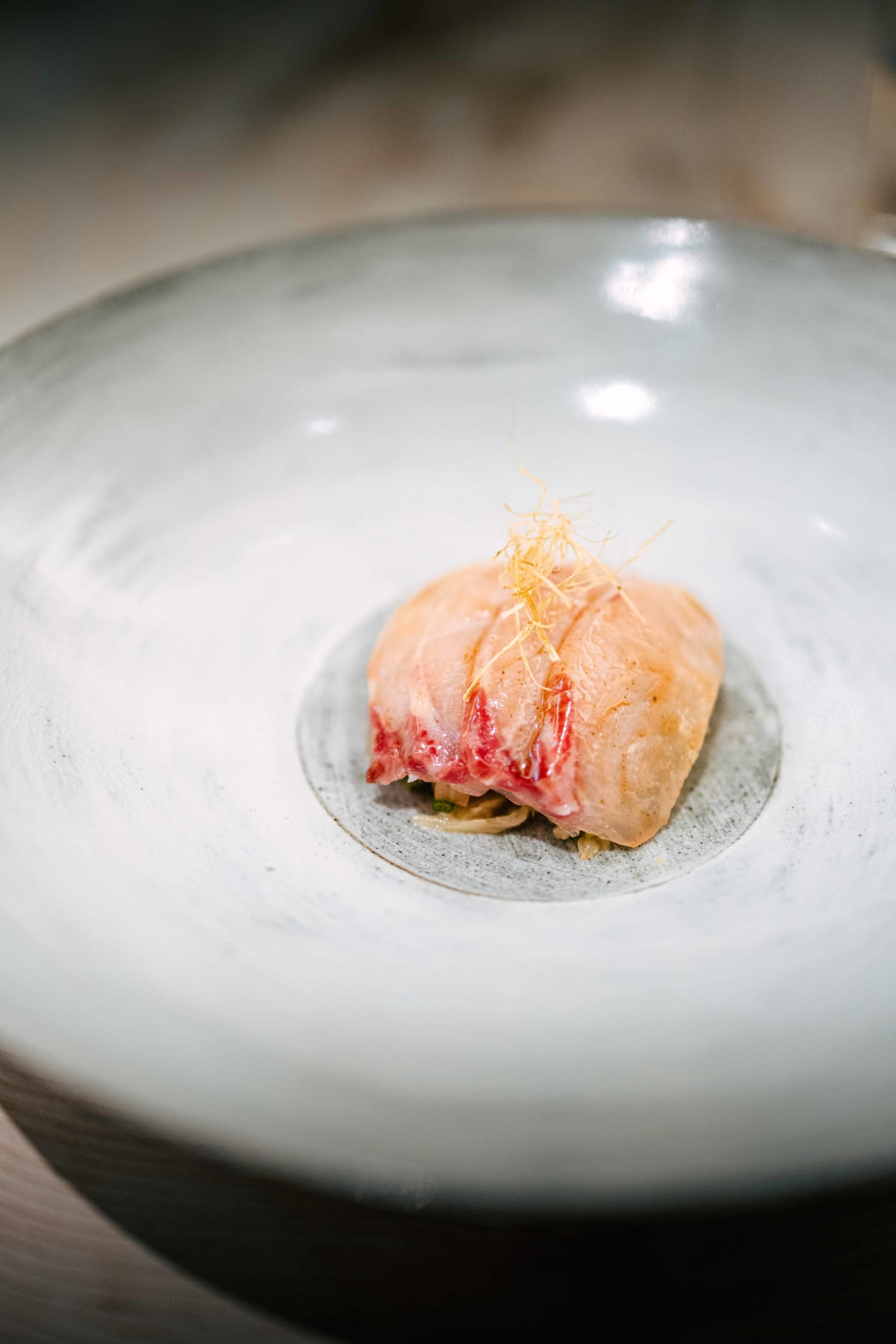
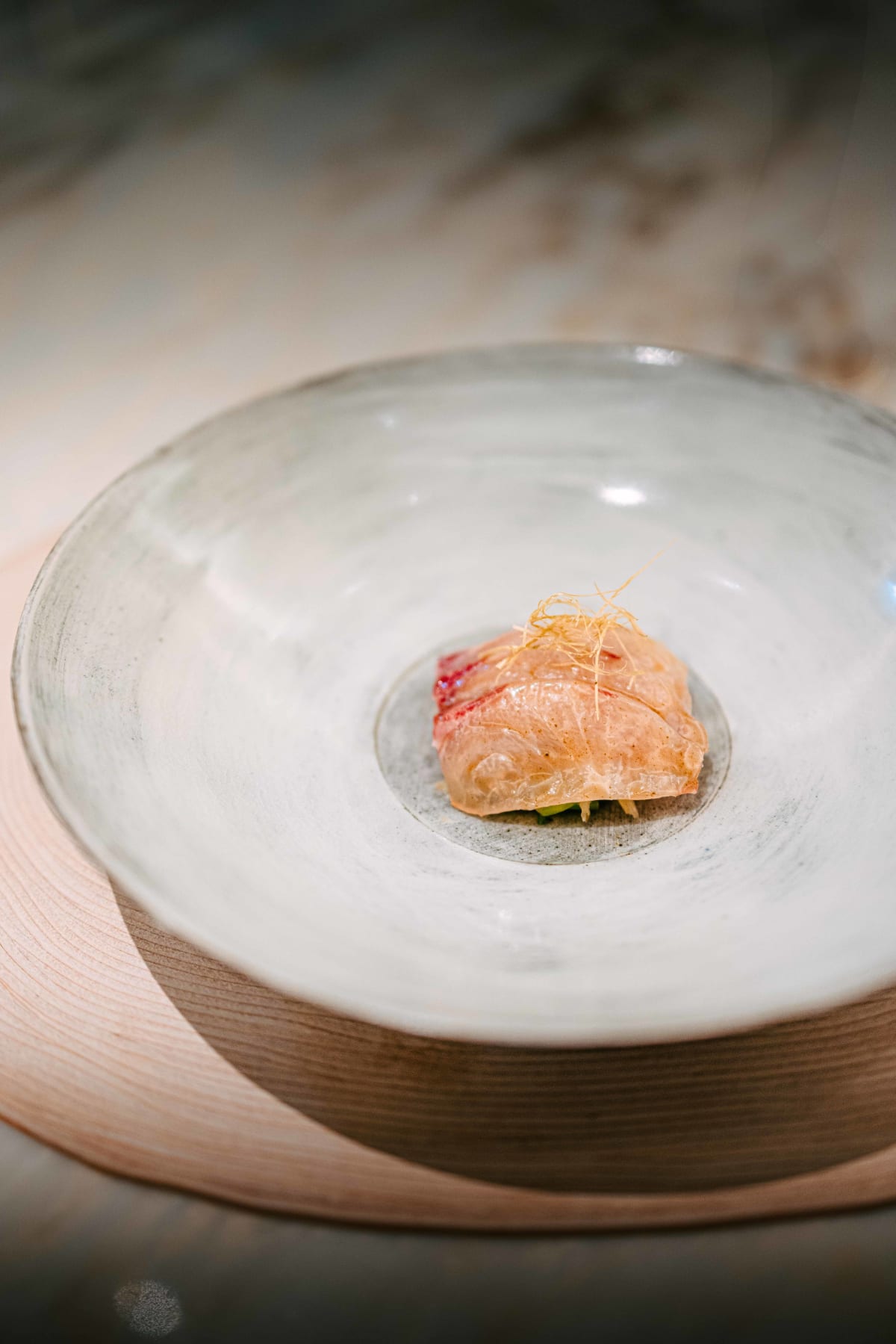
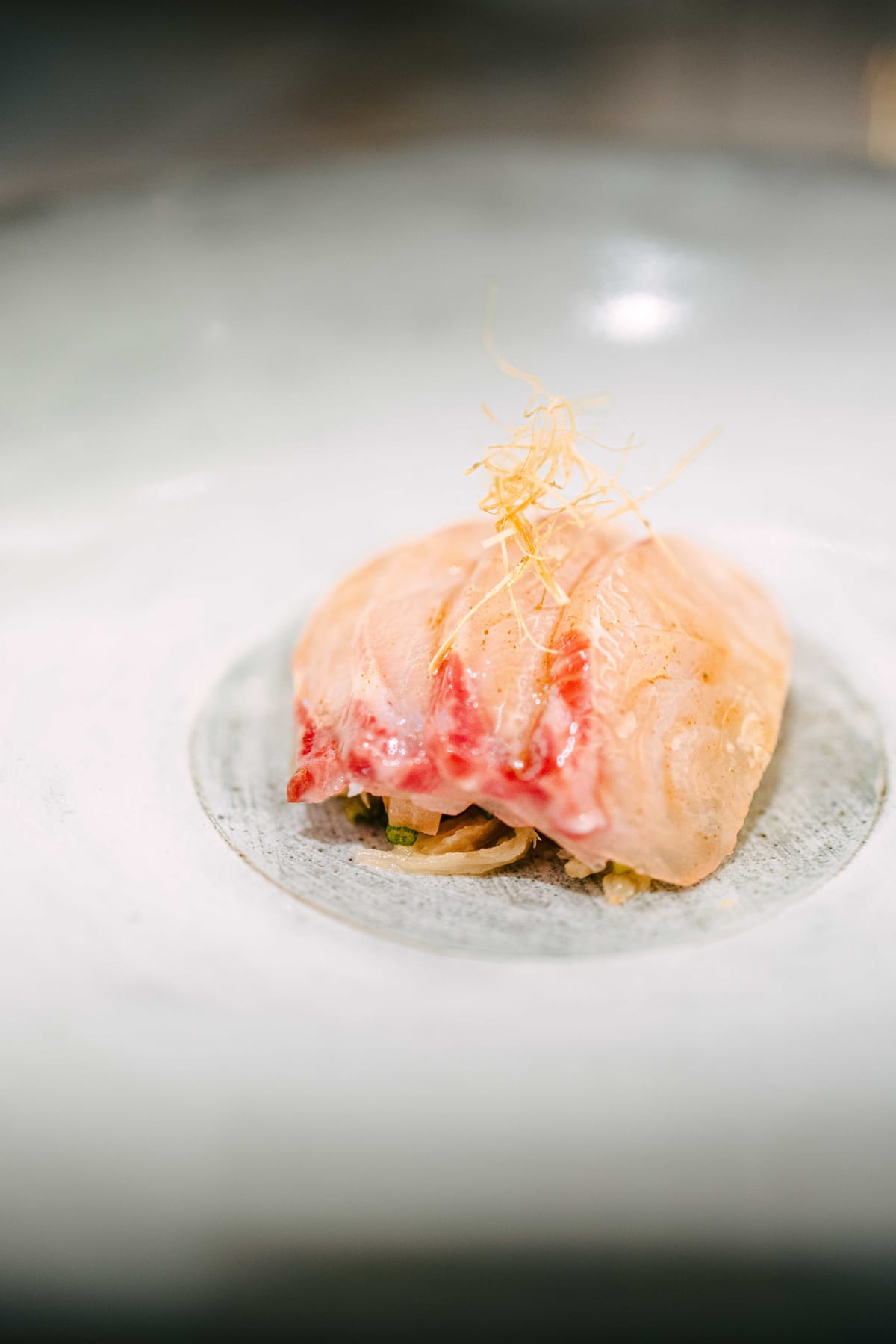
They said it had not been aged, but the fish itself tasted good, and eaten wrapped together, the acidity and the texture seemed to add up into a synergy, so I enjoyed it, and it worked well as a starter.
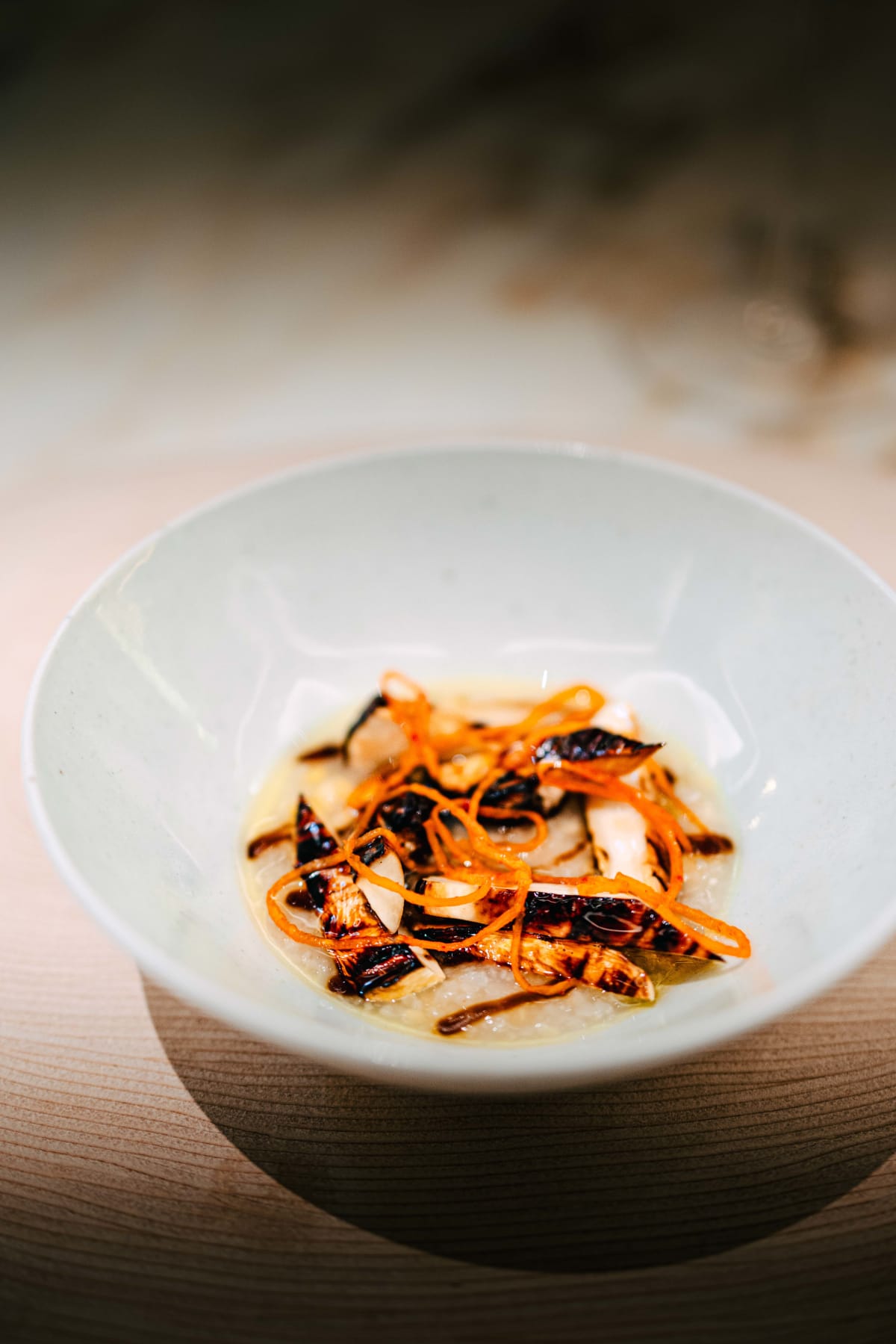
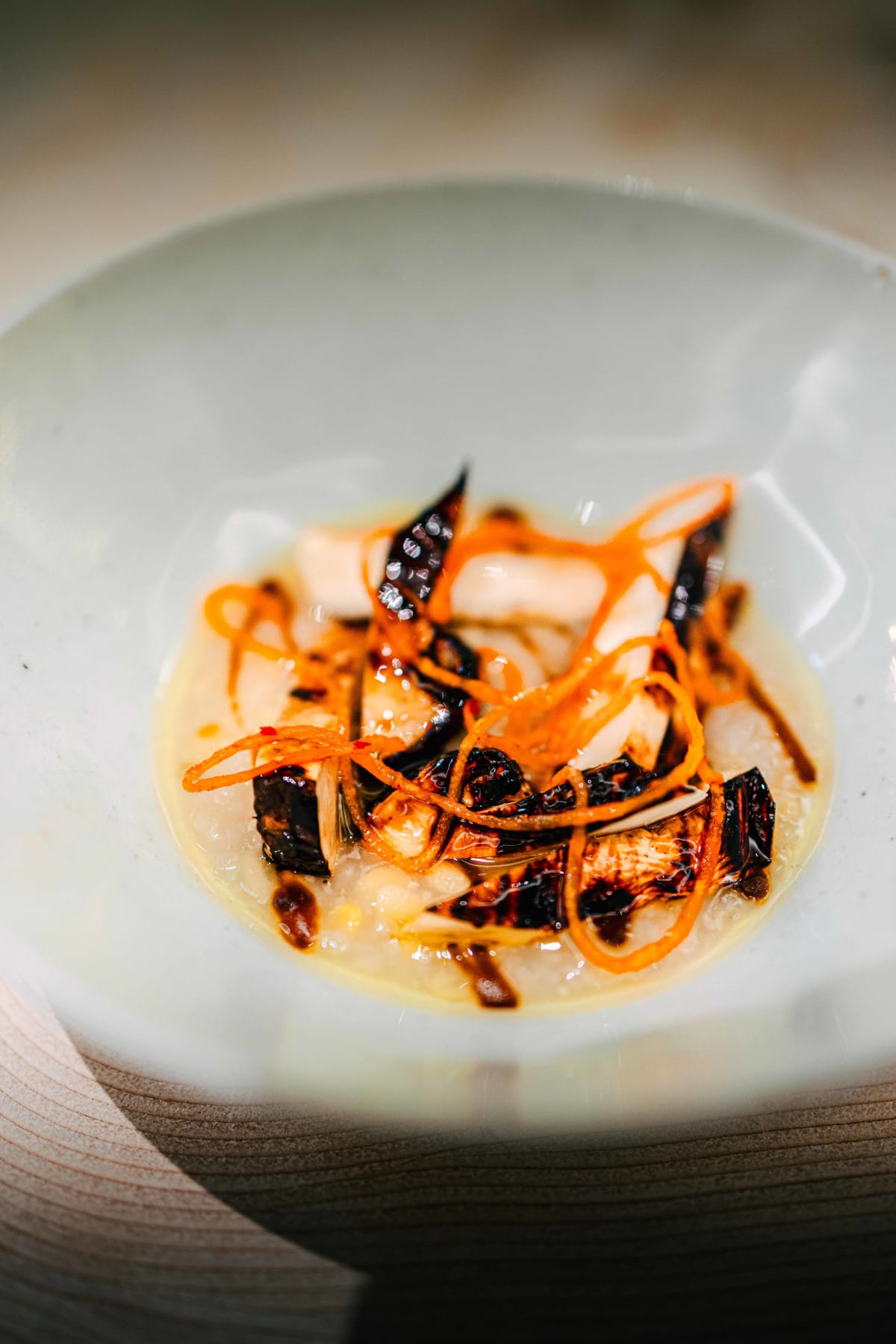
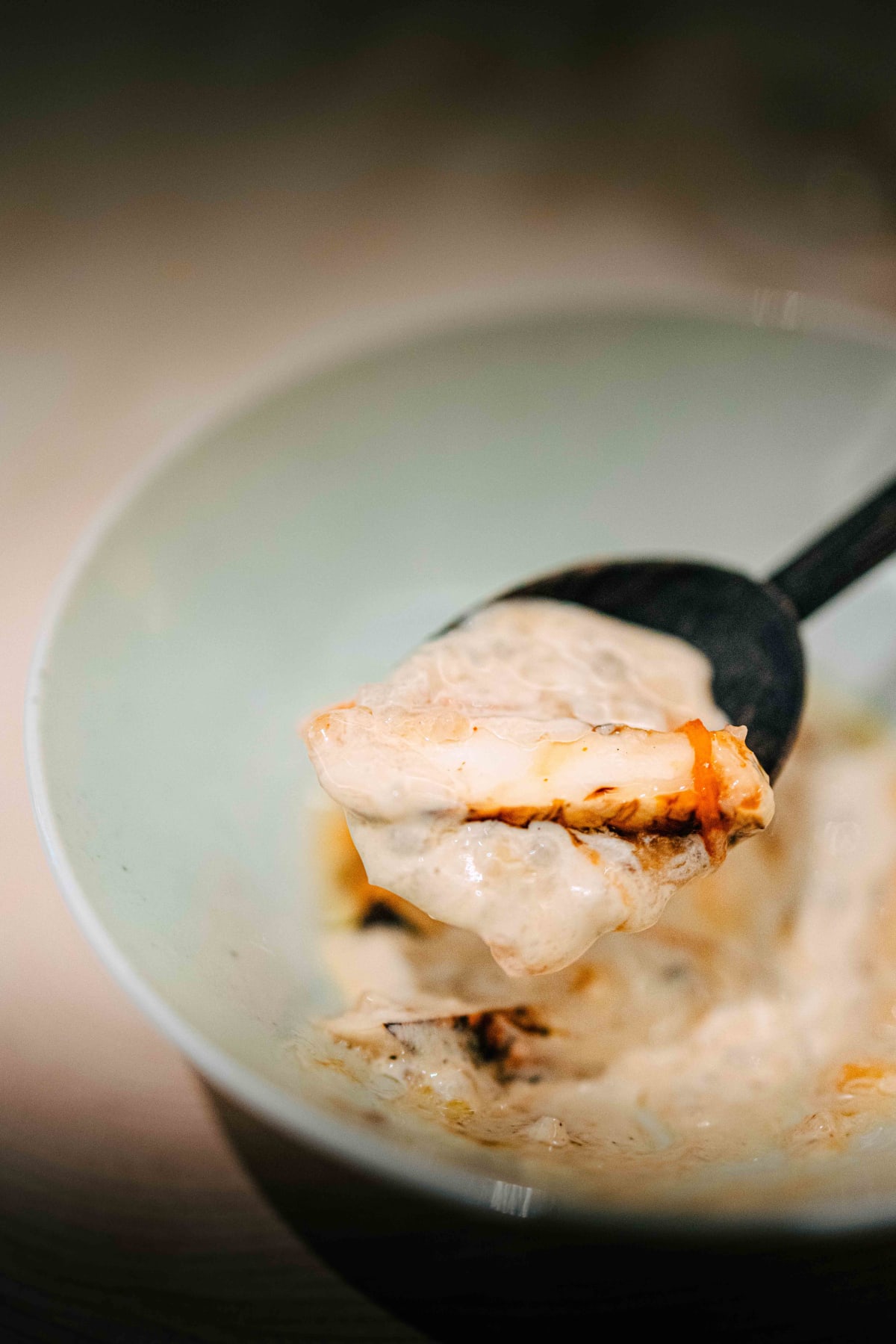
The second was matsutake grilled over pine needles, with dried radish on top and, below, a porridge made from jang aged more than five years. When I first tried the porridge on its own it was sweet, which was disconcerting, but eaten all at once with the other ingredients, the grilled aroma of the matsutake came through and it was fine. I wondered whether they meant to bring out the sweetness of the porridge the way hobak-juk or patjuk does, and that may well be the case. Only at this point, I had no idea the sweetness would keep coming.
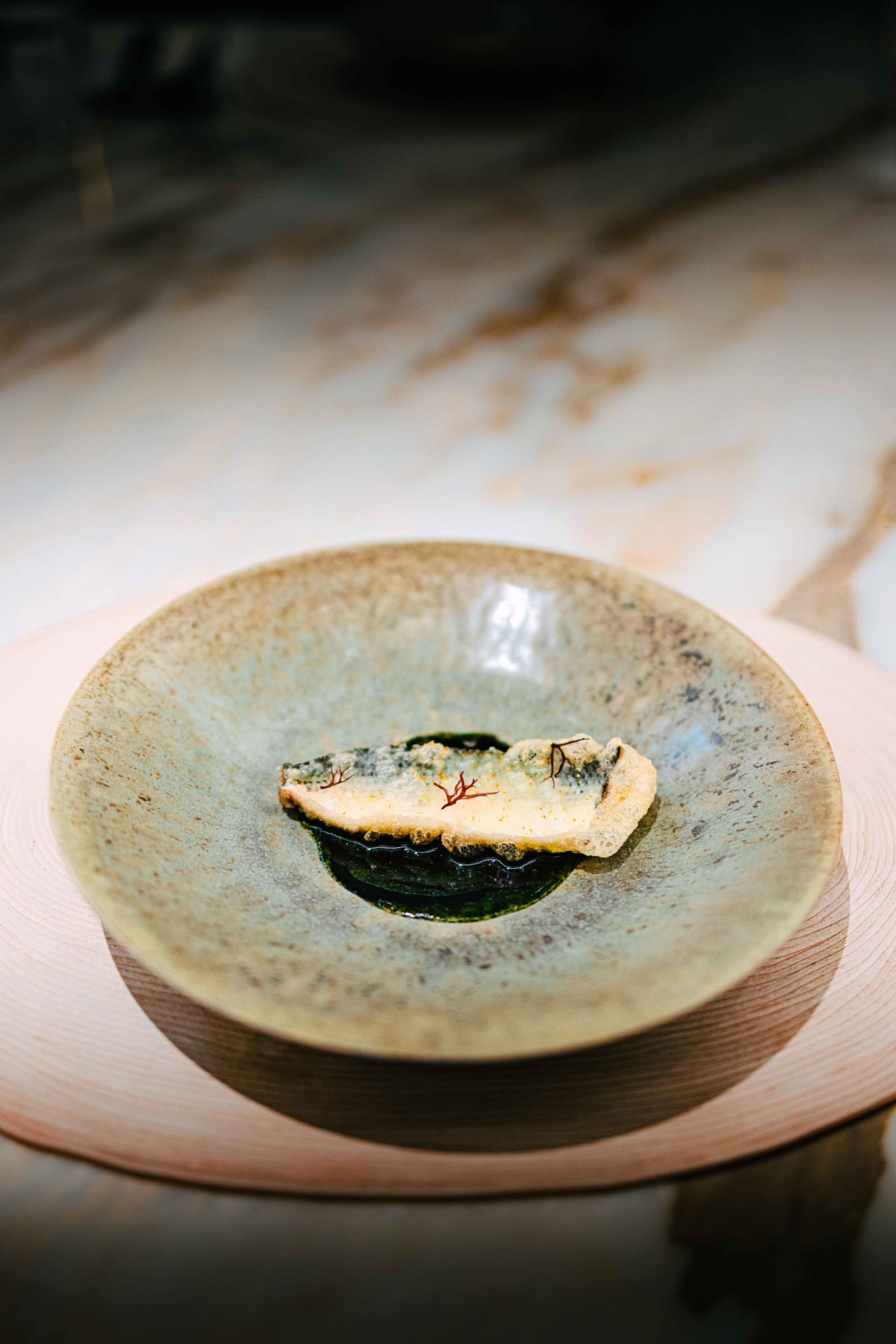
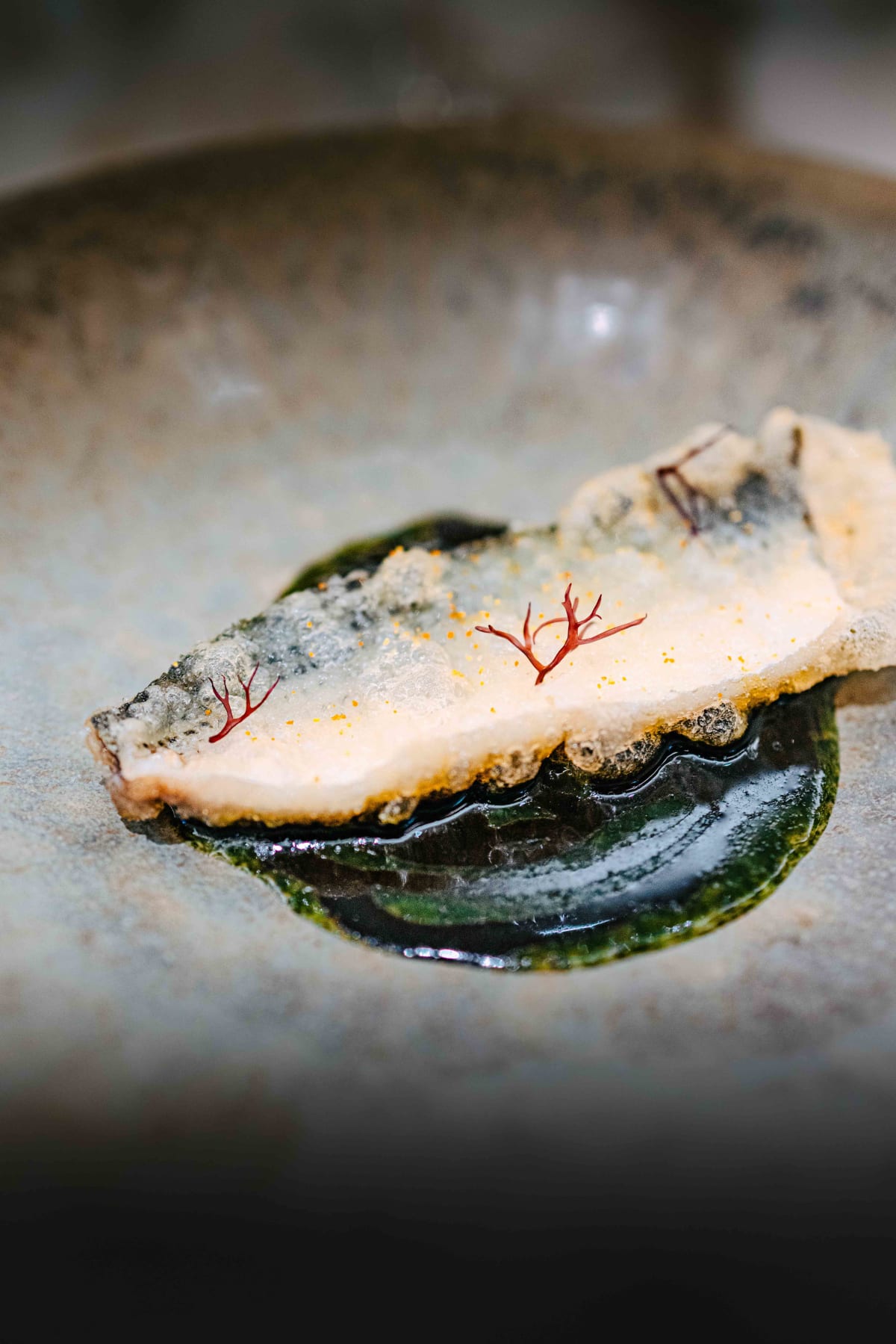
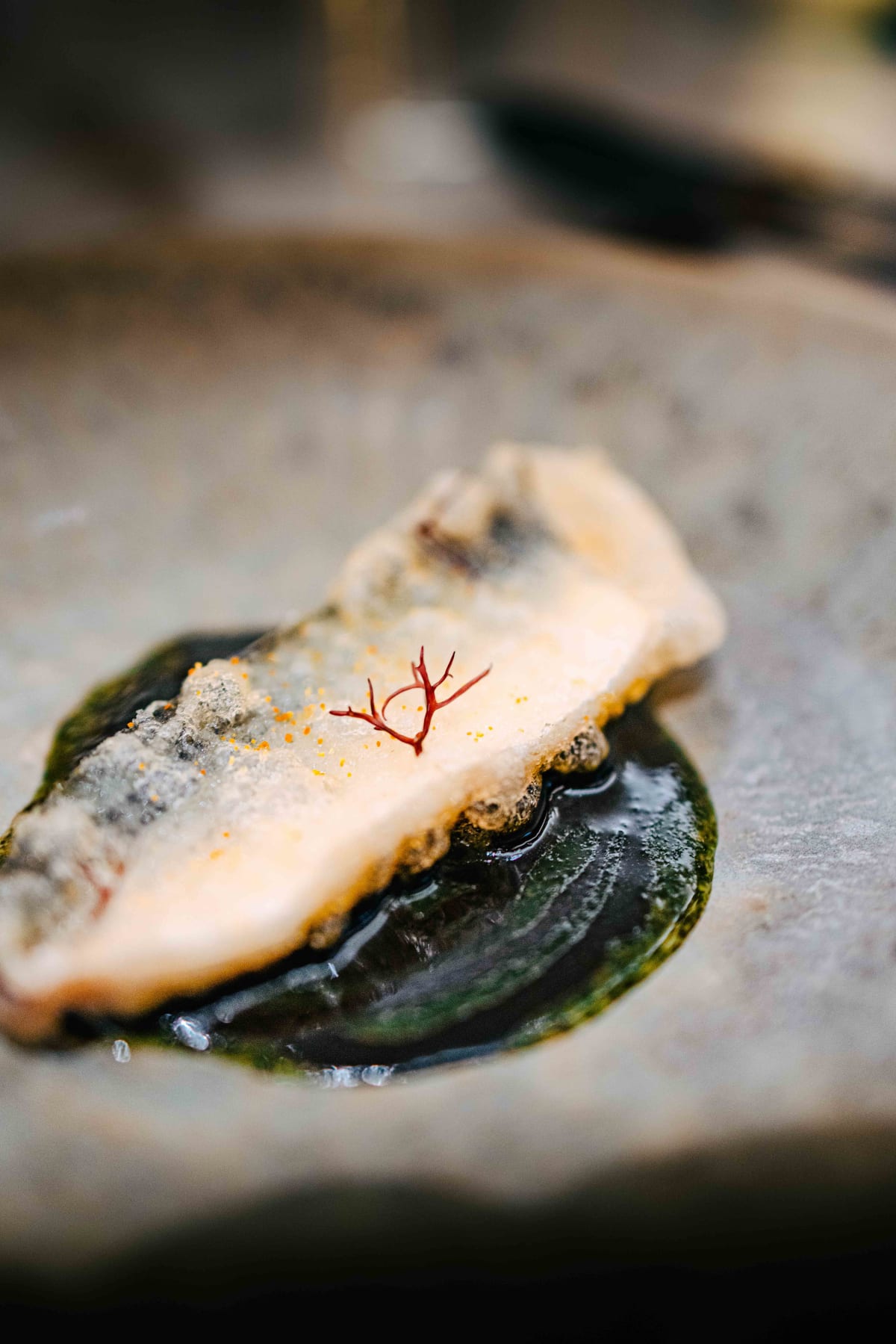
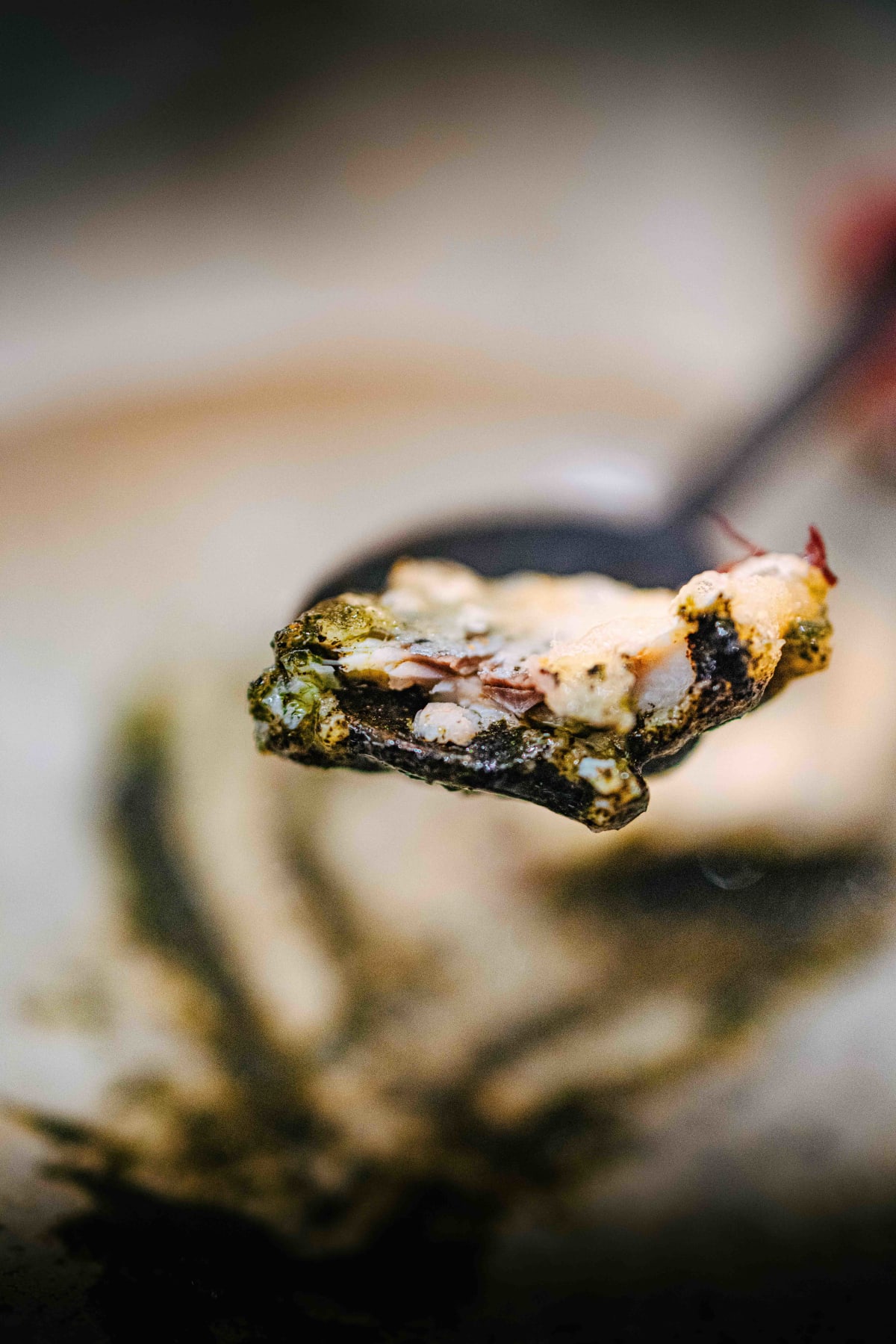
The third dish, fried gizzard shad with a seaweed sauce, was my best of the day. I had eaten gizzard shad as sushi or grilled, but never fried like this, and its flavor was well alive, not dry at all, and it paired well with the sauce, so I enjoyed it.
Section 7·A Sweet Turn
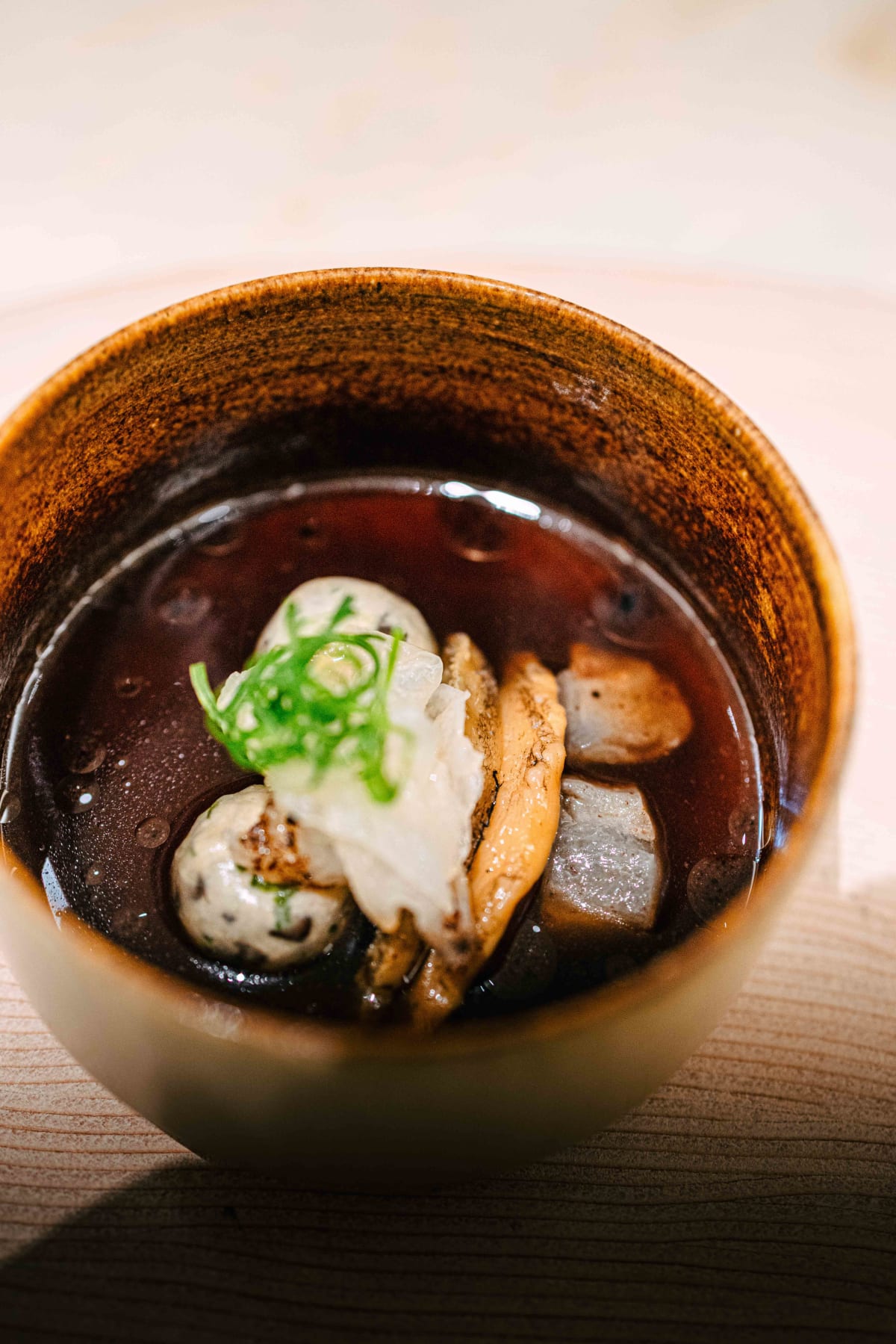
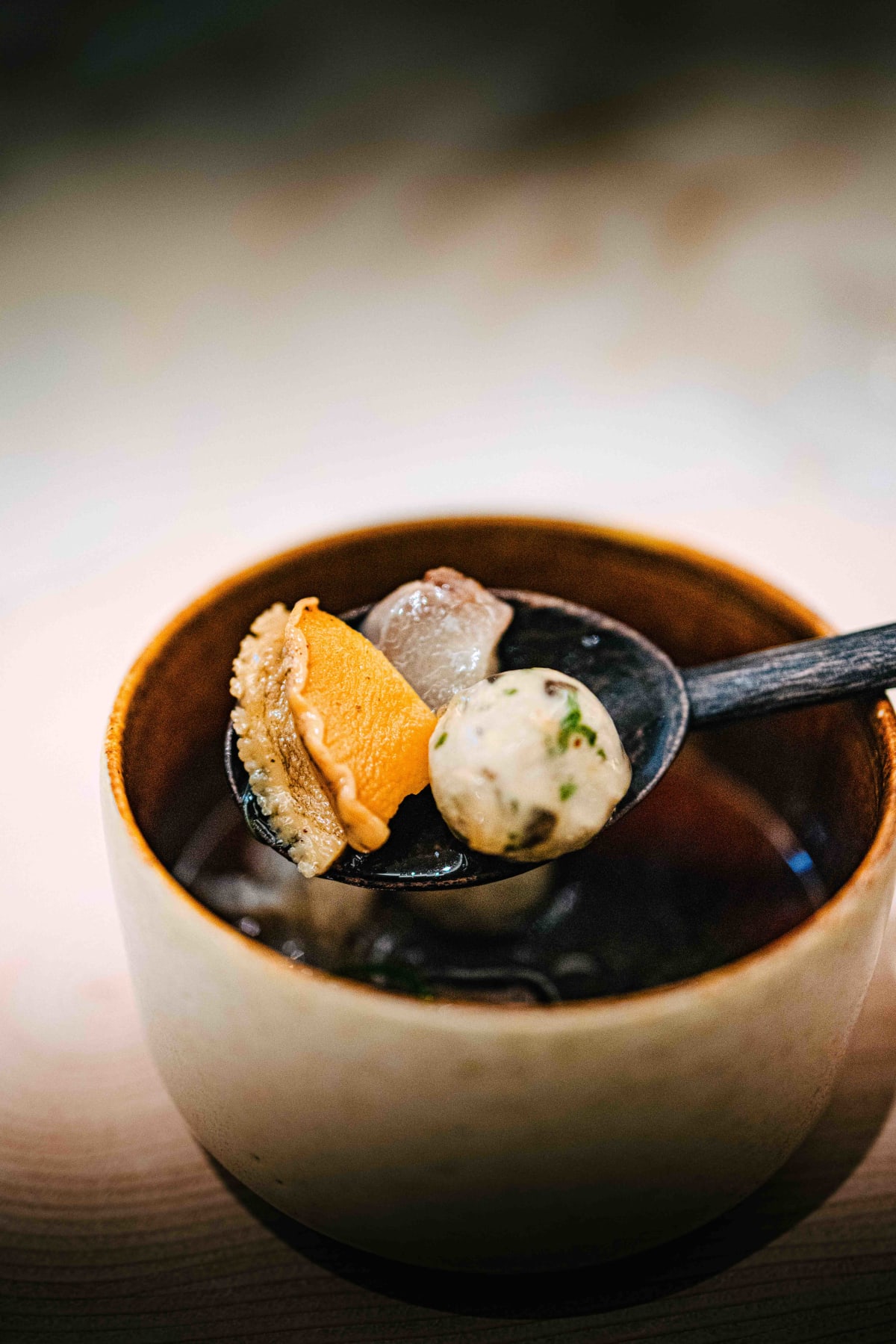
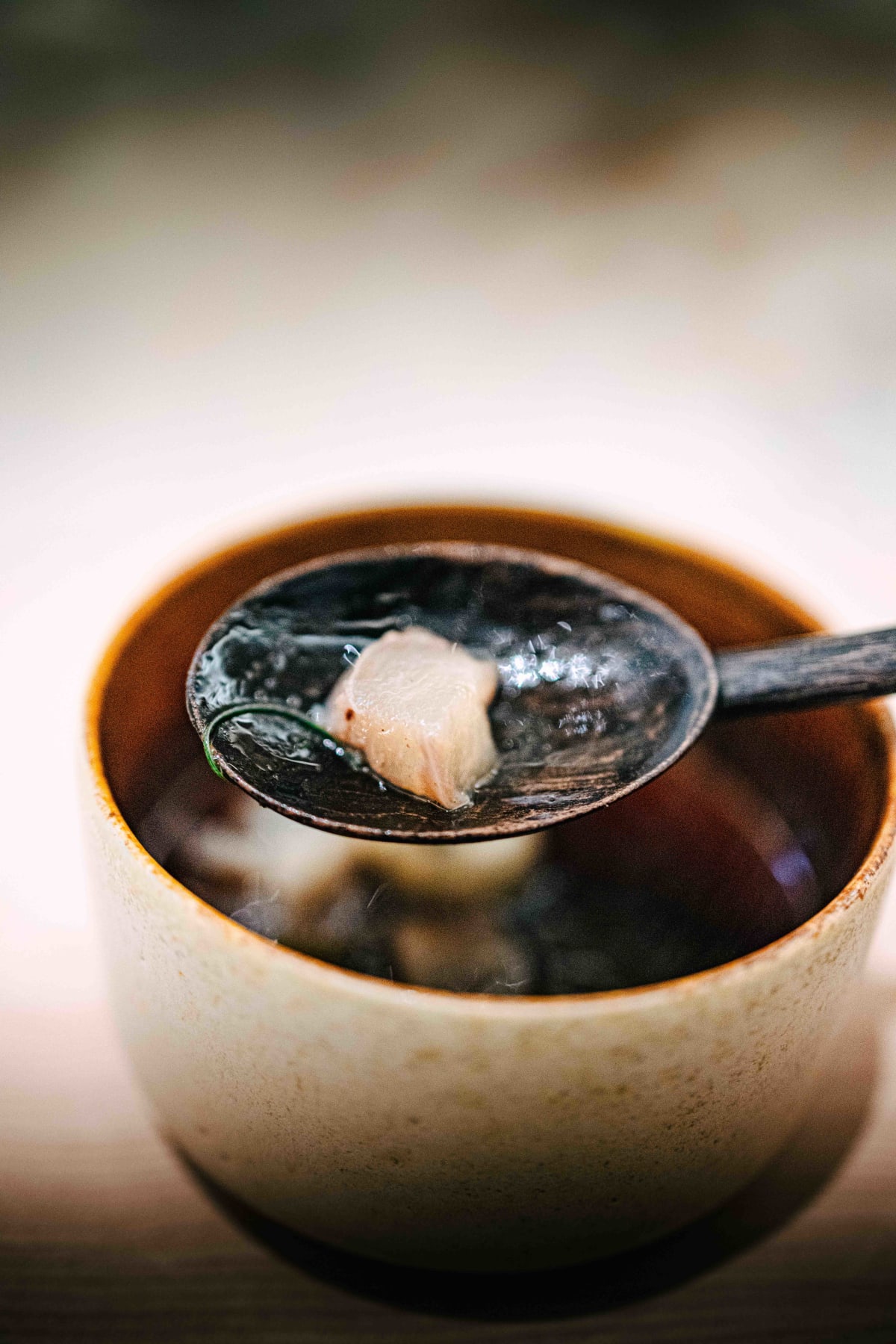
The fourth dish was K-Buldojang, Korea's take on the Chinese Buddha Jumps Over the Wall, and the broth was a little sweet. Food can be sweet, but the sweetness stuck out in a way that I think everyone found jarring. The beef knee cartilage, abalone, and silkie-chicken meatball were fine in taste.

Afterward, though, I came to think about this dish a little differently. It brought to mind the buldojang I had eaten at Forum Restaurant in Hong Kong, because that one was also sweet to my palate, and I think the two tasted really similar. So I wondered whether buldojang is originally eaten this sweet in its home region, and whether they knew that and deliberately pushed the sweetness.
Section 8·The Hairtail
The fifth dish was hairtail grilled with the sweet-and-spicy sauce you used to taste at old snack bars, and of course it was good. But the combination is one that is hard to fail, so against the other dishes it did not land as especially memorable. There seemed to be less of the thought about ingredient combination, the creativity, and the new attempts that the earlier dishes had shown, so within the overall flow it felt somewhat plain. Much like watching a tearjerker that anyone can easily cry at and finding yourself thinking about a depth beyond the technique.
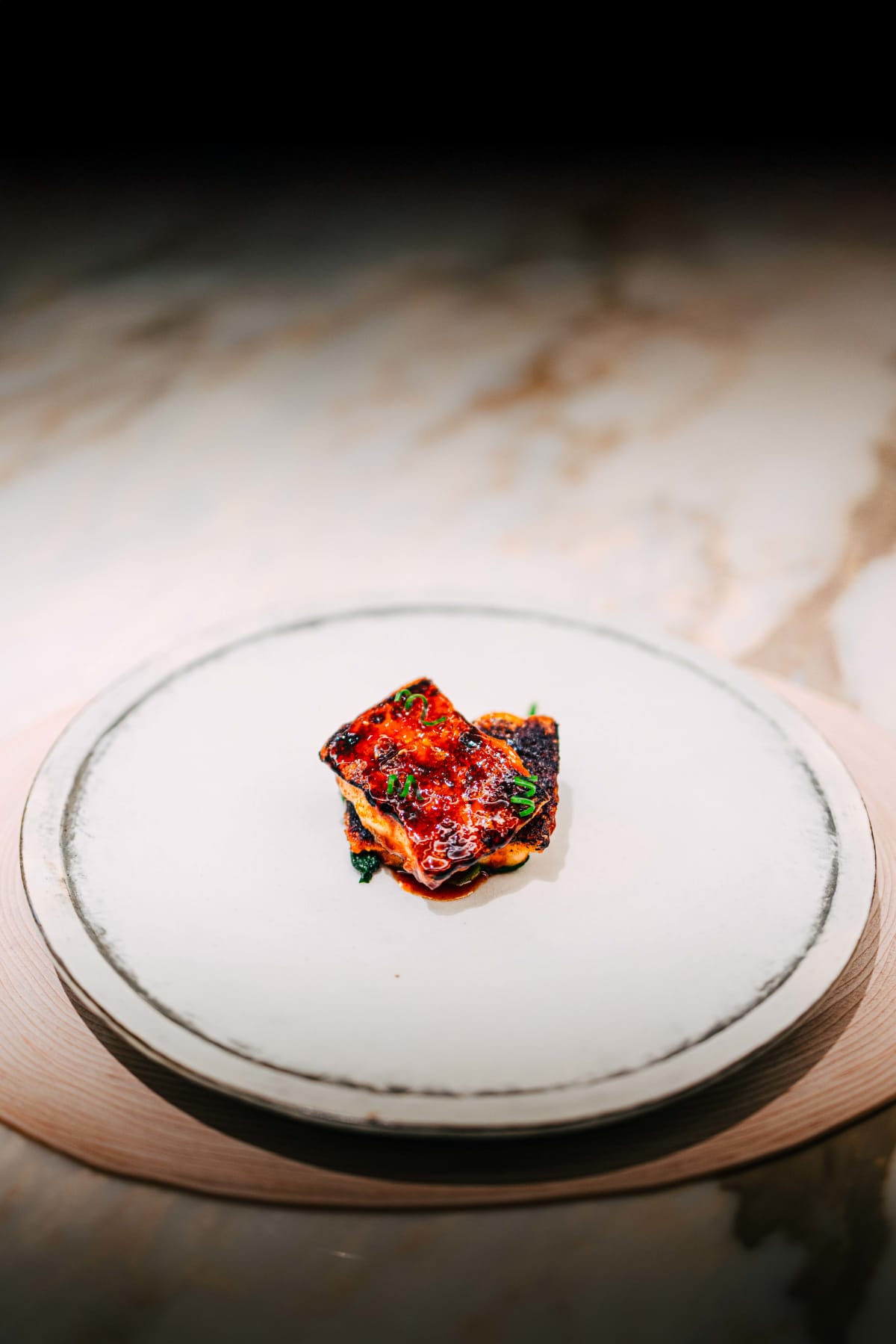
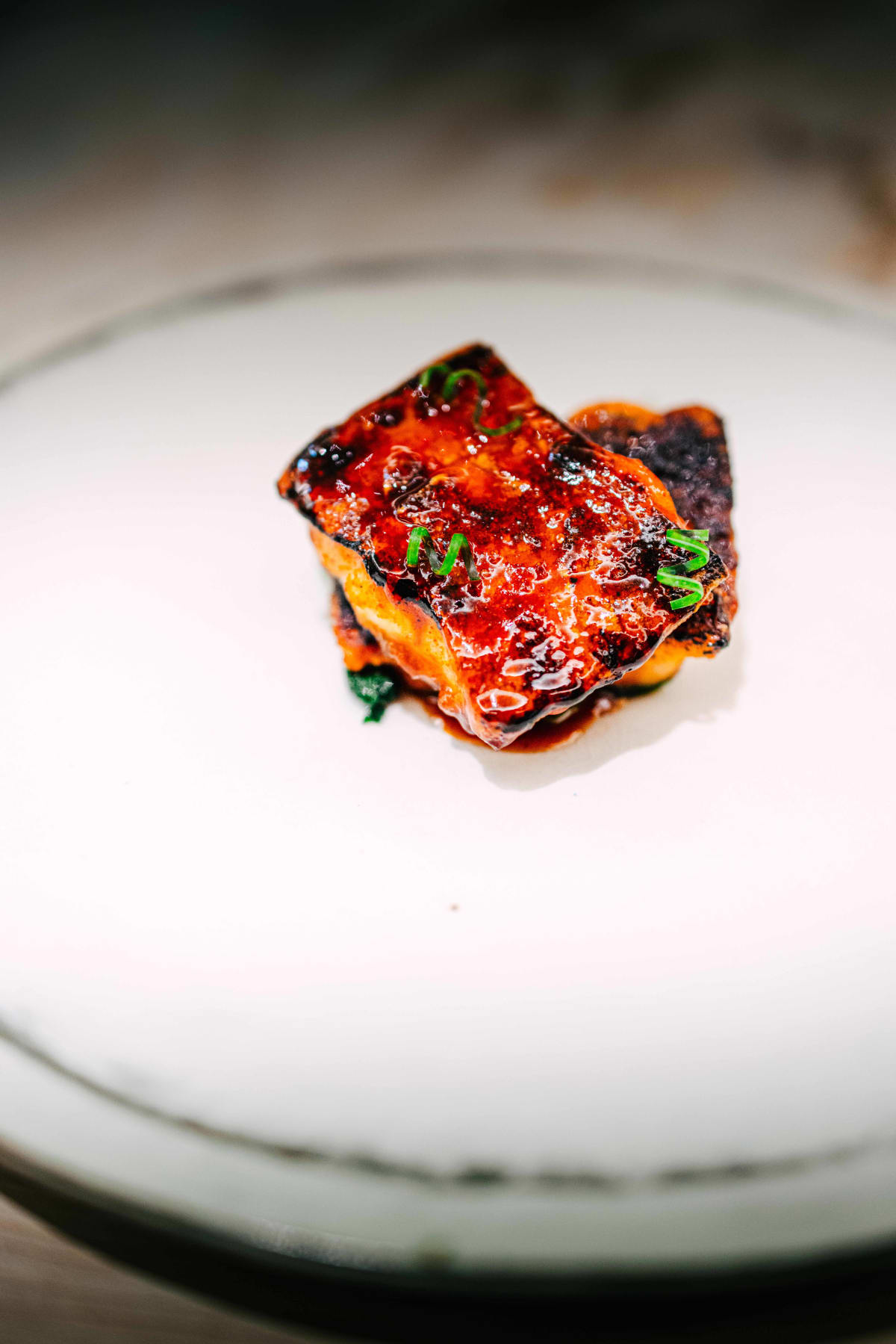
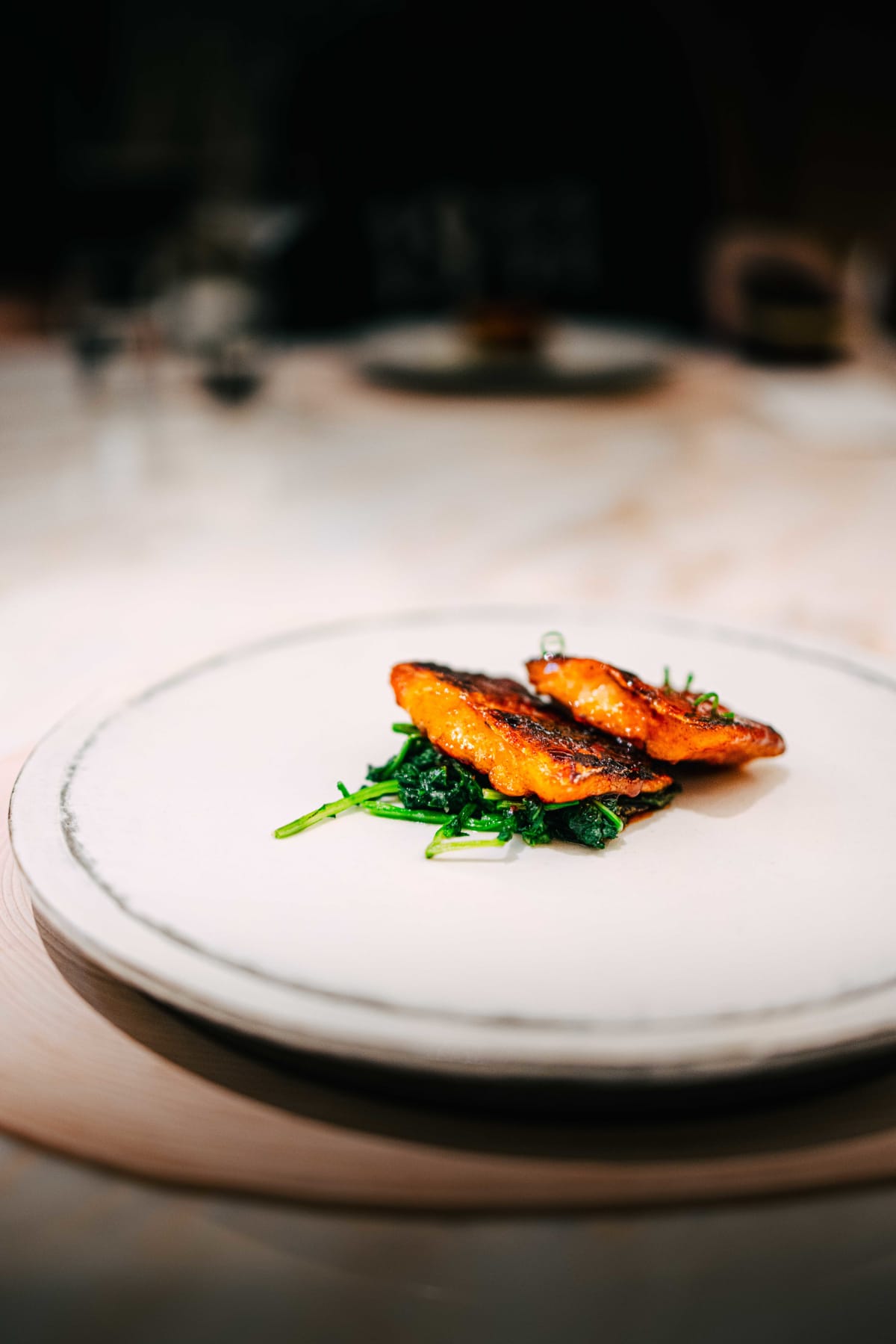
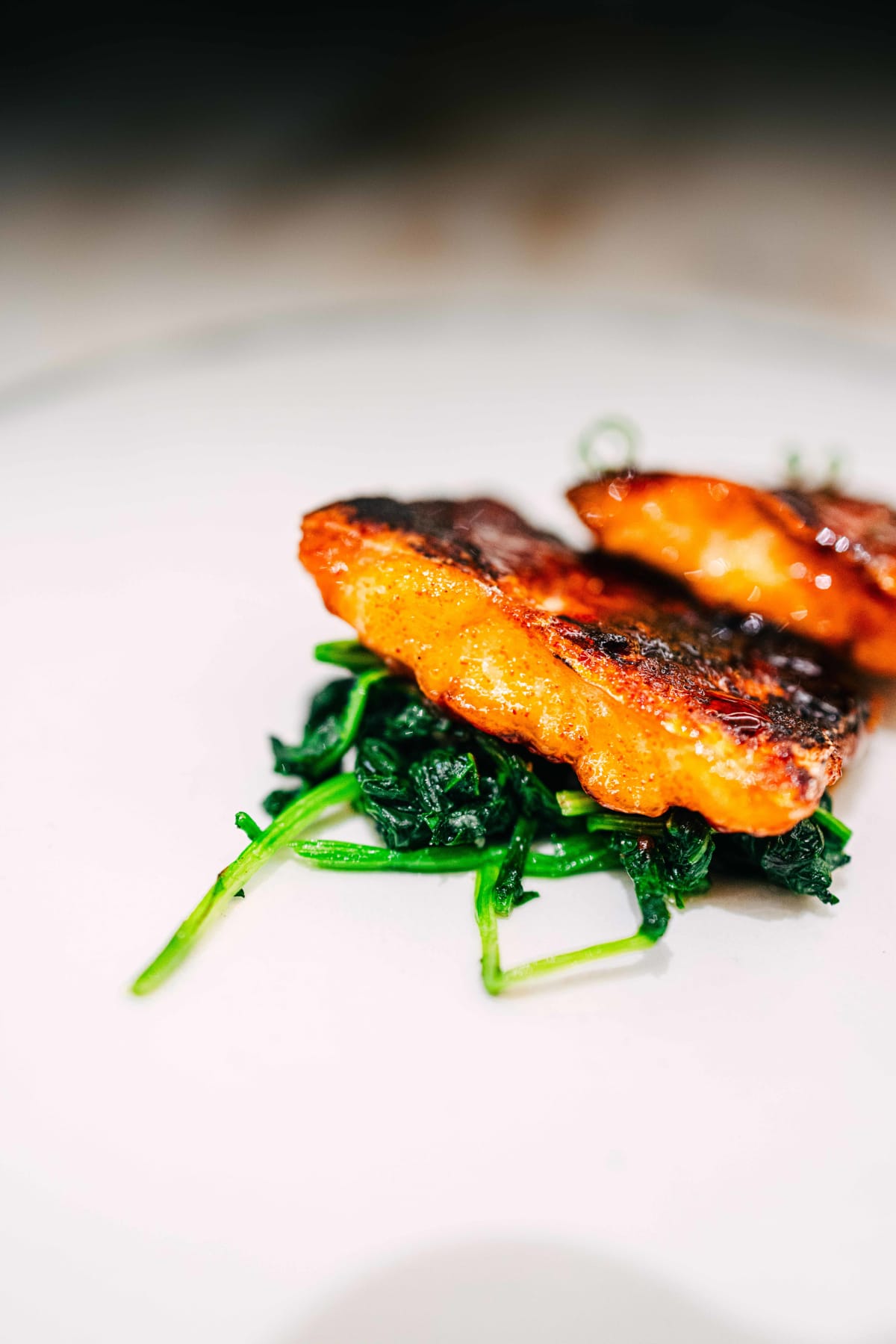
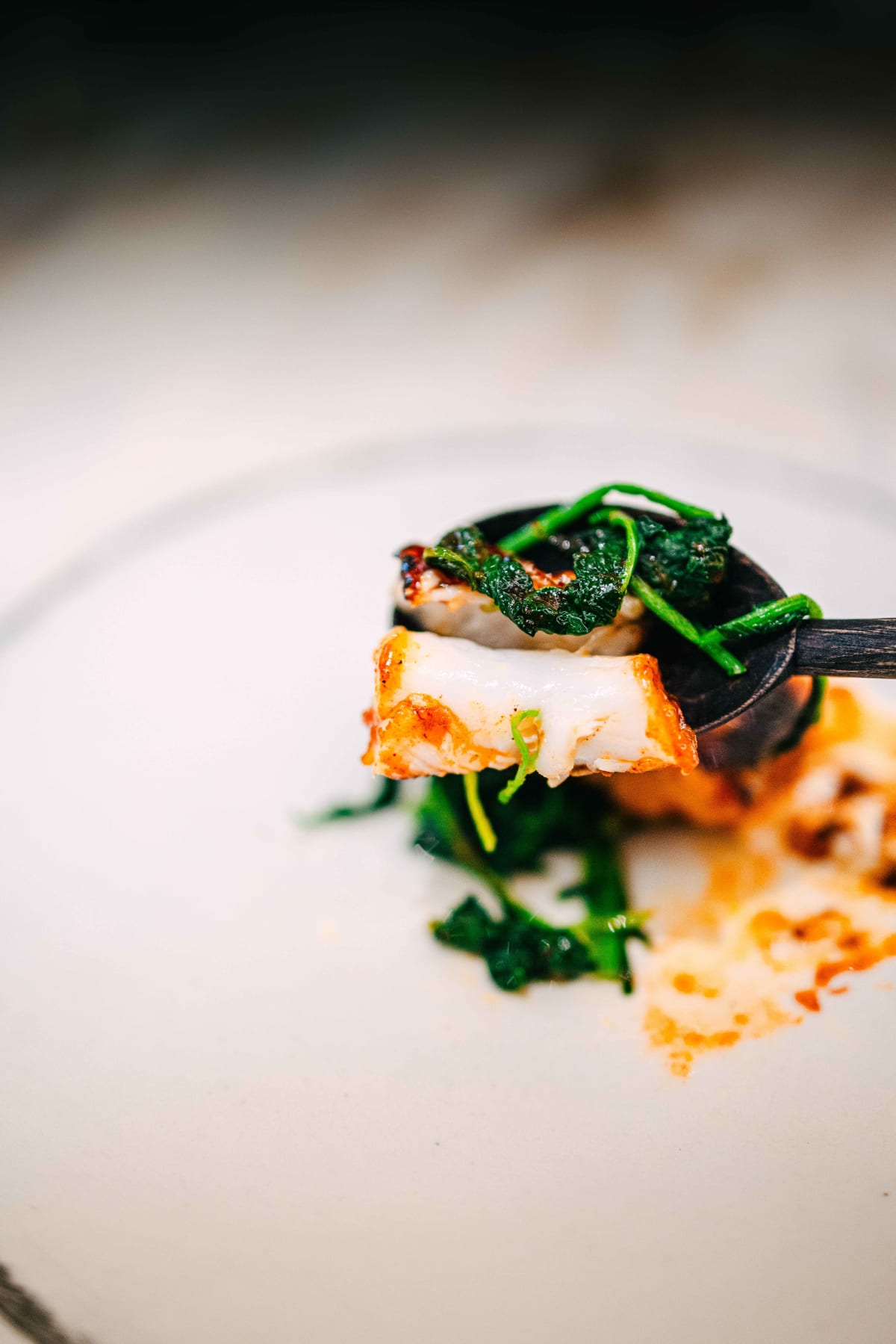
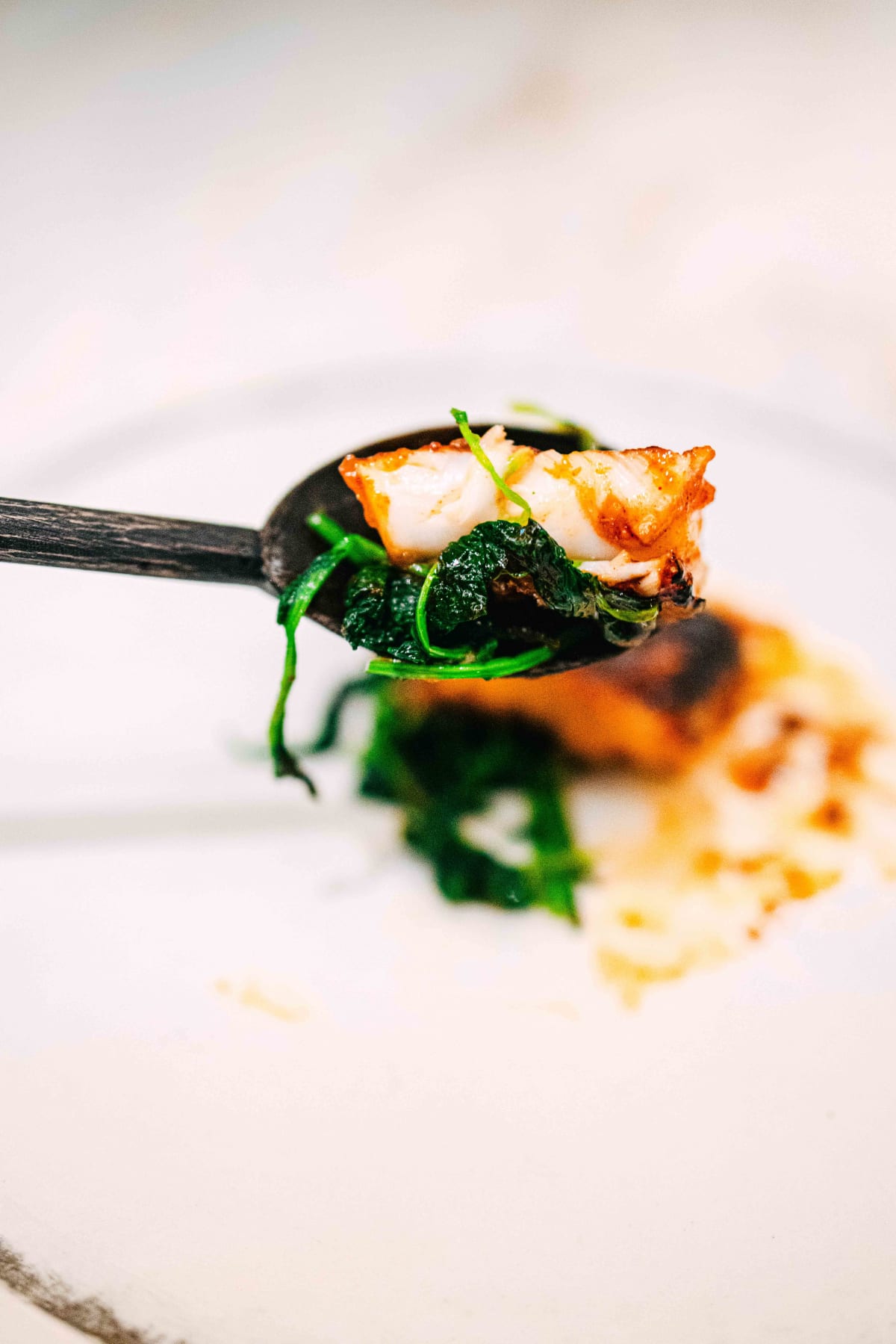
To put it a little more fully, it brought to mind something the well-known Korean film critic Lee Dong-jin once said, needling the film "Miracle in Cell No. 7" for its lurid, too-easy sentiment: "What is the meaning of tears wrung out through the abuse of a character?" Coating a well-grilled hairtail in a sweet-and-spicy sauce will of course make anyone find it delicious, but the dish was similar in that it left me asking about the depth beyond that easy satisfaction.
If it stays merely a place that tries out this and that dish with a Korean-ish feel, then what could be called its own color grows faint, and it ends up not so different from any of the Korean-food labs that already exist.
If it stays merely a place that tries out this and that dish with a Korean-ish feel, then what could be called its own color grows faint, and it ends up not so different from any of the Korean-food labs that already exist.
Section 9·The Main
For reference, the course was priced at around 200,000 won per person. It may be that I over-read things, having visited so early on, but I felt this lab needs more study of the philosophy and direction it holds within the large theme of Korean cuisine, and that it has to find its own distinct character. If you are going to take money from guests and serve experimental food under the concept of research, I felt at the time that the philosophy and concept of the dishes need to be made convincing to the guest, through the food rather than through words.
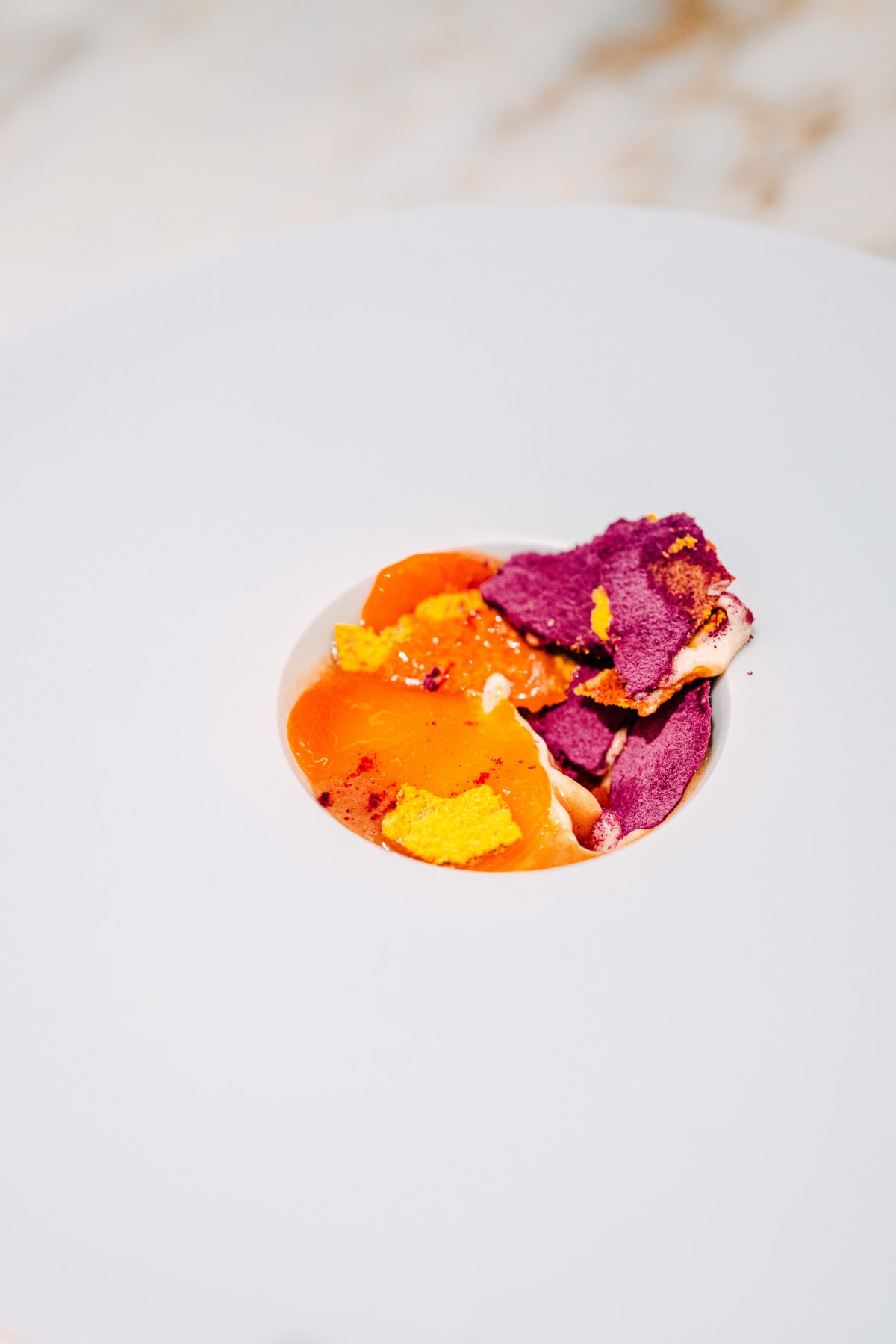
Last came pork with a salted-hairtail-gut sauce. The meat was good, and though it divides opinion, the sauce, made cream-like to bring out the funky pungency that is the charm of salted hairtail gut, was fun, and again I enjoyed it.
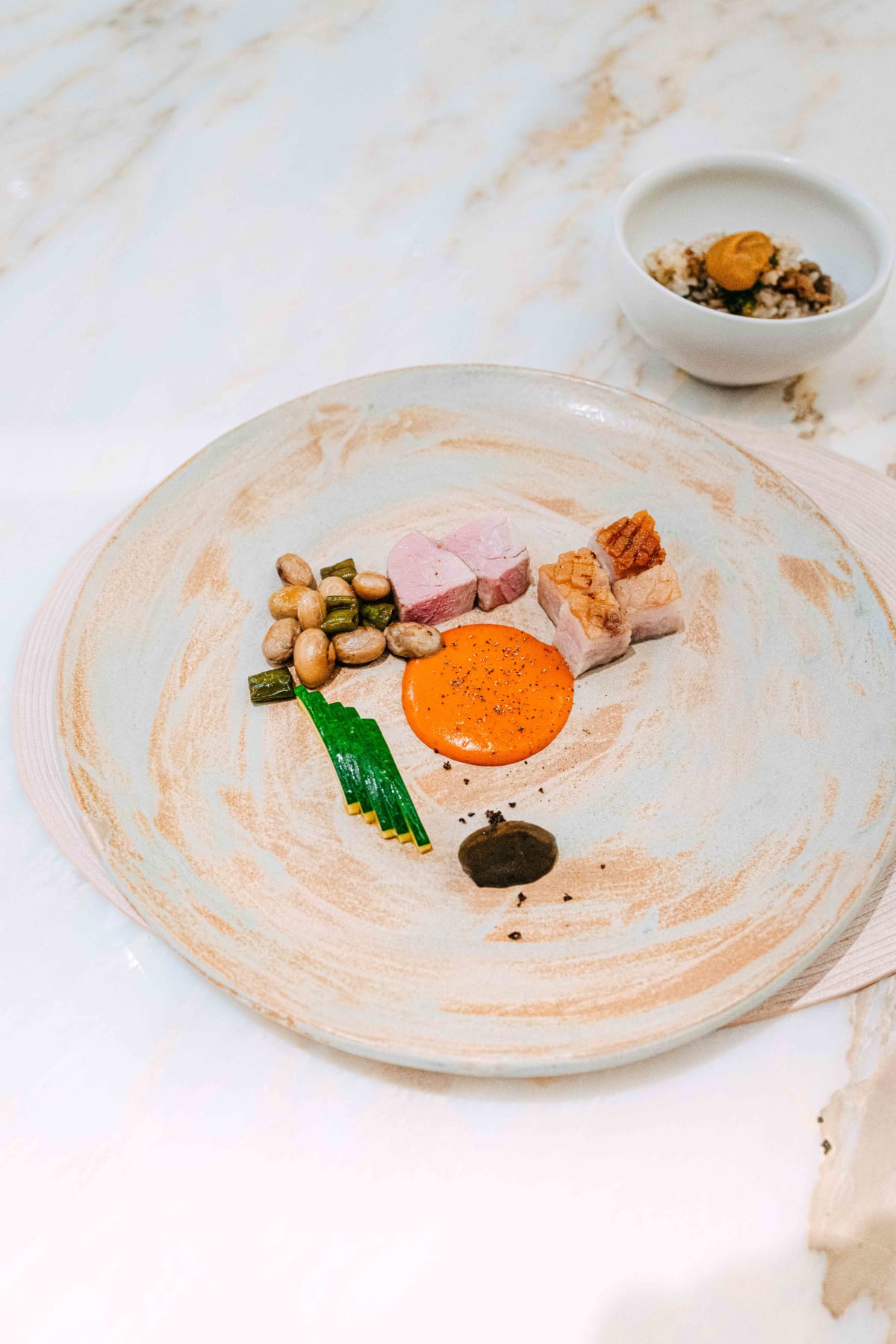
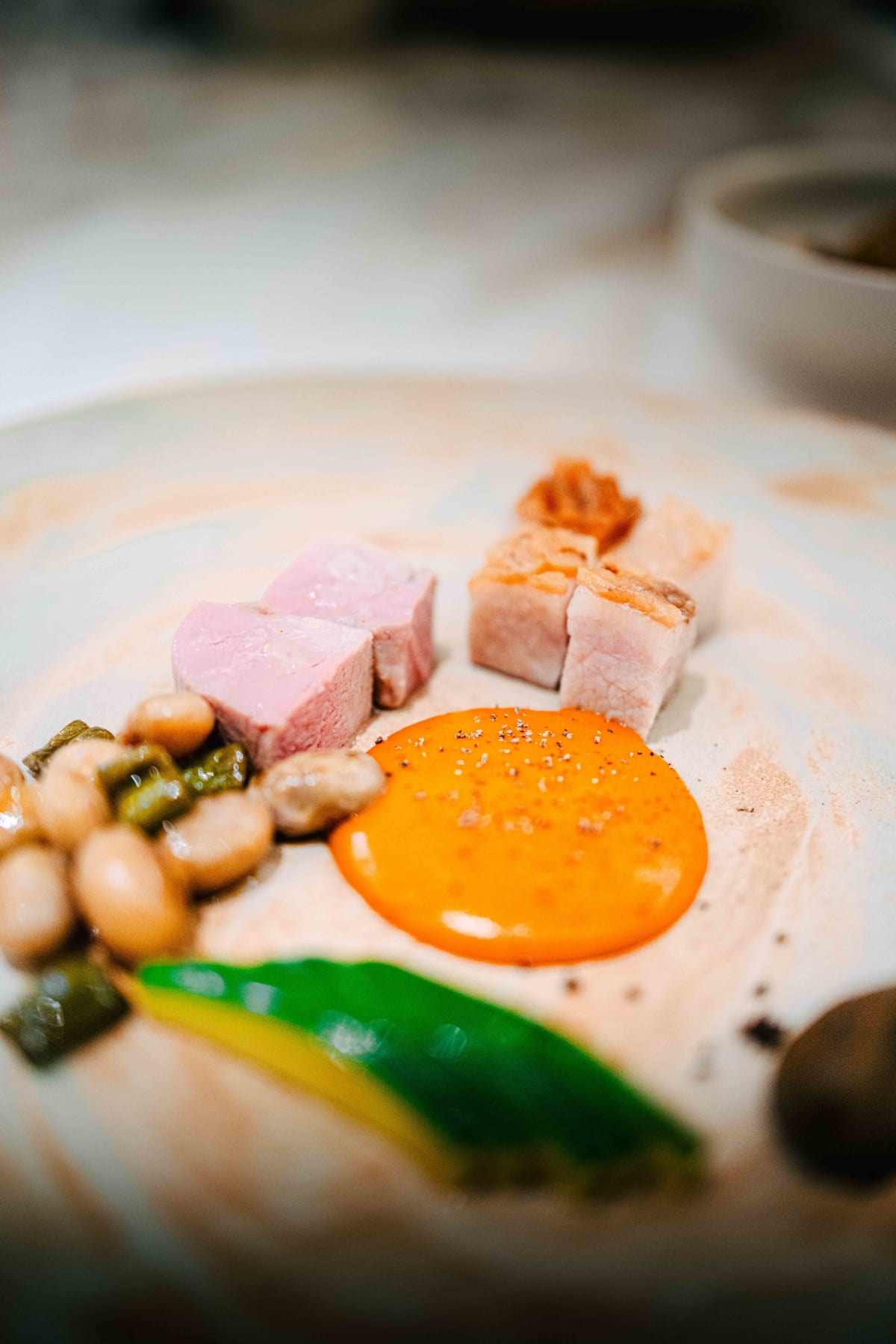
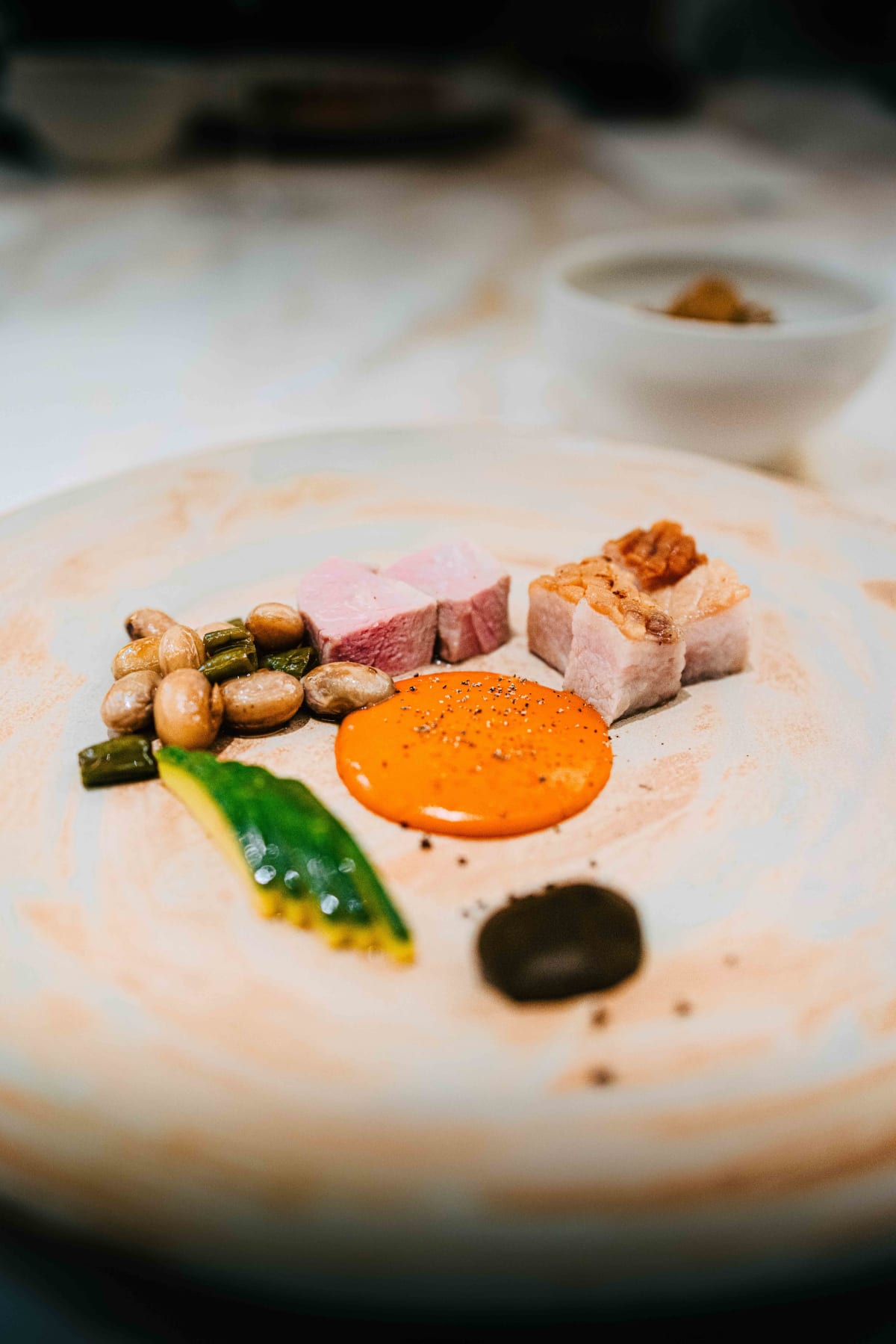
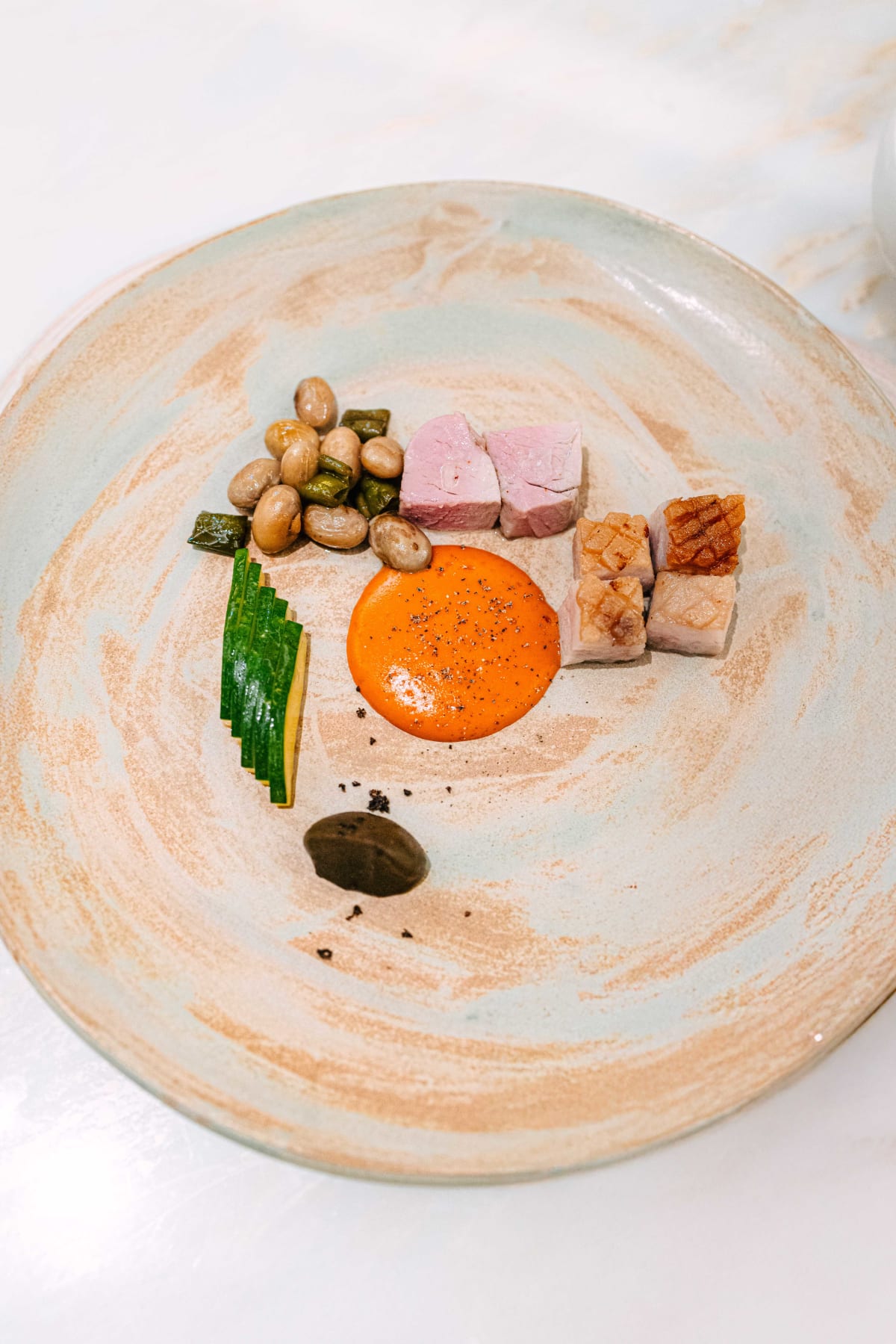
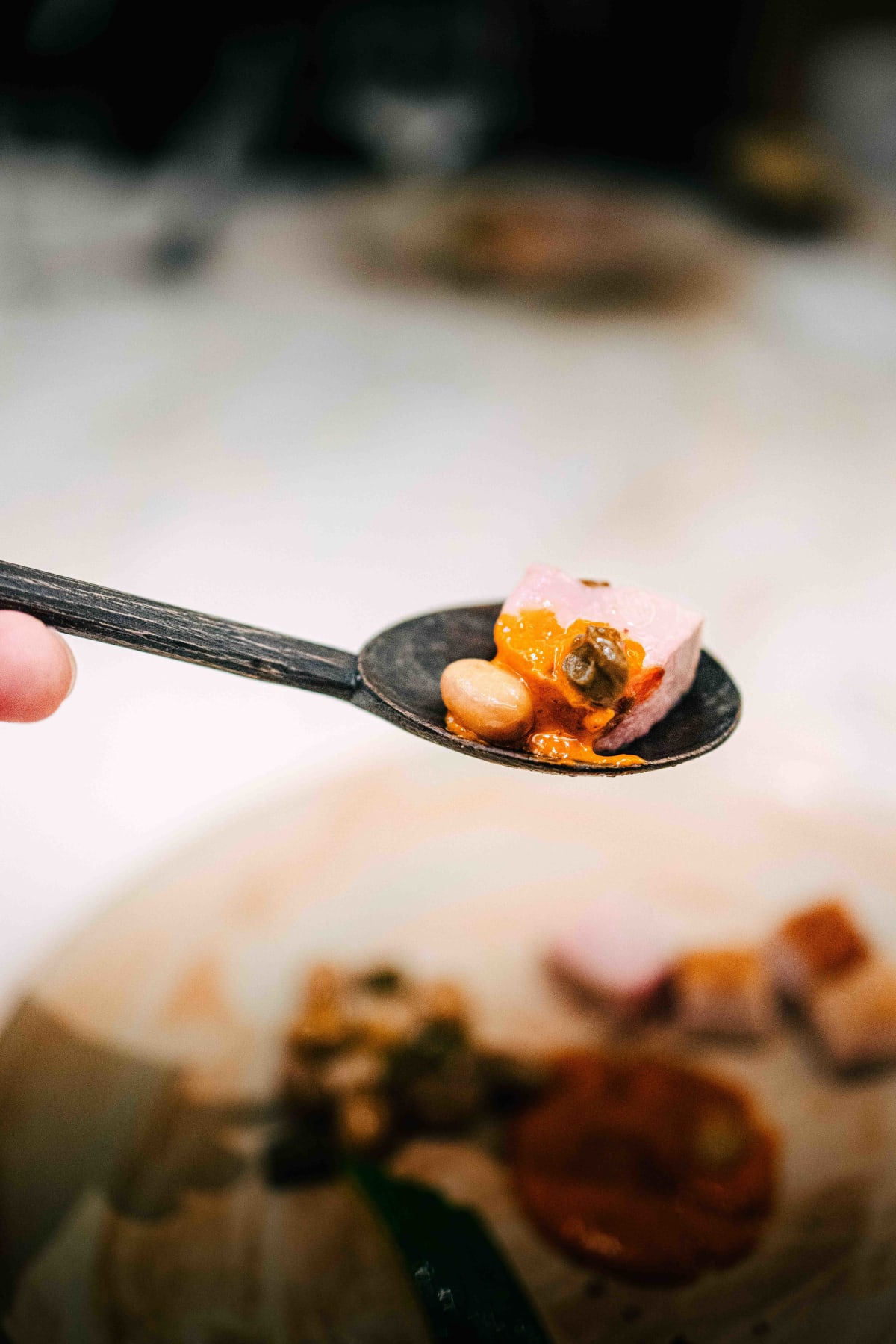
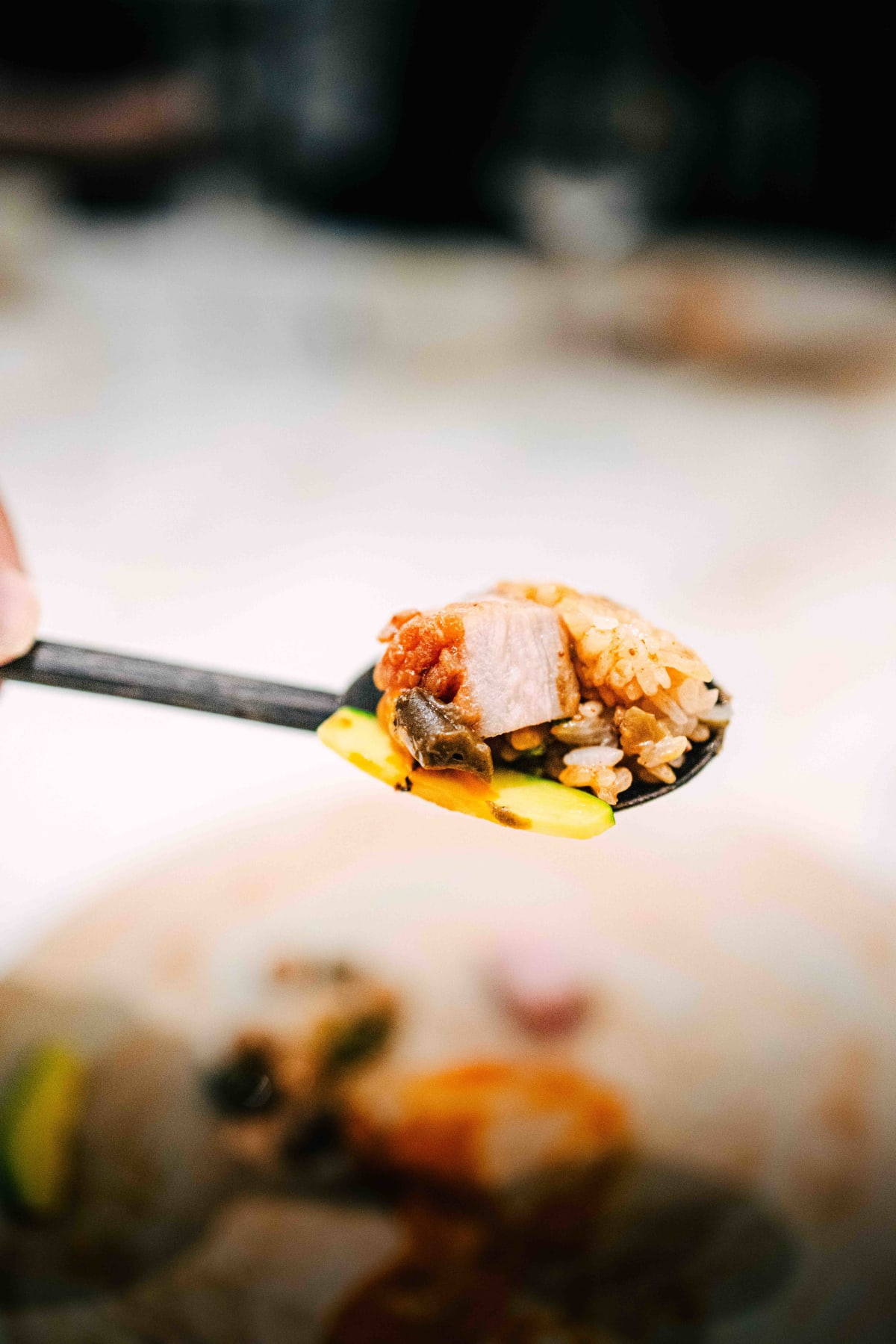
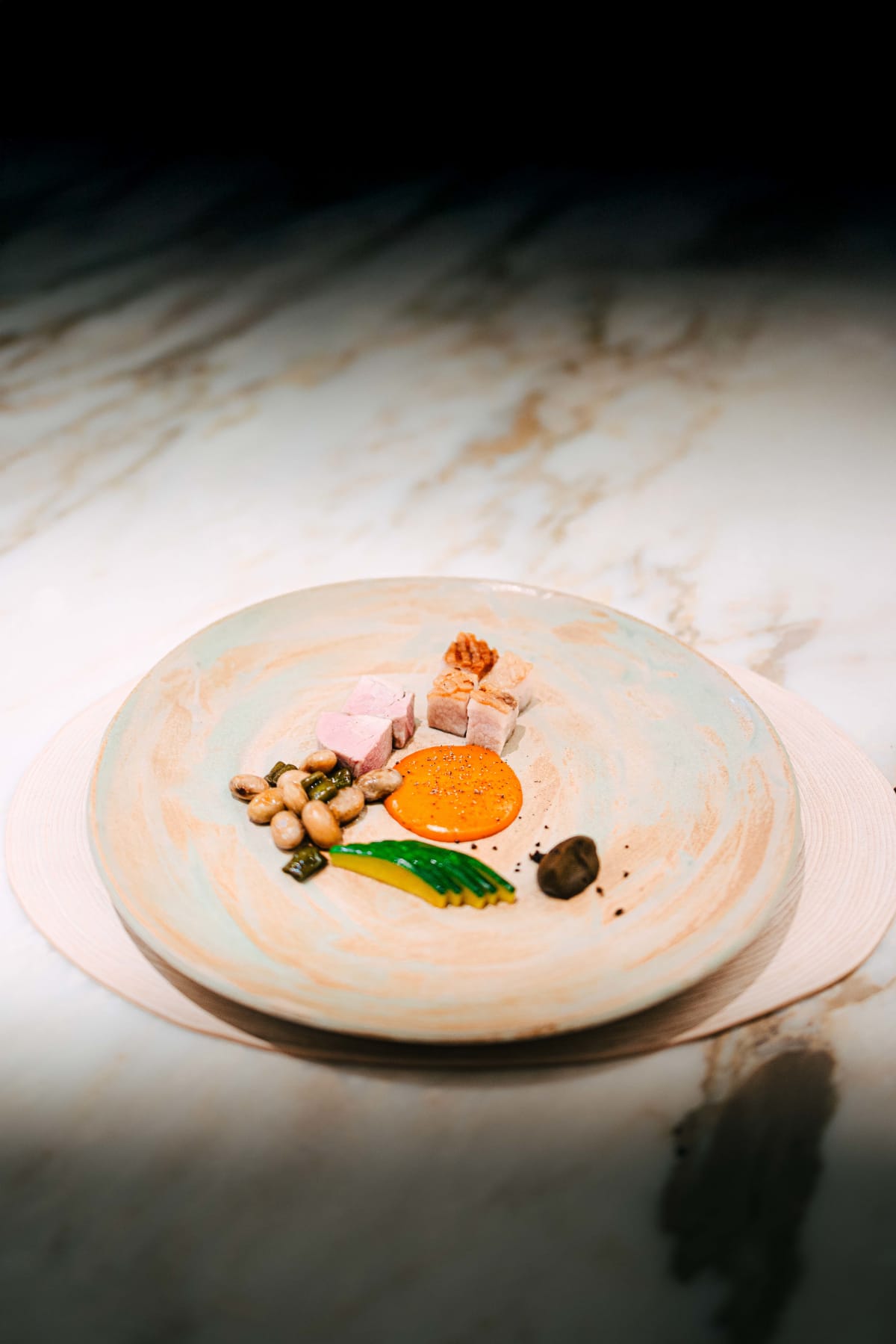
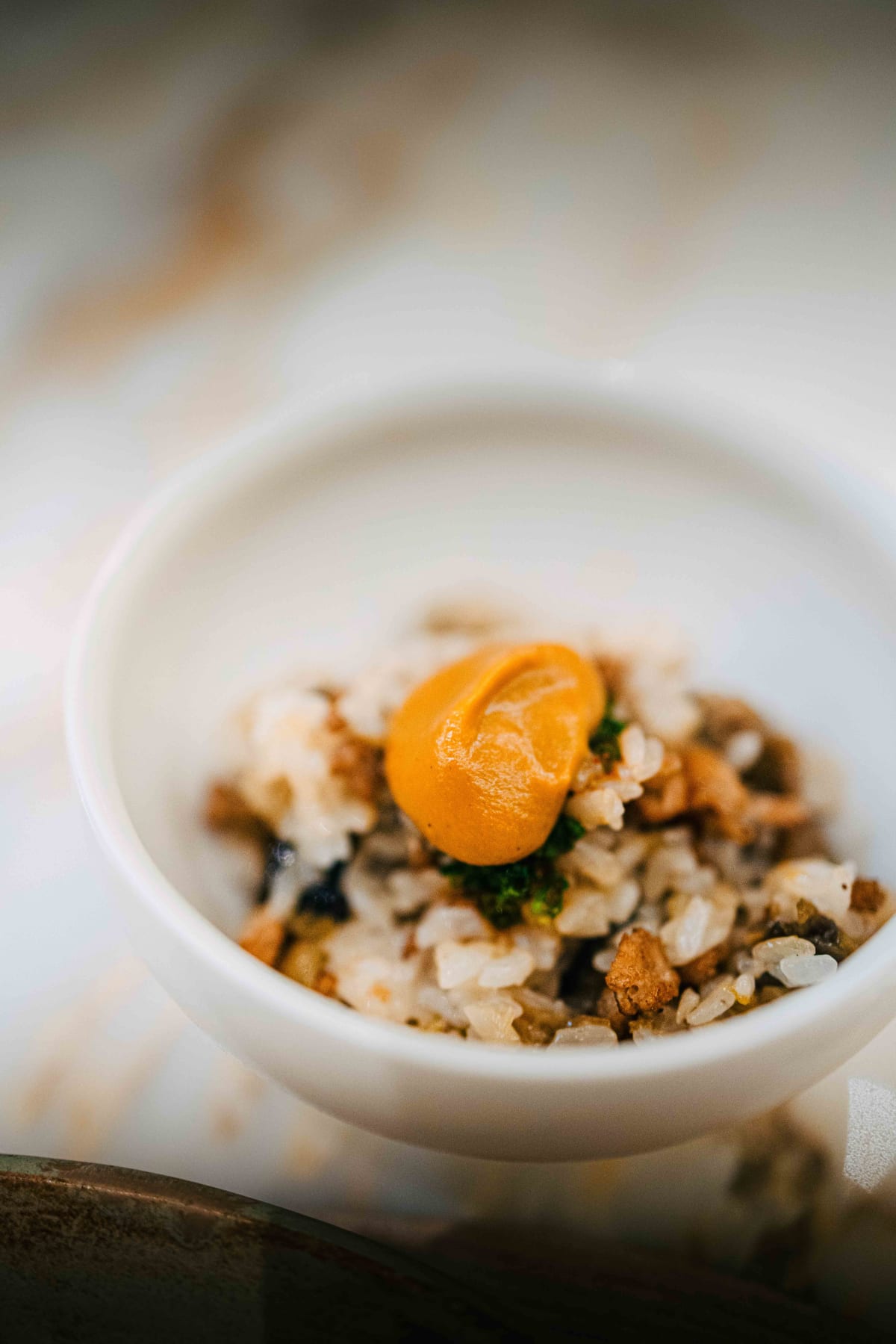
It seemed they had built the main on the motif of a pork-barbecue house, and with the eggplant rice as well, I felt they had carried a bite of rice and meat nicely into modern dining.
Apart from the meat, I enjoyed the squash, which was not a plain squash but seemed to carry a smoky, meat-scented note inside, so it read as complex and I enjoyed it. The beans served alongside, though, seemed to sit in a somewhat ambiguous place within the dish as a whole, which was a shame.
Section 10·The Close
Once the course was over, the portion, frankly, felt a little small. I do not think a restaurant must necessarily leave you full, depending on its style, but I am of the view that it should at least not send you off with hunger, so I found myself wishing they had added a course or two, even at a slightly higher price.
What was disappointing on the non-food side was the wine list and its policy. For a space that opens only three days a week and closes for a whole month to devote itself to research, the wine prices were set high enough that you would hesitate to reach for a bottle. It felt almost as if they were saying, in a roundabout way, that if you want to taste the food properly you should not pair it with drink, a policy close to fining you for drinking. Wine pricing is the restaurant's own prerogative, so it is not something to criticize heavily, but Korean food, too, is a genre that goes well with drink alongside it, and so this approach to wine pricing was, to me, a disappointment.
The portion was a little small, but since it was my first time at a lab-concept restaurant like this, the challenging experiment was good and its results were fairly satisfying to me, while on the non-food side the somewhat expensive wine list was a shame. Judging on the cooking alone, I have the thought that I would like to visit once more, once this lab's color and direction become firm and its execution is refined.
There is surely potential here to present experimental, enjoyable Korean cuisine. This visit is a record of the early days, November 2024, not long after the doors opened. It is now the summer of 2026, a good year and a half on, so I hopefully imagine that the lab's color, the completeness of its cooking, and its way of operating have all been refined a fair amount in the meantime.
Common Era is better understood as a laboratory than a restaurant, and it rewards a diner who arrives in that spirit: the value is the premise, a team that took Korean food to the top of the world stage now studying its roots, its nuruk and jang, back in Seoul, rather than plate-by-plate perfection. On a late-2024 visit the cooking was uneven, with small portions, a fourth-floor walk-up, and wine pricing that discourages pairing, so it is a place for the curious rather than a diner after a polished tasting. More than a year and a half on, its real question, whether research can become a language clear enough to taste, is one it has had time to answer.
Have a question about this restaurant, or want to share your own experience?
Send a message