Local & Essential · Wan Chai · Hong Kong / September 2024
Joy Hing Roasted Meat
"The siu mei counter whose name means to rise again"
Section 1·The Word Era
Go to an old restaurant in any country and you cannot get away from one word: era. Existing since the Belle Époque, since the Meiji era, since the Japanese occupation. Histories worth boasting about and histories that are shameful and sad. Whichever era it is, it works as a badge of honour the shop could never have bought.
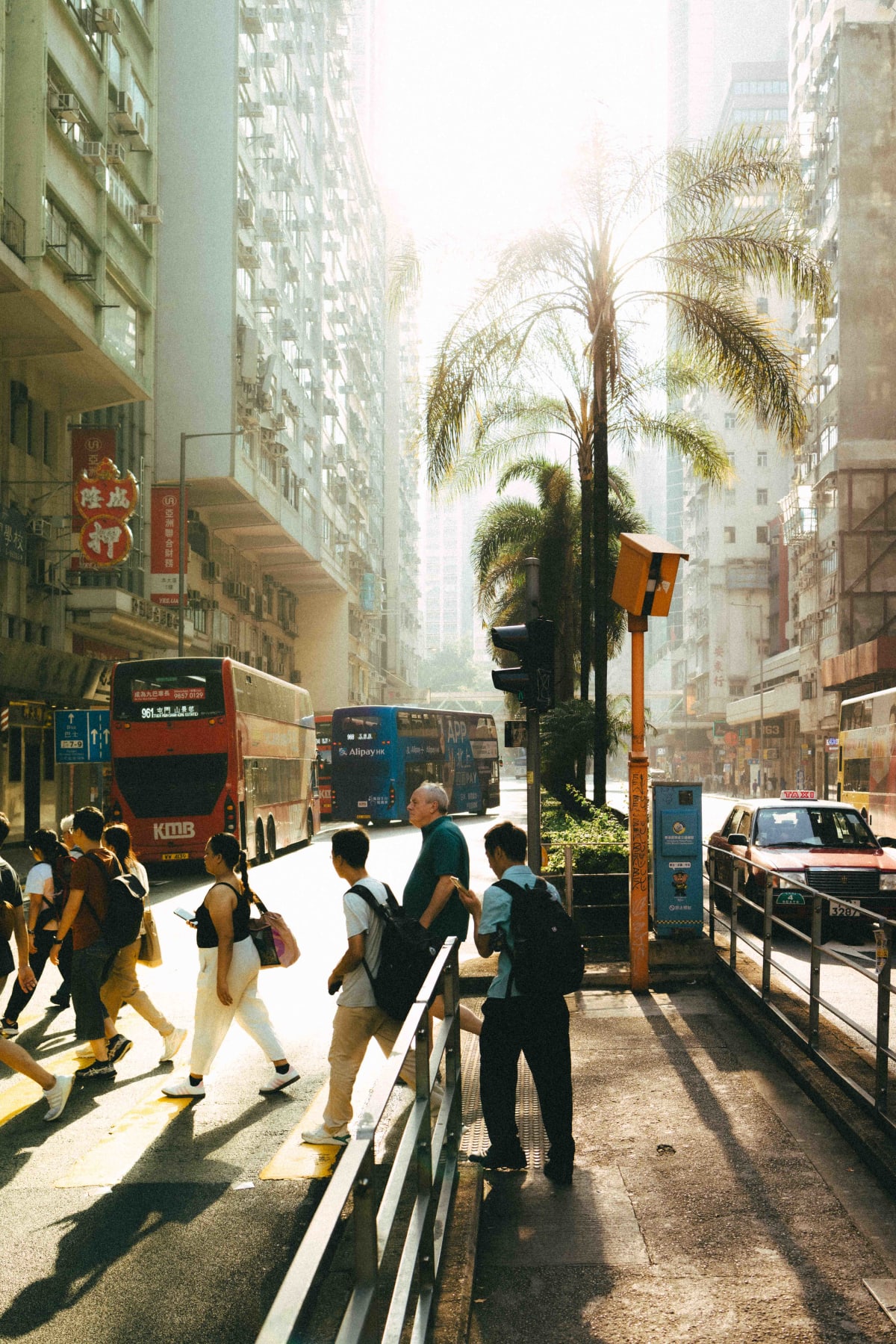
Hong Kong came under colonial rule in earnest when Hong Kong Island was ceded to Britain under the Treaty of Nanking in 1842, after the First Opium War. Part of the Kowloon peninsula followed in 1860, and in China it is remembered as a history not to be forgotten. Under roughly 150 years of British rule Hong Kong grew into an international trading and financial city, and through the Sino-British Joint Declaration of 1984 it was returned to China on 1 July 1997 to become the Special Administrative Region it is now.
Across nearly two hundred years, Hong Kong became part of a humiliating chapter for China and for the Cantonese region, and yet it also had a brilliant peak as an international trading, financial and cultural city, so that it is now rated as the centre of Cantonese cooking and culture.
Section 2·Siu Mei
Say Hong Kong and Cantonese cooking and the expensive dishes with showy, rare ingredients come to mind first. But on the ground floor of the places serving that showy food, or in the back lanes behind them, there is plenty of local cooking that ordinary people eat every day. Among those, the one I most wanted to eat was siu mei, the Cantonese roast meats.
Hong Kong's food safety authority defines siu mei as a category of meat and poultry roasted at over 200 degrees Celsius, 392 Fahrenheit. The best known are char siu, the Cantonese barbecue pork, siu yuk, pork with the skin roasted crisp, and siu aap and siu ngo, roast duck and roast goose.
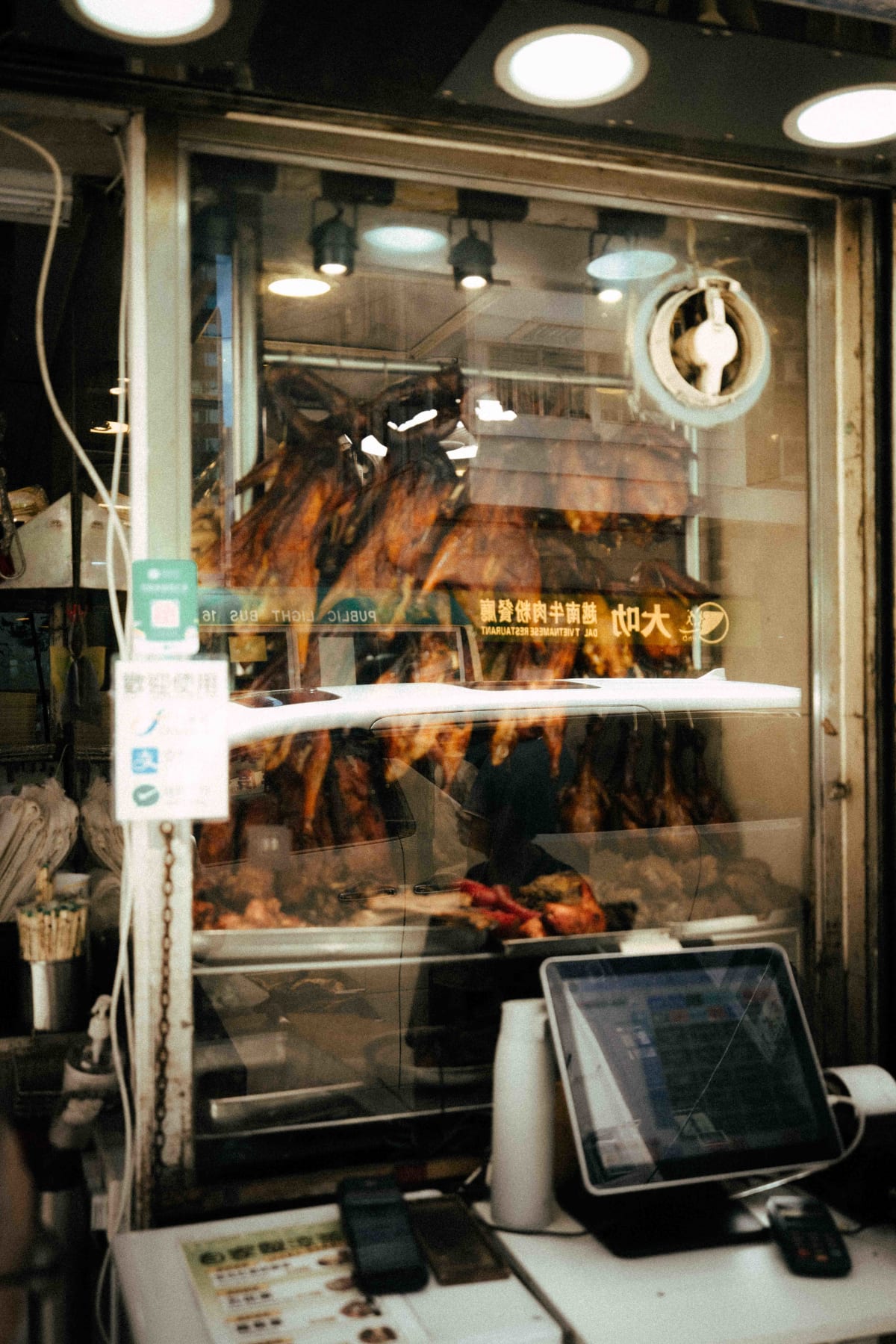
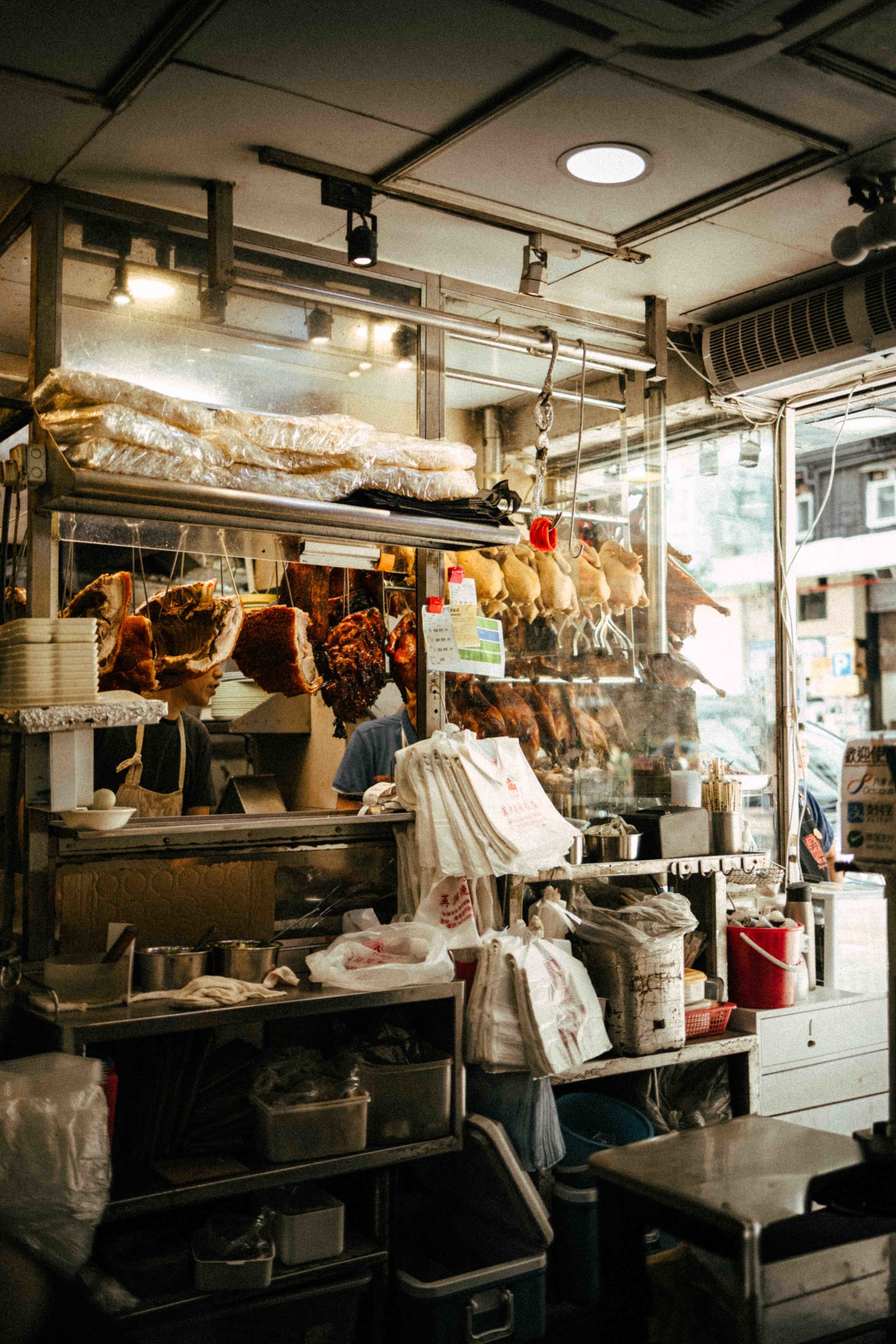
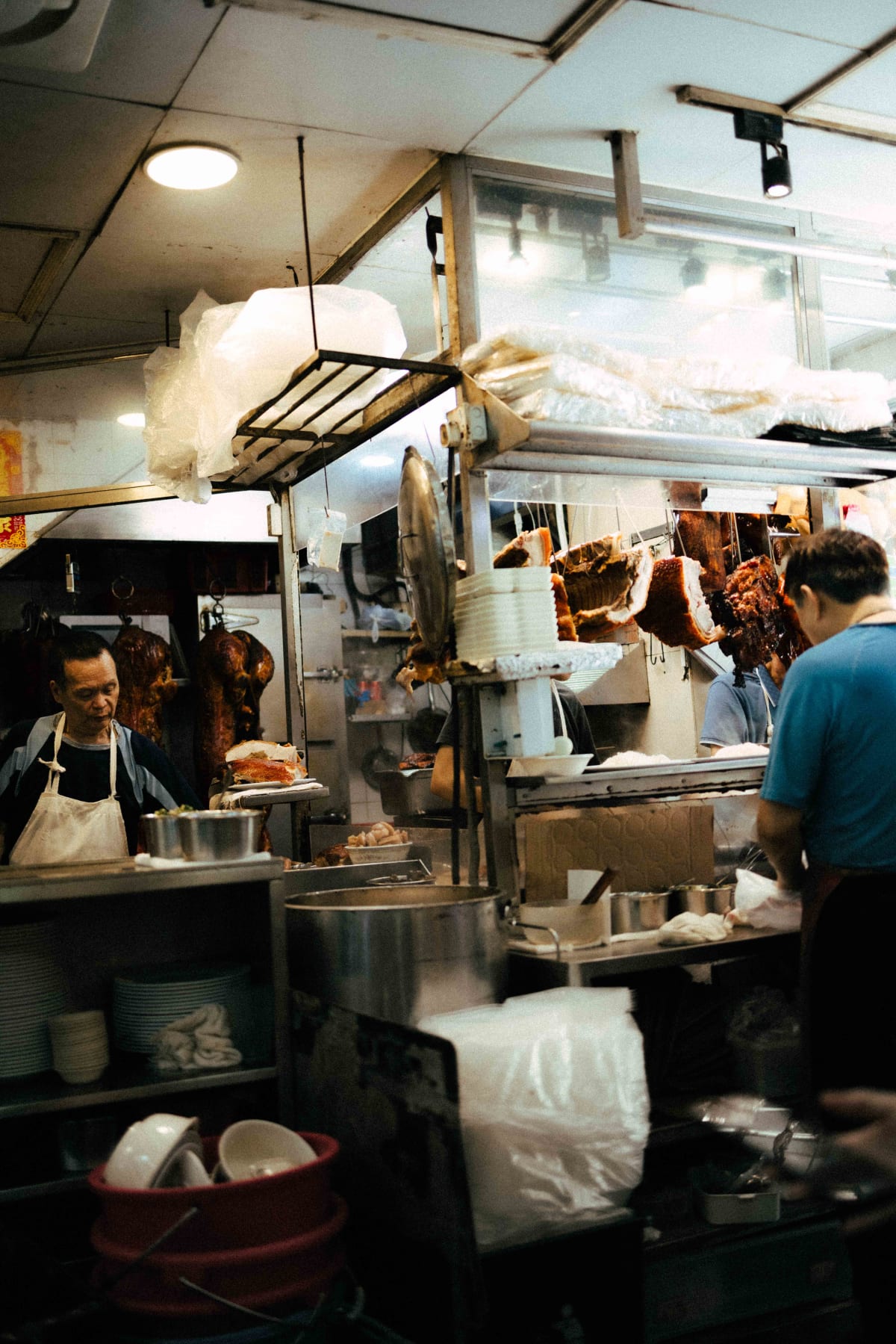
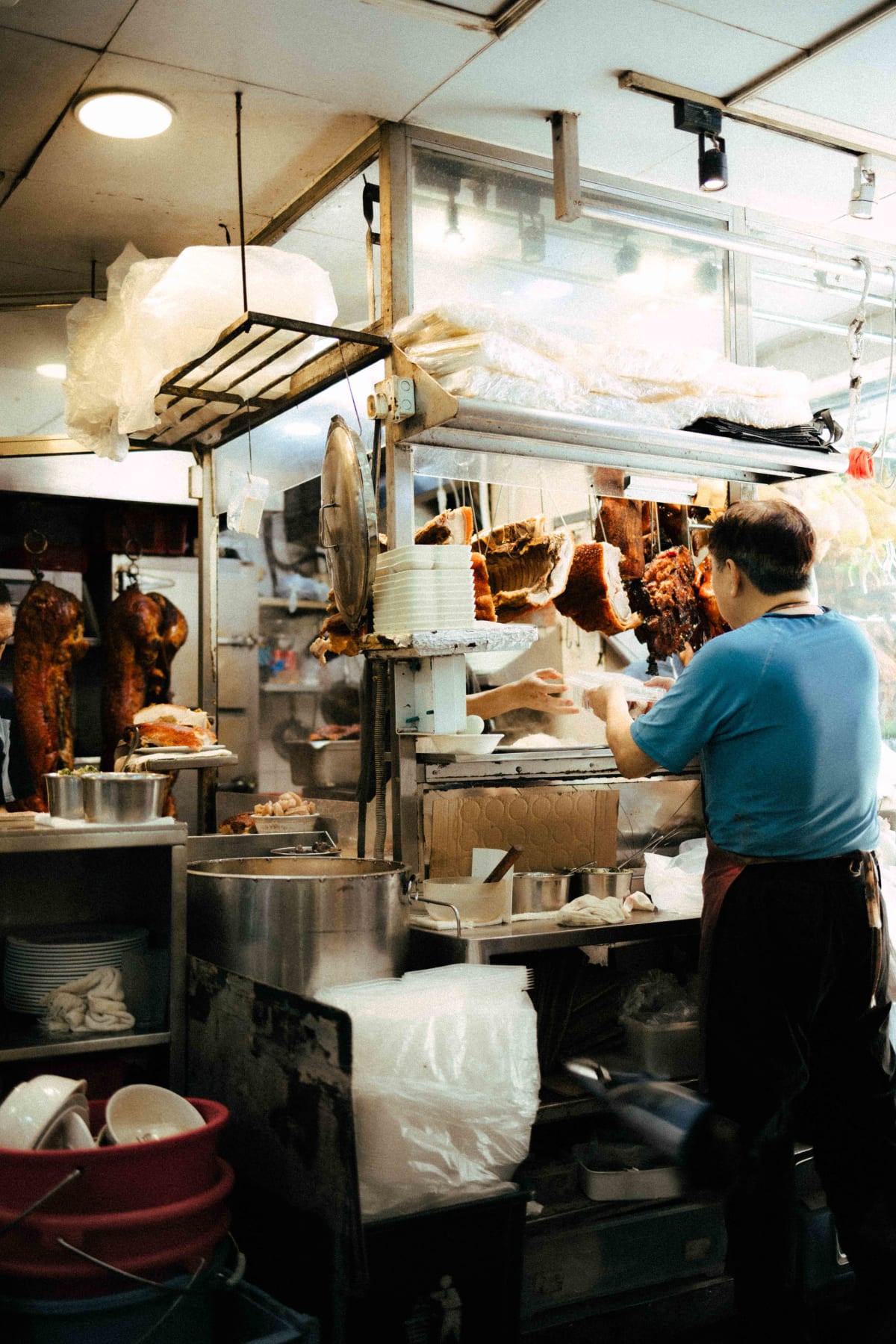
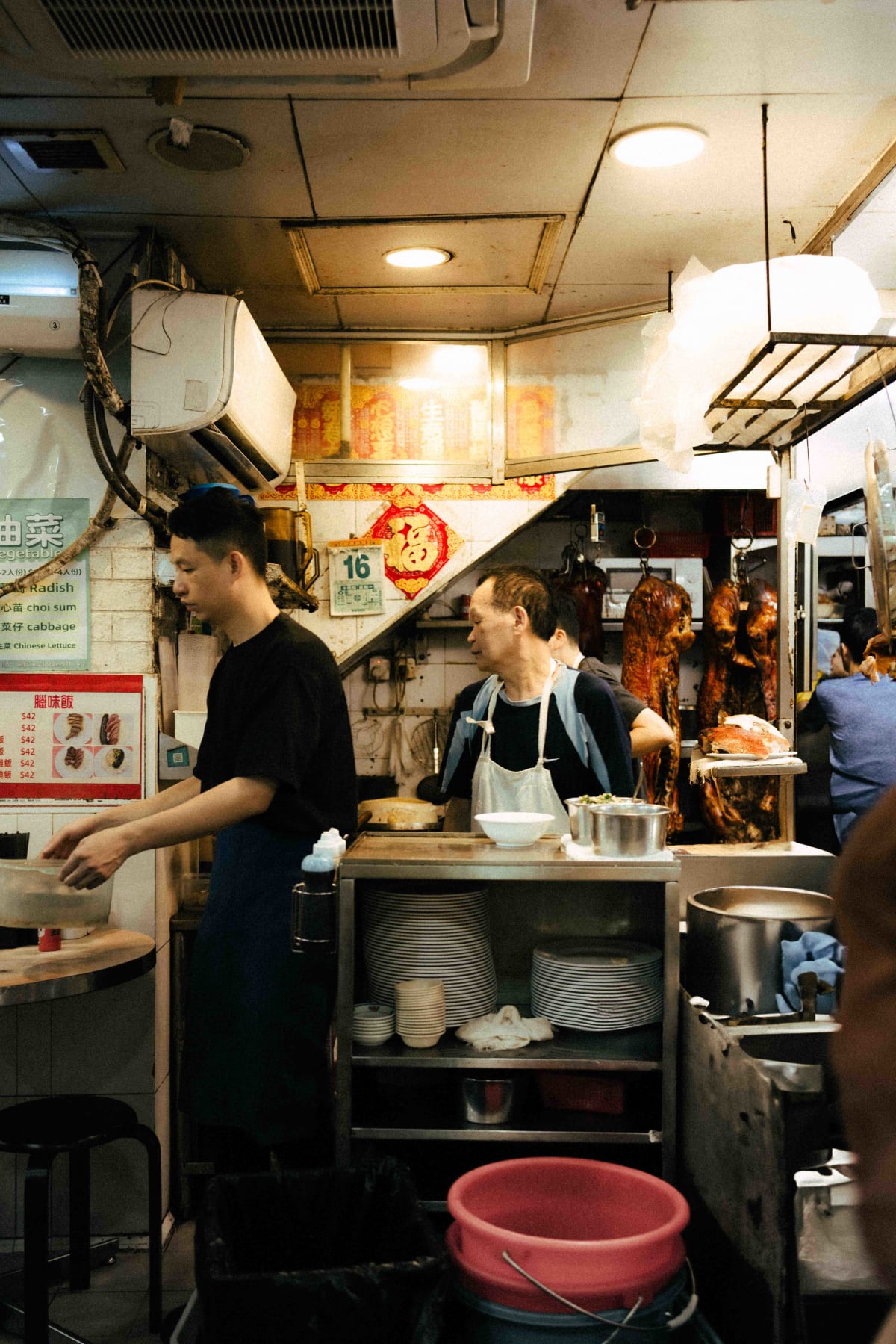
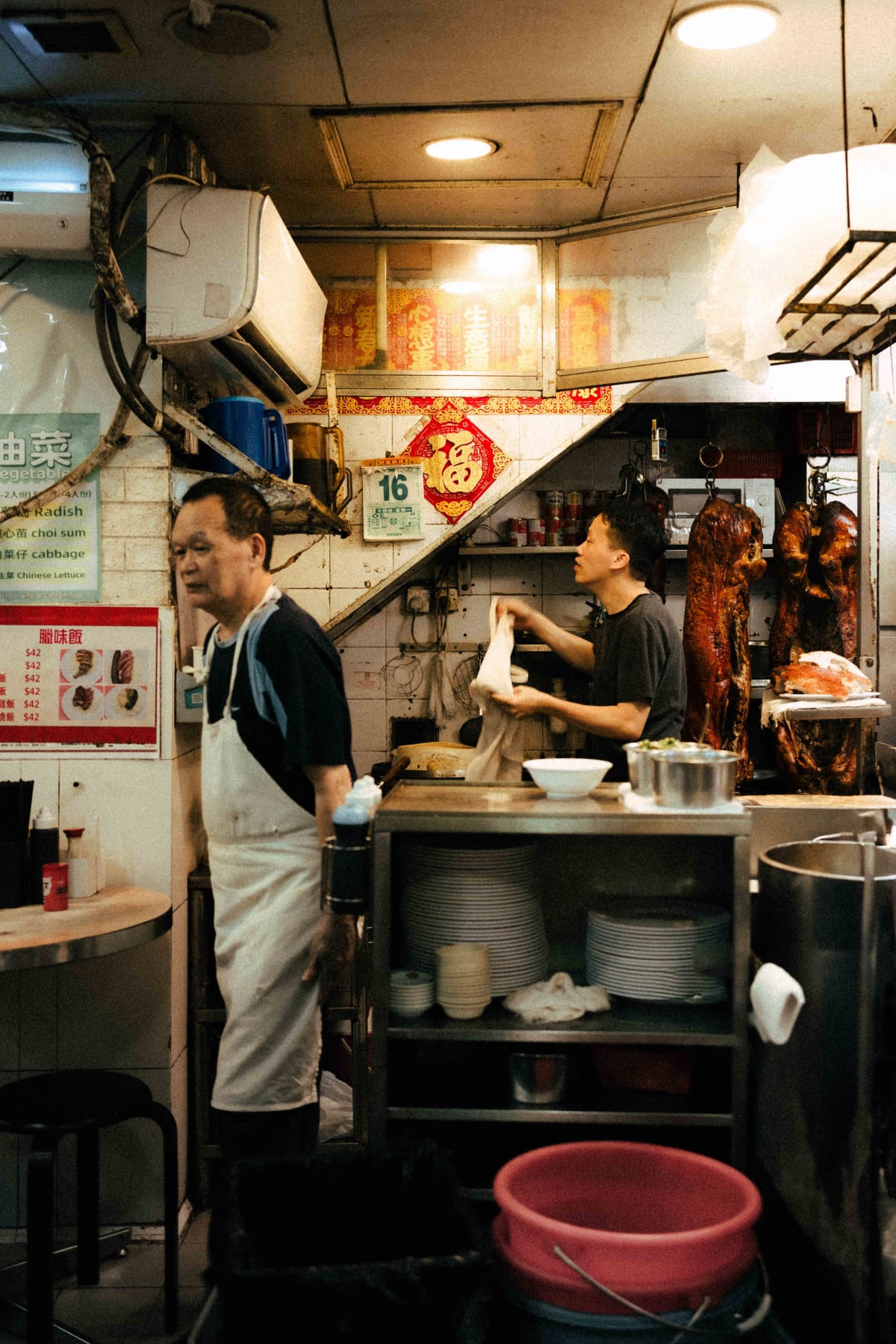
Roasted meat is hung in the window, and when an order comes it is cut on the board straight away and laid over rice. That siu mei rice is one of the most typical everyday meals in Hong Kong. A window of a siu mei shop on the street with red, glossy char siu and ducks and geese hanging in it is still an entirely ordinary sight.
Section 3·Why This One
Among the Cantonese roasts there are dishes using all sorts of meat, and of those I wanted to eat goose, which is fairly unfamiliar at home. In Hong Kong they eat roast goose simply with rice and this is called siu ngo faan.
These Cantonese roasts draw locals as much as visitors, and the Michelin listed Kam Pai roast goose and Yat Lok Restaurant are well known, but the one I wanted to go to was Joy Hing Roast Meat.
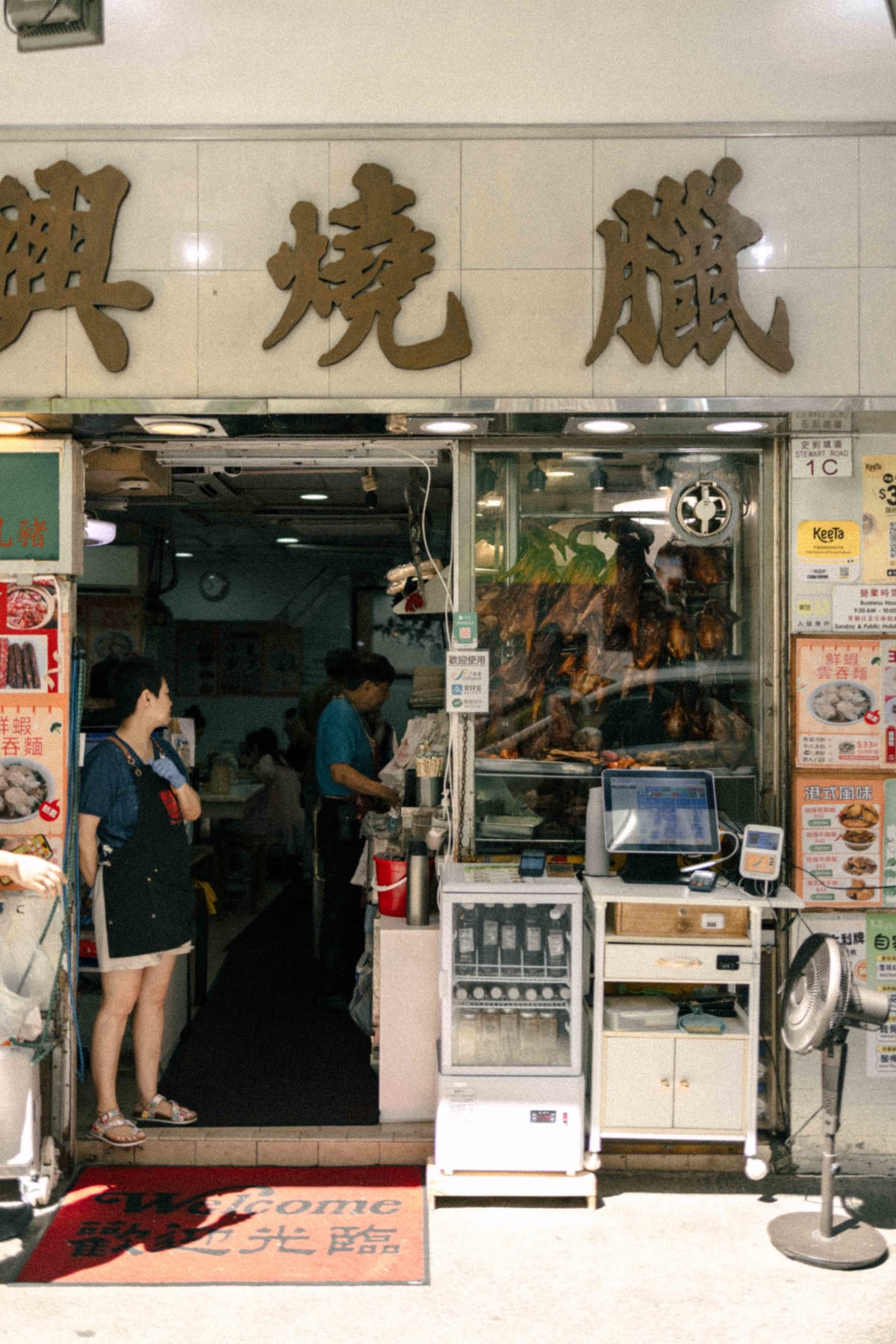
The reason is that same word, era. This place opened in the late nineteenth century under the Qing and has been loved by Hong Kong people ever since for roasts you can eat simply. The current location is Wan Chai, and it has been here about forty years.
Section 4·A Qing Line
Hong Kong press records trace this family's siu laap business back to the late years of the Guangxu Emperor. Chow Hau-wo appears repeatedly as the fourth generation. One thing to know, though, is that the family is said to have started in Guangdong on the mainland before moving to Hong Kong in the early twentieth century, while the fourth generation writes that they had been trading around Wan Chai since her great grandparents' day.
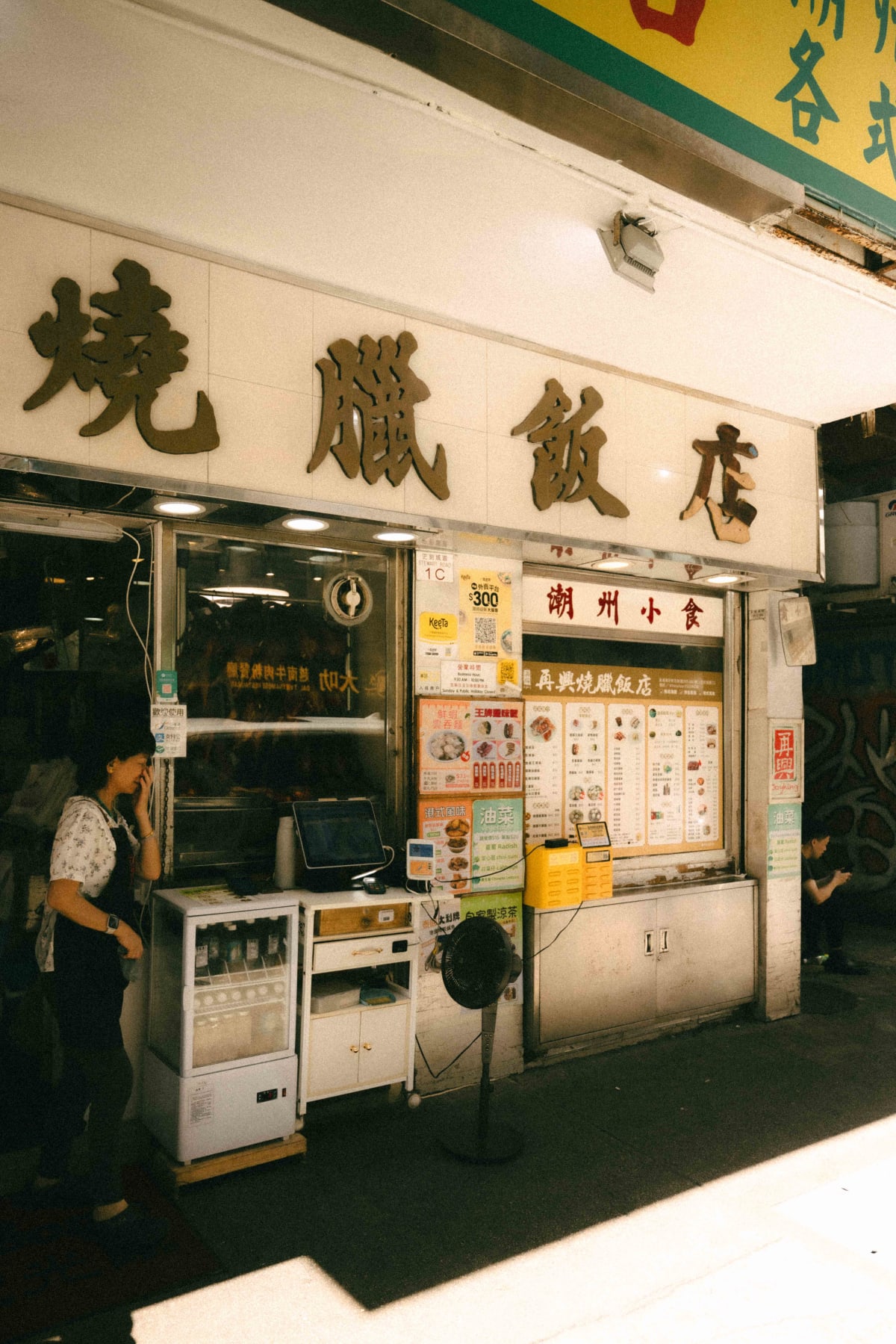
That history is set into the name as well. The shop stopped trading through the Second World War and the Japanese occupation of Hong Kong, and reopened around 1945. The original name was Fuk Hing, and in reopening after the war they changed it to Joy Hing. Read literally, Joy Hing means to rise again. A business cut off once and restarted afterwards, and a name that matches it exactly.
Read literally, Joy Hing means to rise again.
Now it is a small indoor shop, but it began as a dai pai dong, a Hong Kong open air stall. It traded in the open around Heard Street in Wan Chai, moved as the redevelopment of the old districts and the policy of withdrawing dai pai dong licences took effect in the 1980s, and settled at the corner of Hennessy Road where it is now. So the number forty does not mean this place is young. It means this place came through the period when Hong Kong's dai pai dong were disappearing fast under urban redevelopment.
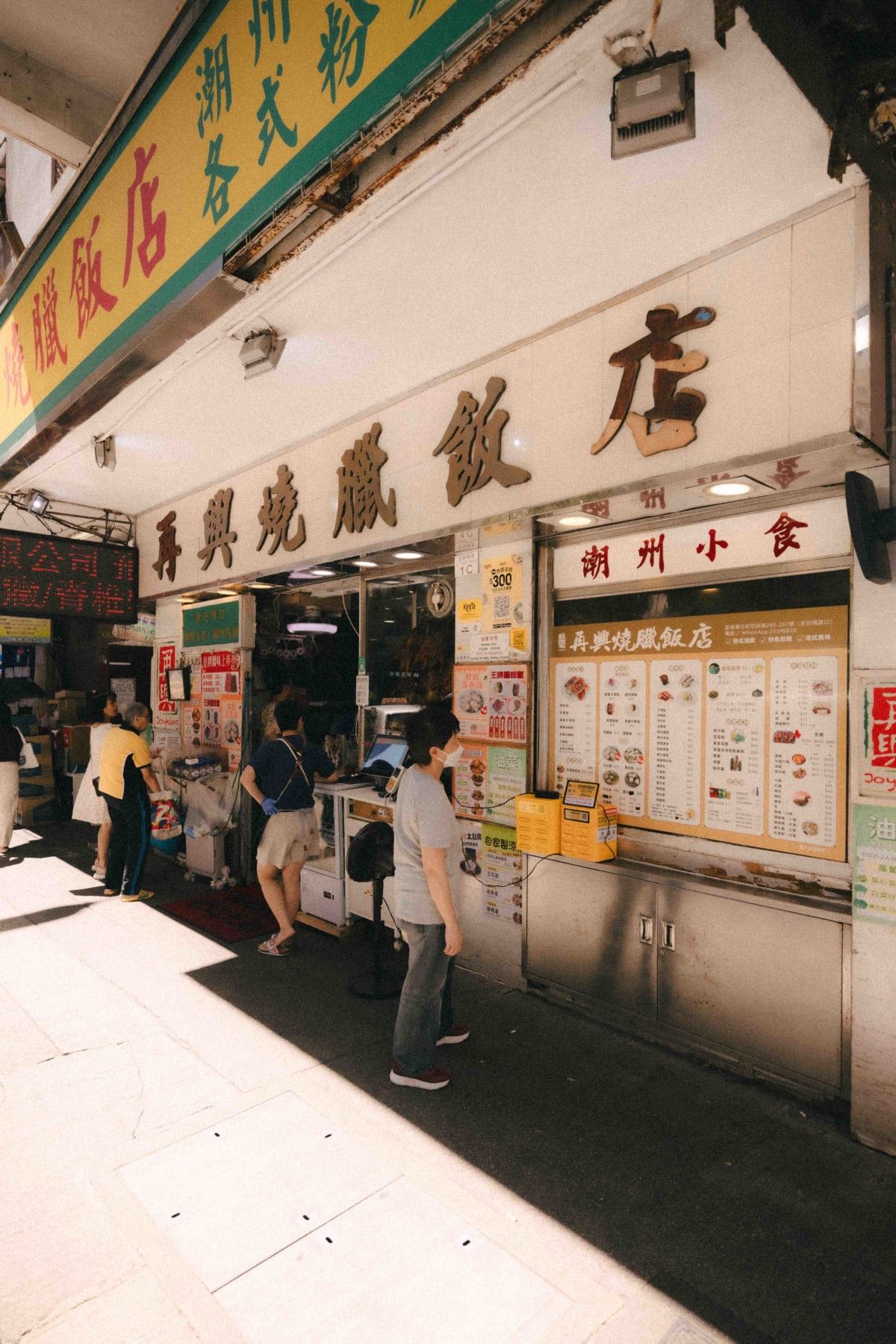
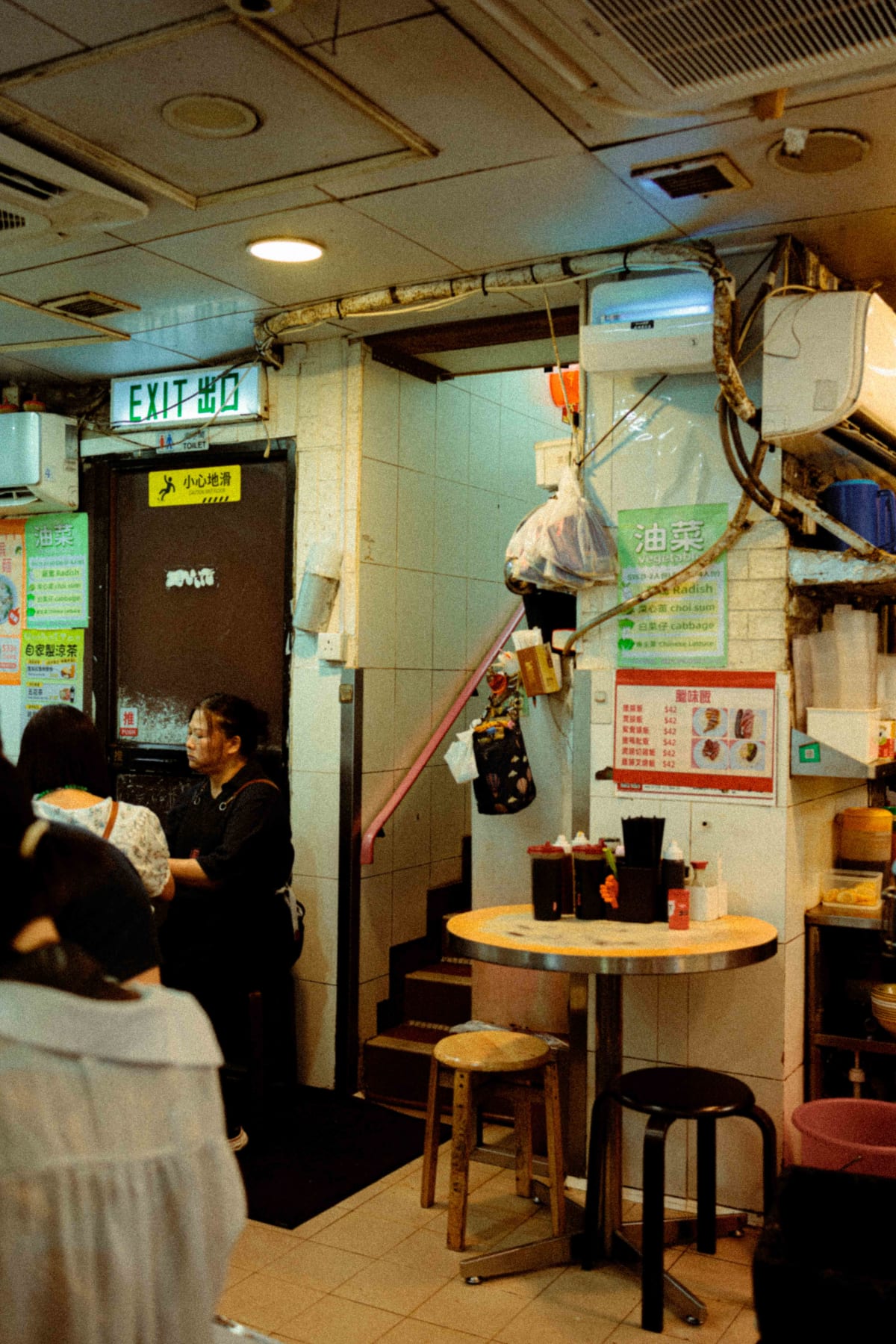
Next to a history reaching back to the Qing, forty years in one location sounds almost young. The shop itself does not feel young, though. The years show in every corner, so if you think you might need the toilet urgently I recommend using one in a shopping centre or a building nearby.
Section 5·The Char Siu
The menu runs to goose, pork, suckling pig, char siu, chicken and more, and the set called Three Treasures, with char siu, roast duck and chicken laid generously over white rice, is popular too. I had gone before lunch as a kind of warm up, so I ordered one portion each of goose and chicken. About seven dollars each, which against Hong Kong prices seems good.
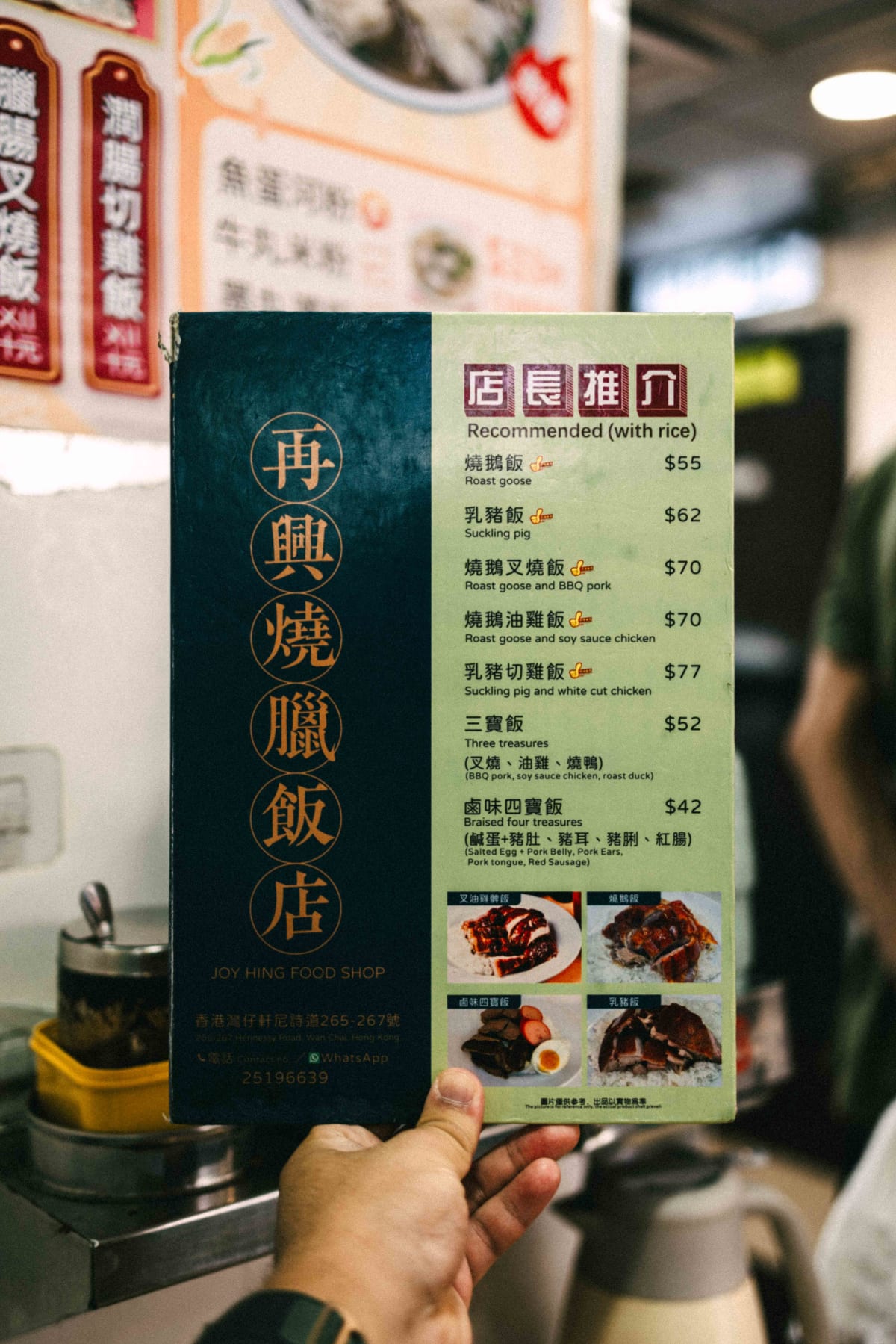
The important thing to know, though, is that the signature here is in fact the char siu. I had eaten a fair amount of pork and char siu before, which is why I ordered the goose and the chicken. A 2014 Hong Kong report described the char siu here as the treasure of the house, and wrote that daily sales ran to around two thousand pieces. Chow Hau-wo says they have kept to a method without MSG or meat tenderiser since her father's generation.
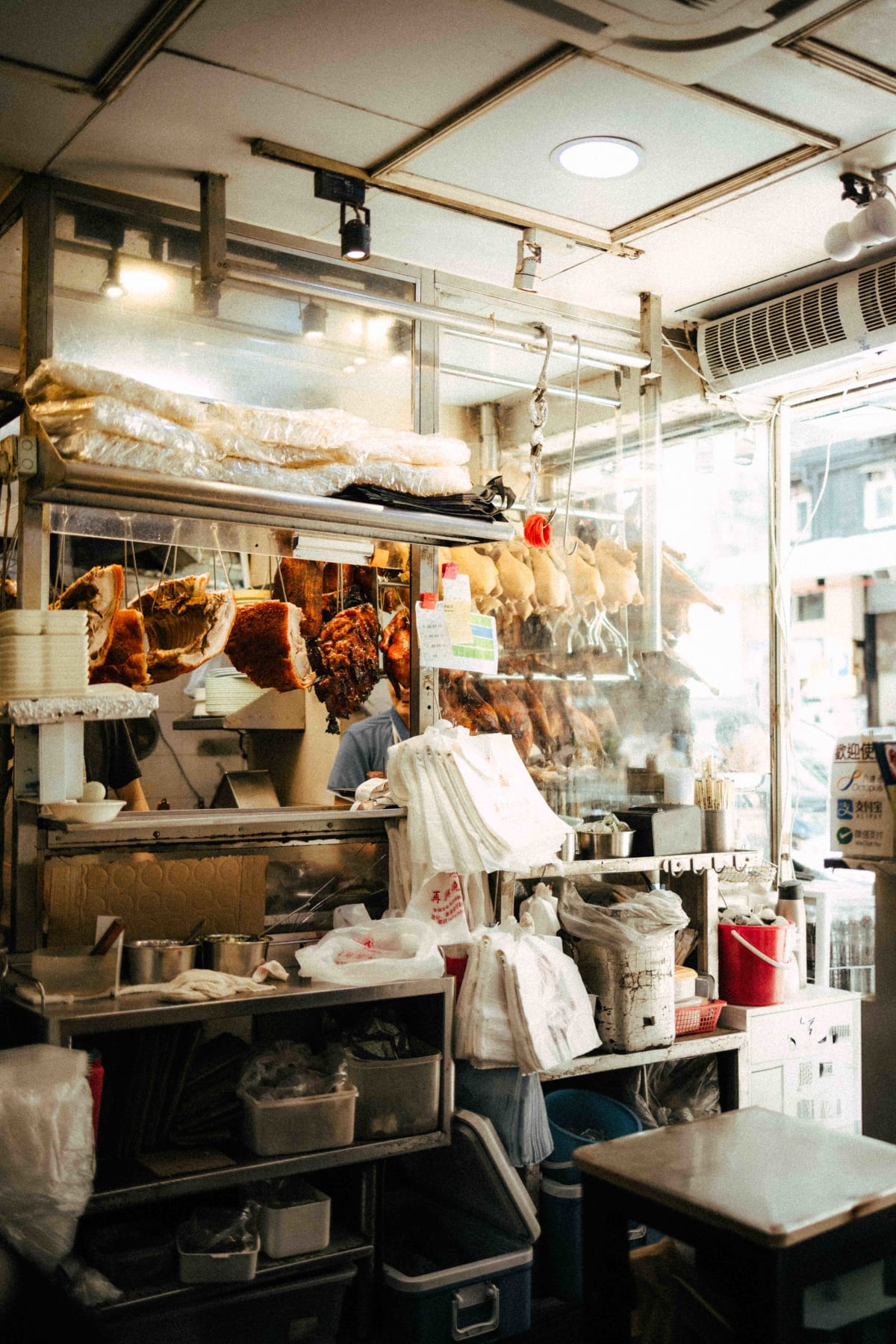
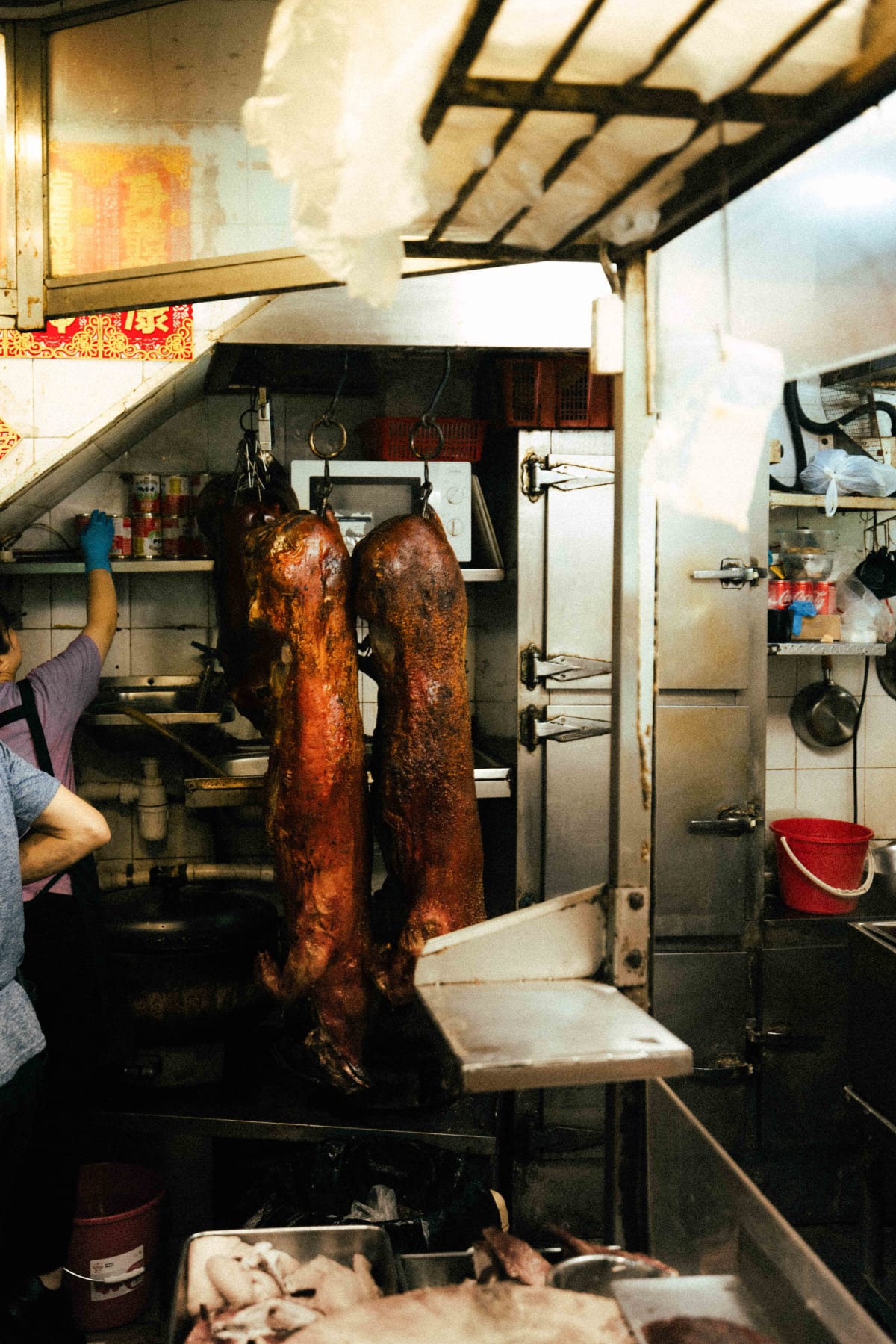
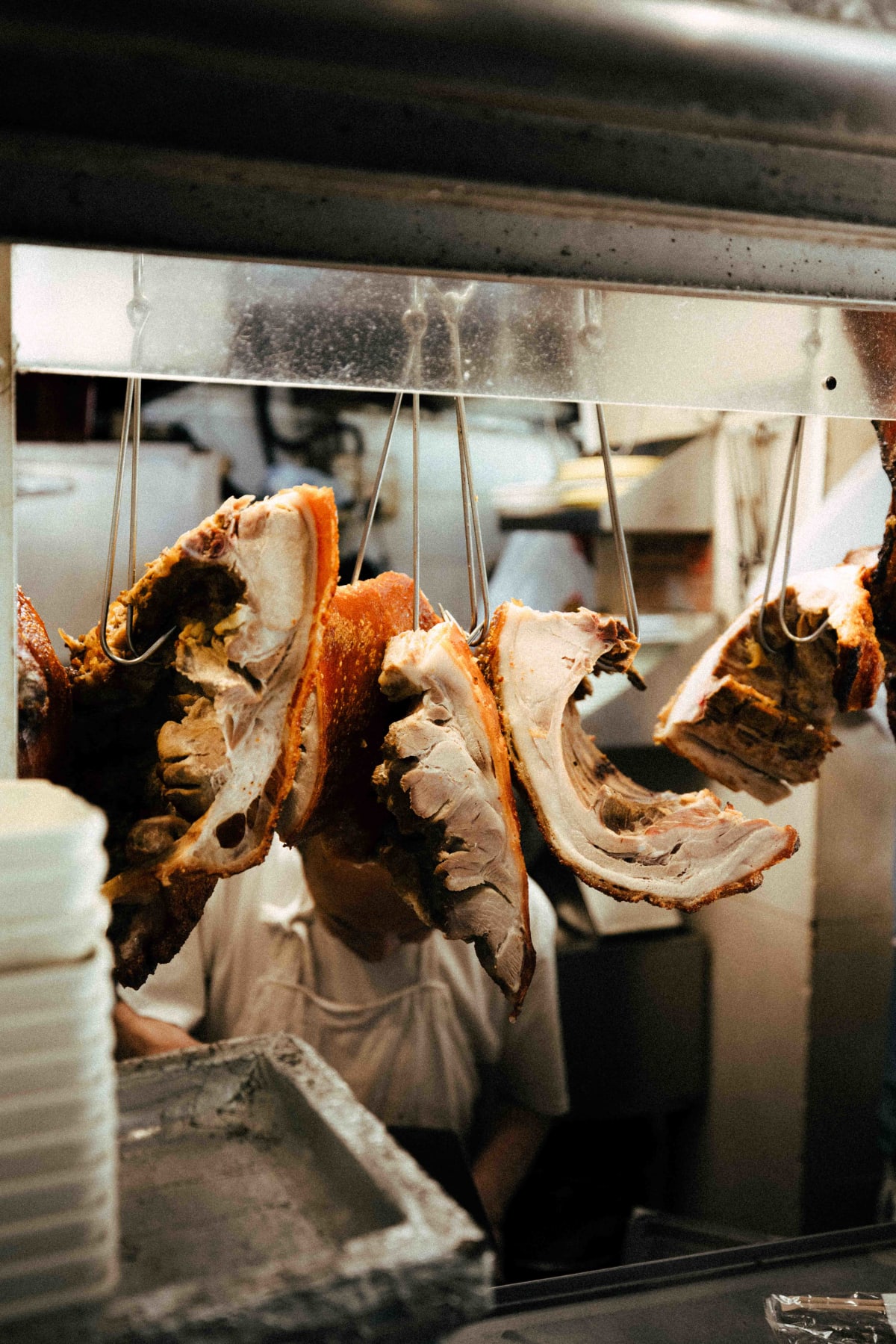
There is a record of how it is made as well. The cut is mei tau yuk, close to the neck and shoulder of the pig. It is trimmed and blanched, seasoned and roasted once, then coated with honey and maltose and roasted twice more. Three passes through the fire in all. Through that the sugar on the surface concentrates into gloss, sweetness and a faintly scorched aroma, while the juice stays inside. The glossy red surface is not the result of a sauce brushed on but layers built by three rounds of cooking.
And the sauce ladled over the rice is not simply fat either. It is called lam faan jap, and rather than collecting the fat that drips while roasting duck or goose, they make it separately by simmering pork bones and meat for about thirty minutes. The reason they do not use the juices from the duck directly is that it is too greasy.
Section 6·Goose And Chicken
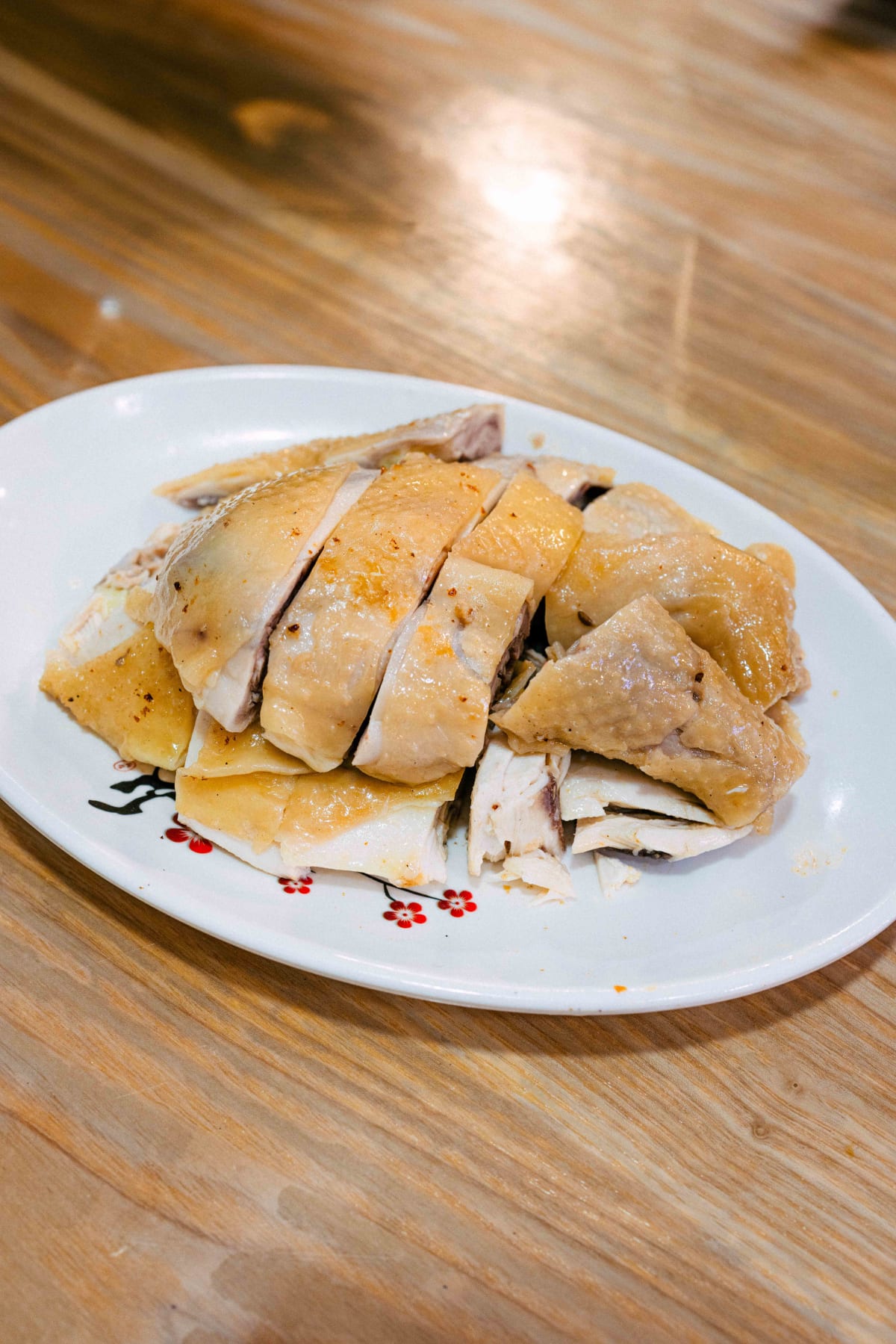
Both came out fast, the goose first and then the chicken.
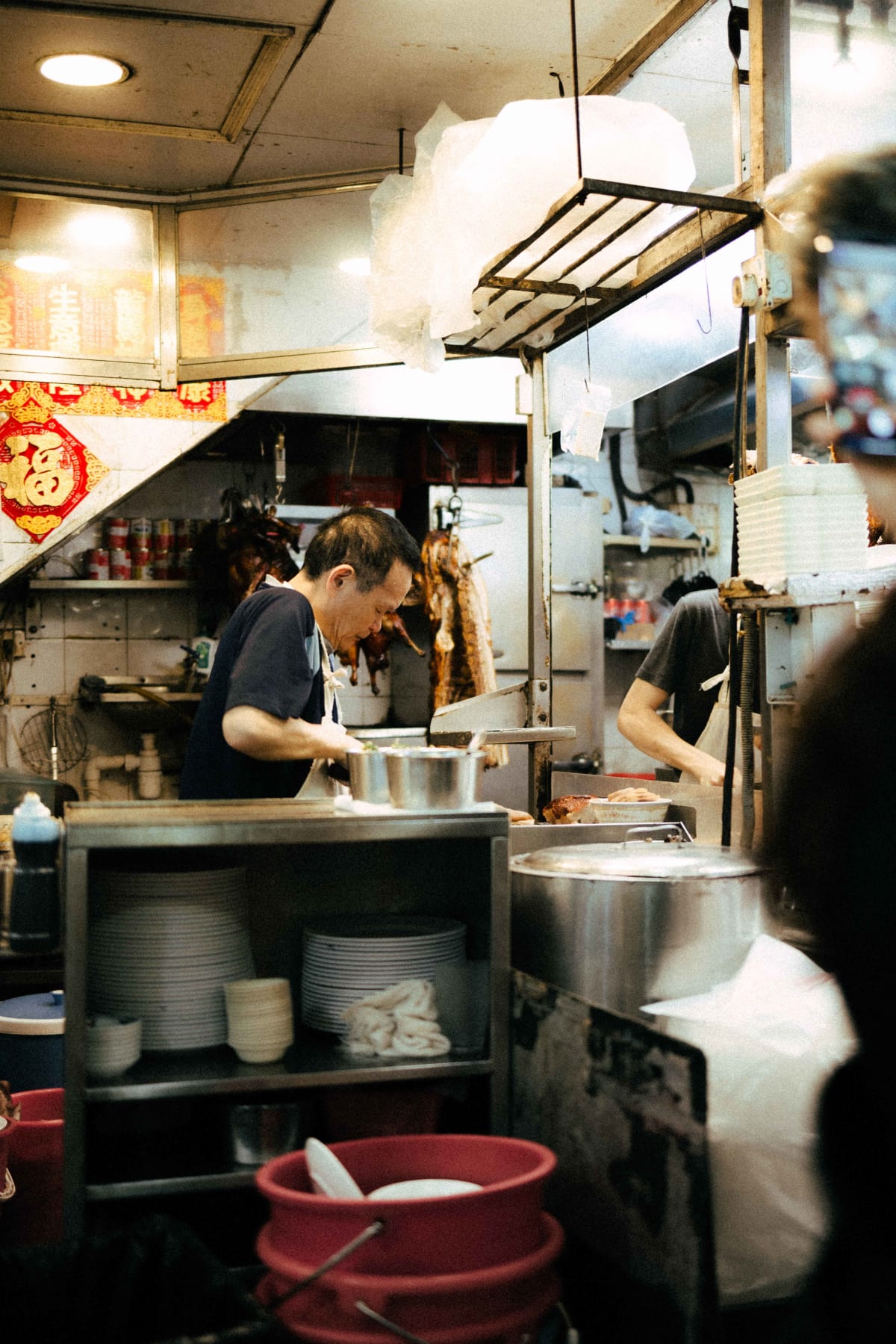
It is cheap and meant for eating quickly and simply, so it does not arrive as hot or as finely made as it would at a Michelin restaurant, but for experiencing why ordinary people in the Cantonese region like goose and roasts like this, it was more than enough.
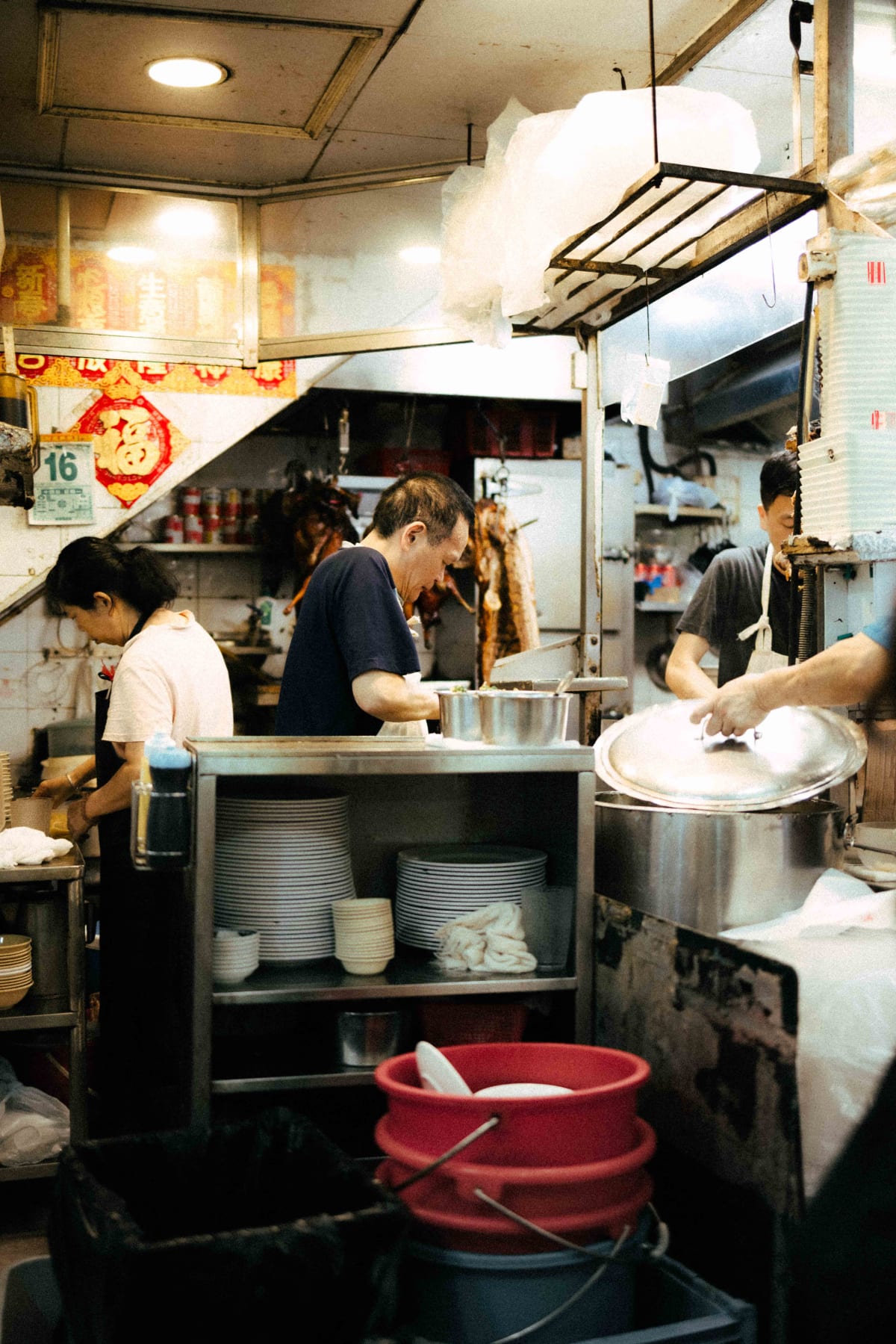
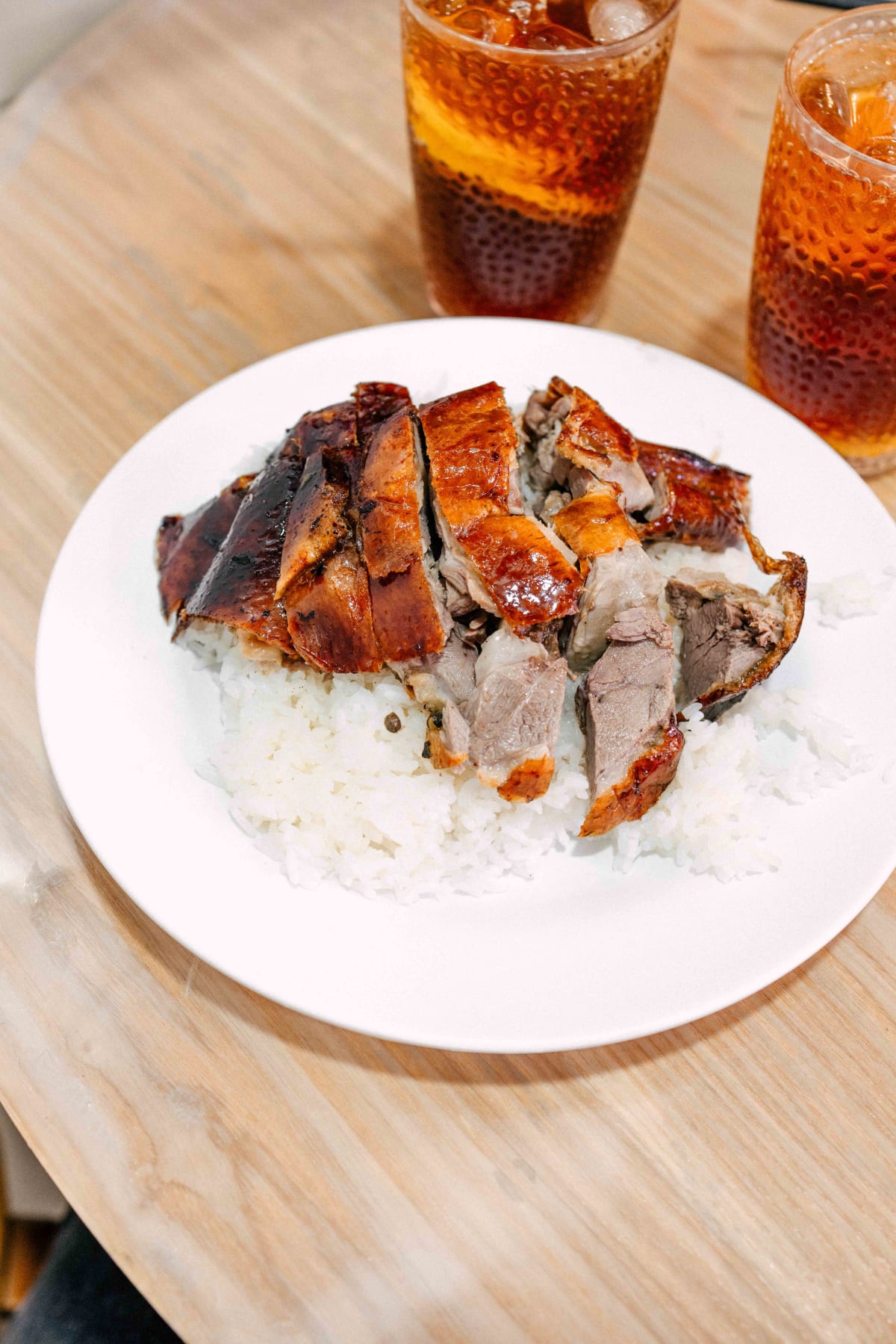
The goose had crisp skin, which was good, and a considerable amount of fat. Less a shortcoming of the house than an inconvenience of the bird itself: there are more bones than I expected and it is a bit hard to eat.
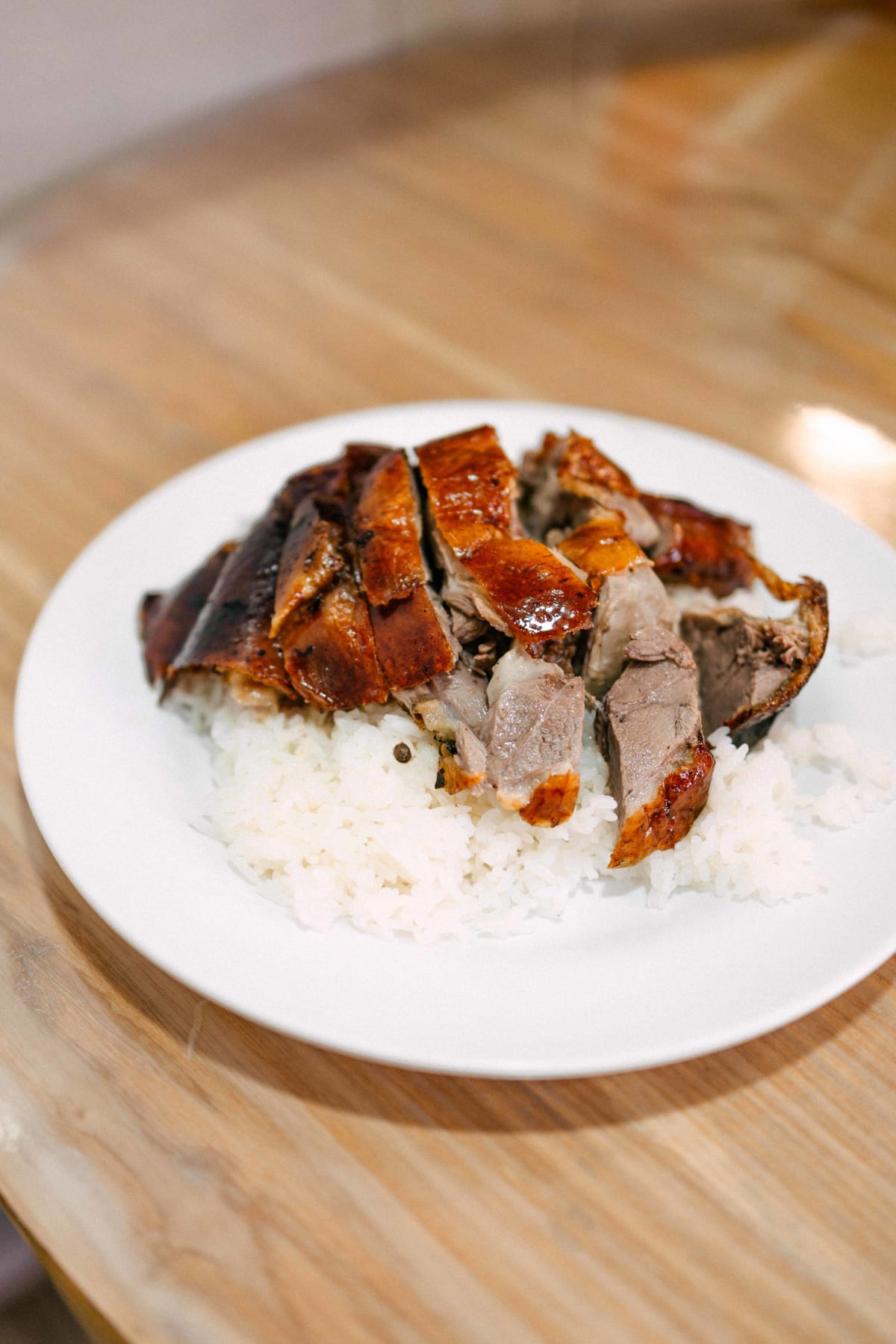
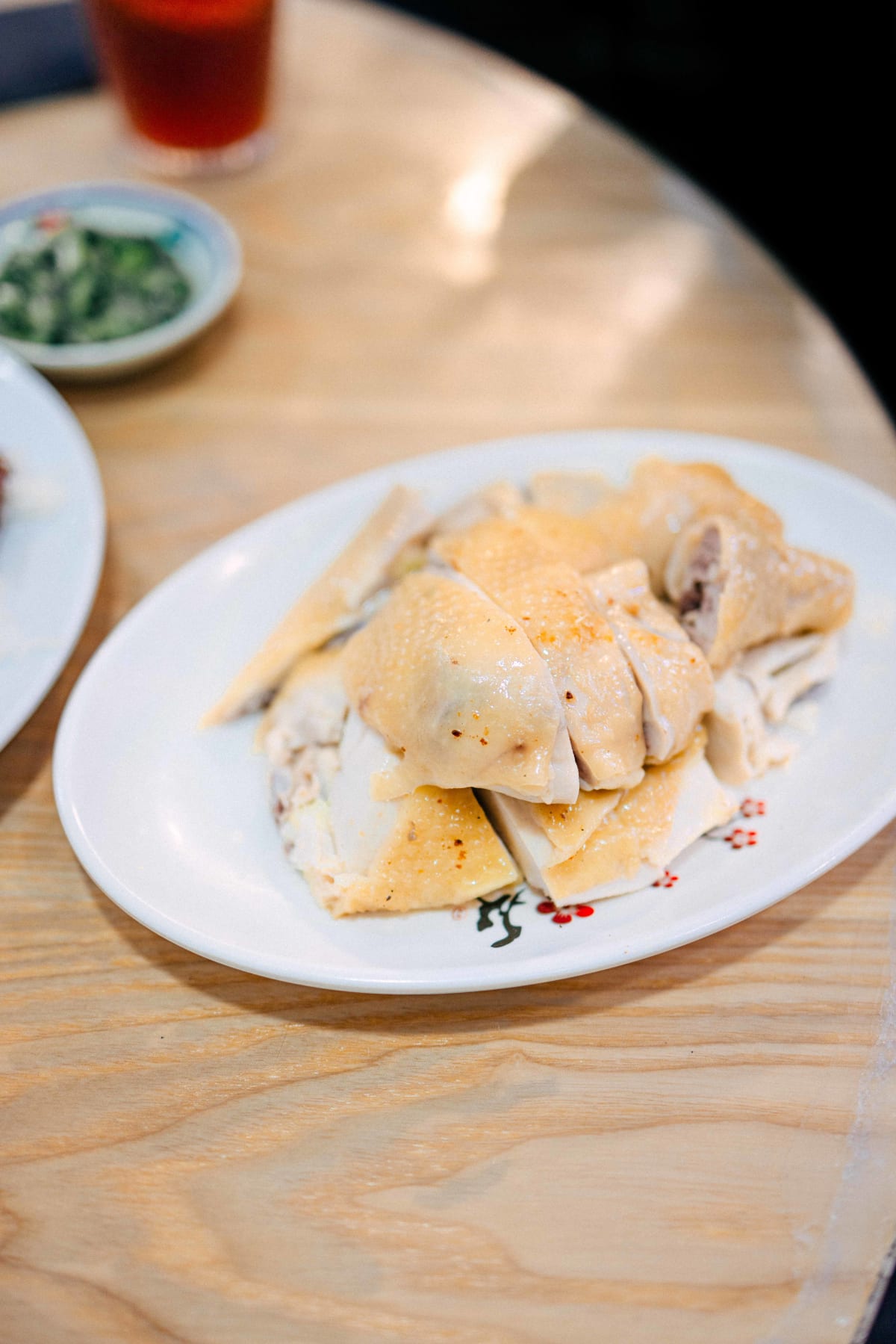
I wanted to eat it in reasonably large mouthfuls and could not, because the small bones kept getting in the way. The chicken, unlike the goose, was moist all the way through, skin included, and soft and tender in texture. So for eating steadily with rice the chicken was easier than the goose.
Section 7·Ginger And Scallion
But the chicken is fairly salty in its sauce and seasoning, and different from Japanese and Korean chicken dishes. Korean and Japanese chicken and Cantonese chicken are different breeds to begin with, and since I had mostly eaten chicken in Korea and Japan, the flavour of the Cantonese bird with its yellow fat came across differently to me.
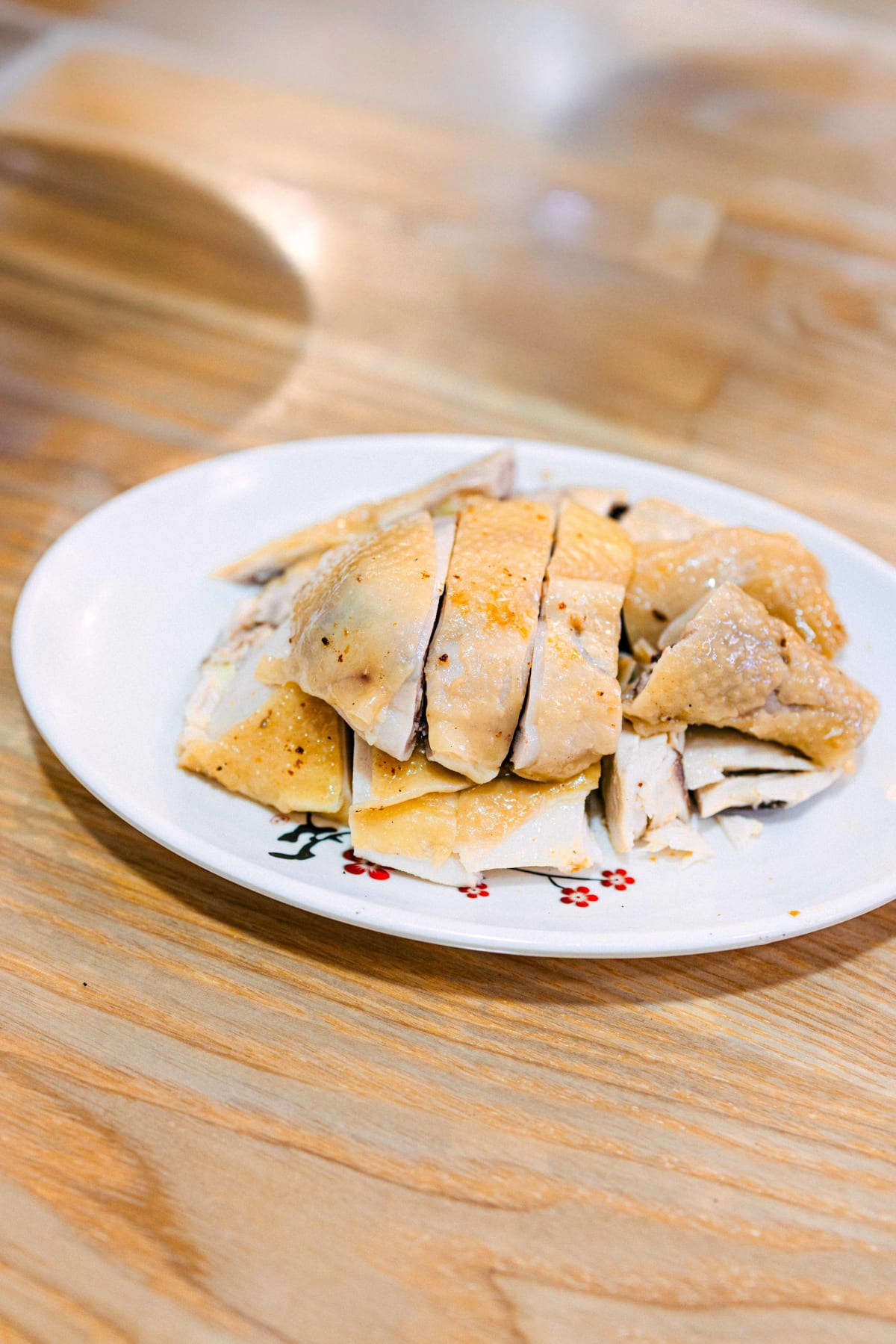
The chicken here is usually either the soy braised si yau gai or the poached bak chit gai, and if there was a green paste alongside it, that was geung chung yung, the Cantonese sauce made by pouring salt and hot oil over finely chopped ginger and spring onion.
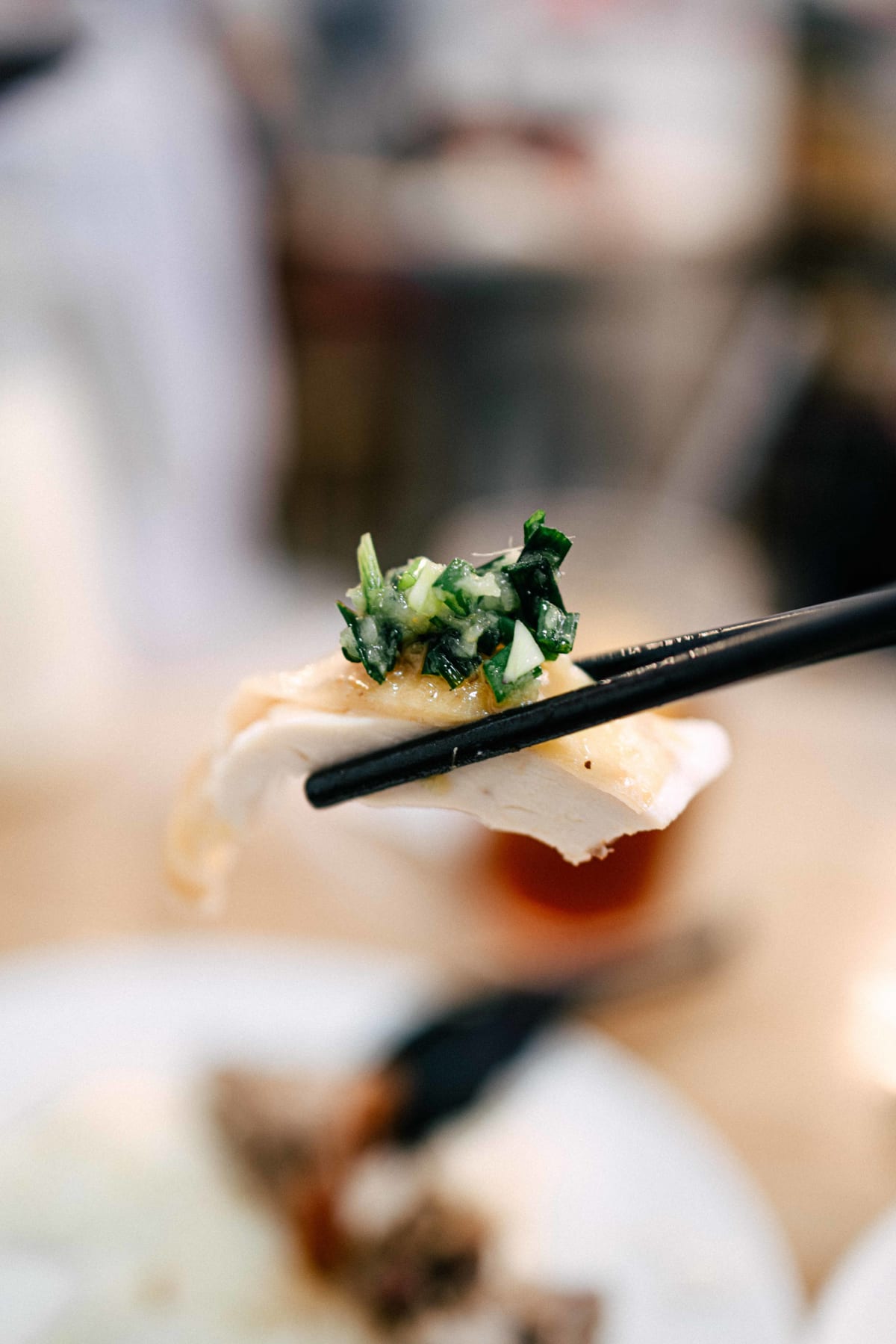
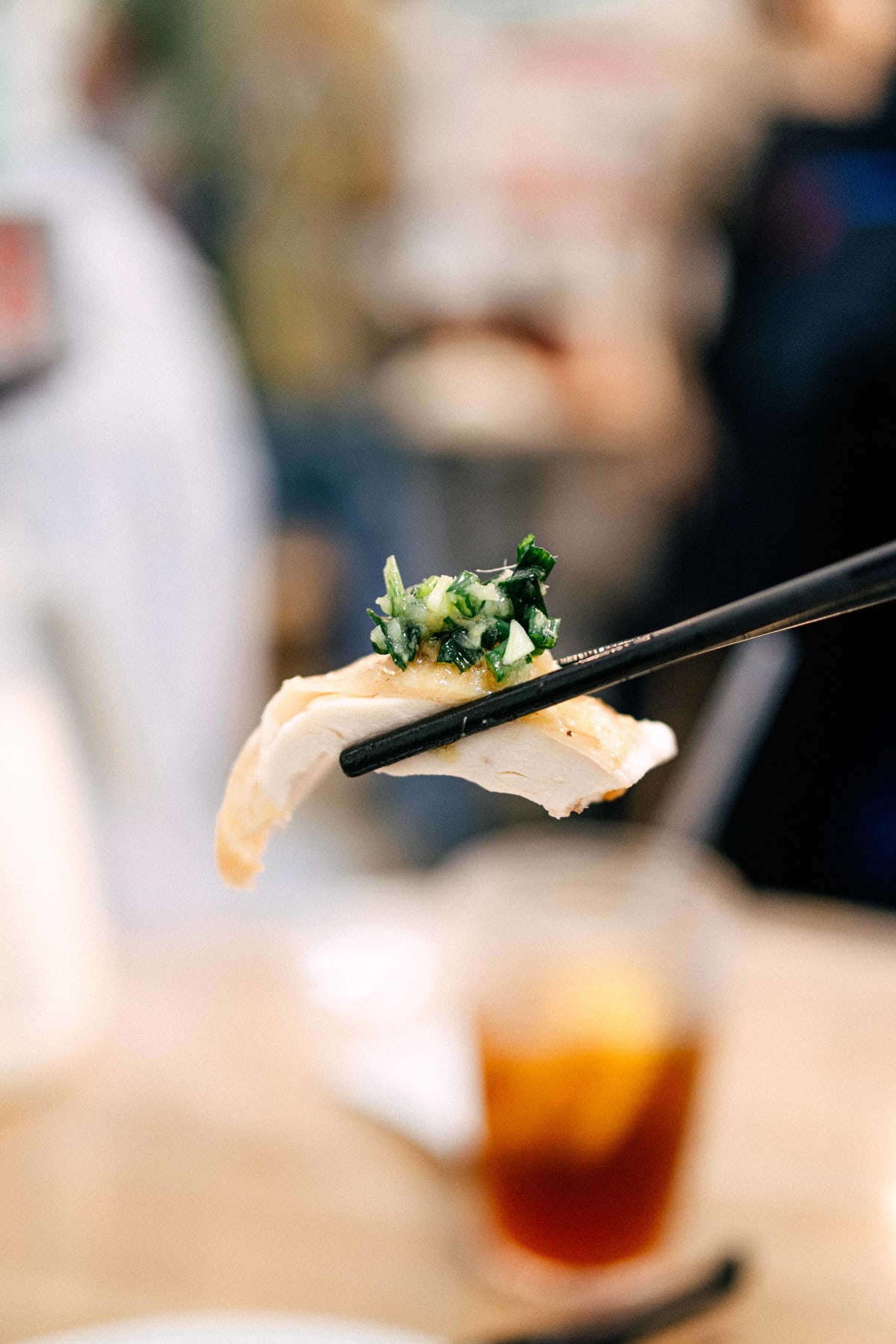
One more thing about the chicken: the doneness of the poached chicken here changed once. Traditional Cantonese bak chit gai was sometimes preferred cooked to the point where the meat is done but the area around the bone is still slightly red and moist, and there is a record that Joy Hing adjusted the doneness after the 1997 Hong Kong avian influenza scare, as customers grew concerned.
Section 8·A Brilliant Ordinariness
Anywhere in the world, the impression that comes up surprisingly often at an old place that stands for history is that it is more ordinary than expected. But that may be an impression history itself shaped, and a brilliant one rather than a poor one.
The flavour of that place became the representative flavour of the region, and over a long stretch the rivals around it and after it pushed that flavour up.
It was the same here. It was ordinary.
So what this place has preserved is not an old recipe but a sense that never existed on paper in the first place.
Section 9·Gaai Fong Saang Yi
There is one phrase more useful than Michelin for understanding this place. Gaai fong saang yi, neighbourhood business. Chow Hau-wo recalls being taught by her father that a business serving the people of the neighbourhood must not charge them too much. The thinking was that it was enough for the family to make a living and the staff to be fed. When the shop was first written up by Michelin she said she would not raise prices.
This is not a Michelin starred restaurant. It went into the Bib Gourmand of the 2015 Hong Kong and Macau guide. But this is a business older than the Michelin guide itself, so it is better read not as Michelin having made this place famous but as a cheap plate of siu mei rice that Wan Chai residents and office workers had been eating for decades entering an outside system of assessment.
Section 10·No Written Recipe
There is a concrete reason behind what I mean by a brilliant ordinariness: the cooking here has no numerical recipe to begin with. According to a 2015 report, other shops press a char siu button and a roast goose button separately, while Joy Hing has cooked everything over the same fire, and there was not even a thermometer in the work area. They adjusted the roasting time by reading the heat they felt with their hands, the colour of the meat, the time, the humidity and the weather. On a damp or cold day they roast a little longer.
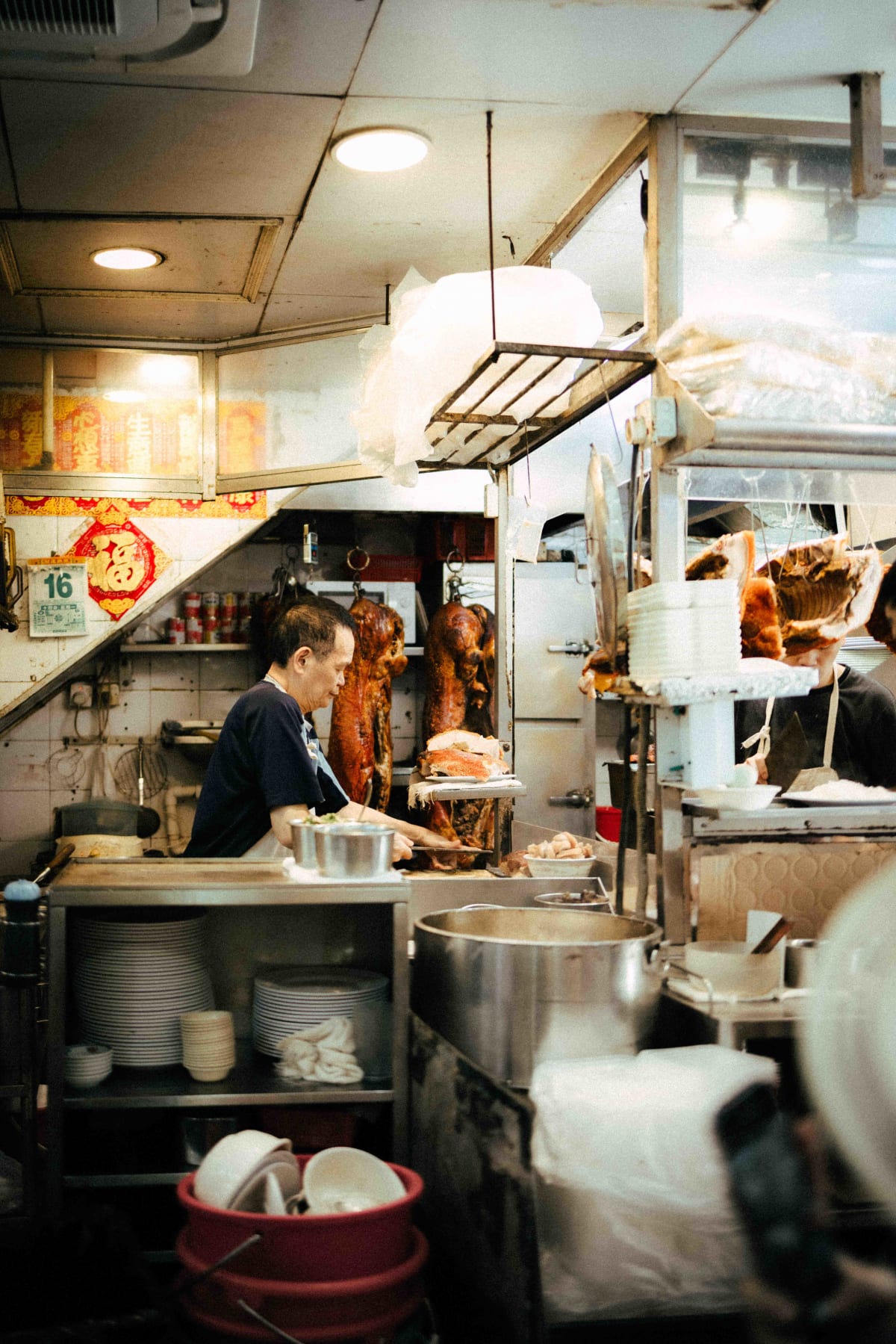
The seasoning was not measured either. They could tell roughly what a piece weighed just by lifting it, and set the amount from that. So what this place has preserved is not an old recipe but a sense that never existed on paper in the first place. That also explains why many of the staff have been here for decades.
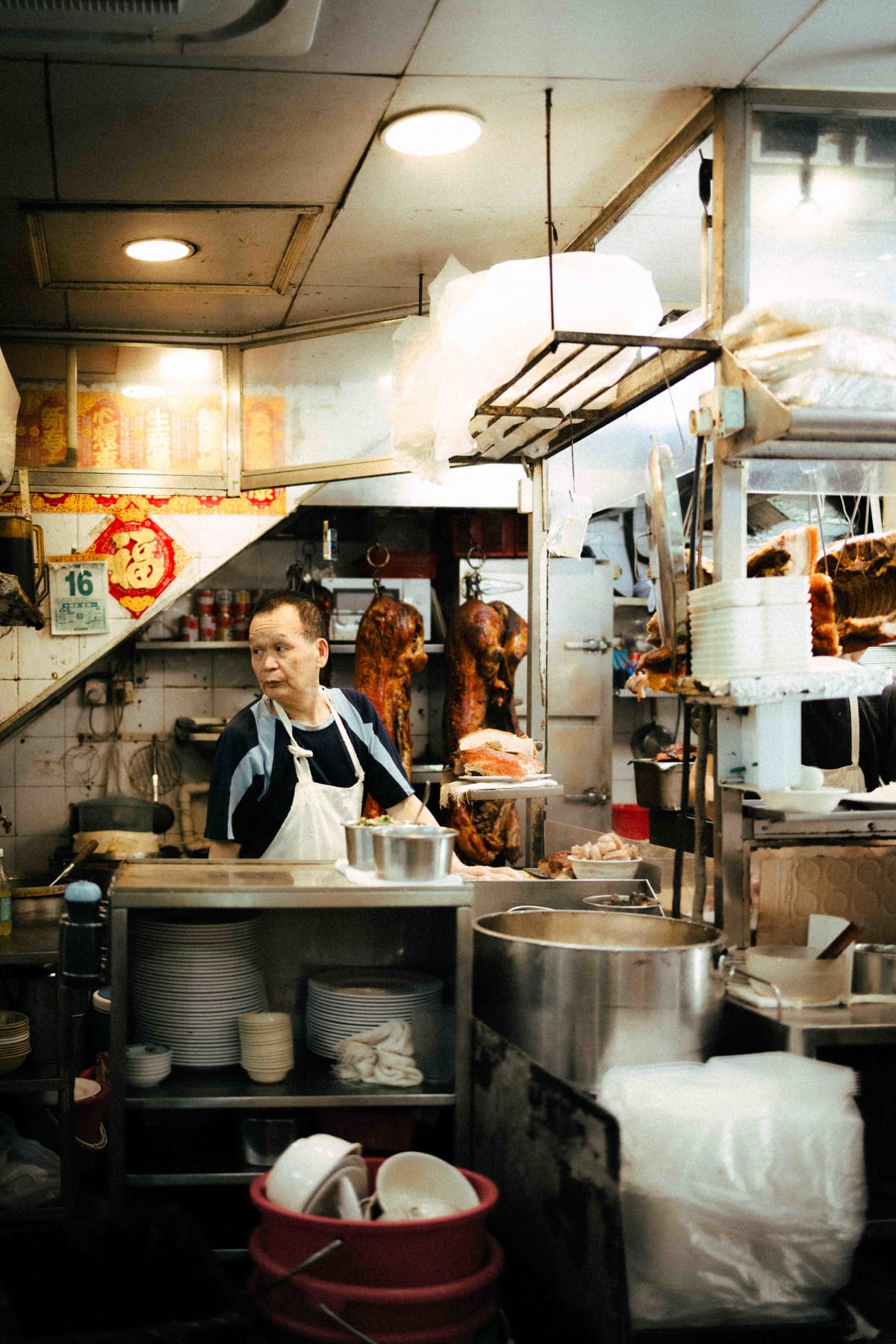
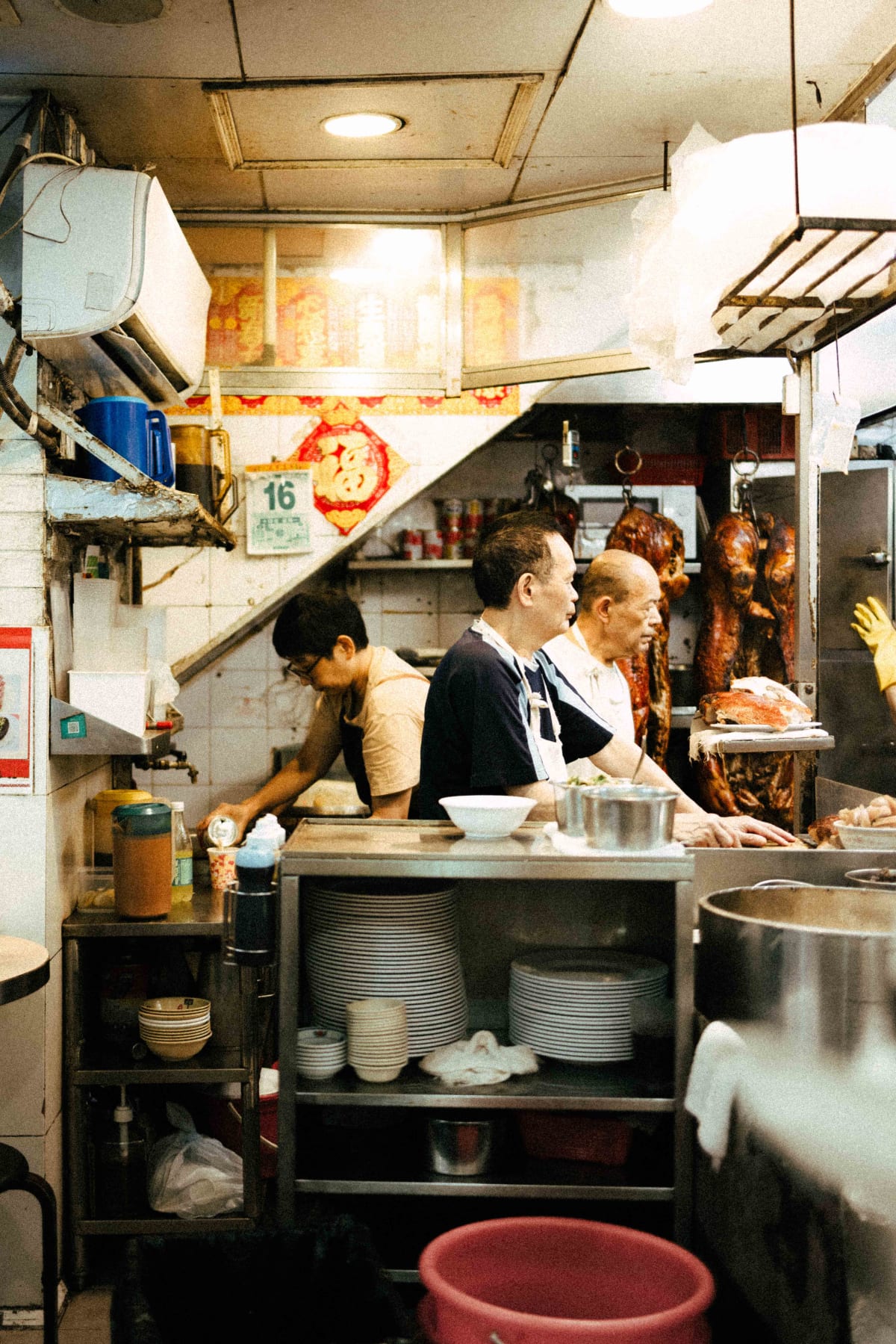
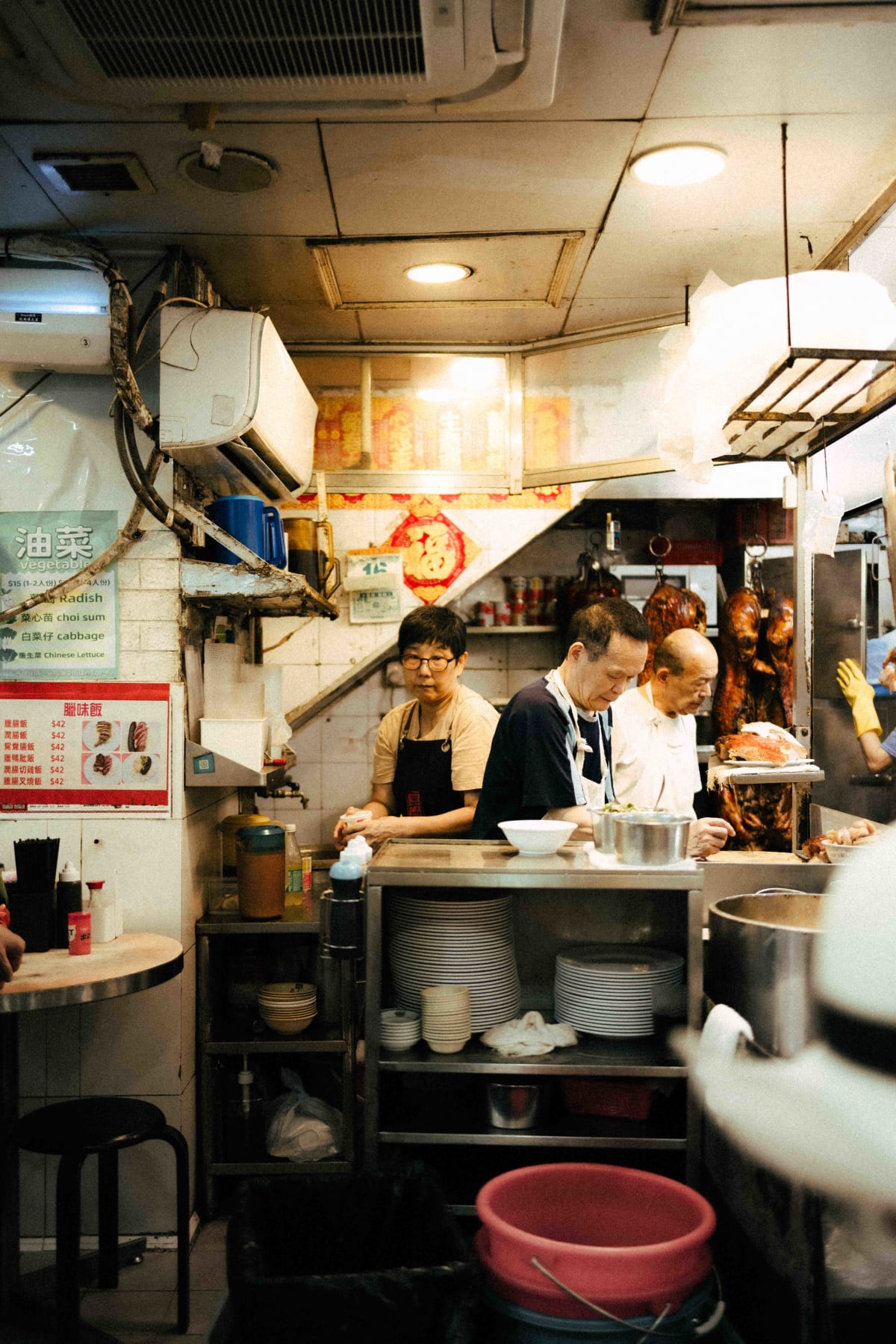
Chow Hau-wo worried about the lack of a successor, saying the siu mei work runs from before dawn until night and is hard enough that young people do not want to learn it. She also said that even when a large order comes in they cannot raise output much, because the work has never been automated.
Section 11·Worth The Visit
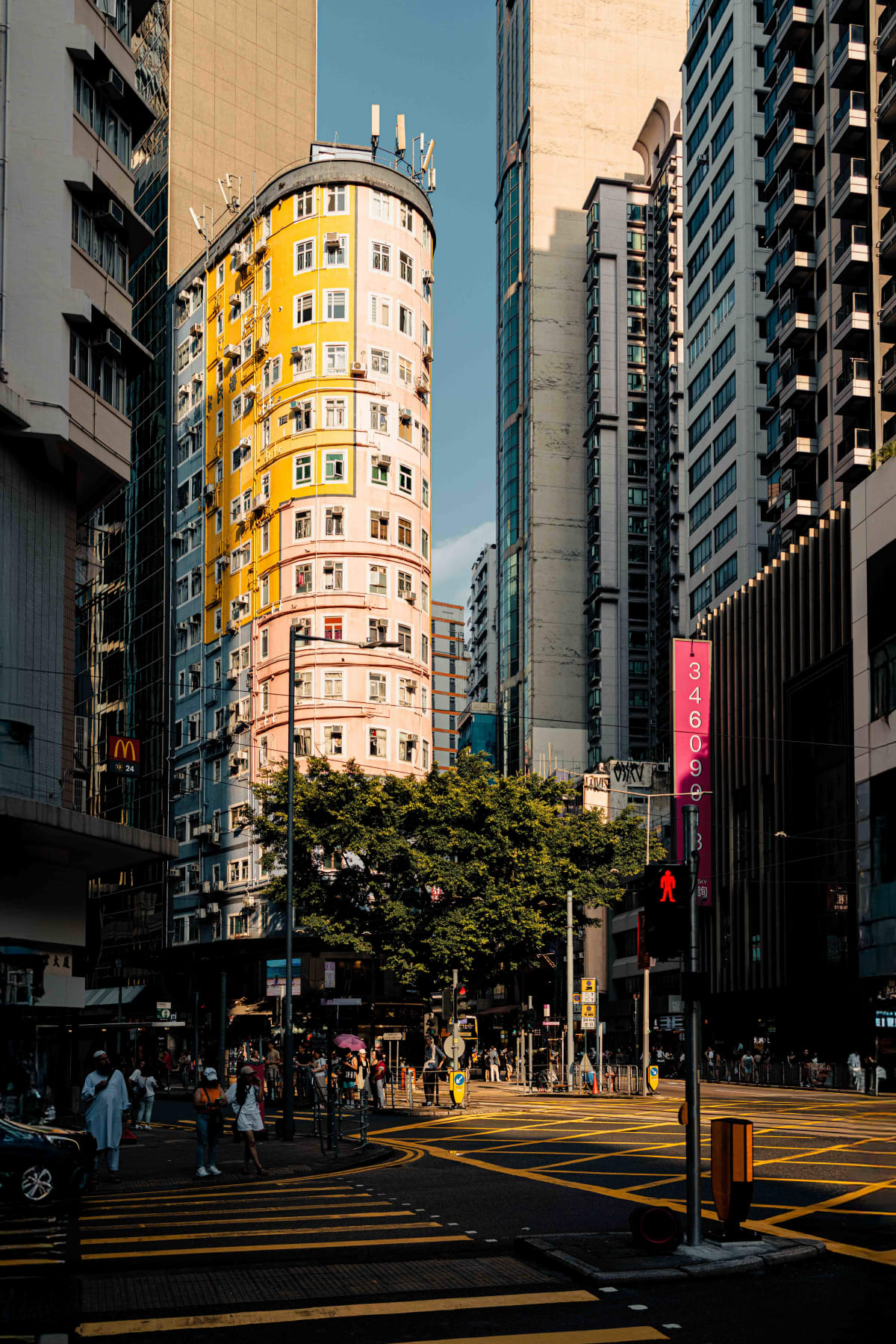
Beyond the taste alone, for experiencing the history of Hong Kong and its popular food and the eating culture of local people, I think it is worth a visit once. The atmosphere of an old Hong Kong shop under a forest of towers in particular was truly special. Next time I go to Hong Kong I plan to take a room in Wan Chai again, and I mean to come back for the char siu.
Every account of this place reaches for the Qing, and the number that matters is the other one. Forty years at this corner, because the open air stall it began as was cleared out when Hong Kong redeveloped its old districts in the 1980s. What survived that move is not a recipe. There is no thermometer in the kitchen and the seasoning is judged by lifting the meat, which means the method lives in the hands of people who have worked here for decades. That is also why the fourth generation worries about who comes next. Eat the char siu, which I did not.
Have a question about this restaurant, or want to share your own experience?
Send a message