Local & Essential · Seoul · Korea / April 2026 / Culinary Class Wars Season 1 Champion
Via Toledo
"The fourth visit to Kwon Seong-jun's pasta bar, and seven bottles carried in for one dinner in Namyeong-dong"
Section 1·Seven Bottles
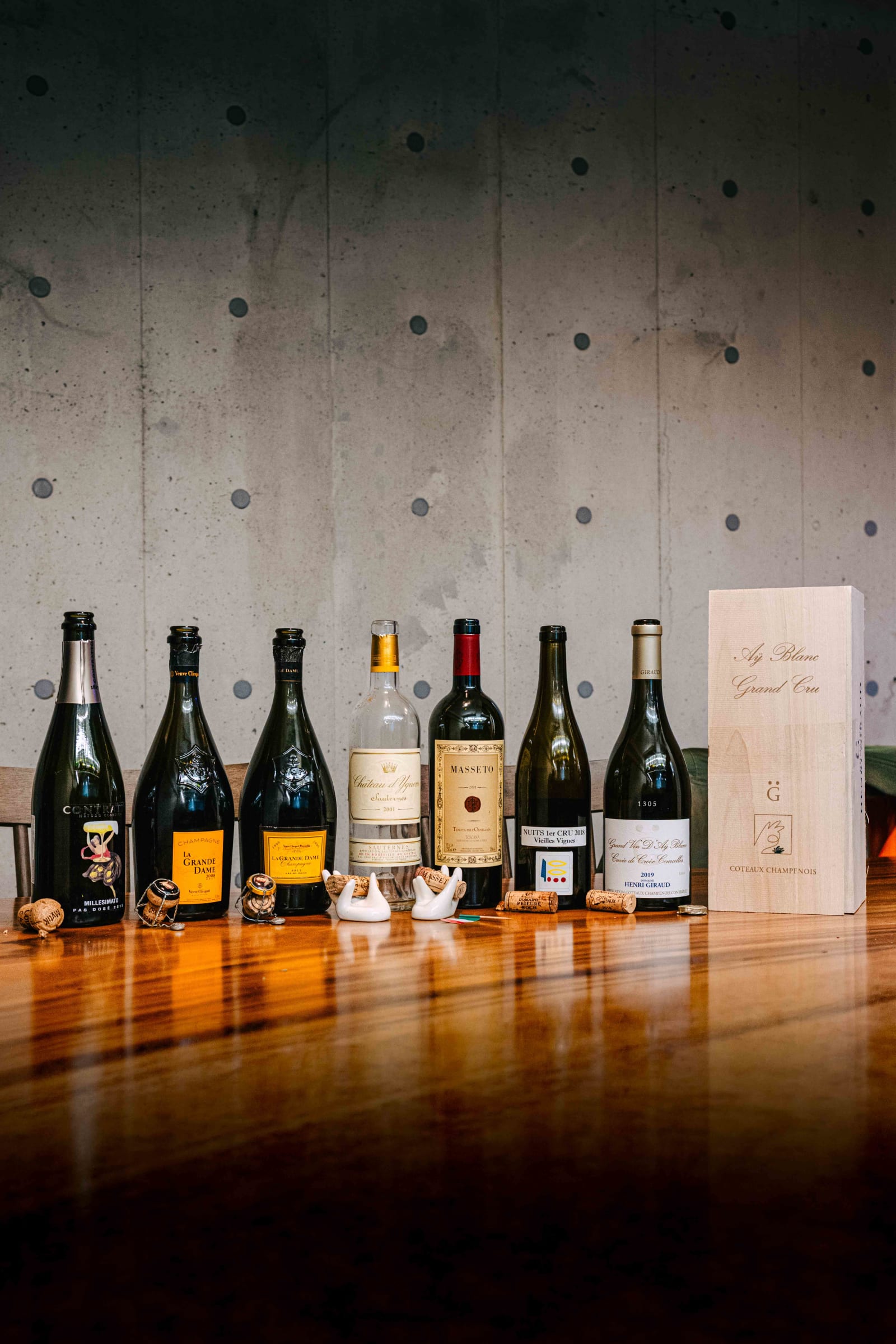
Five months after my November 2025 visit, I returned to Via Toledo Pasta Bar, run by chef Kwon Seong-jun, winner of the first Culinary Class Wars. The course felt clearly more polished than it had in November, though the truth is that this evening was one where the wine mattered far more than the food, to the point that I would call it the most lavish pairing of my life.
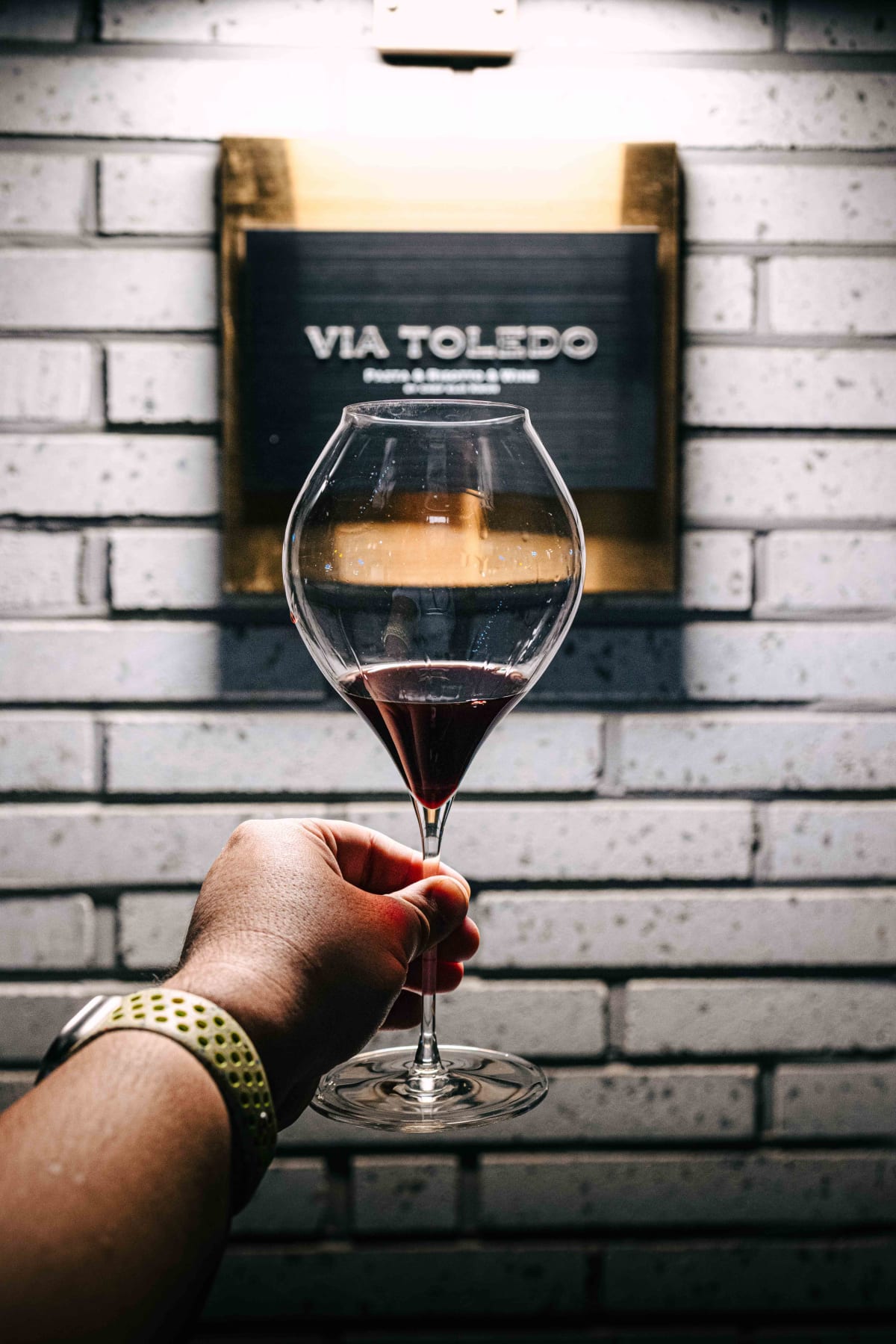
Two wine-loving acquaintances of mine brought along such good bottles that it turned into a proper gourmand's evening, seven bottles lined up alongside the pasta and risotto. The moment I walked in, the wines for the night were already set out in a row, and I had an immediate feeling that this was going to be no ordinary night.
Section 2·The First Bites
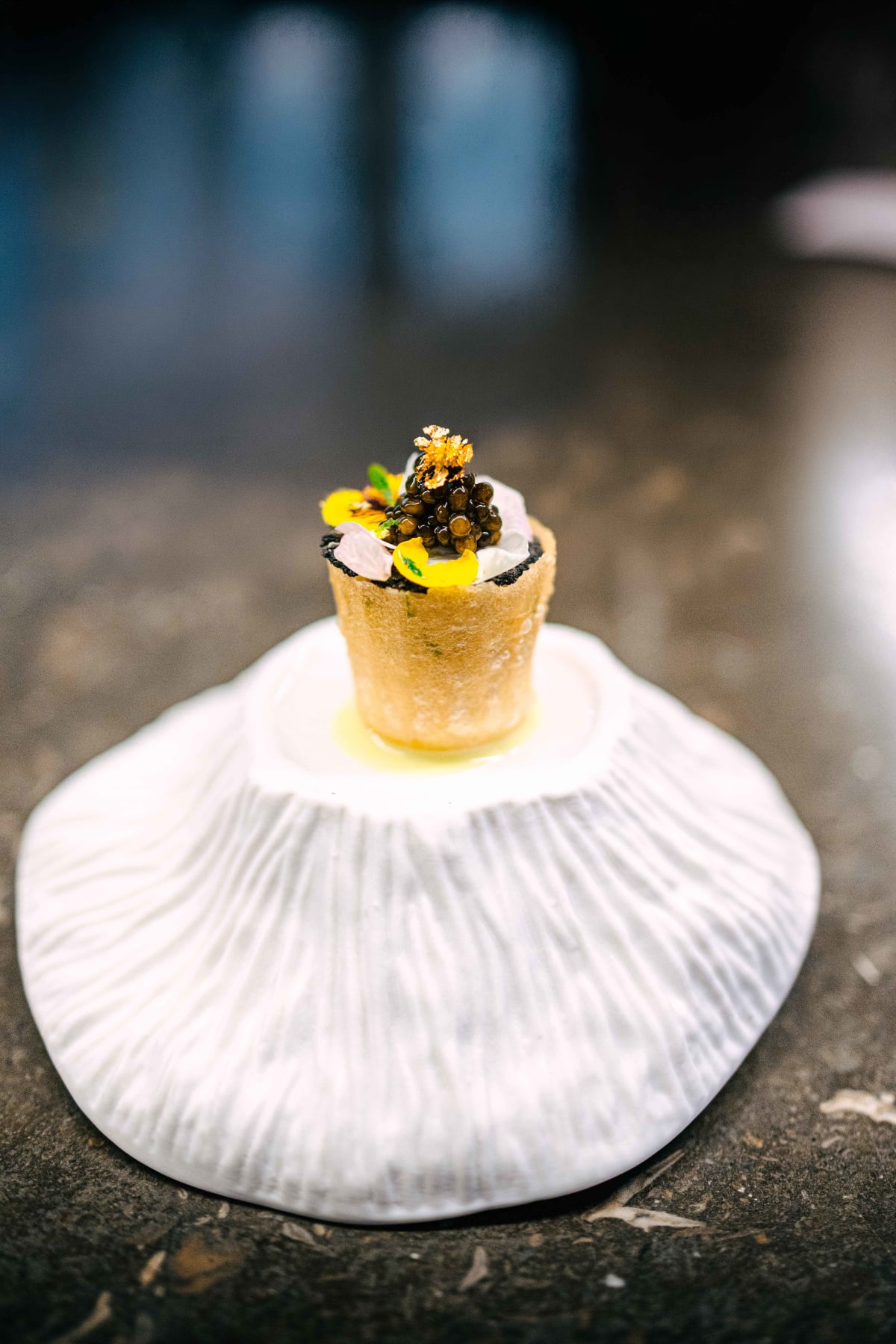
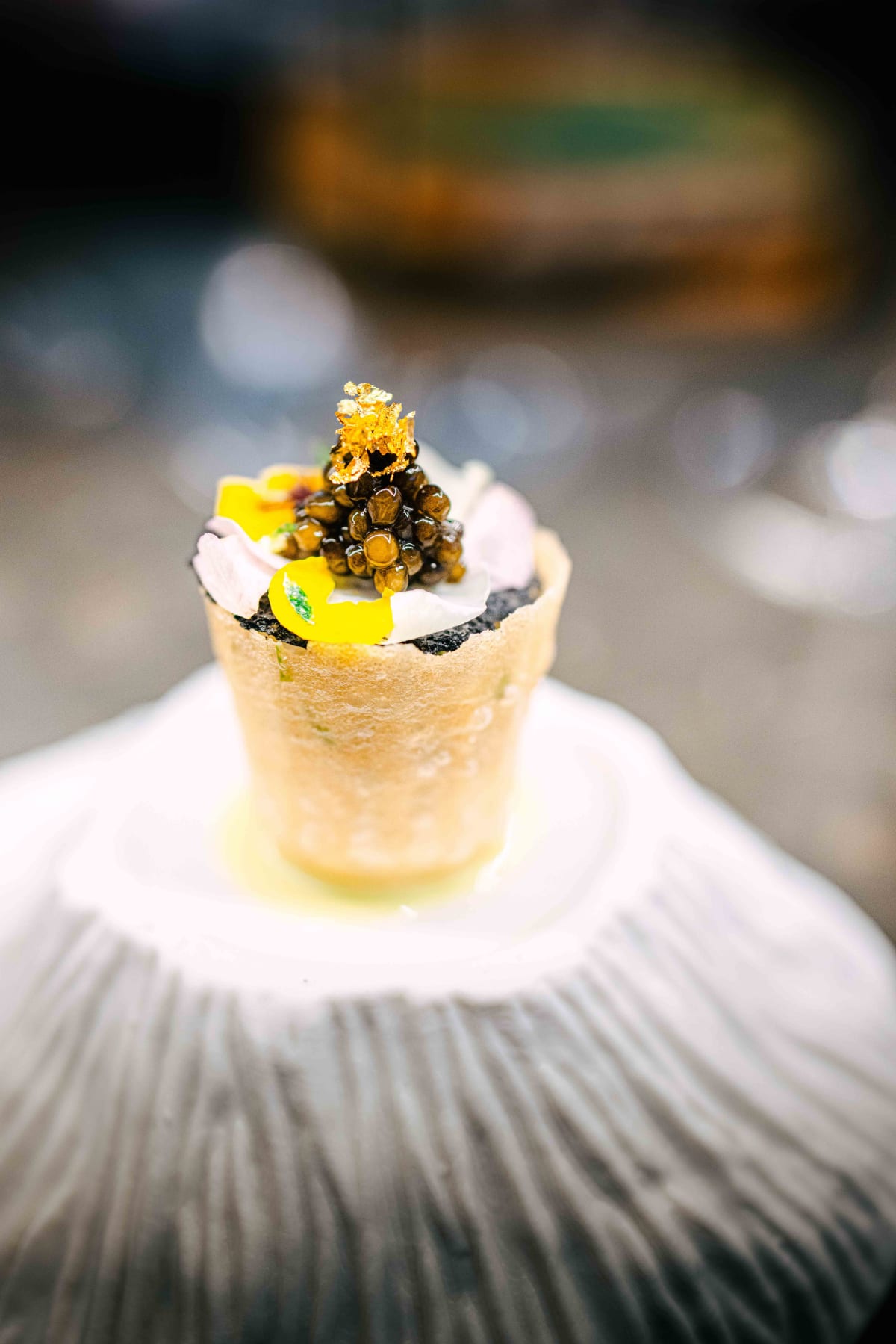
The first bite was a tartare using prawn and seasonal fish. Caviar, lime zest and edible flowers went on top. The texture of the prawn was springy and good, and the balance between the salinity of the caviar and the sweetness of the prawn was nicely struck.
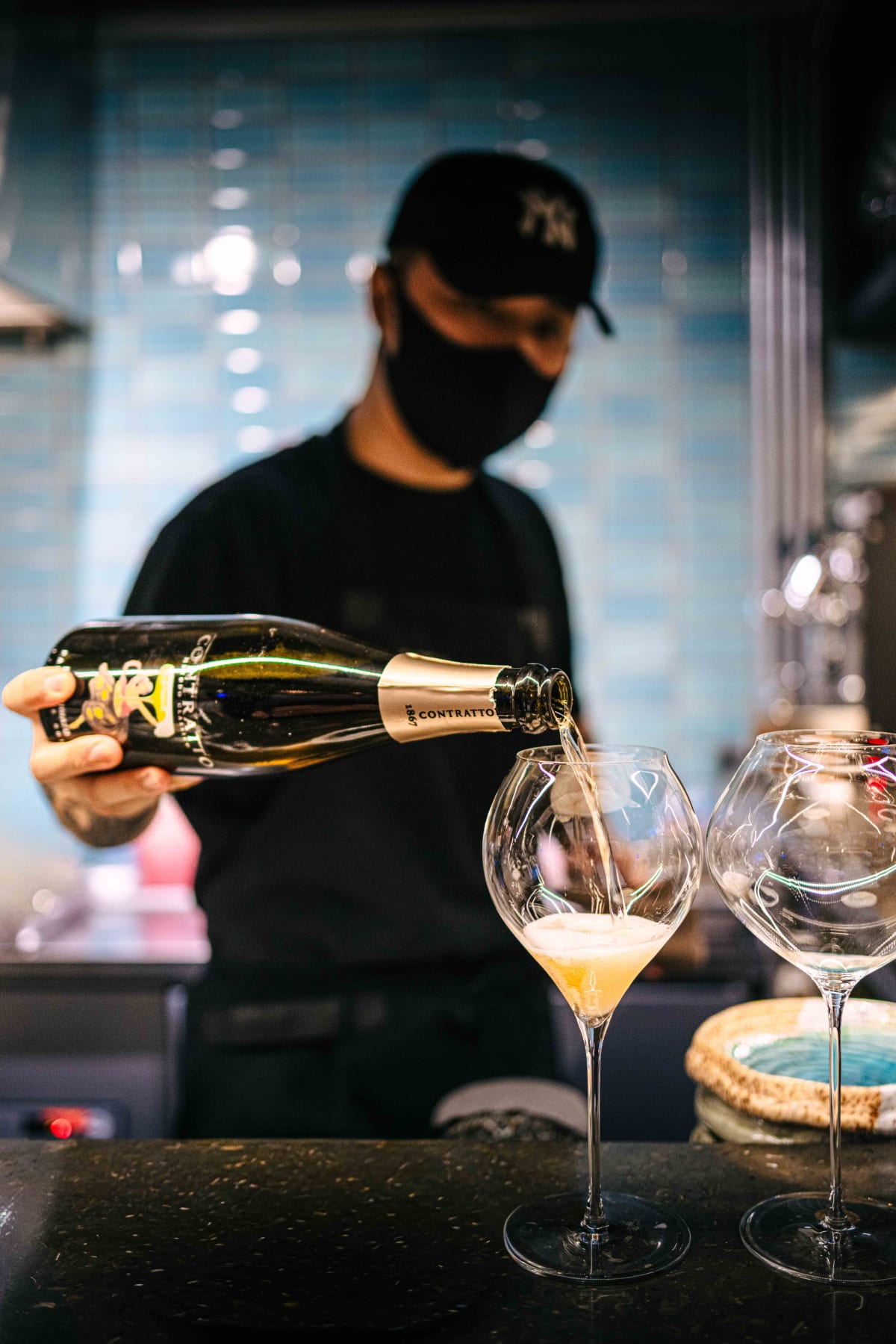
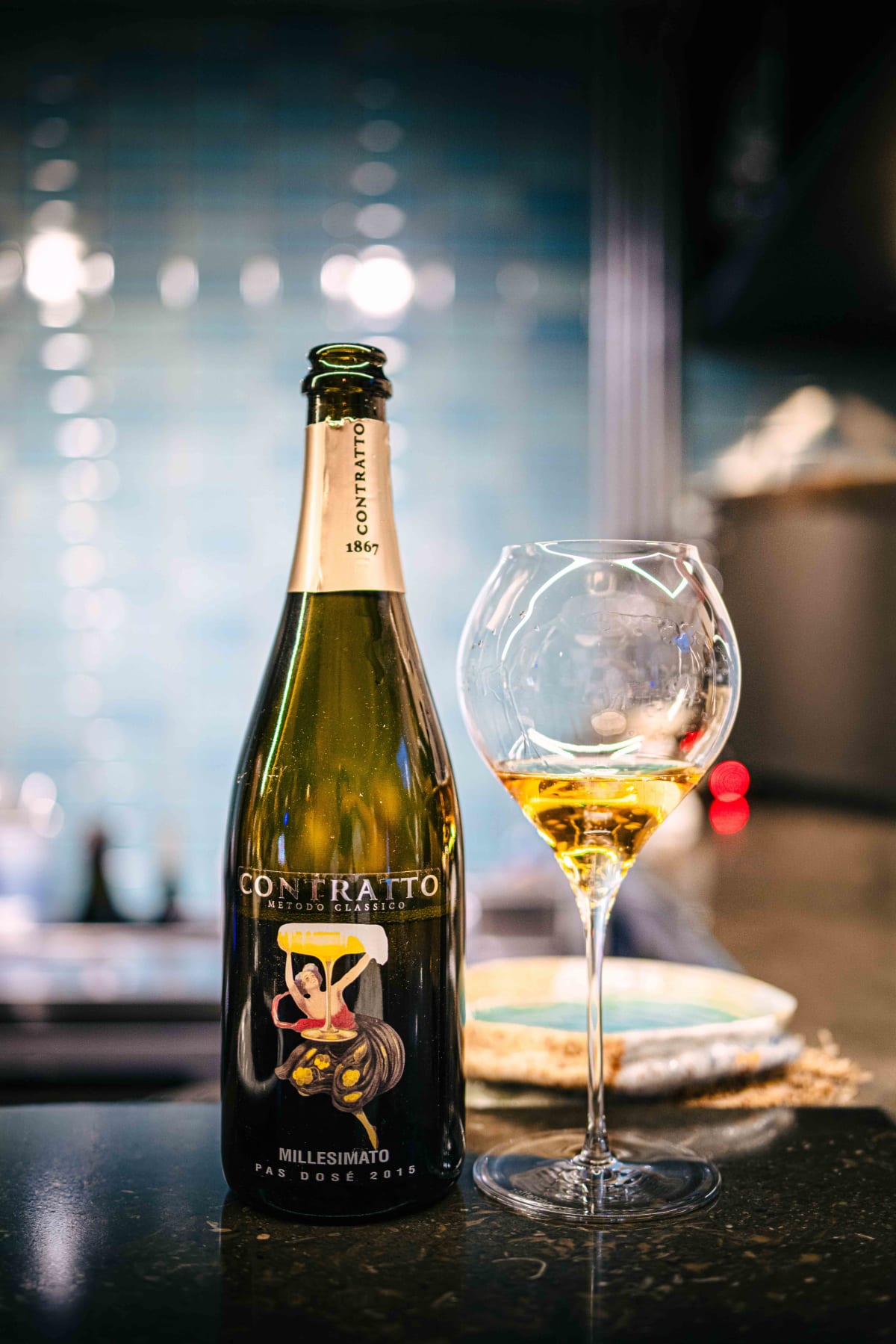
We started the first wine here, a Contratto Alta Langa Millesimato Pas Dosé 2015 ordered from the restaurant. It is a vintage sparkling from Alta Langa made by Contratto, founded in 1867 and said to be Italy's first metodo classico house, a Pinot Nero and Chardonnay blend in a Pas Dosé style with zero dosage. It carried acidity and fruit very close to real champagne, with a faint yeasty nuance on top. A fitting first glass for the start of a meal.
The sparkling was already open by the time it arrived.
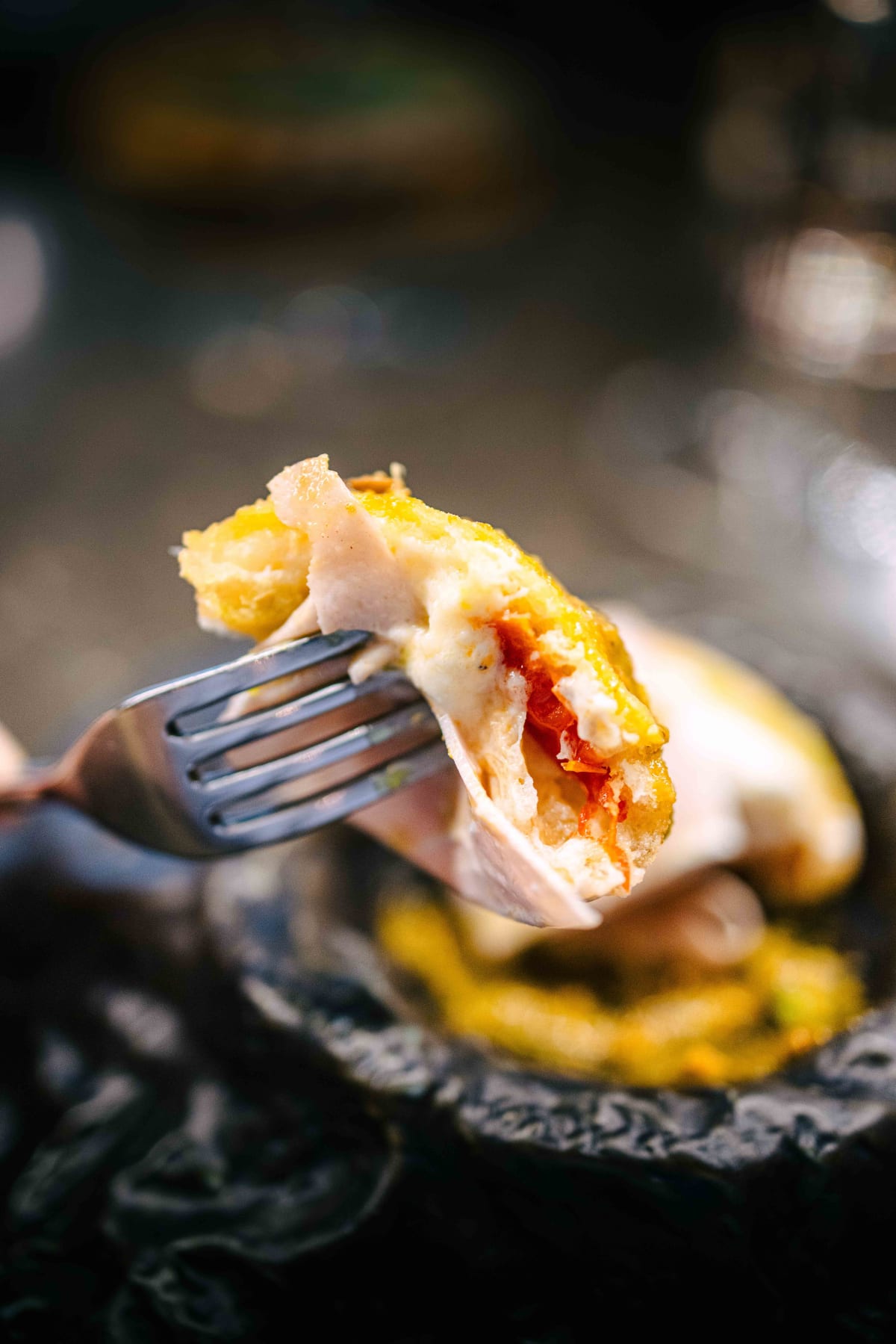
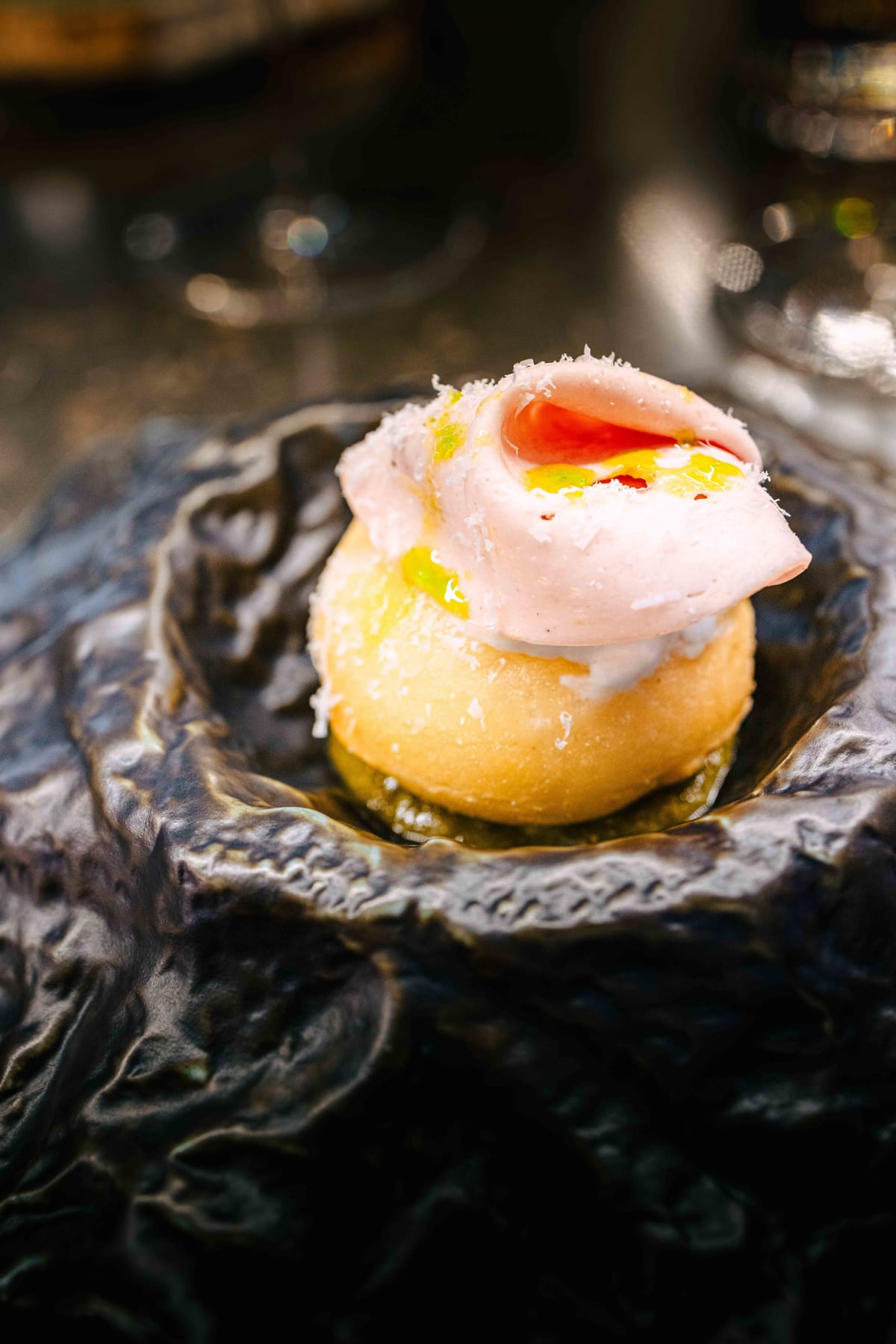
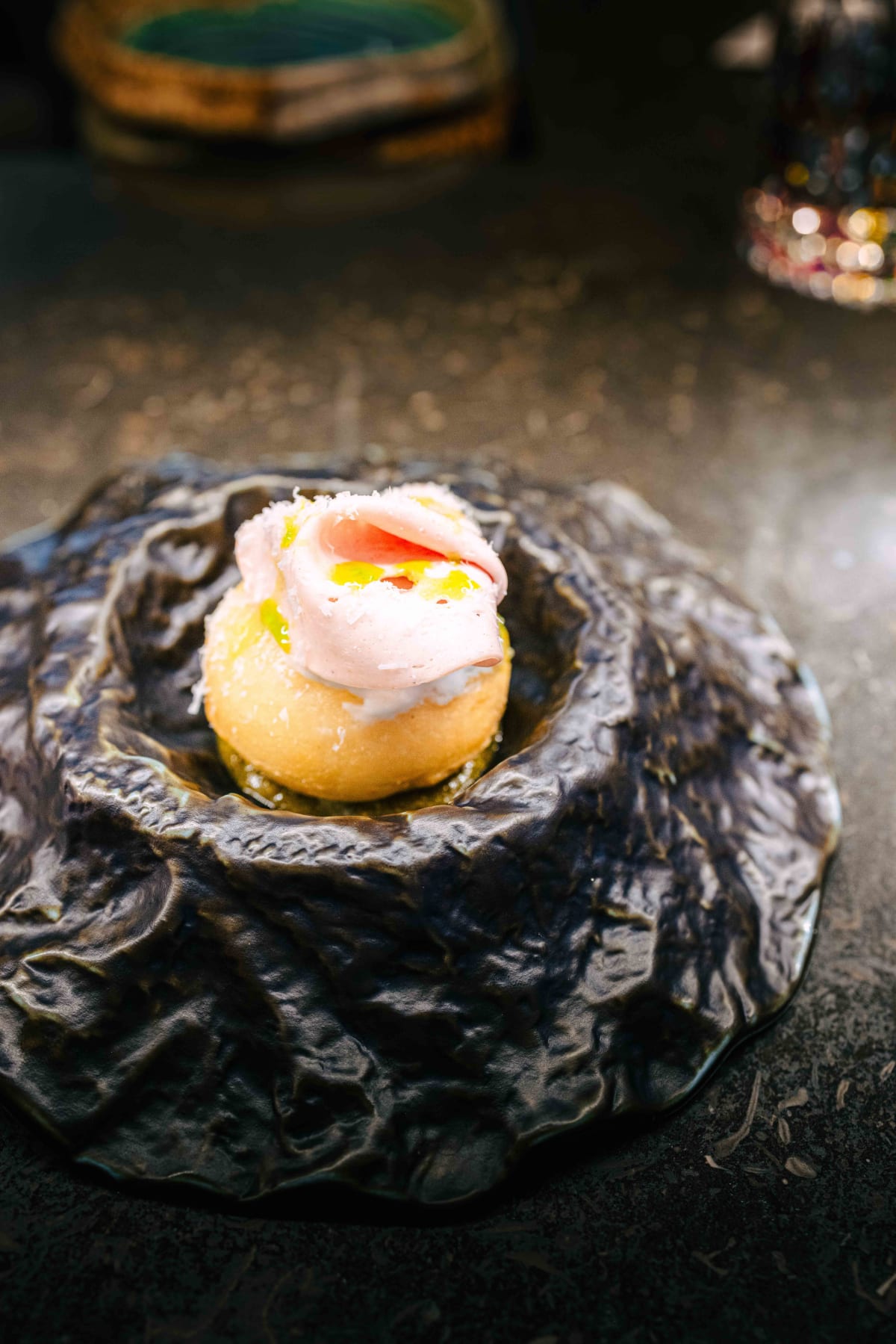
The second dish was a mortadella pizza fritta, described as a fusion of Bologna and the south. This was seriously good. Inside, the acidity of the tomato works well, and above and below, the mortadella and the pistachio pesto hold it together with a nutty richness. The pistachio pesto laid underneath was particularly good. You cut it and dip it into the sauce, so several flavours arrive in the mouth at once.
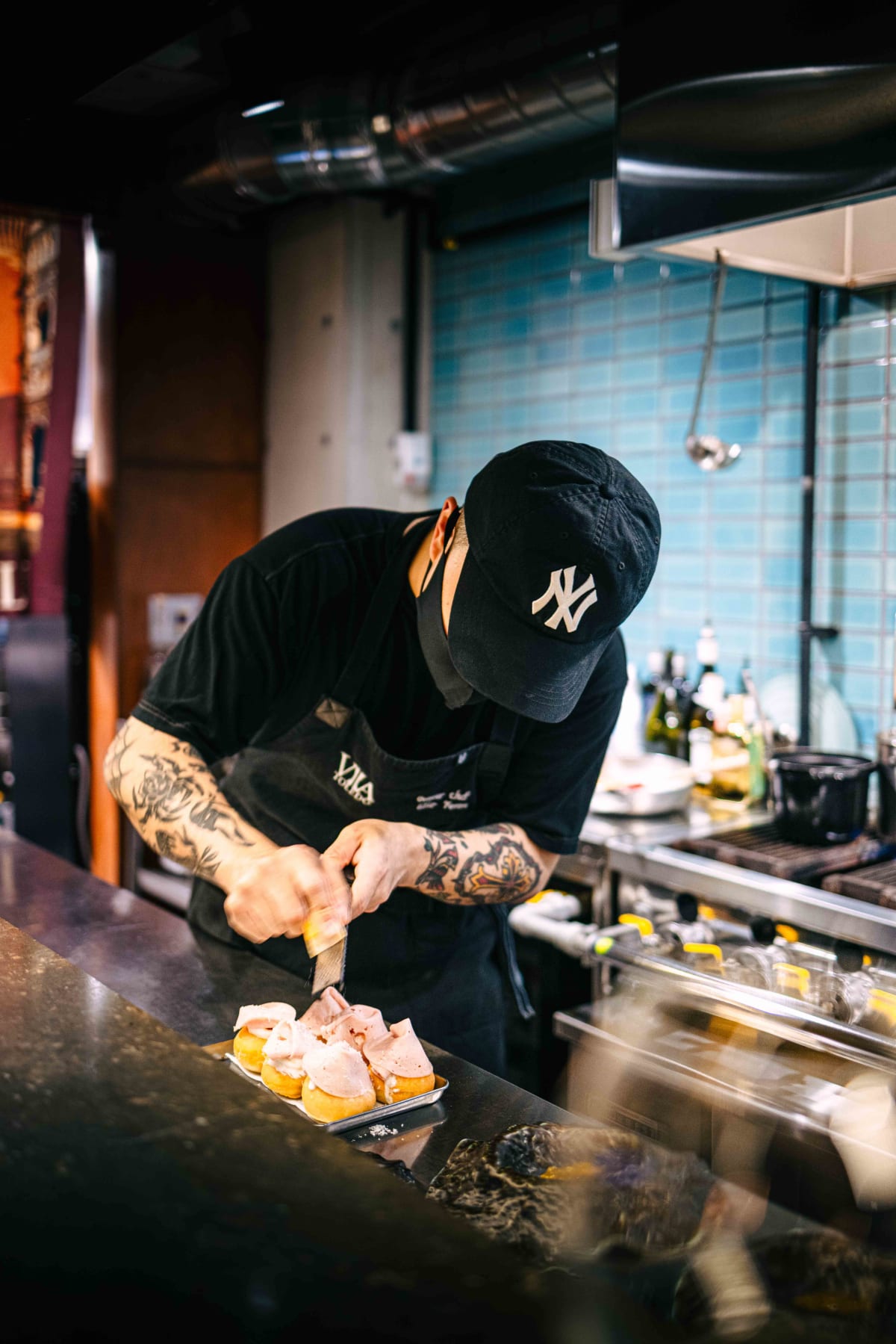
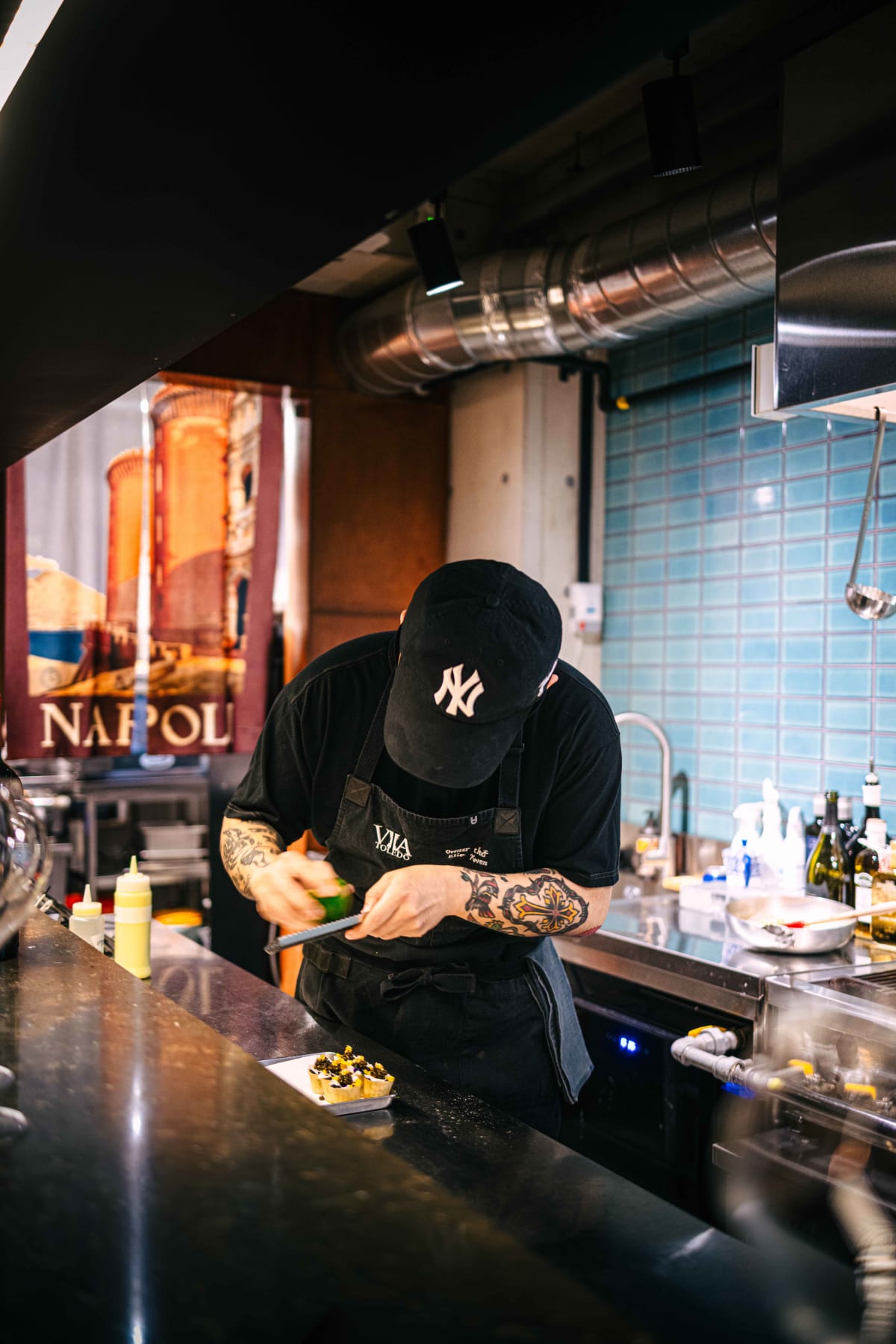
The cheese is grated over it in front of you.
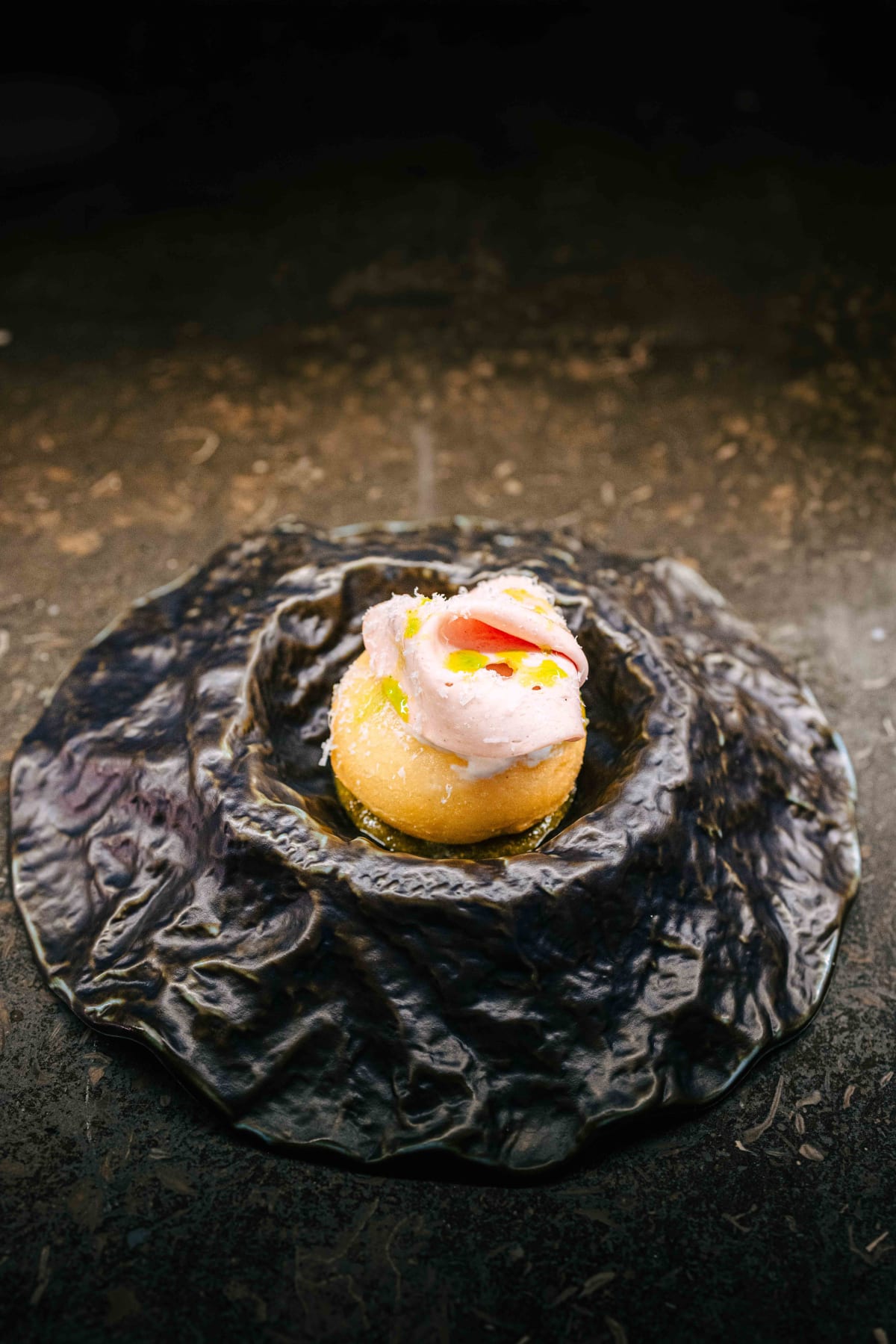
The pistachio pesto goes underneath.
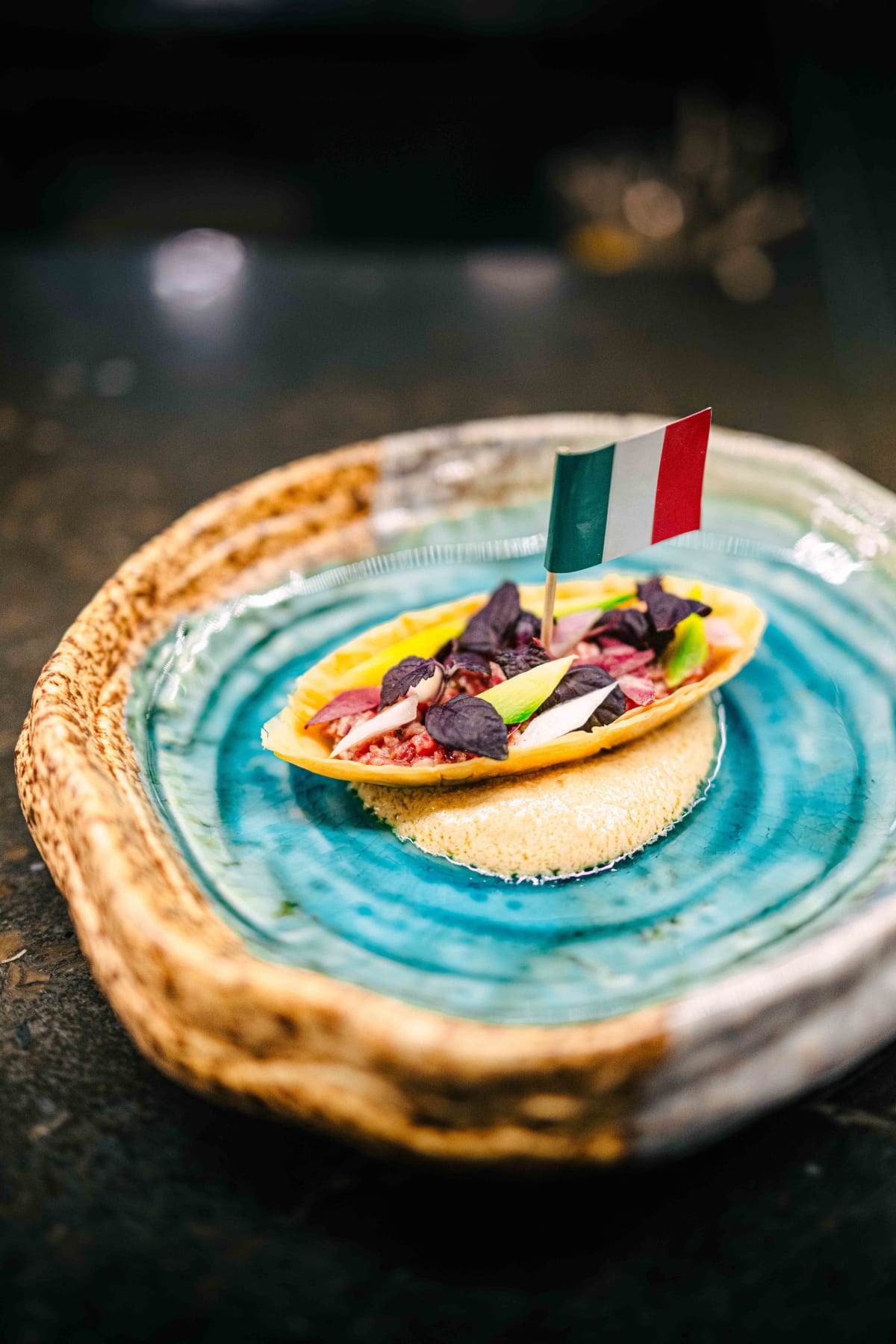
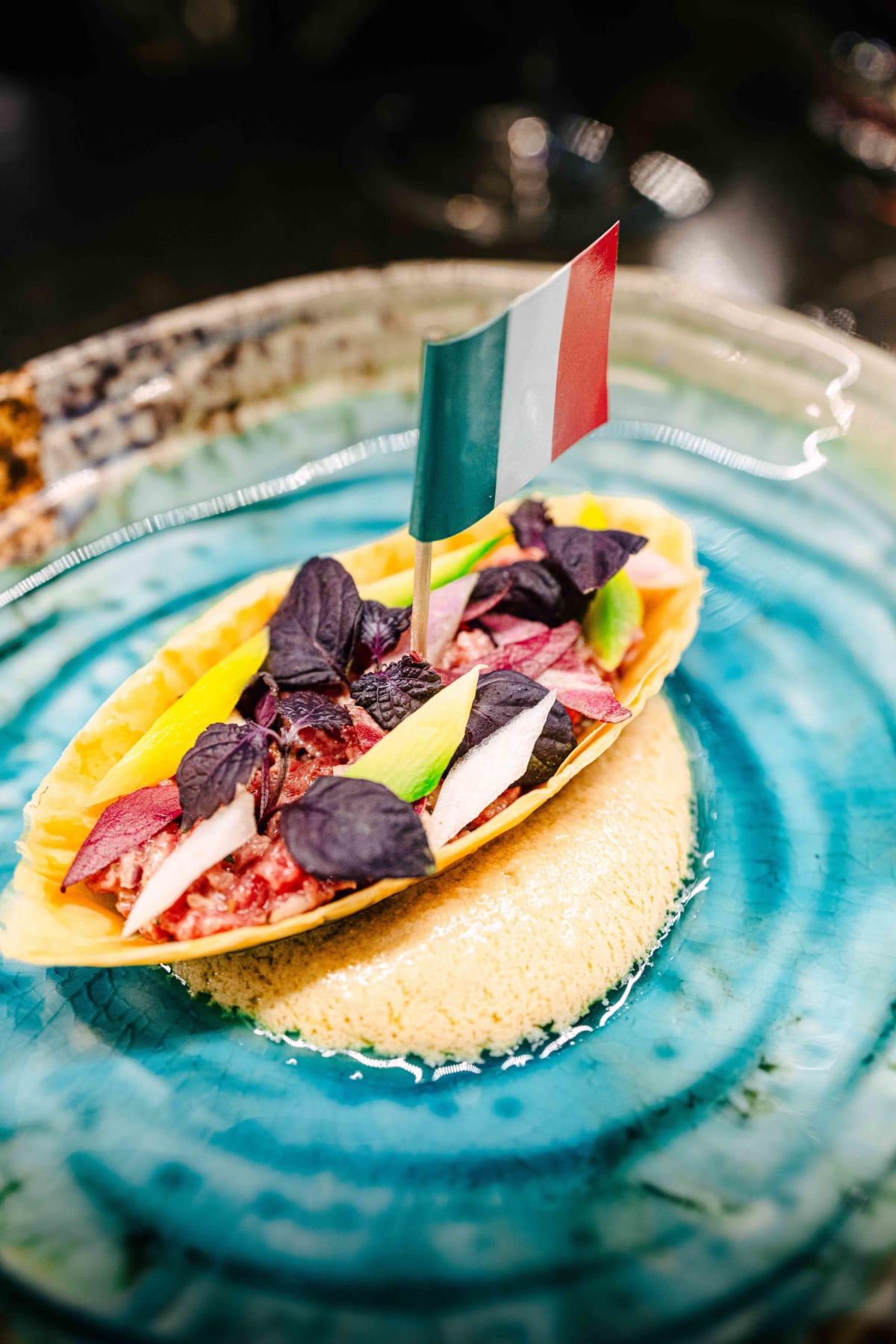
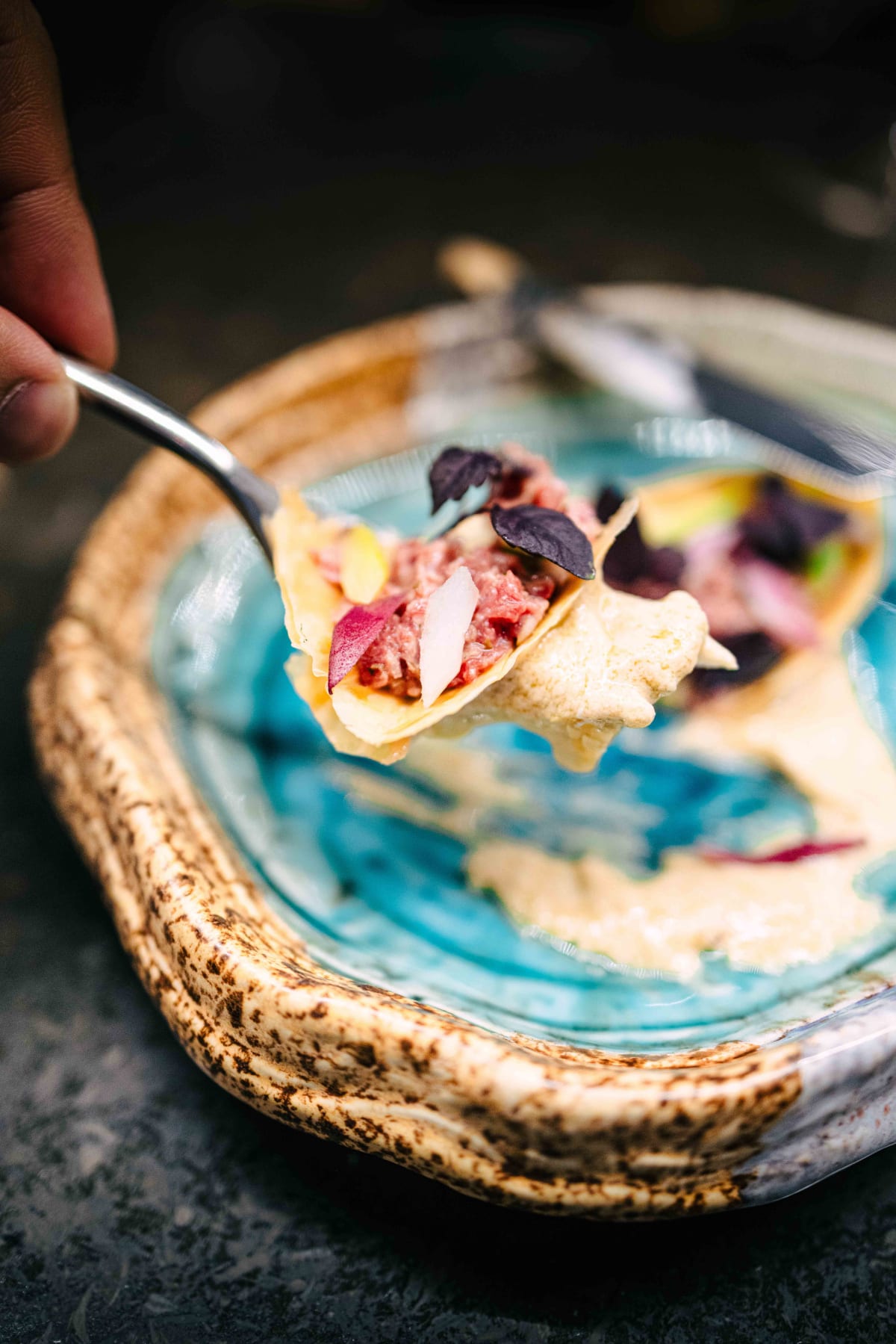
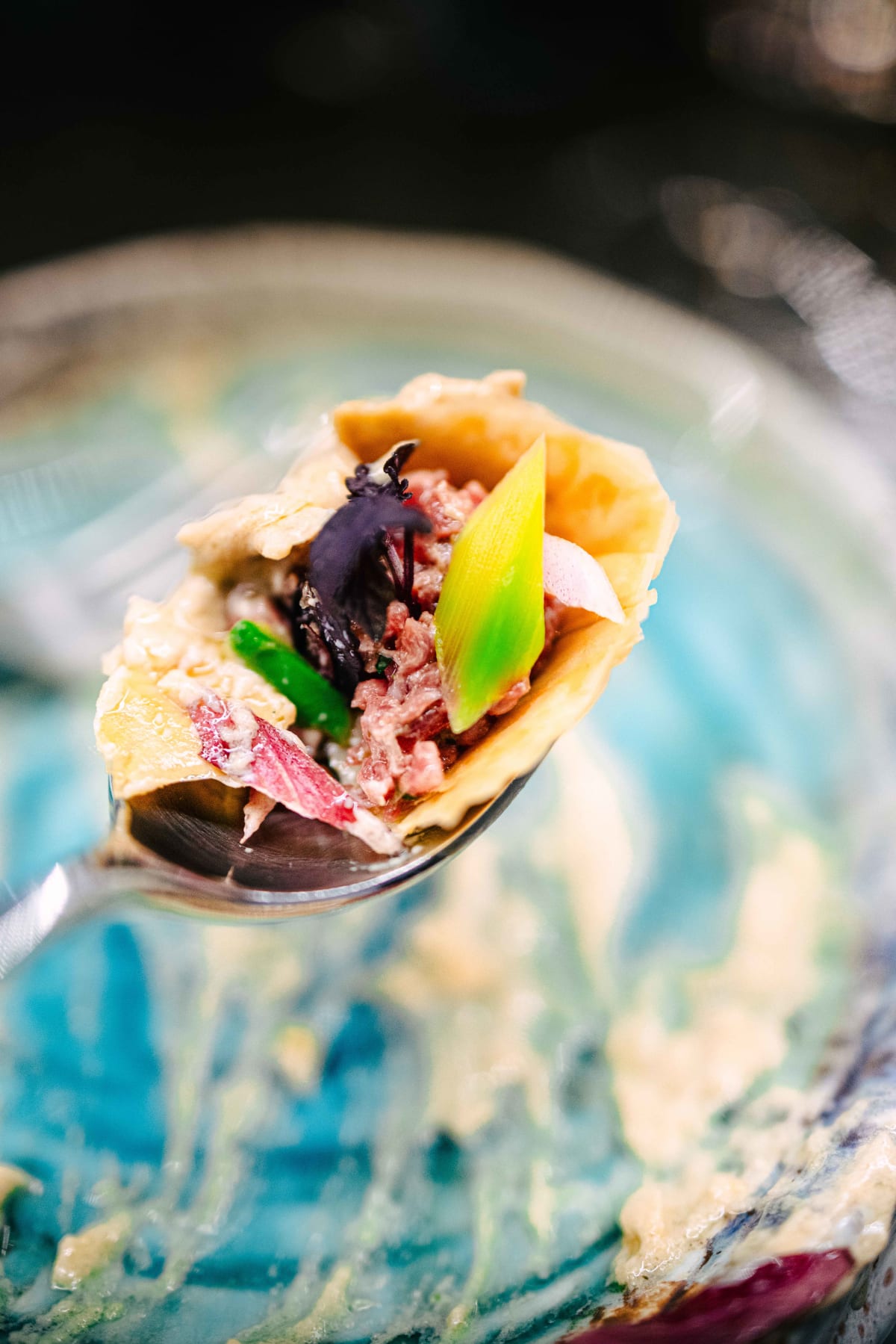
The third was a dish shaping vitello tonnato, the traditional Piedmontese preparation, into the form of a pear. A pear-shaped shell made like a biscuit sits on top, beef tartare and asparagus inside, and tuna sauce underneath. The shell was crisp, and you could feel a slight grain of tuna in the sauce, with good acidity and depth.
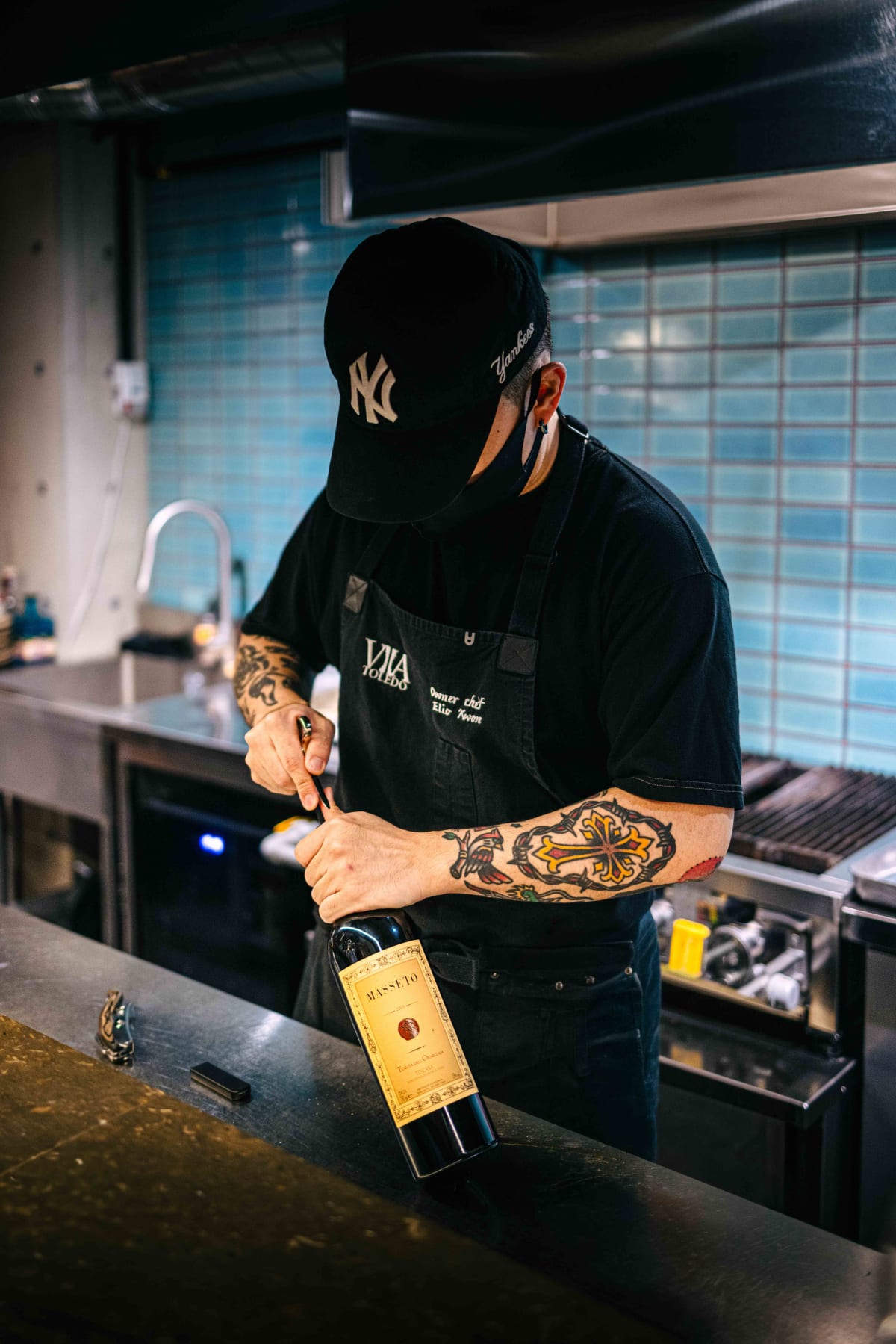
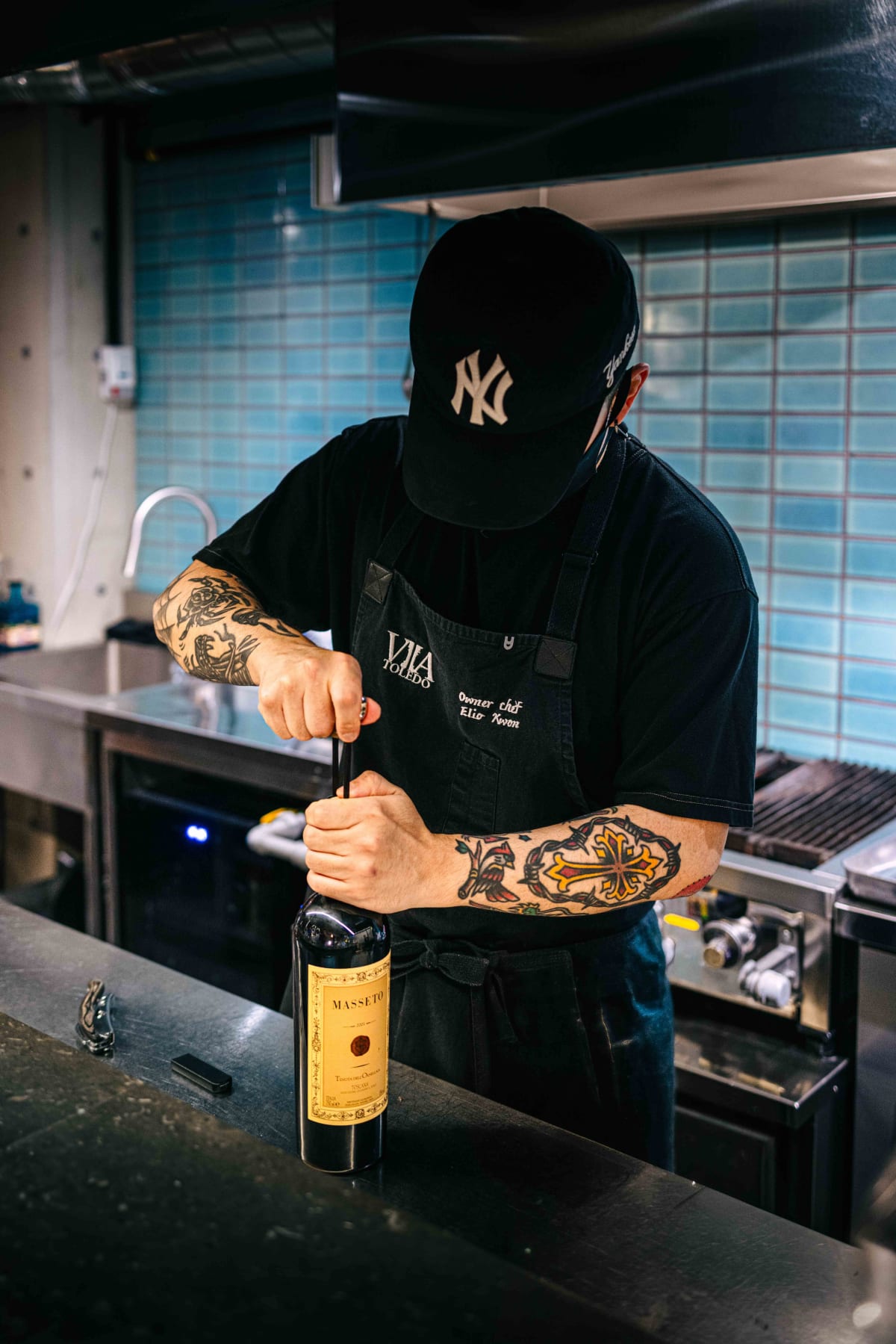
The Masseto was opened early to give it time.
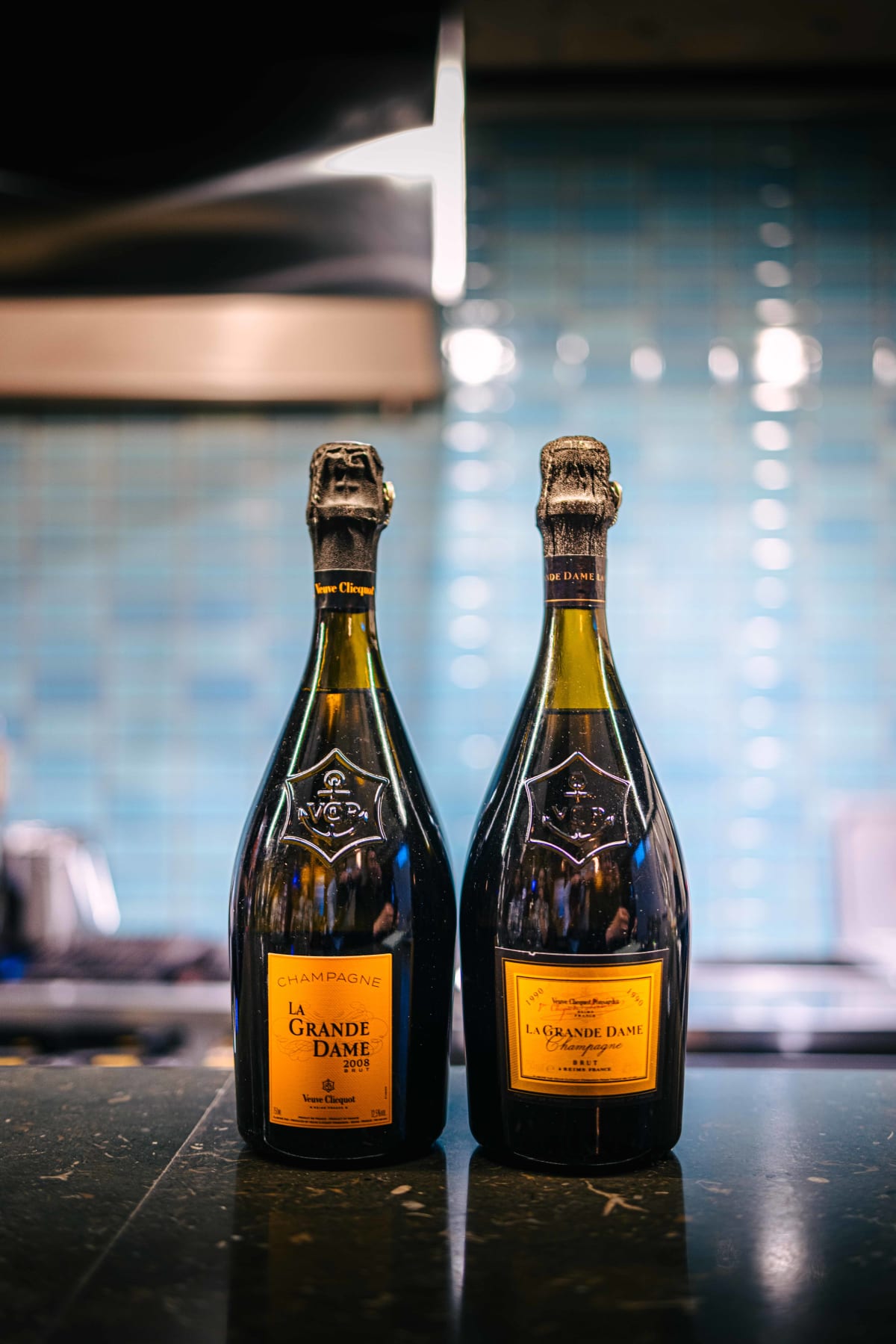
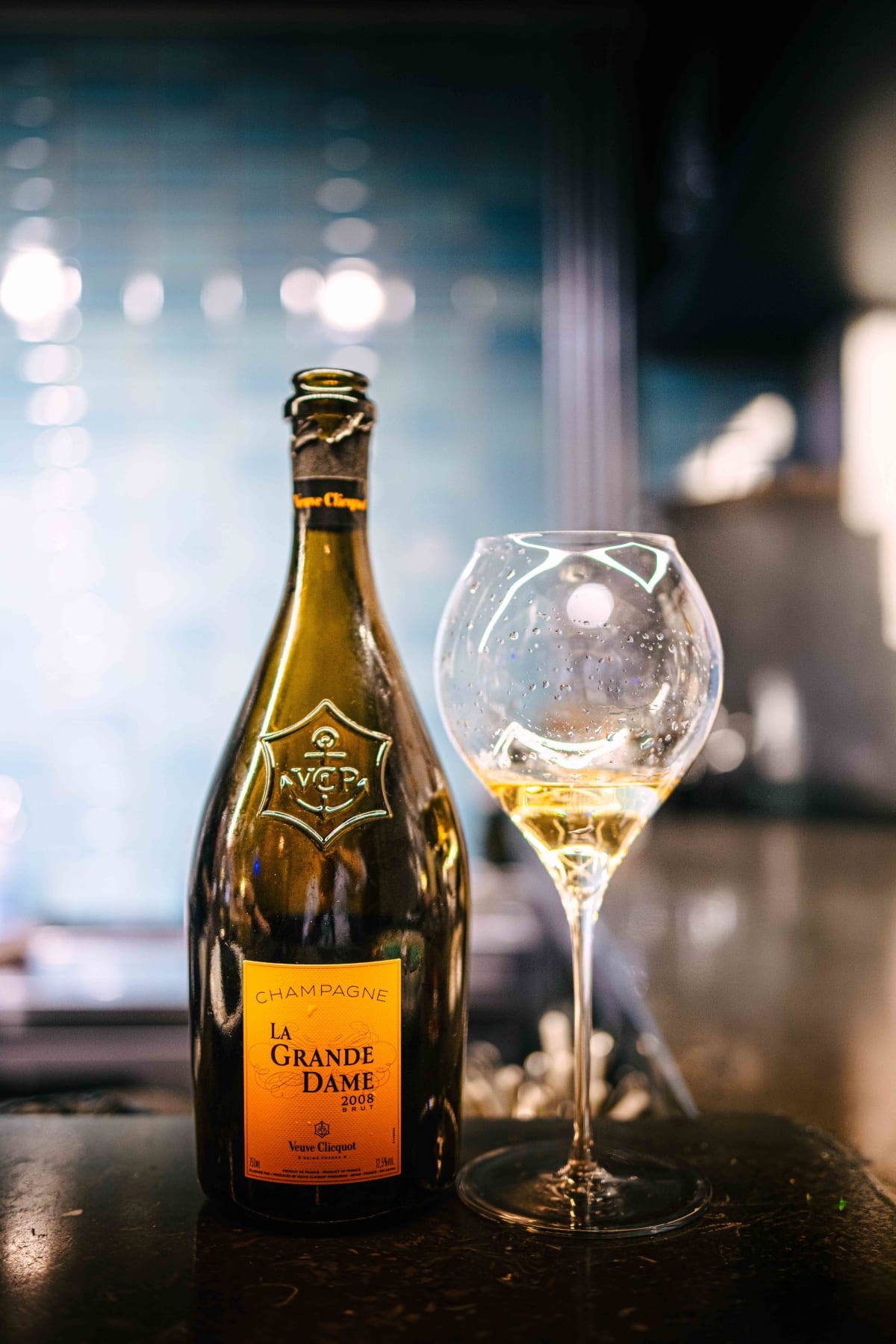
At this point one of my acquaintances donated the second wine, a Veuve Clicquot La Grande Dame 2008. He had brought it so we could drink it against the 1990 that day. The 2008 Grande Dame had an outrageous balance of vanilla and fruit. The moment it sat in the mouth I wanted to describe it as a perfume. If anything, being a comparatively young vintage let the character of Veuve Clicquot as a producer show more clearly.
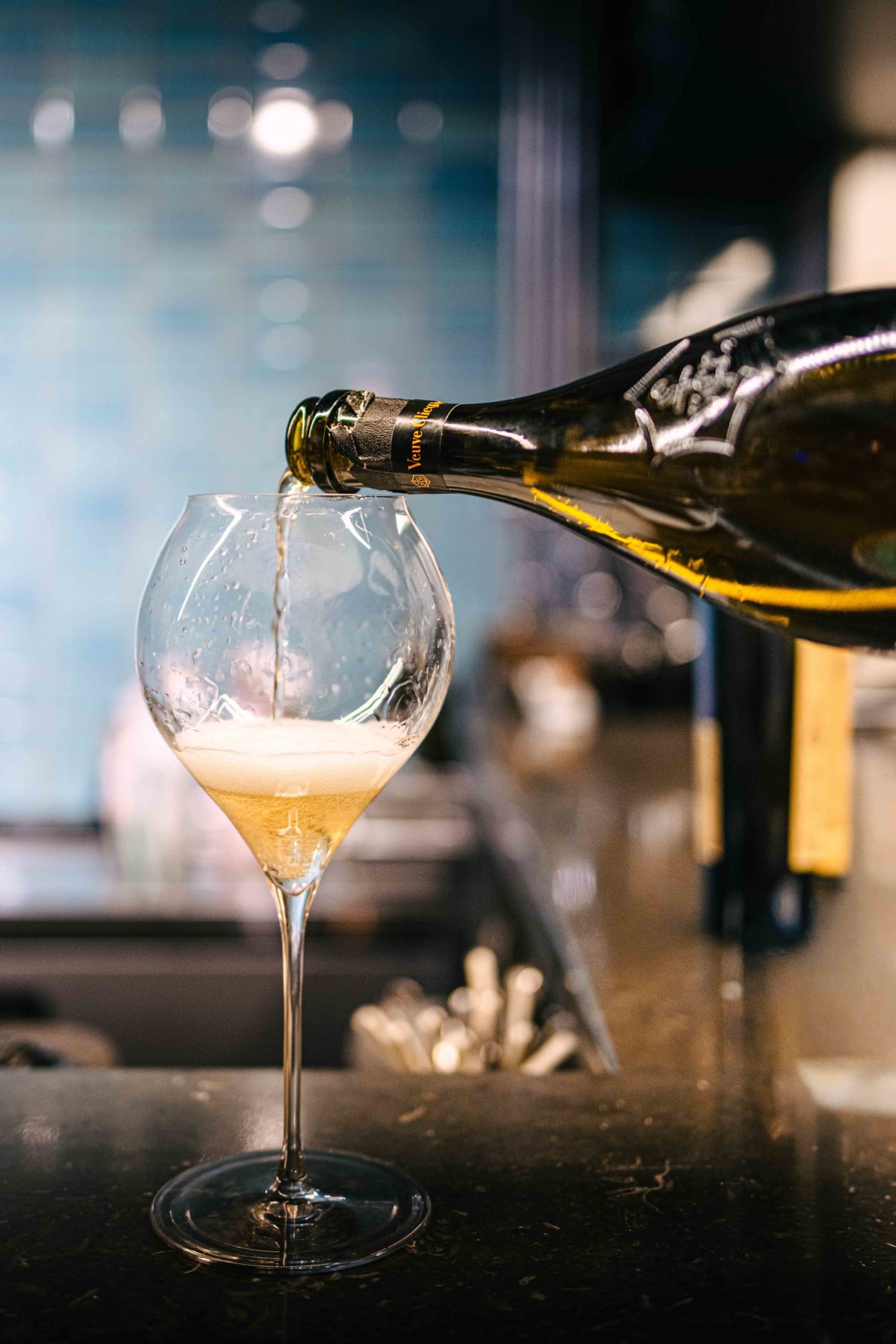
It was poured at the table.
Section 3·Vongole Without Pasta
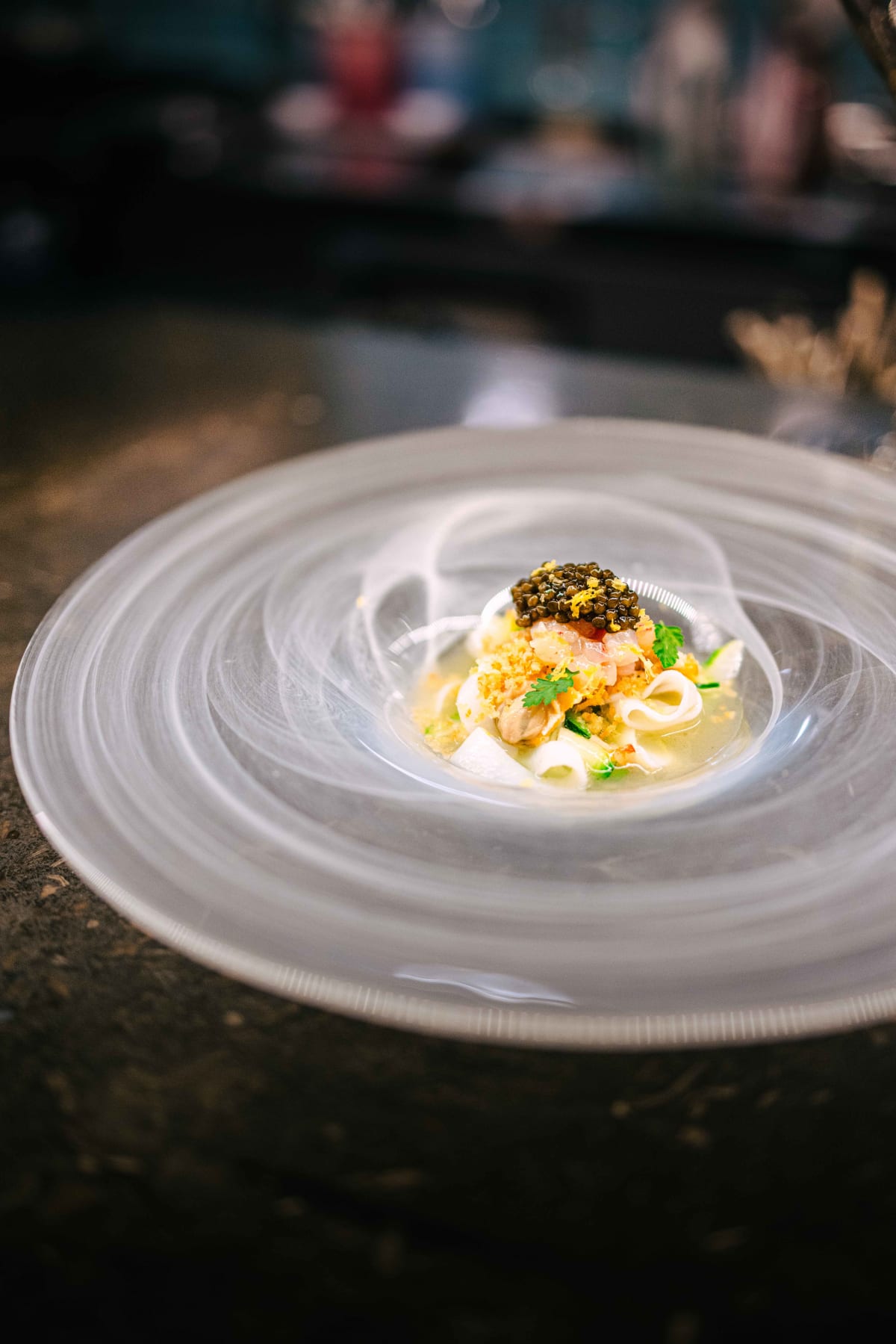
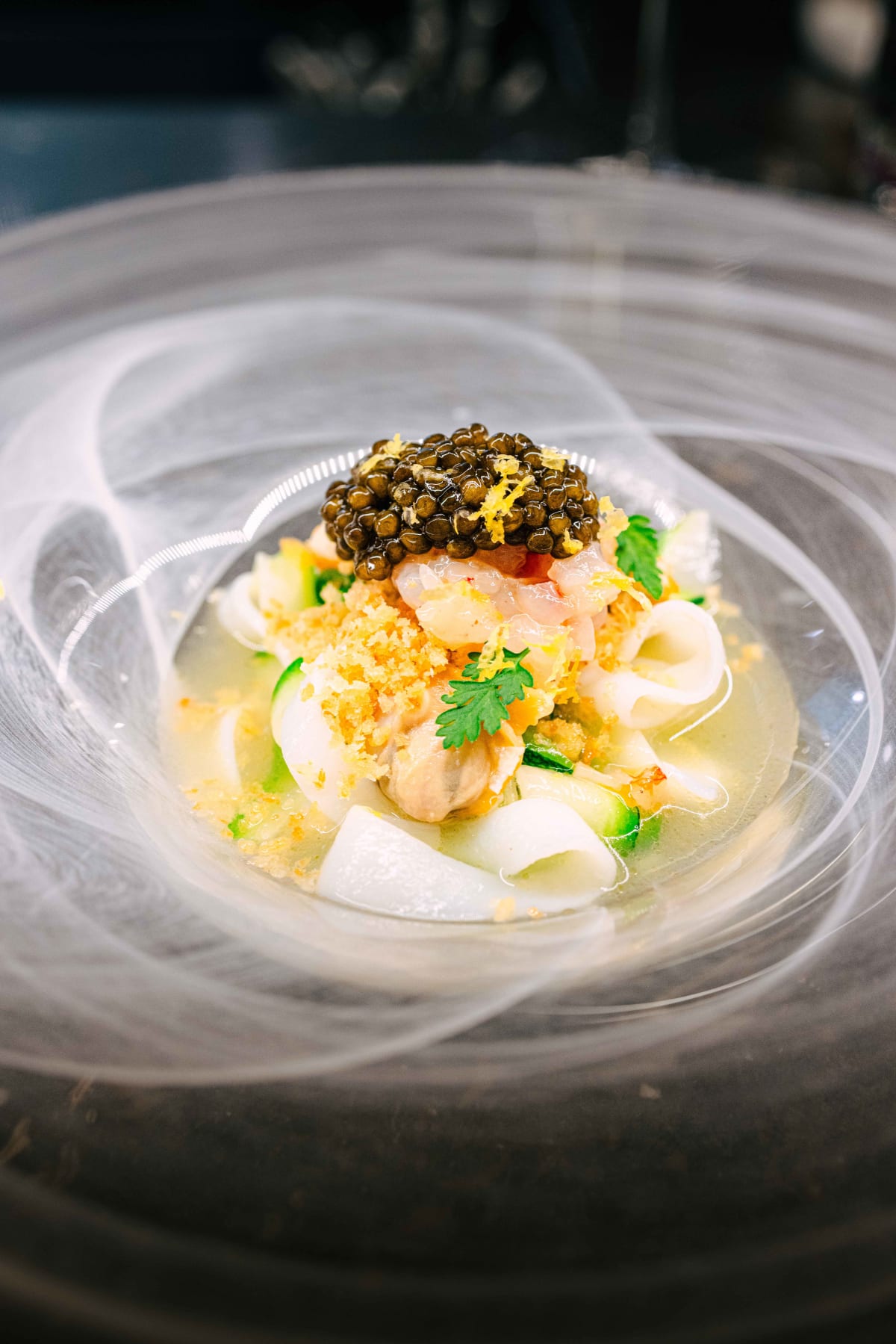
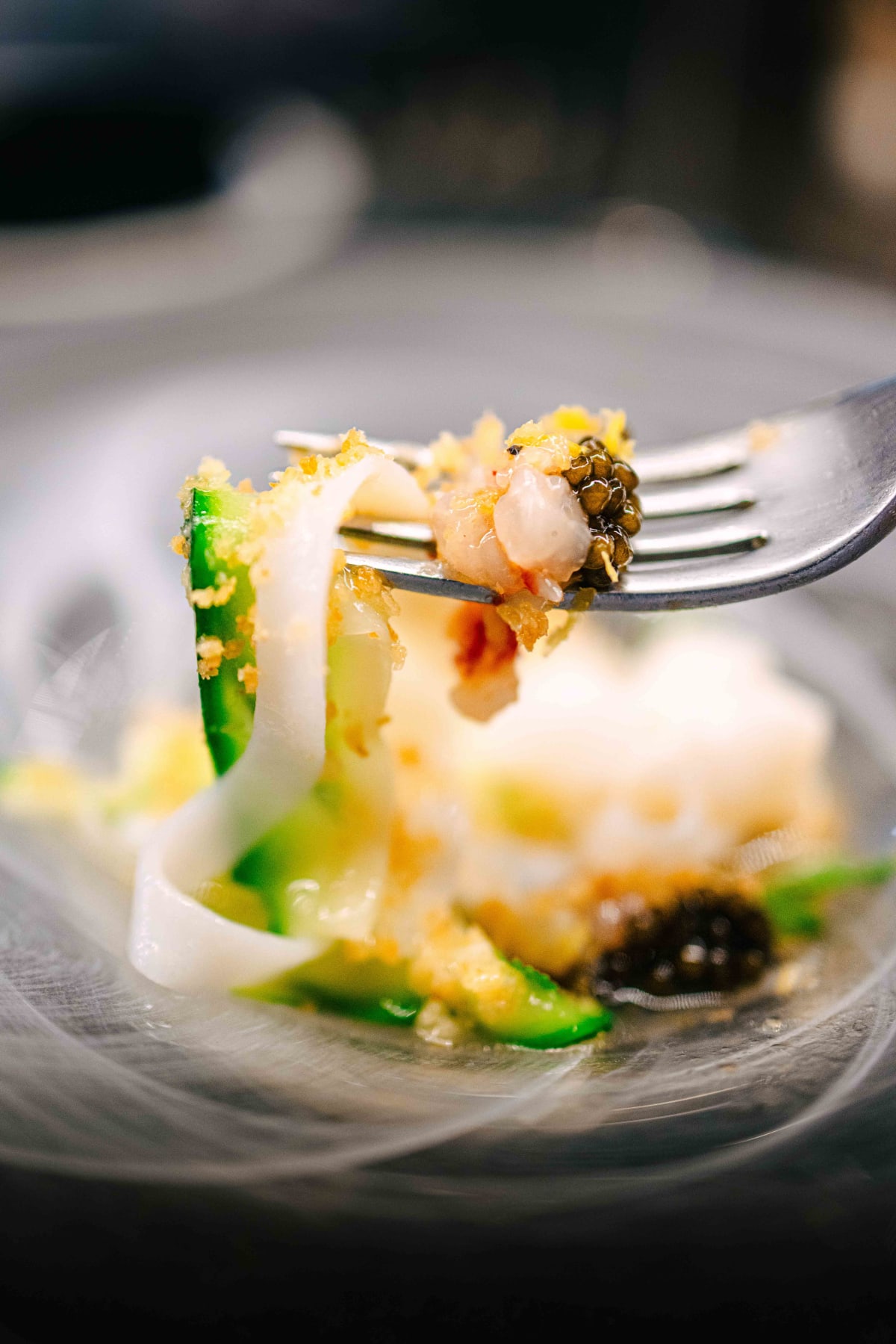
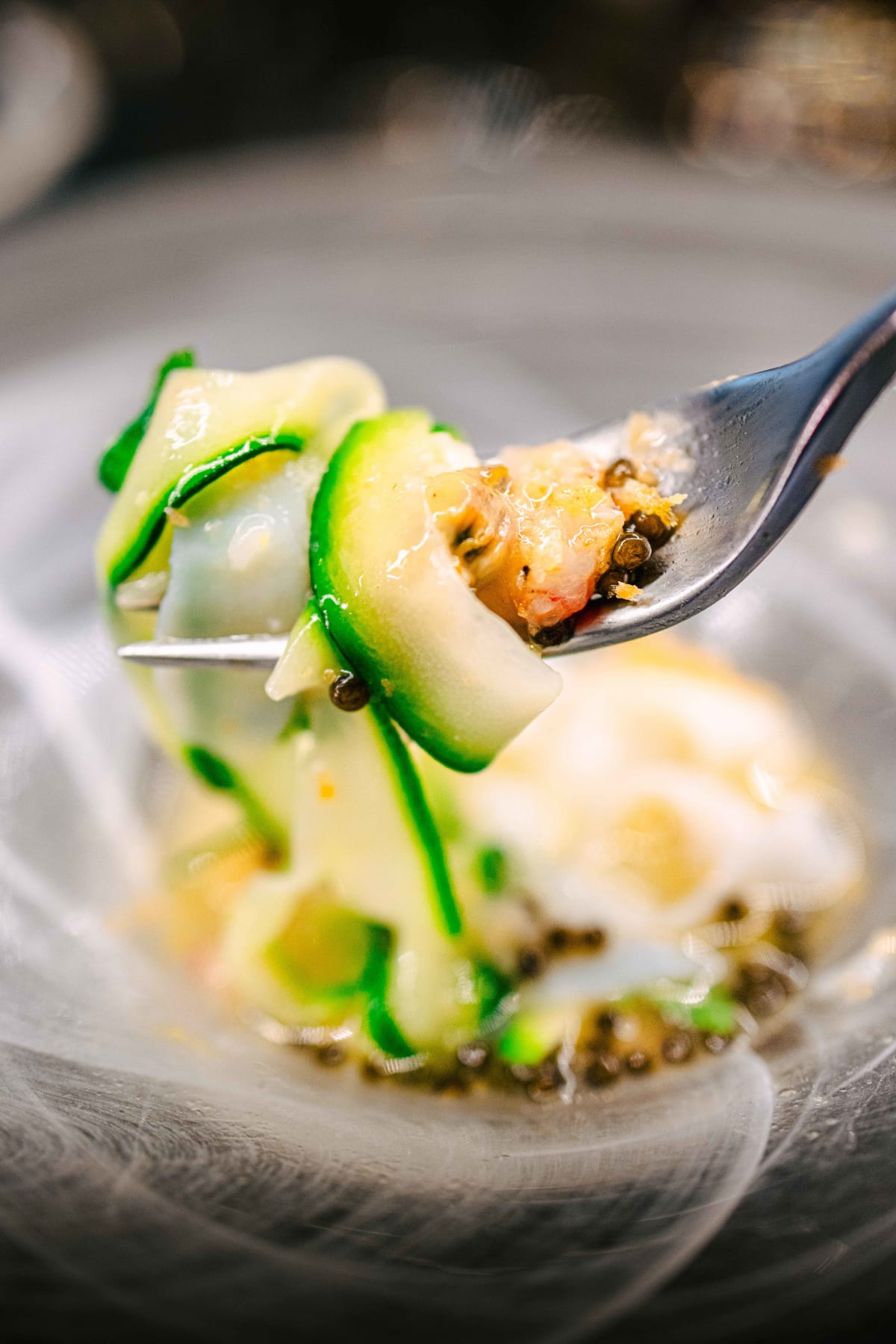
After the opening bites and the Italian appetisers, the fourth was a vongole without pasta. Rather than the carb-based vongole we usually think of, squid was sliced like pappardelle in place of the noodles, with carabinero, caviar, lemon jelly and breadcrumbs on top: a reworked take on the dish.
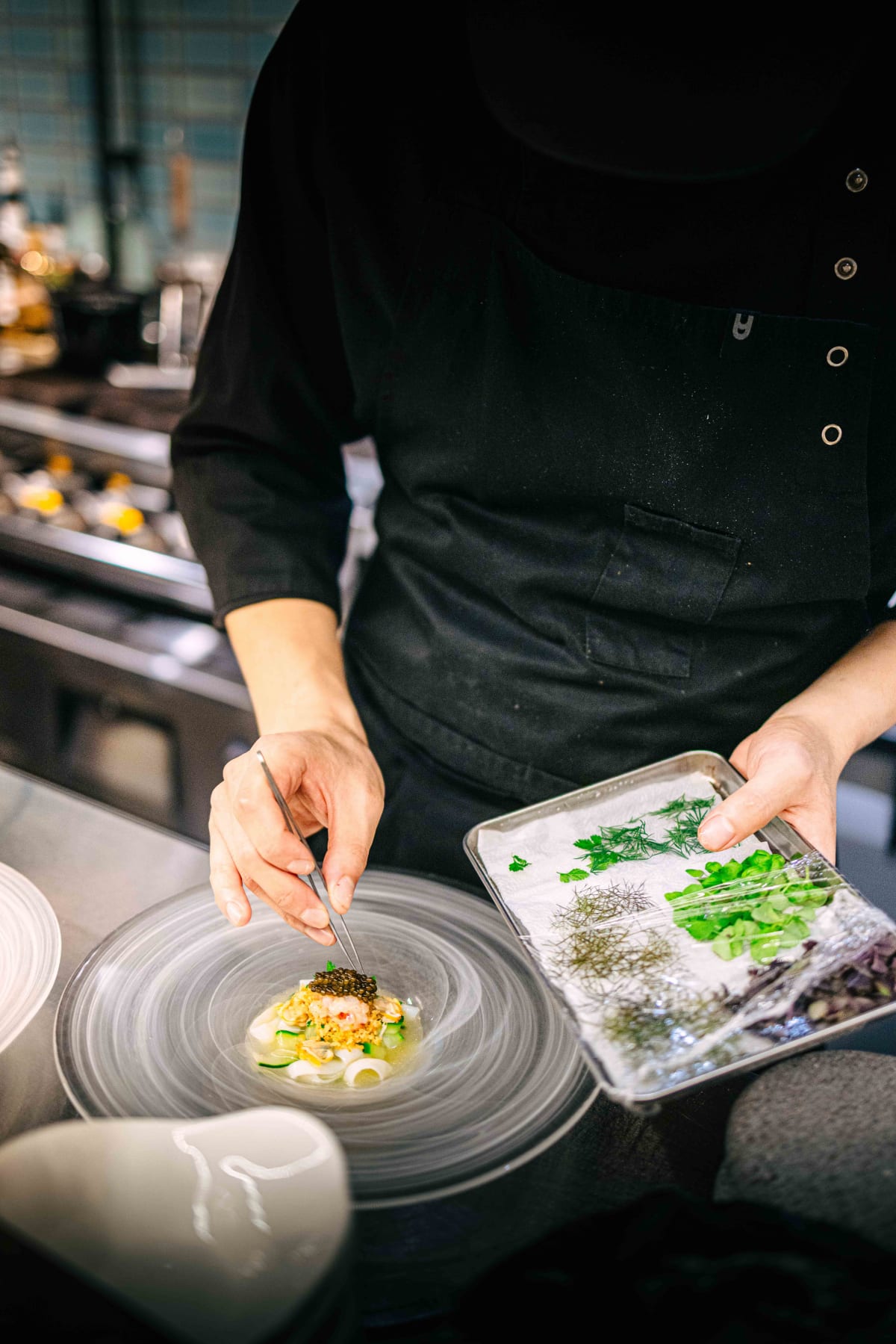
The squid is sliced to the width of a pasta noodle.
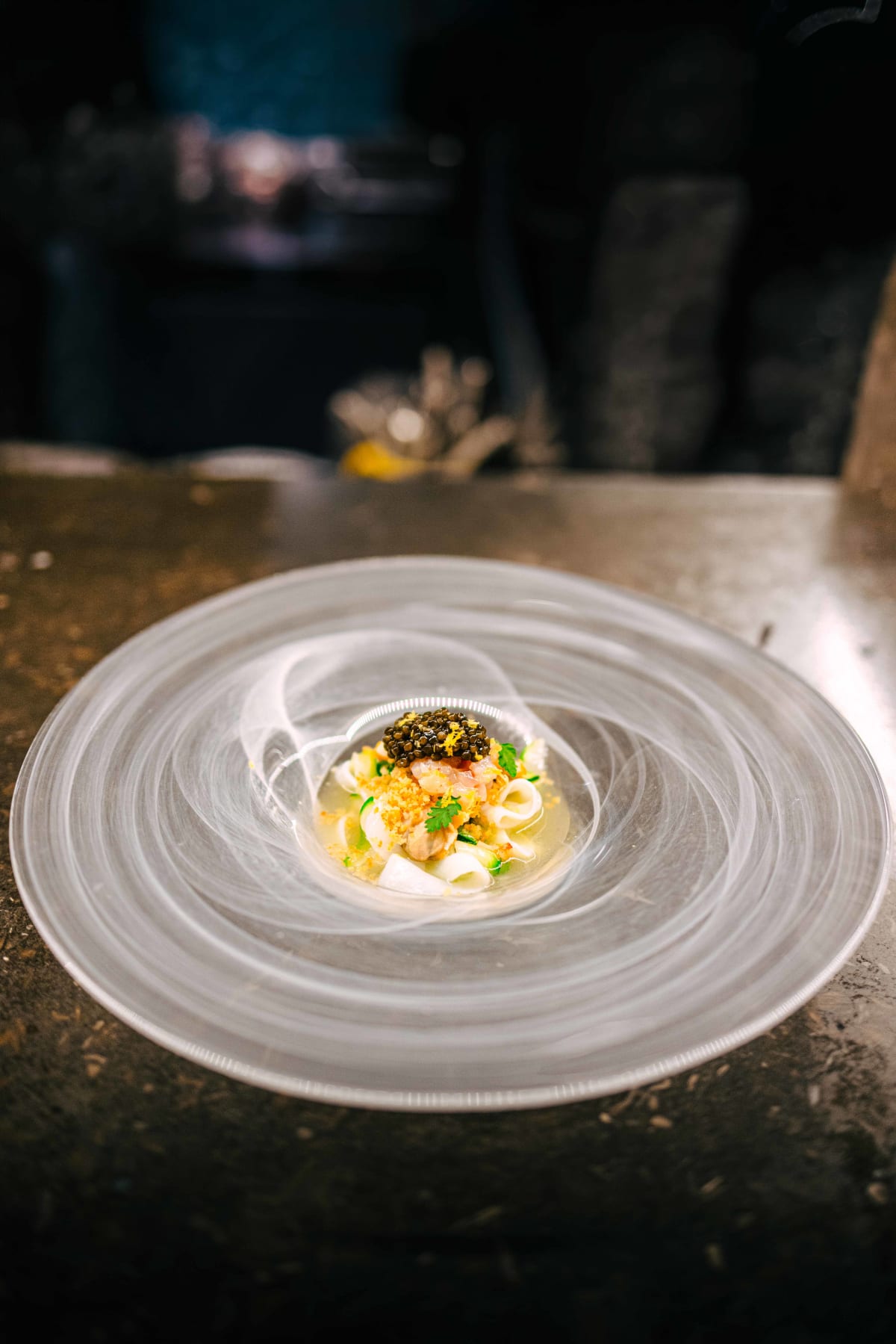
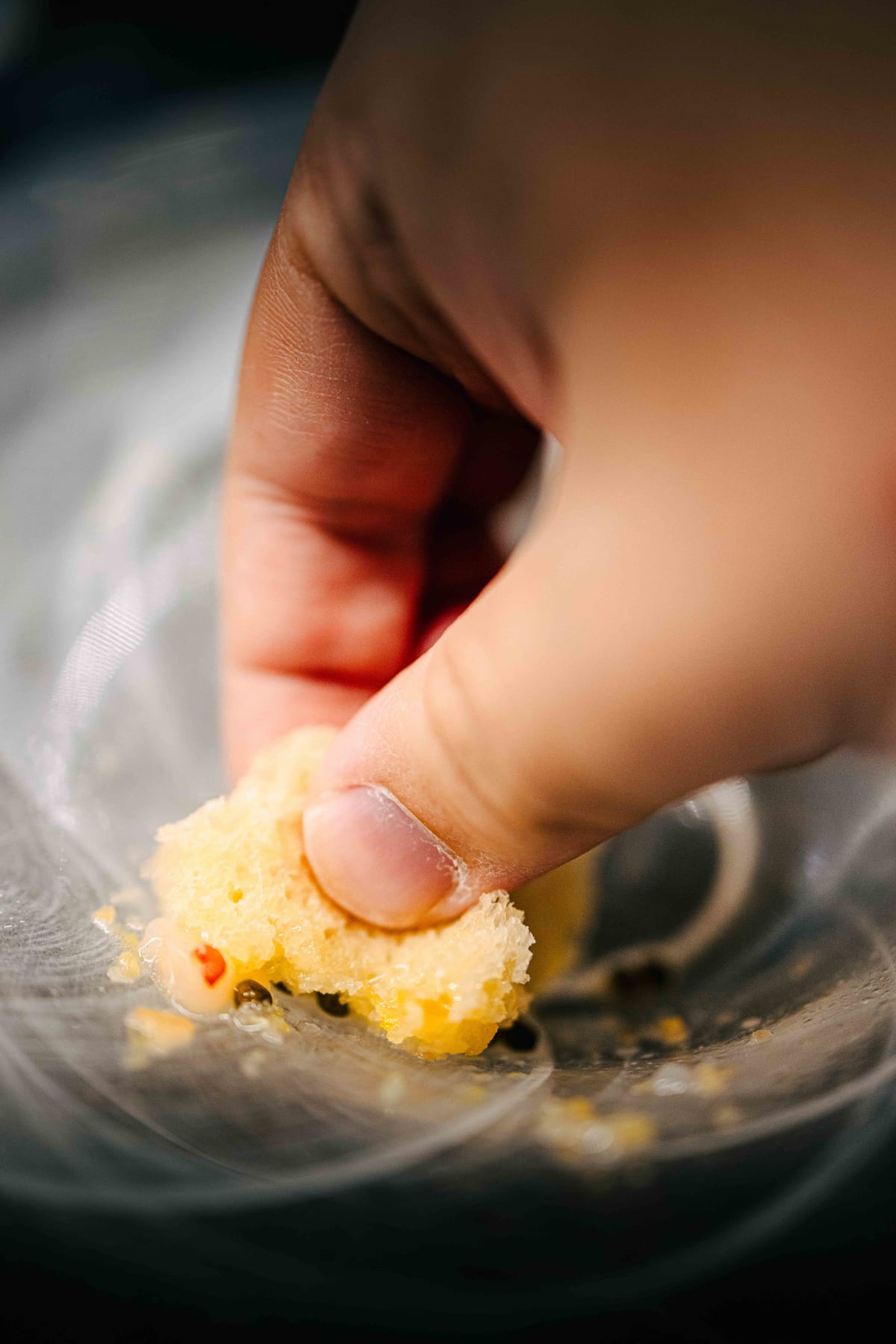
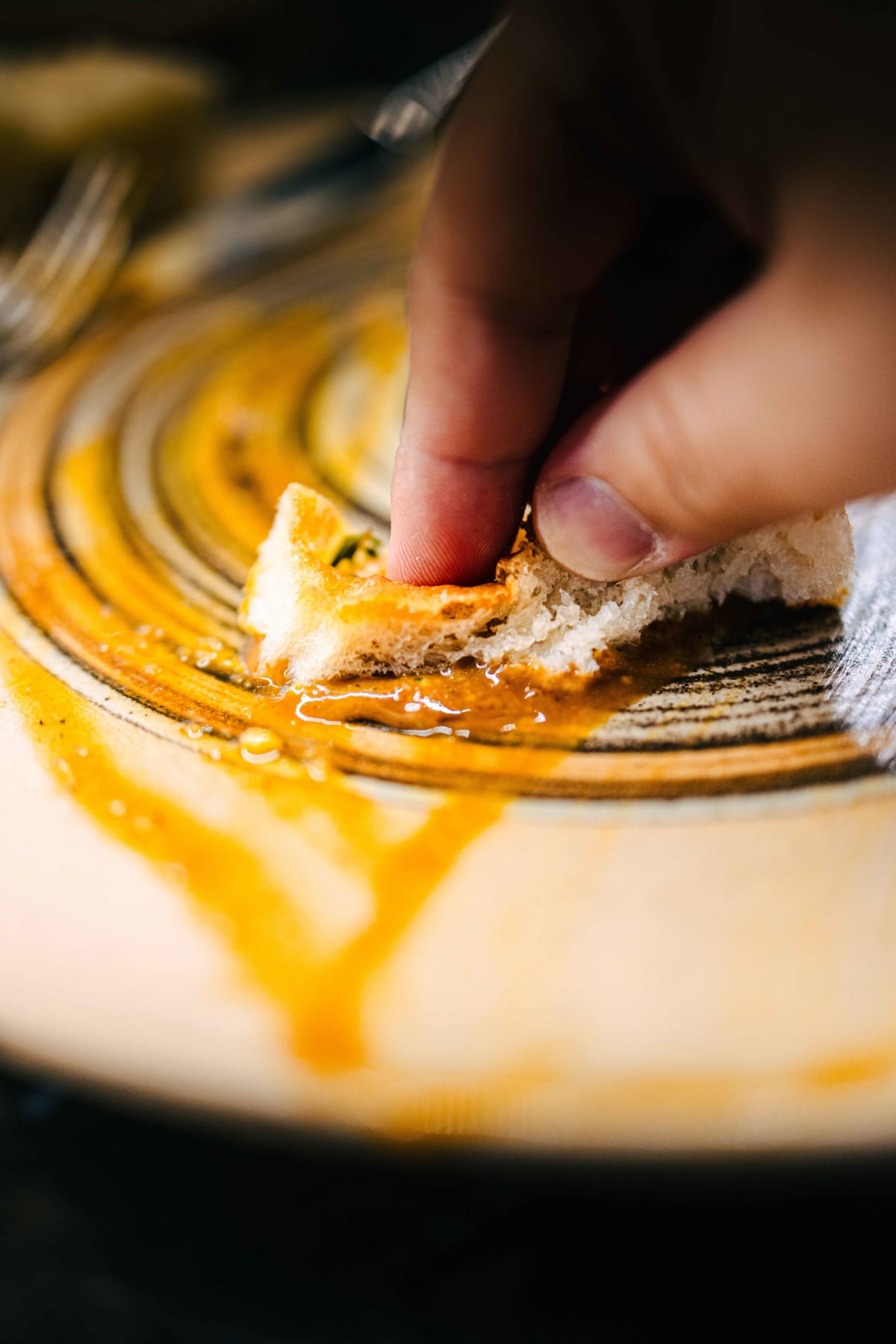
This was a style of dish I really like. The texture and freshness of the seafood are kept intact, and the restrained touch of the oil and the supporting elements, never excessive, made an impression. What also struck me was that the salinity of the clam stock was on the low side rather than high, which kept the caviar in real harmony with the rest of the dish. At the end I scraped up the sauce with the bread they gave us.
The focaccia that came alongside was good too, and the olive oil served with it was floral and fragrant rather than the spicy sort. The chef told us he will soon be making and importing olive oil directly from Italy.
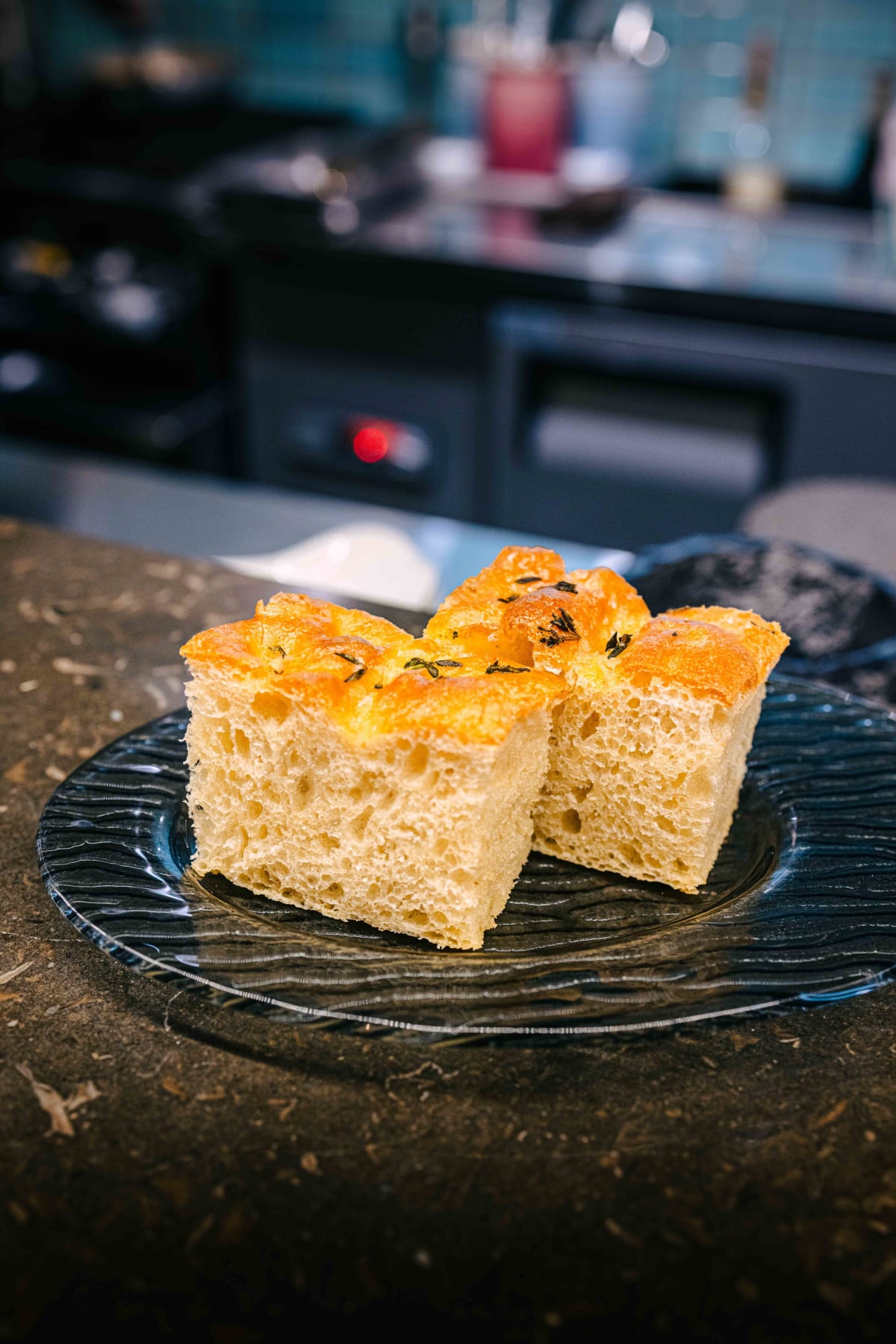
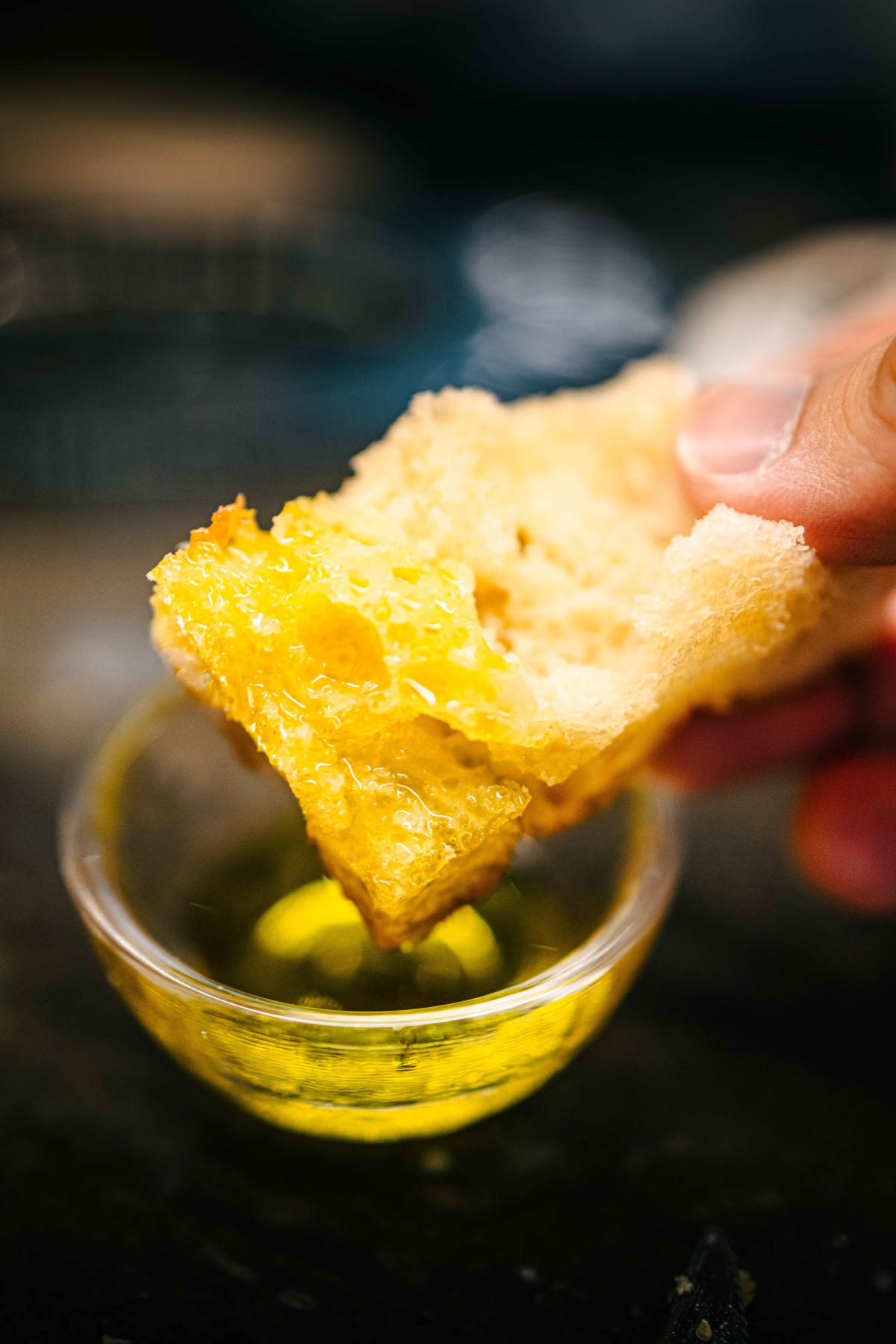
The focaccia went back to the vongole sauce that was still left.
Section 4·The White
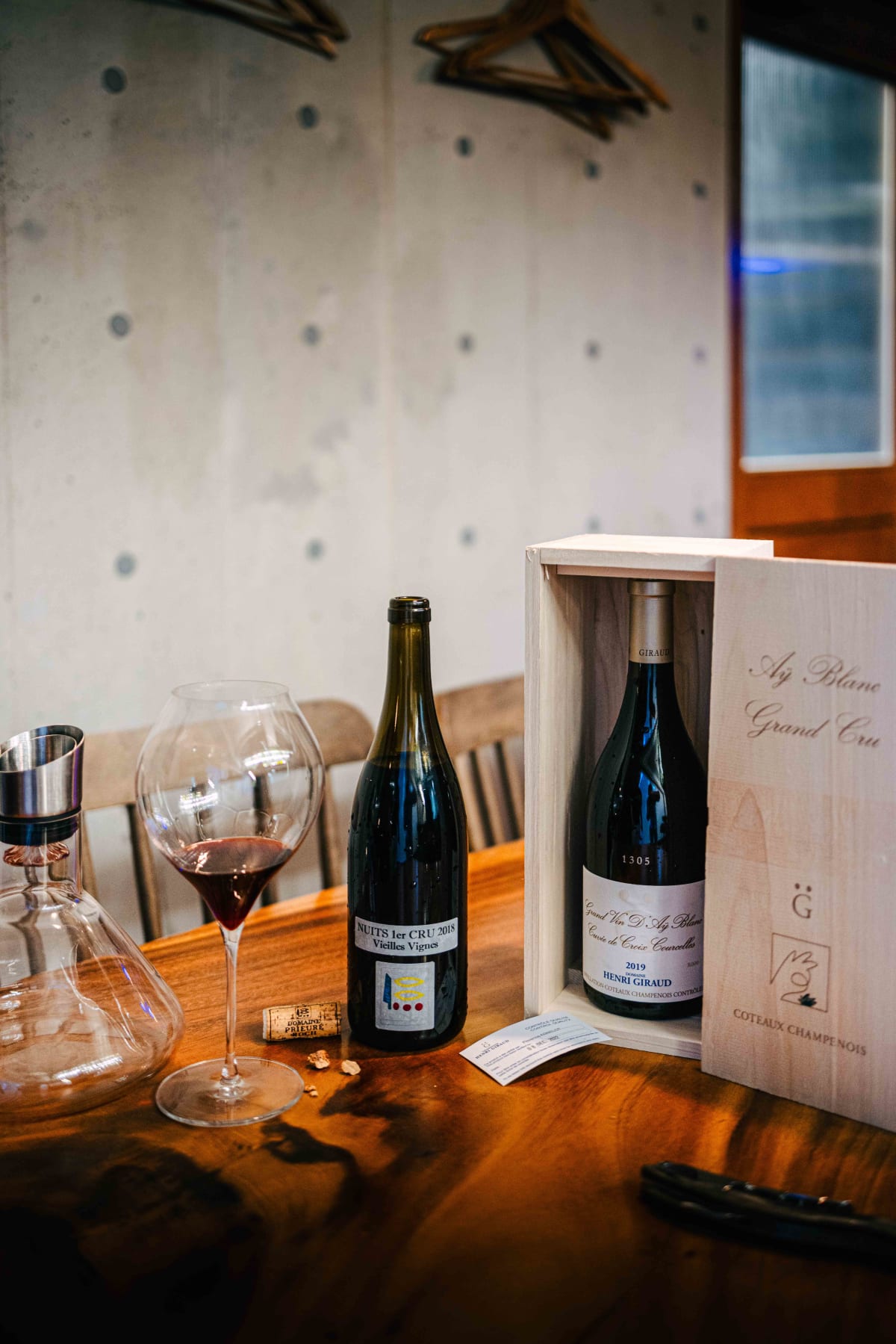
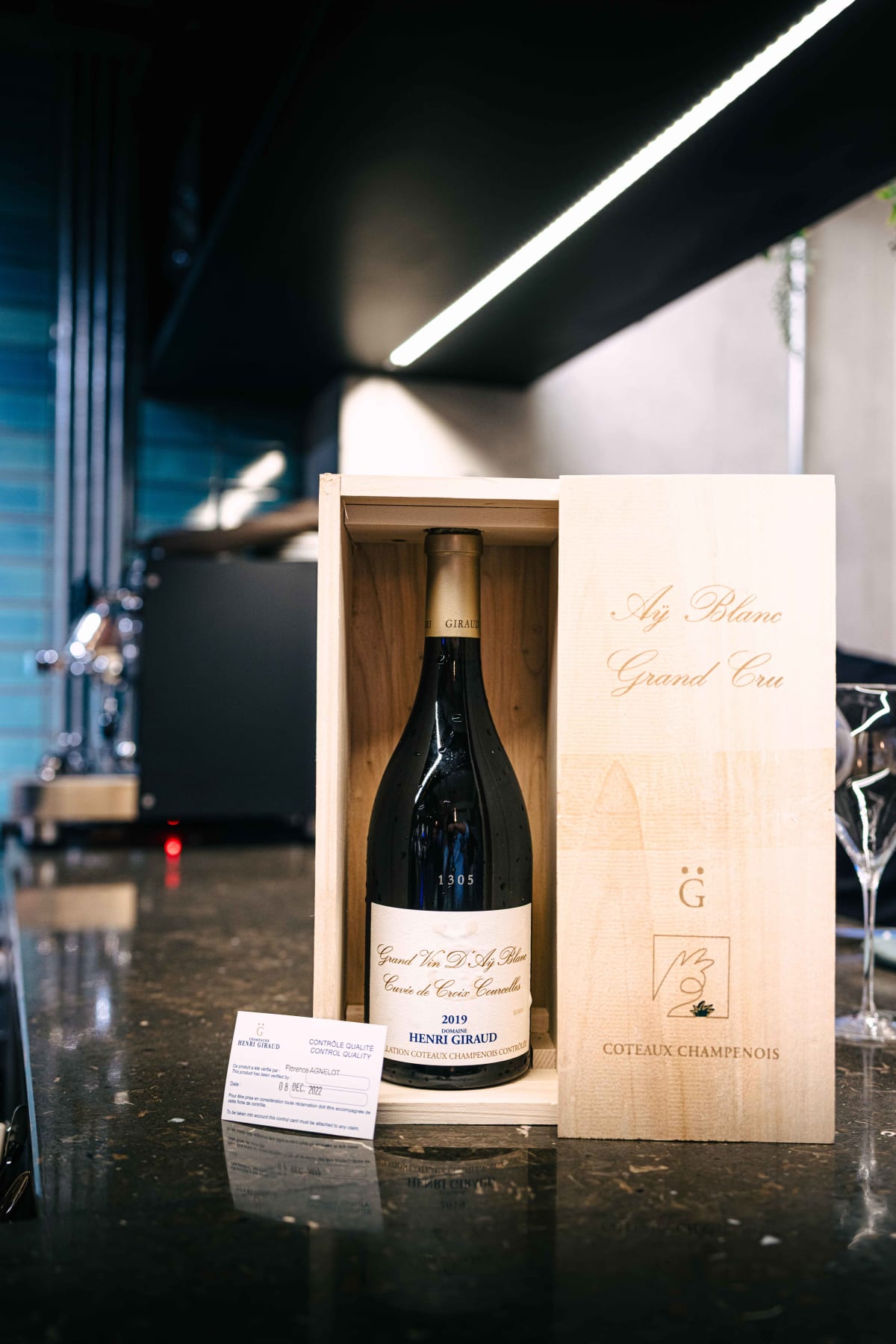
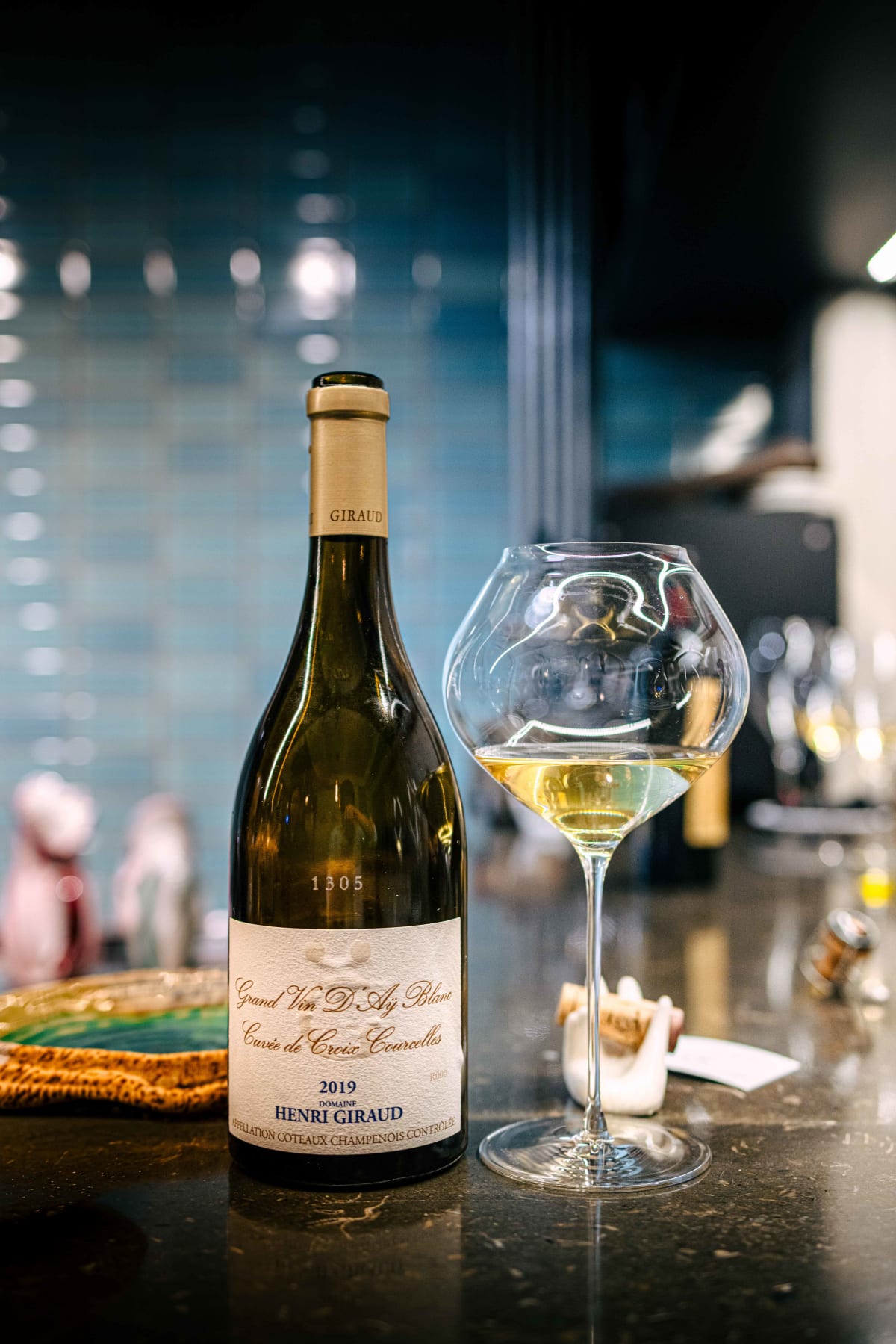
The third wine went white, a Henri Giraud Grand Vin d'Aÿ Blanc Cuvée de Croix Courcelles 2019. It is a limited edition Coteaux Champenois white from Henri Giraud, and since a somewhat weighty, buttery nuance came up at first, I joked that it had the intense aroma and structure in the mouth of an Aubert, like a well made Napa Valley, which duly provoked the anger of the man who had brought it. But as it sat in the glass and time passed, it transformed fantastically, and the aroma of a properly expensive Montrachet with its measured oak touch came out explosively, with excellent acidity too. A wine that showed off the appeal of taking your time.
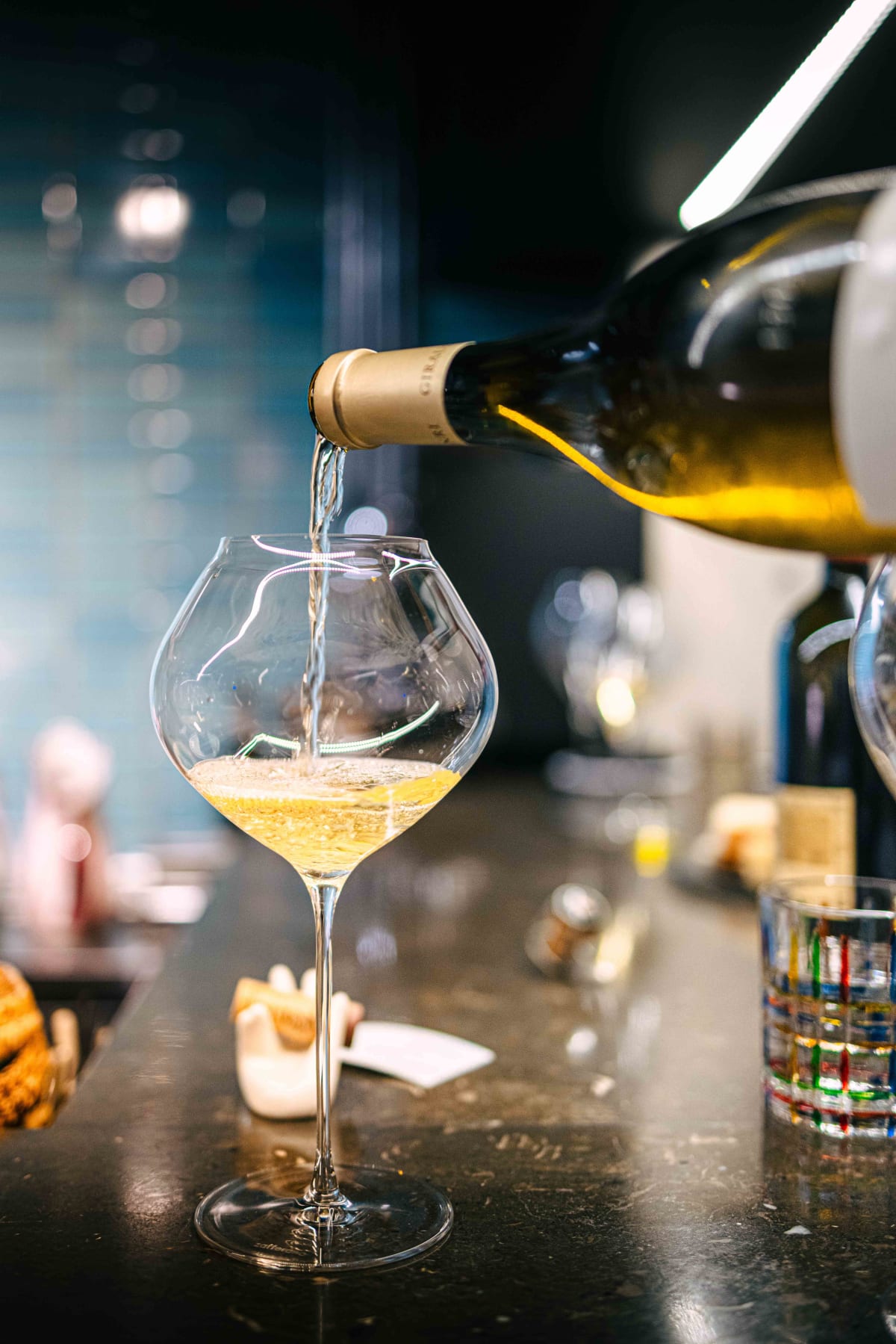
The bottle stayed on the table through the middle of the meal.
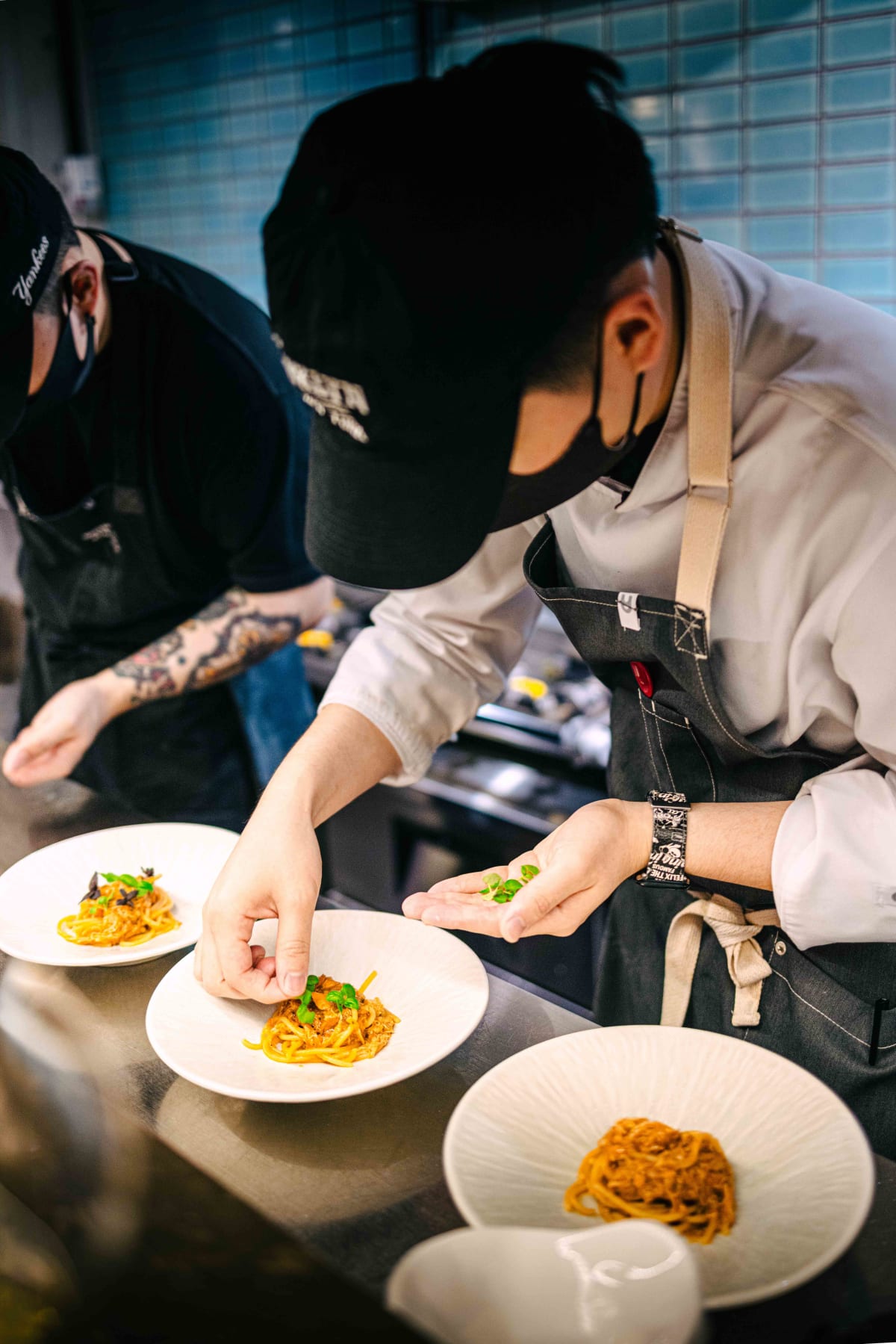
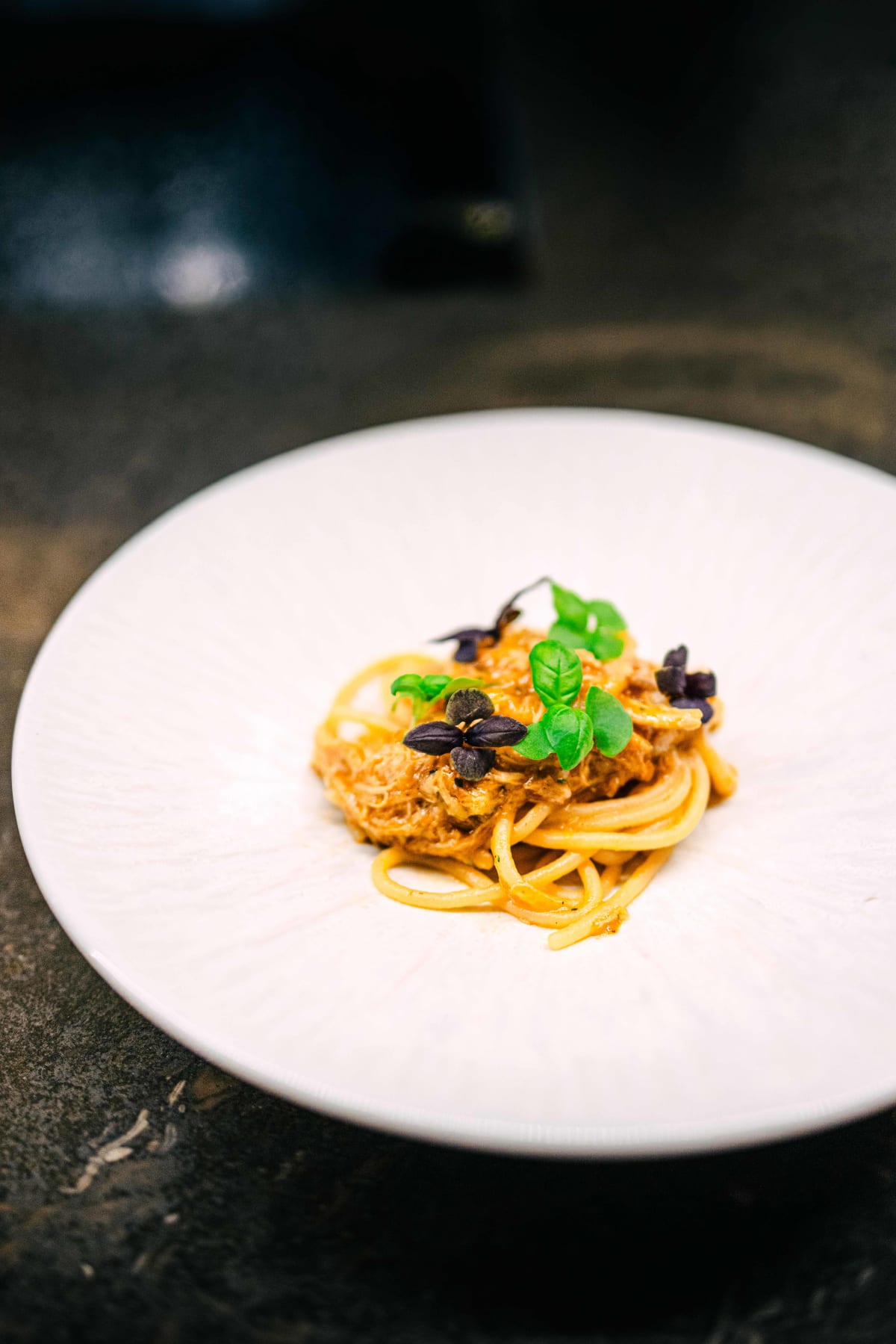
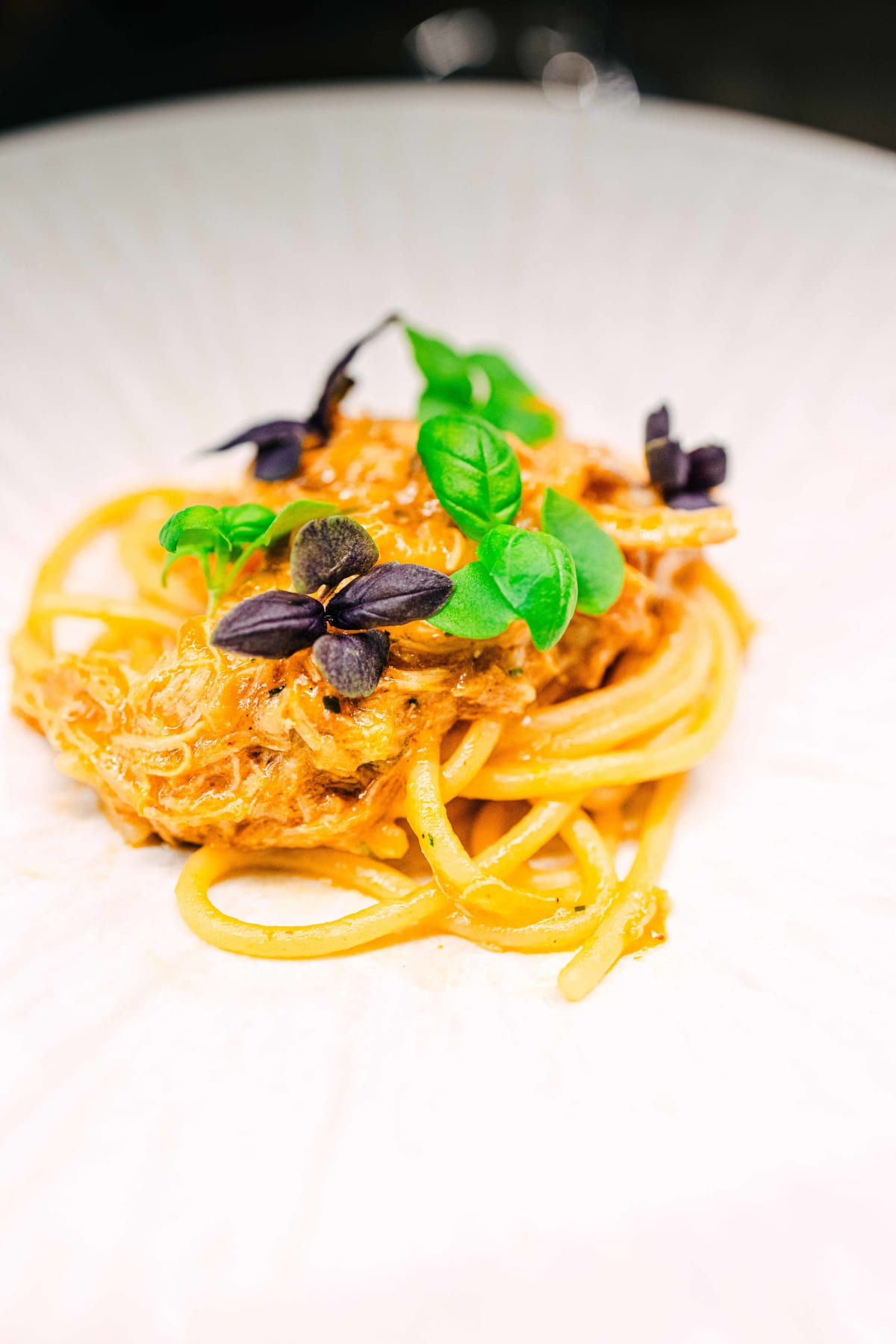
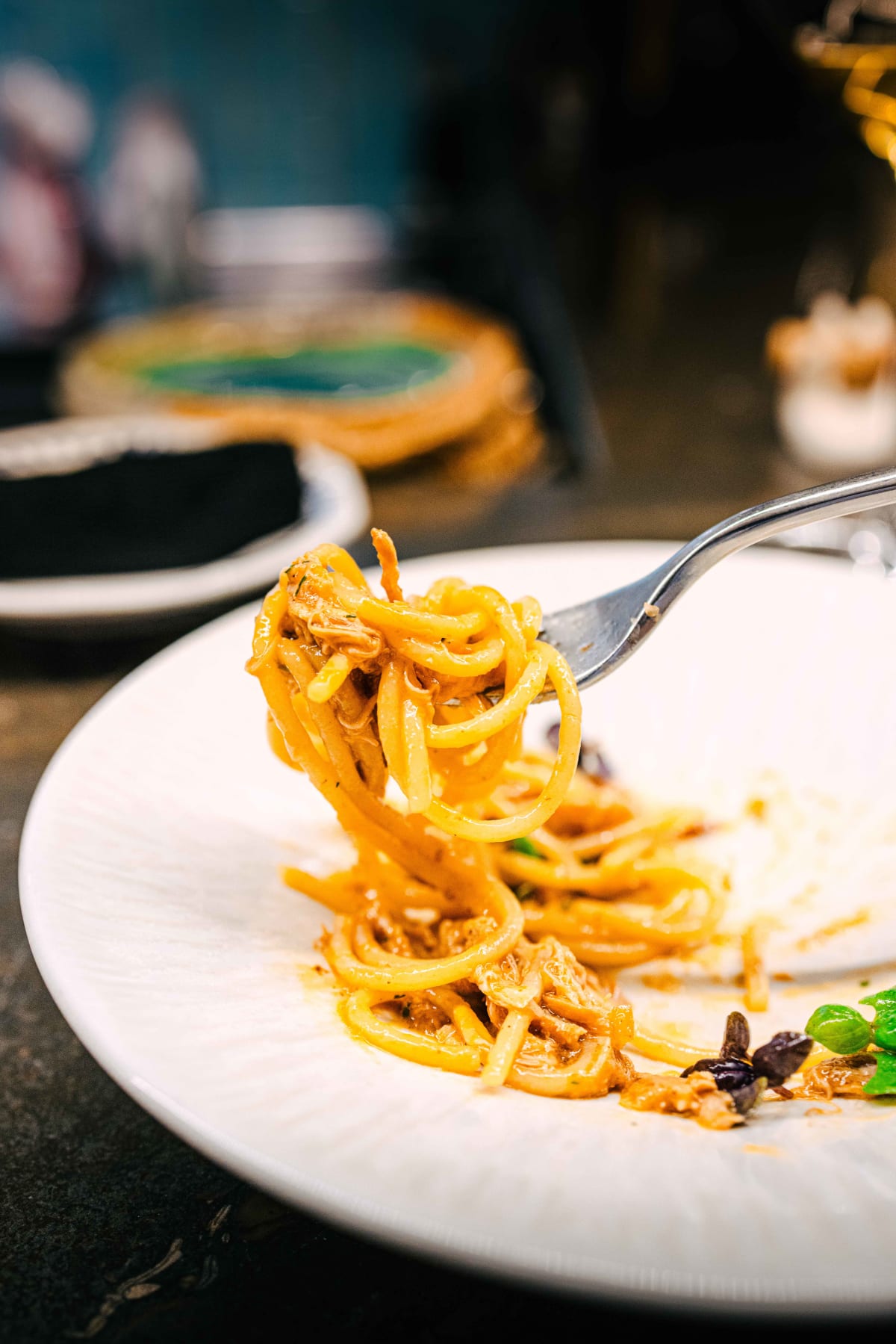
The fifth was a rabbit pasta. It was the first rabbit dish I had eaten since the rabbit brain nigiri and rabbit tartare at DiverXO in Madrid. The chef used sancho oil in the pasta, and that application seems to fit well with the fine dining approach he had spoken of wanting to pursue on my last visit, with the overall execution clearly raised a level too. The cheese aroma was good.
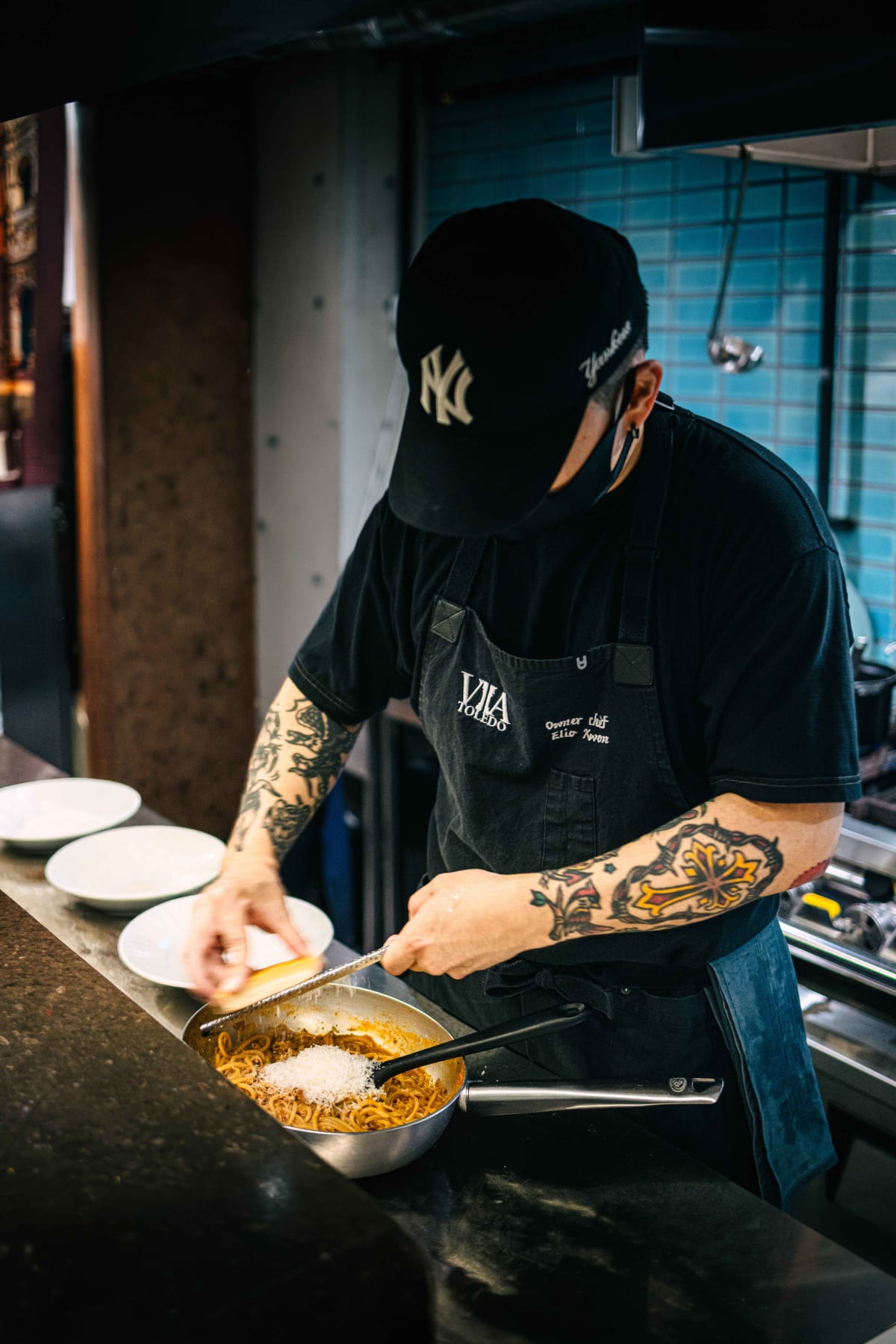
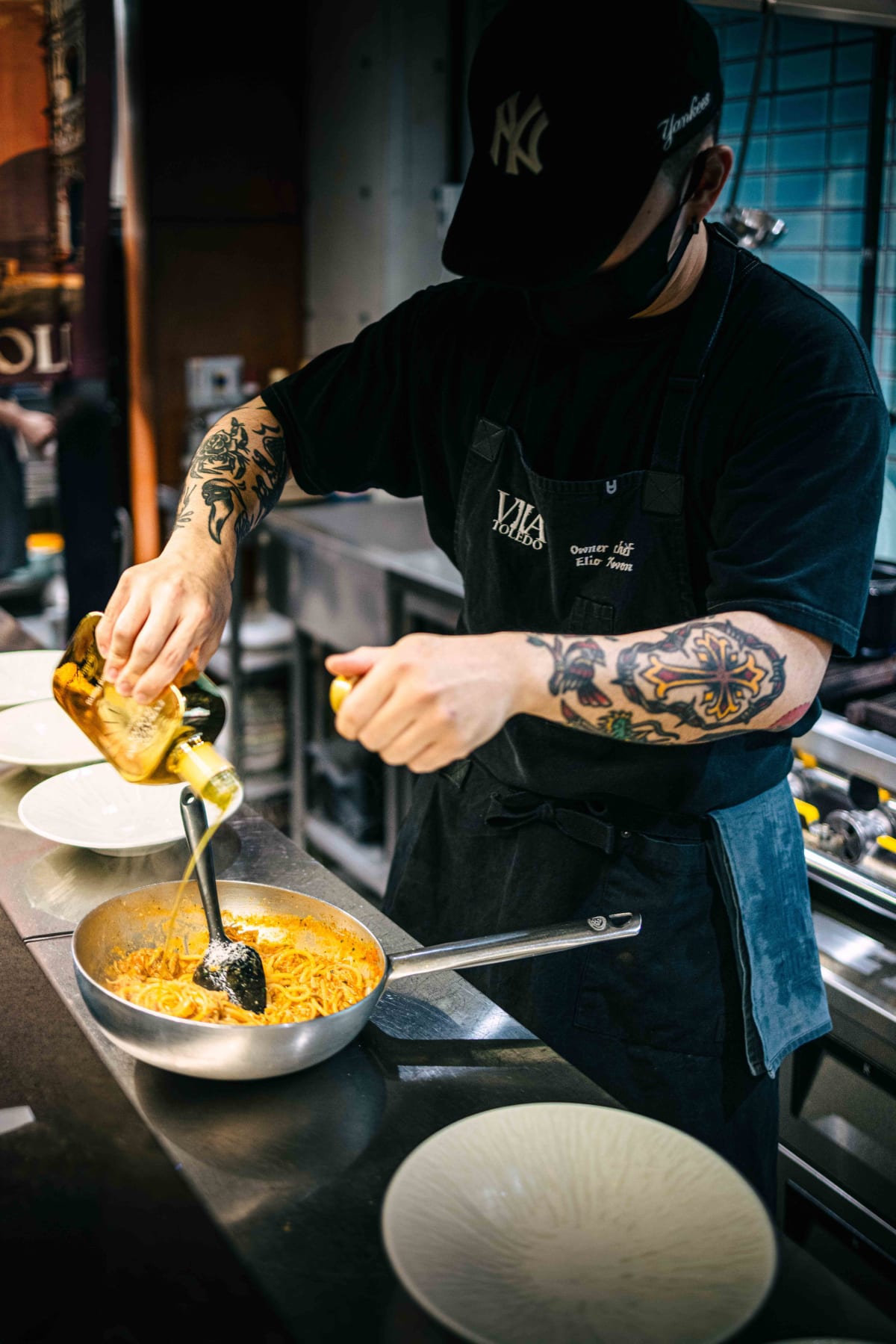
The rabbit had a slightly pork-like quality to its texture and scent, though the noodle was not especially al dente and I did wonder how it would have been had it been a little firmer.
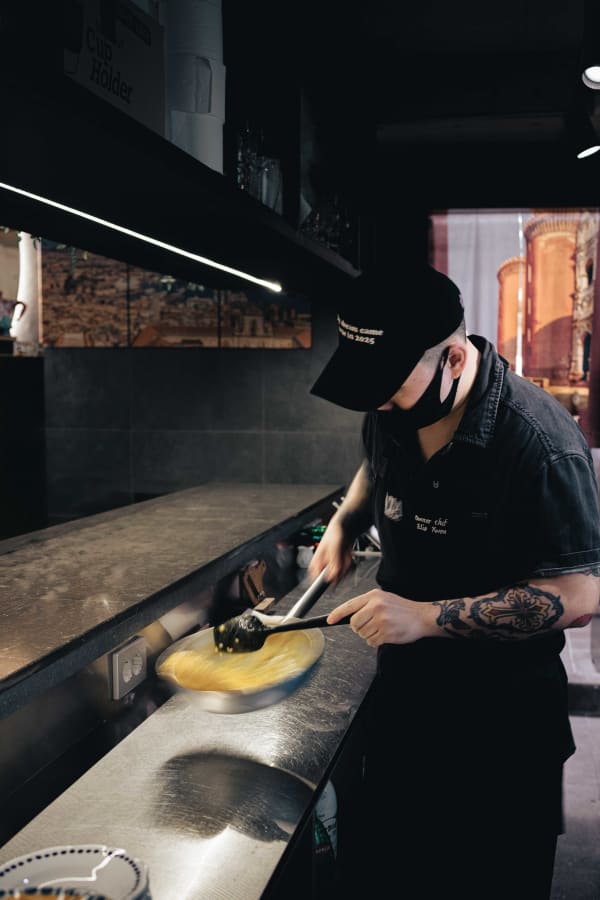
The pasta was finished in front of us.
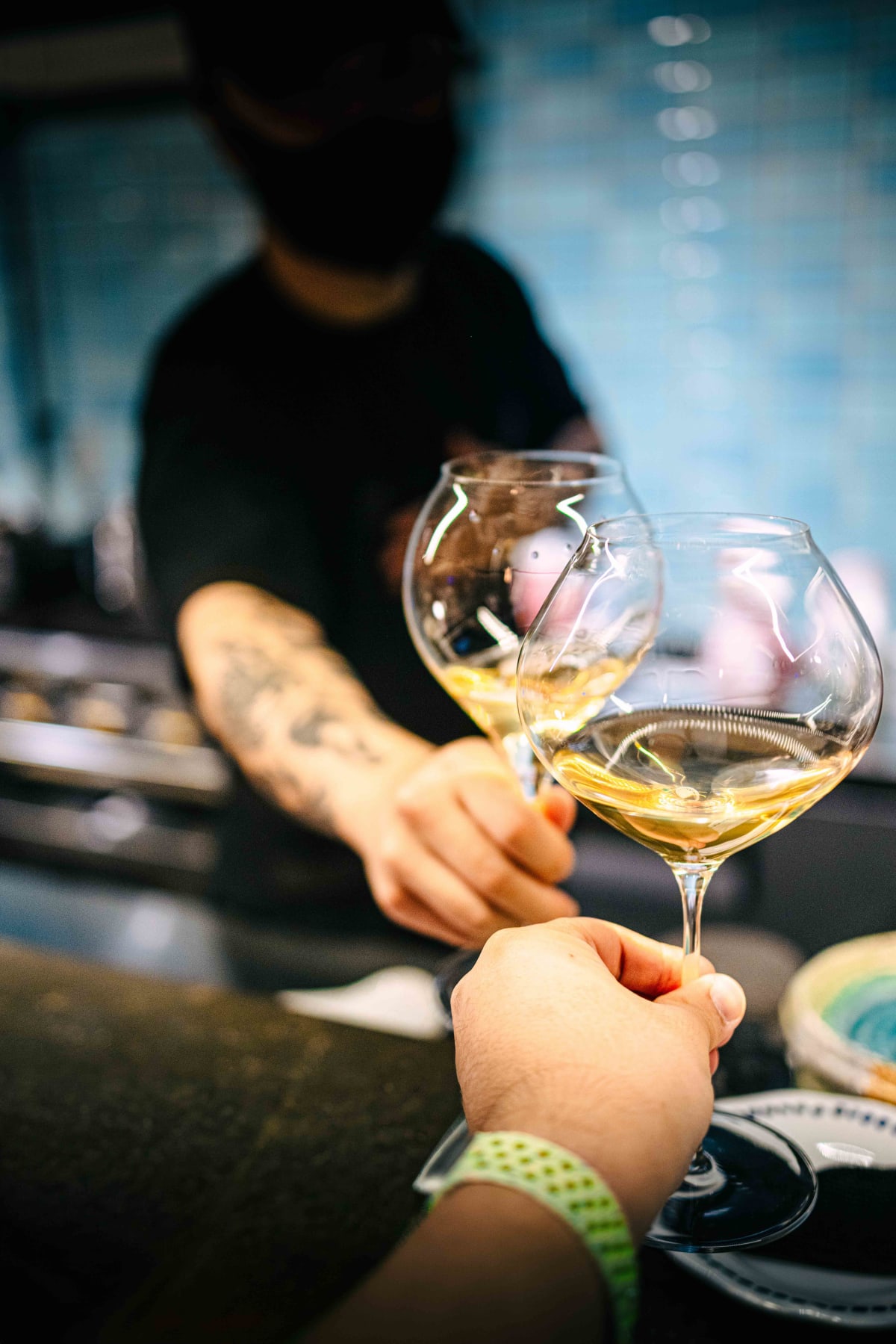
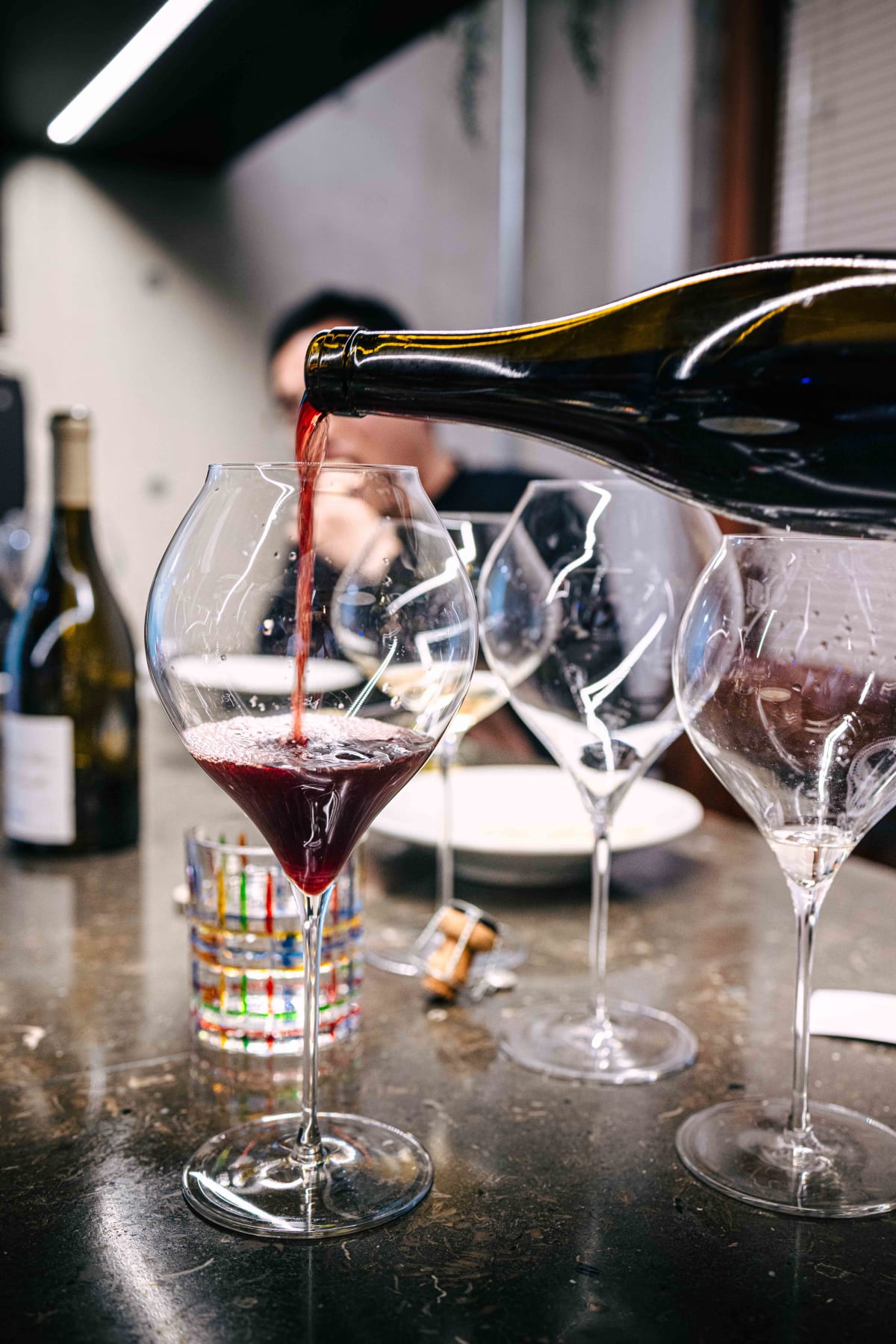
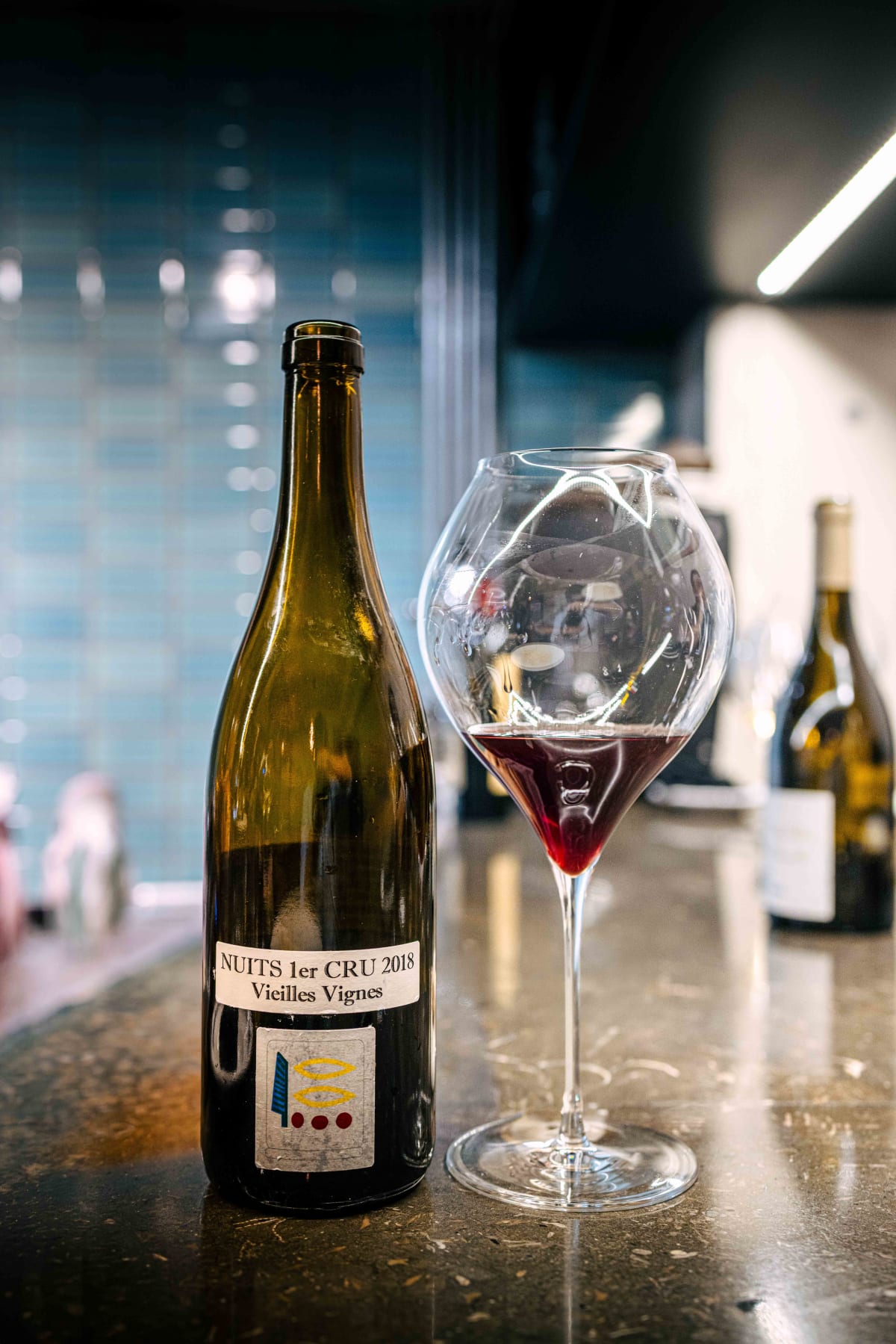
The fourth wine was a Roch, tasted again three weeks after drinking it at Cream, then a restaurant in Goyang, Gyeonggi Province. A Prieuré Roch Nuits-Saint-Georges 1er Cru Vieilles Vignes 2018. It opened with a really fine mint aroma that pierced the nose cleanly, and this time a slightly funky, natural-wine-like note came through as well. The Roch of three weeks earlier had better complexity, but this one was plenty good too. As time passed the leather came through nicely.
The Roch was poured next.
This producer had been in front of me three weeks before.
Section 5·The Best of the Night
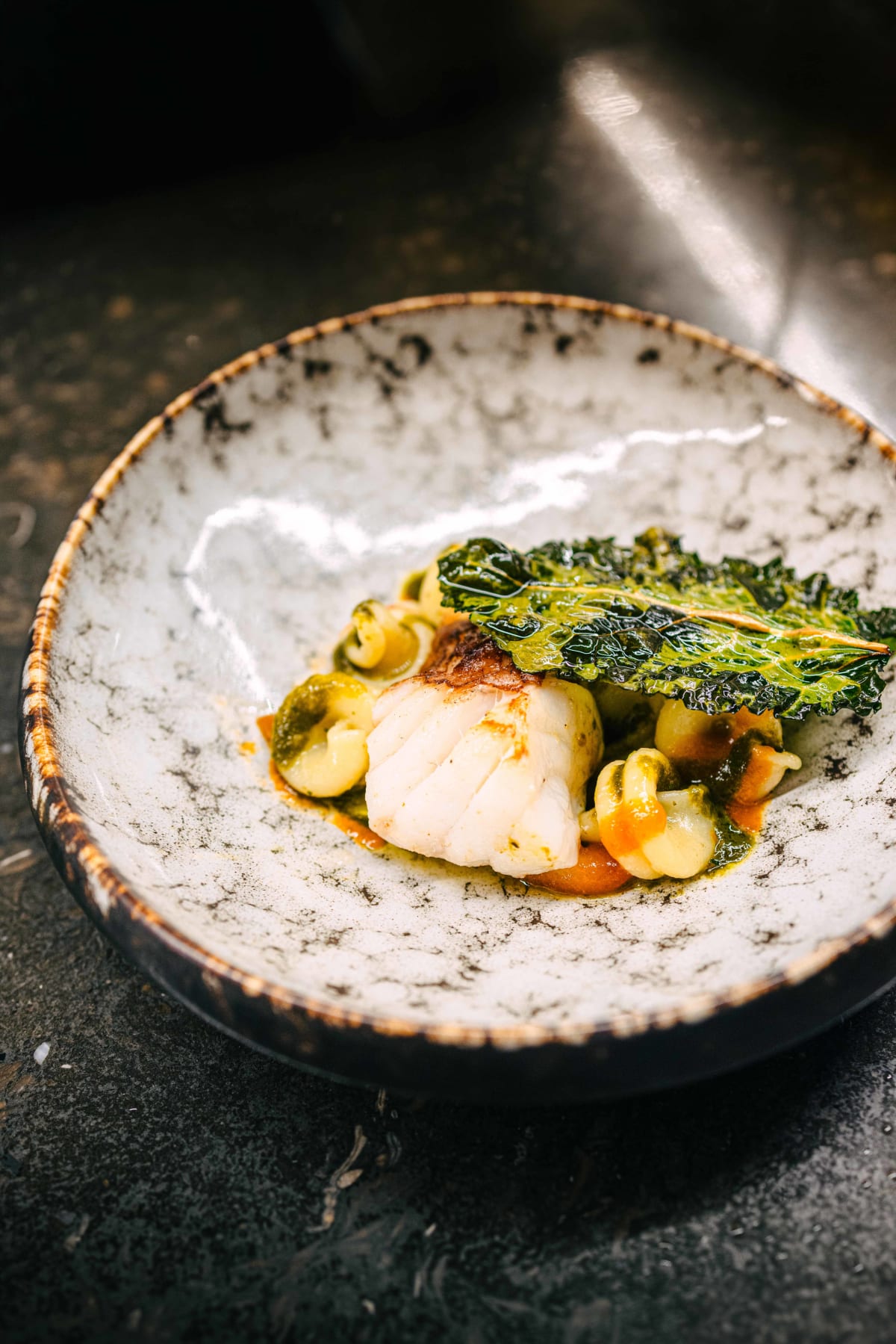
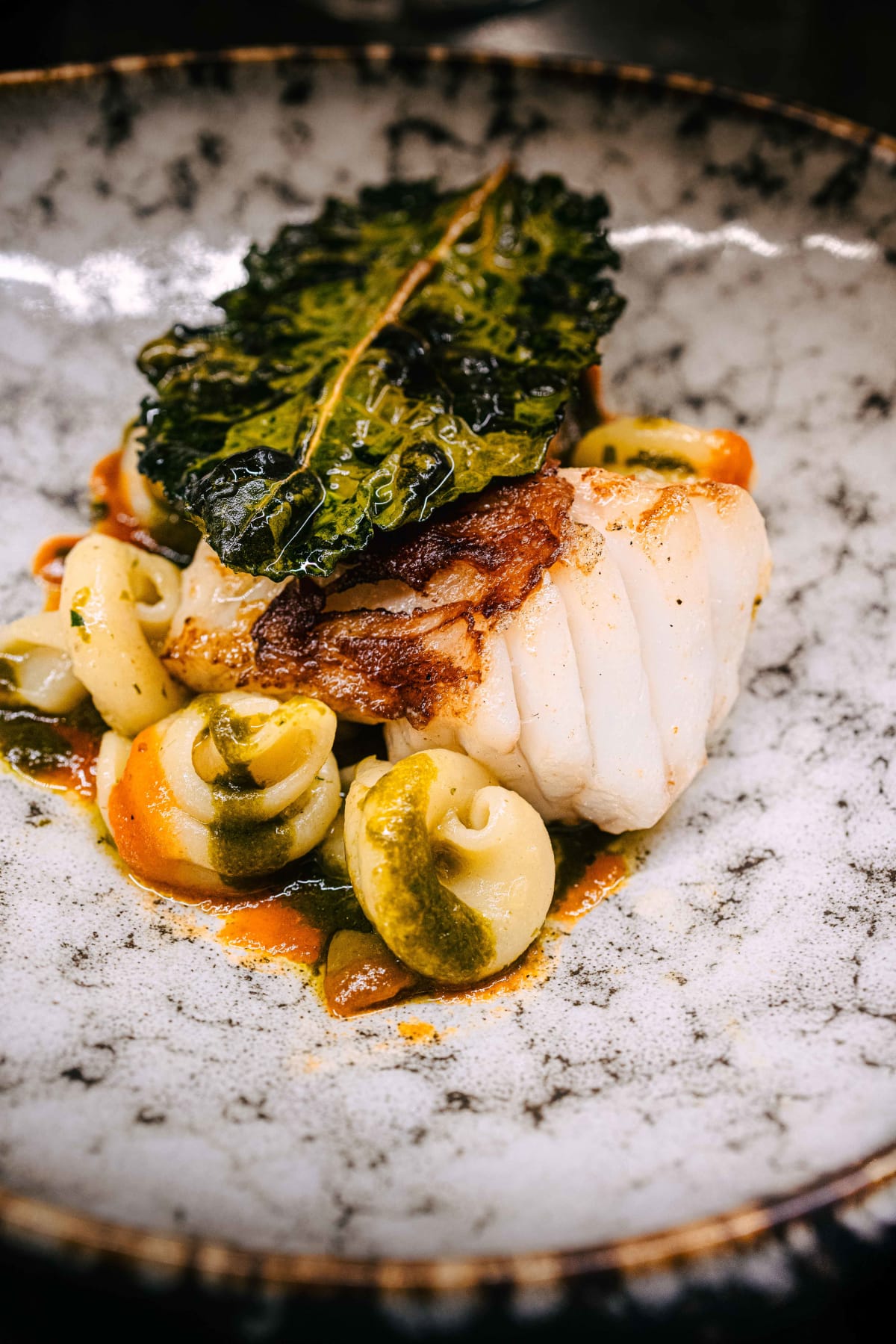
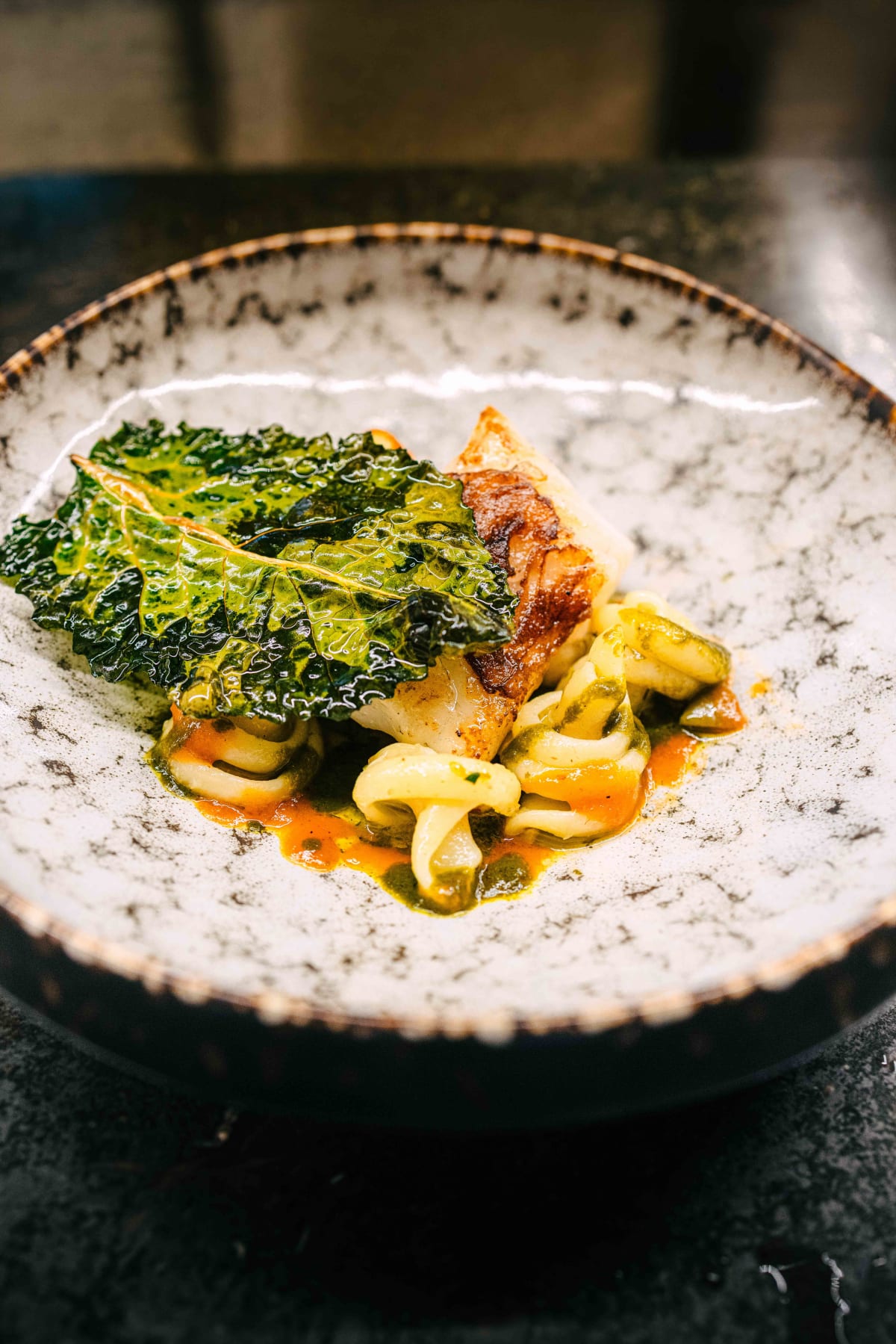
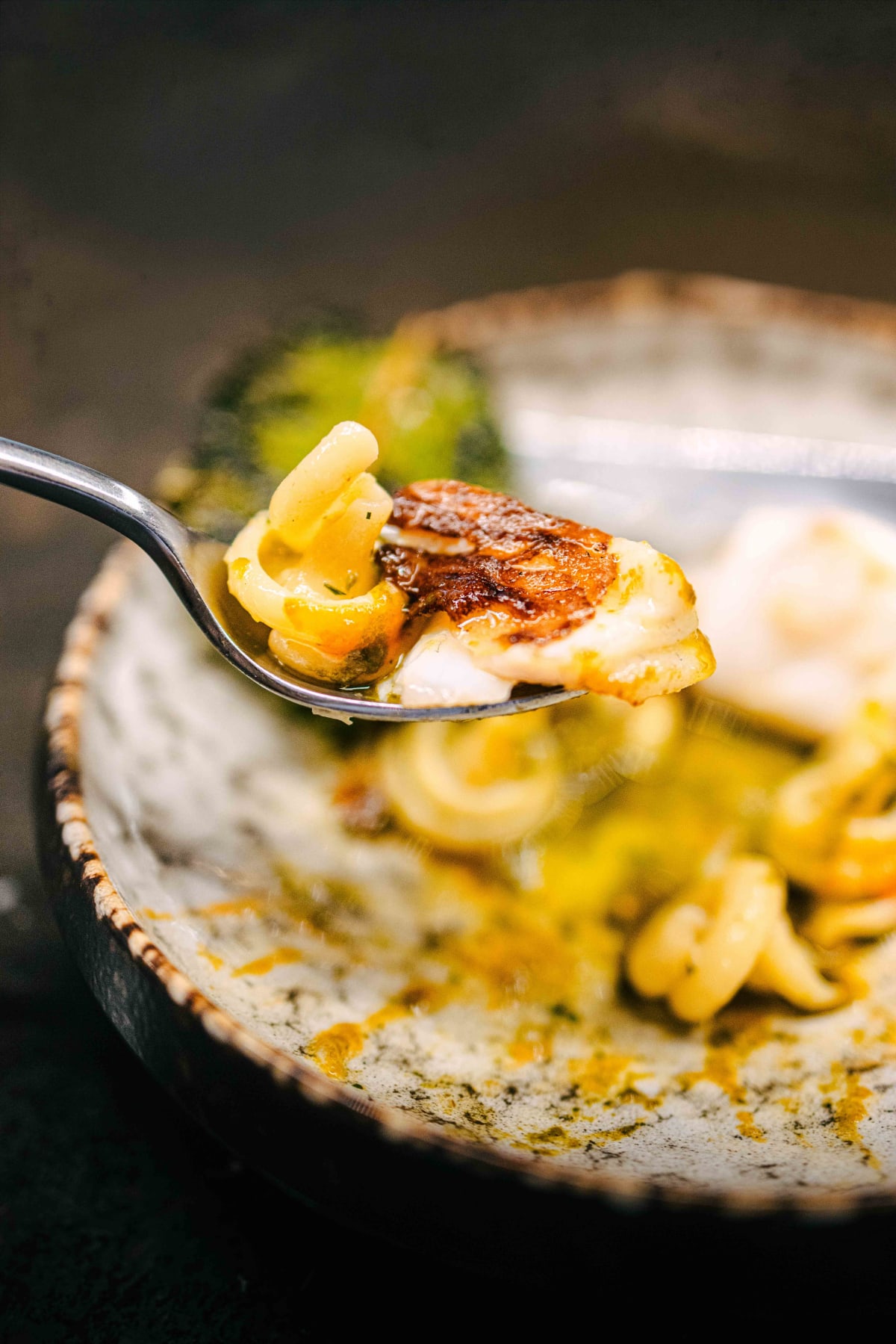
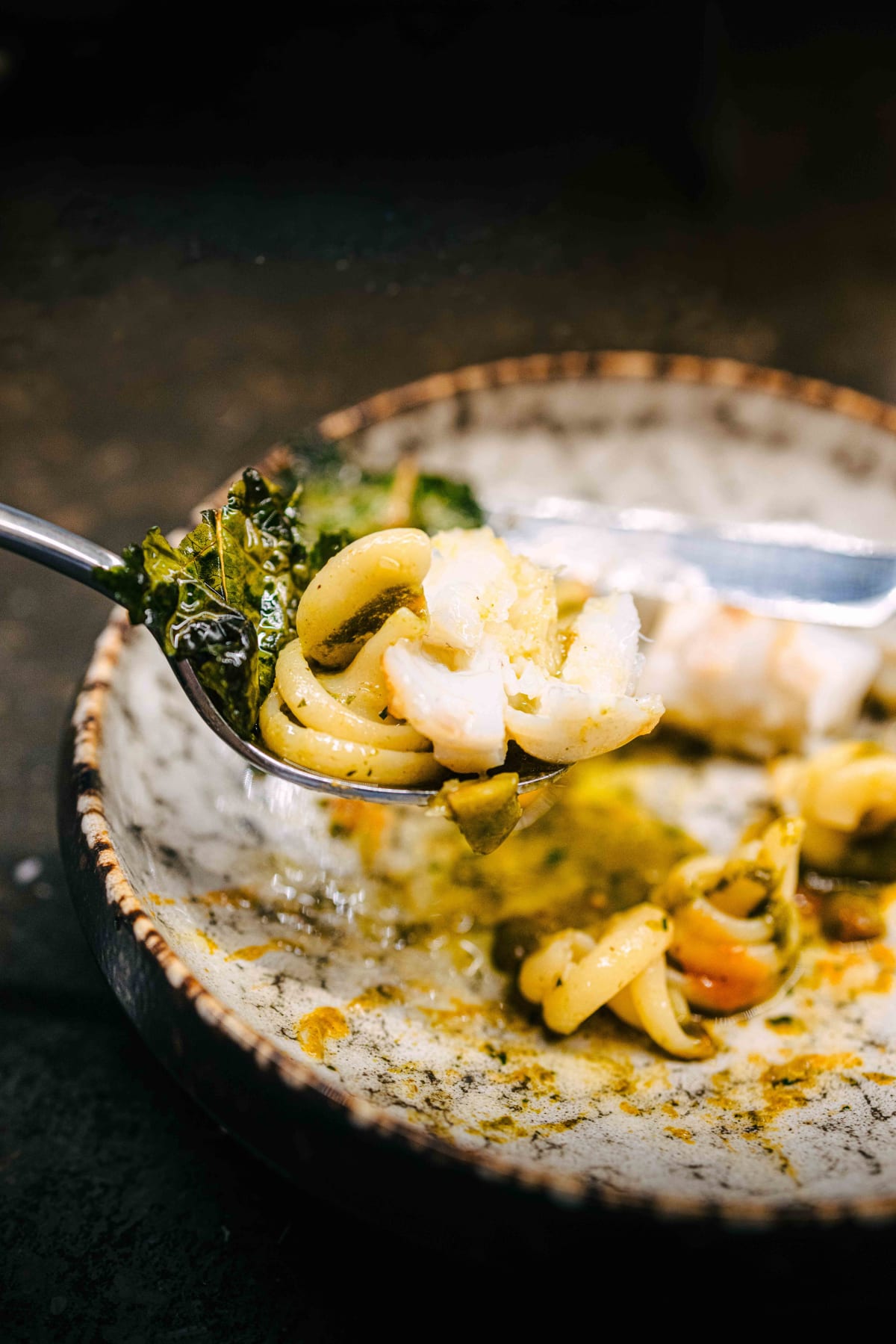
The sixth dish was the best of the day. It was seriously delicious. Red grouper came wrapped in lard and roasted, and beside it, roasted alongside, was Neapolitan Vesuvio pasta shaped after the volcano. Charred cavolo nero went on top.
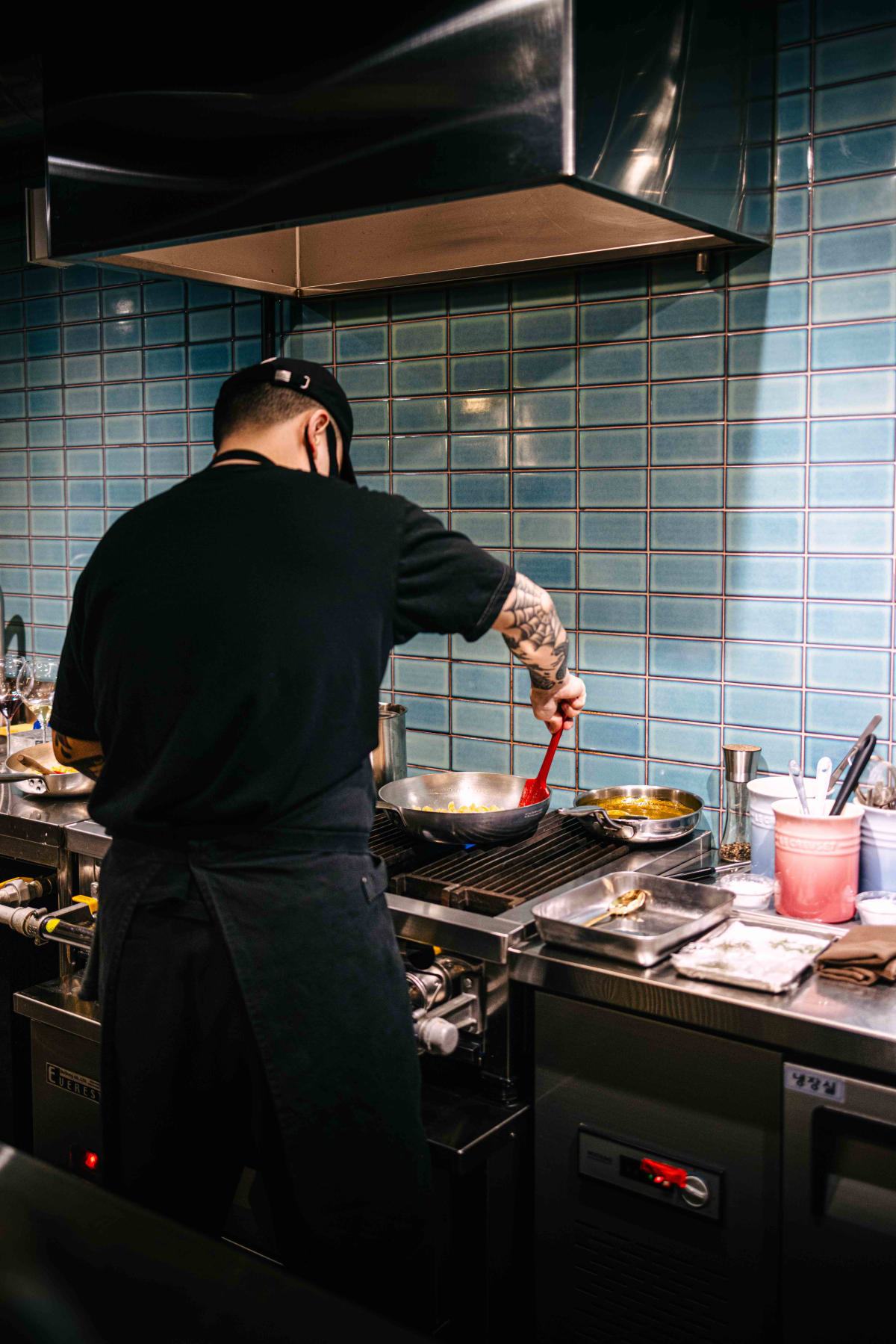
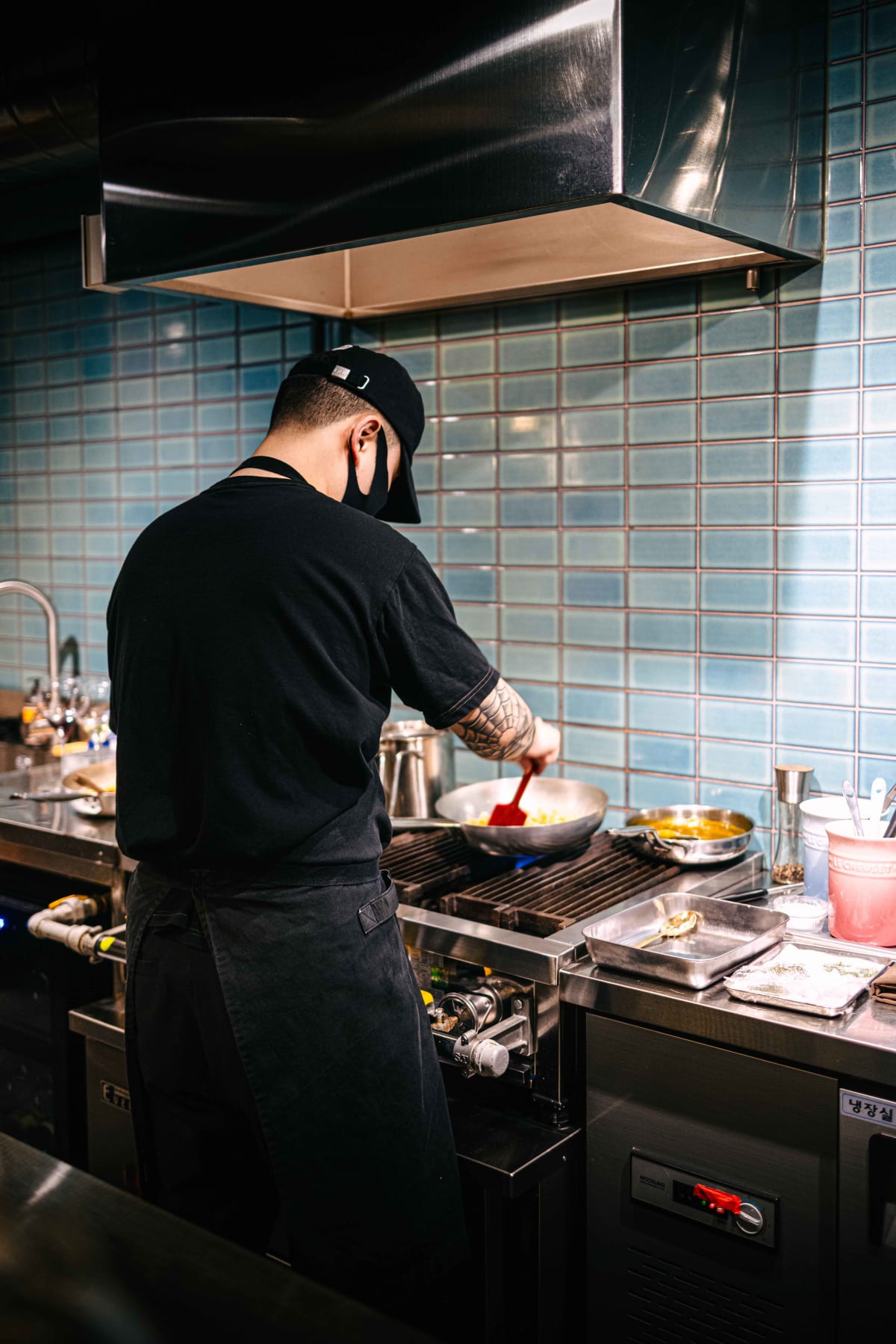
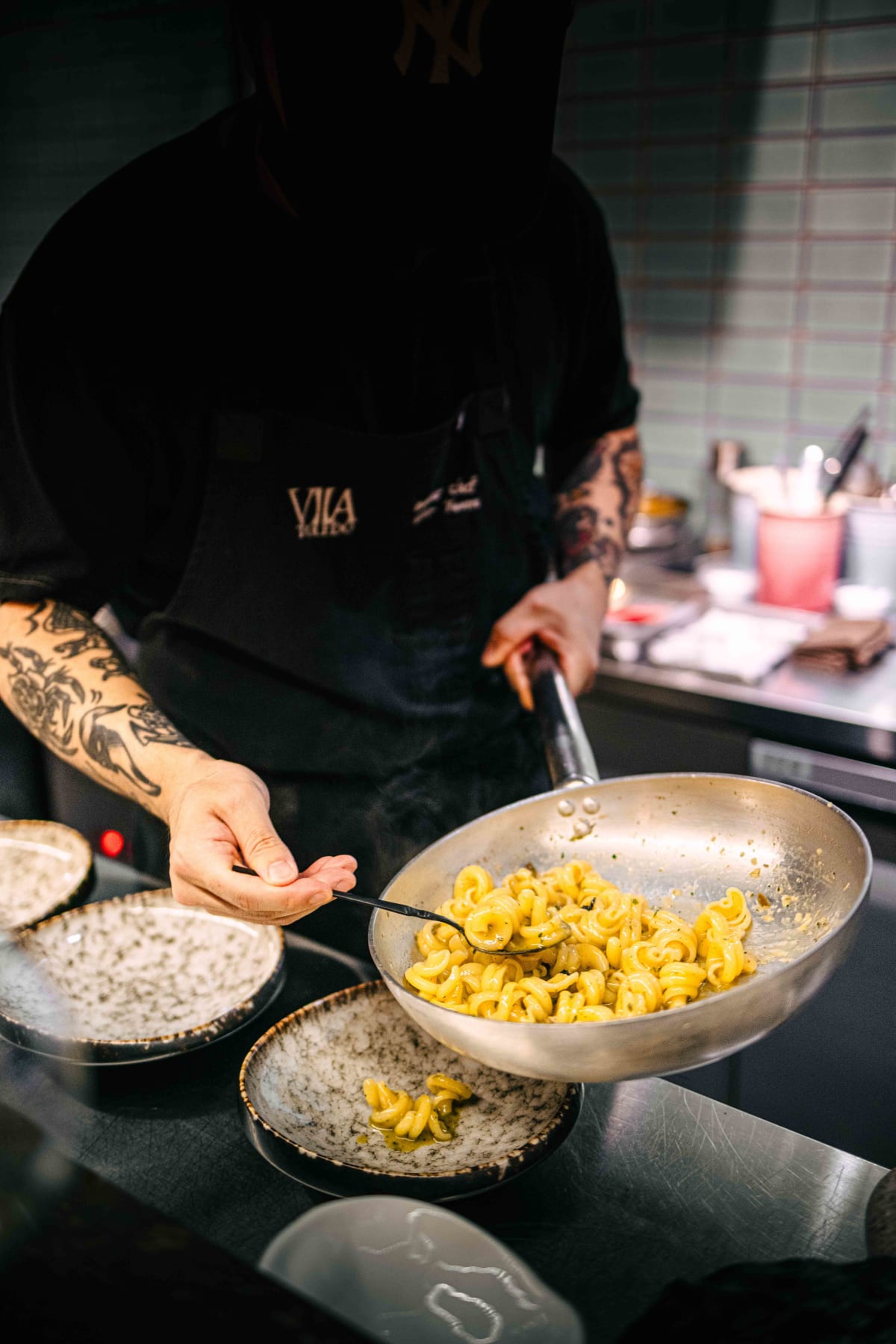
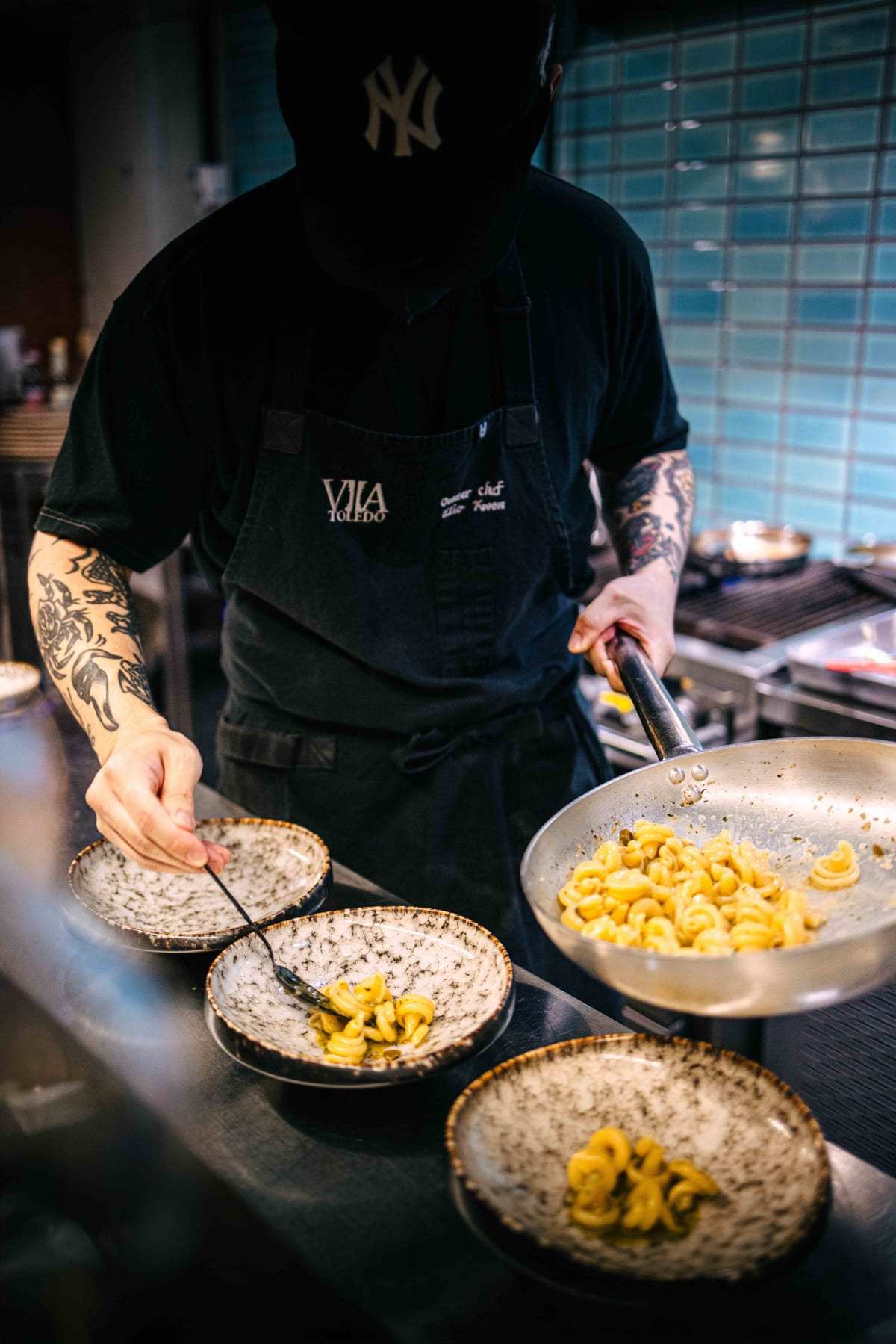
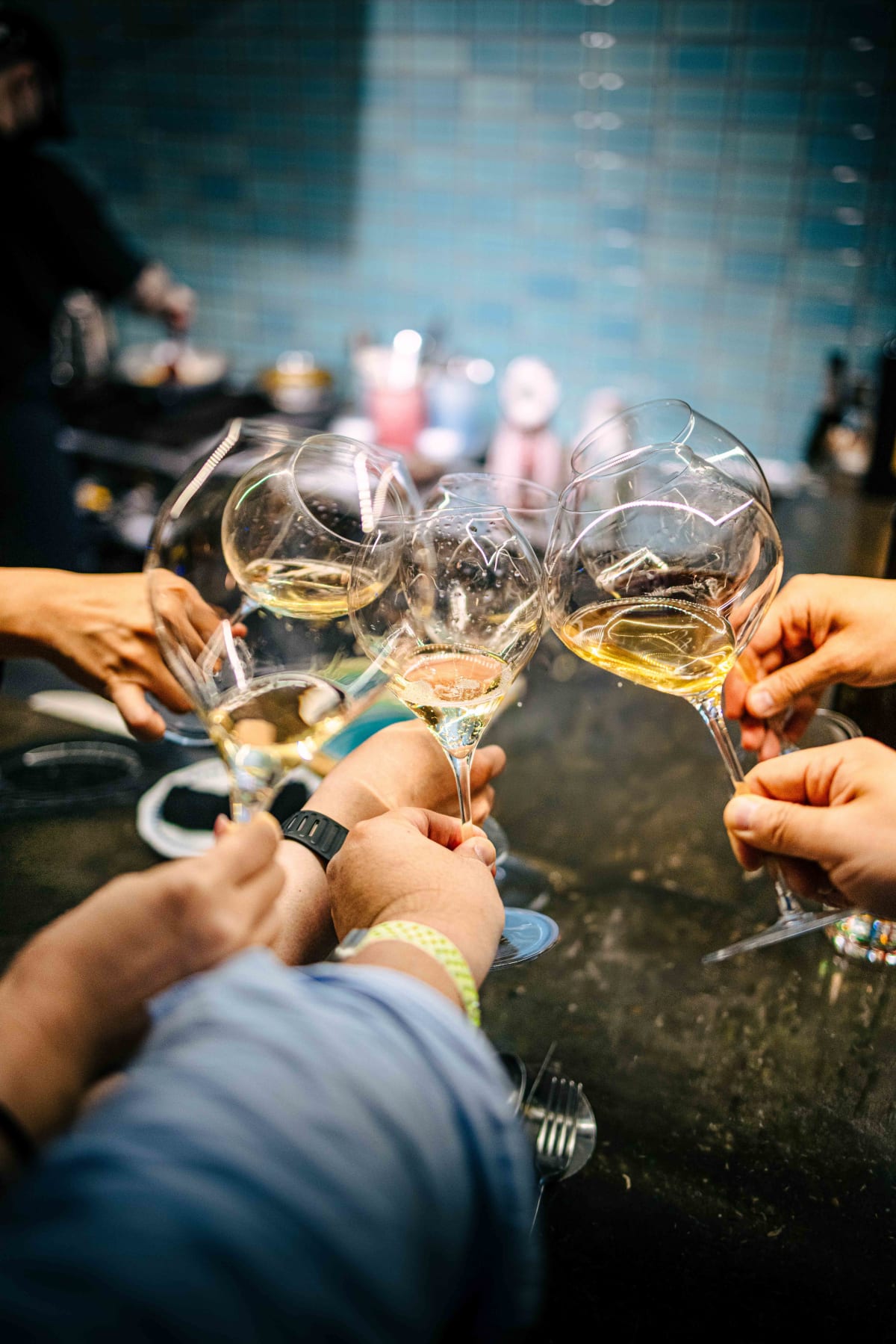
We raised a glass while it was on the heat.
The cooking of the red grouper was superb, and it went very well with the al dente texture of the pasta. The smoky aroma of the charred cavolo nero seeping naturally through the whole dish gave it a complexity that was really good. My one small reservation was the amount of cavolo nero in each spoonful. Too much of it and that strong aroma could take over the character of the whole dish. Even so, this dish really was the best.
The pasta was roasted separately from the fish.
For the fifth wine, the 1990 Grande Dame finally appeared, a Veuve Clicquot La Grande Dame 1990. The oxidative nuance came through with real elegance, and the acidity and the bead in the mouth were still excellent, which left a strong impression.
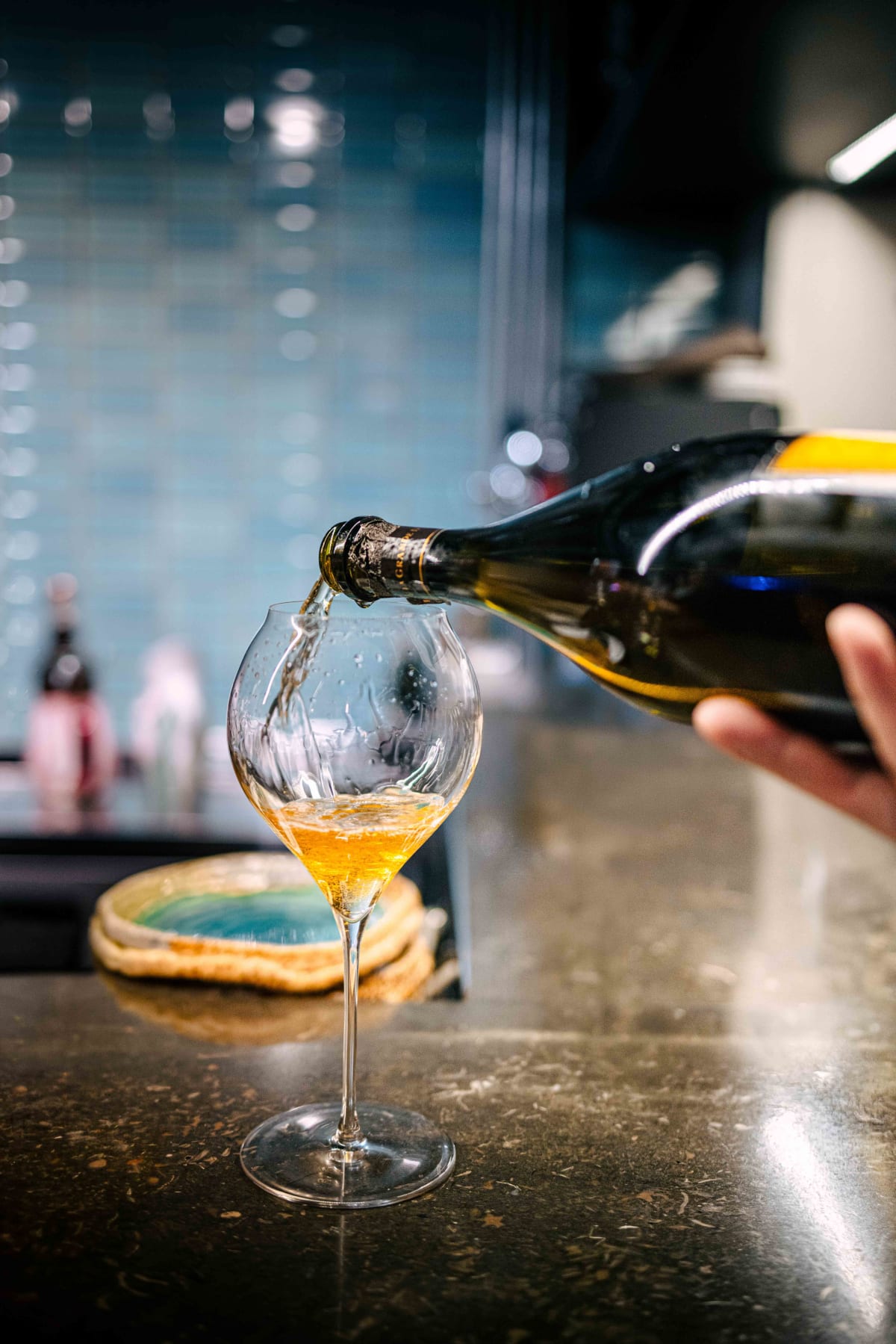
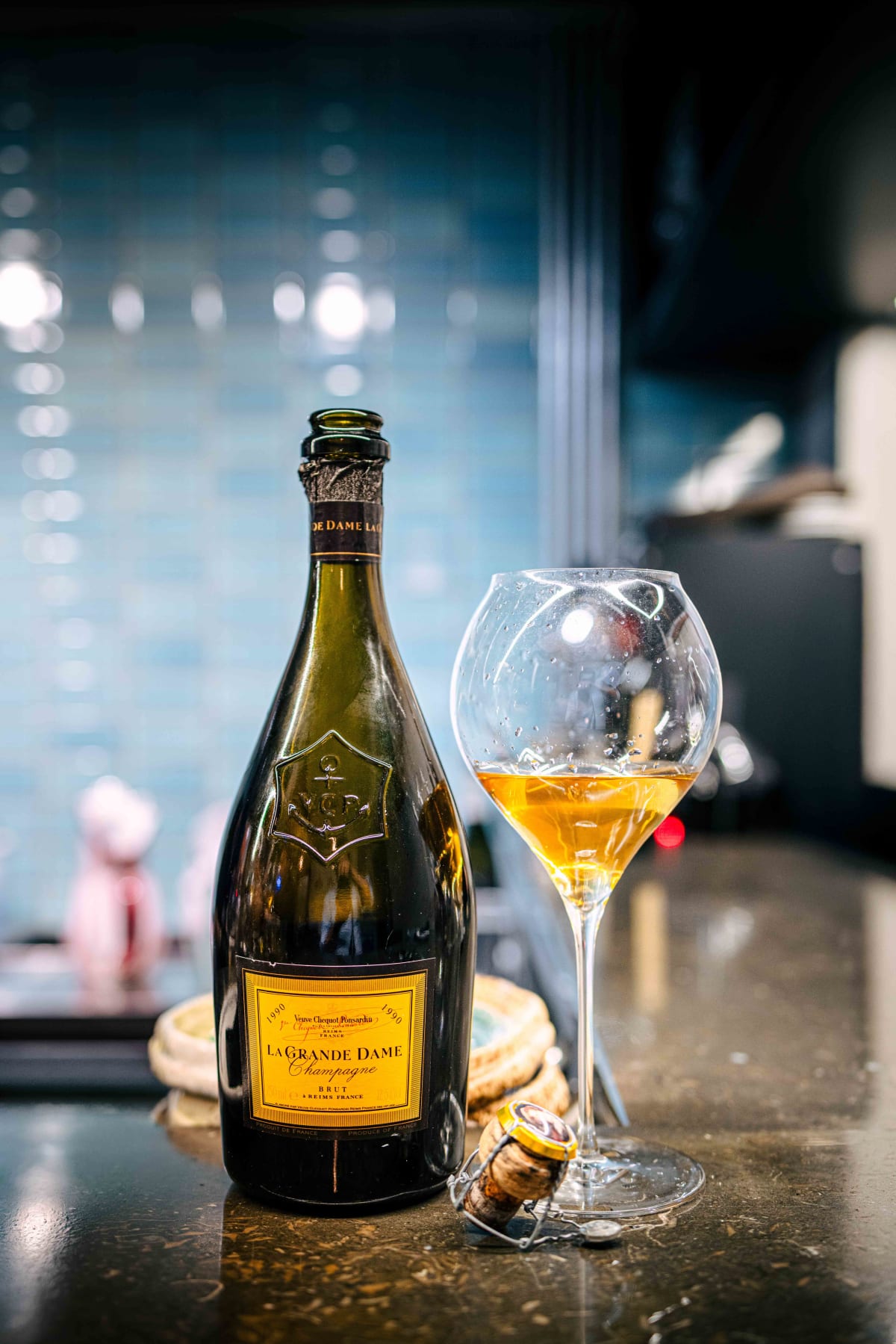
That said, it may be that my experience is lacking, but I found it hard to feel the sort of house character that makes you say, this is La Grande Dame, the way the 2008 did. It was a good chance to see first-hand how old vintage champagne converges on a single style over time rather than holding on to the character of its individual house.
It was a good chance to see first-hand how old vintage champagne converges on a single style over time rather than holding on to the character of its individual house.
Section 6·Risotto and Masseto
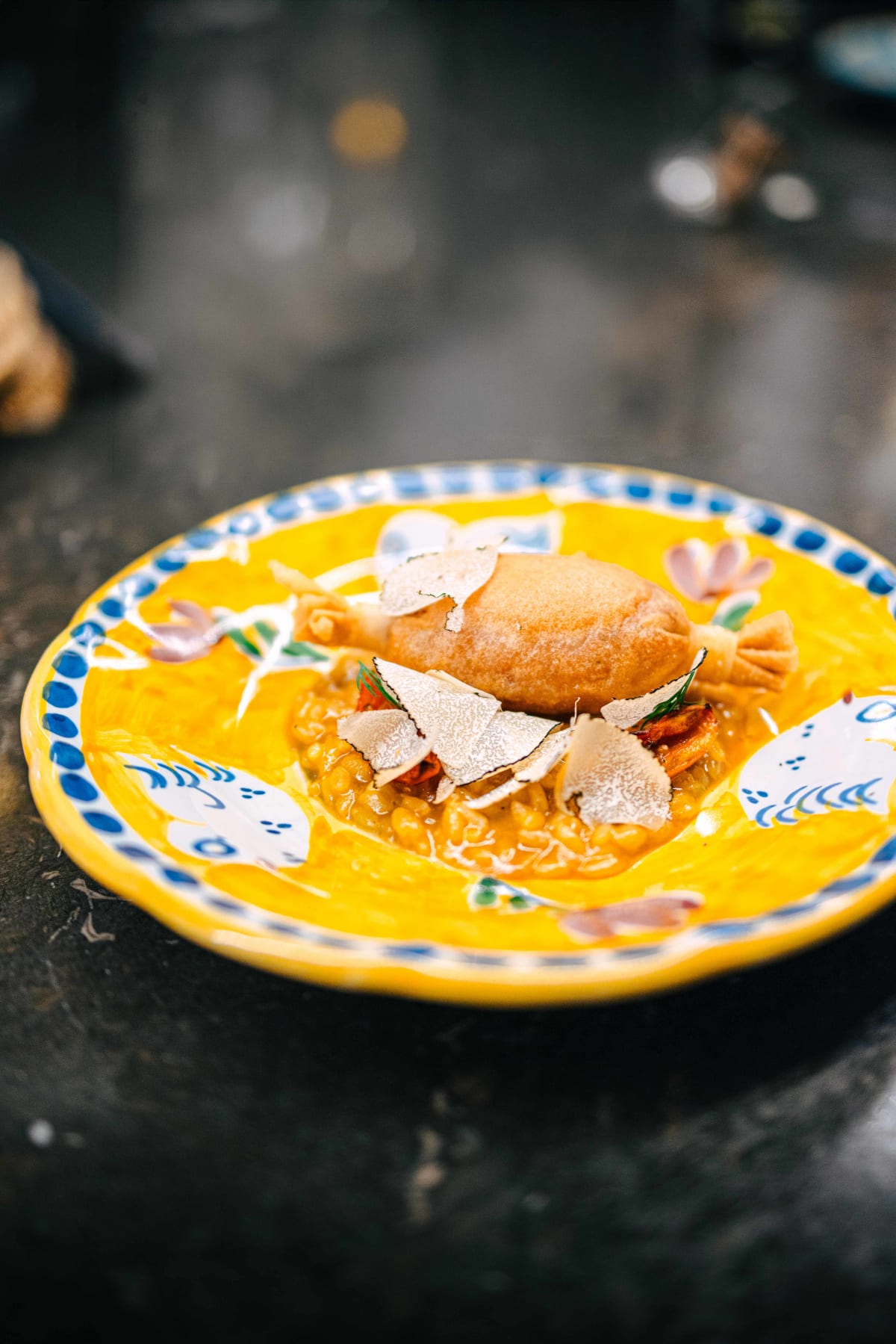
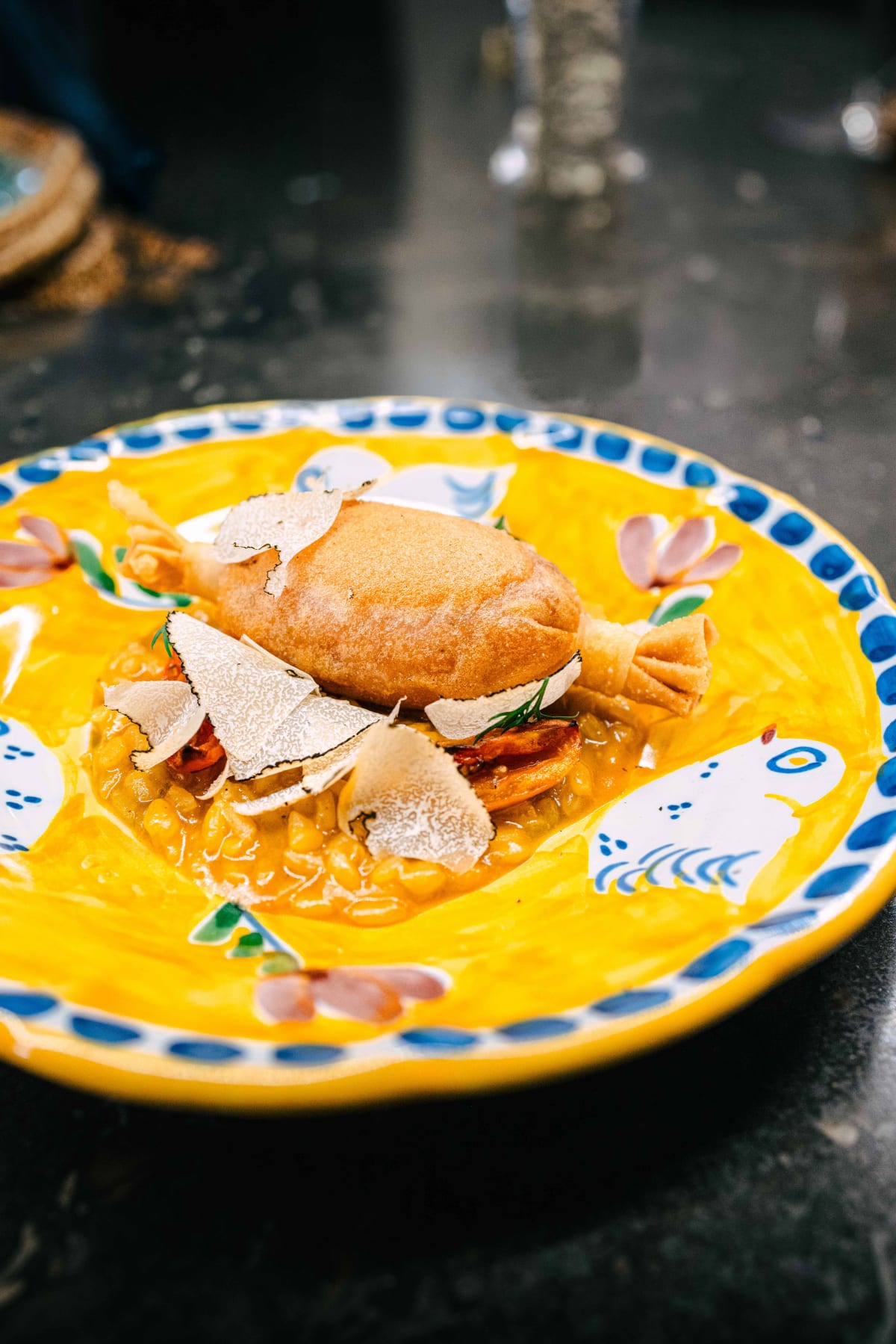
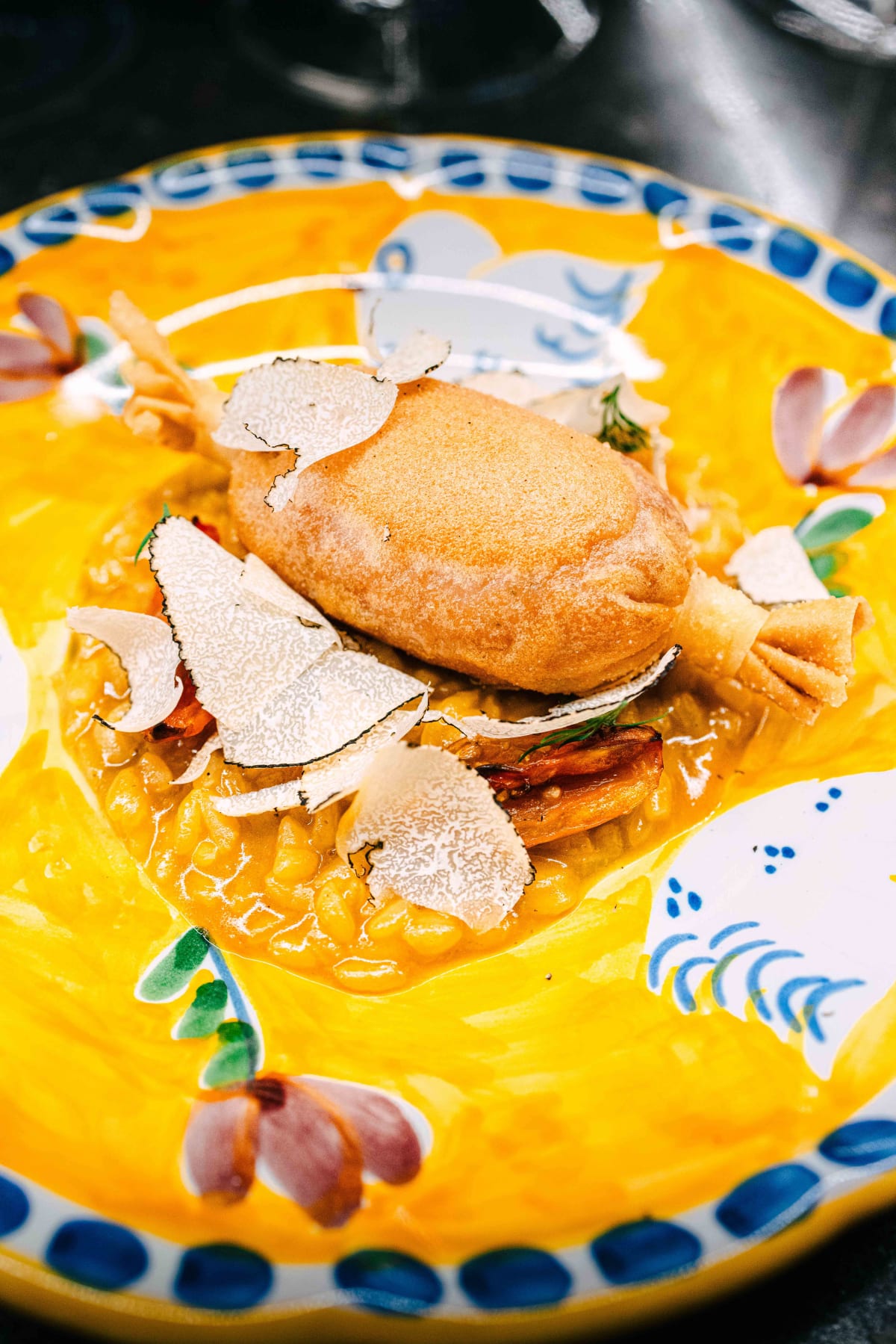
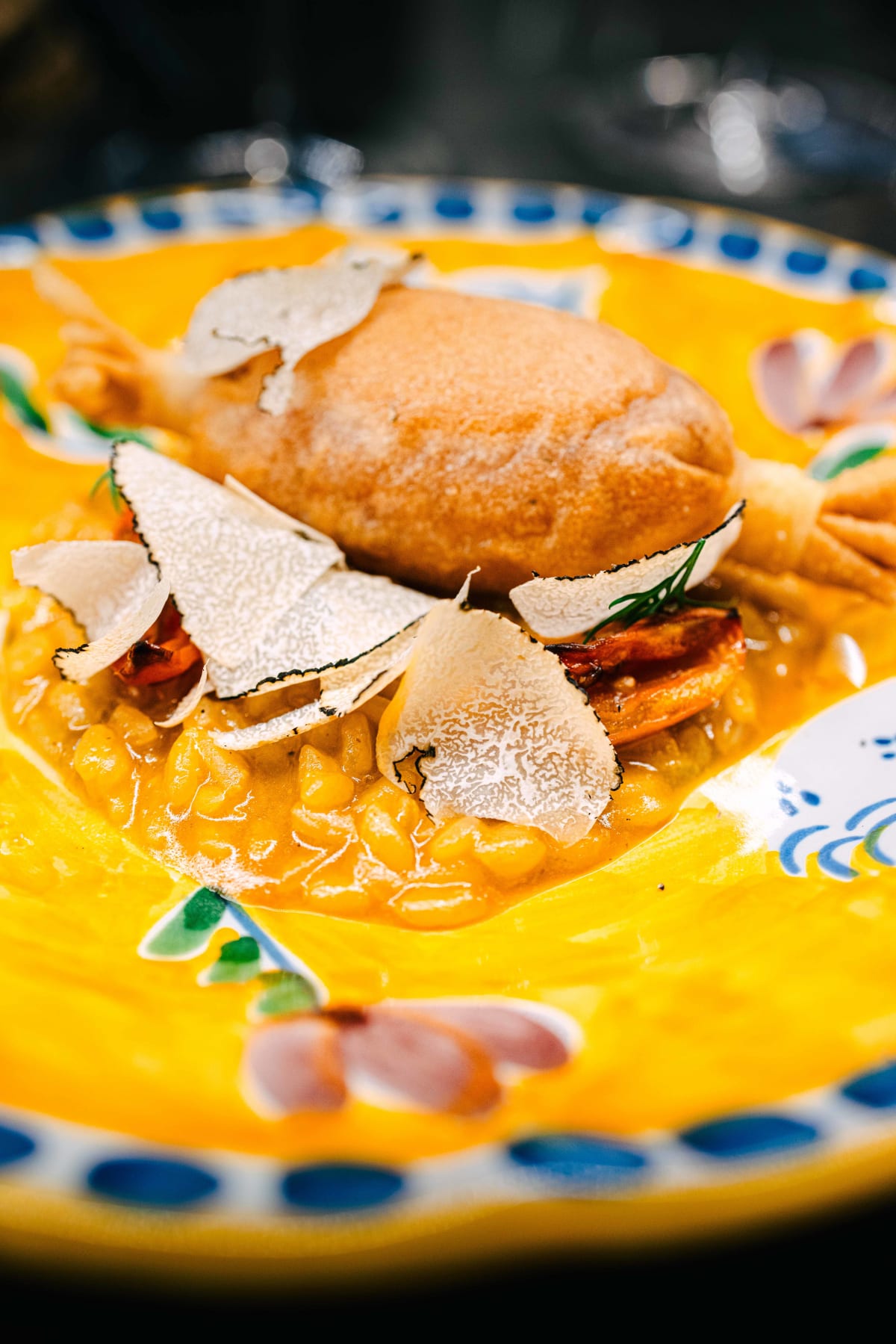
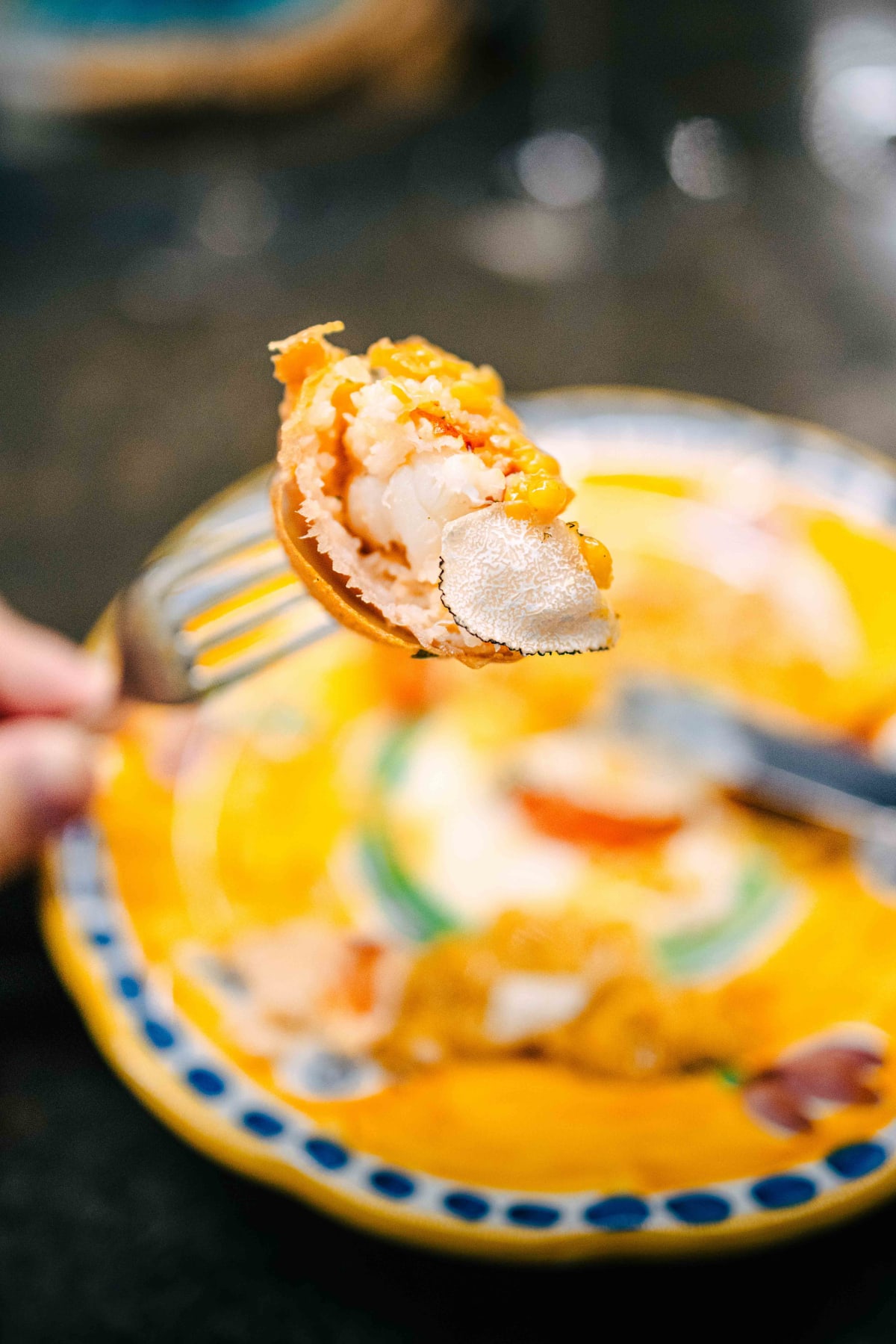
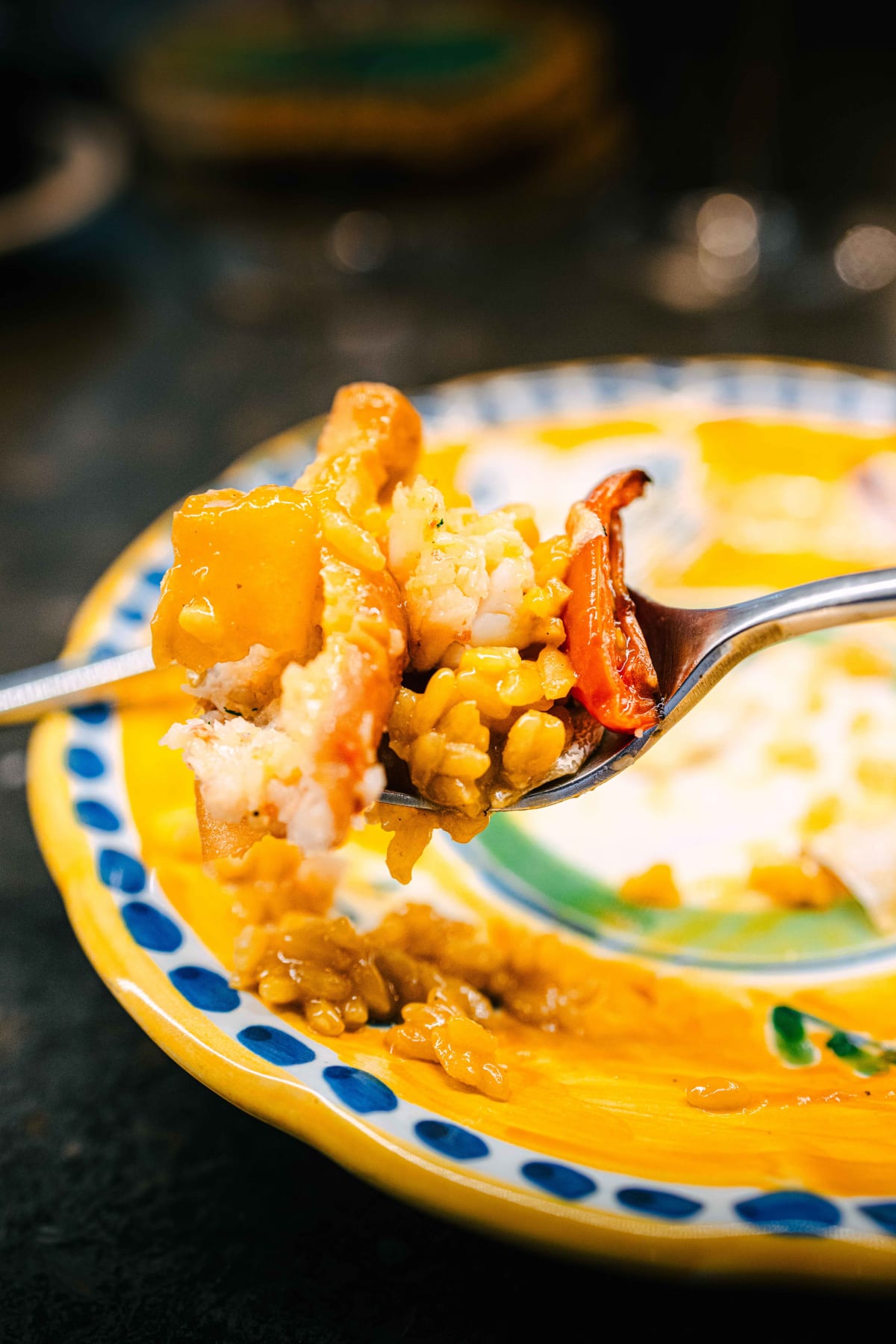
The first dish of the later stretch was a carabinero and lobster bisque risotto. Carabinero and lobster rolled in prosciutto and fried sit on a saffron Milanese risotto, with summer truffle shaved over the top, but frankly the summer truffle barely came through at all.
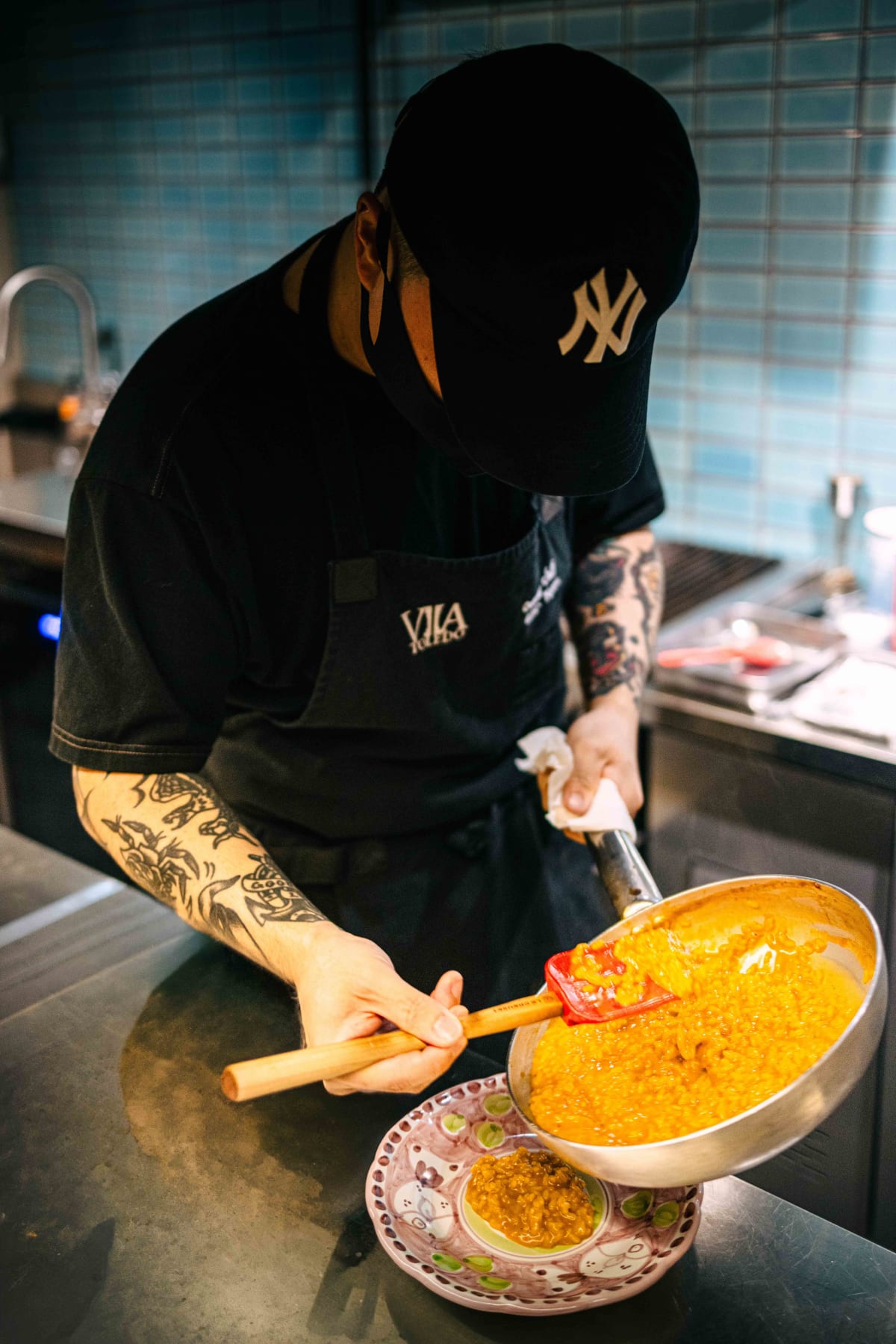
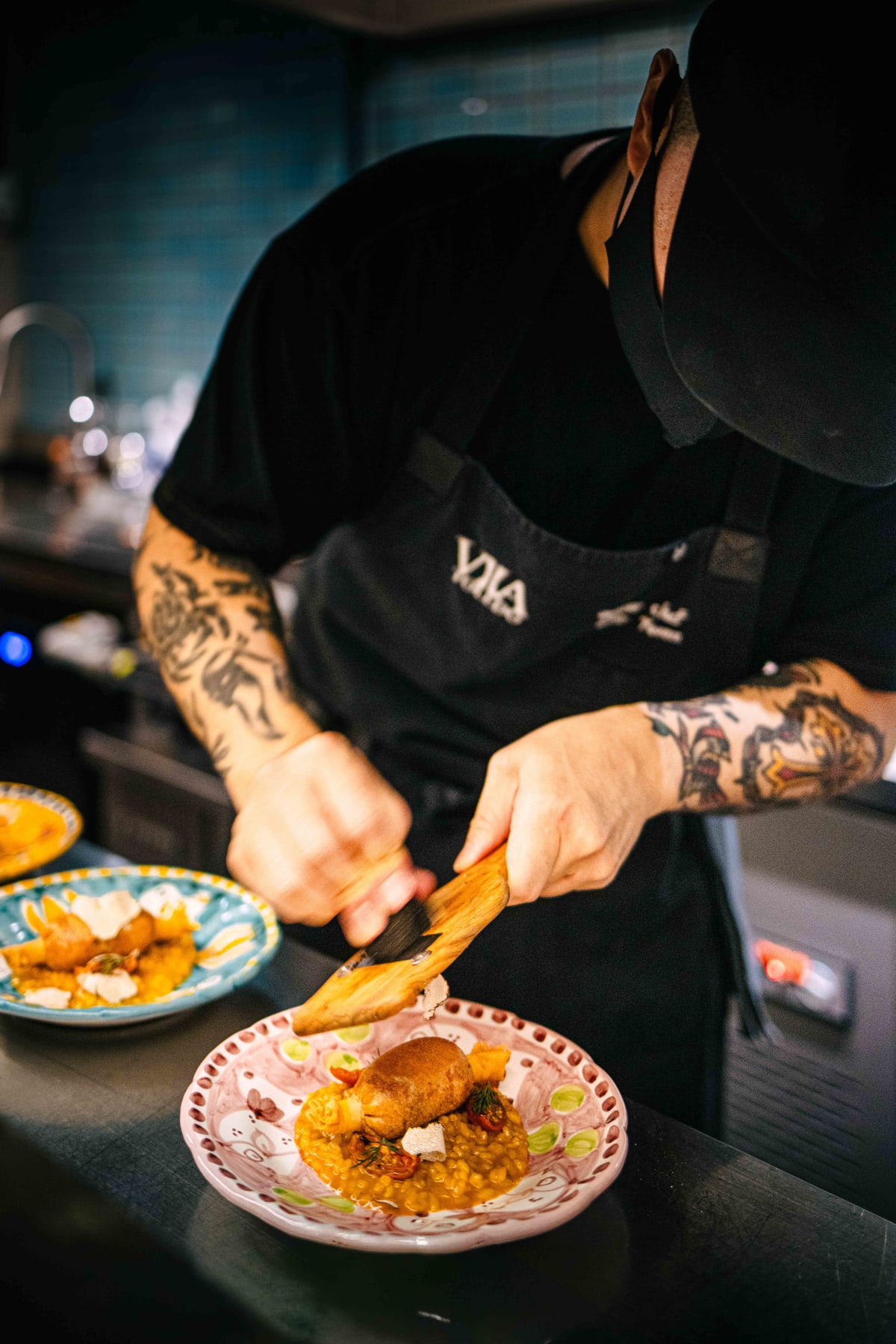
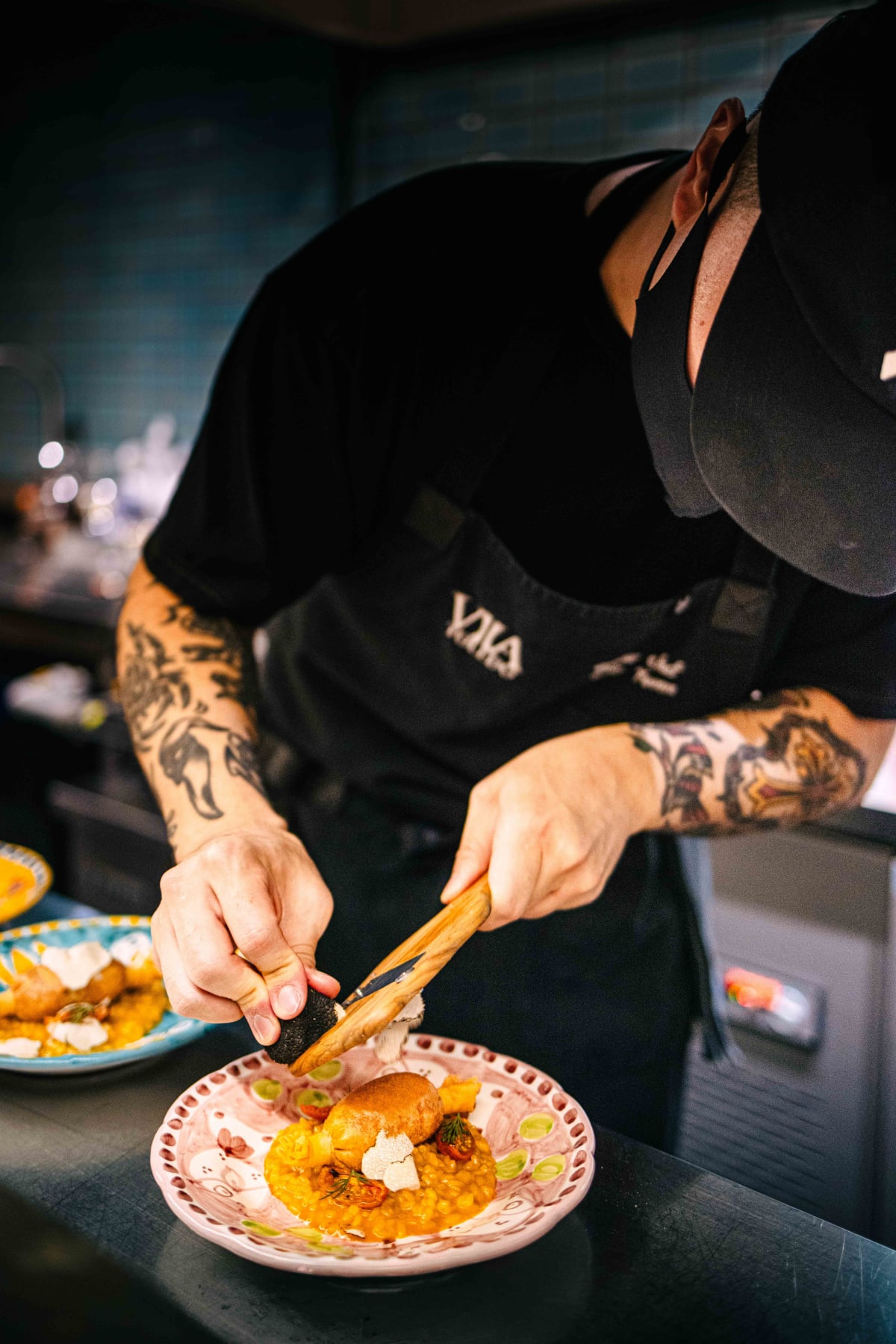
The truffle was shaved over back in the kitchen.
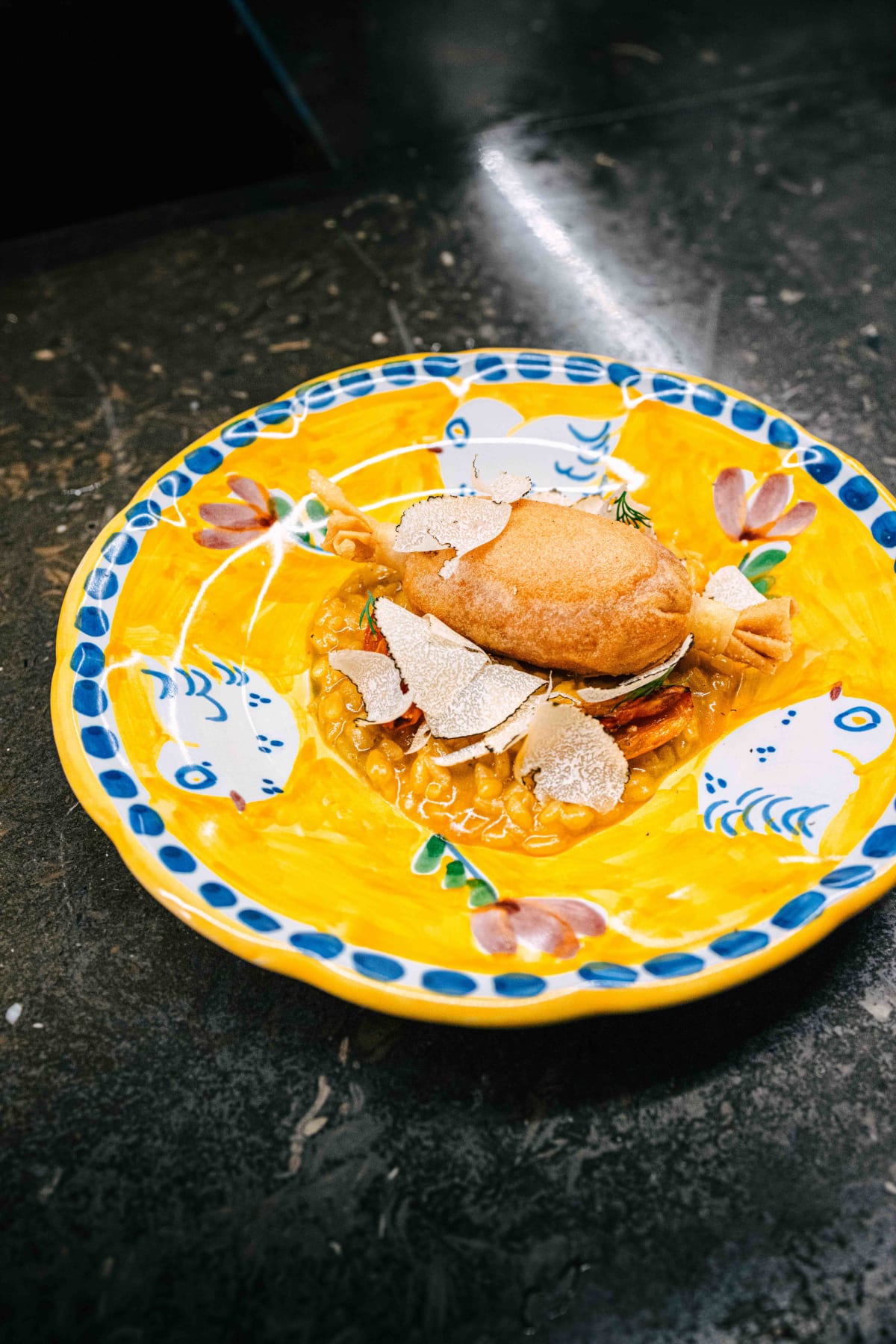
The bisque aroma was refined and good, and the tomato supplied the acidity and played the key role in balancing the dish. What did not work was the fried lobster roll inside, which was a little unbalanced. The lobster inside felt slightly overcooked, and the fried exterior did not sit harmoniously with the risotto in the mouth.
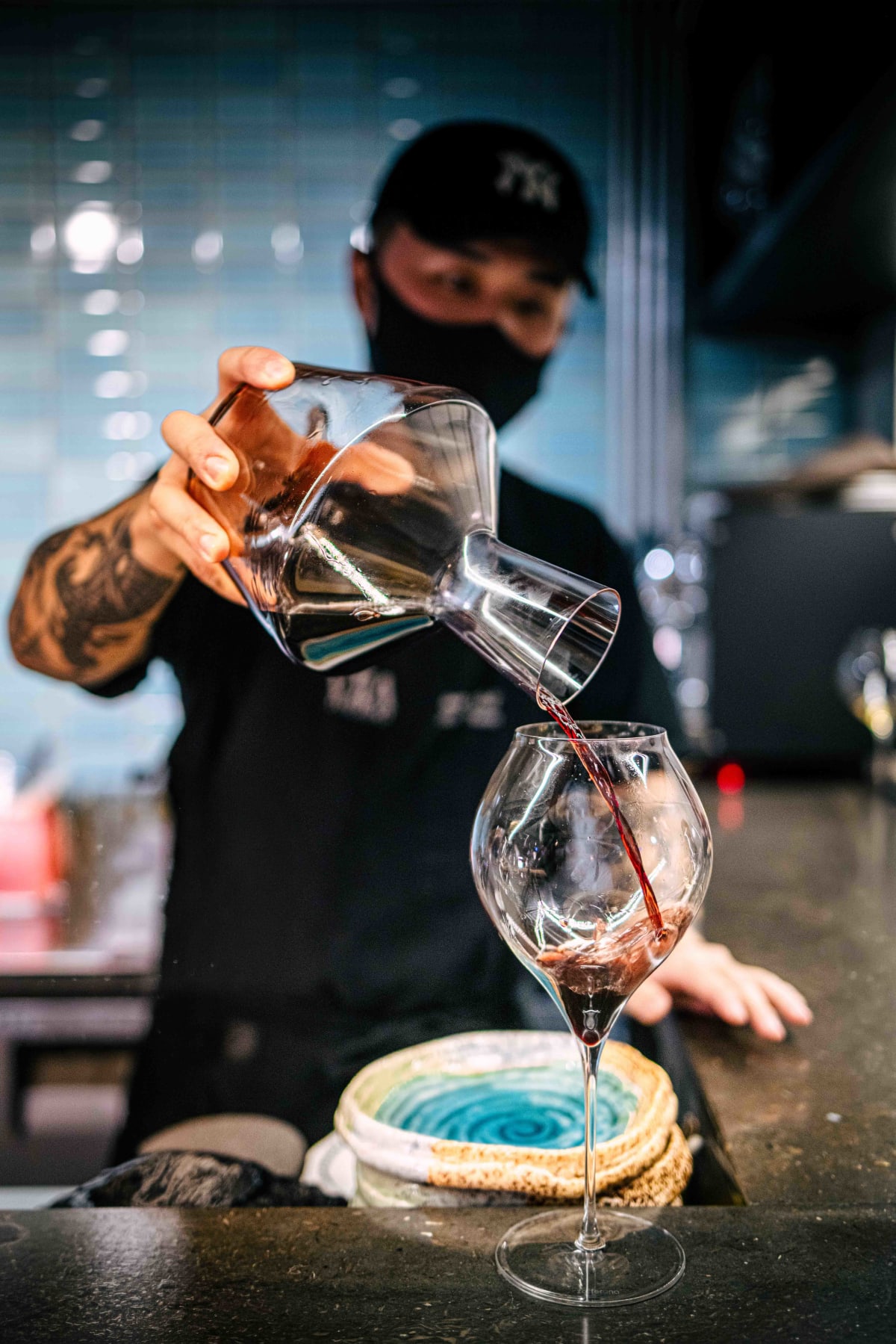
Then the main event. A Masseto 2001, called the Petrus of Italy. It is one hundred percent Merlot and said to be one of Masseto's great vintages. Tertiary aromas and a range of others rose together from the very start, and the astonishing thing was that it is still full of potential and somewhat closed. It felt like it was playing hard to get, on the verge of showing its real self without quite doing so.
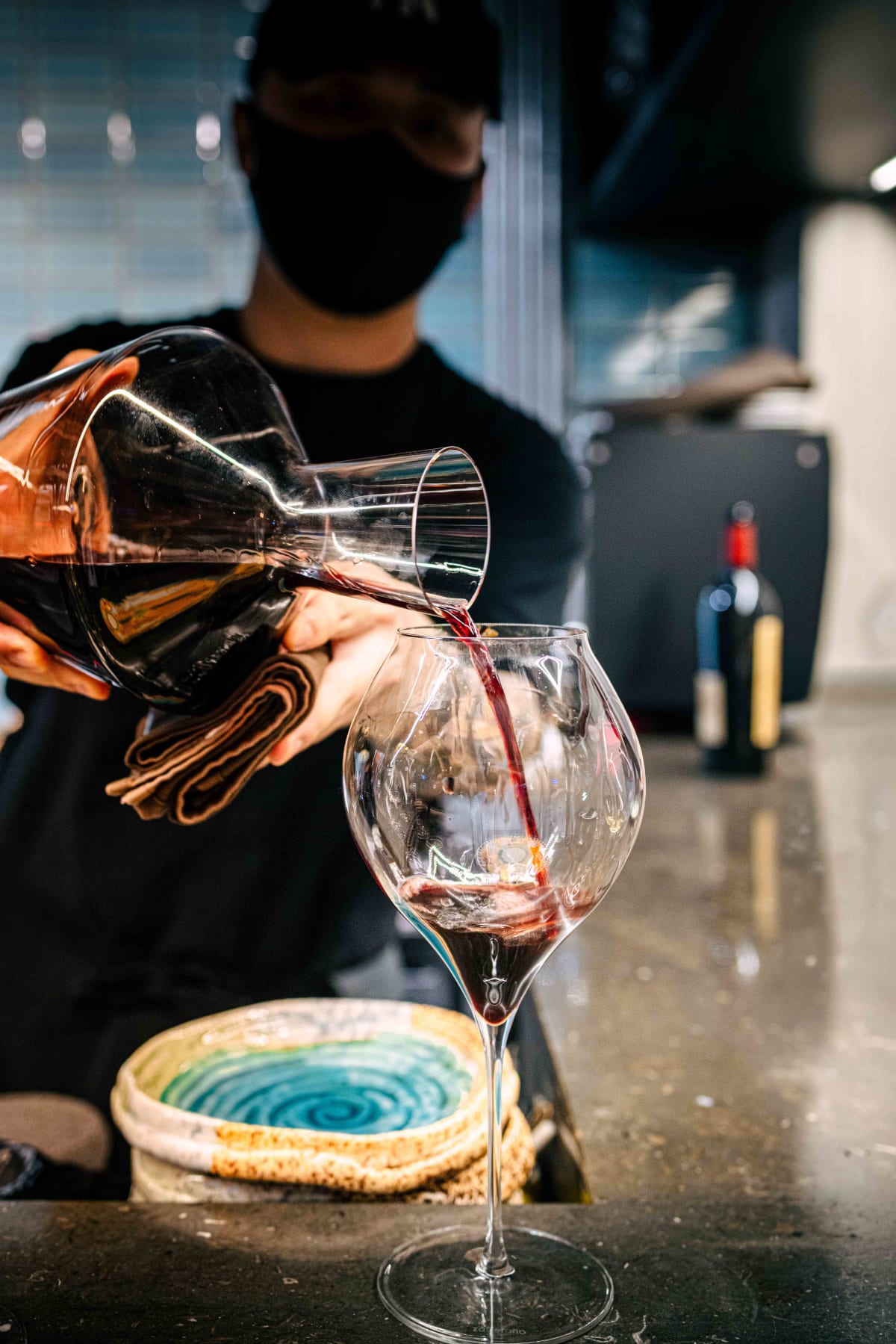
The 2001 had been decanted well ahead.
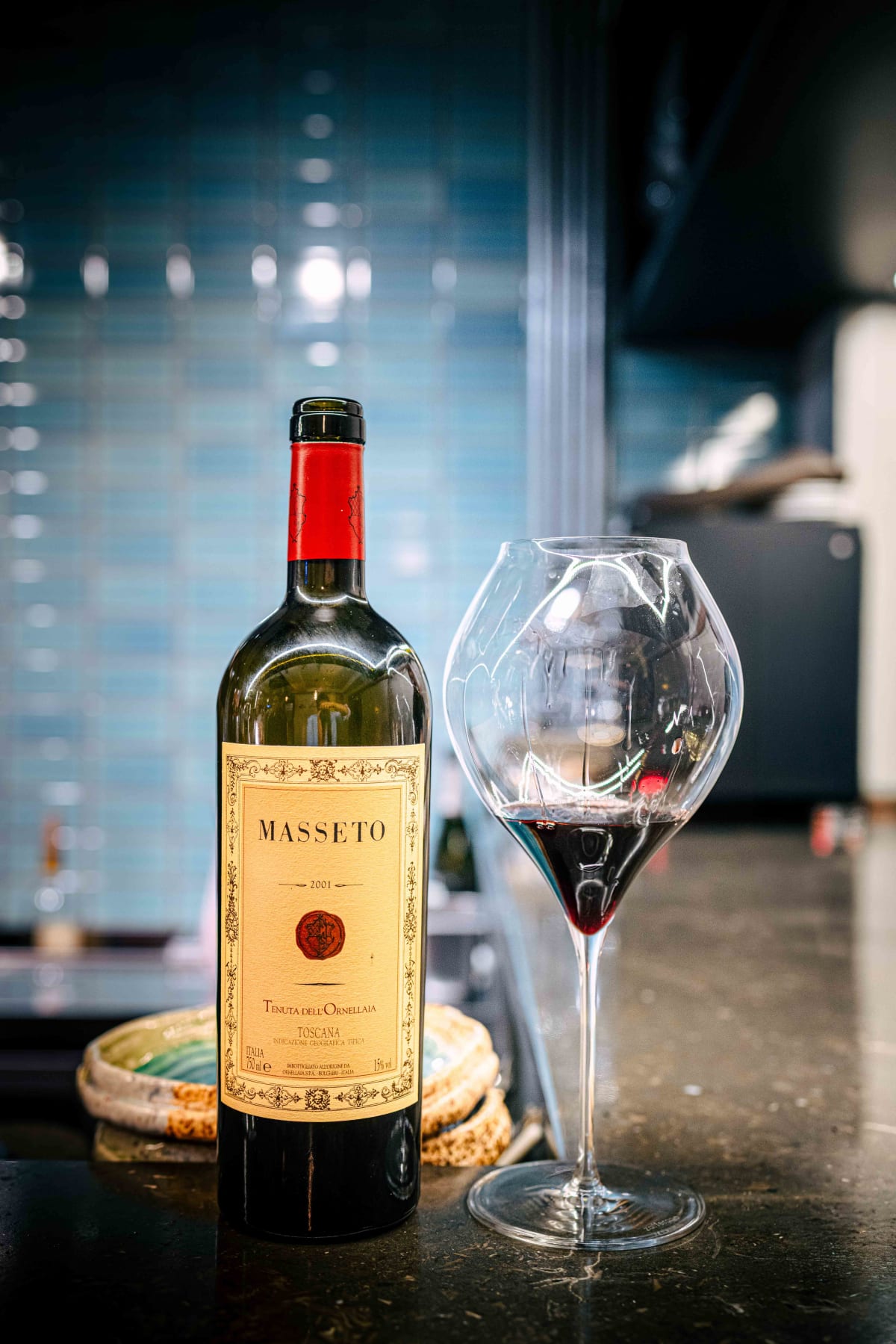
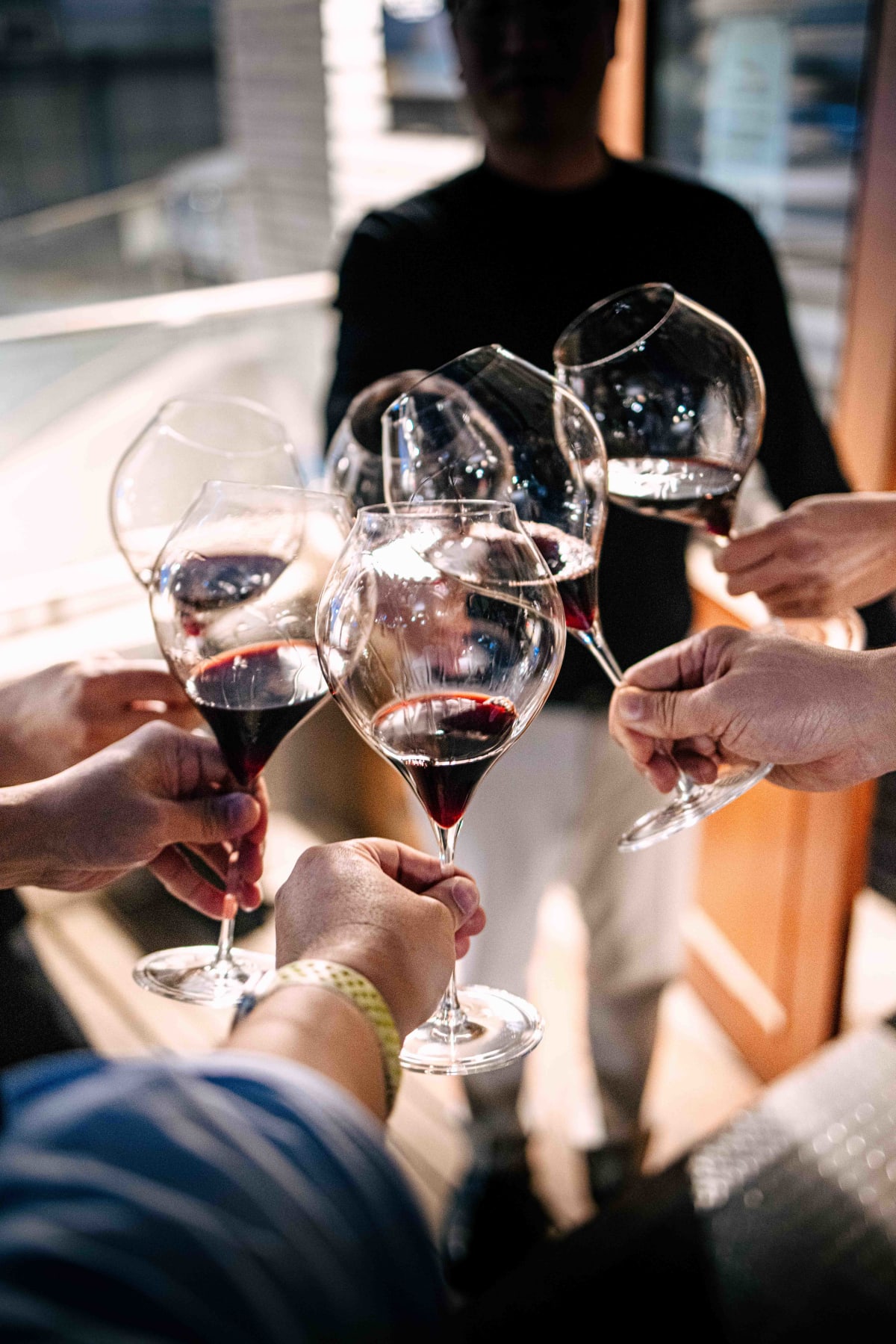
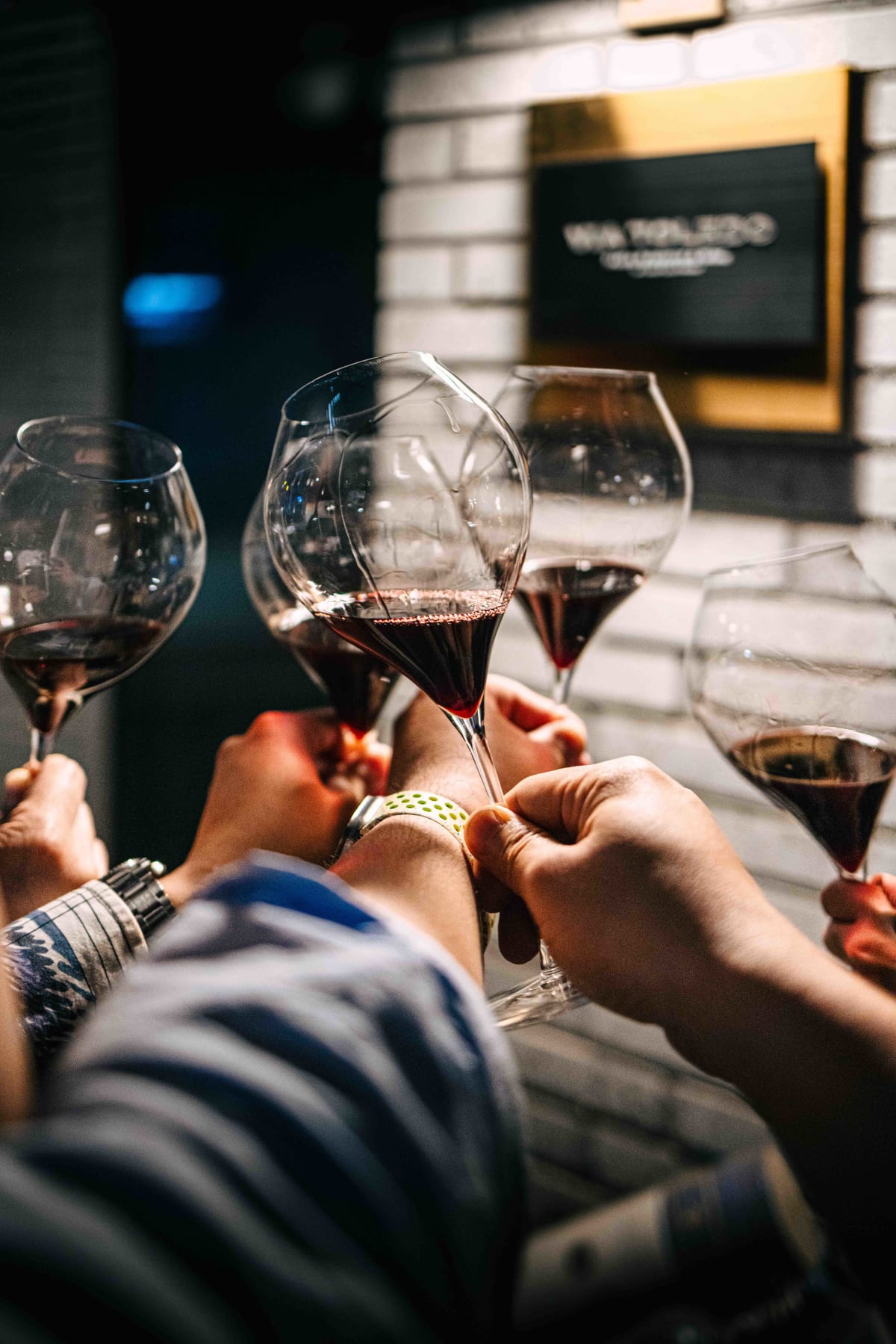
As time passed I could even pick up a meaty note. I felt I understood why people drink all day or set up camp when they are drinking good wine in Europe or in wine regions. It is a wine I would like to try again in the same vintage some years from now. As a fun aside, we all went outside together to smell it and take photographs, on the grounds that a wine this good should be enjoyed with clean air.
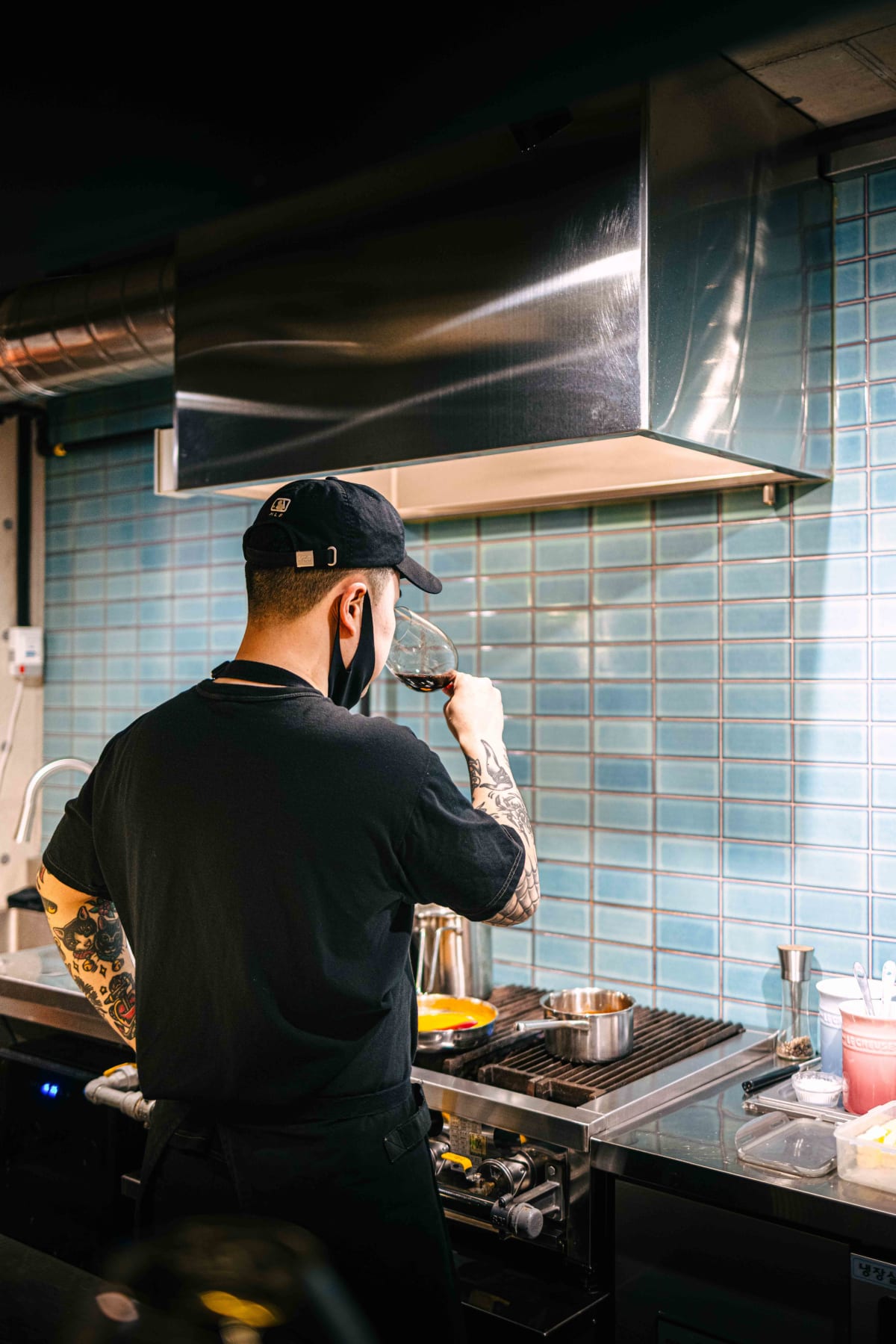
We carried the glasses out into the air.
Section 7·The Lamb
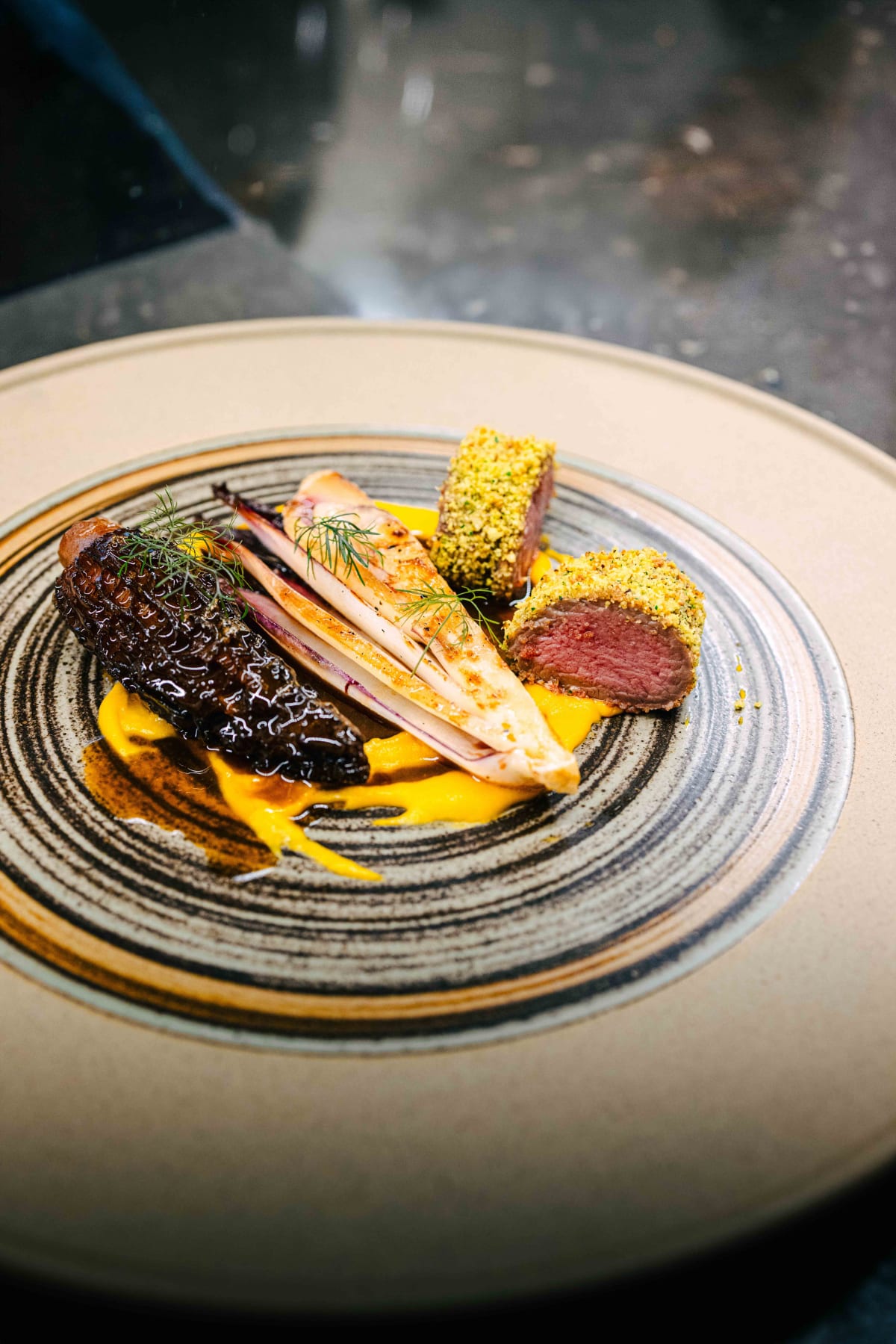
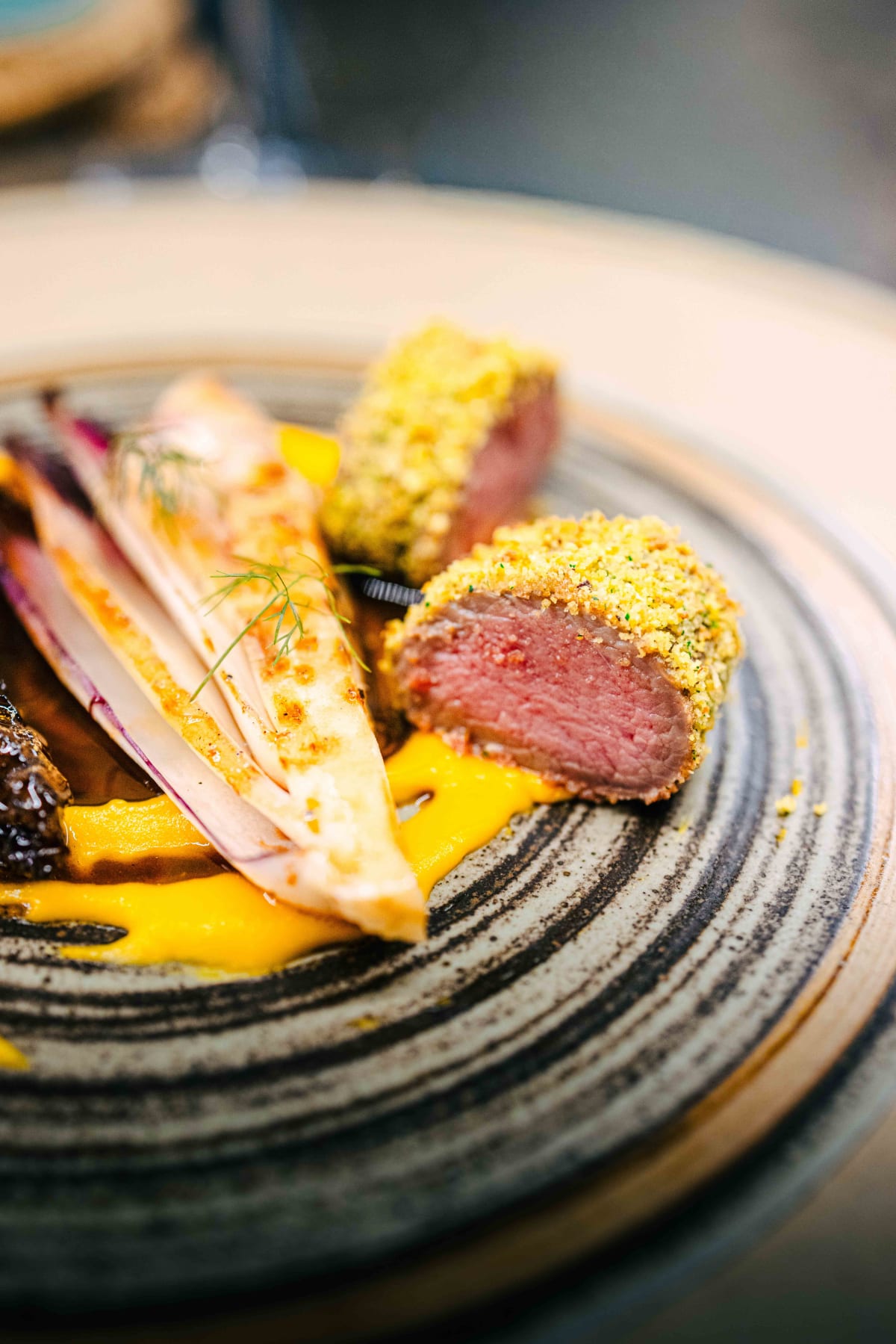
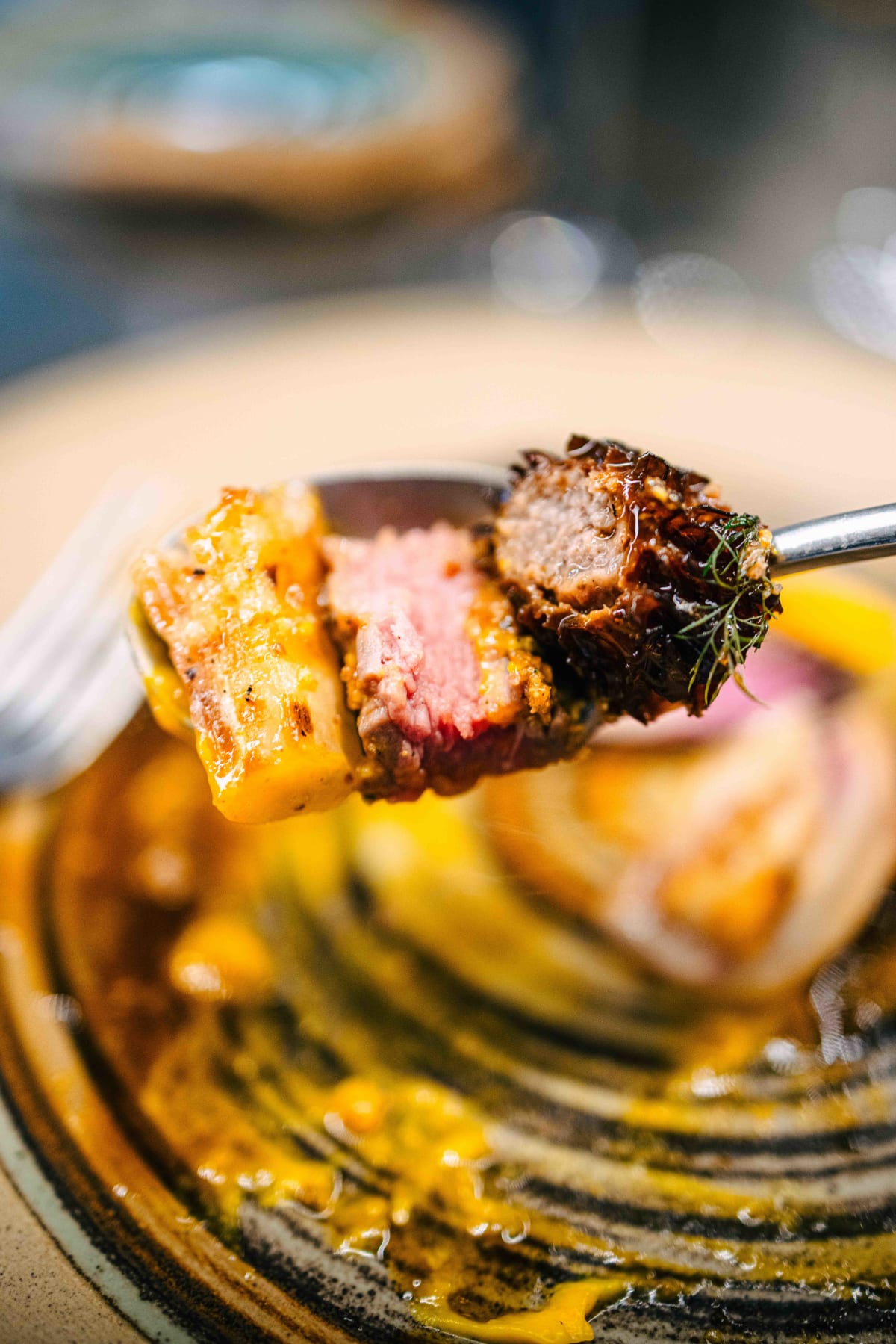
The eighth was the main lamb dish. It came as a combination of lamb with pistachio crust, morel mushroom, radicchio and a kabocha sauce. On my last visit the main was frankly a bit of a mess, and this time the execution had improved considerably.
On my last visit the main was frankly a bit of a mess, and this time the execution had improved considerably.
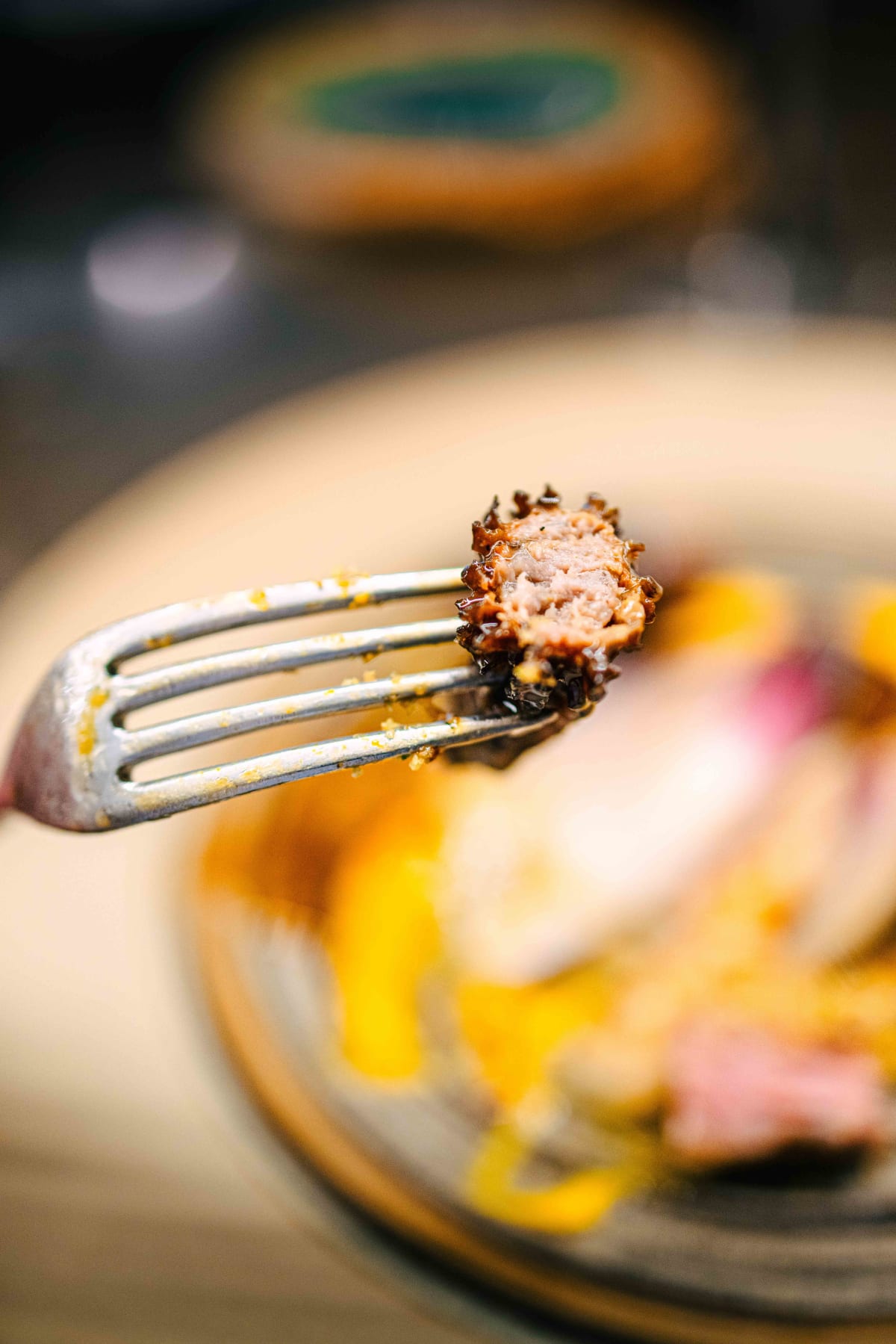
The aroma and the crisp texture of the charcoal grilled radicchio were outstanding in particular, and the morels were remarkably large.
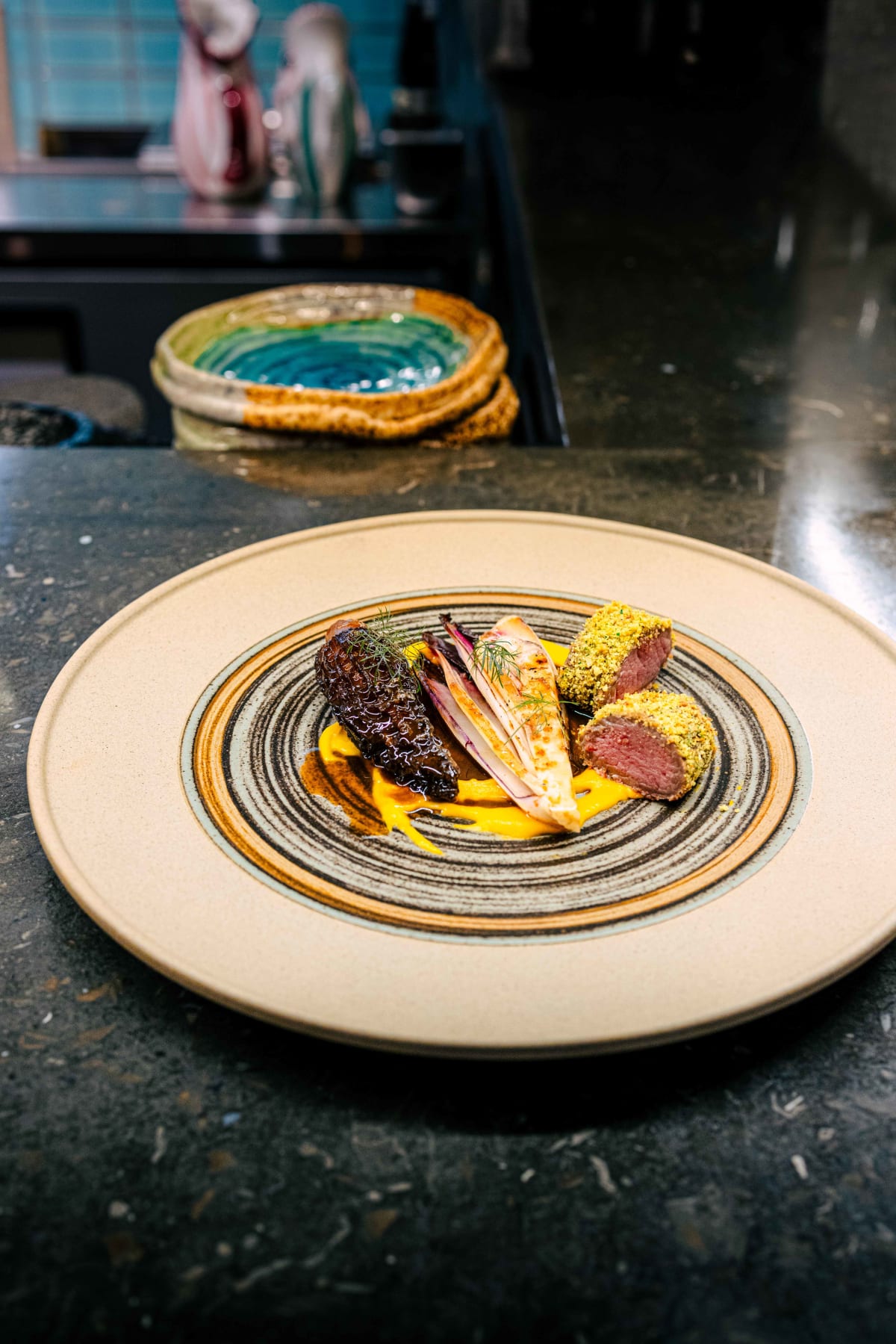
The pistachio was worked onto the outside of the lamb as a crust.
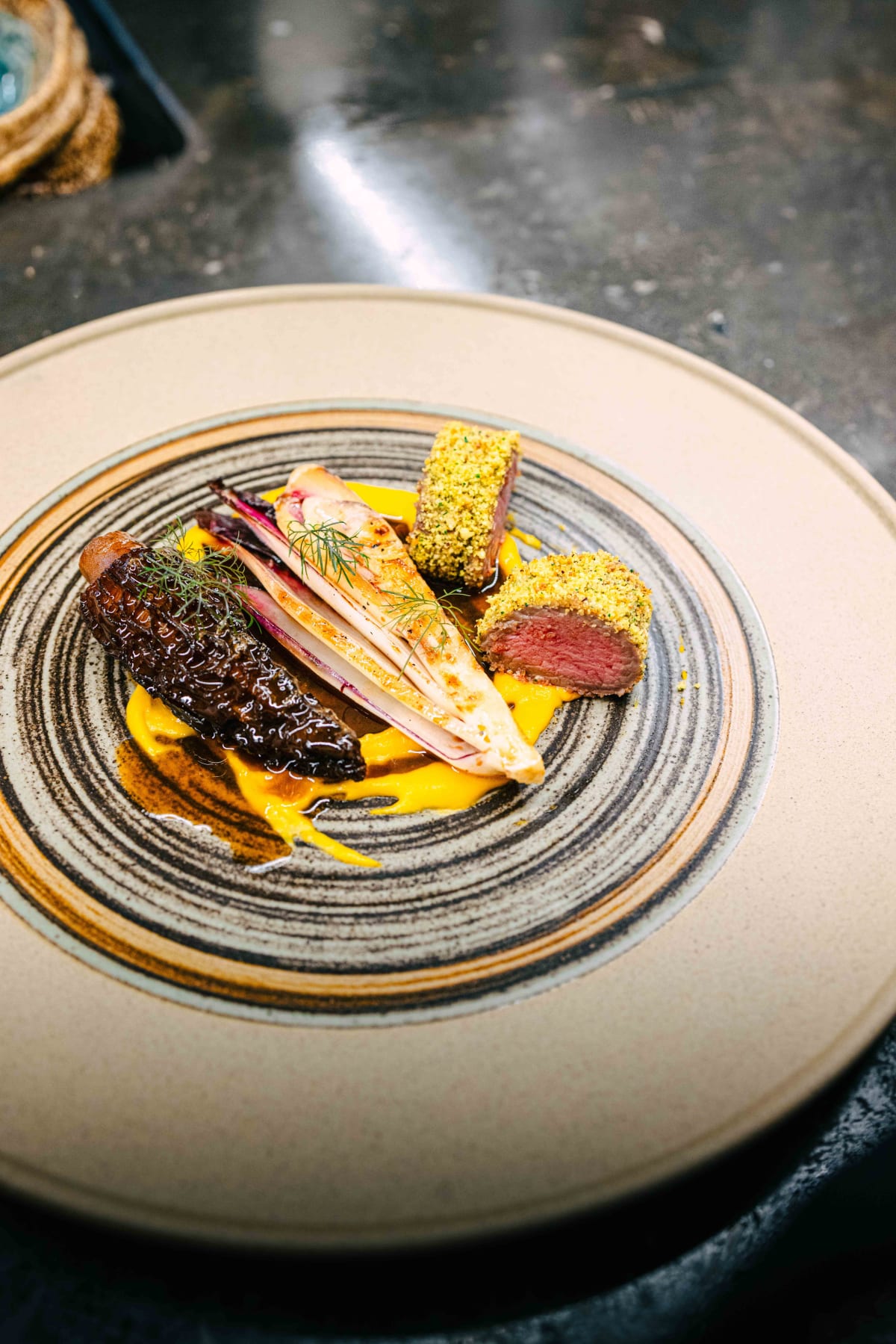
Lamb had been stuffed inside them as well, and both the texture of the mushroom and its savour were excellent. The lamb was at a good warm temperature and the cooking was well judged, so the texture was fine. The scent of the lamb itself was not on the strong side, which is probably why it sat harmoniously with the various garnishes.
The bread went to the sauce left on the plate.
What was left of the Masseto was shared out first.
Section 8·Yquem and the Signature
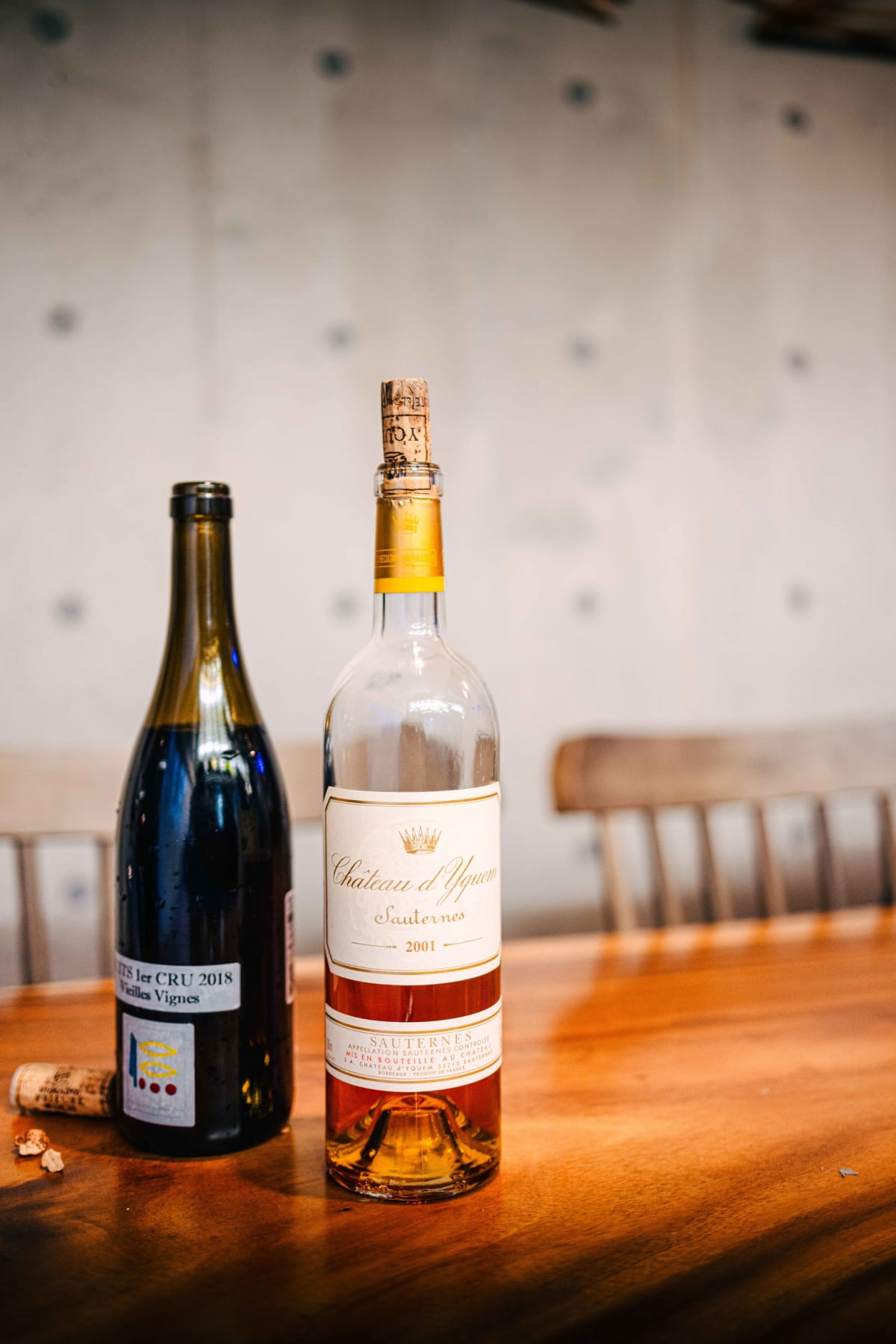
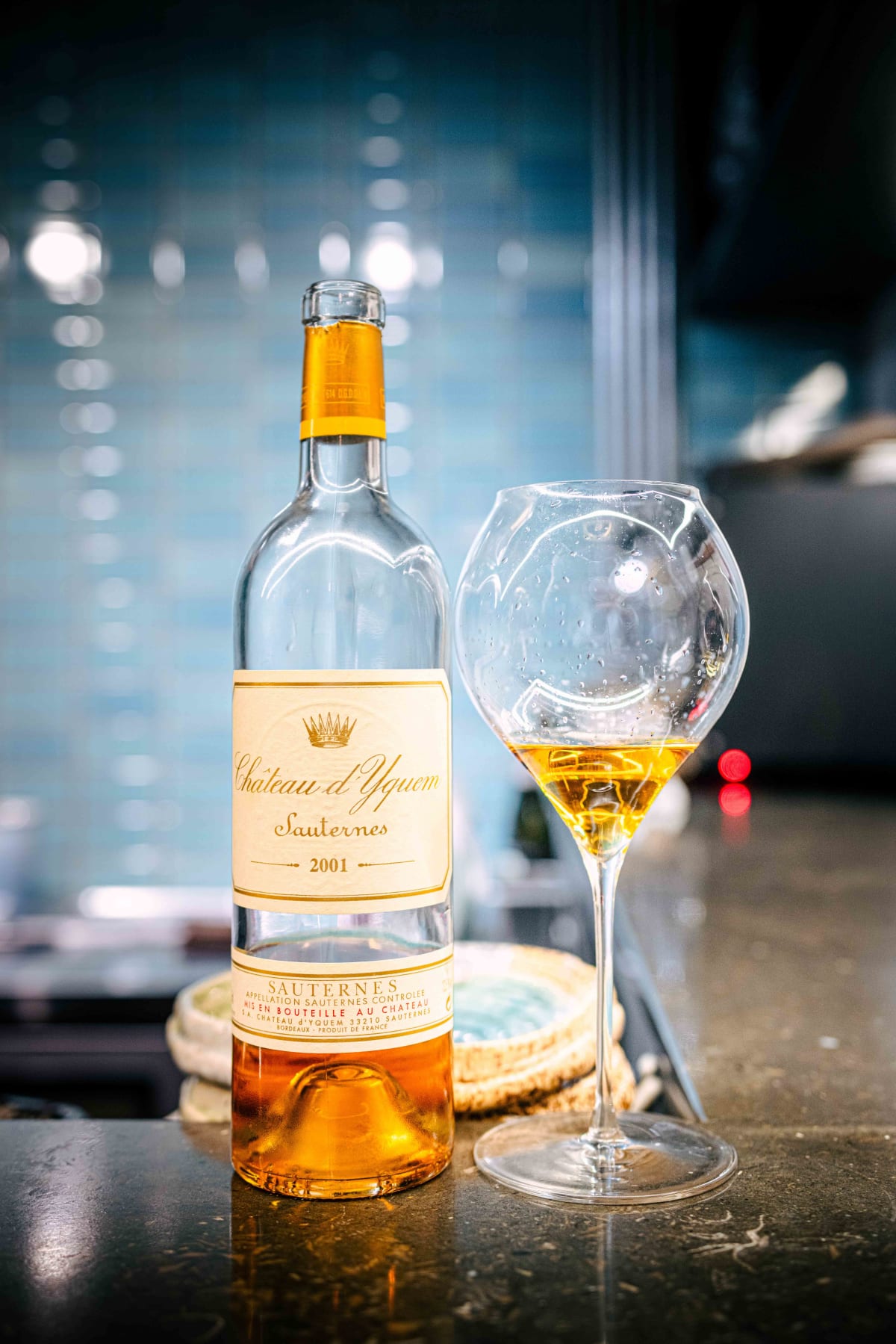
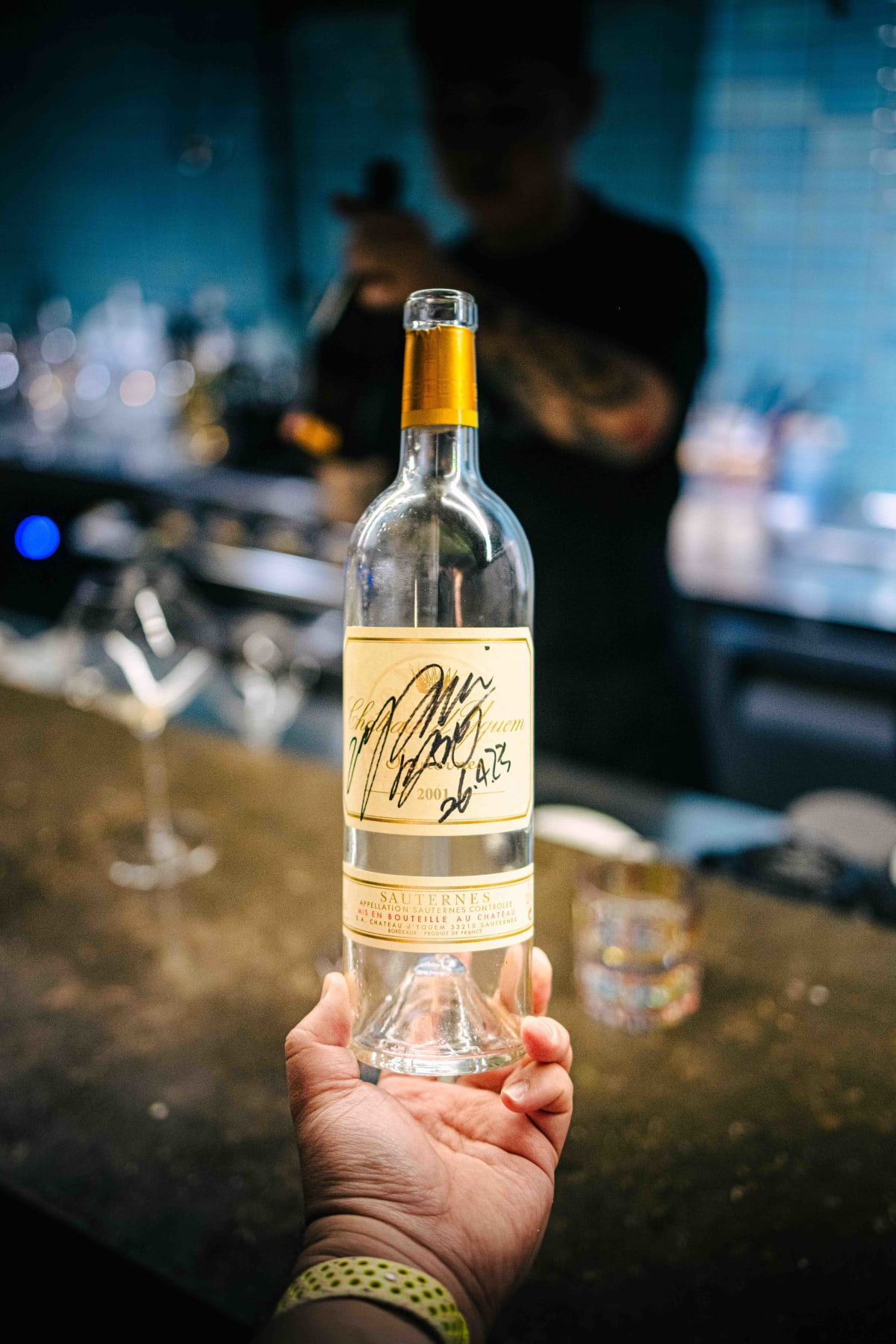
For the last dessert wine came a Château d'Yquem 2001. Compared with the 1990 I had drunk three weeks earlier at Cream in Goyang, the peachy fruit stood out more and it was thicker and more direct in the mouth. This one felt sweeter too.
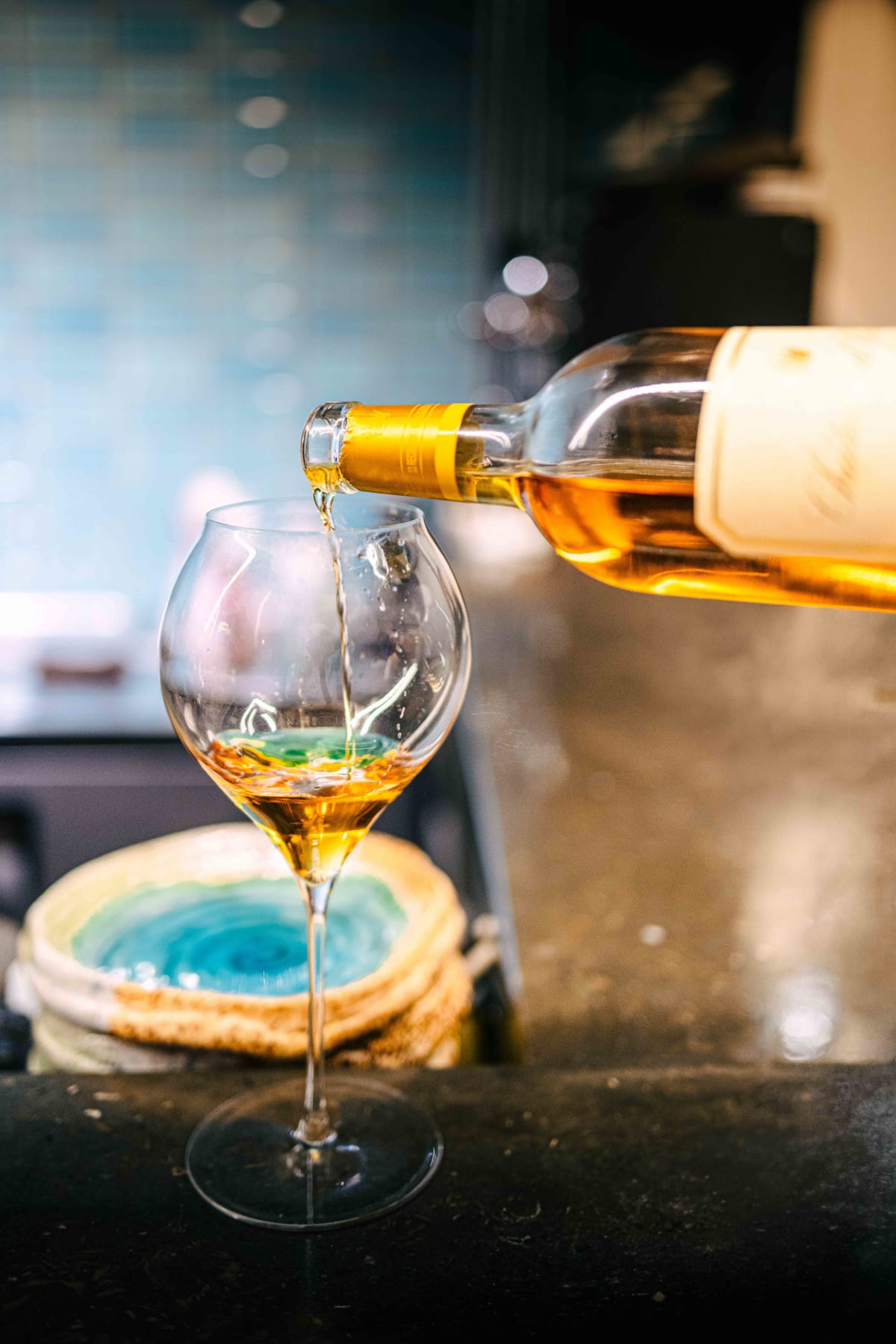
The 1990 was clearly better in the complexity of its aroma and in the bewitching qualities that set it apart, and it was interesting that Yquem too shows such distinct differences in character from vintage to vintage. At the end I asked chef Kwon Seong-jun to sign this Yquem bottle, which he kindly did, and it made a good keepsake.
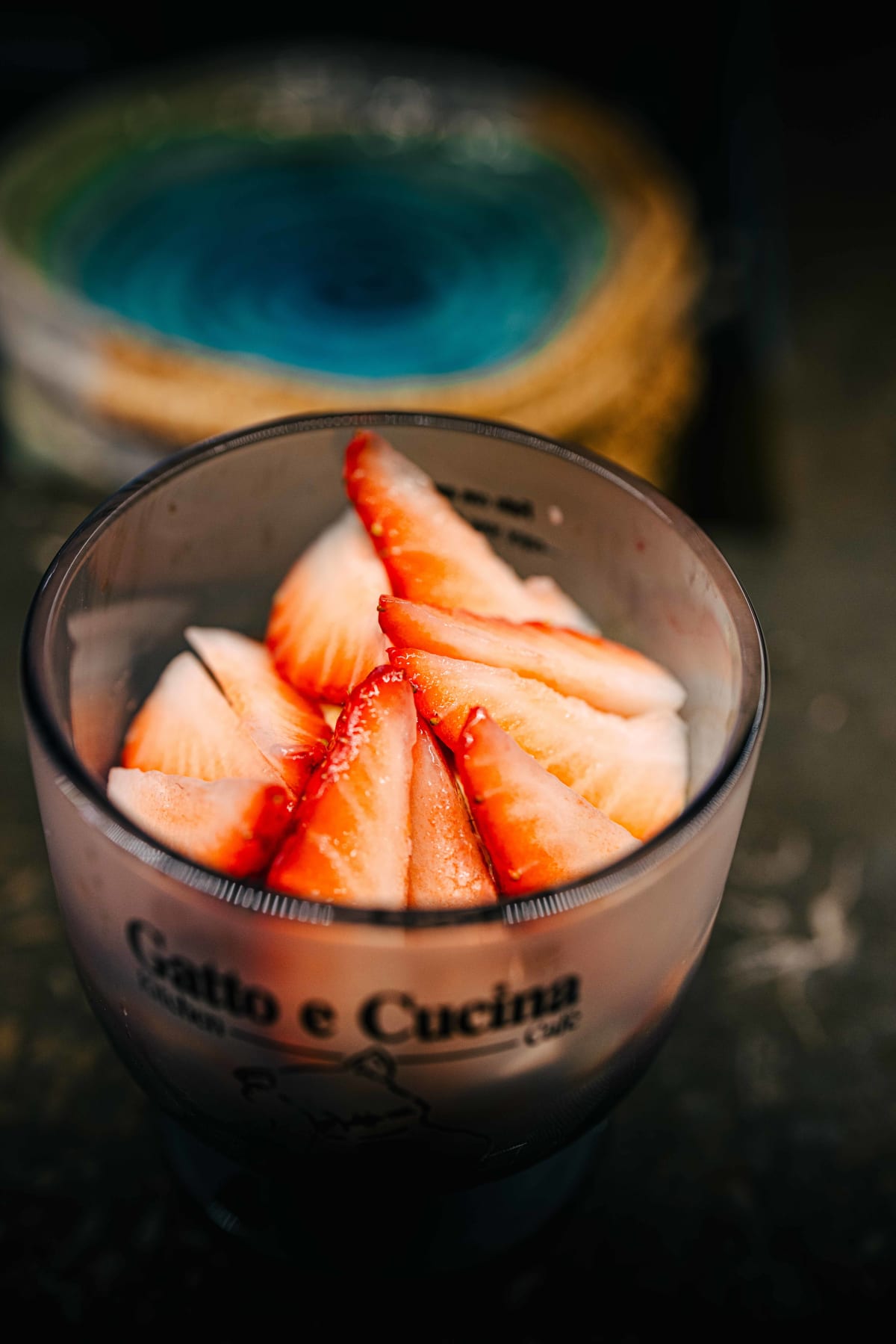
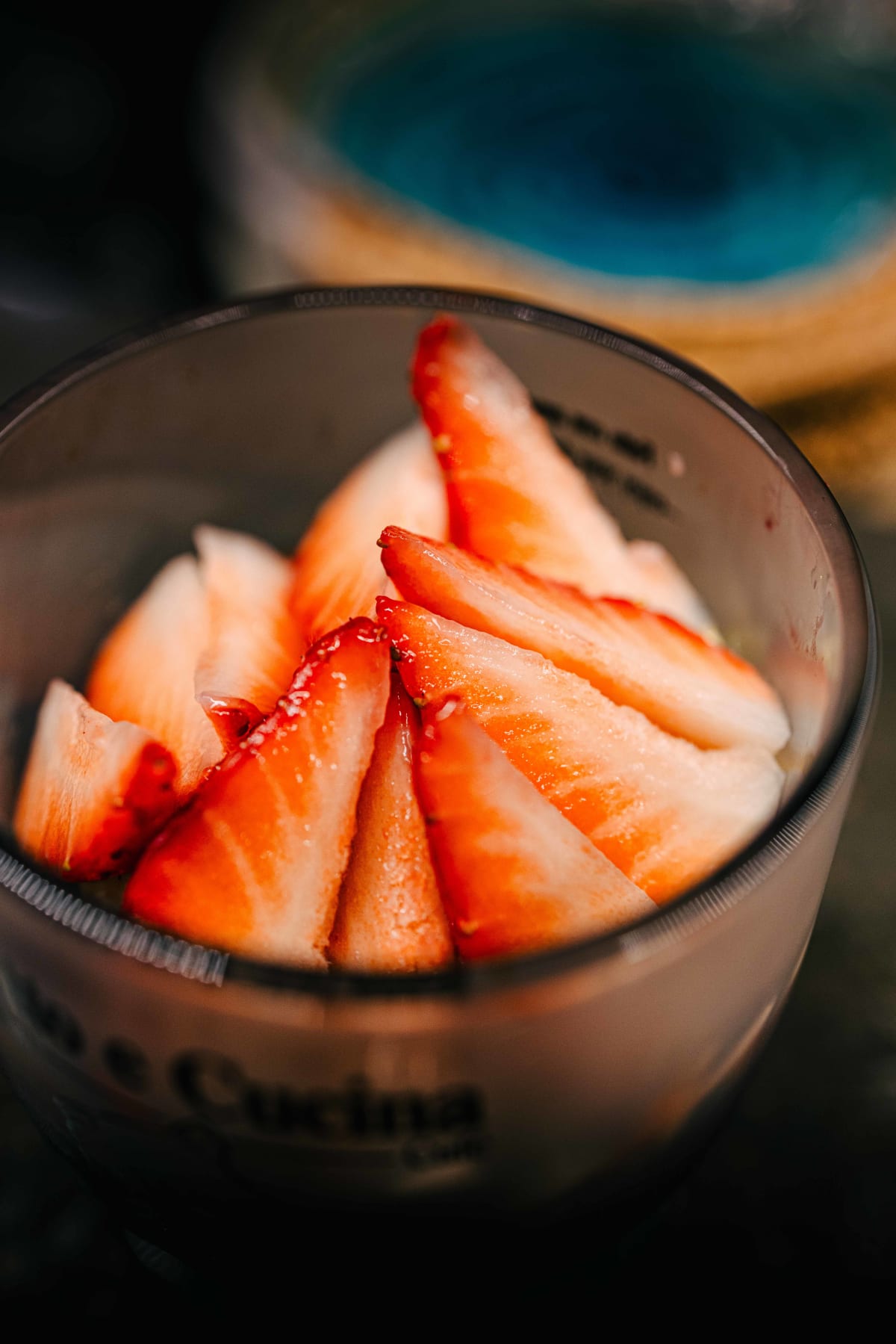
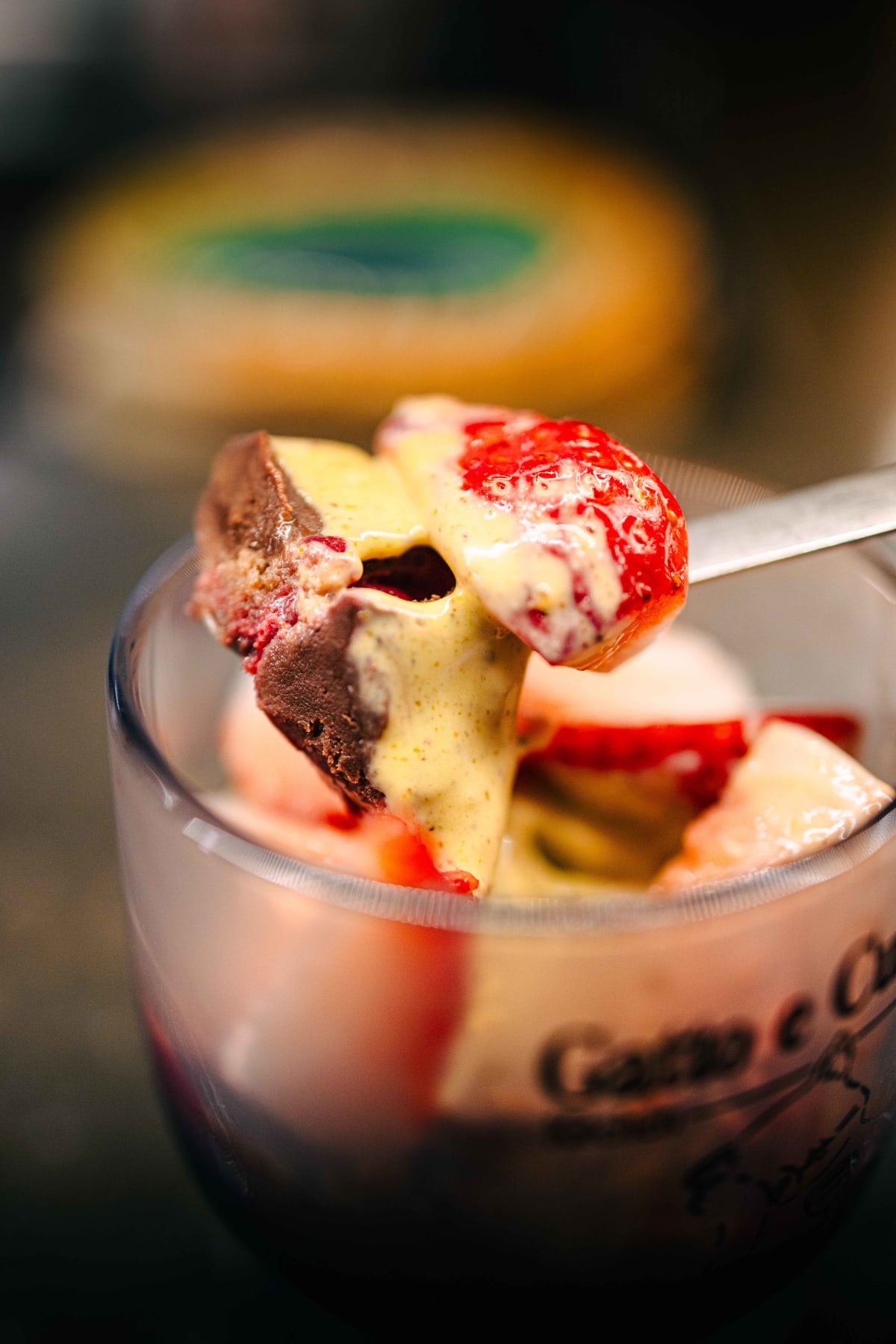
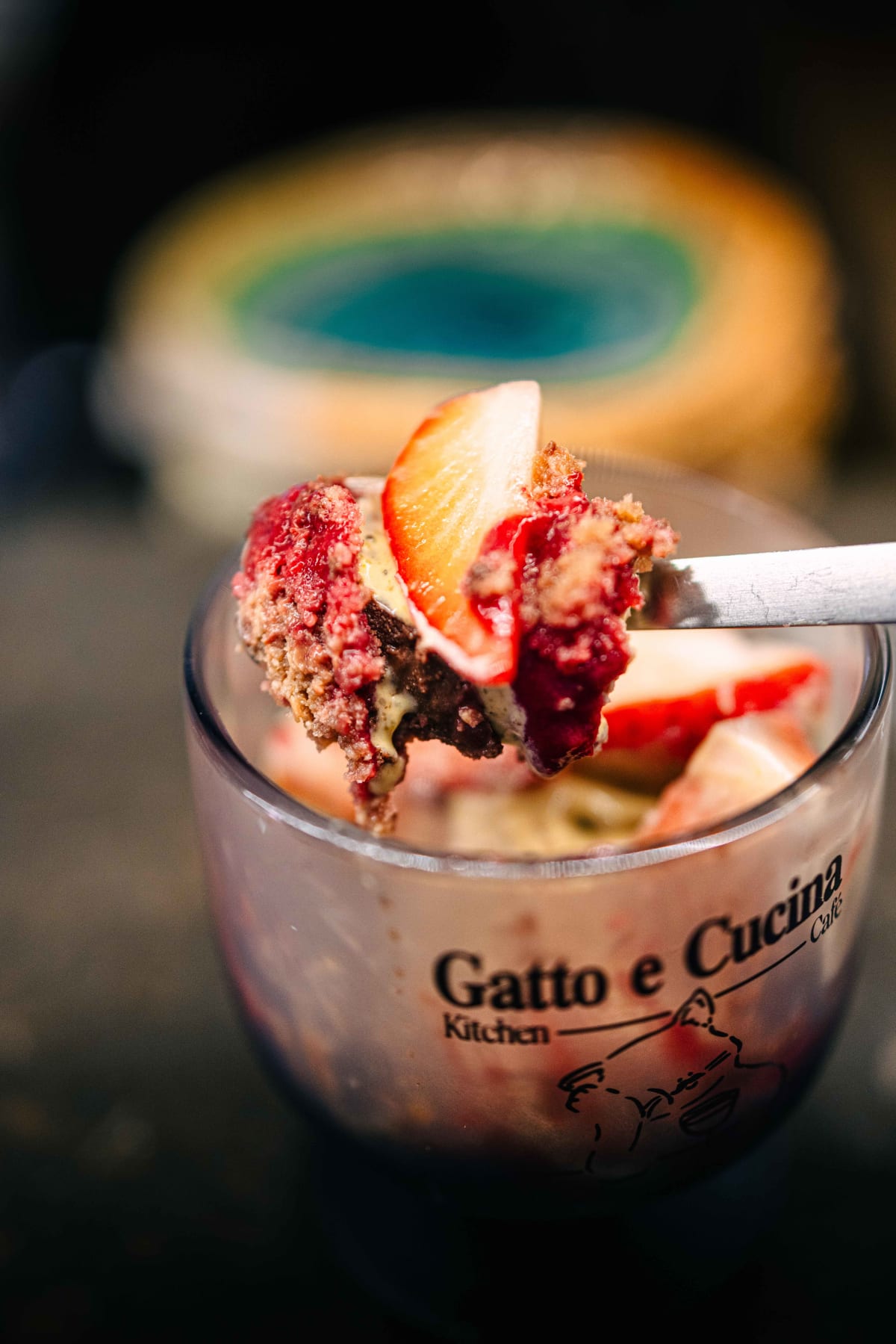
For the final dessert I had half expected the signature chestnut tiramisu, but a different one came out. It was a dessert of Valrhona chocolate, pistachio gelato and strawberry over a raspberry purée.
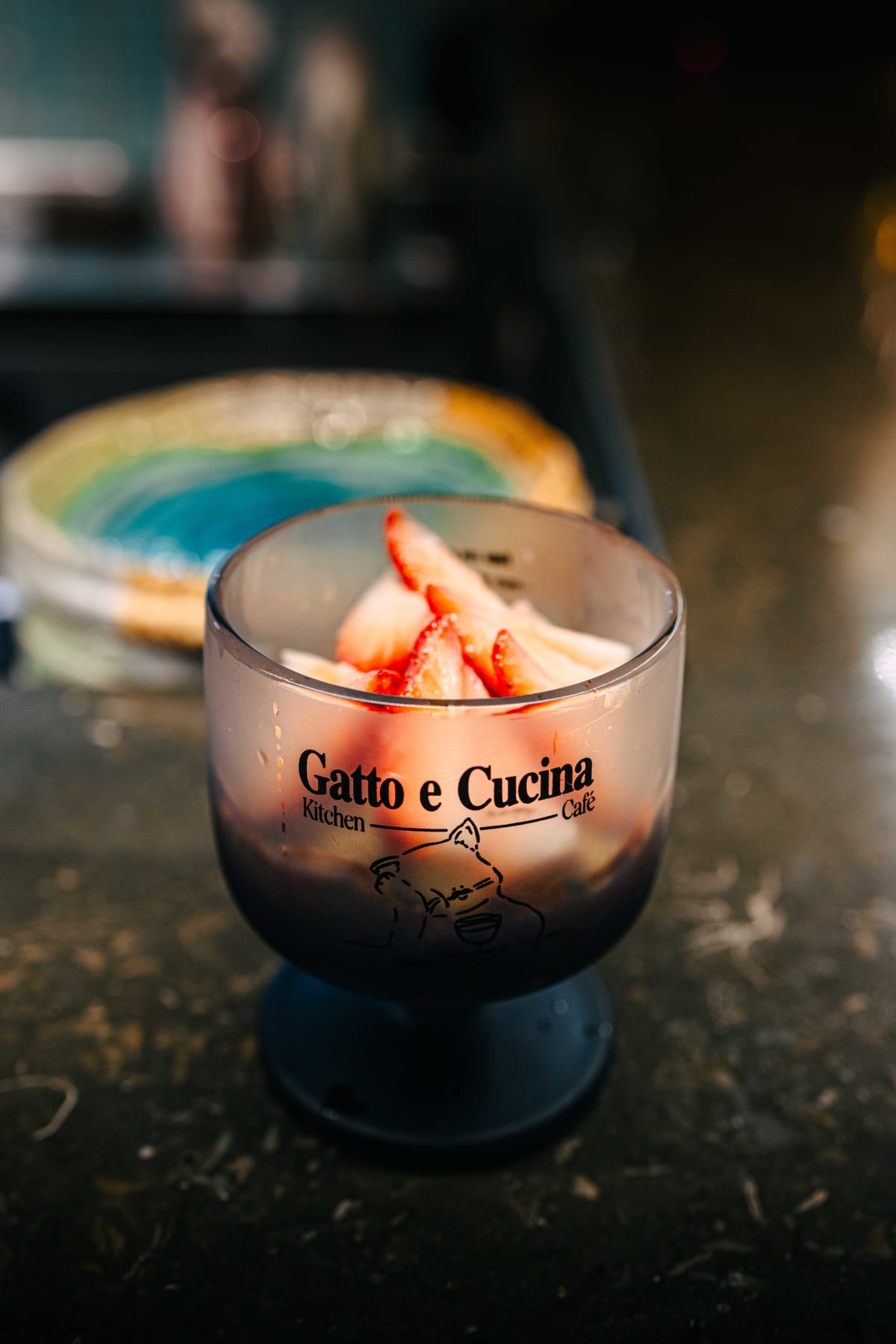
The complexity was good, from the acidity of the fruit through the nuttiness to the sweetness. Frankly, though, I think strawberry goes better with strawberry, or with other fruits of similar acidity, than with chocolate or weighty sweet elements. Separate from how polished the dessert itself was, this may simply be a matter of personal taste.
Section 9·Before the Move
Via Toledo seems to be growing steadily more polished and more closely aligned with fine dining, and the food on this visit was excellent throughout, which left me satisfied. You could feel how conscious the chef is of that aim in every dish and across the course as a whole. He operated at the existing address in Namyeong-dong until June and has since moved to new premises in Sindang-dong, where he looks set to go properly into authentic Italian fine dining.
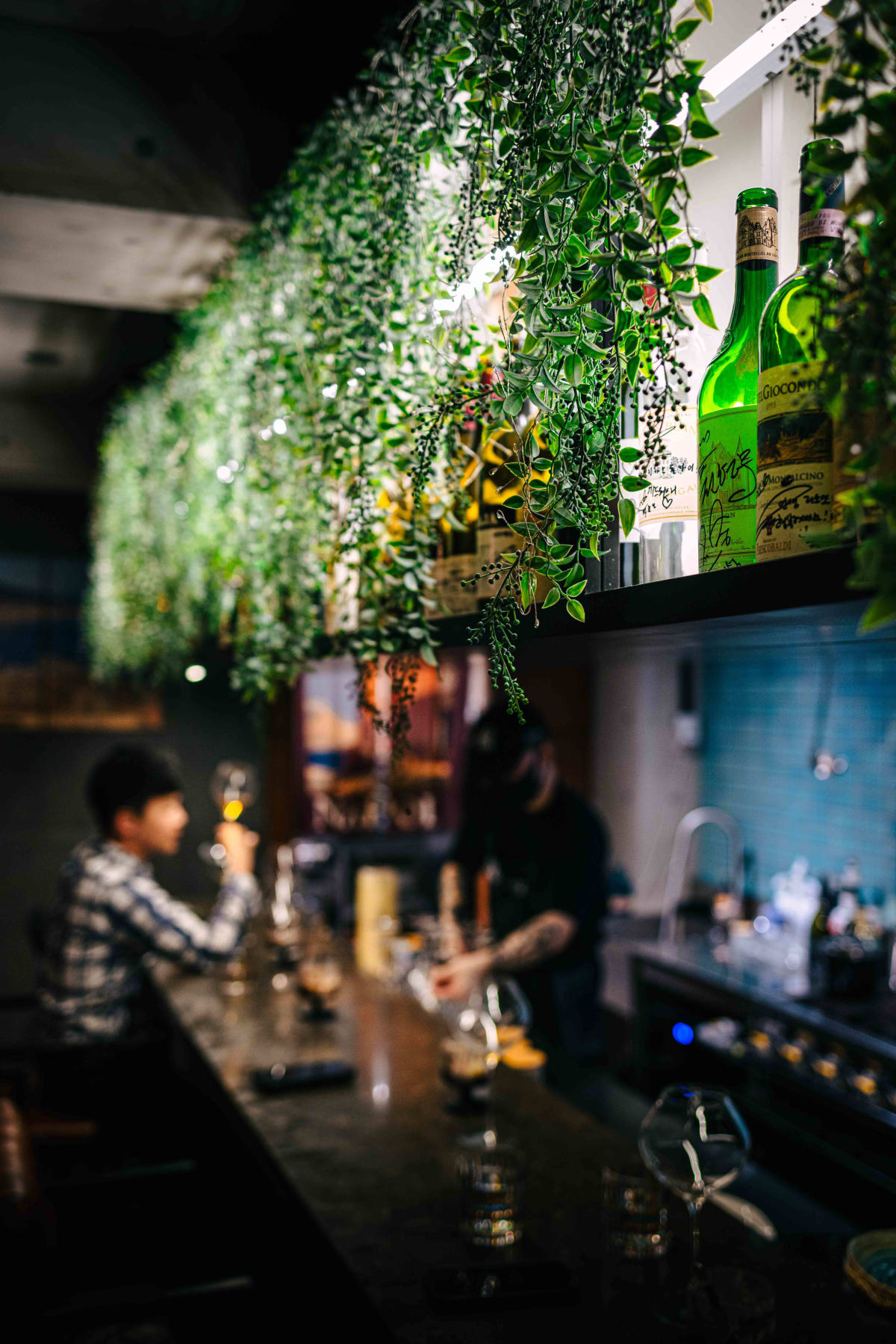
It looks likely to become, in effect, Korea's first full-scale, authentic Italian fine dining restaurant, which makes it something to look forward to.
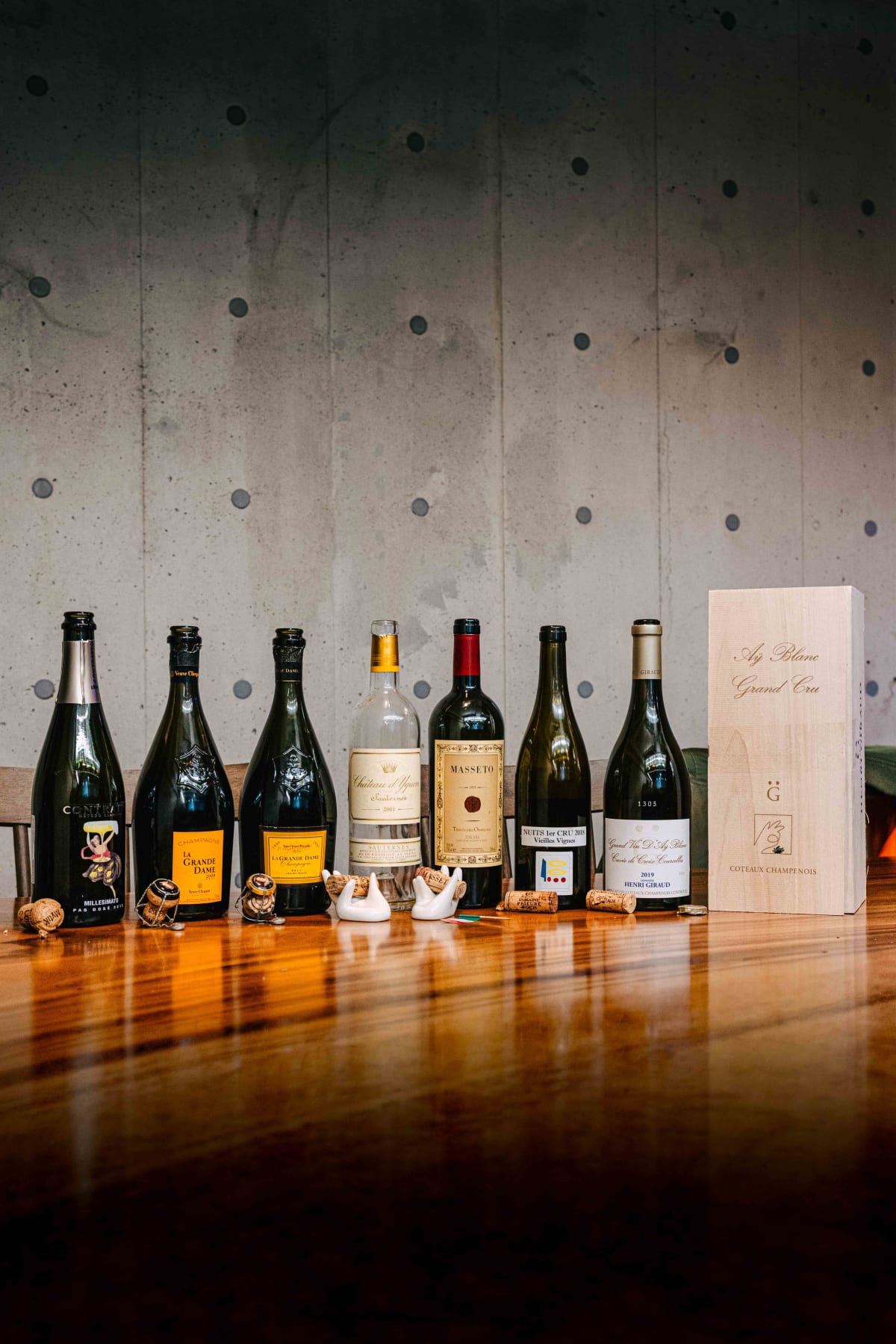
This was a meal where the wine was truly superb, and I should say that this was thanks to the friends who brought these good bottles along, @dining_kr and @pptmotortour.
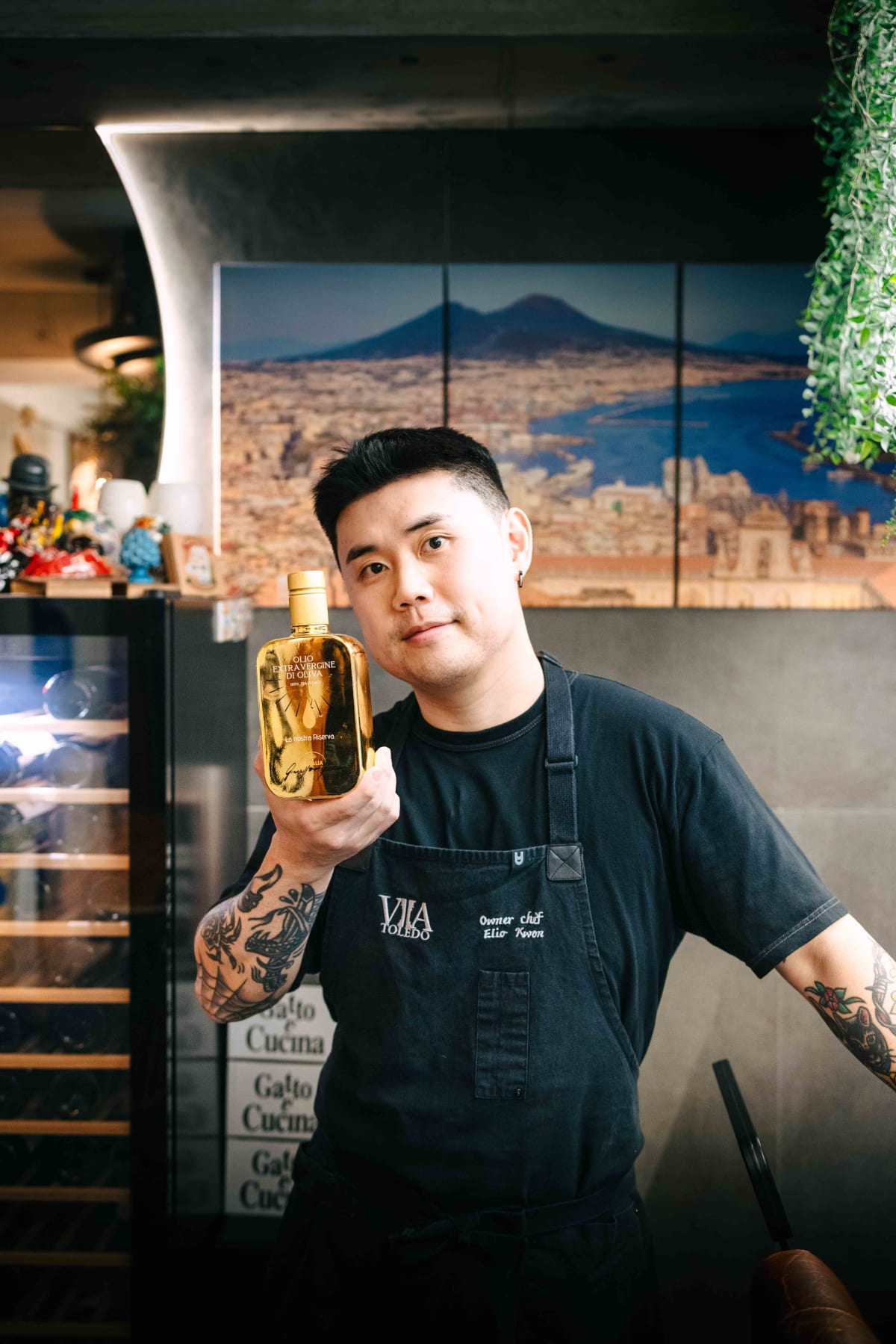
Thank you.
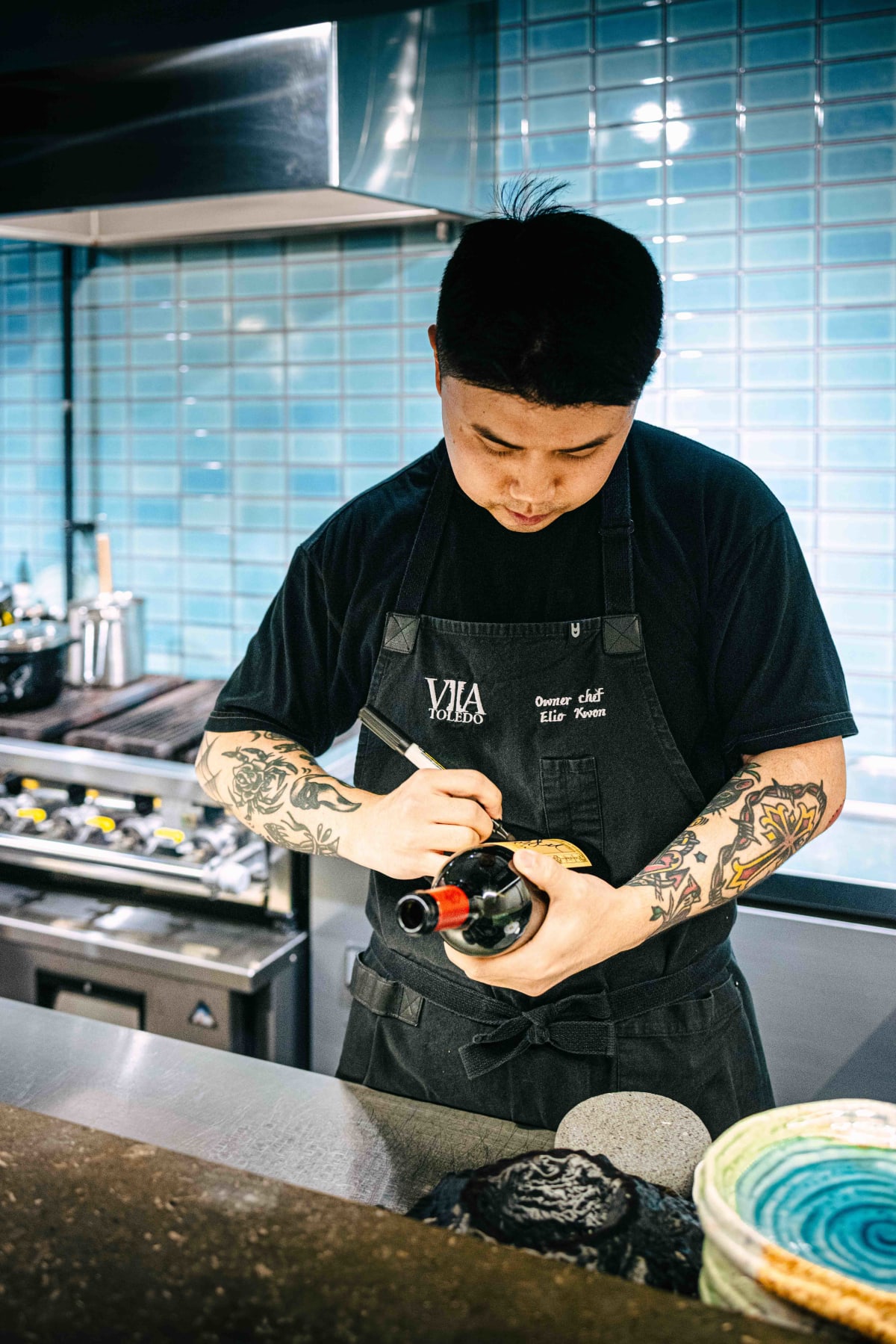
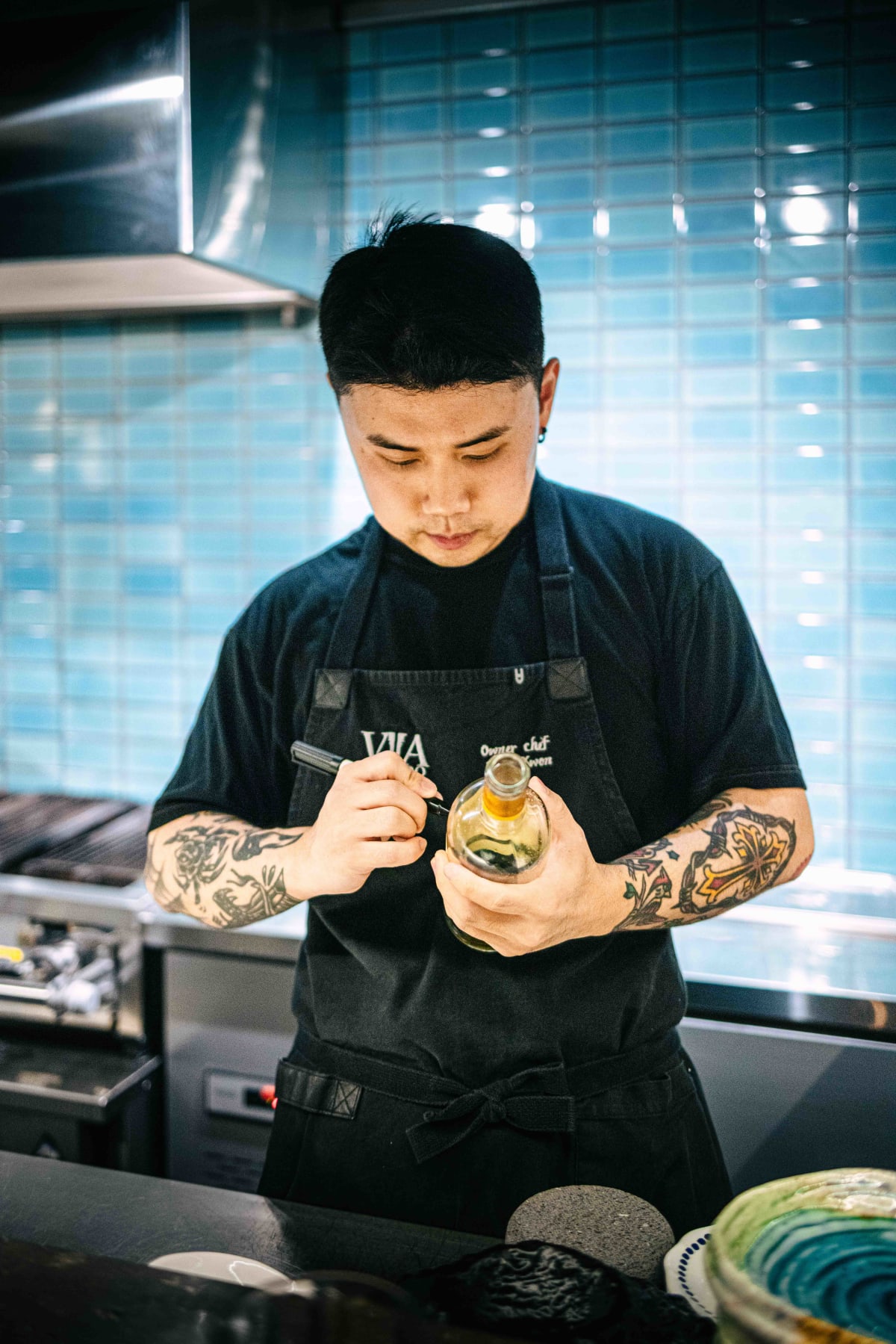
The bottle went home with the signature on it.
The corkage policy is the quiet architecture here. Meet the minimum spend and the rest can be carried in, which puts the cellar decision in the guest's hands rather than the restaurant's. Few kitchens at this level hand that over, and fewer still pour it properly afterwards. The chef opened, decanted and poured every bottle himself, at the right point in the course. It is also the rare room where the cooking and the bottles sit inside one argument rather than being ordered apart. Bring bottles that belong to the food and the evening builds itself. Bring the wrong ones and no policy saves you.
Have a question about this restaurant, or want to share your own experience?
Send a message